⚡ FLASH SALE: Get 60% OFF All Premium 3D & STL Models! ⚡

The gleam of a perfectly rendered automobile can instantly elevate a 3D scene from good to breathtaking. For 3D artists, game developers, and visualization professionals, mastering the art of realistic car paint materials is not just a skill—it’s a necessity. Automotive rendering demands meticulous attention to detail, especially when it comes to capturing the complex interplay of light on a vehicle’s sleek, multi-layered surface. In the world of 3D modeling, car paint isn’t a simple solid color; it’s a sophisticated material that boasts depth, subtle reflections, and often a mesmerizing metallic or pearlescent sheen. This comprehensive guide will take you through the intricate process of creating stunningly realistic car paint materials in Blender, leveraging its powerful node-based shader system. We’ll delve into the physics of real-world car finishes, explore advanced shader network configurations, and uncover techniques to infuse your 3D car models with unparalleled realism. Whether you’re working on a high-fidelity cinematic render, optimizing 3D car models for a real-time game engine, or preparing them for AR/VR experiences, understanding these principles will be invaluable. Let’s unlock the secrets to automotive shine and make your digital vehicles truly stand out.
Before we dive into Blender’s nodes, it’s crucial to grasp the fundamental physics behind real-world car paint. Automotive paint is far more than a single layer of pigment. It’s a complex system designed for durability, protection, and aesthetic appeal, typically composed of multiple distinct layers, each contributing to its final appearance. Understanding these layers is the bedrock of crafting realistic 3D car paint materials.
Light interacts differently with each of these layers, creating the characteristic depth and gloss we associate with high-quality car finishes. The journey of a light ray impacting a car’s surface is a fascinating one, involving processes like reflection, refraction, and absorption. When light strikes the outermost clear coat, some of it is immediately reflected, contributing to the specular highlights and environment reflections. The remaining light penetrates this clear layer, interacts with the base coat (and its metallic flakes), and then gets reflected back through the clear coat to our eyes. This layered interaction is what gives car paint its signature look and feel, and it’s precisely what we need to replicate in our 3D shaders.
At its core, automotive paint consists of several key layers:
Each of these components plays a vital role. The color pigments in the base coat dictate the hue, while the metallic flakes introduce micro-specular reflections and a “flop” effect, where the perceived color or brightness changes as the viewing angle shifts. The clear coat acts like a transparent shell, adding a distinct layer of reflection and magnifying the underlying base coat’s properties. Without accurately simulating these individual components, a 3D car paint material will always fall short of true realism.
Physically Based Rendering (PBR) is the industry standard for creating realistic materials in 3D, and it’s absolutely essential for car paint. PBR shaders are designed to simulate how light behaves in the real world, providing predictable and consistent results under various lighting conditions. In Blender, the Principled BSDF shader node (available in both Cycles and Eevee) is our primary tool for PBR material creation.
For car paint, the key PBR parameters we’ll focus on are:
By accurately setting these PBR parameters and layering them correctly, we can mimic the complex light interactions of real car paint, achieving a visually convincing result that responds naturally to any lighting environment.
Blender’s Shader Editor is where the magic happens. We’ll construct our car paint material using a node-based approach, providing us with immense flexibility and control. The Principled BSDF shader is the cornerstone of this setup, as it inherently supports the layered characteristics required for convincing car paint.
To begin, ensure you have a 3D car model loaded into Blender. If you’re looking for high-quality, pre-modeled vehicles, platforms like 88cars3d.com offer a wide selection of detailed 3D car models that are excellent for rendering and visualization projects. Once your model is ready, select the desired car body part, navigate to the Shading workspace, and create a new material.
The default new material will already contain a Principled BSDF node connected to a Material Output node. This is our starting point. For most car paints, especially metallic ones, we need to treat the base coat as a metallic surface and the clear coat as a dielectric layer on top. This is one of the key strengths of the Principled BSDF, as it handles this physically accurate layering internally.
At this stage, you’ll already see a basic metallic sheen, but it lacks the characteristic glossy clear coat. This is where the specialized ‘Clearcoat’ parameters come into play.
The clear coat is arguably the most important element for distinguishing realistic car paint from a generic metallic shader. It’s a separate, glossy layer that sits on top of the colored base coat, providing a protective and highly reflective finish. The Principled BSDF node has dedicated parameters for this:
By manipulating these two parameters, you instantly get the distinctive layered look of car paint. The high metallic value combined with a very low clear coat roughness creates a powerful, reflective surface that accurately simulates the depth and sheen of real automotive finishes. Remember to enable screen space reflections in your render settings (Eevee) or ensure sufficient samples (Cycles) to fully appreciate these subtle reflections.
While the basic Principled BSDF setup provides a solid foundation, real car paint often features intricate details like metallic flakes or a pearlescent shift in color. These micro-details are what truly bring a 3D car model to life and differentiate it from a flat, synthetic-looking material.
Metallic flakes are microscopic particles embedded within the base coat, responsible for the sparkling effect that changes with the angle of light. Recreating this in Blender requires a clever use of procedural textures and shader mixing.
Here’s a common workflow for adding metallic flakes:
The key here is subtlety. The flakes should be barely perceptible as individual entities but contribute to the overall sparkle and depth of the paint.
Pearlescent or iridescent paints exhibit a captivating color shift when viewed from different angles. This effect can be achieved by blending different hues based on the viewing direction, typically using a Fresnel or Layer Weight node.
Experiment with different colors and Color Ramp positions to achieve various pearlescent effects. This technique adds significant visual interest and realism, making the car paint appear dynamic and complex as light plays across its surface.
Even the most meticulously maintained vehicles accumulate subtle imperfections over time. These seemingly minor details are critical for breaking up the artificial perfection of a 3D render and adding a layer of authenticity to your 3D car models. A perfectly smooth, flawless surface can sometimes look sterile; adding microscopic dust, faint scratches, or the subtle texture of orange peel makes the material feel real and lived-in.
Orange peel is a common texture found in automotive paint finishes, resembling the surface of an orange peel. It’s usually very subtle but visible under certain lighting conditions, especially around reflections. This effect comes from the way paint is sprayed and cures, creating a slight, uneven texture.
To simulate orange peel in Blender:
The goal is to create a barely visible ripple that distorts reflections just enough to catch the light authentically. This detail, while small, significantly enhances realism, especially in close-up renders.
Dust and micro-scratches add a layer of environmental wear and tear, indicating the car’s existence in a physical space. These are often best achieved using external texture maps combined with procedural techniques.
For Dust:
For Micro-Scratches:
These subtle imperfections contribute significantly to the believability of your car paint, telling a story about the object and its environment.
No matter how meticulously crafted your car paint material is, without appropriate lighting, it will never truly shine. Lighting is the conductor that orchestrates the material’s performance, revealing its intricate details, reflections, and color shifts. For automotive rendering, the goal is often to highlight the car’s form, emphasize its luxurious finish, and create a mood that evokes excitement or elegance.
Blender offers powerful lighting tools through its Cycles and Eevee renderers. Cycles, being a physically accurate path tracer, excels at realistic light interaction, making it ideal for high-fidelity automotive renders. Eevee, a real-time renderer, provides quick feedback and impressive visuals for animation and interactive experiences.
High Dynamic Range Images (HDRIs) are indispensable for realistic automotive lighting. They capture real-world lighting information, including illumination, reflections, and shadows, and project it onto your 3D scene. Using an HDRI eliminates the need for complex manual light setups, providing a natural and cohesive lighting environment that seamlessly integrates your car model.
Here’s how to set up an HDRI in Blender:
Choosing the right HDRI is crucial. For showroom-quality renders, studio HDRIs with softbox lighting setups work wonders. For outdoor scenes, an HDRI of a clear sky, overcast conditions, or a sunset will provide accurate natural light and reflections. The reflections in the car paint will directly mirror the environment of your chosen HDRI, instantly enhancing realism.
While HDRIs provide excellent ambient and reflective light, supplementing them with controlled studio lights (like Area Lights) allows for precise highlighting of the car’s contours and intricate details. This is especially useful for creating dramatic and professional-looking product shots.
A classic studio lighting setup involves a three-point lighting system, though you can adapt it as needed:
Beyond these, consider adding additional smaller Area Lights strategically to bring out specific details, like chrome accents or subtle curves on the car’s body. The size and shape of your Area Lights directly influence the sharpness and shape of reflections on your car paint. Larger lights create softer, broader reflections, while smaller lights yield sharper, more defined highlights. Experiment with different light positions and intensities to find what best complements your car model and showcases its material properties.
Creating stunningly realistic car paint in Blender is only half the battle. If your goal is to use these 3D car models in real-time applications like game engines (Unity, Unreal Engine) or interactive AR/VR experiences, optimization and proper export are crucial. High-polygon models with complex shader networks can quickly cripple performance, making it essential to strike a balance between visual fidelity and operational efficiency.
Achieving real-time performance often means making smart concessions without sacrificing too much visual quality. Here are some key strategies:
The choice of file format is critical for ensuring compatibility and preserving your carefully crafted materials across different 3D applications and engines.
Always perform thorough testing of your exported models and materials in the target environment. Visual fidelity can vary slightly between renderers and engines, so adjustments may be necessary to ensure your realistic car paint looks its best on every platform.
Crafting realistic car paint materials in Blender is a deeply rewarding process that bridges the gap between technical understanding and artistic vision. We’ve journeyed from dissecting the physical layers of automotive paint to constructing intricate shader networks using Blender’s powerful Principled BSDF node. We’ve explored how to simulate the captivating sparkle of metallic flakes, the subtle color shifts of pearlescent finishes, and the crucial imperfections like orange peel and micro-scratches that breathe life into your 3D car models.
Remember that the key to truly convincing car paint lies in the cumulative effect of these details, combined with intelligent lighting. HDRIs provide an excellent foundation for realistic environments, while strategic Area Lights allow you to sculpt reflections and highlight the vehicle’s form with precision. For those venturing into real-time applications, optimization through sensible polygon counts, LODs, and texture atlasing is paramount. And when it comes to sharing your creations, choosing the right file format like FBX or GLB ensures your realistic materials translate seamlessly across diverse platforms.
The journey to mastering realistic car paint is one of continuous learning and experimentation. Don’t be afraid to tweak values, try different texture combinations, and observe how real cars reflect light in various conditions. Practice is key, and with each iteration, your ability to reproduce the mesmerizing beauty of automotive finishes will grow. For those seeking a head start or inspiration, remember that high-quality, pre-made 3D car models from platforms like 88cars3d.com often come with expertly crafted materials, providing a fantastic learning resource and a solid foundation for your projects. Dive in, experiment, and let your 3D vehicles gleam with unparalleled realism!
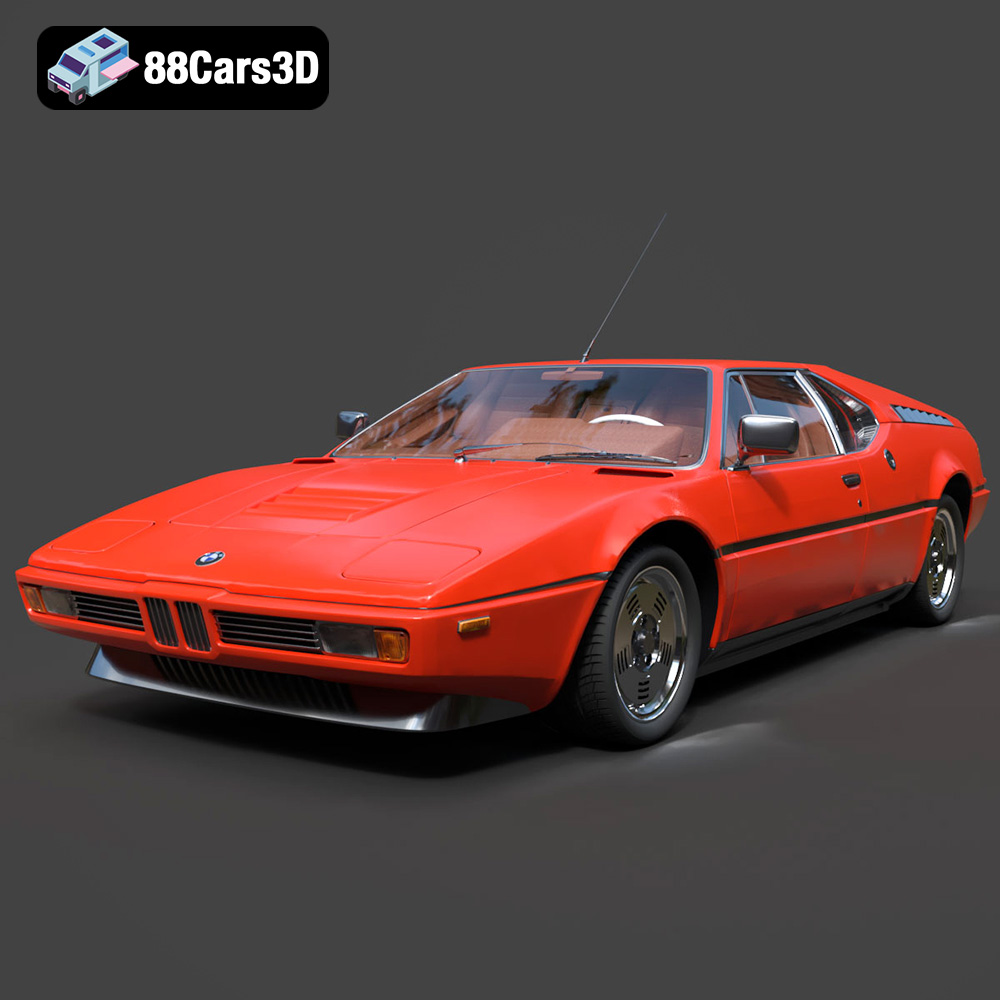
Texture: Yes
Material: Yes
Download the BMW Motorsport M1 E26 1981 3D Model featuring its iconic design, race-bred aerodynamics, and meticulously crafted details. Includes .blend, .fbx, .obj, .glb, .stl, .ply, .unreal, and .max formats for rendering, simulation, and game development.
Price: $20.79

Meta Description:
Texture: Yes
Material: Yes
Download the Cadillac CTS-V Coupe 3D Model featuring detailed exterior styling and realistic interior structure. Includes .blend, .fbx, .obj, .glb, .stl, .ply, .unreal, and .max formats for rendering, simulation, AR VR, and game development.
Price: $13.9
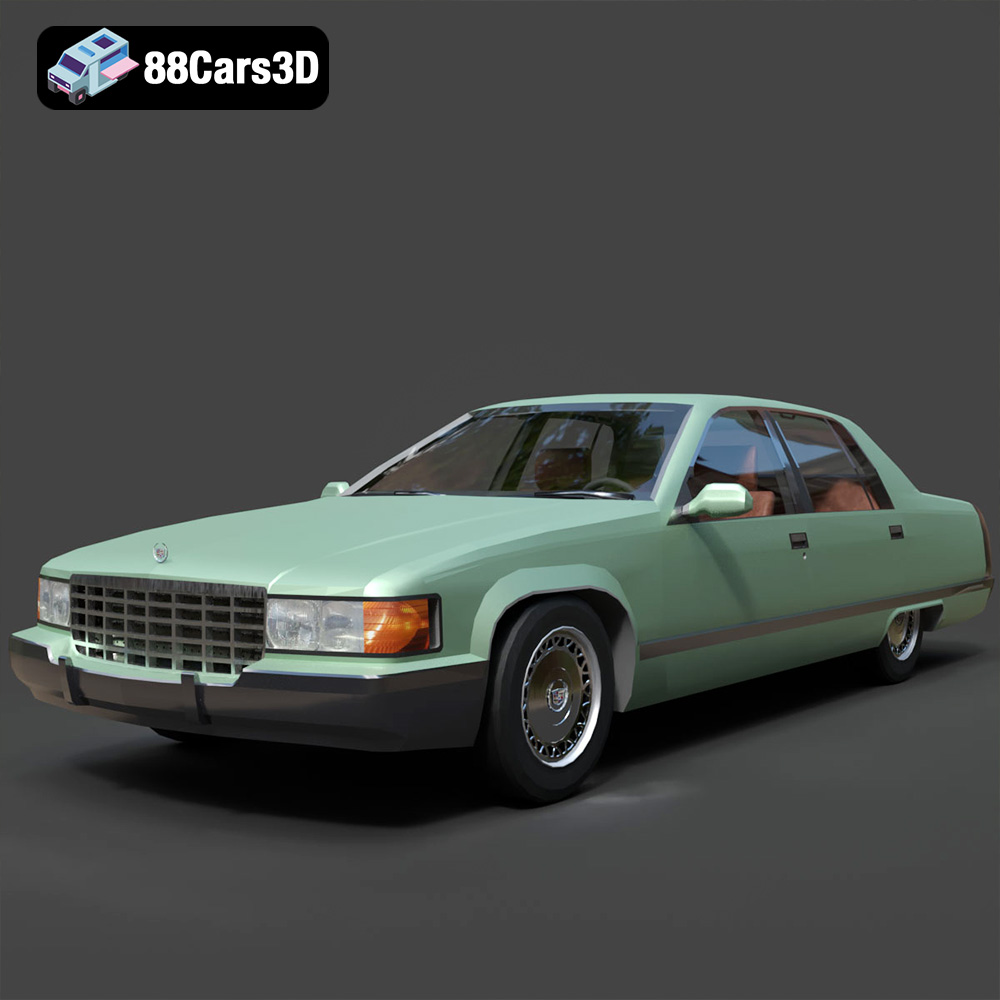
Texture: Yes
Material: Yes
Download the Cadillac Fleetwood Brougham 3D Model featuring its iconic classic luxury design and detailed exterior and interior. Includes .blend, .fbx, .obj, .glb, .stl, .ply, .unreal, and .max formats for rendering, simulation, and game development.
Price: $10.79
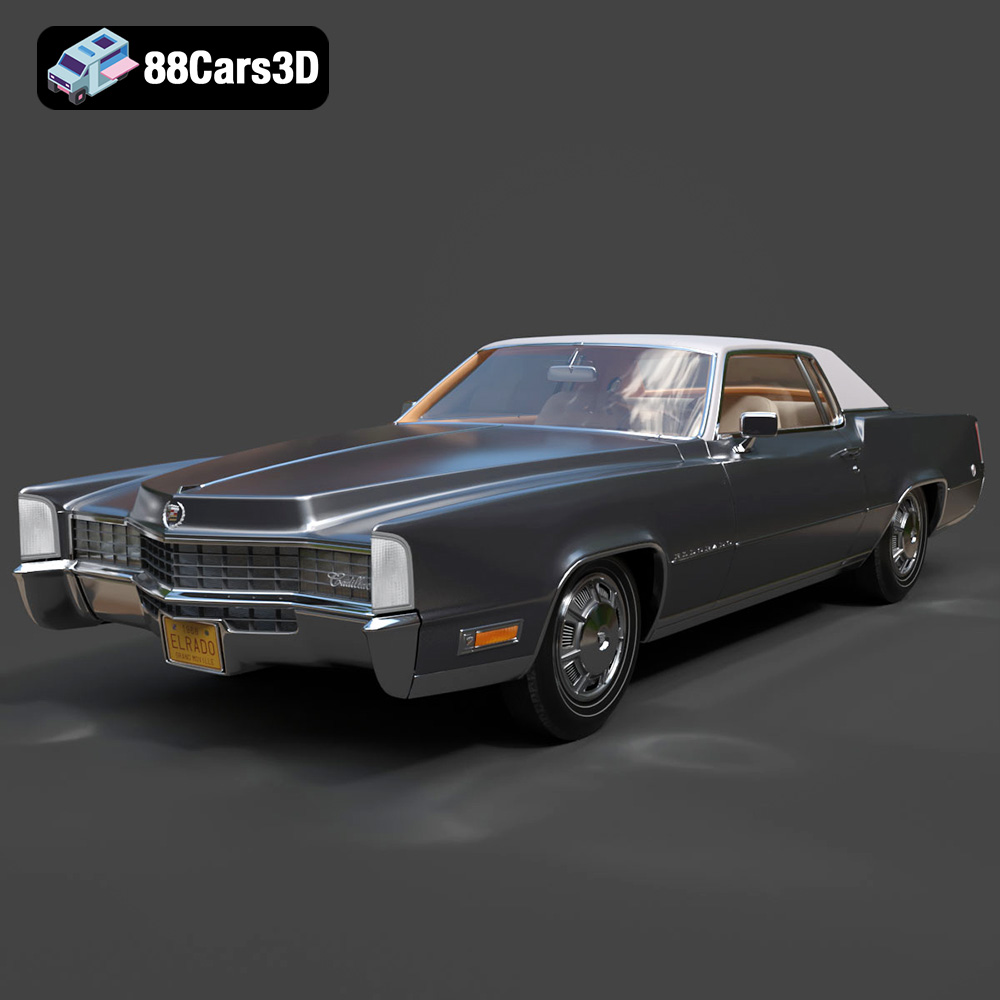
Texture: Yes
Material: Yes
Download the Cadillac Eldorado 1968 3D Model featuring its iconic elongated body, distinctive chrome accents, and luxurious interior. Includes .blend, .fbx, .obj, .glb, .stl, .ply, .unreal, and .max formats for rendering, simulation, and game development.
Price: $20.79

Texture: Yes
Material: Yes
Download the Cadillac CTS SW 2010 3D Model featuring a detailed exterior, functional interior elements, and realistic materials. Includes .blend, .fbx, .obj, .glb, .stl, .ply, .unreal, and .max formats for rendering, simulation, and game development.
Price: $10.79
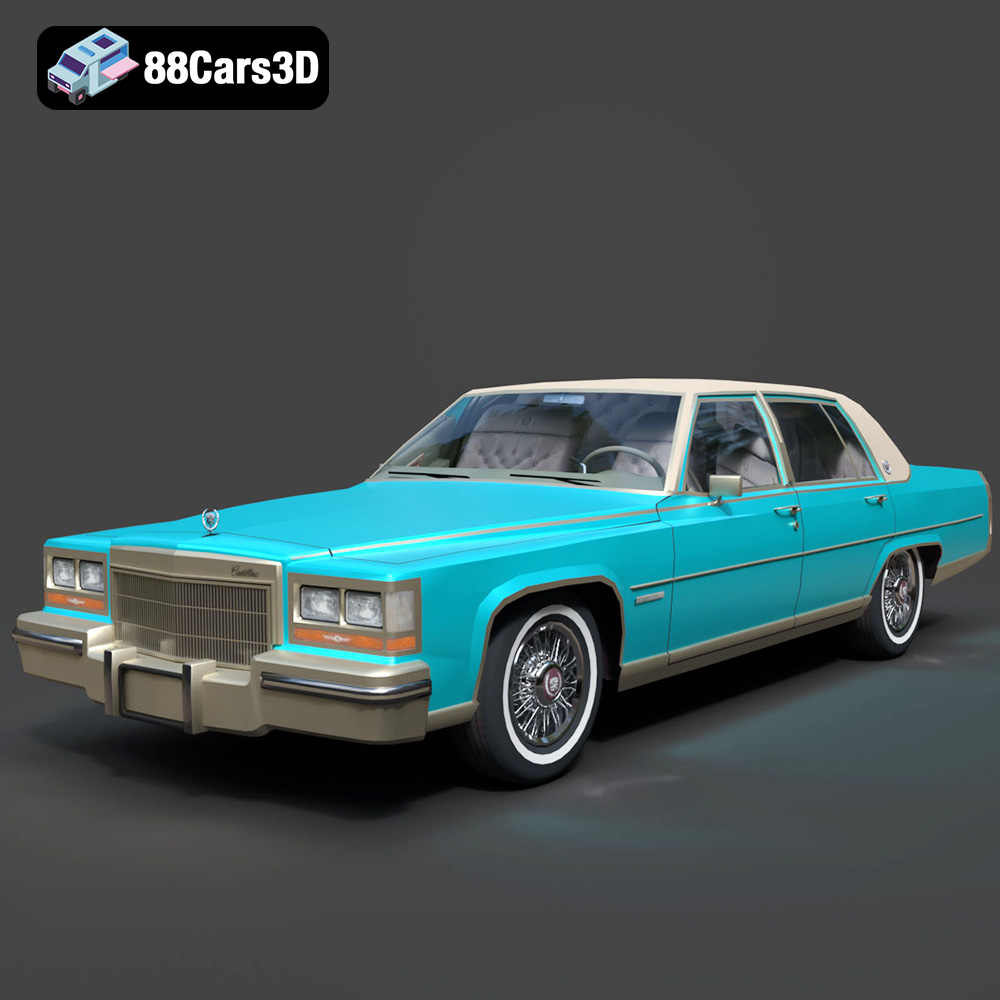
Texture: Yes
Material: Yes
Download the Cadillac Fleetwood Brougham 1985 3D Model featuring its iconic classic luxury design and detailed craftsmanship. Includes .blend, .fbx, .obj, .glb, .stl, .ply, .unreal, and .max formats for rendering, simulation, and game development.
Price: $10.79
Texture: Yes
Material: Yes
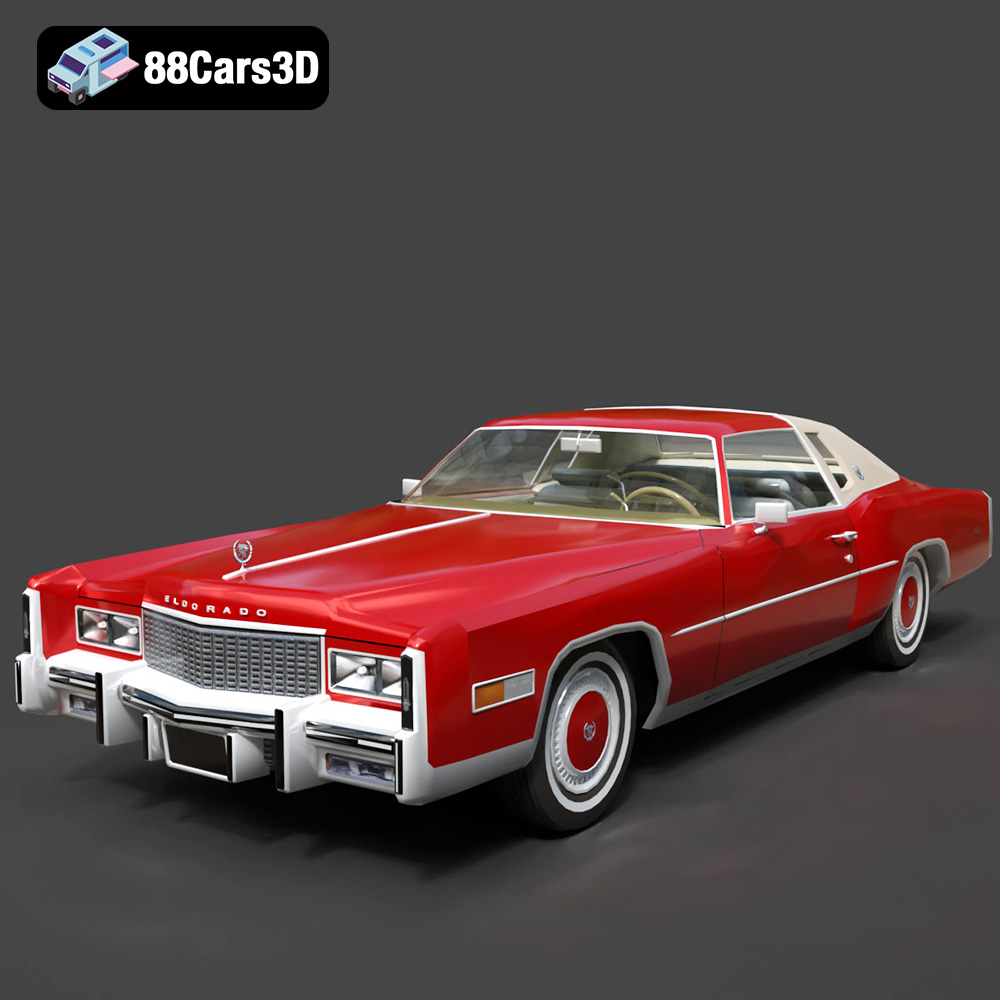
Download the Cadillac Eldorado 1978 3D Model featuring accurately modeled exterior, detailed interior, and period-correct aesthetics. Includes .blend, .fbx, .obj, .glb, .stl, .ply, .unreal, and .max formats for rendering, simulation, and game development.
Price: $10.79
Texture: Yes
Material: Yes
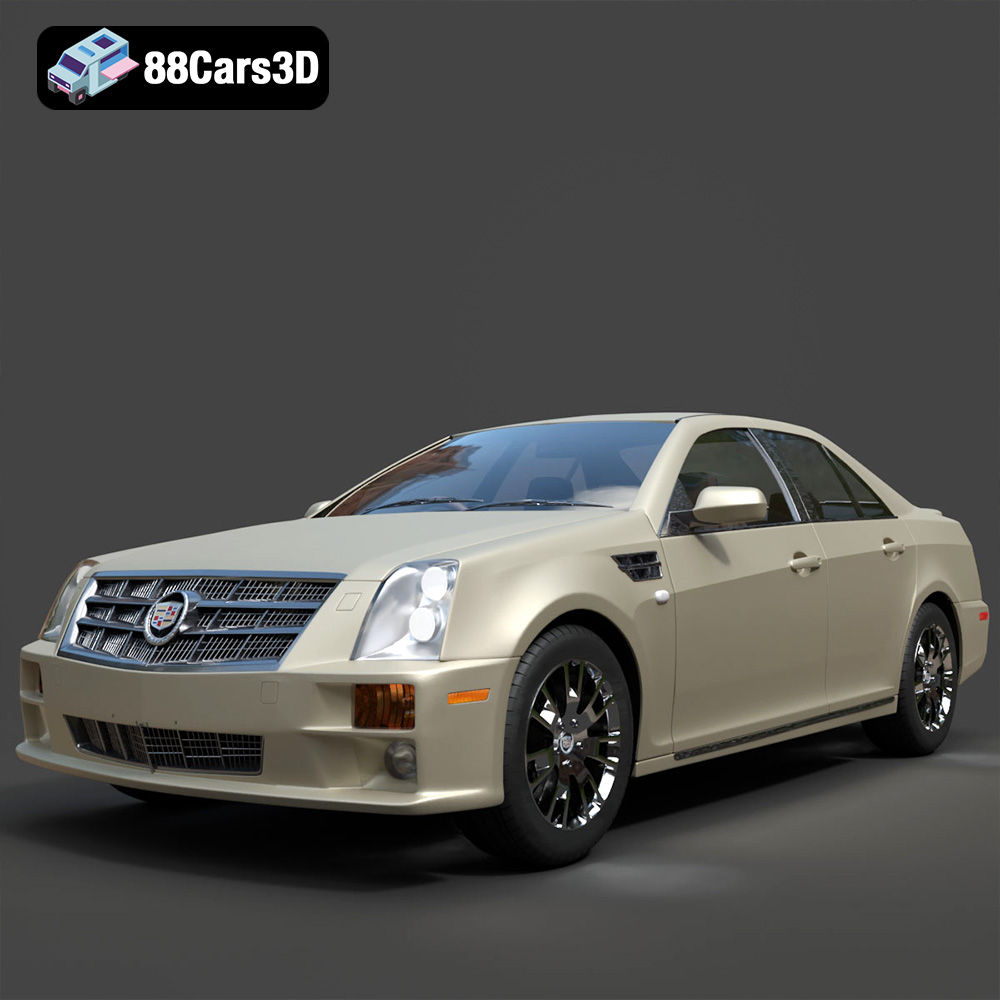
Download the Cadillac STS-005 3D Model featuring a detailed exterior and interior. Includes .blend, .fbx, .obj, .glb, .stl, .ply, .unreal, and .max formats for rendering, simulation, and game development.
Price: $22.79
Texture: Yes
Material: Yes
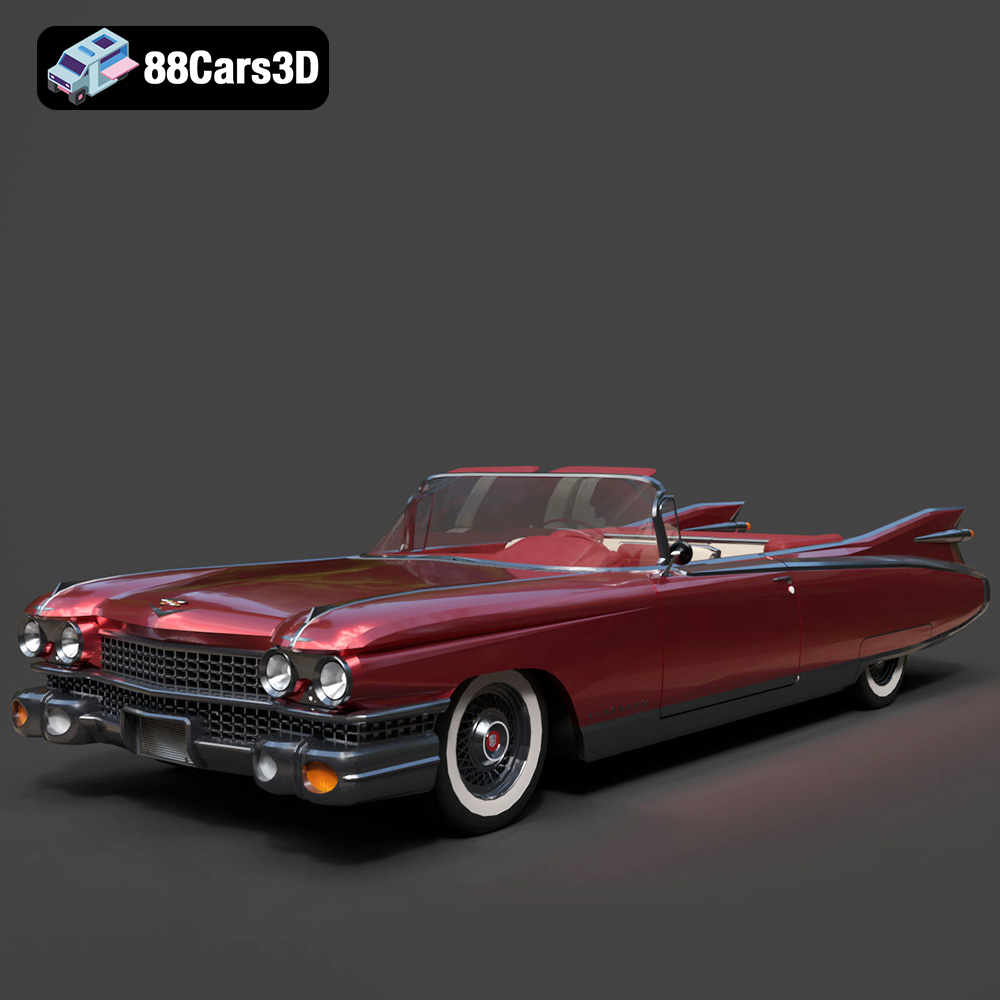
Download the Cadillac Eldorado Convertible (1959) 3D Model featuring iconic fins, luxurious chrome details, and a classic vintage design. Includes .blend, .fbx, .obj, .glb, .stl, .ply, .unreal, and .max formats for rendering, simulation, and game development.
Price: $20.79

Texture: Yes
Material: Yes
Download the Cadillac DTS-005 3D Model featuring its iconic luxury design, detailed interior, and realistic exterior. Includes .blend, .fbx, .obj, .glb, .stl, .ply, .unreal, and .max formats for rendering, simulation, and game development.
Price: $10.79

