⚡ FLASH SALE: Get 60% OFF All Premium 3D & STL Models! ⚡

In the expansive universe of 3D modeling, few techniques offer such a profound impact on visual fidelity for such a minimal performance cost as normal mapping. For automotive enthusiasts, 3D artists, and game developers working with car models, mastering normal maps isn’t just an advantage; it’s an absolute necessity. Imagine recreating the intricate panel lines, subtle surface imperfections, and sculpted contours of a high-performance vehicle without skyrocketing polygon counts. Normal maps make this not only possible but efficient, transforming a relatively simple low-polygon mesh into a hyper-realistic surface that catches light and shadow with breathtaking accuracy.
This comprehensive guide delves deep into the world of normal maps, specifically tailored for 3D car models. We’ll explore their fundamental principles, walk through the intricate workflows of their creation and application, and uncover advanced techniques used by industry professionals. Whether you’re aiming for photorealistic renders, optimized game assets, or cutting-edge AR/VR experiences, understanding normal maps is your key to unlocking unparalleled detail and realism. Prepare to elevate your automotive 3D projects by harnessing the power of these indispensable texture maps, ensuring your vehicles stand out with exquisite fidelity without compromising on performance.
At its core, a normal map is a special type of texture map that stores directional information about a surface’s “normal” vectors. Instead of relying on actual geometric detail, it tricks the rendering engine into believing that a flat surface has complex bumps, grooves, and intricate details. This illusion is achieved by encoding the XYZ coordinates of surface normals into the RGB channels of an image. Typically, the red channel represents the X-axis (left/right deviation), the green channel represents the Y-axis (up/down deviation), and the blue channel represents the Z-axis (depth, which is predominantly “up” or facing away from the surface).
Unlike traditional bump maps, which are grayscale images that only convey height information (pushing pixels either “up” or “down” along the existing normal), normal maps provide full directional control. This means they can describe complex angles and curvatures, making them infinitely more versatile for depicting intricate details like sharp panel gaps, subtle bodywork creases, or engraved logos on a car’s surface. This directional data is usually interpreted in “tangent space,” meaning the normals are relative to the surface of the model itself. This allows for dynamic lighting and rotation of the model without breaking the illusion, making tangent space normal maps ideal for animated objects and game assets. Object space normal maps, on the other hand, define normals relative to the model’s absolute world space, which can be useful for static objects but breaks down when the object is rotated.
The magic of a normal map lies in its ability to manipulate how light interacts with a surface. Every point on a 3D model has a ‘normal’ vector – an imaginary line perpendicular to that surface point, indicating its outward direction. When light hits a surface, the render engine uses these normals to calculate how light reflects. A normal map overrides the low-polygon mesh’s original normals, providing new, more detailed directional information at the pixel level. This sophisticated trick allows a simple, flat polygon to appear as if it has intricate bevels or depressions, all without adding a single vertex to the geometry. The characteristic purplish-blue hue of most normal maps is a visual representation of these encoded XYZ vectors, with the dominant blue channel indicating that most surface normals are pointing outwards along the Z-axis.
Understanding the difference between tangent space and object space normal maps is crucial. Tangent space normal maps are the most common type for animated or deformable objects, as they store normal information relative to the local coordinate system of each face. This makes them robust against model deformation. In contrast, object space normal maps store normal information relative to the object’s origin in world space. While they can sometimes offer higher quality for perfectly static objects, they are unsuitable if the object will be rotated or deformed, as the baked normal directions will no longer align correctly with the object’s orientation.
For car models, the benefits of normal maps are particularly pronounced. Automotive design thrives on sleek curves, sharp lines, and intricate mechanical details – elements that would demand an exorbitant polygon count to represent geometrically. Normal maps offer an elegant solution to this challenge, enabling artists to convey hyper-realistic details with remarkable efficiency. Imagine the fine engravings on a headlight, the subtle chamfers on a wheel spoke, or the precise shut lines of a door panel. Replicating these with pure geometry would render a model unmanageably heavy for real-time applications and unnecessarily complex for rendering.
By using normal maps, artists can create a low-polygon “game-ready” or “render-efficient” version of a car model, then bake all the high-frequency details from a sculpt or a highly subdivided mesh onto a normal map. This significantly reduces polygon count, which is critical for smooth performance in interactive experiences like video games, AR/VR environments, and real-time visualization tools. For high-fidelity rendering, normal maps contribute to a level of realism that can often be indistinguishable from actual geometric detail, especially when combined with sophisticated PBR (Physically Based Rendering) materials. This efficiency and visual quality are why sourcing meticulously crafted 3D car models, like those found on platforms such as 88cars3d.com, is so valuable – they often come pre-optimized with expertly baked normal maps, ready for immediate use.
The process of creating high-quality normal maps for automotive surfaces is a cornerstone of professional 3D asset development. The most prevalent and effective method involves baking details from a high-polygon model onto a low-polygon counterpart. This workflow ensures that intricate geometric information, no matter how complex, is accurately translated into directional data that the normal map can store. While there are other methods, such as generating normal maps from height maps, baking from a high-poly mesh offers superior fidelity and precision, especially for the nuanced surfaces of a car.
The success of this process hinges on careful preparation of both the high-poly and low-poly meshes. The high-poly model, often sculpted or subdivided to extreme detail, contains all the visual information you want to capture: sharp edges, panel gaps, vents, bolts, and any other surface intricacies. The low-poly model, on the other hand, needs to have clean topology, proper UV mapping (which we’ll delve into in the next section), and a sufficient polygon count to represent the overall silhouette accurately. The baking tool then projects the surface normals of the high-poly model onto the UV space of the low-poly model, creating the normal map texture. Factors like cage settings (defining the projection volume), anti-aliasing (smoothing jagged edges in the baked map), and proper texture resolution (e.g., 2K, 4K, 8K) are critical for achieving a crisp, artifact-free normal map that truly enhances the realism of your automotive model.
This is the gold standard for creating normal maps that capture authentic geometric detail. The process begins with modeling all desired high-frequency details (e.g., sharp panel lines, intricate grilles, fine surface textures, bolt heads) directly into a high-polygon mesh. This mesh can have millions of polygons, as its sole purpose is to serve as a detail source. Simultaneously, a low-polygon version of the car model is created, optimized for performance and featuring clean, efficient topology. This low-poly mesh must also have a well-organized UV layout, which acts as the canvas for the baked normal map.
The baking itself typically involves specialized software like Substance Painter, Marmoset Toolbag, XNormal, or even directly within DCC applications like Blender and 3ds Max. For instance, in Blender, the baking process is found under the Render Properties tab (for Cycles) or Bake dropdown in the UV Editor (for specific map types). When using Blender 4.4, you can find detailed instructions and options for baking various maps, including normal maps, by referring to the official documentation here: Blender 4.4 Manual – Bake. Key settings include setting an “extrusion” or “cage” distance to ensure all high-poly details are captured without clipping, anti-aliasing for smoother transitions, and selecting the correct normal map type (e.g., tangent space, OpenGL/DirectX). Incorrect cage settings or insufficient anti-aliasing can lead to “missing” details or jagged artifacts on the final normal map.
While baking from a high-poly model yields the most accurate results, there are scenarios where generating normal maps from height maps, bump maps, or even existing grayscale textures is practical. This method is often employed when you don’t have a high-poly source, need to quickly add generic surface texture, or want to augment an existing normal map with finer details. Software like Adobe Photoshop (using filters or plugins), Substance Designer (for procedural generation), or dedicated tools like Knald and Handplane Baker can convert grayscale images into normal maps.
For example, you might create a grayscale texture representing a fine brushed metal effect, a tire tread pattern, or a carbon fiber weave. These tools then analyze the light and dark values, interpreting them as height information, and generate a corresponding normal map. Lighter areas typically translate to “raised” surfaces, and darker areas to “depressions.” However, it’s important to understand the limitations: normal maps generated this way lack the precise directional accuracy that comes from a true high-poly bake. They are excellent for subtle surface perturbations and textural details but less suitable for defining sharp, geometric forms like deep panel gaps or complex vents on a car body. Always consider the source material and desired fidelity when choosing this approach over high-poly baking.
The effectiveness of a normal map is directly proportional to the quality of its underlying UV map. UV mapping is the process of flattening the 3D surface of your car model into a 2D space, much like unfolding a cardboard box. This 2D representation, known as a UV island or UV shell, is where your normal map (and other textures) will be painted or applied. For complex objects like car models, meticulous UV unwrapping is not just a technical step but an art form that significantly impacts both visual fidelity and performance. Poor UV mapping can lead to stretched, distorted, or misaligned normal map details, completely breaking the illusion of added geometric complexity.
A successful UV layout for a car model prioritizes several key factors: minimizing distortion, hiding seams, maximizing texel density consistency, and efficiently utilizing UV space. Distorted UVs cause normal map details to appear warped when projected back onto the 3D model. Seams, which are the edges where UV islands are cut, can often reveal themselves as visible lines or shading errors if not carefully placed in inconspicuous areas (e.g., along natural panel gaps, underneath the car, or within crevices). Texel density refers to the amount of texture resolution per unit of surface area. Maintaining a consistent texel density across crucial parts of the car (body, wheels, windows) ensures that details appear uniform and sharp, preventing some areas from looking blurry while others are crisp. For sophisticated models, especially those intended for close-up renders or next-gen games, strategic UV mapping is paramount.
Achieving clean and efficient UV layouts for car models demands careful planning and execution. The goal is to create UV islands that minimize stretching and overlapping. Stretching occurs when a 3D surface area is mapped to a disproportionately smaller or larger area on the 2D UV map, distorting the texture. Overlapping UVs mean that two or more distinct 3D surfaces share the same 2D UV space, which prevents unique normal map details from being applied to each. For a car body, this typically means carefully cutting seams along natural creases, edges, or hidden areas. For example, seams for the main body panels might run along the bottom edges, inside wheel wells, or where panels meet and are naturally shadowed.
Consider the complex curves of a car’s fender or the intricate spokes of a wheel. These require precise cuts to unwrap them flat without excessive distortion. Techniques like “relaxing” UVs (to evenly distribute texture space) and checking for stretching using a checkerboard pattern are essential steps. Furthermore, ensuring consistent texel density is vital. If your main car body has a 4K normal map, you want to ensure that smaller, highly visible components like headlights or grilles receive a comparable level of detail without their UV islands being disproportionately small or large on the texture sheet. Efficient packing of UV islands within the 0-1 UV space is also crucial, minimizing wasted texture real estate and allowing for higher overall texture resolution.
Modern car models often feature a diverse array of materials – painted metal, clear glass, rubber tires, various plastics, and chrome. Managing these different material zones efficiently with UVs is where UV set management comes into play. Instead of trying to cram every single component onto a single UV map, artists often utilize multiple UV sets (also known as UV channels or UV maps). Each UV set can be dedicated to a specific material group or component, allowing for tailored texture resolutions and separate normal maps.
For instance, one UV set might be dedicated solely to the main painted body, allowing for a very high-resolution normal map to capture fine clear coat imperfections and panel details. Another UV set could be for the interior, a third for wheels and tires, and a fourth for transparent elements like windows and headlights. This modular approach provides flexibility and allows for greater texture fidelity where it matters most. For extremely high-resolution models, particularly those destined for film, cinematic rendering, or large-scale visualization, the UDIM (UV Dimension) workflow is often employed. UDIMs extend the 0-1 UV space into multiple tiles (e.g., 1001, 1002, 1003), allowing different parts of the car to have their own dedicated high-resolution UV space and corresponding normal maps, without having to use multiple separate UV sets on the mesh itself. This is particularly useful for massive models where a single texture resolution would be insufficient for all components.
Normal maps reach their full potential when seamlessly integrated into Physically Based Rendering (PBR) material workflows. PBR systems are designed to simulate how light interacts with real-world materials in a physically accurate way, leading to incredibly believable renders. For automotive rendering, this means capturing the nuances of car paint, the reflections of chrome, the dullness of rubber, and the clarity of glass with utmost precision. Normal maps play a critical role in enhancing this realism by providing the essential micro-surface detail that influences how light reflects and refracts across the material.
In a PBR setup, the normal map directly influences the surface normals fed into the shading model, overriding the base mesh’s geometric normals. This altered normal direction is then used in conjunction with other PBR maps like Albedo (base color), Roughness (micro-surface imperfections), Metallic (whether a material is metal or dielectric), and Ambient Occlusion. A well-crafted normal map will make a flat metallic surface appear to have intricate brushed patterns, or a car paint finish exhibit a subtle “orange peel” texture, all without changing the underlying geometry. Proper integration requires careful attention to color space, especially ensuring that normal maps are interpreted correctly (typically as non-color data or sRGB depending on the engine/renderer) and that their strength is appropriately adjusted to avoid exaggerated or flattened detail.
PBR shading models fundamentally rely on accurate surface normal information to calculate lighting and reflections. When a normal map is introduced, it becomes the primary source of this normal data at the pixel level. In both the Metallic/Roughness and Specular/Glossiness PBR workflows, the normal map is typically plugged directly into a “Normal Map” node or directly into the ‘Normal’ input of the main shader. This node then processes the RGB data from the texture and converts it into the tangent space normal vectors that the shader requires.
The interaction is crucial: the normal map dictates the micro-facet orientation, which in turn affects how specular highlights are distributed and how light scatters across the surface. A rough surface will scatter light in more directions, creating a broader highlight, while a smooth surface will have a sharper, more focused highlight. The normal map provides the microscopic bumps and valleys that contribute to this roughness. In render engines like 3ds Max (with Corona or V-Ray), Blender (Cycles or Eevee), or Maya (Arnold), there will be specific slots or nodes for connecting your normal map. It’s imperative to set the texture’s color space correctly; normal maps should almost always be set to “Non-Color Data” or “Raw” rather than sRGB, as their RGB channels represent vector data, not color. Applying an sRGB gamma correction would distort the directional information and lead to incorrect shading.
Beyond basic application, several advanced normal map techniques can further enhance realism in automotive rendering. One powerful method is blending normal maps. This allows artists to combine multiple layers of detail onto a single surface. For example, you might have a base normal map for the car’s primary panel lines and curves, and then layer a secondary “decal” normal map on top to add fine text, logos, or surface damage without needing to bake a whole new map. Most PBR material systems offer “Normal Map Mix” or “Blend Normals” nodes that intelligently combine the directional data from multiple sources, typically averaging or adding them together while respecting the overall surface orientation.
Another crucial technique is the use of micro-normal maps. These are very high-frequency normal maps, often tileable, designed to simulate extremely subtle surface imperfections like the “orange peel” effect on car paint, fine scratches, or microscopic dust. Applied at a very small scale, they subtly break up specular reflections, adding an extra layer of realism that makes materials feel less artificial. Finally, understanding and mitigating tangent space normal map issues is vital. These often manifest as visible seams, shading discrepancies across UV islands, or incorrect light interaction at sharp edges. Ensuring consistent tangent basis generation between your modeling software and rendering engine is key. Most baking software and game engines provide options for selecting tangent basis (e.g., MikkTSpace is a common standard) to ensure consistency, reducing artifacts caused by differing tangent space calculations.
For interactive experiences like video games, AR/VR applications, and real-time configurators, normal map optimization is just as crucial as their visual quality. While normal maps significantly reduce polygon count, they are still textures, and managing their resolution, memory footprint, and draw calls is paramount for achieving smooth frame rates and responsive interactions. Game engines such as Unity and Unreal Engine have specific pipelines and best practices for importing and utilizing normal maps efficiently, ensuring that complex car models perform optimally across various hardware platforms.
The goal is to strike a delicate balance between visual fidelity and performance. This often involves techniques like Levels of Detail (LODs), where different versions of the same car model with varying polygon counts and texture resolutions are swapped in and out based on their distance from the camera. For normal maps, this means creating corresponding lower-resolution versions for distant LODs. Additionally, strategic use of texture atlasing (combining multiple smaller textures into one larger sheet) and careful compression settings help reduce memory usage and improve rendering efficiency. When sourcing high-quality assets from platforms like 88cars3d.com, game developers often find that these models are already pre-optimized with game-ready normal maps, facilitating easier integration and better performance.
Levels of Detail (LODs) are an indispensable optimization technique in real-time graphics. For complex 3D car models, multiple versions of the model are created, each with progressively fewer polygons and simpler textures. When the car is close to the camera, the highest LOD (LOD0) with maximum geometric detail and full-resolution normal maps is rendered. As the car moves further away, the engine dynamically switches to lower LODs (LOD1, LOD2, etc.), which have significantly reduced polygon counts. For normal maps, this means generating lower-resolution normal maps to match the reduced geometry of each LOD.
For example, if your LOD0 car body uses a 4K normal map, LOD1 might use a 2K map, and LOD2 a 1K or even 512-pixel map. This drastically reduces the VRAM (Video RAM) burden when multiple cars are on screen, as distant objects consume less texture memory. When creating LODs, it’s essential to rebake normal maps for each LOD. Simply downscaling the highest resolution normal map might not yield optimal results, as the lower-poly mesh of an LOD will have different underlying geometry and tangent space, potentially leading to artifacts if the normal map doesn’t accurately reflect its simplified surface. Tools like Simplygon or native LOD generation features in game engines can assist in this process, ensuring normal map fidelity is maintained appropriately for each detail level.
Integrating normal maps into game engines requires adherence to specific guidelines and settings. Both Unity and Unreal Engine have their nuances in how they handle normal maps. In Unity, normal maps must be imported with their Texture Type set to “Normal Map.” This automatically applies the correct compression and handles the necessary internal conversions (e.g., from sRGB to linear space, and potential DirectX to OpenGL conversions depending on the source). Unity also offers options for “Fix now” if issues are detected, such as incorrect green channel orientation. Proper material setup in Unity’s Standard or HDRP/URP shaders involves plugging the normal map into the ‘Normal Map’ slot and adjusting its intensity.
In Unreal Engine, normal maps are usually imported as “Normal Map” type textures, which automatically applies specific DXT5 compression (specifically BC5 for optimal quality and memory). Unreal Engine’s material editor provides a ‘Normal’ input on the main material node where the normal map texture is connected. It’s crucial to ensure that the tangent basis used during baking matches Unreal’s (which is typically MikkTSpace). Both engines benefit from texture atlasing, where normal maps for multiple smaller components (e.g., bolts, interior buttons, small emblems) are combined into a single, larger texture sheet. This reduces draw calls, improving rendering performance, especially when many small objects are rendered concurrently. The high-quality 3D car models available on marketplaces like 88cars3d.com are frequently designed with these engine-specific optimizations in mind, streamlining the integration process for game developers.
AR/VR environments impose even stricter performance constraints than traditional game development due to the need for high frame rates on potentially less powerful hardware, combined with the computational demands of rendering two separate views (one for each eye). For 3D car models in AR/VR, normal map optimization becomes paramount. This often means aiming for significantly lower polygon counts overall, and consequently, much lower normal map resolutions.
Instead of 4K or 2K normal maps, AR/VR applications might heavily rely on 1K or even 512-pixel normal maps for the main car body, with even smaller resolutions for minor components. Every kilobyte of texture memory counts. This requires meticulous planning during the baking process to ensure that essential details are still captured despite the resolution reduction. Furthermore, leveraging baked lighting (where lighting information is pre-calculated and stored in lightmap textures) can reduce real-time lighting calculations, which allows for simpler shaders and more performance headroom for rendering normal map details. Techniques like aggressive texture atlasing and reducing the number of individual material assignments become even more critical in AR/VR to minimize draw calls and achieve a smooth, immersive experience for the user.
While normal maps are incredibly powerful, their implementation isn’t always straightforward. Artists frequently encounter various challenges that can manifest as visual artifacts, incorrect shading, or distorted details. Understanding these common problems and knowing how to troubleshoot them is a vital skill for anyone working with 3D car models. Issues can arise from improper UV mapping, inconsistencies between software during baking and rendering, or simply incorrect settings.
One of the most frequent culprits for normal map errors involves the interaction between UV seams and surface smoothing. Visible seams, shading errors at hard edges, or “exploding” vertices can all be traced back to how normal maps are generated and interpreted across discontinuities in the mesh. Another common headache is the “inverted normal” look, where details appear to push inwards instead of outwards, or subtle lighting appears incorrect. This often points to discrepancies in how the green channel (Y-axis) of the normal map is interpreted or a mismatch in tangent space basis between the application where the map was baked and the application where it’s being rendered. Addressing these challenges requires a methodical approach, often involving inspecting the original meshes, reviewing UVs, and carefully checking export and import settings.
T-junctions and UV seams are notorious sources of normal map artifacts. A T-junction occurs when the edge of one polygon terminates along the face of another, creating a non-manifold edge that can confuse normal baking algorithms. While less common in clean, quad-based automotive topology, they can appear in less optimized or CAD-derived meshes. More frequently, issues arise at the UV seams – the cuts made to unwrap the 3D model into 2D space. If not handled correctly, these seams can appear as visible lines or sharp shading discrepancies on the rendered model, especially under glancing light angles.
To mitigate seam issues, several best practices are employed. Firstly, careful placement of seams in naturally hidden areas (e.g., undercarriage, along existing panel gaps, within deep crevices) is crucial. Secondly, sufficient “padding” or “bleed” around UV islands during baking is essential. This extends the normal map information slightly beyond the UV island’s boundary, preventing texture filtering from sampling black or transparent pixels at the edges. Most baking software offers padding options. Thirdly, the consistency of edge smoothing groups (or “hard/soft edges”) between the high-poly and low-poly meshes, and how the normal map is baked to respect these, is vital. If your low-poly model has a hard edge where the high-poly was smooth, or vice-versa, discrepancies can occur. Softening the normal along the seams, either in the baking process or through post-processing, can also help blend the transition.
One of the most frustrating normal map problems is when details appear “inverted” – pushing inwards when they should be outwards, or vice-versa. This often looks like a ghostly outline or incorrect shadowing. This issue commonly stems from two primary sources: the orientation of the green channel in the normal map, or a mismatch in the tangent space basis between your digital content creation (DCC) tool (where you baked) and your render engine/game engine (where you applied the map). The green channel (Y-axis) in a normal map can be oriented differently depending on the software convention. OpenGL uses a +Y up convention (green channel points upwards), while DirectX uses a -Y up convention (green channel points downwards). If a normal map baked with an OpenGL green channel is used in a DirectX environment (or vice-versa) without correction, details will appear inverted along the Y-axis. The solution is typically to either bake with the correct green channel orientation for your target platform or to flip the green channel in an image editor or within the engine’s normal map settings.
Tangent space mismatches are more complex. Tangent space is the local coordinate system used to interpret the normal map, and it’s derived from the mesh’s UVs, normals, and tangents. If the tangent basis calculation differs between the software that baked the normal map and the software that renders it, artifacts like shading discrepancies, incorrect lighting, or visible seams can occur. This is why many tools now support standardized tangent space algorithms like MikkTSpace. When sourcing high-quality 3D car models from marketplaces such as 88cars3d.com, it’s always wise to check their documentation or inquire about the tangent basis used during baking, as this ensures smoother integration and fewer troubleshooting headaches in your chosen rendering environment.
Normal maps are nothing short of a revolution in 3D content creation, especially for detailed subjects like automotive models. They offer an unparalleled ability to imbue low-polygon meshes with an extraordinary level of visual detail and realism, all while maintaining crucial performance efficiency. From intricate panel lines and subtle body contours to complex mechanical elements, normal maps effectively bridge the gap between geometric fidelity and optimized asset creation. By mastering the fundamentals of what a normal map is, understanding the intricate high-poly to low-poly baking workflows, and employing meticulous UV mapping strategies, artists can elevate the quality of their 3D car models to professional standards.
We’ve explored how normal maps integrate seamlessly into PBR material systems, enhancing the physical accuracy of how light interacts with diverse automotive surfaces. Furthermore, we’ve delved into critical optimization techniques for game engines and AR/VR, ensuring your highly detailed car models perform flawlessly in real-time environments. Finally, arming yourself with troubleshooting knowledge for common issues like seam artifacts and tangent space mismatches will save invaluable time and ensure your projects maintain their visual integrity. Embracing and mastering normal map workflows is an essential skill set for any 3D artist, game developer, or visualization professional working with automotive assets. By applying these techniques, you’re not just adding detail; you’re crafting an illusion of reality that captivates and engages. For those seeking a head start with meticulously crafted and optimized assets, explore the diverse range of high-quality 3D car models available at 88cars3d.com, many of which are meticulously prepared with expertly baked normal maps ready for your next project.
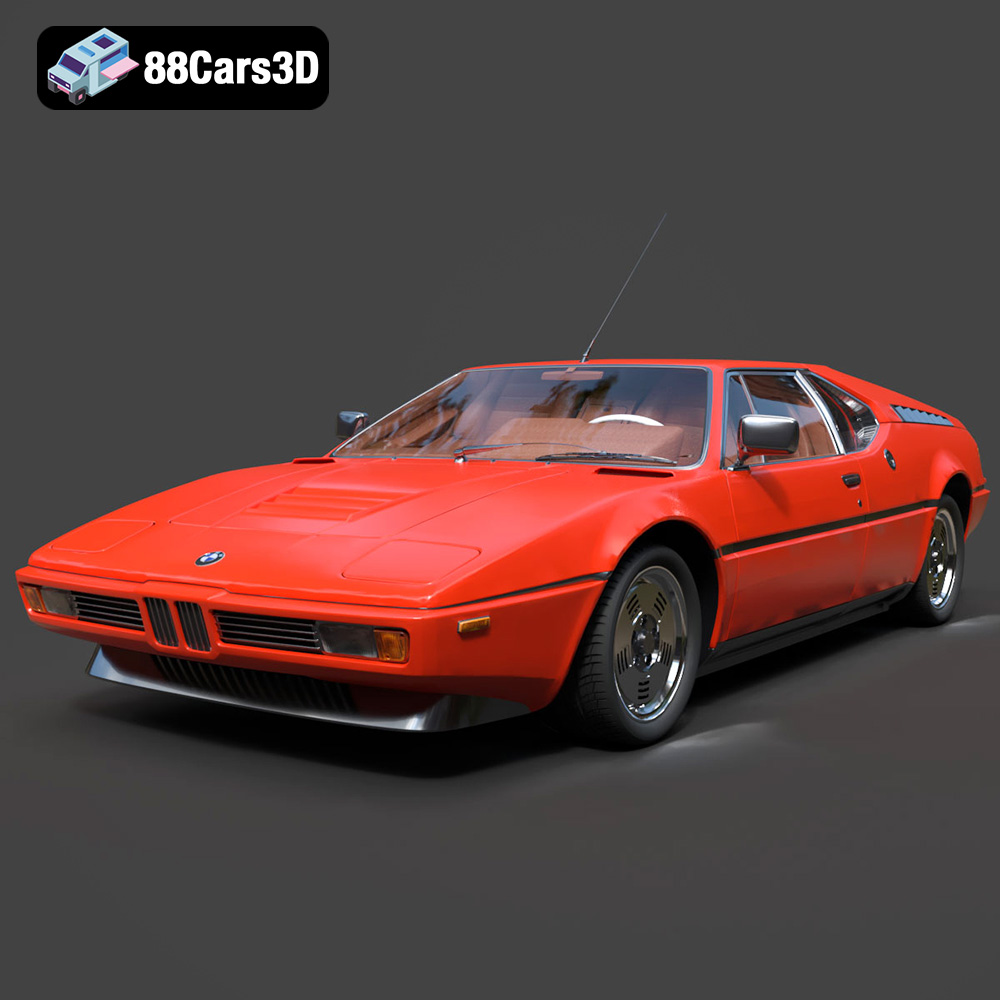
Texture: Yes
Material: Yes
Download the BMW Motorsport M1 E26 1981 3D Model featuring its iconic design, race-bred aerodynamics, and meticulously crafted details. Includes .blend, .fbx, .obj, .glb, .stl, .ply, .unreal, and .max formats for rendering, simulation, and game development.
Price: $20.79

Meta Description:
Texture: Yes
Material: Yes
Download the Cadillac CTS-V Coupe 3D Model featuring detailed exterior styling and realistic interior structure. Includes .blend, .fbx, .obj, .glb, .stl, .ply, .unreal, and .max formats for rendering, simulation, AR VR, and game development.
Price: $13.9
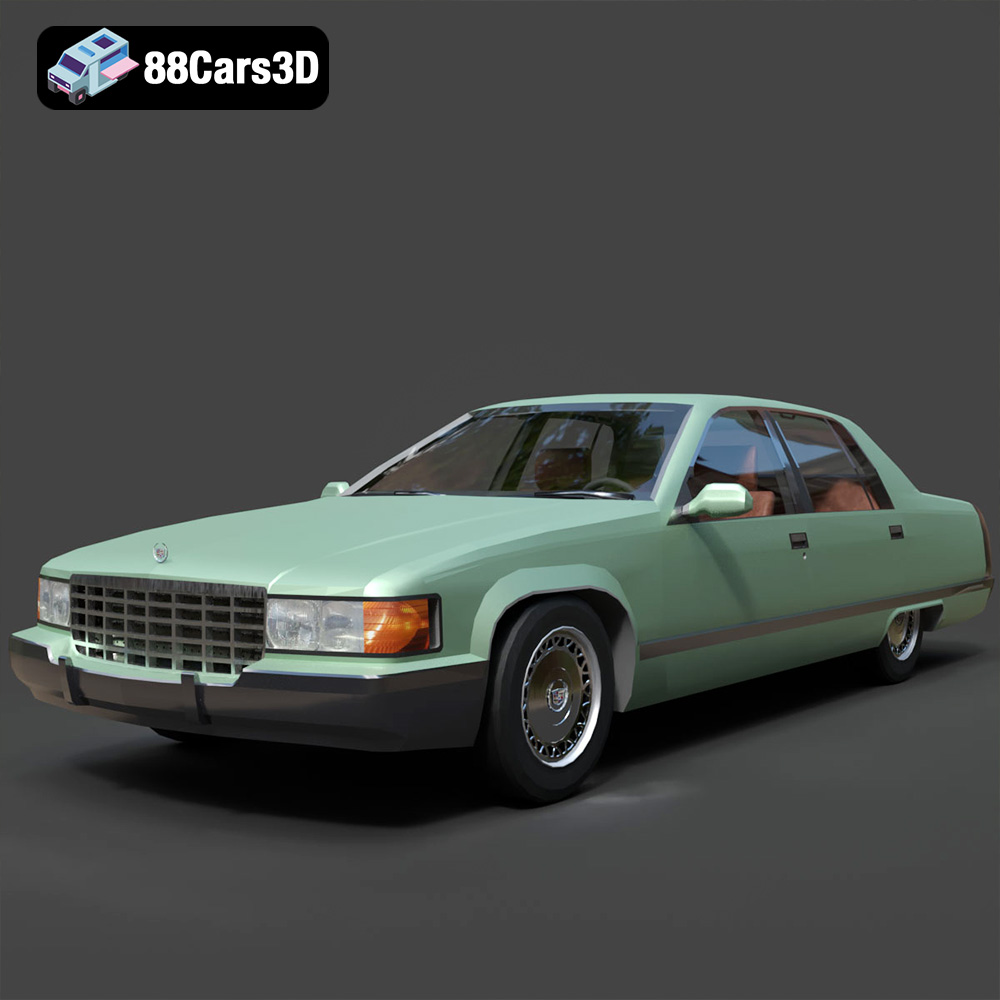
Texture: Yes
Material: Yes
Download the Cadillac Fleetwood Brougham 3D Model featuring its iconic classic luxury design and detailed exterior and interior. Includes .blend, .fbx, .obj, .glb, .stl, .ply, .unreal, and .max formats for rendering, simulation, and game development.
Price: $10.79
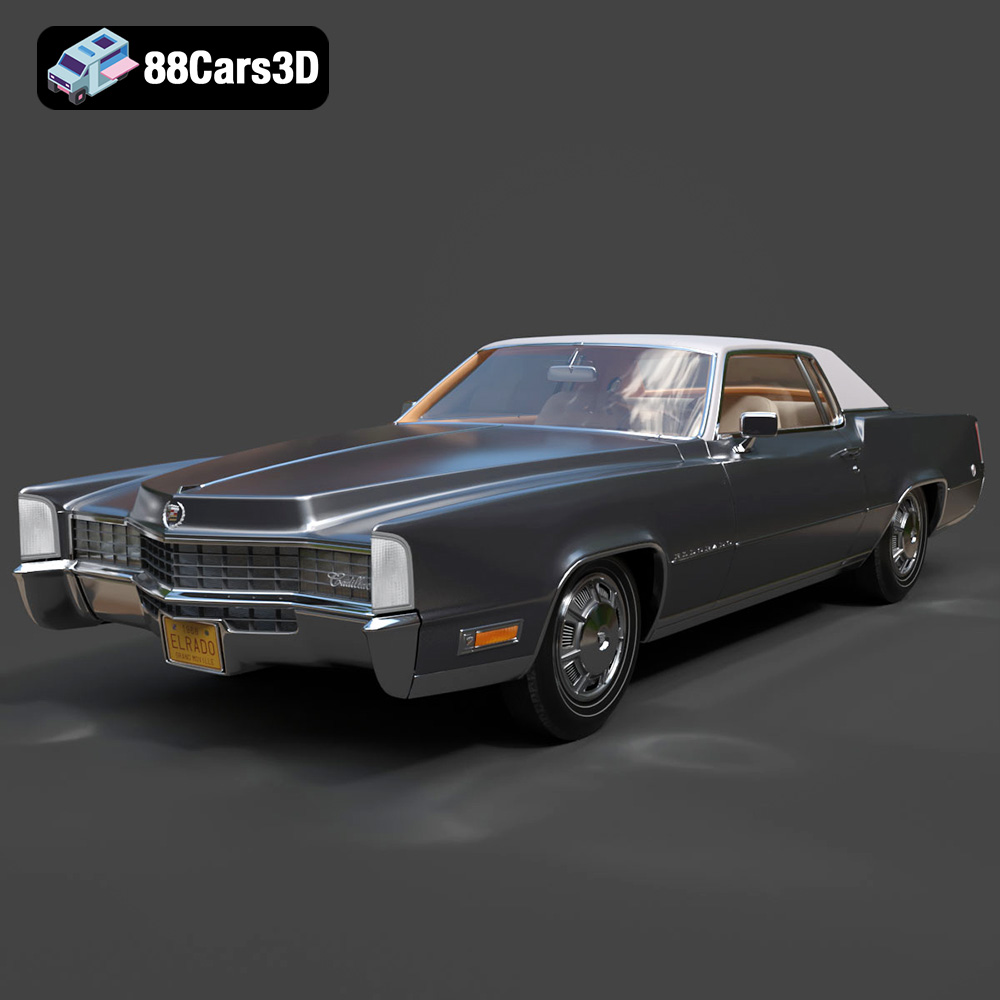
Texture: Yes
Material: Yes
Download the Cadillac Eldorado 1968 3D Model featuring its iconic elongated body, distinctive chrome accents, and luxurious interior. Includes .blend, .fbx, .obj, .glb, .stl, .ply, .unreal, and .max formats for rendering, simulation, and game development.
Price: $20.79

Texture: Yes
Material: Yes
Download the Cadillac CTS SW 2010 3D Model featuring a detailed exterior, functional interior elements, and realistic materials. Includes .blend, .fbx, .obj, .glb, .stl, .ply, .unreal, and .max formats for rendering, simulation, and game development.
Price: $10.79
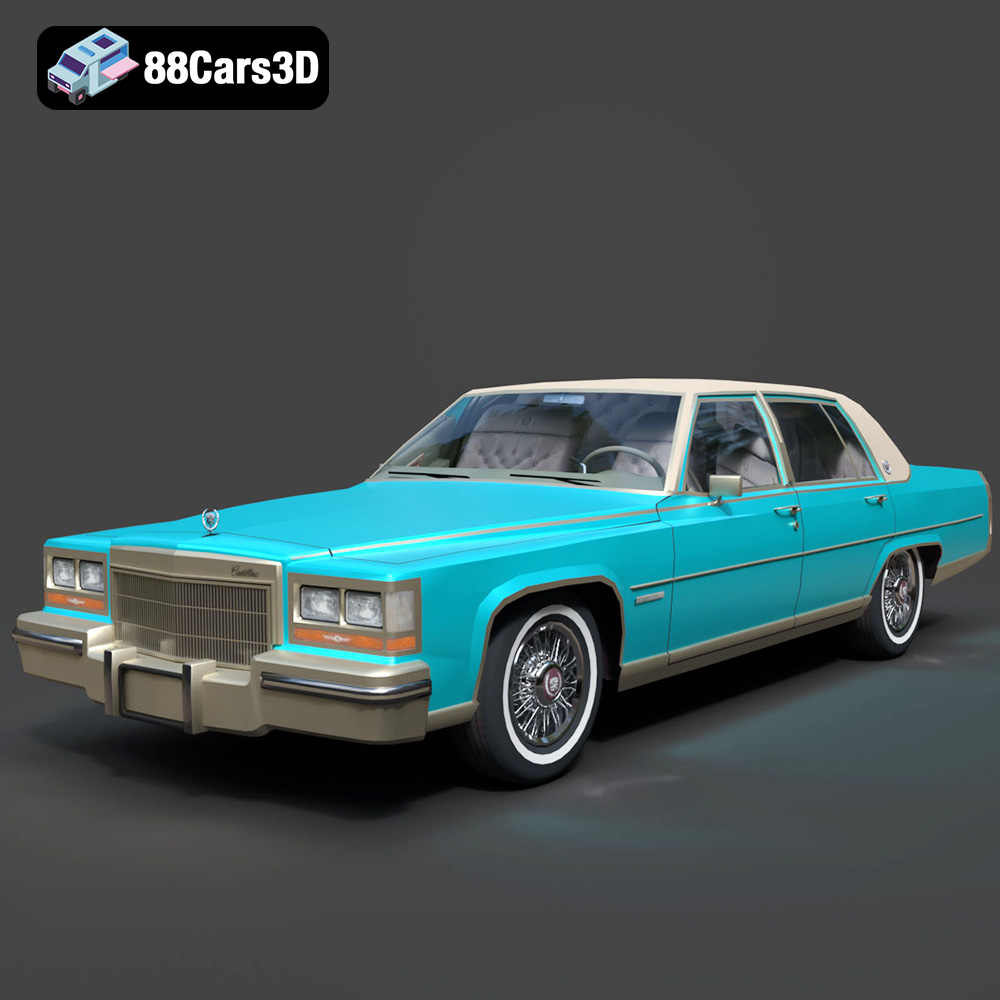
Texture: Yes
Material: Yes
Download the Cadillac Fleetwood Brougham 1985 3D Model featuring its iconic classic luxury design and detailed craftsmanship. Includes .blend, .fbx, .obj, .glb, .stl, .ply, .unreal, and .max formats for rendering, simulation, and game development.
Price: $10.79
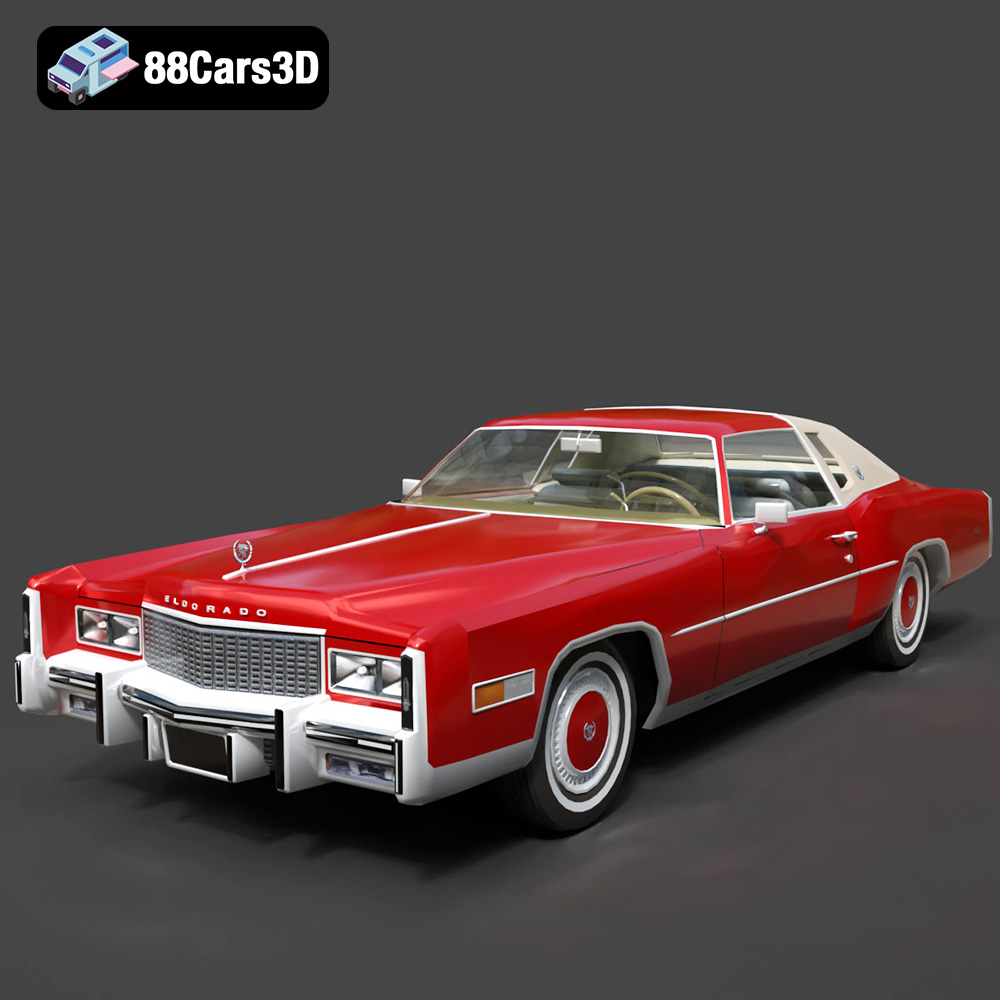
Texture: Yes
Material: Yes
Download the Cadillac Eldorado 1978 3D Model featuring accurately modeled exterior, detailed interior, and period-correct aesthetics. Includes .blend, .fbx, .obj, .glb, .stl, .ply, .unreal, and .max formats for rendering, simulation, and game development.
Price: $10.79
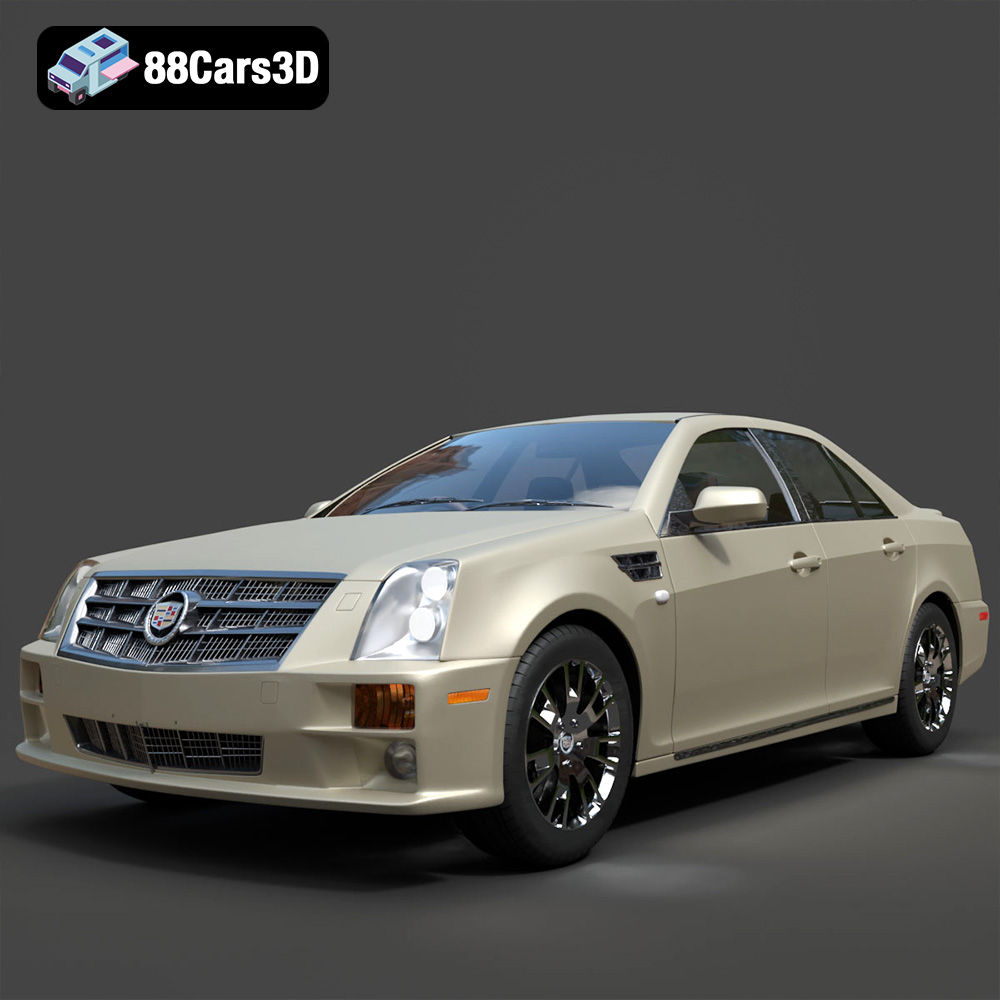
Texture: Yes
Material: Yes
Download the Cadillac STS-005 3D Model featuring a detailed exterior and interior. Includes .blend, .fbx, .obj, .glb, .stl, .ply, .unreal, and .max formats for rendering, simulation, and game development.
Price: $22.79
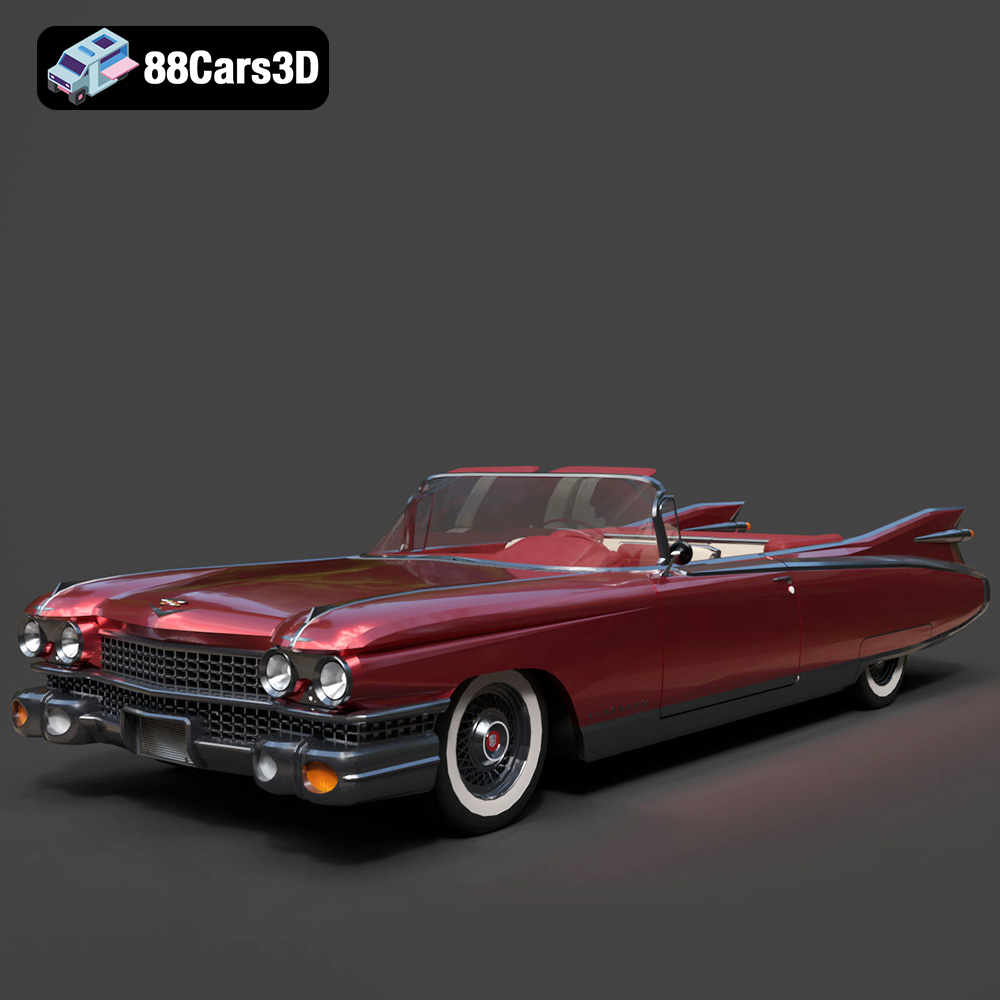
Texture: Yes
Material: Yes
Download the Cadillac Eldorado Convertible (1959) 3D Model featuring iconic fins, luxurious chrome details, and a classic vintage design. Includes .blend, .fbx, .obj, .glb, .stl, .ply, .unreal, and .max formats for rendering, simulation, and game development.
Price: $20.79

Texture: Yes
Material: Yes
Download the Cadillac DTS-005 3D Model featuring its iconic luxury design, detailed interior, and realistic exterior. Includes .blend, .fbx, .obj, .glb, .stl, .ply, .unreal, and .max formats for rendering, simulation, and game development.
Price: $10.79

