⚡ FLASH SALE: Get 60% OFF All Premium 3D & STL Models! ⚡

“`html
The allure of bringing intricate automotive designs to life with a 3D printer is undeniable. Whether you’re a seasoned maker or just starting, the journey of transforming a digital STL file into a tangible printable car model can be incredibly rewarding. However, the path to perfect prints is often paved with challenges, especially for beginners. Understanding common pitfalls and how to avoid them is crucial for success. This comprehensive guide will delve into the top 10 mistakes beginners frequently make when printing STL files, offering practical solutions and expert tips to ensure your projects, especially those downloaded from marketplaces like 88cars3d.com, turn out exactly as you envision. We’ll cover everything from file preparation and slicing intricacies to 3D printer settings and post-processing, empowering you to elevate your 3D printing game.
The foundation of any successful 3D print lies in the quality of the STL file itself. Beginners often overlook the importance of ensuring the digital model is “watertight” and free from errors. A non-manifold mesh, holes, inverted faces, or self-intersecting geometry can lead to slicing errors, unexpected artifacts, and ultimately, failed prints. Think of your STL file as the blueprint; if the blueprint has flaws, the construction (your print) will suffer.
An STL file represents a 3D surface geometry using a collection of triangular facets. Each triangle is defined by three vertices and a normal vector indicating its outward direction. Issues arise when these triangles don’t form a closed, continuous surface. For instance, a hole in the mesh means there’s no data to tell the printer where to deposit filament. Similarly, inverted normals can confuse the slicer, leading it to believe the inside of your model is the outside.
Before you even think about hitting ‘print,’ it’s vital to inspect and repair your STL files. Software like Meshmixer (free), Blender (free), or Autodesk Netfabb (commercial) are invaluable tools for this. Common repairs include:
Many slicers, like Cura or PrusaSlicer, also have basic mesh repair capabilities, but for complex models, dedicated software offers more robust solutions. When downloading models from marketplaces such as 88cars3d.com, you’ll often find files are pre-checked and optimized, but it’s still good practice to understand these repair principles.
The slicer is your interpreter, translating the 3D model into layer-by-layer instructions (G-code) for your 3D printer. Beginners often use default settings or make random adjustments without understanding their impact. Choosing the right slicing parameters is critical for print quality, speed, and structural integrity.
Layer height dictates the thickness of each printed layer. A smaller layer height (e.g., 0.1mm) results in finer detail and smoother curves, ideal for intricate parts like car models with sharp lines and small features. However, it significantly increases print time as the printer needs to lay down many more layers. A larger layer height (e.g., 0.3mm) speeds up printing considerably but can lead to visible layer lines and reduced detail.
Infill refers to the internal structure printed within your model. Beginners often default to 10-20% infill, which is usually sufficient for display models. However, if the part needs to withstand stress or load, higher infill percentages (40-60% or even more) are necessary. Different infill patterns (grid, gyroid, cubic) also offer varying degrees of strength and printability. Gyroid and cubic patterns are often preferred for their isotropic strength (equal strength in all directions) and reduced material usage compared to simple grid patterns.
Consider the trade-off: higher infill means longer print times and more material, but also a more robust print.
Printing too fast is a common mistake. While it reduces print time, excessive speed can lead to poor layer adhesion, ringing artifacts (ghosting), and reduced overall quality. Conversely, printing too slowly can sometimes cause issues like nozzle clogging or stringing. Finding the sweet spot is key.
Always consult your filament manufacturer’s recommendations and conduct calibration prints to determine optimal speeds for your specific setup.
Complex models, especially detailed car parts with significant overhangs (like spoilers, wheel arches, or undercarriages), require support structures. Beginners often struggle with generating, placing, and removing supports effectively, leading to failed prints or damaged models.
Most 3D printers can handle overhangs up to a certain angle (typically 45-60 degrees) without support. Anything beyond this angle needs temporary scaffolding to prevent the molten plastic from drooping or collapsing mid-print. Identifying these areas visually in your slicer is crucial.
Slicers offer various support types. Normal supports are standard, creating a dense structure. Tree supports (available in Cura and other slicers) are often more efficient, using less material and being easier to remove. They branch out from touchpoints, minimizing contact with the model surface. When generating supports:
For printable car models from 88cars3d.com, the STL files are often designed with support considerations, sometimes even suggesting optimal orientations. Always check the model description or accompanying files for recommendations.
Patience is key. Never yank supports off forcefully. Use appropriate tools like flush cutters, pliers, hobby knives, or dental picks. For difficult-to-reach areas, a quick blast with a heat gun (used cautiously!) can sometimes soften the support material, making it easier to break away. Sanding often completes the process.
The first layer is the most critical. If your print doesn’t stick well to the build plate, the entire print is likely to fail. Common issues include warping, detachment, or elephants’ foot (where the first few layers bulge outwards).
Warping occurs when the lower layers cool too quickly and contract, pulling the corners of the print upwards. This is especially common with materials like ABS. Solutions include:
How you orient your model on the build plate has a profound impact on print quality, strength, and the need for supports. Beginners often simply place the model flat in whatever orientation it loads.
Most 3D printing processes (especially FDM) create parts that are weaker between layers than along the layers. This is known as anisotropy. Therefore, the orientation that places the most stress across layers should be avoided if possible.
For printable car models, consider how they will be viewed and where structural integrity is most needed:
Experimentation is key. Use your slicer’s preview function to visualize how supports will be generated and how layer lines will appear for different orientations. Platforms like 88cars3d.com often provide recommended print orientations to help users achieve the best results.
The vast array of 3D printing filaments and resins can be overwhelming. Choosing the wrong material for your project or using incorrect 3D printer settings for a chosen material is a common source of frustration.
Each material has optimal temperature ranges for the nozzle and bed, as well as specific cooling requirements. Always check the filament manufacturer’s recommendations. Incorrect temperatures can lead to poor adhesion, weak prints, stringing, or nozzle clogs.
Investing time in calibration prints (like temperature towers and retraction tests) for each new filament is a small effort that yields significant improvements in print quality.
A 3D printer is a complex machine that requires regular calibration and maintenance to perform optimally. Neglecting this can lead to a cascade of printing problems.
Treat your printer like a finely tuned instrument:
A well-calibrated and maintained printer is the bedrock of consistent, high-quality prints, especially when working with detailed STL files.
Many beginners believe the printing process ends the moment the print is finished. However, post-processing is where a good print becomes a great model. Rushing this stage can ruin an otherwise excellent print.
As mentioned earlier, careful support removal is critical. The goal is to detach the supports cleanly without damaging the model’s surface. This often requires patience, the right tools, and sometimes, a bit of sanding.
Layer lines are inherent to FDM printing. Sanding is the most common way to achieve a smooth surface finish. Start with coarser grit sandpaper (e.g., 120-220 grit) to remove major imperfections and layer lines, then progressively move to finer grits (e.g., 400, 800, 1200, and even higher for a mirror finish).
Painting can truly bring your printable car model to life. Use primers to create an even base, acrylic paints for vibrant colors, and clear coats to protect the finish. For resin prints, light sanding might be needed before priming and painting.
Don’t underestimate the time and effort required for effective post-processing. It’s an integral part of the modeling hobby.
Cooling and bridging are often misunderstood by beginners. Proper fan speed and bridging settings are crucial for printing overhangs and gaps cleanly.
The part cooling fan blows air directly onto the newly extruded filament, helping it solidify quickly. This is essential for sharp details, overhangs, and bridging.
Many slicers allow you to control fan speed based on layer height, bridge settings, and overhangs. For PLA, a fan speed of 100% is usually appropriate after the first few layers. For PETG, you might need to reduce it to 30-50% to improve layer adhesion.
Bridging refers to the printer’s ability to span a gap between two points without support. Slicers have specific settings for bridging, including:
Tuning these settings can dramatically improve the quality of prints with significant gaps, such as the spaces between wheel spokes or underbody details.
Beginners often underestimate how long prints can take, especially for complex or high-resolution printable car models. This can lead to frustration, wasted filament, and missed deadlines.
Slicers provide an estimated print time. While not always perfectly accurate, it’s a good starting point. Factors that influence actual print time include:
Longer prints consume more filament and electricity. Be mindful of your filament supply, especially for multi-day prints. Ensure your printer is placed in a location where it can run uninterrupted for extended periods. Power outages can be catastrophic for long prints; consider a UPS (Uninterruptible Power Supply) for critical prints if you live in an area with unreliable power.
When planning a print, especially from a high-quality source like 88cars3d.com, factor in ample time not just for printing but also for potential failures, reprints, and post-processing. It’s better to overestimate than to be caught short.
Mastering 3D printing with STL files is a journey of continuous learning. By understanding and actively avoiding these ten common beginner mistakes, you’ll significantly improve the quality and success rate of your printable car models and other projects. Remember that patience, attention to detail, and a willingness to experiment are your greatest assets. From ensuring mesh integrity with tools like Meshmixer to fine-tuning slicing parameters in Cura or PrusaSlicer, and mastering bed adhesion and support strategies, each step is crucial. Embrace the learning process, leverage resources like those found on 88cars3d.com for high-quality models, and you’ll soon be creating stunning 3D printed creations that you can be proud of.
“`
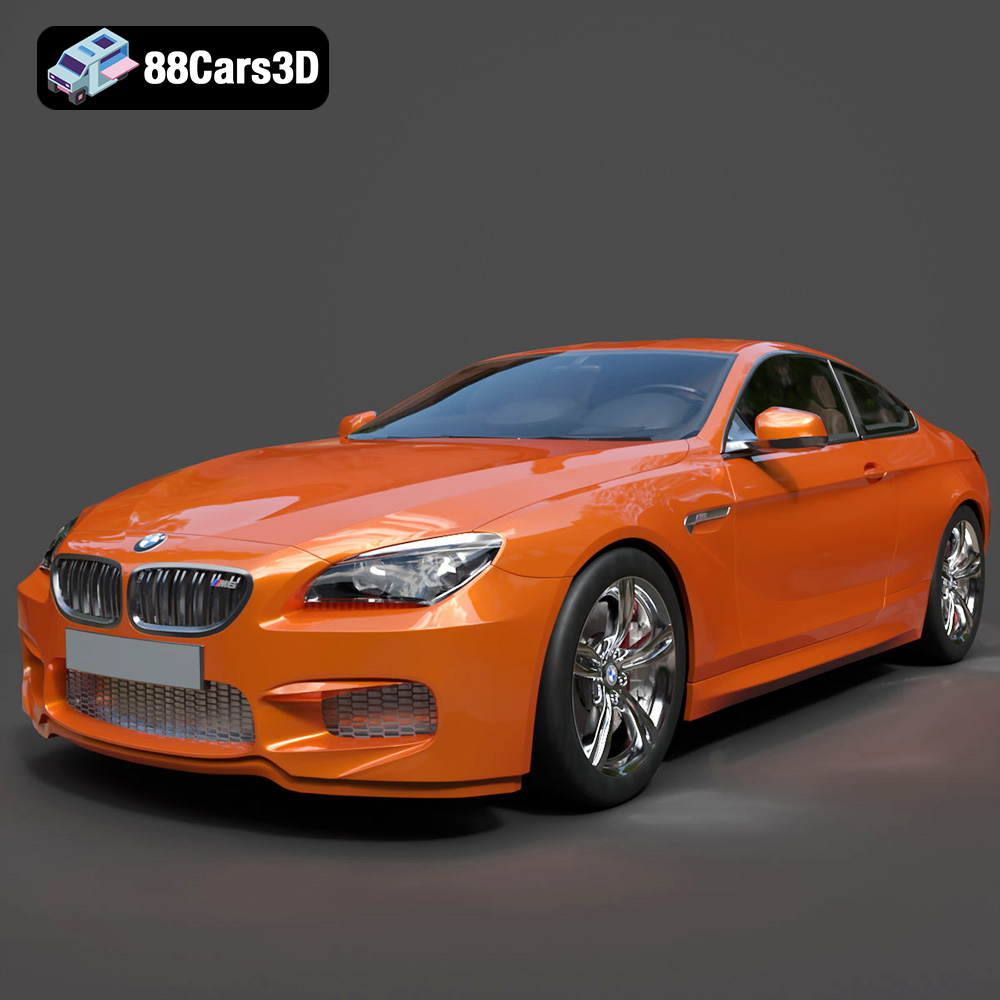
Texture: Yes
Material: Yes
Download the BMW M6 Coupe (F12) 3D Model featuring its iconic sporty design and luxurious details. Includes .blend, .fbx, .obj, .glb, .stl, .ply, .unreal, and .max formats for rendering, simulation, and game development.
Price: $10.79
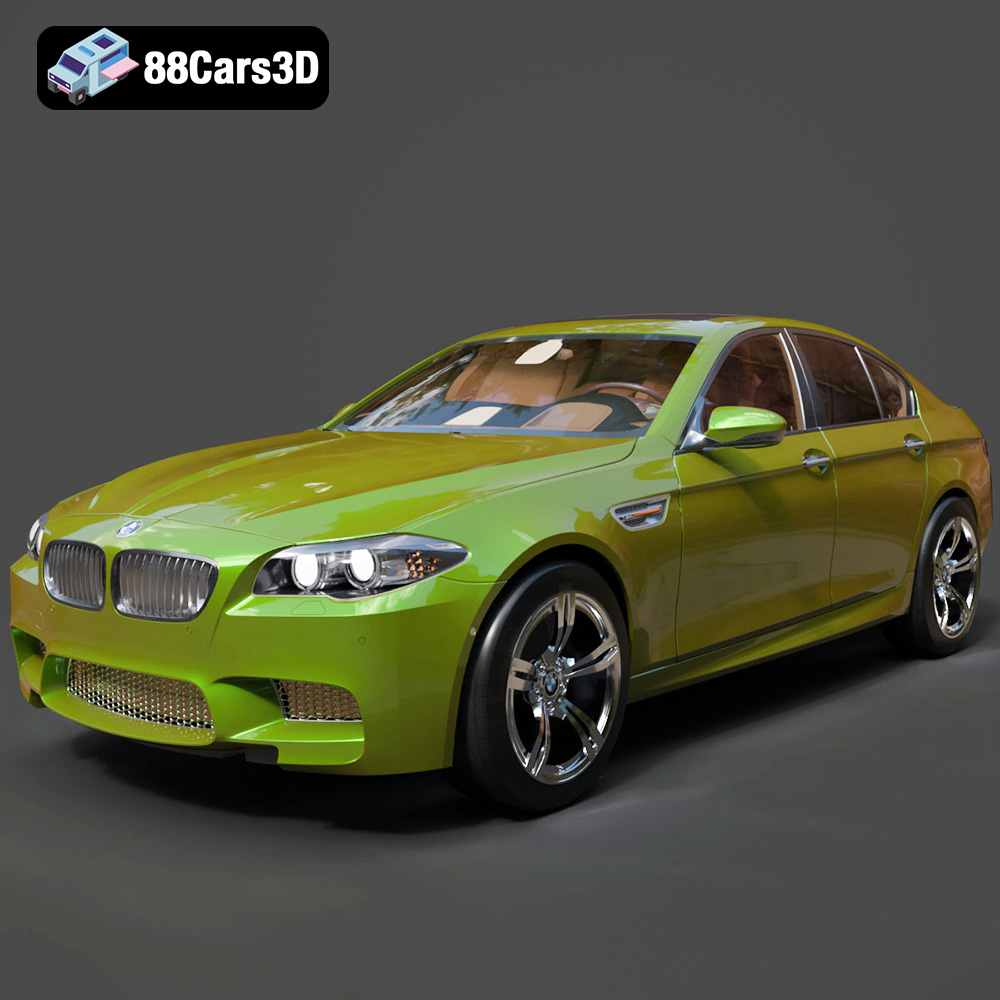
Texture: Yes
Material: Yes
Download the BMW M5 F10 3D Model featuring high-performance luxury sedan design, detailed interior, and realistic PBR textures. Includes .blend, .fbx, .obj, .glb, .stl, .ply, .unreal, and .max formats for rendering, simulation, and game development.
Price: $10.79
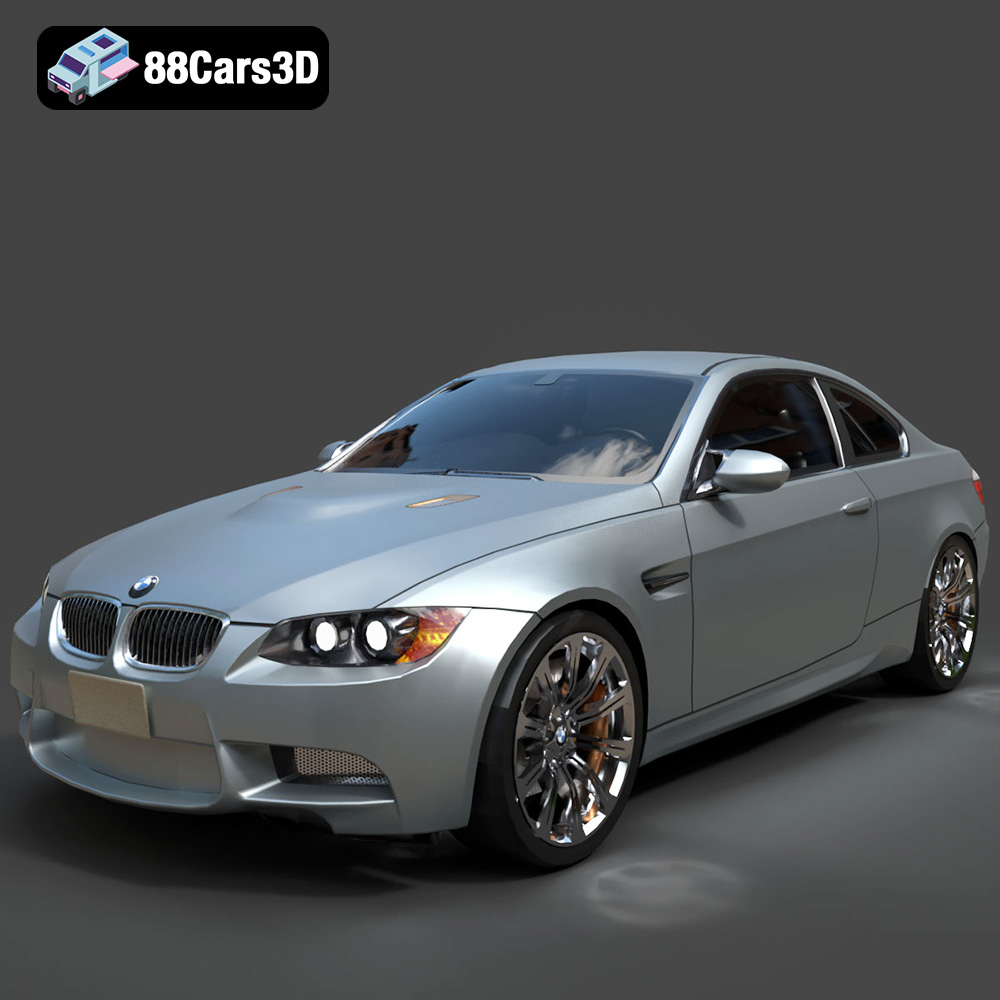
Texture: Yes
Material: Yes
Download the BMW M3 Coupe E92-002 3D Model featuring authentic styling, detailed exterior, and a faithful interior. Includes .blend, .fbx, .obj, .glb, .stl, .ply, .unreal, and .max formats for rendering, simulation, and game development.
Price: $10.79
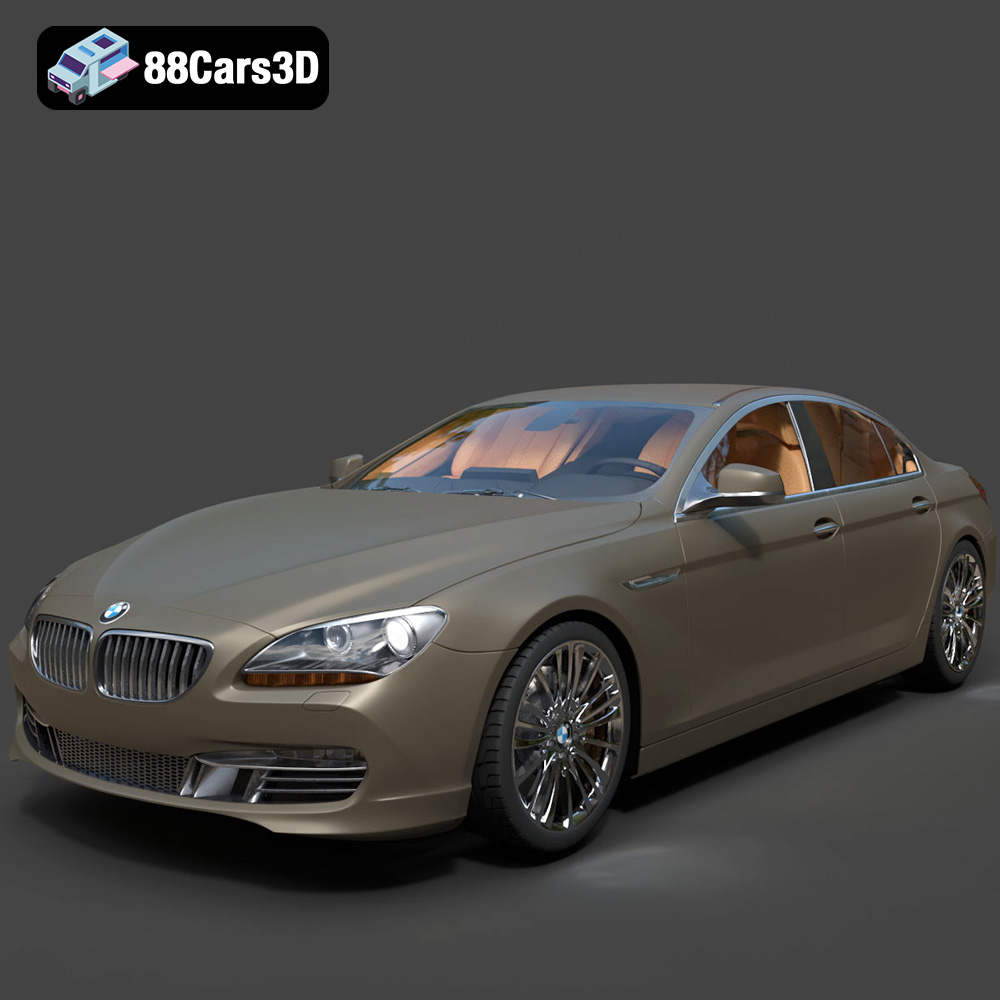
Texture: Yes
Material: Yes
Download the BMW 6 Series Gran Coupe 2013 3D Model featuring a sophisticated design, detailed exterior, and well-appointed interior. Includes .blend, .fbx, .obj, .glb, .stl, .ply, .unreal, and .max formats for rendering, simulation, and game development.
Price: $20.79
Texture: Yes
Material: Yes
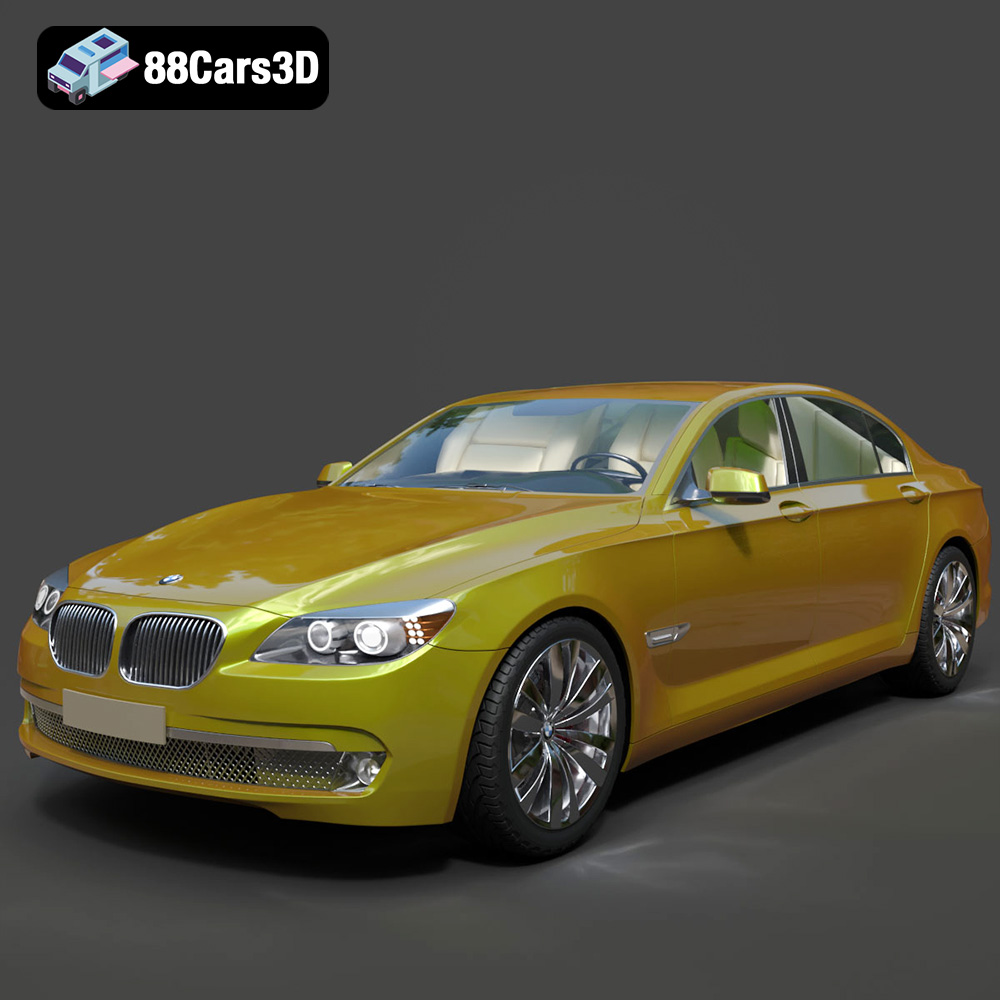
Download the BMW 7 Series 750 F01 3D Model featuring a detailed exterior and a luxurious interior. Includes .blend, .fbx, .obj, .glb, .stl, .ply, .unreal, and .max formats for rendering, simulation, and game development.
Price: $10.79
Texture: Yes
Material: Yes
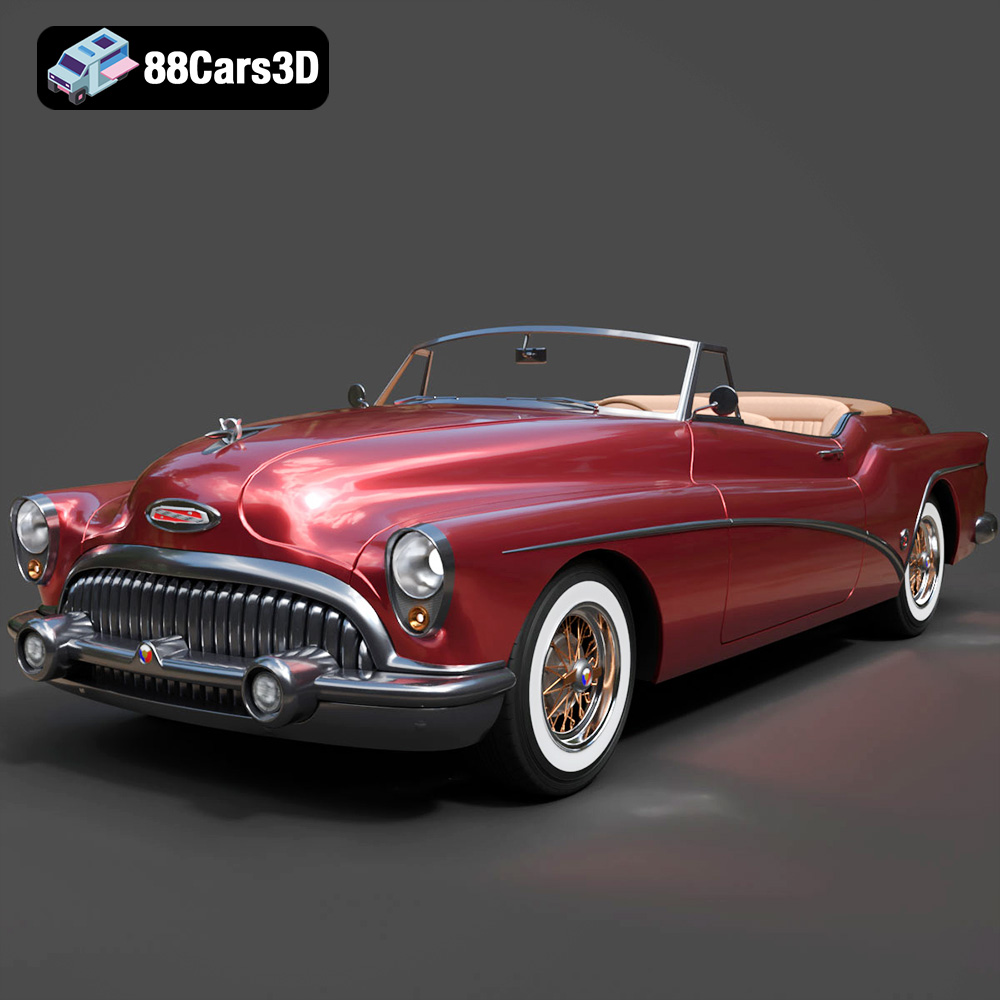
Download the Buick Skylark Convertible 1953 3D Model featuring iconic 1950s styling, a detailed exterior with chrome accents, and an accurately modeled interior. Includes .blend, .fbx, .obj, .glb, .stl, .ply, .unreal, and .max formats for rendering, simulation, and game development.
Price: $10.79

Texture: Yes
Material: Yes
Download the Buick Roadmaster Hardtop Coupe 1957 3D Model featuring a classic American design with detailed exterior and interior. Includes .blend, .fbx, .obj, .glb, .stl, .ply, .unreal, and .max formats for rendering, simulation, and game development.
Price: $10.79
Texture: Yes
Material: Yes
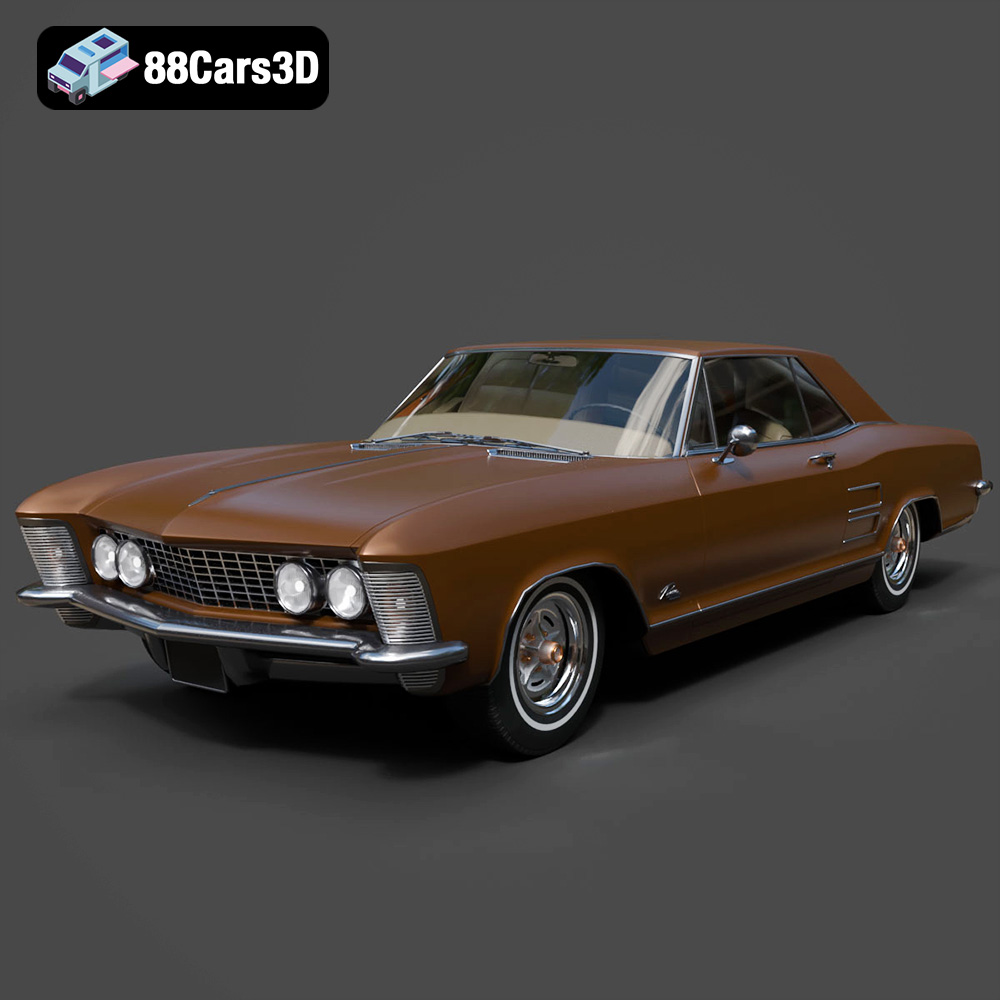
Download the Buick Riviera 1963 3D Model featuring classic American muscle car design and iconic styling. Includes .blend, .fbx, .obj, .glb, .stl, .ply, .unreal, and .max formats for rendering, simulation, and game development.
Price: $10.79

Texture: Yes
Material: Yes
Download the Buick Regal 3D Model featuring a classic American sedan design, detailed exterior, and optimized interior. Includes .blend, .fbx, .obj, .glb, .stl, .ply, .unreal, and .max formats for rendering, simulation, and game development.
Price: $10.79
Texture: Yes
Material: Yes
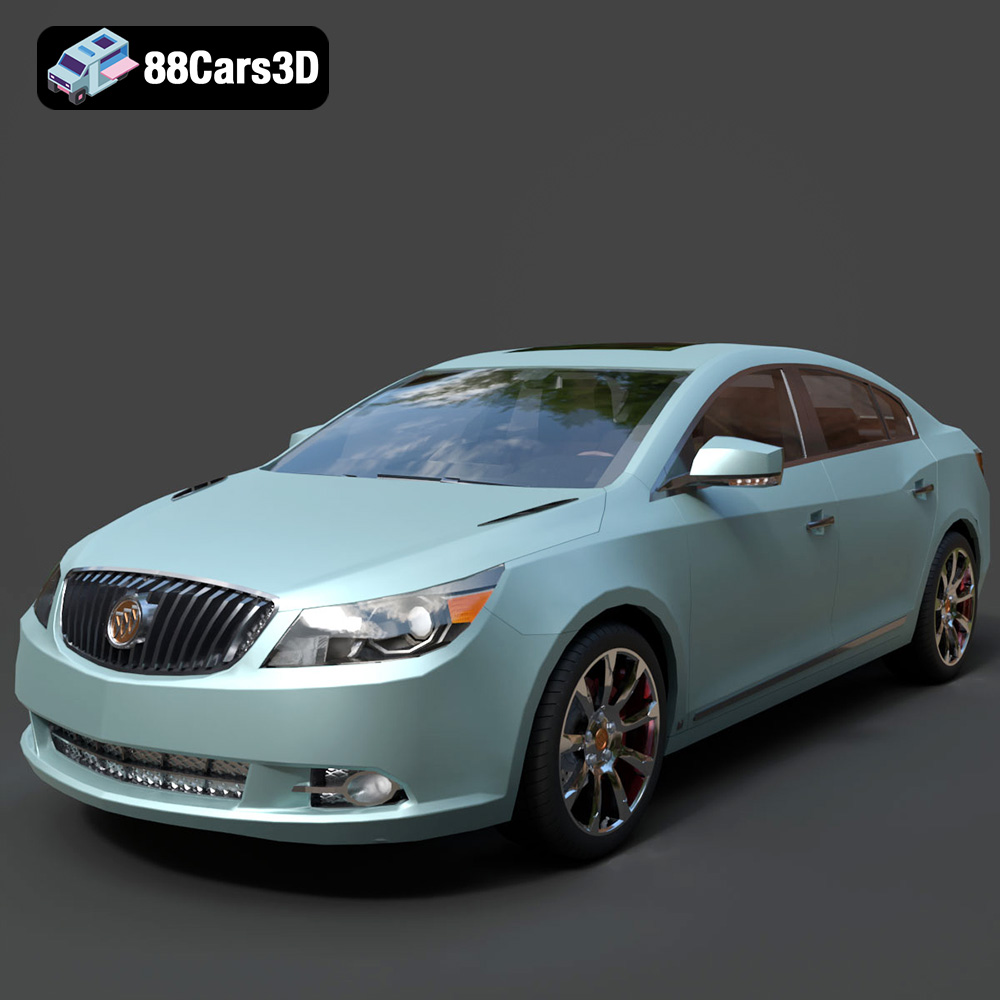
Download the Buick LaCrosse 3D Model featuring professional modeling and texture work. Includes .blend, .fbx, .obj, .glb, .stl, .ply, .unreal, and .max formats for rendering, simulation, and game development.
Price: $10.79

