⚡ FLASH SALE: Get 60% OFF All Premium 3D & STL Models! ⚡

“`html
In the world of 3D automotive design, visualization, and game development, the wheels and tires are not mere accessories; they are critical components that define the realism, performance, and overall aesthetic of any vehicle model. The subtle curves of a rim, the intricate patterns of a tire tread, and the way light interacts with polished metal or weathered rubber can make or break a 3D car model’s authenticity. For professionals seeking to deliver top-tier visual fidelity, understanding the nuances of creating realistic 3D car models, particularly tires and wheels, is paramount.
This comprehensive guide will take you through the advanced techniques and best practices involved in modeling, UV mapping, texturing, and rendering hyper-realistic tires and wheels. Whether you’re a seasoned 3D artist, a game developer striving for optimal performance, or an automotive designer pushing the boundaries of visualization, this article will equip you with the knowledge to elevate your automotive rendering projects to an unparalleled level of detail and realism. We’ll explore everything from intricate topology and PBR materials to game engine optimization and file format considerations, ensuring your 3D car models are ready for any application.
Creating a realistic 3D wheel model begins with meticulous attention to detail in the modeling phase. Wheels are often complex assemblies of polished metals, painted surfaces, and intricate mechanical components. Achieving photorealism requires a deep understanding of clean topology and efficient detailing techniques.
Proper topology is the backbone of any high-quality 3D model. For intricate automotive wheels, this means creating a mesh that supports smooth subdivision, clean reflections, and efficient UV mapping. Start with accurate blueprints and reference images, blocking out the primary shapes using basic primitives in software like 3ds Max, Blender, or Maya. The goal is to establish a quad-based workflow, avoiding N-gons and triangles where possible, especially on surfaces that will be subdivided.
When modeling spokes, aim for consistent edge flow that follows the contours of the design. Use tools like the Extrude, Bevel, and Loop Cut operations in Blender (refer to Blender 4.4 documentation on Mesh Editing for detailed instructions) to create crisp edges and smooth transitions. For complex curves, consider starting with splines or NURBS (Non-Uniform Rational B-Splines) in software that supports them, then converting them to polygon meshes for final detailing. This hybrid approach allows for precise control over curvature, which is crucial for the elegant lines of a high-performance rim. Target polygon counts can range significantly depending on the use case:
Maintaining consistent edge loops around areas of curvature prevents pinching and artifacts when applying subdivision surface modifiers, ensuring a flawless surface for reflections.
The design of spokes, brake calipers, and discs are integral to a wheel’s character. These elements often feature sharp edges, drilled holes, and various fasteners. For spokes, consider modeling one segment and then using an Array modifier in Blender or similar instancing tools in other software to duplicate it around the hub. This ensures perfect symmetry and saves modeling time. For brake calipers, model them as separate, distinct objects, paying close attention to the exposed bolts and branding. These smaller details, while seemingly minor, contribute significantly to the overall realism of the 3D car model.
It’s important to differentiate between details that should be modeled geometrically and those that can be conveyed through normal or displacement maps. Recessed bolts and large vents should ideally be modeled for proper light interaction, while fine surface scratches or subtle textures can be baked into normal maps. This balance is key to achieving visual fidelity without unnecessarily inflating polygon counts, which is especially important when considering game assets or AR/VR applications.
The tire is arguably the most challenging part of a wheel assembly due to its complex tread patterns, subtle deformations, and textured sidewalls. Achieving realistic tire models requires a combination of precise modeling and clever use of texturing techniques.
Modeling a tire tread from scratch demands patience and precision. A common workflow involves creating a single segment of the tread pattern, often a repetitive block, and then using a deformer or array modifier along a curve to wrap it around the tire’s circumference. In Blender, you might use an Array modifier combined with a Curve modifier to achieve this, meticulously adjusting the curve to match the tire’s profile. Pay close attention to the various grooves, sipes, and blocks that define the tire’s grip. These elements should have well-defined edges to catch light accurately.
Sidewall details, including manufacturer branding, tire size information (e.g., “245/40 R18”), and subtle rubber textures, are crucial for authenticity. These can be modeled directly into the mesh for extremely high-detail models, but more often, they are incorporated using a combination of normal maps, displacement maps, and alpha maps. For engraved or raised text, creating clean geometry is often preferable for close-up shots, while normal maps work well for distant views or game assets. Remember to factor in the slight bulge of an inflated tire and the subtle flattening where it meets the ground (contact patch) for static renders, or prepare for dynamic deformation in animated scenes.
When a 3D car model is destined for animation, games, or simulations, the tire’s ability to deform realistically is vital. This often means simplifying the geometry of the tread to some extent, ensuring that the mesh can stretch and compress without tearing or creating undesirable artifacts. Techniques like using a higher base mesh resolution in key deformation areas and utilizing a ‘cage’ mesh for deformation are common. For animation, soft body physics or bone rigging (armatures) can simulate tire compression and sidewall bulge. When using Blender, consider its physics simulations for realistic tire behavior, allowing for dynamic interactions that bring the tire to life.
Beyond deformation, small details like wear and tear patterns, dirt accumulation, and stress cracks also contribute to realism. These are typically handled through layered PBR materials and texture painting, rather than complex geometric modeling, to maintain performance. For game assets, LODs (Levels of Detail) are essential here; a high-resolution tire for close-ups can be swapped with a simplified version at a distance, reducing the computational load dramatically. The goal is always to strike a balance between visual quality and performance efficiency across various applications.
Flawless UV mapping and high-quality PBR textures are what truly sell the realism of your 3D tires and wheels. Without a well-thought-out UV layout and carefully crafted materials, even the most detailed models will fall flat.
Effective UV mapping is crucial for applying textures accurately. For a complex object like a wheel, the strategy involves breaking it down into manageable UV islands. Each major component – the rim’s face, inner barrel, spokes, and hub – should have its own UV space. Prioritize larger, more visible areas with greater texture density. For the polished and painted surfaces of a rim, seams should be placed in inconspicuous areas to minimize visible stretching or texture distortion. Hard surface models benefit from a clean, unwrapped UV layout where each face occupies its own unique space (no overlapping) for baking accurate normal maps and ambient occlusion. For symmetrical parts like spokes, you might strategically overlap UV islands to save texture space, provided the material is uniform.
Utilize automatic unwrapping tools as a starting point, but always refine them manually. In 3ds Max, the Unwrap UVW modifier offers extensive control, while Blender’s UV Editor provides powerful tools like Smart UV Project and manual seam placement. Aim for minimal distortion (indicated by uniform checker patterns on your model) and efficient use of the 0-1 UV space. For exceptionally high-detail renders, consider UDIMs (Multi-tile UVs) to allow for multiple 4K or 8K textures across different parts of the wheel, ensuring every minute detail, like brushed metal grains or paint flakes, is visibly crisp.
Tires present unique UV challenges, especially the tread and sidewall. For the tread, a common technique is to unwrap a single repeatable segment and then tile the texture across it, allowing for high resolution without excessive texture memory. Alternatively, a unique unwrap for the entire tread can be used, often requiring a larger texture map. The sidewall, with its distinct text and branding, demands careful unwrapping to ensure legibility and avoid distortion. A cylindrical projection or planar mapping followed by significant manual adjustment is often necessary.
When it comes to materials, a tire typically benefits from multiple PBR material layers:
Texture resolutions for tires are critical. For realistic 3D car models, a 4K (4096×4096) or even 8K texture set for the tire and wheel combined is common for hero assets. This includes Albedo (Base Color), Roughness, Metallic, Normal, and optionally Displacement or Ambient Occlusion maps. These maps should be baked from a high-resolution sculpt or generated using procedural texturing tools like Substance Painter or Designer, ensuring that every bump, imperfection, and subtle sheen is accurately represented.
Physically Based Rendering (PBR) materials are fundamental to achieving photorealistic 3D automotive rendering. They simulate how light interacts with surfaces in the real world, providing consistent and predictable results under varying lighting conditions. Crafting compelling PBR materials for wheels and tires requires a meticulous approach to shader networks.
Wheels are often a blend of diverse materials, each requiring its own PBR treatment.
In Blender’s Shader Editor, you would connect various image textures (Albedo, Roughness, Metallic, Normal) to a Principled BSDF shader. For layered effects, use Mix Shader nodes with masks to blend between different material properties. For instance, a clear coat over a painted surface might involve mixing a glossy shader with a diffuse shader using a Fresnel node as the factor.
Tire rubber is a unique material that needs careful attention. It’s typically dark, has a distinct texture, and shows signs of wear quickly.
The interplay of these shader elements creates the illusion of a tire that has lived and interacted with its environment, significantly boosting the realism of the overall 3D car model.
Once your realistic 3D car models, with their meticulously crafted tires and wheels, are complete, the next step is to showcase them through stunning renders. This involves a thoughtful approach to lighting, camera work, and post-processing.
Effective lighting is the single most important factor in bringing a 3D car model to life. For automotive rendering, two primary lighting setups are commonly used:
Experiment with different lighting scenarios. A bright, sunny environment will emphasize specular highlights and crisp shadows, while an overcast sky will provide softer, more diffuse lighting, highlighting material variations and subtle roughness. Pay attention to how the light emphasizes the tire tread and the contours of the wheel spokes.
Rendering is often just the beginning; post-processing and compositing are essential for that final, polished look. These steps are typically performed in dedicated compositing software like Adobe Photoshop, Nuke, or directly within Blender’s Compositor (see Blender 4.4 Documentation on Compositing). Key techniques include:
Utilize render passes (e.g., diffuse, specular, reflection, normal, Z-depth) from your 3D software to gain maximum control during compositing. This non-destructive workflow allows for extensive creative freedom without re-rendering the entire scene.
Creating highly detailed 3D car models, especially tires and wheels, is one thing; ensuring they perform optimally across various platforms—from high-end rendering to real-time game engines and AR/VR applications—is another. Strategic optimization and understanding file format compatibility are key.
For game development in engines like Unity or Unreal Engine, performance is critical. High-polygon models, while excellent for offline rendering, can quickly cripple real-time frame rates.
A balanced approach to optimization allows game developers to achieve stunning visual quality without sacrificing gameplay performance, a hallmark of well-executed game assets.
The requirements for AR/VR and 3D printing diverge significantly from traditional rendering and game development.
Proper mesh repair and preparation are critical to avoid costly printing failures and ensure a physically accurate replica of your 3D car model.
Pushing the boundaries of realism for 3D car models requires advanced shading and texturing techniques that go beyond basic PBR maps. These methods add subtle variations and details that mimic the irregularities of real-world materials.
While image textures provide specific details, procedural textures offer infinite resolution and can add highly convincing imperfections. In rendering software such as Blender, you can build complex procedural materials using nodes. For instance, a procedural noise texture can be used to drive subtle variations in the roughness of a wheel’s clear coat, mimicking minor dust accumulation or inconsistent polishing. Marble or Musgrave textures can create subtle patterns in tire rubber. By blending these procedural elements with your base image textures using masks, you can achieve nuanced material responses that are incredibly difficult to paint manually.
Layered materials are particularly powerful for tires and wheels. Imagine a multi-layered shader for a wheel:
Each layer can have its own set of PBR maps and blending modes, allowing for intricate control over the final appearance. This modular approach makes it easier to adjust specific aspects of the material without affecting the entire shader.
No vehicle, especially its wheels and tires, remains pristine for long. Adding realistic decals, dirt, and damage can significantly enhance the storytelling and believability of your 3D car models.
The key is to make these imperfections look organic and physically plausible. Randomness and subtle variation are your friends when it comes to realism. Tools like Substance Painter excel at generating and blending these types of layered effects.
Creating truly realistic 3D tire and wheel models is a journey that combines technical precision with artistic sensibility. From meticulously sculpting topology to crafting complex PBR materials and optimizing for diverse applications, every step plays a crucial role in achieving unparalleled visual fidelity. We’ve explored the detailed workflows for modeling wheels and tires, emphasizing clean topology and high-poly detailing. We delved into efficient UV mapping strategies, from managing complex rim surfaces to advanced techniques for tire treads and sidewalls. Our discussion on PBR materials highlighted the importance of accurate shader networks for metal, paint, and rubber, including crucial elements like wear and tear, dirt, and decals.
Furthermore, we covered the intricacies of rendering for impact, leveraging studio lighting and HDRI environments, and mastering post-processing and compositing to bring out the best in your automotive visuals. Finally, we addressed critical optimization strategies for game engines and special considerations for AR/VR and 3D printing, ensuring your assets are versatile and performant across all mediums.
The pursuit of photorealism in 3D automotive design is an ongoing challenge, but by mastering these techniques, you equip yourself with the skills to produce outstanding results. Remember that practice, keen observation of real-world references, and leveraging powerful software are your greatest assets. For artists and developers looking for high-quality, pre-made 3D car models that already incorporate many of these best practices, platforms like 88cars3d.com offer an extensive library of premium assets, providing a solid foundation or inspiration for your next project. Continue to experiment, refine your skills, and push the boundaries of what’s possible in 3D automotive rendering.
“`
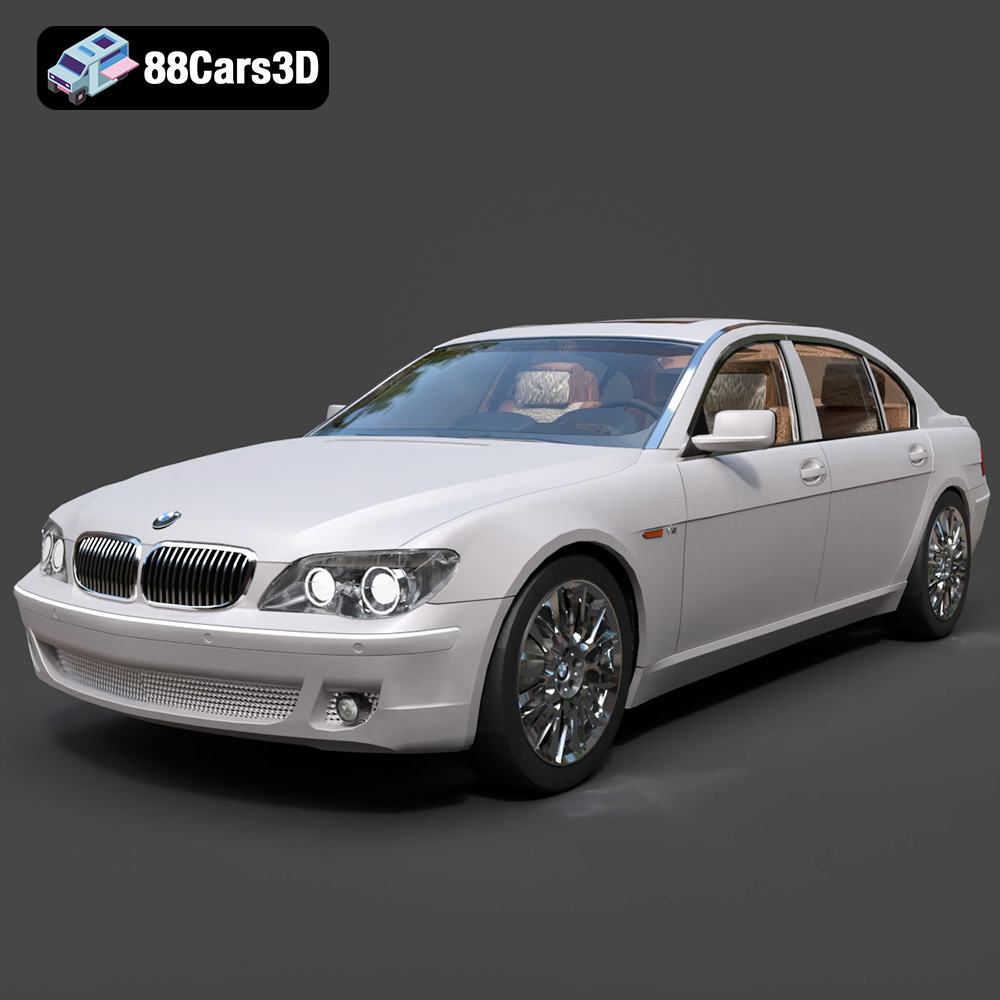
Texture: Yes
Material: Yes
Download the BMW 760Li E66 2005 3D Model featuring a detailed exterior, refined interior, and robust chassis. Includes .blend, .fbx, .obj, .glb, .stl, .ply, .unreal, and .max formats for rendering, simulation, and game development.
Price: $10.79
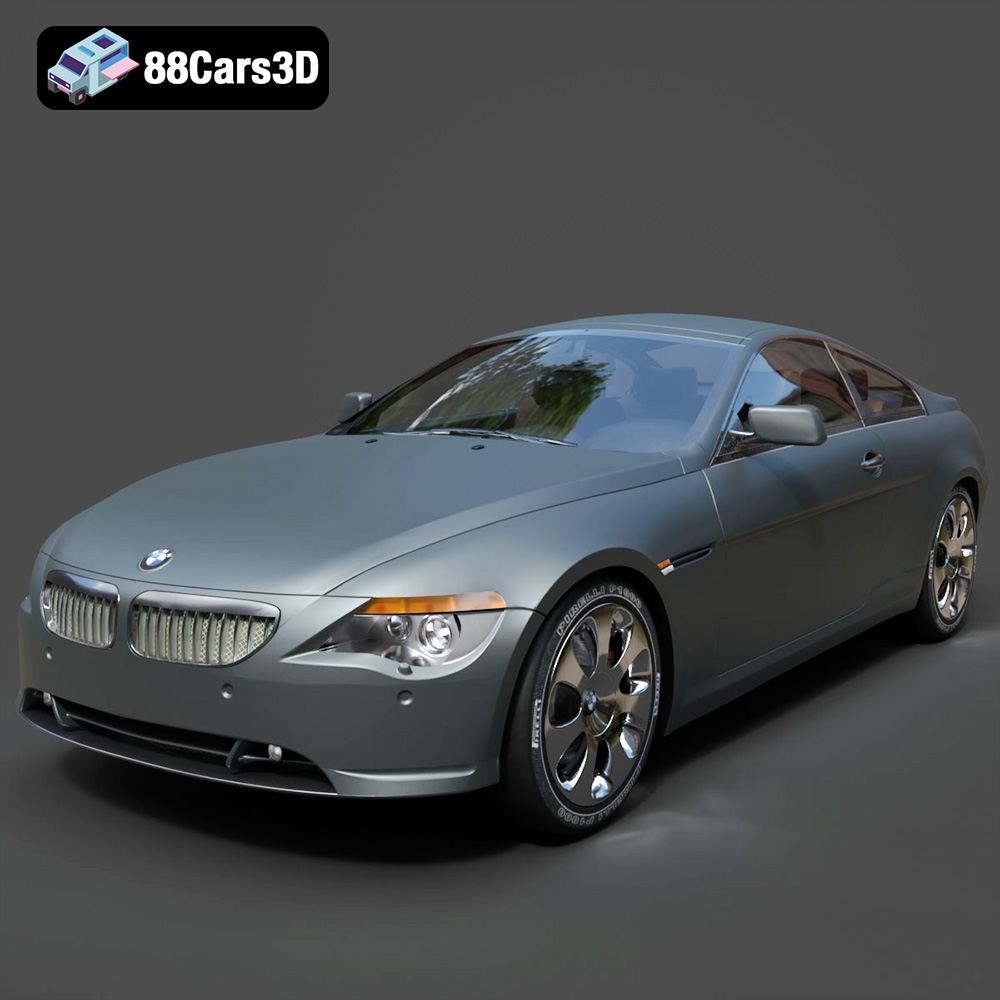
Texture: Yes
Material: Yes
Download the BMW 6 Series 3D Model featuring precisely modeled body panels, detailed interior, and authentic wheels. Includes .blend, .fbx, .obj, .glb, .stl, .ply, .unreal, and .max formats for rendering, simulation, and game development.
Price: $10.79
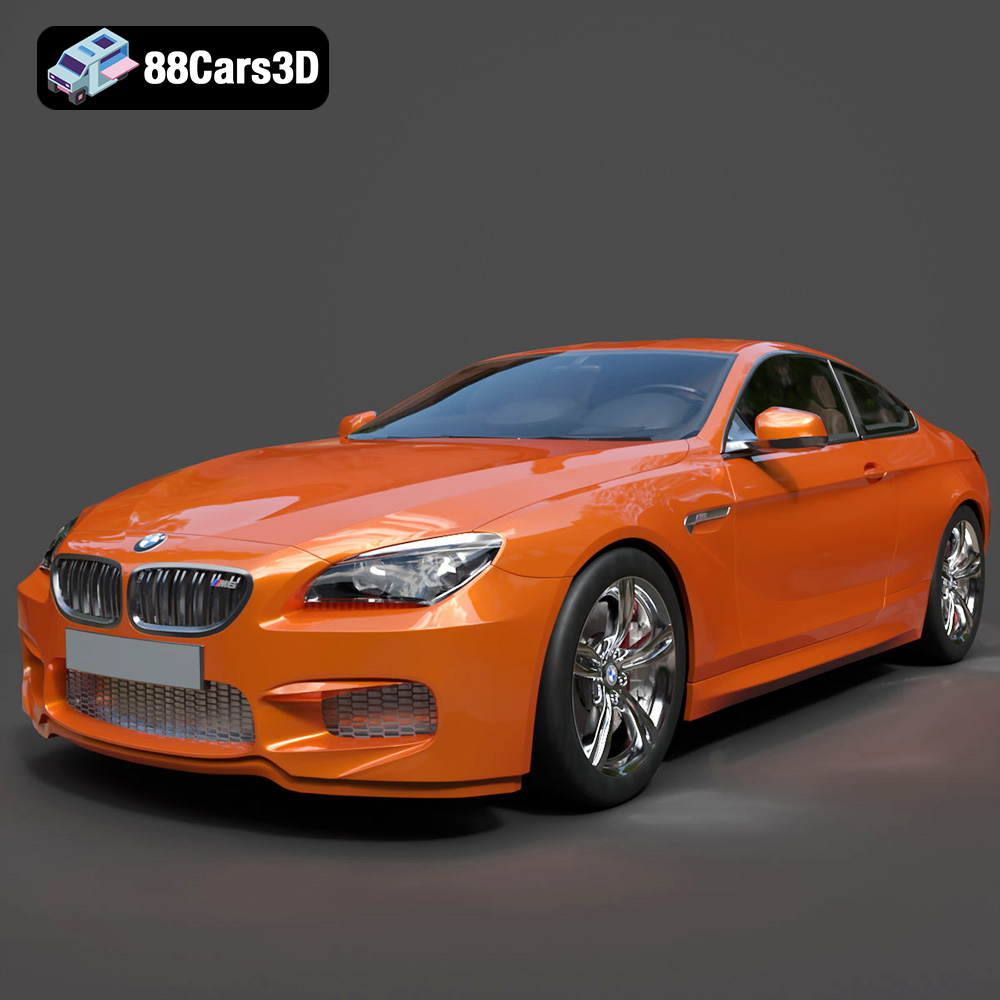
Texture: Yes
Material: Yes
Download the BMW M6 Coupe (F12) 3D Model featuring its iconic sporty design and luxurious details. Includes .blend, .fbx, .obj, .glb, .stl, .ply, .unreal, and .max formats for rendering, simulation, and game development.
Price: $10.79
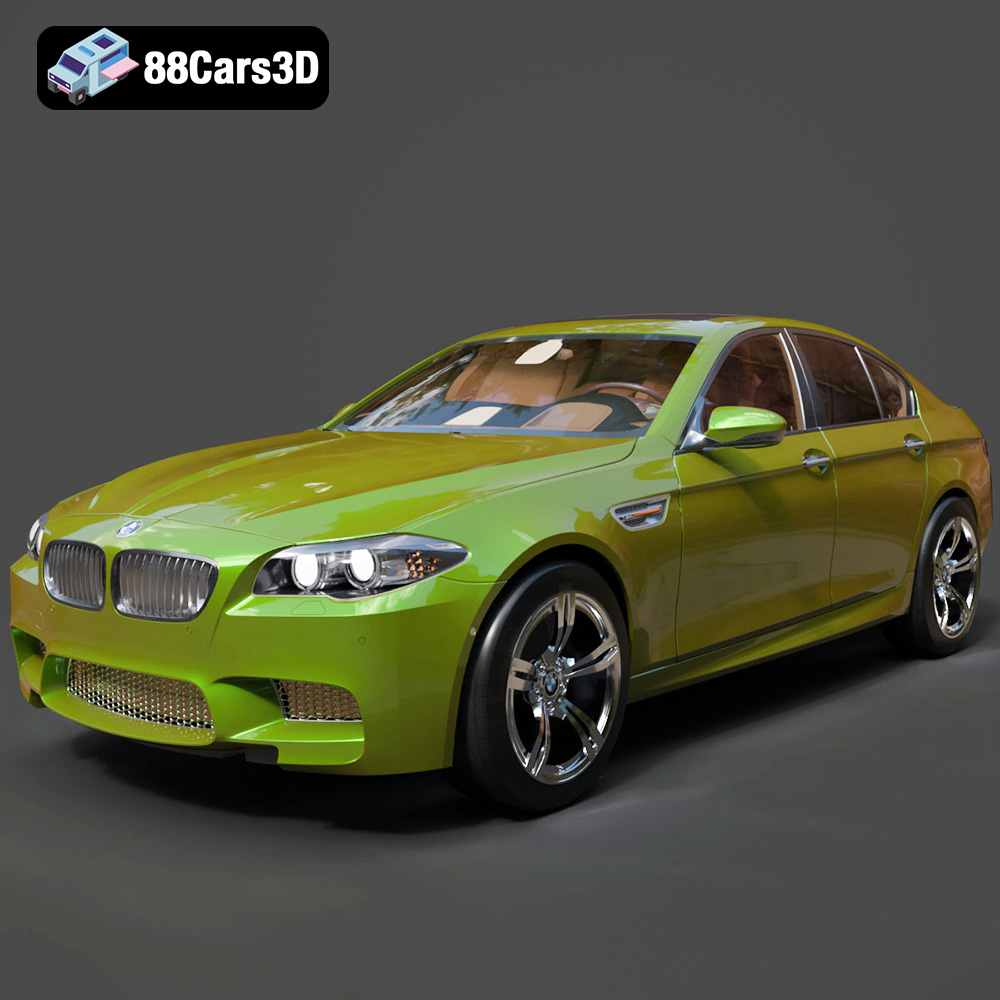
Texture: Yes
Material: Yes
Download the BMW M5 F10 3D Model featuring high-performance luxury sedan design, detailed interior, and realistic PBR textures. Includes .blend, .fbx, .obj, .glb, .stl, .ply, .unreal, and .max formats for rendering, simulation, and game development.
Price: $10.79
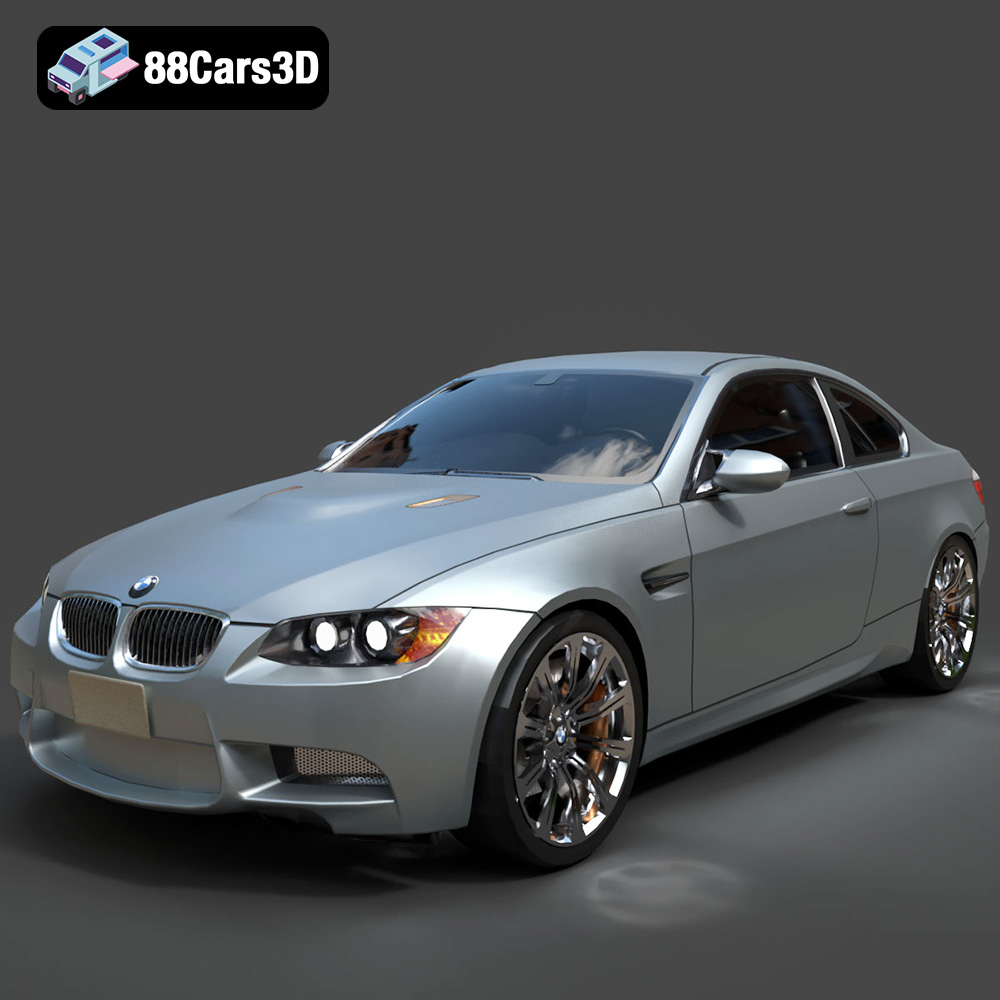
Texture: Yes
Material: Yes
Download the BMW M3 Coupe E92-002 3D Model featuring authentic styling, detailed exterior, and a faithful interior. Includes .blend, .fbx, .obj, .glb, .stl, .ply, .unreal, and .max formats for rendering, simulation, and game development.
Price: $10.79
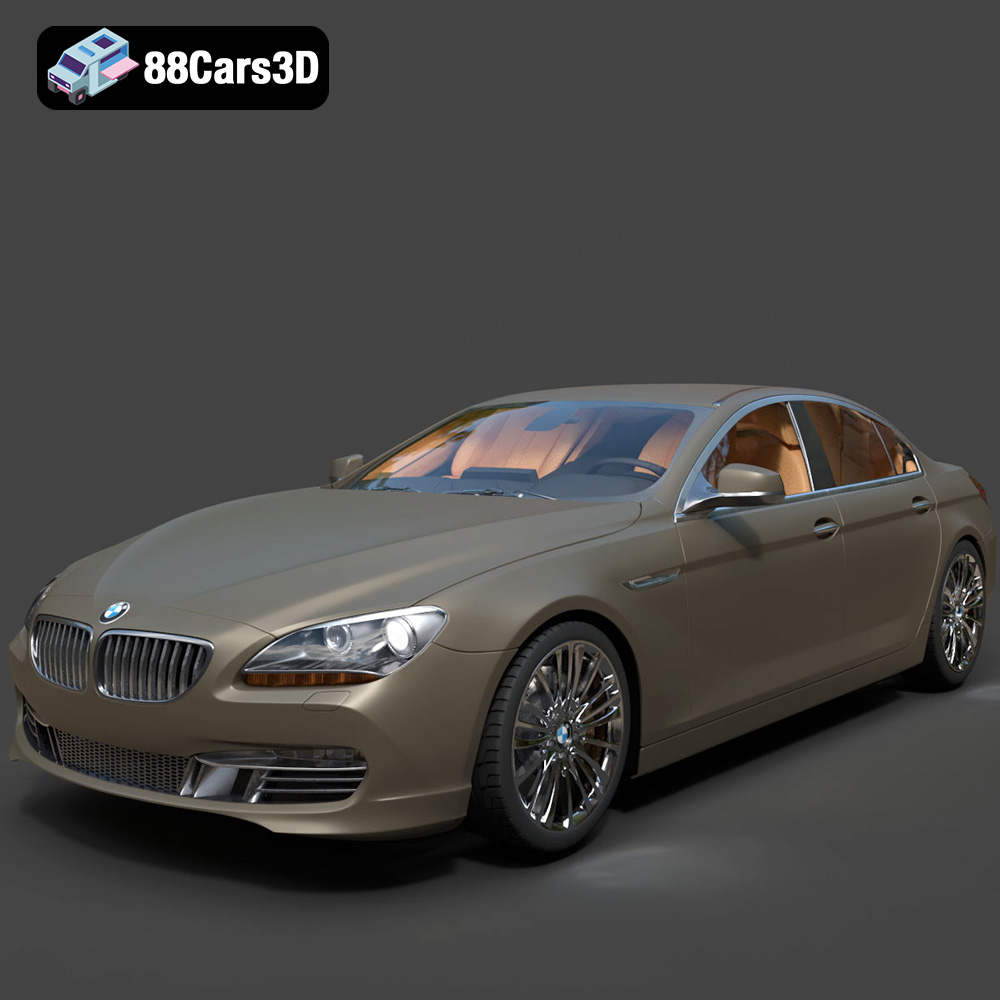
Texture: Yes
Material: Yes
Download the BMW 6 Series Gran Coupe 2013 3D Model featuring a sophisticated design, detailed exterior, and well-appointed interior. Includes .blend, .fbx, .obj, .glb, .stl, .ply, .unreal, and .max formats for rendering, simulation, and game development.
Price: $20.79
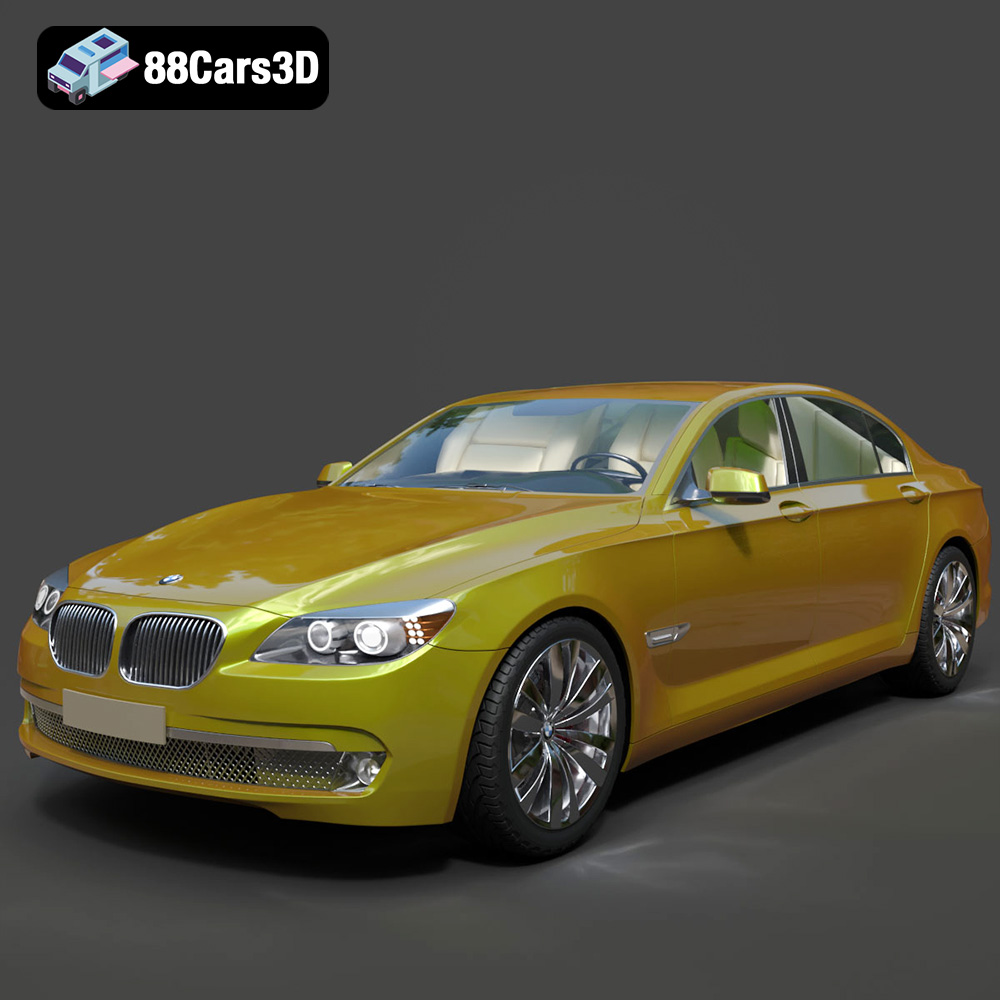
Texture: Yes
Material: Yes
Download the BMW 7 Series 750 F01 3D Model featuring a detailed exterior and a luxurious interior. Includes .blend, .fbx, .obj, .glb, .stl, .ply, .unreal, and .max formats for rendering, simulation, and game development.
Price: $10.79
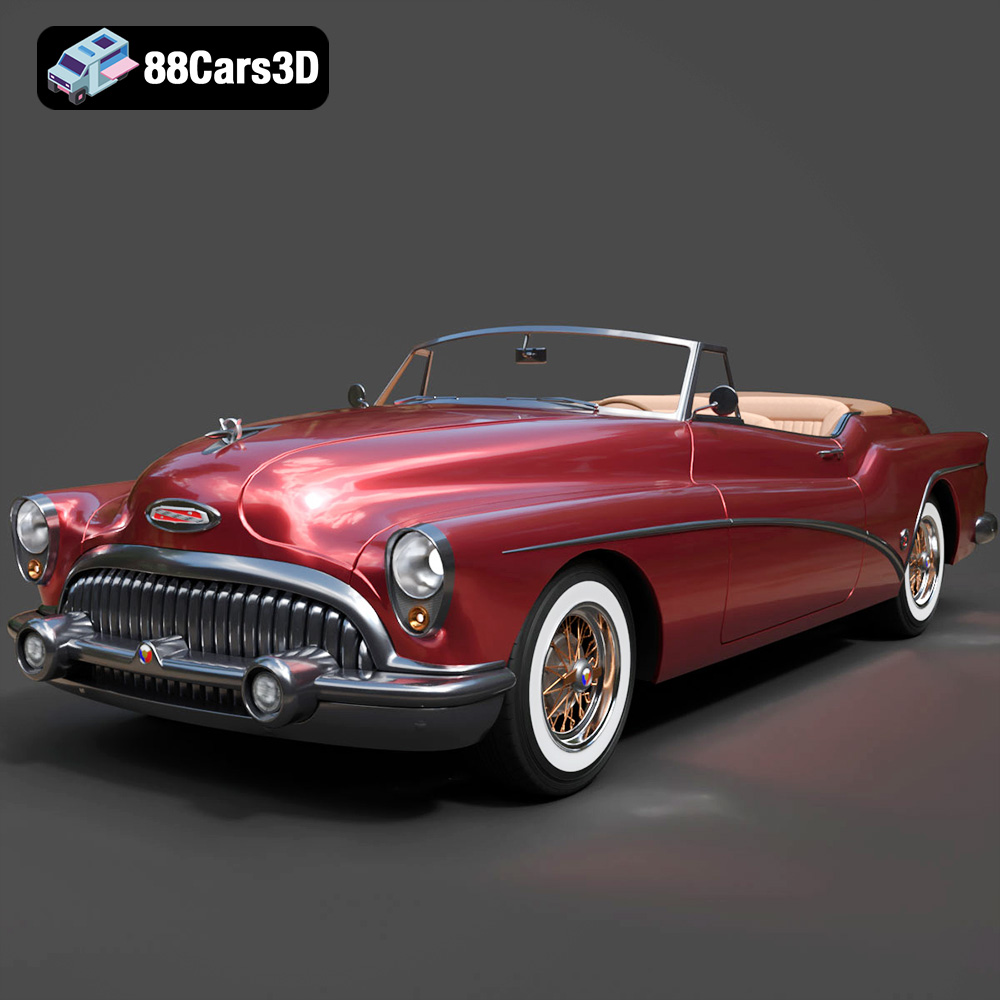
Texture: Yes
Material: Yes
Download the Buick Skylark Convertible 1953 3D Model featuring iconic 1950s styling, a detailed exterior with chrome accents, and an accurately modeled interior. Includes .blend, .fbx, .obj, .glb, .stl, .ply, .unreal, and .max formats for rendering, simulation, and game development.
Price: $10.79

Texture: Yes
Material: Yes
Download the Buick Roadmaster Hardtop Coupe 1957 3D Model featuring a classic American design with detailed exterior and interior. Includes .blend, .fbx, .obj, .glb, .stl, .ply, .unreal, and .max formats for rendering, simulation, and game development.
Price: $10.79
Texture: Yes
Material: Yes
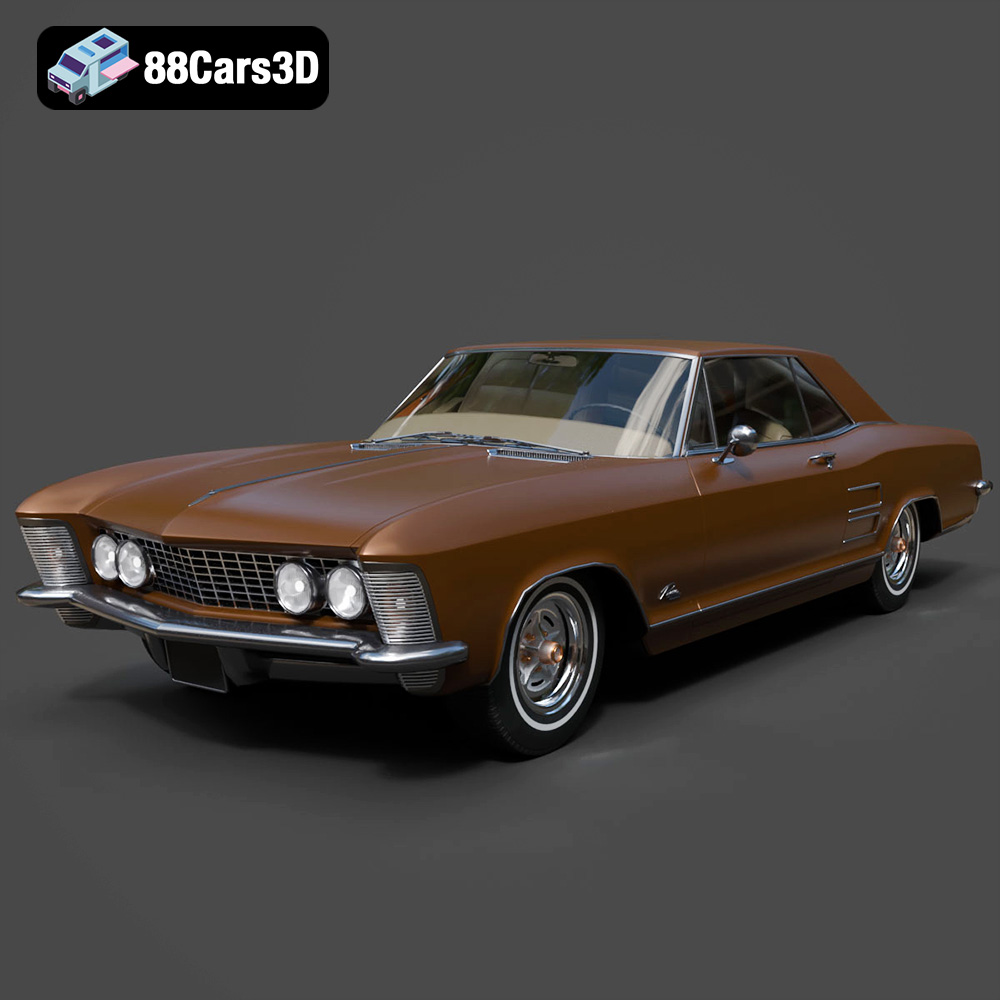
Download the Buick Riviera 1963 3D Model featuring classic American muscle car design and iconic styling. Includes .blend, .fbx, .obj, .glb, .stl, .ply, .unreal, and .max formats for rendering, simulation, and game development.
Price: $10.79

