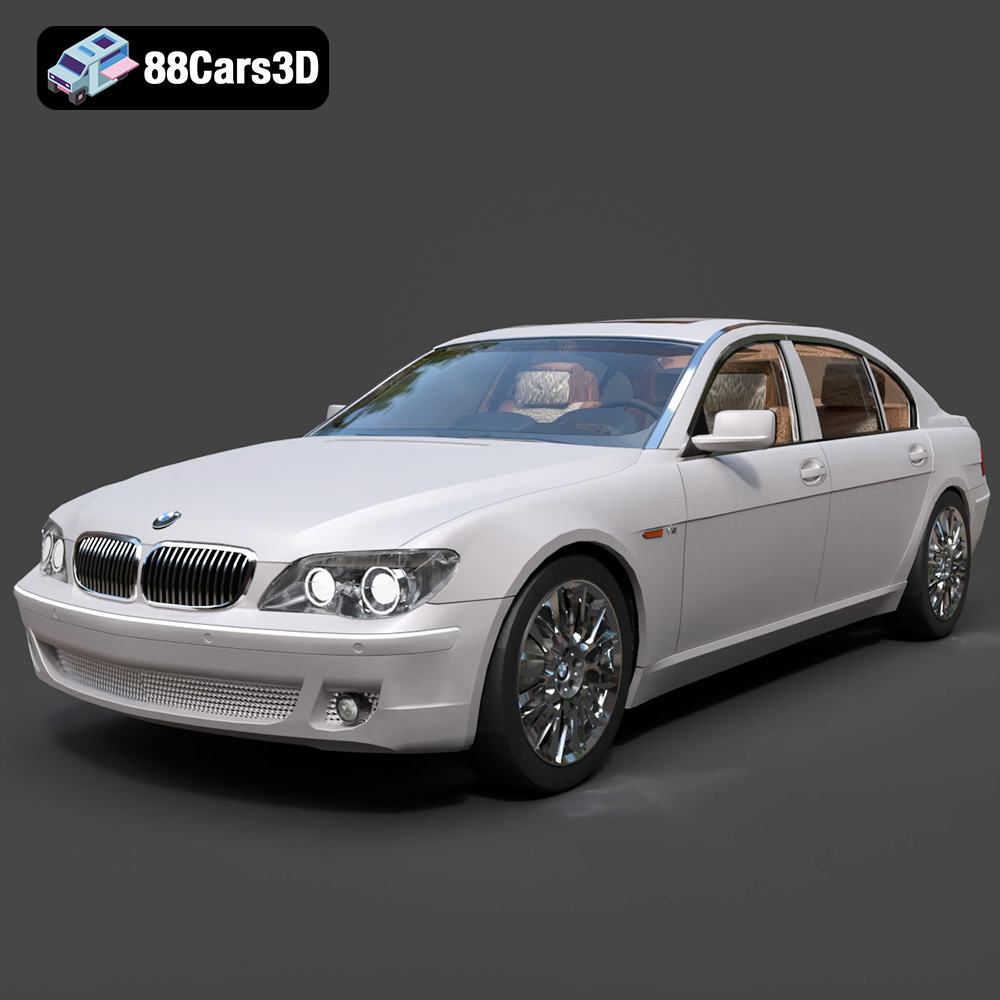
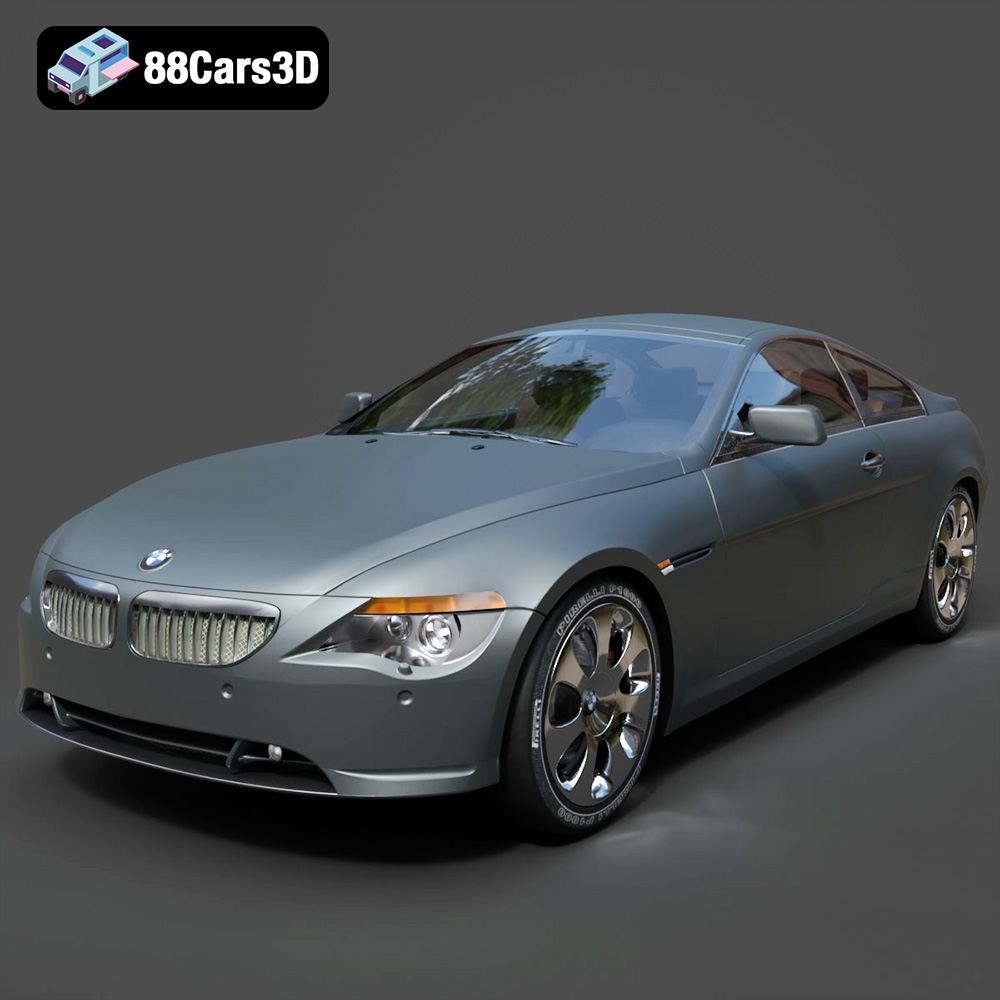
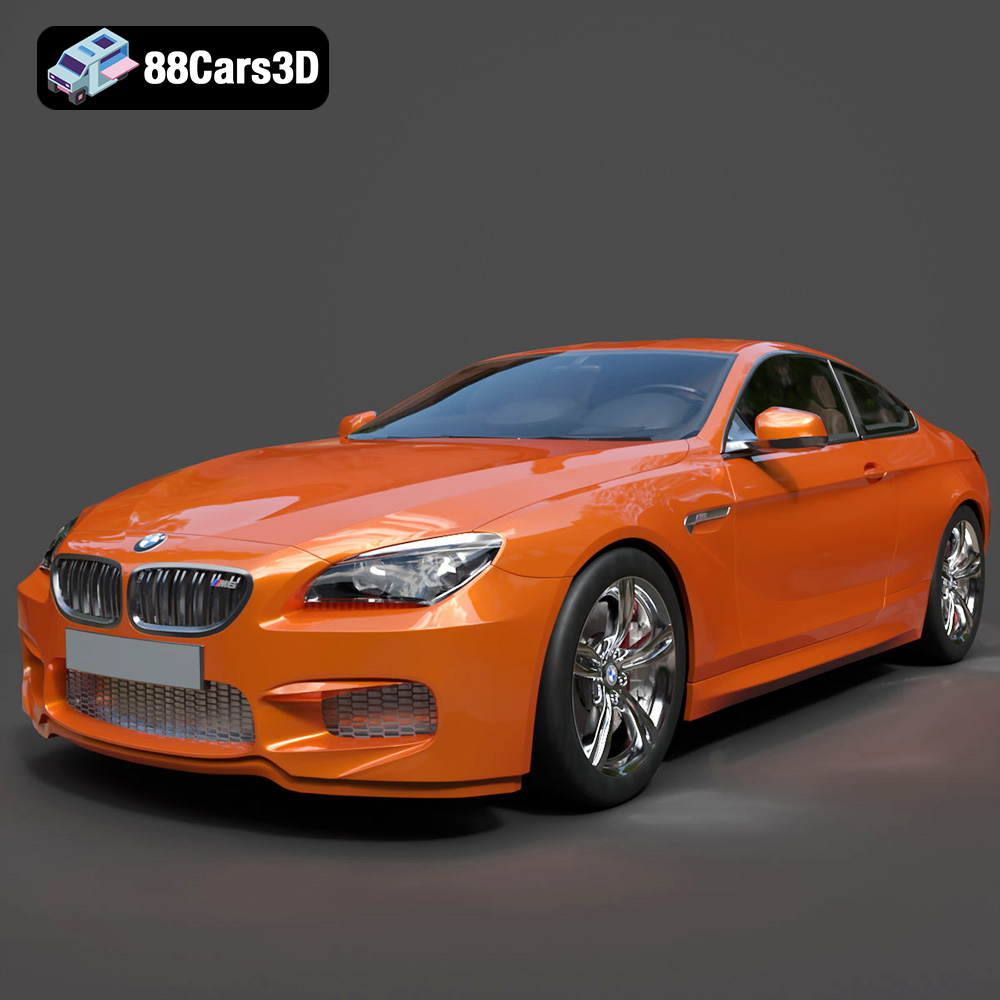
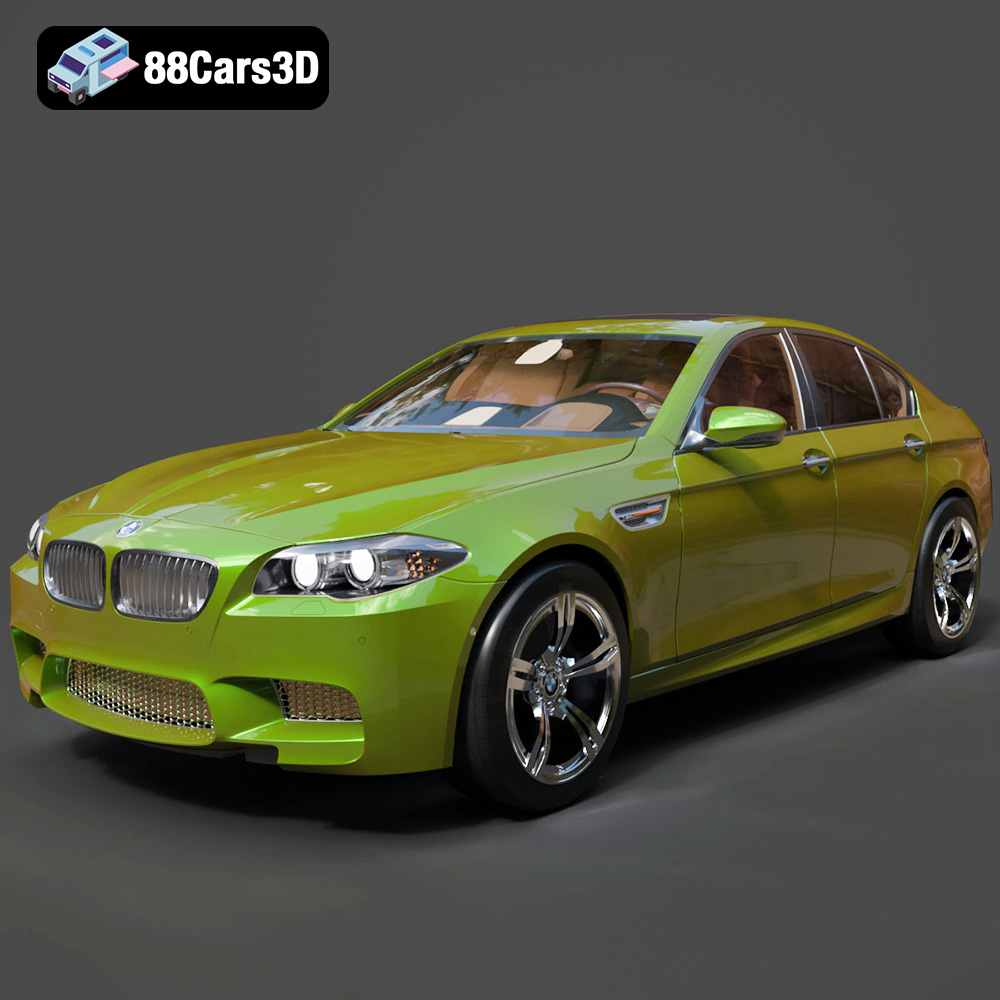
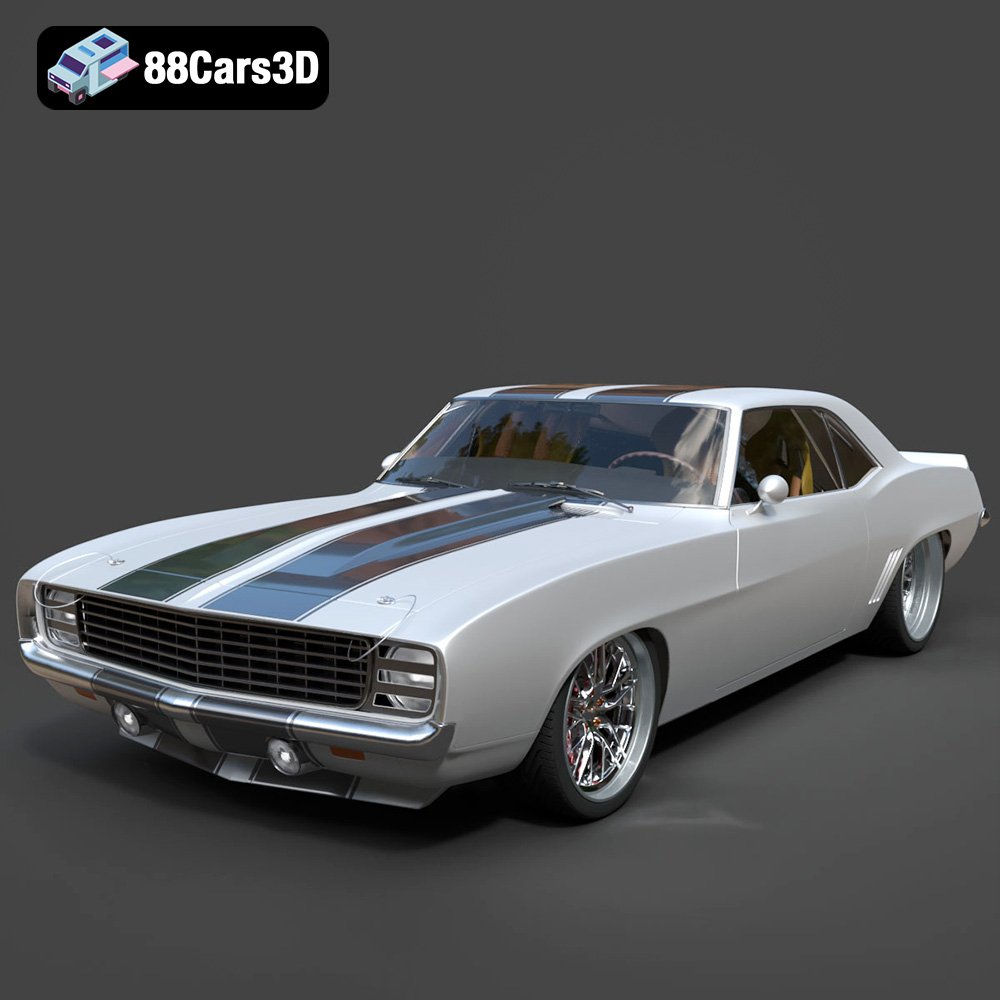
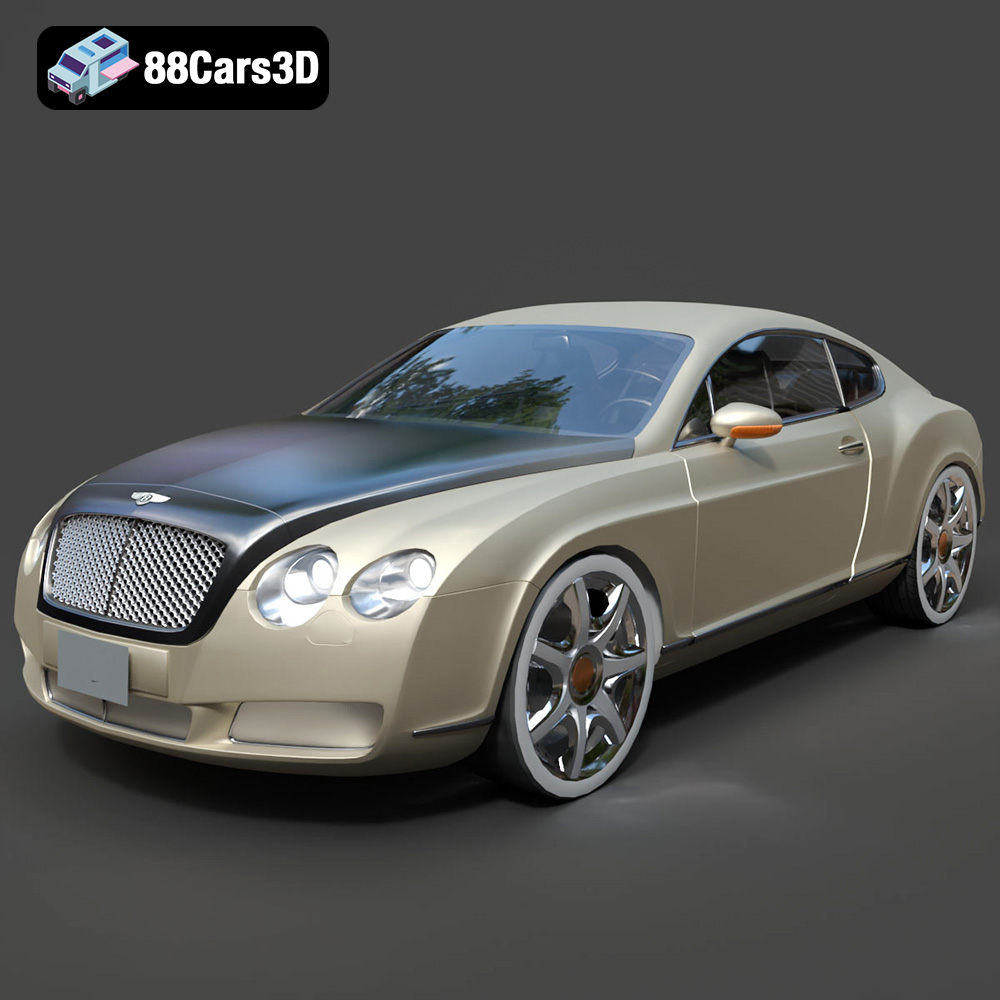
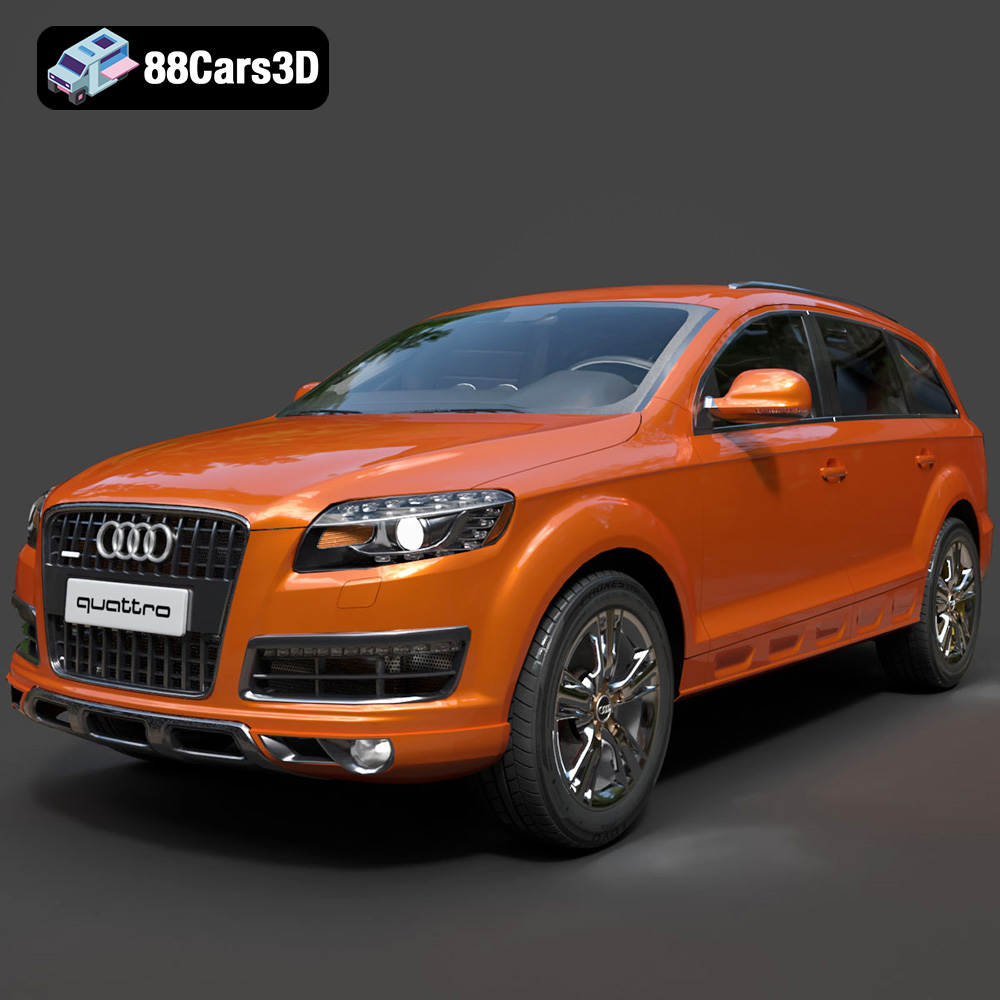
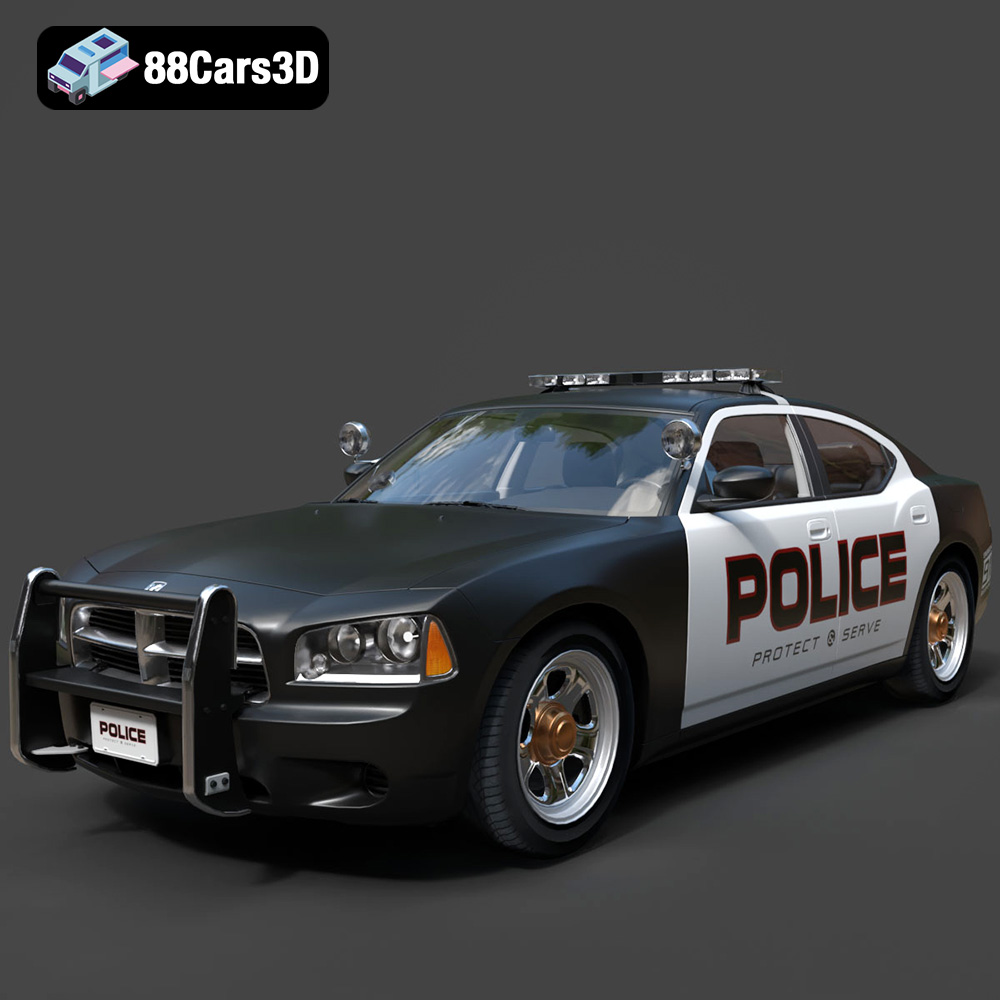
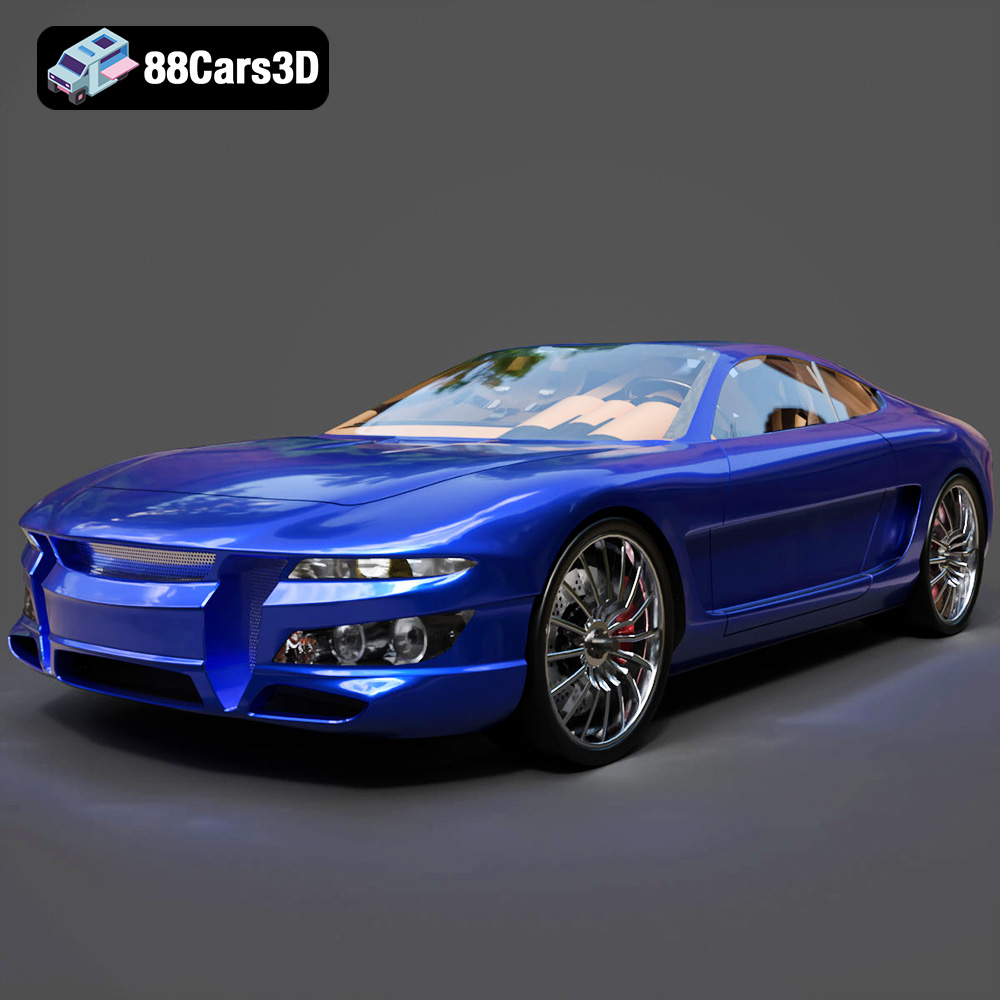
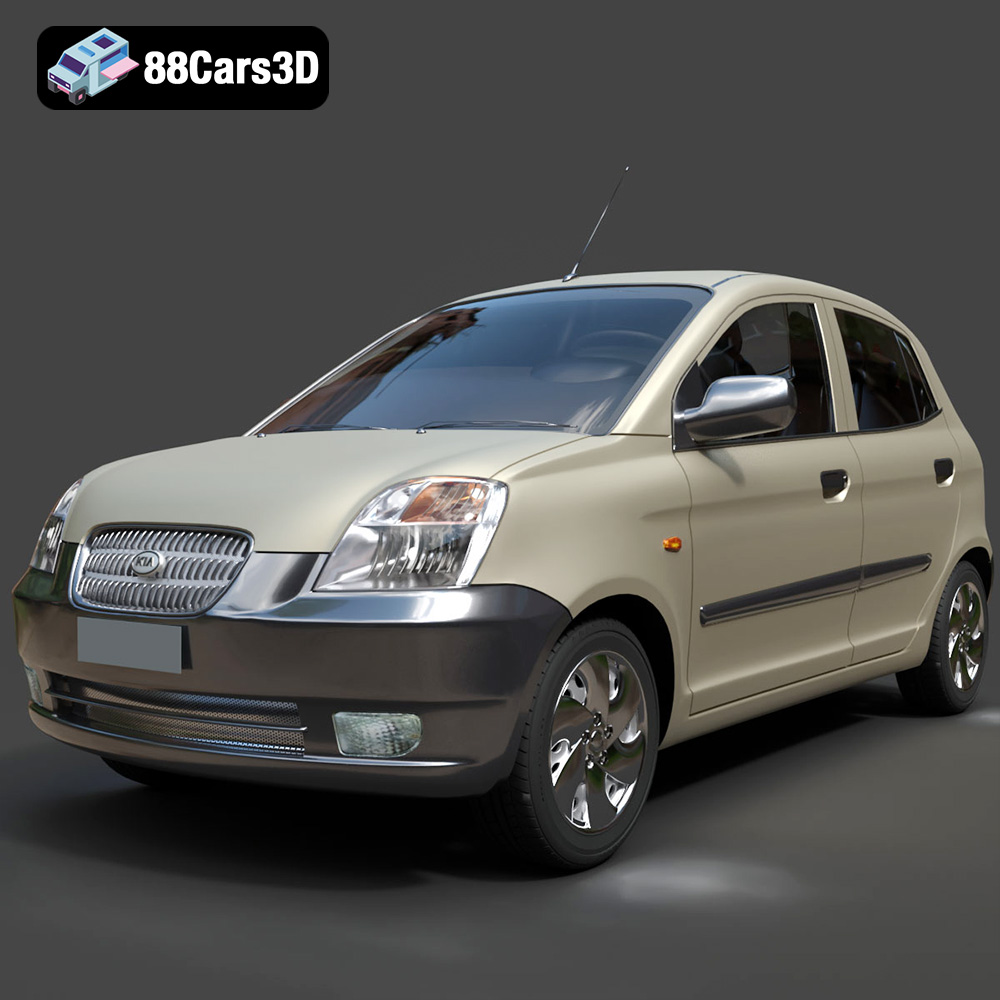
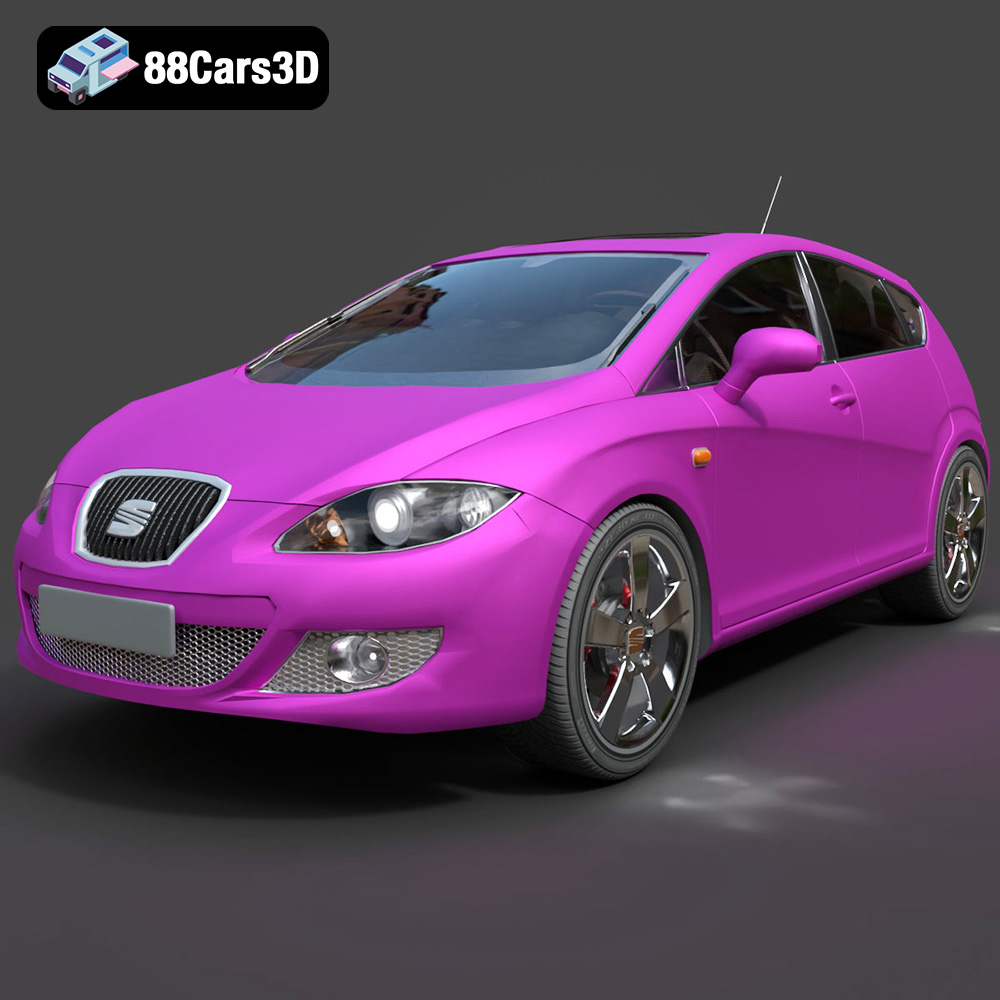
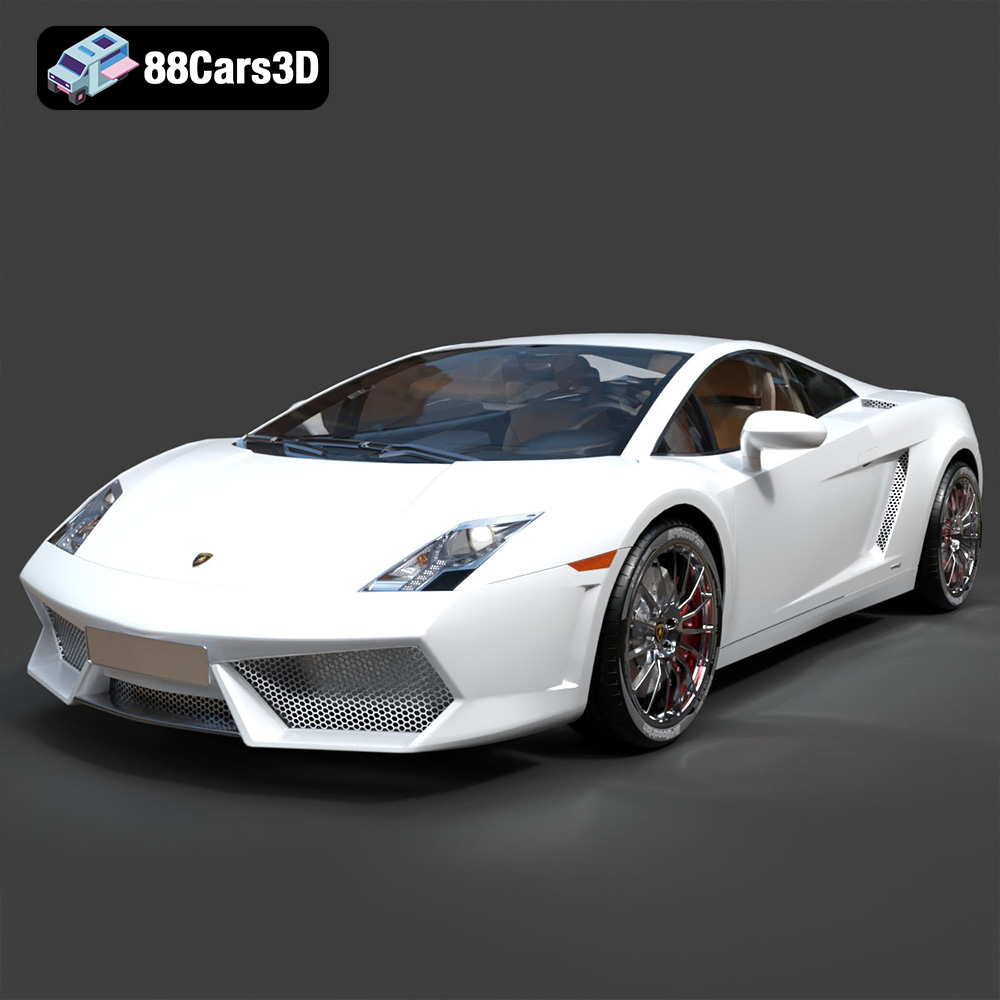
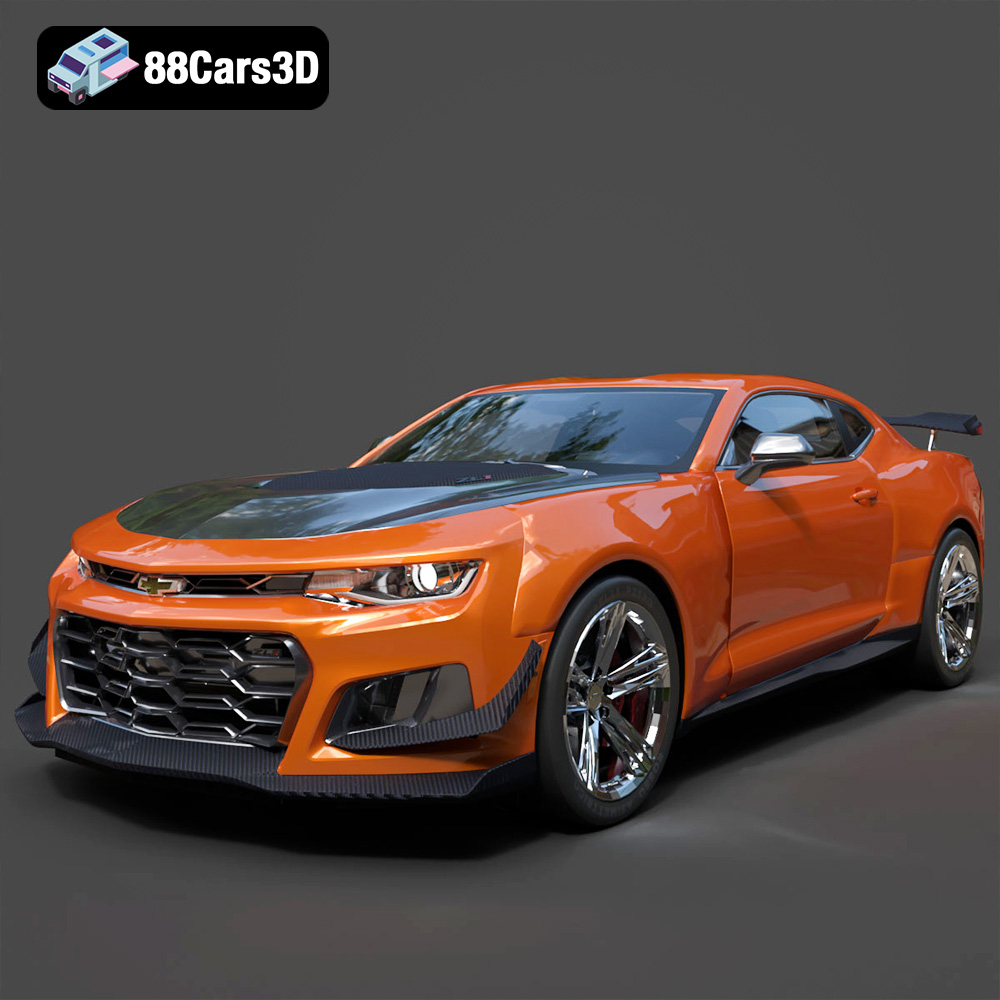
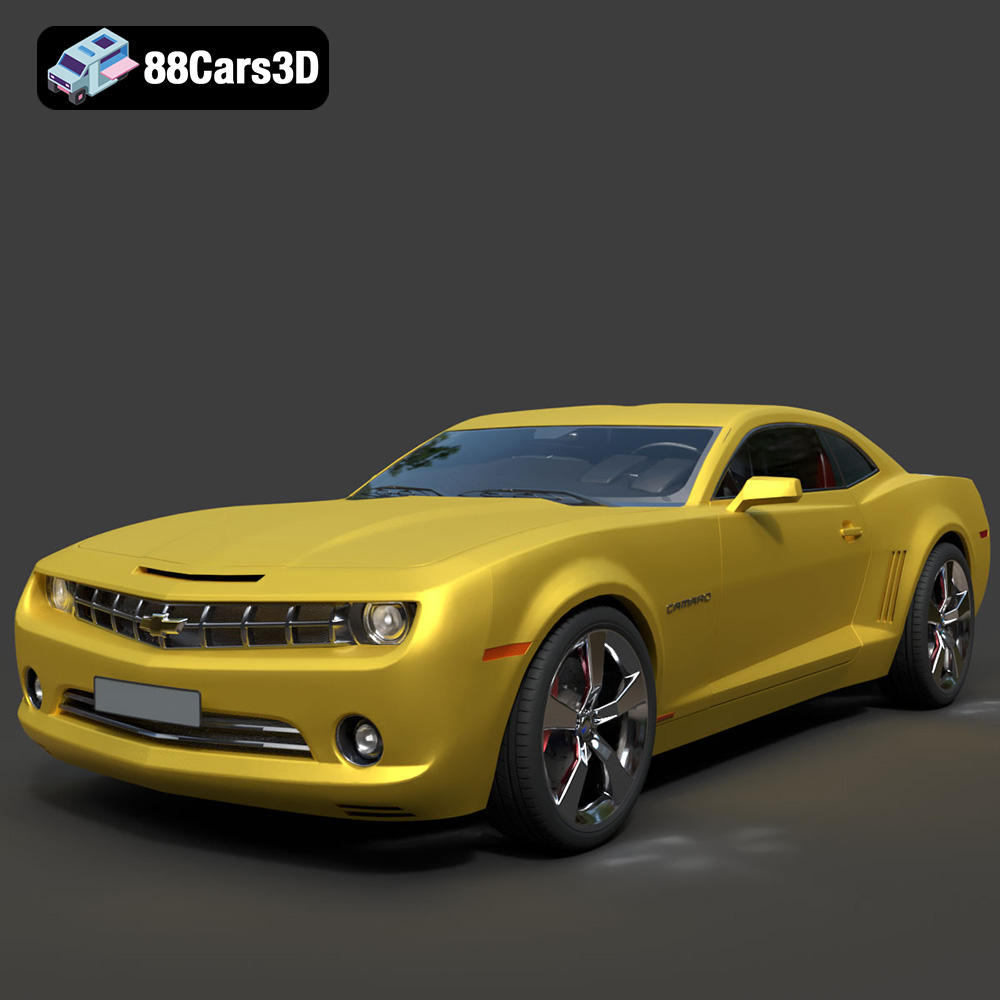
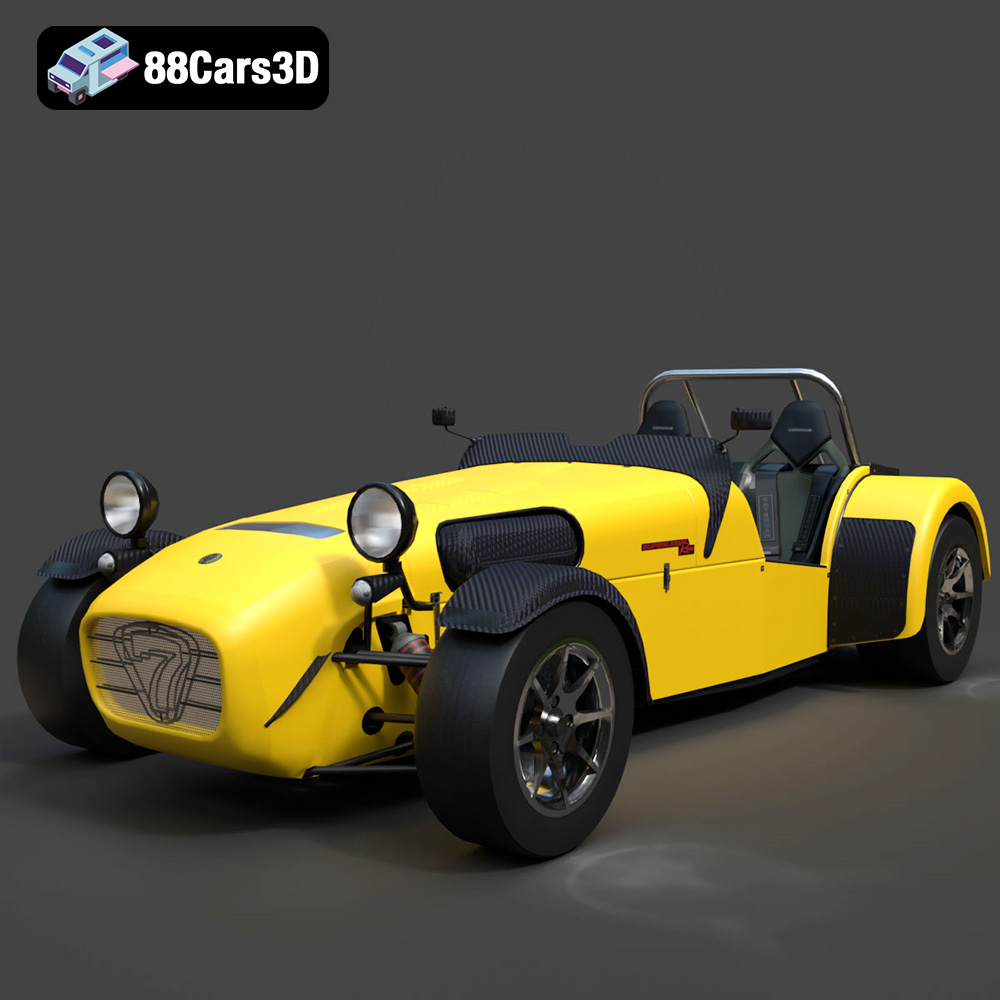
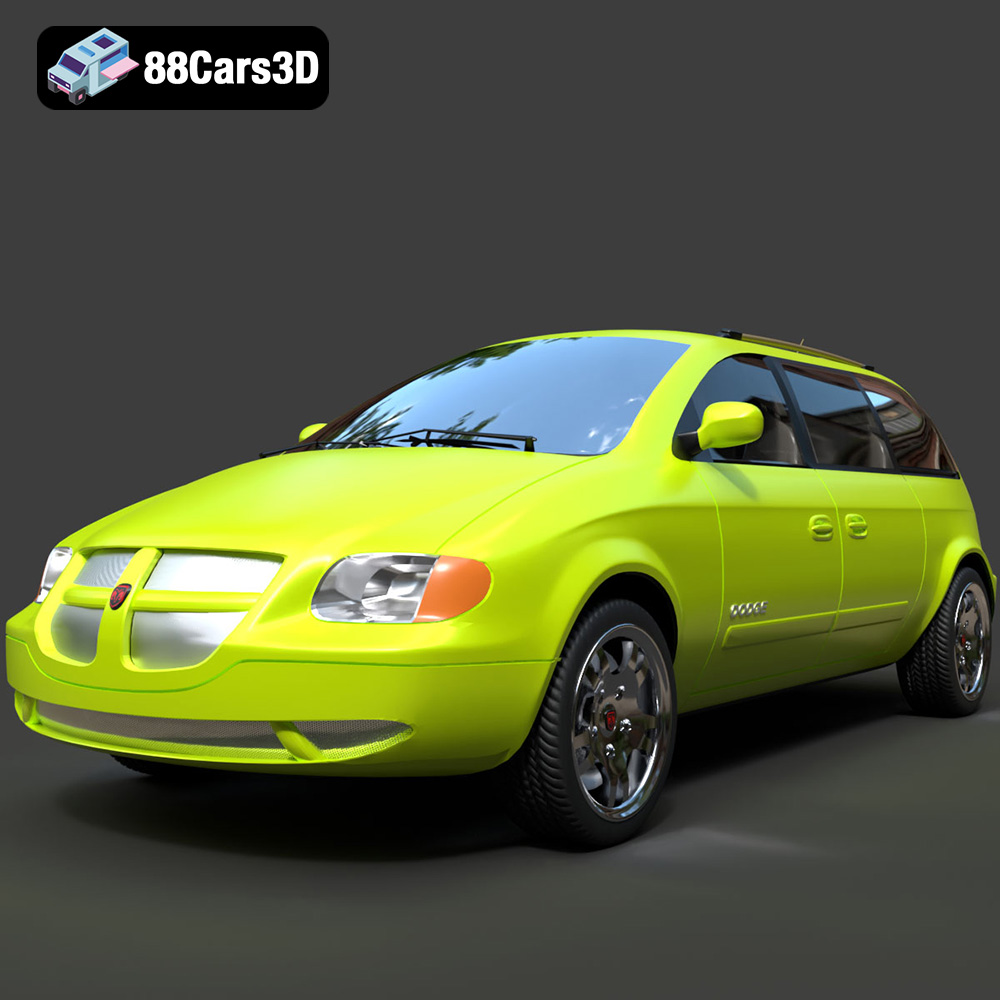
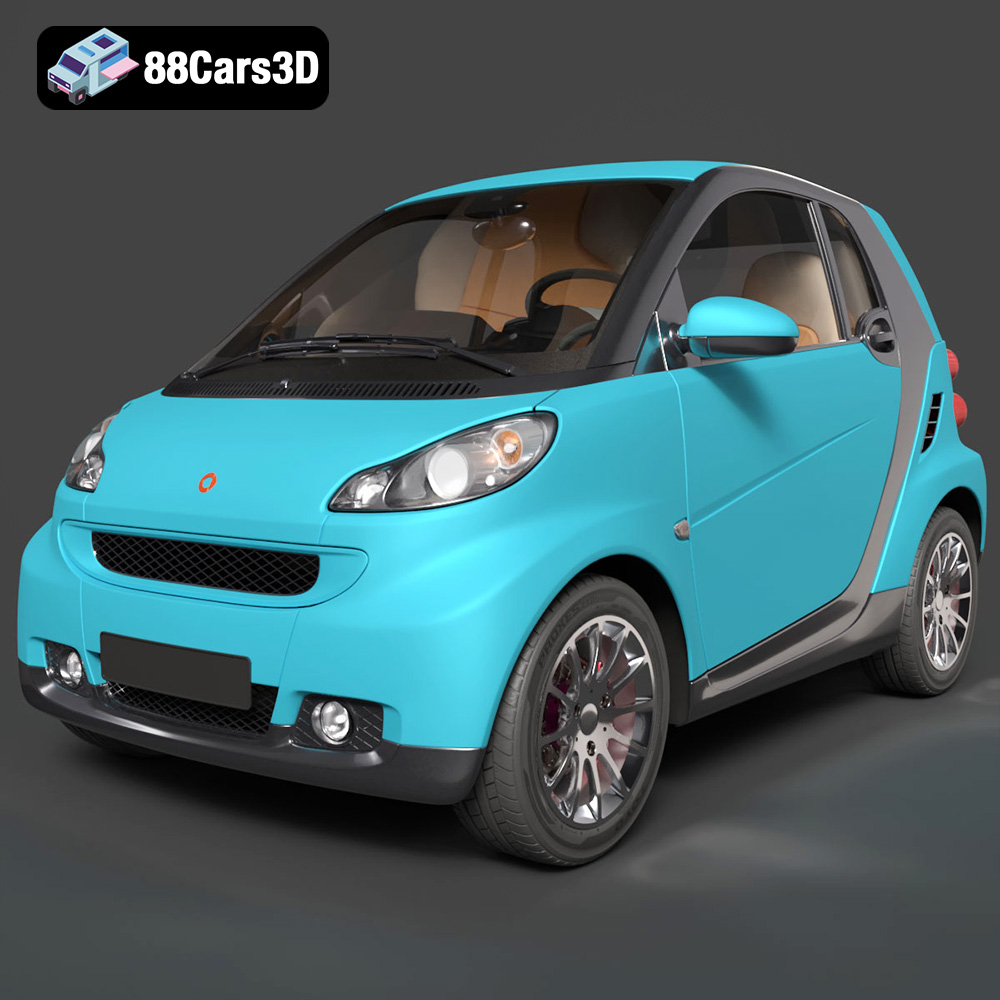
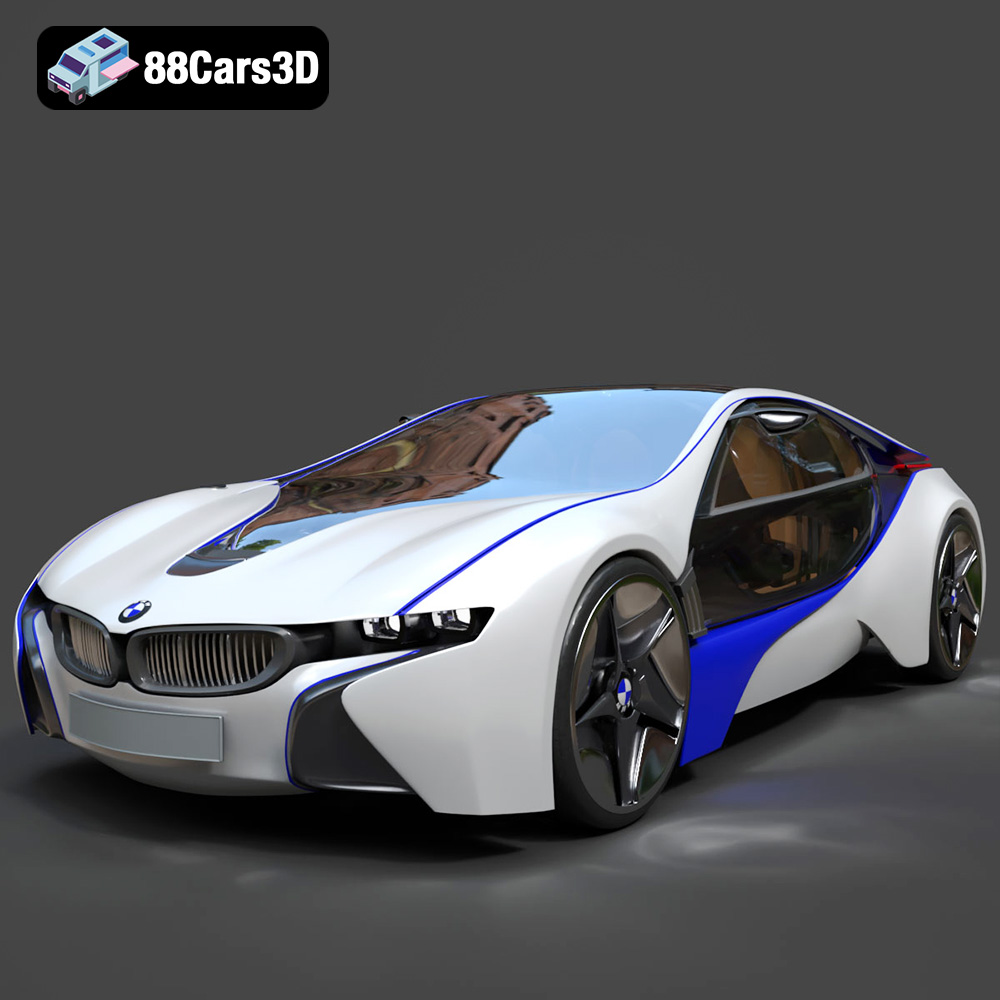
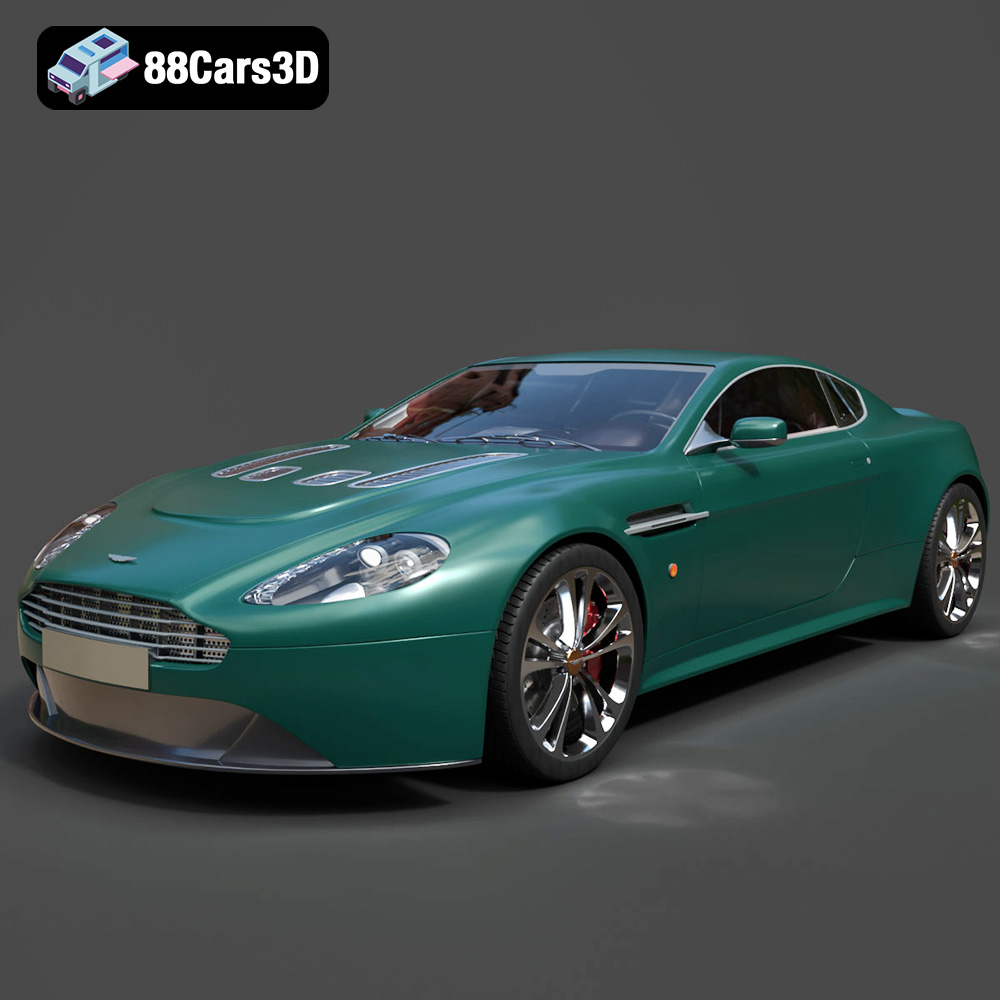
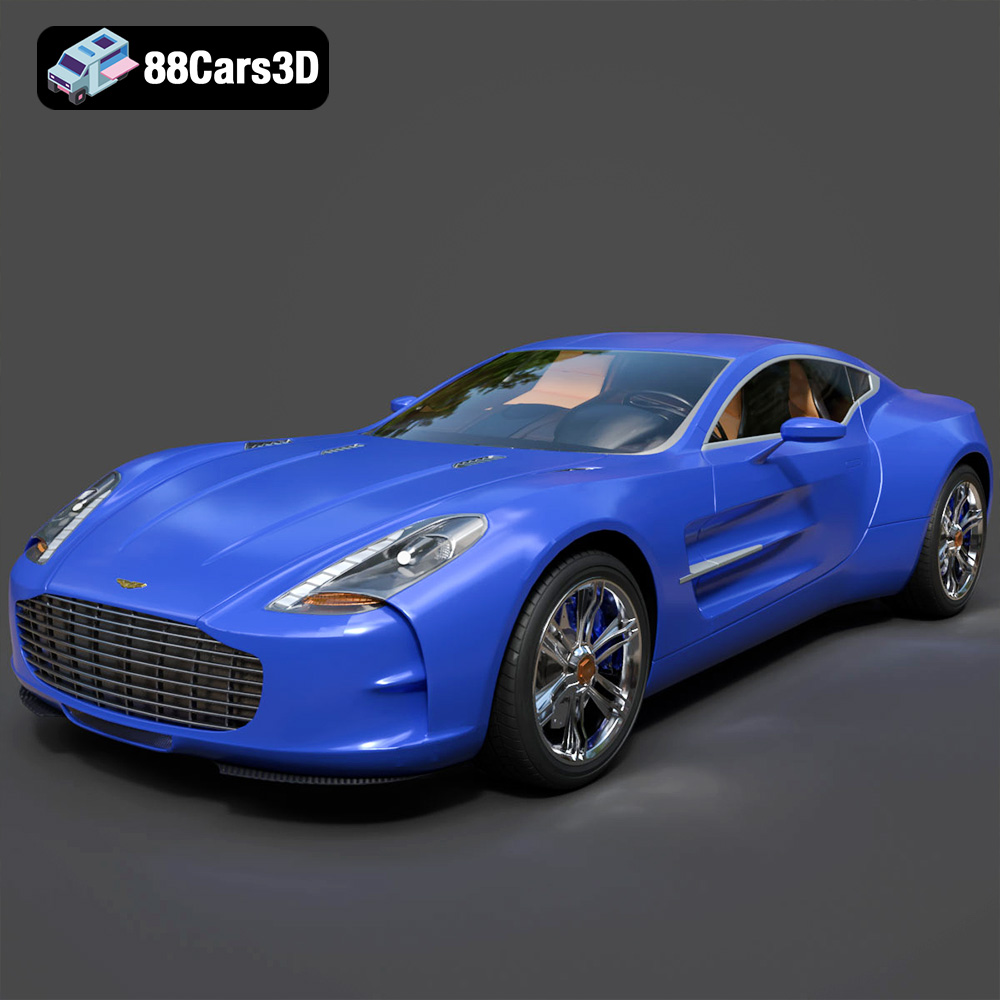
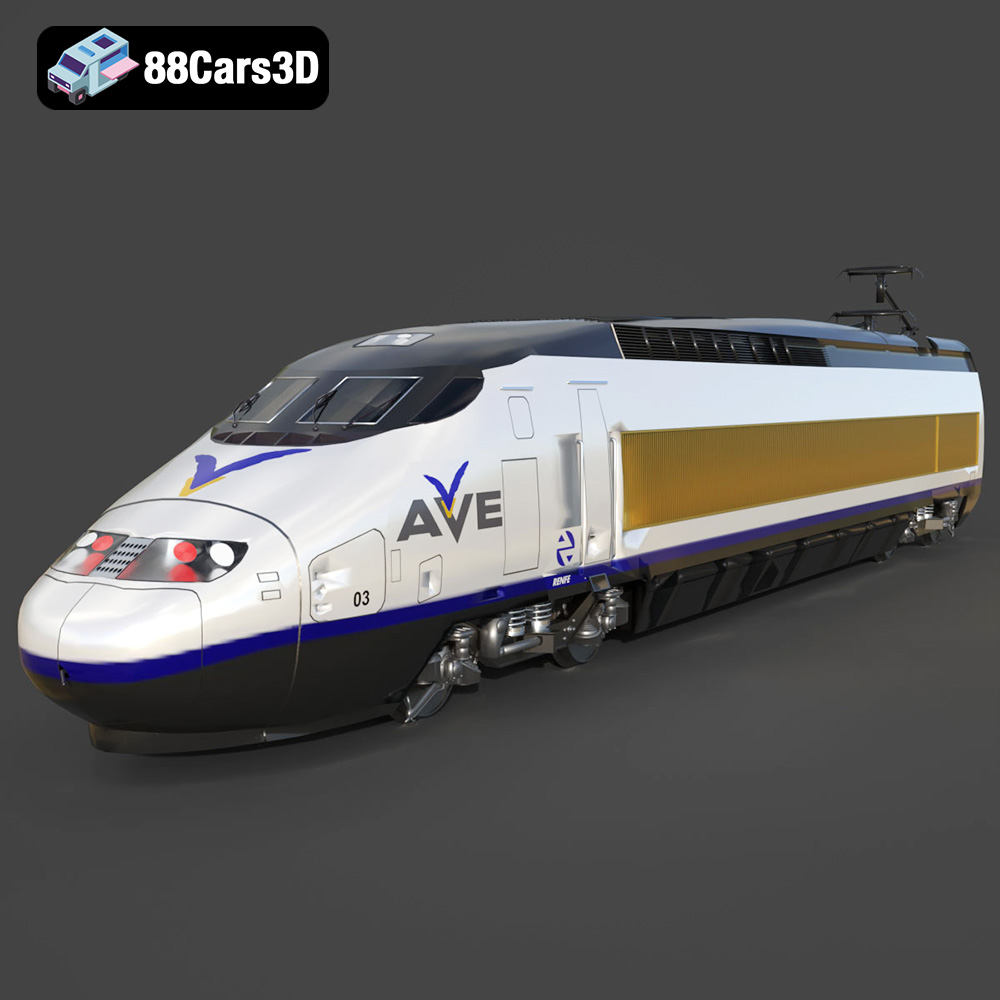
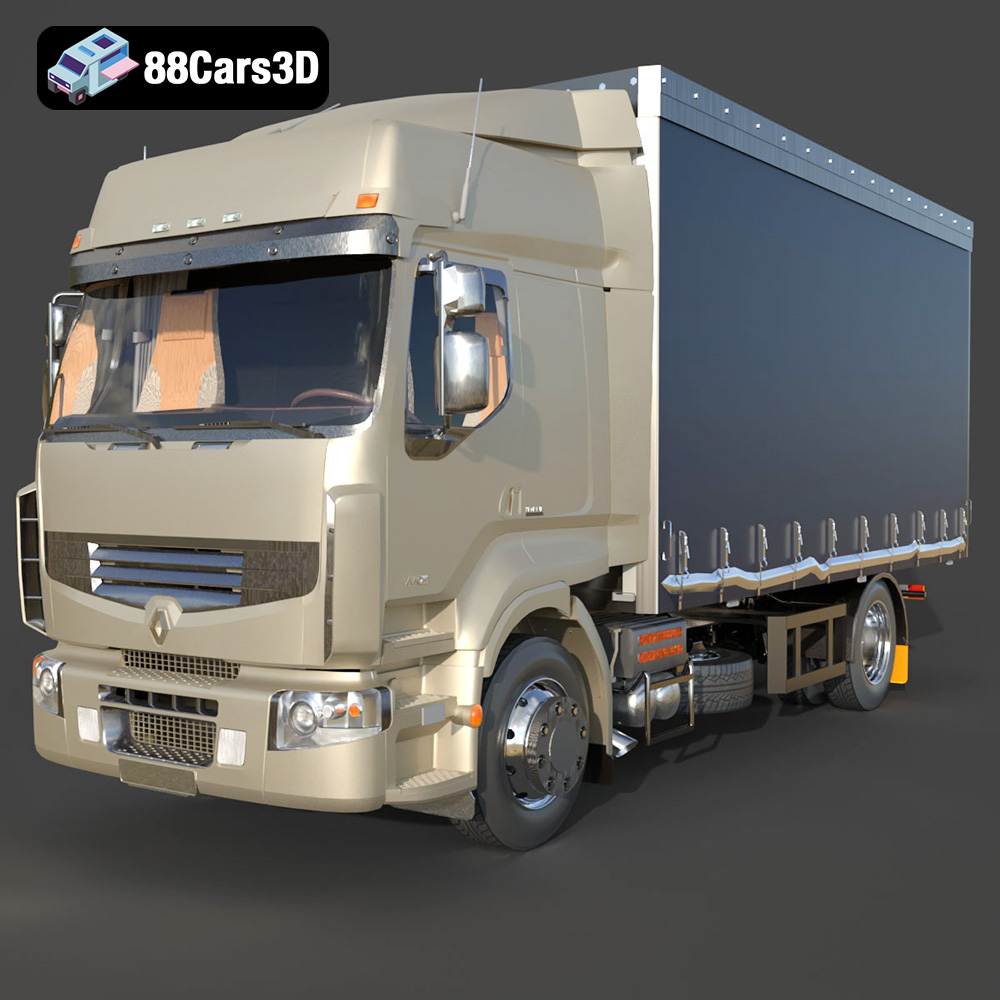
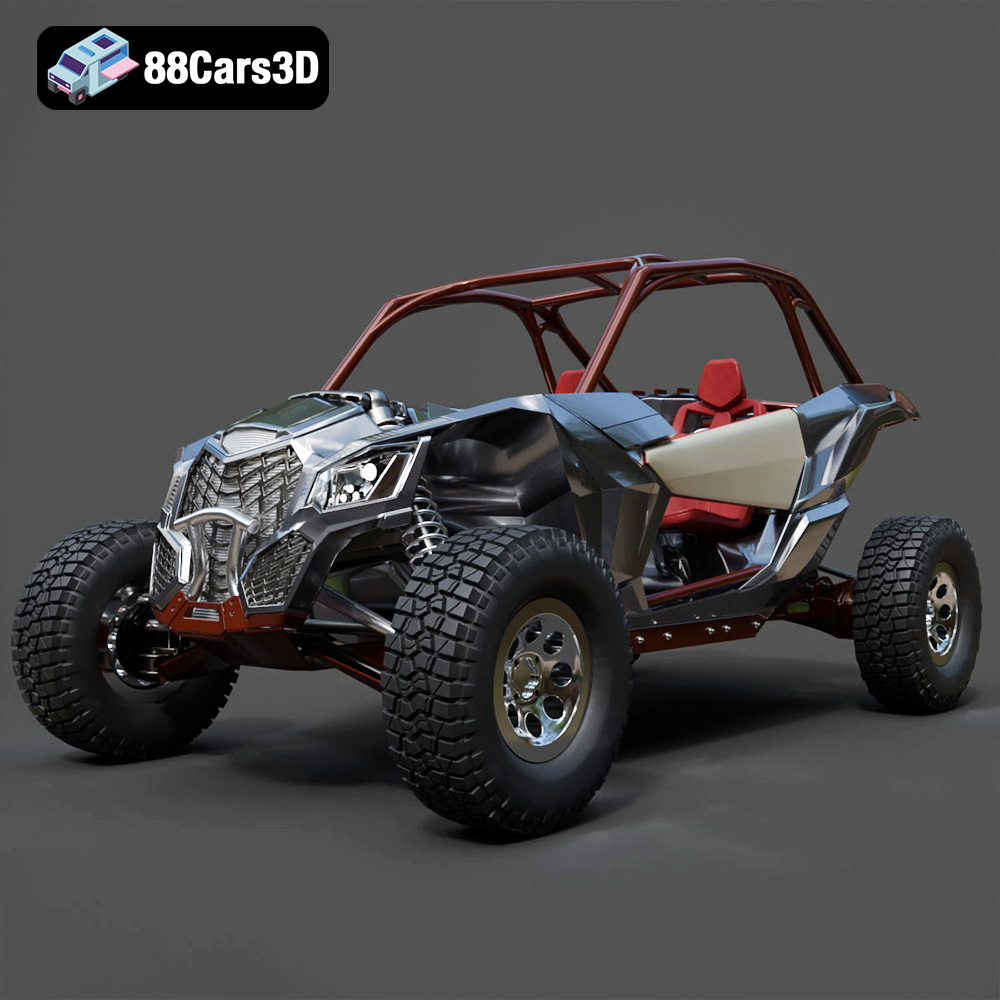
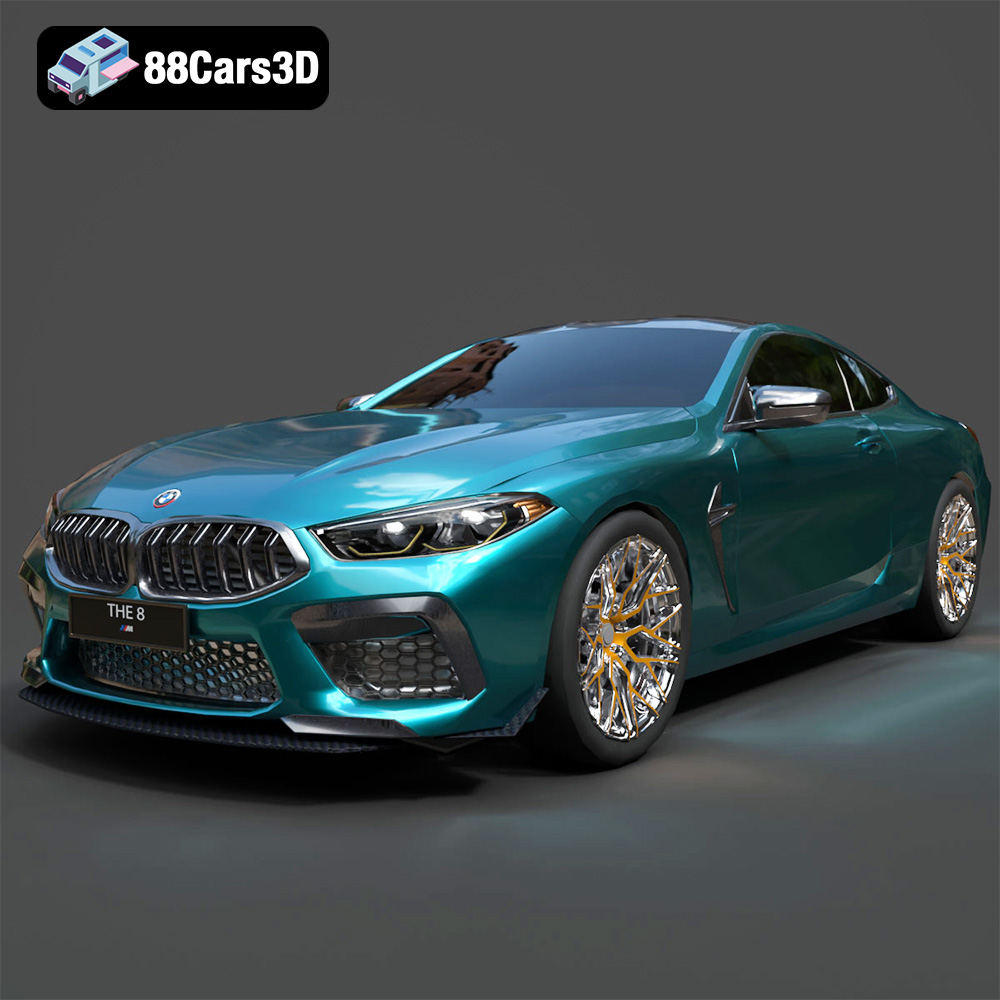
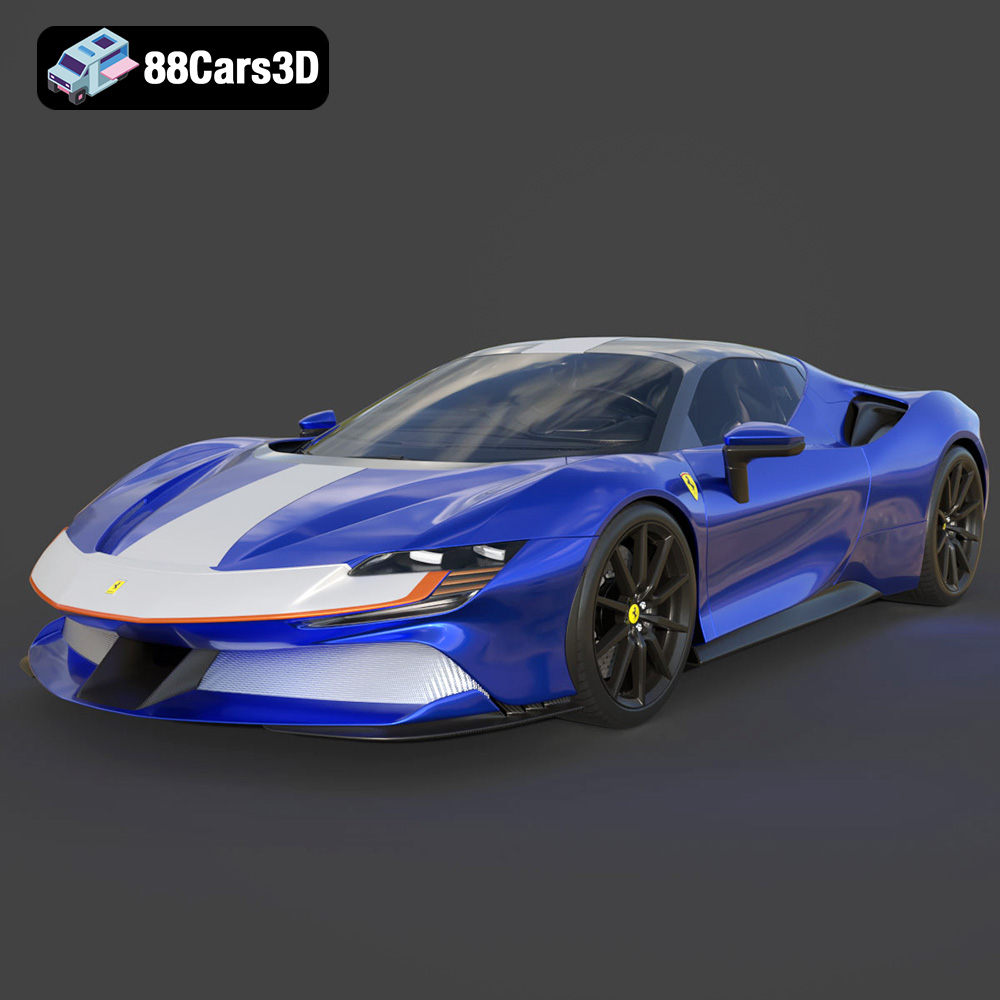
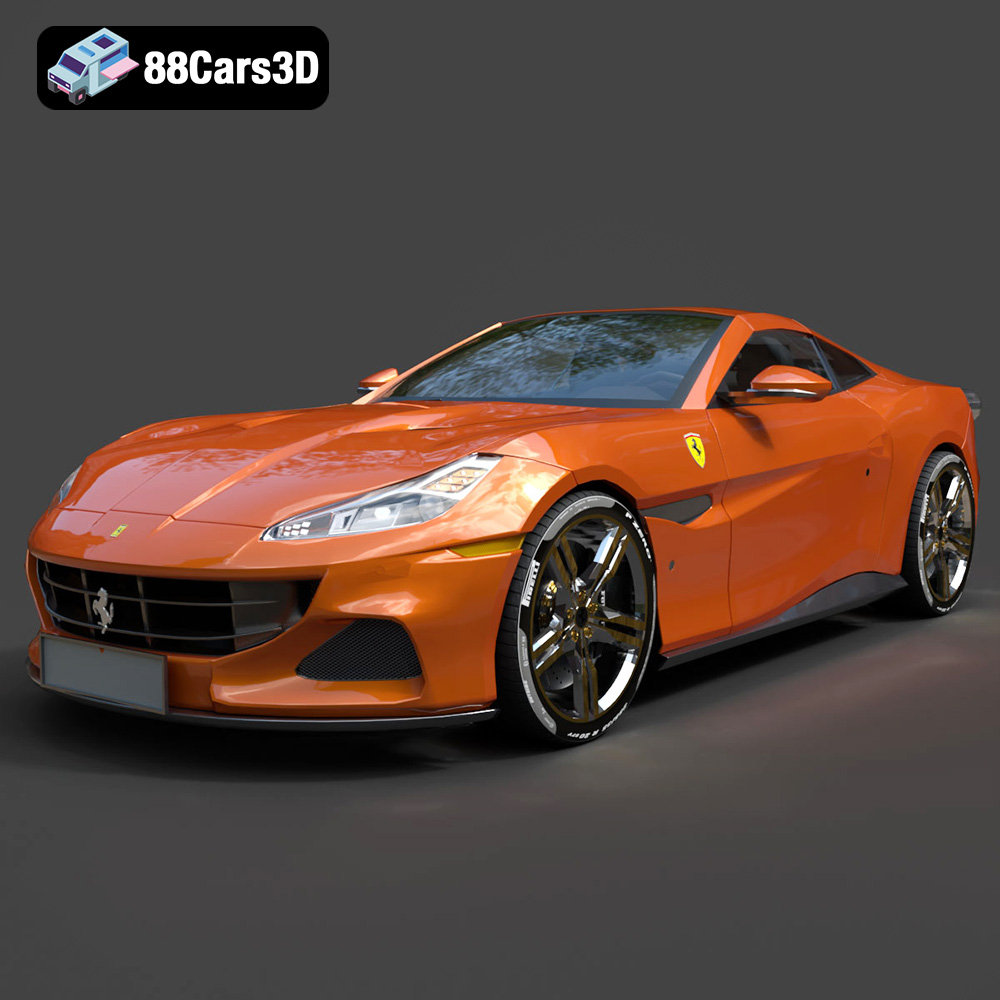
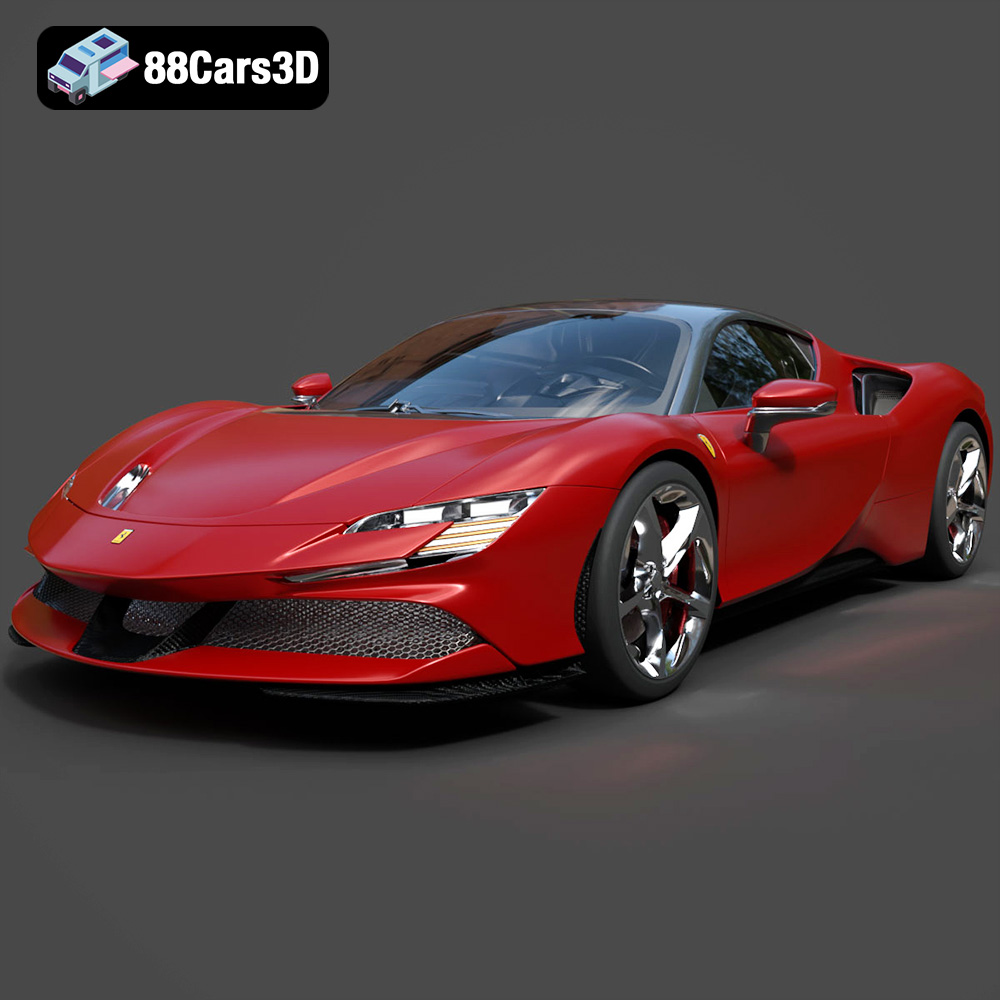
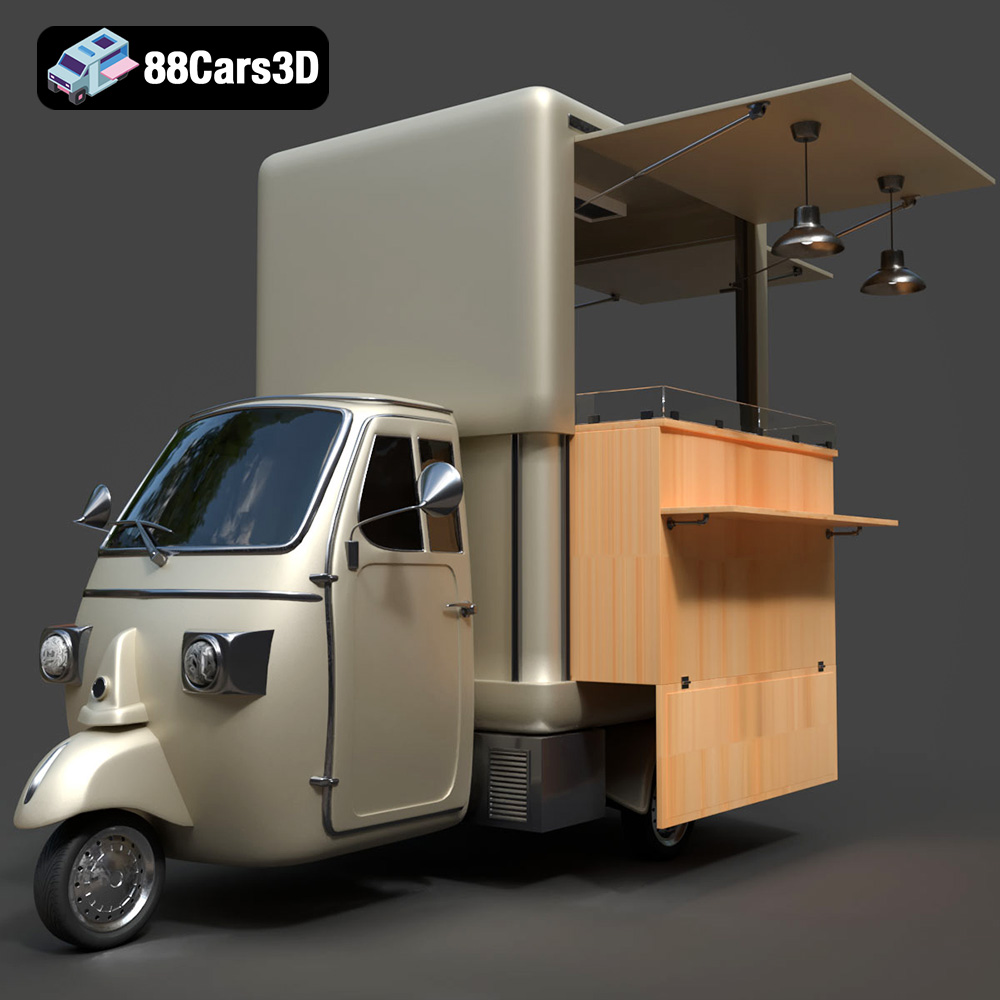
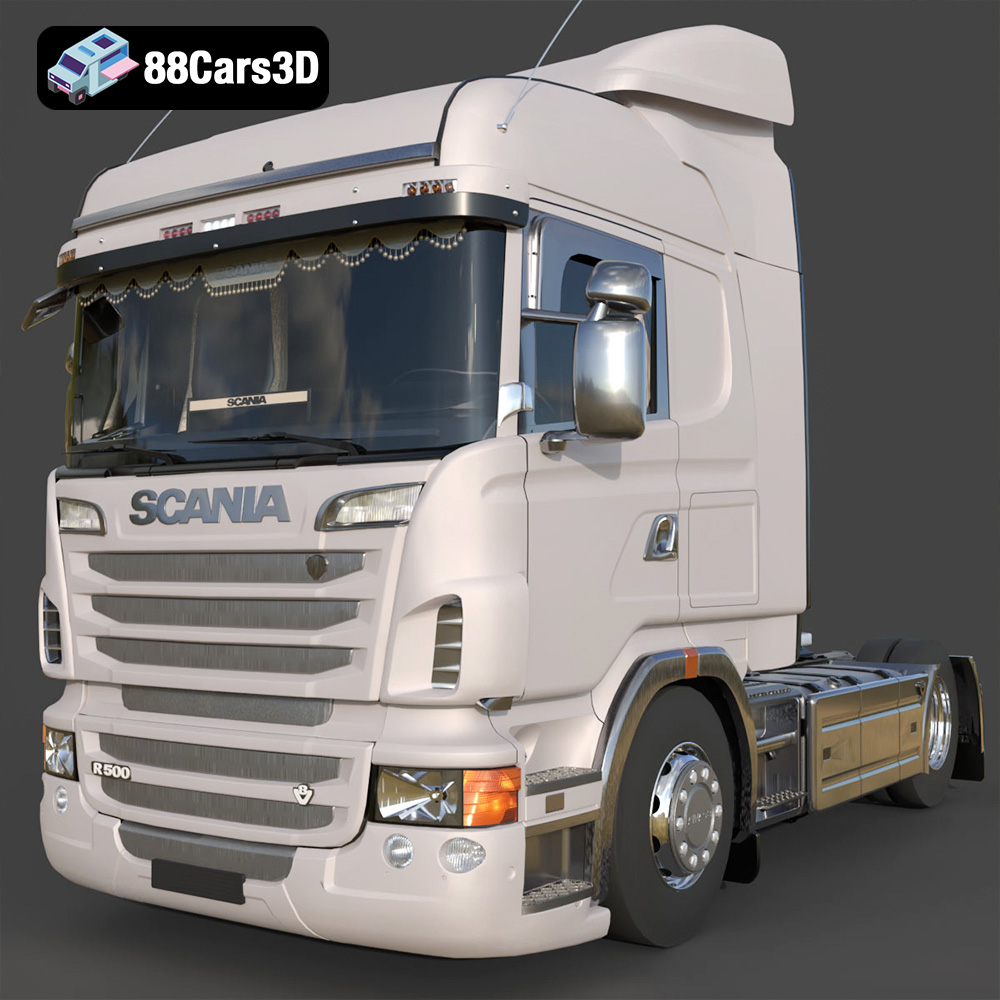
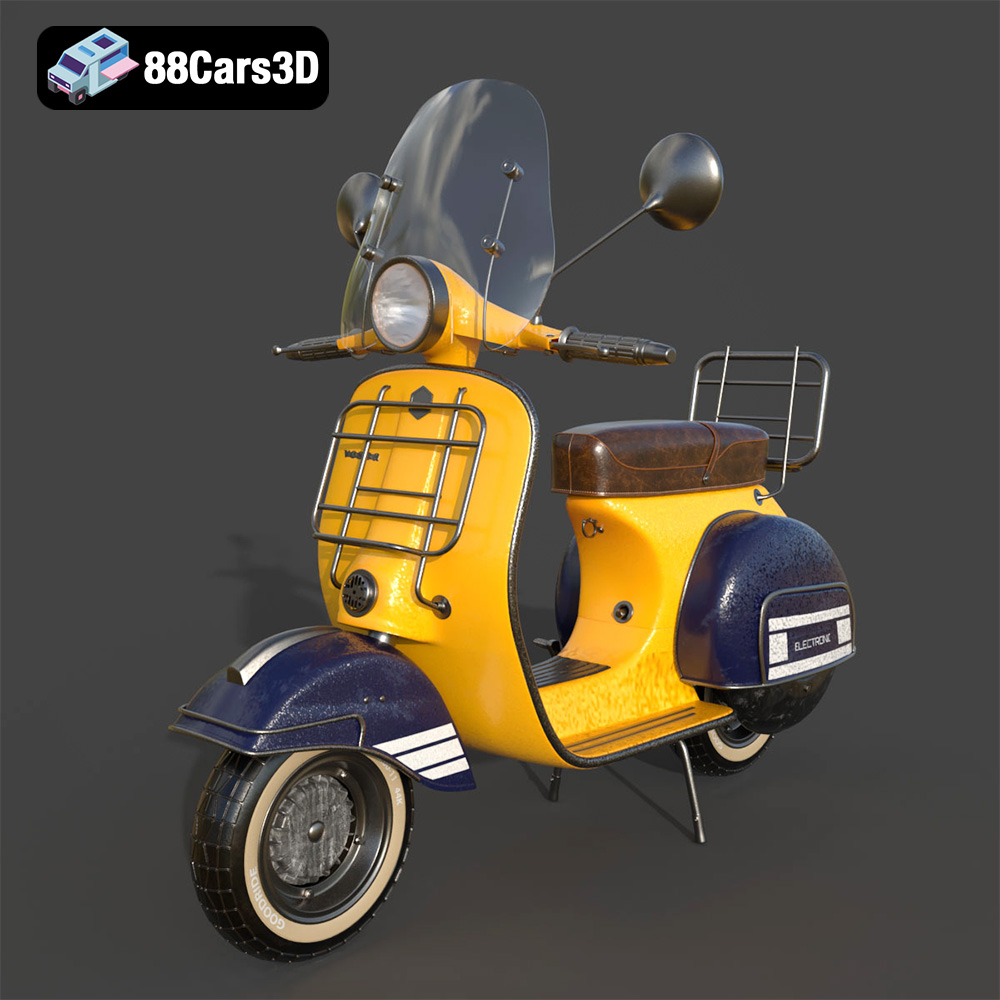
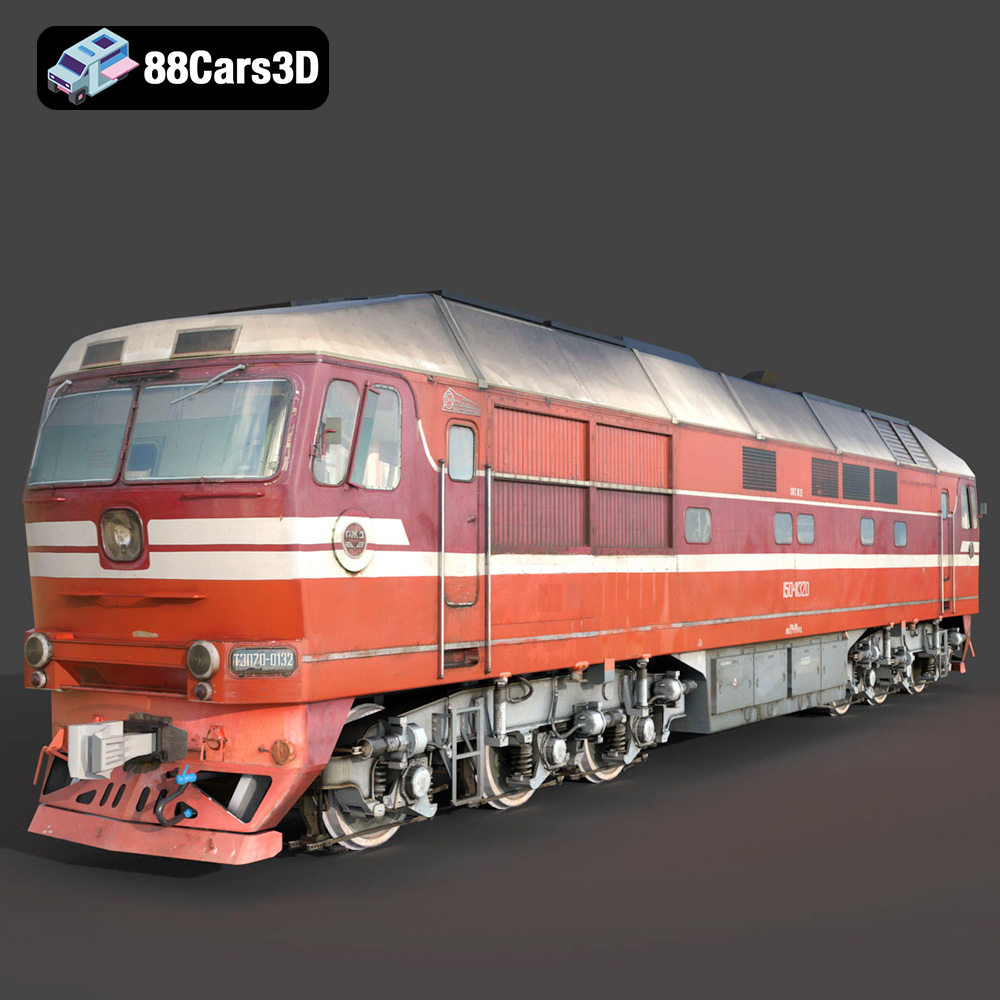
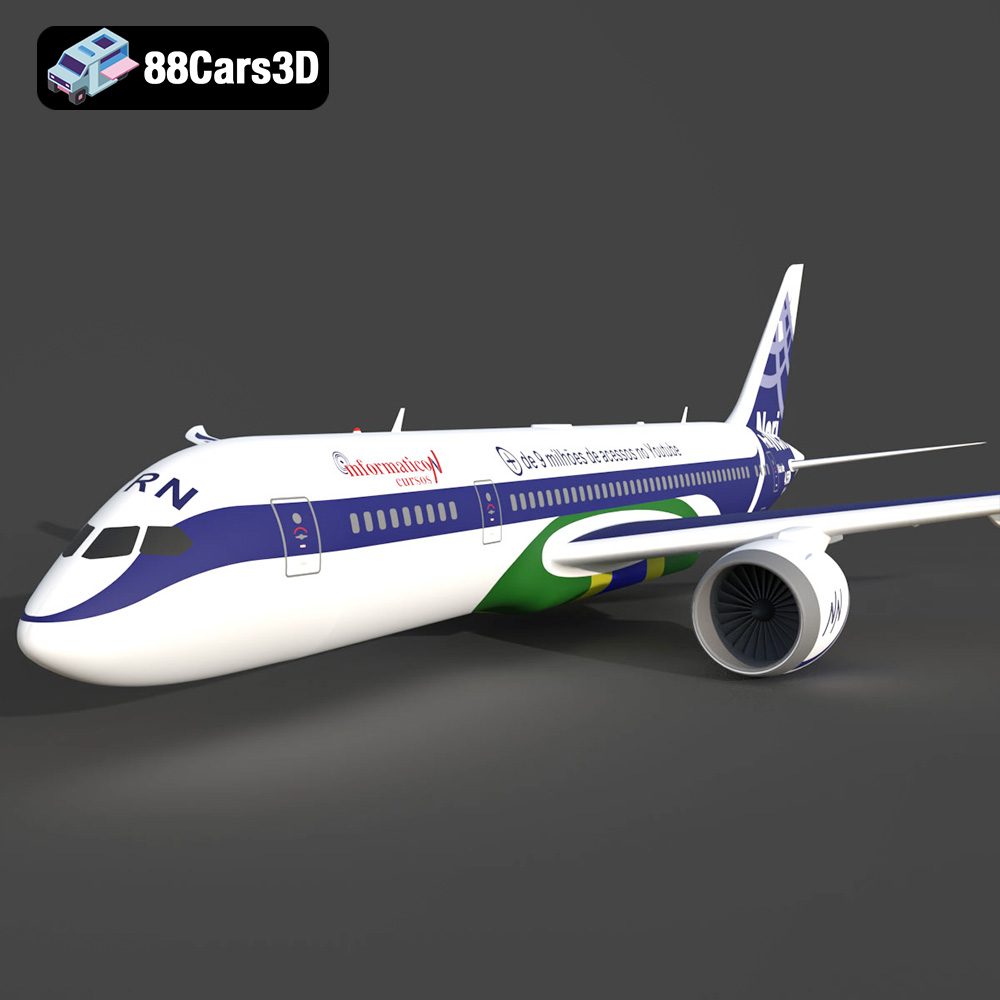
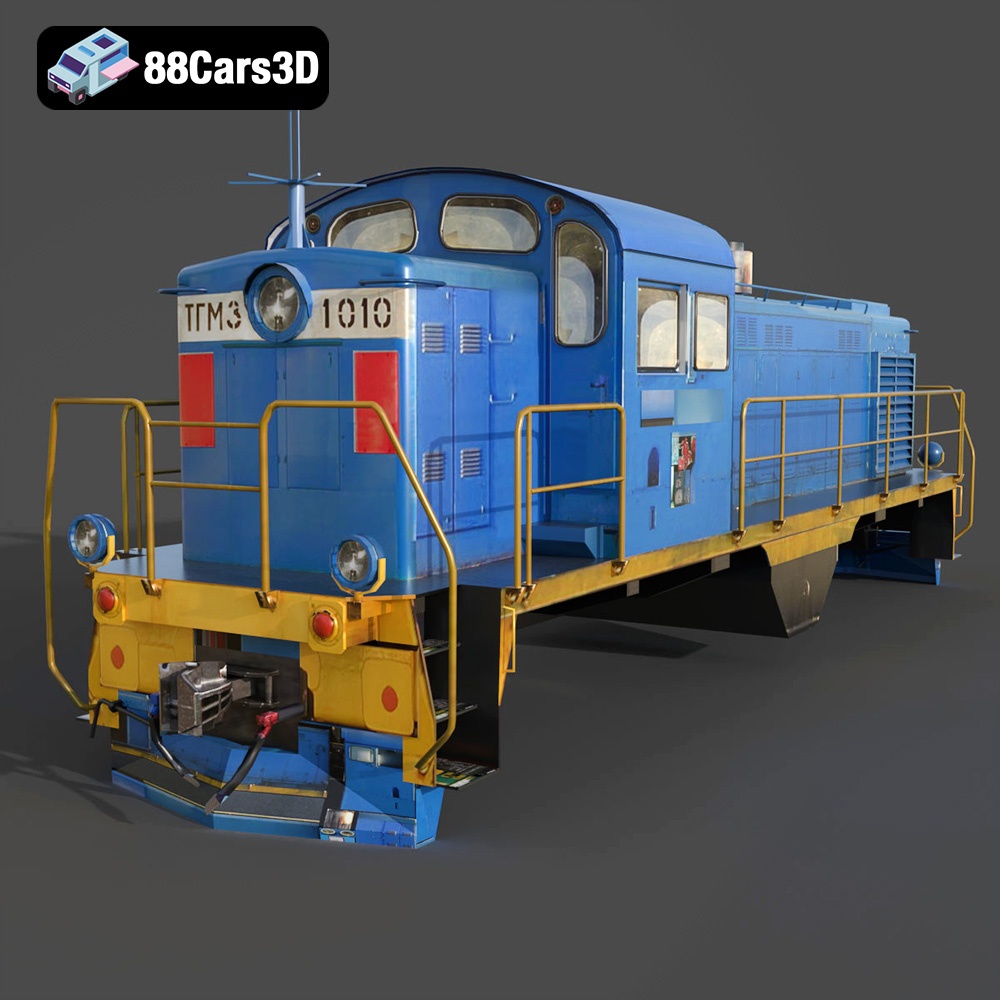
Driving Innovation: A Deep Dive into High-Quality 3D Car Models for Automotive Rendering and Game Development
The digital age has revolutionized how we visualize and interact with automotive designs. From hyper-realistic cinematic advertisements that captivate audiences to immersive open-world games where virtual vehicles feel indistinguishable from their real-world counterparts, the foundation of these experiences lies in meticulously crafted 3D car models. These digital assets are more than just static representations; they are complex constructs of geometry, textures, and materials that demand a deep technical understanding to unleash their full potential.
Whether you’re an automotive designer seeking to present a new concept with unparalleled realism, a game developer striving for immersive gameplay, or an architect integrating vehicles into a visualization, the quality of your 3D car models directly impacts the final output. This comprehensive guide will navigate the intricate world of digital automotive assets, exploring everything from file formats and technical specifications to advanced rendering techniques and game engine optimization. We’ll delve into workflows that empower creators to achieve breathtaking results, ensuring your projects stand out in a competitive digital landscape. High-quality assets, like those found on 88cars3d.com, are essential starting points for achieving professional-grade visuals across various industries.
Understanding 3D Model File Formats
Choosing the correct file format for your 3D car models is a critical decision that impacts compatibility, feature retention, and overall workflow efficiency. Each format has specific strengths tailored to different stages of the production pipeline, from initial modeling to final rendering or real-time deployment. Understanding these nuances is crucial for maximizing the utility of your assets, especially when sourcing high-fidelity models from platforms like 88cars3d.com.
.blend – The Blender Native Format
The .blend file format is native to Blender, the popular open-source 3D creation suite. It encapsulates an entire Blender scene, including all 3D geometry, materials, textures, lighting, camera setups, animations, and even physics simulations. This makes it an ideal choice for users who primarily work within Blender and require full editability and control over every aspect of the model. When you acquire a .blend file, you gain access to the complete creative history and setup, allowing for extensive modifications, custom rigging, and advanced texture baking processes directly within Blender’s powerful environment. It’s excellent for iterative design and deep customization.
.fbx – The Industry Workhorse
Developed by Autodesk, the .fbx (Filmbox) format has become an industry standard for data exchange between various 3D applications, and especially for real-time engines like Unreal Engine and Unity. It’s incredibly versatile, supporting not just mesh data but also materials, textures, animations, skinning, cameras, and lights. Its robust support for complex scene data makes it the go-to format for exporting game assets, character rigs, and animated sequences. When preparing assets for game development or transferring between different commercial software packages, .fbx offers reliable compatibility, though attention to version compatibility and embedded media settings is often required for a smooth import process.
.obj – Universal Simplicity
The .obj (Wavefront Object) format is one of the oldest and most universally supported 3D file formats. It’s excellent for straightforward mesh geometry and UV coordinates, making it a highly compatible choice for simply transferring models between almost any 3D software. While it doesn’t inherently support complex features like animation, rigging, or advanced material definitions, it’s often accompanied by an .mtl (Material Template Library) file that defines basic material properties and texture references. Its simplicity is its strength, offering a robust fallback for cross-software compatibility when complex scene features are not paramount.
.glb – Web and AR/VR Optimized
The .glb (GL Transmission Format Binary) is a relatively newer format specifically designed for efficient transmission and loading of 3D scenes and models on the web and within augmented/virtual reality (AR/VR) applications. It’s a binary version of the glTF format, consolidating all necessary data—geometry, materials, textures, and animations—into a single, self-contained file. This optimization makes .glb incredibly efficient for browser-based display, interactive web experiences, and mobile AR applications, where file size and quick loading times are critical for performance and user experience.
.stl – 3D Printing Standard
The .stl (Stereolithography) format is the de facto standard for 3D printing. It represents only the surface geometry of a 3D model as a collection of interconnected triangles, without any color, texture, or material information. Its primary purpose is to describe the shape of an object for additive manufacturing processes. If your objective is to take a digital 3D car model and bring it into the physical world through 3D printing, converting it to .stl is the necessary step to prepare it for slicing software and ultimately, the printer itself.
.ply – Precision Mesh for Analysis
The .ply (Polygon File Format) is another widely supported format often used for storing 3D data, particularly from 3D scanners or for scientific and engineering applications. Unlike .stl, .ply can store a wider range of properties associated with the geometry, including color, transparency, texture coordinates, and even normal vectors per vertex or face. This makes it suitable for precise mesh analysis, displaying complex point cloud data, or when detailed property information beyond basic geometry is required for CAD or visualization tools.
.unreal – Engine-Ready Asset for Real-Time Environments
While not a distinct file extension like the others, “.unreal” refers to 3D car models that have been specifically prepared and optimized for seamless integration into Unreal Engine. This implies that the asset, often imported via .fbx, has undergone crucial steps within the engine: proper material setup utilizing Unreal’s PBR system, creation of Level of Detail (LOD) meshes for performance scaling, accurate collision geometry, and correctly laid out lightmap UVs. An “Unreal-ready” asset ensures optimal performance, visual fidelity, and ease of use within real-time environments, minimizing the setup time for developers. You can often find assets on 88cars3d.com that are pre-optimized for Unreal Engine, saving valuable production time.
.max – Editable 3ds Max Project
The .max file format is the native project file for Autodesk 3ds Max, a powerful 3D modeling, animation, and rendering software widely used in the architectural visualization, game development, and film industries. A .max file contains the complete 3ds Max scene, including all geometry, modifiers, materials, lights, cameras, animations, and scene settings. It offers the highest level of editability and flexibility for users working within 3ds Max, making it perfect for complex projects requiring extensive modification, detailed animation sequences, or advanced rendering setups. However, its proprietary nature means it requires 3ds Max to open and work with the file.
The Anatomy of a High-Quality 3D Car Model
Beyond the file format, the intrinsic quality of a 3D car model determines its versatility and visual impact. Achieving hyper-realism or optimal game performance hinges on several core technical attributes that distinguish a professional asset from a basic one.
Mesh Topology and Polygon Count
At the heart of any 3D model is its mesh topology – the structure and arrangement of its polygons (faces), edges, and vertices. A high-quality car model features clean, efficient topology characterized by mostly quad-based geometry, especially in areas that require smooth deformation or subdivision. This ensures predictable smoothing and fewer artifacts during rendering or animation.
- Polygon Count for Rendering: For high-end automotive rendering and cinematic projects, polygon counts can range from hundreds of thousands to several million. This allows for incredibly fine details, sharp curves, and accurate reflections without relying heavily on normal maps for surface definition.
- Polygon Count for Game Development: Game assets demand optimized poly counts. High-end game cars might have 50,000-150,000 triangles for a hero vehicle, while background cars or mobile assets could be as low as 5,000-20,000. Clean topology is crucial for generating efficient Level of Detail (LOD) meshes and ensuring smooth performance in real-time engines.
- Edge Loops: Strategic placement of edge loops around areas of curvature and hard edges is vital. These loops define the shape, support sharp creases, and allow for non-destructive subdivision (e.g., Turbosmooth in 3ds Max, Subdivision Surface in Blender) while maintaining a clean base mesh.
UV Mapping and Texturing
UV mapping is the process of flattening the 3D surface of a model into a 2D space, allowing textures to be applied accurately. High-quality 3D car models feature meticulously unwrapped UVs, ensuring textures appear crisp and undistorted.
- Non-Overlapping UVs: Essential for baking ambient occlusion, normal maps, and lightmaps, non-overlapping UVs prevent visual artifacts and provide a clean canvas for detailed textures.
- UDIM Workflow: For extremely high-resolution texturing, especially in film and cinematic rendering, UDIMs (UV Dimension) allow artists to use multiple UV tiles per model, each with its own texture set. This enables incredibly detailed surfaces without compromising texture resolution.
- PBR Workflow: Physically Based Rendering (PBR) is the industry standard for realistic materials. This involves creating a suite of textures – typically Albedo (or Base Color), Normal, Roughness, Metallic, and Ambient Occlusion – that accurately simulate how light interacts with surfaces based on real-world physics.
- Texture Resolution: Cinematic renders might use 4K or 8K textures for primary surfaces, while game assets often balance 2K-4K for hero vehicles with lower resolutions for less prominent elements to optimize memory.
Material Setup and Shading
Realistic materials are paramount for bringing a 3D car model to life. The complex interplay of light and surface properties defines whether an object looks like polished metal, clear glass, or supple leather.
- Realistic Car Paint: This is one of the most challenging materials to simulate. It typically involves multiple layers: a base color coat, metallic flakes (controlled by a texture map or procedural noise), and a clear coat that provides deep reflections and highlights. Advanced shaders often include subtle orange peel effects for added realism.
- Glass and Transmissive Materials: Accurate refraction, reflection, and absorption properties are essential for realistic glass. This includes subtle tinting, imperfections, and the precise control of an IOR (Index of Refraction) value.
- Rubber, Chrome, and Carbon Fiber: Each material requires specific PBR maps and shader settings to convey its unique look. Rubber needs a low metallic, high roughness value; chrome is high metallic, low roughness; and carbon fiber often utilizes a complex normal map and an anisotropic reflection shader to capture its distinctive weave pattern.
Crafting Immersive Automotive Renders
High-quality 3D car models provide the canvas, but it’s the art and science of rendering that transforms them into photorealistic masterpieces. Achieving cinematic quality in automotive rendering involves mastering lighting, camera work, and post-processing techniques.
Lighting Techniques for Realism
Lighting is the single most critical factor in achieving realistic renders. It defines mood, highlights form, and interacts with materials to create believable reflections and shadows.
- HDRI Environments for Global Illumination: High Dynamic Range Image (HDRI) maps are indispensable. They provide realistic environmental lighting and reflections, simulating everything from an overcast sky to a bustling cityscape. Using a studio HDRI can provide soft, even lighting, while outdoor HDRIs mimic natural sunlight and ambient light.
- Area Lights and Spot Lights for Accentuation: Beyond global illumination, carefully placed area lights can emphasize specific design features, create subtle highlights on the bodywork, or simulate light sources like studio softboxes. Spot lights can draw attention to details or simulate headlights/taillights with realistic falloff and intensity.
- Studio Lighting Setups vs. Natural Outdoor Scenes: Studio setups offer precise control over every light source, ideal for showcasing design purity. Natural outdoor scenes demand attention to sun angle, cloud cover, and ambient bounce light, often requiring careful balancing with synthetic lights to achieve desired effects.
- Ray Tracing Benefits: Modern renderers leverage ray tracing (whether software-based like V-Ray, Corona, Cycles, or real-time like Unreal Engine’s hardware ray tracing) for incredibly accurate reflections, refractions, and physically correct soft shadows, pushing realism to new heights.
Camera Settings and Composition
Just like in traditional photography, thoughtful camera work and composition are vital for compelling automotive renders. It’s about more than just pointing the camera; it’s about telling a story.
- Realistic Focal Lengths and Depth of Field: Using focal lengths similar to real-world photography (e.g., 50mm-100mm for flattering automotive shots) helps create believable perspectives. Subtle depth of field (DoF) can draw the viewer’s eye to the car, gently blurring the background and foreground, simulating the selective focus of a professional lens.
- Rule of Thirds, Leading Lines, Dynamic Angles: Apply classic compositional rules. Place the car off-center using the rule of thirds. Use roads, architectural elements, or the car’s own lines as leading lines to guide the eye. Experiment with low angles for a powerful stance or slightly elevated angles for a more expansive view.
- Capturing Emotion and Speed: Motion blur (both radial for wheels and linear for the background) can convey a sense of speed and dynamism. Consider using dynamic angles and perspectives that suggest movement, even in a static render.
Post-Processing for Polish
The rendering process typically produces a raw image. Post-processing is where the final polish is applied, enhancing the mood, realism, and overall visual appeal.
- Color Grading and Exposure Adjustments: Adjusting color balance, contrast, and overall exposure can dramatically alter the mood and visual impact. This can range from subtle corrections to dramatic stylistic shifts.
- Vignetting, Chromatic Aberration, Film Grain: These subtle photographic effects can add a layer of realism and artistry. Vignetting draws attention to the center, chromatic aberration simulates lens imperfections, and film grain adds an organic, cinematic texture.
- Lens Flares and Bloom for Extra Realism: Carefully applied lens flares can simulate light hitting the camera lens, adding authenticity to renders with bright light sources. Bloom (soft glow around bright areas) enhances the feeling of intense light, making headlights or chrome elements appear more vibrant.
Optimizing 3D Car Models for Game Development
While cinematic renders prioritize absolute visual fidelity, game assets for real-time engines demand a delicate balance between visual quality and performance. Optimizing 3D car models is crucial for ensuring smooth gameplay and high frame rates.
Level of Detail (LOD) Implementation
LODs are essential for performance in real-time environments. The basic principle is to display lower-polygon versions of an asset as it moves further away from the camera, reducing the computational load without a noticeable drop in visual quality.
- Reducing Poly Count Based on Distance: A typical car asset might have 3-5 LODs. LOD0 is the highest poly count, used when the car is close. LOD1, LOD2, etc., progressively reduce the polygon count, simplifying geometry and reducing draw calls.
- Manual vs. Automated LOD Generation: Manual LOD creation allows artists precise control over where polygons are removed, ensuring critical silhouettes are maintained. Automated tools (built into engines like Unreal and Unity or external software) can quickly generate LODs but may require cleanup.
- Performance Implications: Effectively implementing LODs can drastically improve frame rates, especially in scenes with many vehicles or large open worlds. It minimizes the amount of geometry the GPU has to process for objects that are far away or not central to the player’s view.
Collision Meshes and Physics Assets
For interactive game environments, cars need to physically interact with the world. This requires specialized collision geometry separate from the render mesh.
- Simple Collision Geometry: Collision meshes are typically much simpler than the render mesh. They are often composed of basic primitives (boxes, spheres, capsules, convex hulls) that approximate the car’s shape. This minimizes physics calculations.
- Setting Up Vehicle Physics: In engines like Unreal, a dedicated Physics Asset needs to be set up. This involves defining individual “bones” for wheels, suspension, and the car body, assigning collision shapes to each, and configuring joints and constraints to simulate realistic vehicle dynamics (e.g., how wheels turn, how suspension compresses).
- Importance for Gameplay Interaction: Correct collision setup is vital for realistic driving mechanics, preventing the car from falling through the ground, accurately colliding with other objects, and reacting believably to player input and environmental forces.
Material Instancing and Performance
Optimizing materials is as crucial as optimizing geometry for game performance. Material instancing is a powerful technique to achieve this.
- Reusing Materials with Adjustable Parameters: Instead of creating a new, unique material for every variant of a car (e.g., different paint colors), material instancing allows you to create a parent material and then generate child instances from it. These instances can modify specific parameters (like paint color, roughness, or trim texture) without recompiling the entire shader.
- Reducing Draw Calls, Optimizing Rendering: Each unique material requires a separate “draw call” from the CPU to the GPU. By instancing materials, you drastically reduce the number of unique materials, thereby reducing draw calls and improving rendering performance. This is especially beneficial for environments with many cars or car customization systems.
- Texture Atlases for Efficiency: Consolidating multiple smaller textures (e.g., for badges, interior buttons, small decals) into a single, larger texture atlas can further optimize performance. This reduces the number of texture lookups and improves memory caching.
Case Studies and Practical Workflows
Understanding the theoretical aspects of 3D car models is one thing; applying them in real-world scenarios is another. Let’s explore how assets from platforms like 88cars3d.com can be integrated into professional workflows for both high-end rendering and interactive game development.
From 88cars3d.com to a Cinematic Commercial
Imagine a scenario where a marketing agency needs a stunning cinematic commercial for a new car launch. Instead of modeling a car from scratch, they source a highly detailed 3D car model from 88cars3d.com, ensuring it meets their stringent quality requirements.
- Workflow: The process begins by acquiring a high-polygon model, perhaps in .max or .blend format, which allows for maximum editability. The chosen model is imported into a primary 3D application like 3ds Max or Blender.
- Scene Setup and Lighting: Artists would then set up a virtual studio environment or a realistic outdoor scene using HDRIs for global illumination. Additional area lights and spot lights are carefully positioned to highlight the car’s curves and reflections, simulating professional photography setups. Particular attention is paid to the car paint shader, tuning its metallic flakes, clear coat, and subtle imperfections to perfection using render engines like V-Ray, Corona Renderer, or Cycles.
- V-Ray/Cycles Rendering and Post-Production: Multiple render passes (e.g., beauty, reflections, refractions, ambient occlusion, object IDs) are often rendered out. These passes are then composited in software like Adobe After Effects or Nuke, where extensive color grading, lens effects (chromatic aberration, depth of field), motion blur, and atmospheric effects are added. The goal is to achieve a photorealistic look that is indistinguishable from live-action footage, precisely showcasing the vehicle’s design and brand aesthetic.
- Emphasize Detail and Realism: Every subtle detail, from the stitching on the interior seats to the tread pattern on the tires, contributes to the overall realism. The power of high-quality assets from 88cars3d.com lies in providing this foundational detail, allowing artists to focus on the creative aspects of lighting, composition, and storytelling.
Integrating Game-Ready Assets into Unreal Engine
Consider a game development studio building a racing simulator or an open-world action game. Performance is key, but visual fidelity for hero vehicles is also paramount. They turn to 88cars3d.com for optimized, game-ready 3D car models.
- Workflow: A game-ready model, typically supplied as an .fbx, is imported into Unreal Engine. These assets are often pre-optimized with appropriate poly counts and clean UVs.
- Material Setup and PBR Integration: Once imported, artists set up the PBR materials within Unreal Engine’s powerful material editor. This involves plugging in the Albedo, Normal, Roughness, Metallic, and Ambient Occlusion textures to Unreal’s physically based shading model. Material instances are created for different paint colors or customization options to maximize performance and flexibility.
- LODs, Collision, and Physics Blueprint: The imported model will likely include multiple LODs, which are configured within the Static Mesh Editor to automatically switch based on distance. Simple collision meshes are generated or imported, and a Physics Asset is created, defining the car’s various physical components (body, wheels, suspension) and how they interact. Finally, a vehicle Blueprint is often created, linking the static mesh, physics asset, and player input to create a fully drivable car with realistic suspension, acceleration, and steering.
- Performance Targets for VR/Mobile: For demanding platforms like VR or mobile, further optimization steps are taken. This might involve reducing texture resolutions, using more aggressive LODs, simplifying complex materials, and batching meshes where possible. The “Unreal-ready” nature of assets from 88cars3d.com significantly streamlines this process, providing a robust starting point for diverse game projects.
Conclusion
The journey through the world of 3D car models reveals a sophisticated interplay of technical precision and artistic vision. From understanding the nuanced capabilities of various file formats like .blend, .fbx, and .unreal, to meticulously crafting mesh topology, UVs, and PBR materials, every detail contributes to the final impact of a digital vehicle. Whether your goal is to produce stunning automotive rendering for a cinematic advertisement or to create high-performance game assets for an immersive virtual world, the foundation of quality is paramount.
The demand for realism and efficiency in digital content creation continues to grow. By mastering the technical aspects of 3D car models – from LODs and collision meshes to advanced lighting and post-processing – creators can unlock unparalleled levels of fidelity and performance. Platforms like 88cars3d.com serve as invaluable resources, offering expertly crafted 3D car models that provide a solid starting point for any ambitious project. Investing in high-quality assets and understanding their technical intricacies is not just an advantage; it is a necessity for driving innovation in the ever-evolving landscape of 3D visualization and interactive experiences.
Featured 3D Car Models