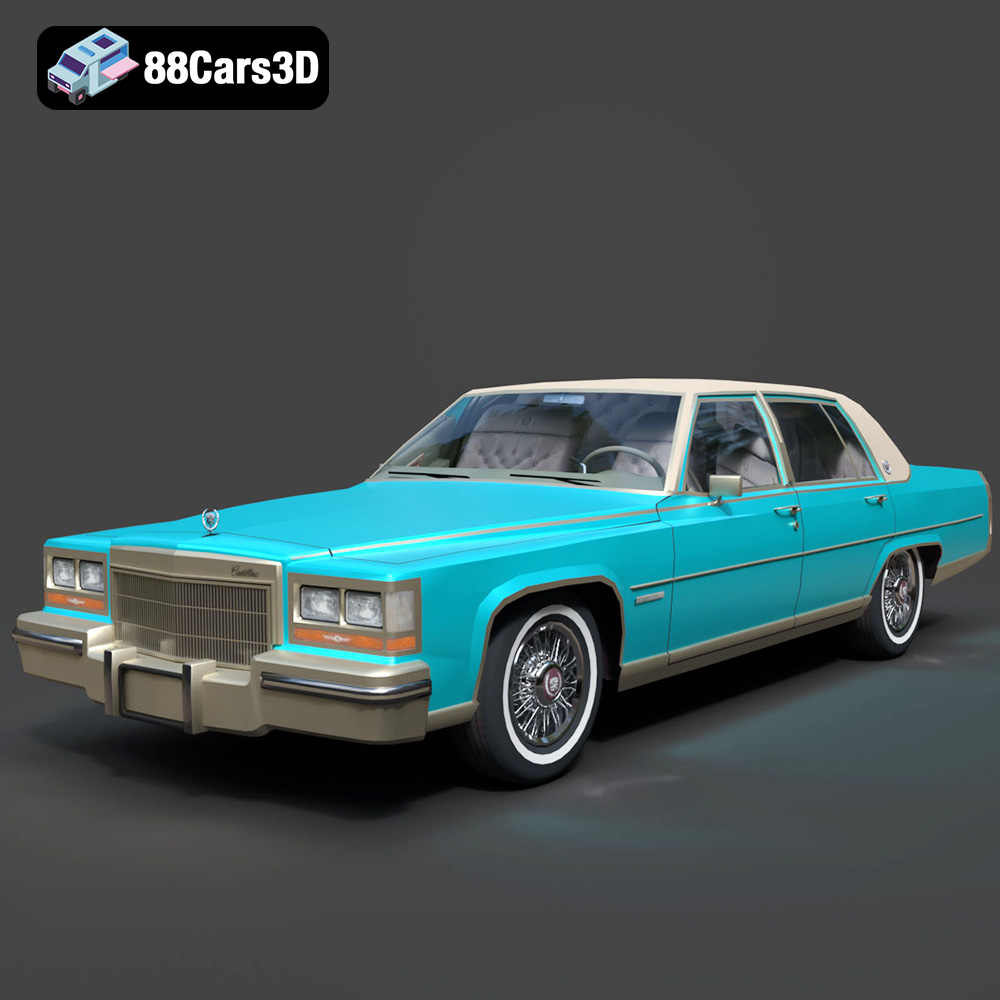
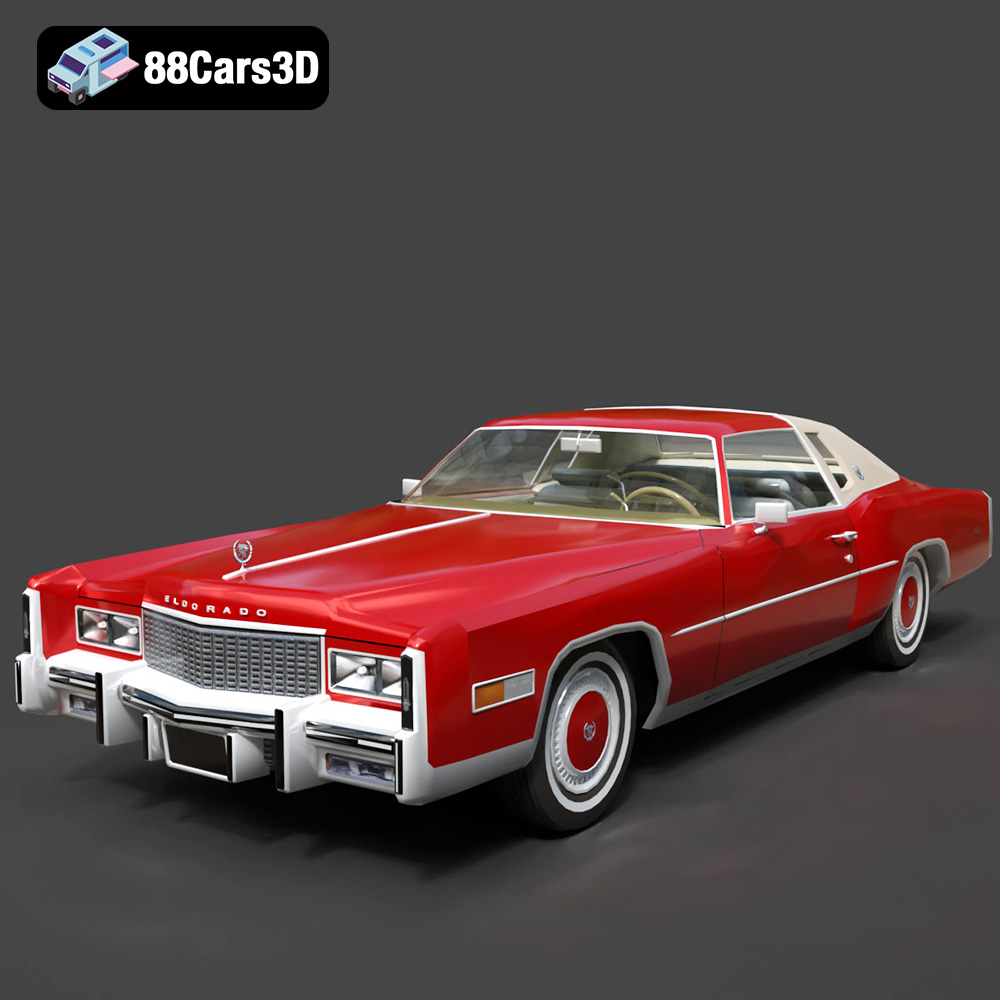
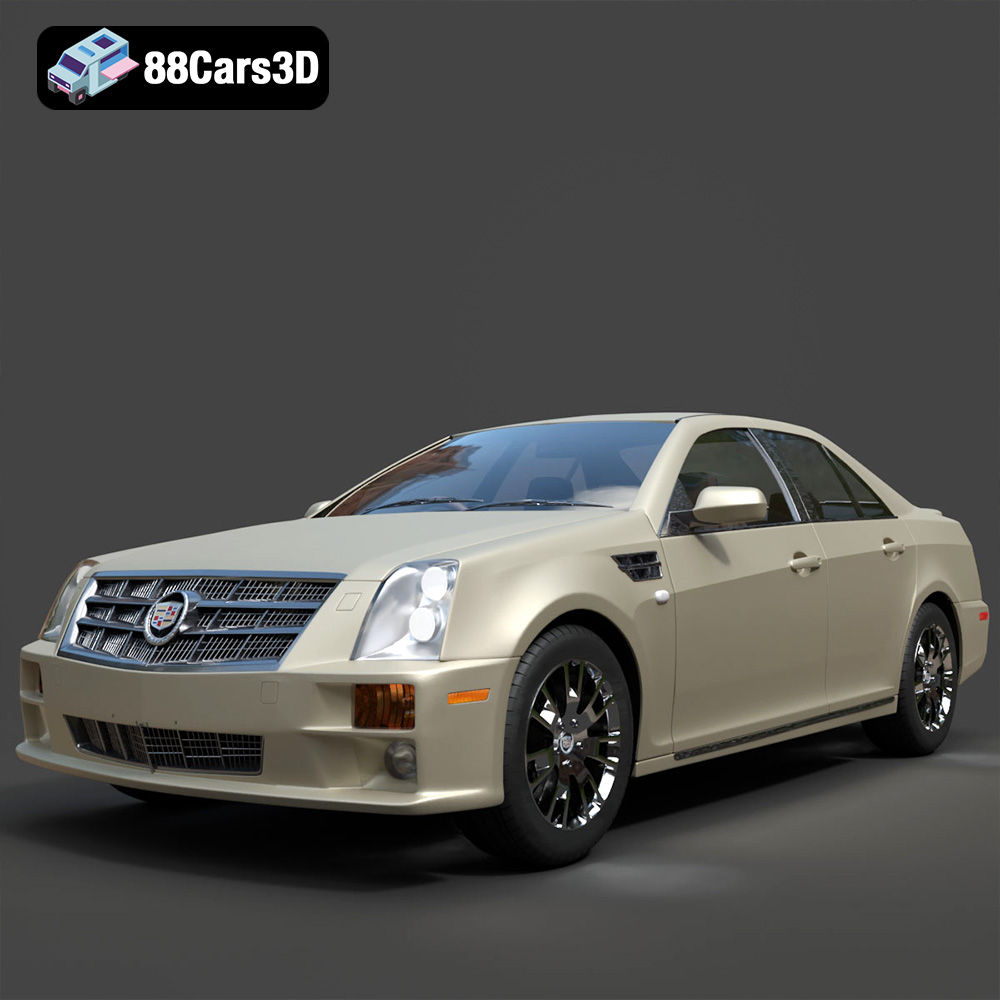
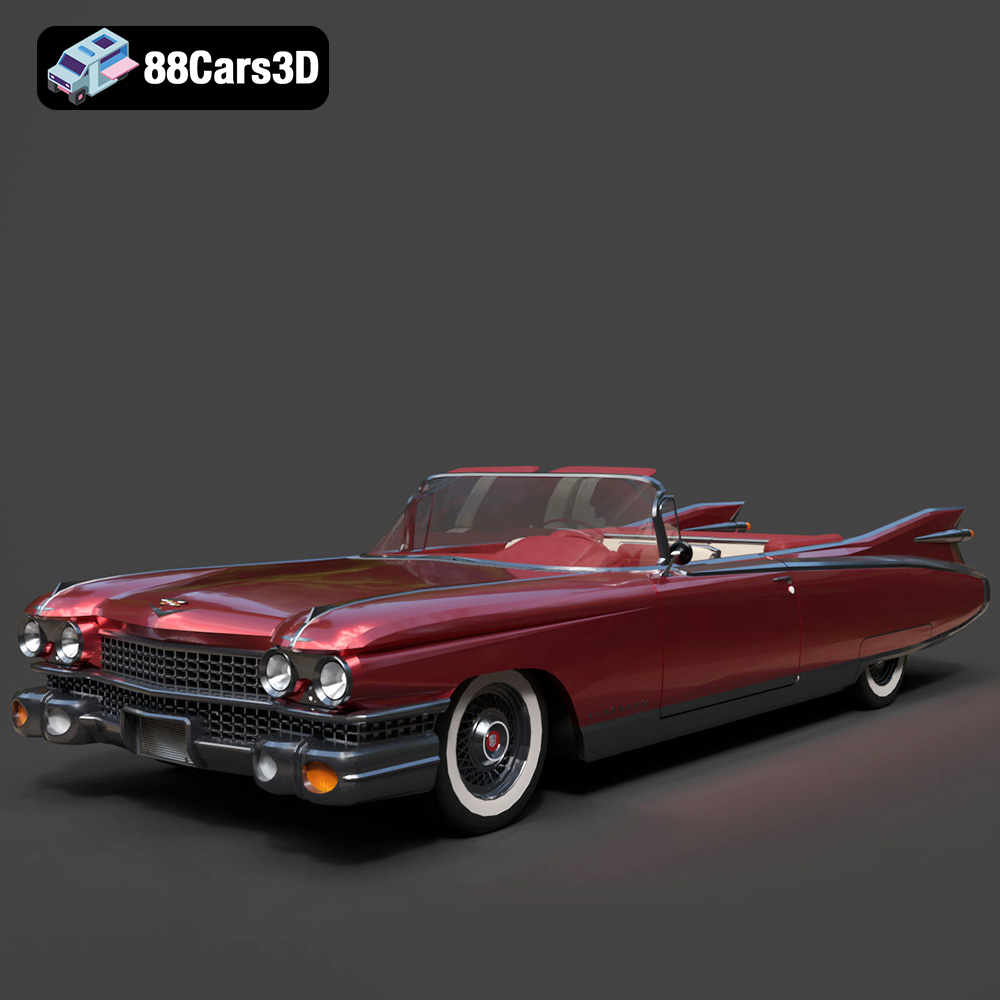
⚡ FLASH SALE: Get 60% OFF All Premium 3D & STL Models! ⚡

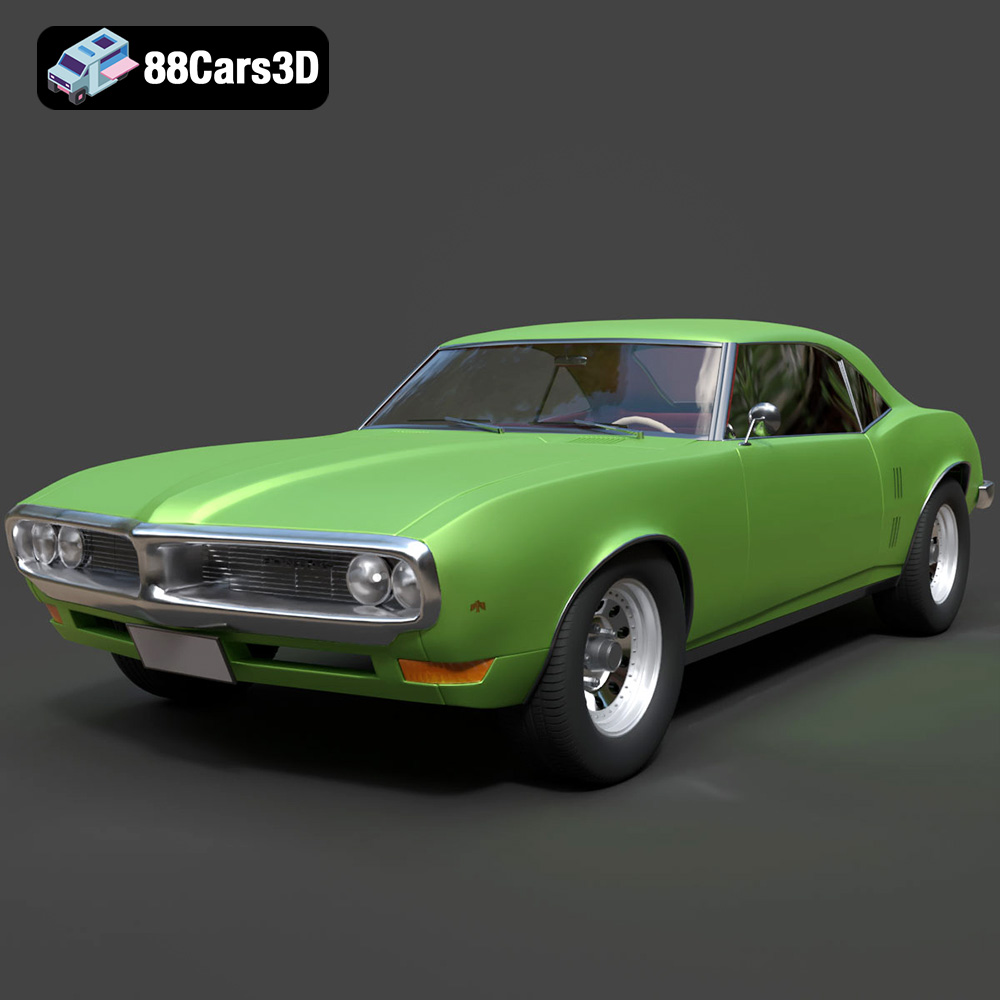
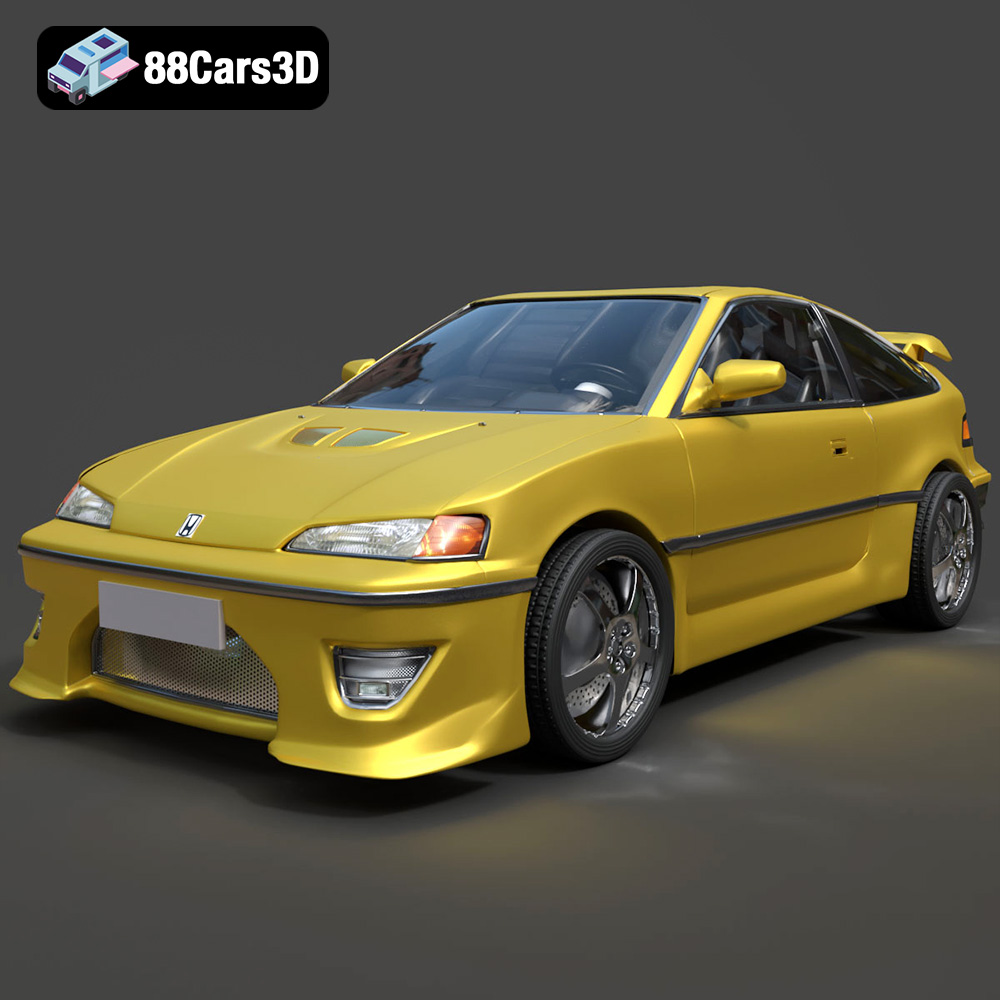
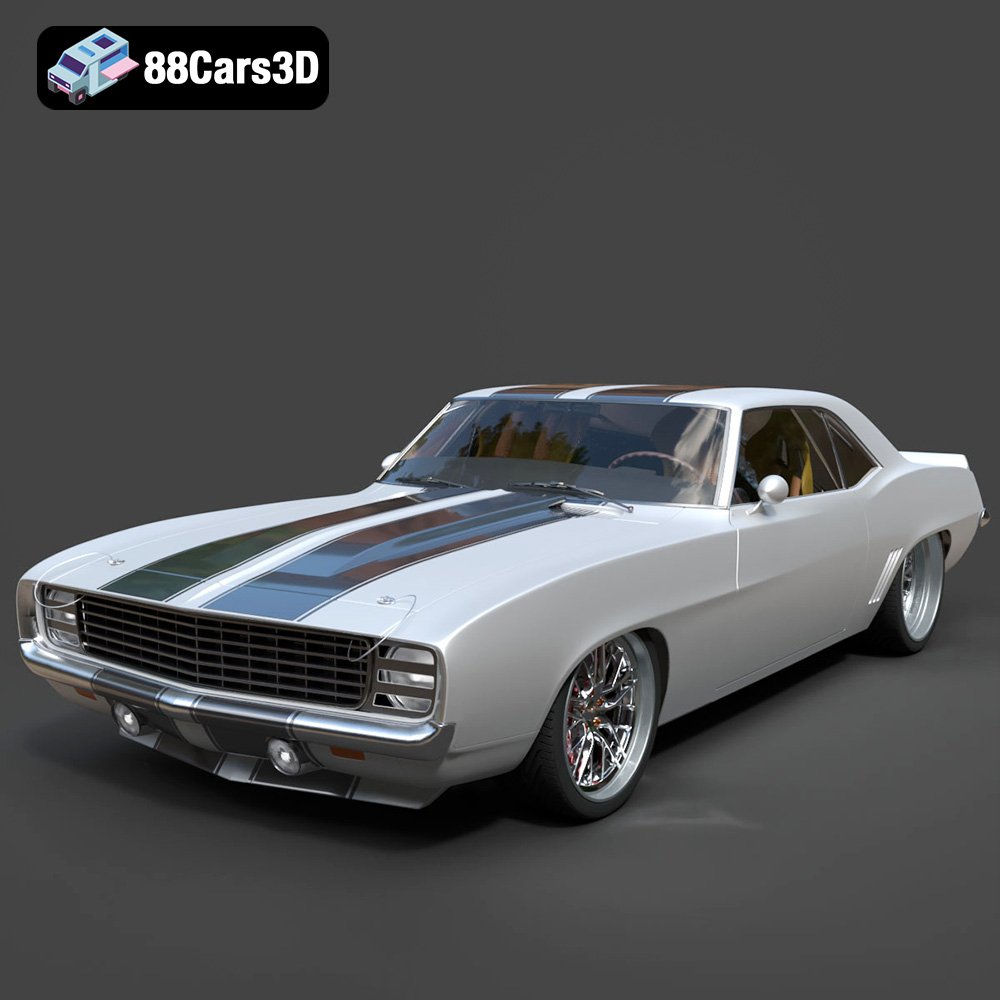
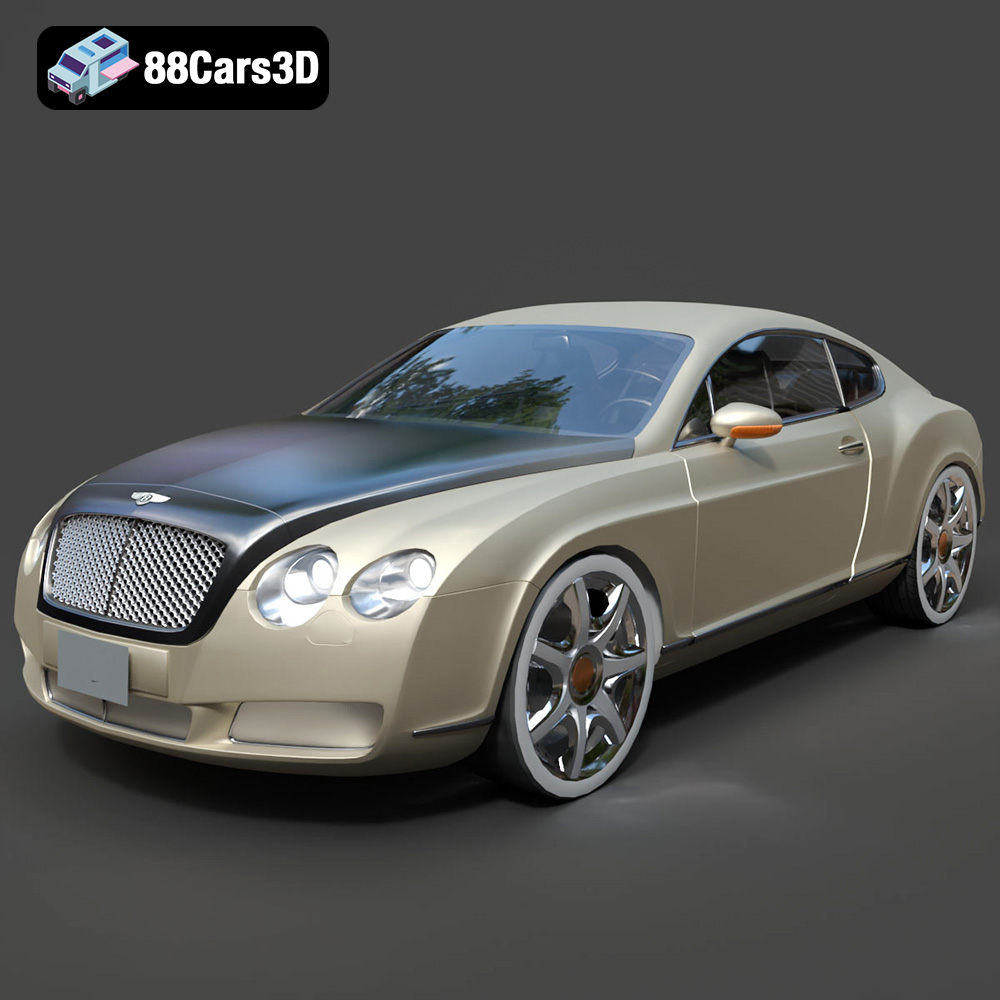
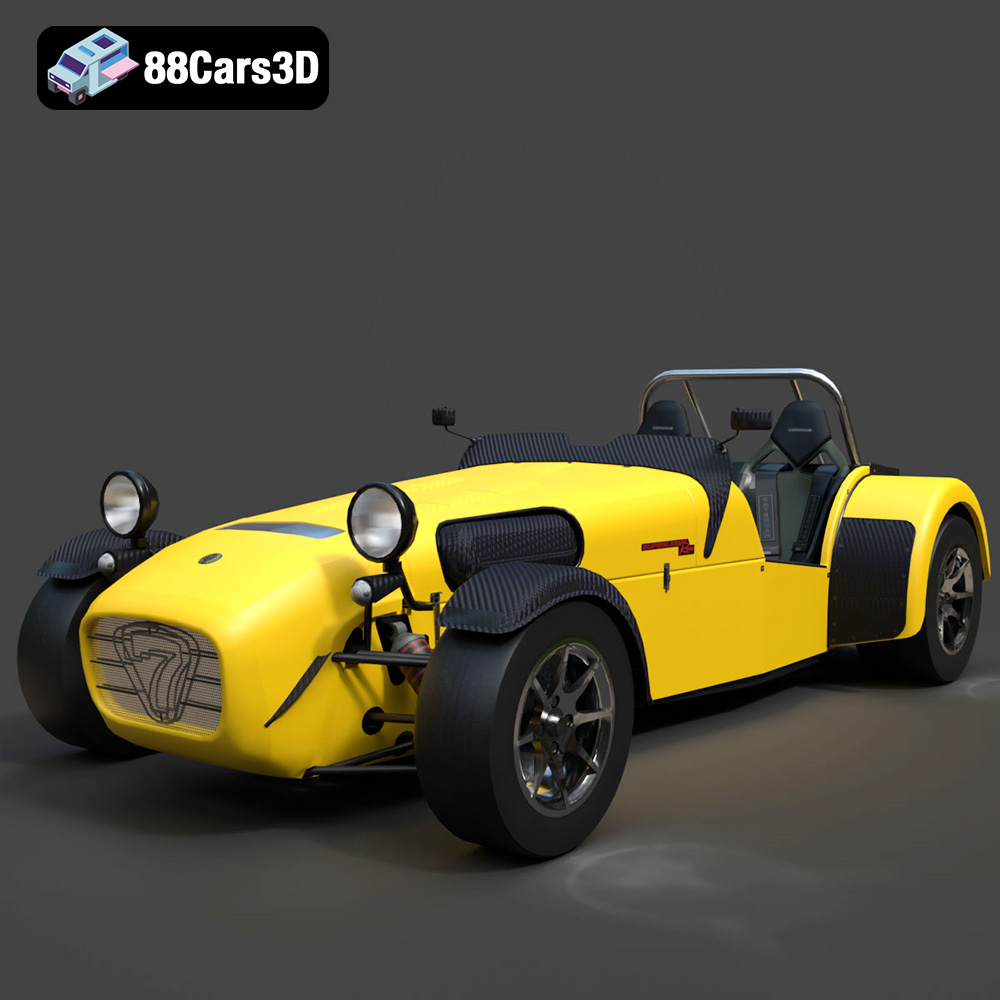
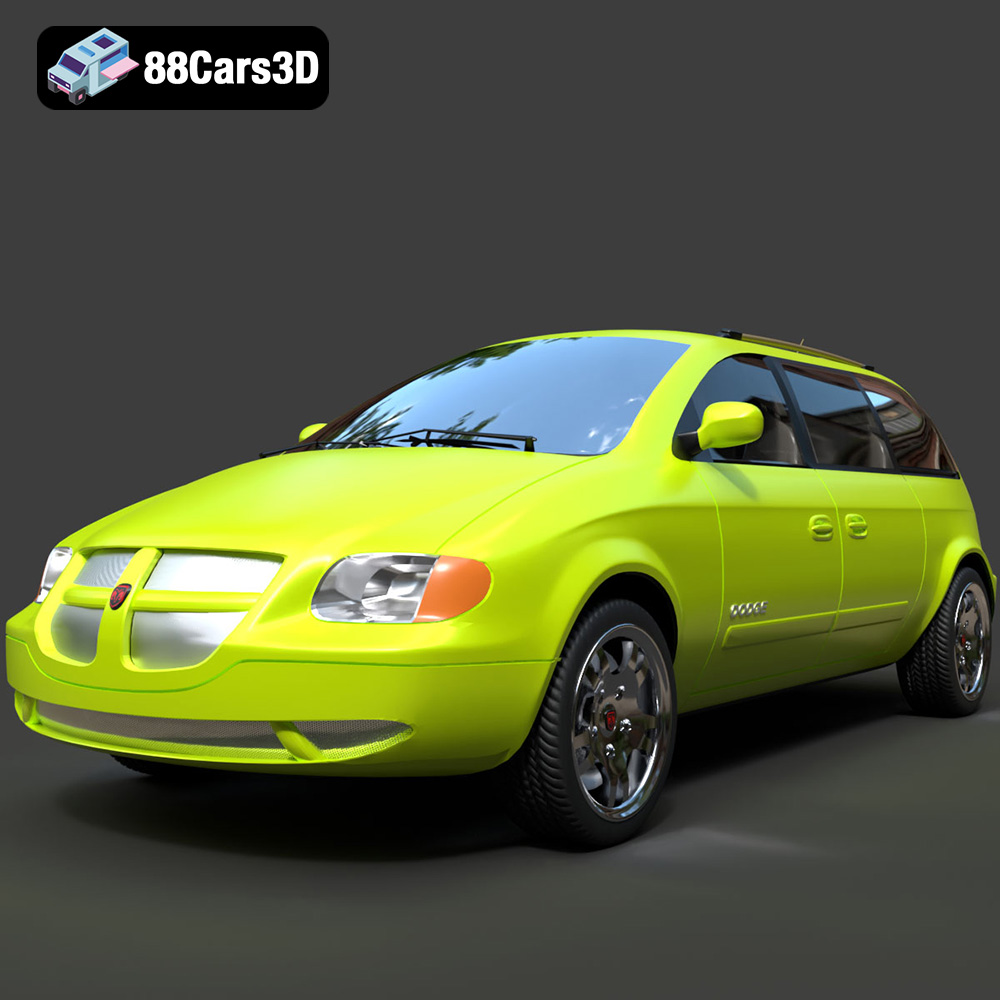
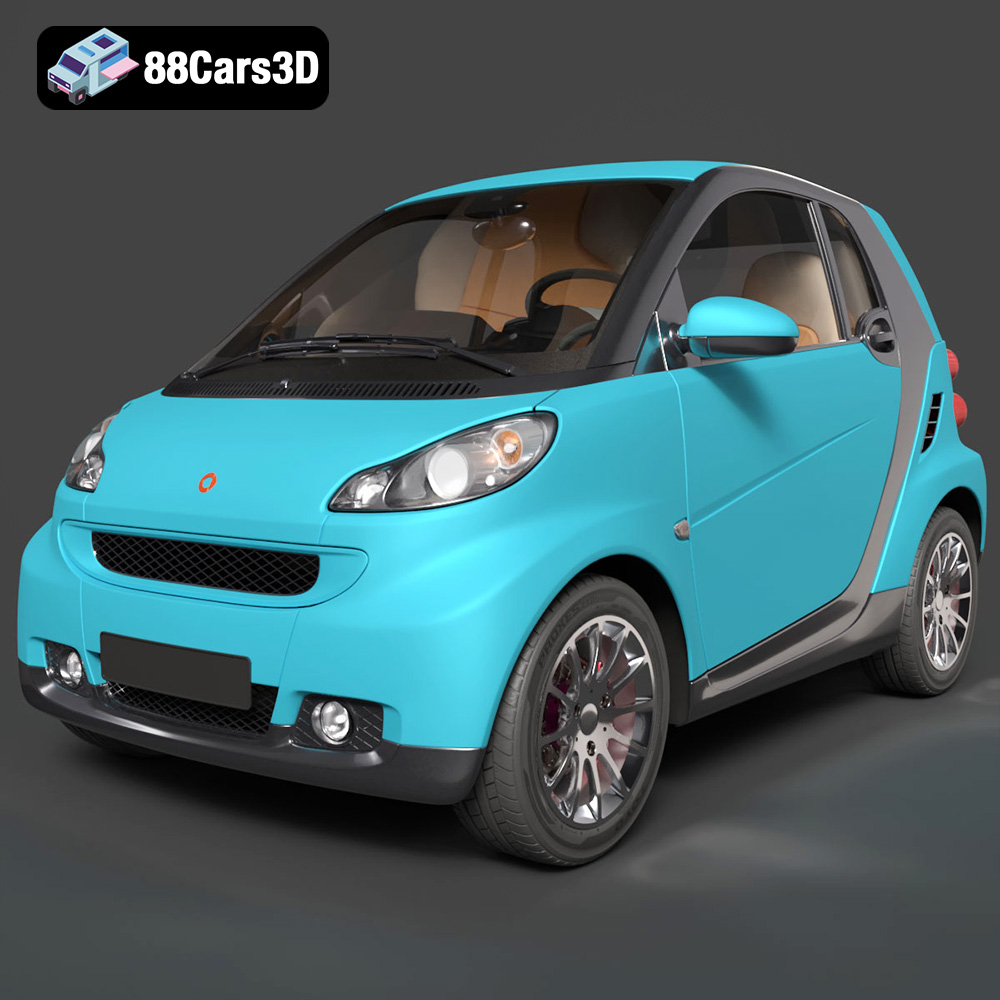
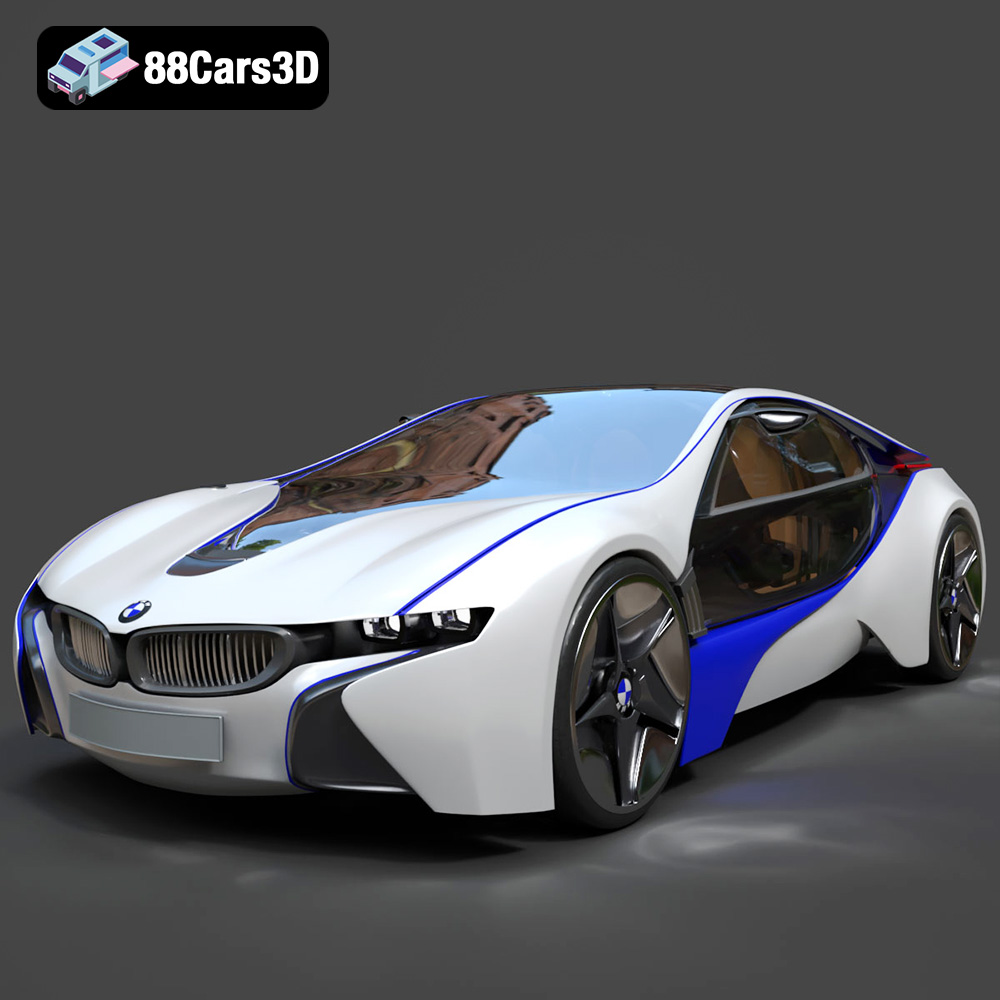
In the rapidly evolving digital landscape, the demand for exceptionally high-quality 3D car models has never been greater. From cinematic automotive rendering that captivates audiences to immersive game assets that define virtual worlds, precision and realism are paramount. Whether you’re a seasoned visualization artist, a game developer pushing graphical boundaries, or an engineer prototyping the next generation of vehicles, understanding the intricacies of 3D car models is crucial. This comprehensive guide delves into the technical aspects, workflows, and advanced applications that empower professionals to leverage these digital masterpieces to their fullest potential.
The journey from concept to photorealistic rendering or real-time playable asset is complex, demanding a deep understanding of modeling techniques, material science, lighting, and engine integration. Quality assets are the backbone of any successful project, and knowing where to source or how to prepare these assets can significantly impact efficiency and final output. Let’s explore the ecosystem of 3D car models and uncover the strategies for achieving stunning results.
The success of any project involving 3D vehicles begins with the quality of the underlying model. A poorly constructed model, regardless of rendering prowess or engine optimization, will always fall short. Investing in or creating a robust foundation saves countless hours in rectification and refinement down the line.
High-quality 3D car models are characterized by several key attributes. Firstly, precision in their representation of the real-world vehicle is non-negotiable. This includes accurate dimensions, correct proportions, and faithful detailing down to the smallest panel gap or interior stitching. Secondly, clean topology is vital. This refers to the structured, logical arrangement of polygons (quads, ideally) that make up the mesh. Good topology ensures smooth deformations for animation, efficient sculpting, and error-free unwrapping for texturing. It avoids common issues like stretched textures or unwanted artifacts during rendering. Lastly, expertly crafted UV maps are essential. UVs are the flattened 2D representations of a 3D model’s surface, dictating how textures are applied. Clean, non-overlapping, and efficiently packed UVs are critical for optimal texture resolution, performance, and simplified material creation.
Professionals often face the choice between building models from scratch or acquiring them from specialized marketplaces. Custom creation offers unparalleled control and specificity, ideal for bespoke projects requiring unique features or intellectual property adherence. However, it is an incredibly time-consuming and resource-intensive process. For many, a more efficient and cost-effective solution lies in acquiring pre-built, production-ready 3D car models from reputable sources. Marketplaces like 88cars3d.com specialize in offering a curated selection of high-fidelity vehicles, ready for immediate integration into diverse workflows. These assets often come with optimized meshes, PBR textures, and multiple file formats, significantly accelerating project timelines.
When selecting a 3D car model, look for specific indicators of quality. The model should have a reasonable and appropriate poly count for its intended use (e.g., higher for rendering, optimized for real-time). It should feature well-organized scene hierarchy, with components like wheels, doors, and interior elements properly grouped and named. PBR (Physically Based Rendering) textures are now an industry standard, providing realistic material responses to light; ensure models come with comprehensive PBR texture sets (Albedo/Base Color, Metallic, Roughness, Normal, Ambient Occlusion). Furthermore, some models may include basic rigs for animation, such as door opening or wheel rotation, adding immense value for dynamic presentations or game mechanics.
The digital world of 3D assets thrives on interchangeability and specialized formats. Choosing the correct file format for your 3D car model is a critical decision that impacts compatibility, feature retention, and overall workflow efficiency across different software and platforms. Each format serves a specific purpose, designed to optimize for particular applications, be it real-time game engines, photorealistic rendering, or physical fabrication. Understanding their nuances is key to a smooth production pipeline.
The .blend format is the native file type for Blender, the popular open-source 3D creation suite. A .blend file encapsulates an entire Blender scene, including not just the mesh data but also materials, textures, lighting setups, cameras, animations, rigging, modifiers, and even custom scripts. This makes it an incredibly powerful format for Blender users, as it allows for full editability and preserves all aspects of the original project. When you acquire a .blend file, you’re getting a complete, editable environment, ideal for those working predominantly within the Blender ecosystem who require deep access to the model’s construction and scene settings for further customization or development. It offers maximum flexibility for artists who want to dissect, modify, or animate the asset directly within Blender without losing any project data.
The .fbx (Filmbox) format, developed by Autodesk, has become the de facto industry standard for 3D data interchange, especially for real-time applications. It is renowned for its robust support for mesh geometry, materials (with some limitations on complex shaders), textures, cameras, lights, and crucially, animation and rigging data. .fbx is the ideal choice for transferring 3D car models between different software packages (e.g., from 3ds Max to Maya, or Blender to Unreal Engine) and into game engines like Unreal and Unity. Its wide compatibility ensures that animations, skinning, and hierarchical structures are preserved, making it indispensable for complex animated game assets or cinematic sequences where motion is key. When preparing assets for a game engine, an optimized .fbx export is often the first step, ensuring efficient import and setup.
The .obj (Wavefront OBJ) format is one of the oldest and most widely supported 3D file formats. It’s a universal standard, prized for its simplicity and excellent cross-software compatibility. An .obj file primarily stores geometric data – vertices, faces, normals, and UV coordinates. While it can reference external material definition files (.mtl) for basic color and texture mapping, it does not support advanced material properties, animation, or rigging. This makes .obj an excellent choice for static 3D car models where the primary concern is transferring clean mesh data without complex scene information. It’s incredibly reliable for archival purposes or when you need to bring a raw model into almost any 3D software for new material creation or retopology.
The .glb (GL Transmission Format Binary) format is a relatively newer but rapidly growing standard, particularly optimized for web, AR, and VR applications. It’s a binary version of the glTF format, which aims to be the “JPEG for 3D.” A .glb file is a single-file wrapper containing not only the 3D model data (geometry, normals, UVs) but also textures, materials (PBR ready), animation, and rigging. Its key advantage is its efficiency for transmission and loading on the web, making it perfect for interactive 3D viewers on websites, augmented reality experiences on mobile devices, or virtual reality environments where fast loading and compact file sizes are critical. For showcasing 3D car models on e-commerce platforms or embedding interactive previews, .glb offers an unparalleled user experience.
The .stl (Stereolithography) format is almost exclusively used for 3D printing and rapid prototyping. It represents a 3D model as a series of connected triangles, essentially describing only the surface geometry of an object without any color, texture, or material information. While it doesn’t offer rich visual data, its simplicity makes it ideal for additive manufacturing processes. When preparing a 3D car model for printing, it’s often converted to .stl, requiring careful consideration of mesh integrity (manifold geometry) to ensure a watertight, printable object. Complex details or very thin features in the original model may need to be adjusted or thickened to be successfully represented in an .stl for physical output.
The .ply (Polygon File Format) is another format focused on geometry, often used for storing 3D scan data and point clouds. It can store a wider range of properties than .obj, including color per vertex, normal information, and even material properties. While less common for general asset distribution, .ply files are excellent for scientific data, CAD applications, or when precision mesh data from 3D scanning is being analyzed or processed. It’s particularly robust for maintaining detailed geometric accuracy for complex shapes, such as reverse-engineered components of a vehicle.
While not a standalone file format in the traditional sense like .fbx or .obj, a model described as .unreal ready or packaged for Unreal Engine implies that it has undergone specific preparation and optimization for direct import and optimal performance within the Unreal Engine ecosystem. This might involve an optimized .fbx with correct scaling, collision meshes, LODs (Levels of Detail), and a pre-configured material setup designed to leverage Unreal’s PBR renderer. Assets supplied in this manner are highly streamlined, reducing the setup time significantly for game developers and real-time visualization artists by providing an “out-of-the-box” experience within the engine.
The .max format is the native file type for Autodesk 3ds Max, a powerful 3D modeling, animation, and rendering software. Similar to .blend, a .max file contains the entire scene data, including geometry, complex material definitions (e.g., V-Ray, Corona Renderer), lighting setups, cameras, animations, and modifiers. This format provides maximum flexibility for 3ds Max users, allowing for deep editing and full control over every aspect of the scene. If your primary workflow involves 3ds Max for high-end automotive rendering or complex scene construction, a .max file provides the most comprehensive starting point, preserving all original project data and render settings for immediate use or modification.
Photorealistic automotive rendering is an art form that transforms digital 3D car models into images indistinguishable from photographs. It demands meticulous attention to detail in lighting, materials, and post-production, often utilizing advanced rendering engines like V-Ray, Corona, Arnold, or Redshift.
Lighting is arguably the most critical element in achieving realism. In automotive rendering, this typically involves a combination of HDRI (High Dynamic Range Image) environments and physical light sources. An HDRI provides realistic global illumination, reflections, and ambient color, mimicking real-world lighting conditions (e.g., a cloudy sky, a sunny desert, an urban street). Physical lights, such as area lights or spotlights, are then used to accentuate specific features, create dramatic shadows, or simulate studio lighting setups. Understanding how light interacts with the car’s surfaces – the way reflections fall, how highlights define contours – is key to bringing the model to life.
Modern automotive rendering relies heavily on PBR (Physically Based Rendering) workflows for material creation. Car paint is notoriously complex, often requiring layered shaders to simulate metallic flakes, clear coat, and underlying color. Glass needs accurate refraction and reflection properties. Rubber for tires, chrome for trim, and various interior fabrics each demand unique PBR texture sets (Albedo, Metallic, Roughness, Normal, etc.) and shader configurations to respond authentically to light. The goal is to simulate how light would behave on these surfaces in the real world, producing accurate reflections, refractions, and diffuse scattering. Utilizing high-resolution textures from marketplaces or custom painting them on precise UV maps is fundamental to this process.
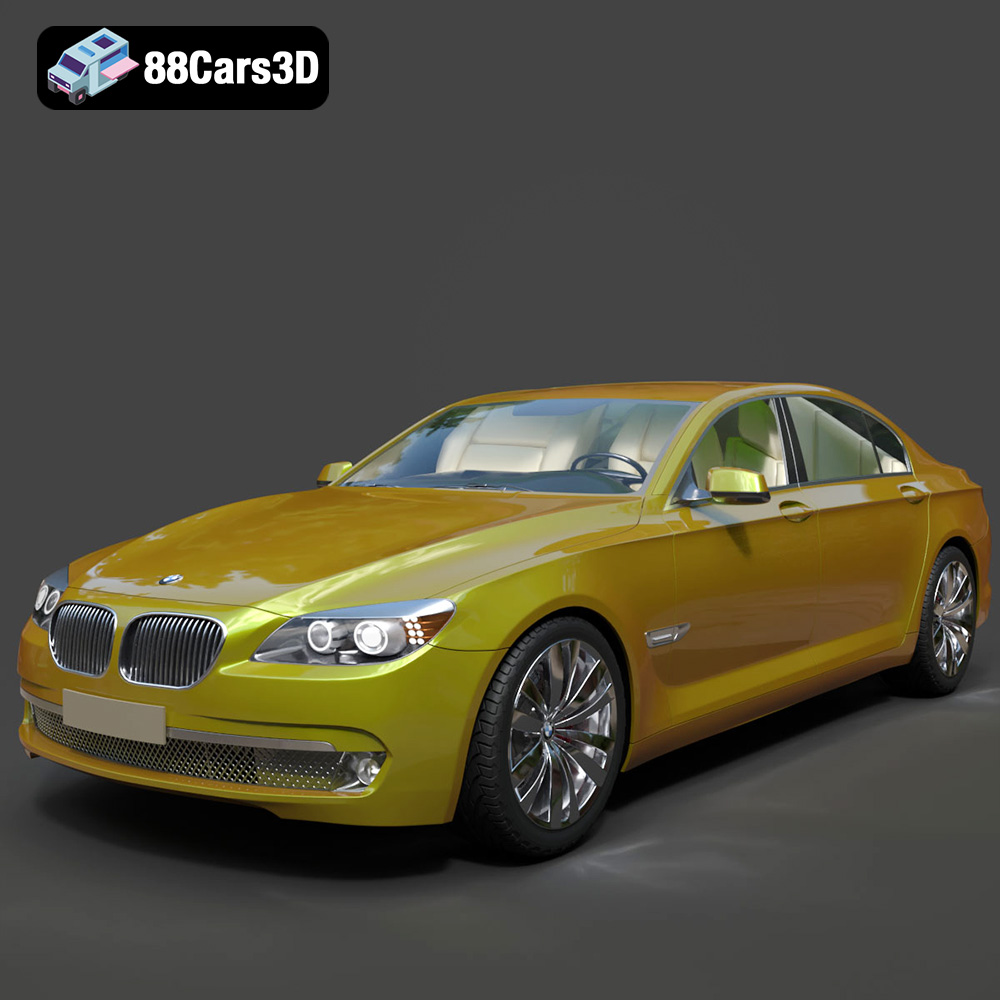
Even the most stunning raw render can be elevated through strategic post-production. This often involves using software like Adobe Photoshop or Affinity Photo to apply final touches. Techniques include color grading to set the mood, adding depth of field to draw attention to specific areas, introducing subtle lens flares, and applying motion blur for dynamic shots. Compositing rendered passes (e.g., separate reflections, shadows, and beauty passes) allows for granular control over the final image, ensuring every aspect of the automotive rendering is polished to perfection. For example, a crisp render of a luxurious sedan acquired from 88cars3d.com can be transformed into a magazine-quality advertisement with careful post-processing.
Developing game assets requires a different set of optimizations and considerations compared to static rendering. The goal is real-time performance, interactivity, and maintaining visual fidelity within the constraints of a game engine like Unreal Engine or Unity.
Game engines demand efficient assets. While a high-poly 3D car model might be perfect for a cinematic render, it needs significant optimization for real-time applications. This involves techniques like creating LODs (Levels of Detail), where simplified versions of the model are automatically swapped in when the car is far from the camera, reducing polygon count and improving frame rates. Draw calls must be minimized, often by combining multiple smaller meshes into larger ones where appropriate, and using texture atlases to consolidate materials. Poly counts must be carefully managed; a hero vehicle might have 80,000-150,000 triangles, while a background car could be as low as 10,000. Clean geometry and efficient UV packing directly contribute to better performance.
Once imported (often via .fbx), 3D car models need their materials re-established within the game engine’s shader system. Modern game engines utilize PBR workflows, mirroring rendering packages, but with an emphasis on real-time performance. This involves connecting texture maps (Base Color, Normal, Metallic, Roughness, Ambient Occlusion) to the appropriate nodes in the engine’s material editor. Material instancing is a common practice, allowing artists to create a master material and then generate instances for each unique car variant, changing parameters like color without creating entirely new shaders. This significantly reduces memory footprint and iteration time.
For playable vehicles, collision meshes are essential. These are simplified geometric shapes (often convex hulls or simple boxes) that define the physical boundaries of the car for accurate collision detection within the game’s physics engine. Beyond static representation, cars in games are often rigged. This involves creating a skeleton (bones) and assigning mesh vertices to these bones, allowing for animations like wheel rotation, suspension compression, and door openings. Advanced car controllers can be implemented to simulate realistic driving physics, integrating the rigged model with engine-specific vehicle blueprints or scripts. An optimized 3D car model from 88cars3d.com can be quickly brought into Unreal Engine, have its materials set up, and a basic vehicle blueprint applied for immediate interaction.
The utility of 3D car models extends far beyond stunning renders and engaging games. They are powerful tools across various industries, driving innovation in diverse fields.
Augmented Reality (AR) and Virtual Reality (VR) platforms are transforming how we interact with products. High-quality 3D car models are central to these experiences, allowing users to explore vehicles in a virtual showroom, customize options in real-time, or even place a virtual car in their driveway using AR on a mobile device. Optimizing these models for mobile performance and ensuring seamless interaction is crucial for captivating AR/VR applications. Formats like .glb are particularly suited for web-based AR/VR viewers, offering efficiency and broad compatibility.
For engineers and industrial designers, 3D car models serve as the blueprint for physical prototypes. Converting a digital model to an .stl file enables rapid manufacturing through 3D printing. This allows for quick iteration on design concepts, testing aerodynamics, or creating scale models for presentations. The precision of the digital model translates directly into the accuracy of the physical print, making quality geometry essential for tangible outputs.
Advanced driving simulators rely heavily on accurate 3D car models to provide realistic visual feedback. From professional driver training to vehicle dynamics research, these models integrate with complex physics engines to simulate real-world conditions. Furthermore, in fields like autonomous vehicle development, 3D car models populate virtual environments for testing and validating AI algorithms, offering a safe and cost-effective way to train and refine self-driving systems.
The longevity and versatility of your 3D car models depend on ongoing maintenance and adherence to best practices.
Revisiting this critical point, clean topology and UVs are not just for initial quality; they future-proof your assets. A model with good edge flow can be easily modified, subdivided, or optimized for new applications without breaking. Well-organized UVs allow for texture updates or resolution changes without needing a complete re-unwrap. Investing time in these foundational elements ensures your models remain adaptable as technology evolves.
As with any valuable digital asset, implementing robust version control is paramount. Regularly saving iterative versions of your 3D car models and backing them up to secure storage prevents data loss and allows you to revert to earlier stages if needed. Proper archiving, including metadata describing poly counts, material types, and intended uses, makes it easy to locate and reuse assets in future projects, maximizing their value.
The 3D industry is dynamic. New rendering techniques, engine updates, and software features emerge constantly. Staying abreast of these developments, whether it’s the latest PBR shader enhancements or new optimization tools, ensures your 3D car models remain competitive and effective. Platforms like 88cars3d.com often update their offerings to reflect these advancements, providing assets that are ready for the cutting edge.
From the gleaming chrome of a photorealistic render to the rubber burning on a virtual racetrack, 3D car models are at the forefront of digital creation. They are the versatile building blocks that power immersive experiences, critical simulations, and captivating visual narratives across a multitude of industries. Mastering the selection, preparation, and application of these assets, understanding the nuances of file formats, and embracing best practices for optimization and rendering, empowers artists and developers to achieve truly extraordinary results.
Whether you’re creating a high-impact advertisement, developing the next blockbuster game, or innovating in automotive design, the journey begins with a high-quality 3D car model. By focusing on technical precision, workflow efficiency, and creative application, you unlock the full potential of these digital marvels, driving innovation one polygon at a time. Explore the possibilities and elevate your projects with the power of expertly crafted 3D vehicles.