⚡ FLASH SALE: Get 60% OFF All Premium 3D & STL Models! ⚡

The automotive industry has always been at the forefront of technological innovation, and its marketing, design, and development processes are no exception. In today’s fast-paced digital landscape, real-time rendering engines like Unreal Engine have become indispensable tools for automotive visualization. They empower artists and designers to create stunningly realistic vehicles, interactive configurators, and immersive experiences that were once confined to pre-rendered cinematics or static images.
From showcasing concept cars with unparalleled fidelity to developing engaging training simulations and virtual showrooms, Unreal Engine’s capabilities are transforming how we interact with automotive content. This comprehensive guide will delve into the technical workflows, best practices, and advanced features within Unreal Engine that enable the creation of breathtaking automotive visualizations. We’ll explore everything from efficient asset integration and sophisticated material setup to real-time lighting, interactive scripting, and performance optimization for various platforms. Whether you’re a seasoned 3D artist, an Unreal Engine developer, or an automotive professional, prepare to unlock the full potential of real-time rendering for your next project, leveraging high-quality assets available from platforms like 88cars3d.com.
Embarking on an automotive visualization project in Unreal Engine requires a robust foundation. Proper project setup ensures optimal performance and a smooth workflow, especially when dealing with high-fidelity 3D car models. The engine’s flexibility allows for diverse project templates, but for automotive work, selecting a “Blank” or “Film, Television, and Live Events” template often provides the best starting point, offering a clean slate or cinematic-focused defaults.
Once the project is configured, the critical step is integrating your 3D car models. The quality of your source assets directly impacts the final visual fidelity. When sourcing automotive assets from marketplaces such as 88cars3d.com, you can expect professionally modeled vehicles with clean topology, proper UV mapping, and often pre-calibrated PBR textures. These assets are typically provided in common formats like FBX, which is Unreal Engine’s preferred interchange format, or increasingly, USD (Universal Scene Description), offering a more robust pipeline for complex scenes and collaboration. Efficient importing and optimization are key to maintaining real-time performance without sacrificing visual quality.
Begin by launching Unreal Engine and creating a new project. For automotive visualization, consider these settings:
Once the project is created, set up a basic environment. This might involve a simple ground plane, a Sky Atmosphere, a Directional Light (Sun), and a Skylight to simulate realistic outdoor or studio lighting conditions. This foundational setup provides a canvas for your imported vehicles.
Importing your 3D car model is straightforward but requires attention to detail. Drag and drop your FBX or USD file into the Content Browser, or use the “Import” button. In the Import Options dialog, pay close attention to:
Optimization is paramount:
Clean topology from reputable sources like 88cars3d.com is a great start. Even with Nanite, managing polygon count for specific components like the interior or engine bay is beneficial for performance. Aim for a balanced polygon count; a high-detail car model for automotive visualization might range from 300,000 to 2,000,000 triangles or more, with Nanite handling the heaviest parts effectively. For parts that won’t be seen up close or are hidden, simpler geometry is always better. Validate UV maps to ensure there are no overlaps for proper texture application and light baking (if not using Lumen for all lighting). Verify scale and pivot points of individual components for correct assembly and animation.
The visual fidelity of an automotive visualization hinges significantly on its materials and lighting. Unreal Engine’s Physically Based Rendering (PBR) system allows for incredibly realistic surface representations, accurately simulating how light interacts with different materials. Coupled with advanced lighting solutions like Lumen, you can achieve cinematic-quality renders in real-time. Understanding the core principles of PBR and mastering the Material Editor is essential for bringing your 3D car models to life.
A car’s paint, glass, chrome, rubber, and leather surfaces each have unique PBR characteristics that must be carefully configured. The interplay of base color, metallic, roughness, and normal maps defines the material’s appearance. Beyond individual materials, the global illumination and reflection systems orchestrate how the entire scene is illuminated and perceived. Lumen, Unreal Engine’s dynamic global illumination and reflections system, fundamentally changes the approach to real-time lighting, offering bounce light, emissive material contribution, and infinite reflections without complex light baking processes. For detailed guidance on Unreal Engine’s rendering features, refer to the official Unreal Engine documentation.
PBR materials mimic real-world light interactions, requiring specific texture maps. For automotive models from 88cars3d.com, you’ll typically receive:
Specific Automotive Materials:
Use Material Instances extensively for variations (e.g., different car colors) without duplicating material graphs, streamlining iteration and optimization.
Lumen revolutionizes real-time lighting by providing dynamic global illumination and reflections. To enable it, navigate to Project Settings > Engine > Rendering, and set “Global Illumination” and “Reflections” to Lumen. Ensure “Hardware Ray Tracing” is also enabled for the highest quality, especially for automotive scenes with many reflective surfaces.
Core Lighting Elements for Automotive:
Tips for Realistic Lighting:
Achieving cinematic levels of detail in real-time automotive visualization has historically been a balancing act between visual fidelity and performance. High-polygon 3D car models, with their intricate curves and detailed interiors, can quickly overwhelm a graphics card. Unreal Engine 5’s revolutionary Nanite virtualized geometry system, combined with strategic Level of Detail (LOD) management, offers a solution that breaks this barrier, allowing artists to import and render millions of polygons without significant performance penalties. This paradigm shift enables automotive designers and visualization professionals to work with CAD-level mesh detail directly, eliminating much of the painstaking optimization work previously required.
However, while Nanite handles static mesh complexity with remarkable efficiency, traditional optimization techniques like LODs still play a vital role for non-Nanite meshes, animated components, and specific performance-critical scenarios, especially for AR/VR or mobile deployments. A comprehensive strategy integrates both Nanite’s power and established optimization practices to deliver stunning visuals across various target platforms. Understanding when and how to apply these techniques is crucial for any high-performance real-time rendering project.
Nanite is a game-changer for high-fidelity assets like 3D car models. It allows artists to import source meshes with millions of polygons directly, without manual decimation or LOD creation, yet still achieve real-time frame rates. When importing your high-poly car models (especially the main body, interior components, or engine details) into Unreal Engine, simply enable Nanite Support in the Static Mesh Editor’s Details panel. For newly imported meshes, you can often enable it directly during the import process.
Benefits for Automotive Visualization:
Considerations:
While powerful, Nanite is currently limited to static meshes. Animated parts (e.g., wheels rotating, doors opening, suspension deformation) and translucent meshes cannot directly use Nanite. For these, traditional LODs and optimization techniques are still necessary. Additionally, Nanite meshes generate virtual texture pages, so monitor disk space and streaming performance. Always refer to the official Unreal Engine documentation for the latest Nanite guidelines and best practices.
Even with Nanite, robust LOD (Level of Detail) management remains essential for non-Nanite meshes (like wheels, brake calipers, door hinges, and animated components) and for optimizing for lower-end platforms like AR/VR or mobile devices.
LOD Generation:
Unreal Engine’s built-in LOD system allows you to automatically generate simpler versions of your mesh or import custom LOD meshes. In the Static Mesh Editor, navigate to the “LOD Settings” section. You can specify the number of LODs and customize their reduction settings (e.g., “Percent Triangles” or “Screen Size”).
For automotive models, ensure that critical details like wheel spokes, emblems, or interior components maintain sufficient fidelity in closer LODs. A typical setup for a single car model might involve 3-5 LODs.
General Performance Optimization Strategies:
Regularly profile your scene using Unreal Engine’s profiling tools (e.g., Stat Unit, Stat GPU, Session Frontend) to identify performance bottlenecks and guide your optimization efforts. Aim for a target frame rate (e.g., 60 FPS for interactive experiences, 30 FPS for cinematic sequences) and optimize accordingly.
Beyond static renders, the true power of Unreal Engine for automotive visualization lies in its ability to create dynamic, interactive experiences. Blueprint visual scripting is a game-changer, allowing artists and designers to build complex functionalities without writing a single line of code. This empowers the creation of immersive automotive configurators, interactive showrooms, virtual test drives, and compelling training simulations, providing users with a hands-on experience that static media simply cannot match.
An interactive car configurator, for instance, allows users to change paint colors, wheel designs, interior trims, and even open doors or turn on headlights in real-time. Integrating realistic vehicle physics further enhances the immersion, enabling users to experience how a car handles in different scenarios. By leveraging Blueprint, even complex interactions can be broken down into manageable, visually understandable nodes, making rapid prototyping and iteration a seamless process.
Blueprint scripting is the backbone of any interactive automotive configurator. Here’s a typical workflow for creating a basic car configurator:
Blueprint allows for incredibly flexible control over your scene and models. For example, you could add logic for dynamically changing the environment’s time of day or even swapping out an entire scene (e.g., studio vs. outdoor environment) based on user input, creating a truly immersive and personalized experience.
For applications requiring realistic vehicle movement, Unreal Engine offers robust physics capabilities. The Chaos Physics Engine is built into Unreal Engine 5 and provides high-fidelity destruction and rigid body dynamics. For vehicle-specific interactions, Unreal Engine provides specialized tools:
Achieving realistic vehicle dynamics requires careful tuning of physics parameters. Experiment with mass, friction, suspension stiffness, and engine torque curves to mimic real-world vehicle behavior. While a full simulation can be complex, even basic driveable vehicles can significantly enhance the interactivity and appeal of your automotive visualization, especially for virtual test drives or training modules.
Real-time engines have revolutionized cinematic content creation, and the automotive industry is keenly leveraging these advancements. Unreal Engine’s Sequencer provides a powerful, non-linear editor for crafting breathtaking cinematic sequences, from dynamic fly-throughs of concept cars to epic chase scenes. This allows marketing teams to produce high-quality promotional videos and even entire virtual commercials entirely within the engine, offering unparalleled flexibility and iteration speed compared to traditional rendering pipelines.
Furthermore, the convergence of real-time rendering with physical production stages has given rise to Virtual Production workflows, particularly prominent with LED walls. Automotive companies are increasingly utilizing this technology to place virtual cars within real-world environments captured by LED screens, enabling on-set visualization and “in-camera” effects. This seamless integration of digital and physical worlds opens new avenues for automotive advertising, product launches, and content creation, blending the best of both realms.
Sequencer is Unreal Engine’s multi-track editor for creating and managing cinematics. It allows you to orchestrate cameras, actors, lights, effects, and even material parameters over time. Here’s how to leverage it for automotive sequences:
Sequencer offers unparalleled control for crafting bespoke automotive commercials, virtual tours, or product reveal videos, allowing for artistic freedom without the constraints of traditional render farm times. You can explore more about Sequencer’s capabilities in the official Unreal Engine documentation.
Virtual Production (VP) using LED walls is rapidly transforming automotive content creation. Instead of green screens, high-resolution LED screens display real-time Unreal Engine environments behind a physical vehicle or actor. This technique allows for “in-camera” visual effects, reducing post-production time and providing immediate feedback on set.
Key Elements of an Automotive LED Wall Workflow:
For automotive applications, VP enables shooting a physical car against an infinite variety of virtual backdrops—from a desert road at sunset to a bustling city at night—all within a controlled studio environment. This significantly reduces logistical complexities and costs associated with location shoots, inclement weather, and permits. It also empowers creative teams to iterate on visual concepts much faster, seeing final results live on set.
The realm of automotive visualization extends far beyond traditional screens and cinematic renders. Augmented Reality (AR) and Virtual Reality (VR) platforms are increasingly becoming vital tools for showcasing vehicles, offering immersive experiences that redefine how customers, designers, and engineers interact with cars. From virtual showrooms that place a car in your living room to fully interactive VR test drives, these technologies provide unparalleled engagement.
However, deploying high-fidelity 3D car models in AR/VR environments presents unique optimization challenges. These platforms typically have stricter performance budgets and require careful management of polygon counts, texture memory, and rendering features to maintain smooth frame rates and prevent motion sickness. A successful AR/VR automotive experience demands a meticulous approach to asset optimization and feature scaling, ensuring a captivating yet performant delivery across a range of devices.
AR/VR environments, particularly on mobile or standalone headsets, are very performance-sensitive. While Nanite is revolutionary, it’s not yet natively supported on all AR/VR platforms, making traditional optimization crucial.
Key Optimization Strategies for AR/VR:
These optimizations are critical for maintaining the target frame rate (e.g., 90 FPS for VR) necessary for a comfortable and immersive AR/VR experience. Regular profiling using Unreal Engine’s stats and profiler tools is essential to pinpoint and address performance bottlenecks.
Developing automotive visualizations for multiple platforms (PC, AR, VR, mobile) requires a flexible strategy. Here are some best practices:
By adopting a multi-tiered optimization approach, you can create a single master automotive visualization project in Unreal Engine and then effectively scale its content and features to deliver compelling experiences across a wide array of devices, ensuring your high-quality 3D car models reach the broadest possible audience.
The journey from a static 3D model to an interactive, cinematic, or even a virtual production-ready automotive experience in Unreal Engine is a testament to the power and versatility of real-time rendering. We’ve explored the foundational steps of project setup, the critical process of importing and optimizing high-fidelity 3D car models, and the art of crafting stunning realism through PBR materials and advanced lighting techniques like Lumen.
The advent of Nanite has fundamentally changed the game, allowing us to embrace geometric complexity without the traditional performance trade-offs, while strategic LOD management ensures optimal performance across all platforms. Blueprint visual scripting empowers the creation of dynamic automotive configurators and interactive demos, bringing vehicles to life with engaging user experiences. Furthermore, Unreal Engine’s capabilities in Sequencer and Virtual Production with LED walls are revolutionizing cinematic content creation and advertising for the automotive sector.
As technology continues to evolve, the demand for immersive and realistic automotive content will only grow. Unreal Engine, with its robust feature set and continuous innovation, stands as the premier tool for professionals seeking to push the boundaries of automotive visualization. Whether you’re designing the next generation of vehicles, creating compelling marketing campaigns, or building interactive training simulations, mastering these workflows will equip you to deliver unparalleled visual experiences. Start experimenting today, leverage high-quality assets from reputable sources like 88cars3d.com, and prepare to drive the future of automotive visualization.
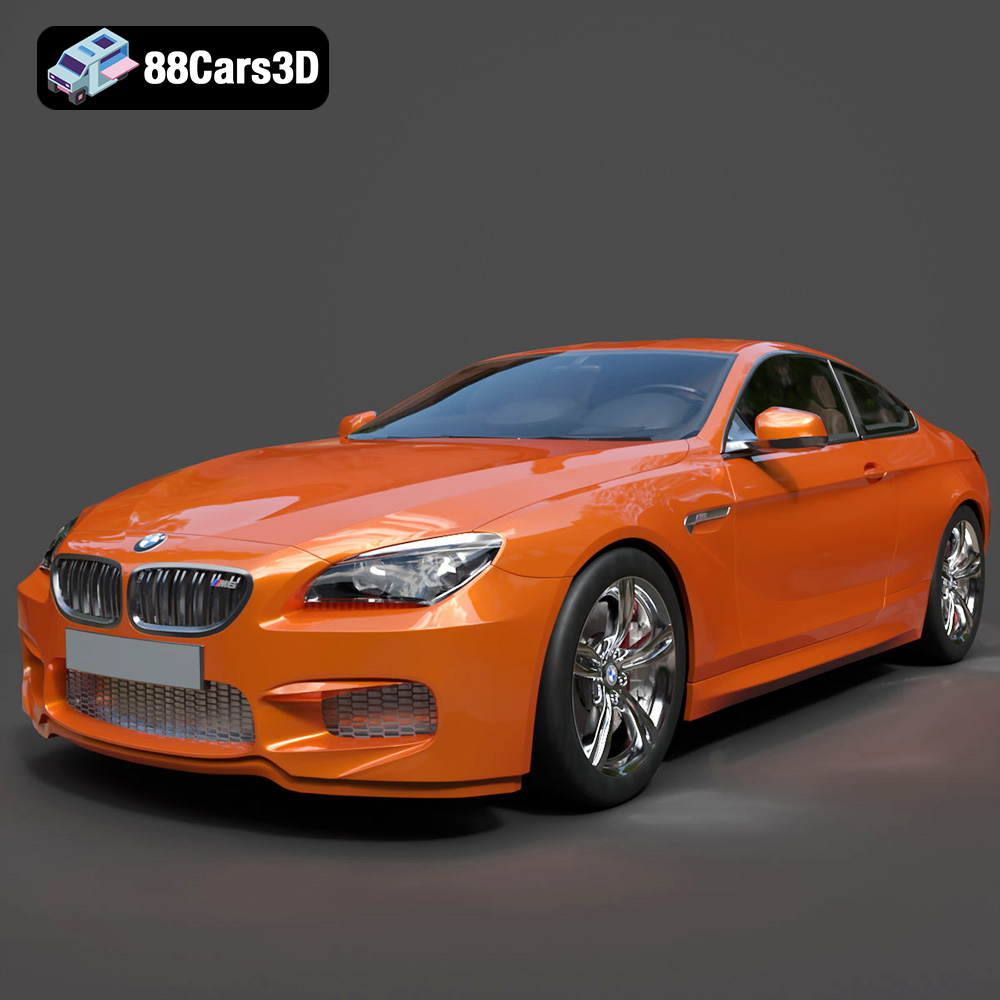
Texture: Yes
Material: Yes
Download the BMW M6 Coupe (F12) 3D Model featuring its iconic sporty design and luxurious details. Includes .blend, .fbx, .obj, .glb, .stl, .ply, .unreal, and .max formats for rendering, simulation, and game development.
Price: $10.79
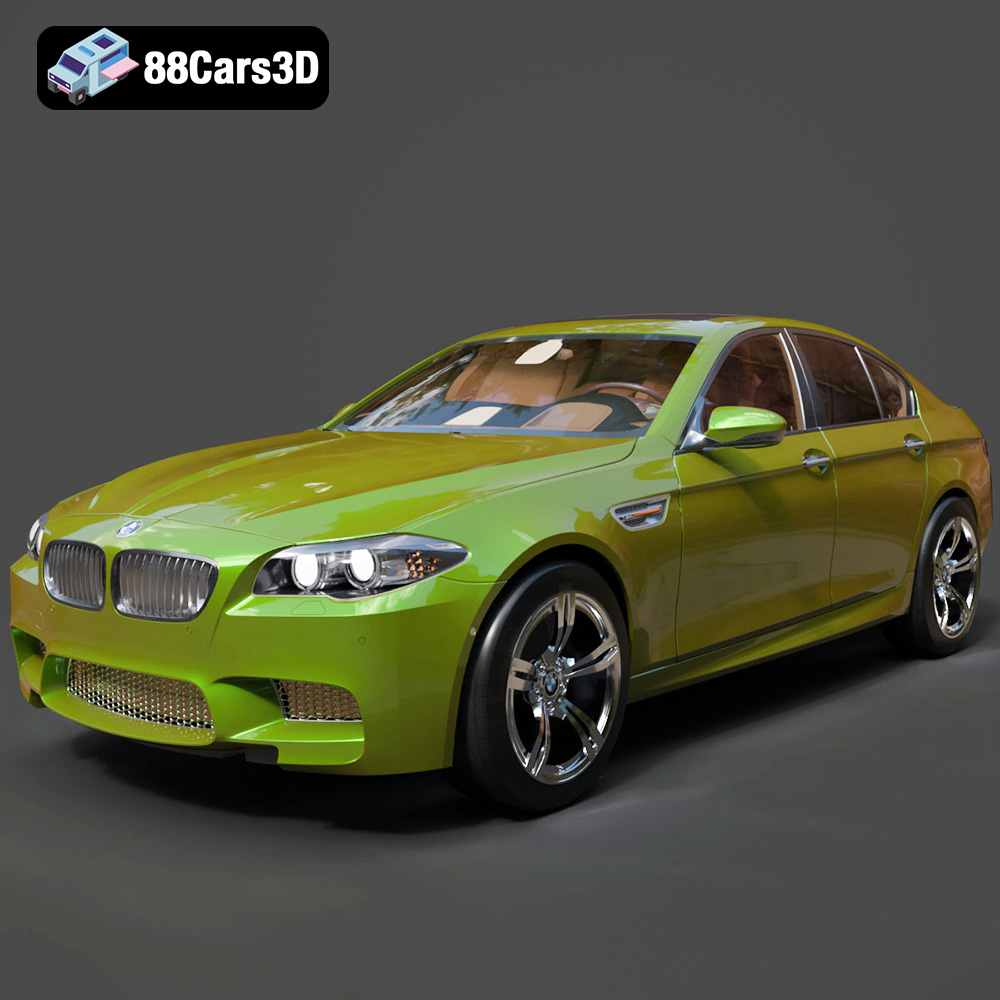
Texture: Yes
Material: Yes
Download the BMW M5 F10 3D Model featuring high-performance luxury sedan design, detailed interior, and realistic PBR textures. Includes .blend, .fbx, .obj, .glb, .stl, .ply, .unreal, and .max formats for rendering, simulation, and game development.
Price: $10.79
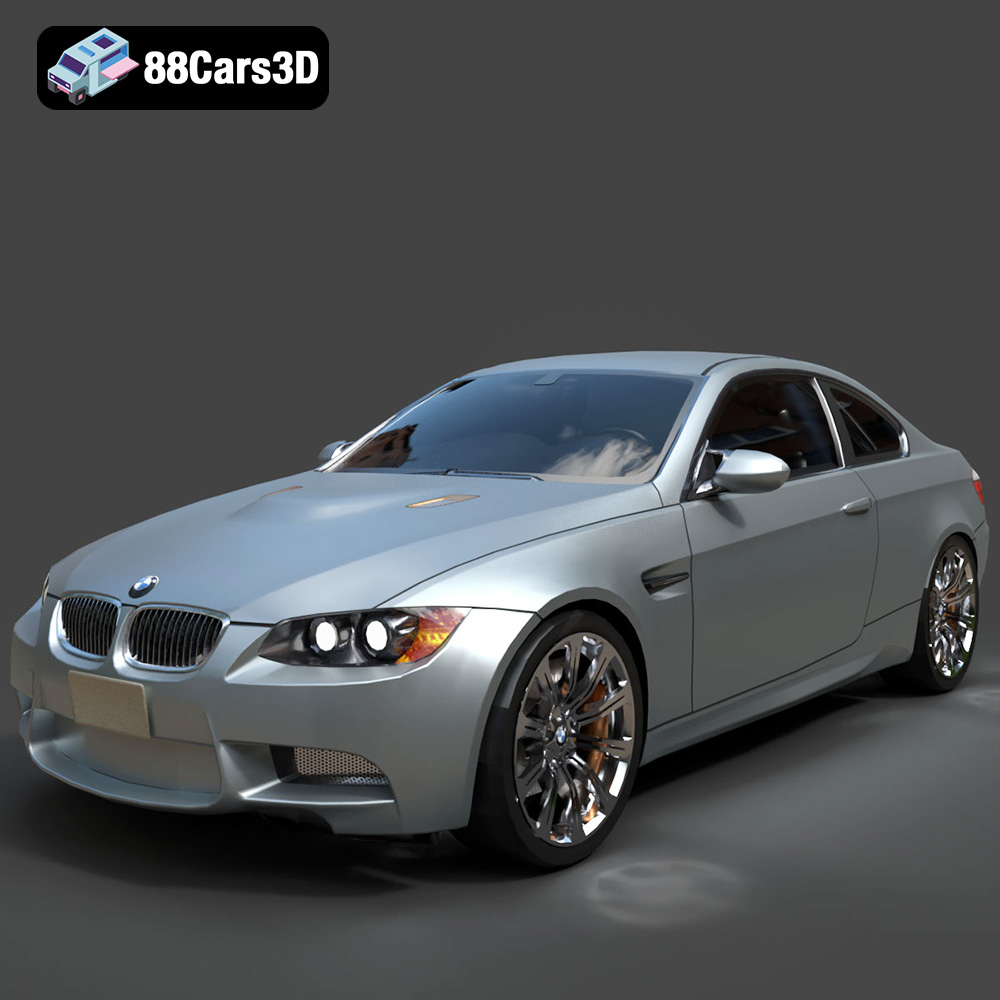
Texture: Yes
Material: Yes
Download the BMW M3 Coupe E92-002 3D Model featuring authentic styling, detailed exterior, and a faithful interior. Includes .blend, .fbx, .obj, .glb, .stl, .ply, .unreal, and .max formats for rendering, simulation, and game development.
Price: $10.79
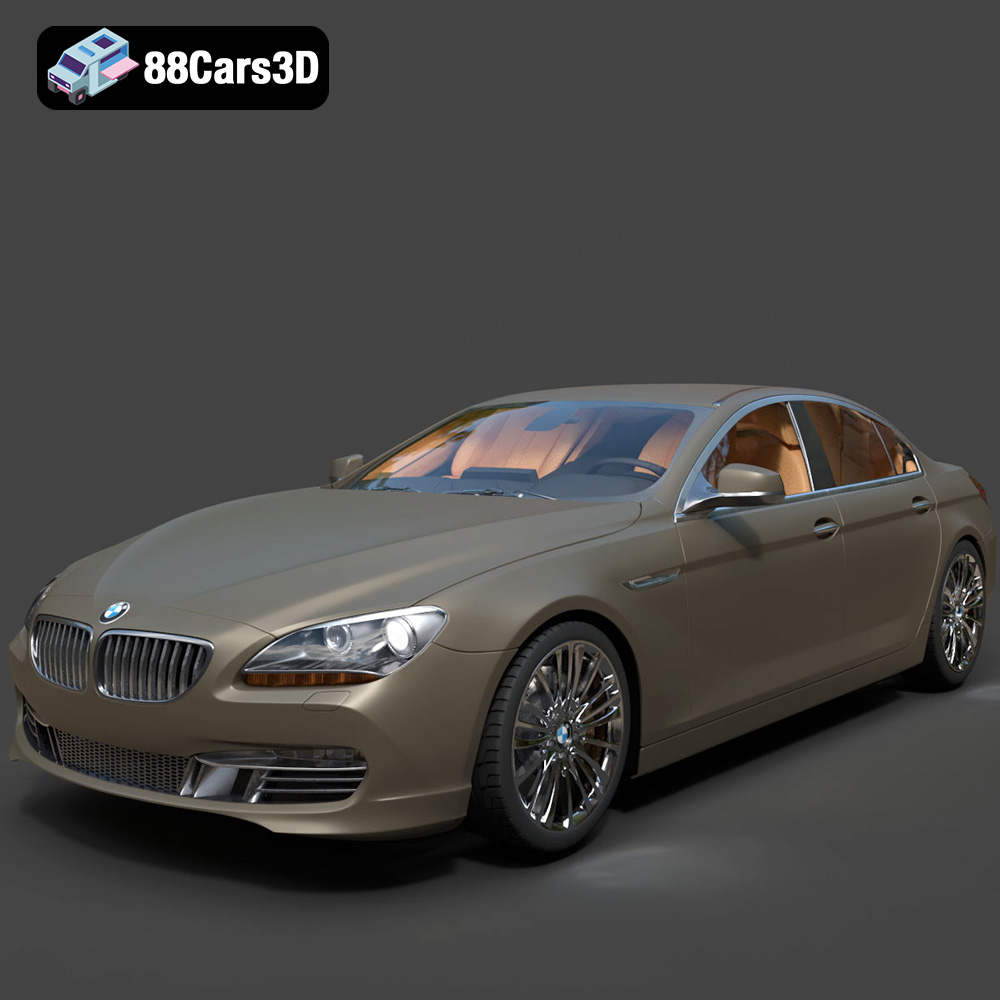
Texture: Yes
Material: Yes
Download the BMW 6 Series Gran Coupe 2013 3D Model featuring a sophisticated design, detailed exterior, and well-appointed interior. Includes .blend, .fbx, .obj, .glb, .stl, .ply, .unreal, and .max formats for rendering, simulation, and game development.
Price: $20.79
Texture: Yes
Material: Yes
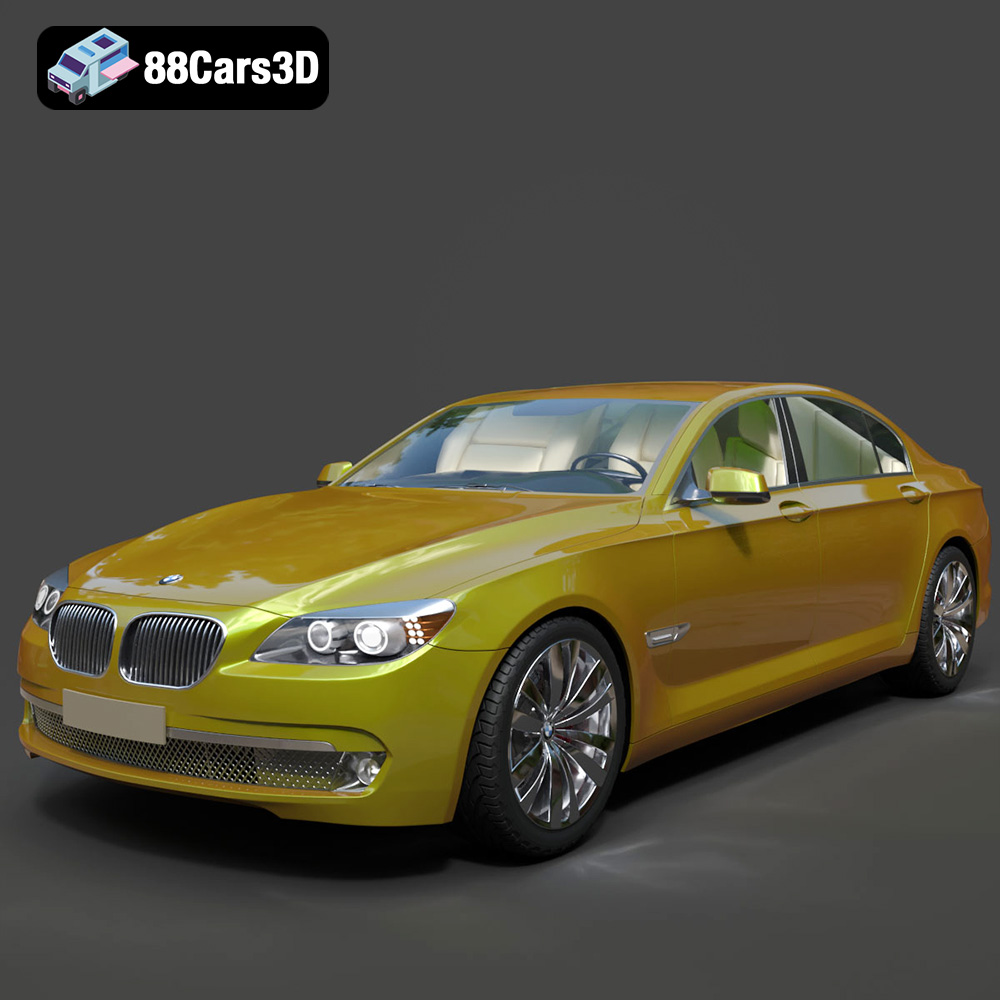
Download the BMW 7 Series 750 F01 3D Model featuring a detailed exterior and a luxurious interior. Includes .blend, .fbx, .obj, .glb, .stl, .ply, .unreal, and .max formats for rendering, simulation, and game development.
Price: $10.79
Texture: Yes
Material: Yes
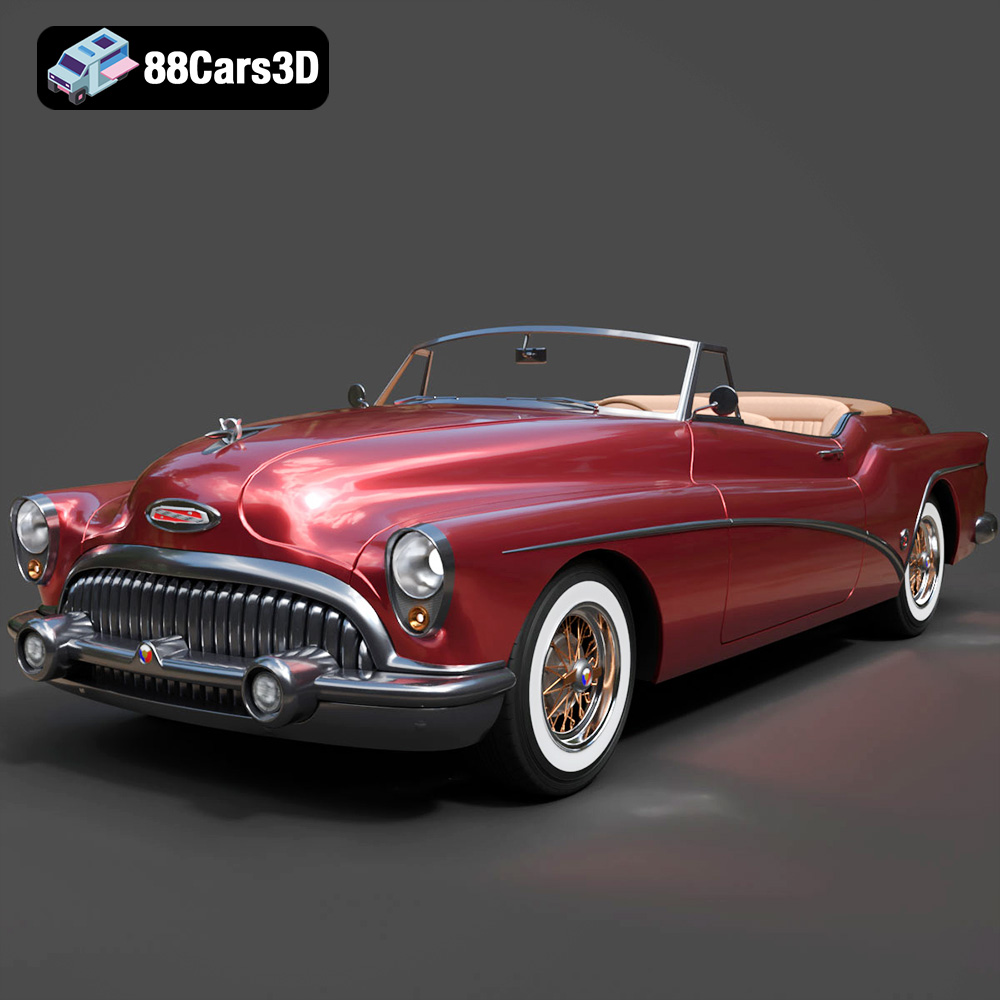
Download the Buick Skylark Convertible 1953 3D Model featuring iconic 1950s styling, a detailed exterior with chrome accents, and an accurately modeled interior. Includes .blend, .fbx, .obj, .glb, .stl, .ply, .unreal, and .max formats for rendering, simulation, and game development.
Price: $10.79

Texture: Yes
Material: Yes
Download the Buick Roadmaster Hardtop Coupe 1957 3D Model featuring a classic American design with detailed exterior and interior. Includes .blend, .fbx, .obj, .glb, .stl, .ply, .unreal, and .max formats for rendering, simulation, and game development.
Price: $10.79
Texture: Yes
Material: Yes
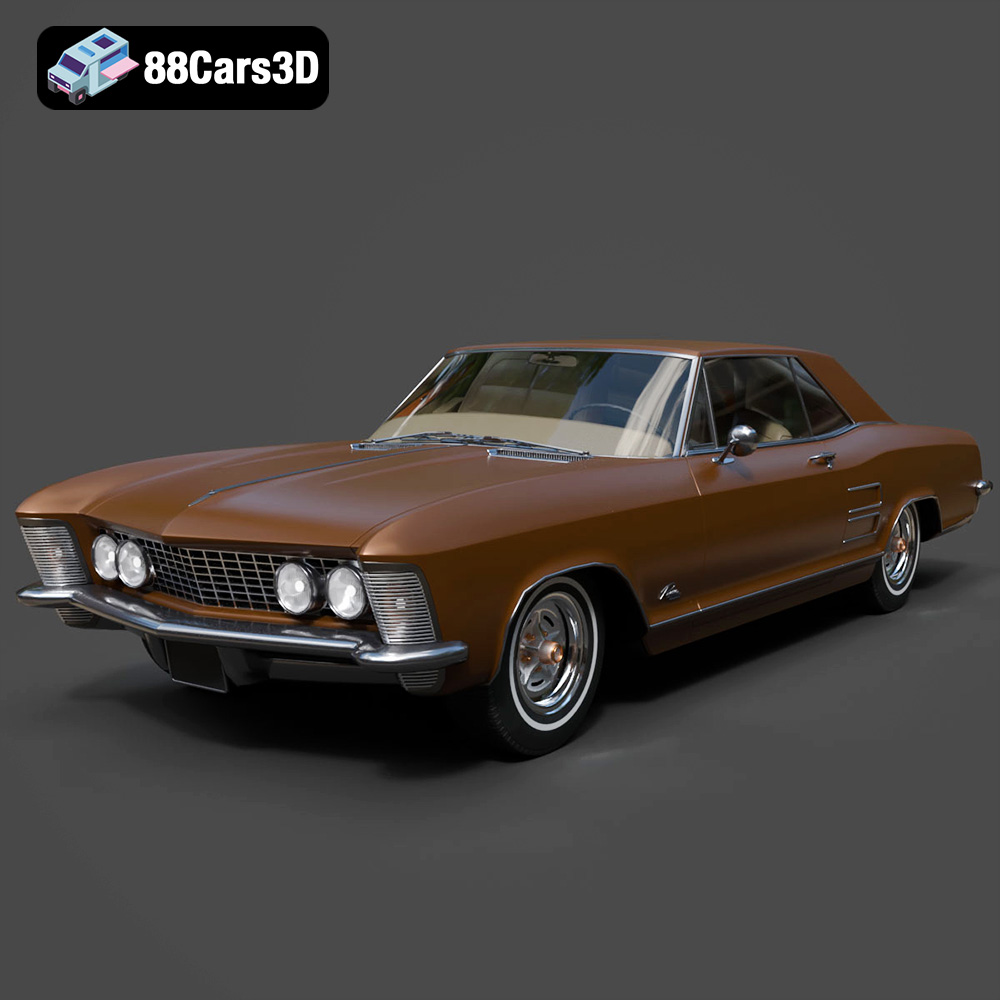
Download the Buick Riviera 1963 3D Model featuring classic American muscle car design and iconic styling. Includes .blend, .fbx, .obj, .glb, .stl, .ply, .unreal, and .max formats for rendering, simulation, and game development.
Price: $10.79
Texture: Yes
Material: Yes
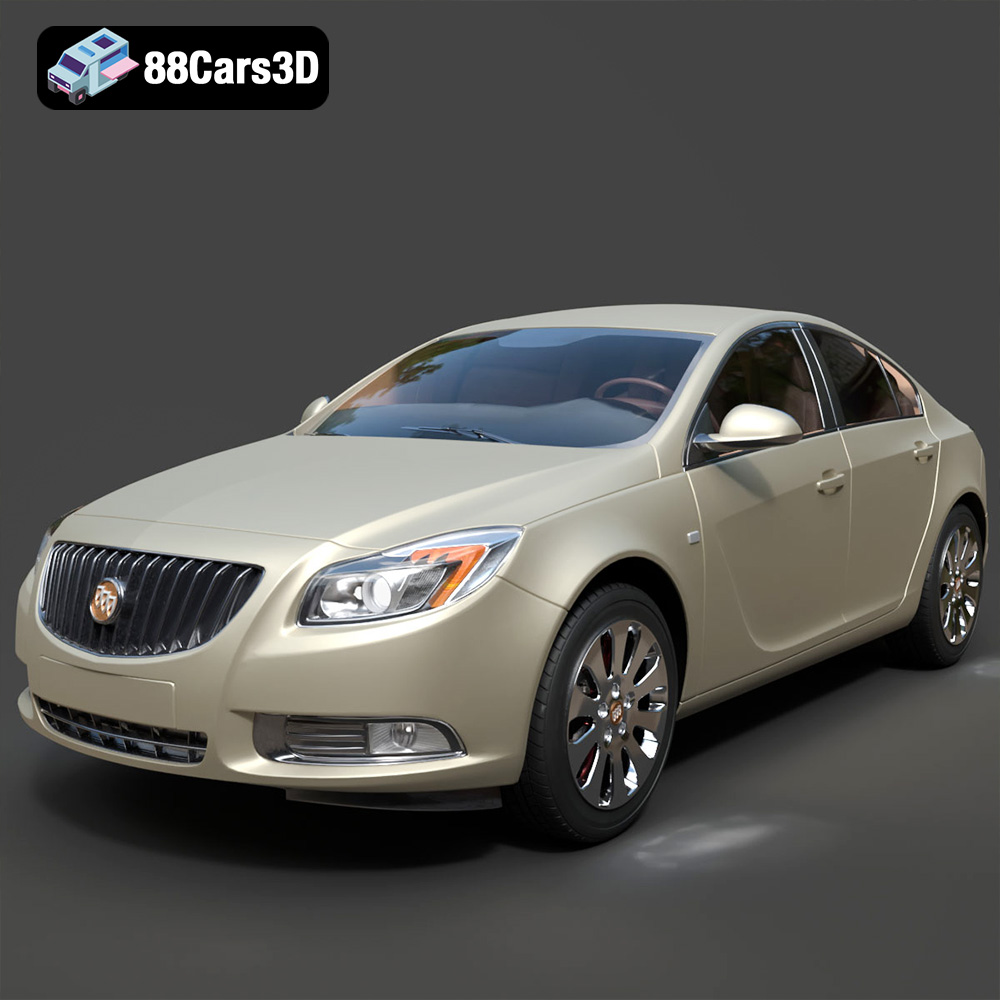
Download the Buick Regal 3D Model featuring a classic American sedan design, detailed exterior, and optimized interior. Includes .blend, .fbx, .obj, .glb, .stl, .ply, .unreal, and .max formats for rendering, simulation, and game development.
Price: $10.79
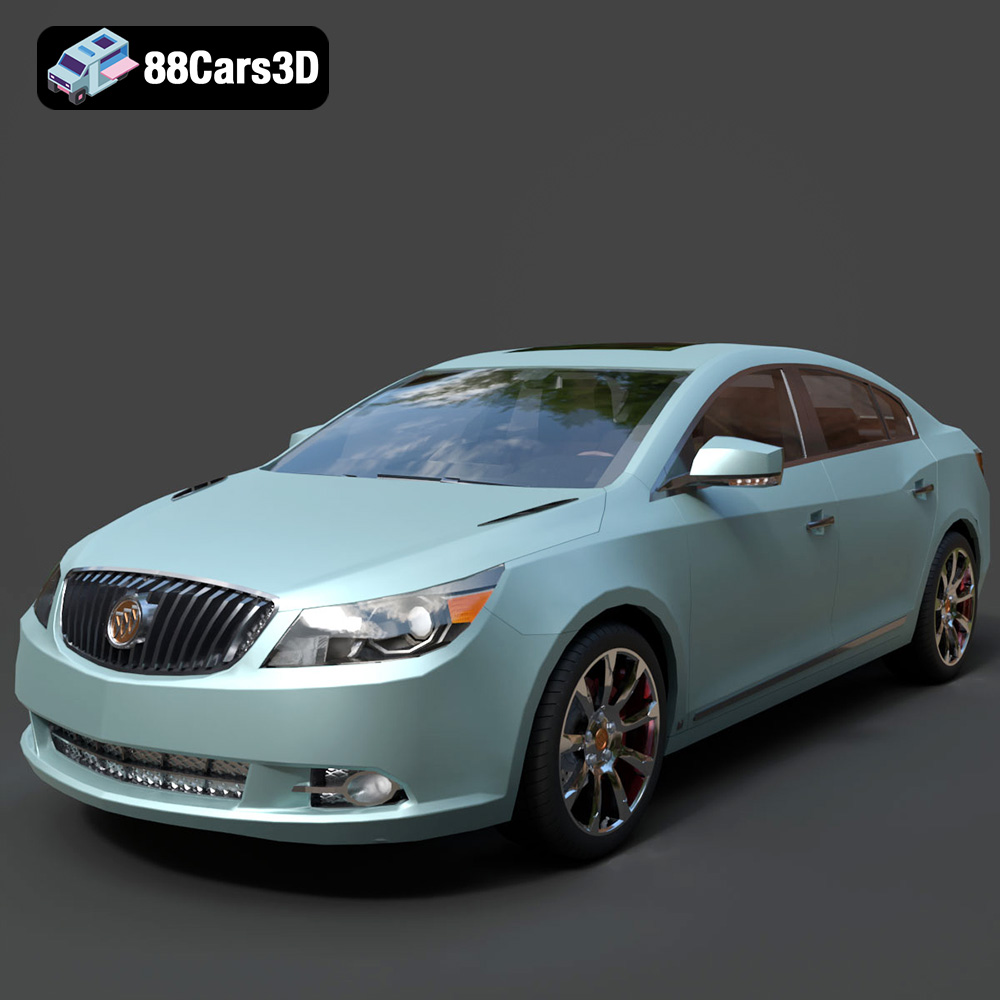
Texture: Yes
Material: Yes
Download the Buick LaCrosse 3D Model featuring professional modeling and texture work. Includes .blend, .fbx, .obj, .glb, .stl, .ply, .unreal, and .max formats for rendering, simulation, and game development.
Price: $10.79

