⚡ FLASH SALE: Get 60% OFF All Premium 3D & STL Models! ⚡

The automotive industry is in a perpetual race towards innovation, not just in vehicle design and performance, but also in how these magnificent machines are conceived, showcased, and experienced. In this landscape, real-time rendering engines like Unreal Engine have become indispensable tools, transforming static concepts into dynamic, interactive realities. From breathtaking marketing campaigns and immersive design reviews to engaging game experiences and sophisticated configurators, Unreal Engine empowers artists and developers to push the boundaries of automotive visualization.
The journey from a raw 3D model to a photorealistic, interactive experience in Unreal Engine is intricate, demanding a blend of artistic vision and technical prowess. It involves a deep understanding of project setup, asset optimization, material creation, advanced lighting, and performance management, alongside leveraging cutting-edge features like Nanite and Lumen. This comprehensive guide will take you through the essential steps and advanced techniques for mastering automotive visualization in Unreal Engine, ensuring your 3D car models not only look stunning but also perform flawlessly across various applications. Whether you’re a seasoned developer or a curious artist, prepare to unlock the full potential of Unreal Engine for your automotive projects.
Building a robust automotive visualization project in Unreal Engine begins with a solid foundation. The initial project setup and the meticulous process of importing and optimizing your 3D car models are critical steps that influence every subsequent stage of development, from material application to final rendering performance. A well-configured project ensures you have the right tools at your disposal, while optimized assets guarantee efficiency and visual fidelity.
When starting a new project, selecting the appropriate template sets the stage. While the “Blank” template offers maximum flexibility, the “Games” or “Architecture, Engineering, and Construction” templates can provide a good starting point with relevant plugins and settings pre-enabled. For automotive-specific projects, it’s often best to begin with a blank canvas and selectively enable necessary plugins. Key plugins to consider include:
Beyond plugins, crucial project settings located under Edit > Project Settings need attention. For high-fidelity rendering, ensure you navigate to Rendering and enable Hardware Ray Tracing if your hardware supports it, along with Lumen Global Illumination and Lumen Reflections under the Global Illumination and Reflections categories respectively. Adjusting scalability settings (Engine Scalability Settings) to “Cinematic” provides the highest quality, but remember this is for visual fidelity during development, and performance will need to be optimized for deployment.
The quality of your 3D car models is paramount. Sourcing high-quality, pre-optimized assets from platforms like 88cars3d.com provides a significant advantage, offering models with clean topology, proper UV mapping, and realistic material definitions. When importing, Datasmith is often the preferred method for its ability to handle complex scene hierarchies and metadata from CAD or DCC packages. For simpler models or individual components, the FBX format remains a reliable choice. Regardless of the method, several checks and optimizations are necessary post-import:
After import, review the asset in the Static Mesh Editor. Check for any flipped normals (often appearing dark or transparent) and ensure UV channels are present and correctly mapped, especially for lightmaps (UV Channel 1) if you plan to bake lighting.
Once your 3D car models are accurately imported and optimized, the next critical step is to breathe life into them through realistic materials and textures. Unreal Engine’s Physically Based Rendering (PBR) system is designed to simulate how light interacts with surfaces in the real world, producing incredibly convincing results when applied correctly. Mastering PBR materials, especially for automotive finishes, is key to achieving photorealism.
PBR is a rendering workflow that aims for physical accuracy, making materials look correct under any lighting condition. It relies on a set of texture maps that define how light interacts with the surface. The primary maps in Unreal Engine’s Material Editor typically include:
When creating materials in Unreal Engine, it’s best practice to build a “Master Material” and then create “Material Instances” from it. This allows for quick iteration and modification of material parameters (like color, roughness, texture scales) without recompiling shaders, greatly improving workflow efficiency. For high-quality automotive assets, texture resolutions typically range from 2K to 8K, depending on the asset’s visibility and importance in the scene.
Automotive surfaces, particularly car paint, present unique challenges due to their complex optical properties. Unreal Engine provides powerful tools to replicate these nuances:
Clear Coat input, along with Clear Coat Roughness and Clear Coat Normal, allowing for incredibly convincing layered materials. Integrating subtle normal maps for microscopic scratches and dust can further enhance realism.Translucent blend mode with proper Opacity and Refraction settings is crucial. Chrome, being a highly reflective metallic surface, requires a high Metallic value (close to 1) and a very low Roughness value (close to 0) to achieve its mirror-like quality.Utilizing Material Functions allows for modular material creation, encapsulating complex shader logic (like a layered car paint effect) into reusable nodes. This approach promotes consistency and efficiency across your project, ensuring every vehicle benefits from the same high standard of material fidelity. For more detailed information on creating PBR materials, refer to the official Unreal Engine documentation on materials.
Lighting is arguably the most crucial element in achieving photorealism and conveying the mood of your automotive scene. Unreal Engine offers a sophisticated suite of lighting tools, from traditional static lights to cutting-edge real-time global illumination and ray tracing technologies. Mastering these will allow you to create stunning visuals, whether for a controlled studio setup or a dynamic outdoor environment.
Lumen is Unreal Engine 5’s revolutionary real-time global illumination and reflections system, designed to deliver stunningly realistic indirect lighting without the need for lightmap baking. For automotive visualization, Lumen is a game-changer, allowing for dynamic changes in lighting, environment, and materials with immediate visual feedback. This is incredibly beneficial for design iteration, configurators, and virtual production where elements are constantly adjusted.
To enable Lumen, navigate to Edit > Project Settings > Rendering and set Global Illumination and Reflections methods to “Lumen.” Once enabled, Lumen dynamically calculates how light bounces around the scene, illuminating indirect areas and producing soft, realistic shadows. This means your vehicle will naturally pick up color bounces from the ground, surrounding walls, or even other vehicles, creating a far more integrated look than purely direct lighting. It excels in showcasing intricate car interiors and under-hood areas where indirect light plays a significant role.
While powerful, Lumen has performance considerations. Adjusting the “Lumen Quality” in the Post Process Volume or Project Settings allows you to balance fidelity with frame rate. Understanding its limitations, such as potential issues with very small geometry or thin translucent objects, is important for effective implementation.
Even with Lumen, traditional light sources remain fundamental to shaping your scene:
For ultimate visual quality, integrating Hardware Ray Tracing complements Lumen beautifully. Enabling ray-traced shadows, reflections, and ambient occlusion (RT AO) can elevate realism to new heights. Ray-traced reflections, in particular, offer unparalleled accuracy, capturing environmental details and object inter-reflections that traditional screen-space methods cannot. While ray tracing is computationally intensive, modern GPUs are increasingly capable, and its visual benefits for automotive projects are immense.
A common professional workflow involves combining Lumen for global illumination with ray-traced reflections and shadows for hero assets, achieving a hybrid approach that balances performance and cinematic quality. For static, non-interactive scenes where performance is absolutely critical, traditional baked lighting using Lightmass can still be a viable option, offering incredibly accurate and performant indirect lighting at the cost of dynamism.
Achieving stunning visual fidelity in automotive visualization often involves working with incredibly detailed 3D car models, which can have millions of polygons. Managing this complexity while maintaining real-time performance is a constant challenge. Unreal Engine provides powerful features like Nanite and robust optimization strategies to tackle this, ensuring your projects run smoothly without sacrificing visual quality.
Nanite is Unreal Engine 5’s groundbreaking virtualized geometry system, designed to handle immense polygon counts – think billions of triangles per scene – with remarkable efficiency. For automotive visualization, Nanite is a paradigm shift, allowing artists to directly import high-fidelity CAD data or extremely detailed sculpts without needing to manually create LODs or simplify meshes extensively. This preserves intricate details like microscopic panel gaps, tire tread patterns, or complex engine components, which are crucial for photorealism.
How Nanite works is quite ingenious: it converts static meshes into a virtualized format that streams and processes only the necessary detail in real-time, based on distance and screen size. This means geometry that is further away or less visually important is automatically rendered with fewer triangles, while closer objects retain full fidelity. To enable Nanite for a static mesh, simply open the Static Mesh Editor, navigate to the Details panel, and check the Enable Nanite box. Nanite automatically generates proxy meshes and manages streaming, significantly reducing draw calls and memory footprint compared to traditional high-poly meshes.
While incredibly powerful, Nanite has some current limitations to be aware of. It generally doesn’t support world position offset (WPO), certain blend modes (like translucent), or dynamic mesh deformation. For these scenarios, traditional static meshes or alternative solutions may be required. However, for the vast majority of static, opaque automotive components, Nanite is an absolute game-changer, allowing unprecedented levels of detail.
Even with Nanite handling your primary car models, effective Level of Detail (LOD) management and broader scene optimization remain critical for other assets and overall project performance. LODs are simplified versions of a mesh that are swapped in at different distances from the camera, reducing the polygon count of objects that are far away and less visually prominent.
For non-Nanite assets, Unreal Engine offers both automatic and manual LOD generation. In the Static Mesh Editor, you can configure the number of LODs, the reduction settings (e.g., triangle percentage, screen size), and even import custom LOD meshes. A common practice is to have 3-5 LODs for significant objects, with LOD0 being the full-detail mesh and the final LOD being a greatly simplified version or even a billboard for very distant objects.
Beyond LODs, a comprehensive optimization strategy includes:
Merge Actors tool) or leverage Instanced Static Meshes for repeated elements (like bolts, screws) to reduce the number of draw calls, which significantly impacts CPU performance.stat unit (overall performance), stat rhi (rendering hardware interface), stat gpu (GPU breakdown), and stat game (game thread) are invaluable for pinpointing where optimization efforts should be focused. Consult the Unreal Engine documentation on profiling and optimization for in-depth guides.Beyond static renders, Unreal Engine excels at creating dynamic, interactive experiences and compelling cinematic narratives for automotive projects. Leveraging Blueprint visual scripting, developers can build fully functional configurators or interactive showrooms, while Sequencer provides the tools to craft broadcast-quality animations and virtual productions.
Blueprint visual scripting is Unreal Engine’s powerful node-based interface that allows artists and designers to create complex gameplay mechanics and interactive functionalities without writing a single line of C++ code. For automotive applications, Blueprint is indispensable for building interactive configurators, animated elements, and even functional vehicle physics systems.
Consider an automotive configurator: with Blueprint, you can create a system where users can:
Furthermore, Unreal Engine’s Chaos Vehicle System provides a robust framework for simulating realistic vehicle dynamics. Through Blueprint, you can configure engine torque curves, transmission ratios, suspension settings, tire friction, and more, allowing for interactive driving experiences, whether in a game or a realistic simulation. The system is highly customizable, letting you fine-tune every aspect of vehicle behavior to match real-world specifications. Integrating a User Interface (UI) with UMG (Unreal Motion Graphics) allows you to create intuitive menus and heads-up displays for these interactive features.
For high-impact marketing, design showcases, or virtual production, Sequencer is Unreal Engine’s multi-track non-linear editor for creating breathtaking cinematic sequences. It allows you to animate virtually any property within your scene over time:
Once your cinematic is crafted, the Movie Render Queue (MRQ) is the go-to tool for rendering high-quality output. MRQ offers advanced settings such as anti-aliasing techniques (e.g., Temporal AA, Super Sampling), motion blur, warm-up frames, and output formats (e.g., EXR for high dynamic range image sequences, ProRes for video), ensuring broadcast-quality results suitable for professional use.
Beyond traditional cinematics, Unreal Engine is at the forefront of Virtual Production. For automotive applications, this often involves using large LED volumes (walls) as dynamic backgrounds, creating immersive environments that interact realistically with the physical car placed in front of them. Technologies like nDisplay enable the rendering of Unreal Engine content across multiple synchronized displays (like LED walls) with correct perspective. Combined with real-time camera tracking, this allows for incredibly realistic in-camera visual effects, reducing the need for green screen keying and post-production compositing, making iterative creative decisions faster and more efficient. For comprehensive guides on Sequencer and Virtual Production, consult the Unreal Engine learning resources.
The capabilities of Unreal Engine extend far beyond traditional screen-based visualization, venturing into cutting-edge applications like Augmented Reality (AR) and Virtual Reality (VR). These immersive technologies are rapidly transforming how automotive designs are reviewed, showcased, and even sold, offering unprecedented levels of engagement. Furthermore, industry-standard data formats and collaborative workflows are continuously evolving.
Developing for AR/VR environments introduces unique performance considerations. The primary goal is to achieve and maintain a high, stable frame rate (typically 90 frames per second or higher for VR) to prevent motion sickness and ensure a comfortable user experience. For automotive models, this often means revisiting your optimization strategies with even greater scrutiny:
Platform-specific optimizations are also essential. For mobile AR (ARKit, ARCore) or standalone VR headsets (e.g., Meta Quest), the performance budget is significantly tighter than for PC VR. Designing intuitive interaction paradigms – such as gaze-based selection, hand tracking, or controller input – for manipulating the vehicle in AR/VR is also a key design consideration.
The applications of Unreal Engine in the automotive sector are vast and continually expanding:
Looking ahead, the role of USD (Universal Scene Description) and its AR-focused variant, USDZ, is becoming increasingly important. USD offers a robust framework for scene description and interchange between various DCC applications and real-time engines, promising seamless collaborative workflows and asset interoperability across the industry. This will further streamline the process of bringing complex automotive assets into Unreal Engine, ensuring data integrity and enabling more efficient pipelines from design to visualization and beyond.
Unreal Engine stands as an unparalleled platform for automotive visualization, offering a powerful ecosystem that bridges the gap between artistic vision and technical execution. From the intricate details captured by Nanite to the dynamic illumination provided by Lumen, and the interactive capabilities unlocked by Blueprint, the engine empowers developers and artists to create experiences that are not only visually stunning but also deeply engaging and functional. Mastering these tools, combined with a disciplined approach to asset optimization and project configuration, is key to delivering groundbreaking automotive content.
The journey into advanced automotive visualization with Unreal Engine is continuous, with new features and best practices constantly emerging. By leveraging high-quality assets – like the meticulously crafted 3D car models available on marketplaces such as 88cars3d.com – and embracing the comprehensive workflows discussed in this guide, you are well-equipped to tackle any automotive project. Whether you’re building a photorealistic configurator, an immersive AR/VR experience, or a cinematic masterpiece, Unreal Engine provides the canvas for your creativity. Continue to experiment, explore the rich Unreal Engine documentation, and push the boundaries of what’s possible in real-time automotive rendering.
Texture: Yes
Material: Yes
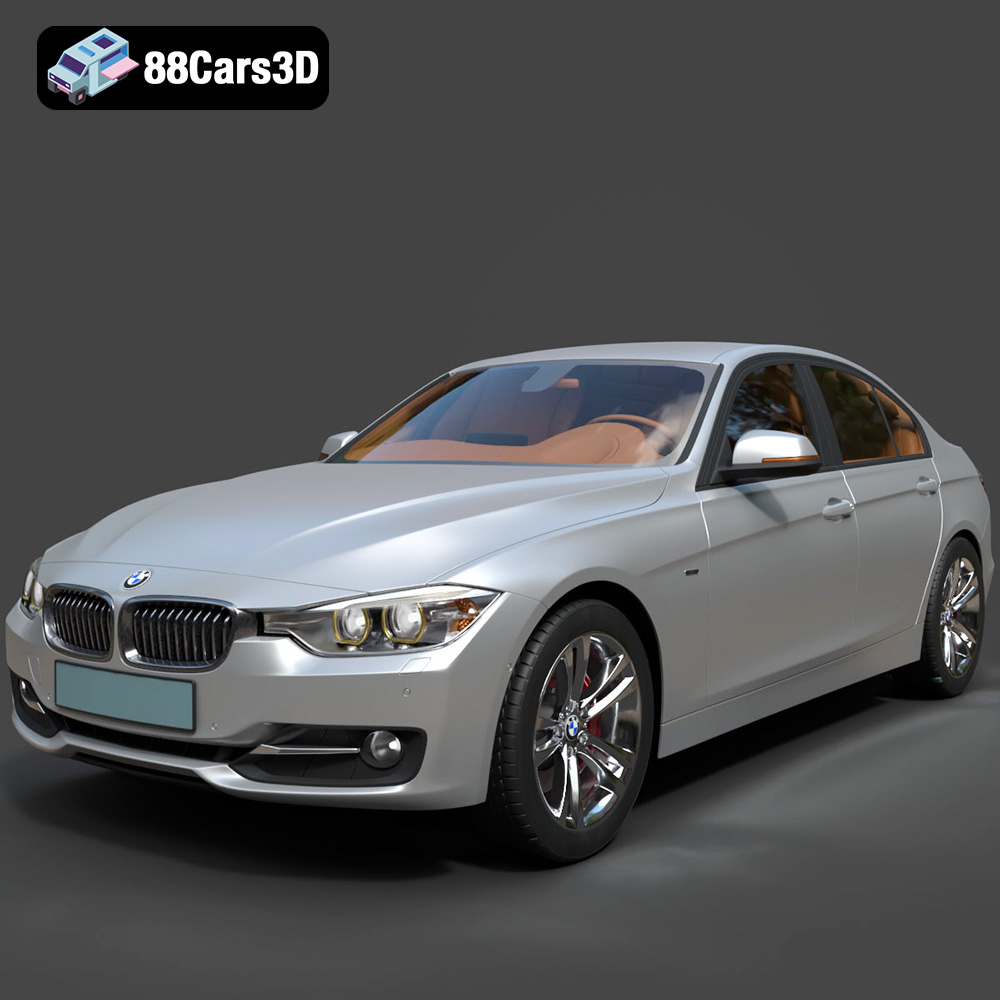
Download the BMW 3 F30 3D Model featuring a detailed exterior, realistic interior, and optimized mesh. Includes .blend, .fbx, .obj, .glb, .stl, .ply, .unreal, and .max formats for rendering, simulation, and game development.
Price: $10.79
Texture: Yes
Material: Yes
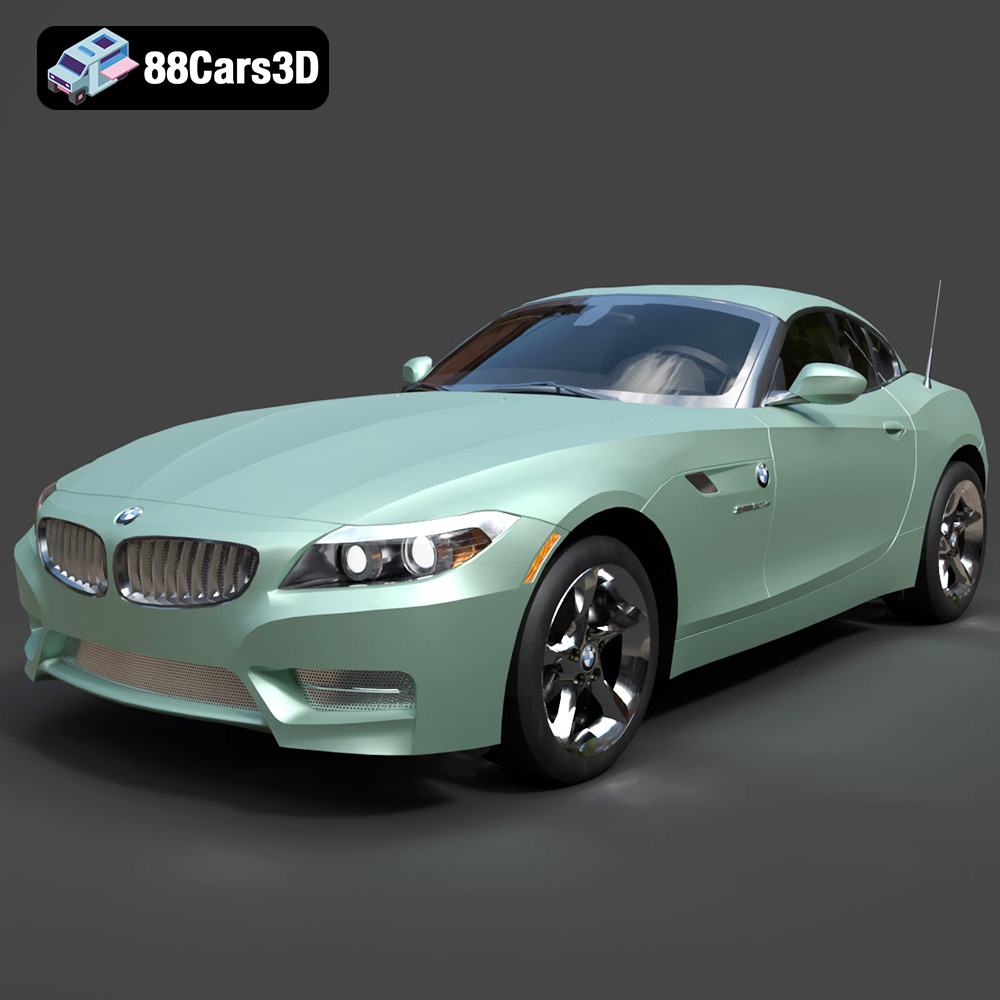
Download the BMW Z4 Roadster E89 3D Model featuring clean geometry, realistic detailing, and a fully modeled interior. Includes .blend, .fbx, .obj, .glb, .stl, .ply, .unreal, and .max formats for rendering, simulation, and game development.
Price: $13.99

Texture: Yes
Material: Yes
Download the BMW Z4 E85 3D Model featuring clean geometry, realistic detailing, and a fully modeled interior. Includes .blend, .fbx, .obj, .glb, .stl, .ply, .unreal, and .max formats for rendering, simulation, and game development.
Price: $13.99

Texture: Yes
Material: Yes
Download the BMW M3 2024 3D Model featuring clean geometry, realistic detailing, and a fully modeled interior. Includes .blend, .fbx, .obj, .glb, .stl, .ply, .unreal, and .max formats for rendering, simulation, and game development.
Price: $13.99
Texture: Yes
Material: Yes
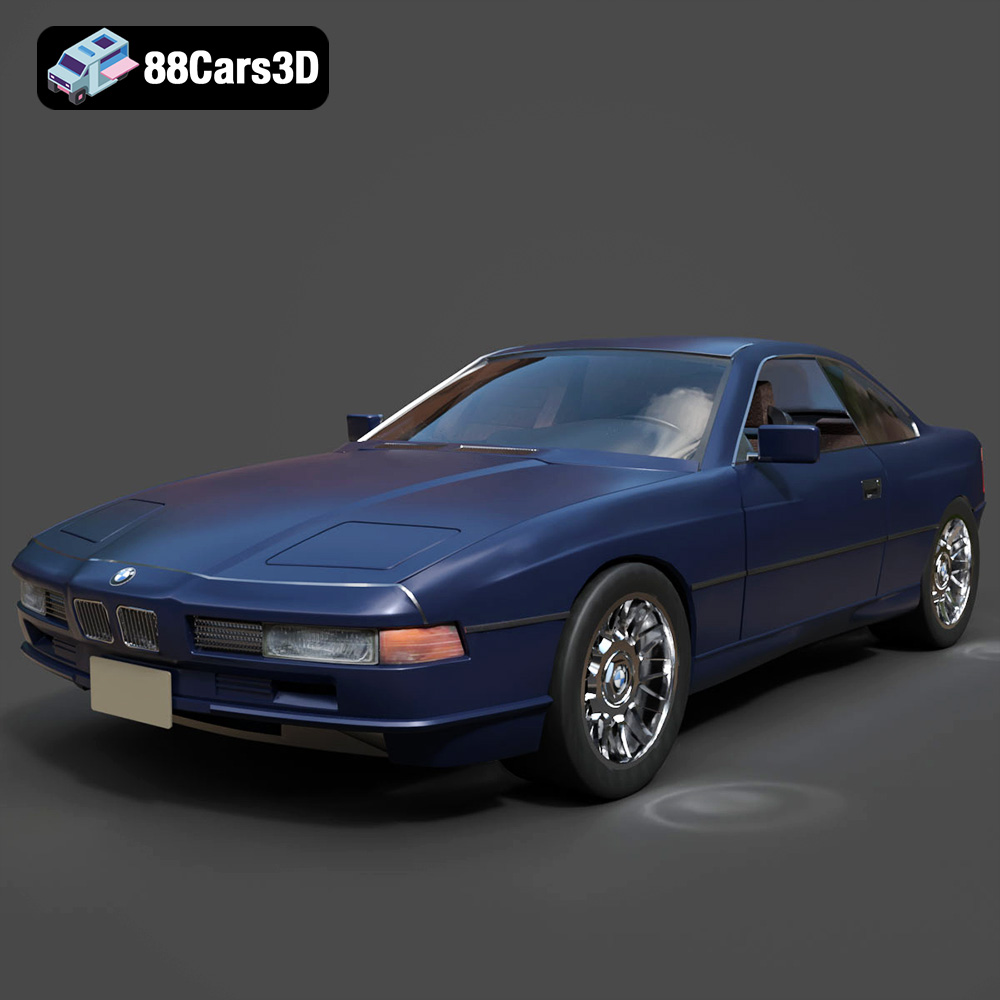
Download the BMW 850i Coupe 1990 3D Model featuring clean geometry, realistic detailing, and a fully modeled interior. Includes .blend, .fbx, .obj, .glb, .stl, .ply, .unreal, and .max formats for rendering, simulation, and game development.
Price: $13.99
Texture: Yes
Material: Yes
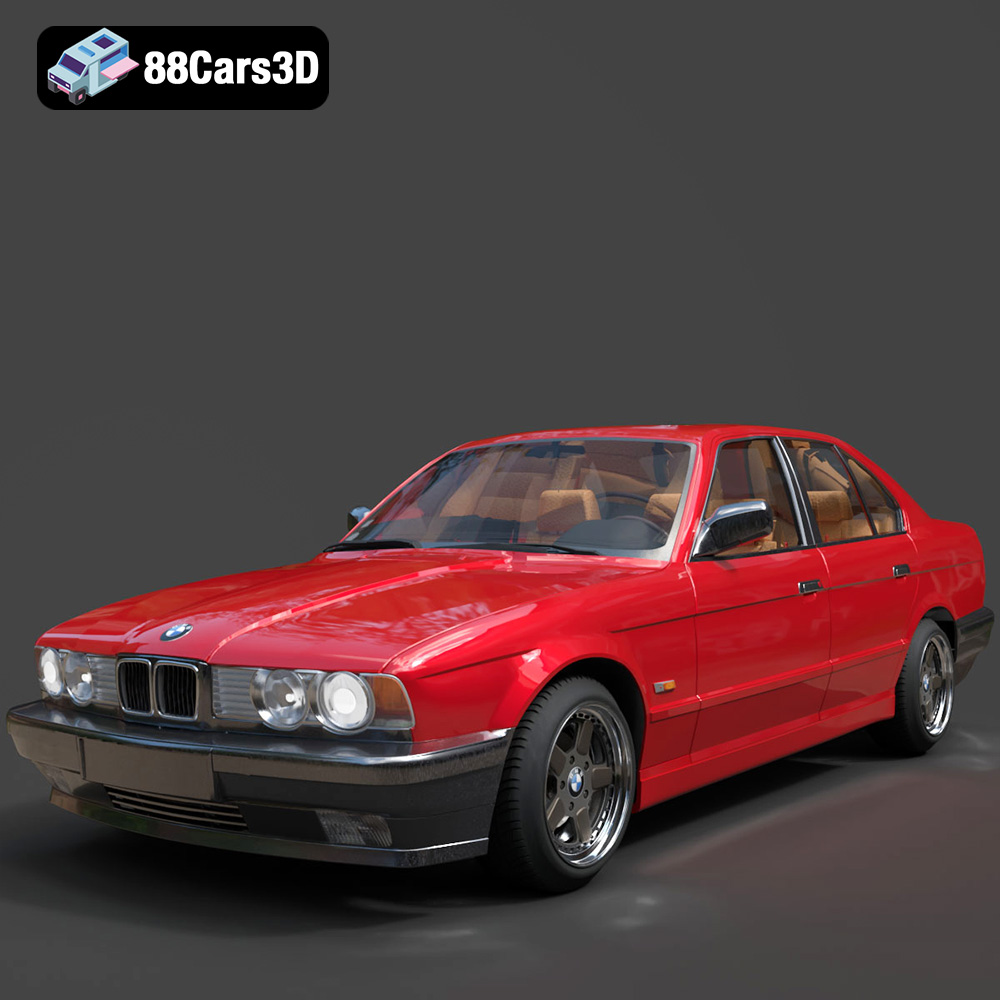
Download the BMW 525i E34 1993 3D Model featuring clean geometry, realistic detailing, and a fully modeled interior. Includes .blend, .fbx, .obj, .glb, .stl, .ply, .unreal, and .max formats for rendering, simulation, and game development.
Price: $12.99

Texture: Yes
Material: Yes
Download the BMW 7 Series 2016 3D Model featuring luxurious design, detailed interior, and accurate exterior. Includes .blend, .fbx, .obj, .glb, .stl, .ply, .unreal, and .max formats for rendering, simulation, and game development.
Price: $10.79
Texture: Yes
Material: Yes
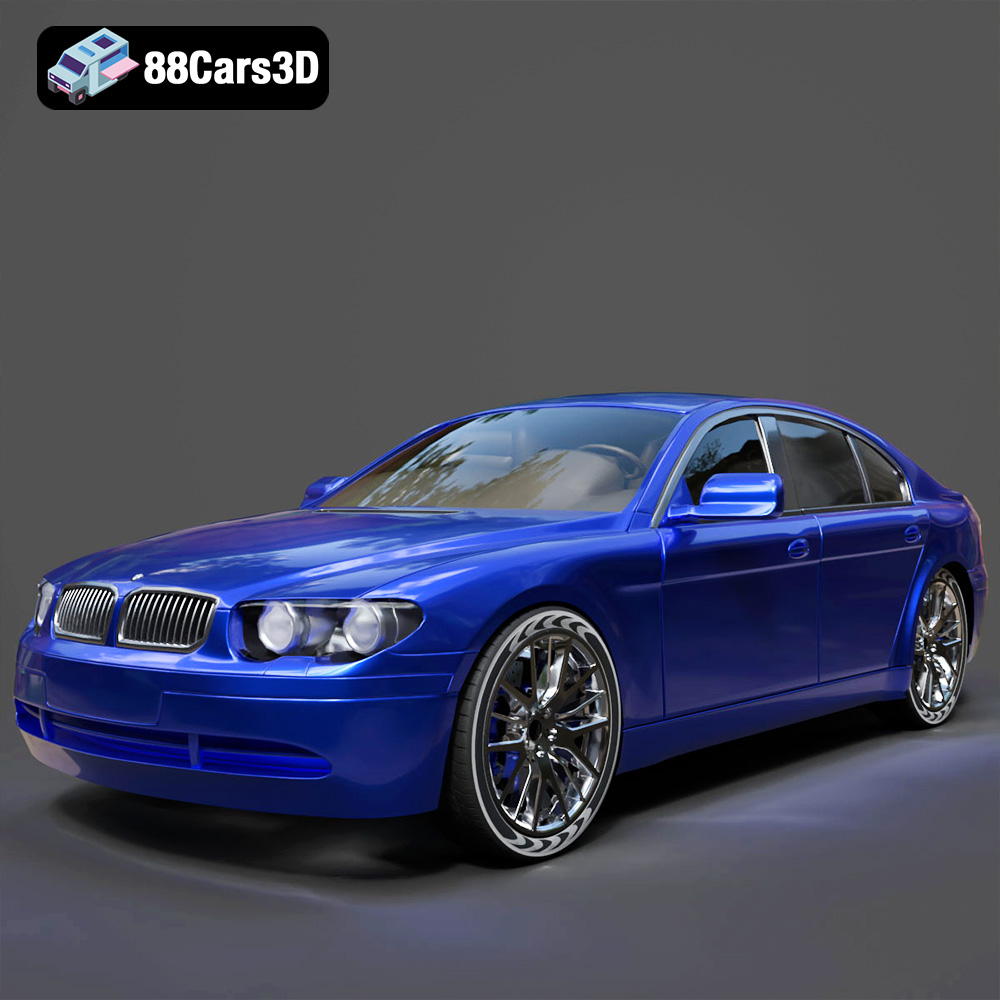
Download the BMW 7 Series 30th Anniversary 3D Model featuring a meticulously crafted exterior, detailed interior, and realistic wheels. Includes .blend, .fbx, .obj, .glb, .stl, .ply, .unreal, and .max formats for rendering, simulation, and game development.
Price: $35.79

Texture: Yes
Material: Yes
Download the BMW 7-Series F02 3D Model featuring a detailed exterior and interior, optimized for rendering and animation. Includes .blend, .fbx, .obj, .glb, .stl, .ply, .unreal, and .max formats for rendering, simulation, and game development.
Price: $10.79
Texture: Yes
Material: Yes
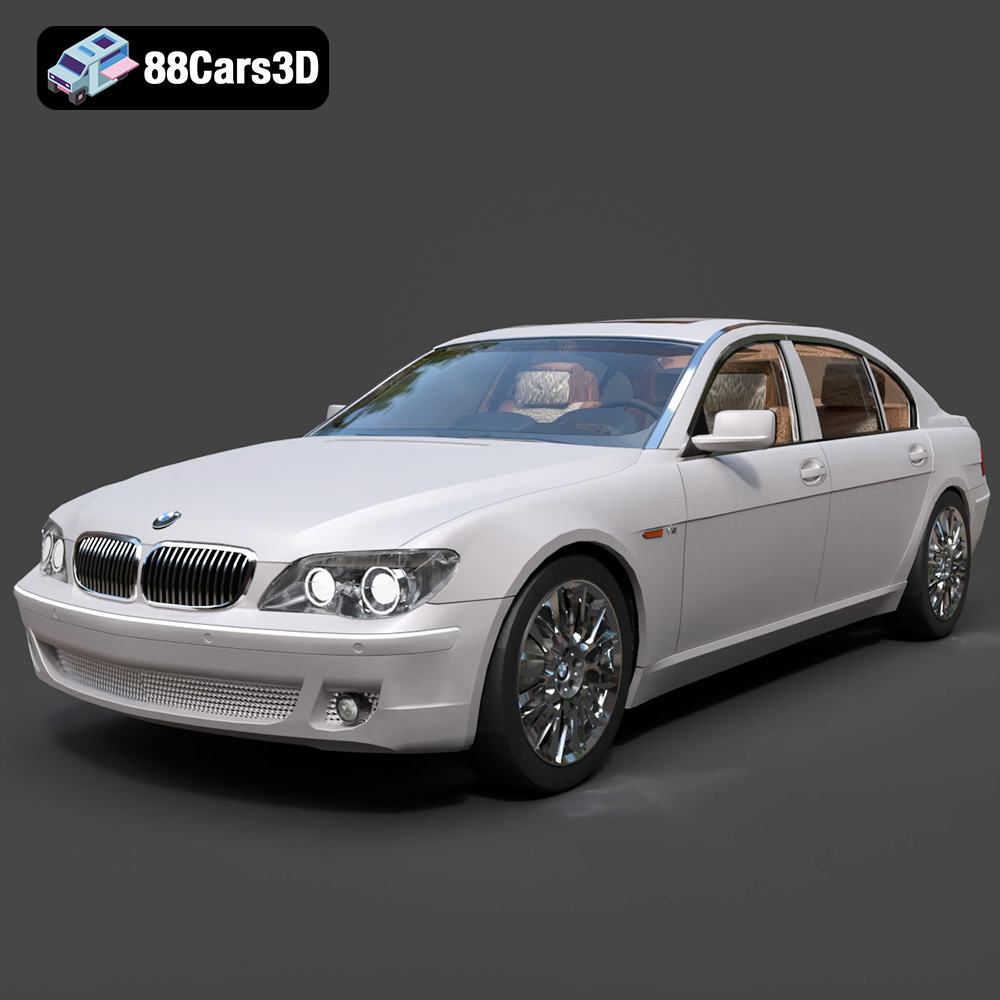
Download the BMW 760Li E66 2005 3D Model featuring a detailed exterior, refined interior, and robust chassis. Includes .blend, .fbx, .obj, .glb, .stl, .ply, .unreal, and .max formats for rendering, simulation, and game development.
Price: $10.79

