⚡ FLASH SALE: Get 60% OFF All Premium 3D & STL Models! ⚡

In the dynamic world of 3D visualization, the demand for photorealistic and technically robust assets has never been higher. From blockbuster game titles to cutting-edge automotive advertising campaigns and immersive AR/VR experiences, the quality of your 3D models dictates the success and impact of your project. Capturing the intricate beauty and engineering prowess of an iconic supercar in the digital realm requires more than just artistic flair; it demands a deep understanding of topology, materials, and real-world scale.
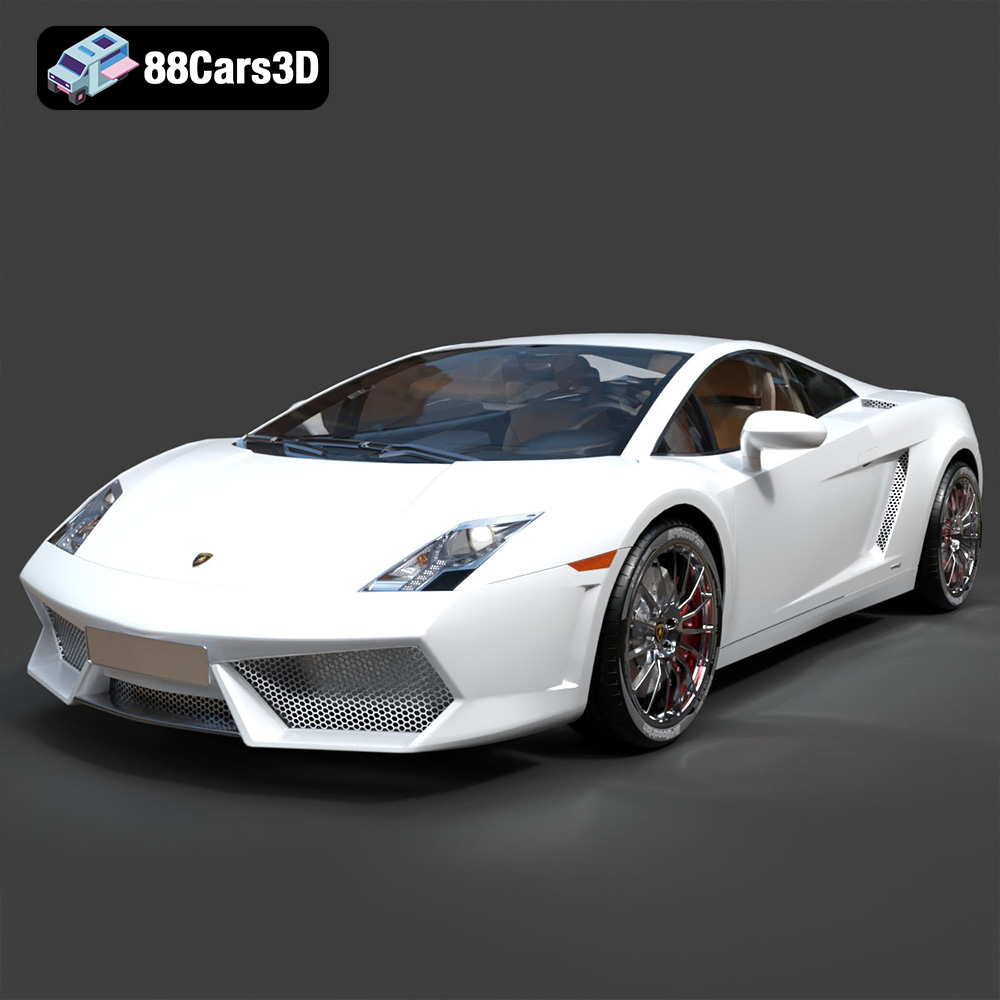
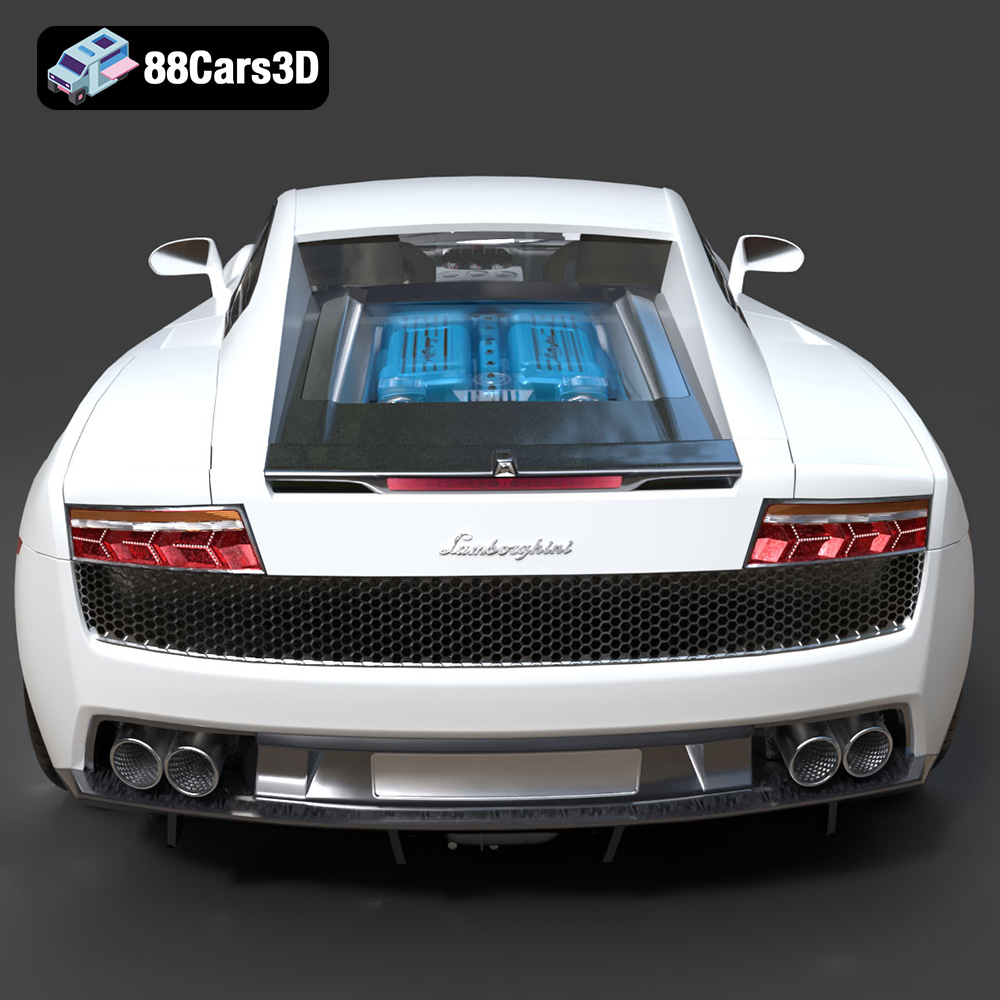
Today, we delve into the meticulous craft of creating and utilizing premium 3D car models, exploring the technical nuances that elevate a simple mesh into a professional-grade asset. We’ll specifically examine how a high-fidelity model, such as the Lamborghini Gallardo 3D Model available on 88cars3d.com, serves as a cornerstone for diverse creative and engineering workflows. This model isn’t just a digital replica; it’s a testament to professional craftsmanship, designed to meet the rigorous demands of rendering, simulation, and real-time applications.
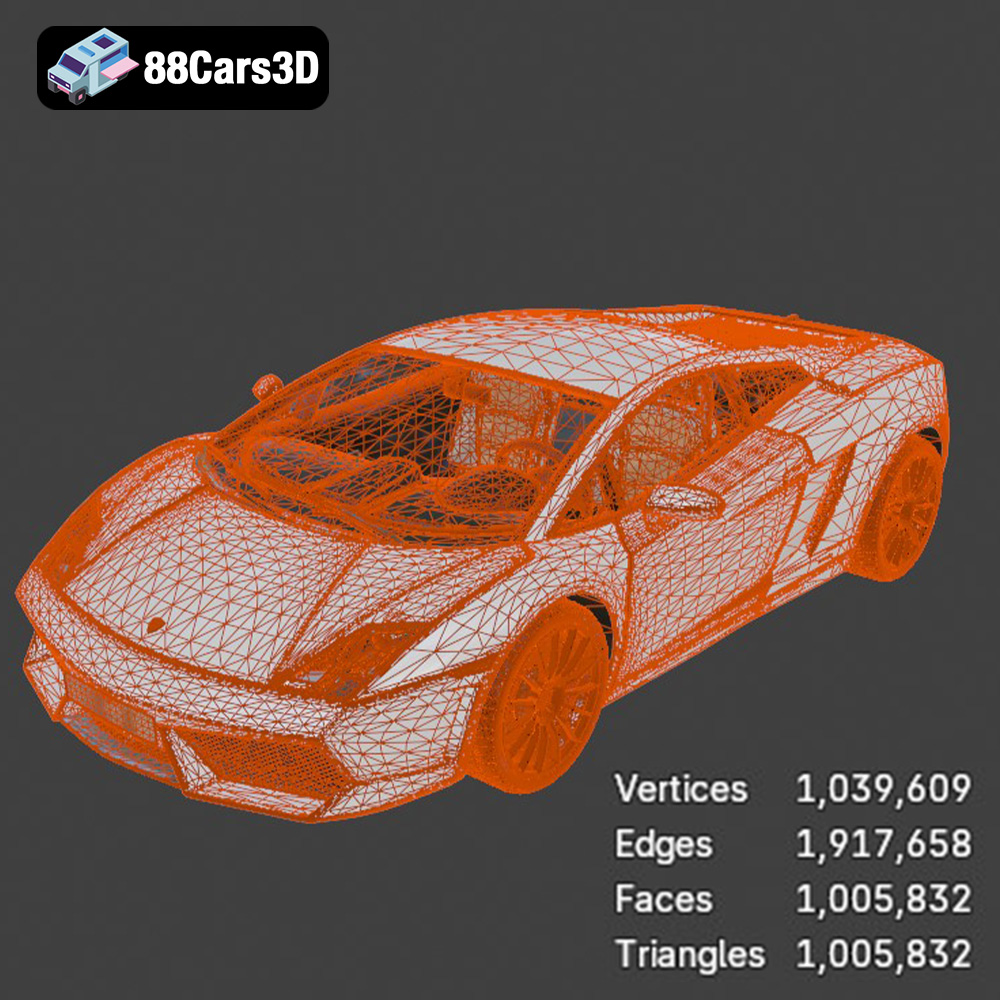
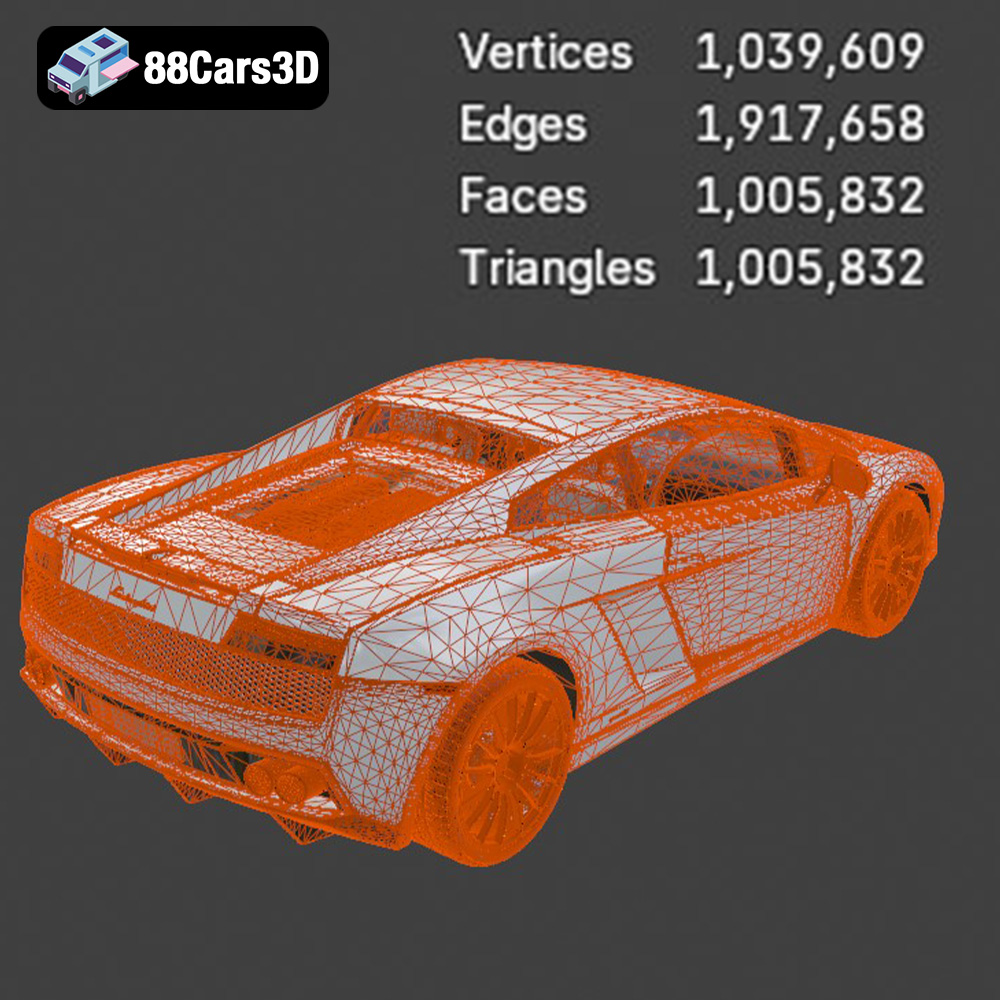
Replicating a supercar like the Lamborghini Gallardo in 3D is an exacting process that begins with capturing its distinctive silhouette and aggressive lines. Every curve, vent, and aerodynamic detail must be translated into clean, quad-dominant geometry. This foundational step is critical, as poor topology can lead to rendering artifacts, difficulties in animation, and inefficient performance in real-time engines.
The essence of a supercar lies not just in its aesthetics but also in its underlying engineering. A truly high-fidelity 3D model reflects this by accurately representing not only the exterior body panels but also critical interior components, undercarriage elements, and engine details where applicable. For the Lamborghini Gallardo, this means meticulous attention to its signature aggressive stance, the sharp angles, and the subtle interplay of light and shadow across its sculpted surfaces. It’s about more than just looking good; it’s about being structurally sound in the digital space, allowing for accurate light bounces and realistic deformations.
Professional 3D car models undergo a rigorous iterative design process. This includes extensive reference gathering, precise polygonal modeling, UV mapping for texture application, material definition (often PBR-ready for realism), and final optimization. Each stage is crucial for producing an asset that is not only visually stunning but also technically optimized for performance. This careful process ensures that when you integrate a model like the Lamborghini Gallardo 3D Model into your project, it’s ready to perform at the highest level without requiring extensive rework.
Choosing the correct 3D model file format is crucial for seamless integration into your workflow and for achieving optimal results. Each format is designed with specific use cases and technical characteristics in mind. Understanding their strengths and weaknesses allows professionals to leverage the full potential of high-quality 3D car models like the Lamborghini Gallardo.
The .blend file format is the native project file for Blender, a powerful and increasingly popular open-source 3D creation suite. When you acquire a .blend file, you’re not just getting the model; you’re often getting the entire Blender scene, complete with materials, textures, lighting setups, and sometimes even animation rigs. This format is ideal for users who primarily work within Blender, offering full editability, access to modifiers, and native integration with Blender’s Cycles and Eevee renderers. For artists looking to further refine, re-texture, or animate the Lamborghini Gallardo 3D Model within Blender, the .blend file provides the most comprehensive starting point.
FBX (Filmbox) is a proprietary file format owned by Autodesk, widely regarded as the industry standard for exchanging 3D data between different software applications. Its strength lies in its ability to store a vast array of 3D data, including geometry, materials, textures, animations, rigging, and even cameras and lights. This makes .fbx an excellent choice for exporting assets to game engines like Unreal Engine and Unity, or for transferring models between DCC (Digital Content Creation) software like 3ds Max, Maya, and Cinema 4D. For real-time pipelines, the .fbx format offers robust compatibility, allowing the Lamborghini Gallardo to be quickly imported with its hierarchical structure and PBR materials largely intact, facilitating rapid setup for game development or interactive experiences.
OBJ (or .obj Wavefront) is one of the oldest and most widely supported 3D file formats. It’s a simple, text-based format that primarily stores geometric data: vertices, UV coordinates, and normals, along with material references (often in a companion .mtl file). While it doesn’t typically store animation or rigging data, its universality makes it an indispensable format for static meshes. Nearly every 3D software application can import and export .obj files. This format is perfect for ensuring cross-software compatibility for the core geometry of the Lamborghini Gallardo, making it accessible to artists using less common software or for simple static renders without complex animations.
GLB (GL Transmission Format Binary) is the binary version of glTF, a royalty-free specification for the efficient transmission and loading of 3D scenes and models by engines and applications. .glb files package all necessary assets (geometry, materials, textures, animations) into a single file, making them highly optimized for web-based 3D, augmented reality (AR), and virtual reality (VR) applications. Its compact size and efficient parsing make it ideal for delivering immersive 3D content quickly over the internet. For developers building AR/VR experiences or embedding the Lamborghini Gallardo 3D Model on a website, the .glb format offers superior performance and ease of deployment.
STL (STereoLithography) is the de facto file format for 3D printing. Unlike other formats that describe surfaces, .stl files represent a 3D model as a series of connected triangles, defining only the surface geometry of an object without any color, texture, or material information. This triangular mesh is directly interpreted by slicing software to generate print paths. When preparing the Lamborghini Gallardo for a physical replica or prototype using a 3D printer, converting it to an .stl ensures that the model’s form is accurately translated for additive manufacturing. It’s essential that the source model has clean, watertight geometry for successful .stl export.
PLY (Polygon File Format, also known as Stanford Triangle Format) is a file format for storing 3D data from 3D scanners or other sources that produce a point cloud or a polygon mesh. It can store more complex data than .obj or .stl, including color, transparency, texture coordinates, and even properties for each vertex or face. It’s often used in scientific and engineering applications, particularly for precision mesh analysis, reverse engineering, and CAD workflows where highly accurate surface data is paramount. For detailed analysis or specialized CAD integration of the Gallardo’s complex surfaces, the .ply format provides a robust solution.
While not a traditional standalone file format in the same way as .fbx or .obj, an “.unreal” file typically refers to an Unreal Engine project package or an asset imported and configured specifically for Unreal Engine. This often means the model (likely imported as .fbx) has been optimized, materials set up with Unreal’s PBR shading model, collision meshes generated, and Level of Detail (LOD) systems configured. An “Unreal Engine project setup” implies a ready-to-use asset, pre-configured to drop into an Unreal scene with minimal effort, providing a significant head start for game developers or virtual production artists. This streamlined approach for the Lamborghini Gallardo saves invaluable time in projects where real-time performance and visual fidelity are critical.
The .max file format is the native scene file for Autodesk 3ds Max, a leading software for 3D modeling, animation, rendering, and visual effects. A .max file contains all the elements of a 3ds Max scene, including geometry, textures, materials, lighting, cameras, animation data, and modifiers. This format provides the highest level of editability and flexibility for users who work with 3ds Max. For artists requiring extensive customization, rigging for complex animations, or leveraging powerful rendering engines like V-Ray or Corona within 3ds Max, the .max file of the Lamborghini Gallardo offers a complete, editable project environment for high-end rendering and animation tasks.
The availability of such a wide array of formats for the Lamborghini Gallardo 3D Model highlights its versatility, ensuring it can be integrated into virtually any professional 3D pipeline.
The hallmark of a premium 3D asset is its technical foundation. The Lamborghini Gallardo 3D Model from 88cars3d.com exemplifies this with its balanced detailing and robust construction, designed for optimal performance and flexibility.
At the core of this model’s excellence is its clean, quad-dominant topology. This ensures smooth subdivision for high-detail renders and reliable deformation for animation. Unlike triangulated meshes, quads facilitate better edge flow, which is crucial for maintaining the vehicle’s aerodynamic lines and crisp edges when rendered at close range or with subdivision modifiers. Furthermore, the model’s optimized polycount strikes a perfect balance between visual fidelity and performance efficiency. For high-end cinematic rendering, the model can be subdivided for ultimate realism, while for real-time applications like games or AR/VR, its efficient base mesh ensures smooth frame rates without compromising detail. This attention to detail is what differentiates a truly professional 3D car model.
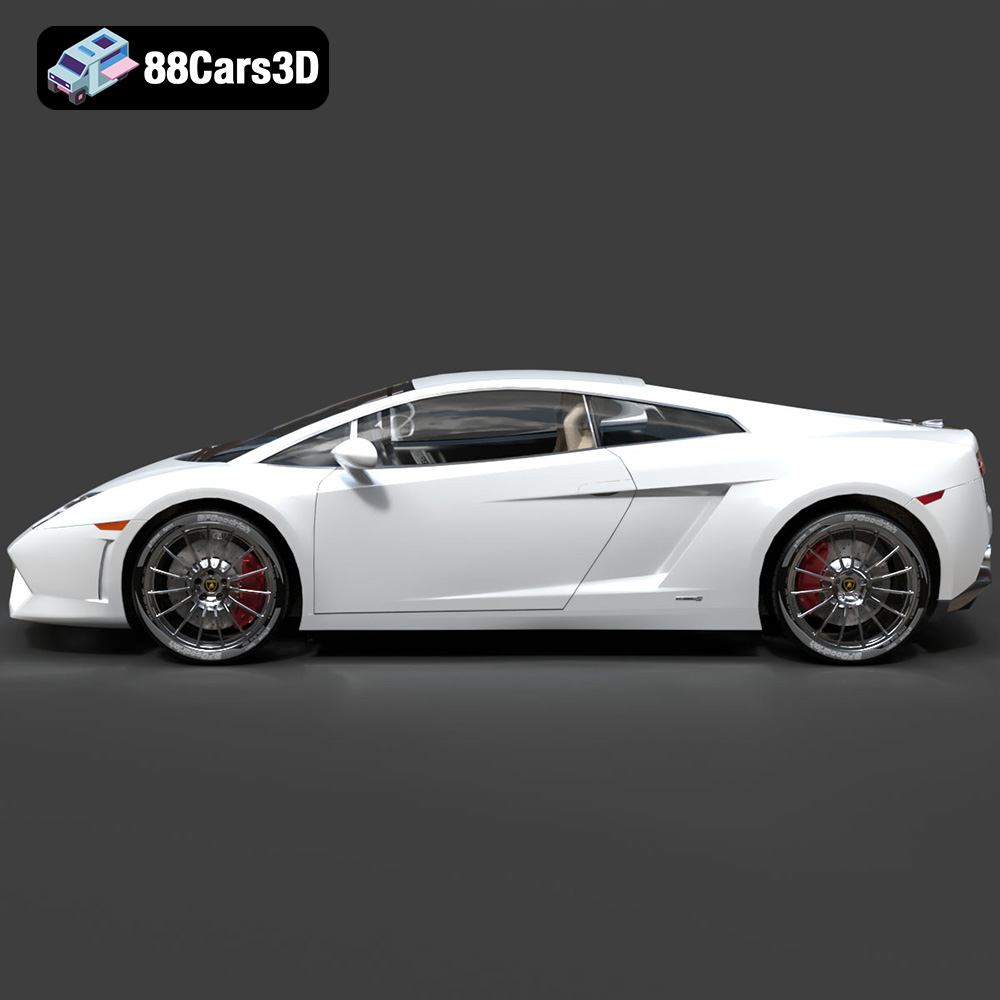
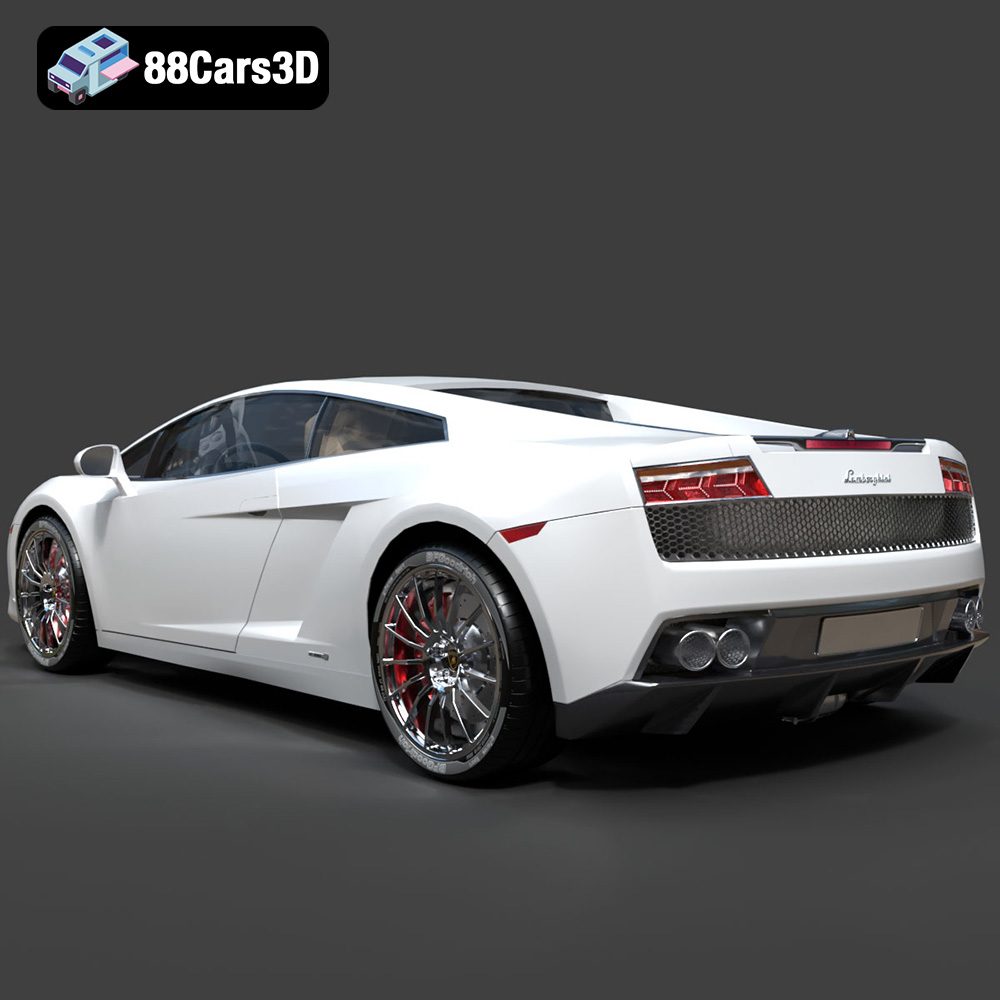
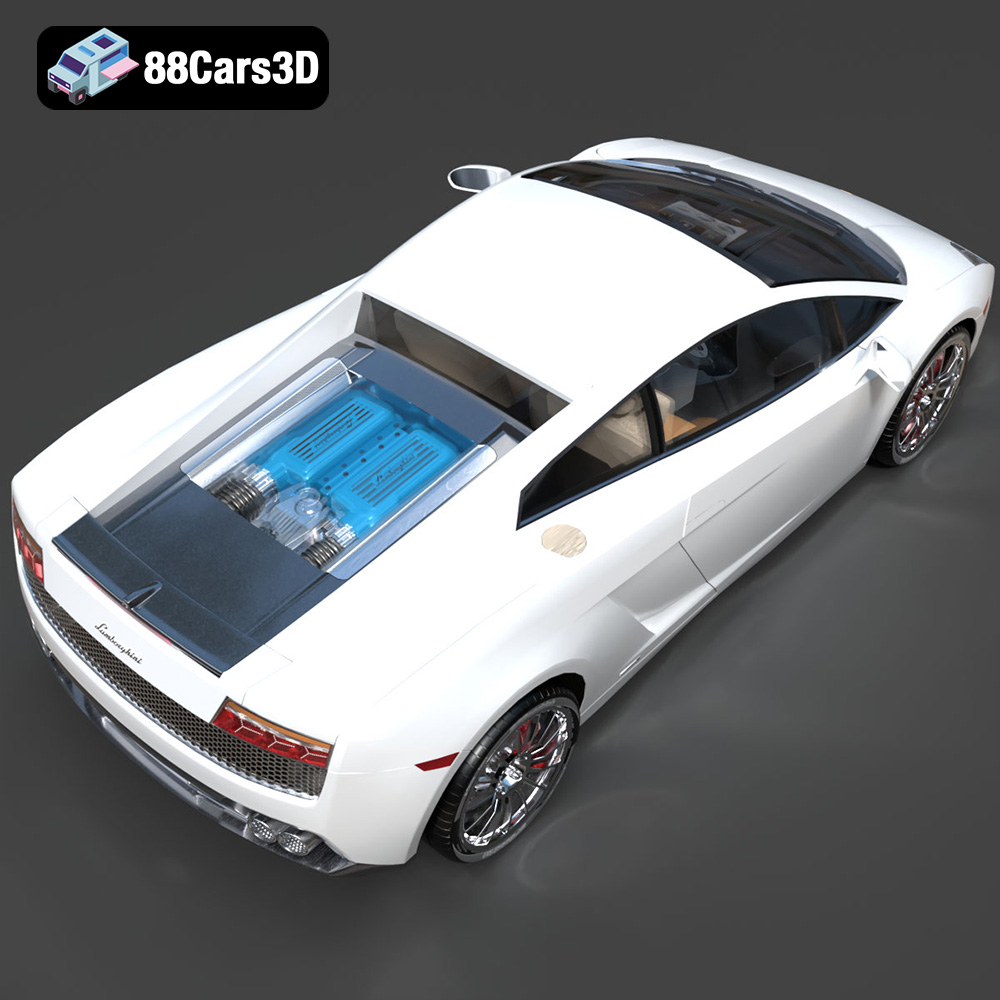
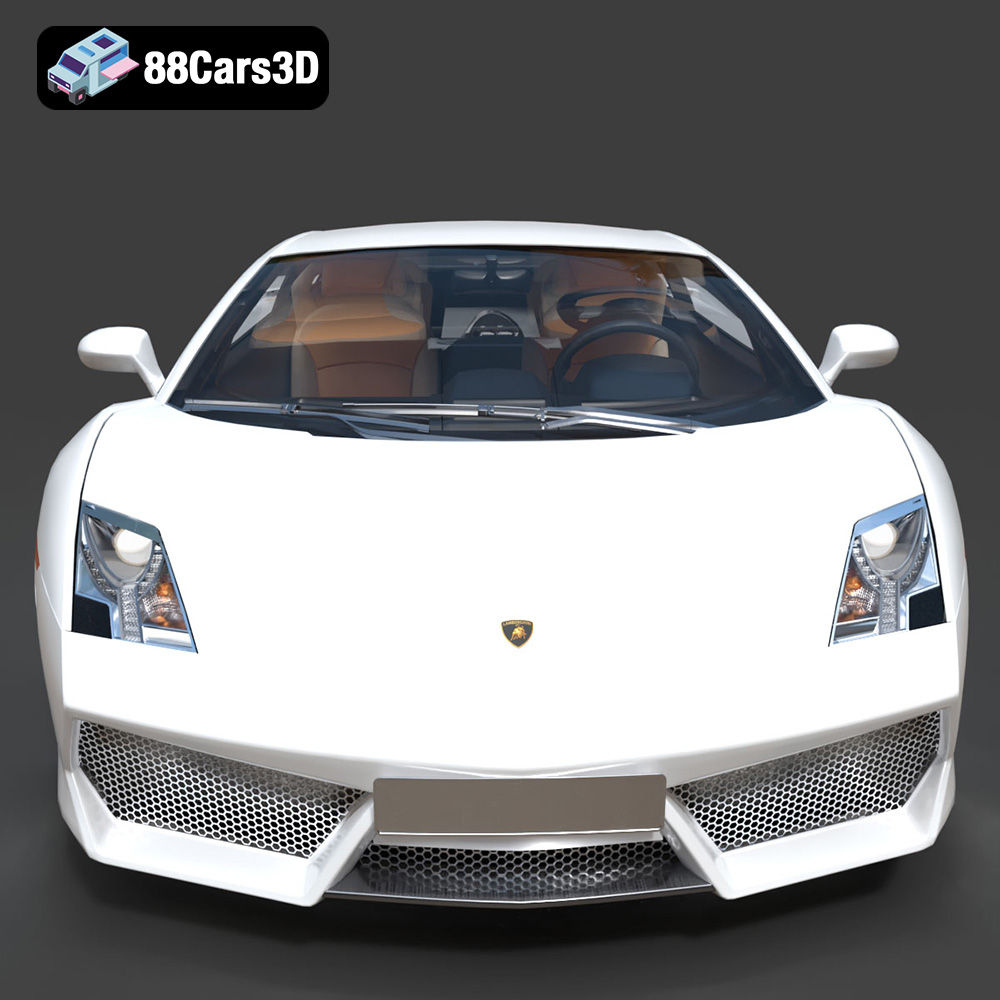
Every exterior element of the Gallardo has been meticulously recreated. This includes precisely modeled body panels that capture the car’s distinctive aerodynamic lines, detailed headlights, taillights, and indicator lights with transparent materials for realistic illumination. The authentic wheel designs, brake calipers, and performance tires are not just textures but geometrically defined elements. Crucially, components like doors, the hood, trunk, and wheels are separate and animatable, allowing for dynamic scenes, virtual showroom presentations, or intricate mechanical simulations. Accurate emblems, grilles, and exhaust tips complete the exterior, ensuring an unmistakable representation of the legendary supercar.
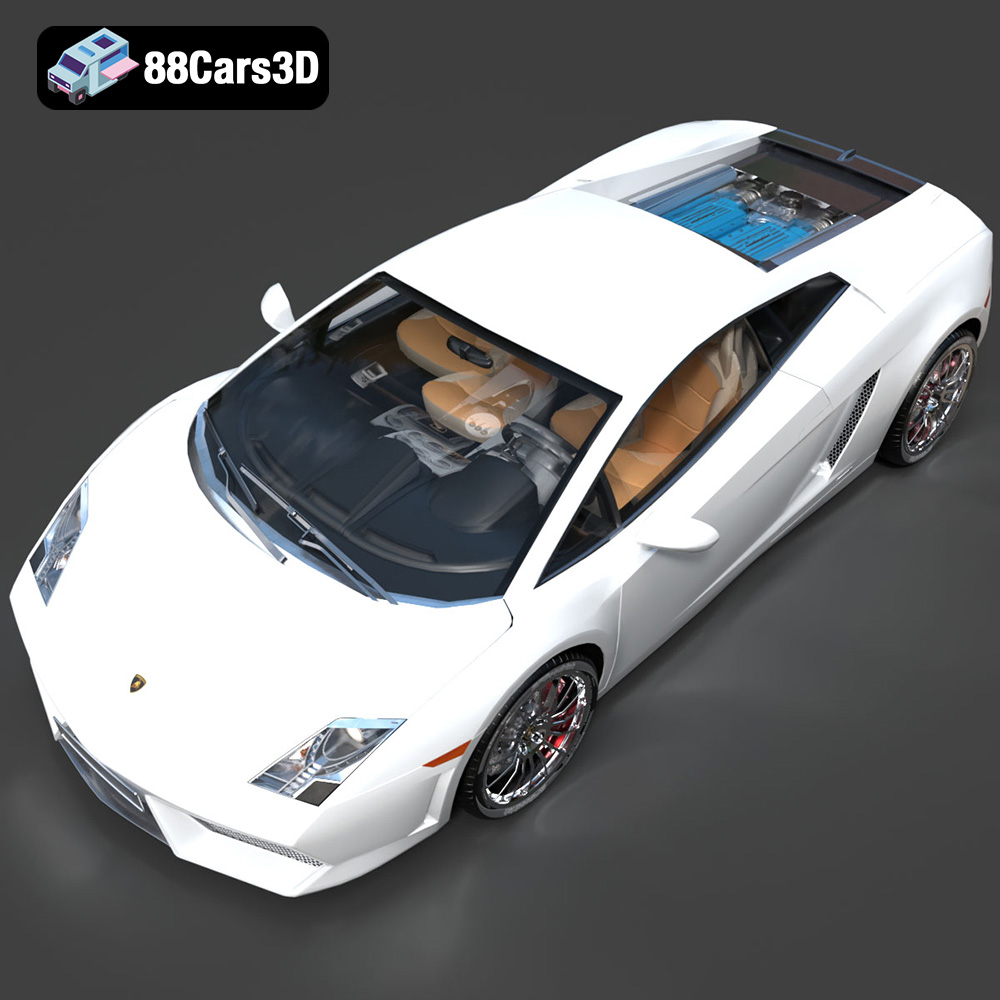
The attention to detail extends to the interior, where a fully detailed cockpit awaits. The dashboard, steering wheel, seats, and central console controls are modeled with precision, featuring realistic textures for upholstery, carbon fiber, and metallic accents. This level of interior fidelity is vital for immersive VR experiences or close-up marketing renders. Where applicable, engine bay components and undercarriage elements are also modeled, providing comprehensive visuals that can be critical for engineering simulations or even in-game customization systems. The combined exterior and interior detail ensures a truly versatile and comprehensive 3D asset.
The Lamborghini Gallardo 3D Model comes with PBR (Physically Based Rendering) ready materials. This means the shaders are set up to accurately interact with light in a physically plausible manner, resulting in highly realistic lighting and shading under various conditions. From metallic flake paint to rubber tires and glass, the materials are designed to react as they would in the real world, eliminating guesswork for render artists. Coupled with accurate real-world scale, the model integrates seamlessly into existing scenes, environments, or architectural visualizations without needing scale adjustments, which is a common headache with lesser quality 3D car models.
A high-quality 3D asset should enhance, not hinder, your production pipeline. The Lamborghini Gallardo 3D Model is engineered for effortless integration across a multitude of professional software and engines, significantly reducing setup time and allowing artists and developers to focus on creativity.
For users of Autodesk 3ds Max, the included .max file offers a native, fully editable scene. This is invaluable for high-end automotive rendering and animation projects. Artists can leverage 3ds Max’s robust toolset for:
Blender users benefit from the dedicated .blend project file, providing a complete scene with materials and textures ready for Cycles or Eevee rendering. This offers tremendous flexibility:
The included .fbx and pre-configured “.unreal” project setup make the Lamborghini Gallardo an ideal game asset for Unreal Engine. Its optimized mesh quality and PBR-ready materials are crucial for real-time environments:
The true value of a versatile 3D asset like the Lamborghini Gallardo 3D Model lies in its adaptability across various professional applications. From high-impact marketing to complex simulations, this model is a robust foundation for diverse projects.
For advertising agencies, automotive brands, and architectural visualization studios, the Lamborghini Gallardo 3D Model is an indispensable tool. It enables the creation of breathtaking studio renders, dynamic cinematic sequences, and marketing imagery that truly captivates. Imagine the Gallardo gleaming under a sophisticated studio lighting setup, or speeding through a futuristic cityscape. The model’s high fidelity and PBR materials ensure that every reflection, every highlight, and every shadow contributes to an unparalleled level of realism. This is where 88cars3d.com truly shines, offering 3D car models that stand up to the scrutiny of high-resolution print and video.
In the competitive landscape of game development, high-quality game assets are a non-negotiable. The optimized mesh quality and PBR-ready materials of the Lamborghini Gallardo 3D Model make it perfect for racing games, open-world simulations, or virtual garages. Developers can integrate this iconic supercar as a premium vehicle, knowing it’s designed for efficient rendering without sacrificing visual detail. Its separate, animatable components are invaluable for in-game customization, damage systems, or realistic door and hood opening animations, elevating the player experience.
Augmented Reality (AR) and Virtual Reality (VR) are transforming how we interact with digital content. The Lamborghini Gallardo model, particularly with its .glb format, is excellently suited for developing immersive AR/VR experiences. Imagine placing a lifelike Gallardo in your driveway via an AR app, or exploring its detailed interior in a virtual showroom. Its optimized geometry and efficient material setup ensure smooth performance in real-time AR/VR environments, providing users with a truly convincing and interactive encounter with the supercar.
Beyond entertainment and marketing, 3D car models play a crucial role in simulation and training. The technical precision of the Gallardo model makes it valuable for automotive engineering simulations, driving trainers, or educational modules. Its accurate real-world scale and detailed components can be used to study aerodynamics, demonstrate mechanical functions, or provide realistic visual feedback in advanced driving simulators. This capability extends the model’s utility significantly into professional and academic fields.
For hobbyists, collectors, or product designers, the ability to convert the model to .stl format opens up possibilities for 3D printing. This allows for the creation of physical replicas, prototypes, or collectible statues of the Lamborghini Gallardo. The clean topology provides a solid foundation for a watertight mesh, essential for successful 3D printing. This versatility underscores the comprehensive nature of the asset, bridging the gap between digital creation and physical manifestation.
Investing in a high-quality 3D car model is also about ensuring its longevity and adaptability to future projects. The Lamborghini Gallardo 3D Model offers extensive customization options, giving artists unparalleled control over its appearance and integration.
The beauty of a professionally constructed 3D model lies in its inherent flexibility for customization. With the Gallardo model, artists can easily adjust paint finishes, experimenting with different metallic flakes, clear coat effects, and color palettes to match specific branding or artistic visions. Modifying material properties for chrome, rubber, glass, and carbon fiber elements allows for fine-tuning the car’s aesthetic to achieve diverse levels of realism or stylized looks. This granular control is vital for creating unique visual branding or adapting the model to different thematic requirements within a project.
Lighting is paramount in 3D rendering. The PBR-ready materials of the Lamborghini Gallardo 3D Model ensure it reacts correctly to any lighting setup. Artists can customize lighting to achieve diverse atmospheric effects – from a moody sunset to a stark, clinical studio environment. This flexibility, combined with its accurate real-world scale, ensures the model can be seamlessly integrated and visually harmonized with any background or scene, whether it’s an existing environment or a newly created one. The organized hierarchy with proper pivot points further aids in positioning and animating the model within complex scene compositions.
For game developers, advertisers, or automotive enthusiasts, the ability to apply custom decals or liveries is a game-changer. The clean UV mapping of the Lamborghini Gallardo 3D Model simplifies the process of creating and applying unique visual branding, racing stripes, or intricate graphical designs. This feature is particularly valuable for creating distinct variants of the vehicle within a game, customizing it for an e-sports team, or developing bespoke marketing assets, ensuring that your Gallardo always stands out.
The digital realm of automotive design and visualization demands precision, performance, and aesthetic excellence. A high-fidelity 3D car model like the Lamborghini Gallardo 3D Model is far more than just a visual asset; it’s a meticulously crafted tool engineered to empower professionals across various industries. From its clean, quad-dominant topology and PBR-ready materials to its accurate real-world scale and animatable components, every aspect of this model speaks to a commitment to quality.
Whether you’re pushing the boundaries of photorealistic automotive rendering in 3ds Max, building an immersive game world in Unreal Engine, developing cutting-edge AR/VR experiences with .glb, or creating physical prototypes via 3D printing with .stl, this Lamborghini Gallardo model provides a robust and versatile foundation. Its comprehensive range of included file formats ensures seamless integration into virtually any professional pipeline, saving countless hours of development time and enabling artists and developers to focus on unleashing their creativity.
Elevate your projects with the iconic presence and technical precision of this supercar. Discover this and other exceptional 3D car models that redefine industry standards at 88cars3d.com, your premier destination for high-quality automotive assets.
Discover the high-fidelity Lamborghini Gallardo 3D model, meticulously crafted to capture the essence of this legendary Italian supercar. Known for its striking design, powerful performance, and unmistakable presence, this model accurately reflects the Gallardo’s distinctive aesthetic. Built with clean geometry and balanced detailing, it ensures optimal performance across various applications. Ideal for professional rendering, cinematic animation, detailed simulations, and high-performance game development. Exterior Features: Precisely modeled body panels reflecting the Gallardo’s aerodynamic lines; Detailed headlights, taillights, and indicator lights with transparent materials for realistic illumination; Authentic wheel designs, brake calipers, and performance tires; Separate, animatable components including doors, hood, trunk, and wheels for dynamic scenes; Accurate emblems, grilles, and exhaust tips. Interior / Mechanical Features: Detailed cockpit with dashboard, steering wheel, seats, and central console controls; Realistic textures for upholstery, carbon fiber, and metallic accents; Engine bay components and undercarriage elements modeled for comprehensive visuals (where applicable); Optimized mesh quality for a balance of detail and performance. Technical Advantages: Clean, quad-dominant topology for easy subdivision and deformation; Accurate real-world scale for seamless integration into existing scenes; Logically organized hierarchy with proper pivot points for animation and manipulation; Optimized polycount for efficient rendering and real-time applications; PBR-ready materials for realistic lighting and shading. Applications: Rendering & Visualization: Create stunning studio renders, cinematic sequences, and marketing imagery; Game Development: Integrate as a high-quality asset for racing games, open-world simulations, or virtual garages; AR/VR: Develop immersive augmented and virtual reality experiences with a lifelike vehicle model; Simulation & Training: Utilize for automotive engineering simulations, driving trainers, or educational modules; 3D Printing: Convert to .stl format for creating physical replicas and prototypes. Customization Options: Easily adjust paint finishes, metallic flake, and clear coat effects; Modify material properties for chrome, rubber, glass, and carbon fiber elements; Customize lighting setups to achieve diverse atmospheric effects for different scenes; Apply custom decals or liveries for unique visual branding. This Lamborghini Gallardo 3D model is a testament to professional craftsmanship, offering exceptional detail, technical precision, and versatility. Elevate your projects with this iconic supercar, ready for any high-end visualization or interactive application. Included File Formats: .blend – Blender project with materials; .fbx – Compatible with Unreal, Unity, and major 3D engines; .obj – Universal format for nearly all 3D software; .glb – Optimized for AR, VR, and web-based visualization; .stl – Ready for 3D printing; .ply – Mesh format for analysis and CAD workflows; .unreal – Unreal Engine project setup; .max – Editable 3ds Max scene for rendering and animation.
$110.79
.arvr
.blend
.coupe
.fbx
.gallardo
.gameasset
.glb
.lamborghini
.luxurycar
.max
.obj
.ply
.rendering
.simulation
.sportsCar
.stl
.supercar
.unreal