⚡ FLASH SALE: Get 60% OFF All Premium 3D & STL Models! ⚡

The automotive industry is at the forefront of technological innovation, not just in vehicle design and performance, but also in how cars are visualized and experienced. Augmented Reality (AR) and Virtual Reality (VR) are revolutionizing everything from car configurators and design reviews to marketing campaigns and interactive training simulations. Imagine stepping inside a digital rendition of your dream car, customized to your exact specifications, or showcasing a new model in a real-world environment through AR – all before it even leaves the production line. This immersive potential, however, hinges on one critical factor: the optimization of 3D car models.
While a beautifully detailed 3D car model might look stunning in a high-resolution render, translating that fidelity to a real-time AR/VR environment without significant performance bottlenecks is a complex challenge. AR/VR applications demand incredibly high frame rates (typically 60-90 frames per second per eye) and low latency to prevent motion sickness and ensure a truly immersive experience. Unoptimized models can lead to choppy frame rates, long loading times, and a general breakdown of immersion. This comprehensive guide will delve deep into the technical strategies and industry best practices required to sculpt, texture, and prepare 3D car models specifically for the demanding world of AR and VR, ensuring your automotive visualizations are both stunning and seamlessly performant.
The underlying mesh structure, or topology, of a 3D car model is the bedrock upon which all subsequent optimizations are built. In AR/VR, where every polygon counts, a well-thought-out topology is paramount for both visual fidelity and computational efficiency. Poor topology can lead to artifacts, difficulty in UV mapping, and most importantly, excessive draw calls and polygon counts that cripple real-time performance.
For automotive models, which are characterized by smooth, sweeping curves and precise panel lines, clean geometry with proper edge flow is non-negotiable. The goal is to use the minimum number of polygons necessary to define the shape accurately while maintaining flexibility for deformation and subdivision. This primarily means working with quad-based topology (four-sided polygons) and meticulously avoiding N-gons (polygons with more than four sides) and triangles wherever possible on large, smooth surfaces. Quads are ideal for subdivision surfaces, which are often used during the modeling phase to create high-detail models before conversion to a polygon mesh for real-time applications. Good edge flow ensures that polygon density is concentrated where detail is needed (e.g., around headlights, door seams, wheel arches) and sparser on flat, featureless surfaces.
Consider the curved surfaces of a car fender; smooth, parallel edge loops following the natural contours of the design will allow for accurate normal mapping and clean deformation. For mobile AR, target polygon counts for an entire vehicle typically range from 50,000 to 100,000 triangles. For high-end VR on powerful PCs, you might push to 200,000-500,000 triangles, but always aim for the lower end without sacrificing essential visual detail. Remember, complex geometry on parts that are rarely seen (e.g., hidden under the chassis) is often an unnecessary performance drain.
Once your high-poly model is complete, often a result of detailed CAD imports or subdivision modeling, strategic polygon reduction becomes critical. This process aims to significantly lower the polygon count while preserving the model’s visual integrity, especially its silhouette. Tools like Blender’s Decimate modifier, Maya’s Reduce, or 3ds Max’s ProOptimizer are invaluable for this task. These modifiers can intelligently remove polygons while attempting to maintain the original shape and UVs.
When using decimation, it’s crucial to preview the results carefully. Automated decimation can sometimes introduce undesirable triangulation or planar distortions. For critical components like the main body, manual retopology might be preferred, allowing artists to explicitly define the new, optimized edge flow. For smaller, less visible, or highly complex parts (like engine components), automated decimation can be a time-saver. Always prioritize preserving the overall silhouette and areas where light will catch the surface most prominently. It’s often beneficial to apply polygon reduction in stages, reducing different parts of the car by varying percentages based on their visual importance and original poly count.
Beyond topology, the visual realism of a 3D car model in AR/VR is heavily reliant on high-quality UV mapping and physically based rendering (PBR) materials. These elements define how textures are applied and how light interacts with the surfaces, transforming a simple mesh into a believable, reflective automotive masterpiece. Effective UVs and optimized PBR textures are crucial for achieving stunning visuals without bogging down real-time performance.
UV mapping is the process of unwrapping the 3D surface of your model into a 2D space, allowing textures to be applied. For AR/VR, efficient UV layouts are paramount. The key principles include non-overlapping UV islands, maximizing UV space utilization, and maintaining consistent texel density across relevant parts of the model. Non-overlapping UVs are essential for baking lighting information (like ambient occlusion) and ensuring texture maps don’t bleed into unintended areas.
Maximize UV space by arranging UV islands snugly, like puzzle pieces, within the 0-1 UV coordinate space. This reduces wasted texture memory. Texel density, or the number of texture pixels per unit of 3D space, should be consistent for elements that will be viewed at similar distances. For a car, the main body, hood, and trunk might share a high texel density, while interior elements or less visible undercarriage parts could have a lower density. Complex parts like car bodies, wheels, and intricate interiors should often be broken into separate UV sets or material IDs to simplify unwrapping and allow for tailored texture resolutions. Tools like Blender’s robust UV unwrapping tools, 3ds Max’s Unwrap UVW modifier, or Maya’s UV Editor provide powerful features for precise control over your UV layout. Aim to minimize seams as much as possible, especially on large, smooth surfaces, to prevent visible texture stretching or artifacts.
Physically Based Rendering (PBR) has become the standard for achieving realistic materials in real-time engines. PBR materials simulate how light interacts with surfaces in a way that mimics real-world physics, resulting in more consistent and believable reflections, refractions, and diffuse lighting under various lighting conditions. The core PBR maps typically include:
Workflows for creating these maps often involve dedicated texturing software like Substance Painter or Quixel Mixer, which allow for layer-based texturing and baking high-poly detail onto low-poly models. Alternatively, these can be created directly within Blender or other DCC applications. When importing into game engines, utilize material instancing (e.g., in Unity or Unreal Engine) to create variations of a base material, reducing shader compilation time and memory usage. For textures, optimize resolutions: 2K (2048×2048 pixels) for major components like the car body, 1K for wheels and interior elements, and 512×512 or even 256×256 for smaller, less prominent details. Using texture compression formats like DXT (DirectX Texture) or ETC2 (Ericsson Texture Compression) in your engine is essential for reducing memory footprint and improving load times on mobile AR devices.
Even with impeccably modeled and textured assets, real-time performance in AR/VR environments can quickly degrade without targeted game engine optimization. The goal is to minimize the computational load on the CPU and GPU, ensuring a consistently high frame rate crucial for user comfort and immersion. This involves intelligent asset management and rendering pipeline adjustments.
Level of Detail (LOD) is a fundamental optimization technique for AR/VR applications. It involves creating multiple versions of a 3D model, each with progressively fewer polygons and lower-resolution textures. The game engine then dynamically switches between these LODs based on the object’s distance from the camera. When the car is close, the highest detail LOD0 is rendered; as it moves further away, the engine renders LOD1, then LOD2, and so on.
Typically, a car model might have 3-5 LOD levels. For example:
Each LOD should also have corresponding optimized texture maps, often with lower resolutions for LOD1+ models. Unity’s LOD Group component and Unreal Engine’s built-in LOD system for static meshes streamline this process, allowing developers to define screen size thresholds for each LOD switch. The key is to ensure the visual transition between LODs is imperceptible to the user, a task often accomplished by carefully managing the polygon reduction and texture adjustments for each stage. Utilizing this technique dramatically reduces the polygon count the GPU needs to process at any given moment, significantly boosting frame rates.
Draw calls are instructions from the CPU to the GPU to render a batch of triangles. Each unique material, shader, or mesh object typically generates at least one draw call. In AR/VR, excessive draw calls can quickly become a major performance bottleneck, as the CPU spends too much time preparing commands for the GPU. Minimizing draw calls is crucial.
One effective strategy is **texture atlasing**, where multiple smaller textures (e.g., for different components of the car’s interior) are combined into a single, larger texture sheet. This allows a single material to reference many texture maps, significantly reducing draw calls. Blender users can find various add-ons to assist with texture atlasing. Another powerful technique is **mesh combining (or batching)**. For static objects that won’t move independently, grouping multiple meshes into a single mesh object allows the engine to render them with fewer draw calls. For example, all the bolts, emblems, and trim pieces on a car that share the same material could be combined into one mesh. Unity offers Mesh.CombineMeshes, and Unreal Engine provides a “Merge Actors” function for static meshes. Even dynamic batching, where the engine automatically combines small, similar meshes at runtime, can help, but it’s less predictable than pre-combining meshes. By judiciously atlasing textures and combining meshes, developers can drastically reduce the CPU overhead, freeing up resources for other demanding AR/VR processes.
Beyond the model itself, the way a 3D car model is lit, rendered, and post-processed in an AR/VR environment profoundly impacts its realism and the overall sense of immersion. Achieving photorealistic results in real-time, especially for the nuanced reflections and surfaces of a car, requires a delicate balance between visual quality and performance optimization.
Lighting is arguably the most critical factor in selling the realism of a 3D car model. In AR/VR, maintaining high frame rates means careful consideration of lighting types and techniques. Real-time dynamic lights (e.g., point lights, spotlights, area lights) are computationally expensive, especially if they cast shadows. While essential for certain effects, their number should be minimized. Instead, prioritize baked lighting where possible. Baked lighting pre-calculates light and shadow information into lightmaps, which are then applied to surfaces, drastically reducing runtime computation.
For AR/VR car scenes, consider:
For AR applications, a common technique is to match the lighting of the virtual car to the real-world environment captured by the device’s camera, often using real-time environment estimation or simple directional lights that mimic the dominant light source.
Post-processing effects are the final layer of polish applied to a rendered image, enhancing its visual appeal. While powerful, they must be used judiciously in AR/VR due to their performance cost. Every full-screen effect adds overhead. Common effects include:
When implementing post-processing, prioritize effects that contribute most to realism and immersion without significantly impacting frame rate. Many AR/VR platforms have performance-optimized post-processing stacks (e.g., Unity’s Post Processing Stack, Unreal’s Post Process Volume). Compositing, while more common in offline rendering, refers to the overall process of blending various elements (like AR content with the real-world camera feed) to create a cohesive final image. Careful balancing of these effects ensures your 3D car models achieve a professional, polished look that stands out in any AR/VR experience.
Bringing an optimized 3D car model into an AR/VR application involves navigating a landscape of diverse file formats and platform-specific requirements. The choice of format and understanding the nuances of each platform are crucial for successful deployment and optimal performance.
The 3D industry offers a variety of file formats, each with its strengths and weaknesses for AR/VR applications:
When sourcing high-quality 3D car models from marketplaces like 88cars3d.com, look for models that offer a variety of these optimized formats, especially GLB or FBX, to ensure maximum compatibility and ease of integration into your chosen AR/VR development pipeline. The goal is always the smallest possible file size without compromising visual quality, especially for mobile AR where download speeds and device storage are critical considerations.
Each AR/VR platform comes with its own set of technical specifications, performance budgets, and unique considerations that developers must adhere to for optimal experiences:
Regardless of the platform, user experience design is paramount. This includes intuitive interactions, clear UI elements, and thoughtful guidance on how users can manipulate or view the 3D car models. When leveraging platforms such as 88cars3d.com for your foundational models, ensure you still apply these platform-specific optimization techniques to truly tailor the assets for your intended AR/VR experience.
The journey from a high-fidelity 3D car model to a seamlessly immersive AR/VR experience is a meticulous process, demanding expertise in a wide array of technical disciplines. From sculpting a clean, efficient topology to crafting physically accurate PBR materials, implementing robust game engine optimizations like LODs and draw call reduction, and carefully managing lighting and post-processing, every step contributes to the final user experience. The nuances of file formats like GLB and USDZ, coupled with the unique performance demands of platforms like ARKit, ARCore, and standalone VR headsets, underscore the importance of a holistic optimization strategy.
By diligently applying the strategies outlined in this guide – focusing on lean geometry, intelligent UV mapping, optimized textures, strategic lighting, and smart engine techniques – you can transform your detailed automotive models into performant, visually stunning assets ready for any AR or VR application. The future of automotive visualization is undeniably immersive, and mastering these optimization techniques is key to unlocking its full potential. So, dive in, experiment with these tools and workflows, and prepare to deliver truly captivating experiences that place users right at the heart of the automotive world. When seeking a head start with meticulously crafted, high-quality models, remember that platforms like 88cars3d.com offer a rich selection of production-ready assets designed to streamline your development process and accelerate your journey into the world of AR/VR.
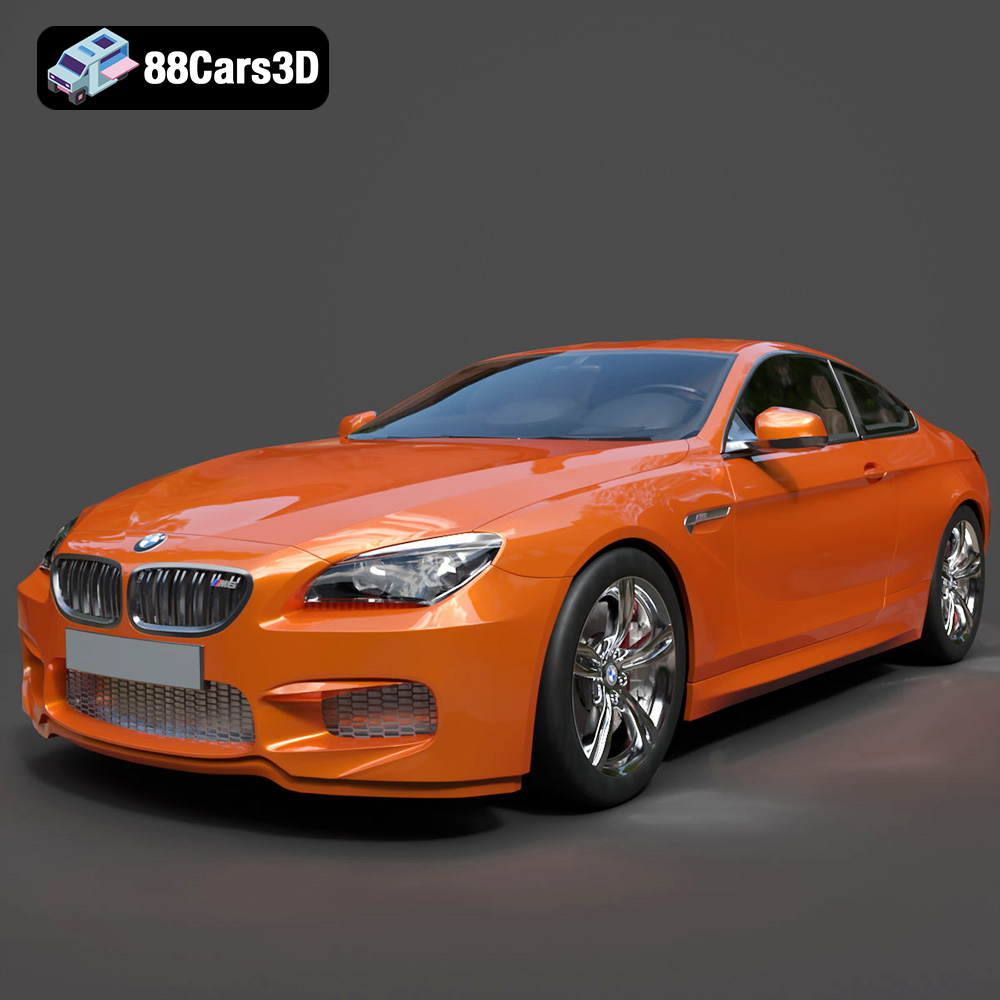
Texture: Yes
Material: Yes
Download the BMW M6 Coupe (F12) 3D Model featuring its iconic sporty design and luxurious details. Includes .blend, .fbx, .obj, .glb, .stl, .ply, .unreal, and .max formats for rendering, simulation, and game development.
Price: $10.79
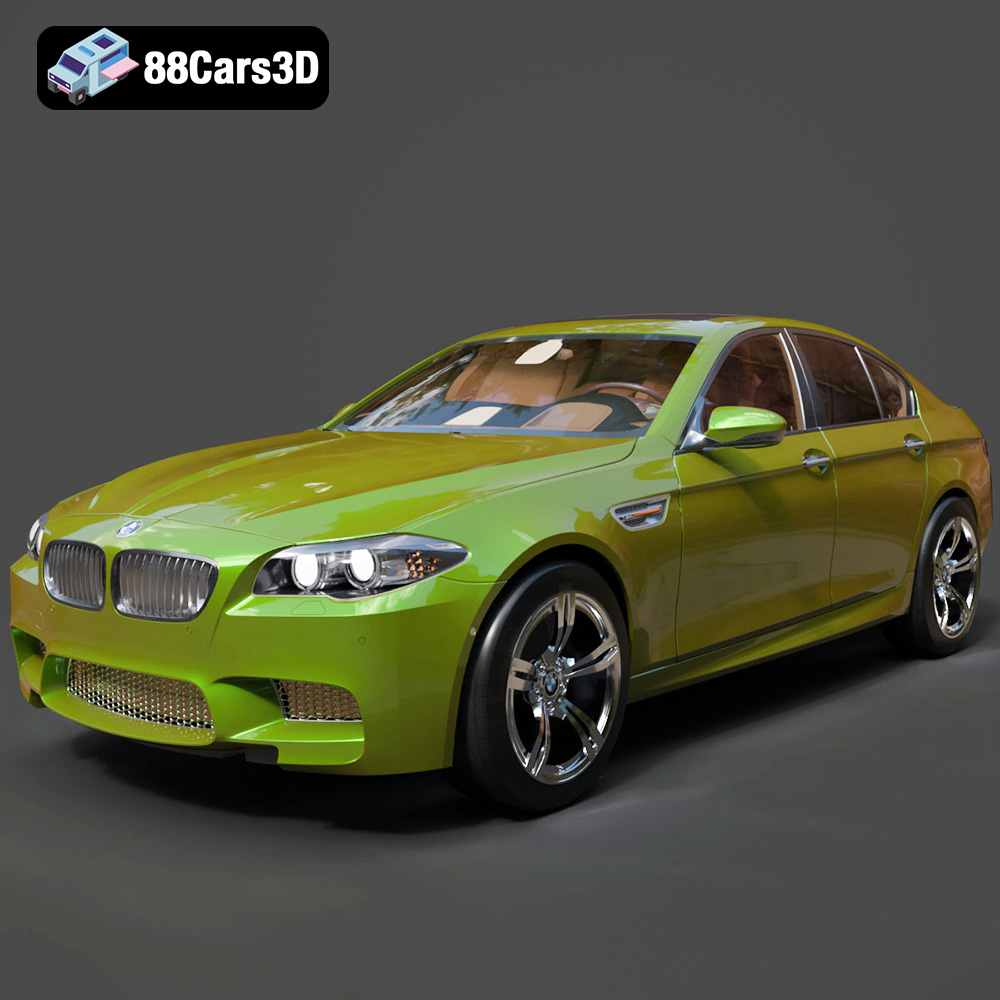
Texture: Yes
Material: Yes
Download the BMW M5 F10 3D Model featuring high-performance luxury sedan design, detailed interior, and realistic PBR textures. Includes .blend, .fbx, .obj, .glb, .stl, .ply, .unreal, and .max formats for rendering, simulation, and game development.
Price: $10.79
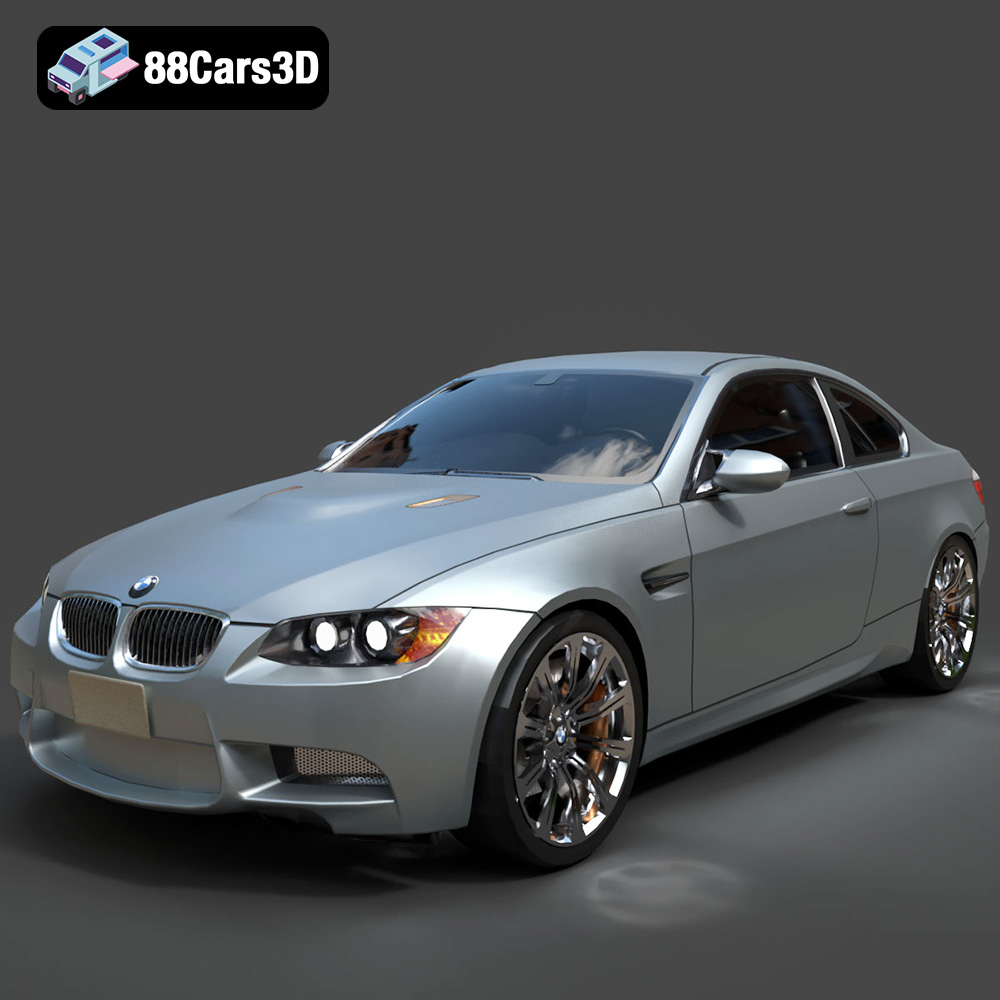
Texture: Yes
Material: Yes
Download the BMW M3 Coupe E92-002 3D Model featuring authentic styling, detailed exterior, and a faithful interior. Includes .blend, .fbx, .obj, .glb, .stl, .ply, .unreal, and .max formats for rendering, simulation, and game development.
Price: $10.79
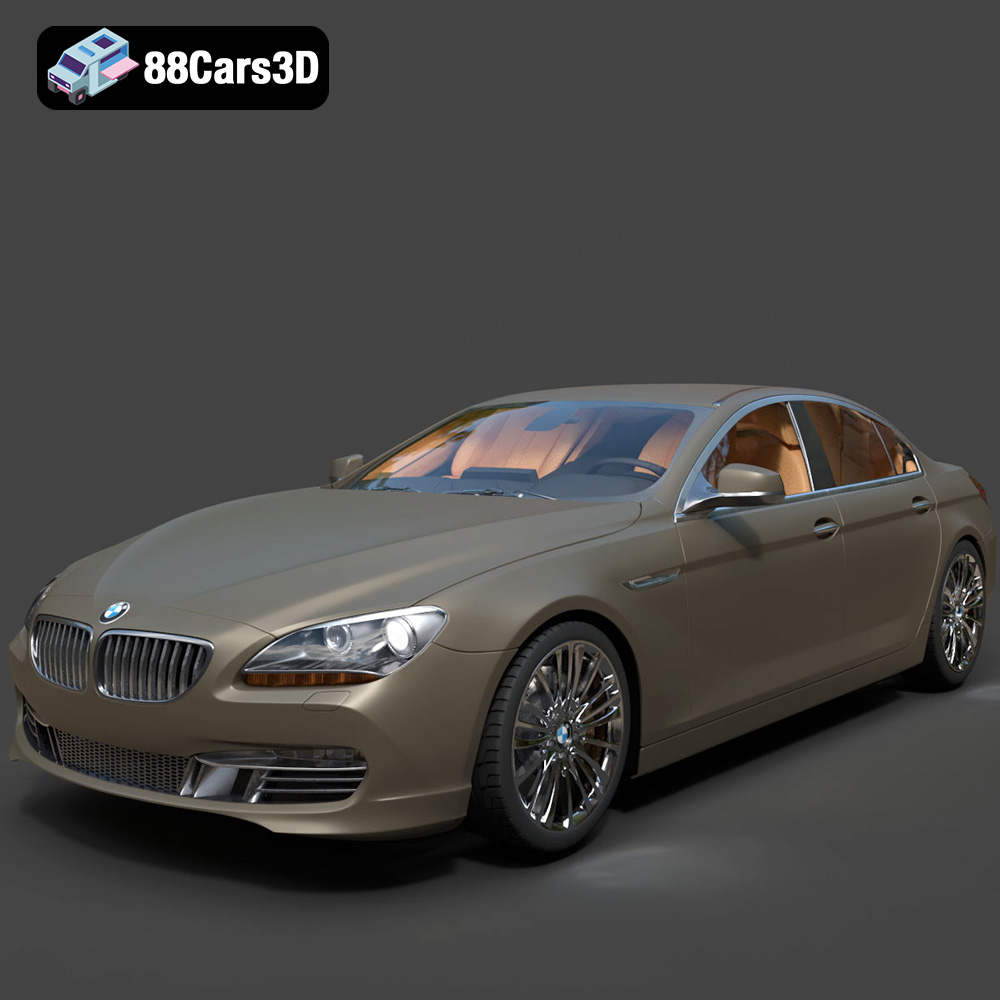
Texture: Yes
Material: Yes
Download the BMW 6 Series Gran Coupe 2013 3D Model featuring a sophisticated design, detailed exterior, and well-appointed interior. Includes .blend, .fbx, .obj, .glb, .stl, .ply, .unreal, and .max formats for rendering, simulation, and game development.
Price: $20.79
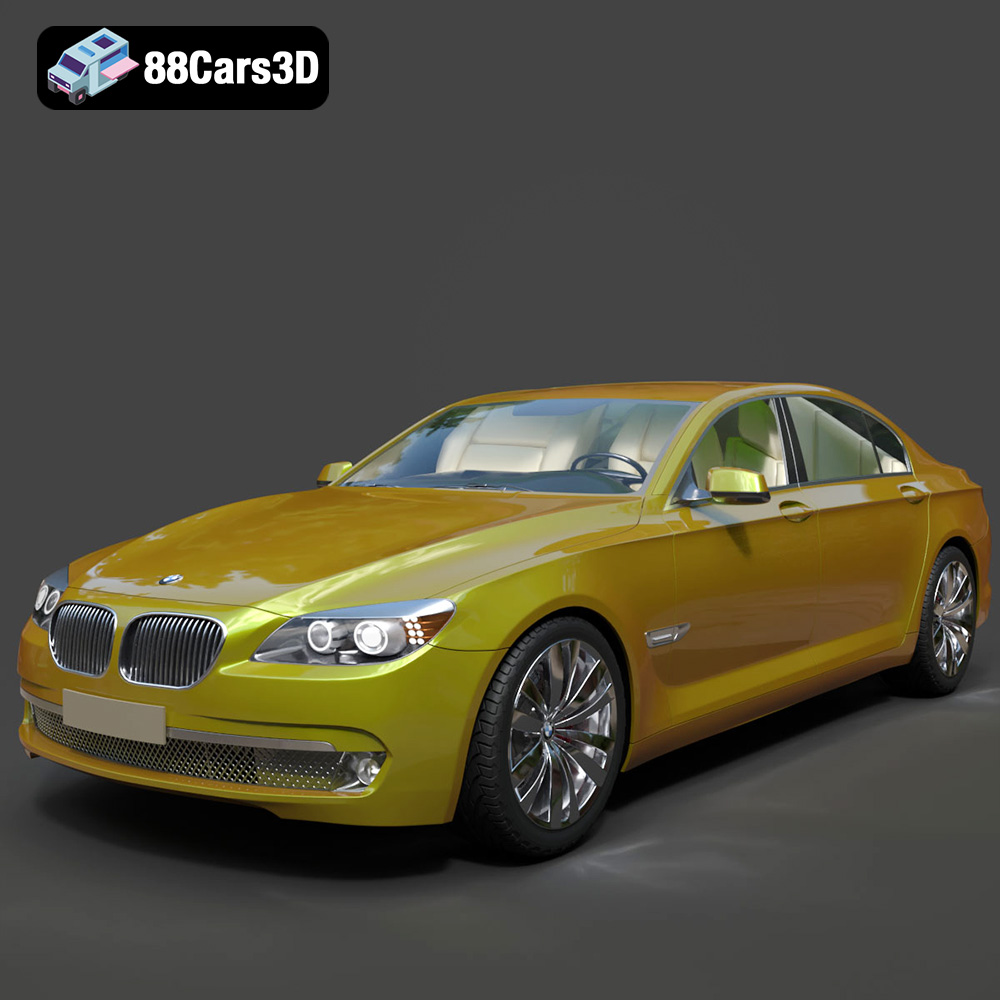
Texture: Yes
Material: Yes
Download the BMW 7 Series 750 F01 3D Model featuring a detailed exterior and a luxurious interior. Includes .blend, .fbx, .obj, .glb, .stl, .ply, .unreal, and .max formats for rendering, simulation, and game development.
Price: $10.79
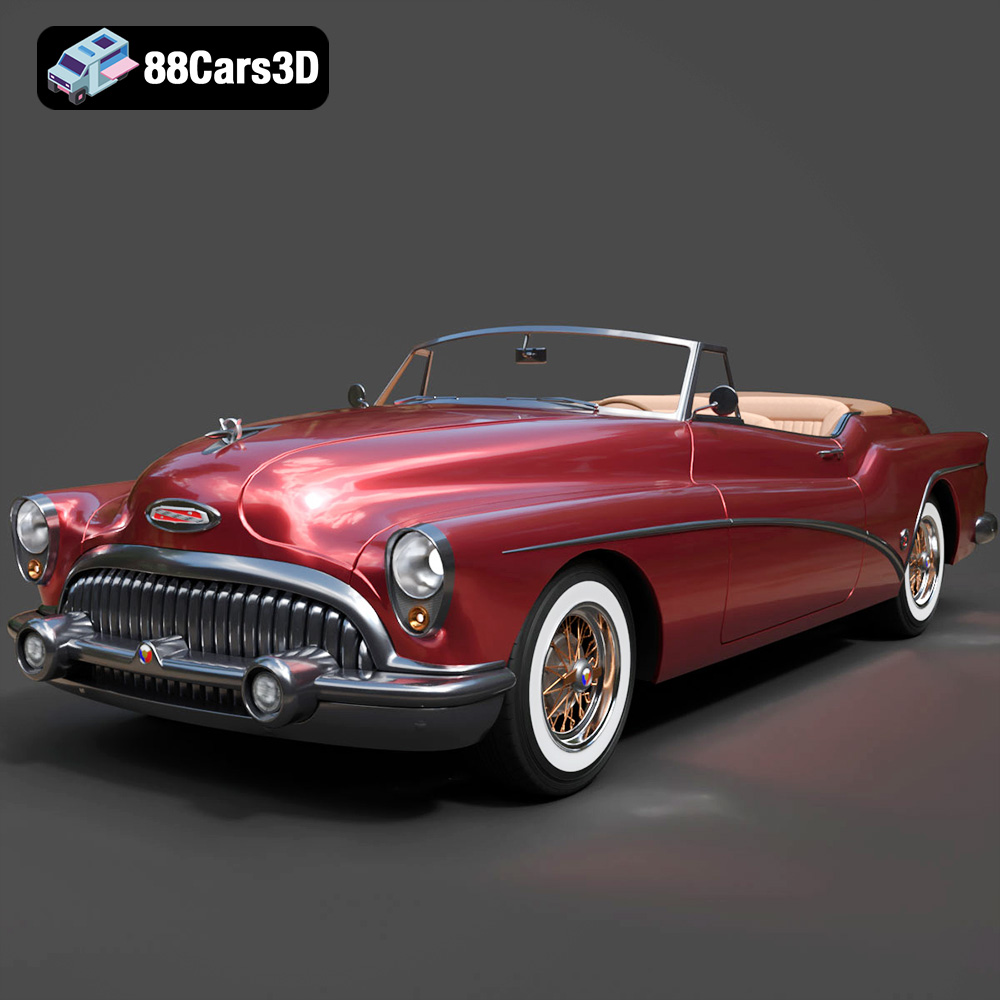
Texture: Yes
Material: Yes
Download the Buick Skylark Convertible 1953 3D Model featuring iconic 1950s styling, a detailed exterior with chrome accents, and an accurately modeled interior. Includes .blend, .fbx, .obj, .glb, .stl, .ply, .unreal, and .max formats for rendering, simulation, and game development.
Price: $10.79

Texture: Yes
Material: Yes
Download the Buick Roadmaster Hardtop Coupe 1957 3D Model featuring a classic American design with detailed exterior and interior. Includes .blend, .fbx, .obj, .glb, .stl, .ply, .unreal, and .max formats for rendering, simulation, and game development.
Price: $10.79
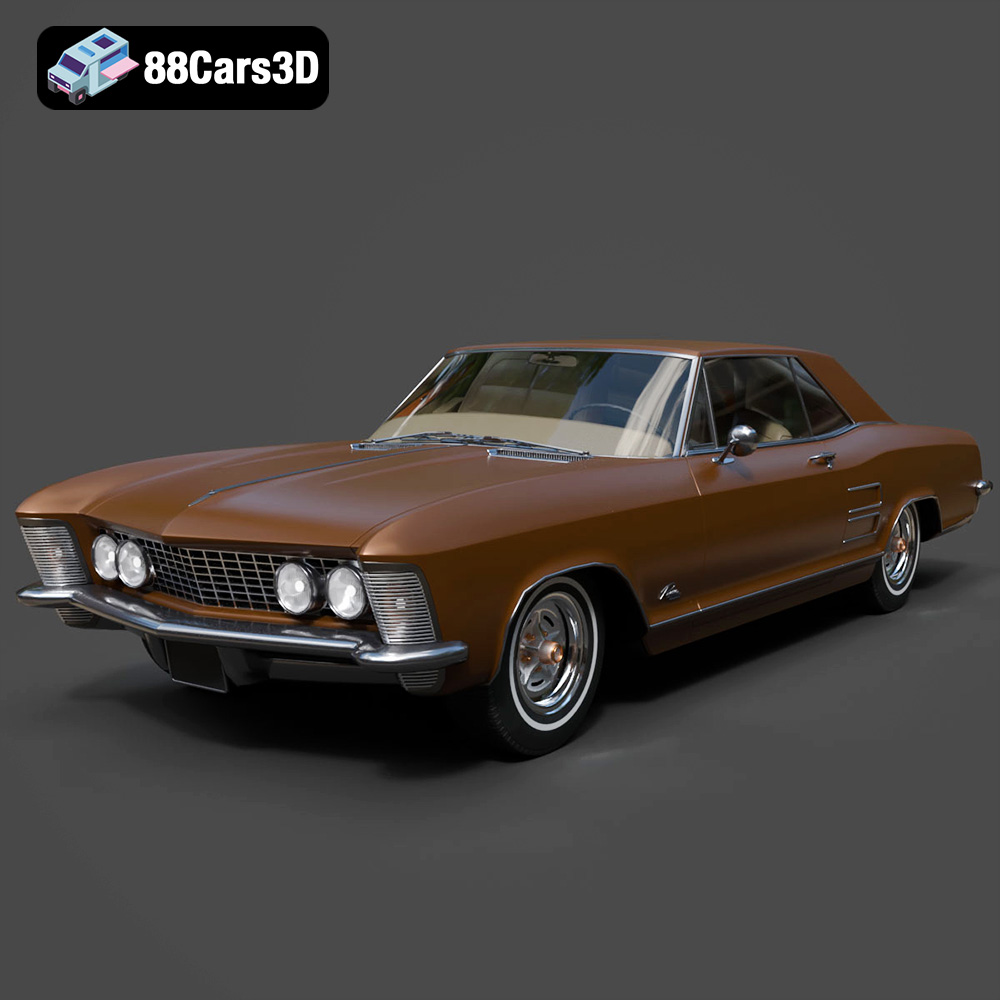
Texture: Yes
Material: Yes
Download the Buick Riviera 1963 3D Model featuring classic American muscle car design and iconic styling. Includes .blend, .fbx, .obj, .glb, .stl, .ply, .unreal, and .max formats for rendering, simulation, and game development.
Price: $10.79
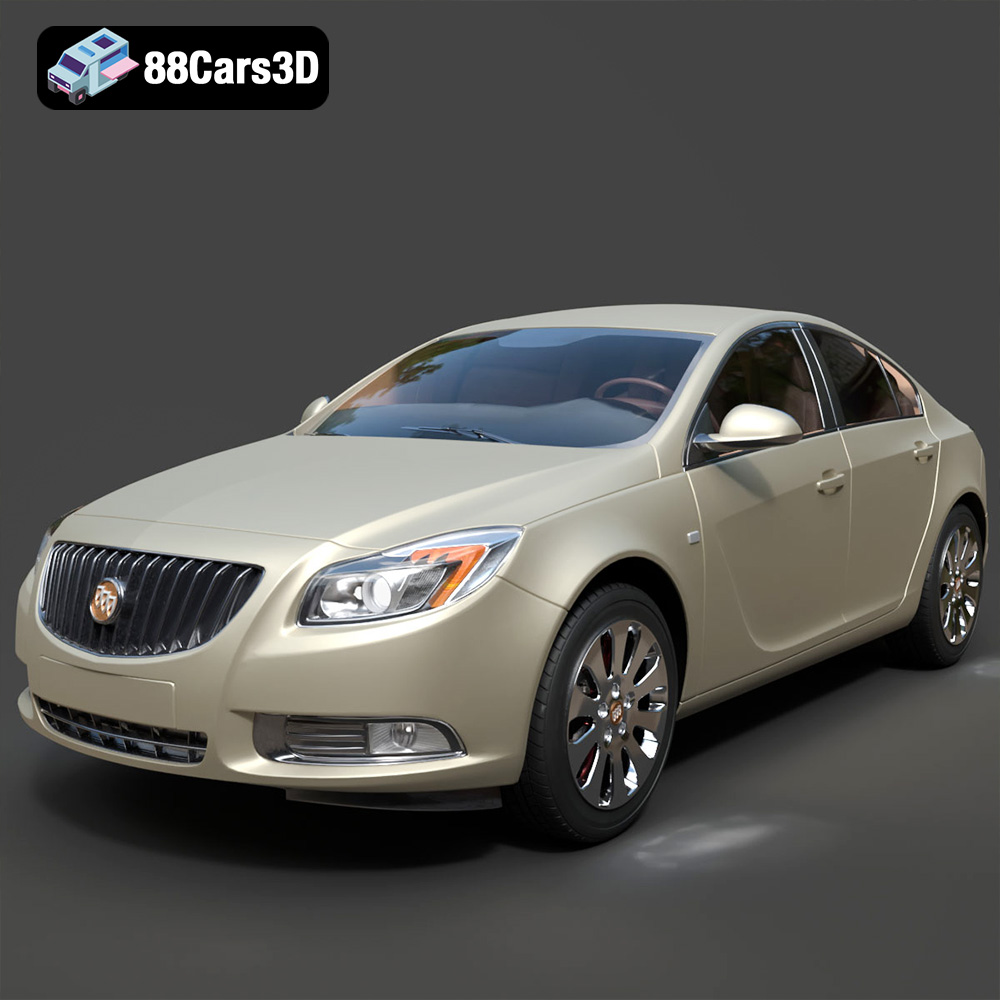
Texture: Yes
Material: Yes
Download the Buick Regal 3D Model featuring a classic American sedan design, detailed exterior, and optimized interior. Includes .blend, .fbx, .obj, .glb, .stl, .ply, .unreal, and .max formats for rendering, simulation, and game development.
Price: $10.79
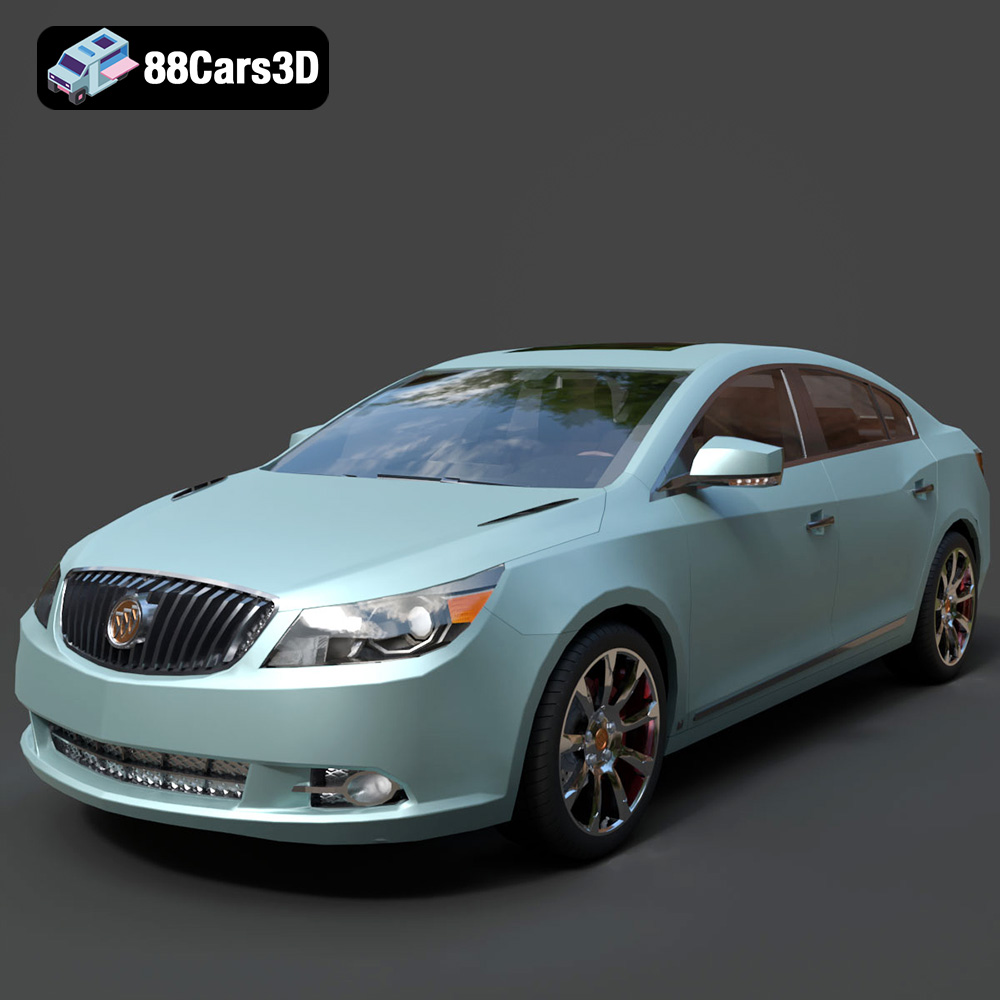
Texture: Yes
Material: Yes
Download the Buick LaCrosse 3D Model featuring professional modeling and texture work. Includes .blend, .fbx, .obj, .glb, .stl, .ply, .unreal, and .max formats for rendering, simulation, and game development.
Price: $10.79

