⚡ FLASH SALE: Get 60% OFF All Premium 3D & STL Models! ⚡

“`html
The world of 3D printing, especially when dealing with intricate models like those found on 88cars3d.com, presents a unique set of challenges. While the allure of downloading a perfectly designed STL file is strong, the final print quality hinges on a crucial, often underestimated, step: support generation. Automatic supports are convenient, but they often fall short, leading to surface blemishes, wasted material, and frustrating failures. This comprehensive guide delves deep into the art and science of manual support generation, empowering you to take complete control over your print stability and achieve breathtaking results. We’ll explore the underlying principles, intricate workflows, and software-specific techniques to transform your 3D printing experience. Prepare to unlock a new level of precision and polish in your FDM and resin prints, from complex automotive models to delicate prototypes.
Support structures are essentially temporary scaffolding built by your 3D printer to hold up overhanging or bridging sections of a model that would otherwise defy gravity. Without them, molten plastic would simply droop or fall, resulting in failed prints. The decision of when and how to implement supports is a strategic one, influenced by model geometry, printer capabilities, and desired surface finish. For highly detailed models, such as the classic car replicas available on 88cars3d.com, understanding these fundamentals is paramount. Overhangs, particularly those exceeding a 45-degree angle, typically require support. Bridging, the process of printing a horizontal section between two existing points, also necessitates support if the unsupported distance becomes too great for the material to span reliably.
The choice between automatic and manual support generation is often dictated by complexity. Slicing software, like Cura or PrusaSlicer, excels at identifying basic overhangs and generating supports automatically. However, these algorithms can be overly aggressive, placing supports in areas that are structurally sound or in locations that will mar critical surfaces. They might also fail to account for the specific needs of a complex model, such as a car’s undercarriage with intricate exhaust systems or a delicate spoiler. Manual support generation allows for precision placement, ensuring that only necessary areas are reinforced, minimizing contact points with the model, and optimizing for easier removal.
Key considerations when deciding on manual supports:
At its core, 3D printing builds layers sequentially. When printing an overhang, the molten plastic being extruded has nothing beneath it for a portion of its path. Gravity begins to pull it downwards immediately. If the angle is too steep or the unsupported distance too large, the plastic will sag before it solidifies, leading to a deformed or collapsed layer. Similarly, for bridging, the material is extruded across an open gap. Without adequate tension or cooling, the filament will droop in the middle. The effective ‘strength’ of an overhang or bridge is a complex interplay of material properties (viscosity, cooling rate), extrusion temperature, print speed, and ambient cooling. Understanding these physical limitations is the first step toward strategically placing manual supports where they are truly needed.
Automatic supports are a fantastic starting point, especially for beginners or simple models. However, they operate on a set of pre-defined rules that don’t always account for the nuanced requirements of detailed models. For instance, a car model might have a perfectly flat chassis that an automatic support generator might erroneously deem as requiring support due to small nooks or crannies. Conversely, it might miss a critical internal overhang that will lead to a print failure. Manual supports offer the designer the ultimate control to selectively reinforce only the essential areas, reducing the amount of support material used, minimizing post-processing time, and preserving the delicate details of the original model. This is particularly true for premium models found on marketplaces like 88cars3d.com, where preserving intricate details is paramount.
The process of adding manual supports is largely dependent on the slicing software you use. While the core principle remains the same—placing support points or structures precisely where needed—the interface and tools vary. We’ll focus on the most popular slicers, Cura and PrusaSlicer, highlighting their specific features for manual support control.
In Ultimaker Cura, the “Support Blocker” and “Support Painter” tools are invaluable. The Support Blocker is a primitive shape (cube, sphere, cylinder) that you can scale and position within your model. Anything within the volume of a Support Blocker will not have supports generated by the slicer. Conversely, the Support Painter allows you to ‘paint’ areas where you *want* supports to be generated, overriding the automatic settings. This provides a powerful combination for fine-tuning support placement. You can use blockers to prevent supports on desirable surfaces and then use the painter to add them strategically to critical overhangs or bridges.
PrusaSlicer offers a similar, albeit differently named, approach. You can use “Negative (Blocker) Objects” to prevent supports in certain areas. For targeted support addition, PrusaSlicer has a dedicated “Add Support” tool, accessible in the preview window. This allows you to click directly on the model surface to add a support point. You can also adjust support settings on a per-object basis, giving you granular control over density, pattern, and interface layers for specific support structures. Both slicers allow you to define custom support enforcers and blockers, giving you immense flexibility.
To use Cura’s manual support features effectively, first enable them in the slicer settings. Navigate to Settings > Configure Settings Visibility and search for “Support Blocker” and “Support Painter” under the “Experimental” category. Once enabled, you can add these tools from the toolbar. For Support Blockers, drag the desired primitive onto the build plate, then scale and position it to encompass areas you want to exclude from supports. For Support Painter, select the tool, choose the desired brush size, and paint directly onto the model where you need support. You can also choose to ‘Erase’ painted supports. This visual approach makes it intuitive to sculpt your support strategy.
A common workflow involves loading your STL file (e.g., a car model from 88cars3d.com), generating initial automatic supports, and then refining them. Identify areas where the automatic supports are problematic (e.g., covering the windshield or delicate wheel spokes) and use Support Blockers to remove them. Then, identify areas that *truly* need support (e.g., the underside of a spoiler or wheel arches) and use the Support Painter to ensure they are covered.
PrusaSlicer’s manual support capabilities are equally robust. After slicing with automatic supports enabled (or disabled entirely), switch to the “Preview” mode. You’ll find tools to manually add support points by clicking on the model. This is incredibly useful for reinforcing specific overhangs or bridges that the automatic system might miss or misplace. You can also define “Support Enforcers” and “Support Blockers” as separate objects. Add a primitive shape, and in its object settings, assign it as a support enforcer (supports will *only* be generated within this object’s volume) or a blocker (supports will be *excluded* from this object’s volume). This object-based approach allows for complex, reusable support strategies.
For intricate car models, you might use a blocker to prevent supports on the visible exterior surfaces and then use manual support points or enforcer objects to specifically support the underside, wheel wells, or delicate aerodynamic components. This ensures a clean finish on the most visible parts of the model.
Beyond simply placing supports, fine-tuning their properties can dramatically impact print quality and ease of removal. Key settings include support density, pattern, interface layers, and detachment settings. These parameters, when adjusted correctly, can minimize scarring on the model surface and make post-processing significantly less labor-intensive.
Support Density and Pattern: Lower density supports use less material and are easier to remove, but may offer less stability. Denser supports are more stable but can be harder to break away cleanly. Patterns like Grid, Lines, or Concentric offer different levels of support and removal characteristics. For delicate models, a ‘Lines’ pattern with a lower density might be preferable. For robust structural support, ‘Grid’ or ‘3D Honeycomb’ might be better. Experimentation is key here.
Support Interface Layers: This is arguably the most critical setting for achieving smooth surfaces where supports touch the model. Interface layers are dense, solid layers printed directly above and below the main support structure. These create a smooth, printable surface for the model to adhere to, and a similarly smooth surface on the support itself, making it easier to break away cleanly. Critical settings include the “Support Interface Top/Bottom Thickness” and “Support Interface Resolution.” Increasing these values creates a more solid and smooth interface, reducing layer lines and imperfections where the support meets the model. A well-tuned interface can make support marks virtually disappear.
Density is typically controlled by an infill percentage for supports. For most models, a density between 10-20% is sufficient. However, for areas requiring very high stability or supporting large, heavy sections, you might increase this to 25-30%. The pattern choice impacts both strength and removal. ‘Grid’ is strong but can be difficult to remove. ‘Lines’ is weaker but easier to snap off. ‘Concentric’ follows the contours of the model, potentially offering good adhesion but also difficult removal on curved surfaces. For detailed car models, consider using a ‘Lines’ pattern for general support and a denser, more solid interface layer for critical contact points.
Support interface layers are the unsung heroes of clean prints. They act as a bridge between the sparse infill of the support structure and the actual model surface. By setting a few solid top and bottom layers for the support interface (e.g., 2-3 layers each), you create a smooth, continuous surface that adheres well to the model but detaches cleanly. The “Support Interface Resolution” setting controls how finely detailed this interface is; setting it to match your model’s layer height (e.g., 0.1mm or 0.12mm) will yield the smoothest results. Proper interface layer tuning can make the difference between a model that looks like it was built with supports and one that appears to have been perfectly molded.
Manual support placement is only half the battle; how you orient the model on the build plate and ensure good bed adhesion are equally crucial. The goal is to minimize the amount of support needed while maximizing the stability of the print. This often involves strategic angling or positioning of the model to take advantage of the printer’s capabilities.
Print Orientation: The way your model sits on the build plate fundamentally affects the type, quantity, and placement of necessary supports. For a car model, consider printing it upright, on its wheels, or even upside down. Printing upright might require extensive supports for the underside, wheel wells, and potentially the engine bay details. Printing upside down could place the chassis and underside directly on the build plate, eliminating supports there, but requiring extensive support for the roof and potentially the windows. Angling the model can sometimes reduce the severity of overhangs, necessitating less or less obtrusive supports. Experiment with different orientations in your slicer to find the best balance between minimal supports and structural integrity.
Bed Adhesion: Even with perfect supports, a print can fail if it detaches from the build plate. For complex models, especially those with small contact areas (like wheels), ensuring strong adhesion is vital. This can be achieved through various methods: using a brim or raft, applying adhesion aids like glue stick or hairspray, ensuring the build plate is clean and level, and optimizing bed temperature. For challenging prints, a brim provides a wider base for the initial layers, significantly increasing adhesion. A raft creates a disposable base layer that the model prints on, ideal for very uneven bottoms or materials prone to warping.
Think like an engineer when orienting your car models. For a low-profile sports car, printing it upright might require significant supports under the chassis and between the wheels. Flipping it upside down might put the flat underbelly directly on the build plate, but then the roof, spoilers, and potentially delicate window frames will need extensive support. Sometimes, a slight angle (e.g., 10-20 degrees) can transform a severe overhang into a manageable one. This is where previewing the sliced model with supports enabled becomes essential. Look for the areas that accumulate the most support material and see if re-orienting the model can reduce it, especially on critical exterior surfaces.
A clean, level build plate is the first line of defense. For adhesion aids, isopropyl alcohol is excellent for removing grease and oils from glass beds. For enhanced grip, a thin layer of washable glue stick (like Elmer’s) or a light spray of hairspray can make a significant difference, especially with materials like ABS or PETG. For models with very small footprints, like individual wheel models or delicate components, using a brim (typically 5-10mm wide) in your slicer settings is highly recommended. This adds a single-layer flat area around the base of your model, increasing the surface area contact with the build plate and preventing detachment during the print. A raft provides an even more robust base but can sometimes be harder to remove cleanly from the bottom of the print.
Once your print is complete, the journey isn’t over. The manual supports you meticulously placed now need to be removed, and the model finished to perfection. Proper support removal techniques can preserve delicate details and ensure a professional-looking final product. This is where the foresight in choosing support interface layers and patterns pays off.
Support Removal Techniques: Start with smaller, less critical areas. Use flush cutters, needle-nose pliers, and hobby knives (like X-Acto blades) to carefully break away the support material. For FDM prints, slowly and gently wiggle the supports to break the connection points. If the supports are integrated with interface layers, you should feel a cleaner break. For resin prints, supports are typically much finer and require careful cutting with flush cutters or sometimes even a small saw. Always cut *away* from yourself and wear safety glasses. Be patient; rushing the process is the quickest way to damage your print.
Sanding and Filling: After support removal, you’ll likely have small marks or nubs where the supports touched the model. These can be smoothed using various grades of sandpaper, starting with coarser grits (e.g., 120-220) and moving to finer grits (e.g., 400-1000+). For FDM prints, a light application of filler primer can help fill minor imperfections and layer lines. For resin prints, sanding is often sufficient. For both, consider using filler putties or epoxies for larger gaps or divots.
Painting and Assembly: Once sanded smooth, the model is ready for painting. A good primer coat is essential for paint adhesion and helps reveal any remaining surface imperfections. Use acrylic paints, airbrushing, or even traditional brush techniques to bring your 3D printed car model to life. If your model was printed in multiple parts, this is also the stage for assembly, using appropriate adhesives like super glue (cyanoacrylate) or specific plastic cements.
The key to clean support removal is patience and the right tools. For FDM prints, try to identify the interface layers first. These often break away more cleanly than the main support structure. Use flush cutters to snip connection points close to the model. Needle-nose pliers are excellent for gripping and gently twisting or pulling supports away. For areas with tight access, a small hobby knife can be used to carefully cut away support material piece by piece. If supports are proving exceptionally difficult, consider increasing the “Z Distance” between the support and the model in your slicer settings for future prints. This creates a larger air gap, making detachment easier, though it might slightly reduce the quality of the surface directly above the support.
After the supports are gone, the real artistry begins. Start with sanding. For FDM prints, work your way through progressively finer grits of sandpaper (e.g., 150 -> 220 -> 400 -> 800 -> 1200). Wet sanding (using water or a light lubricant) can help reduce dust and achieve a smoother finish. A filler primer spray is incredibly effective for FDM prints; it fills microscopic gaps and layer lines, creating a smooth canvas for paint. For resin prints, sanding is often sufficient, but be mindful of the material’s properties. Once sanded and cleaned, apply a quality primer. This is crucial for even paint application and helps identify any remaining blemishes that need further attention. Then, bring your automotive masterpiece to life with your chosen paints and detailing.
Even with meticulous planning, 3D printing rarely goes perfectly every time. Understanding common issues related to manual supports and knowing how to address them is crucial for consistent success. This section covers frequent problems and offers practical solutions.
Supports Not Sticking to the Model: This can happen if the interface layers are too sparse, the Z-distance is too large, or the slicer settings for support contact points are not optimized. Solution: Reduce the Z-distance between the support interface and the model (e.g., from 0.2mm to 0.12mm or even 0.08mm). Ensure your support interface layers are set to be solid (e.g., 2-3 top/bottom layers). Check your slicer’s settings for support “Connect to object” and ensure it’s enabled and properly configured.
Supports Breaking Off Prematurely: This is often due to insufficient support density, weak support patterns, or poor bed adhesion of the supports themselves. Solution: Increase the support density percentage. Try a stronger support pattern like ‘Grid’ or ‘3D Honeycomb’. Ensure good adhesion for the initial layers of the supports, potentially by using a brim for the supports themselves if your slicer allows.
Difficulty Removing Supports: This is the inverse of the above – supports are too strong or fused too aggressively. Solution: Increase the Z-distance between the support and the model. Decrease the support density. Use a simpler support pattern like ‘Lines’. Ensure your support interface resolution is not excessively high if it’s causing fusion. Consider using “Generate support only when needed” options in your slicer if available, which can sometimes reduce unwanted connections.
Damage to Model Surface During Removal: This usually stems from supports being too tightly integrated or trying to remove them too forcefully. Solution: Be more patient and use finer tools. Ensure adequate Z-distance and well-tuned interface layers for future prints. Sometimes, scoring around the base of the support with a sharp hobby knife can help create a clean break line.
If your supports leave behind ragged edges or ‘tears’ in the model surface, it’s often because the connection point was too strong or the material pulled away unevenly. This can be mitigated in future prints by slightly increasing the Z-distance between the support interface and the model. A larger gap allows for a cleaner break. You can also try adjusting the “Support Interface XY Separation” setting in some slicers. This setting creates a small gap in the horizontal plane between the support structure and the model, helping to isolate the support and prevent it from fusing too strongly. For post-processing, careful sanding and filler are your best friends.
When supports seem fused to the model, making removal nearly impossible without damage, it’s usually a result of the interface layers being too dense, the Z-distance being too small, or the print temperature being too high, causing filament ooze. For future prints, significantly increase the Z-distance (e.g., to 0.2mm or 0.3mm). Ensure the support interface layers are not excessively thick, and consider using a simpler pattern. In some cases, carefully using a small heat source, like a soldering iron with a fine tip (used with extreme caution and ventilation), can help soften and melt away fused support material, but this is an advanced technique with risks.
Mastering manual support generation is a significant step towards achieving professional-grade 3D prints, especially for complex and detailed models like the automotive collectibles found on 88cars3d.com. By understanding the principles of overhangs and bridges, leveraging the advanced tools within your slicer software, and carefully tuning support parameters, you gain unparalleled control over print stability and surface finish. Manual supports allow you to minimize material waste, reduce print times by eliminating unnecessary scaffolding, and drastically improve the ease and quality of post-processing. Remember that the journey involves experimentation; what works perfectly for one model or material might need adjustment for another. Embrace the process of trial and error, refine your techniques, and you’ll soon find yourself producing 3D prints that are not just successful, but truly exceptional. Happy printing!
“`

Texture: Yes
Material: Yes
Download the BMW M6 Coupe (F12) 3D Model featuring its iconic sporty design and luxurious details. Includes .blend, .fbx, .obj, .glb, .stl, .ply, .unreal, and .max formats for rendering, simulation, and game development.
Price: $10.79
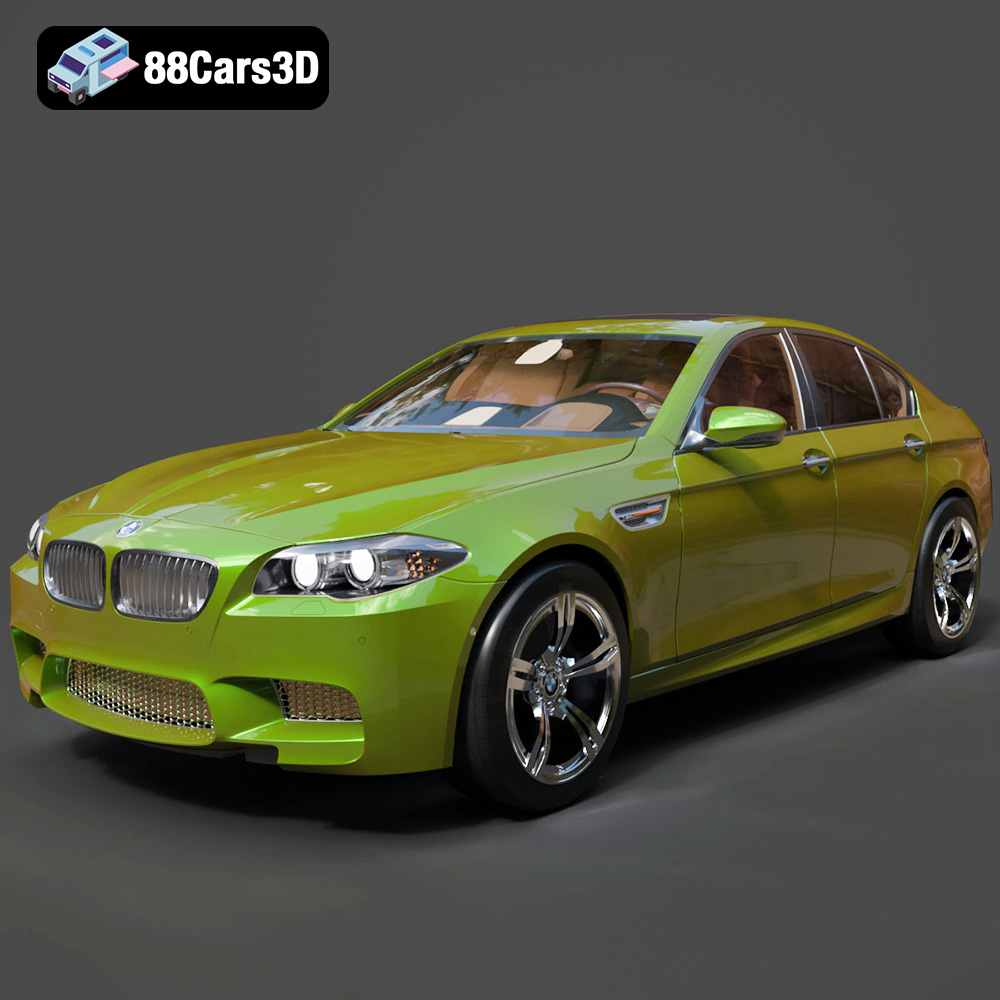
Texture: Yes
Material: Yes
Download the BMW M5 F10 3D Model featuring high-performance luxury sedan design, detailed interior, and realistic PBR textures. Includes .blend, .fbx, .obj, .glb, .stl, .ply, .unreal, and .max formats for rendering, simulation, and game development.
Price: $10.79
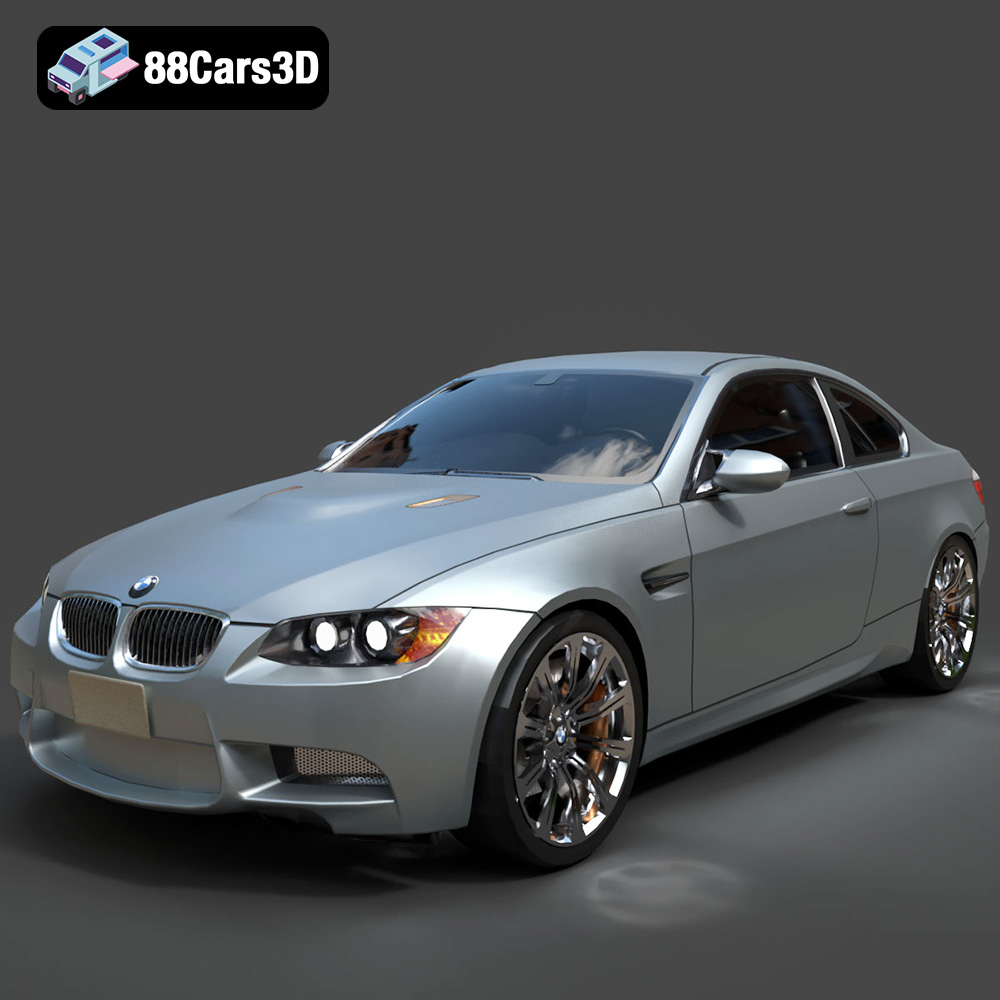
Texture: Yes
Material: Yes
Download the BMW M3 Coupe E92-002 3D Model featuring authentic styling, detailed exterior, and a faithful interior. Includes .blend, .fbx, .obj, .glb, .stl, .ply, .unreal, and .max formats for rendering, simulation, and game development.
Price: $10.79

Texture: Yes
Material: Yes
Download the BMW 6 Series Gran Coupe 2013 3D Model featuring a sophisticated design, detailed exterior, and well-appointed interior. Includes .blend, .fbx, .obj, .glb, .stl, .ply, .unreal, and .max formats for rendering, simulation, and game development.
Price: $20.79
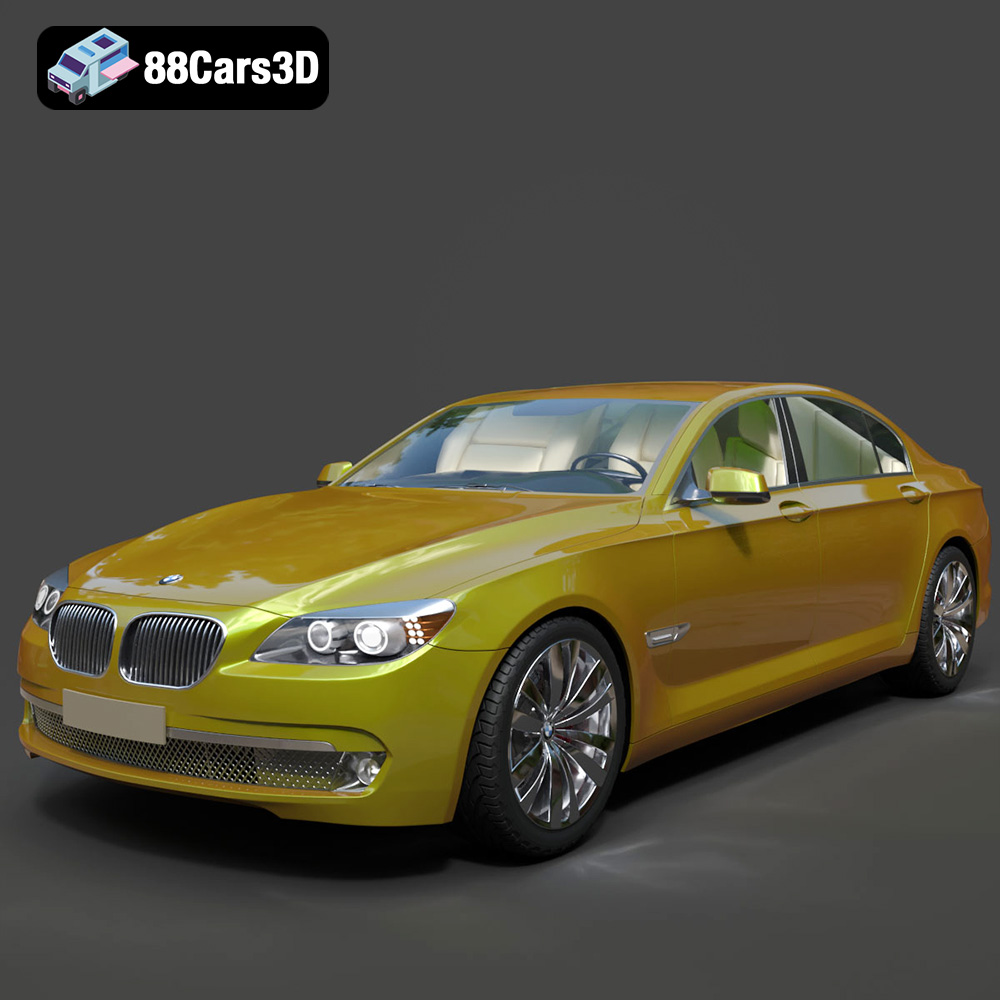
Texture: Yes
Material: Yes
Download the BMW 7 Series 750 F01 3D Model featuring a detailed exterior and a luxurious interior. Includes .blend, .fbx, .obj, .glb, .stl, .ply, .unreal, and .max formats for rendering, simulation, and game development.
Price: $10.79
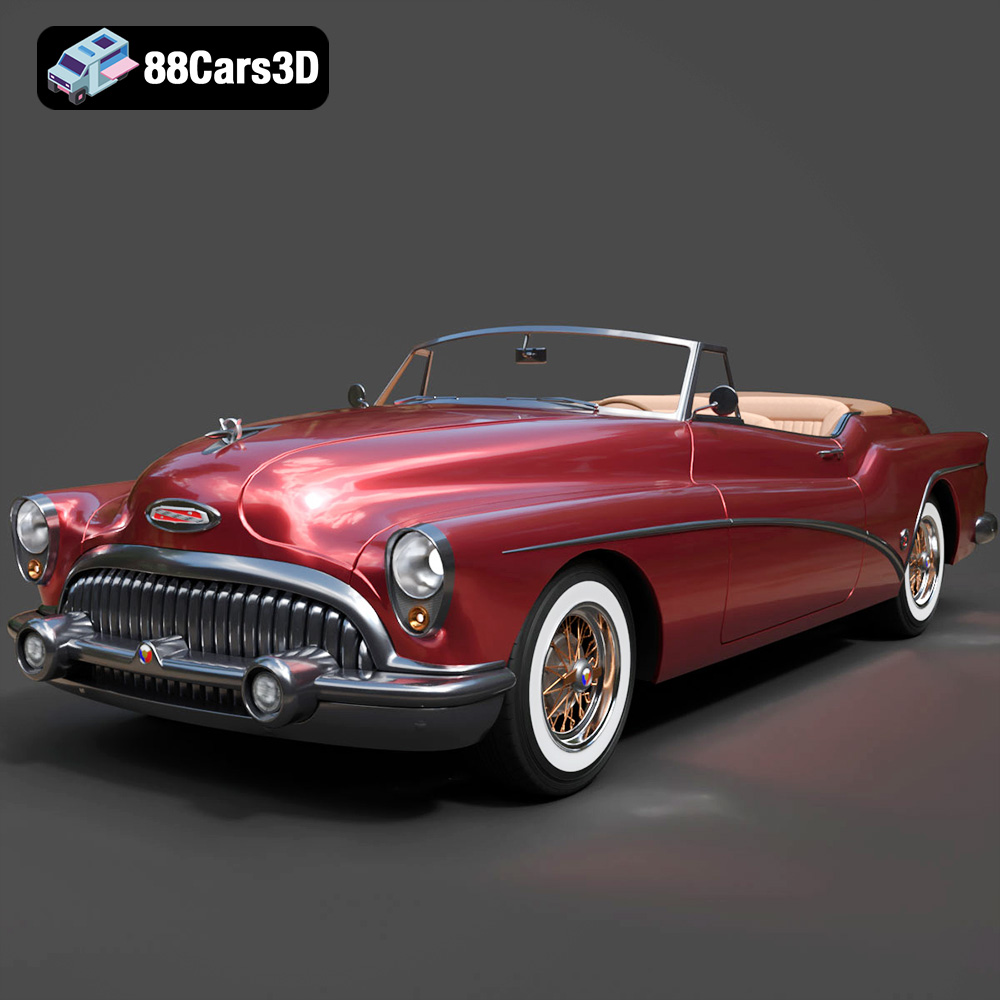
Texture: Yes
Material: Yes
Download the Buick Skylark Convertible 1953 3D Model featuring iconic 1950s styling, a detailed exterior with chrome accents, and an accurately modeled interior. Includes .blend, .fbx, .obj, .glb, .stl, .ply, .unreal, and .max formats for rendering, simulation, and game development.
Price: $10.79

Texture: Yes
Material: Yes
Download the Buick Roadmaster Hardtop Coupe 1957 3D Model featuring a classic American design with detailed exterior and interior. Includes .blend, .fbx, .obj, .glb, .stl, .ply, .unreal, and .max formats for rendering, simulation, and game development.
Price: $10.79
Texture: Yes
Material: Yes
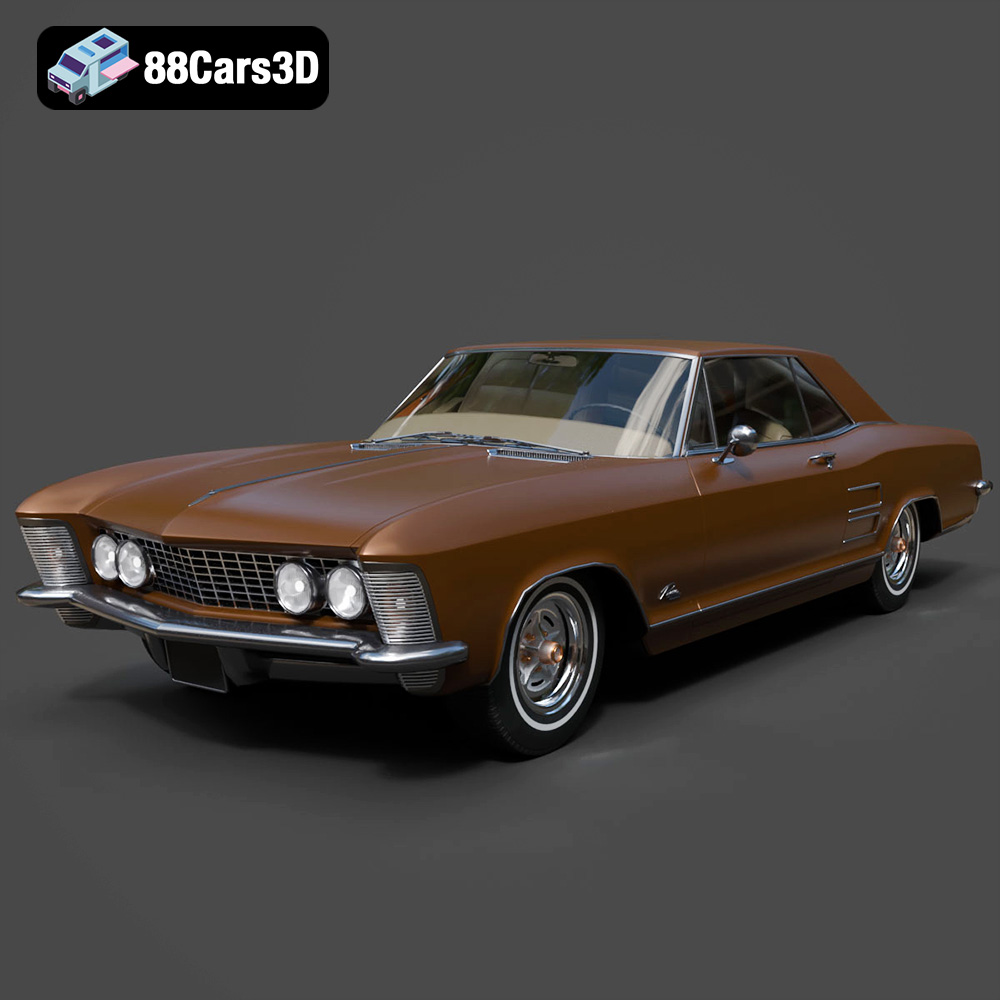
Download the Buick Riviera 1963 3D Model featuring classic American muscle car design and iconic styling. Includes .blend, .fbx, .obj, .glb, .stl, .ply, .unreal, and .max formats for rendering, simulation, and game development.
Price: $10.79

Texture: Yes
Material: Yes
Download the Buick Regal 3D Model featuring a classic American sedan design, detailed exterior, and optimized interior. Includes .blend, .fbx, .obj, .glb, .stl, .ply, .unreal, and .max formats for rendering, simulation, and game development.
Price: $10.79

Texture: Yes
Material: Yes
Download the Buick LaCrosse 3D Model featuring professional modeling and texture work. Includes .blend, .fbx, .obj, .glb, .stl, .ply, .unreal, and .max formats for rendering, simulation, and game development.
Price: $10.79

