⚡ FLASH SALE: Get 60% OFF All Premium 3D & STL Models! ⚡

“`html
The allure of classic cars, the sleek lines of supercars, and the rugged charm of off-roaders – for automotive enthusiasts and 3D printing hobbyists alike, the ability to bring these iconic machines to life in miniature form is a dream come true. Modern 3D printing technology, combined with meticulously crafted STL files, opens up a world of possibilities for creating stunningly realistic car models. Whether you’re looking to build a collection, prototype a custom design, or simply enjoy the satisfaction of a finely printed piece, understanding the nuances of 3D printing car models is crucial. This comprehensive guide will walk you through every step, from selecting the right STL files to post-processing your finished masterpiece. We’ll delve into the intricacies of slicing, mastering 3D printer settings, effective support structures, and the critical considerations for both FDM printing and resin printing, ensuring you achieve professional-quality results every time. Get ready to rev up your printer and create automotive replicas that truly stand out!
The journey to a printed car model begins with its digital blueprint: the STL file. While seemingly straightforward, the quality and integrity of an STL file profoundly impact the success of your print. STL (STereoLithography) files represent a 3D object’s surface geometry using a network of connected triangles. For intricate models like cars, the density and arrangement of these triangles (mesh topology) are paramount. A well-structured STL file will feature clean, manifold geometry, meaning there are no holes, non-manifold edges, or intersecting faces – essentially, it forms a watertight shell.
High-quality printable car models, such as those found on platforms like 88cars3d.com, are often designed with 3D printing in mind. This means they typically come with optimized mesh density, ensuring sufficient detail without overwhelming your slicer or printer. They also consider crucial aspects like wall thickness – ensuring that delicate parts like mirrors or spoilers are thick enough to withstand the printing process and subsequent handling. When downloading models, look for descriptions that highlight “clean geometry,” “print-ready STL,” or “optimized for 3D printing.”
A manifold mesh is a solid, closed surface. In STL terms, this means every edge is shared by exactly two triangles, and the surface normals (vectors perpendicular to each triangle, indicating the outward direction) are consistently oriented. Non-manifold errors, such as isolated vertices, internal faces, or edges shared by more than two triangles, can cause slicers to misinterpret the geometry, leading to printing failures like gaps, missing sections, or distorted shapes. Software like Meshmixer, Blender, or Netfabb offers tools to analyze and repair STL files, identifying and correcting these issues. For instance, in Meshmixer, the “Analyze” > “Make Solid” or “Fix Non-Manifold” tools can be invaluable.
STL files typically do not store unit information (e.g., millimeters or inches). Most slicers interpret the dimensions in the STL file as millimeters by default. It’s crucial to verify the intended scale of the model within your slicer software. If you download a 1:18 scale model, its dimensions in the STL file might represent that scale in millimeters (e.g., a 200mm length might correspond to a 1:18 scale car that is 3.6 meters long). You can then scale the model up or down in your slicer to achieve your desired print size. Always double-check the dimensions against known specifications of the real car if accuracy is important.
The slicer is your digital intermediary, transforming your 3D model (STL) into layer-by-layer instructions (G-code) that your 3D printer can understand. For car models, which often feature complex curves, fine details, and varying surface areas, selecting the right slicing parameters is critical for achieving a balance between print quality, detail fidelity, and print time. Popular slicers like Cura, PrusaSlicer, and Simplify3D offer a vast array of settings, but focusing on a few key areas will yield the most significant improvements.
When dealing with intricate models from sources like 88cars3d.com, the goal is to capture as much detail as possible without compromising printability. This often involves adjusting layer height, print speed, and crucially, how supports are generated. A common starting point for detailed models is a layer height of 0.1mm to 0.15mm. While lower layer heights (e.g., 0.05mm) yield finer detail, they dramatically increase print time. Conversely, higher layer heights (e.g., 0.2mm or 0.3mm) speed up printing but can result in noticeable stepping on curved surfaces.
For FDM printing, a layer height of 0.1mm is often a sweet spot for automotive models, providing good surface finish and detail capture. If your printer and filament are well-calibrated, you might even go down to 0.08mm for exceptionally fine details, though this significantly extends print duration. Correspondingly, you’ll need to reduce your print speed. If your standard speed is 60 mm/s for a 0.2mm layer height, consider dropping to 30-40 mm/s for 0.1mm layers, and even further for 0.08mm layers. Slower speeds allow the filament to cool properly and adhere better, preventing overhang issues and improving overall surface quality.
Car models often have thin, protruding elements like mirrors, spoilers, and antennas. Setting an adequate wall thickness (or “shell thickness”) in your slicer is vital. For FDM, a value of 1.0mm to 1.6mm (typically 2-4 wall lines) is usually sufficient for most parts. Infill percentage and pattern also play a role. For display models, high infill densities (e.g., 15-25%) are often unnecessary and increase print time and material usage. A low infill percentage (5-10%) with a strong pattern like gyroid or cubic provides adequate support for the outer walls without adding excessive weight or time. However, for parts that might be handled frequently or assembled into a robust structure, increasing infill to 20-30% might be beneficial.
Proper part cooling is essential for bridging and overhangs, especially on the intricate curves of car bodies. Ensure your cooling fan speed is set appropriately (often 100% after the first few layers for PLA). Too little cooling can lead to sagging on overhangs, while excessive cooling can cause poor layer adhesion. Retraction settings are critical for minimizing stringing between fine details, such as between the chassis and the body, or on intricate grille designs. Fine-tuning retraction distance and speed (e.g., 5-7mm distance, 25-50 mm/s speed for Bowden extruders) can dramatically improve the cleanliness of your prints.
One of the most challenging aspects of printing complex geometries like car models is managing overhangs and bridges. This is where support structures come in. Supports are temporary scaffolding printed alongside your model to hold up parts that would otherwise droop or fail. The goal is to generate supports that are effective, easy to remove, and leave minimal scarring on the model’s surface.
Slicer software offers various support types, including standard, tree (or organic), and custom supports. For car models, tree supports are often preferred for their efficiency in material usage and ease of removal from delicate areas. They branch out from a single point on the build plate or model, reaching only the necessary overhangs. Standard supports, while robust, can sometimes be more difficult to clean up on curved surfaces. Key considerations include support density, contact Z distance (the gap between the support and the model), and support interface layers.
In Cura, “Tree” supports can be incredibly effective. They start at the build plate and branch out, touching the model only where needed. This often results in fewer contact points and cleaner removal. Standard supports, on the other hand, form a dense grid or solid block. For areas like wheel wells, undercarriages, or complex spoilers, tree supports are generally superior. Experiment with different support types in your slicer to see which yields the best results for specific models.
The “Support Z Distance” (or “Support Interface Distance”) is crucial. This setting defines the vertical gap between the top of the support structure and the bottom of the actual model surface it’s supporting. A small gap (e.g., 0.1mm – 0.2mm for FDM) provides good stability but can make removal difficult and leave marks. A larger gap (e.g., 0.3mm – 0.4mm) makes removal easier but might lead to slightly rougher surfaces where the supports touched. “Support Interface” layers, printed directly beneath the model’s overhangs, can create a smoother surface where supports attach, improving both adhesion and ease of removal. Adjusting support density (e.g., 10-15% for tree supports) can also impact ease of removal.
Sometimes, you need to prevent supports from being generated in specific areas (e.g., on the top surfaces of a car hood) or ensure they are only generated where absolutely necessary. Many slicers offer “Support Enforcers” or “Support Blockers,” allowing you to manually control support placement. Similarly, ensuring good build plate adhesion is critical, especially for taller models or those with small footprints. Options like a brim or raft can significantly improve the chances of your print adhering successfully to the build plate, preventing costly failures.
The choice between Fused Deposition Modeling (FDM) and Stereolithography (SLA) or Digital Light Processing (DLP) resin printing significantly impacts the level of detail and surface finish you can achieve for your car models. Both technologies have their strengths and weaknesses, and the best choice often depends on your priorities and the specific model.
FDM printing, using thermoplastic filaments like PLA, PETG, or ABS, is generally more accessible, cost-effective, and capable of printing larger models. Modern FDM printers with fine nozzles (0.2mm or 0.3mm) and careful calibration can produce highly detailed results. However, FDM inherently has a layer line resolution limit, and achieving the ultra-smooth surfaces typical of professional models can require significant post-processing. Excellent FDM-ready car models are readily available on platforms like 88cars3d.com.
Resin printing (SLA/DLP) uses UV-curable liquid resins to build objects layer by layer. This technology excels at capturing extremely fine details, producing smooth surfaces, and creating intricate geometries that would be challenging for FDM. Models printed on a resin printer often require minimal sanding to achieve a smooth finish. However, resin printers typically have smaller build volumes, require more careful handling of materials and post-processing (washing and curing), and the materials themselves can be more expensive. Resin prints are also generally more brittle than FDM prints.
For larger-scale models or when budget is a primary concern, FDM is the go-to. Utilizing a 0.2mm nozzle and a 0.1mm layer height on an FDM printer can yield impressive results. Materials like PLA are easy to print and sand, making them ideal for beginners. For increased durability and heat resistance, PETG or ABS can be used, though they require more careful temperature and ventilation management. Post-processing FDM prints often involves sanding, filling layer lines with putty, and priming before painting to achieve a truly smooth, realistic finish.
If your priority is unparalleled detail and surface finish straight off the printer, resin is the way to go. Layer heights of 0.025mm to 0.05mm are common, producing incredibly smooth curves and sharp edges. This is ideal for capturing tiny details like badges, panel lines, and interior components. The trade-off is the smaller build volume, meaning larger car models might need to be split into multiple parts and assembled later. Post-processing for resin involves washing the print in isopropyl alcohol (IPA) or a specialized cleaner to remove uncured resin, followed by UV curing to achieve final hardness.
For FDM, PLA is the easiest to print and post-process (sanding, painting). PETG offers better layer adhesion and temperature resistance. ABS provides excellent durability but requires an enclosed printer and good ventilation due to fumes. For resin, standard grey or white resins are excellent for capturing detail and are easy to paint over. Flexible resins can be used for tires, while tougher resins can add durability to certain parts. Always consult the material’s safety data sheet (SDS) and follow recommended printing and handling procedures.
How you orient your car model on the print bed and ensure it sticks securely is fundamental to a successful print. The orientation affects the amount of support needed, the direction of layer lines (which can impact surface appearance), and the overall structural integrity of the print.
For car models, common orientations include printing them upright (wheels on the bed), on their side, or even upside down. Printing upright often requires extensive supports for the undercarriage and wheel wells. Printing on the side can be beneficial for showcasing the body’s curves with fewer supports, but it might lead to visible layer lines along the side profile. Printing upside down can minimize supports on the visible top surfaces but requires robust support for the roof and potentially the windows.
Bed adhesion is paramount. A print that detaches mid-way is a complete loss. Whether using FDM or resin, a clean build surface and appropriate adhesion methods are essential. For FDM, this might involve using adhesion aids like glue stick, hairspray, or specialized build surfaces like PEI or textured sheets. For resin, ensuring the build plate is clean and level, and that the resin is at the correct temperature, is crucial.
Consider the “hero” surfaces of your model – the parts that need to look the best. Orient the model to minimize supports on these surfaces. For example, if the top body panels are most important, try orienting the car so these are angled slightly or face upwards, potentially requiring supports only on the underside. Consider splitting complex models into sections that can be printed in optimal orientations and then assembled. For instance, printing the chassis and body separately allows each to be oriented for maximum detail with minimal support.
A clean build plate is the first step. Use isopropyl alcohol to wipe down your surface before every print. For FDM, options include:
Resin printers rely on the first few layers (often called “exposure layers” or “bottom layers”) adhering strongly to the build plate. Ensuring the build plate is perfectly level is critical. Follow your printer manufacturer’s instructions for leveling. Additionally, increasing the exposure time for these initial layers (e.g., from 1 second per layer to 10-20 seconds for the first 6-8 layers) can dramatically improve adhesion. Ensure your resin vat and build plate are clean and free from cured resin debris.
Once your car model is printed and supports are removed, the real magic of transformation begins with post-processing. This stage is where raw prints evolve into polished, realistic replicas. It involves cleaning, assembly, sanding, filling, priming, and painting. The level of effort here depends on the printing technology used and your desired level of realism.
For FDM prints, the most common task is removing layer lines. This can be achieved through meticulous sanding, starting with coarser grit sandpaper (e.g., 120-220 grit) and progressively moving to finer grits (e.g., 400, 800, 1000+ grit). After sanding, applying a filler primer is highly recommended. This spray-on primer fills in microscopic imperfections and remaining layer lines, providing a smooth canvas for paint. For resin prints, the primary post-processing involves washing away uncured resin and UV curing. While surfaces are generally smoother, minor support marks may need light sanding with fine-grit sandpaper.
Carefully remove supports using flush cutters, hobby knives, or pliers. For FDM, take your time to avoid damaging delicate parts. If supports are difficult to remove, gently heating the area with a hairdryer can sometimes soften the plastic slightly. For resin, supports are typically easier to snip off. After removal, wash FDM prints with soap and water and resin prints with IPA (in a well-ventilated area) to remove any residue.
For FDM, start with a coarser grit (around 220) to remove support marks and major layer lines. Work your way up through grits like 400, 600, 800, and even 1000 or 2000 for a glass-smooth finish. Wet sanding (using water with sandpaper) can help reduce dust and improve the smoothness. For resin prints, light sanding with 400-800 grit is usually sufficient for removing any minor blemishes from supports.
Apply a filler primer (especially for FDM) in light, even coats. Allow each coat to dry thoroughly before applying the next. Lightly sand between primer coats with very fine grit sandpaper (800-1000 grit) for an ultra-smooth finish. Once primed, you can apply your chosen paint colors. Acrylic model paints are popular and can be applied with brushes or an airbrush. Masking tape is essential for achieving clean paint lines between different color sections. Finally, add details like clear coats for gloss, matte finishes, or even weathering effects to achieve a truly realistic look.
Creating realistic 3D printed car models from STL files is a rewarding process that blends digital design, precise printing, and artistic finishing. By understanding the nuances of file preparation, mastering your 3D printer settings, strategically employing support structures, and dedicating time to post-processing, you can transform digital models into tangible masterpieces. Whether you’re using FDM or resin technology, careful attention to detail at every stage – from selecting high-quality printable car models on marketplaces like 88cars3d.com to the final paint coat – will ensure your automotive creations impress. Embrace the learning process, experiment with settings, and enjoy the incredible satisfaction of bringing your favorite vehicles to life in miniature form!
“`
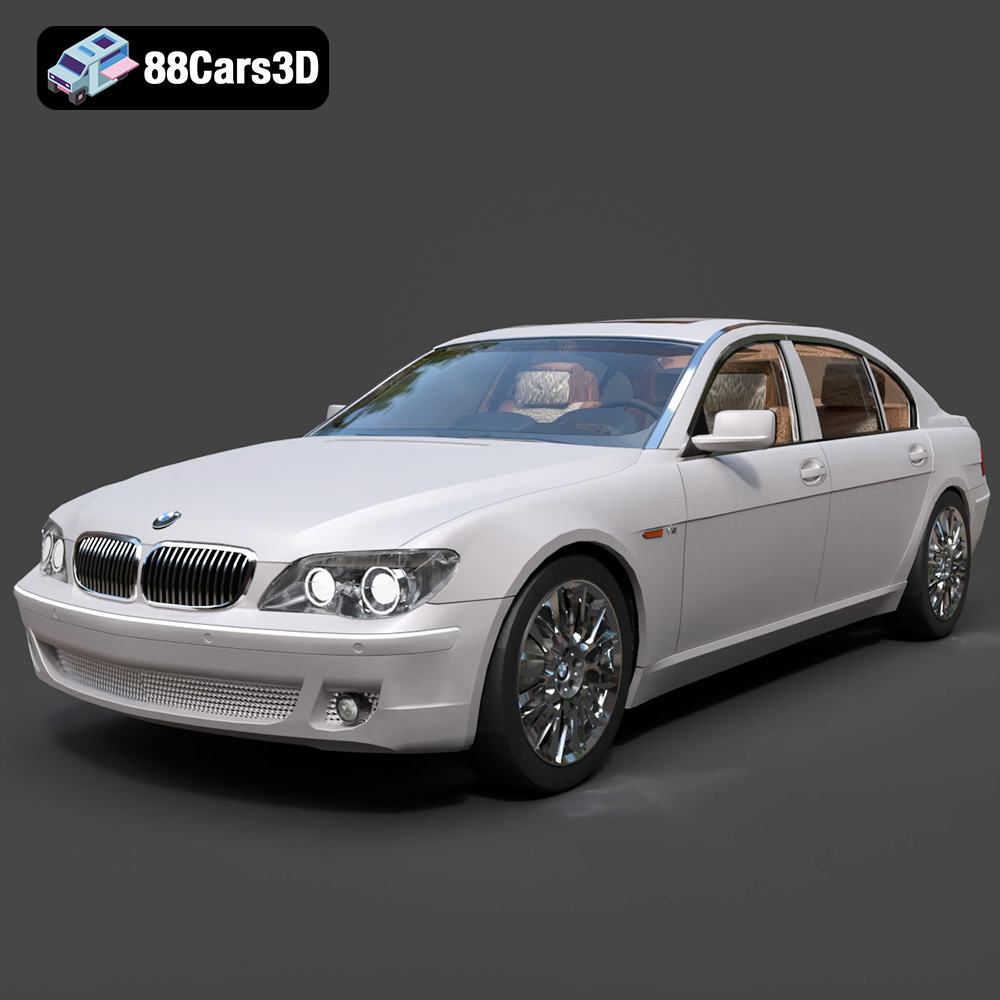
Texture: Yes
Material: Yes
Download the BMW 760Li E66 2005 3D Model featuring a detailed exterior, refined interior, and robust chassis. Includes .blend, .fbx, .obj, .glb, .stl, .ply, .unreal, and .max formats for rendering, simulation, and game development.
Price: $10.79
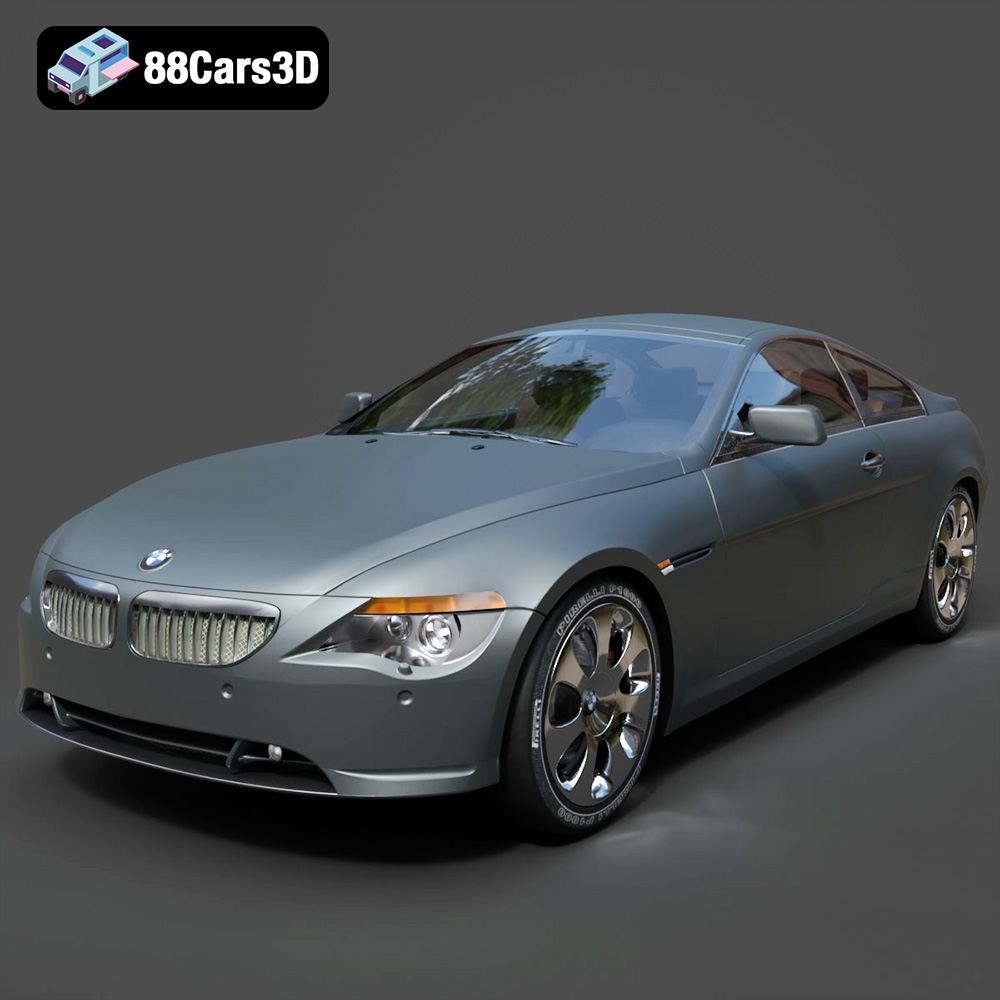
Texture: Yes
Material: Yes
Download the BMW 6 Series 3D Model featuring precisely modeled body panels, detailed interior, and authentic wheels. Includes .blend, .fbx, .obj, .glb, .stl, .ply, .unreal, and .max formats for rendering, simulation, and game development.
Price: $10.79
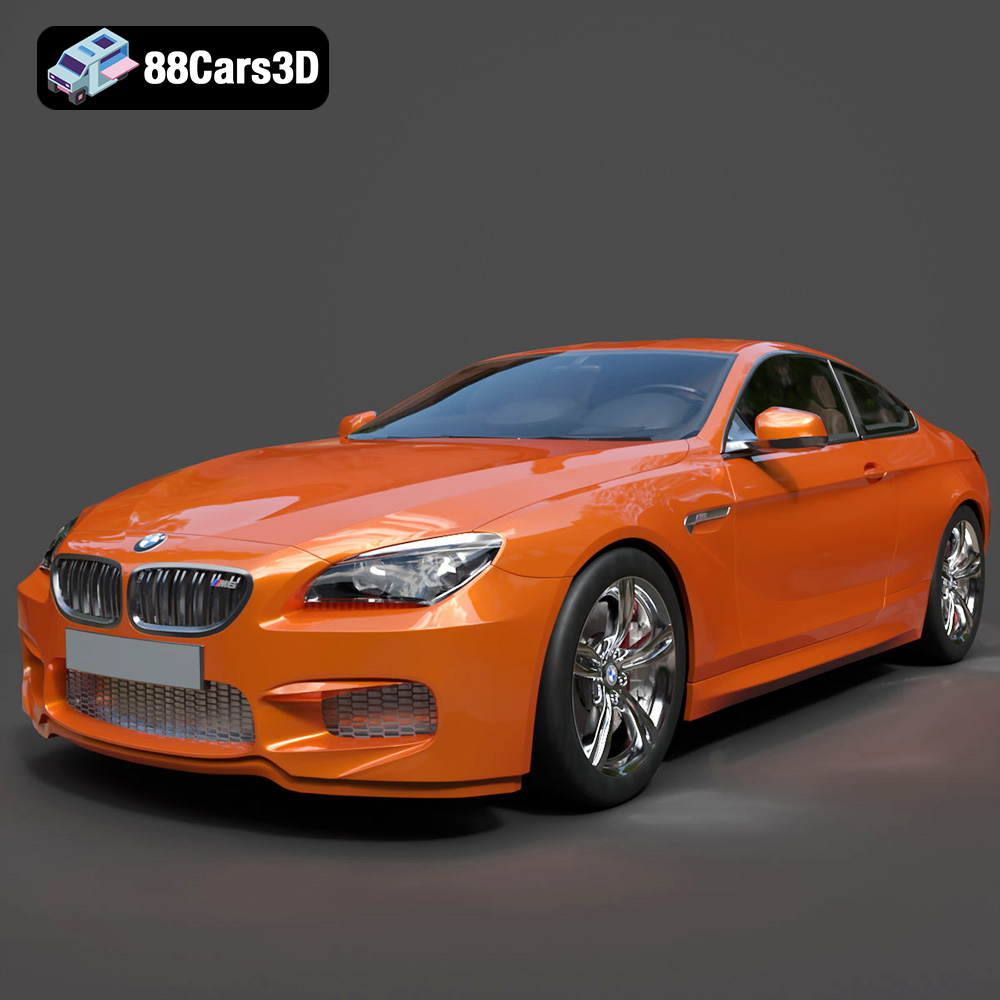
Texture: Yes
Material: Yes
Download the BMW M6 Coupe (F12) 3D Model featuring its iconic sporty design and luxurious details. Includes .blend, .fbx, .obj, .glb, .stl, .ply, .unreal, and .max formats for rendering, simulation, and game development.
Price: $10.79
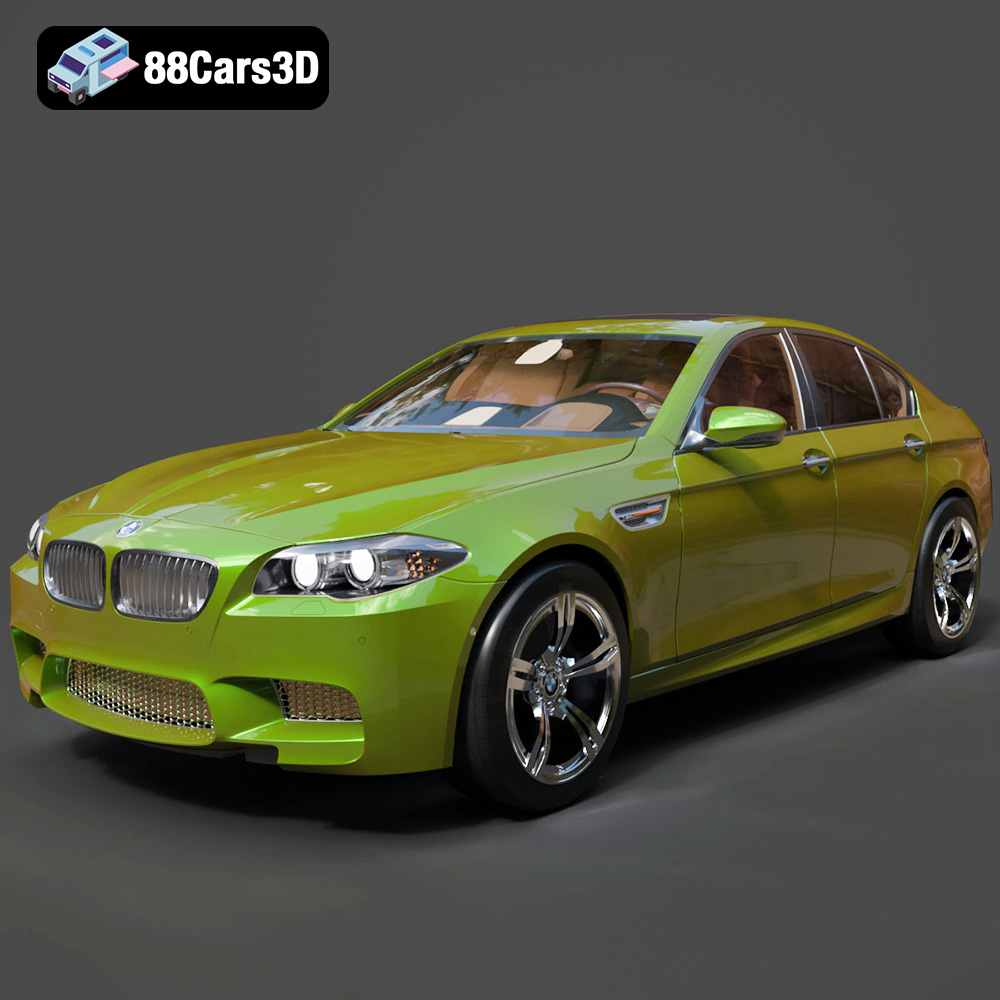
Texture: Yes
Material: Yes
Download the BMW M5 F10 3D Model featuring high-performance luxury sedan design, detailed interior, and realistic PBR textures. Includes .blend, .fbx, .obj, .glb, .stl, .ply, .unreal, and .max formats for rendering, simulation, and game development.
Price: $10.79
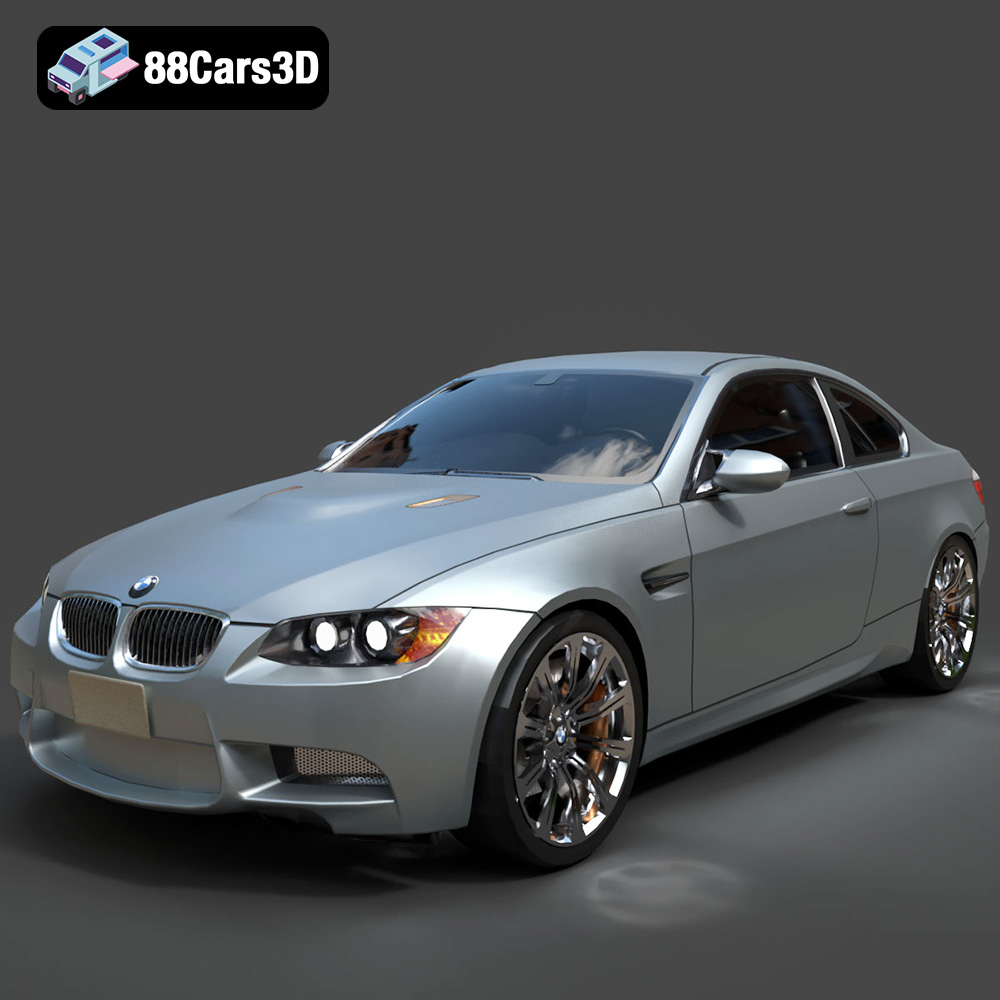
Texture: Yes
Material: Yes
Download the BMW M3 Coupe E92-002 3D Model featuring authentic styling, detailed exterior, and a faithful interior. Includes .blend, .fbx, .obj, .glb, .stl, .ply, .unreal, and .max formats for rendering, simulation, and game development.
Price: $10.79
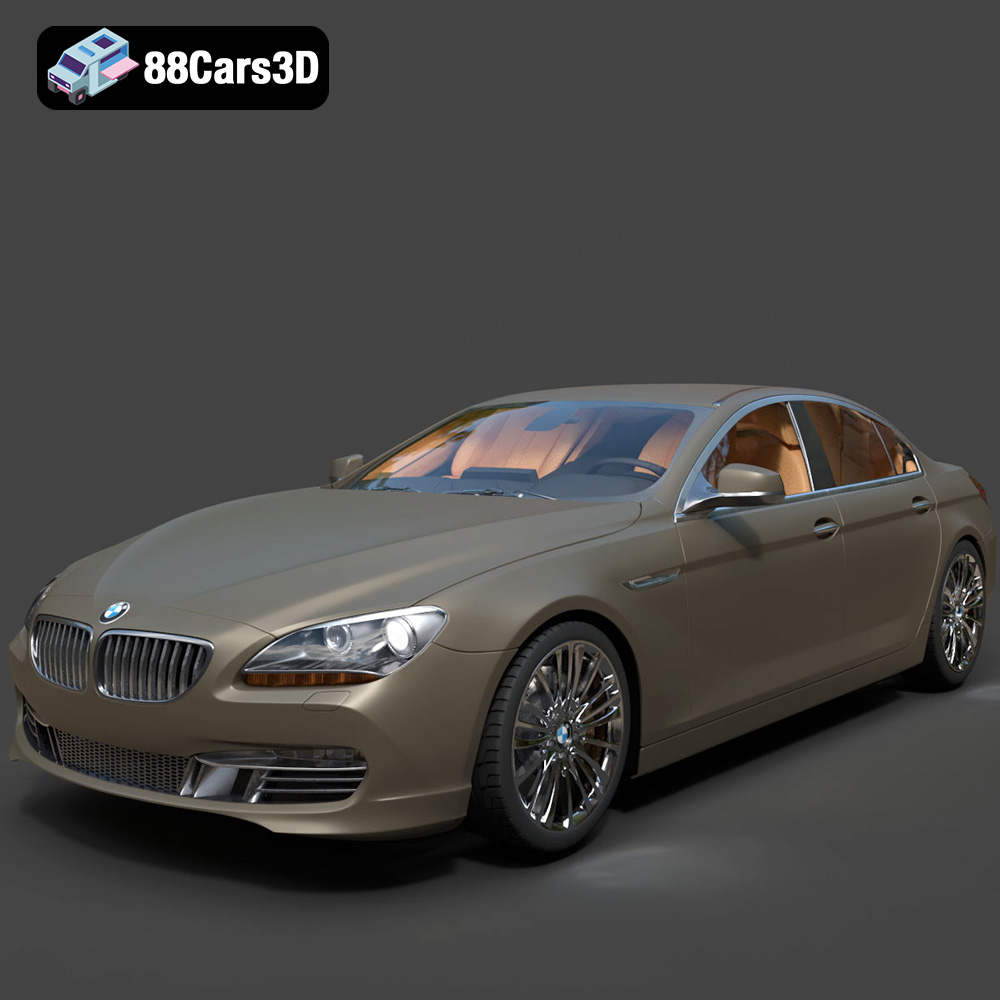
Texture: Yes
Material: Yes
Download the BMW 6 Series Gran Coupe 2013 3D Model featuring a sophisticated design, detailed exterior, and well-appointed interior. Includes .blend, .fbx, .obj, .glb, .stl, .ply, .unreal, and .max formats for rendering, simulation, and game development.
Price: $20.79
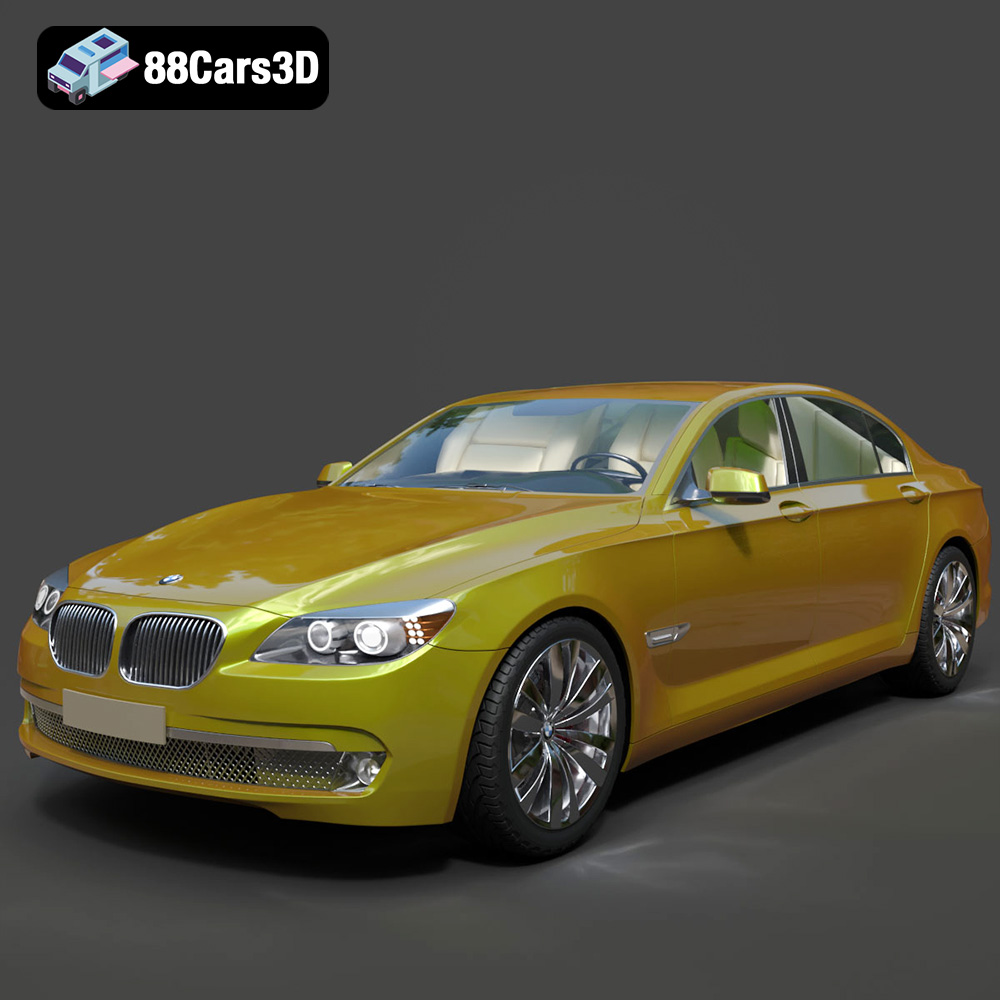
Texture: Yes
Material: Yes
Download the BMW 7 Series 750 F01 3D Model featuring a detailed exterior and a luxurious interior. Includes .blend, .fbx, .obj, .glb, .stl, .ply, .unreal, and .max formats for rendering, simulation, and game development.
Price: $10.79
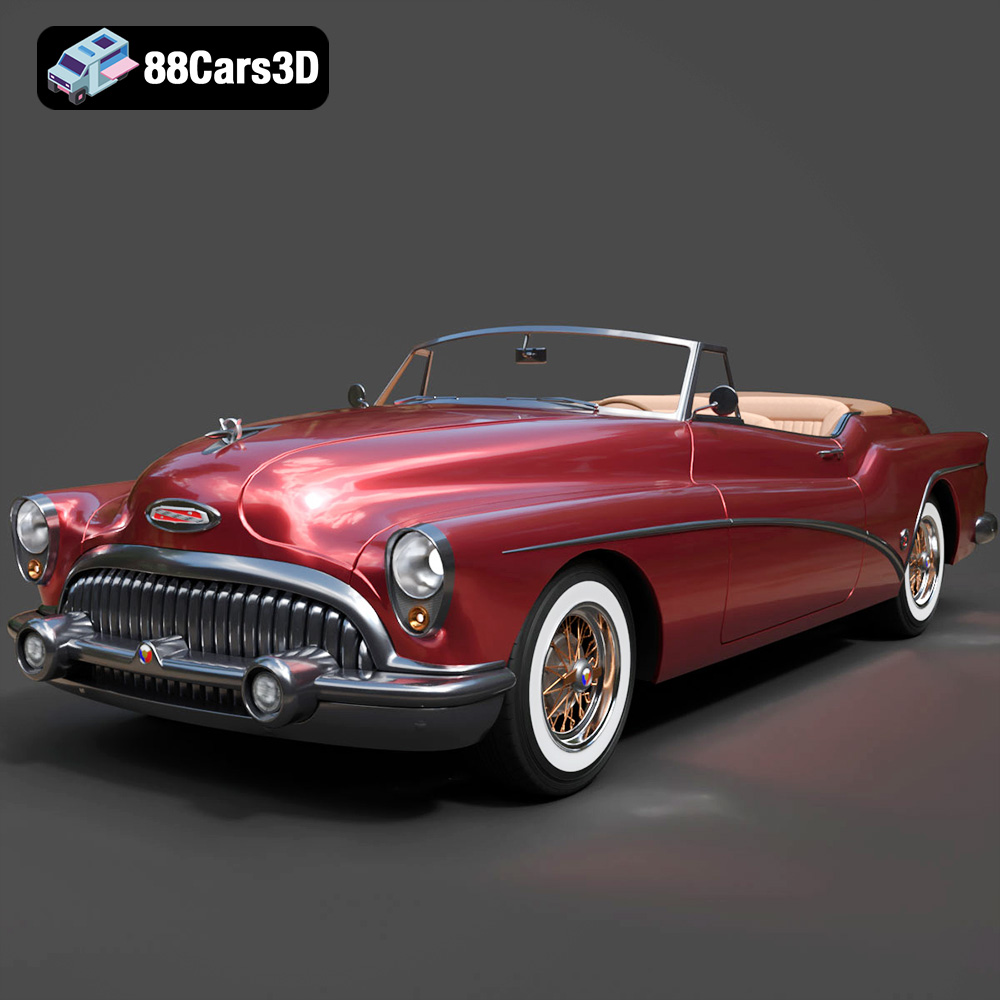
Texture: Yes
Material: Yes
Download the Buick Skylark Convertible 1953 3D Model featuring iconic 1950s styling, a detailed exterior with chrome accents, and an accurately modeled interior. Includes .blend, .fbx, .obj, .glb, .stl, .ply, .unreal, and .max formats for rendering, simulation, and game development.
Price: $10.79

Texture: Yes
Material: Yes
Download the Buick Roadmaster Hardtop Coupe 1957 3D Model featuring a classic American design with detailed exterior and interior. Includes .blend, .fbx, .obj, .glb, .stl, .ply, .unreal, and .max formats for rendering, simulation, and game development.
Price: $10.79
Texture: Yes
Material: Yes
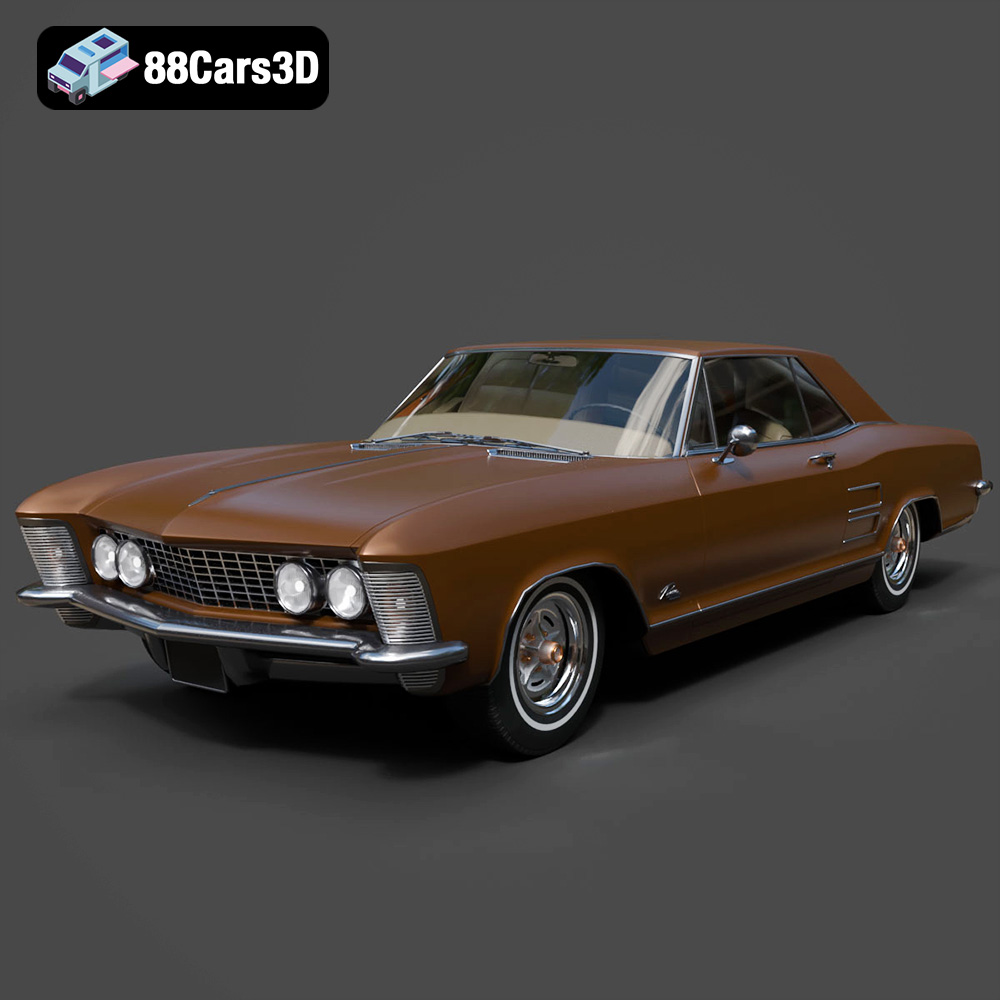
Download the Buick Riviera 1963 3D Model featuring classic American muscle car design and iconic styling. Includes .blend, .fbx, .obj, .glb, .stl, .ply, .unreal, and .max formats for rendering, simulation, and game development.
Price: $10.79

