⚡ FLASH SALE: Get 60% OFF All Premium 3D & STL Models! ⚡

The allure of classic cars, futuristic concept vehicles, and iconic race machines extends beyond their sleek exteriors. For many enthusiasts, the true magic lies within – the intricate dashboards, sculpted seats, and meticulously crafted steering wheels that define a car’s personality. Recreating these automotive gems in miniature is a rewarding endeavor, and 3D printing has revolutionized the accessibility and detail achievable for hobbyists and collectors. This guide delves deep into the process of transforming high-quality STL files, like those found on platforms such as 88cars3d.com, into stunningly detailed 3D printed car interiors. We’ll explore everything from file preparation and slicing strategies to printer settings and post-processing techniques, empowering you to bring these miniature worlds to life with professional-grade results.
Whether you’re using FDM or resin technology, understanding the nuances of printing small, intricate components is crucial. We’ll cover common pitfalls, advanced tips for achieving hyper-realism, and the essential software and hardware considerations. By the end of this article, you’ll possess the knowledge to tackle even the most complex interior models, turning your 3D printer into a gateway to a miniature automotive universe.
The journey to a perfect 3D print begins with the digital file. For car interiors, this typically means working with STL (STereoLithography) files. While seemingly simple, the underlying structure and quality of an STL file significantly impact the printability and final outcome. An STL file represents a 3D model’s surface geometry using a collection of triangular facets. The way these triangles are arranged, their density, and the overall integrity of the mesh are paramount for detailed prints.
When you download models from marketplaces such as 88cars3d.com, you’re often getting files specifically optimized for 3D printing. This means they’ve likely undergone crucial preparation steps. However, understanding these steps helps in troubleshooting and refining the process. Key aspects to consider include manifold geometry (watertight models with no holes or overlapping faces), normal direction (ensuring triangles face outwards), and the absence of non-manifold edges (where more than two faces meet at an edge).
The level of detail in the STL is another critical factor. Fine elements like dashboard buttons, stitching patterns on seats, or delicate trim pieces need to be modeled with sufficient resolution in the original CAD software and exported with an appropriate mesh density. Too low a density, and these details will be lost in the triangulation; too high, and the file size becomes unmanageable, potentially causing issues with slicing software.
Key Considerations for STL Quality:
Even print-ready files can sometimes benefit from a quick check. Software like Autodesk Netfabb, Meshmixer, or Blender (with its 3D-Print Toolbox add-on) are invaluable for diagnosing and repairing mesh issues. These tools can automatically detect and fix common problems like holes, non-manifold edges, and inverted normals. For intricate car interiors, focusing on repairing small gaps or disconnected components before slicing is essential. A quick automatic repair function in these tools can save hours of troubleshooting on the printer itself.
While STL is the most common, other formats like OBJ and FBX can also be used. OBJ can store color and texture information (though most slicers ignore this for geometry) and is often used for high-detail scans. FBX is common in game development and animation and can also contain complex scene data. For pure 3D printing, STL is generally preferred for its simplicity, but understanding these alternatives can be useful if you encounter models in different formats or if you’re exporting from complex modeling software.
The slicer is your digital bridge between the STL file and the physical 3D printer. It translates the 3D model into layer-by-layer instructions (G-code) that the printer follows. For detailed car interiors, the slicing process requires careful consideration of several parameters to capture fine details, ensure structural integrity, and minimize print time.
Layer Height: This is perhaps the most critical setting for detail. A smaller layer height results in finer resolution and smoother curves, crucial for features like dashboard curves, seat contours, and trim. For highly detailed interiors, layer heights between 0.05mm and 0.12mm are common for resin printers, while FDM printers might aim for 0.08mm to 0.15mm. However, reducing layer height significantly increases print time. A balance must be struck based on the printer’s capabilities and the desired level of detail versus the acceptable print duration.
Wall Thickness (Perimeters/Shells): Adequate wall thickness is vital for structural integrity, especially for thin, delicate parts of an interior. For small, detailed components, a minimum of 2-3 perimeters (or a wall thickness of 0.8mm to 1.2mm on FDM printers) is recommended. This ensures that even if the infill is sparse, the outer shell provides strength and prevents features from breaking off.
Print Speed: High print speeds can lead to ringing, ghosting, and poor layer adhesion, especially on complex geometries. For detailed interiors, significantly reducing print speed is often necessary. For outer walls, speeds as low as 20-40 mm/s on FDM printers are common. For inner walls and infill, slightly higher speeds might be acceptable. Resin printers generally have slower layer lift speeds but faster print times overall due to parallel curing.
Car interiors are rife with overhangs and bridges – think of the underside of dashboards, seats, and the steering column. Effective support generation is non-negotiable. Modern slicers offer advanced support options that are crucial for success:
For resin printers, supports are equally important but function differently. Fine-tipped supports are used, and their density and placement are critical to prevent print adhesion to the FEP film and ensure clean detachment from the build plate. Over-supporting can damage delicate details upon removal.
While many small interior parts might not require significant structural strength, infill plays a role in surface quality and minimizing print time. For most detailed car interior parts, a low infill density (5-15%) is usually sufficient. Patterns like gyroid or cubic offer good strength-to-weight ratios and are less prone to creating visible lines on the outer surface than rectilinear patterns. For extremely fine details that might be brittle, increasing infill slightly or ensuring sufficient wall thickness can provide needed rigidity.
The choice between Fused Deposition Modeling (FDM) and Stereolithography (SLA/DLP/MSLA) resin printing significantly impacts the achievable detail and workflow for car interiors. Both have their strengths and weaknesses.
FDM Printing:
FDM printers build objects layer by layer using thermoplastic filaments. They are generally more affordable, offer a wider range of materials (PLA, PETG, ABS), and have larger build volumes. However, the inherent layer lines are visible, and achieving extremely fine details can be challenging due to nozzle diameter limitations (typically 0.4mm, though 0.2mm or 0.15mm nozzles exist for higher resolution). For car interiors:
Resin Printing:
Resin printers cure liquid photopolymer resin layer by layer using a UV light source. They excel at producing incredibly high-resolution prints with smooth surfaces and sharp details, making them ideal for intricate models like car interiors. Platforms like Anycubic, Elegoo, and Creality offer robust and increasingly affordable MSLA (Masked Stereolithography Apparatus) printers.
Regardless of the technology, calibration is key. For FDM, ensure your extruder is calibrated for accurate filament extrusion and your bed is perfectly level. For resin, calibrating exposure times (e.g., using the AmeraLabs Town or Cones of Calibration tests) is vital to ensure prints adhere to the build plate without over-curing, which can obscure details.
For FDM, standard PLA is often sufficient for display models due to its ease of printing and good detail retention. If durability is a concern, PETG offers better impact resistance. For resin, standard grey or white resins offer a good balance of detail and printability. Specialized resins can mimic the look and feel of automotive plastics if needed.
How you orient your car interior model on the build plate and ensure it adheres properly are fundamental to achieving a successful print, especially with delicate parts. Incorrect orientation can lead to excessive support material, poor surface quality on visible areas, or print failures.
Optimizing Orientation:
Achieving Reliable Bed Adhesion:
For FDM printing, a brim is a single layer of extruded lines attached to the base of the model, increasing surface area for bed adhesion. A raft is a thicker base layer printed beneath the model, useful for very small contact areas or warped beds. For most detailed car interiors, a brim is usually sufficient if adhesion is a concern. Rafts can consume more material and leave a less desirable surface finish on the bottom of the print.
In resin printing, the “hairy” supports with fine tips are crucial. Ensure these supports connect firmly to the build plate and robustly to the model. The angle of these supports also influences peel forces. Experimenting with different support densities and tip sizes in your slicer (e.g., Lychee Slicer, ChiTuBox) is often necessary to find the sweet spot between reliable adhesion and clean removal without damaging delicate interior features.
Once the print is complete, the journey to a realistic car interior is far from over. Post-processing is where raw prints are transformed into museum-quality replicas. This stage demands patience, precision, and the right tools.
Support Removal:
This is often the most delicate step. For FDM, use flush cutters, hobby knives, and pliers to carefully snip away supports. Work slowly, making small cuts, and refer back to your slicer’s preview to understand where supports are attached. For resin, supports can often be snapped or cut away cleanly, but care must be taken not to damage fine details. A curing station can sometimes make resin supports easier to break.
Sanding and Surface Finishing:
For FDM prints, achieving a smooth surface often requires sanding. Start with a coarser grit (e.g., 220-400) to remove layer lines and support marks, gradually moving to finer grits (800, 1200, 2000+). Wet sanding can help prevent clogging sandpaper and produce a smoother finish. For resin prints, minimal sanding is usually needed, primarily to remove support nubs. Filler primers can be used to fill any minor imperfections before painting.
Filling and Smoothing:
Small gaps or imperfections can be filled with modeling putty, epoxy putty, or even specialized 3D printing fillers. For FDM, multi-part acetone vapor smoothing (with extreme caution and ventilation) can achieve a glass-like finish on ABS prints, though this is not suitable for PLA or resin prints.
Painting and Detailing:
This is where the interior truly comes to life. Use high-quality acrylic model paints. Start with a primer to ensure good paint adhesion. Use fine brushes for details like dashboard buttons, gauges, and trim. Techniques like dry brushing can highlight raised details, while washes can add depth and realism to recesses. Airbrushing can provide smooth base coats and gradients.
Assembly:
Many detailed car interiors are printed in multiple parts (dashboard, seats, center console) to facilitate printing and allow for easier painting of sub-assemblies. Use appropriate adhesives like CA glue (super glue), epoxy, or plastic cement, depending on the material. Ensure parts align correctly before the adhesive sets.
For PLA and PETG (FDM), start with 220-400 grit sandpaper and work up to 1200-2000 grit. Use a sanding block for flat surfaces. For resin, focus on removing support marks with 400-800 grit sandpaper. Always wear a dust mask when sanding.
Apply a thin, even coat of primer. For dark interiors, a grey or black primer is often best. For lighter interiors, white primer works well. Use multiple thin coats of color rather than one thick coat. Consider using decals for instrument cluster gauges or dashboard logos for ultimate realism.
To add a touch of realism, consider subtle weathering effects. A light dusting of pigments to simulate dust in crevices, or a slight wear effect on seat edges, can make the interior look lived-in and authentic. Use references of real car interiors to guide your weathering process.
Even with careful preparation, print failures can occur. Understanding common issues specific to detailed interior parts will save you time and filament.
Stringing and Oozing:
Common on FDM, stringing is caused by filament oozing out of the nozzle during travel moves. Key settings to adjust in your slicer include:
Warping and Lifting (FDM):
Occurs when the plastic cools and shrinks, pulling the print off the bed.
Layer Shifting:
Caused by the print head (or bed) suddenly skipping steps in the X or Y axis.
Failed Supports/Detachment (Resin):
Prints detach from the build plate or supports fail.
For extremely thin features like small buttons or antenna stalks, consider printing them separately at a larger scale or with a higher resolution nozzle (FDM) and attaching them later. For resin, ensure supports are robustly attached to these delicate areas.
For FDM, issues like ringing (wavy lines) can be fixed by reducing acceleration and jerk settings in the slicer or printer firmware. Elephant’s foot (first layer bulging) can be mitigated by adjusting the initial layer horizontal expansion setting. For resin, ensure proper exposure calibration and that the FEP film is in good condition.
3D printing detailed car interiors offers an unparalleled opportunity for enthusiasts to engage with their passion on a granular level. From the subtle curve of a dashboard to the intricate stitching on a seat, these miniature replicas are testaments to both the capabilities of modern 3D printing technology and the dedication of the maker. By understanding the nuances of STL file preparation, mastering your slicer settings, choosing the right printing technology and materials, and dedicating time to meticulous post-processing, you can achieve breathtaking results.
Remember that patience and experimentation are your greatest allies. Don’t be discouraged by initial failures; each print is a learning opportunity. Platforms like 88cars3d.com provide excellent starting points with high-quality, print-ready STL files, allowing you to focus on the printing and finishing process. Whether you’re creating a display piece for your collection, a diorama element, or a functional prototype, the techniques outlined here will serve as a solid foundation for success. Embrace the challenge, refine your skills, and enjoy the rewarding process of bringing these iconic automotive interiors to life in miniature form.
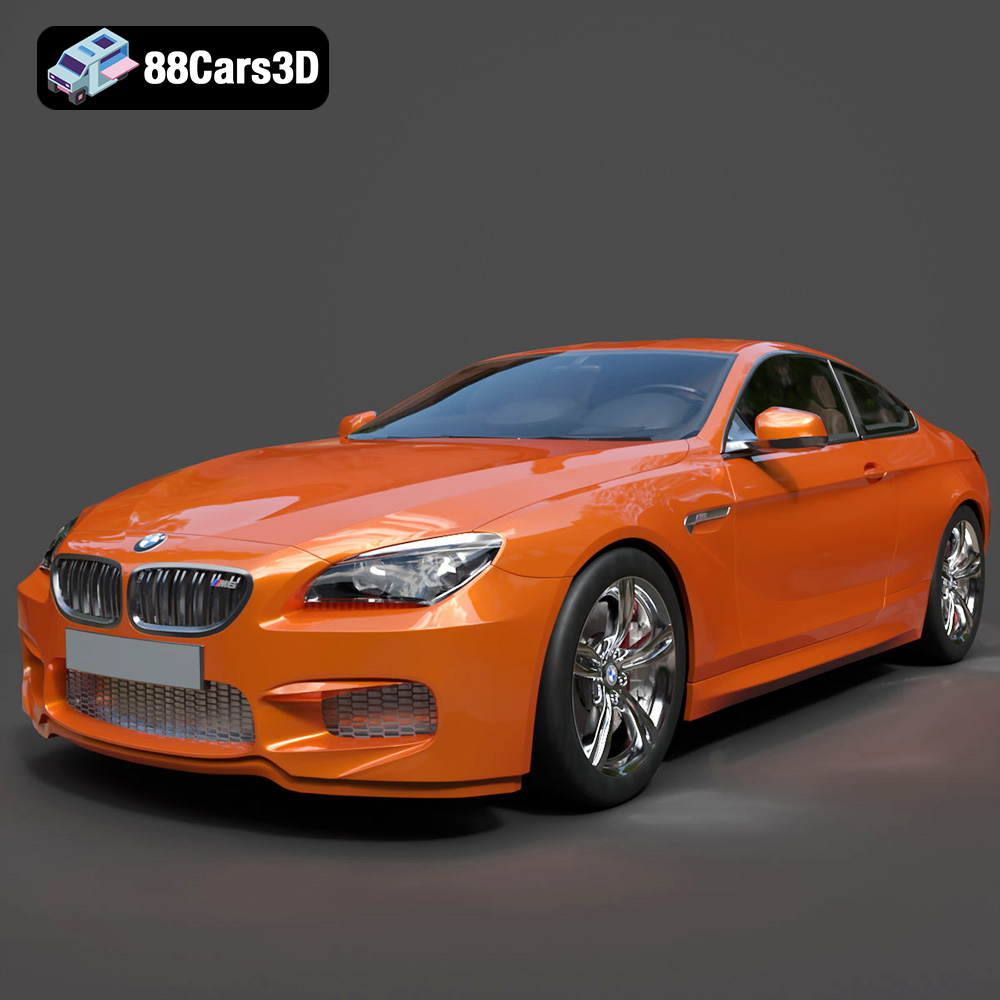
Texture: Yes
Material: Yes
Download the BMW M6 Coupe (F12) 3D Model featuring its iconic sporty design and luxurious details. Includes .blend, .fbx, .obj, .glb, .stl, .ply, .unreal, and .max formats for rendering, simulation, and game development.
Price: $10.79
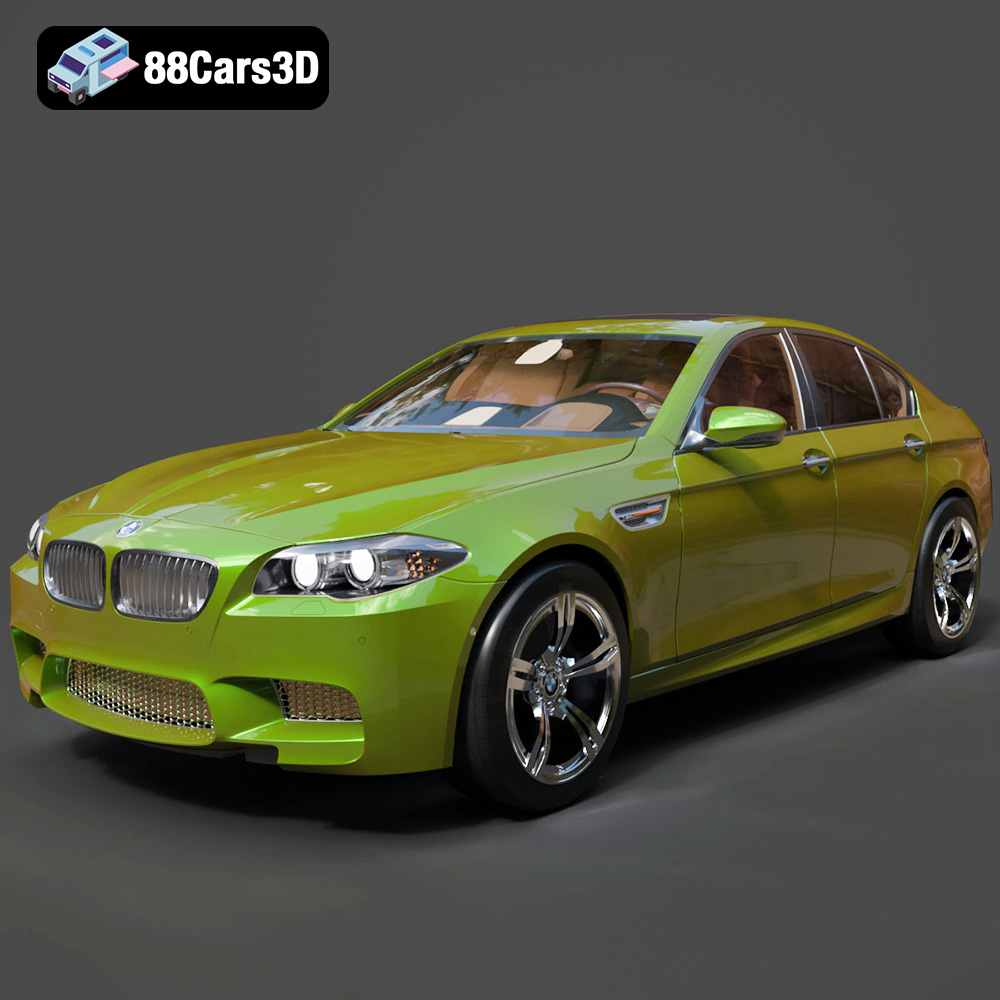
Texture: Yes
Material: Yes
Download the BMW M5 F10 3D Model featuring high-performance luxury sedan design, detailed interior, and realistic PBR textures. Includes .blend, .fbx, .obj, .glb, .stl, .ply, .unreal, and .max formats for rendering, simulation, and game development.
Price: $10.79
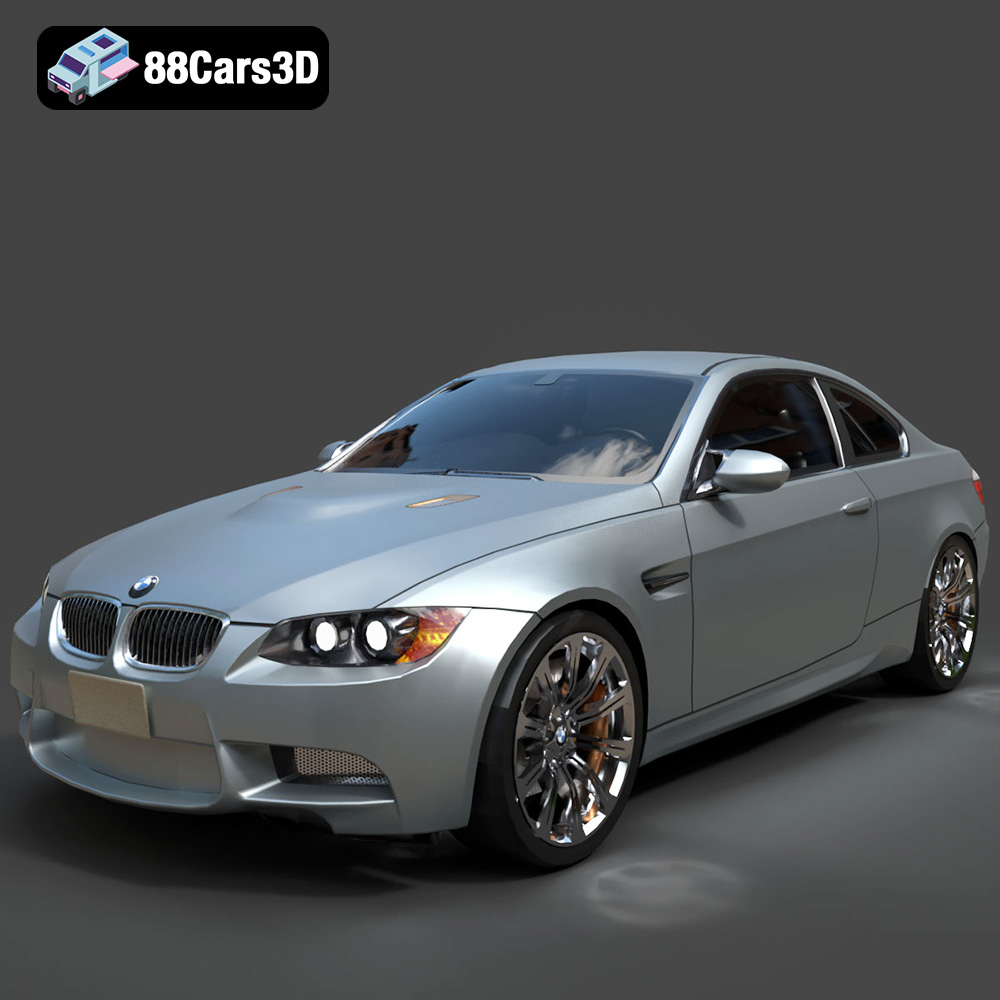
Texture: Yes
Material: Yes
Download the BMW M3 Coupe E92-002 3D Model featuring authentic styling, detailed exterior, and a faithful interior. Includes .blend, .fbx, .obj, .glb, .stl, .ply, .unreal, and .max formats for rendering, simulation, and game development.
Price: $10.79
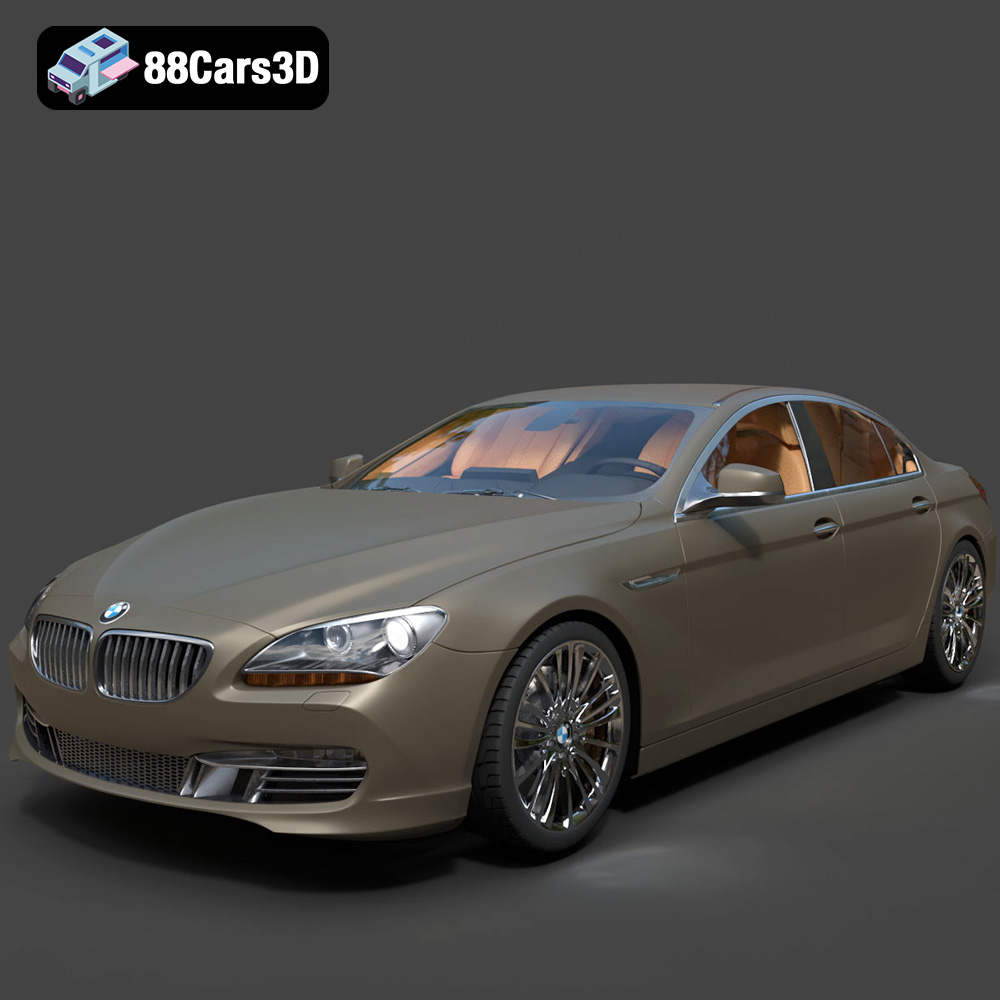
Texture: Yes
Material: Yes
Download the BMW 6 Series Gran Coupe 2013 3D Model featuring a sophisticated design, detailed exterior, and well-appointed interior. Includes .blend, .fbx, .obj, .glb, .stl, .ply, .unreal, and .max formats for rendering, simulation, and game development.
Price: $20.79
Texture: Yes
Material: Yes
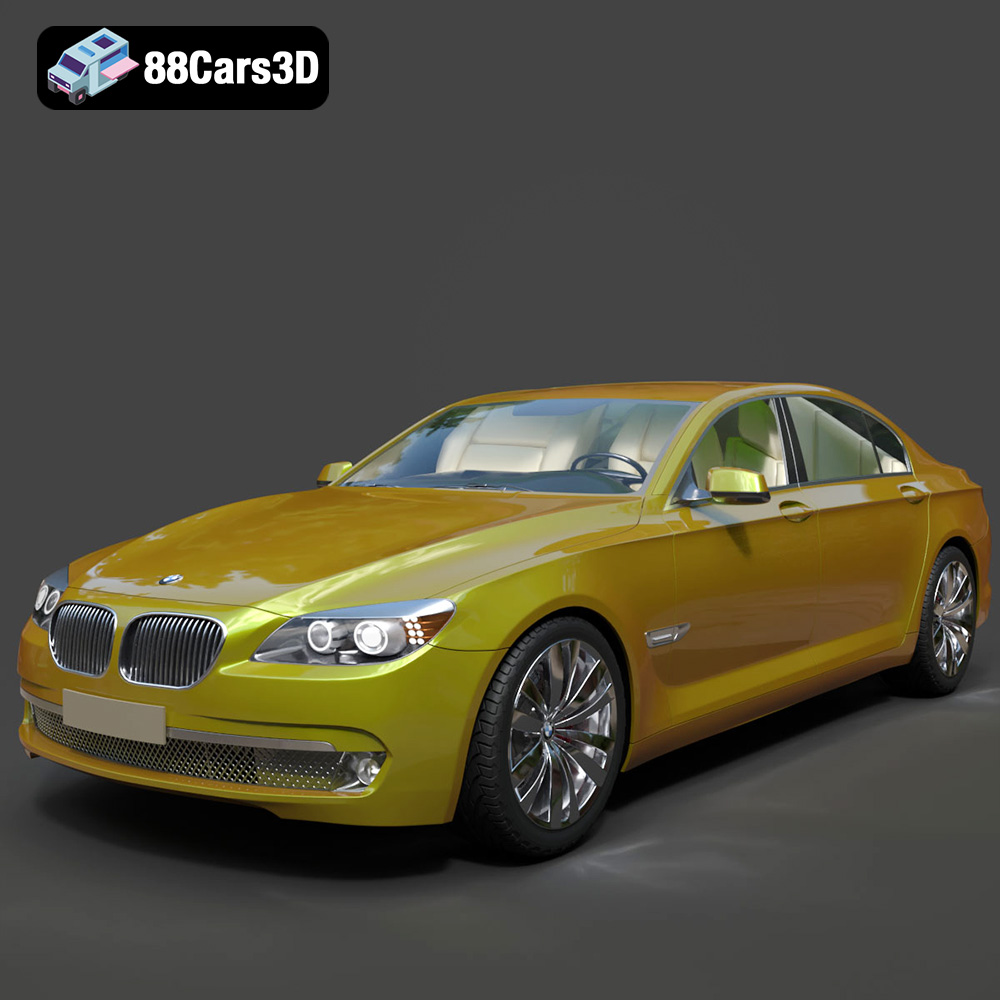
Download the BMW 7 Series 750 F01 3D Model featuring a detailed exterior and a luxurious interior. Includes .blend, .fbx, .obj, .glb, .stl, .ply, .unreal, and .max formats for rendering, simulation, and game development.
Price: $10.79
Texture: Yes
Material: Yes
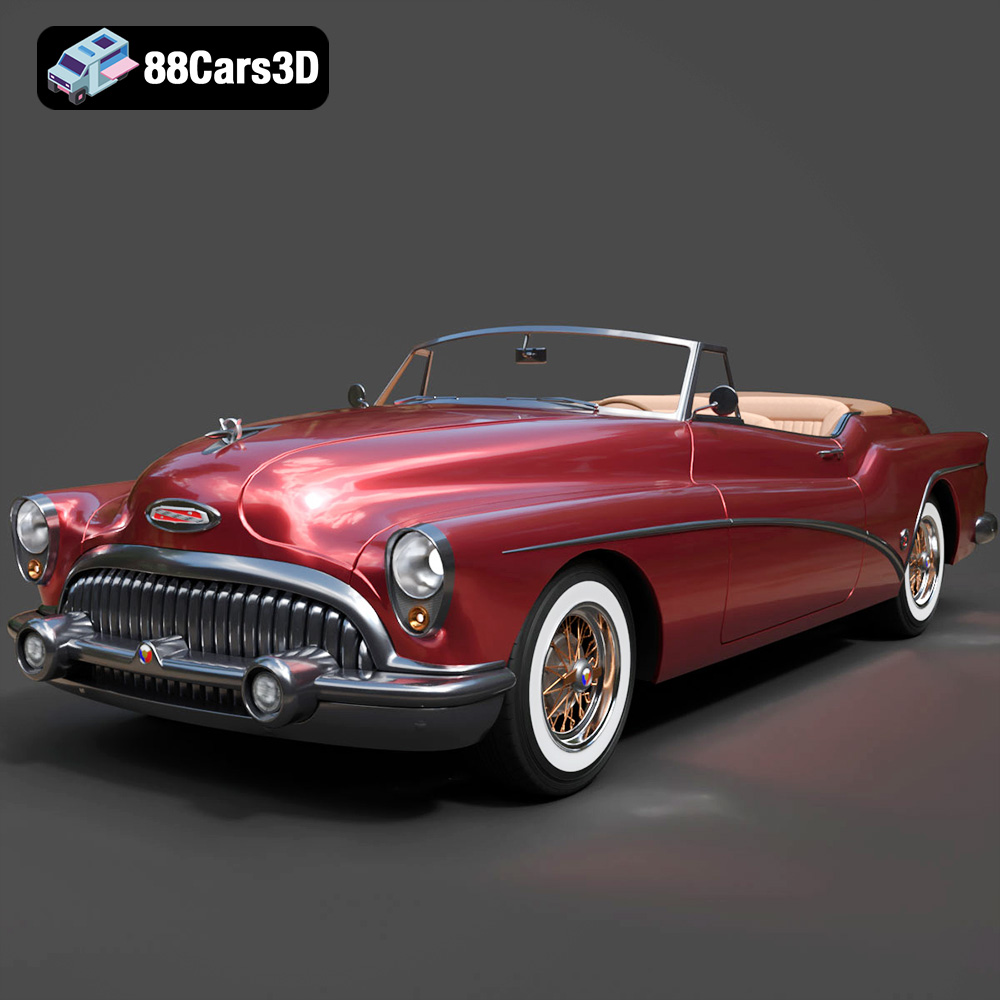
Download the Buick Skylark Convertible 1953 3D Model featuring iconic 1950s styling, a detailed exterior with chrome accents, and an accurately modeled interior. Includes .blend, .fbx, .obj, .glb, .stl, .ply, .unreal, and .max formats for rendering, simulation, and game development.
Price: $10.79

Texture: Yes
Material: Yes
Download the Buick Roadmaster Hardtop Coupe 1957 3D Model featuring a classic American design with detailed exterior and interior. Includes .blend, .fbx, .obj, .glb, .stl, .ply, .unreal, and .max formats for rendering, simulation, and game development.
Price: $10.79
Texture: Yes
Material: Yes
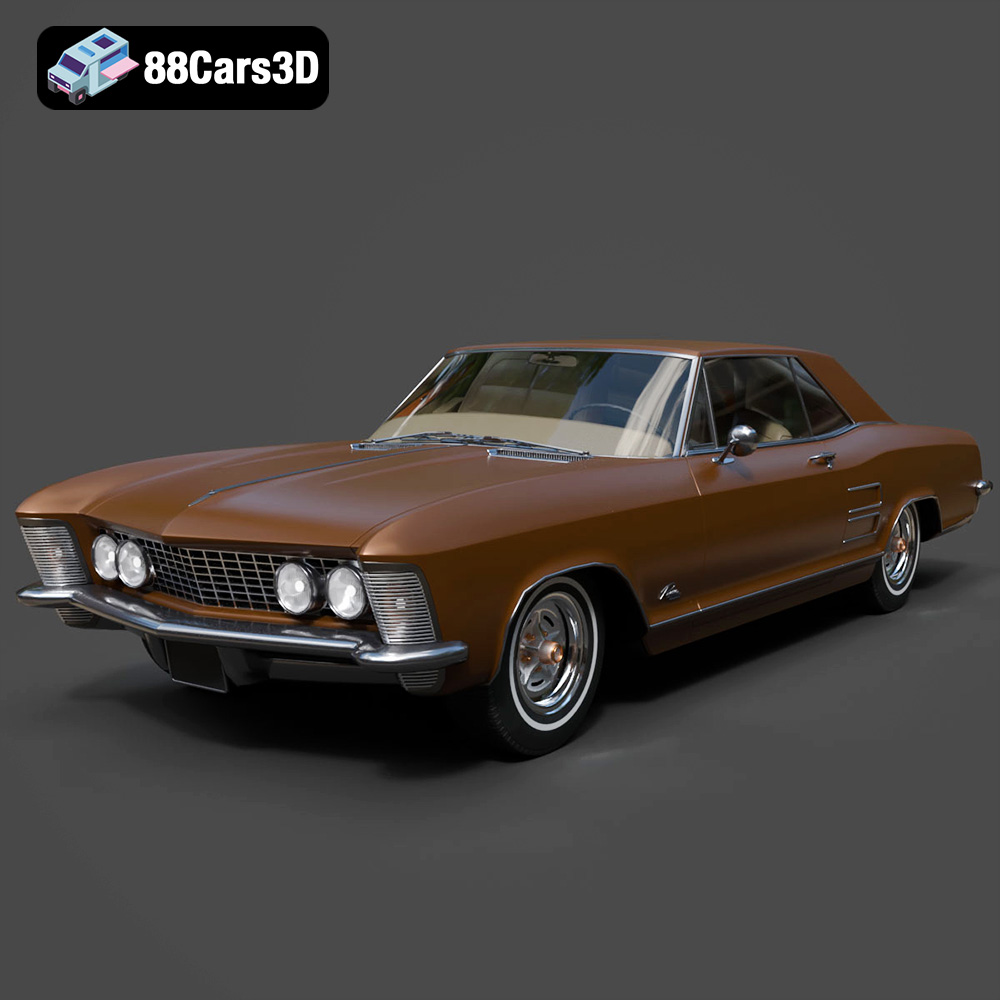
Download the Buick Riviera 1963 3D Model featuring classic American muscle car design and iconic styling. Includes .blend, .fbx, .obj, .glb, .stl, .ply, .unreal, and .max formats for rendering, simulation, and game development.
Price: $10.79
Texture: Yes
Material: Yes
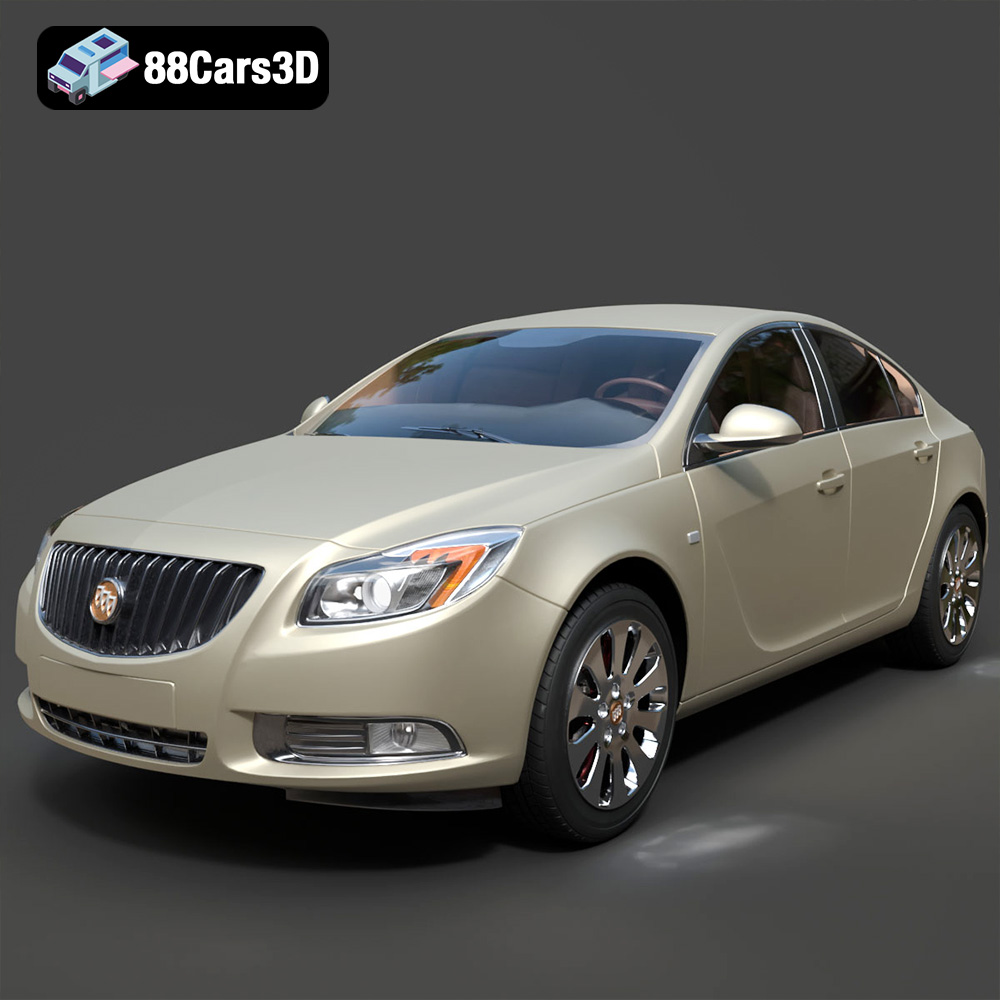
Download the Buick Regal 3D Model featuring a classic American sedan design, detailed exterior, and optimized interior. Includes .blend, .fbx, .obj, .glb, .stl, .ply, .unreal, and .max formats for rendering, simulation, and game development.
Price: $10.79
Texture: Yes
Material: Yes
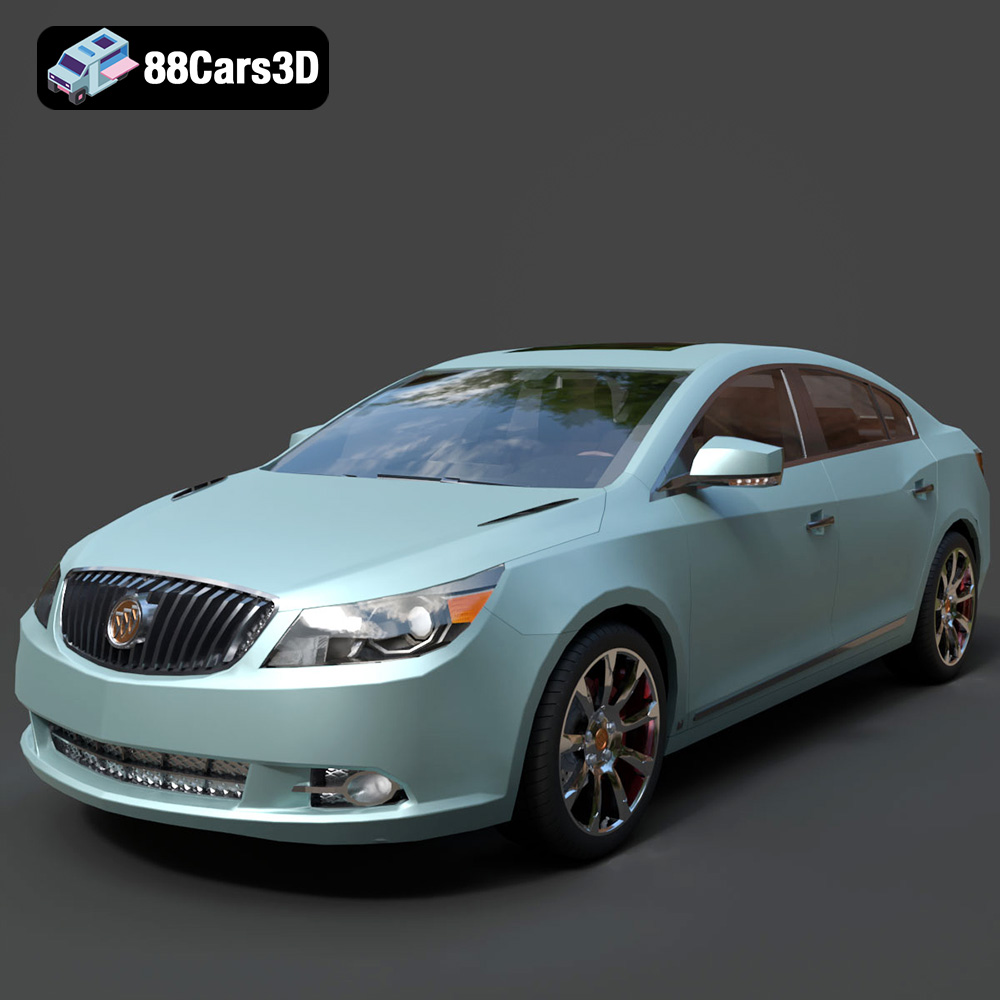
Download the Buick LaCrosse 3D Model featuring professional modeling and texture work. Includes .blend, .fbx, .obj, .glb, .stl, .ply, .unreal, and .max formats for rendering, simulation, and game development.
Price: $10.79

