⚡ FLASH SALE: Get 60% OFF All Premium 3D & STL Models! ⚡

“`html
The allure of bringing iconic automobiles and custom car designs to life in miniature through 3D printing is undeniable. Whether you’re a seasoned hobbyist aiming to expand your collection, a designer prototyping a new concept, or an educator demonstrating engineering principles, the quality of your 3D printed car models hinges on several critical technical factors. Among the most crucial are establishing correct wall thickness and implementing effective support structures. These elements directly impact the structural integrity, detail fidelity, and overall success of your prints. This comprehensive guide will delve deep into the technical nuances of preparing and printing 3D vehicle models, focusing on optimizing wall thickness for robustness and detail, and mastering support strategies to overcome complex geometries. We’ll explore workflows from file preparation to slicing and printing, arming you with the knowledge to transform your digital STL files into stunning physical representations of automotive art.
Before we can even think about slicing or printing, understanding the digital foundation—the STL file—is paramount. An STL (STereoLithography) file describes the surface geometry of a 3D object using a collection of triangular facets. For intricate models like those found on 88cars3d.com, the quality of this mesh is a direct precursor to print quality. A “watertight” or manifold mesh is essential; it means the surface defines a closed volume with no holes, internal faces, or overlapping triangles. Non-manifold geometry can confuse the slicer, leading to errors, missing features, or failed prints. Furthermore, the density and arrangement of these triangles (mesh topology) affect how well details are captured and how easily the model can be manipulated in slicing software.
When dealing with complex car models, often derived from CAD software or scanned data, mesh imperfections are common. These can include non-manifold edges (where more than two triangles share an edge), inverted normals (triangles facing the wrong way), or holes in the surface. Addressing these issues early in the workflow is critical. Software like Meshmixer, Blender, or Netfabb are invaluable tools for mesh repair. They provide automated and manual tools to identify and fix these common problems, ensuring the model is “clean” and ready for slicing. This preliminary step prevents many headaches down the line, particularly when dealing with models that have delicate features like mirrors, spoilers, or intricate grilles.
A typical mesh repair workflow might involve importing the STL into a dedicated software. For instance, in Meshmixer, you can use the “Inspector” tool to automatically detect and often fix errors. If automatic repair isn’t perfect, manual tools like “Make Solid” or “Hollow” (if applicable) can be employed. For more complex issues or to refine topology, Blender’s mesh editing tools offer unparalleled control. Key steps include:
It’s also vital to ensure the model is imported into your modeling or repair software at the correct scale and unit system. Often, STL files don’t contain unit information, leading to misinterpretations. A model designed to be 100mm long might import as 100 inches or 100 millimeters. Always verify dimensions and scale the model appropriately for your intended print size. For detailed car models, printing at a larger scale often reveals more detail but requires more material and time, and can expose smaller imperfections. Conversely, printing very small can lead to loss of fine features if the printer’s resolution or nozzle size isn’t suitable.
Wall thickness is arguably one of the most critical parameters for successful 3D printing, especially for complex models like cars that feature thin, delicate parts. The minimum wall thickness dictates how well your printer can reliably create a solid surface. If walls are too thin, they may not print at all, leading to gaps, holes, or the part breaking during printing or post-processing. If they are excessively thick, you waste material, increase print time, and can lose fine details. For FDM printing, the minimum wall thickness is often directly related to the nozzle diameter. A common rule of thumb is to set wall thickness to at least 2-3 times your nozzle diameter. For a standard 0.4mm nozzle, this means a minimum wall thickness of 0.8mm to 1.2mm for reliable printing.
However, car models present a unique challenge. They have integrated parts like body panels, interiors, and undercarriages that need to be robust enough to withstand handling and display, yet maintain aesthetic accuracy. Many models available from sources like 88cars3d.com are designed with this in mind, offering optimized wall thicknesses. When preparing a model, especially if you’re modifying it or printing at a different scale, consider the specific features. For instance, a spoiler or a side mirror might need thicker walls than a door panel to avoid snapping off. Conversely, internal engine components or dashboard details might benefit from thinner walls to preserve intricate sculpts, provided the printer can resolve them.
Most slicers (Cura, PrusaSlicer, Simplify3D) handle wall thickness through the “Wall Line Count” or “Perimeters” setting. If your nozzle is 0.4mm and you set “Wall Line Count” to 3, your slicer will attempt to create walls that are 1.2mm thick (3 lines * 0.4mm/line). This is generally a good starting point. However, for very fine details, you might need to ensure the *actual* wall thickness is sufficient. Some advanced slicers allow you to set a specific wall thickness value directly. It’s crucial to preview the sliced model, layer by layer, to visually confirm that thin sections are being rendered correctly and aren’t collapsing into nothingness.
For models with very thin, unsupported features (like tiny antennas or delicate trim), you might need to thicken these specific areas in a 3D modeling software before slicing. Alternatively, you can adjust slicer settings like “Print Thin Walls” (available in some slicers), which attempts to intelligently bridge small gaps, but this can sometimes distort details. Always test print critical or challenging sections at a smaller scale first to dial in settings before committing to a large, multi-hour print.
The choice of filament also plays a significant role in how well thin walls hold up. Materials like PLA are rigid but can be brittle, making thin walls more prone to snapping. PETG offers better layer adhesion and is less brittle, making it a good choice for parts requiring some flexibility and strength. ABS, while strong, can be more challenging to print due to warping. For high-detail resin prints (SLA/DLP), wall thickness is less about extrusion width and more about resin curing and structural support. Resin printers can achieve much finer details, but thin walls can still be fragile if not properly supported or if the resin itself is too brittle. For FDM, ensuring good layer adhesion through optimal temperature and cooling settings is vital for strong, cohesive walls.
Vehicle models are often characterized by complex geometries: overhangs (like spoilers, mirrors, rooflines), bridges (gaps between components), and intricate details. Without adequate support, these features will fail to print correctly, leading to sagging, stringing, or complete collapse. However, supports can also obscure detail and be difficult to remove, especially on delicate surfaces. The art of support generation lies in finding the balance: providing enough support to ensure print success without damaging the final model.
Modern slicers offer a sophisticated array of support options. Key settings include the type of support (normal, tree/organic), placement (touching build plate only, or everywhere), density, pattern, and interface layers. For car models, “touching build plate only” is often preferred initially, as it avoids generating supports directly on the detailed surfaces of the car body. However, many overhangs on a car (like the underside, wheel arches, or integrated spoilers) will require supports that touch the model itself.
Tree/Organic Supports: These are often the best choice for complex organic shapes and detailed models like cars. They branch out from a base and touch the model only where necessary, minimizing contact points and making removal cleaner. They are generally more material-efficient and faster to print than standard supports. Software like Cura offers “Tree Supports,” and PrusaSlicer has “Organic Supports.”
Contact Points: For FDM, the “Support Interface” settings are crucial. This creates a denser, more solid layer where the support meets the model, providing a better surface for overhangs to form on and making removal cleaner. Adjusting the “Support Interface Density” and “Support Interface Spacing” can significantly improve surface quality on supported areas. For resin printing, supports are even more critical, and often require more manual placement to ensure stability without obscuring fine details.
Placement: For models like cars, consider printing them upside down or on their side to minimize the need for supports on the most visible surfaces. However, this must be balanced with bed adhesion. If the underside is the primary contact point with the build plate, ensuring excellent adhesion is paramount. Sometimes, printing a car model in sections and assembling it later is the most practical approach, allowing for optimized support placement on each individual part.
FDM Printing: Supports are typically generated by the slicer based on overhang angles (e.g., anything over 45-60 degrees needs support). Key FDM support settings include:
Resin Printing: Supports are often handled within the slicing software (e.g., Lychee Slicer, ChiTuBox, PreForm) and require more manual intervention. Key considerations:
The slicing software is where the digital model is translated into machine instructions for your 3D printer. The parameters you choose here directly influence the print quality, speed, and success of your vehicle models. For detailed car models, achieving a smooth finish and capturing intricate details are often top priorities. This involves carefully balancing layer height, print speed, temperature, and cooling.
Layer Height: This is perhaps the most significant setting affecting surface finish. A smaller layer height (e.g., 0.1mm or even 0.08mm for FDM, and 0.025-0.05mm for resin) results in finer detail and smoother curves, reducing the visible “stair-stepping” effect on curved surfaces like body panels and wheel arches. However, lower layer heights dramatically increase print time. For FDM, a typical range might be 0.1mm to 0.2mm. For resin, lower layer heights are standard for achieving high fidelity.
Print Speed: Printing too fast can lead to poor layer adhesion, ringing artifacts, and reduced detail. For detailed car models, slowing down print speeds, especially for outer walls, is highly recommended. Consider reducing the overall print speed to 40-50mm/s and outer wall speed to 20-30mm/s for FDM. Resin print speeds are much faster but involve lift speeds and retraction speeds that need tuning.
Material temperature (nozzle and bed for FDM, and sometimes ambient temperature for resin) is crucial for good layer adhesion and print quality. Always use the filament manufacturer’s recommended temperature range as a starting point and perform temperature towers to find the optimal setting for your specific material and printer. For cooling, adequate part cooling (fan speed) is essential for FDM to solidify layers quickly, especially on overhangs and bridges. However, excessive cooling can weaken layer bonds, particularly with materials like ABS. Resin printers don’t use fans in the same way; cooling is passive or managed by the printer’s environment.
For car models, the primary goal is often surface quality and visual appearance rather than extreme structural strength (unless prototyping functional parts). Therefore, infill density can often be kept relatively low. An infill density of 10-15% is usually sufficient for FDM prints that will be displayed. Higher densities increase print time and material usage without significant visual benefit. The choice of infill pattern can also impact print time and strength. Patterns like Gyroid or Cubic are good all-rounders, providing strength in multiple directions. For hollow resin prints, infill is not applicable in the same way; instead, internal support structures or solid bodies are printed.
When slicing, it’s vital to preview the print layer by layer. This allows you to visually check for any potential issues, such as thin walls not being rendered, overhangs appearing unsupported, or details being lost due to settings. Many slicers also offer tools to estimate print time and material usage, which is invaluable for planning larger prints.
The orientation of your vehicle model on the build plate is a strategic decision that impacts nearly every aspect of the print: support requirements, surface quality, print time, and potential for failure. For FDM printing, the first layer is the foundation; if it doesn’t adhere well, the entire print is at risk. For resin printing, orientation is critical to minimize peeling forces during layer separation.
FDM Orientation Strategies:
Crucially, for any orientation, ensure sufficient contact area with the build plate. If a model has a very small footprint, it’s prone to detaching. Consider adding a brim or raft to increase the surface area of the first layer. A brim is a single layer of extruded material around the base of the print, while a raft is a thicker base structure. For detailed car models, a brim is usually preferred as it’s easier to remove and leaves fewer marks than a raft.
Good bed adhesion is non-negotiable. For FDM printers, this involves several factors:
For resin printing, orientation is about minimizing the “peel force” – the resistance as the build plate lifts after each layer cures. Large, flat surfaces parallel to the build plate create significant suction. Therefore, angling the model (typically 20-45 degrees) is crucial. This breaks up large areas, allowing the resin to flow more easily between the part and the FEP film on the vat during the peel. Supports then become essential to hold the angled model in place, with careful placement of support tips being vital to avoid damaging delicate features.
Tip: Always preview your print in the slicer with supports enabled, paying close attention to the first 10-20 layers and any areas with significant overhangs. This visual inspection is often the best way to catch potential orientation or support issues before they lead to a failed print.
The journey doesn’t end when the print is complete. Post-processing is a critical stage for achieving professional-looking results with your 3D printed car models. This involves support removal, surface finishing, and assembly. The techniques employed will vary depending on whether you used FDM or resin printing, and the desired final appearance.
Support Removal: This is often the most time-consuming and delicate part of post-processing. For FDM, carefully use pliers, flush cutters, and hobby knives to remove support material. Start with larger sections and work your way to smaller, more intricate areas. For resin prints, supports are often removed under running water or after a secondary curing session. Resin supports tend to be more brittle and can sometimes snap off cleanly, but care must be taken not to damage fine details.
Surface Finishing:
Once the model is smooth and prepared, painting can begin. Use acrylic paints, airbrushing, or spray paints designed for models. For realistic automotive finishes, clear coats are often applied after the base color. Decals and detailing can then be added. For multi-part car models, assembly will be required. Ensure tight tolerances in the original design or be prepared to do some minor fitting or sanding for a perfect fit. Adhesives like CA glue (super glue), epoxy, or plastic cement are commonly used.
Resin Print Specifics: After support removal and cleaning (washing in isopropyl alcohol or specialized cleaners), resin prints require UV curing to achieve their final hardness and durability. Ensure adequate curing time under a UV lamp or in sunlight. Many resin printers have built-in curing stations or recommend specific curing times and wavelengths.
The post-processing stage is where raw 3D prints transform into museum-quality display pieces. Patience and attention to detail here are key to unlocking the full potential of models sourced from marketplaces like 88cars3d.com, allowing you to showcase automotive artistry with pride.
Achieving consistently high-quality 3D prints of intricate vehicle models is a rewarding endeavor that combines technical understanding with practical application. We’ve journeyed through the critical aspects: ensuring your STL files are watertight and well-structured, meticulously optimizing wall thickness for both strength and detail, strategically implementing support structures to overcome complex geometries, fine-tuning slicer parameters for superior surface finish, and mastering print orientation for optimal results. The final steps of post-processing—from careful support removal to detailed painting—are what truly bring these digital creations to life.
By paying close attention to details like minimum wall thickness (often 2-3 times nozzle diameter for FDM), utilizing tree/organic supports where possible, considering print orientation to minimize supports on visible surfaces, and carefully calibrating your slicer settings (layer height, speed, temperature), you significantly increase your chances of success. Remember that every printer, material, and model is unique, so experimentation and test prints are invaluable. Resources offering pre-validated, print-ready STL files, such as 88cars3d.com, provide an excellent starting point, allowing you to focus on perfecting your printing and post-processing techniques.
Embrace the iterative process. Don’t be discouraged by early failures; view them as learning opportunities. Analyze what went wrong, adjust your settings, and try again. With practice and a solid understanding of these technical principles, you’ll be well on your way to printing stunning, detailed 3D car models that you can proudly display, share, or even use for functional prototyping. Happy printing!
“`

Texture: Yes
Material: Yes
Download the BMW M6 Coupe (F12) 3D Model featuring its iconic sporty design and luxurious details. Includes .blend, .fbx, .obj, .glb, .stl, .ply, .unreal, and .max formats for rendering, simulation, and game development.
Price: $10.79
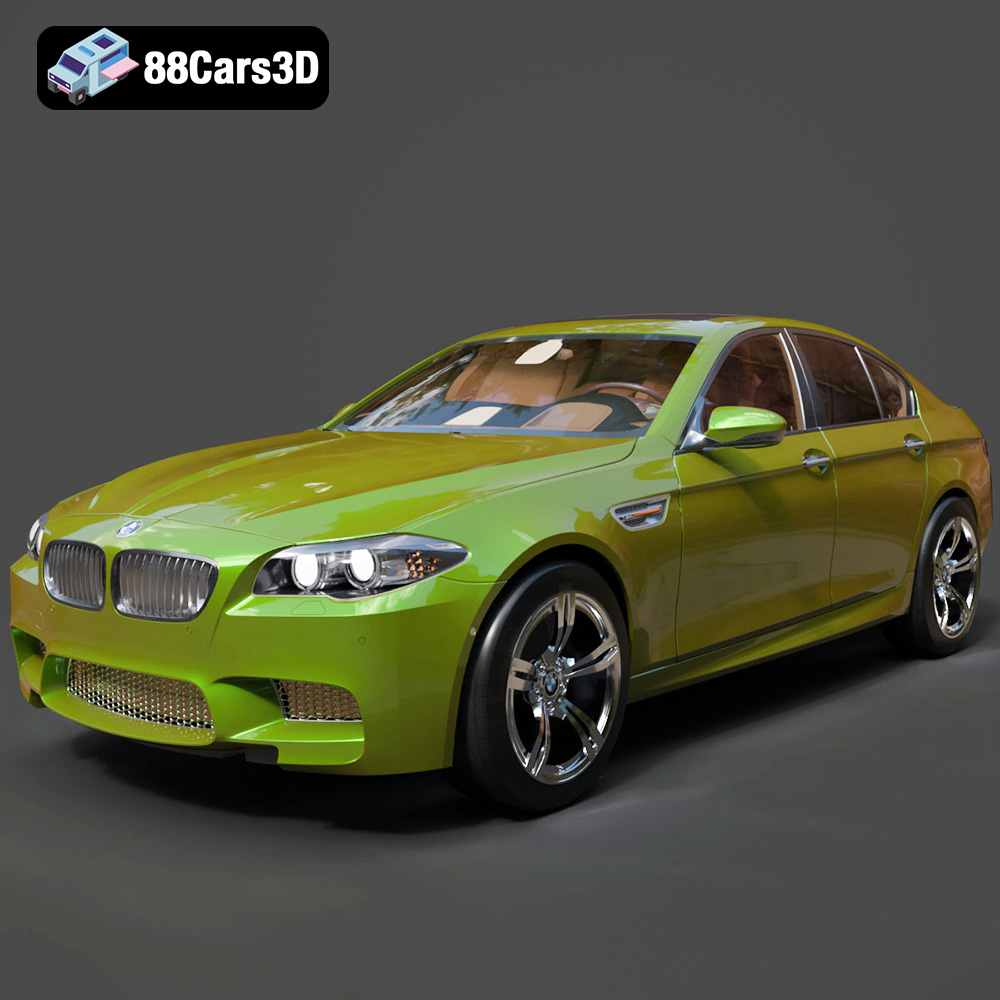
Texture: Yes
Material: Yes
Download the BMW M5 F10 3D Model featuring high-performance luxury sedan design, detailed interior, and realistic PBR textures. Includes .blend, .fbx, .obj, .glb, .stl, .ply, .unreal, and .max formats for rendering, simulation, and game development.
Price: $10.79
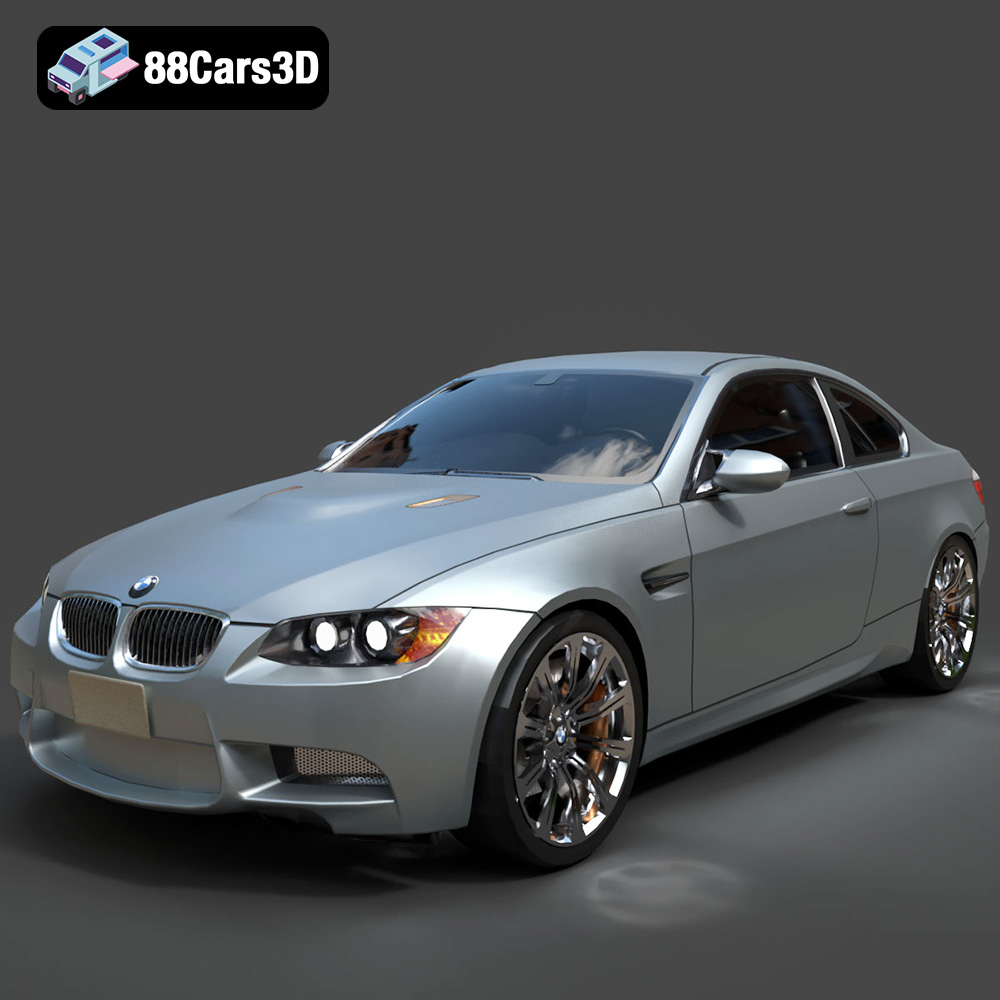
Texture: Yes
Material: Yes
Download the BMW M3 Coupe E92-002 3D Model featuring authentic styling, detailed exterior, and a faithful interior. Includes .blend, .fbx, .obj, .glb, .stl, .ply, .unreal, and .max formats for rendering, simulation, and game development.
Price: $10.79

Texture: Yes
Material: Yes
Download the BMW 6 Series Gran Coupe 2013 3D Model featuring a sophisticated design, detailed exterior, and well-appointed interior. Includes .blend, .fbx, .obj, .glb, .stl, .ply, .unreal, and .max formats for rendering, simulation, and game development.
Price: $20.79

Texture: Yes
Material: Yes
Download the BMW 7 Series 750 F01 3D Model featuring a detailed exterior and a luxurious interior. Includes .blend, .fbx, .obj, .glb, .stl, .ply, .unreal, and .max formats for rendering, simulation, and game development.
Price: $10.79
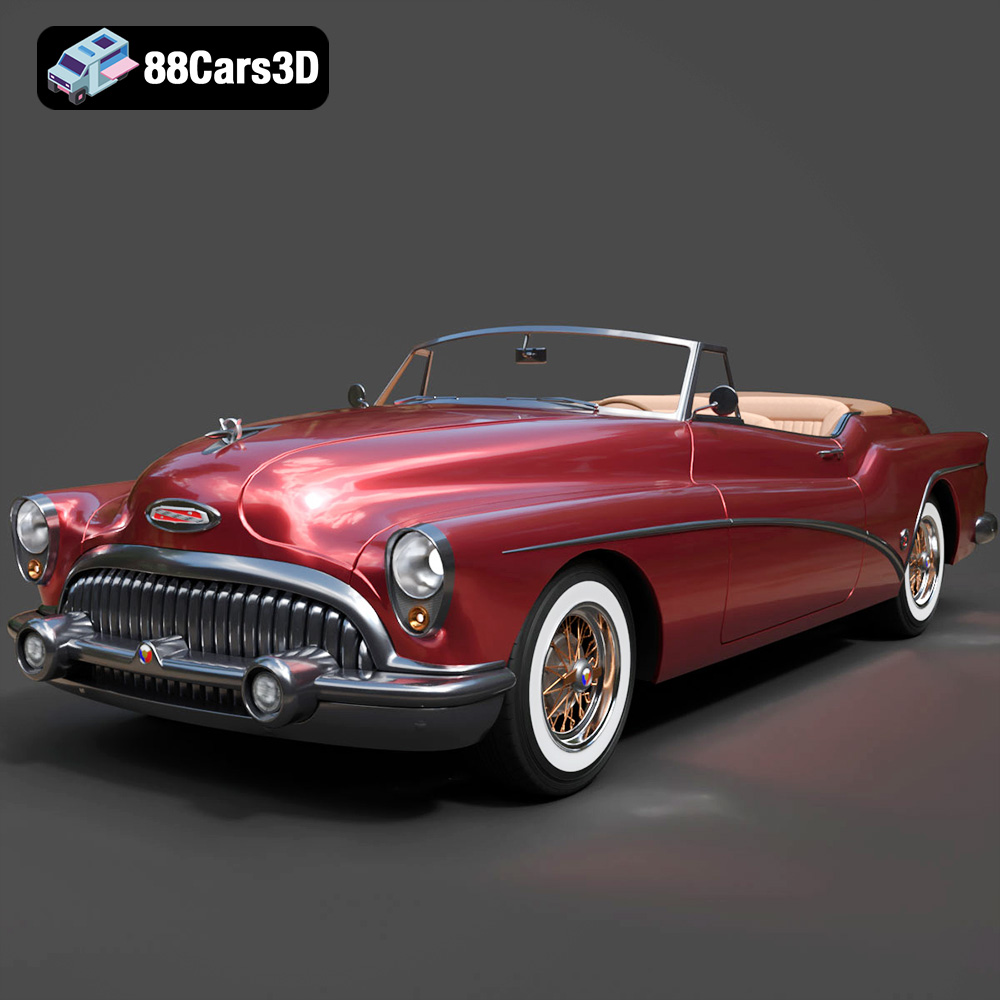
Texture: Yes
Material: Yes
Download the Buick Skylark Convertible 1953 3D Model featuring iconic 1950s styling, a detailed exterior with chrome accents, and an accurately modeled interior. Includes .blend, .fbx, .obj, .glb, .stl, .ply, .unreal, and .max formats for rendering, simulation, and game development.
Price: $10.79

Texture: Yes
Material: Yes
Download the Buick Roadmaster Hardtop Coupe 1957 3D Model featuring a classic American design with detailed exterior and interior. Includes .blend, .fbx, .obj, .glb, .stl, .ply, .unreal, and .max formats for rendering, simulation, and game development.
Price: $10.79
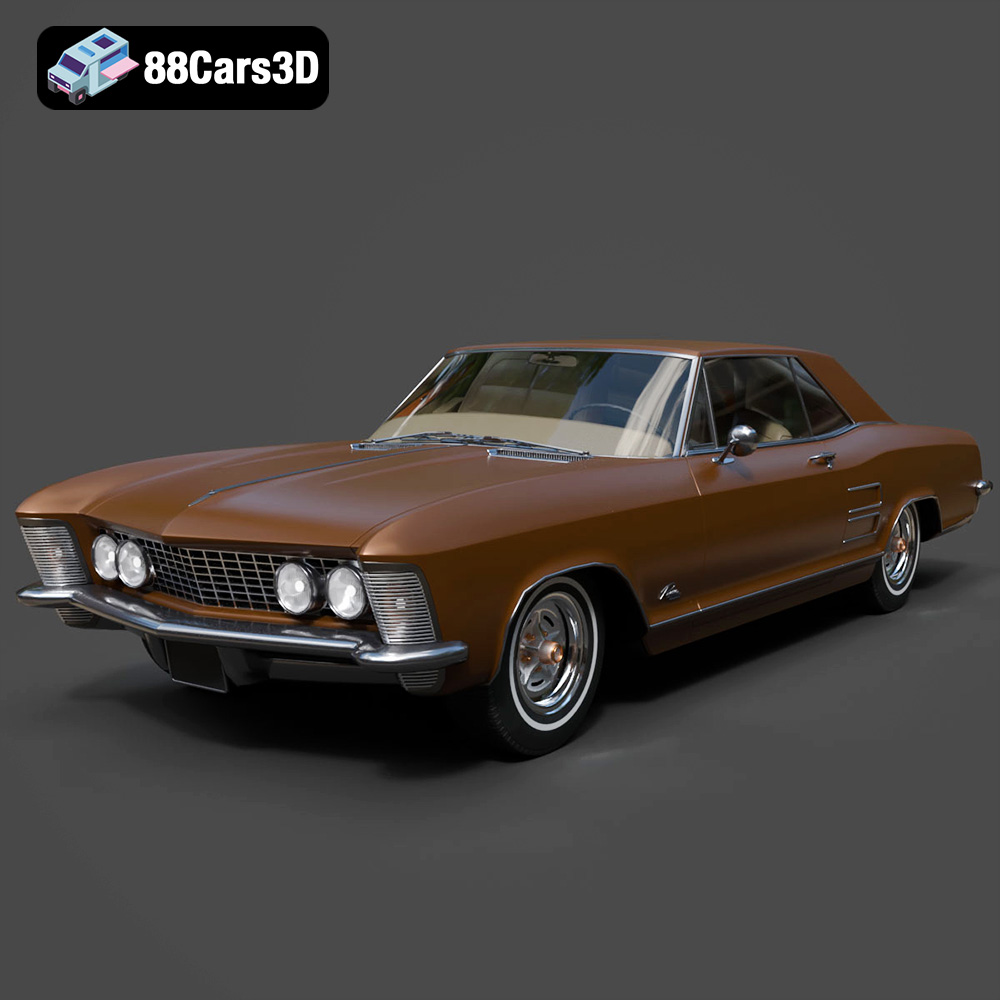
Texture: Yes
Material: Yes
Download the Buick Riviera 1963 3D Model featuring classic American muscle car design and iconic styling. Includes .blend, .fbx, .obj, .glb, .stl, .ply, .unreal, and .max formats for rendering, simulation, and game development.
Price: $10.79

Texture: Yes
Material: Yes
Download the Buick Regal 3D Model featuring a classic American sedan design, detailed exterior, and optimized interior. Includes .blend, .fbx, .obj, .glb, .stl, .ply, .unreal, and .max formats for rendering, simulation, and game development.
Price: $10.79
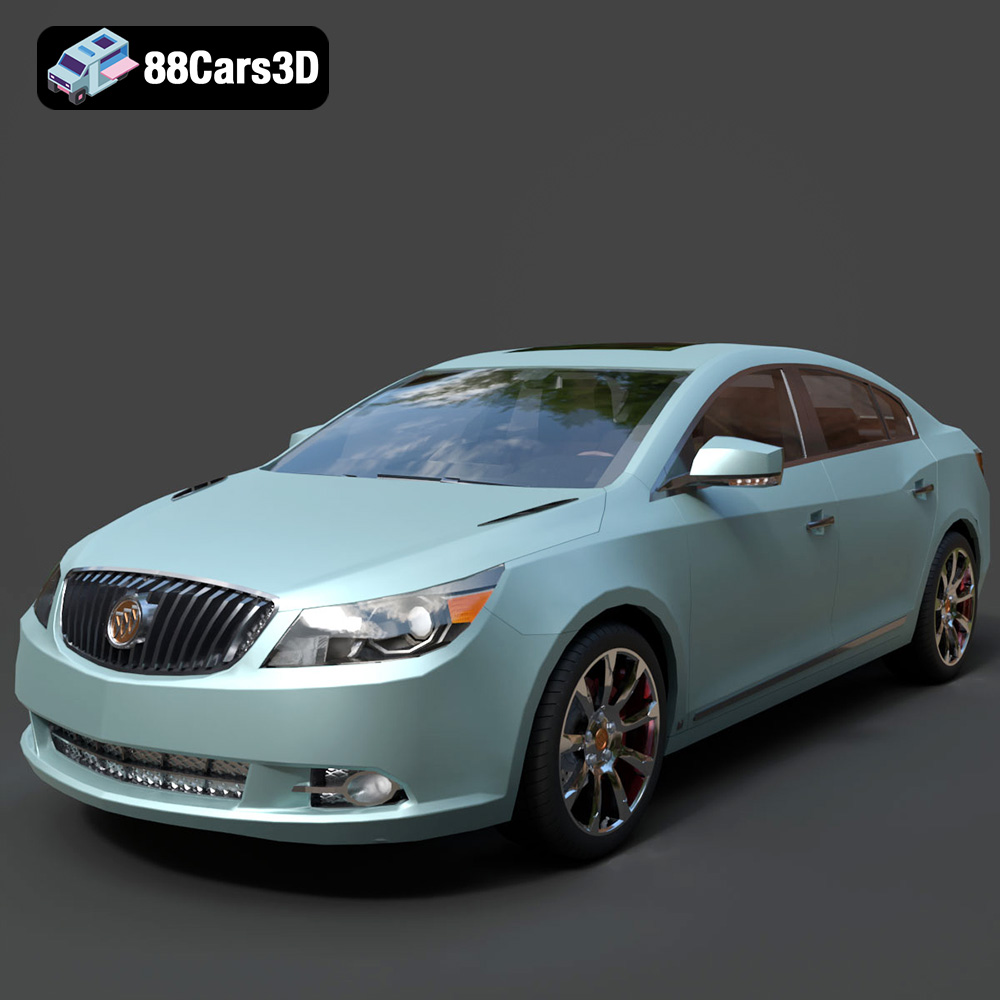
Texture: Yes
Material: Yes
Download the Buick LaCrosse 3D Model featuring professional modeling and texture work. Includes .blend, .fbx, .obj, .glb, .stl, .ply, .unreal, and .max formats for rendering, simulation, and game development.
Price: $10.79

