⚡ FLASH SALE: Get 60% OFF All Premium 3D & STL Models! ⚡

“`html
The world of 3D printing has exploded in accessibility, transforming hobbies, education, and even professional prototyping. For automotive enthusiasts and model makers, the ability to bring stunning car designs to life from digital STL files is a game-changer. Platforms like 88cars3d.com offer a treasure trove of meticulously crafted, print-ready car models, but the magic truly happens when these digital blueprints meet a capable 3D printer. For beginners, navigating the vast landscape of 3D printers can be daunting, especially when working with a budget. This guide is designed to demystify the process, focusing on budget-friendly 3D printers that are perfect for newcomers to the hobby. We’ll delve into the essential considerations, essential 3D printer settings, how to prepare your STL files for success, and the fundamental techniques for achieving high-quality prints, all without breaking the bank. Get ready to unlock your creative potential and start building your dream car collection, one layer at a time.
This article will equip you with the knowledge to select the right budget 3D printer, understand its core functionalities, and begin your journey into the rewarding world of 3D printing. We’ll cover everything from unpacking your new machine to successfully slicing and printing your first model, ensuring a smooth and enjoyable experience. Whether you’re printing intricate details of a classic sports car or the robust chassis of an off-road vehicle, these insights will set you on the path to success.
Selecting your inaugural 3D printer is a critical step. For beginners working with a budget, the focus should be on machines that offer a balance of ease of use, reliability, and good print quality without an exorbitant price tag. The vast majority of budget-friendly printers designed for hobbyists are Fused Deposition Modeling (FDM) printers. These work by extruding melted plastic filament layer by layer. While resin printers offer incredible detail, they often come with higher costs, more complex post-processing, and safety considerations that can be less beginner-friendly. For printing detailed car models from marketplaces like 88cars3d.com, a well-calibrated FDM printer can deliver impressive results, especially with advancements in nozzle technology and filament quality.
When evaluating budget FDM printers, look for features that simplify the printing process. An auto-bed leveling system is a significant advantage, as it automatically compensates for minor imperfections on the print bed, reducing the chances of print adhesion failures, a common frustration for beginners. A heated build plate is also crucial; it helps the first layer of your print adhere securely to the bed, preventing warping and detachment during the printing process. Consider printers with a larger build volume if you plan on printing larger car models or multiple smaller components simultaneously. Firmware that supports features like filament run-out detection and print recovery (resuming a print after a power outage) can save you from failed prints and wasted material. Finally, ensure the printer has a good community support base. Online forums, social media groups, and manufacturer-provided documentation can be invaluable resources when you encounter questions or troubleshooting challenges.
At its core, FDM 3D printing relies on a heated nozzle that melts thermoplastic filament and deposits it precisely onto a build platform. The filament, typically a 1.75mm diameter spool, is fed through the extruder assembly to the hotend. The hotend heats the filament to its melting point (e.g., around 200-230°C for PLA) and then extrudes it through a small orifice, usually ranging from 0.4mm to 0.6mm in diameter. The printer’s motion system, controlled by stepper motors, moves the nozzle (or the build plate) along the X, Y, and Z axes to create the desired shape, layer by layer. The build plate is often heated to temperatures between 50-110°C to ensure the initial layers of the print adhere well and to prevent warping, especially with materials like ABS.
For beginners, understanding these basic components is key to troubleshooting. If your prints aren’t sticking, the issue might be with bed adhesion (temperature, leveling, or surface prep). If layers are separating, it could be an under-extrusion problem or an incorrect nozzle temperature. The choice of filament also plays a significant role. For most beginners, Polylactic Acid (PLA) is the recommended material due to its ease of printing, low warping, and minimal fumes. However, for more durable prints or those requiring higher temperature resistance, PETG or ABS might be considered, though they demand more advanced settings and potentially an enclosure.
When comparing budget 3D printers, several specifications stand out. Firstly, Print Volume is critical; it dictates the maximum size of an object you can print. A typical beginner-friendly volume might be around 220x220x250mm, suitable for most car models from 88cars3d.com. Secondly, Layer Height Resolution determines the level of detail. While most budget printers can achieve a layer height of 0.1mm, some can go down to 0.05mm, offering finer surface finishes. Thirdly, Nozzle Diameter is usually standard at 0.4mm, but options for smaller (0.2mm) or larger (0.6mm, 0.8mm) nozzles can influence detail and print speed. A 0.4mm nozzle offers a good balance for most applications. Fourth, Print Speed is often advertised, but focus on a realistic speed for quality prints, typically 40-80 mm/s for FDM. Finally, check for Connectivity Options such as SD card, USB, and Wi-Fi, and ensure the printer’s power supply is reliable and safe.
The STL file format is the de facto standard for 3D printing. It represents a 3D model as a collection of triangular facets. While simple in concept, the quality of the STL file directly impacts the success of your print. Models from reputable sources like 88cars3d.com are typically well-optimized, featuring clean geometry, watertight meshes, and appropriate wall thicknesses. However, understanding what makes a “good” STL file and how to prepare it for your specific printer is crucial for achieving those perfect, detailed car models.
The primary software used to translate an STL file into instructions your 3D printer can understand is called a “slicer.” Popular free options include Ultimaker Cura, PrusaSlicer, and Creality Slicer. These programs take your STL, allow you to orient it, add supports if needed, and then convert it into G-code – a series of commands that tell the printer exactly where to move, how fast, and what temperature to use for each layer. The settings within your slicer are paramount. For beginners, starting with pre-configured profiles for your specific printer model and filament type is recommended. These profiles provide a solid baseline, but learning to tweak key settings will unlock even better results.
Slicing involves a multitude of settings, but for beginners, focusing on a few core parameters will yield the most significant improvements. Layer Height is a primary driver of detail and print time. A smaller layer height (e.g., 0.1mm) results in finer details and a smoother surface finish, ideal for the intricate curves of car models, but it significantly increases print time. A larger layer height (e.g., 0.2mm or 0.3mm) prints much faster but results in more visible layer lines. For most budget FDM printers, 0.15mm to 0.2mm offers a good compromise between detail and speed.
Infill Density and Pattern control the internal structure of your print. For display models, a low infill density (5-15%) is often sufficient, saving material and print time. Patterns like “grid,” “gyroid,” or “cubic” are good choices. Higher infill percentages are generally needed for functional parts requiring strength. Print Speed is another crucial setting. While printers advertise high speeds, printing detailed car models often benefits from slower speeds, around 40-60 mm/s for the outer walls and 60-80 mm/s for infill, to ensure good layer adhesion and surface quality. Temperature Settings (nozzle and bed) are critical for filament adhesion and material properties. Always refer to the filament manufacturer’s recommendations, but typical starting points are 200-210°C for the nozzle and 50-60°C for the bed with PLA.
Many 3D printable car models feature overhangs and bridges – parts of the model that extend horizontally without direct support from below. For these features to print successfully, support structures are necessary. Your slicer software can automatically generate these supports. Key settings to consider include Support Type (e.g., “normal” or “tree” supports), Overhang Angle (the angle at which supports are generated, often 45-60 degrees), and Support Density. Tree supports, if available in your slicer, can be more efficient and easier to remove for complex geometries.
The goal is to create supports that are strong enough to hold up the overhanging parts but also easy to remove without damaging the model. Settings like Support Interface Density and Support Z Distance (the gap between the model and the support) are vital. A larger Z distance makes removal easier but can lead to a rougher surface finish on the underside of the overhang. Experimenting with these settings is key. Sometimes, manually modeling supports in software like Meshmixer or Blender can offer more control for particularly challenging overhangs. For car models, supports are often needed for wheel arches, spoilers, and underbody components.
How you orient your STL file on the virtual build plate of your slicer, and how well that first layer adheres to the actual print bed, are perhaps the most critical factors for print success, especially for delicate models. Incorrect orientation can lead to excessive support material, weak layer adhesion in crucial areas, and a poor overall finish. Similarly, a print that detaches from the bed halfway through is a complete waste of time and material.
When orienting a car model, consider minimizing overhangs and steep angles where possible by tilting the model. For example, printing a car body upright often requires extensive supports inside the cabin and under the chassis. Rotating the model to print on its side or even upside down (with supports on the roof) might significantly reduce the amount of support material needed and improve the surface quality on the most visible parts. Always evaluate the trade-offs. For instance, printing a car on its wheels might require supports for the wheel wells, but it might offer the best finish on the car’s exterior.
Achieving robust bed adhesion is fundamental for any 3D print. For FDM printers, a heated bed is standard, but the surface of the bed itself matters. Many printers come with a build surface like PLA or PEI (Polyetherimide). For PLA, a bed temperature of 50-60°C is typically sufficient. If you’re experiencing adhesion issues, consider using an adhesion helper like a glue stick (e.g., Elmer’s Purple) or hairspray applied to the print bed. Ensure the print bed is clean; any oils or dust from fingerprints can impede adhesion.
Leveling the bed is paramount, even with auto-bed leveling. Manual bed leveling ensures the nozzle is at a consistent distance from the build plate across its entire surface. This distance should be just enough for the filament to squish down and adhere. A common method is using a piece of standard printer paper; you should feel a slight drag when sliding the paper between the nozzle and the bed. Slicer settings like “Build Plate Adhesion Type” (Skirt, Brim, or Raft) can also help. A Brim adds a single layer of plastic around the base of your print, increasing the surface area in contact with the bed, which is excellent for preventing warping on parts with small footprints. A Raft prints a thicker base layer on which your model sits, providing maximum adhesion but using more material and potentially leaving a rougher bottom surface.
When dealing with complex automotive models, strategic orientation is key to minimizing print failures and maximizing aesthetic appeal. For instance, printing a car body upright might seem intuitive, but the undercarriage, wheel wells, and interior details can require substantial, difficult-to-remove supports. Consider printing the body on its side. This typically requires supports for the door sills and wheel wells, but the roof and upper body panels will have a cleaner finish. For very complex shapes, splitting the model into multiple parts (e.g., body, chassis, wheels, spoilers) and printing them separately allows for optimal orientation of each component. This approach also makes painting and assembly much easier.
When printing parts like wheels, orienting them flat on the build plate generally offers the best results. For components with significant overhangs, such as rear spoilers or intricate grilles, investigate the “tree” support option in your slicer. Tree supports often use less material and are designed to touch the model at fewer points, making them easier to remove and leaving less scarring. Always preview the sliced model, paying close attention to areas where supports are generated and how they connect to the main model. This preview is your best tool for identifying potential problem areas before committing to a long print.
The choice of filament material significantly impacts the visual appearance, durability, and suitability of your 3D printed car models. For beginners and budget printers, PLA (Polylactic Acid) is the undisputed champion. It’s easy to print, available in a vast array of colors (including metallic finishes perfect for cars), has low shrinkage, and requires relatively low printing temperatures. Its main drawback is its lower heat resistance and brittleness compared to other materials.
As you gain experience, you might explore PETG (Polyethylene Terephthalate Glycol). It offers increased strength, temperature resistance, and layer adhesion compared to PLA, making it a good choice for functional parts or models that might be handled frequently. However, PETG can be stringier and requires slightly higher printing temperatures and more careful retraction settings. ABS (Acrylonitrile Butadiene Styrene), the material used in LEGO bricks, is known for its toughness and high-temperature resistance but is considerably more challenging to print. It requires a heated bed (often above 90°C), a nozzle temperature around 230-250°C, and ideally an enclosure to prevent warping and cracking due to its high thermal expansion. For most display car models from 88cars3d.com, high-quality PLA is more than adequate and significantly easier to manage.
A well-calibrated 3D printer is the foundation for consistent, high-quality prints. Calibration ensures that your printer is performing accurately according to its design. Key calibration steps include ensuring the printer is level (as discussed earlier), but also calibrating the Extruder E-steps and Flow Rate (or Extrusion Multiplier). E-steps calibration ensures that when the printer is commanded to extrude 100mm of filament, it actually extrudes 100mm. This is crucial for ensuring the correct amount of plastic is deposited.
Flow rate calibration fine-tunes the amount of plastic extruded, compensating for slight variations in filament diameter or extruder mechanics. Over-extrusion can lead to blobs and dimensional inaccuracies, while under-extrusion results in gaps and weak layer adhesion. Many online guides detail how to calibrate these settings, typically involving measuring extruded filament length or printing calibration cubes and measuring their wall thickness. Regular maintenance, such as cleaning the nozzle, lubricating the smooth rods and lead screws, and checking belt tension, also contributes significantly to print quality and longevity.
Even with the best budget printers and careful preparation, issues can arise. Stringing, those fine wisps of filament between separate parts of the model, is often caused by incorrect retraction settings (distance and speed) or high nozzle temperatures. Lowering the temperature slightly, increasing retraction distance, or increasing retraction speed can help. Warping, where the corners of the print lift off the bed, is usually due to poor bed adhesion or cooling too quickly. Ensure your bed is level and at the correct temperature, use a brim or raft, and avoid drafts, especially when printing with ABS.
Layer Shifting, where layers are misaligned along the X or Y axis, can be caused by the print head snagging on the print or an improperly tensioned belt. Check that your belts are taut but not overly tight, and ensure there are no obstructions on the print path. Under-extrusion (gaps in layers, weak prints) can be due to a clogged nozzle, incorrect E-steps, low flow rate, or a printing temperature that’s too low. Conversely, Over-extrusion (blobs, dimension inaccuracy) points to E-steps being too high, flow rate too high, or nozzle temperature too high. Learning to identify these common failures and systematically troubleshoot them is a key skill for any 3D printer operator.
Once your 3D printer has successfully laid down the final layer, the journey isn’t quite over. Post-processing is the crucial step that transforms a raw plastic print into a polished, display-ready model. For intricate car models downloaded from marketplaces like 88cars3d.com, post-processing can elevate them from hobbyist prints to professional-looking replicas. The techniques involved range from simple support removal to more advanced finishing methods like sanding, filling, and painting.
The first step is always carefully removing the support structures. This can be done with pliers, flush cutters, hobby knives, or even specialized support removal tools. Take your time, especially with delicate parts, to avoid damaging the model. For FDM prints, layer lines are often visible. Sanding is the primary method for smoothing these out. Starting with coarser grit sandpaper (e.g., 120-220 grit) and progressively moving to finer grits (e.g., 400, 800, 1000+ grit) will yield progressively smoother surfaces. Wet sanding, where you use water with the sandpaper, can help reduce dust and achieve an even smoother finish.
After initial sanding, you might notice small gaps or imperfections, especially where supports were attached or due to minor printing defects. Here, filler materials come into play. For PLA and PETG, wood filler or specialized model putty can be used to fill these imperfections. Apply the filler, let it dry completely according to the product instructions, and then sand it smooth again. Repeating this process can achieve a perfectly seamless surface, crucial for automotive paint jobs.
Once you’re satisfied with the smoothness, priming is essential. A good quality primer spray paint will fill in any remaining microscopic imperfections and provide a uniform base color for your paint. It also helps reveal any areas you might have missed during sanding. Choose a primer suitable for plastics. Apply in thin, even coats, allowing sufficient drying time between each. Many automotive modelers prefer to use airbrushes for priming and painting, offering greater control and a finer finish than spray cans, though spray cans are a perfectly viable and budget-friendly option for beginners.
Painting is where your 3D printed car model truly comes alive. For beginners, acrylic model paints are a great choice. They are water-soluble, making cleanup easy, and come in a wide range of colors. You can apply them with brushes or, for larger areas and smoother finishes, with an airbrush. Start with the base color of the car body. Apply multiple thin coats rather than one thick one to avoid drips and achieve an even finish. Masking tape is essential for achieving crisp lines between different colors, such as the body color and trim, or for painting details like window frames and grills.
For intricate details, such as emblems, headlights, or interior components, a fine-tipped brush is necessary. Using reference photos of the actual car can greatly aid in achieving an accurate paint scheme. Once the main painting is complete, a clear coat (gloss, satin, or matte, depending on the desired finish) can be applied to protect the paint job and give it a uniform sheen. Weathering effects, such as adding subtle dirt, rust, or exhaust stains, can further enhance realism for certain types of vehicles.
The journey into 3D printing, especially for hobbyists looking to bring detailed automotive models to life, is incredibly rewarding. By understanding the capabilities of budget-friendly FDM printers, mastering the art of slicing STL files, and employing careful print orientation and bed adhesion techniques, you can achieve impressive results without a significant financial outlay. Starting with user-friendly materials like PLA and focusing on core settings in your slicer software will build a strong foundation for success.
Remember that practice and patience are key. Don’t be discouraged by early print failures; they are learning opportunities. Each print will teach you more about your printer, your materials, and your chosen slicer software. Explore the vast resources available online, engage with the 3D printing community, and continue to experiment with settings and techniques. With the wealth of printable car models available on platforms like 88cars3d.com and the accessibility of modern budget 3D printers, your creativity is the only limit. So, choose your printer, download your first model, and start printing your dream garage today!
“`
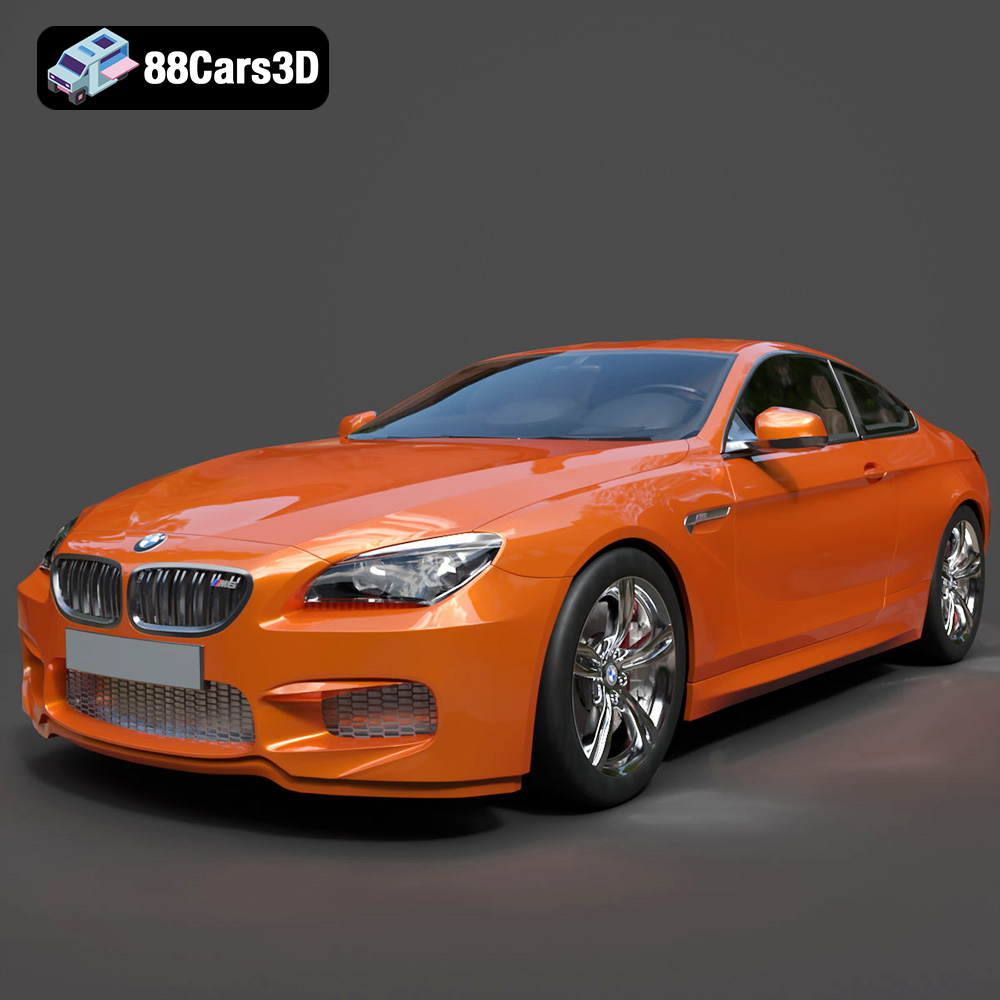
Texture: Yes
Material: Yes
Download the BMW M6 Coupe (F12) 3D Model featuring its iconic sporty design and luxurious details. Includes .blend, .fbx, .obj, .glb, .stl, .ply, .unreal, and .max formats for rendering, simulation, and game development.
Price: $10.79
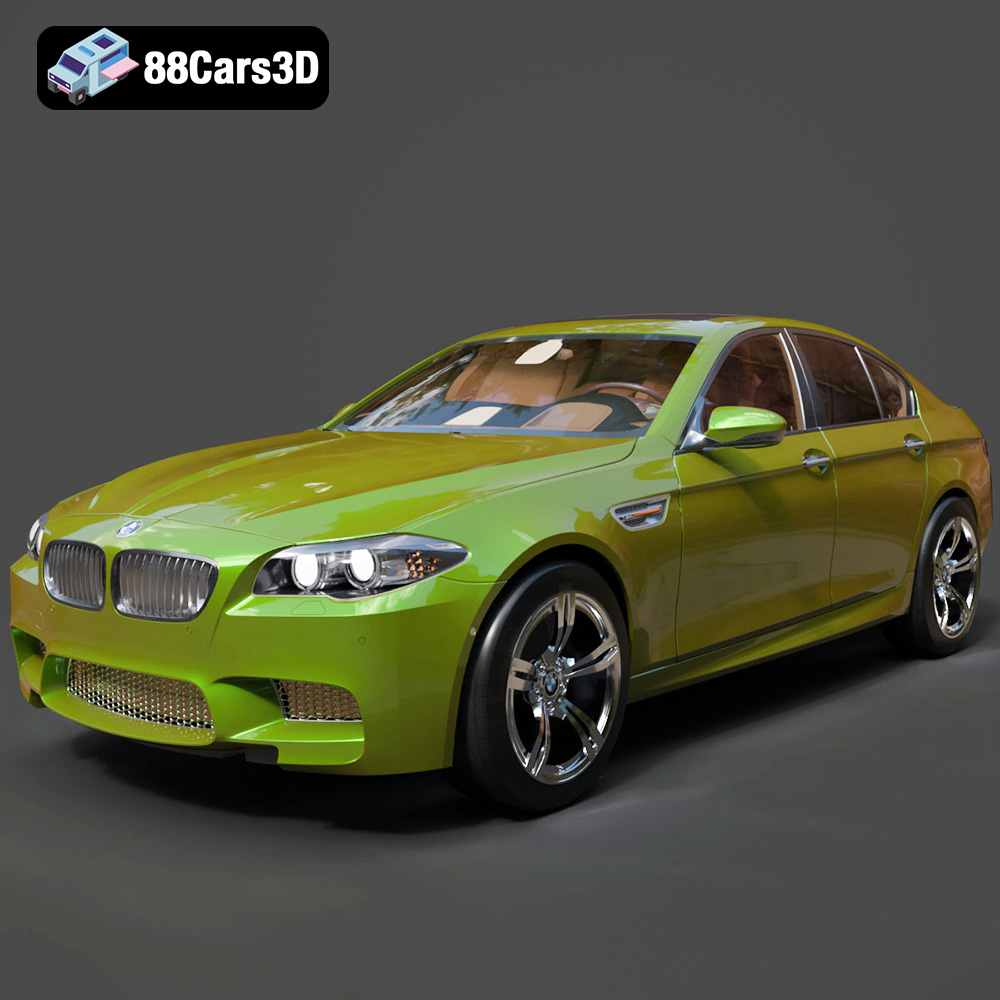
Texture: Yes
Material: Yes
Download the BMW M5 F10 3D Model featuring high-performance luxury sedan design, detailed interior, and realistic PBR textures. Includes .blend, .fbx, .obj, .glb, .stl, .ply, .unreal, and .max formats for rendering, simulation, and game development.
Price: $10.79
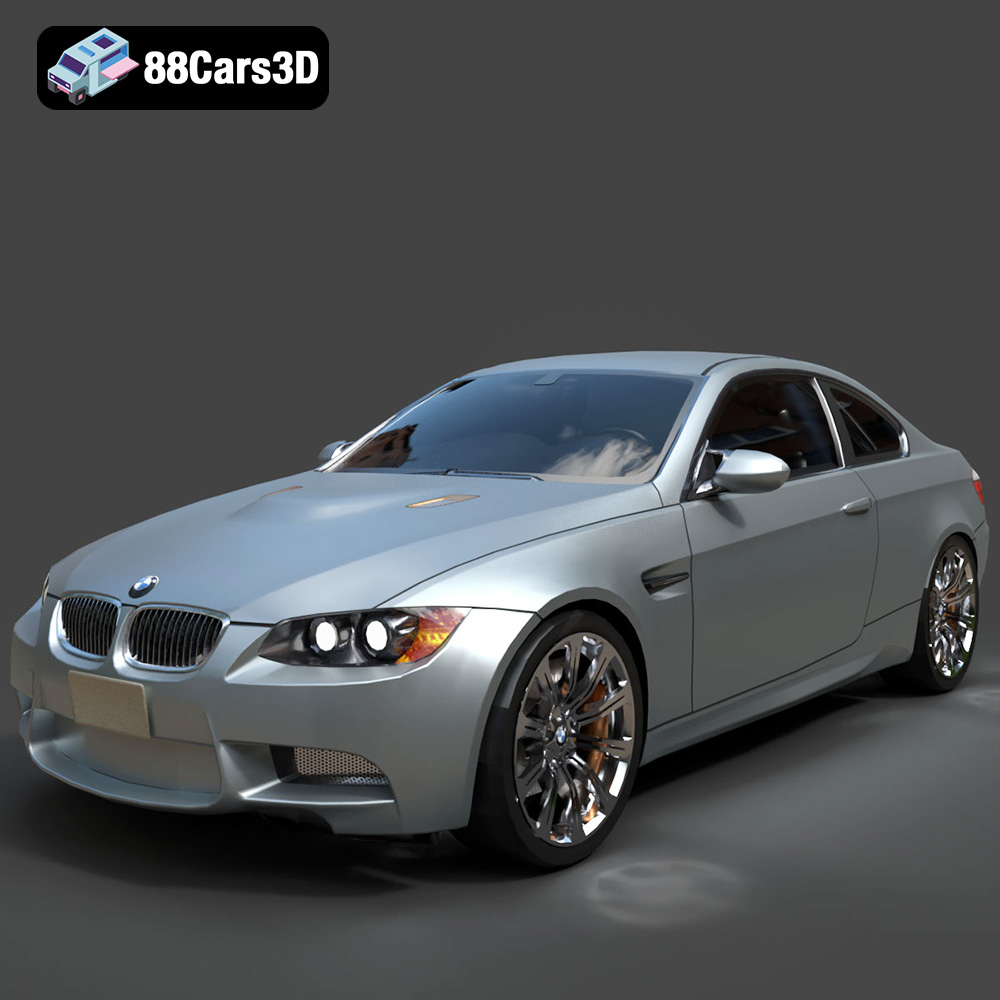
Texture: Yes
Material: Yes
Download the BMW M3 Coupe E92-002 3D Model featuring authentic styling, detailed exterior, and a faithful interior. Includes .blend, .fbx, .obj, .glb, .stl, .ply, .unreal, and .max formats for rendering, simulation, and game development.
Price: $10.79
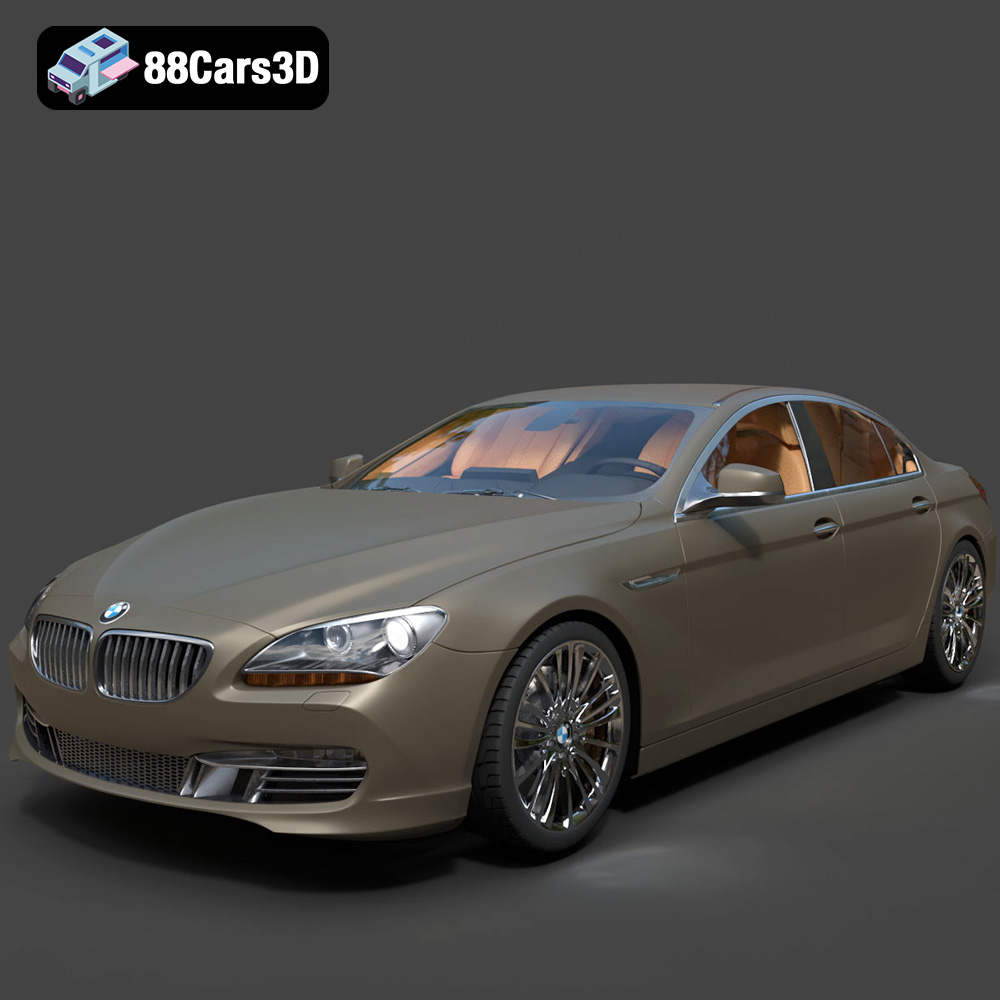
Texture: Yes
Material: Yes
Download the BMW 6 Series Gran Coupe 2013 3D Model featuring a sophisticated design, detailed exterior, and well-appointed interior. Includes .blend, .fbx, .obj, .glb, .stl, .ply, .unreal, and .max formats for rendering, simulation, and game development.
Price: $20.79
Texture: Yes
Material: Yes
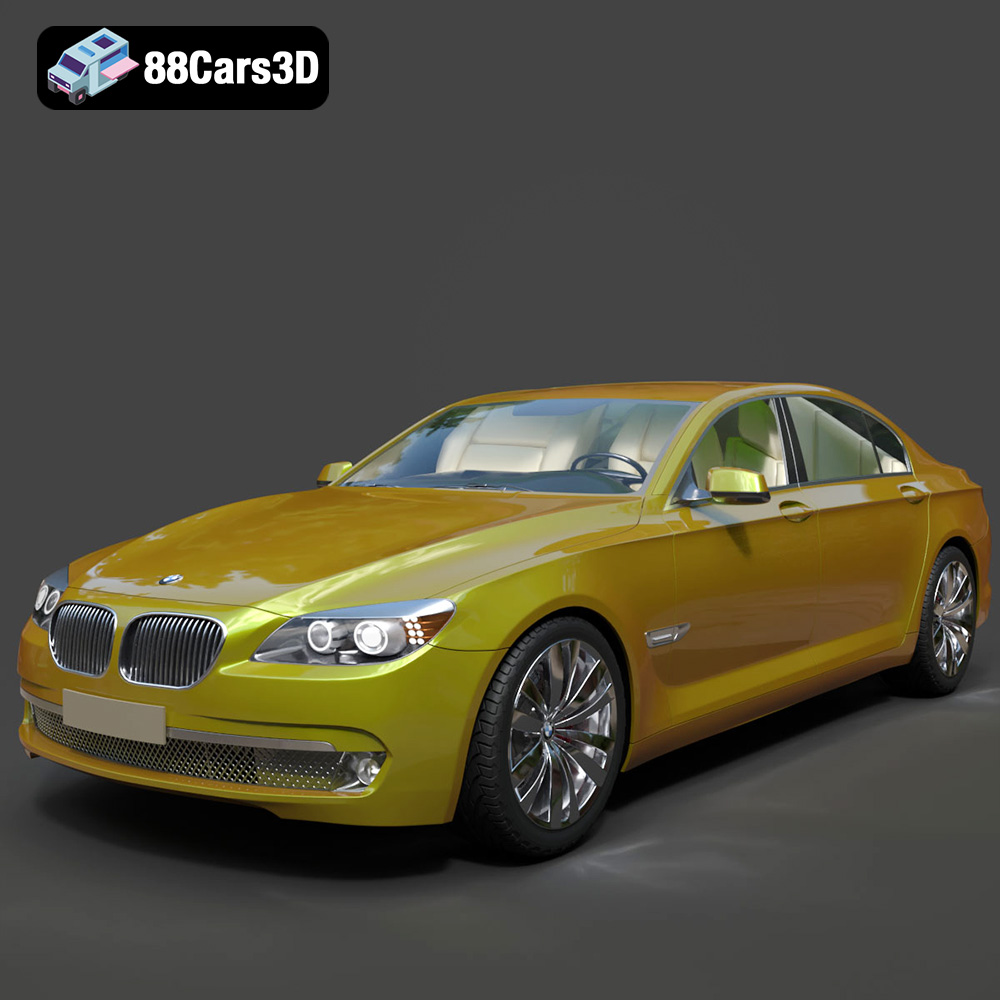
Download the BMW 7 Series 750 F01 3D Model featuring a detailed exterior and a luxurious interior. Includes .blend, .fbx, .obj, .glb, .stl, .ply, .unreal, and .max formats for rendering, simulation, and game development.
Price: $10.79
Texture: Yes
Material: Yes
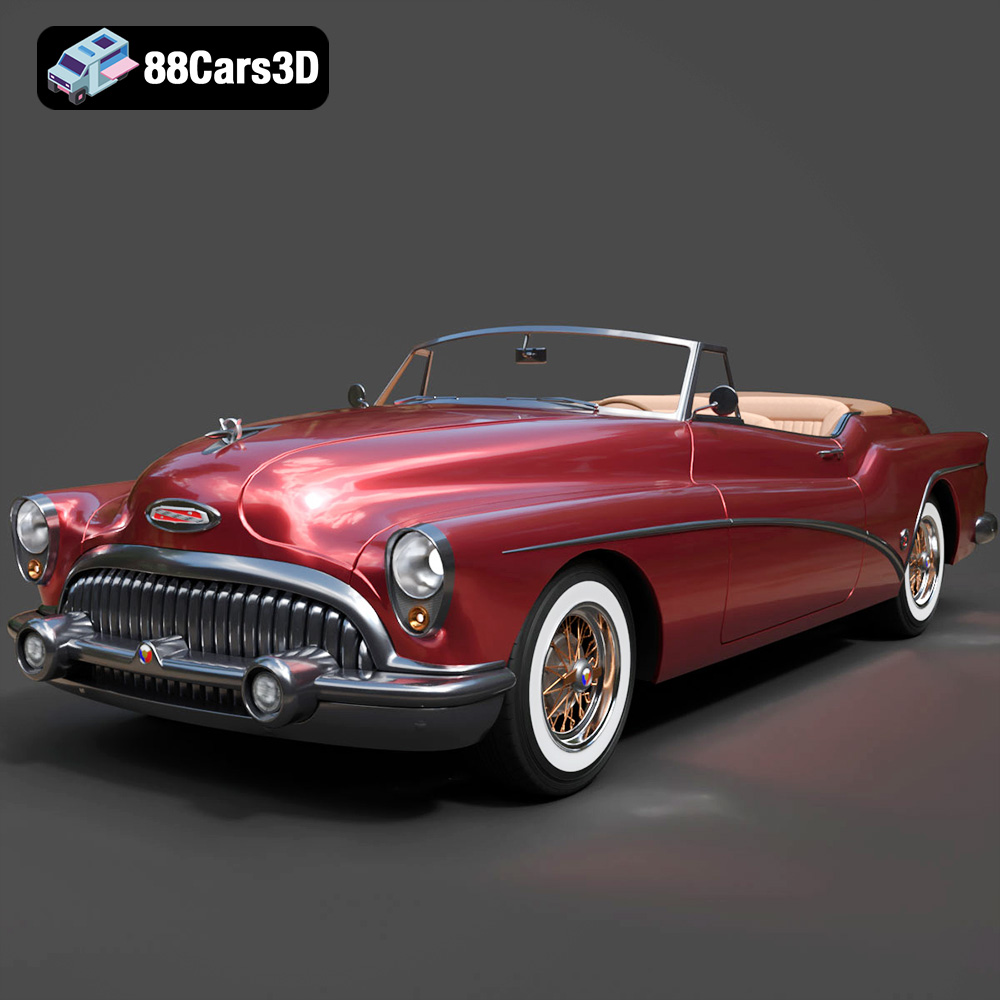
Download the Buick Skylark Convertible 1953 3D Model featuring iconic 1950s styling, a detailed exterior with chrome accents, and an accurately modeled interior. Includes .blend, .fbx, .obj, .glb, .stl, .ply, .unreal, and .max formats for rendering, simulation, and game development.
Price: $10.79

Texture: Yes
Material: Yes
Download the Buick Roadmaster Hardtop Coupe 1957 3D Model featuring a classic American design with detailed exterior and interior. Includes .blend, .fbx, .obj, .glb, .stl, .ply, .unreal, and .max formats for rendering, simulation, and game development.
Price: $10.79
Texture: Yes
Material: Yes
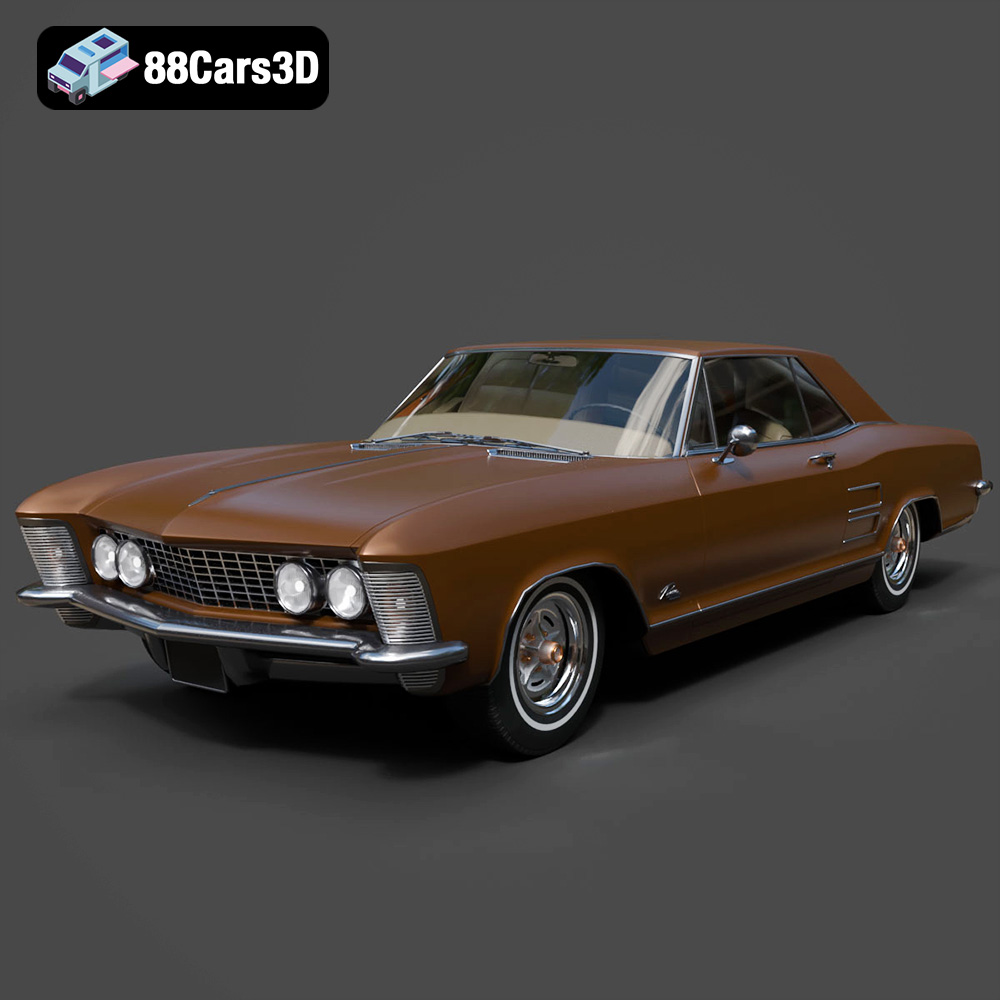
Download the Buick Riviera 1963 3D Model featuring classic American muscle car design and iconic styling. Includes .blend, .fbx, .obj, .glb, .stl, .ply, .unreal, and .max formats for rendering, simulation, and game development.
Price: $10.79
Texture: Yes
Material: Yes
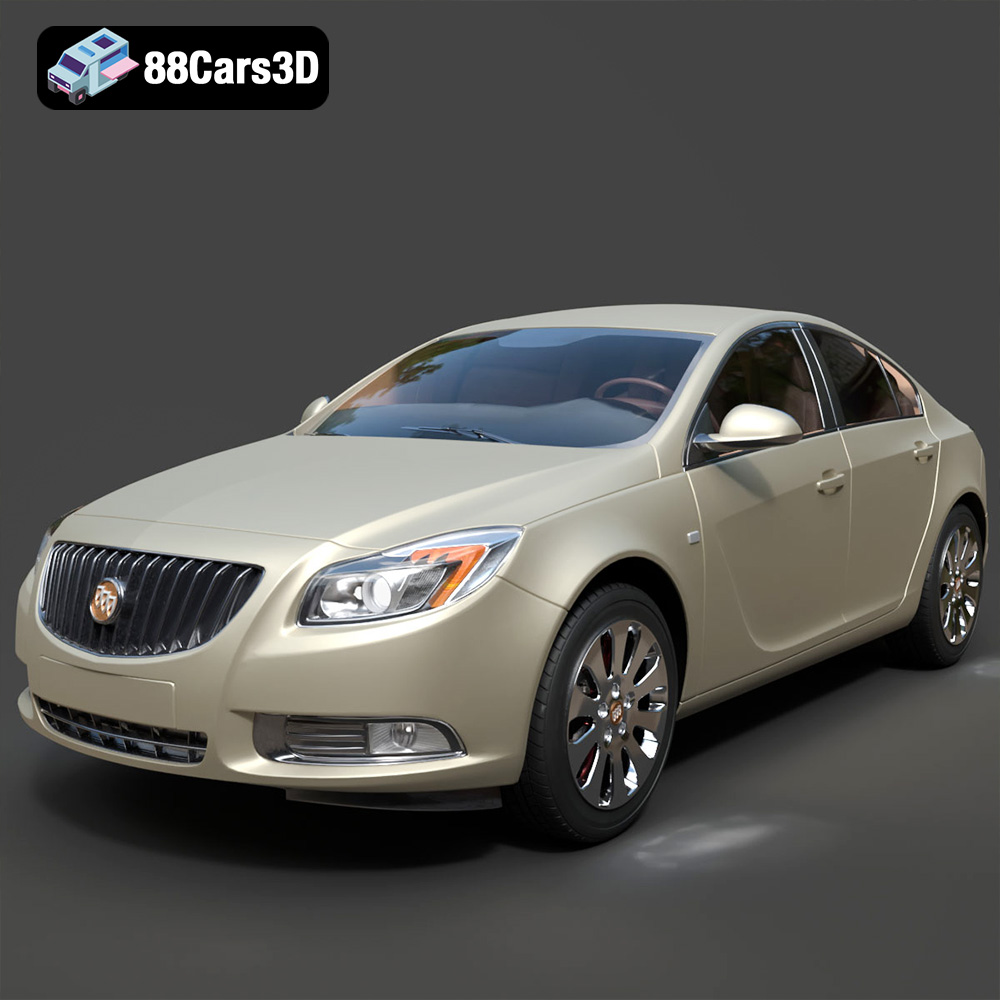
Download the Buick Regal 3D Model featuring a classic American sedan design, detailed exterior, and optimized interior. Includes .blend, .fbx, .obj, .glb, .stl, .ply, .unreal, and .max formats for rendering, simulation, and game development.
Price: $10.79
Texture: Yes
Material: Yes
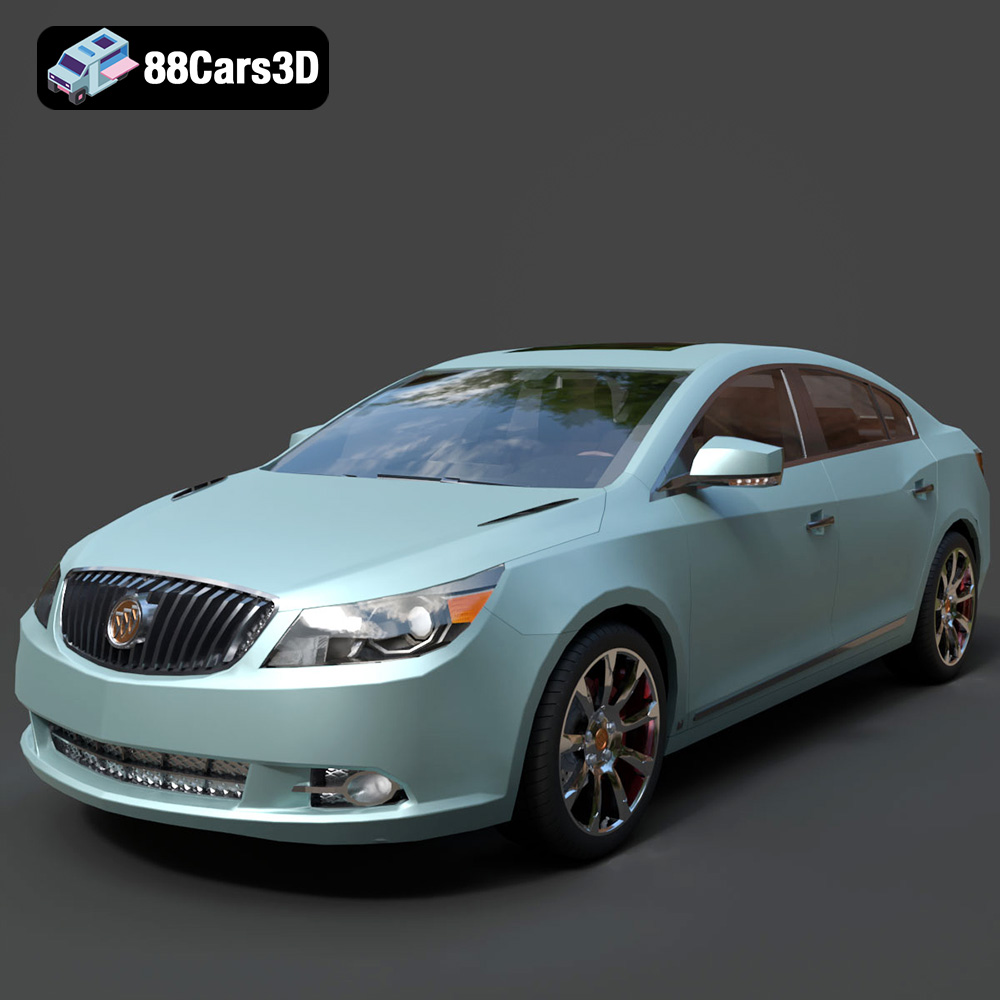
Download the Buick LaCrosse 3D Model featuring professional modeling and texture work. Includes .blend, .fbx, .obj, .glb, .stl, .ply, .unreal, and .max formats for rendering, simulation, and game development.
Price: $10.79

