⚡ FLASH SALE: Get 60% OFF All Premium 3D & STL Models! ⚡

“`html
Embarking on the journey of 3D printing can be both exhilarating and daunting, especially when you’re eager to bring intricate models to life. For enthusiasts looking to print detailed printable car models from platforms like 88cars3d.com, selecting the right budget 3D printer is a crucial first step. This guide is designed to demystify the process, empowering beginners to make informed decisions and achieve stunning results with their STL files. We’ll delve into the essential 3D printer settings, the nuances of slicing, effective support structures, and the crucial steps in file preparation and troubleshooting. Whether you’re using FDM or resin technology, by the end of this article, you’ll have a solid understanding of how to select a capable budget printer and configure it for success, transforming your digital designs into tangible masterpieces.
The world of 3D printing primarily splits into two main technologies: Fused Deposition Modeling (FDM) and Stereolithography (SLA)/Digital Light Processing (DLP) – collectively known as resin printing. For beginners on a budget, understanding the fundamental differences is key to selecting the right tool for your needs, especially when printing detailed STL files for automotive models. FDM printers build objects layer by layer by extruding melted plastic filament. They are generally more affordable upfront, offer a wider range of material choices, and are often easier to maintain and repair. However, FDM prints can exhibit visible layer lines and may not capture the ultra-fine details required for some miniature automotive components. Resin printers, on the other hand, cure liquid resin with UV light, layer by layer. They excel at producing incredibly high-resolution prints with smooth surfaces, making them ideal for intricate details often found in collectible printable car models. While the initial cost of a resin printer might be slightly higher, and post-processing is more involved (requiring washing and curing), the visual fidelity can be unparalleled. For budget-conscious beginners, entry-level FDM printers often provide the best balance of cost, ease of use, and capability for a wide variety of projects, including many models found on marketplaces like 88cars3d.com.
Fused Deposition Modeling (FDM) printers are the most common type of 3D printing technology for hobbyists, largely due to their affordability and accessibility. These machines work by heating a thermoplastic filament (like PLA, PETG, or ABS) and extruding it through a heated nozzle onto a build plate. The nozzle moves in X and Y directions, while the build plate moves in the Z direction, creating the object layer by layer. For beginners, FDM printers offer a forgiving learning curve. Filament is readily available, and common issues are often easily diagnosed and fixed. Entry-level FDM printers typically offer build volumes ranging from 150x150x150mm to 220x220x250mm, which is sufficient for most printable car models and their individual components. The slicing software, such as Cura or PrusaSlicer, translates your STL files into machine instructions (G-code), allowing you to control various print parameters like layer height, infill, speed, and temperature. This level of control is essential for optimizing print quality and ensuring successful prints, especially when dealing with complex geometries.
Resin printing, encompassing SLA and DLP technologies, utilizes UV light to cure liquid photopolymer resin. This process allows for exceptionally fine detail and smooth surface finishes, making it a top choice for hobbyists who prioritize intricate realism. Budget resin printers have become increasingly accessible, offering high resolutions (often measured in XY pixel size for DLP/LCD screens) that can render even the smallest emblems or panel lines on a car model with stunning clarity. However, resin printing comes with its own set of considerations. The resins themselves can be messy and require careful handling, including the use of gloves and a well-ventilated area. Post-processing is also a mandatory step, involving washing the uncured resin off the print (typically with isopropyl alcohol) and then curing it further under UV light to achieve its final hardness and durability. While the initial cost of a budget resin printer might be competitive with some FDM printers, the ongoing cost of resin, cleaning agents, and protective gear should be factored in. For highly detailed printable car models where fidelity is paramount, a budget resin printer is a compelling option, provided you are prepared for the more hands-on post-processing workflow.
Once you’ve chosen your printer, understanding and configuring the right 3D printer settings is paramount to achieving successful prints, especially when working with complex STL files. These settings, primarily adjusted within your slicing software, dictate how your printer translates the digital model into a physical object. Incorrect settings are a leading cause of print failures, from weak layers and poor adhesion to stringing and dimensional inaccuracies. For beginners, it’s often recommended to start with pre-configured profiles for your specific printer and material, then gradually tweak parameters as you gain experience. Key settings include layer height, infill density and pattern, print speed, temperature, and retraction. Mastering these will significantly improve the quality and reliability of your prints, whether you’re printing functional parts or display-worthy printable car models.
Layer height refers to the thickness of each individual layer deposited by the printer. In FDM printing, common layer heights range from 0.1mm to 0.3mm. A smaller layer height (e.g., 0.1mm) will result in finer detail, smoother curves, and less visible layer lines, which is highly desirable for intricate printable car models. However, printing with a smaller layer height also significantly increases print time, as the printer has to lay down many more individual layers to complete the object. Conversely, a larger layer height (e.g., 0.2mm or 0.3mm) speeds up the printing process considerably but sacrifices fine detail and results in more pronounced layer lines. For resin printers, layer heights are typically much smaller, often ranging from 0.025mm to 0.1mm, contributing to their superior detail capabilities. As a beginner, experiment with different layer heights. For highly detailed components of a car model, consider printing at 0.1mm or even 0.08mm on an FDM printer if time permits. For less critical parts or when speed is a priority, 0.2mm is often a good balance.
Infill refers to the internal support structure printed within the hollow sections of your 3D model. It affects the strength, weight, and material consumption of the final print. For decorative models like printable car models, high infill densities are usually unnecessary. An infill density of 10-20% is typically sufficient to provide internal support and add some rigidity without adding excessive print time or material cost. Common infill patterns include grid, gyroid, cubic, and honeycomb. The gyroid pattern is often favored for its strength-to-weight ratio and ability to print without needing dedicated support structures in some cases. For models that might experience some stress or require a more robust feel, you might increase the infill density to 25-30%. However, for most display models downloaded from 88cars3d.com, keeping infill low is the most efficient approach.
Print temperature (nozzle and bed) and print speed are critical for ensuring proper material adhesion and preventing printing defects. For FDM printing, the optimal temperatures depend heavily on the filament type. For instance, PLA typically prints well between 190-220°C with a heated bed at 50-60°C, while PETG might require 230-250°C and a bed temperature of 70-85°C. Always refer to the filament manufacturer’s recommendations. Print speed also plays a significant role. While faster printing is tempting, excessively high speeds can lead to poor layer adhesion, ringing artifacts, and extrusion issues. A good starting point for FDM printing is often around 50-60 mm/s for general printing, with slower speeds (e.g., 20-30 mm/s) for the first layer to ensure excellent bed adhesion. For resin printing, temperature is less of a variable for the printer itself but can affect resin viscosity; however, the primary “settings” relate to exposure times, which are specific to the resin and printer model.
The journey from a digital STL file to a physical 3D print involves a crucial intermediary step: slicing. Slicing software takes your 3D model and divides it into thin, horizontal layers, generating the G-code instructions that your 3D printer understands. For beginners, mastering the basics of slicing is as important as understanding printer settings. This process includes preparing your STL files for printing, which might involve minor edits or repairs. Platforms like 88cars3d.com provide meticulously prepared STL files, but understanding basic file preparation ensures you can handle any model effectively. The choice of slicer software is also important; Cura and PrusaSlicer are popular, free, and feature-rich options that support a vast array of printers and materials.
The STL (Standard Tessellation Language or STereoLithography) file format is the de facto standard for 3D printing. It represents a 3D model’s surface geometry as a collection of triangular facets. While simple in concept, STL files can sometimes contain errors that prevent them from being sliced correctly or printed successfully. Common issues include non-manifold geometry (where edges are shared by more than two faces), inverted normals (faces pointing inwards), holes, or disconnected components. Many slicers have built-in mesh repair tools, but for more complex issues, dedicated software like Meshmixer or Autodesk Netfabb (which has a free version) is invaluable. These tools allow you to analyze your STL files, identify errors, and automatically or manually repair them. Ensuring your mesh is “watertight” (completely enclosed) and has consistent face orientation is a fundamental step before slicing. Many high-quality sources for printable car models, like 88cars3d.com, ensure their files are already repaired and manifold, saving you significant troubleshooting time.
Beyond layer height and infill, numerous other settings within your slicer influence print quality. **Print orientation** is critical; positioning your model on the build plate to minimize overhangs and the need for supports can drastically improve success rates and reduce post-processing effort. For car models, orienting the chassis upright or on its side can make a difference. **Bed adhesion** is achieved through various methods like rafts, brims, or skirts. A skirt is a few outlines around the model to prime the nozzle; a brim is a wider, single-layer outline attached to the model’s base to increase surface area and prevent warping; a raft is a thicker base layer upon which the model is printed. For FDM printers and materials prone to warping (like ABS), a brim or raft is often essential. **Retraction settings** (distance and speed) are crucial for FDM printers to prevent stringing or “oozing” of filament between travel moves. Fine-tuning these can significantly clean up prints, especially those with intricate details like grilles or spoilers on car models.
Support structures are temporary scaffolding printed to hold up overhanging parts of a model during the printing process. Without them, gravity would cause these sections to sag or collapse. Both FDM and resin printing rely on supports, though the implementation differs. In FDM, supports are typically printed from the same material as the model and can be challenging to remove cleanly, potentially leaving marks. In resin printing, supports are fine stalks that are easier to snap off but still require careful handling to avoid damaging the delicate model surface. Generating effective supports involves choosing the right type (e.g., normal, tree/organic), density, and placement. Slicers offer options to automatically generate supports, but manual placement and adjustment are often necessary for optimal results, particularly for complex geometries like the undercarriage or wheel arches of a car model. Experimenting with support interfaces (the contact layer between the support and the model) can make removal much easier and cleaner.
The printing process is only half the battle; post-processing is where a raw 3D print is transformed into a finished piece. This stage is critical for both FDM and resin prints, but the techniques and intensity vary. For beginners, understanding the necessary steps and having the right tools can make a significant difference in the final aesthetic and structural integrity of your printable car models. From removing supports and sanding to priming and painting, each step requires patience and attention to detail. The goal is to smooth out layer lines, remove imperfections, and prepare the surface for finishing touches, ultimately elevating your 3D printed creations from mere prototypes to display-worthy models.
The first post-processing step is typically removing the support structures. For FDM prints, this can be done using flush cutters, pliers, or hobby knives. Take your time to carefully break away the supports, especially in tight areas. For resin prints, supports are usually thinner and can be gently snapped off or cut with flush cutters. Be cautious not to damage the main model. After support removal, inspect the print for any remaining artifacts, such as blobs, strings, or rough patches. For FDM prints, a quick pass with a hobby knife or a small file can clean up minor imperfections. For resin prints, a light sanding might be necessary after washing and curing, particularly where supports attached.
Sanding is arguably the most time-consuming but rewarding post-processing step for achieving a smooth finish. Start with a coarse grit sandpaper (e.g., 100-220 grit) to remove significant layer lines and support marks on FDM prints. Gradually move to finer grits (e.g., 400, 800, 1200, and even higher) to progressively smooth the surface. Wet sanding (using water or soapy water) can help reduce dust and improve the finish. For FDM prints with very prominent layer lines, using fillers like automotive putty or specialized 3D print smoothing compounds can fill the gaps, followed by extensive sanding. For resin prints, sanding is usually less intensive due to their inherently smoother surface, often starting with 400-600 grit sandpaper. Consider using filler primers for both FDM and resin prints, as they can help reveal imperfections and provide a smooth base for paint.
Priming is essential before painting, regardless of the printing technology. A good primer not only provides a uniform base color but also helps to further smooth the surface and reveal any missed imperfections. Use spray primers designed for plastics, applying thin, even coats. Allow adequate drying time between coats. Once primed, painting can commence. Acrylic model paints are a popular choice, applied with brushes or airbrushes. For detailed work on printable car models, such as painting trim, lights, or emblems, fine-tip brushes or masking techniques are crucial. Layering colors, using washes to add depth to panel lines, and applying clear coats (gloss, satin, or matte) to seal the paint and protect the model are standard techniques in model making. Many hobbyists specializing in 3D printing use techniques borrowed directly from traditional scale model building to achieve professional-looking results on their creations.
Even with the best budget printers and careful settings, 3D printing can present challenges. Understanding common failures and their solutions is a vital skill for any beginner. Issues range from prints not sticking to the build plate to layers shifting or models collapsing mid-print. By systematically diagnosing problems and adjusting 3D printer settings or performing maintenance, you can overcome most obstacles and ensure a smooth printing experience. Having reliable, well-prepared STL files from sources like 88cars3d.com can mitigate some of these issues, but printer calibration and settings remain key.
Prints failing to adhere to the build plate, often referred to as “bed adhesion problems,” is one of the most frequent issues, especially with FDM printers. Causes include an unlevel build plate, incorrect bed temperature, the nozzle being too far from the bed, or a dirty build surface. **Solutions**: Ensure your build plate is perfectly level (trammed) using your printer’s calibration routine. Adjust the Z-offset or “baby stepping” to ensure the nozzle is the correct distance from the bed for the first layer – it should gently squish the filament onto the surface. Clean the build plate with isopropyl alcohol before each print. For materials prone to warping, use a brim or raft in your slicer settings and consider using adhesion aids like gluestick, hairspray, or specialized build surface adhesives. For resin prints, insufficient exposure time for the first few layers (the “base” layers) can cause adhesion issues to the build plate or FEP film.
Layer shifting occurs when one layer is printed in a different position than the layer below it, causing a visible offset. Ghosting, or ringing, appears as faint, repeating patterns or echoes of sharp corners on the print surface. **Causes**: Loose belts on the X or Y axes are the primary culprit for layer shifting. For ghosting, it’s often due to excessive print speed or vibration. **Solutions**: Check and tighten the X and Y axis belts on your FDM printer; they should be taut but not overly tight. Ensure your printer is on a stable, vibration-dampening surface. Reducing print speed and acceleration settings in your slicer can significantly reduce ghosting. Some slicers also have “Ironing” features that can smooth out the top surfaces of prints, which can sometimes help mask minor ringing.
Stringing is characterized by fine, hair-like strands of filament left behind between separate parts of a print as the nozzle moves. Oozing is more pronounced leakage of filament. **Causes**: Incorrect retraction settings (too little distance or speed), printing temperature being too high, or filament being damp. **Solutions**: Increase retraction distance and/or speed in your slicer settings. A common starting point for PLA is 5-7mm retraction distance and 40-60 mm/s retraction speed for Bowden setups, and 1-2mm distance with similar speed for direct drive. Experiment with lowering the nozzle temperature by 5-10°C. Ensure your filament is dry; consider using a filament dryer or oven for slightly damp filament.
Stepping into the world of 3D printing with budget-friendly equipment is an accessible and rewarding endeavor, especially for enthusiasts eager to bring detailed printable car models to life. By understanding the core technologies – FDM and resin – you can choose the printer that best suits your needs and budget. Mastering essential 3D printer settings, from layer height and infill to temperature and speed, forms the bedrock of successful prints. Careful attention to slicing and file preparation, including basic mesh repair for your STL files, ensures that your digital models are translated accurately by the printer.
Furthermore, learning to generate and manage support structures effectively is crucial for complex geometries, and understanding post-processing techniques like sanding and painting will elevate your finished models from simple prints to impressive displays. Don’t be discouraged by initial failures; troubleshooting common issues like bed adhesion problems, layer shifting, and stringing is part of the learning process. With practice, patience, and the wealth of resources available, you’ll soon be printing intricate models with confidence. Explore the vast collection of high-quality STL files available on platforms like 88cars3d.com, and start your exciting 3D printing journey today!
“`
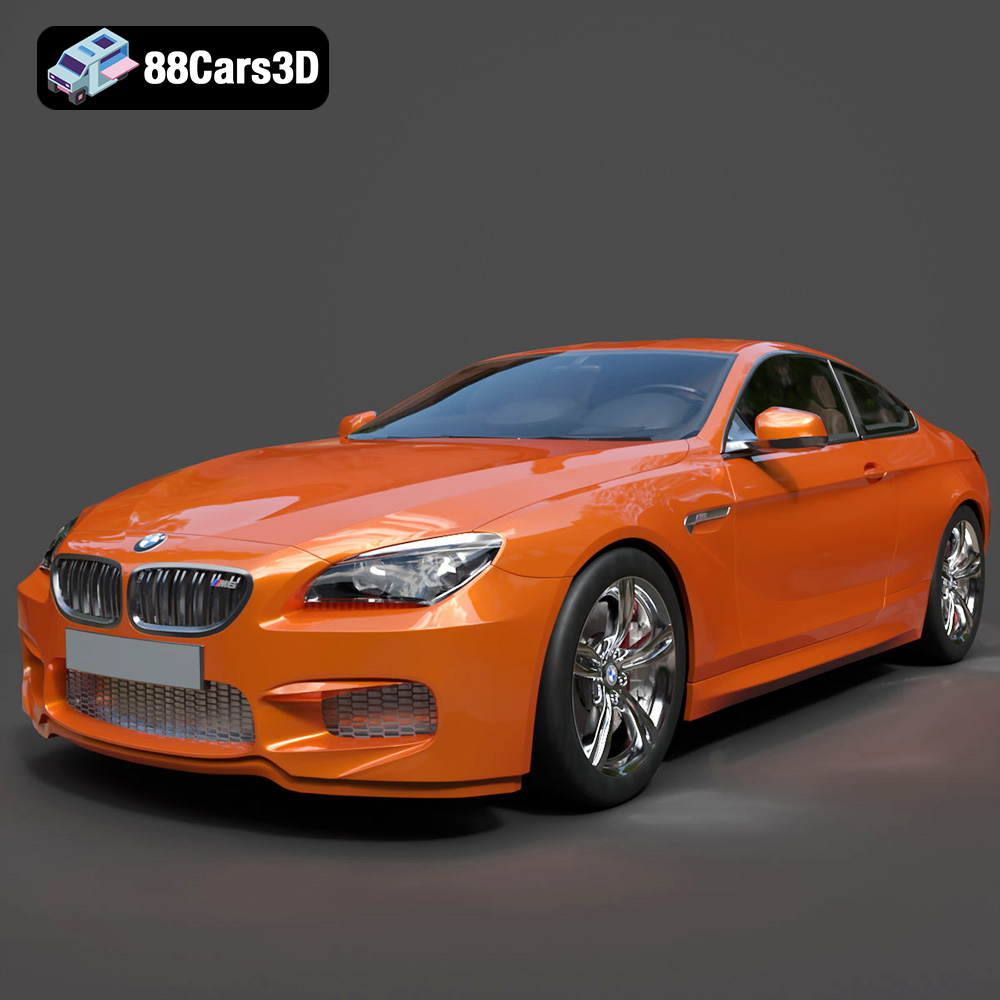
Texture: Yes
Material: Yes
Download the BMW M6 Coupe (F12) 3D Model featuring its iconic sporty design and luxurious details. Includes .blend, .fbx, .obj, .glb, .stl, .ply, .unreal, and .max formats for rendering, simulation, and game development.
Price: $10.79
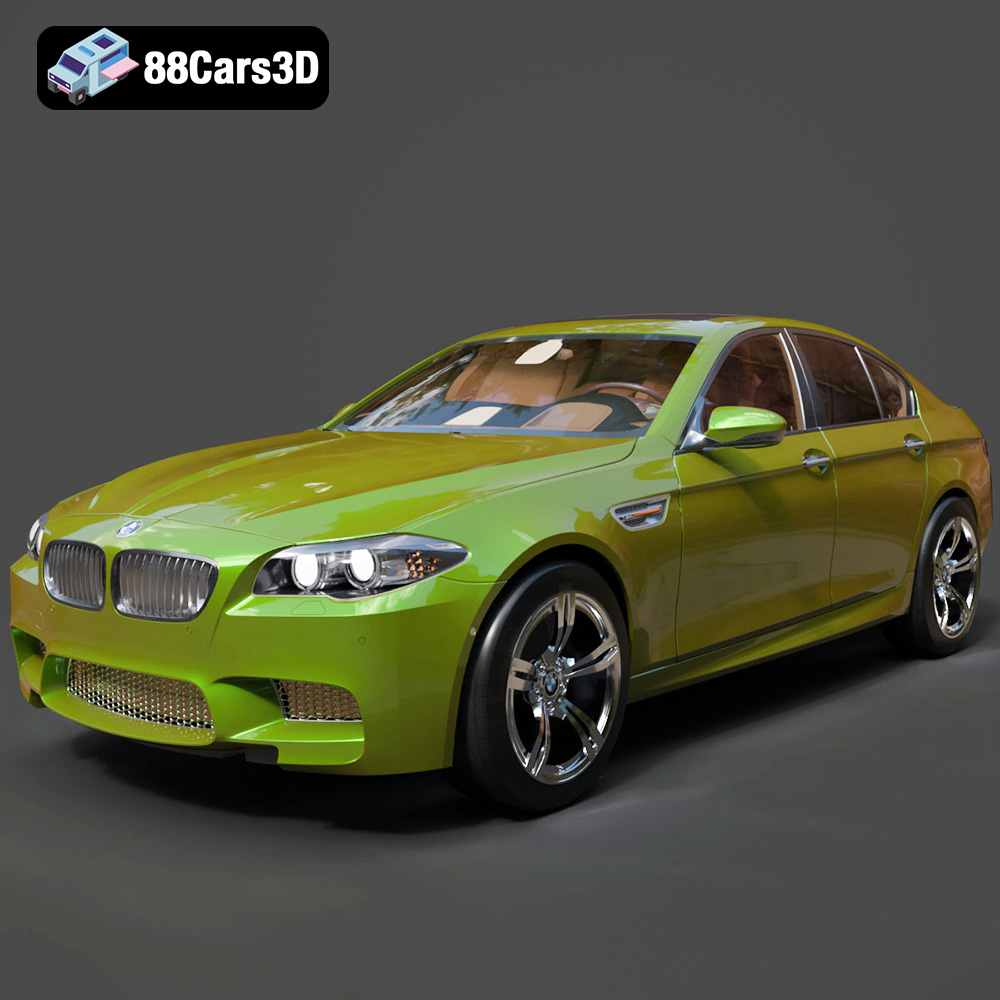
Texture: Yes
Material: Yes
Download the BMW M5 F10 3D Model featuring high-performance luxury sedan design, detailed interior, and realistic PBR textures. Includes .blend, .fbx, .obj, .glb, .stl, .ply, .unreal, and .max formats for rendering, simulation, and game development.
Price: $10.79
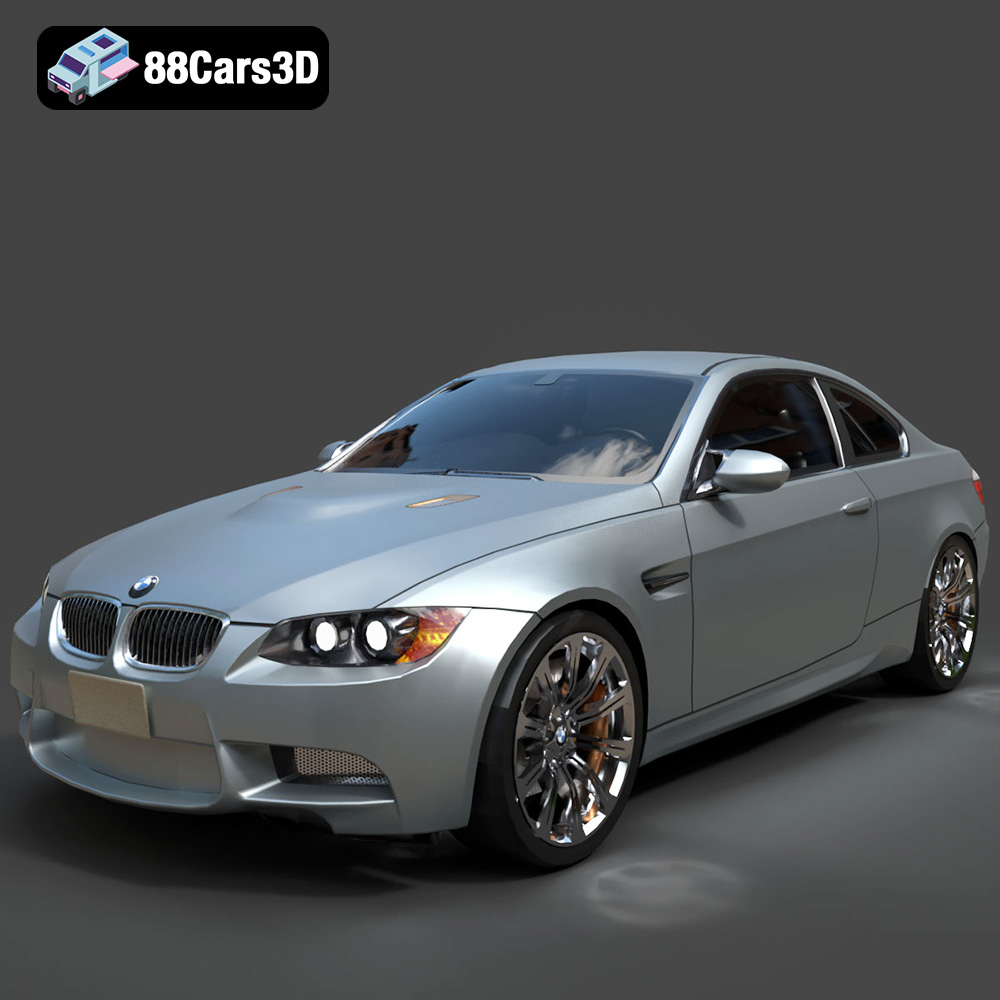
Texture: Yes
Material: Yes
Download the BMW M3 Coupe E92-002 3D Model featuring authentic styling, detailed exterior, and a faithful interior. Includes .blend, .fbx, .obj, .glb, .stl, .ply, .unreal, and .max formats for rendering, simulation, and game development.
Price: $10.79
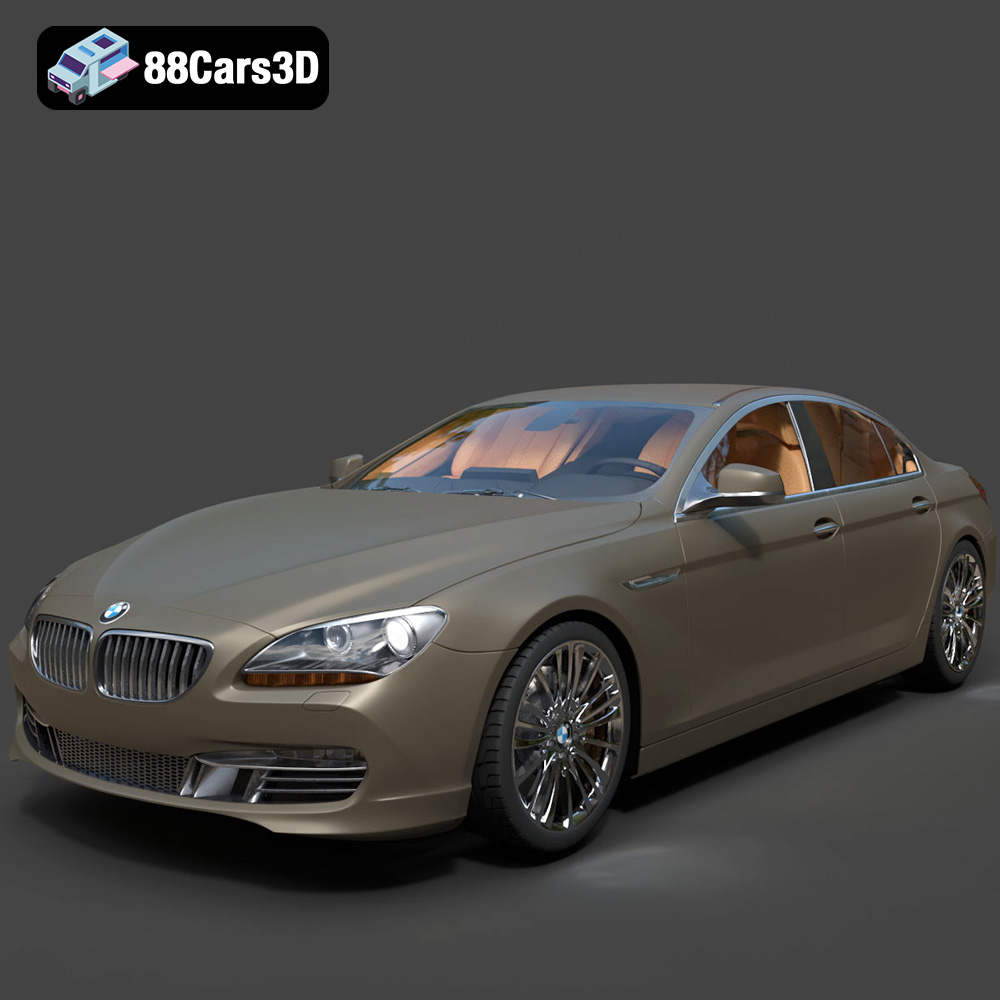
Texture: Yes
Material: Yes
Download the BMW 6 Series Gran Coupe 2013 3D Model featuring a sophisticated design, detailed exterior, and well-appointed interior. Includes .blend, .fbx, .obj, .glb, .stl, .ply, .unreal, and .max formats for rendering, simulation, and game development.
Price: $20.79
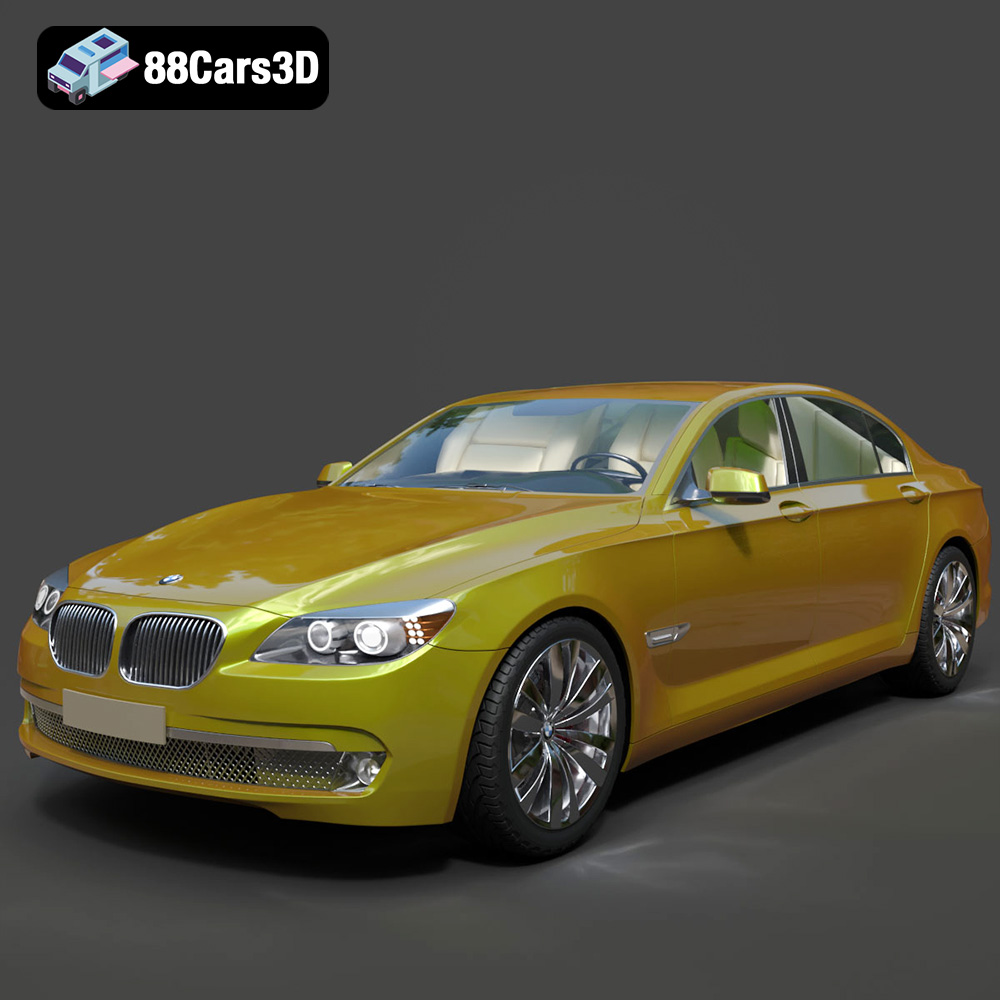
Texture: Yes
Material: Yes
Download the BMW 7 Series 750 F01 3D Model featuring a detailed exterior and a luxurious interior. Includes .blend, .fbx, .obj, .glb, .stl, .ply, .unreal, and .max formats for rendering, simulation, and game development.
Price: $10.79
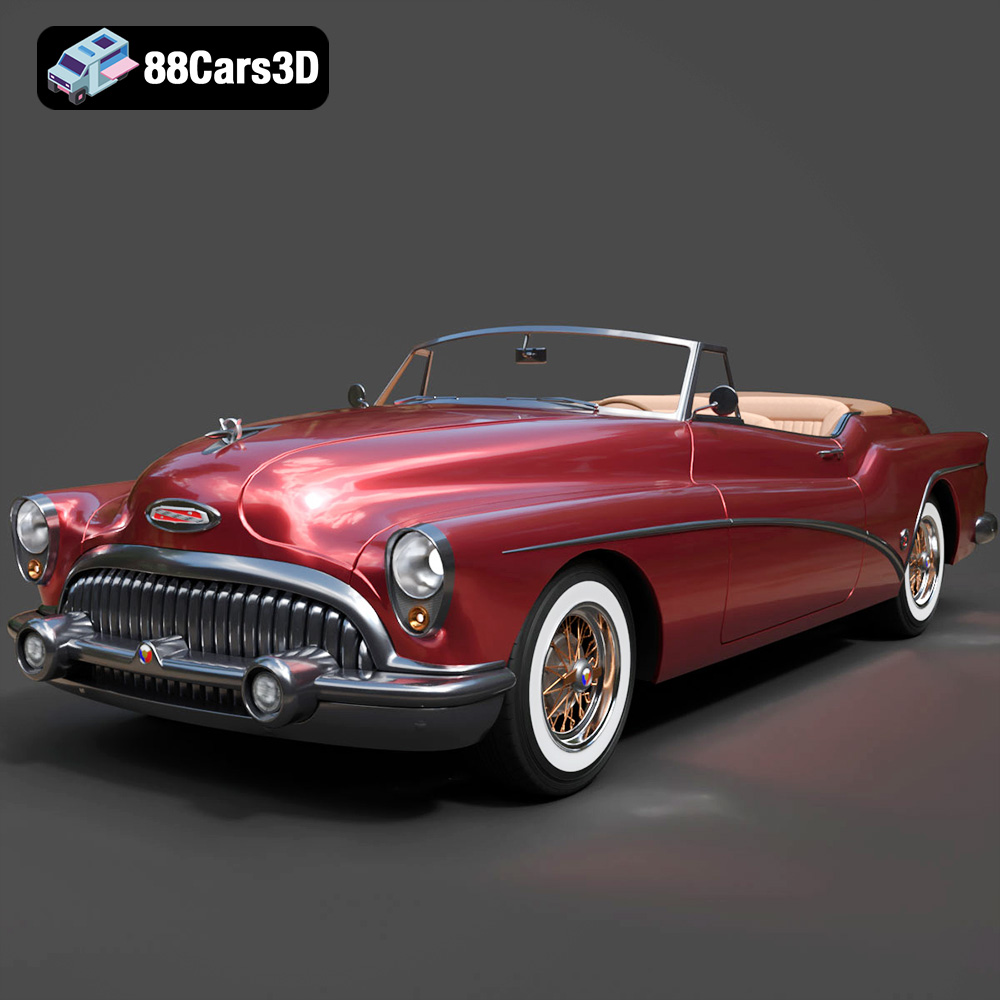
Texture: Yes
Material: Yes
Download the Buick Skylark Convertible 1953 3D Model featuring iconic 1950s styling, a detailed exterior with chrome accents, and an accurately modeled interior. Includes .blend, .fbx, .obj, .glb, .stl, .ply, .unreal, and .max formats for rendering, simulation, and game development.
Price: $10.79

Texture: Yes
Material: Yes
Download the Buick Roadmaster Hardtop Coupe 1957 3D Model featuring a classic American design with detailed exterior and interior. Includes .blend, .fbx, .obj, .glb, .stl, .ply, .unreal, and .max formats for rendering, simulation, and game development.
Price: $10.79
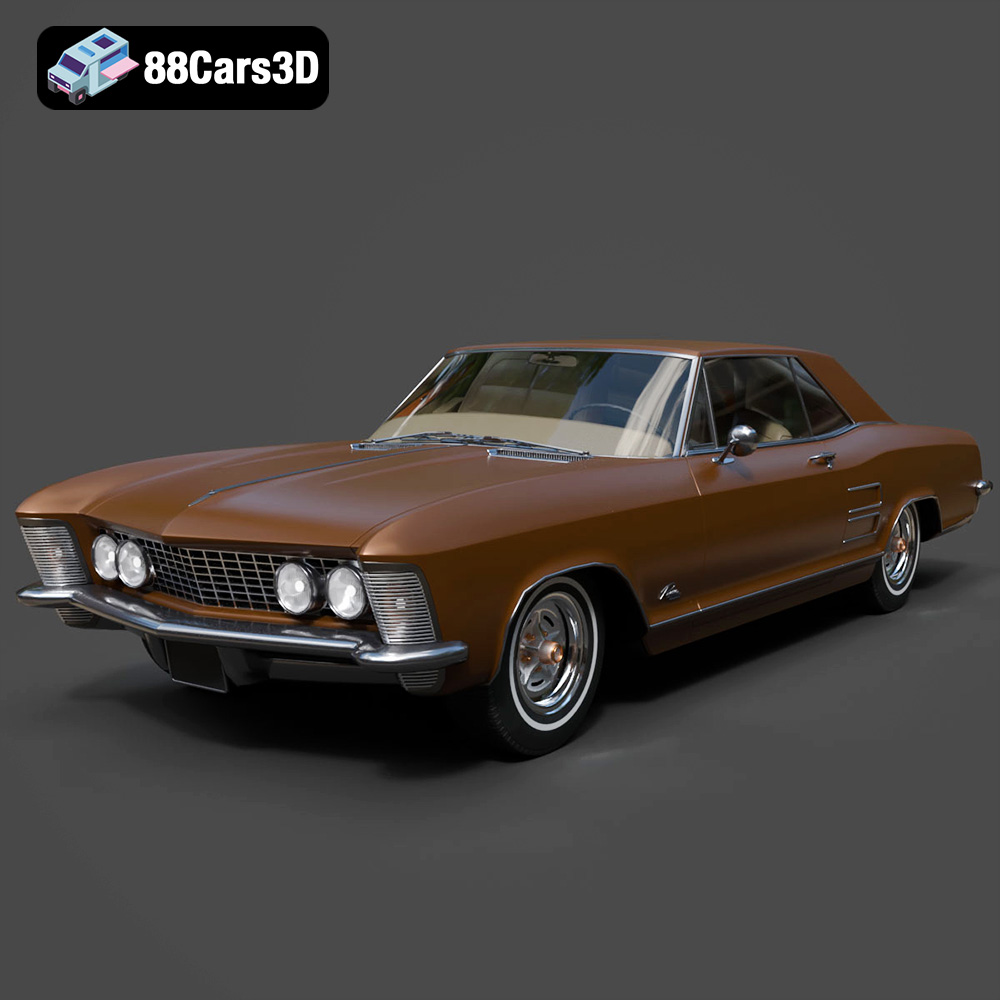
Texture: Yes
Material: Yes
Download the Buick Riviera 1963 3D Model featuring classic American muscle car design and iconic styling. Includes .blend, .fbx, .obj, .glb, .stl, .ply, .unreal, and .max formats for rendering, simulation, and game development.
Price: $10.79
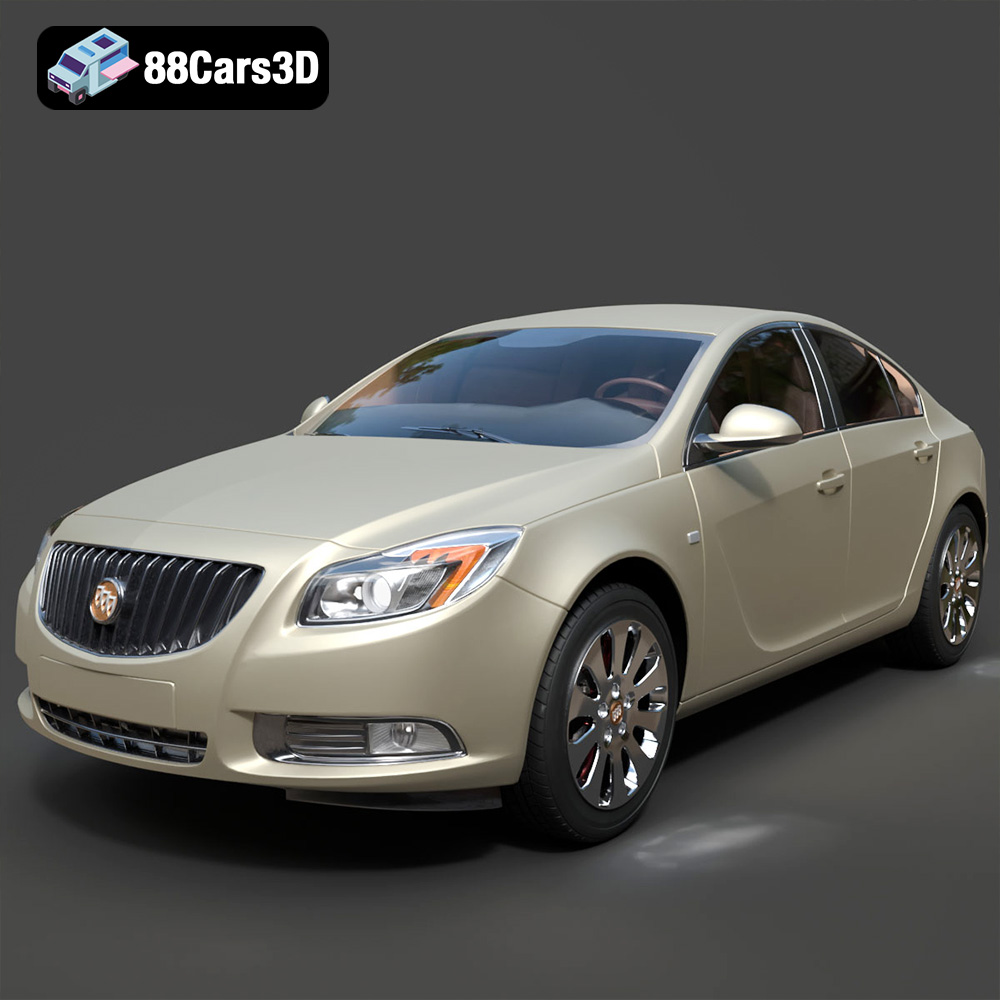
Texture: Yes
Material: Yes
Download the Buick Regal 3D Model featuring a classic American sedan design, detailed exterior, and optimized interior. Includes .blend, .fbx, .obj, .glb, .stl, .ply, .unreal, and .max formats for rendering, simulation, and game development.
Price: $10.79
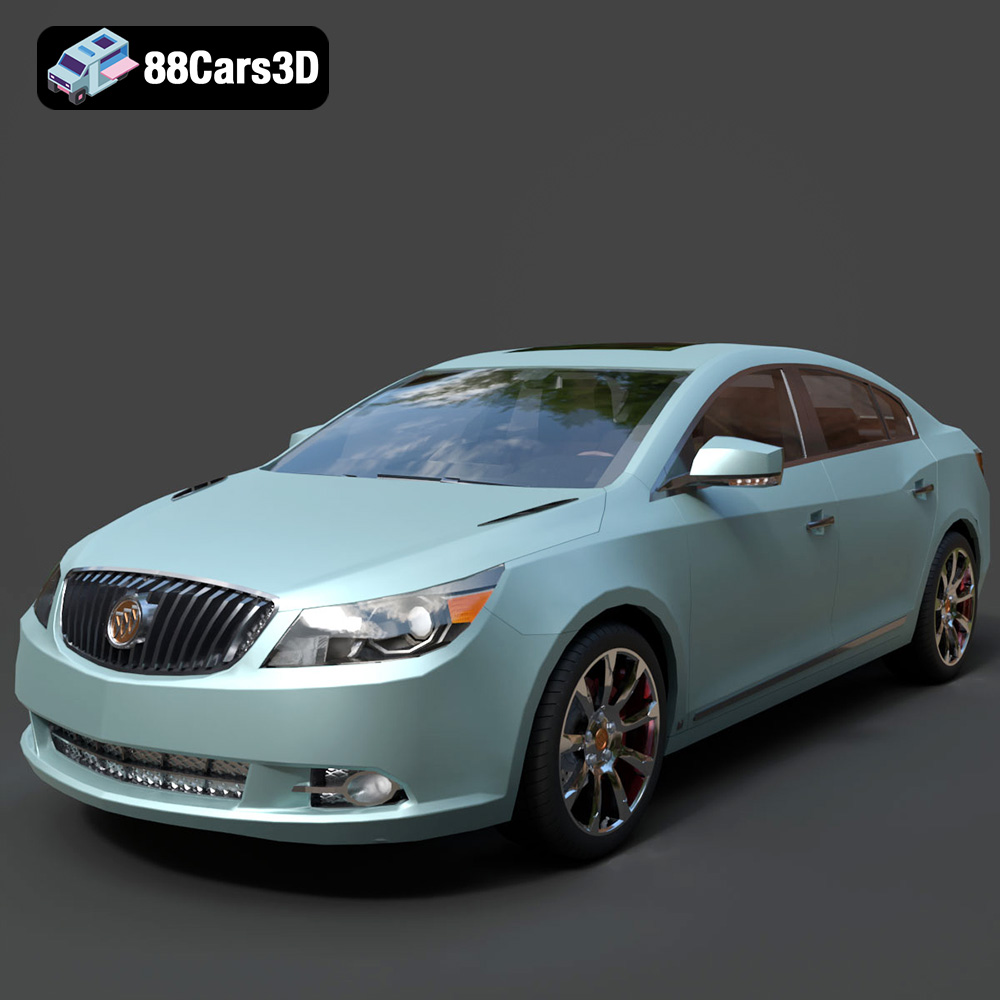
Texture: Yes
Material: Yes
Download the Buick LaCrosse 3D Model featuring professional modeling and texture work. Includes .blend, .fbx, .obj, .glb, .stl, .ply, .unreal, and .max formats for rendering, simulation, and game development.
Price: $10.79

