⚡ FLASH SALE: Get 60% OFF All Premium 3D & STL Models! ⚡

The architectural visualization landscape has undergone a profound transformation. Gone are the days of static renders and pre-recorded flythroughs that offer limited interaction. Today, clients and stakeholders demand immersive, dynamic, and fully interactive experiences that allow them to truly ‘step inside’ a design before it’s built. Enter Unreal Engine – a powerhouse real-time rendering platform that has revolutionized how architects, designers, and visualization artists bring their visions to life.
Unreal Engine provides an unparalleled suite of tools for creating photorealistic environments, dynamic lighting, and compelling interactive experiences. From complex building geometries to intricate interior details and vast exterior landscapes, Unreal Engine empowers artists to deliver breathtaking architectural walkthroughs that captivate and inform. This comprehensive guide will take you on a journey through the essential workflows and advanced techniques necessary to master Unreal Engine for architectural visualization, ensuring your projects stand out in an increasingly competitive market. We’ll cover everything from project setup and material creation to lighting, interactivity, optimization, and even integrating high-quality assets, such as the premium 3D car models available on 88cars3d.com, to elevate your scenes.
Starting an architectural visualization project in Unreal Engine requires thoughtful configuration to ensure optimal performance and visual fidelity. The initial setup lays the groundwork for all subsequent steps, impacting everything from scene scale to lighting behavior. Understanding these foundational elements is crucial for a smooth development process.
When you launch Unreal Engine, you’ll be prompted to create a new project. For architectural visualization, you typically have two main starting points: the “Blank” template or the “Architecture, Engineering, and Construction (AEC)” template. The “Blank” template offers the most flexibility, giving you an empty canvas to build upon, which is often preferred by experienced users who want full control over every setting. The “AEC” template, however, comes pre-configured with some common settings beneficial for archviz, such as a basic lighting setup and a default Post Process Volume. Regardless of your choice, certain project settings are critical to review.
In your Project Settings, navigate to the “Rendering” section. Here, ensure “Ray Tracing” is enabled for stunning reflections, refractions, and accurate global illumination (though Lumen often supersedes baked ray tracing for GI). Critically, enable “Lumen Global Illumination” and “Lumen Reflections” for dynamic, real-time bounce lighting and reflections without lengthy bake times. You’ll also want to consider enabling “Virtual Textures” if you plan to use extremely large texture assets or need advanced material layering. For development, consider setting your “Scalability Settings” to “Cinematic” to preview the highest quality possible, but remember to optimize for your target hardware later. Checking these fundamental settings from the outset prevents potential headaches down the line and ensures your project is geared for maximum realism. For more details on project setup, consult the official Unreal Engine documentation at https://dev.epicgames.com/community/unreal-engine/learning.
Bringing your architectural models into Unreal Engine is a pivotal step. The engine supports various file formats, with FBX, USD, and Datasmith being the most common. For complex CAD or BIM data (e.g., from Revit, SketchUp, 3ds Max), Datasmith is often the preferred choice. Datasmith not only imports geometry but also preserves hierarchies, layers, materials, and even metadata, streamlining the transfer process. Before importing, ensure your source geometry is clean: remove unnecessary polygons, apply transformations, and consolidate meshes where appropriate. Consistent unit scaling between your DCC (Digital Content Creation) tool and Unreal Engine is vital to avoid scale discrepancies.
Once imported, individual meshes become Static Mesh Assets in Unreal Engine. Open the Static Mesh Editor for each asset to fine-tune properties. Pay close attention to collision settings – generate simple collision primitives for architectural elements to ensure proper player navigation without performance overhead from complex mesh collisions. Crucially, verify or generate UV mapping for lightmaps (UV Channel 1, typically). While Lumen minimizes the need for traditional lightmap baking, clean UVs are still beneficial for certain workflows or if you opt for baked lighting for specific static elements. For highly detailed architectural models that might push polygon limits, consider importing them with Nanite enabled. Nanite virtualized geometry allows you to bring in millions, or even billions, of polygons without traditional LOD (Level of Detail) constraints, significantly enhancing visual fidelity for intricate architectural facades, ornate carvings, or complex interior decor.
Materials are the skin of your architectural models, defining their appearance, texture, and how they interact with light. Achieving photorealism in Unreal Engine heavily relies on a solid understanding and application of Physically Based Rendering (PBR) principles. This ensures that your digital materials behave like their real-world counterparts, reacting accurately to various lighting conditions.
PBR is a workflow that aims to represent how light interacts with surfaces based on real-world physics. In Unreal Engine, this translates primarily into a set of texture maps and parameters within the Material Editor: Base Color (Albedo), Roughness, Metallic, Normal, and Ambient Occlusion. The Base Color map defines the intrinsic color of a surface. Roughness determines how spread out or concentrated reflections are – a low roughness value creates a mirror-like surface, while high roughness results in a diffuse, matte look. The Metallic input differentiates between metallic and non-metallic surfaces (0 for non-metals, 1 for metals). The Normal map simulates surface detail without adding actual geometry, giving the illusion of bumps and grooves. Finally, Ambient Occlusion (AO) fakes soft shadows in crevices and corners, adding depth. Mastering the balance and interaction of these maps is key to realistic material representation.
Within the Material Editor, you connect texture samples, scalar parameters, and vector parameters to these PBR inputs. For example, a concrete material would typically have a desaturated Base Color, a Roughness map with varying gray values, a Normal map for surface imperfections, and an AO map. Glass, on the other hand, would have a transparent Base Color, very low Roughness (often near 0), and utilize additional parameters like Refraction and Opacity. The Material Editor is a node-based interface, allowing for complex procedural materials and combinations of textures. Understanding how to create Material Functions for reusable logic (e.g., a dirt layer, a puddles effect) and then leveraging Master Materials with instancing allows for efficient iteration and consistency across your project. This systematic approach ensures that every surface, from polished marble floors to weathered brick walls, contributes to the overall photorealistic impact of your architectural walkthrough.
Beyond the basic PBR setup, Unreal Engine offers advanced material techniques that can significantly elevate the realism of your architectural scenes. Material Functions are powerful tools that allow you to encapsulate complex node networks into reusable blocks. Imagine creating a “wear and tear” function that adds edge dirt, scratches, or water streaks based on mesh curvature; this function can then be dragged and dropped into any Master Material, ensuring consistency and saving development time. Similarly, creating Master Materials with exposed parameters enables you to generate countless Material Instances. A single Master Material for “Wall Paint” can have parameters for color, sheen, normal intensity, and dirt amount, allowing artists to create dozens of unique paint colors and conditions through instances without recompiling shaders, leading to vastly improved workflow efficiency and performance.
For specific architectural elements, consider specialized material setups. Two-sided foliage materials are essential for realistic trees and plants, ensuring leaves render correctly from both sides. Subsurface scattering (SSS) is crucial for materials like curtains, frosted glass, or certain types of stone, allowing light to penetrate and scatter beneath the surface, producing a soft, lifelike glow. Clear coat materials, common in automotive visualization (e.g., for pristine car paint), can also be applied to architectural elements like high-gloss lacquered wood or polished metals, adding an additional layer of reflective sheen. When working with high-resolution textures (e.g., 2K, 4K, or even 8K for hero assets), be mindful of texture streaming and memory usage. Optimize where possible by using lower resolutions for distant objects and employing texture atlases. This careful attention to material detail and optimization is what truly separates compelling architectural visualizations from mediocre ones, making every surface a testament to your design’s intended feel.
Lighting is arguably the most critical element in architectural visualization, as it dictates mood, emphasizes design features, and gives objects volume and realism. Unreal Engine offers a sophisticated lighting pipeline, with Lumen standing at the forefront for dynamic global illumination.
Lumen is Unreal Engine’s groundbreaking dynamic global illumination and reflections system, providing an unprecedented level of realism and flexibility for architectural scenes. Unlike traditional baked lighting solutions (like Lightmass), Lumen calculates bounce light, diffuse interreflection, and specular reflections in real-time, eliminating lengthy light bake times and allowing for dynamic changes to lighting conditions, geometry, and materials instantly. This means you can create dynamic day-night cycles, open and close doors, or move furniture, and the lighting will update realistically in an instant. Lumen works by using software ray tracing (with hardware ray tracing support) to probe the scene’s geometry, propagating light from emissive surfaces and direct light sources throughout the environment.
To enable Lumen, ensure it’s activated in your Project Settings under “Rendering,” and then add a Post Process Volume to your scene, setting its “Infinite Extent (Unbound)” property to true. Within the Post Process Volume, you’ll find comprehensive Lumen settings for Global Illumination and Reflections, allowing you to fine-tune quality, performance, and distance. While Lumen offers incredible benefits, it’s also performance-intensive. For very large scenes, you might need to adjust settings like “Max Trace Distance” or “GIRadiosityQuality” to balance fidelity with frame rate. Understanding its capabilities and limitations is key to harnessing its power effectively, ensuring your architectural spaces are bathed in beautiful, realistic light without compromise. For more in-depth Lumen guidance, refer to the official Unreal Engine documentation.
While Lumen handles dynamic global illumination with finesse, traditional lighting approaches still play a vital role in architectural visualization, especially for specific effects or performance-critical scenarios. Unreal Engine offers three primary types of lights: Static, Stationary, and Movable. Static lights are entirely pre-baked by Lightmass, offering the cheapest runtime performance but no dynamic interaction. Stationary lights are a hybrid, allowing direct lighting to be dynamic while bounce lighting is baked; they can also cast shadows from moving objects. Movable lights are fully dynamic, offering the most flexibility but also the highest performance cost. For scenarios where maximum performance is critical or for precise control over specific light bounces, traditional lightmap baking with Lightmass might still be preferred for static elements.
Optimizing your lighting setup involves strategic placement and configuration. Directional Lights simulate the sun, while Sky Lights capture ambient outdoor light and reflections. Point Lights and Spot Lights are perfect for interior fixtures. For interior spaces, understanding light falloff, inverse square law, and using IES profiles (which mimic real-world light fixture distribution) adds significant realism. Emissive materials, which make objects glow, can be used for subtle interior ambient light or for screen displays. Volumetric fog and atmospheric effects, configured via the Exponential Height Fog actor, are essential for conveying mood, depth, and environmental realism, allowing light shafts and subtle haziness to define the atmosphere of your architectural design. By strategically combining Lumen with carefully placed traditional lights and atmospheric effects, you can craft truly immersive and visually stunning architectural environments.
The true power of real-time architectural visualization in Unreal Engine lies in its ability to create interactive experiences. Gone are the days of passive viewing; clients now expect to explore, customize, and engage with designs. Unreal Engine’s Blueprint visual scripting system makes this interactivity accessible without writing a single line of code.
At the heart of any interactive walkthrough is the player’s ability to navigate and interact with the environment. Setting up a custom Player Controller and Game Mode allows you to define how your user moves and inputs commands. For an architectural walkthrough, a First-Person Character setup is common, allowing users to walk through the space naturally. You can customize movement speed, jump height (if desired), and even implement “ghosting” or “noclip” modes for quick exploration. Blueprint enables you to easily add interactive elements such as opening and closing doors, toggling lights, or changing the time of day. This is achieved by setting up simple collision volumes (triggers) around interactable objects and using Blueprint Event Graph nodes like “OnComponentBeginOverlap” and “InputKey” to trigger animations (e.g., a door opening using a Matinee or Sequencer track) or change light component visibility and intensity. Event-driven programming, where actions are triggered by specific events (like pressing a key or clicking an object), is the foundation of these interactive systems. For an extensive guide on Blueprint, the official Unreal Engine learning resources at https://dev.epicgames.com/community/unreal-engine/learning are invaluable.
Taking interactivity to the next level, architectural configurators allow users to customize elements of a design in real-time. This could involve swapping out floor materials, changing wall colors, selecting different furniture layouts, or even dynamically altering building facades. Unreal Engine’s User Interface (UI) system, UMG (Unreal Motion Graphics), is the tool for building these interactive menus and widgets. You can design buttons, sliders, and dropdown menus that, when interacted with, trigger Blueprint logic to modify the scene. For example, clicking a “Wood Floor” button could swap the material on your floor mesh to a wood PBR material instance, while a “Wall Color” slider could adjust the Base Color parameter of a wall paint material instance. This requires setting up Master Materials with exposed parameters that can be modified via Blueprint. Furthermore, you could integrate more complex systems, such as dynamic object spawning or destruction, to allow users to add or remove furniture pieces or even structural elements. Imagine an architectural showroom where prospective buyers can not only customize their future home but also visualize it with a high-quality 3D car model from 88cars3d.com parked in the driveway, and even change its color in real-time through the configurator interface. This level of dynamic customization provides an incredibly powerful sales and design review tool, fostering deeper engagement and understanding of the architectural vision.
Creating stunning visuals in Unreal Engine is only half the battle; ensuring your architectural walkthroughs run smoothly on target hardware is equally important. Performance optimization is an ongoing process that involves smart asset management, efficient scene construction, and continuous profiling.
The sheer amount of geometric detail in architectural projects can quickly bog down performance. Traditional optimization techniques include creating Levels of Detail (LODs) for your static meshes. LODs are simplified versions of a mesh that are swapped in at greater distances from the camera, significantly reducing polygon count and draw calls for objects that don’t need full detail. Unreal Engine has automated LOD generation tools, but manual tweaking often yields better results for critical assets. Additionally, ensure proper culling is enabled: Frustum Culling removes objects outside the camera’s view, and Occlusion Culling hides objects that are blocked by others. These are typically handled automatically by the engine but can be configured.
However, for the highest visual fidelity with minimal performance impact, Nanite virtualized geometry is a game-changer for architectural visualization. Nanite allows you to import incredibly high-polygon models – often directly from CAD or sculpting software – without needing to create manual LODs or worry about draw calls for individual triangles. It intelligently streams and renders only the necessary geometric detail based on the camera’s view, allowing for unprecedented detail in architectural facades, intricate furniture, or complex building elements. This is also incredibly beneficial when integrating highly detailed 3D car models from marketplaces like 88cars3d.com; you can retain the full fidelity of the vehicle without struggling with performance issues typical of high-poly assets. While Nanite is revolutionary, it’s not suitable for all meshes (e.g., animated characters, translucent objects). Strategic application – using Nanite for static, high-detail meshes and traditional LODs for others – yields the best balance between performance and visual quality.
Optimization is an iterative process of identifying bottlenecks and addressing them. Unreal Engine provides powerful profiling tools to diagnose performance issues. Essential console commands include Stat Unit (shows frame time, game thread, draw thread, GPU time), Stat FPS (shows current frames per second), and Stat RHI (detailed rendering hardware interface statistics). The GPU Visualizer (accessible via Ctrl + Shift + , in editor) is an indispensable tool for understanding where GPU time is being spent, breaking down rendering passes, and identifying expensive materials or post-process effects. The Stat command with arguments like Stat SceneRendering or Stat GPU can provide further granular data.
Common performance bottlenecks in architectural scenes include excessive draw calls (too many unique objects being rendered), overly complex materials (too many texture samples or complex mathematical operations), high polygon counts on non-Nanite meshes, unoptimized texture resolutions (especially for objects far from the camera), and over-reliance on expensive post-process effects. To address these, reduce draw calls by combining meshes (though be careful not to create “mega-meshes” that are always rendered), simplify material graphs, ensure proper LODs are implemented for non-Nanite assets, and manage your texture streaming pool. Consolidating textures into atlases can also reduce memory overhead and draw calls. Regularly profiling your scene throughout development ensures you maintain a smooth, responsive architectural walkthrough experience across your target hardware.
While interactive walkthroughs offer unparalleled freedom, there are times when a carefully curated, cinematic presentation is required – for marketing, design reviews, or competition submissions. Unreal Engine’s Sequencer is a powerful non-linear cinematic editor that allows you to choreograph every aspect of your architectural narrative with Hollywood-level precision.
Sequencer provides the tools to create professional-grade animated sequences within your architectural scene. The first step is to add a new Level Sequence asset to your project. Within Sequencer, you’ll primarily work with Cine Cameras. Unlike regular cameras, Cine Cameras offer filmic controls such as focal length, aperture (for depth of field effects), and aspect ratio, allowing you to achieve a truly cinematic look. You can add multiple camera tracks to your sequence, each representing a different shot or angle, and seamlessly cut between them. Keyframing is the core mechanic: you define the camera’s position, rotation, and lens settings at specific points in time, and Sequencer interpolates between these keyframes to create smooth, flowing camera movements. Whether it’s a slow, contemplative dolly shot revealing an interior space, a sweeping crane shot showcasing a building’s exterior, or a precise track along a design element, Sequencer gives you complete control over your virtual camera’s motion and composition. Experiment with different camera angles and movements to highlight the most compelling aspects of your architectural design, ensuring each shot contributes meaningfully to your overall story.
Sequencer isn’t just for camera work; it’s a comprehensive animation editor. You can animate virtually any property of any actor in your scene. This means you can choreograph doors slowly opening, lights fading on or off, blinds raising or lowering, or even the sun’s position changing to simulate a time-lapse effect. By adding tracks for specific actors (e.g., a Static Mesh for a door) and keyframing their transformation, material parameters, or visibility, you can bring your architectural scene to life. Combine these with Post Process Volume animations – adjusting color grading, bloom, or vignette over time – to enhance the emotional impact of your cinematic. Imagine a slow reveal of an architectural model from 88cars3d.com, where the car’s headlights subtly illuminate a newly designed facade as dawn breaks. The possibilities for narrative storytelling are immense.
Once your sequence is perfected, the final step is to export high-quality renders. Sequencer’s Render Movie functionality offers robust options for outputting images (PNG, EXR sequences) or video (H.264, ProRes). For the highest fidelity, rendering out as an EXR image sequence is recommended, as it preserves full dynamic range and allows for extensive post-processing in external applications like DaVinci Resolve or Adobe After Effects. Consider rendering with anti-aliasing methods like Temporal Anti-Aliasing (TAA) or using the Movie Render Queue for advanced options like spatial and temporal super-sampling, which yield incredibly clean and high-resolution output. For cutting-edge presentations, Unreal Engine’s virtual production capabilities extend to architectural visualization, allowing you to display your real-time scenes on massive LED walls, blending digital architecture seamlessly with physical environments for truly immersive client experiences or large-scale exhibitions.
While the primary focus of architectural visualization is the building itself, the surrounding context and lifestyle elements play a critical role in conveying the full narrative of a design. Integrating high-quality automotive assets can dramatically enhance the realism, scale, and aspirational appeal of your architectural scenes.
Placing a car in front of a building or in a showroom isn’t just about filling space; it’s about grounding the architecture in a believable, real-world context. A realistically rendered car immediately provides a sense of scale, humanizing the grandiosity of a structure and making it relatable. Furthermore, the type of car can subtly communicate the intended lifestyle or demographic associated with the architectural design – a luxury sedan for a high-end villa, or an electric vehicle for an eco-conscious development. However, simply dropping any 3D model into your scene won’t cut it. To maintain the photorealism of your Unreal Engine architectural walkthrough, it’s paramount to use professional-grade 3D car models. Marketplaces like 88cars3d.com specialize in providing such assets, ensuring they come with clean topology, meticulously crafted PBR materials, and optimized UV mapping, making them ready for immediate integration into Unreal Engine projects. When importing these models (typically FBX or USD), ensure their scale is accurate relative to your architectural scene. Apply the provided PBR textures for the body paint, tires, glass, and interior to leverage Unreal Engine’s advanced material system, creating realistic reflections, refractions, and surface details that match the quality of your architectural renders. The synergy between a beautifully designed building and a stunningly rendered vehicle creates a cohesive and compelling visualization.
Beyond static placement, you can introduce interactivity with automotive assets to further engage your audience. Using Blueprint visual scripting, you can enable users to dynamically interact with the car models within your architectural scene. Imagine a client walkthrough where, with a click of a button, they can open the car doors to peek inside, or toggle the headlights to see how they illuminate the driveway at night. More advanced configurators, as discussed earlier, could allow users to change the car’s body color, wheel type, or even interior upholstery in real-time, just as they might customize the architectural elements. This is where sourcing robust 3D car models from platforms like 88cars3d.com truly shines, as their models are often structured for easy material swapping and component access. For the truly ambitious, you could even implement basic physics simulation to allow a car to be driven around a property, although this is a more complex undertaking involving vehicle physics systems within Unreal Engine. For AR/VR architectural experiences, optimizing these detailed car models (even Nanite-enabled ones) becomes even more critical. Ensuring efficient draw calls, appropriate texture resolutions, and streamlined material graphs is essential to maintain high frame rates in immersive environments, providing a seamless and visually rich experience for both the architecture and its integrated automotive complements.
Unreal Engine stands as an indispensable tool for modern architectural visualization, empowering artists and designers to transcend traditional static renders and create truly immersive, interactive, and photorealistic experiences. From meticulous project setup and the crafting of PBR materials to mastering dynamic lighting with Lumen, building engaging interactivity with Blueprint, and optimizing every facet for peak performance, the journey through Unreal Engine for architectural walkthroughs is a comprehensive one. We’ve explored how Nanite revolutionizes detail management, how Sequencer elevates cinematic storytelling, and how incorporating high-quality assets, like the sophisticated 3D car models from 88cars3d.com, can anchor your designs in realism and aspirational context.
The power of Unreal Engine lies not just in its cutting-edge rendering capabilities but in its flexibility and the vast ecosystem it offers for creation. As you embark on your own architectural visualization projects, remember that attention to detail, a methodical workflow, and a commitment to optimization will be your greatest assets. Dive into the official Unreal Engine documentation, experiment with the techniques discussed, and continually seek to push the boundaries of what’s possible. The future of architectural visualization is dynamic, interactive, and breathtakingly real – and Unreal Engine is your canvas to paint that future. Start building your next award-winning architectural experience today, and let your designs truly come alive.

Texture: Yes
Material: Yes
Download the BMW M6 Coupe (F12) 3D Model featuring its iconic sporty design and luxurious details. Includes .blend, .fbx, .obj, .glb, .stl, .ply, .unreal, and .max formats for rendering, simulation, and game development.
Price: $10.79

Texture: Yes
Material: Yes
Download the BMW M5 F10 3D Model featuring high-performance luxury sedan design, detailed interior, and realistic PBR textures. Includes .blend, .fbx, .obj, .glb, .stl, .ply, .unreal, and .max formats for rendering, simulation, and game development.
Price: $10.79
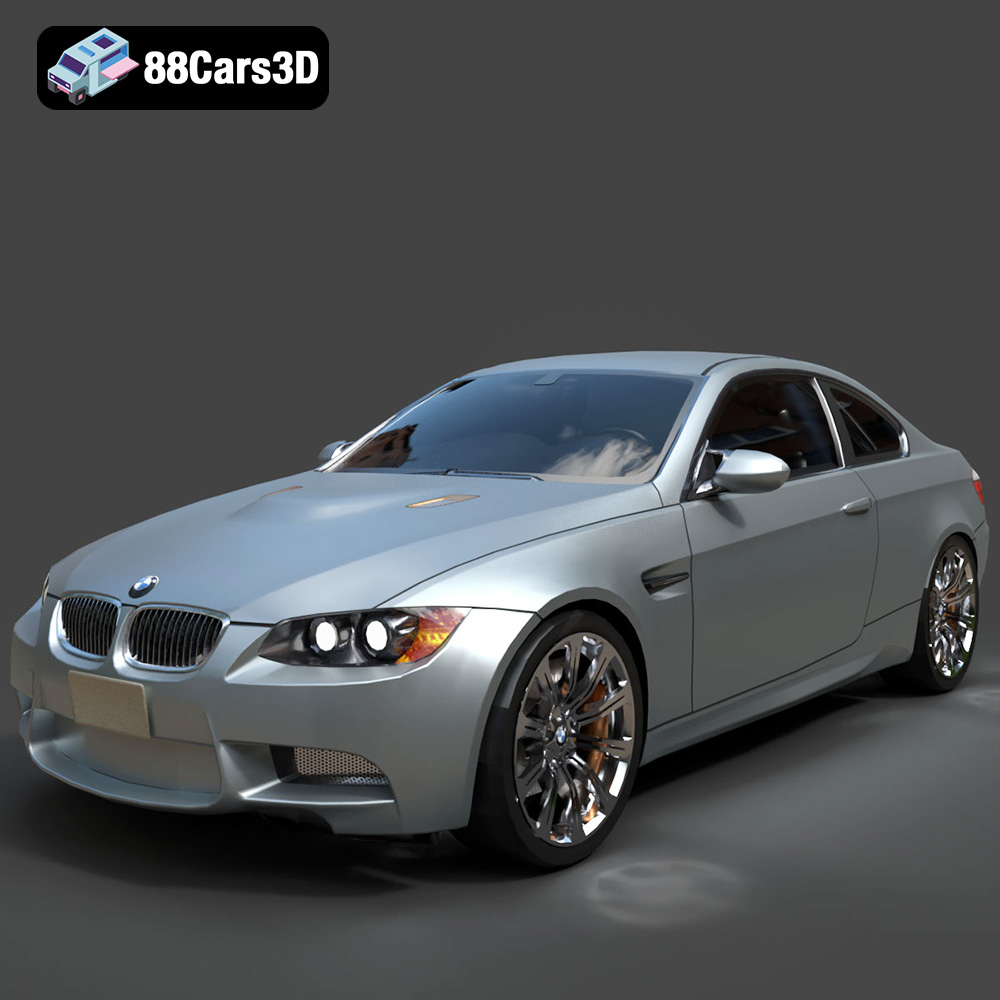
Texture: Yes
Material: Yes
Download the BMW M3 Coupe E92-002 3D Model featuring authentic styling, detailed exterior, and a faithful interior. Includes .blend, .fbx, .obj, .glb, .stl, .ply, .unreal, and .max formats for rendering, simulation, and game development.
Price: $10.79
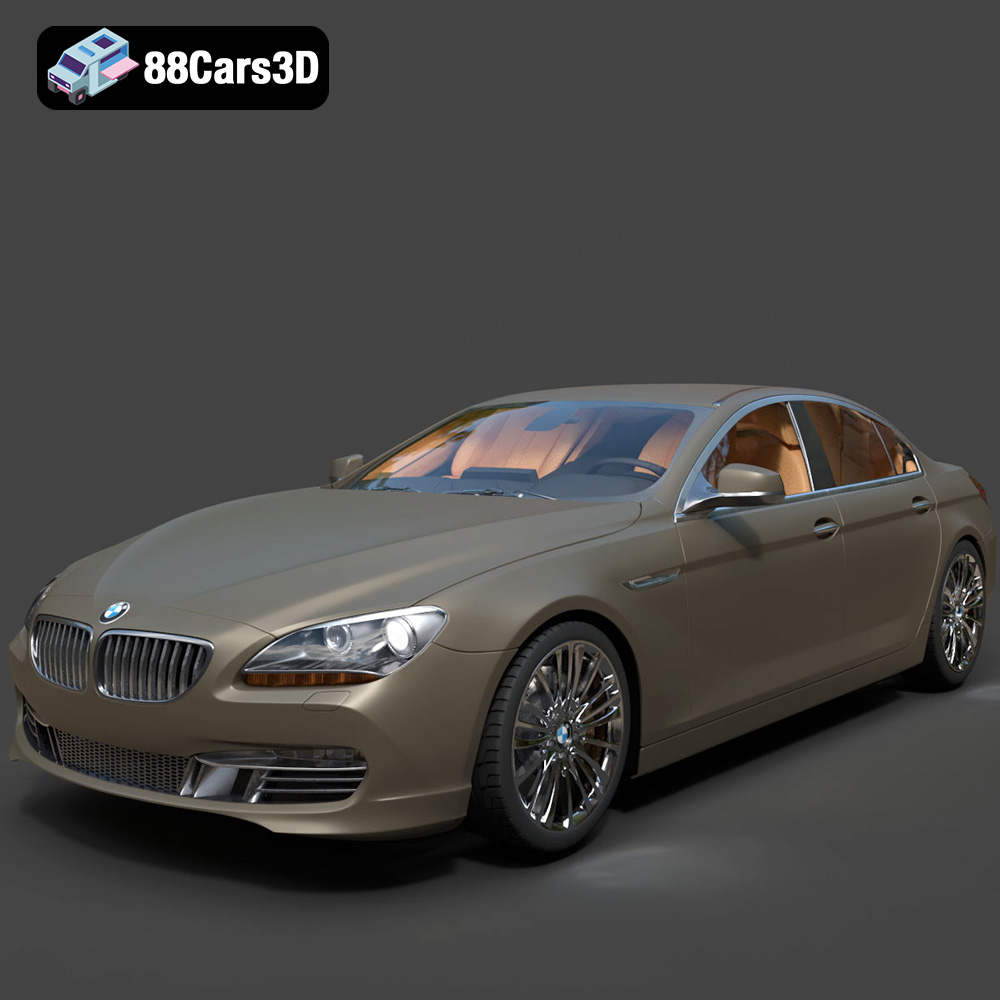
Texture: Yes
Material: Yes
Download the BMW 6 Series Gran Coupe 2013 3D Model featuring a sophisticated design, detailed exterior, and well-appointed interior. Includes .blend, .fbx, .obj, .glb, .stl, .ply, .unreal, and .max formats for rendering, simulation, and game development.
Price: $20.79
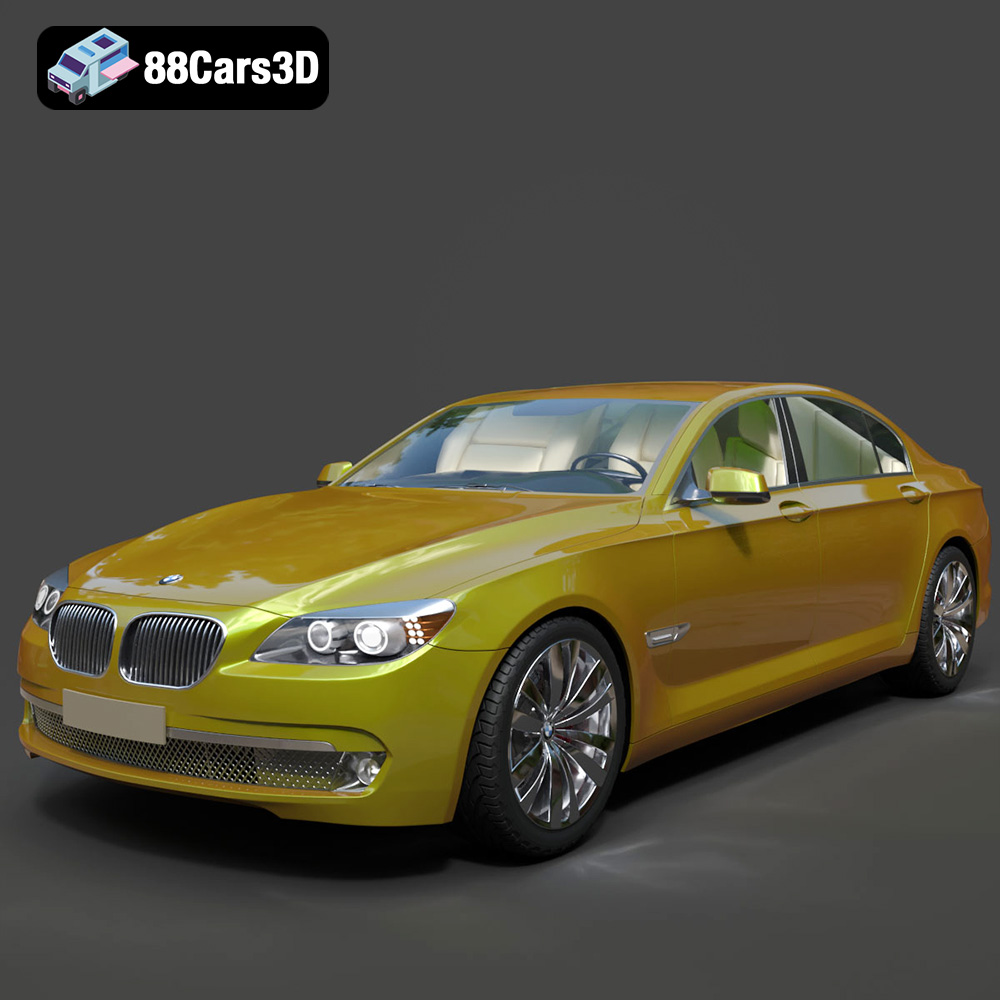
Texture: Yes
Material: Yes
Download the BMW 7 Series 750 F01 3D Model featuring a detailed exterior and a luxurious interior. Includes .blend, .fbx, .obj, .glb, .stl, .ply, .unreal, and .max formats for rendering, simulation, and game development.
Price: $10.79
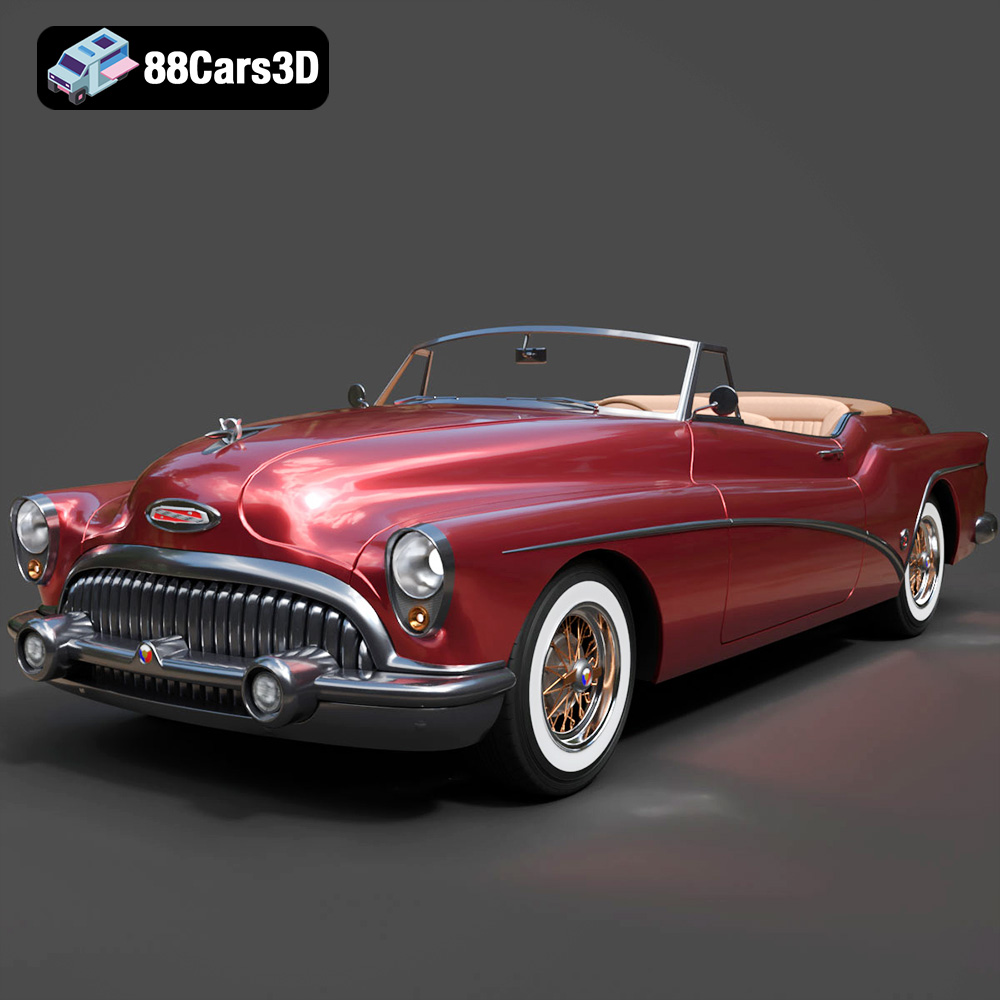
Texture: Yes
Material: Yes
Download the Buick Skylark Convertible 1953 3D Model featuring iconic 1950s styling, a detailed exterior with chrome accents, and an accurately modeled interior. Includes .blend, .fbx, .obj, .glb, .stl, .ply, .unreal, and .max formats for rendering, simulation, and game development.
Price: $10.79

Texture: Yes
Material: Yes
Download the Buick Roadmaster Hardtop Coupe 1957 3D Model featuring a classic American design with detailed exterior and interior. Includes .blend, .fbx, .obj, .glb, .stl, .ply, .unreal, and .max formats for rendering, simulation, and game development.
Price: $10.79

Texture: Yes
Material: Yes
Download the Buick Riviera 1963 3D Model featuring classic American muscle car design and iconic styling. Includes .blend, .fbx, .obj, .glb, .stl, .ply, .unreal, and .max formats for rendering, simulation, and game development.
Price: $10.79

Texture: Yes
Material: Yes
Download the Buick Regal 3D Model featuring a classic American sedan design, detailed exterior, and optimized interior. Includes .blend, .fbx, .obj, .glb, .stl, .ply, .unreal, and .max formats for rendering, simulation, and game development.
Price: $10.79
Texture: Yes
Material: Yes
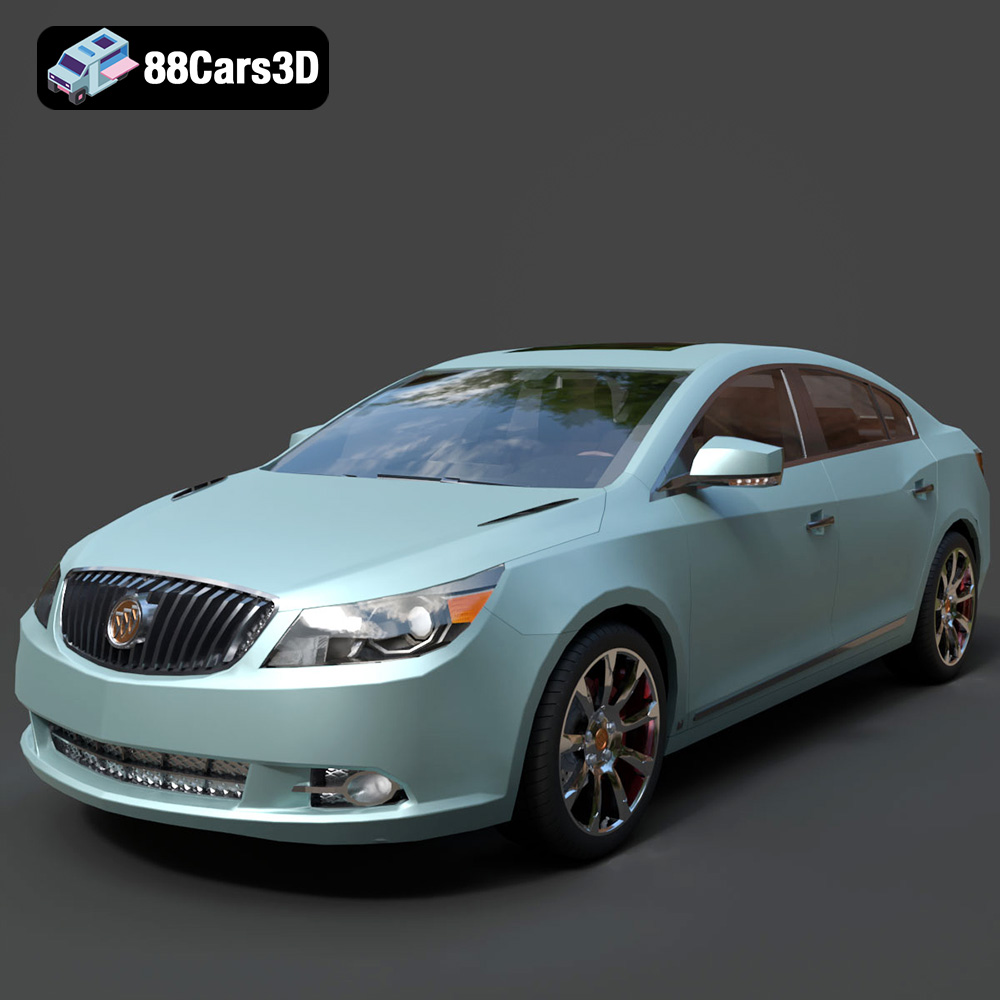
Download the Buick LaCrosse 3D Model featuring professional modeling and texture work. Includes .blend, .fbx, .obj, .glb, .stl, .ply, .unreal, and .max formats for rendering, simulation, and game development.
Price: $10.79

