⚡ FLASH SALE: Get 60% OFF All Premium 3D & STL Models! ⚡

The digital realm has opened up unprecedented possibilities for design, visualization, and entertainment. At the heart of many of these innovations lies the meticulous craft of 3D modeling, especially when it comes to capturing the intricate beauty and engineering prowess of automobiles. From sleek concept cars destined for virtual showrooms to battle-hardened vehicles ready for the latest game engine, creating a high-quality 3D car model is a journey that blends artistic vision with technical precision.
This comprehensive guide delves deep into the entire workflow of 3D automotive modeling, taking you from the initial spark of an idea to a breathtaking final render. We’ll explore the essential stages, technical considerations, and industry best practices that empower artists and designers to create assets that stand out. Whether you’re an aspiring 3D artist, a seasoned game developer, an automotive designer, or simply fascinated by the process, prepare to unlock the secrets behind crafting truly exceptional 3D car models. Get ready to master topology, PBR materials, rendering techniques, and optimization strategies that will elevate your work to professional standards.
Every great 3D model begins not with polygons, but with a solid foundation of research and reference. For automotive modeling, this initial phase is paramount, as accuracy is often the difference between a believable vehicle and one that feels “off.” The goal is to collect a comprehensive visual dossier of your chosen vehicle, meticulously documenting every curve, panel gap, and unique design element. This isn’t just about aesthetics; it’s about understanding the engineering and design philosophy behind the car. Without this critical groundwork, even the most skilled modeler will struggle to capture the essence and proportions correctly, leading to inaccuracies that become increasingly difficult to rectify down the line.
The cornerstone of accurate automotive modeling is a robust set of blueprints and orthographic images. These typically include front, back, side, and top views of the vehicle, providing precise dimensional information. Sourcing high-resolution images is crucial to avoid pixelation when scaling them to your 3D workspace. It’s important to cross-reference multiple sources whenever possible, as even official blueprints can sometimes have slight discrepancies. Beyond the basic orthographic views, gather detailed photographs from various angles, focusing on specific areas like wheel wells, headlights, grilles, and interior components. For modern cars, manufacturer press kits and online configurators can be goldmines of high-quality, consistent imagery. For classic cars, historical archives, owner manuals, and specialized automotive publications become invaluable resources. Pay close attention to the perspective of these images; try to find shots taken with a neutral lens to minimize distortion. This meticulous collection ensures that when you begin modeling, you have a clear, consistent reference guiding every vertex placement.
While technical accuracy is non-negotiable, a great 3D car model also captures the “personality” or “soul” of the vehicle. This is where mood boards and an understanding of design language come into play. A mood board compiles images, textures, colors, and even abstract concepts that evoke the desired aesthetic and emotional impact of the car. Is it an aggressive sports car, a rugged off-roader, an elegant luxury sedan, or a futuristic concept? Each has a distinct visual language that extends beyond its physical dimensions. For instance, a sports car might emphasize sharp lines, aerodynamic curves, and a low-slung profile, while a luxury car might feature softer transitions, rich materials, and a stately presence. Analyzing the manufacturer’s design philosophy, identifying recurring motifs, and understanding the target audience for the real-world vehicle will inform your artistic decisions. This conceptual understanding helps you make subtle adjustments during modeling, texturing, and rendering that reinforce the car’s identity, elevating it from a mere collection of polygons to a compelling digital representation that resonates with viewers.
Once your references are meticulously organized, the real work of shaping begins. Precision 3D modeling for automobiles is an art form focused on creating a clean, efficient, and deformation-friendly mesh. Unlike organic modeling, automotive surfaces often feature large, smooth, reflective panels interspersed with sharp creases and precise panel gaps. Achieving this level of accuracy while maintaining optimal polygon density and efficient edge flow is paramount for both realistic rendering and smooth performance in real-time applications.
The foundation of any high-quality 3D car model lies in its topology – the arrangement of polygons and edges that define its surface. For automotive assets, **quads** (four-sided polygons) are the gold standard, particularly when working with subdivision surface modeling, as they deform smoothly and predictably. N-gons (polygons with more than four sides) and triangles should be avoided on primary surfaces, as they can lead to pinching, unwanted faceting, and rendering artifacts. A good topology strategy involves maintaining consistent polygon density across the model, concentrating more detail (i.e., denser edge loops) in areas of high curvature, sharp creases, or where detail is critical, such as around headlights, grilles, and wheel wells.
**Edge flow** is equally critical. It refers to how the edges of your mesh flow across the surface, typically following the contours and natural panel lines of the car. Effective edge loops define and support the shape, allowing for smooth subdivision and easy manipulation. For instance, a series of parallel edge loops running along the length of a car panel will help define its curvature, while tighter loops will define sharp creases. Tools like Blender’s **Loop Cut and Slide** are indispensable for this purpose, allowing artists to add new edge loops precisely where needed to refine shape or tighten a corner without disrupting existing topology. According to the official Blender 4.4 manual on Loop Cut and Slide, accessible at https://docs.blender.org/manual/en/4.4/modeling/meshes/editing/subdivide_smooth/loop_cut_and_slide.html, this tool is vital for inserting new edge loops into faces, supporting precise adjustments to the mesh’s curvature and detail. The goal is to build a mesh that is both visually accurate and structurally sound, anticipating how it will look under various lighting conditions and how it might be optimized for different platforms.
The level of detail required for interior and underbody components heavily depends on the model’s intended use. For high-end marketing renders or cinematic shots, a highly detailed interior with accurately modeled seats, dashboard, steering wheel, and even intricate stitching might be necessary. This requires meticulous modeling of individual components, often employing a modular approach where elements like buttons, vents, and switches are modeled separately and then integrated. Underbody details, such as exhaust systems, suspension components, and even brake calipers, contribute significantly to realism, especially for models that will be viewed from multiple angles or in dynamic scenarios.
However, for game assets or real-time visualization, a balance must be struck between visual fidelity and polygon budget. Excessively high polygon counts in areas rarely seen (like a fully detailed engine bay for a car primarily seen from the exterior) can drastically impact performance. In these cases, intelligent use of normal maps to simulate high-frequency details, or simplifying geometry to just the visible components, becomes essential. For instance, a complex brake caliper might be represented by a lower-poly mesh with a detailed normal map derived from a high-poly sculpt. When sourcing models from marketplaces like 88cars3d.com, it’s beneficial to look for models that offer varying levels of detail or clearly specify their poly counts, ensuring they align with your project’s performance requirements. The key is to be strategic about where to invest polygon density, focusing on visible areas and maintaining a clean, optimized mesh for optimal performance across all applications.
Once the geometric form of your 3D car model is perfected, the next crucial step is to prepare its surface for realistic texturing. This involves two interconnected processes: UV mapping, which lays out the 3D mesh onto a 2D plane for texture application, and PBR material creation, which defines how light interacts with the various surfaces of the car. Together, these stages breathe life into the model, transforming raw geometry into a visually compelling and physically accurate representation.
UV mapping is the process of flattening your 3D model’s surface into a 2D coordinate system (the UV space) so that 2D textures can be applied without stretching or distortion. For the complex, curved surfaces of an automobile, strategic unwrapping is critical. The goal is to create clean, organized UV layouts with minimal seams, even texel density, and no overlapping islands (unless intentional for specific effects). Common unwrapping techniques include **planar projection** for flat surfaces, **cylindrical or spherical projection** for rounded elements, and more advanced methods like **LSCM (Least Squares Conformal Mapping)** or **ABF (Angle-Based Flattening)** for organic or complex shapes. For large surfaces or models requiring extremely high-resolution textures, **UDIM workflows** are often employed. UDIMs allow you to spread textures for different parts of the model across multiple UV tiles, enabling higher texture resolution without creating massive single texture files. For instance, the main body panels might occupy several UDIM tiles, while the wheels and interior elements have their own.
Ensuring consistent **texel density** across all UV islands is crucial for maintaining uniform texture resolution and preventing some areas from appearing blurry while others are sharp. Tools in software like Blender, such as **Smart UV Project** and **Seam Marking**, are invaluable for this stage. By strategically marking seams along natural breaks or hidden areas of the model, you can guide the unwrapping process to create cleaner, more manageable UV islands. The Blender 4.4 documentation on UV unwrapping (https://docs.blender.org/manual/en/4.4/modeling/meshes/uv/unwrapping.html) provides detailed guidance on these techniques, emphasizing the importance of well-placed seams and efficient packing for optimal texture usage. A well-executed UV map is the backbone of realistic texturing, ensuring that your PBR materials look their best.
Physically Based Rendering (PBR) materials are the industry standard for achieving photorealistic results. PBR systems simulate how light interacts with real-world surfaces, using a set of texture maps to define properties like color, reflectivity, and roughness. The core PBR maps typically include:
* **Albedo/Base Color:** The intrinsic color of the surface, free from lighting information.
* **Metallic:** Defines whether a surface is metallic (like chrome or painted metal) or dielectric (like plastic or rubber).
* **Roughness:** Controls the micro-surface detail, determining how blurry or sharp reflections are. (A smooth, shiny surface has low roughness; a matte surface has high roughness).
* **Normal:** Adds surface detail without adding geometry, simulating bumps and grooves.
* **Ambient Occlusion (AO):** Simulates self-shadowing in crevices and corners, enhancing depth.
For an automotive model, creating a realistic PBR shader network involves layering these properties. For instance, car paint often involves a base color layer, a metallic flake layer, and a clear coat layer, each with its own roughness and normal characteristics. Glass requires careful handling of transmission and refraction, while rubber needs a specific roughness and slight subsurface scattering. Texture maps can be seamless, tiled patterns (for tire treads or carbon fiber), or unique, baked maps from high-poly sculpts (for intricate grilles or interior details). Procedural textures, generated by the renderer, can also add fine detail and variation. Understanding how these maps interact within your chosen renderer’s shader (e.g., Corona Physical Material, V-Ray Material, Blender’s Principled BSDF) is crucial. Platforms like 88cars3d.com often provide models pre-configured with high-quality PBR materials, saving significant time and ensuring professional-grade realism right out of the box, offering a fantastic starting point for any project.
With a perfectly modeled and textured 3D car, the next exciting phase is to bring it to life through rendering. This process involves simulating light interaction, defining the environment, and setting up cameras to capture the final image. Achieving photorealism in automotive rendering is a meticulous blend of technical understanding and artistic flair, requiring careful attention to lighting, materials, and camera settings.
Lighting is arguably the most critical element in achieving photorealism. It defines the mood, highlights the car’s contours, and reveals the intricate details of its materials. For automotive rendering, **High Dynamic Range Images (HDRIs)** are indispensable. HDRIs capture real-world lighting information (color, intensity, direction) and project it onto a spherical environment, providing realistic global illumination, accurate reflections, and soft, natural shadows. This creates a convincing sense of being in a specific environment, whether it’s a bustling city street, a sun-drenched desert, or a professional studio.
Beyond HDRIs, a combination of traditional light sources can be used to refine the scene. **Key lights** illuminate the main subject, defining its primary form and direction. **Fill lights** soften shadows and reduce contrast. **Rim lights** or **backlights** create a subtle highlight along the edges of the car, separating it from the background and enhancing its silhouette. For studio renders, softboxes, strip lights, and reflectors are digitally replicated to mimic professional photography setups. The placement and intensity of these lights are carefully adjusted to emphasize the car’s design features, highlight the interplay of light and shadow on its reflective surfaces, and create visually compelling compositions. Accurate reflections, particularly on the car’s glossy paint and chrome, are crucial for realism, revealing the surrounding environment and reinforcing the illusion of a solid object within a space.
The choice of renderer significantly impacts the workflow and final output quality. Each renderer has its strengths, capabilities, and learning curve:
* **Corona Renderer:** Known for its ease of use, speed, and photorealistic results, especially with complex lighting and materials. It’s often favored for architectural visualization and automotive renders due to its intuitive controls and high-quality physically accurate output.
* **V-Ray:** A long-standing industry standard, V-Ray is incredibly powerful and versatile, capable of handling everything from broadcast animation to feature films. It offers extensive control over every aspect of rendering, making it suitable for artists who need granular precision.
* **Blender Cycles:** Blender’s integrated path tracer, Cycles, provides excellent photorealistic results, especially with PBR materials. It supports both CPU and GPU rendering and benefits from a rapidly evolving feature set within the Blender ecosystem.
* **Arnold:** Autodesk’s renderer, often integrated with Maya and 3ds Max, is celebrated for its robust handling of complex scenes, volume rendering, and cinematic quality. It’s widely used in film and television production.
Regardless of the renderer, optimizing settings is key to balancing quality and render times. This involves adjusting sampling rates (for cleaner images with less noise), enabling denoisers (to reduce render time by cleaning up noise automatically), and utilizing render passes (like Z-depth, Normal, AO, Material ID) for greater control during post-processing. Modern renderers often leverage both CPU and GPU computing power, allowing artists to choose the most efficient hardware for their specific setup and project needs. Understanding the nuances of your chosen renderer’s settings and capabilities is essential for pushing the boundaries of photorealism and efficiently producing stunning automotive visuals.
While high-fidelity renders are perfect for marketing and portfolio showcases, the demands of real-time applications like video games, AR/VR experiences, and interactive configurators require a different approach. Performance is paramount, and every polygon, texture, and draw call must be carefully managed to ensure smooth framerates and a responsive user experience. This involves a strategic reduction of complexity without significantly compromising visual quality, a delicate balance that separates an optimized asset from a sluggish one.
Preparing 3D car models for game engines like Unity and Unreal Engine involves a series of optimization techniques designed to minimize computational overhead. The most critical of these is the implementation of **Levels of Detail (LODs)**. LODs are simplified versions of your original high-polygon model that automatically swap in and out based on the camera’s distance from the object. A car seen from afar will use a low-poly LOD, while a close-up shot will utilize the high-poly version. Typically, 3-5 LOD levels are created, each with significantly fewer polygons than the last. This dramatically reduces the burden on the GPU.
**Polygon reduction** techniques, such as decimation or manual retopology, are used to create these LODs. Decimation tools can automatically reduce poly counts but often require cleanup. Manual retopology allows for precise control over edge flow and polygon distribution. To further optimize, **texture atlasing** combines multiple smaller textures into one larger texture sheet, reducing the number of draw calls (instructions sent from the CPU to the GPU for rendering). Combining multiple material IDs onto a single material also minimizes draw calls. Additionally, creating simple **collision meshes** (often simplified low-poly versions of the car) is essential for physics interactions without expending resources on complex geometry. Properly configured assets from platforms like 88cars3d.com often come with pre-made LODs and optimized texture sets, streamlining the integration process into game engines.
For augmented reality (AR), virtual reality (VR), and WebGL applications, the optimization bar is set even higher due to the extremely tight performance budgets of mobile devices and web browsers. These platforms demand ultra-lean assets with significantly lower polygon counts and texture resolutions compared to traditional game engines. Mobile AR/VR experiences, for instance, typically require models with poly counts in the tens of thousands, sometimes even lower for complex scenes.
Key strategies include aggressive polygon reduction, often relying heavily on **baked lighting** and **simplified shaders**. Baked lighting pre-calculates shadows and global illumination into texture maps, eliminating the need for real-time calculations. This results in visually rich scenes that run efficiently. Shaders are kept as simple as possible, often relying on basic PBR metallic-roughness workflows without complex layering or expensive effects. Texture resolutions are scaled down, and intricate details are simulated using normal maps derived from high-poly sculpts rather than relying on actual geometry.
**File formats** are also critical for AR/VR and web delivery. **GLB** (a binary version of glTF) is the preferred format for WebGL and many AR platforms due to its single-file nature, compact size, and efficient loading. For Apple’s ARKit ecosystem, **USDZ** is the standard, offering similar benefits. These formats encapsulate geometry, materials, and animations into a highly optimized package. When developing for these cutting-edge applications, always prioritize efficiency, as a smooth, immersive experience hinges entirely on highly optimized 3D car models and assets.
After the render engine has completed its heavy lifting, the journey of your 3D car model isn’t quite over. The final stages involve refining the raw rendered output through post-processing and compositing, and then ensuring your meticulously crafted asset is available in the appropriate file formats for various downstream applications. These steps are crucial for polishing your work and ensuring its versatility.
Post-processing and compositing are the digital equivalent of a photographer’s darkroom, allowing for significant enhancements to the raw rendered image. Rather than re-rendering, which can be time-consuming, these steps allow for non-destructive adjustments in image editing software like Adobe Photoshop, Affinity Photo, or GIMP, or video compositing software like Adobe After Effects or DaVinci Resolve.
The process typically involves:
* **Color Grading:** Adjusting the overall color balance, saturation, and vibrancy to achieve a desired mood or aesthetic. This can range from subtle corrections to dramatic stylistic changes.
* **Contrast Adjustment:** Enhancing the dynamic range of the image, making highlights brighter and shadows deeper to add visual punch.
* **Adding Effects:** Introducing elements like **bloom** (a glow around bright areas), **depth of field** (blurring the foreground or background to draw attention to the car), and **motion blur** (simulating movement for dynamic shots). These effects are often rendered as separate passes or added in post for maximum control.
* **Using Render Passes:** Modern renderers generate various “render passes” (also known as AOV’s – Arbitrary Output Variables). These are separate image layers that isolate different components of the render, such as diffuse color, reflections, refractions, shadows, ambient occlusion, and even Z-depth (distance from camera). By compositing these passes, artists gain unparalleled control to adjust specific elements of the image independently, allowing for precise tweaks to reflections or shadows without affecting the entire image. This flexibility is invaluable for achieving a polished, professional look.
The final output of your 3D car model must be delivered in formats that are compatible with the intended software or platform. Understanding the strengths and limitations of common 3D file formats is essential for seamless integration into diverse workflows:
* **FBX (Filmbox):** Developed by Autodesk, FBX is the industry-standard interchange format due to its robust support for geometry, UVs, PBR materials, cameras, lights, and most importantly, animations and rigging. It’s highly compatible across major 3D software (3ds Max, Maya, Blender, Cinema 4D) and game engines (Unity, Unreal Engine).
* **OBJ (Wavefront Object):** A simpler, older format that primarily stores geometry (vertices, faces) and UV coordinates. It lacks support for animations, rigging, or advanced material properties but is universally compatible and great for static meshes.
* **GLB/glTF (Graphics Library Transmission Format):** An open-standard, royalty-free format ideal for web, AR/VR, and real-time applications. GLB is a binary version that bundles all assets (geometry, textures, animations, PBR materials) into a single, highly optimized file, making it perfect for efficient streaming and loading.
* **USDZ (Universal Scene Description Zip):** Developed by Apple in collaboration with Pixar, USDZ is an optimized format for AR experiences on Apple devices. It’s a proprietary variant of Pixar’s USD format, designed for efficient delivery of 3D content.
* **Native Formats:** While not for interchange, native formats like `.blend` (Blender), `.max` (3ds Max), and `.c4d` (Cinema 4D) preserve all scene data, including modifiers, scene setup, and renderer-specific settings, making them ideal for continued development.
When preparing your model for distribution or for clients, it’s often best practice to provide it in multiple common formats (e.g., FBX, OBJ, GLB) to ensure broad compatibility. Always ensure that models are exported cleanly, with correct scaling, proper pivots, and embedded textures when possible. Platforms such as 88cars3d.com excel in this area, offering their premium 3D car models in a variety of optimized formats, enabling artists and developers to integrate high-quality assets seamlessly into virtually any project, from high-fidelity renders to interactive AR experiences.
The journey of creating a high-quality 3D car model, from initial concept to photorealistic render or optimized game asset, is a complex yet immensely rewarding endeavor. It’s a testament to the power of combining artistic vision with a deep understanding of technical workflows. We’ve explored the critical stages: meticulously gathering references, sculpting precise geometry with impeccable topology, meticulously crafting PBR materials, setting up advanced lighting for stunning renders, and rigorously optimizing assets for performance-critical applications like games and AR/VR.
Each step in this process requires patience, an eye for detail, and a commitment to continuous learning. Mastering these techniques not only elevates your personal projects but also positions you as a valuable asset in industries ranging from automotive design and advertising to film, animation, and interactive entertainment. The demand for skilled 3D artists who can deliver high-fidelity, optimized automotive models continues to grow, reflecting the ever-expanding applications of 3D technology.
Embrace the challenges, experiment with different software and techniques, and never stop refining your craft. The digital world is constantly evolving, bringing new tools and possibilities to the forefront. By consistently applying best practices and leveraging resources like the premium 3D car models available on 88cars3d.com, you can streamline your workflow and focus on delivering breathtaking results. Continue to hone your skills, push the boundaries of realism, and create the next generation of digital automotive masterpieces.
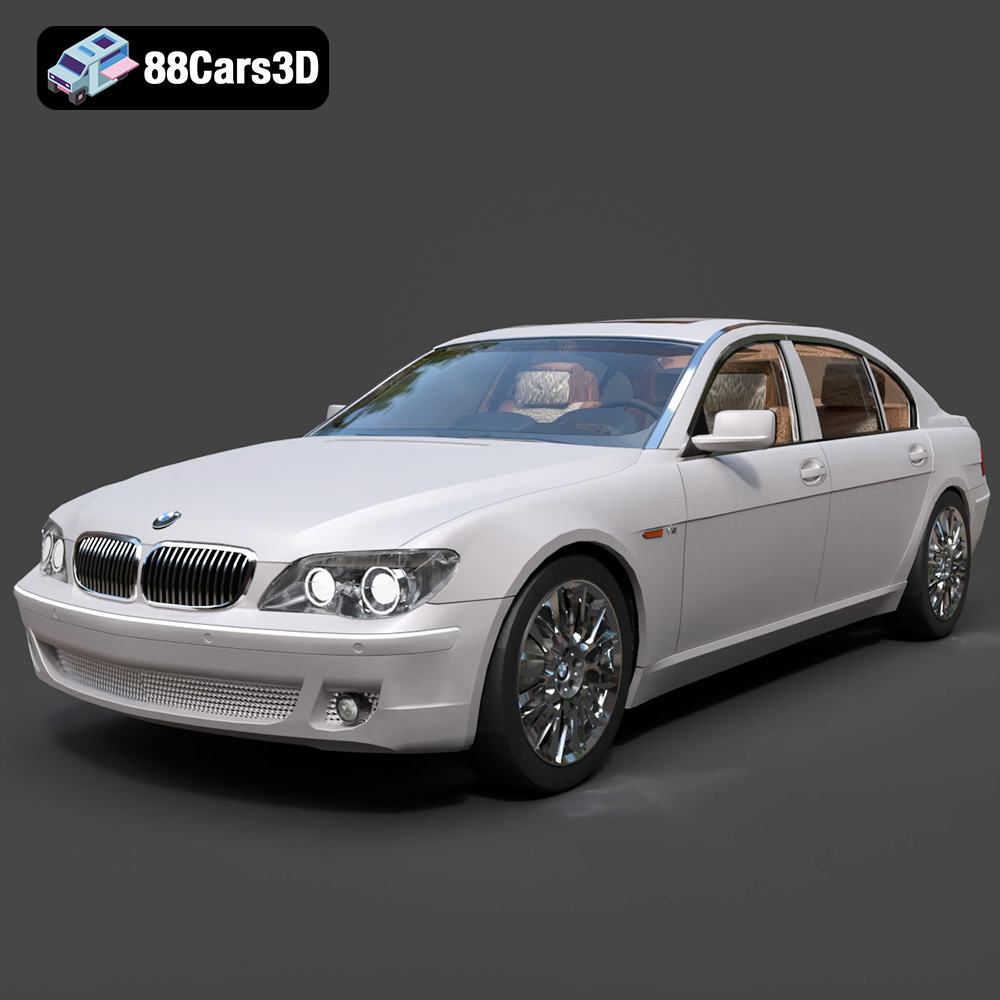
Texture: Yes
Material: Yes
Download the BMW 760Li E66 2005 3D Model featuring a detailed exterior, refined interior, and robust chassis. Includes .blend, .fbx, .obj, .glb, .stl, .ply, .unreal, and .max formats for rendering, simulation, and game development.
Price: $10.79
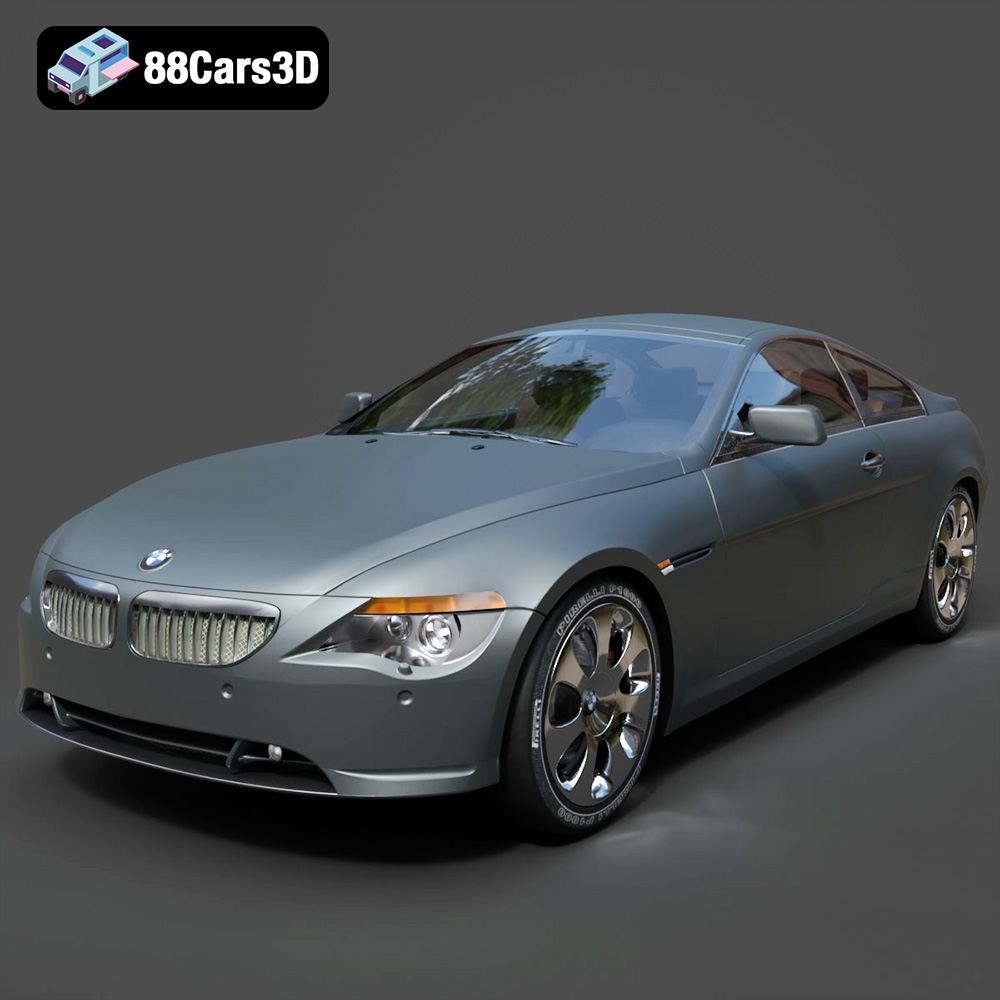
Texture: Yes
Material: Yes
Download the BMW 6 Series 3D Model featuring precisely modeled body panels, detailed interior, and authentic wheels. Includes .blend, .fbx, .obj, .glb, .stl, .ply, .unreal, and .max formats for rendering, simulation, and game development.
Price: $10.79
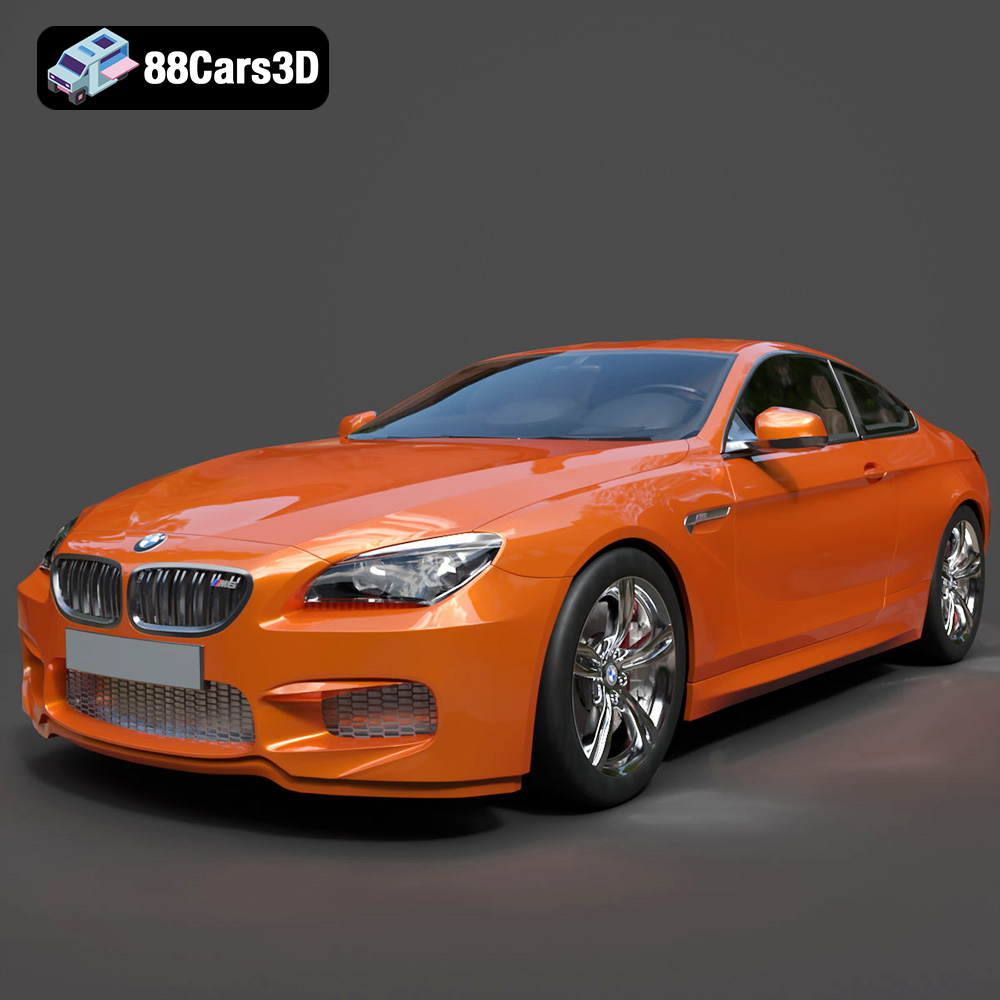
Texture: Yes
Material: Yes
Download the BMW M6 Coupe (F12) 3D Model featuring its iconic sporty design and luxurious details. Includes .blend, .fbx, .obj, .glb, .stl, .ply, .unreal, and .max formats for rendering, simulation, and game development.
Price: $10.79
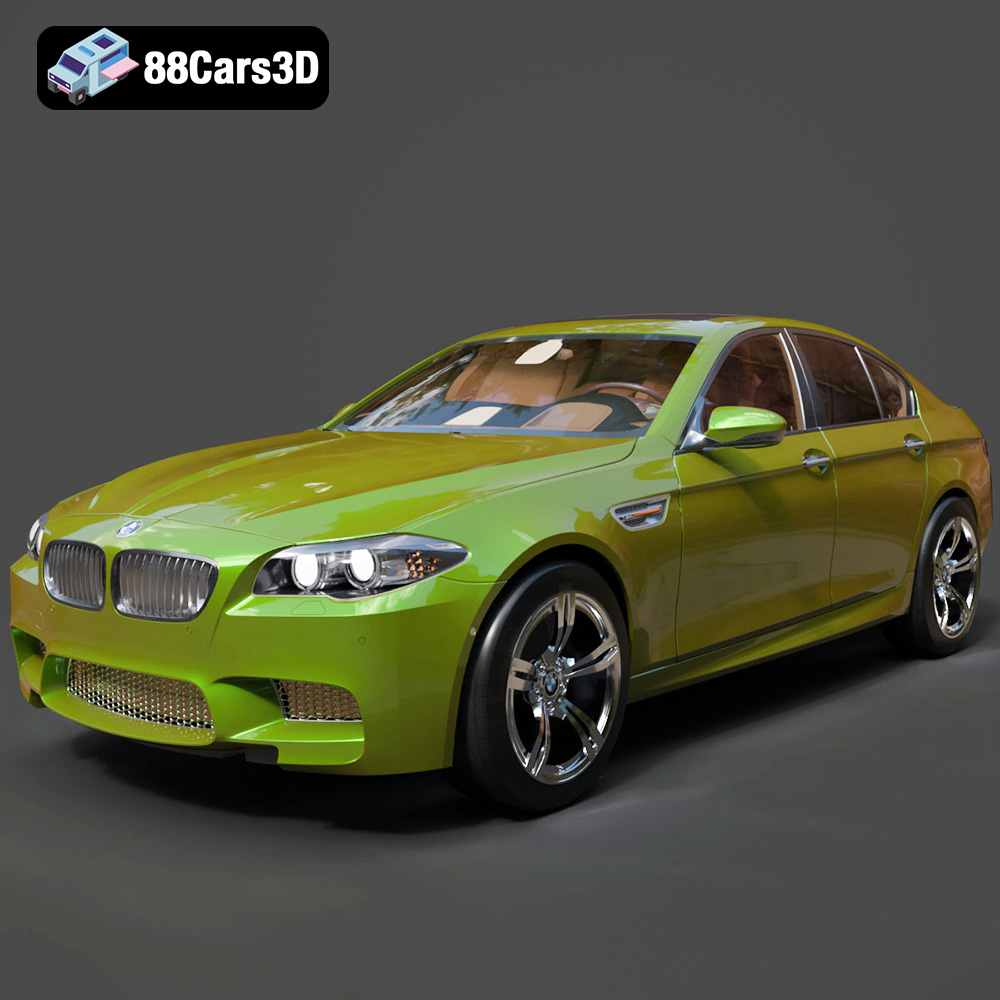
Texture: Yes
Material: Yes
Download the BMW M5 F10 3D Model featuring high-performance luxury sedan design, detailed interior, and realistic PBR textures. Includes .blend, .fbx, .obj, .glb, .stl, .ply, .unreal, and .max formats for rendering, simulation, and game development.
Price: $10.79
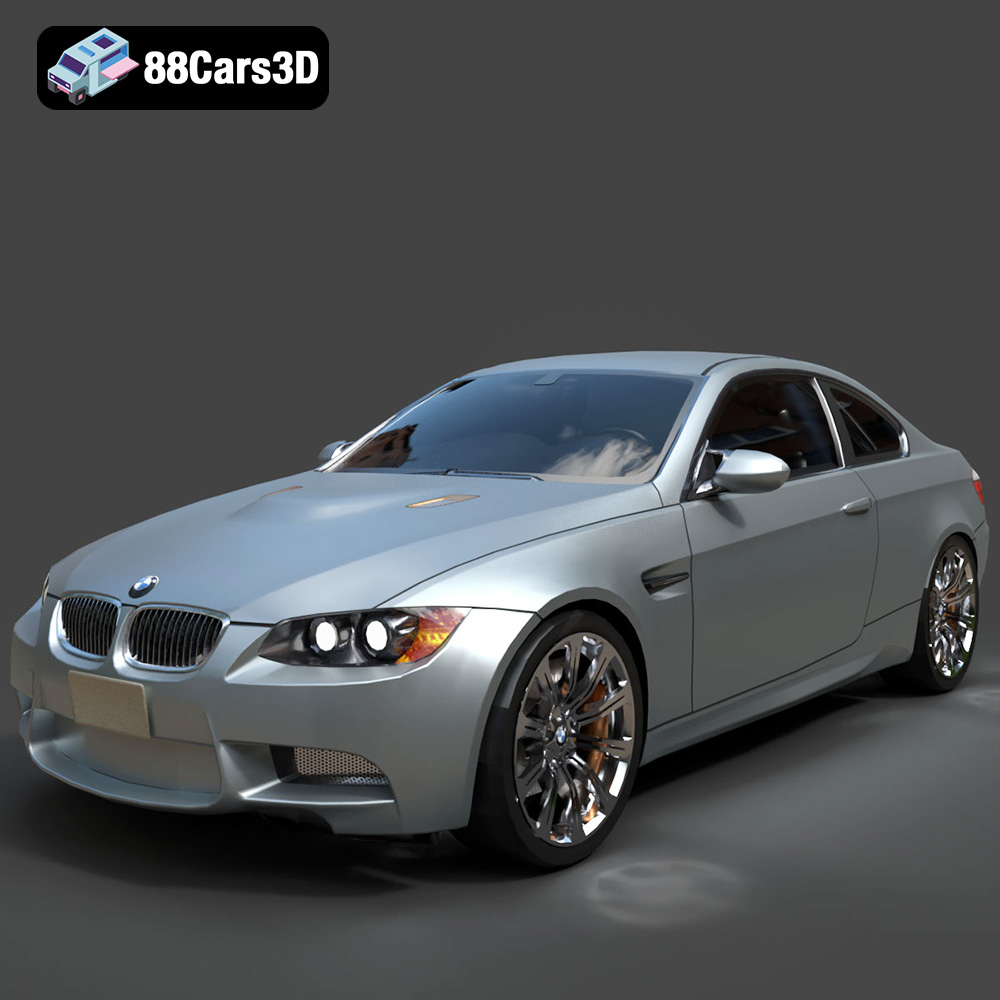
Texture: Yes
Material: Yes
Download the BMW M3 Coupe E92-002 3D Model featuring authentic styling, detailed exterior, and a faithful interior. Includes .blend, .fbx, .obj, .glb, .stl, .ply, .unreal, and .max formats for rendering, simulation, and game development.
Price: $10.79
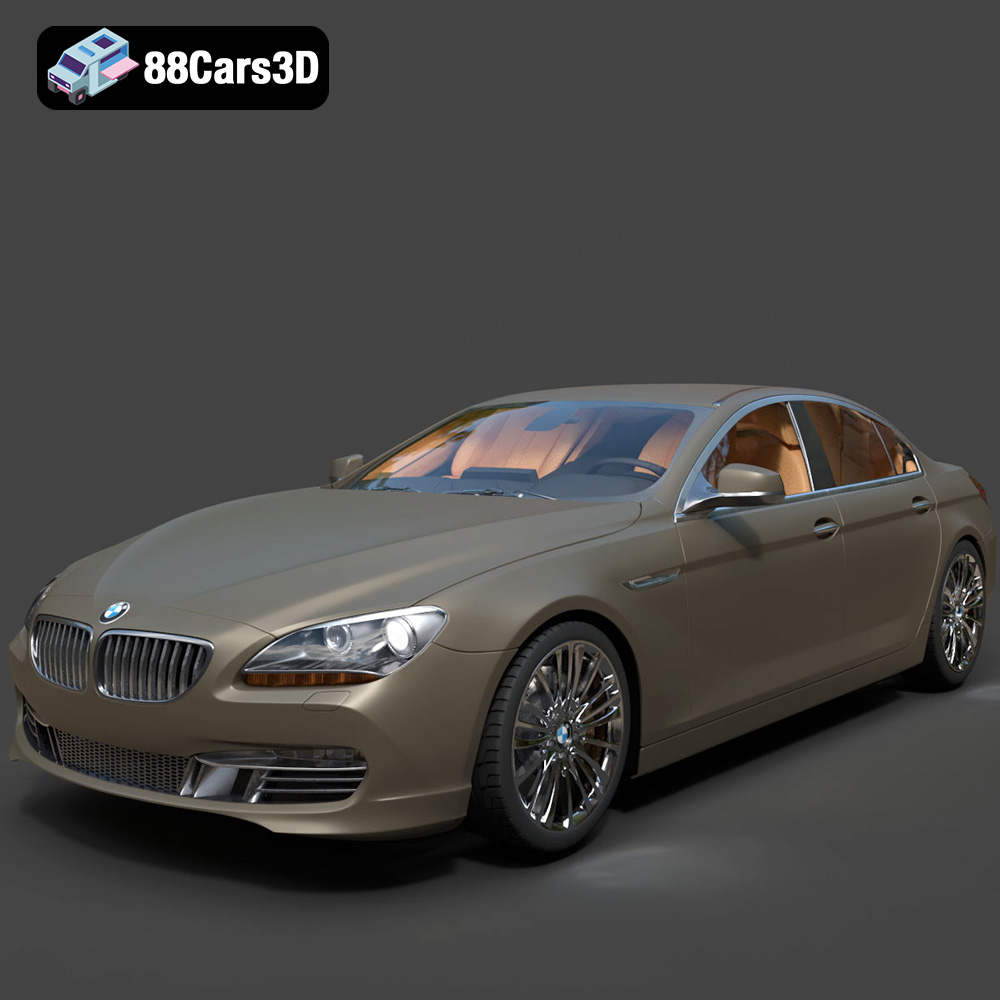
Texture: Yes
Material: Yes
Download the BMW 6 Series Gran Coupe 2013 3D Model featuring a sophisticated design, detailed exterior, and well-appointed interior. Includes .blend, .fbx, .obj, .glb, .stl, .ply, .unreal, and .max formats for rendering, simulation, and game development.
Price: $20.79
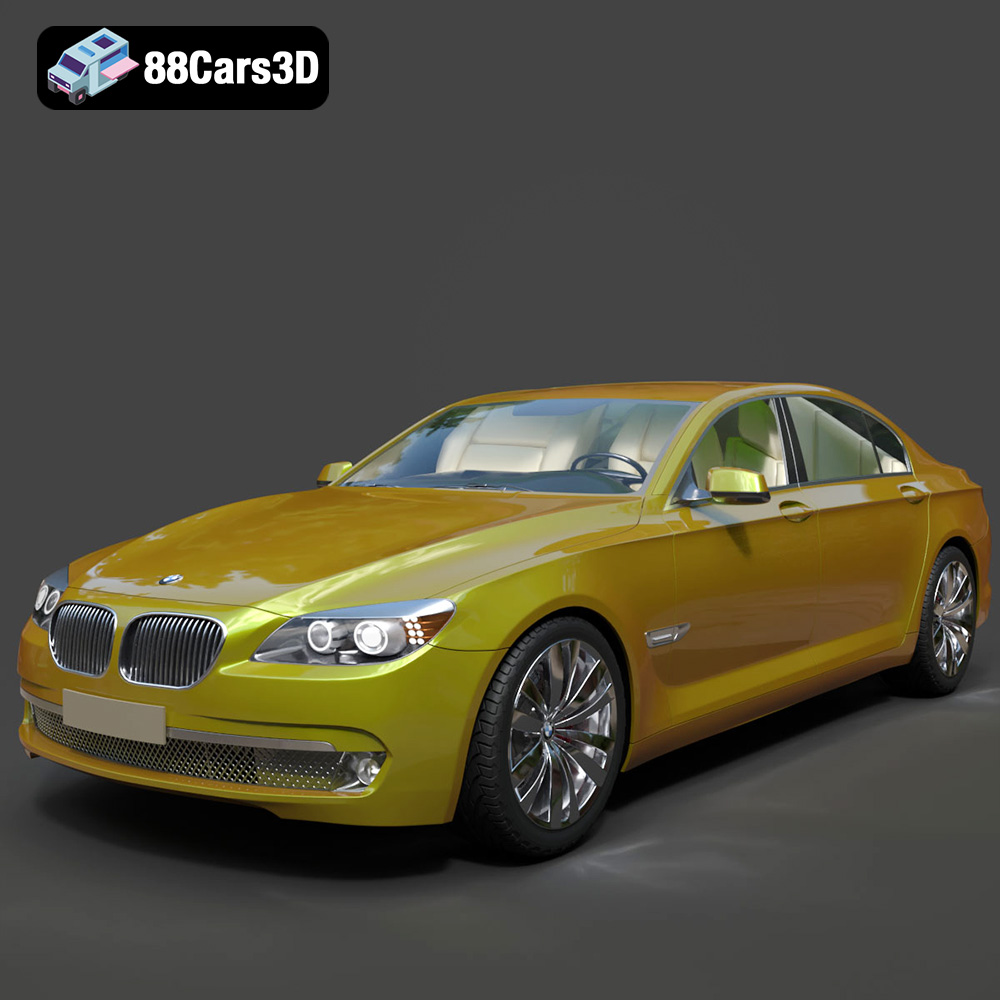
Texture: Yes
Material: Yes
Download the BMW 7 Series 750 F01 3D Model featuring a detailed exterior and a luxurious interior. Includes .blend, .fbx, .obj, .glb, .stl, .ply, .unreal, and .max formats for rendering, simulation, and game development.
Price: $10.79
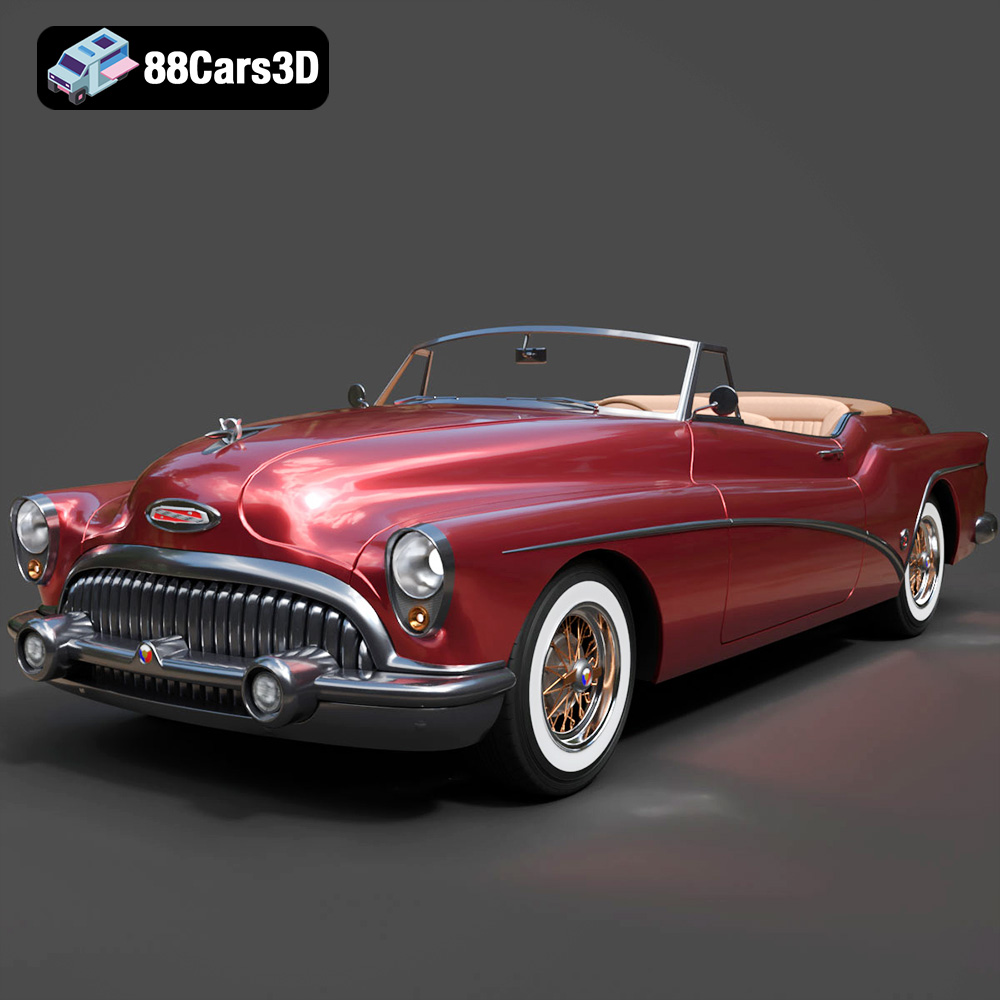
Texture: Yes
Material: Yes
Download the Buick Skylark Convertible 1953 3D Model featuring iconic 1950s styling, a detailed exterior with chrome accents, and an accurately modeled interior. Includes .blend, .fbx, .obj, .glb, .stl, .ply, .unreal, and .max formats for rendering, simulation, and game development.
Price: $10.79

Texture: Yes
Material: Yes
Download the Buick Roadmaster Hardtop Coupe 1957 3D Model featuring a classic American design with detailed exterior and interior. Includes .blend, .fbx, .obj, .glb, .stl, .ply, .unreal, and .max formats for rendering, simulation, and game development.
Price: $10.79
Texture: Yes
Material: Yes
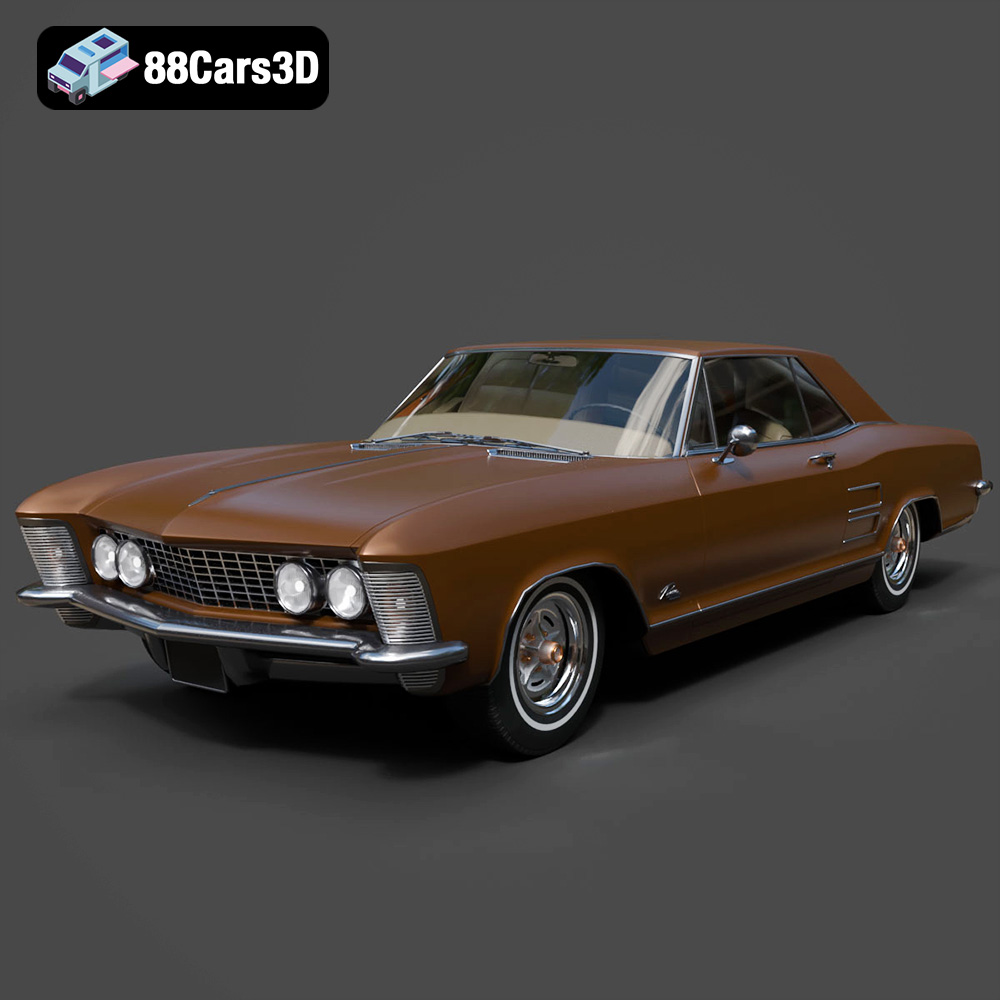
Download the Buick Riviera 1963 3D Model featuring classic American muscle car design and iconic styling. Includes .blend, .fbx, .obj, .glb, .stl, .ply, .unreal, and .max formats for rendering, simulation, and game development.
Price: $10.79

