⚡ FLASH SALE: Get 60% OFF All Premium 3D & STL Models! ⚡

In the vast and intricate world of 3D automotive design, where every curve and contour is meticulously crafted, the details often determine the difference between a good model and a truly exceptional one. Among these crucial details, headlights and taillights stand out as miniature masterpieces of engineering and aesthetics. They are not merely functional components; they are the “eyes” and “signals” of a vehicle, conveying character, sophistication, and vital information. For 3D artists, game developers, and visualization professionals, replicating the realism of these complex lighting units presents a unique yet rewarding challenge.
From the intricate internal reflectors and light guides to the crystal-clear lenses and the subtle glow of LEDs, achieving photorealistic automotive lighting demands a deep understanding of modeling, texturing, shading, and rendering. A perfectly modeled car can fall flat if its lighting elements lack authenticity. This comprehensive guide will delve into the advanced techniques required to create stunningly realistic headlight and taillight models, suitable for high-fidelity rendering, immersive game environments, AR/VR experiences, and even precise 3D printing. We’ll explore everything from meticulous topology and UV mapping to sophisticated PBR material creation, optimized rendering workflows, and application-specific considerations, ensuring your 3D car models shine brightly on platforms like 88cars3d.com and beyond.
Creating convincing headlights and taillights begins with a rock-solid foundation in 3D modeling. These components are characterized by a delicate interplay of complex curved surfaces, sharp edges, and intricate internal structures. The choice of modeling approach and the precision of your topology are paramount to achieving both visual accuracy and downstream flexibility for texturing and rendering.
When tackling the complex geometry of headlight and taillight lenses and housings, a hybrid approach often yields the best results. While NURBS (Non-Uniform Rational B-Splines) offer unparalleled precision for automotive surfacing, polygonal modeling with subdivision surfaces (SubD) is typically favored for its versatility in detailing and ease of integration into game engines and rendering pipelines. For highly detailed lens arrays, you might start with NURBS to define the overall form, then convert to a dense quad mesh for further refinement. The key is to maintain clean, all-quad topology with excellent edge flow that gracefully follows the natural curvature of the car.
Support loops (also known as control loops or holding edges) are critical for defining sharp creases and preventing unwanted softening under subdivision. For example, around the perimeter of a lens where it meets the housing, two or three closely spaced edge loops will ensure a crisp, defined edge. When using Boolean operations for cutting openings or combining complex shapes – a common necessity for vents or mounting points – extreme care must be taken. Booleans often introduce messy N-gons and triangulation, requiring diligent cleanup to convert them back into clean quad meshes. This cleanup process involves strategically adding edge loops, dissolving unwanted edges, and using tools like “Knife” or “Connect Edges” to rebuild the topology. Remember to constantly refer to real-world references and blueprints; even subtle deviations in curvature can break the illusion of realism.
Polygon budgets should always be considered. For cinematic rendering, high-poly counts (e.g., 50,000-100,000 triangles per complex headlight unit) are acceptable to capture every nuance. For game assets, however, these numbers must be significantly optimized, often requiring techniques like baking normal maps from high-poly models onto lower-poly versions, or utilizing decimation modifiers, which are well-documented in the Blender 4.4 documentation.
The internal components of modern automotive lighting, such as light guides, diffusers, and reflector dishes, are where much of the magic happens. Light guides, often seen as sleek illuminated strips, require careful modeling to ensure light travels realistically through them. This typically involves modeling a solid, transparent volume with appropriate internal and external surfaces. For accurate light scattering, the internal surfaces of these guides might feature micro-textures or be subtly frosted – details that are often achieved through texturing rather than pure geometry, though careful modeling of the general shape is paramount.
Reflector dishes, especially for halogen or xenon lamps, often have highly complex parabolic or multi-faceted geometries designed to precisely direct light. These require meticulous attention to detail, often involving spline-based modeling or careful polygonal extrusion and beveling to capture the intricate facets. LED arrays are typically simpler to model as individual emissive planes or small domes, arranged in precise patterns. For 3D printing, especially if you intend to print functional light guides or lenses, ensure sufficient wall thickness (e.g., minimum 1-2mm depending on material and printer) and watertight, manifold geometry to prevent printing failures and ensure optical integrity.
Once the geometry is perfect, the next critical step is UV mapping – the process of flattening your 3D model’s surface into a 2D space, ready for texturing. For complex automotive lighting, effective UV mapping is essential for applying realistic PBR materials, decals, and avoiding distortion. Poor UVs can ruin even the best models, leading to blurry textures or visible seams.
The primary goal of UV mapping for headlights and taillights is to create a clean, organized, and distortion-free UV layout. All UV islands should be non-overlapping to allow for unique texture information. Texel density, which refers to the number of pixels per unit of surface area, should be consistent across all important visible parts of the model. Inconsistent texel density can lead to some areas looking sharp and others blurry, especially noticeable on large, smooth surfaces like clear lenses.
For large, relatively flat or uniformly curved sections of the lens housing, planar or cylindrical projections often work well. For complex lens arrays, it’s often best to separate the individual lens elements into their own UV islands. This allows for specific textures (e.g., fresnel patterns, micro-scratches) to be applied to each lens without distortion. For highly reflective surfaces like chrome reflector bowls, mirroring UVs can be an option if the texture is symmetrical and generic, but for unique details or imperfections, individual UV space is always preferred. The Blender 4.4 documentation provides excellent resources on various unwrapping techniques and tools, such as Seam Marking and Smart UV Project, which are indispensable for managing complex geometry.
Careful seam placement is also crucial. Seams should be hidden in less visible areas or along natural breaks in the geometry. For example, along the back edge of a headlight housing that meets the car body, or along the internal edges of a reflector that won’t be seen directly. Utilize checker patterns during unwrapping to visually inspect for distortion and consistent texel density.
PBR (Physically Based Rendering) workflows rely heavily on well-prepared UVs to accurately project maps like Albedo, Metallic, Roughness, Normal, and Opacity. Each of these maps contributes to the final appearance, and any UV distortion will translate directly into texture distortion. For detailed components like LED circuits or internal brand logos, ensure these areas have sufficient UV space to hold high-resolution texture information.
Small, intricate details such as legal text, manufacturer logos, or subtle imperfections like fingerprints, dust, or micro-scratches on a lens are often applied using separate texture maps or as decals. For decals, you might create dedicated, small UV islands or simply place them as projected textures onto the main UV layout. It’s often beneficial to create an “atlas” – a single UV texture sheet that contains UVs for multiple smaller components – to optimize draw calls in game engines. This means combining UVs from the various internal parts (e.g., reflector, bezel, small plastic pieces) onto one texture, leaving the main lens and housing on separate, larger texture sheets for maximum detail. For extremely high-resolution assets, particularly for hero shots or cinematic renders, UDIMs (UV Tile workflow) allow for multiple 4K or 8K texture maps across different UV tiles, providing incredible detail without resolution constraints, albeit at a higher memory cost.
The realism of your headlight and taillight models truly comes alive with accurate Physically Based Rendering (PBR) materials. PBR shaders simulate how light interacts with surfaces in the real world, providing consistent and believable results across different lighting conditions and rendering environments. Understanding the material properties of glass, plastics, metals, and light-emitting elements is essential.
PBR materials rely on a set of standardized maps to define surface properties. The primary ones for automotive lighting include:
Let’s break down specific material setups:
For added visual complexity, consider using layered materials. This allows you to combine base materials with effects like dust, dirt, water droplets, or grime using blend masks, creating truly weathered and realistic surfaces.
Pushing realism further often involves sophisticated shader networks. For the metallic reflector bowls, implementing an anisotropic shader is crucial. Anisotropy simulates the directional reflection patterns seen on brushed or radially textured metals, where reflections stretch along the direction of the brushing. This is often achieved using a tangent map or by controlling the tangent direction within the shader, aligning it with the brushed pattern of the reflector. The Principled BSDF shader in Blender 4.4 Cycles, for example, includes an Anisotropic input to achieve this.
Simulating internal reflections and caustics within clear lenses is another advanced technique. Caustics are the patterns of light created by the refraction or reflection of light through or off a curved surface. While computationally intensive, some renderers (like V-Ray, Corona, or Cycles in Blender 4.4) offer options to calculate caustics, significantly enhancing the interaction of light within the transparent lens. This might involve using specific light portals or increasing ray depth for transparent objects to allow light to bounce multiple times internally. For real-time applications, caustics are often faked with projected textures or simplified shaders.
Creating subtle lens flares or internal light scattering effects without relying solely on post-processing can also be achieved through shader manipulation. This might involve using a volumetric shader within the lens housing or creating dedicated light-emitting geometry that subtly interacts with the transparent materials, scattering light internally to give a sense of depth and atmosphere.
With perfectly modeled and textured headlights and taillights, the final step is to bring them to life through rendering. This involves carefully orchestrating lighting, camera settings, and renderer-specific techniques to achieve photorealistic results that highlight the intricate details and material properties of your automotive lights.
Just as in product photography, a controlled studio lighting environment is essential for showcasing automotive lighting. The goal is not just to illuminate the object but to reveal its form, texture, and the unique way it interacts with light. A classic three-point lighting setup is an excellent starting point:
In addition to these, consider using large area lights, positioned like softboxes, to create soft, even reflections on the glossy surfaces of the lenses and housing. HDRI (High Dynamic Range Image) environments are also indispensable, providing realistic global illumination and detailed reflections. For showcasing the light emission itself, spotlights or point lights placed strategically within or near the headlight/taillight units can simulate the actual light thrown by the car, especially when combined with volumetric effects to reveal light beams.
Advanced techniques include light linking, which allows you to control which lights affect specific objects. This can be incredibly useful for isolating the light cast by the car’s own lamps from the studio lights, giving you granular control over the final look. Experiment with different camera angles, focal lengths, and depth of field settings to draw the viewer’s eye to the intricate details of the lights.
Each renderer offers unique features that can be leveraged for automotive lighting:
Across all renderers, pay attention to render settings like ray depth for transparency, global illumination samples, and denoisers. Balancing render quality with render time is a constant challenge, but modern denoisers (like NVIDIA OptiX or Intel Open Image Denoise) can significantly reduce noise at lower sample counts, allowing for faster iterations without compromising too much on quality, which is critical for professionals utilizing high-quality assets from sources like 88cars3d.com.
The journey of a realistic headlight or taillight model doesn’t end with a beautiful render. For diverse applications like game development, augmented reality (AR), virtual reality (VR), or even 3D printing, careful optimization is key. Each medium presents its own set of technical constraints and performance requirements.
For real-time environments, such as Unity or Unreal Engine, the high-poly models and complex shaders suitable for offline rendering are often too demanding. Optimization strategies are paramount:
For AR/VR, maintaining a high and stable frame rate (e.g., 90 FPS for comfortable VR) is critical to prevent motion sickness. This necessitates even stricter poly count budgets and highly optimized materials, often requiring texture resolutions to be carefully managed (e.g., 2K or 1K textures for most elements). Mobile AR/VR applications demand the most aggressive optimization due to limited processing power.
If your 3D car models are destined for physical creation, preparing your headlight and taillight meshes for 3D printing introduces a new set of technical requirements:
Careful preparation ensures that the digital precision you put into creating your 3D car models translates flawlessly into physical objects, whether for prototyping, display, or even functional components.
The journey to crafting realistic headlight and taillight models for 3D car assets is a meticulous blend of artistic vision and technical mastery. It encompasses everything from the foundational precision of modeling and the thoughtful organization of UV maps to the scientific accuracy of PBR materials and the art of lighting and rendering. Each stage demands attention to detail, a deep understanding of industry best practices, and a willingness to tackle complex challenges head-on.
By mastering advanced modeling techniques, strategizing your UV layouts, building sophisticated PBR shader networks, and optimizing your assets for their target applications, you elevate your 3D car models from mere digital representations to captivating, lifelike visualizations. The impact of well-executed automotive lighting on the overall realism and appeal of a vehicle cannot be overstated. These intricate components not only define the character of a car but also serve as a testament to the artist’s skill and dedication. Whether you’re creating assets for cinematic renders, immersive games, or precision 3D prints, the principles outlined here will guide you toward achieving unparalleled realism. Continue to explore, experiment, and refine your techniques, and you’ll find that the pursuit of perfection in automotive lighting is a highly rewarding endeavor, ensuring your creations, whether showcased on your portfolio or available on platforms like 88cars3d.com, truly stand out.
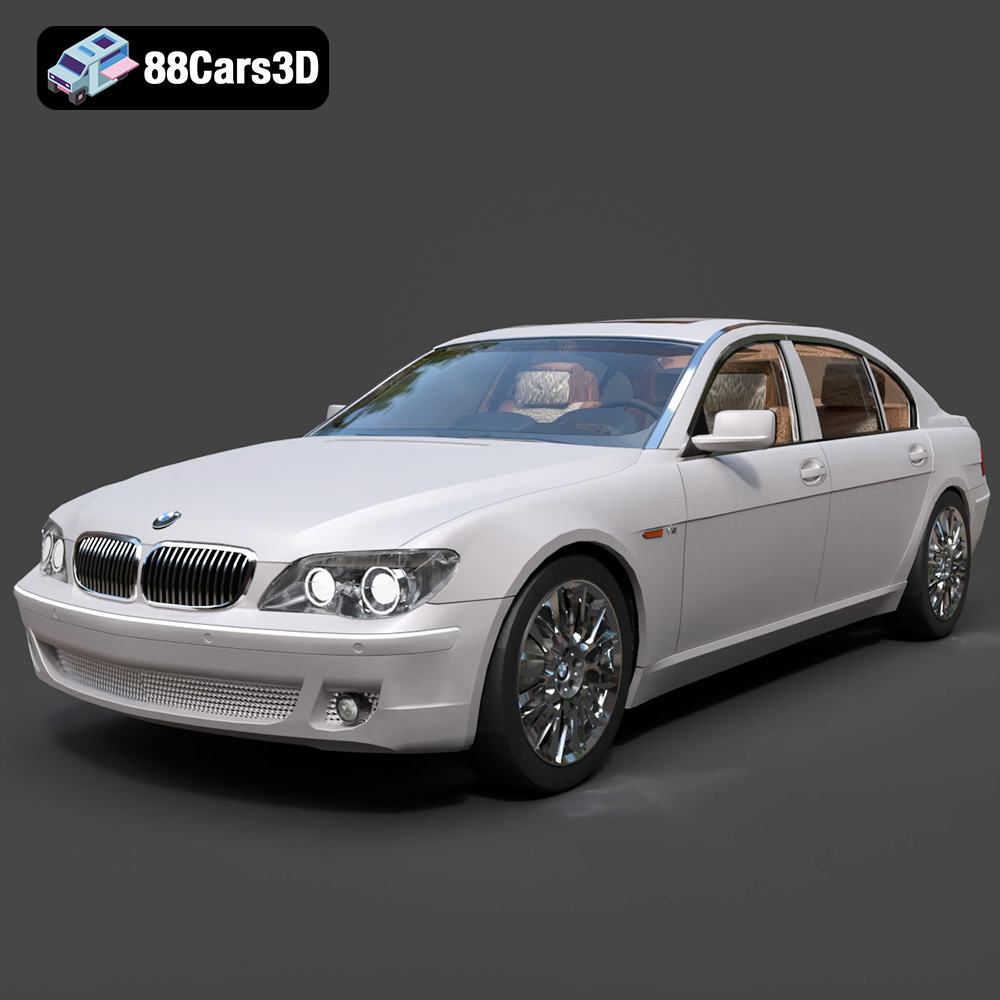
Texture: Yes
Material: Yes
Download the BMW 760Li E66 2005 3D Model featuring a detailed exterior, refined interior, and robust chassis. Includes .blend, .fbx, .obj, .glb, .stl, .ply, .unreal, and .max formats for rendering, simulation, and game development.
Price: $10.79
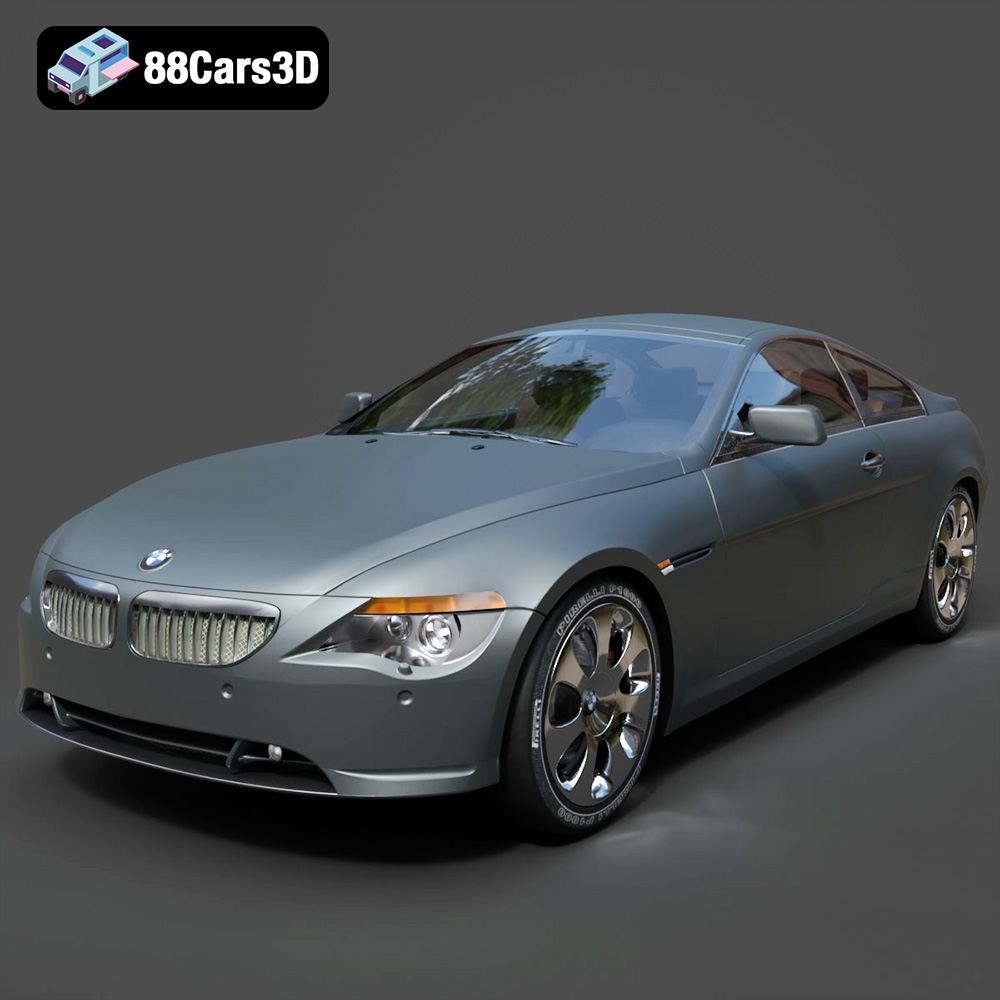
Texture: Yes
Material: Yes
Download the BMW 6 Series 3D Model featuring precisely modeled body panels, detailed interior, and authentic wheels. Includes .blend, .fbx, .obj, .glb, .stl, .ply, .unreal, and .max formats for rendering, simulation, and game development.
Price: $10.79
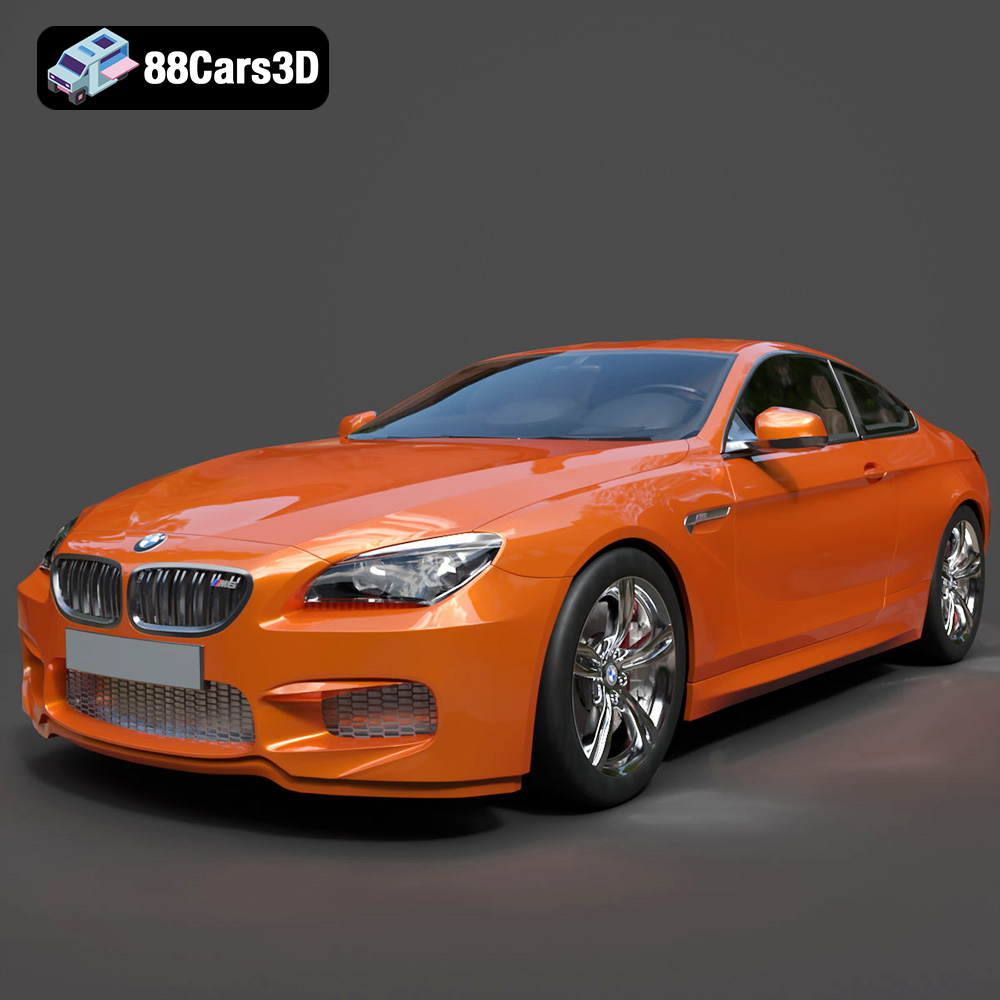
Texture: Yes
Material: Yes
Download the BMW M6 Coupe (F12) 3D Model featuring its iconic sporty design and luxurious details. Includes .blend, .fbx, .obj, .glb, .stl, .ply, .unreal, and .max formats for rendering, simulation, and game development.
Price: $10.79
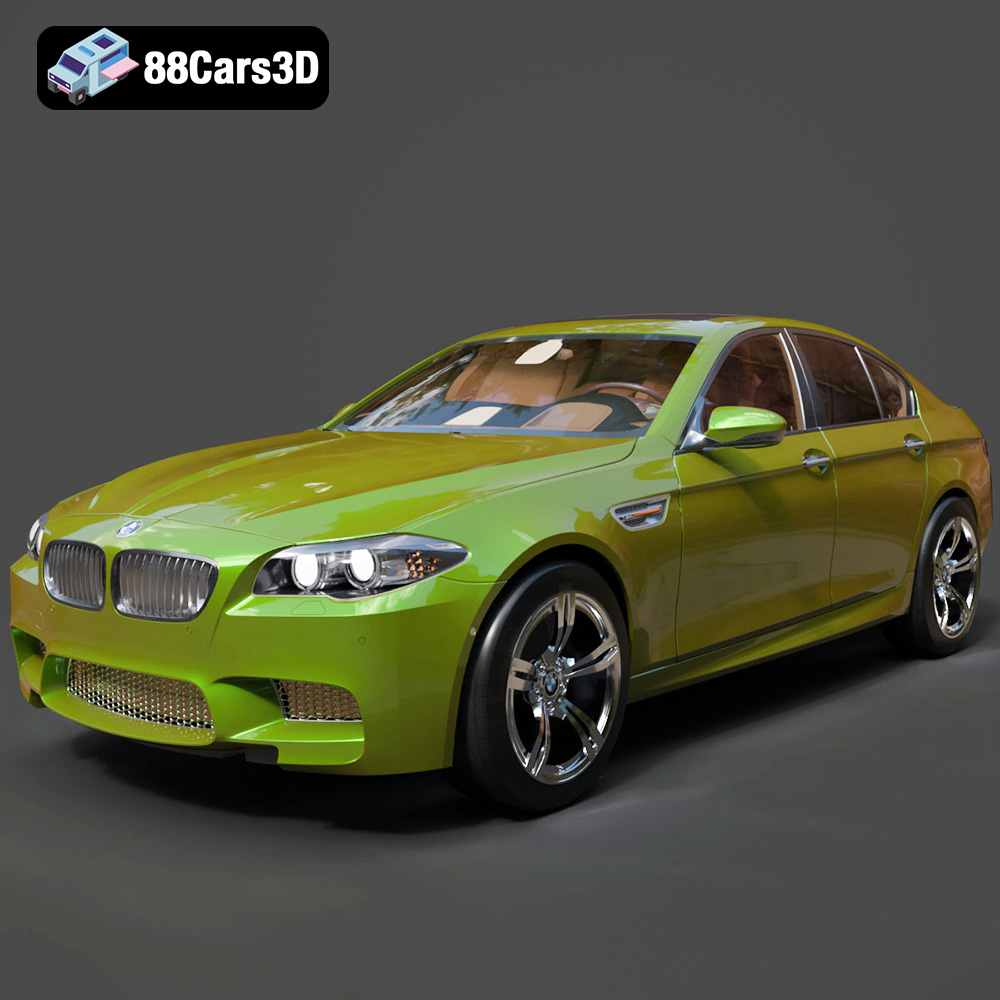
Texture: Yes
Material: Yes
Download the BMW M5 F10 3D Model featuring high-performance luxury sedan design, detailed interior, and realistic PBR textures. Includes .blend, .fbx, .obj, .glb, .stl, .ply, .unreal, and .max formats for rendering, simulation, and game development.
Price: $10.79
Texture: Yes
Material: Yes
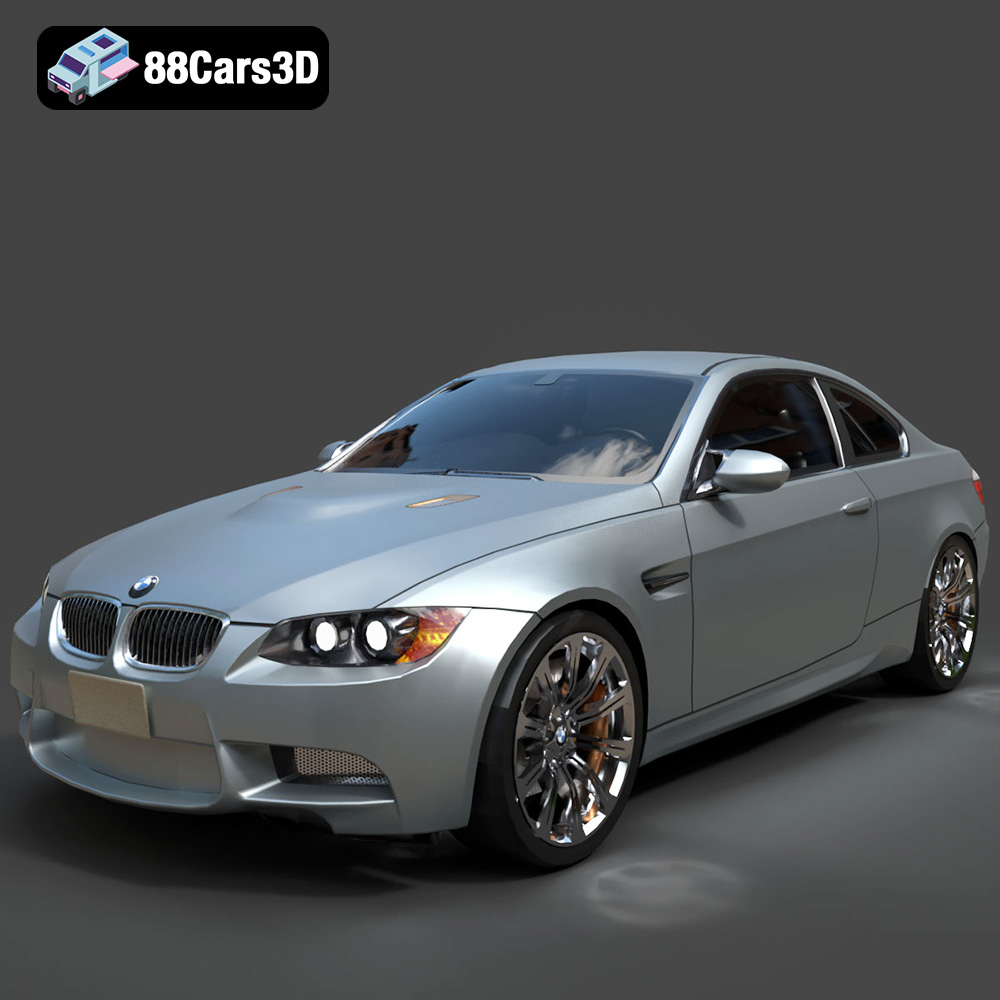
Download the BMW M3 Coupe E92-002 3D Model featuring authentic styling, detailed exterior, and a faithful interior. Includes .blend, .fbx, .obj, .glb, .stl, .ply, .unreal, and .max formats for rendering, simulation, and game development.
Price: $10.79
Texture: Yes
Material: Yes
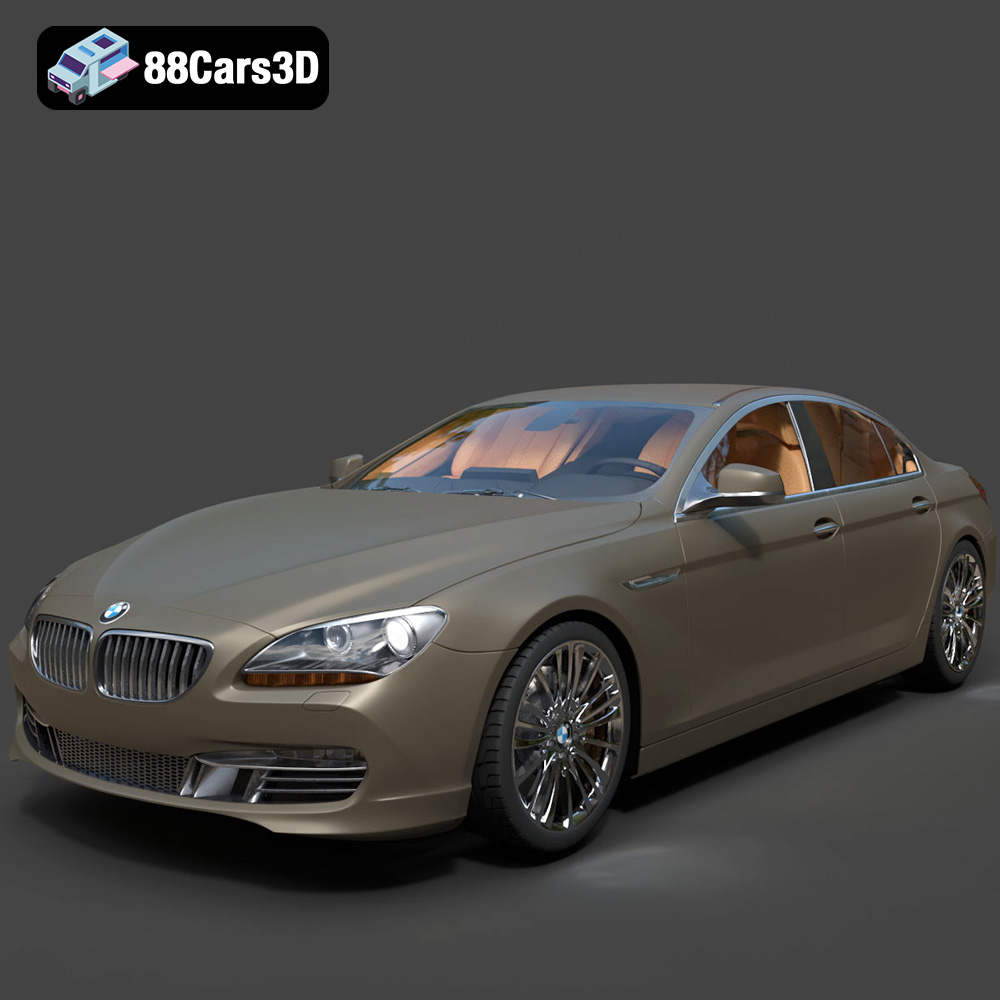
Download the BMW 6 Series Gran Coupe 2013 3D Model featuring a sophisticated design, detailed exterior, and well-appointed interior. Includes .blend, .fbx, .obj, .glb, .stl, .ply, .unreal, and .max formats for rendering, simulation, and game development.
Price: $20.79
Texture: Yes
Material: Yes
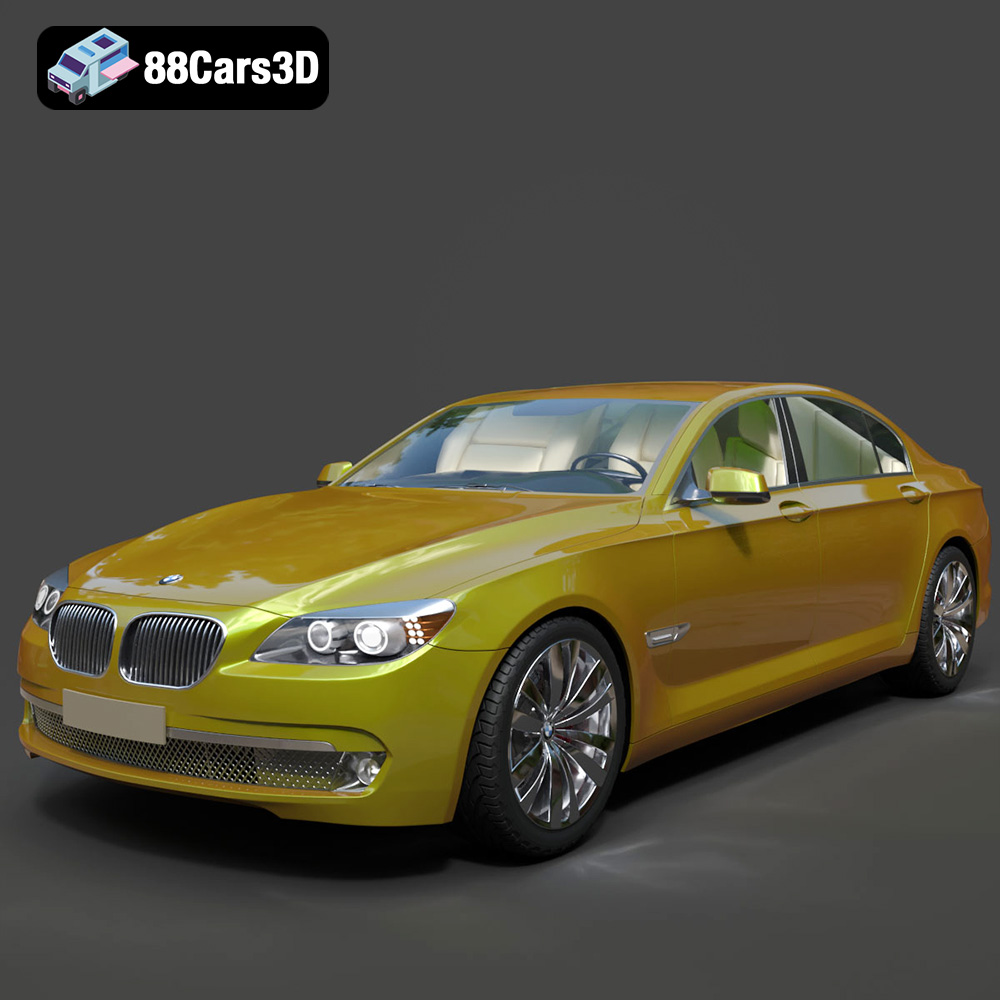
Download the BMW 7 Series 750 F01 3D Model featuring a detailed exterior and a luxurious interior. Includes .blend, .fbx, .obj, .glb, .stl, .ply, .unreal, and .max formats for rendering, simulation, and game development.
Price: $10.79
Texture: Yes
Material: Yes
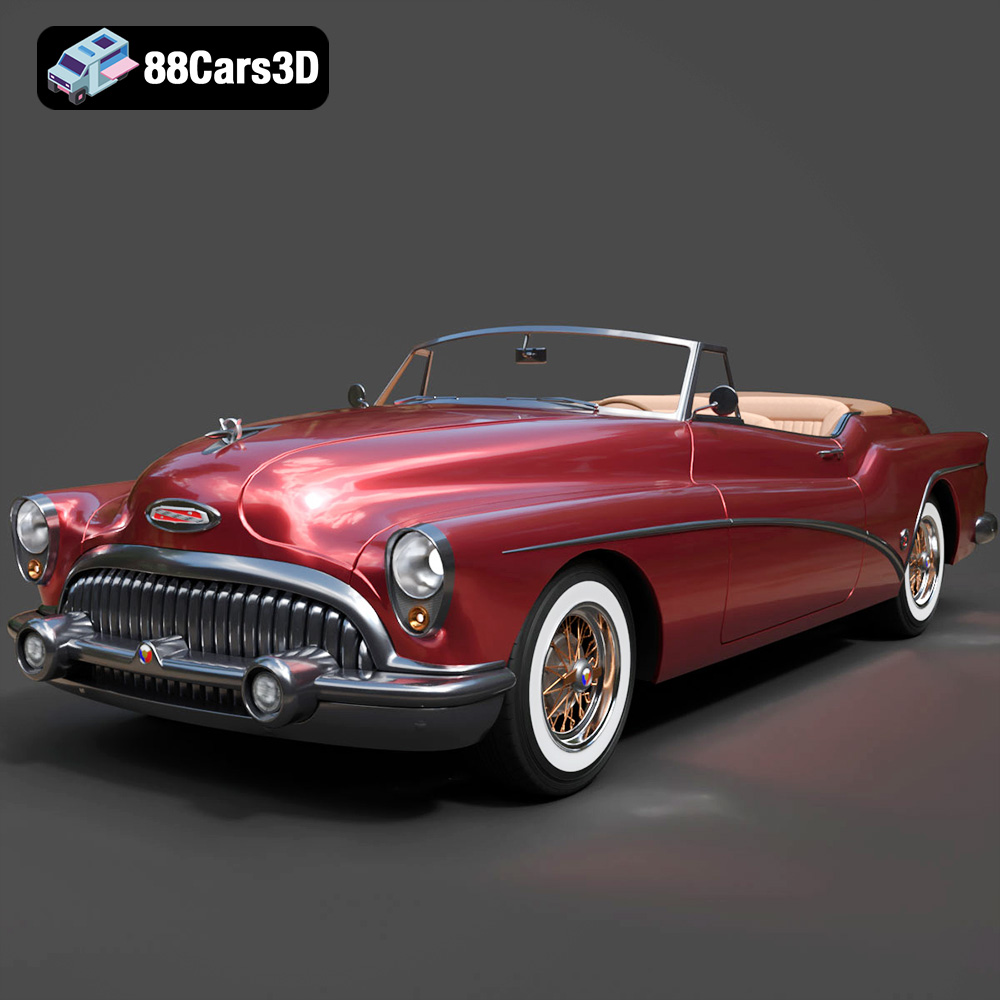
Download the Buick Skylark Convertible 1953 3D Model featuring iconic 1950s styling, a detailed exterior with chrome accents, and an accurately modeled interior. Includes .blend, .fbx, .obj, .glb, .stl, .ply, .unreal, and .max formats for rendering, simulation, and game development.
Price: $10.79

Texture: Yes
Material: Yes
Download the Buick Roadmaster Hardtop Coupe 1957 3D Model featuring a classic American design with detailed exterior and interior. Includes .blend, .fbx, .obj, .glb, .stl, .ply, .unreal, and .max formats for rendering, simulation, and game development.
Price: $10.79
Texture: Yes
Material: Yes
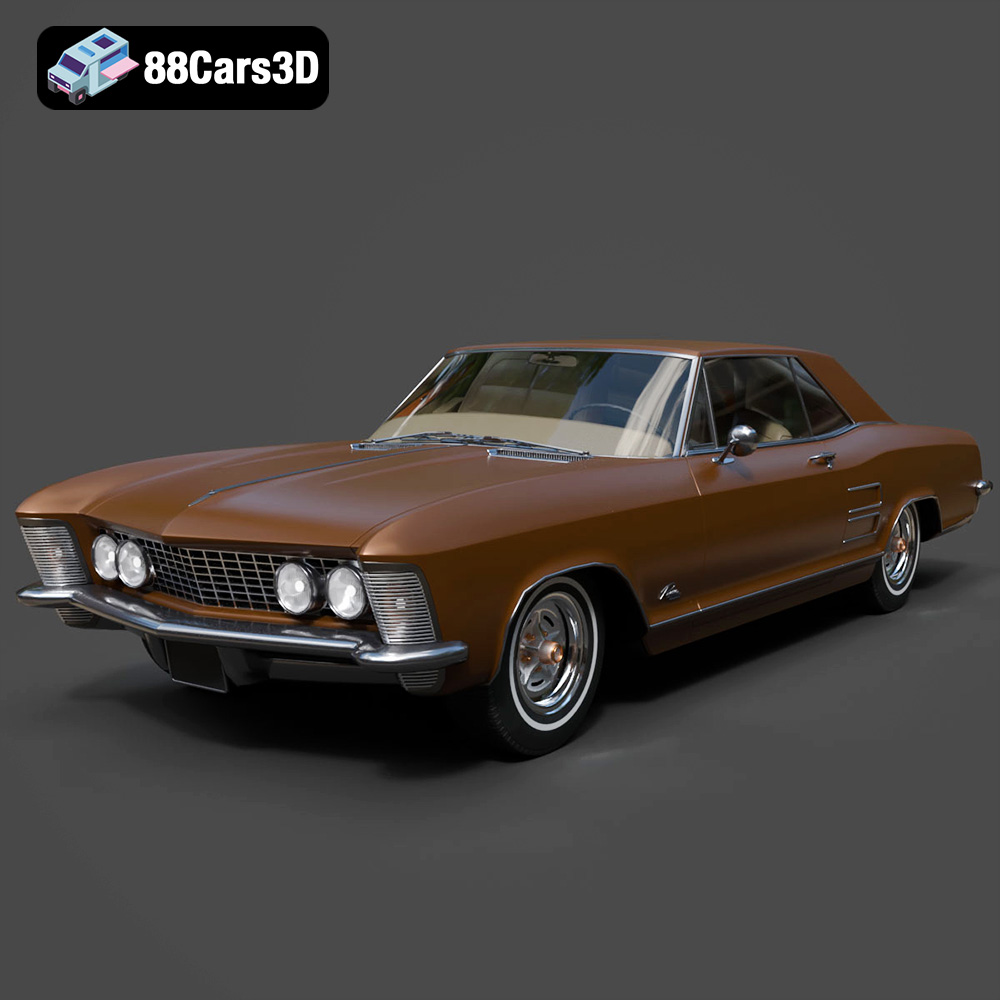
Download the Buick Riviera 1963 3D Model featuring classic American muscle car design and iconic styling. Includes .blend, .fbx, .obj, .glb, .stl, .ply, .unreal, and .max formats for rendering, simulation, and game development.
Price: $10.79

