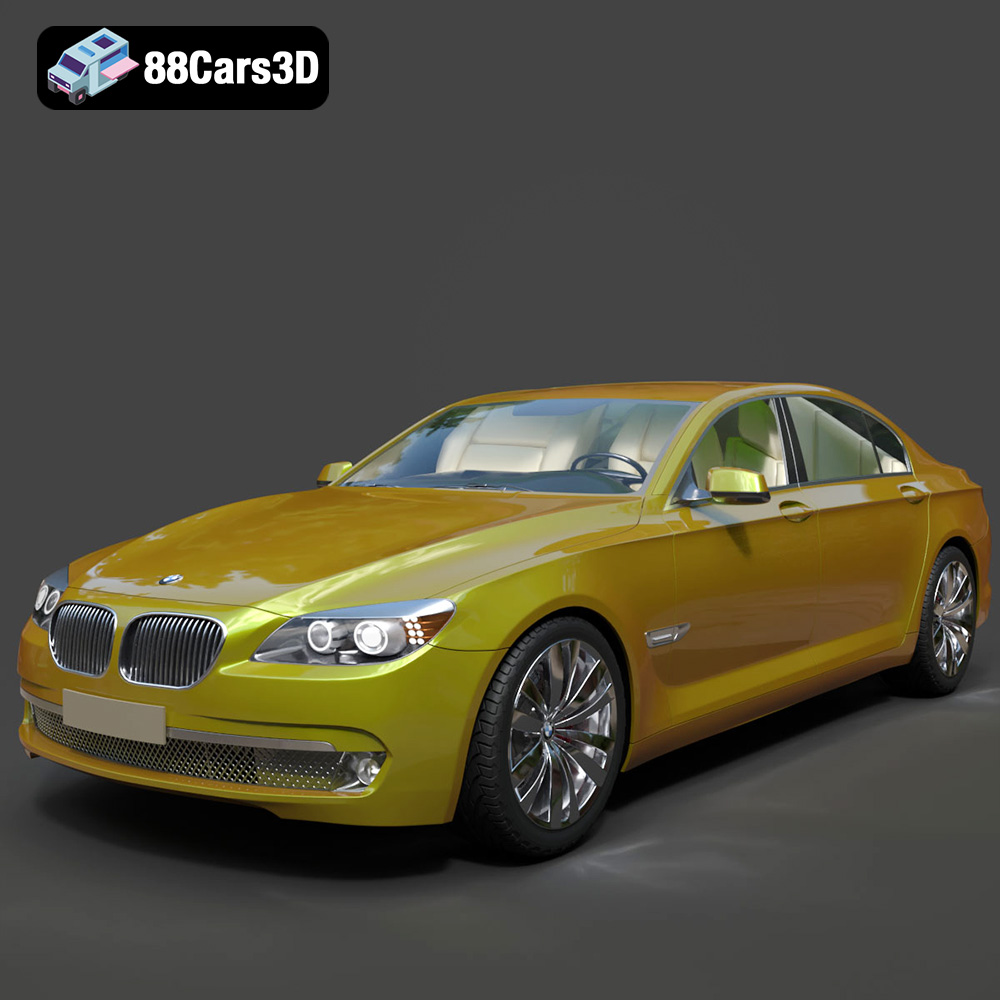
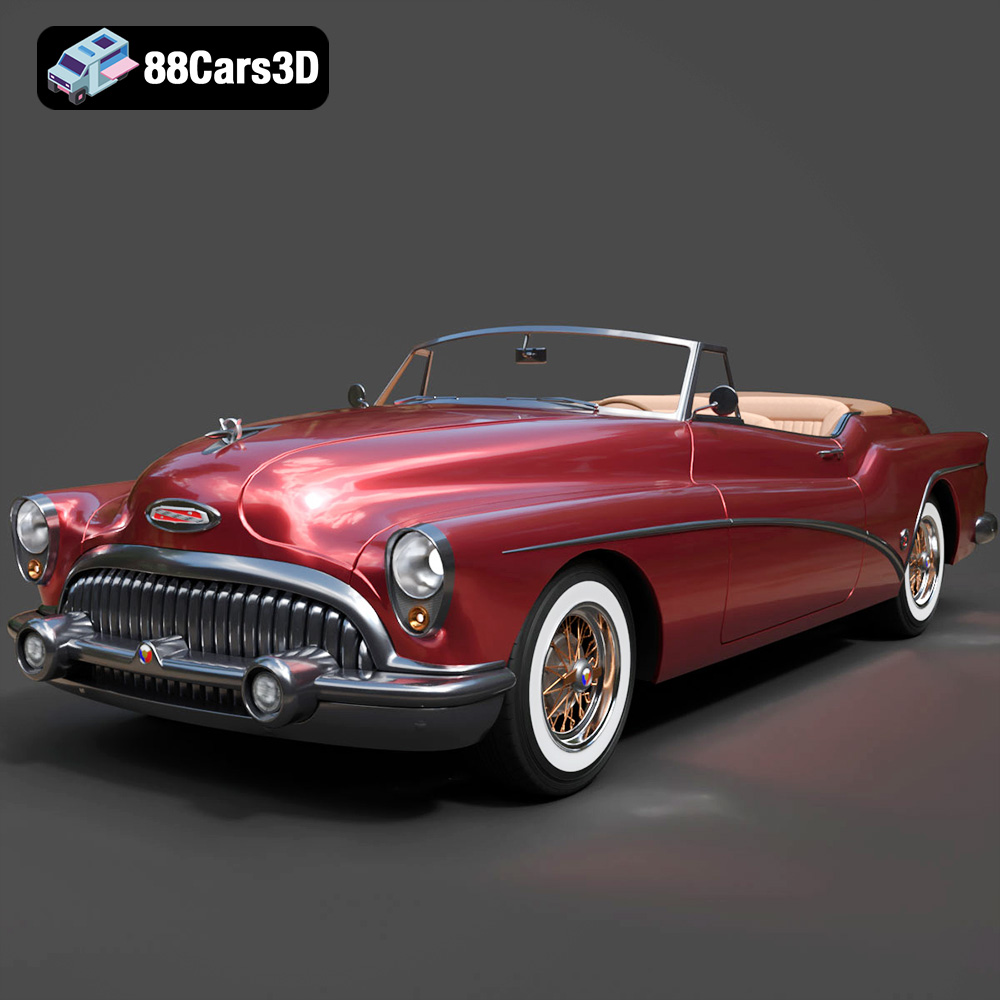
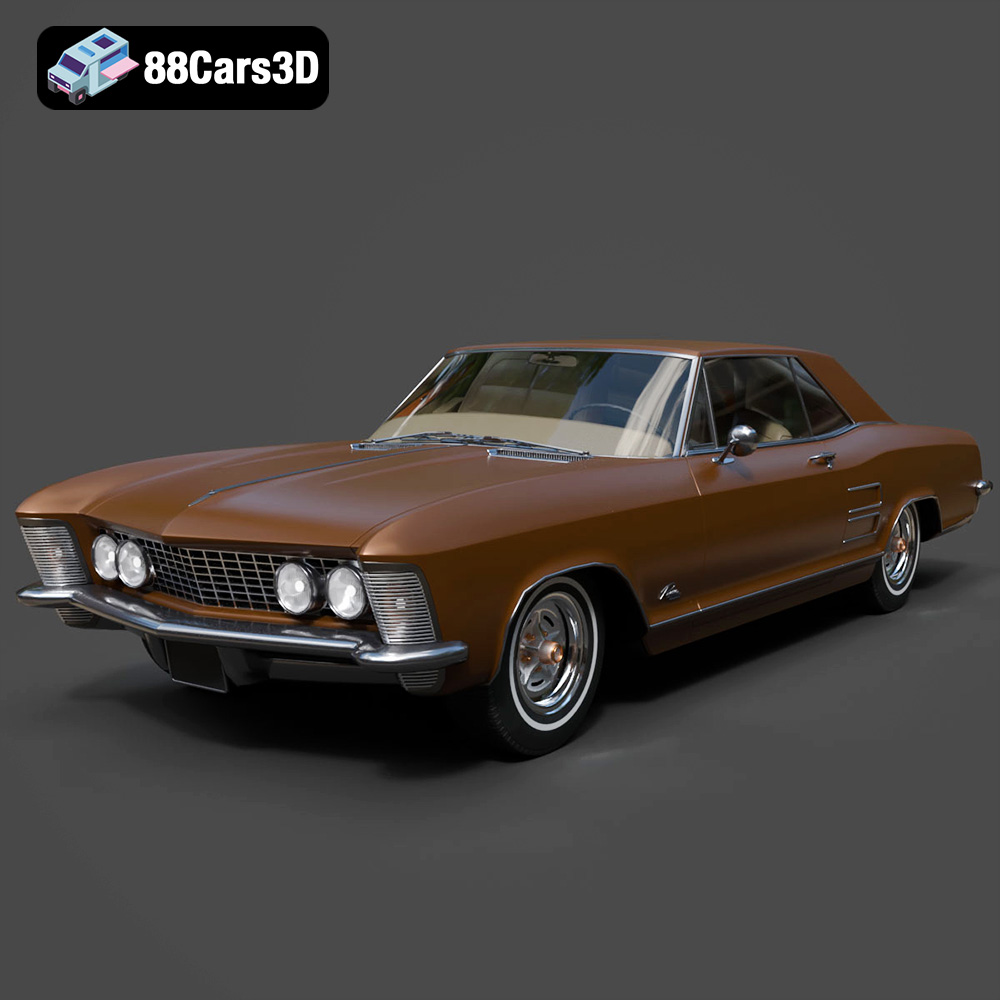
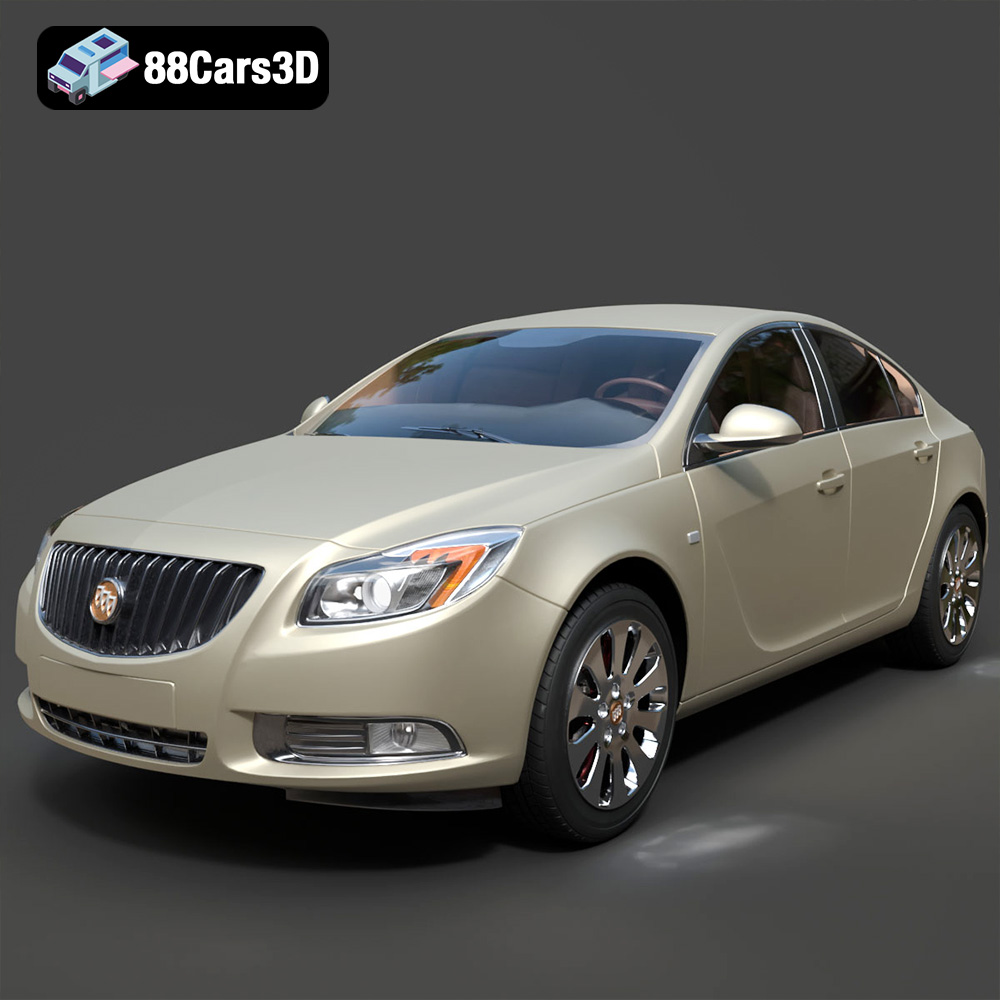
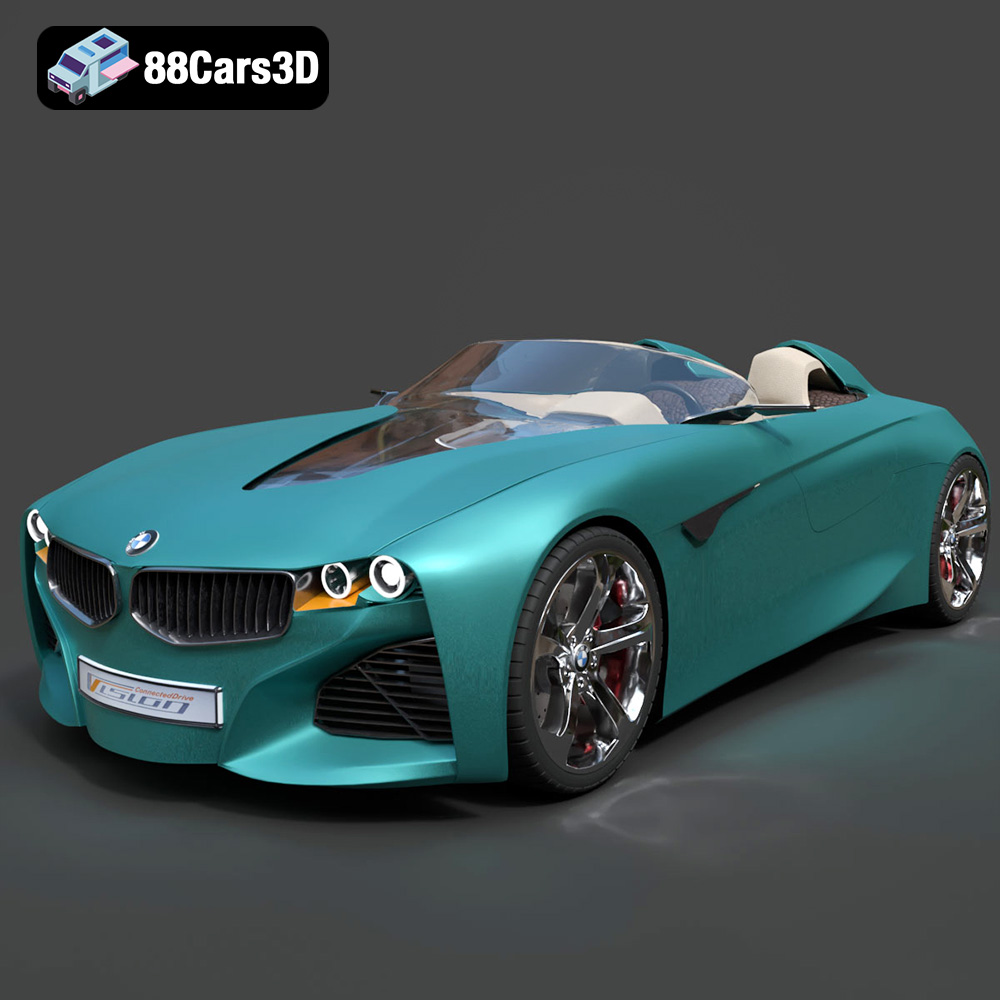
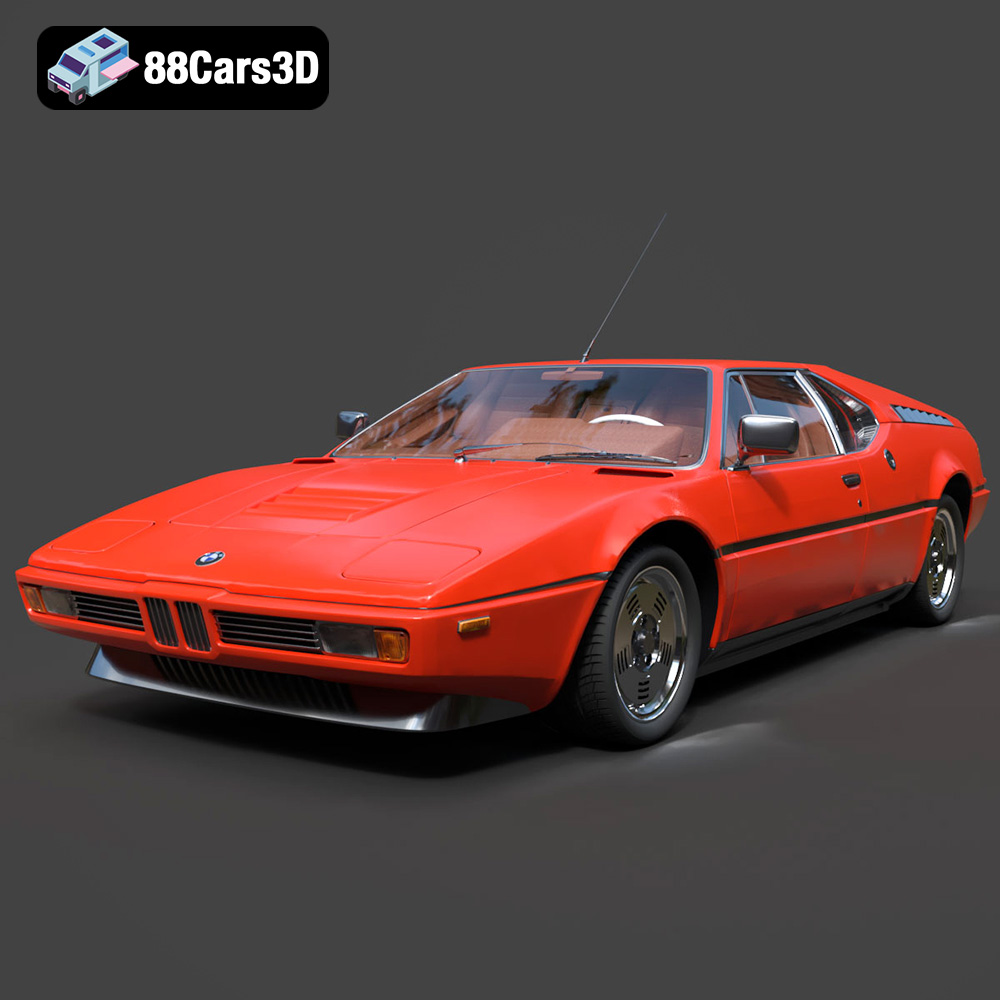
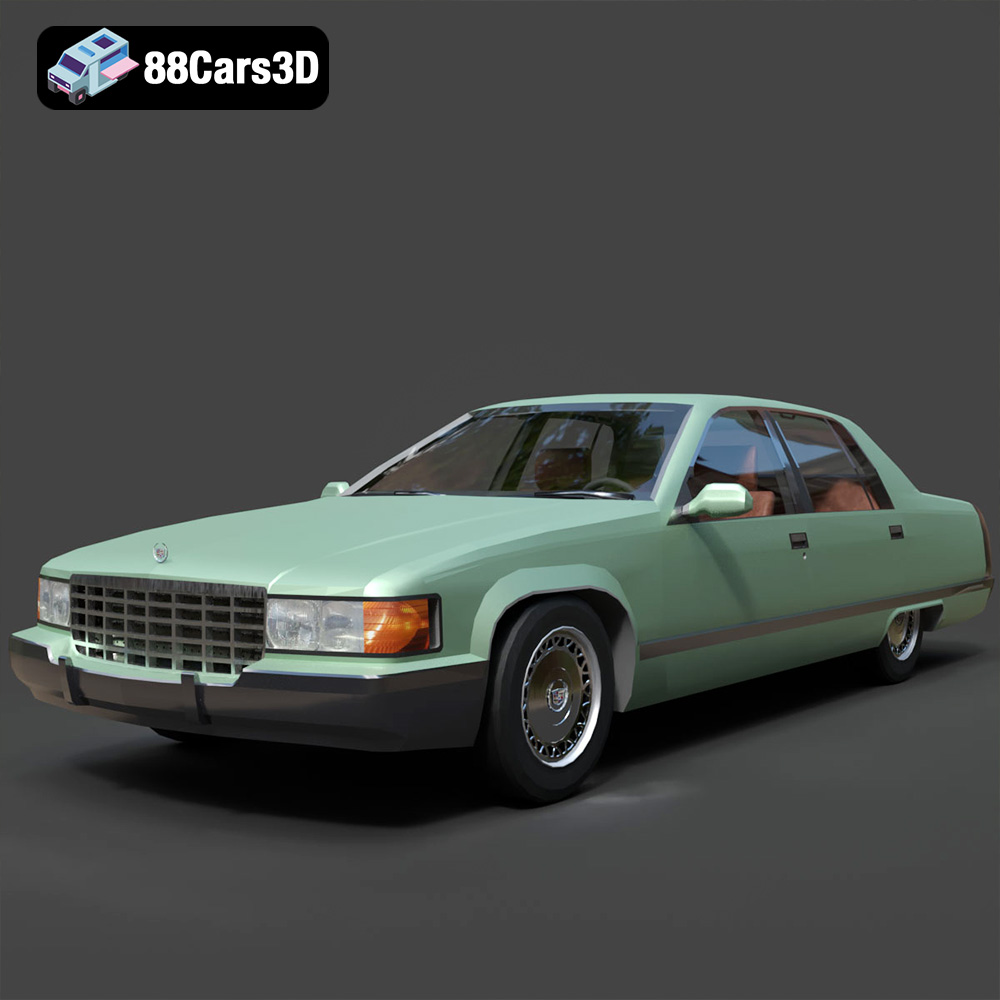
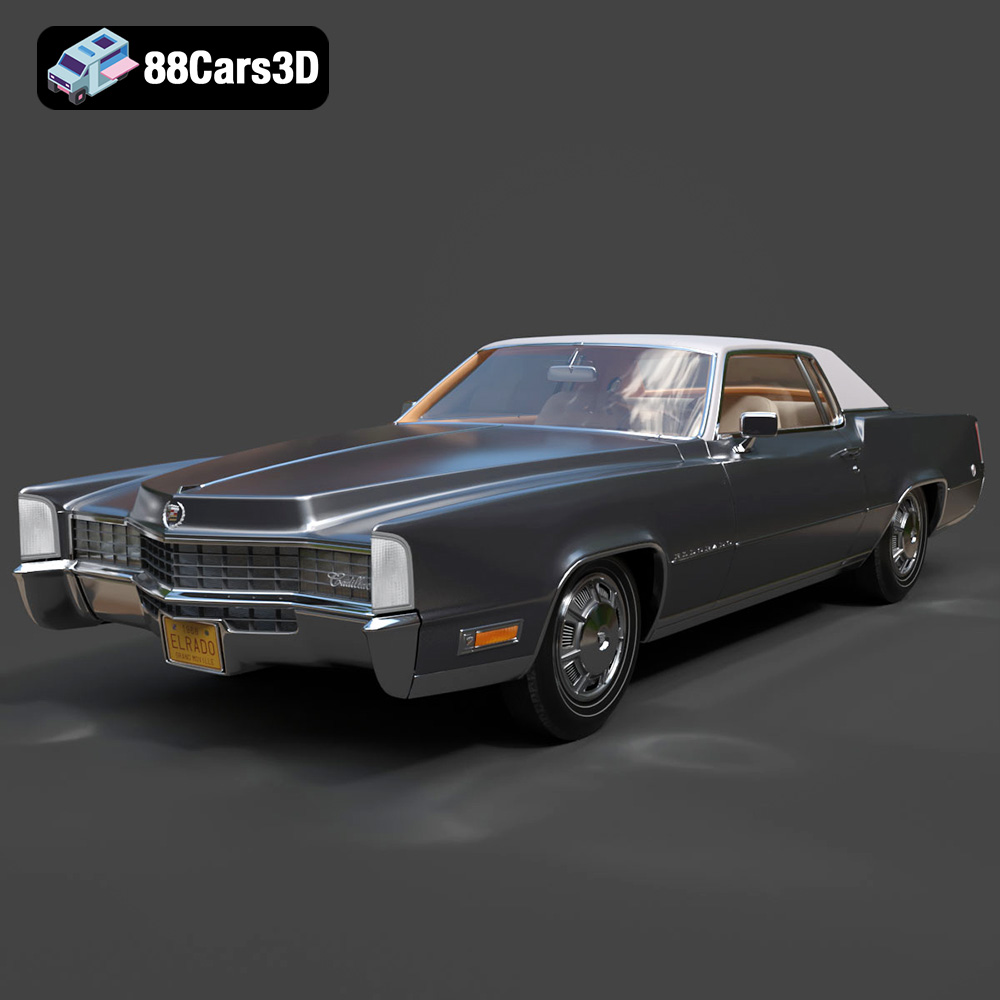
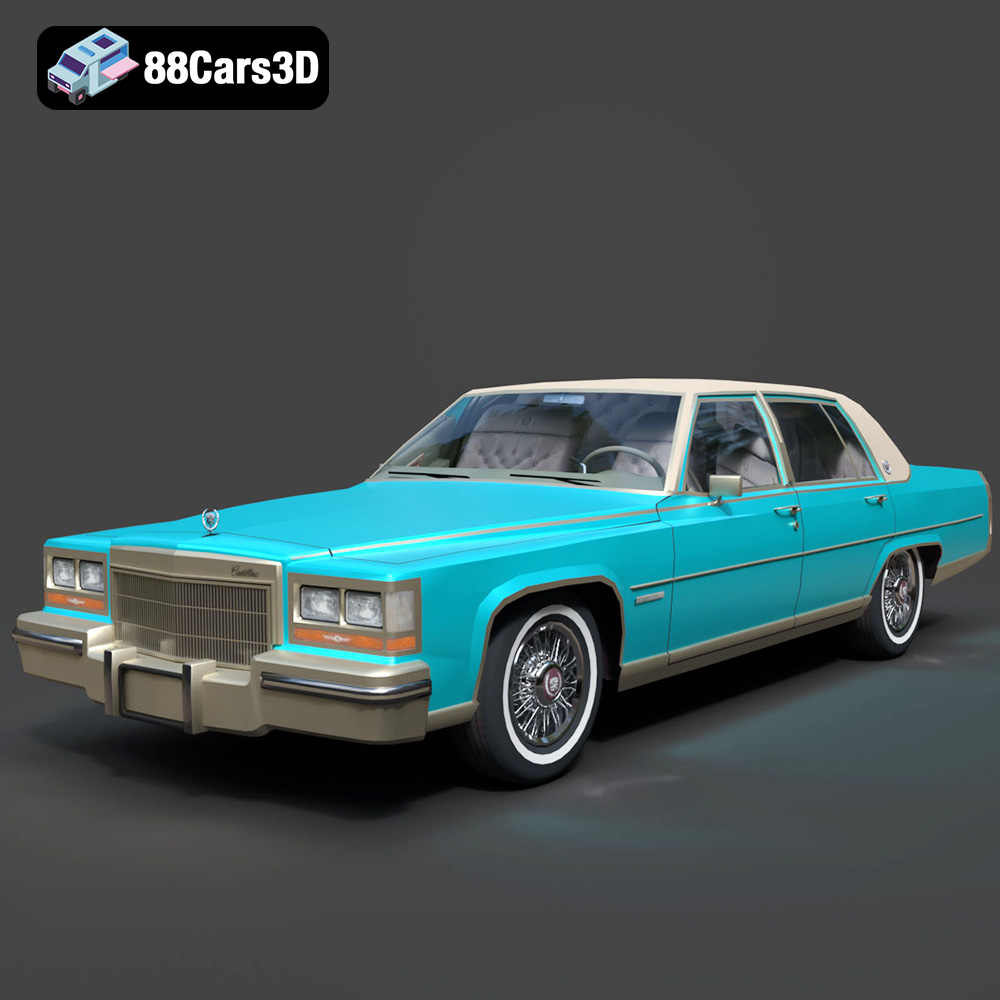
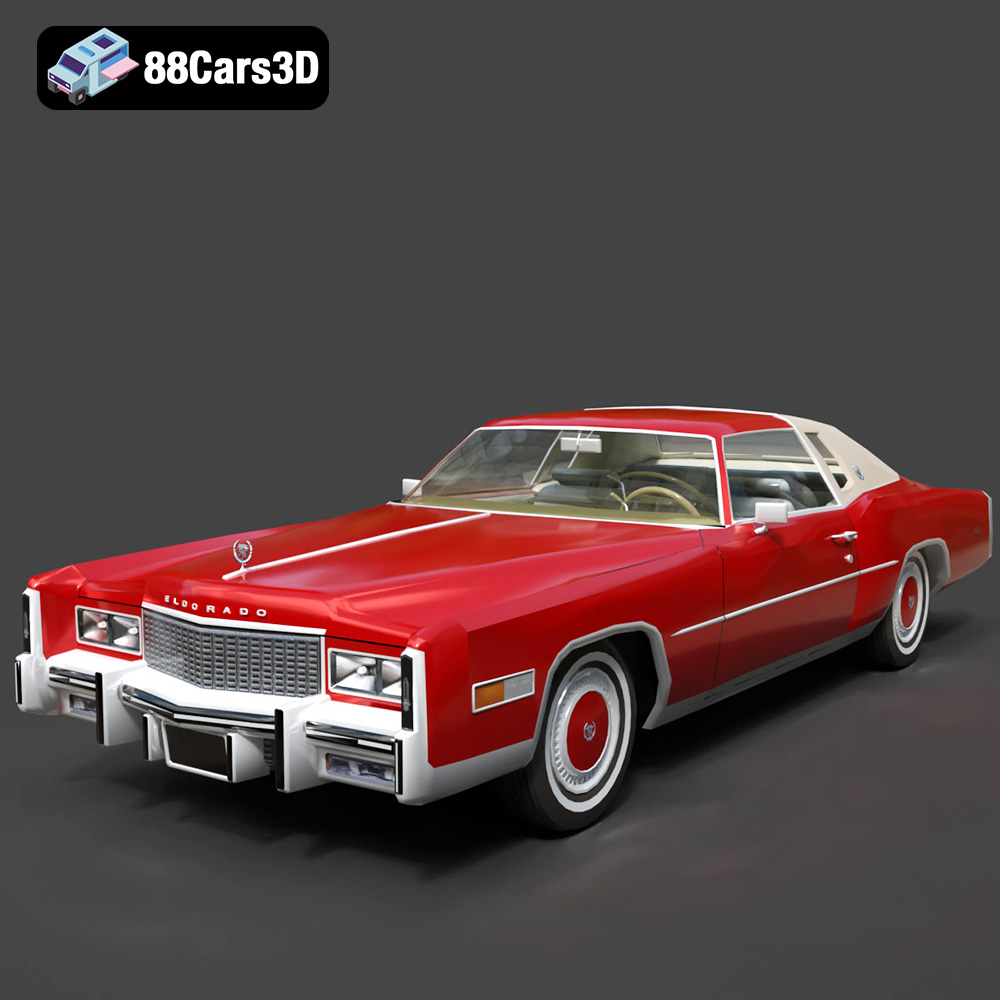
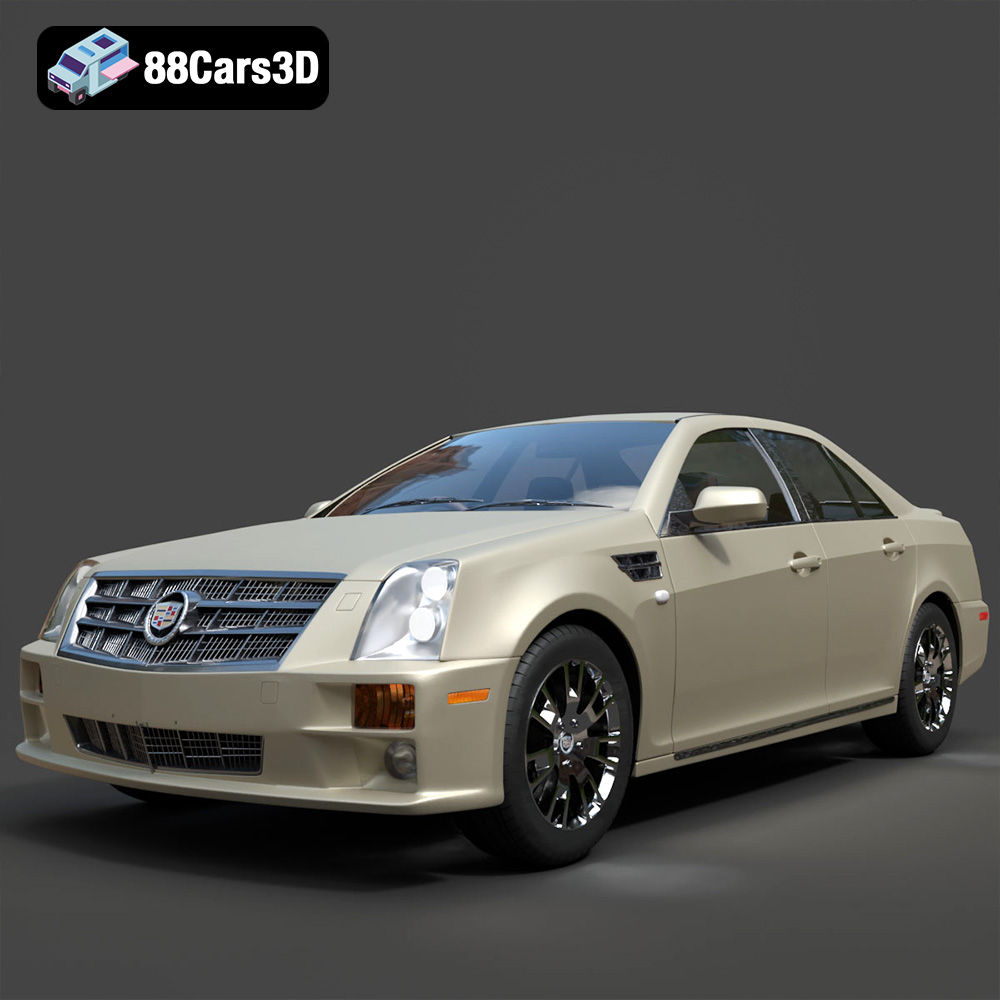
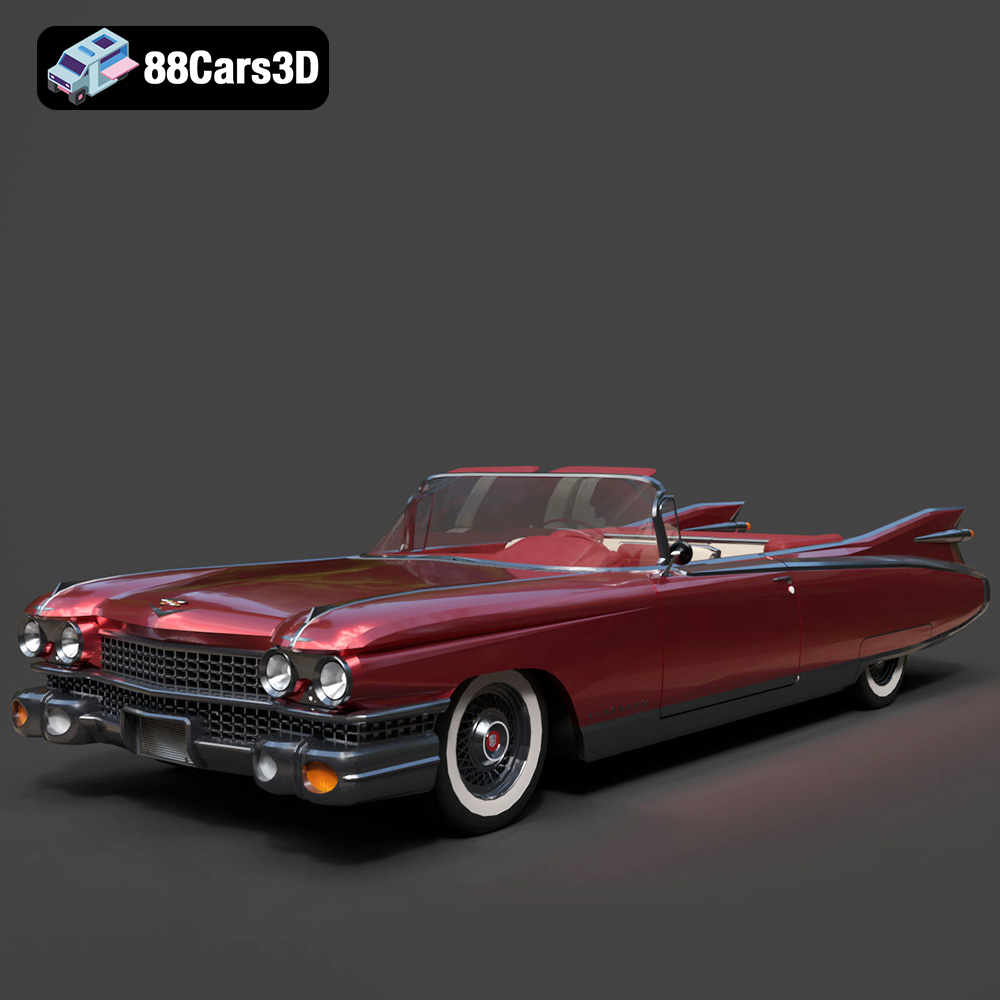
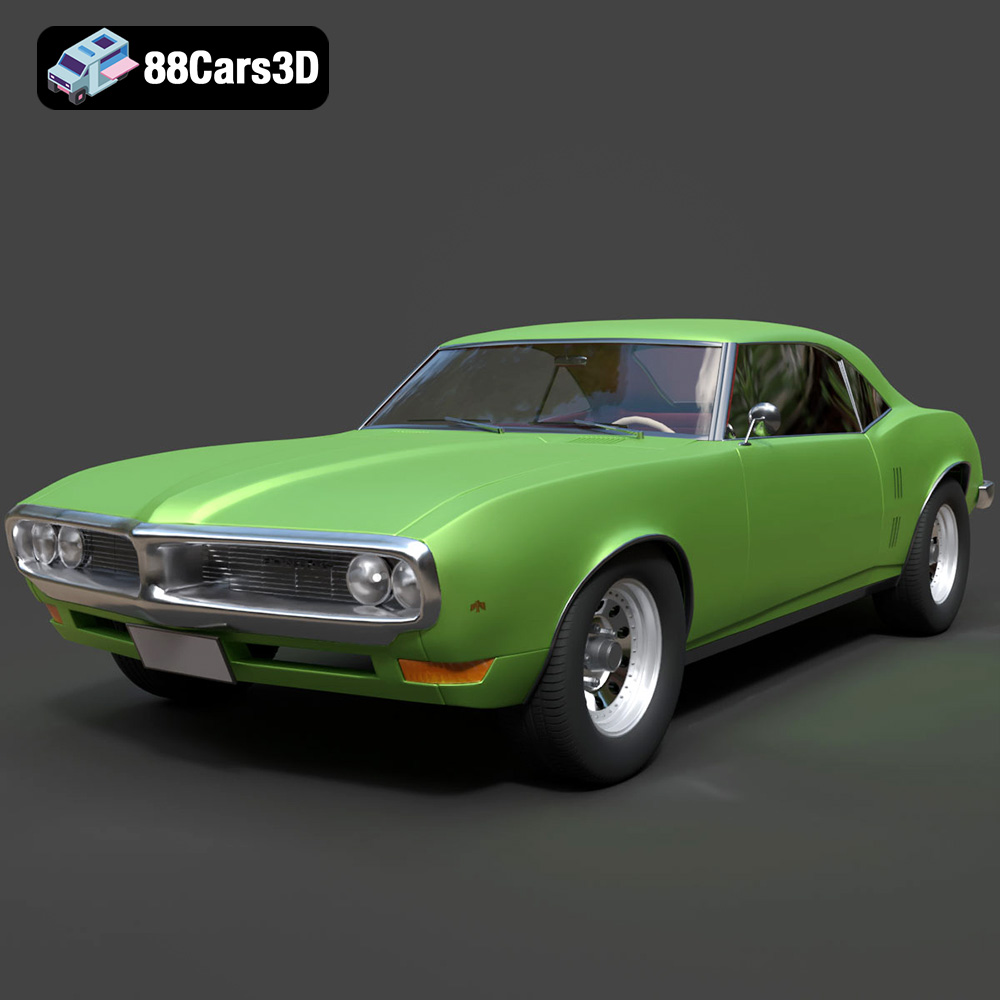
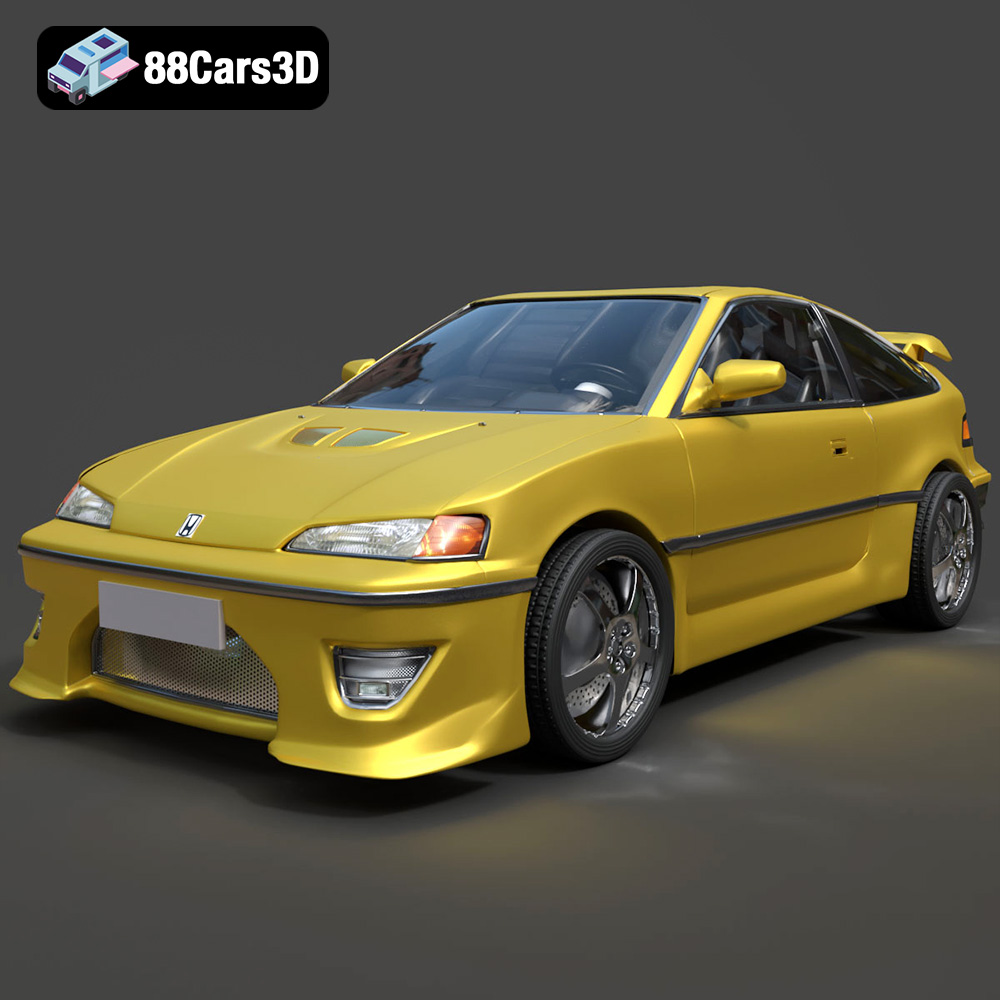
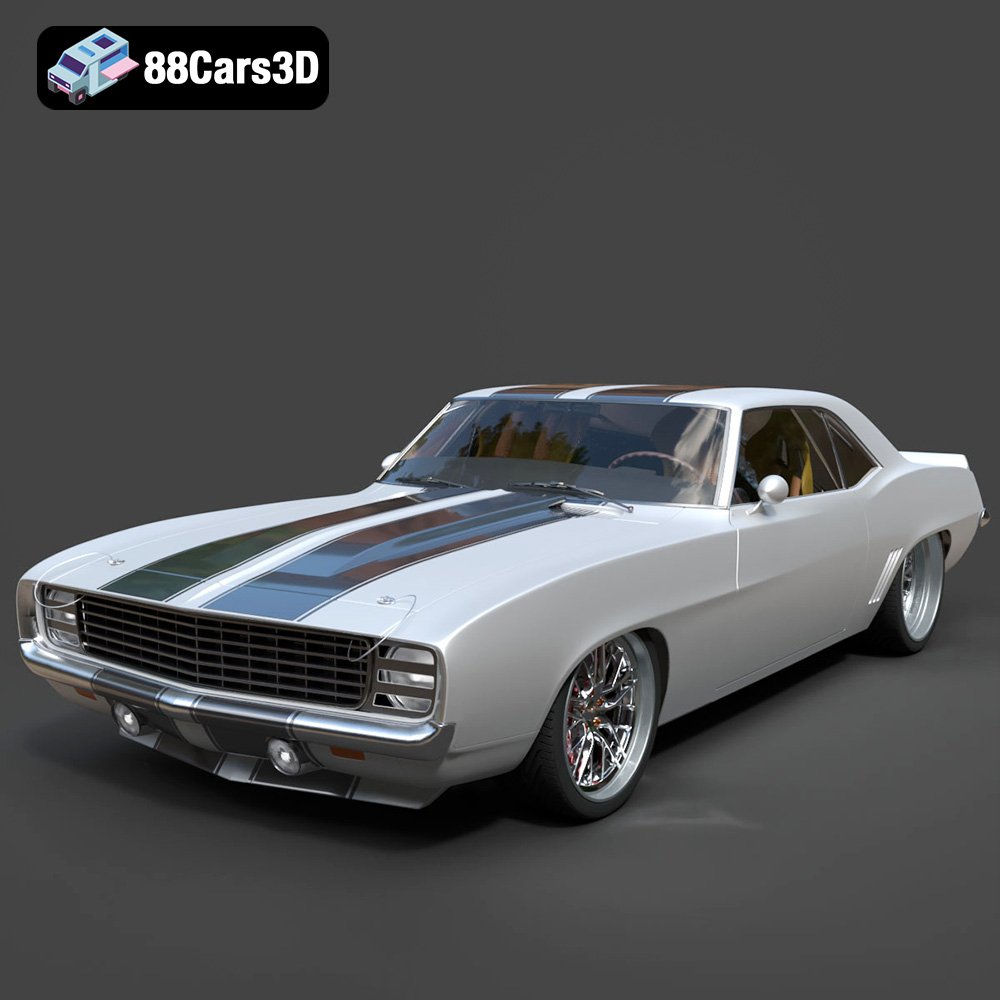
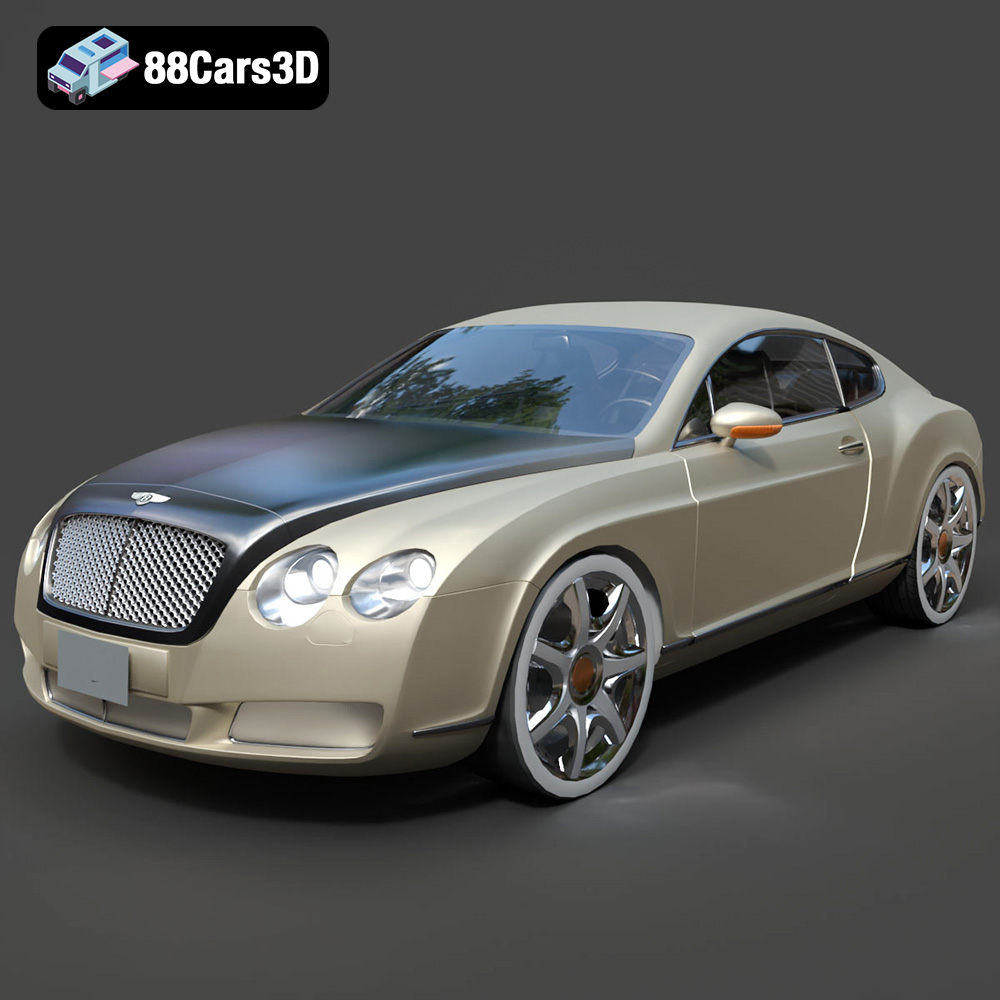
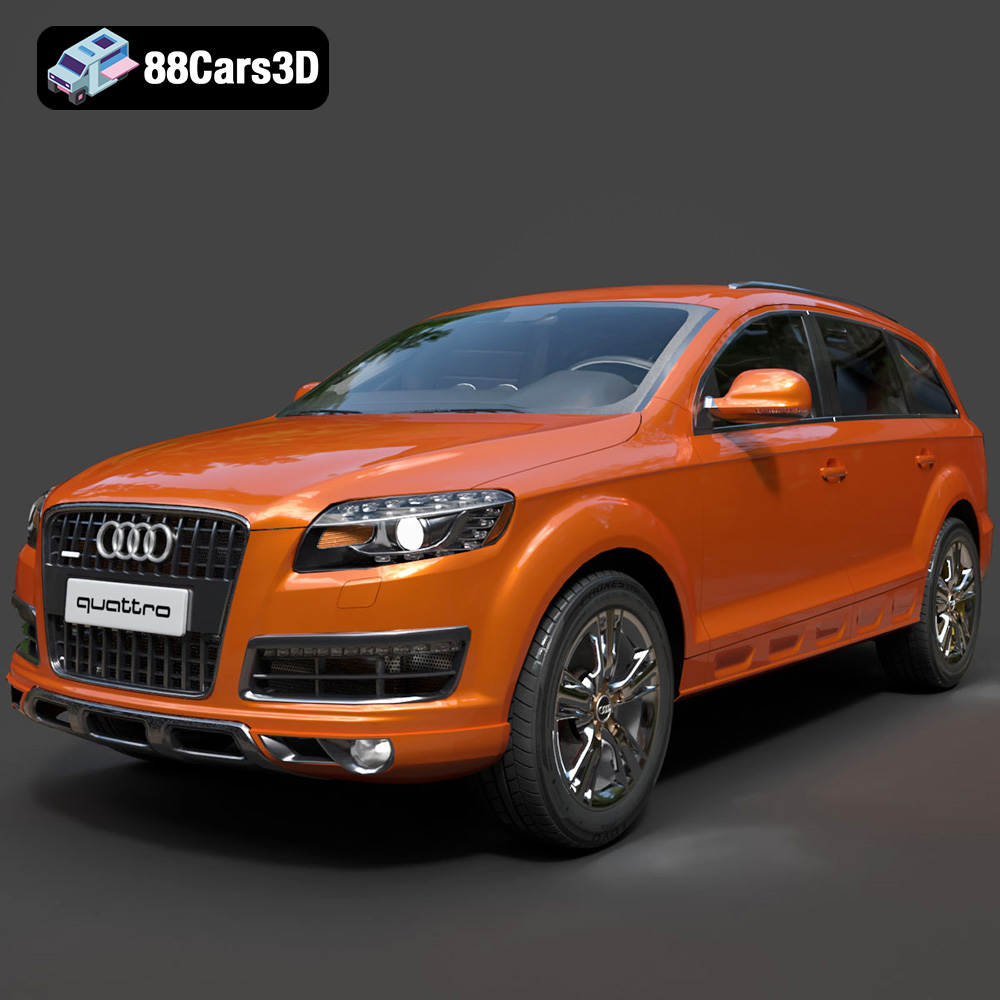
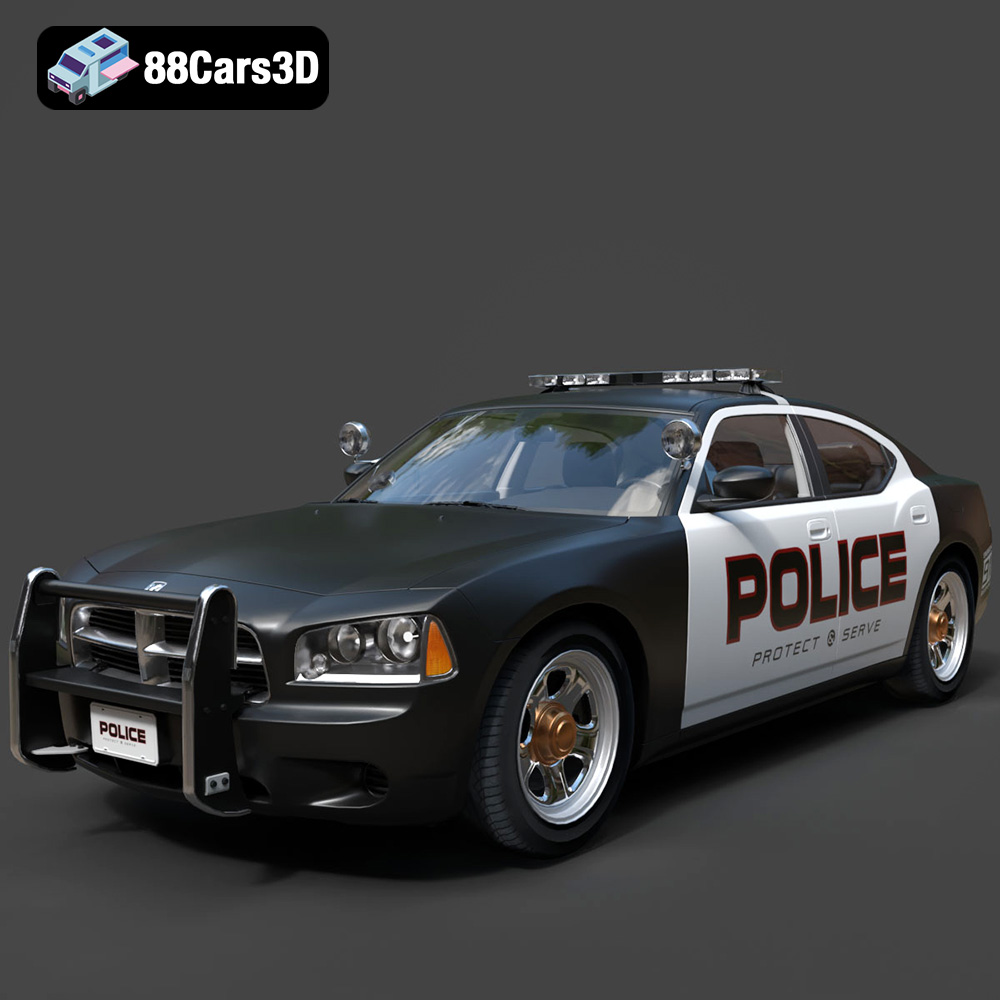
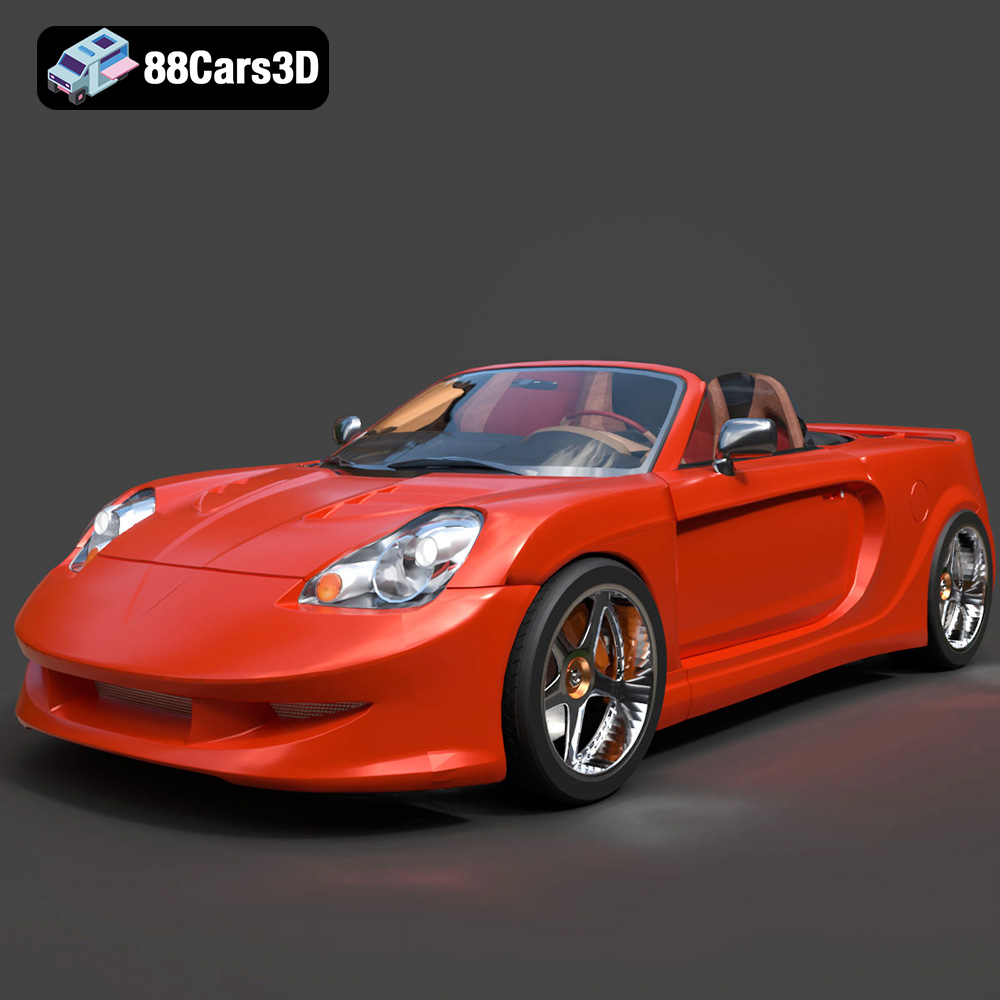
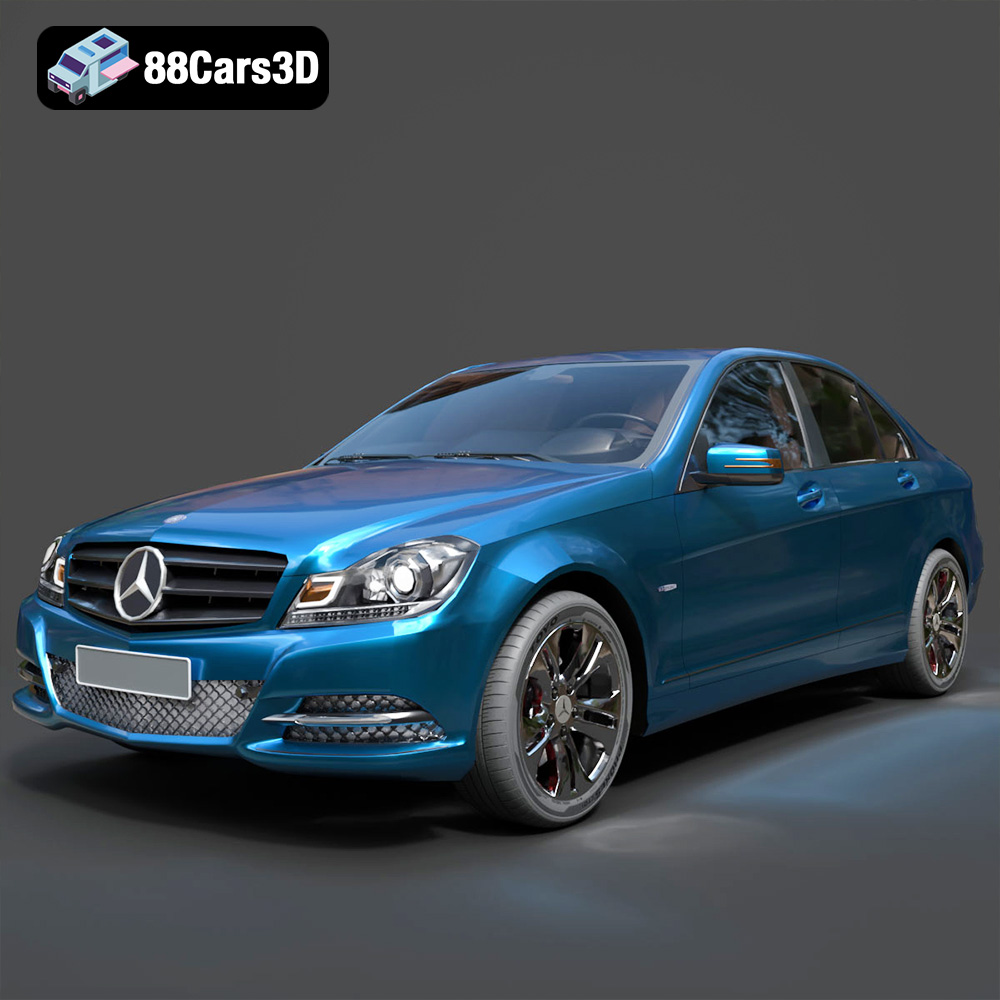
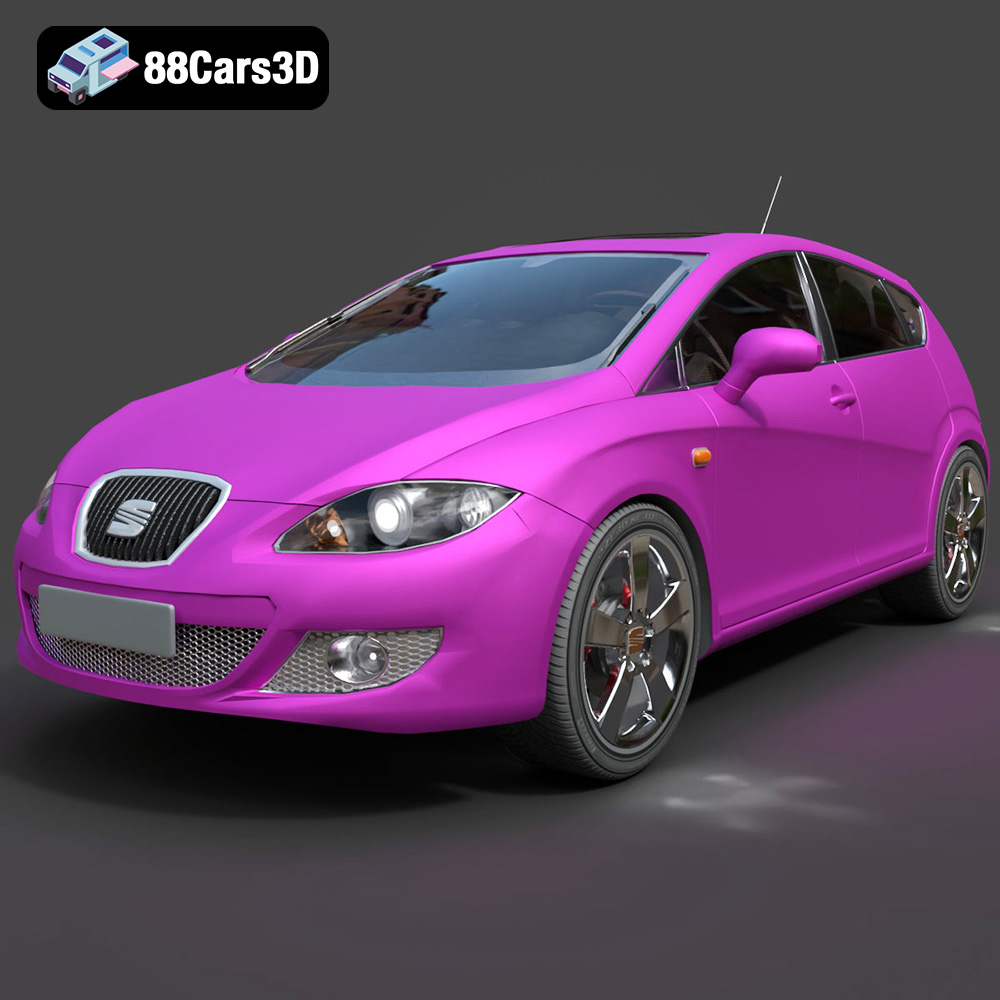
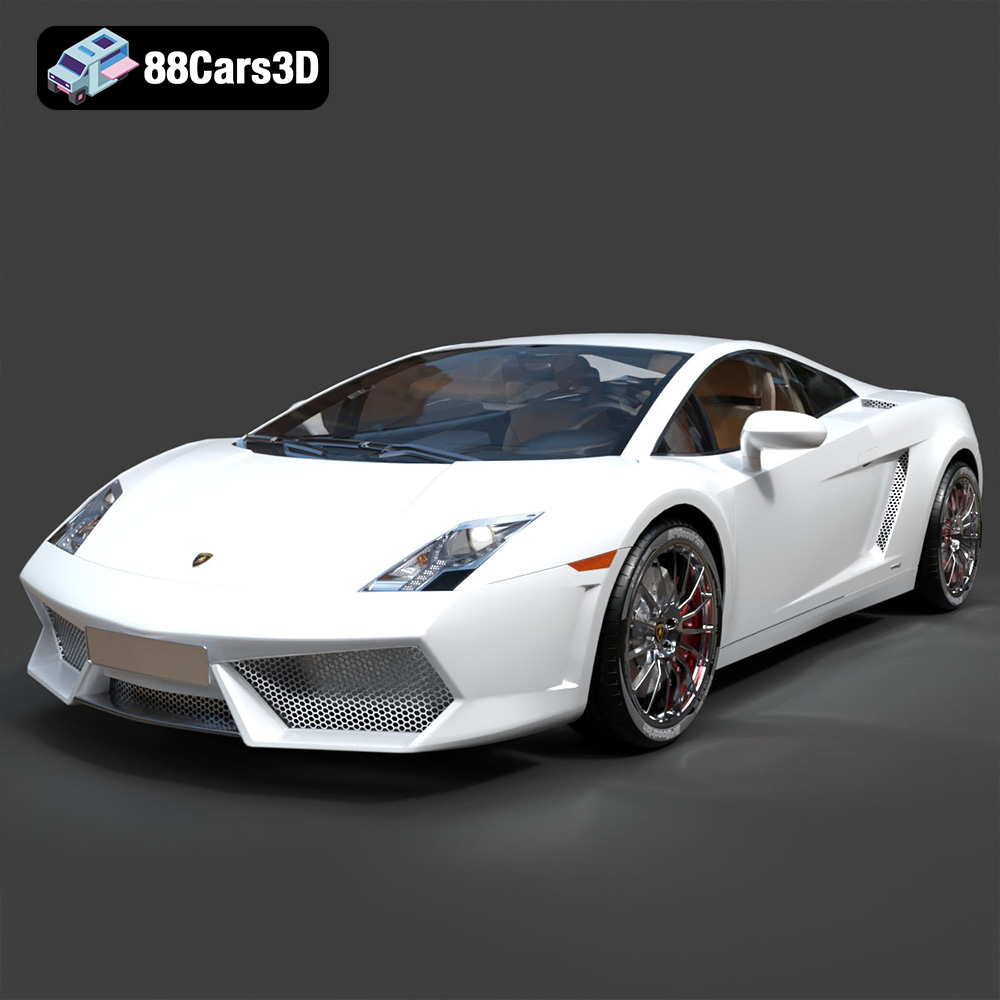
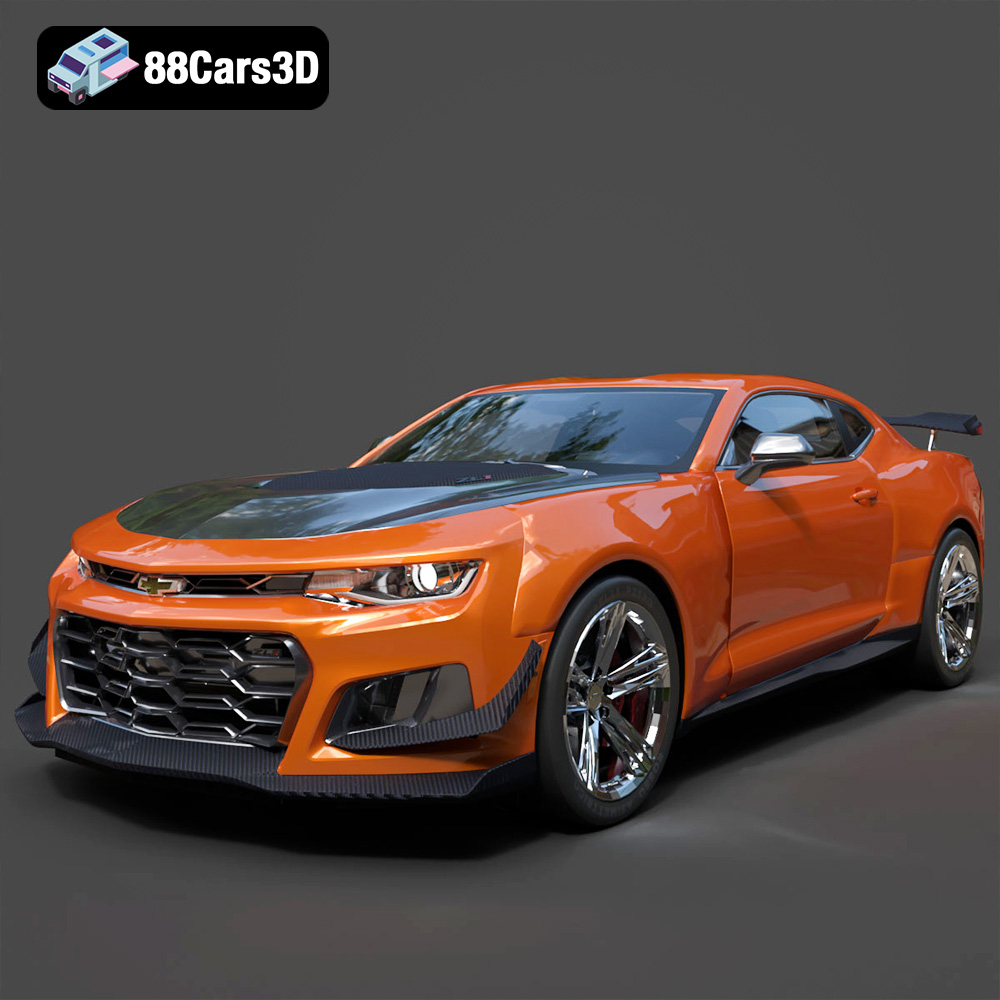
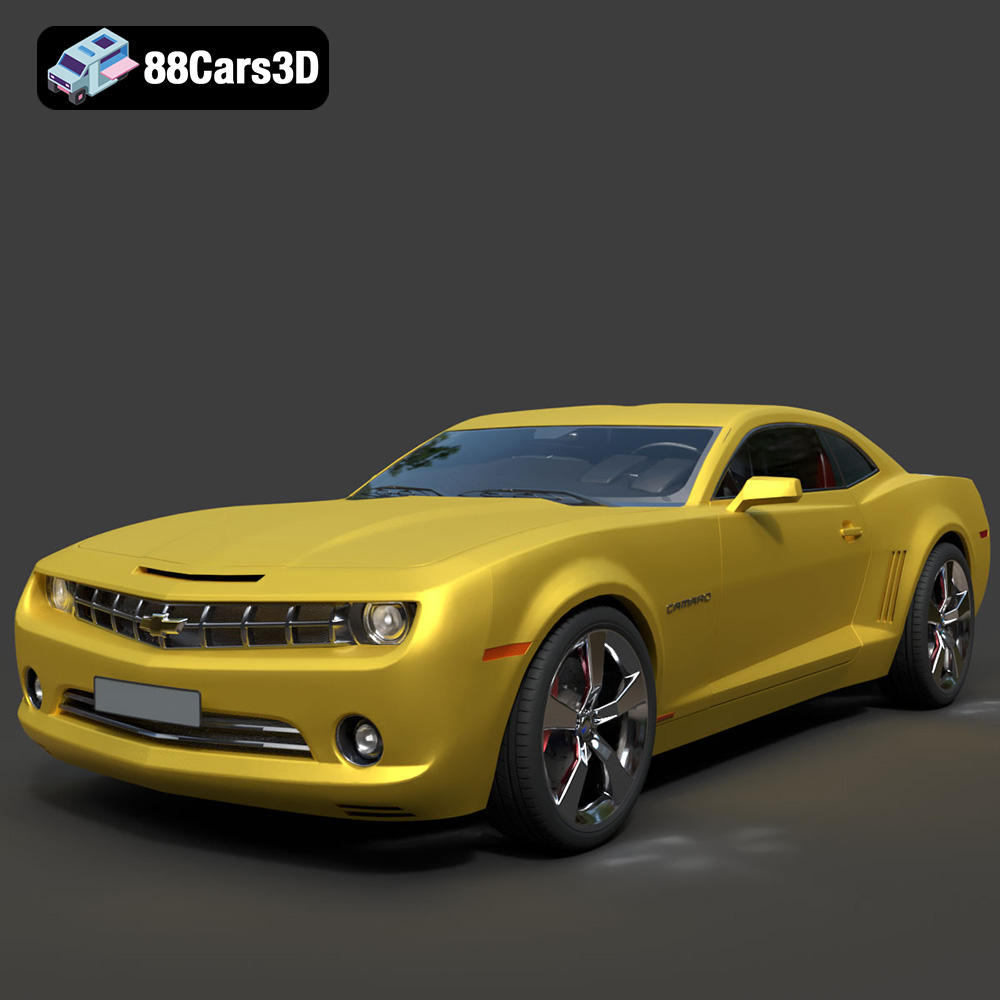
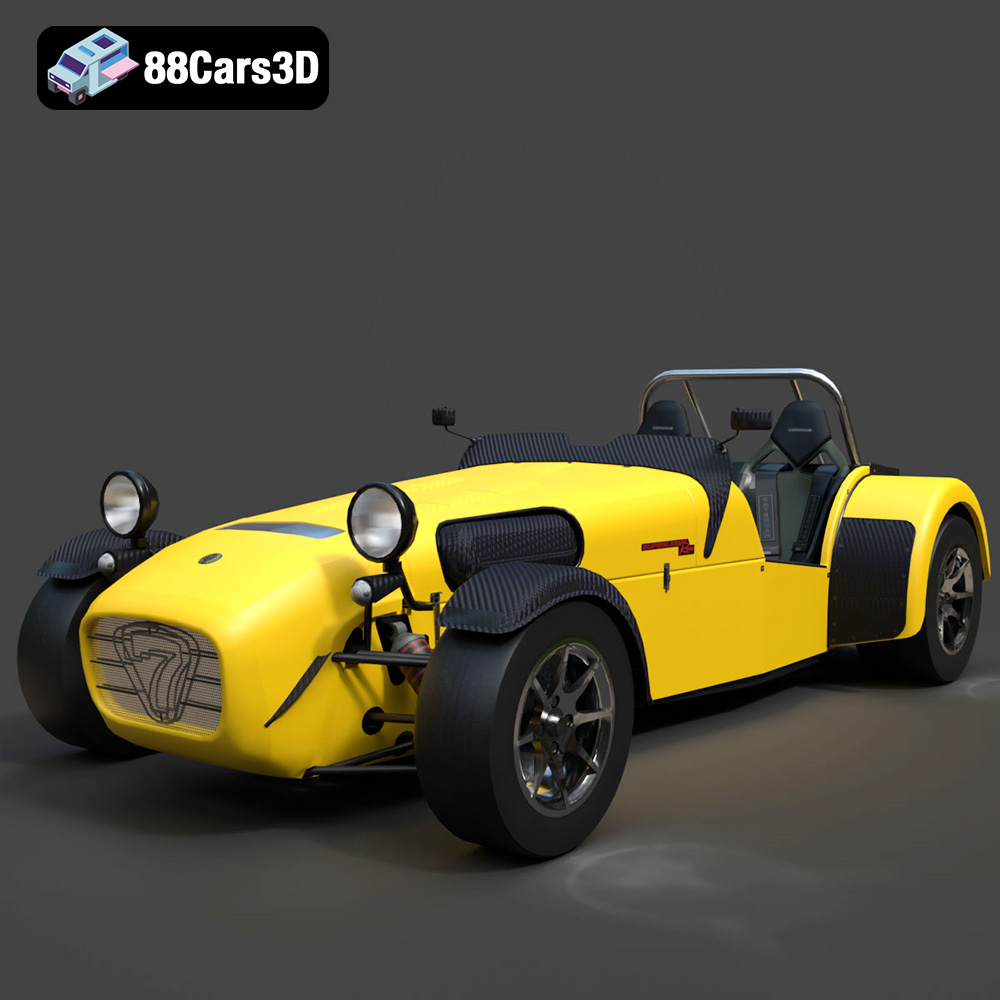
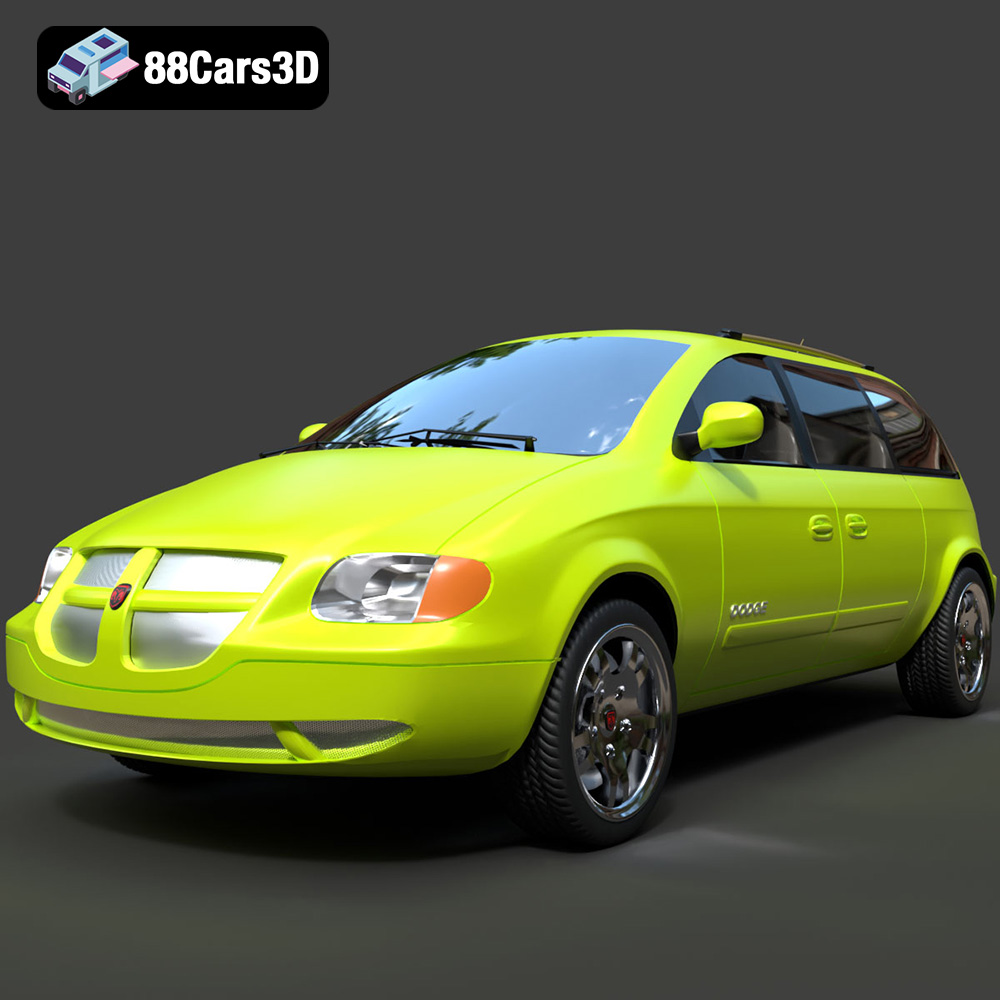
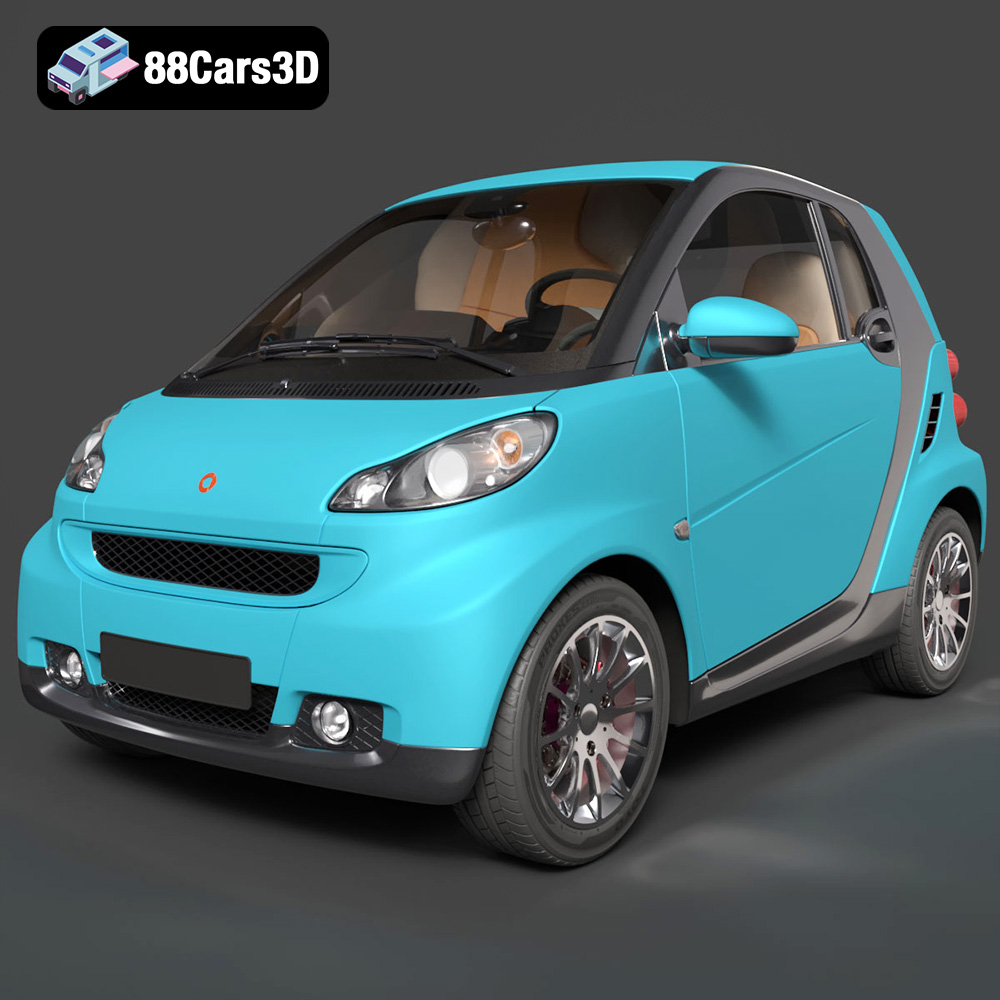
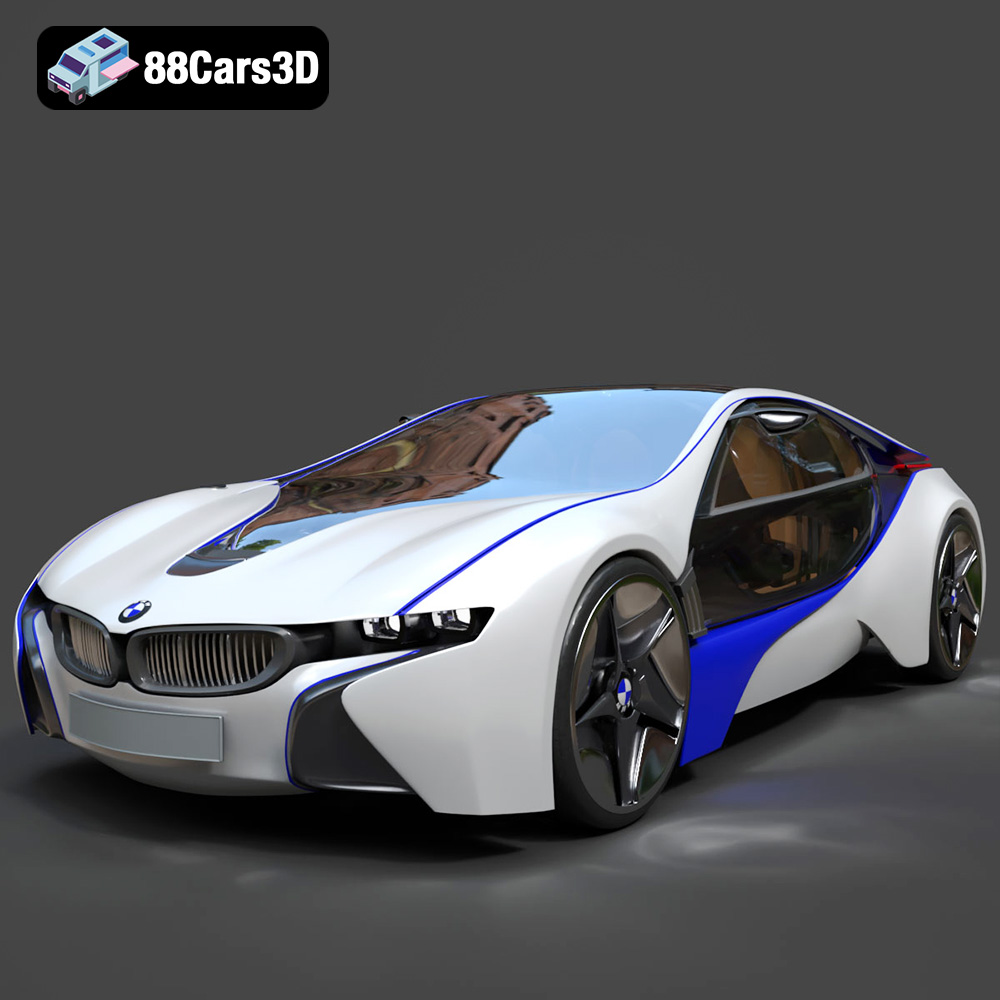
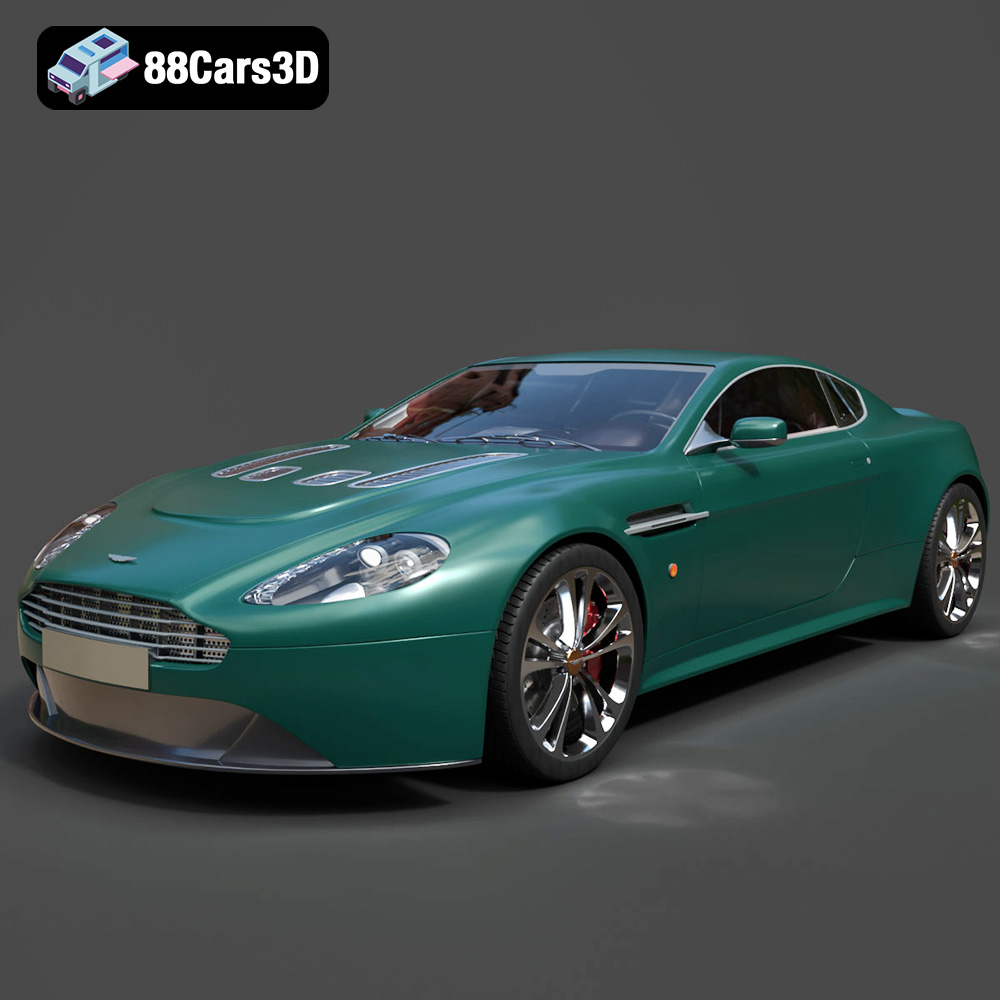
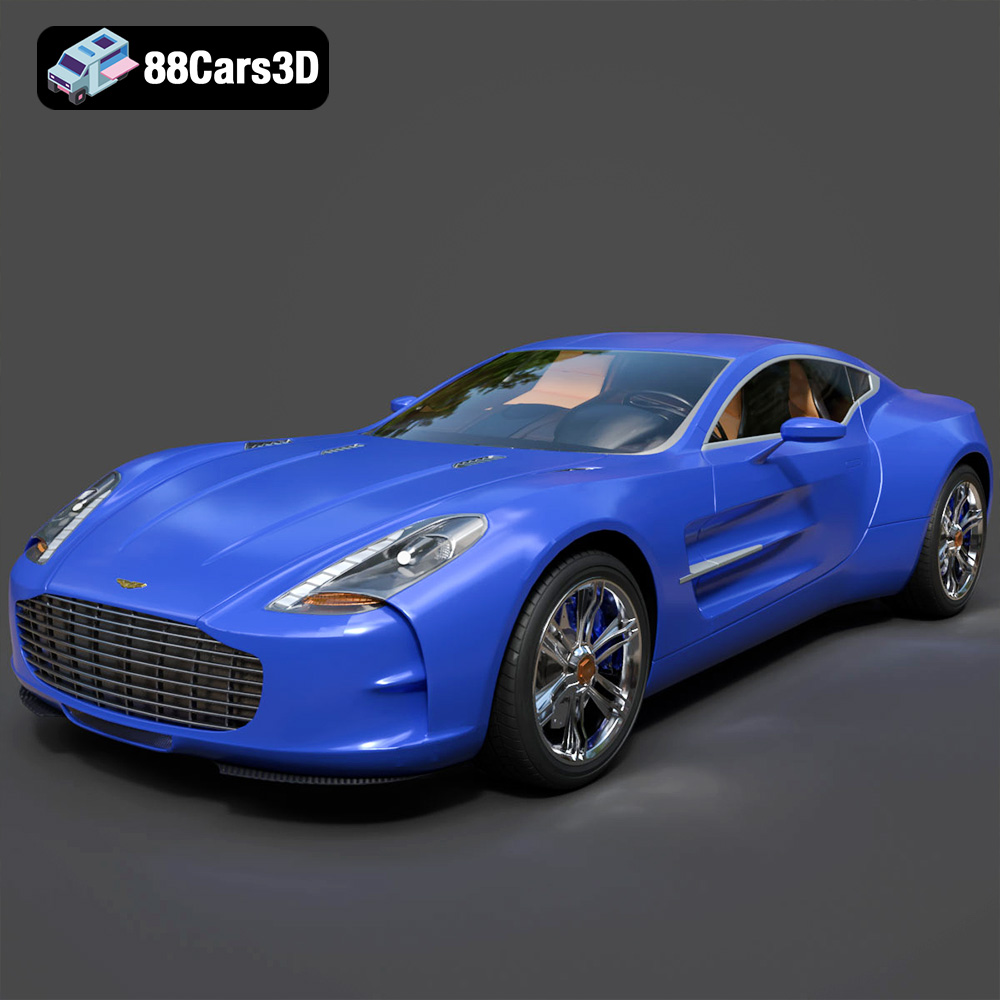
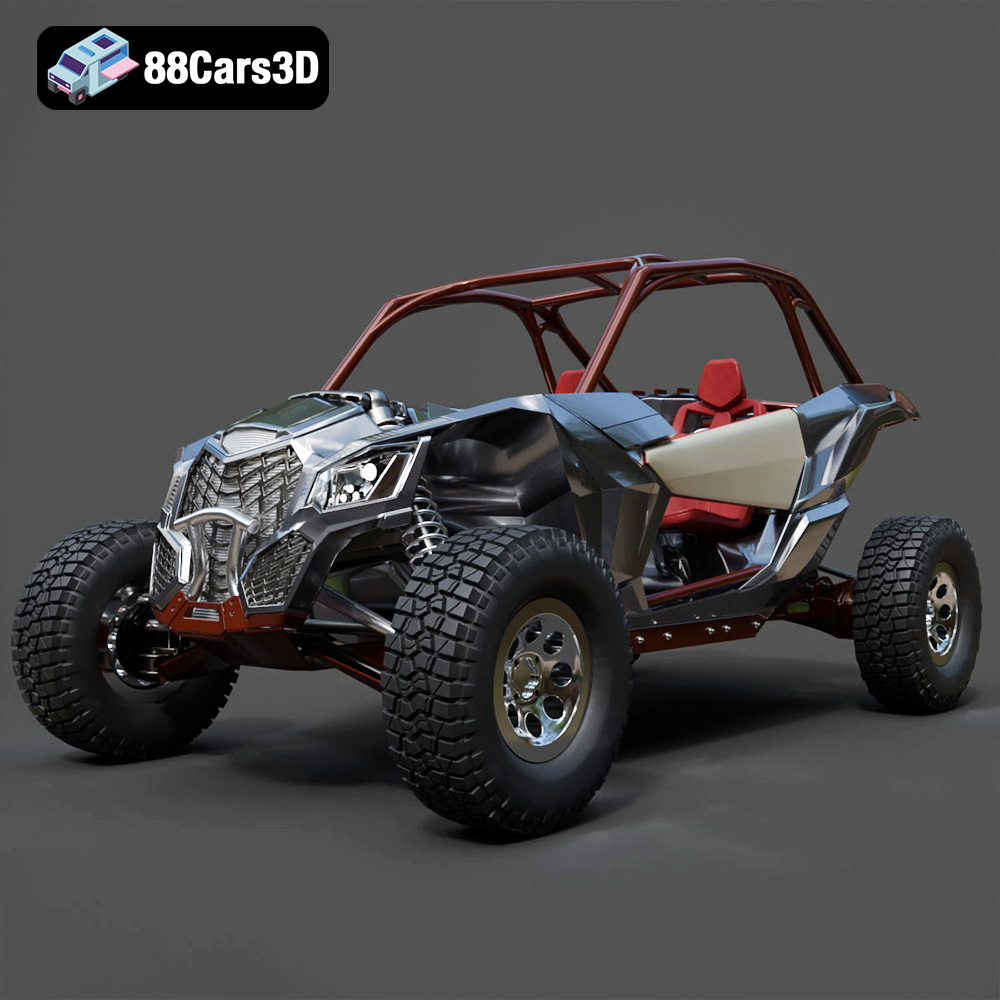
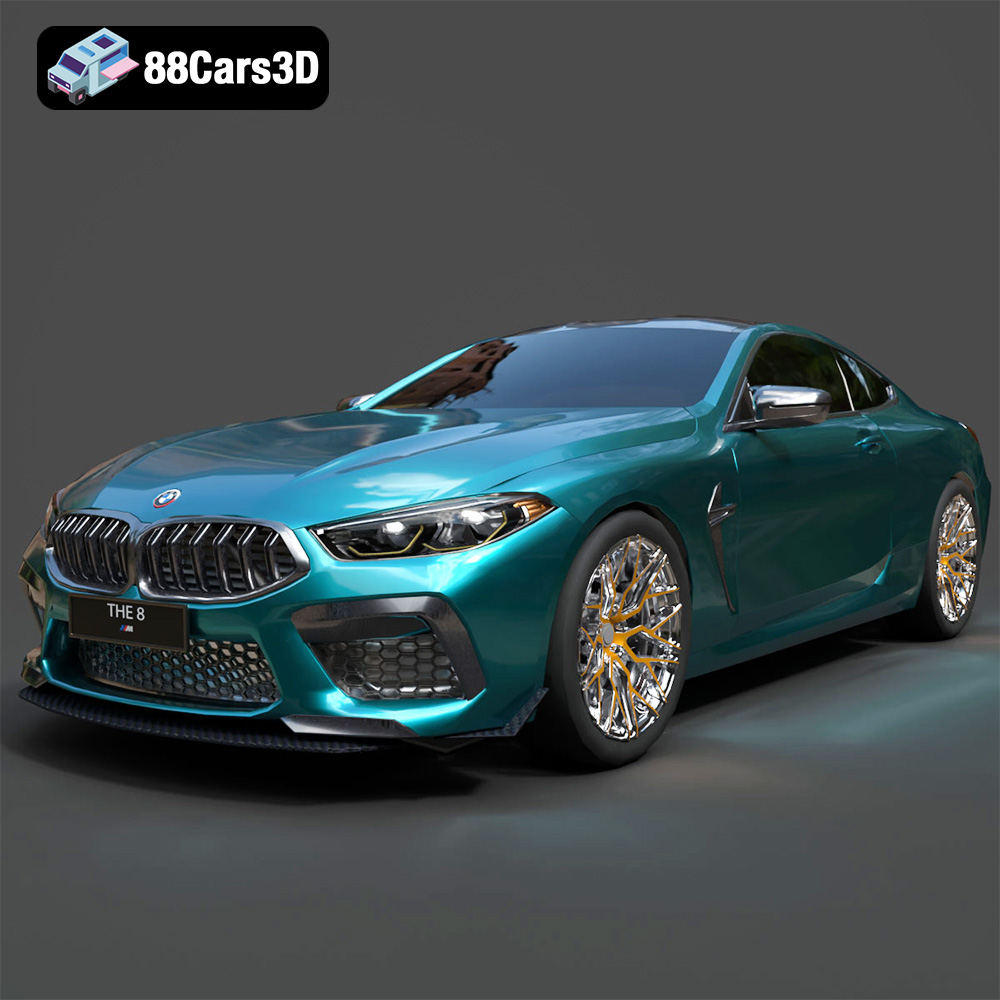
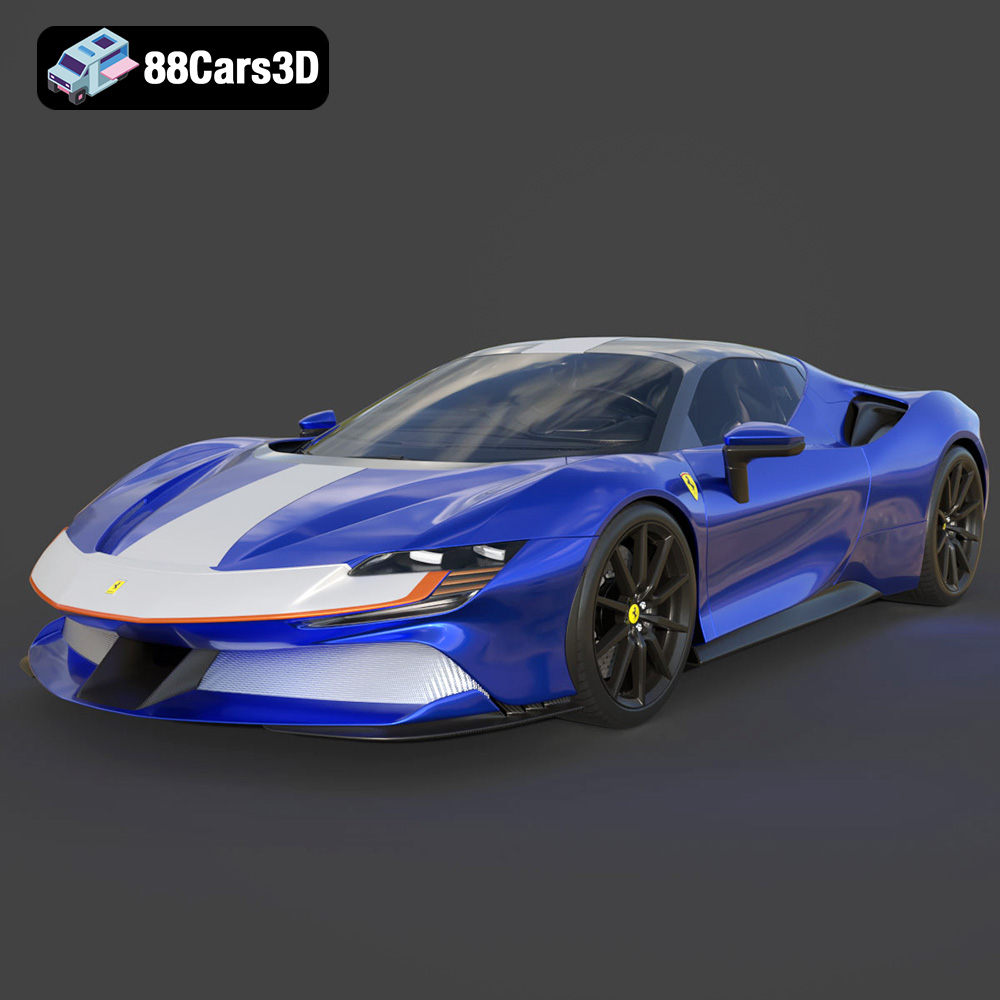
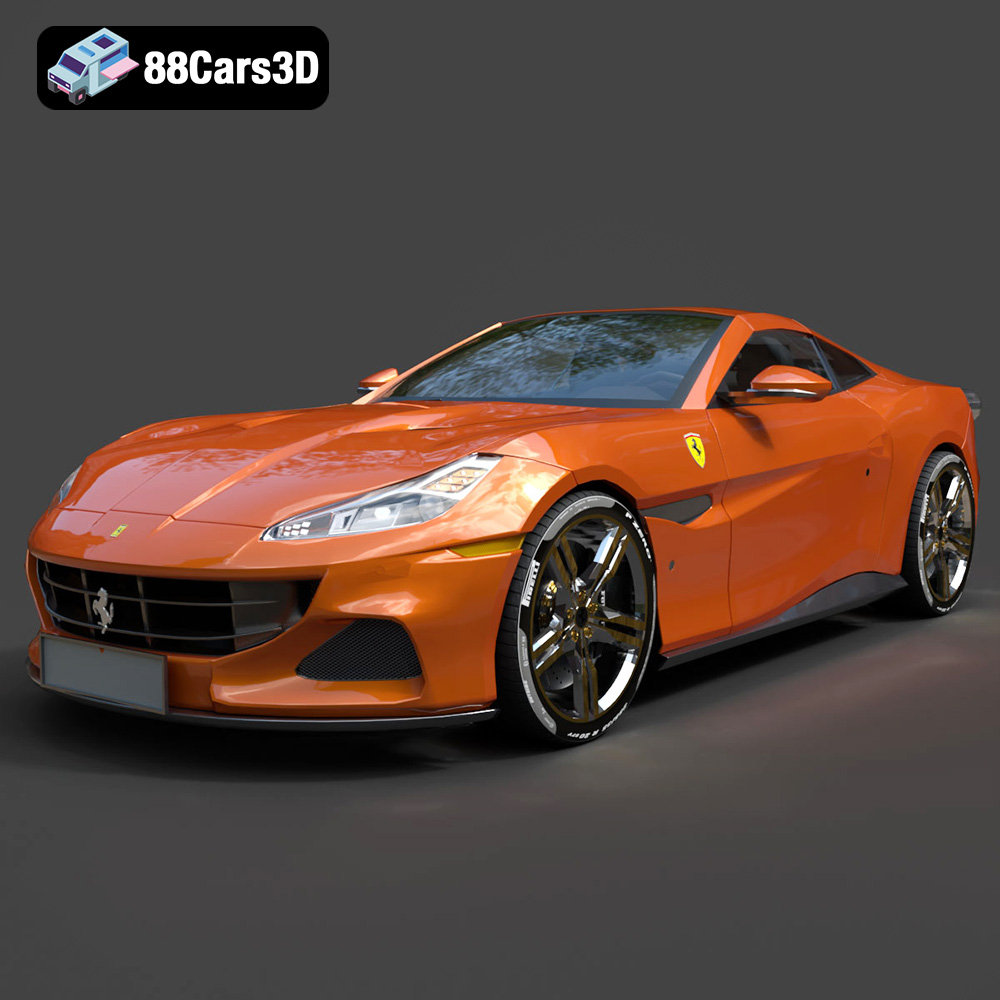
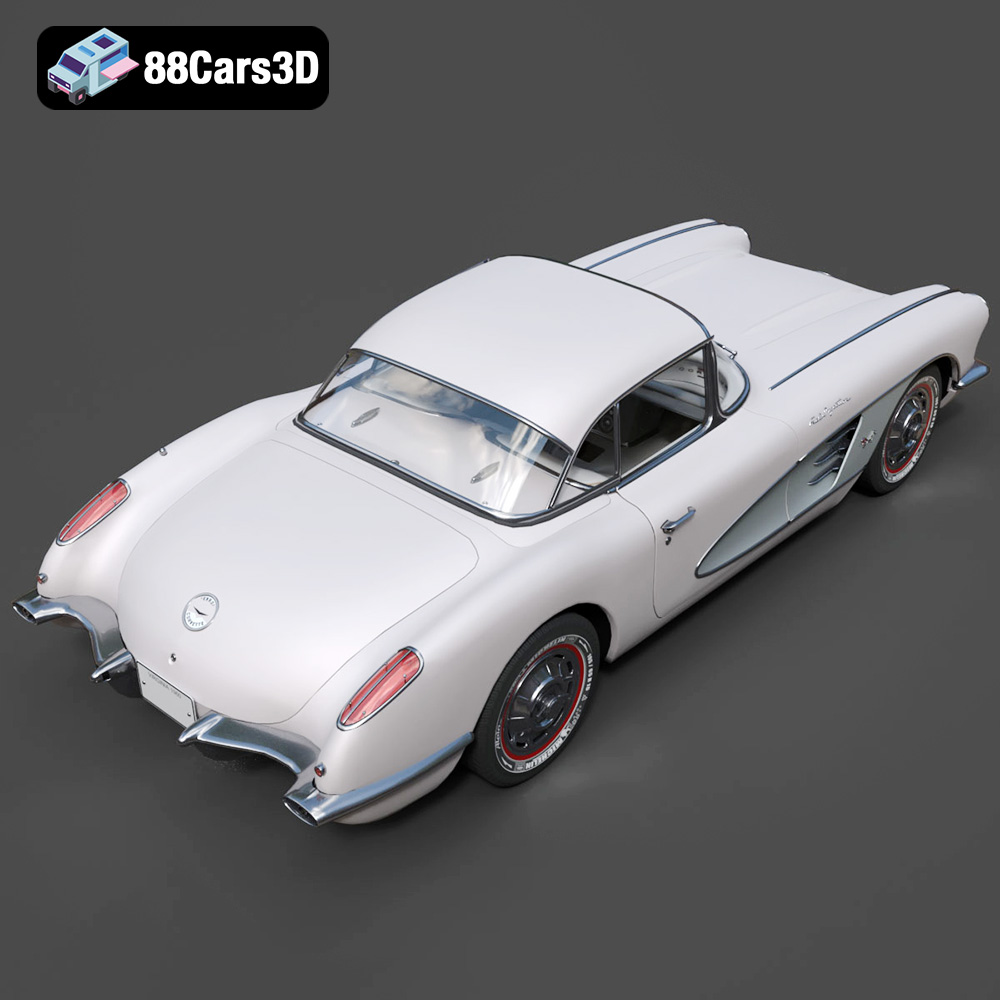
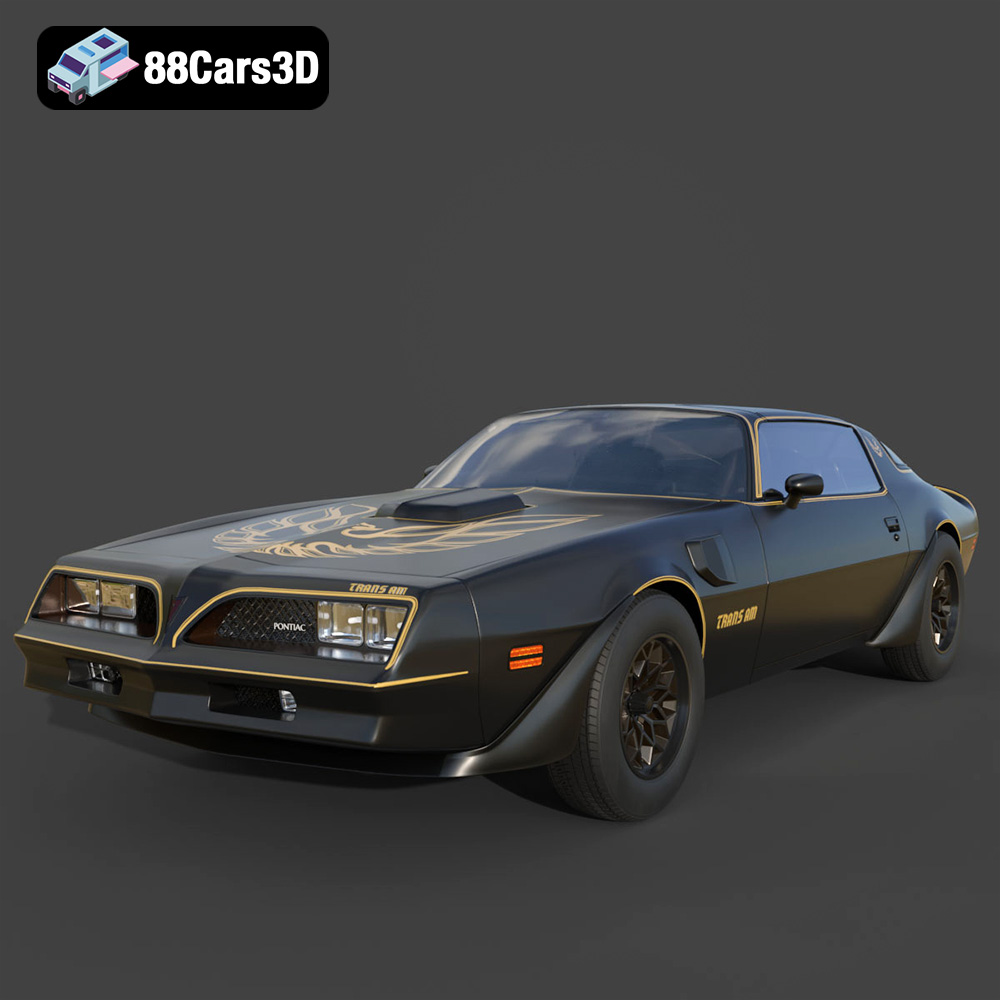
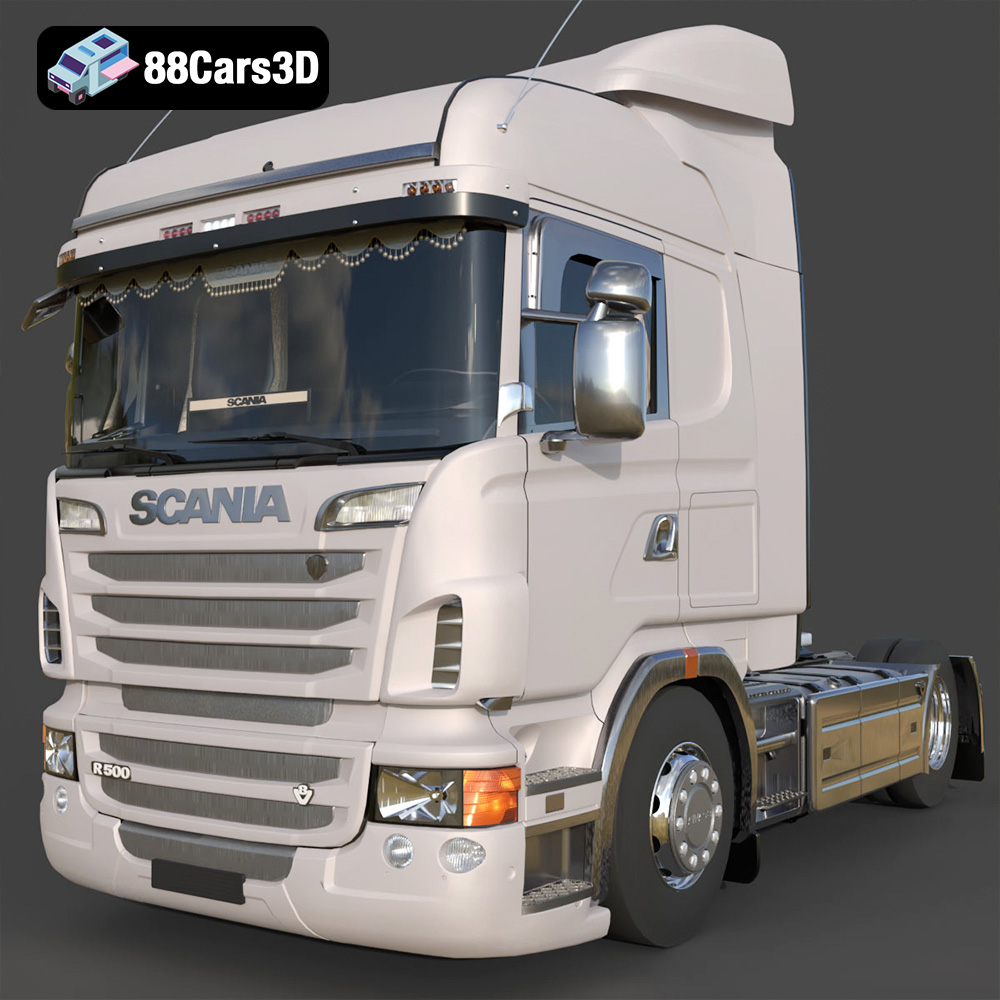
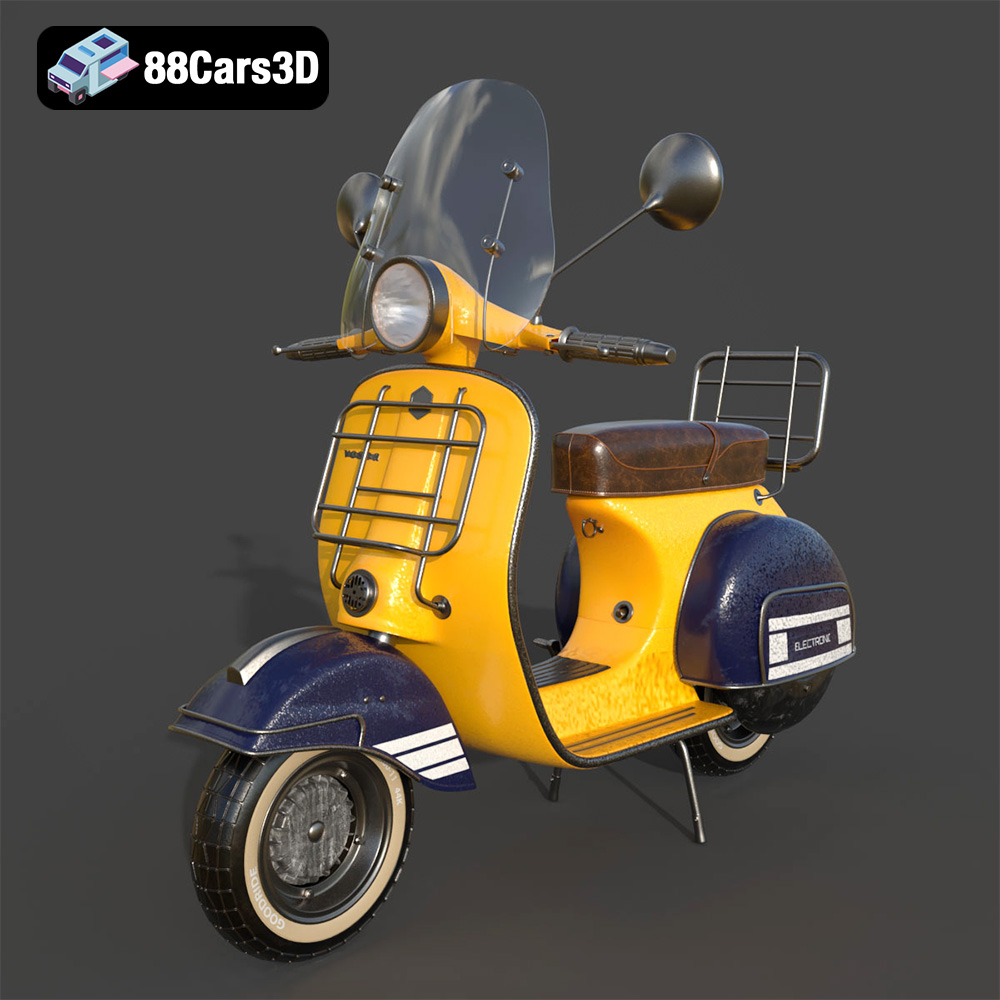
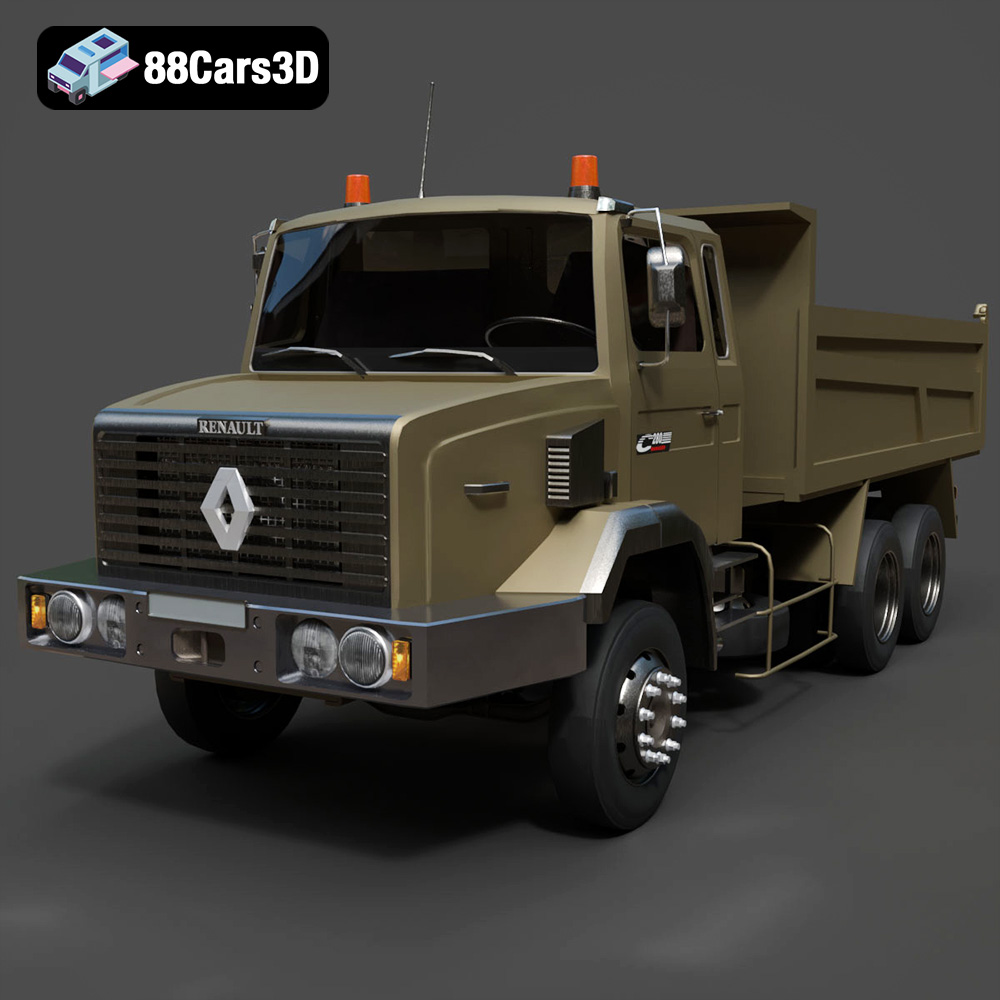
In the dynamic world of 3D visualization, few assets command as much attention and precision as 3D car models. From photorealistic automotive rendering for marketing campaigns to meticulously optimized vehicle assets for cutting-edge video games and immersive AR/VR experiences, the demand for high-quality, technically sound models is ever-increasing. Mastering the intricacies of working with these complex assets is crucial for any professional in the field. This comprehensive guide delves into the core aspects of acquiring, preparing, rendering, and deploying 3D car models across various industries, highlighting the technical expertise required to achieve stunning results. Whether you are a seasoned artist or an aspiring developer, understanding these workflows will elevate your projects and expand your creative horizons.
The Foundation: Why High-Quality 3D Car Models Matter
The visual impact of any project heavily relies on the quality of its foundational assets. For cars, this means much more than just a recognizable shape. It encompasses meticulous attention to detail, accurate proportions, clean topology, and correctly applied materials. These elements are non-negotiable for achieving truly professional outcomes.
Realism in Automotive Visualization
Automotive manufacturers, advertising agencies, and architectural visualization studios frequently require renderings that are indistinguishable from real-world photographs. This level of photorealism is attainable only with 3D car models built to exacting standards. A high-quality model provides the precise geometry needed for accurate reflections, sharp contours, and the subtle nuances of a vehicle’s design. Imperfections like stretched UVs, jagged edges, or incorrect scale can instantly break immersion, regardless of how advanced your rendering engine or lighting setup might be. Furthermore, a well-structured model allows for flexible customization—changing paint colors, wheel designs, or even interior upholstery with ease, which is invaluable for showcasing different configurations or creative variations.
Performance in Interactive Environments
While visualization often prioritizes raw detail, interactive applications like video games, virtual reality simulations, and augmented reality apps demand a delicate balance between visual fidelity and performance. Here, “high-quality” also implies optimization. A model for a game engine must feature efficient polygon counts, well-managed Level of Detail (LOD) systems, and properly organized UV maps to minimize draw calls and ensure smooth frame rates. Complex models can be resource-intensive, leading to lag and a poor user experience. Therefore, a professional-grade 3D car model often comes in multiple versions, or is designed to be easily optimized, ensuring it looks fantastic without overburdening the target platform’s hardware. Sites like 88cars3d.com specialize in providing models that meet these dual requirements, offering assets suitable for both high-end rendering and real-time interactive experiences.
Understanding 3D Model File Formats
Navigating the diverse landscape of 3D file formats is crucial for seamless workflow integration and ensuring your assets are compatible with various software and pipelines. Each format serves specific purposes, offering unique advantages depending on your project’s requirements. Selecting the right format is key to maintaining data integrity and optimizing your workflow.
Editable Scene Formats
- .blend – Fully editable Blender scene with materials: This is Blender’s native file format, storing everything within a Blender project: meshes, materials, textures, animations, lights, cameras, and even physics simulations. It offers unparalleled flexibility for users working primarily within Blender, allowing for complete scene manipulation and easy iteration. When you download a .blend file, you’re getting a fully rigged, textured, and often lit scene that can be immediately opened and customized in Blender. Its self-contained nature makes it excellent for archiving and sharing complete projects within the Blender ecosystem.
- .max – Editable 3ds Max project for animation and rendering: The proprietary file format for Autodesk 3ds Max, .max files encapsulate an entire 3ds Max scene. This includes all geometry, modifiers, materials (especially V-Ray or Corona materials), lights, cameras, animation data, and scene settings. It’s the go-to format for professionals who use 3ds Max for architectural visualization, high-end automotive rendering, and animation. A .max file provides the fullest editing capabilities for 3ds Max users, allowing artists to dive deep into the model’s construction, modify parameters, and take advantage of 3ds Max’s robust toolset for modeling, rigging, and rendering.
Universal & Exchange Formats
- .fbx – Ideal for Unreal, Unity, and real-time pipelines: Developed by Autodesk, FBX (Filmbox) has become the industry-standard exchange format, particularly for game development. It efficiently transfers 3D models, animation, cameras, and lights between different software applications like Maya, 3ds Max, Blender, and directly into game engines like Unreal Engine and Unity. FBX supports PBR (Physically Based Rendering) material setups, ensuring textures and material properties are translated accurately. Its ability to embed textures and animations makes it a powerful choice for asset delivery, providing a relatively self-contained package for real-time applications where performance and fidelity are paramount.
- .obj – Universal format for cross-software compatibility: OBJ (Object) is one of the oldest and most widely supported 3D formats. It’s excellent for exchanging purely geometric data—vertices, faces, UV coordinates, and normals—between almost any 3D software. While it doesn’t store animation or complex scene data, its simplicity makes it incredibly robust. Textures are typically referenced via an accompanying .mtl (Material Template Library) file. For static 3D car models where universal compatibility is prioritized, .obj remains a solid and reliable choice, ensuring that your mesh data can be opened and manipulated regardless of the software you use.
Specialized Formats
- .glb – Optimized for AR, VR, and browser-based display: GLB (GL Transmission Format Binary) is the binary version of the glTF format, specifically designed for efficient transmission and loading of 3D scenes and models in web, AR, and VR applications. It’s known for its compact size and fast parsing, as it embeds all necessary data (geometry, textures, animations) into a single file. GLB is becoming the “JPEG of 3D” for interactive web content and mobile AR/VR, making it an excellent choice for showcasing 3D car models directly in a browser or within an immersive app.
- .stl – Suitable for 3D printing output: STL (Stereolithography) is the de facto standard for 3D printing. It represents a 3D model as a series of connected triangles, defining only the surface geometry of an object without color, texture, or other CAD attributes. For preparing a 3D car model to be physically manufactured, converting it to a watertight .stl file is essential. While it simplifies the model, it’s crucial for ensuring printability and avoiding errors during the slicing process.
- .ply – Precision mesh format for CAD or analysis: PLY (Polygon File Format) is often used for storing 3D data from 3D scanners, CAD applications, and scientific visualization tools. It can store a wider range of properties than .obj or .stl, including color, transparency, surface normals, and even confidence values. For applications requiring highly precise mesh data, such as reverse engineering, quality control, or detailed technical analysis of a car’s surface, .ply offers a robust solution for preserving rich attribute data.
- .unreal – Engine-ready asset for real-time environments: While not a single file extension like .fbx or .obj, “.unreal” refers to an asset that has been fully processed and optimized for use within Unreal Engine. This typically involves importing an .fbx file, setting up materials using Unreal’s node-based material editor, creating LODs, adding collision meshes, and potentially blueprinting interactivity. An “Unreal-ready” asset implies that it’s been through this pipeline, often packaged as a .uasset file within an Unreal project, ready for immediate deployment in games, simulations, or virtual production environments. It represents a high level of optimization and integration tailored specifically for the Unreal Engine ecosystem, making it ideal for those seeking truly plug-and-play game assets.
Mastering Automotive Rendering for Photorealism
Achieving photorealistic automotive rendering is an art form that blends technical proficiency with an eye for detail. It involves sophisticated material creation, strategic lighting, and careful post-production to bring a 3D car model to life.
The PBR Workflow: Materials and Textures
Physically Based Rendering (PBR) is the cornerstone of modern photorealism. It simulates how light interacts with surfaces in a way that aligns with real-world physics, resulting in materials that react consistently under various lighting conditions. For a 3D car model, this means creating a suite of textures:
- Albedo (Base Color): The pure color of the surface, stripped of any lighting or shadowing.
- Metallic: Defines whether a material is metallic or dielectric. Car paint often has metallic flakes.
- Roughness: Controls the microscopic surface irregularities, determining how sharp or diffused reflections appear.
- Normal Map: Adds fine surface detail (like subtle dents or fabric weaves) without increasing polygon count.
- Ambient Occlusion (AO): Simulates soft shadows where surfaces are close together.
These textures are then fed into sophisticated PBR shaders within renderers like V-Ray, Corona Renderer, Redshift, or Blender’s Cycles. Mastering the creation and application of these maps is critical for rendering realistic paint, glass, chrome, and rubber surfaces.
Lighting and Environment Setup
Light is everything in rendering. For automotive subjects, an accurate lighting setup can make or break the realism. High Dynamic Range Imagery (HDRI) is often the preferred method for environmental lighting, as it captures real-world light information (color, intensity, direction) from a spherical panoramic image. This provides highly realistic reflections and ambient light, making the car seamlessly integrate into its surroundings. Beyond HDRI, strategic use of physical lights (e.g., area lights to simulate studio softboxes, spotlights for highlights) helps emphasize contours and add dramatic flair. Techniques like light linking, which allows specific lights to affect only certain objects, give artists fine-grained control over reflections and shadows on complex car surfaces.
Post-Production Techniques
Even the most stunning raw render can be enhanced through careful post-production. This phase, typically done in image editing software like Adobe Photoshop or compositing tools like Adobe After Effects, involves several key steps:
- Color Grading: Adjusting the overall color balance, contrast, and saturation to achieve a desired mood or match a specific aesthetic.
- Lens Effects: Adding subtle effects like lens flare, chromatic aberration, or vignetting to simulate real camera optics.
- Depth of Field (DOF): Blurring the background and foreground to direct the viewer’s eye to the car, mimicking a camera’s focus.
- Motion Blur: Essential for conveying speed in still images of moving vehicles, applied either during rendering or in post.
- Compositing Render Passes: Many renderers allow outputting various passes (e.g., diffuse, reflection, shadow, Z-depth, object IDs). Compositing these passes provides ultimate control over individual elements, allowing for precise adjustments without re-rendering the entire scene.
Integrating 3D Car Models into Game Engines (Unreal & Beyond)
For interactive experiences, bringing 3D car models into game engines like Unreal Engine requires a different set of considerations focused on optimization and interactivity. The goal is to maintain visual fidelity while ensuring smooth, real-time performance.
Optimizing for Real-time Performance
Game engines operate under strict performance budgets. A high-polygon model suitable for cinematic rendering is typically too heavy for real-time environments. Optimization involves:
- LODs (Level of Detail) Creation: Generating multiple versions of the model with decreasing polygon counts. The engine then automatically switches between these LODs based on the camera’s distance, ensuring only necessary detail is rendered.
- Collision Meshes: Creating simplified, invisible meshes around the car for physics calculations and interaction detection. These are far less complex than the visual mesh, reducing computational overhead.
- Draw Call Optimization: Reducing the number of times the CPU tells the GPU to render something. This involves using efficient material setups, atlasing textures, and combining meshes where appropriate.
Unreal Engine Specific Workflows
Unreal Engine provides a robust pipeline for integrating game assets. The typical workflow for a 3D car model from 88cars3d.com involves:
- Importing FBX: The FBX format is preferred due to its ability to carry mesh data, PBR material assignments, and sometimes even basic animation.
- Material Setup: Creating Master Materials and Material Instances. A Master Material defines the core PBR properties, while instances allow for quick variations (e.g., different paint colors, roughness values) without creating new materials, optimizing memory.
- Vehicle Blueprints: For interactive cars, Unreal’s Blueprint visual scripting system is invaluable. You can create a vehicle Blueprint that integrates the car mesh, sets up wheel physics, implements controls (steering, acceleration, braking), and adds interactive elements like opening doors or headlights.
- Physics Configuration: Adjusting suspension, tire friction, engine torque, and gear ratios within Unreal’s vehicle physics system to achieve realistic handling.
Creating Interactive Experiences
Beyond basic movement, 3D car models can be central to rich interactive experiences:
- AR/VR Integration: For augmented reality (AR) or virtual reality (VR) applications, models need even greater optimization. This includes strict polygon budgets, efficient texture streaming, and careful handling of lighting to maintain high frame rates for comfortable immersion. AR apps might project a full-scale car into a real-world environment, while VR could place the user inside a virtual showroom or driving simulator.
- Simulation Environments: High-fidelity models are critical for automotive simulators used for training, testing autonomous vehicles, or engineering analysis. These demand extreme accuracy in both visual representation and physical properties.
Advanced Techniques and Case Studies
Pushing the boundaries with 3D car models involves advanced customization and streamlined production workflows, often leveraging pre-made assets as a springboard for innovation.
Blueprinting and Customization
A well-structured 3D car model from a platform like 88cars3d.com offers immense potential for customization. Artists can readily swap out components like wheels, spoilers, body kits, and even interior elements without complex re-modeling. This is particularly powerful in game development or virtual showrooms where users expect a wide array of choices. For example, a racing game might offer hundreds of combinations for a single car model, with each variation quickly assembled through modular components and material instances. This modular approach significantly reduces development time and allows for a greater variety of customizable options to be delivered to the end-user.
From Concept to Production: A Studio Workflow
Many professional studios utilize high-quality stock 3D car models as a foundation for rapid prototyping and production. Consider an automotive marketing agency tasked with creating a virtual showroom for a new vehicle launch. Instead of modeling the car from scratch—a process that can take weeks or months—they can acquire a highly detailed model from 88cars3d.com. This significantly accelerates the project timeline. The studio can then focus its resources on:
- Refining materials: Customizing car paint shaders to match specific brand colors and finishes.
- Environment design: Building a stunning virtual showroom or dynamic background.
- Animation: Creating captivating camera movements or interactive sequences.
- Rendering: Producing photorealistic images and videos for advertising campaigns.
This workflow drastically cuts costs and allows for more iterative design, enabling clients to see and approve concepts much faster.
The Role of LODs and Collision Meshes in Large-Scale Environments
In open-world games or expansive architectural visualizations with numerous vehicles, efficient use of LODs (Level of Detail) and collision meshes becomes paramount. It’s not enough to simply have optimized individual assets; the overall scene performance must be managed. A technique often employed is “instancing,” where multiple identical cars in a scene share the same mesh data in memory, further reducing resource consumption. Furthermore, careful design of collision meshes prevents physics glitches and ensures smooth interaction with the environment, preventing cars from snagging on invisible geometry or falling through the ground. These seemingly minor technical details are crucial for delivering a polished and immersive user experience in large-scale interactive scenarios.
Beyond Visualization: 3D Printing and AR/VR Applications
The utility of 3D car models extends far beyond traditional rendering and game development, venturing into tangible outputs and fully immersive digital realms.
Preparing Models for 3D Printing
3D printing offers a direct path from digital model to physical object. However, models destined for this purpose require specific preparation. Key considerations include:
- Watertight Meshes: The model must be a “solid” object with no holes or disconnected surfaces. This ensures the 3D printer understands the interior and exterior of the model.
- Wall Thickness: Components must have sufficient thickness to be structurally sound once printed. Thin walls can break easily.
- Scale: The model needs to be scaled correctly to the desired physical dimensions for printing.
- Mesh Integrity Checks: Tools exist to automatically check for common 3D printing issues like non-manifold geometry, inverted normals, or self-intersections. The .stl format, while simplistic, is ideal for transferring this purely geometric, watertight data to a 3D printer’s slicer software.
These steps transform a visual asset into a functional blueprint for manufacturing, allowing designers to create physical prototypes or collectibles of their favorite car models.
Immersive Experiences with AR/VR
Augmented Reality (AR) and Virtual Reality (VR) represent the forefront of interactive visualization. For these platforms, 3D car models are central to creating compelling, immersive experiences. In AR, a car model might be overlaid onto a real-world environment via a smartphone camera, allowing potential buyers to visualize a car in their driveway. In VR, users can walk around, sit inside, and even “drive” a virtual car in a fully simulated environment. The technical demands are high:
- Extreme Optimization: Even lower polygon counts and draw calls than traditional games are often necessary to maintain the high frame rates (typically 90 FPS or higher) required for comfortable VR experiences and smooth AR overlays.
- PBR Texturing for Realism: Despite optimization, PBR materials are still crucial for realistic surfaces, ensuring the car looks convincing under virtual or real-world lighting.
- Real-time Interaction: Implementing precise collision detection, physics, and interactive elements (like opening doors or turning on lights) is essential for a truly immersive and believable experience.
These applications push the boundaries of what 3D car models can achieve, creating engaging, experiential marketing tools and powerful simulation platforms.
Conclusion
The journey from a raw 3D car model to a polished automotive rendering or an interactive game asset is multifaceted and technically demanding. It requires a deep understanding of modeling principles, file formats, rendering techniques, and optimization strategies specific to the intended platform. From the granular detail needed for photorealistic marketing imagery to the efficient topology crucial for real-time game engines, every step in the pipeline contributes to the final impact of the asset.
As the demand for high-quality 3D content continues to grow across industries—be it for cinematic visualization, immersive AR/VR, or even tangible 3D prints—the importance of reliable, expertly crafted 3D car models cannot be overstated. Resources like 88cars3d.com provide a vital starting point, offering meticulously prepared assets that empower artists and developers to achieve their creative visions without compromising on technical integrity. By mastering the advanced techniques discussed, you can unlock the full potential of these digital vehicles, driving innovation and delivering truly exceptional results in any digital domain.
Featured 3D Car Models