⚡ FLASH SALE: Get 60% OFF All Premium 3D & STL Models! ⚡

In the fiercely competitive automotive industry, stunning visuals are paramount. From showcasing cutting-edge designs to crafting immersive marketing campaigns, the fidelity of your 3D assets can make or break a project. For professionals leveraging Unreal Engine, the pursuit of photorealism often leads to a crucial decision: how to achieve the absolute highest visual quality, pushing beyond real-time limitations for final renders?
Enter Path Tracing in Unreal Engine. While Unreal Engine is renowned for its real-time capabilities—powering games, interactive experiences, and virtual production with features like Lumen and Nanite—it also offers a robust path tracing renderer that unlocks a new echelon of offline rendering quality. This feature is a game-changer for automotive visualization, enabling artists and designers to produce images and animations indistinguishable from reality. Whether you’re working on a high-stakes car configurator, a cinematic product reveal, or simply need a pristine marketing shot, understanding Unreal Engine’s path tracer is essential. This comprehensive guide will delve into the technicalities of setting up, optimizing, and deploying Path Tracing for your automotive projects, ensuring that your high-quality 3D car models, perhaps sourced from platforms like 88cars3d.com, shine with unparalleled realism.
Path Tracing represents the pinnacle of physically-based rendering, simulating light transport in a scene with unparalleled accuracy. Unlike traditional rasterization or even real-time ray tracing solutions, path tracing calculates the paths of light rays as they bounce through the environment, interacting with surfaces and volumes. This process results in extremely realistic global illumination, soft shadows, accurate reflections, and physically correct refractions, all without the compromises or artifacts often associated with real-time approximations. For automotive visualization, where every glint on a metallic surface, every nuance of car paint, and every subtle reflection in glass is critical, path tracing delivers the fidelity required to elevate a visualization from good to breathtaking.
The beauty of integrating path tracing directly within Unreal Engine is that it leverages the same scene assets, materials, and lighting setups you’ve already created for real-time applications. This seamless transition minimizes workflow friction, allowing artists to iterate quickly in a real-time environment before committing to a high-quality offline render. It means that the meticulous PBR materials, detailed meshes, and carefully sculpted lighting that look excellent with Lumen or screen-space effects will look even more stunning when rendered with path tracing, as the engine correctly interprets their physical properties in a more comprehensive light simulation. This powerful capability ensures that your automotive designs are presented with the highest possible visual integrity, meeting the exacting standards of clients and industry professionals alike.
Path tracing is an unbiased rendering technique, meaning that with enough samples, it will converge to a physically correct solution. It simulates light by tracing rays from the camera into the scene, then bouncing those rays around as they interact with surfaces. Each bounce can pick up color and light information, accumulating a highly accurate representation of global illumination, reflections, refractions, and caustics. For highly reflective and refractive surfaces common in automotive design—think polished chrome, intricate headlamp glass, or multi-layered car paint finishes—path tracing excels where other methods struggle. It inherently handles complex phenomena like light bouncing between panels, accurate color bleeding onto adjacent surfaces, and precise internal reflections within transparent materials. This level of accuracy is crucial for car models, as it helps convey the designer’s intent, the quality of materials, and the sophistication of the vehicle’s form.
Consider the subtle interplay of light across a car’s bodywork. Path tracing accurately renders the Fresnel effect on car paint, where reflectivity changes with the viewing angle, and the complex caustics that might form as light passes through a headlight lens. These details are not just aesthetic; they are fundamental to how we perceive a car’s material quality and design. While real-time ray tracing features in Unreal Engine, such as RTGI and RT Reflections, provide impressive results, they often employ approximations (e.g., limited bounce counts, noise reduction algorithms that can blur fine details) to maintain performance. Path tracing, by contrast, prioritizes accuracy above all else, making it the definitive choice for final, non-interactive renders where visual perfection is the goal.
One of Unreal Engine’s greatest strengths is its versatility, allowing for a hybrid workflow that combines the efficiency of real-time development with the quality of offline rendering. Developers can build and iterate their automotive scenes using Unreal Engine’s real-time features like Lumen for dynamic global illumination and Nanite for handling incredibly dense mesh geometries. This allows for quick lighting tests, camera blocking, and material adjustments in an interactive environment, significantly speeding up the creative process. For instance, you can use Lumen to get a good approximation of your lighting and reflections, then switch to Path Tracing for a final, production-ready render. This means you don’t have to wait minutes or hours for every small adjustment to your scene; you can see most changes immediately.
When it comes time for final output, such as for marketing stills or cinematic sequences, you can then switch to the Path Tracing renderer within the Movie Render Queue. This approach offers the best of both worlds: rapid iteration and development in real-time, followed by uncompromising visual fidelity for the final product. It’s a testament to Unreal Engine’s powerful architecture that artists can leverage the same scene files and assets across such a broad spectrum of rendering capabilities. This hybrid workflow is especially beneficial for projects involving extensive iteration or client feedback, as it allows for swift previews and refined final output from a single, unified platform. To learn more about real-time ray tracing and its relationship to path tracing, consult the official Unreal Engine documentation.
Before you can unleash the full power of Path Tracing, your Unreal Engine project needs to be configured correctly. This involves enabling the necessary rendering features and ensuring your scene environment is optimized for physically accurate light simulation. A well-prepared project forms the foundation for achieving truly photorealistic automotive renders. The steps are straightforward but crucial, and understanding why each setting is important will help you troubleshoot and optimize your workflow effectively.
Starting with a clean project, or an existing one, the initial setup ensures that Unreal Engine’s rendering pipeline is ready to handle the complex computations required for path tracing. This includes activating the core ray tracing functionalities, which are prerequisites for path tracing, and then configuring the specific path tracing settings. Beyond just enabling features, optimizing your scene environment is equally important. This involves setting up appropriate lighting conditions and post-processing volumes that complement the physically accurate nature of path tracing, allowing your high-quality 3D car models, such as those found on 88cars3d.com, to truly shine. Attention to these details early on will save significant time and effort in the long run, leading to more predictable and higher-quality results.
To enable Path Tracing in your Unreal Engine project, you first need to activate the underlying Ray Tracing capabilities. Navigate to Project Settings > Engine > Rendering. Under the Ray Tracing section, ensure that Ray Tracing is checked. You may also want to enable other ray tracing features like Support Hardware Ray Tracing and Ray Tracing Global Illumination if you plan to use real-time ray tracing as part of your iterative workflow. After enabling these, restart the editor for the changes to take effect.
Once Ray Tracing is enabled, Path Tracing becomes accessible. You can activate it in two primary ways:
Remember, enabling these features requires compatible hardware, specifically an RTX graphics card or equivalent with hardware ray tracing support. Without it, performance will be severely impacted or features may not be available.
A well-configured scene is paramount for photorealistic automotive visualization with Path Tracing. Start by ensuring your scene’s units and scale are physically accurate, as this directly impacts lighting and material interactions. For instance, Unreal Engine works best with real-world scales (e.g., 1 unit = 1cm). When importing 3D car models, ensure they are at the correct scale. Next, consider your lighting environment. Path Tracing thrives on physically accurate light, making High Dynamic Range Image (HDRI) environments an excellent choice for realistic sky and environmental lighting. You can add an HDRI Backdrop to your scene or use a Sky Sphere with an HDRI texture applied, ensuring it emits light accurately.
Beyond global lighting, carefully place supplementary light sources like Rect Lights or Spot Lights to highlight specific features of the car, mimicking studio setups. Ensure these lights have realistic intensities and temperatures. For optimal path tracing, avoid “fake” or artistic lights that don’t adhere to physical properties, as path tracing will accurately simulate their behavior, which might not be what you expect if they are not set up realistically. Lastly, leverage the Post Process Volume not just for Path Tracing settings, but also for general scene adjustments. Set the Exposure mode to Manual and adjust the Exposure Compensation to achieve a balanced look. Disable screen-space effects like Screen Space Reflections (SSR) and Screen Space Global Illumination (SSGI) within the Post Process Volume when using Path Tracing, as they are superseded by the path tracing calculations and can introduce artifacts. Maintain a clean hierarchy and organized assets for smoother workflow and easier debugging.
The core of any photorealistic render lies in its materials and lighting. With Path Tracing, the need for physically accurate setups becomes even more critical, as the renderer will interpret these properties with extreme precision. For automotive visualization, this means dedicating meticulous attention to how your car paint, glass, rubber, and metallic components are defined in Unreal Engine’s Material Editor, and how they interact with the light sources in your scene. Achieving true realism requires an understanding of PBR (Physically Based Rendering) principles and how they manifest within the path tracing environment.
The materials you apply to your 3D car models, especially those meticulously crafted from sources like 88cars3d.com, must be robust and adhere to real-world physical properties. This includes accurate base color values, realistic roughness maps, and precise metallic values. Similarly, the lighting in your scene must emulate real-world conditions, whether it’s an outdoor environment illuminated by a high-dynamic-range image (HDRI) or a controlled studio setup with carefully positioned area lights. When materials and lighting work in harmony, path tracing can truly deliver stunning, believable results that capture the essence and intricate details of a vehicle’s design.
PBR materials are the backbone of photorealistic rendering, and their accuracy is amplified by Path Tracing. When creating or adjusting materials for your automotive assets, focus on the following properties in the Unreal Engine Material Editor:
For complex materials like multi-layered car paint, consider using advanced material techniques that simulate clear coats, flakes, and subsurface scattering (for materials like rubber or plastic). These advanced setups, while more complex, yield incredibly realistic results under path tracing, capturing the depth and sheen that define high-end automotive finishes. Remember to validate your material properties against real-world data or reference images to achieve maximum realism.
Lighting is arguably the most critical element in any visualization, and with Path Tracing, physically accurate lighting truly comes to life.
By combining a high-quality HDRI with carefully placed, physically accurate supplementary lights, you can create compelling lighting setups that perfectly complement your detailed automotive models, yielding stunning results.
While Path Tracing promises unparalleled quality, achieving it efficiently requires a deep dive into its settings and a strategic approach to optimization. The balance between render quality and render time is a constant negotiation, especially when producing high-resolution stills or lengthy animations. Understanding how each parameter influences the final output and knowing when to apply specific techniques can drastically improve your workflow and the quality of your results without indefinitely extending render times. This section will guide you through fine-tuning Path Tracing, leveraging denoising technologies, and understanding the hardware implications for an optimal rendering experience.
Optimizing Path Tracing is not just about cranking up sample counts; it’s about making informed decisions based on your scene’s complexity, the desired output quality, and your available hardware. Factors like material properties, light setups, and even camera movement in an animation all play a role in how efficiently path tracing converges to a clean image. By mastering these advanced settings and incorporating smart optimization strategies, you can significantly reduce noise, accelerate render times, and consistently produce visually stunning automotive content for any application, from marketing collateral to immersive product visualizations. The goal is to maximize visual fidelity while minimizing resource expenditure.
The two most critical settings for Path Tracing quality and performance are Samples Per Pixel (SPP) and Max Bounces.
Additionally, consider Max Path Exposure, which helps to clamp overly bright pixels, preventing fireflies or excessively bright areas that can sometimes occur with high-intensity light sources or complex refractions. Adjust this value cautiously to avoid flattening your image’s dynamic range. Iteratively test different SPP and Max Bounces combinations to understand their impact on your specific automotive scene, focusing on areas prone to noise, such as ambient occlusion zones, shadows, and reflective surfaces.
Denoising is a powerful post-processing technique that significantly reduces the visual noise in path-traced images, allowing you to use lower SPP values and drastically cut down render times without sacrificing too much quality. Unreal Engine offers integrated denoising solutions that are particularly effective.
When using denoising, it’s a balancing act:
Denoising is most effective when the input image isn’t excessively noisy. If your base image is too noisy, the denoiser might “guess” too much, leading to blurry results or artifacts. Therefore, always aim for a foundational level of samples that provides a relatively clean input to the denoiser. For animated sequences, temporal denoising (which looks at multiple frames) can further enhance quality and stability, reducing flickering. Movie Render Queue allows for configuring temporal sampling, which can greatly benefit denoising in animations. Proper use of denoising is an art form in itself, and mastering it will dramatically improve your Path Tracing workflow for automotive renders.
Path Tracing is computationally intensive, and your hardware significantly impacts render times.
Benchmarking: Before committing to long renders, always perform small benchmarks. Render a single, representative frame with varying SPP and Max Bounces settings to gauge render times. This helps estimate total render duration for animations and ensures your settings are efficient. Use the built-in GPU profiler (Ctrl+Shift+, or Stat GPU in console) to understand where your GPU time is being spent. Over-optimizing settings without understanding their impact on your hardware can be counterproductive. Keep your graphics drivers updated for optimal performance and stability when using Path Tracing.
For professional-grade automotive animations and high-resolution marketing stills, the Movie Render Queue is Unreal Engine’s indispensable tool. It provides a robust framework for outputting cinematic sequences with the highest possible quality, and it’s where Path Tracing truly shines. Unlike traditional screenshot tools or legacy render export options, Movie Render Queue is designed for production, offering advanced settings that address the specific needs of offline rendering, such as anti-aliasing, warm-up frames, and consistent output.
Integrating Path Tracing with Movie Render Queue elevates your automotive cinematics to a new level of realism. You gain precise control over render quality, output formats, and post-processing steps, ensuring that every frame of your car animation or every pixel of your marketing image meets the most stringent industry standards. This combination is essential for creating compelling visual narratives around your vehicle designs, capturing every curve, reflection, and material detail with stunning clarity. Leveraging this powerful duo is key for any automotive visualization professional aiming for cinematic perfection.
Creating high-fidelity automotive sequences with Path Tracing begins in Unreal Engine’s Sequencer. Sequencer is Unreal Engine’s multi-track non-linear editor for creating cinematics, animating objects, and controlling events over time.
Once your sequence is complete and visually appealing in real-time (with Lumen/Nanite for preview), you’re ready to export it with Path Tracing via the Movie Render Queue.
The Movie Render Queue is accessed via Window > Cinematics > Movie Render Queue.
{sequence_name}, {frame}, {width}, {height} for organized output.r.PathTracing.OverrideEmissive 0 ensures emissive materials contribute to path tracing.Review all settings carefully before clicking “Render Local” or “Render (Remote)” to initiate the high-quality Path Traced render of your automotive cinematic.
Even with the pristine output of Path Tracing, post-production is a crucial step to enhance your automotive renders and achieve a polished, professional look.
By carefully applying post-production techniques, you can transform your already excellent Path Traced renders into truly exceptional automotive visuals, ready for high-end marketing, film, or interactive applications.
The mastery of Path Tracing in Unreal Engine opens a vast array of possibilities for automotive professionals. Beyond the technical setup, understanding how to apply this powerful rendering technique to real-world scenarios is crucial for maximizing its impact. From creating captivating marketing visuals to developing sophisticated interactive configurators and leveraging virtual production workflows, Path Tracing provides the visual fidelity that sets professional automotive content apart. The realistic representation of vehicles, with every curve and material rendered perfectly, can significantly influence purchasing decisions and brand perception.
Implementing Path Tracing effectively also means adhering to best practices that streamline production, maintain consistency, and ensure scalability across projects. It’s about more than just rendering a pretty picture; it’s about integrating this high-quality output into a professional pipeline that supports collaborative efforts and iterative design. By combining the power of Unreal Engine’s Path Tracing with industry-standard workflows, automotive designers, marketers, and developers can produce content that truly resonates, demonstrating the full potential of their vehicle designs and the assets they utilize, such as high-quality 3D car models from marketplaces like 88cars3d.com.
For automotive marketing and product showcases, Path Tracing is an invaluable tool for creating high-impact visuals.
These high-fidelity visuals are critical for generating excitement, communicating design intent, and influencing consumer perception, forming the backbone of effective automotive marketing campaigns.
Path Tracing significantly enhances the capabilities of virtual photography and interactive configurators:
This hybrid approach maximizes the benefits of both real-time interactivity and offline rendering fidelity, delivering an unparalleled user experience in automotive configurators and product visualization.
For large-scale automotive projects, integrating Path Tracing into a professional pipeline requires careful planning:
By following these best practices, automotive professionals can harness the power of Path Tracing within a robust and efficient production environment, consistently delivering cutting-edge visuals.
Path Tracing in Unreal Engine represents a monumental leap forward for automotive visualization, offering a level of photorealistic fidelity previously exclusive to traditional offline renderers. By accurately simulating the complex physics of light, it empowers artists and designers to create visuals that are not just beautiful, but truly authentic and compelling. From the subtle glint on a precisely modeled car body to the intricate refractions through a headlight lens, Path Tracing ensures that every detail of your vehicle designs is showcased with unparalleled realism.
Embracing this technology means unlocking a hybrid workflow where the interactive speed of Unreal Engine’s real-time features, like Lumen and Nanite, complements the uncompromising quality of its Path Tracer for final renders. By carefully configuring project settings, mastering PBR materials and physically accurate lighting, optimizing sample counts with smart denoising, and leveraging the robust Movie Render Queue, you can elevate your automotive content to cinematic heights. Whether you’re producing marketing stills, immersive configurator outputs, or high-fidelity animations, Path Tracing is the tool that bridges the gap between digital assets and visual perfection. We encourage you to explore these capabilities with your own high-quality 3D car models, perhaps by sourcing expertly crafted automotive assets from 88cars3d.com, and discover the transformative impact of true photorealism in your next project.
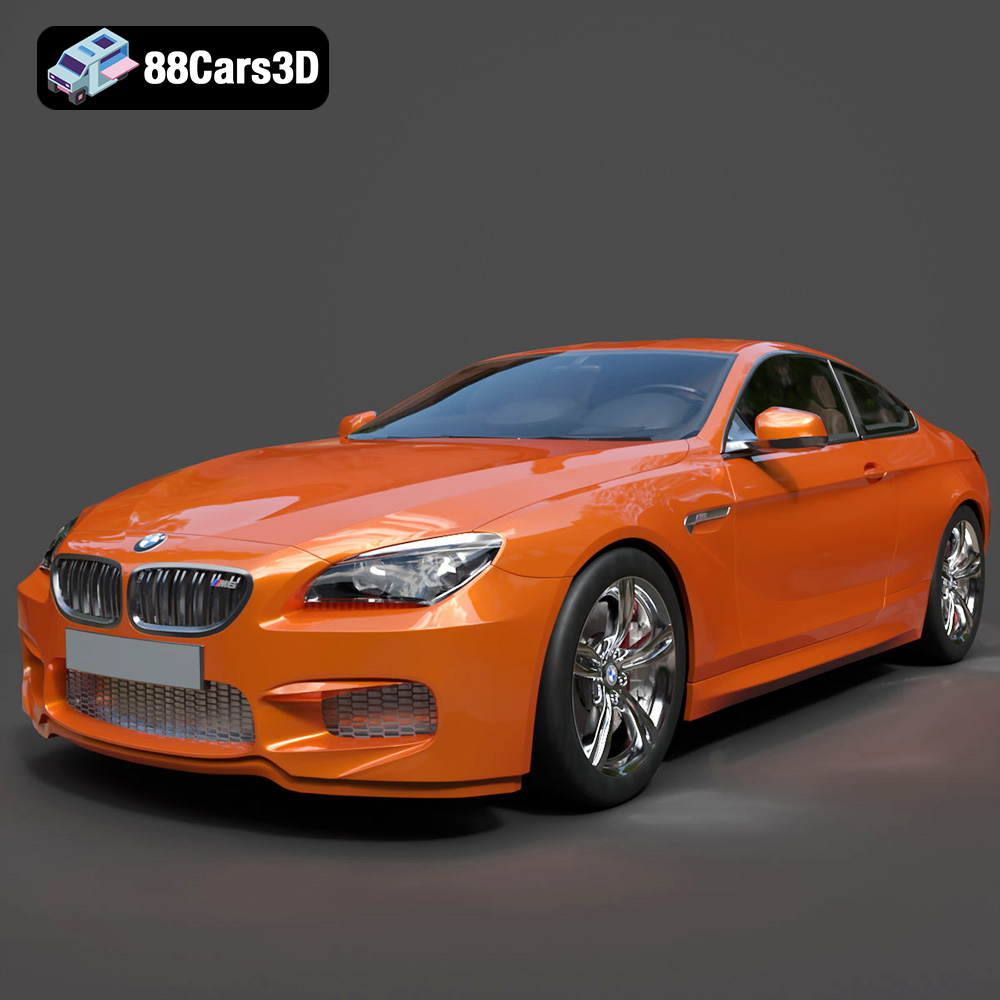
Texture: Yes
Material: Yes
Download the BMW M6 Coupe (F12) 3D Model featuring its iconic sporty design and luxurious details. Includes .blend, .fbx, .obj, .glb, .stl, .ply, .unreal, and .max formats for rendering, simulation, and game development.
Price: $10.79
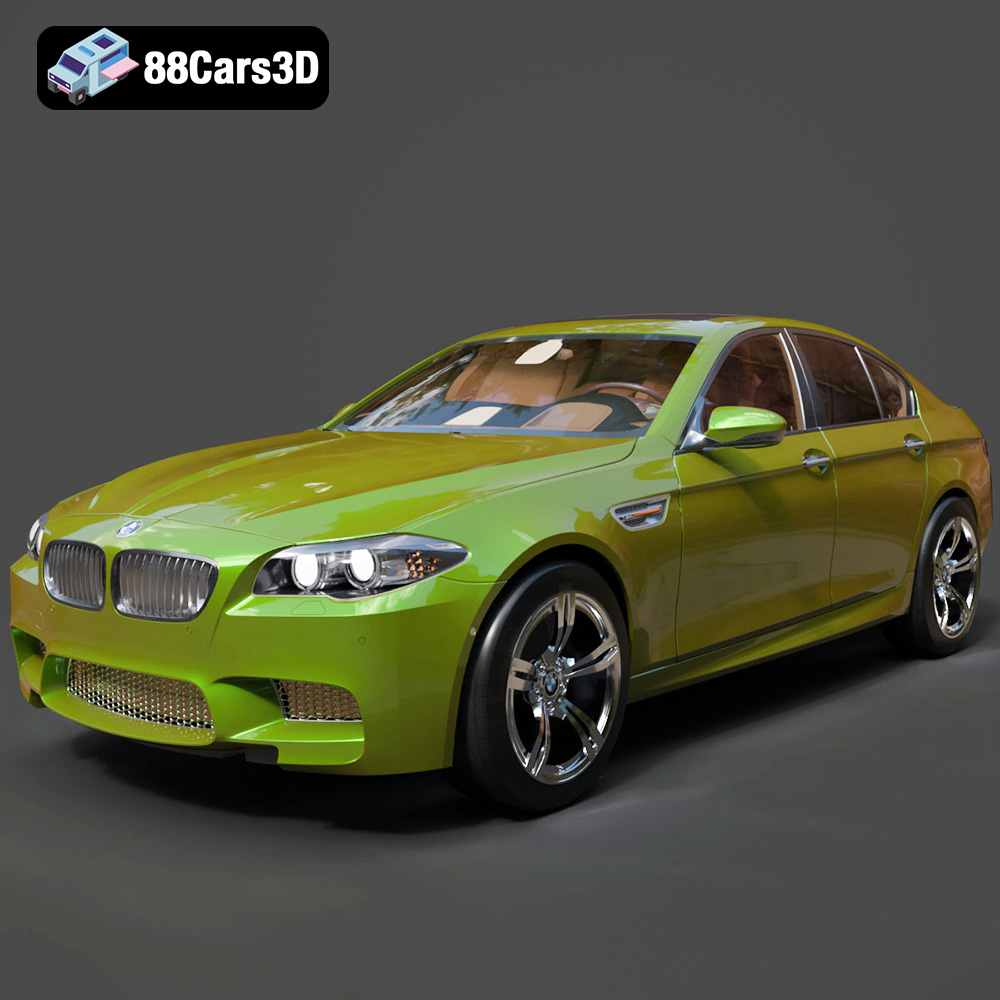
Texture: Yes
Material: Yes
Download the BMW M5 F10 3D Model featuring high-performance luxury sedan design, detailed interior, and realistic PBR textures. Includes .blend, .fbx, .obj, .glb, .stl, .ply, .unreal, and .max formats for rendering, simulation, and game development.
Price: $10.79
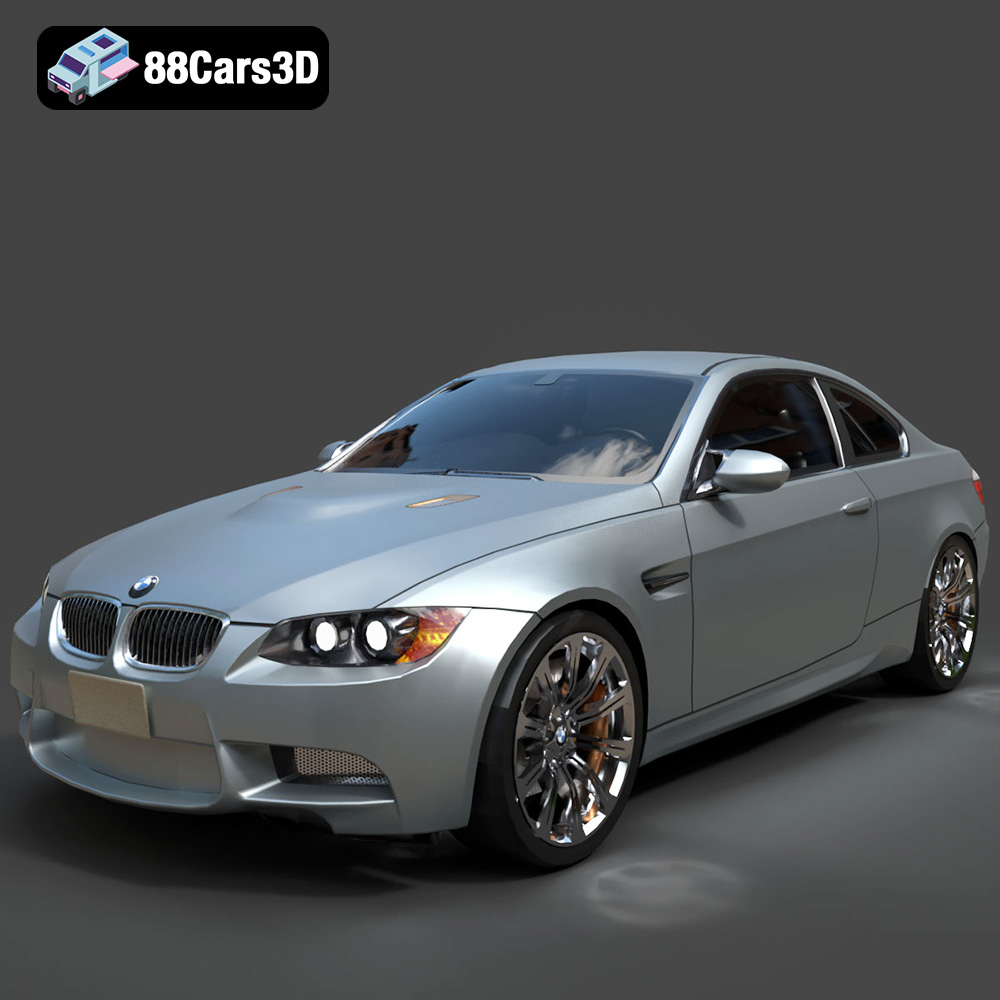
Texture: Yes
Material: Yes
Download the BMW M3 Coupe E92-002 3D Model featuring authentic styling, detailed exterior, and a faithful interior. Includes .blend, .fbx, .obj, .glb, .stl, .ply, .unreal, and .max formats for rendering, simulation, and game development.
Price: $10.79
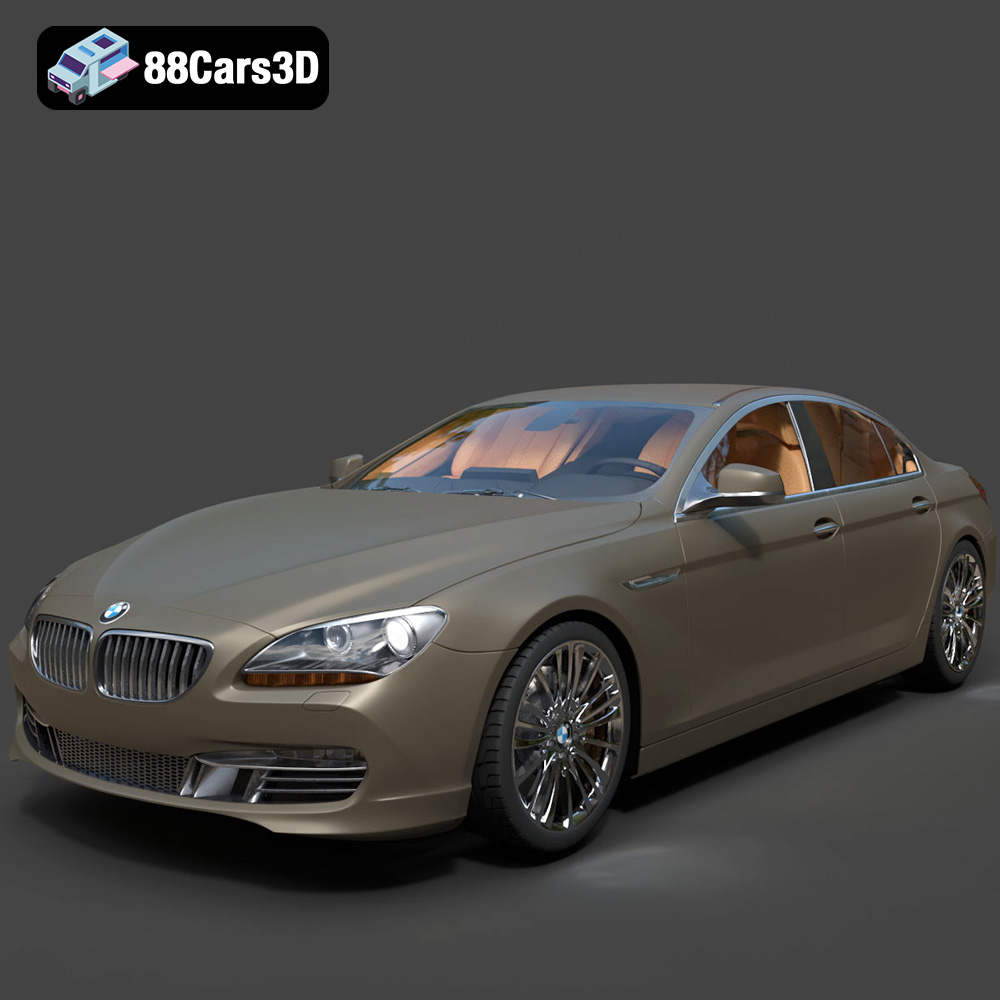
Texture: Yes
Material: Yes
Download the BMW 6 Series Gran Coupe 2013 3D Model featuring a sophisticated design, detailed exterior, and well-appointed interior. Includes .blend, .fbx, .obj, .glb, .stl, .ply, .unreal, and .max formats for rendering, simulation, and game development.
Price: $20.79
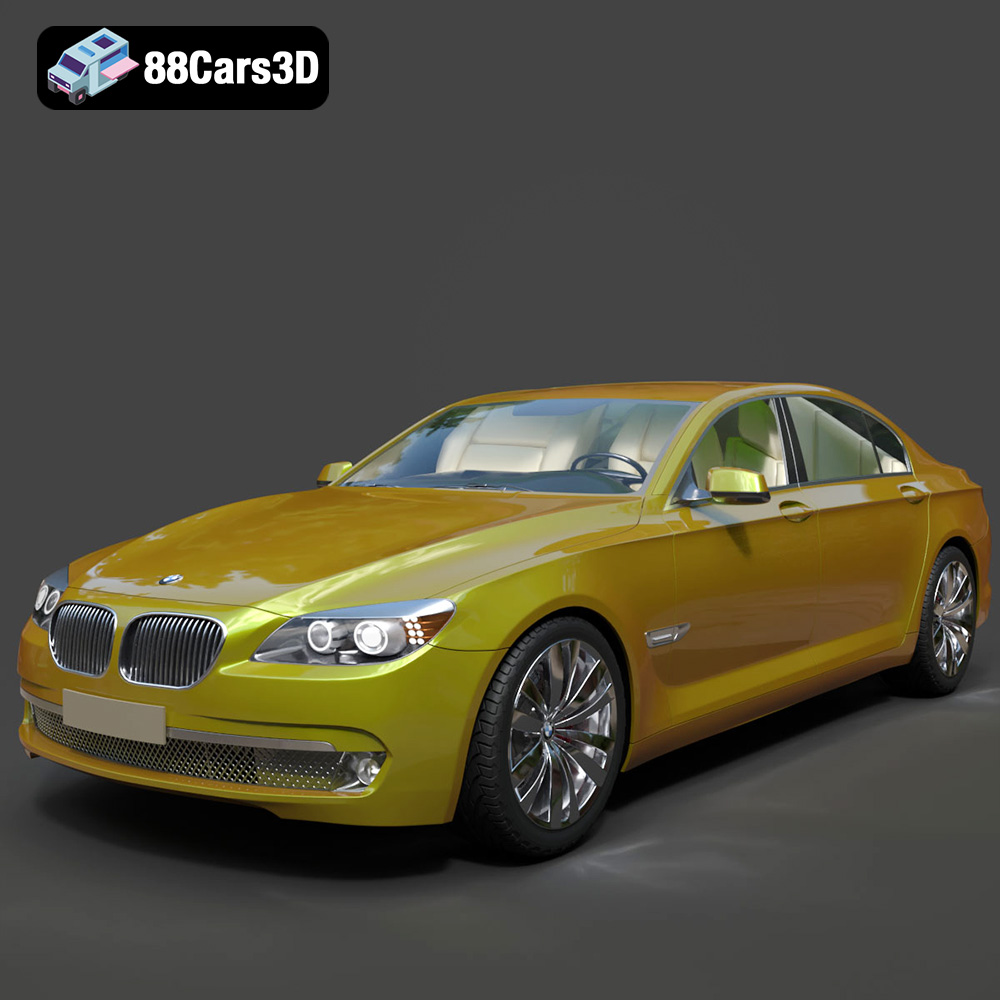
Texture: Yes
Material: Yes
Download the BMW 7 Series 750 F01 3D Model featuring a detailed exterior and a luxurious interior. Includes .blend, .fbx, .obj, .glb, .stl, .ply, .unreal, and .max formats for rendering, simulation, and game development.
Price: $10.79
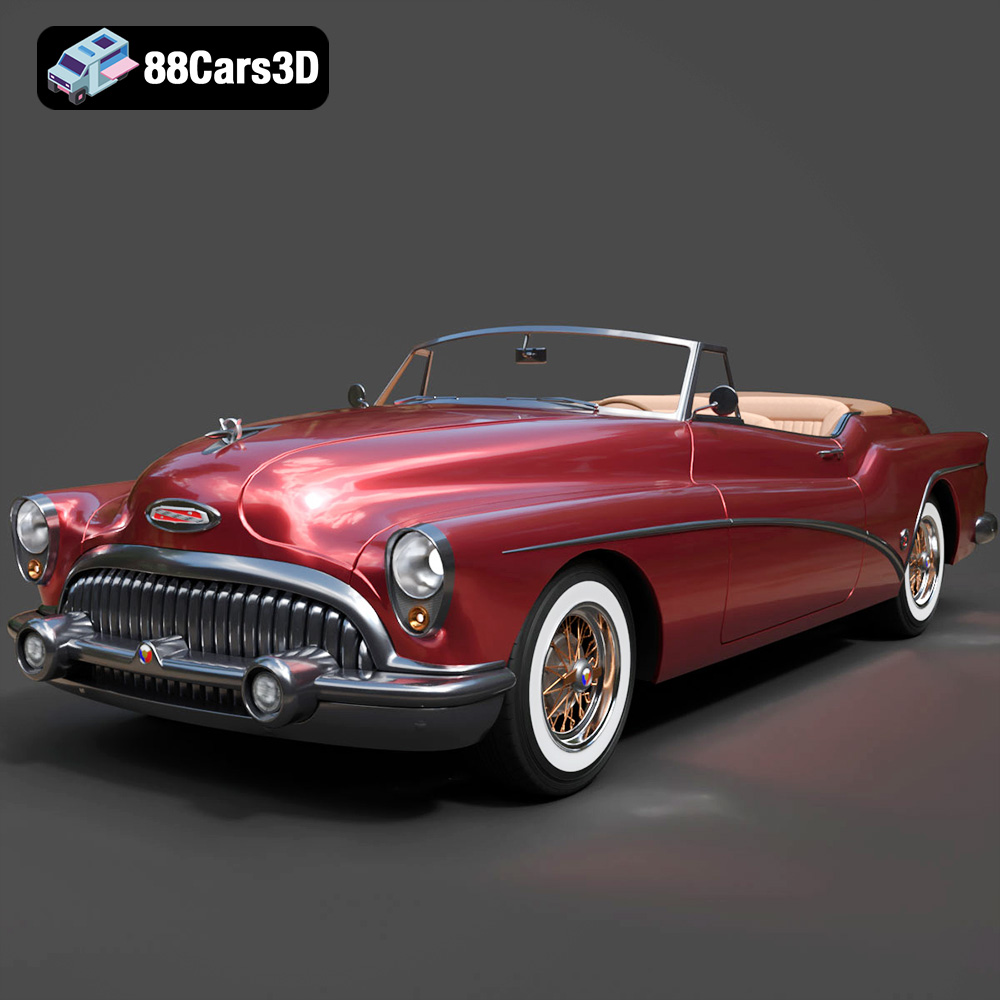
Texture: Yes
Material: Yes
Download the Buick Skylark Convertible 1953 3D Model featuring iconic 1950s styling, a detailed exterior with chrome accents, and an accurately modeled interior. Includes .blend, .fbx, .obj, .glb, .stl, .ply, .unreal, and .max formats for rendering, simulation, and game development.
Price: $10.79

Texture: Yes
Material: Yes
Download the Buick Roadmaster Hardtop Coupe 1957 3D Model featuring a classic American design with detailed exterior and interior. Includes .blend, .fbx, .obj, .glb, .stl, .ply, .unreal, and .max formats for rendering, simulation, and game development.
Price: $10.79
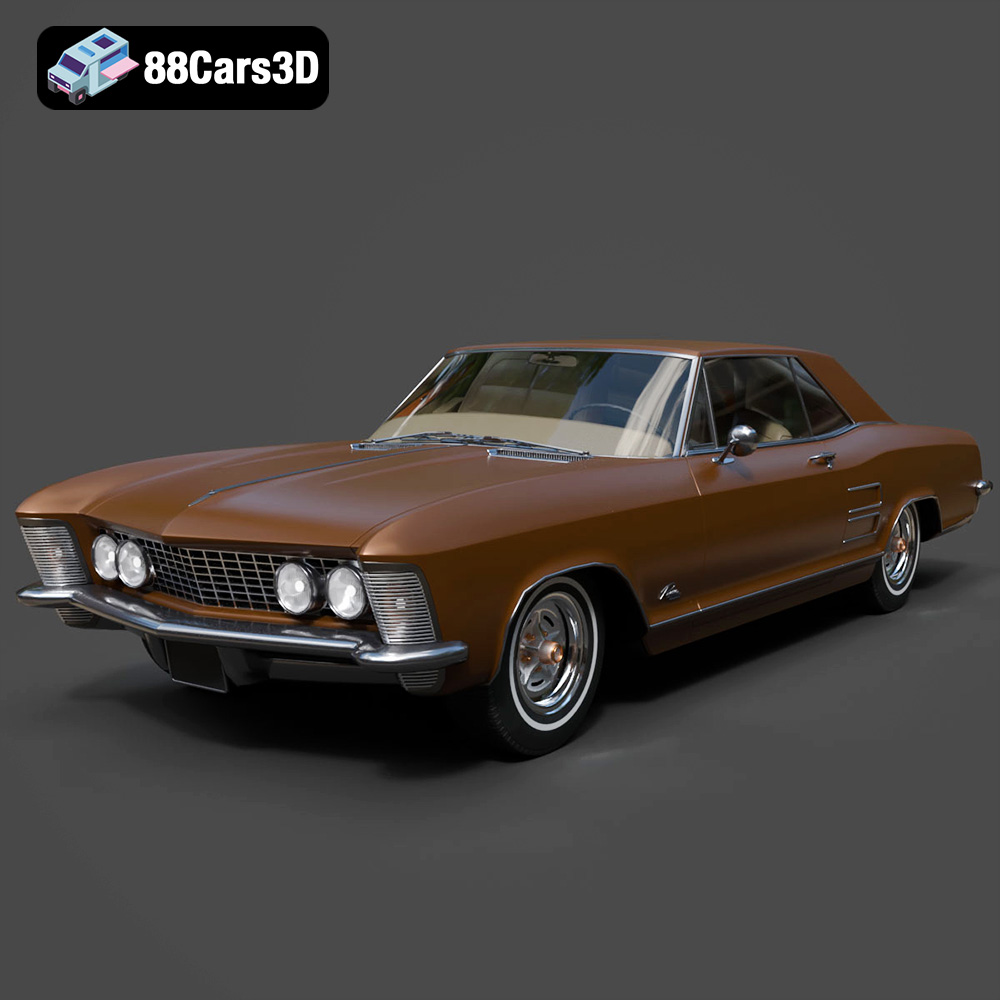
Texture: Yes
Material: Yes
Download the Buick Riviera 1963 3D Model featuring classic American muscle car design and iconic styling. Includes .blend, .fbx, .obj, .glb, .stl, .ply, .unreal, and .max formats for rendering, simulation, and game development.
Price: $10.79
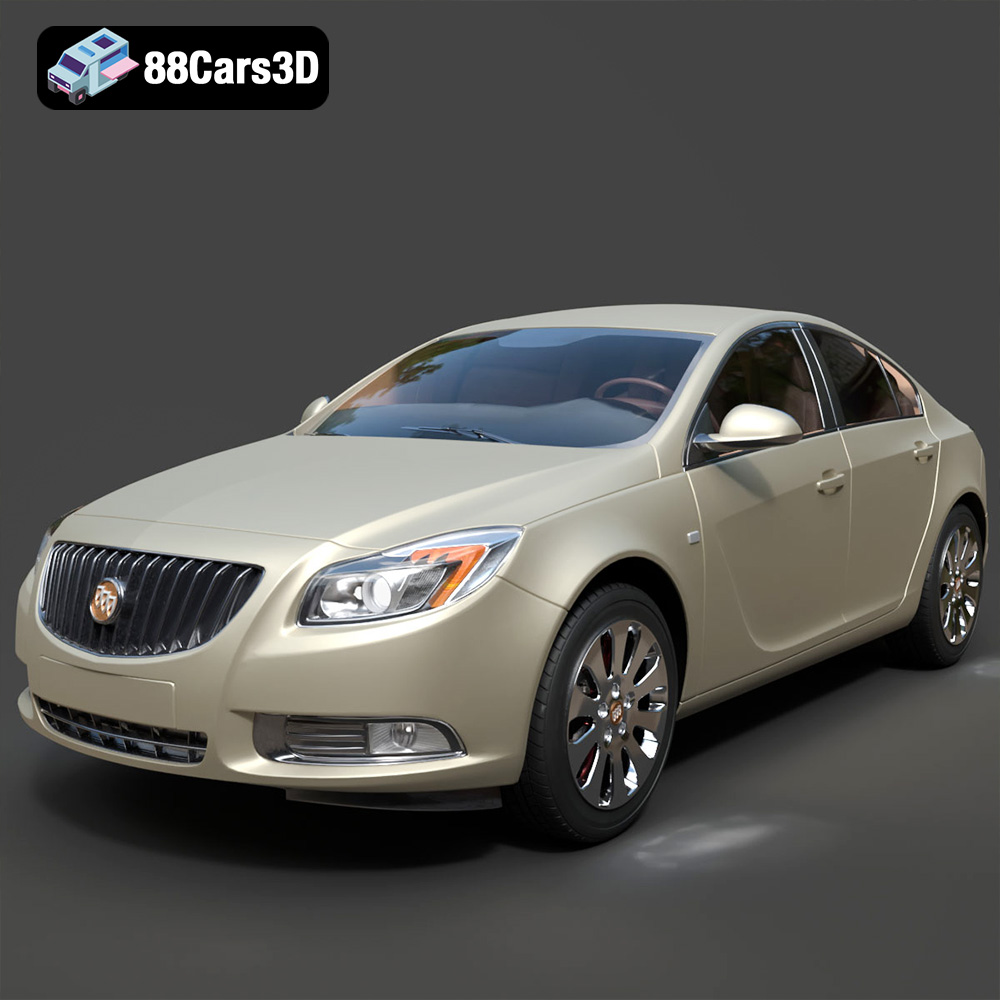
Texture: Yes
Material: Yes
Download the Buick Regal 3D Model featuring a classic American sedan design, detailed exterior, and optimized interior. Includes .blend, .fbx, .obj, .glb, .stl, .ply, .unreal, and .max formats for rendering, simulation, and game development.
Price: $10.79
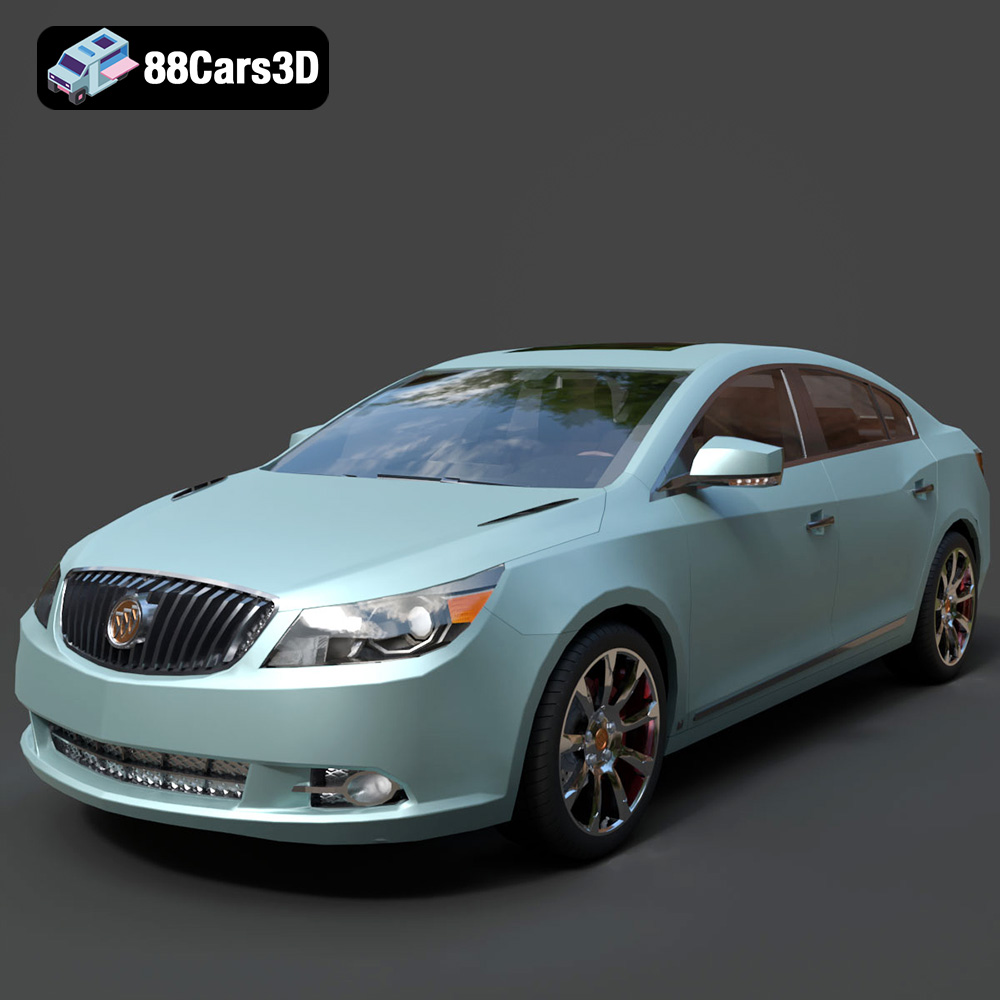
Texture: Yes
Material: Yes
Download the Buick LaCrosse 3D Model featuring professional modeling and texture work. Includes .blend, .fbx, .obj, .glb, .stl, .ply, .unreal, and .max formats for rendering, simulation, and game development.
Price: $10.79

