⚡ FLASH SALE: Get 60% OFF All Premium 3D & STL Models! ⚡

The pursuit of photorealism in real-time rendering has always been a driving force in industries ranging from game development to automotive visualization. For professionals pushing the boundaries of visual fidelity, especially when it comes to rendering complex surfaces like car paint, leather, and chrome, the limitations of traditional PBR (Physically Based Rendering) models can become apparent. Enter Unreal Engine’s Substrate Material System—a groundbreaking advancement designed to unlock a new era of material expressiveness and realism. This next-generation shading architecture empowers artists and developers to craft materials with unprecedented detail and physical accuracy, making it indispensable for anyone working with high-quality 3D car models.
For studios and individual artists relying on top-tier assets, understanding and leveraging Substrate is not just an advantage—it’s a necessity. Platforms like 88cars3d.com offer an extensive library of meticulously crafted 3D car models, providing the perfect foundation to explore the full potential of Substrate. These models, often featuring clean topology, realistic UV mapping, and multiple file formats, are prime candidates for receiving the Substrate treatment, transforming them into stunning, physically accurate representations that captivate audiences. In this comprehensive guide, we’ll dive deep into Subfall, explore its technical underpinnings, and provide practical workflows for integrating it into your Unreal Engine projects, elevating your automotive visualizations to an entirely new level of realism.
For years, the industry standard for realistic materials has been the PBR workflow, typically relying on a fixed set of parameters like Base Color, Metallic, Roughness, and Normal. While highly effective, traditional PBR struggles with materials that exhibit complex light interactions, such as multi-layered coatings, volumetric absorption, or anisotropic reflections seen in brushed metals. Substrate fundamentally rethinks material definitions by introducing a more flexible, layered approach, moving beyond the ‘one-size-fits-all’ PBR model. It provides a modular framework where artists can stack multiple “material layers” and “material closures,” each representing a specific physical property or interaction like diffuse, clear coat, specular, or subsurface scattering.
This paradigm shift offers a direct response to the limitations faced when trying to accurately represent highly complex materials—a common challenge in automotive visualization. Imagine the intricate interplay of light on a metallic car paint with a clear coat, or the subtle subsurface scattering through a car’s dashboard materials. Traditional PBR often required complex hacks or custom shaders to approximate these effects, leading to compromises in visual quality and performance. Substrate, on the other hand, provides the intrinsic tools to achieve these nuances directly and efficiently, ensuring energy conservation and physically correct responses across all lighting conditions. Its architecture is designed to be future-proof, allowing for the addition of new shading models as research and technology evolve.
Traditional PBR models, while efficient, simplify material properties for real-time rendering. They often assume a single surface interface and struggle to represent materials with multiple layers of reflection and refraction, or those with volumetric properties. For instance, creating realistic car paint, which typically involves a metallic flake layer under a glossy clear coat, often necessitated custom nodes or approximations that could break physical accuracy or lead to visual artifacts under certain lighting angles. Another example is translucent materials like car windows, where traditional PBR struggles with accurate volumetric absorption and dispersion.
Substrate addresses these issues head-on by allowing artists to define materials as a stack of physically accurate layers. Each layer can have its own shading model, such as standard PBR, clear coat, or dielectric. The system correctly handles the energy transfer between these layers, ensuring that light interacts realistically as it penetrates, reflects, and refracts through each component. This layered approach is critical for automotive materials, where surfaces are rarely a simple uniform entity. It means greater fidelity, fewer compromises, and ultimately, a more believable representation of a vehicle within Unreal Engine, seamlessly integrating with high-quality assets sourced from platforms like 88cars3d.com.
At the heart of Substrate are its core concepts: material layers, material closures, and the idea of a material stack. A Material Layer represents a single, self-contained shading model, such as a standard PBR layer, a clear coat layer, or a subsurface scattering layer. These layers are combined using various blending operations to form a complete material. A Material Closure is a component within a layer that defines how light interacts with that specific part of the material, like diffuse, specular, or transmission properties. By stacking and blending these layers, artists can build incredibly complex materials. For example, a car paint material might consist of a metallic base layer, a flake layer, and a clear coat layer.
Crucially, Substrate is built upon a strong foundation of energy conservation. This means that the system inherently ensures that the total light energy leaving a surface never exceeds the energy hitting it, regardless of the complexity of the material stack. This principle is fundamental to achieving photorealism, as it prevents materials from appearing “too bright” or “unnaturally reflective.” The energy conservation framework of Substrate guarantees that materials created within the system will react realistically to varying lighting conditions, from bright sunlight to subtle interior ambient light, providing consistent and believable results across your automotive visualizations. For a deeper dive into Unreal Engine’s material editor or specific features, always refer to the official documentation at https://dev.epicgames.com/community/unreal-engine/learning.
Creating compelling automotive visualizations hinges on the realism of your materials. Substrate provides the tools to move beyond generic shaders and craft bespoke, physically accurate surfaces that elevate your 3D car models. The process begins with enabling Substrate within your Unreal Engine project settings (Project Settings > Rendering > Materials > Enable Substrate). Once enabled, you’ll gain access to new nodes and workflows within the Material Editor, allowing you to construct layered materials that accurately simulate the complex properties of vehicle surfaces.
For car paint, the goal is often to simulate a multi-layered structure: a base color, potentially a metallic flake layer for sparkle, and a high-gloss clear coat that sits on top. Substrate excels at this. You can start with a ‘Substrate PBR’ layer for the base color and metallic properties, then add a ‘Substrate Clear Coat’ layer on top. This clear coat layer can be configured with its own roughness and normal map to simulate micro-scratches or imperfections, enhancing realism. The beauty of this approach is the clean separation of properties; adjustments to the clear coat won’t inadvertently affect the underlying base, and vice versa. This modularity not only improves visual quality but also streamlines the material authoring process, making iterations faster and more predictable.
Let’s outline a common workflow for automotive paint. First, create a new Material and set its Shading Model to “Substrate.” Inside the Material Editor, you’ll start building your stack.
BaseColor input. For metallic paints, set the Metallic value (e.g., 0.8-1.0) and connect a Roughness texture or scalar value (e.g., 0.3 for a semi-gloss metallic undercoat).BaseColor that simulates small, reflective particles, and a very low Roughness value (e.g., 0.05-0.1) to make them shiny. Crucially, use a “Substrate Blend” node to layer this over your base. You might use an Additive or custom blend mode to accurately represent how flakes reflect light through the clear coat.Roughness input to a scalar parameter or a subtle texture (e.g., a very low roughness value like 0.02 for a highly polished surface). You can also connect a subtle normal map to simulate micro-scratches. Blend this clear coat layer over your base and flake layers using another “Substrate Blend” node, typically an Alpha Blend or Fresnel Blend to simulate how the clear coat interacts with the underlying surface.This layered structure allows for meticulous control over each aspect of the car paint, providing unparalleled realism. Consider using material instances to easily create color variations and roughness adjustments without recompiling the entire shader.
Beyond car paint, Substrate dramatically improves the realism of other complex automotive surfaces. Tire rubber, for instance, benefits greatly from Substrate’s capabilities. Real tire rubber exhibits subtle subsurface scattering, varied roughness due to wear, and often a slight sheen. With Substrate, you can combine a “Substrate PBR” layer for the base texture and roughness with a “Substrate Subsurface Scattering” layer to simulate the way light penetrates and scatters within the material. This creates a much more organic and physically plausible appearance compared to a simple PBR material, which often makes rubber look flat or overly plastic-like.
For interior materials like leather, fabric, and plastics, Substrate allows for much greater fidelity. Leather can be represented with a combination of a PBR layer for its primary color and roughness, coupled with a subtle “Substrate Microfacet” layer to simulate the anisitropic reflections often found on polished leather. Fabrics can utilize volumetric closures to accurately depict light absorption and scattering through fibers. Even plastics, often a challenge to make visually interesting, can be enhanced with layered dirt, wear, or subtle subsurface scattering effects that mimic their real-world counterparts. By leveraging these advanced Substrate features, artists can create interiors that feel truly tactile and inviting, elevating the overall quality of automotive visualizations built with models from marketplaces such as 88cars3d.com.
While Substrate offers incredible power, it’s crucial to manage performance effectively. Each additional layer and complex closure adds to the shader compilation cost and runtime complexity. For automotive assets, where often hundreds of unique materials are present on a single vehicle, optimization is key.
Understanding the intricacies of Unreal Engine’s rendering pipeline, including the latest on Substrate, can be further explored via the comprehensive official documentation, which provides valuable insights into performance best practices.
Substrate doesn’t operate in isolation; it’s designed to seamlessly integrate with Unreal Engine’s cutting-edge rendering features, particularly Lumen and Nanite. This synergy is what truly unlocks next-generation realism for automotive visualizations. Lumen, Unreal Engine’s fully dynamic global illumination and reflections system, works in concert with Substrate to ensure that complex material interactions are accurately represented within the scene’s lighting. Imagine a metallic car reflecting the subtle bounced light from a nearby wall, or the way indirect light illuminates the intricate details of an interior material—Substrate’s physically accurate material properties feed directly into Lumen’s calculations, resulting in highly believable and immersive lighting scenarios.
Nanite, the virtualized geometry system, complements Substrate by allowing for incredibly high-detail 3D car models without traditional polygon budget constraints. When you combine a high-fidelity car model (perhaps with millions of polygons, easily managed by Nanite) with a Substrate material system, you achieve an unprecedented level of visual fidelity. The minute details on a car’s surface, such as panel gaps, subtle curvatures, or intricately patterned grilles, will all react with the highly nuanced light interactions defined by Substrate, rendered efficiently by Nanite, and illuminated dynamically by Lumen. This trifecta forms the backbone of truly next-gen real-time automotive rendering, pushing the boundaries of what’s possible in games, configurators, and virtual production.
Lumen revolutionizes global illumination and reflections in Unreal Engine by providing dynamic, real-time lighting that responds instantly to changes in the scene. When paired with Substrate, the realism amplifies significantly. Substrate’s ability to define complex layered materials means that Lumen has more accurate information to work with when calculating light bounces and reflections. For example, a car’s metallic paint (defined with a Substrate PBR layer and a Clear Coat layer) will not only reflect its surroundings with greater physical accuracy but will also contribute to the global illumination by bouncing light more realistically into the environment. The subtle color shifts and energy distribution within the Substrate stack are faithfully reproduced by Lumen’s indirect lighting, leading to a much more convincing sense of presence and depth.
This is particularly critical for automotive studios creating high-end marketing renders or interactive experiences. The way light reflects off a polished car body and subtly illuminates the ground or surrounding objects is a key visual cue for realism. With Substrate and Lumen, these interactions are no longer approximations but physically derived calculations. Artists can expect to see superior fidelity in areas like contact shadows, color bleed from reflective surfaces, and accurate soft reflections, all updated in real-time. This dynamic capability enables artists to rapidly iterate on lighting setups and material designs, confident that the final result will be coherent and visually stunning.
Nanite has fundamentally changed how we approach high-poly assets in real-time. With Nanite, developers can import highly detailed 3D car models directly from CAD data or high-resolution sculpts, often containing millions of polygons, without needing to manually generate LODs or worry about polygon counts. Substrate materials are designed to work seamlessly with Nanite meshes. This means that the intricate geometric details, such as complex grilles, finely modeled interior components, or microscopic surface imperfections on a car’s body, can all be rendered with Substrate’s advanced shading. The result is an unprecedented level of visual fidelity where both geometry and materials contribute equally to photorealism.
Consider the interplay: a highly detailed car body model (Nanite) with a sophisticated multi-layered car paint (Substrate). The minute surface variations captured by Nanite will correctly interact with the clear coat and flake layers of the Substrate material, leading to realistic glints and highlights that dynamically react to the camera and light source. This eliminates the need to bake intricate material details into normal maps for lower-poly meshes, allowing for true geometric accuracy to drive the shading. When sourcing automotive assets from marketplaces such as 88cars3d.com, ensuring they are high-quality and Nanite-ready will allow you to maximize the benefits of Substrate, achieving stunning visuals with less manual optimization effort on the geometry side.
Achieving stunning visuals with Substrate, Nanite, and Lumen while maintaining real-time performance requires careful optimization. While Nanite handles geometric complexity and Lumen provides dynamic GI, Substrate’s material complexity can still impact shader cost.
These strategies, combined with efficient asset management, will help you deliver high-fidelity automotive experiences at optimal performance.
The true power of Substrate extends beyond static renders; it becomes a game-changer for interactive automotive experiences such as configurators, virtual showrooms, and real-time design reviews. The ability to define materials with granular control and physical accuracy means that dynamic changes—like swapping car paint colors, applying different interior trims, or even simulating damage—can be achieved with unprecedented realism. Substrate’s layered architecture is particularly well-suited for these interactive scenarios because each material component can be individually exposed and manipulated without affecting the integrity of other layers. For instance, changing the base color of a car paint won’t accidentally alter the clear coat’s reflectivity, maintaining a consistent visual quality.
This level of control, combined with Unreal Engine’s Blueprint visual scripting system, enables developers to create highly engaging and responsive applications. Imagine a customer in a virtual showroom instantly swapping between a metallic red paint with a subtle flake effect and a matte blue finish, with each material accurately reflecting the environment and responding to user input. Substrate makes these transitions seamless and visually convincing. Furthermore, its integration with virtual production workflows and AR/VR optimization opens doors for new methods of presenting and interacting with 3D automotive models, moving beyond traditional pre-rendered content into fully dynamic, immersive experiences.
Creating interactive configurators or real-time customization options relies heavily on dynamic material parameter changes, and Substrate excels in this area. To enable Blueprint control over Substrate materials:
Because Substrate maintains physical accuracy across its layers, changing one parameter (e.g., the hue of the base paint) will propagate correctly through the clear coat and flake layers, resulting in a physically consistent appearance. This eliminates the need for artists to create dozens of pre-baked material variations, significantly reducing asset management overhead and improving flexibility. The visual feedback is immediate and realistic, offering a superior user experience in interactive automotive applications.
Real-time configurators are a cornerstone of modern automotive marketing and sales. Substrate provides the technical foundation for creating incredibly sophisticated and realistic configurator shaders. Beyond simple color changes, Substrate allows for:
The complexity of these materials, though visually rich, can be managed effectively through well-structured Substrate graphs and judicious use of Material Instances, ensuring configurators remain performant and visually stunning.
Substrate materials are invaluable for virtual production pipelines and AR/VR applications in the automotive sector. In virtual production, where high-fidelity real-time rendering is crucial for LED wall stages or virtual sets, Substrate ensures that digital car assets blend seamlessly with live-action elements. The physically accurate lighting response of Substrate materials means that virtual vehicles will look correct under the dynamic lighting conditions of a studio, crucial for realistic compositing. Features like Sequencer, Unreal Engine’s non-linear cinematic editor, can be used to choreograph stunning shots with Substrate-enhanced vehicles, ready for high-resolution output.
For AR/VR experiences, optimization is paramount. While Substrate adds material complexity, the visual gains can justify its use, especially when combined with efficient geometry (Nanite for high-end VR, or highly optimized traditional meshes for mobile AR). For mobile AR, simplified Substrate layers or specific material LODs might be necessary. However, for tethered VR or high-end AR applications, Substrate delivers unmatched immersion. A car rendered with Substrate in VR will exhibit accurate reflections and material responses, significantly enhancing the sense of presence and believability. Understanding the technical specifications and optimizing for target platforms is crucial, but Substrate provides the fidelity needed to make these immersive experiences truly impactful.
While Substrate unlocks incredible visual fidelity, neglecting optimization and efficient asset management can quickly lead to performance bottlenecks and messy projects. For automotive visualization professionals, where complex scenes with multiple vehicles and environments are common, adopting best practices is not optional—it’s essential. This involves careful consideration of your entire asset pipeline, from the initial 3D car models you source to how you construct and apply your Substrate materials within Unreal Engine. A well-organized and optimized project ensures smooth workflows, faster iteration times, and ultimately, higher quality real-time experiences.
The goal is always to strike a balance between visual fidelity and performance. With Substrate, this means intelligently layering materials, managing texture resources, and understanding how your material choices impact render time. By implementing robust strategies for texture compression, utilizing Material Instances effectively, and planning for different levels of detail (LODs) where appropriate, you can harness the full power of Substrate without sacrificing frame rate. Moreover, a streamlined asset management pipeline, starting with high-quality, pre-optimized 3D car models from reputable sources, forms the bedrock of a successful Unreal Engine project.
Textures are often the largest contributors to memory usage and loading times in Unreal Engine projects. With Substrate materials, which can potentially utilize more texture inputs across multiple layers, efficient texture management becomes even more critical.
A lean texture budget directly translates to better performance, especially crucial for AR/VR or mobile automotive applications.
While Nanite handles geometric LODs automatically for high-poly meshes, not all meshes will be Nanite-enabled (e.g., transparent surfaces, specific animated parts). For non-Nanite meshes, manual LODs are still important.
By strategically simplifying materials for objects that are far away or not central to the current view, you can significantly reduce the rendering workload and improve overall framerate, ensuring your automotive experiences run smoothly.
A smooth pipeline from your Digital Content Creation (DCC) tool (e.g., Maya, 3ds Max, Blender) to Unreal Engine is vital for leveraging Substrate effectively.
By establishing a robust pipeline, you empower yourself to quickly import high-quality assets and apply Substrate materials with minimal friction, accelerating your automotive visualization projects.
Unreal Engine’s Substrate Material System represents a monumental leap forward in real-time material authoring. For automotive visualization, game development, and virtual production, it provides the unparalleled flexibility and physical accuracy required to bring 3D car models to life with breathtaking realism. By moving beyond the limitations of traditional PBR, Substrate empowers artists and developers to craft complex, multi-layered surfaces—from shimmering metallic paints with clear coats to intricately detailed interiors—that react authentically to dynamic lighting and environments.
The synergy between Substrate, Nanite’s virtualized geometry, and Lumen’s dynamic global illumination creates an ecosystem capable of rendering automotive assets with unprecedented fidelity, making interactive configurators and immersive virtual experiences more convincing than ever before. While embracing Substrate involves understanding new workflows and careful optimization, the visual rewards are immense. By applying best practices in material creation, texture management, and performance tuning, you can harness this powerful technology to deliver stunning, high-performance automotive visualizations that captivate and engage. Elevate your projects today by diving into Substrate and exploring the diverse range of high-quality 3D car models available at 88cars3d.com, ready to be transformed by next-gen shading.
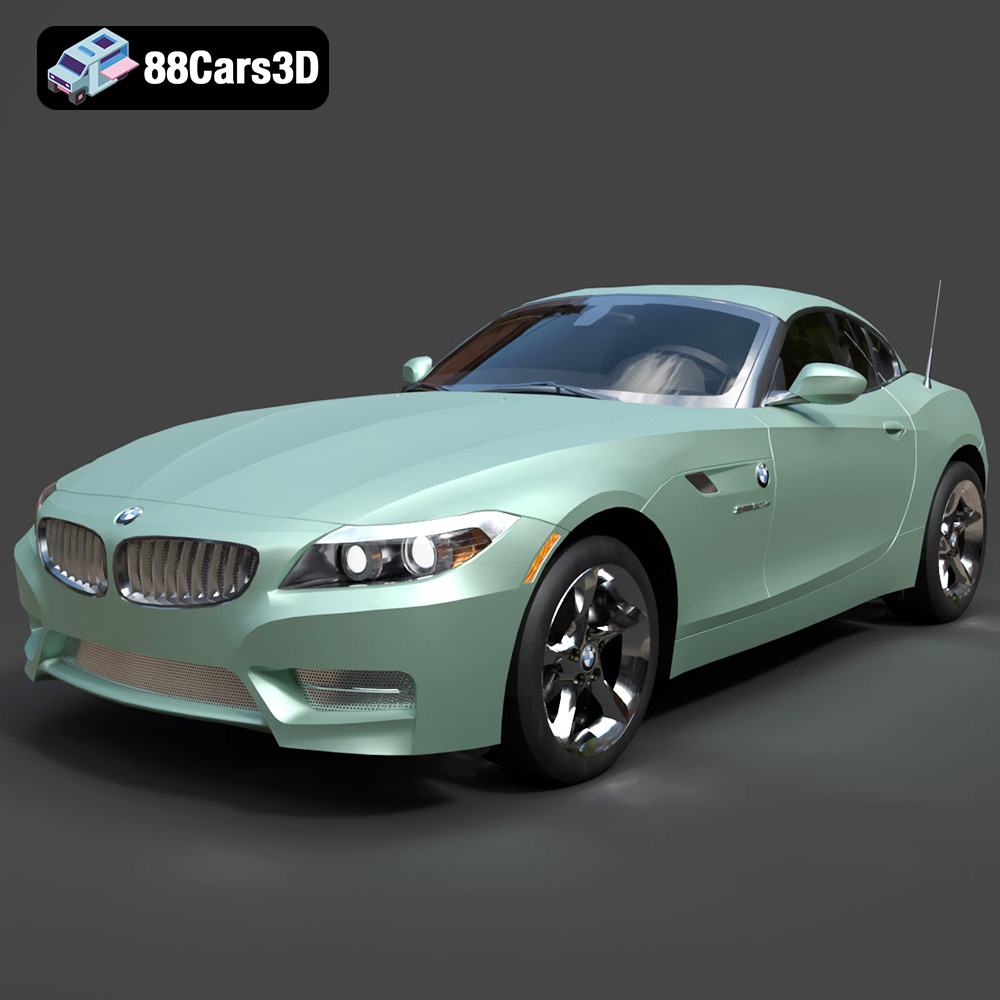
Texture: Yes
Material: Yes
Download the BMW Z4 Roadster E89 3D Model featuring clean geometry, realistic detailing, and a fully modeled interior. Includes .blend, .fbx, .obj, .glb, .stl, .ply, .unreal, and .max formats for rendering, simulation, and game development.
Price: $13.99

Texture: Yes
Material: Yes
Download the BMW Z4 E85 3D Model featuring clean geometry, realistic detailing, and a fully modeled interior. Includes .blend, .fbx, .obj, .glb, .stl, .ply, .unreal, and .max formats for rendering, simulation, and game development.
Price: $13.99

Texture: Yes
Material: Yes
Download the BMW M3 2024 3D Model featuring clean geometry, realistic detailing, and a fully modeled interior. Includes .blend, .fbx, .obj, .glb, .stl, .ply, .unreal, and .max formats for rendering, simulation, and game development.
Price: $13.99
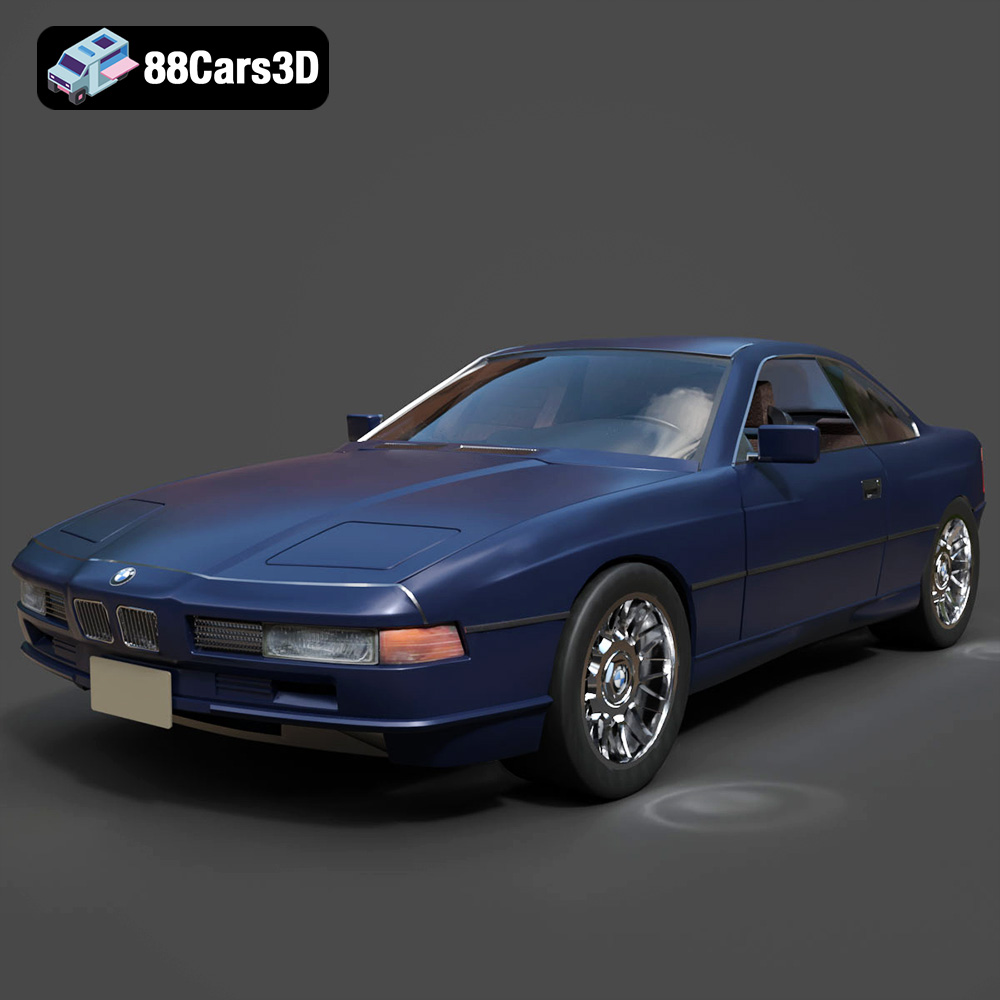
Texture: Yes
Material: Yes
Download the BMW 850i Coupe 1990 3D Model featuring clean geometry, realistic detailing, and a fully modeled interior. Includes .blend, .fbx, .obj, .glb, .stl, .ply, .unreal, and .max formats for rendering, simulation, and game development.
Price: $13.99
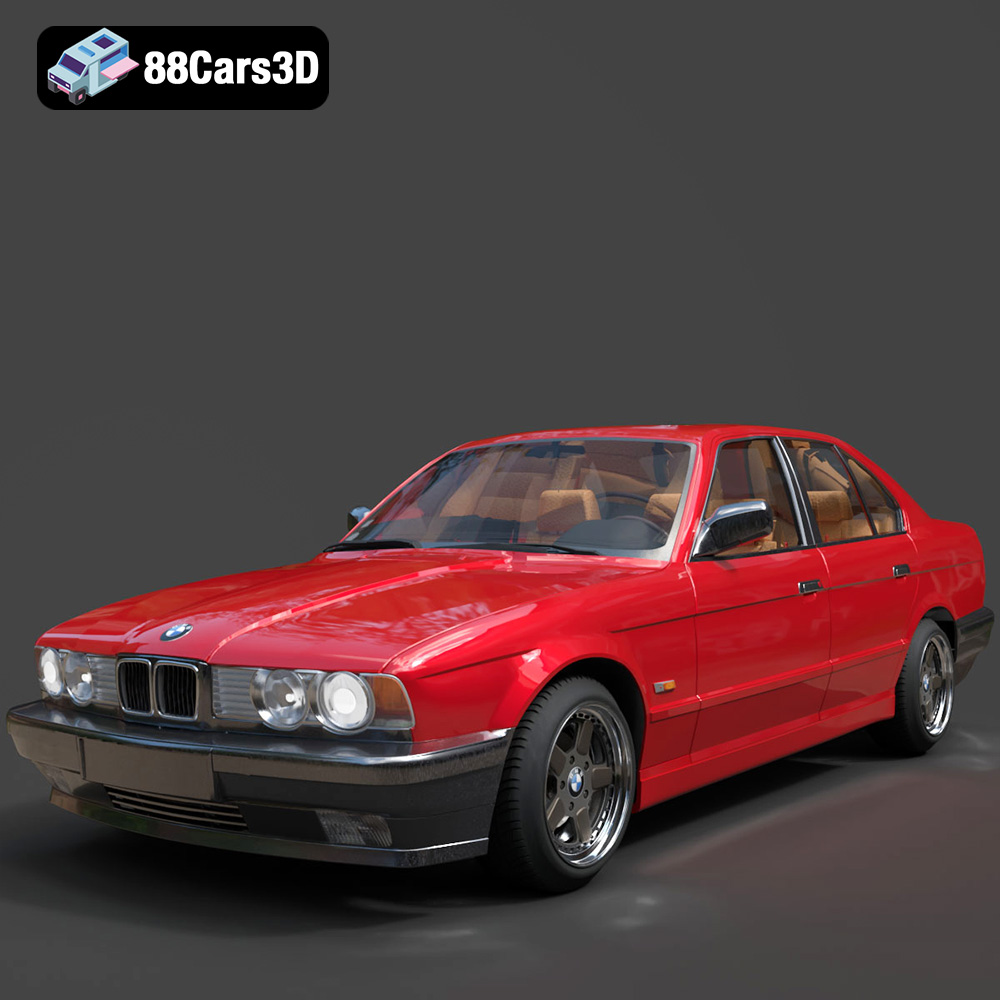
Texture: Yes
Material: Yes
Download the BMW 525i E34 1993 3D Model featuring clean geometry, realistic detailing, and a fully modeled interior. Includes .blend, .fbx, .obj, .glb, .stl, .ply, .unreal, and .max formats for rendering, simulation, and game development.
Price: $12.99

Texture: Yes
Material: Yes
Download the BMW 7 Series 2016 3D Model featuring luxurious design, detailed interior, and accurate exterior. Includes .blend, .fbx, .obj, .glb, .stl, .ply, .unreal, and .max formats for rendering, simulation, and game development.
Price: $10.79
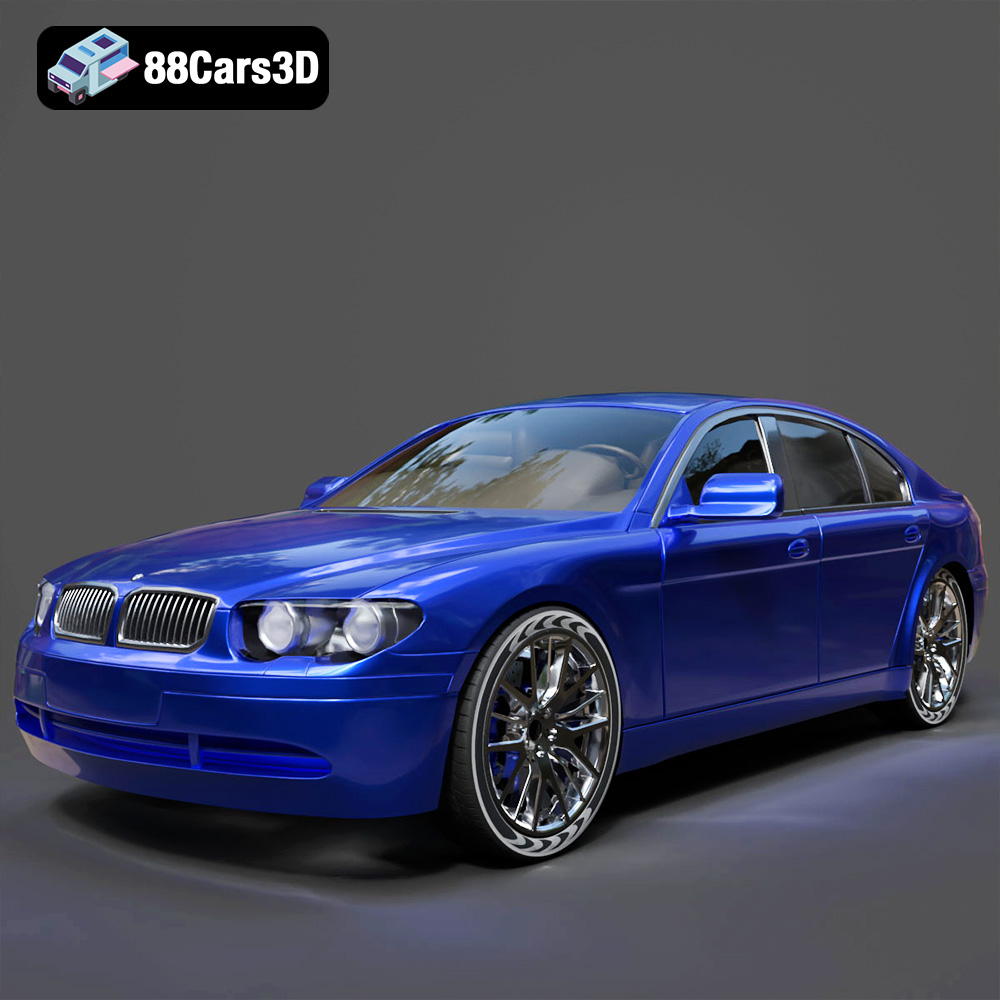
Texture: Yes
Material: Yes
Download the BMW 7 Series 30th Anniversary 3D Model featuring a meticulously crafted exterior, detailed interior, and realistic wheels. Includes .blend, .fbx, .obj, .glb, .stl, .ply, .unreal, and .max formats for rendering, simulation, and game development.
Price: $35.79

Texture: Yes
Material: Yes
Download the BMW 7-Series F02 3D Model featuring a detailed exterior and interior, optimized for rendering and animation. Includes .blend, .fbx, .obj, .glb, .stl, .ply, .unreal, and .max formats for rendering, simulation, and game development.
Price: $10.79
Texture: Yes
Material: Yes
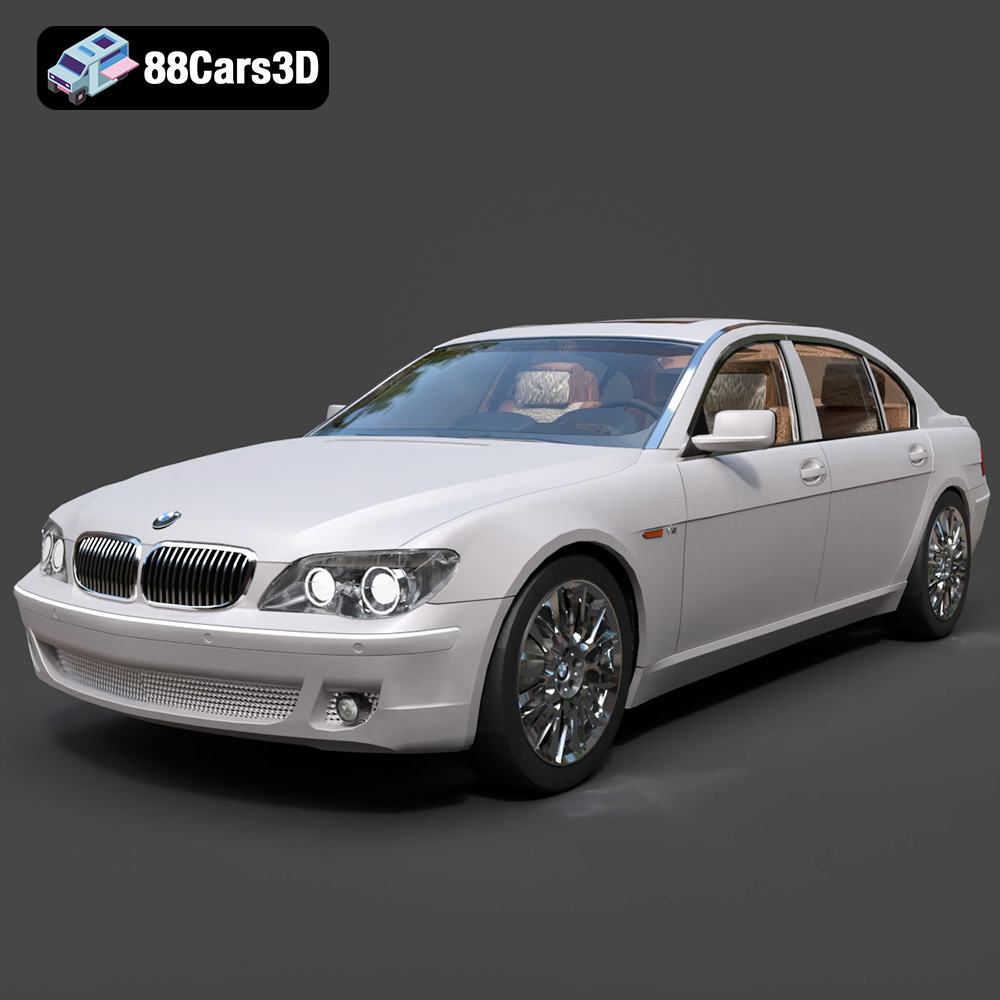
Download the BMW 760Li E66 2005 3D Model featuring a detailed exterior, refined interior, and robust chassis. Includes .blend, .fbx, .obj, .glb, .stl, .ply, .unreal, and .max formats for rendering, simulation, and game development.
Price: $10.79
Texture: Yes
Material: Yes
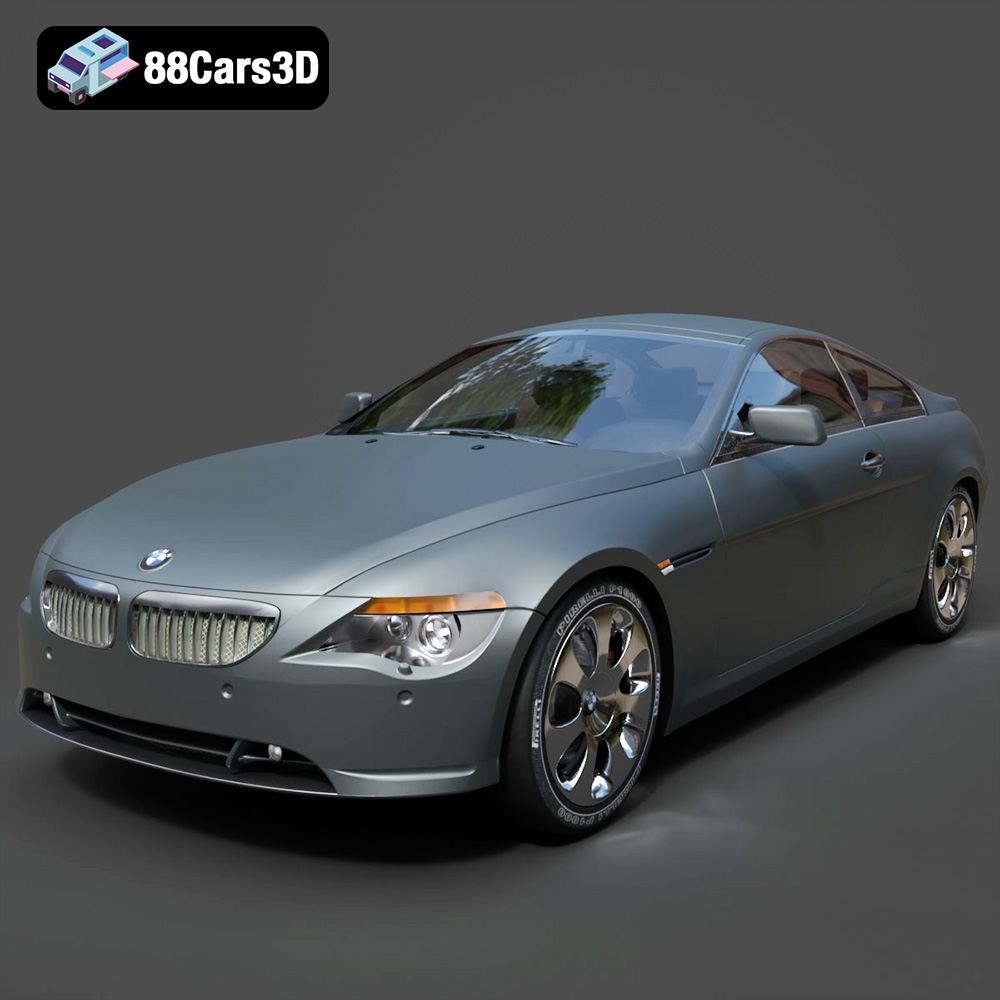
Download the BMW 6 Series 3D Model featuring precisely modeled body panels, detailed interior, and authentic wheels. Includes .blend, .fbx, .obj, .glb, .stl, .ply, .unreal, and .max formats for rendering, simulation, and game development.
Price: $10.79

