⚡ FLASH SALE: Get 60% OFF All Premium 3D & STL Models! ⚡

The pursuit of ultimate realism in virtual worlds has long driven innovation in game development, architectural visualization, and cinematic production. For the automotive industry, this quest extends to creating incredibly lifelike vehicle dynamics, stunning real-time renders, and, increasingly, highly convincing destruction. Whether it’s showcasing a vehicle’s crumple zones in a safety simulation, crafting an epic car chase for a blockbuster game, or visualizing dynamic interactions in a virtual production environment, the ability to simulate realistic physics and destruction is paramount.
Unreal Engine’s Chaos Physics System stands at the forefront of this evolution, offering a robust, scalable, and highly detailed framework for everything from rigid body destruction to advanced vehicle dynamics. This powerful system empowers developers and artists to move beyond static scenes, introducing a level of dynamism and interactivity previously unimaginable in real-time. Starting with high-quality, pre-optimized 3D car models, such as those available on 88cars3d.com, provides an invaluable foundation, allowing you to focus your efforts on unleashing the full potential of Chaos.
In this comprehensive guide, we’ll delve deep into Unreal Engine Chaos Physics, exploring its architecture, demonstrating workflows for preparing and destructing automotive assets, implementing advanced vehicle simulations, and optimizing performance. You’ll learn how to transform your high-fidelity car models into dynamic, interactive elements, capable of realistic deformation and destruction, pushing the boundaries of real-time automotive visualization and game development.
The Chaos Physics System represents a monumental leap forward for real-time simulation within Unreal Engine. Introduced as a successor to the NVIDIA PhysX system, Chaos was developed by Epic Games to be fully scalable, deterministic, and capable of handling an unprecedented number of rigid bodies and complex simulations. This makes it ideal for the demanding requirements of modern automotive visualization and high-fidelity game development, where intricate destruction and precise vehicle dynamics are key.
At its core, Chaos is a multi-threaded physics engine, designed from the ground up to leverage modern hardware efficiently. This architecture allows it to process complex interactions—from the smallest debris fragments to large-scale structural collapses—with impressive performance. For automotive applications, Chaos opens up possibilities for realistic crumple zones, dynamic part detachment, and environmental interaction that accurately reflects real-world physics. It’s not just about destruction; Chaos provides the backbone for cloth simulations, fluid dynamics (through Niagara integration), and, crucially for our audience, advanced vehicle physics.
The transition from PhysX to Chaos marks a significant paradigm shift in how physics are handled in Unreal Engine. PhysX was a third-party solution, offering robust capabilities but with certain limitations regarding scalability and customizability. Chaos, being an in-house development by Epic Games, is deeply integrated into Unreal Engine’s architecture, allowing for greater control, better performance optimization, and tighter integration with other engine features like Nanite and Niagara. Its solver architecture is built to handle massive numbers of concurrent physics objects more gracefully, leading to more stable and believable simulations, especially for scenarios involving widespread destruction or numerous interacting vehicles. For developers, this means a more unified workflow and the ability to push the boundaries of physics simulation without external dependencies.
Central to Chaos’s destruction capabilities is the concept of a Geometry Collection. This is a new asset type in Unreal Engine that essentially represents a destructible mesh. Unlike older destructible mesh systems, Geometry Collections are highly flexible, allowing for multiple fracture levels, dynamic clustering, and advanced material-based destruction. When a static mesh is converted into a Geometry Collection, it’s pre-fractured into many smaller pieces, but these pieces remain “glued” together until acted upon by sufficient force. Fields are another crucial concept, allowing artists and developers to define areas where forces are applied, materials are overridden, or specific behaviors are triggered. This enables precise control over how destruction propagates, whether it’s an impact point, an explosion radius, or a continuously damaging environmental effect. Clustering helps manage performance by grouping smaller, less significant fragments into larger, simpler physics bodies until they are individually broken off, maintaining visual fidelity while optimizing computation.
The journey to creating compelling real-time destruction begins long before you hit play in Unreal Engine. The quality and preparation of your 3D automotive assets are paramount. A well-modeled, cleanly topologically sound car model will yield far more realistic and predictable destruction results compared to a haphazardly constructed one. Sourcing premium models from platforms like 88cars3d.com ensures you begin with clean topology and UVs, crucial prerequisites for effective fracturing and material application to broken surfaces. Before importing into Unreal, it’s often beneficial to consider the components of your vehicle: separate parts like the main body, doors, hood, trunk, bumpers, wheels, and glass, as each might require different destruction behaviors and fracture patterns.
While Unreal Engine provides an excellent built-in Fracture Editor, advanced pre-fracturing in external 3D software like Houdini, Blender, 3ds Max, or Maya can offer even greater artistic control. This allows for bespoke fracture patterns that mimic specific material properties (e.g., glass shattering differently from metal deformation) or structural weaknesses in a vehicle’s design. Regardless of your approach, the goal is to create a robust foundation upon which Chaos can perform its magic, transforming a pristine car into a dynamically deforming and breaking object.
The core workflow for making an asset destructible in Unreal Engine revolves around the Geometry Collection. Here’s a typical step-by-step process:
Experiment with these methods. For a car body, a combination of Voronoi for general damage and Plane Cuts for cleaner structural breaks can yield excellent results. Pay attention to parameters like “Max Sites” for the number of pieces, and “Explode Amount” for visualizing the separation.
For more detailed information on the Fracture Editor and its capabilities, consult the official Unreal Engine documentation on Geometry Collections: Unreal Engine 5 Chaos Physics: Geometry Collections & Fracturing.
Achieving realistic destruction while maintaining performance is a balancing act. It’s rarely advisable to fracture a car into thousands of tiny pieces all at once, especially for real-time applications. Instead, adopt a hierarchical approach:
By carefully considering fracture depth and detail, you can create visually impressive destruction that remains performant, crucial for both high-end cinematics and interactive game experiences.
Once your automotive assets are prepared as Geometry Collections, the real fun begins: bringing them to life with dynamic destruction. Chaos Physics excels at this, allowing you to simulate forces and impacts that tear apart objects in real-time. The interaction of your high-quality 88cars3d.com car models with destructible environments becomes a core part of the experience, driven by collision events, impulses, and the powerful flexibility of Unreal Engine’s Blueprint visual scripting system.
Beyond simple impacts, Chaos integrates seamlessly with other Unreal Engine systems to create rich, multi-sensory destruction events. Imagine a car crashing into a barrier: the vehicle deforms and shatters (Chaos), sparks fly and smoke billows (Niagara), debris scatters, and the scene is dynamically re-lit by the ambient light reflecting off new surfaces (Lumen). This holistic approach elevates destruction from a simple visual effect to a truly immersive, interactive experience.
To initiate destruction, you need to apply forces or impulses to your Geometry Collection assets. Unreal Engine provides several ways to do this, often orchestrated via Blueprint:
A common scenario might involve an impact event where an 88cars3d.com vehicle model collides with a destructible barrier. In Blueprint, you would typically use an ‘On Component Hit’ event from the car’s mesh. Based on the impact velocity and mass, you could then use ‘Add Radial Impulse’ at the collision point on the barrier’s Geometry Collection. To fine-tune the destruction, you would adjust the ‘Damage Threshold’ and ‘Cluster Group Index’ properties within the Geometry Collection asset itself, determining how much force is needed to break pieces and how they separate.
Blueprint visual scripting allows you to build complex interactive destruction scenarios, tying Chaos physics into gameplay logic or interactive demos:
By leveraging the power of Blueprint, you can transform static objects into responsive, dynamically interacting elements, adding depth and excitement to your automotive projects. Remember to consult the comprehensive Unreal Engine documentation for detailed Blueprint node references and best practices.
Beyond its impressive destruction capabilities, Chaos Physics provides a sophisticated framework for simulating realistic vehicle dynamics. The Chaos Vehicle Plugin in Unreal Engine offers a comprehensive suite of tools to create and tune everything from nimble sports cars to heavy-duty trucks, providing a level of realism essential for modern automotive visualization, simulation, and high-fidelity racing games. This means your beautifully rendered 3D car models can not only look stunning but also behave authentically in a dynamic virtual environment.
The system considers a multitude of factors, including wheel geometry, suspension systems, engine characteristics, transmission gears, and tire friction models. This allows for nuanced handling that accurately reflects real-world driving conditions and vehicle performance. Furthermore, the integration of Chaos Vehicle Physics with the destruction framework allows for truly dynamic crash simulations, where vehicles deform and break apart in response to impacts, enhancing both visual realism and gameplay immersion.
Setting up a vehicle using Chaos Vehicle Physics involves several key steps:
WheeledVehiclePawn (for general vehicles) or SimpleWheeledVehiclePawn (for simpler setups). This Pawn will house your vehicle’s components.ChaosVehicleTireConfig asset. Different tire types (e.g., race, off-road) can be created here.Tuning a vehicle to feel just right requires patience and experimentation. Small adjustments to suspension, tire friction, and engine curves can have a significant impact on handling. For comprehensive, step-by-step guidance on setting up vehicles, refer to the official Unreal Engine 5 Chaos Vehicle documentation.
One of Chaos’s most exciting features is the seamless integration between its vehicle dynamics and destruction frameworks. This allows for truly organic and interactive car crashes:
When combining these systems, performance considerations become critical. Too many simultaneously active physics objects (e.g., a heavily fractured car colliding with a heavily fractured barrier, both in motion) can strain computational resources. Judicious use of LODs for both vehicles and environmental destructibles, as well as efficient culling, is essential to maintain smooth frame rates. The result, however, is a significantly more immersive and believable simulation that can elevate any automotive project.
While Chaos Physics is designed for scalability, creating highly detailed destruction and complex vehicle simulations can still be incredibly demanding on hardware. Effective performance optimization is not an option; it’s a necessity. Achieving a balance between visual fidelity and smooth real-time performance requires a strategic approach, utilizing Unreal Engine’s built-in tools and adhering to best practices.
A common pitfall is to over-fracture assets or allow too many small debris pieces to remain active in the simulation for too long. Each active physics body, regardless of its size, contributes to the overall computational load. Therefore, managing the complexity of your Geometry Collections, intelligently culling irrelevant physics objects, and understanding when to reduce simulation detail are critical skills for any developer working with Chaos Physics.
Just like static meshes, Geometry Collections benefit immensely from Level of Detail (LOD) management and culling techniques:
Identifying performance bottlenecks is key to optimization. Unreal Engine provides powerful tools for this:
px.Chaos.DebugDraw 1 (or similar depending on UE version), this visual debugger overlays information directly in the viewport. You can see active rigid bodies, collision shapes, velocities, and other critical data, helping you understand why objects are behaving a certain way or consuming excessive resources.By diligently profiling and debugging, you can pinpoint and address performance issues, ensuring your automotive destruction and simulations run smoothly across your target platforms.
The capabilities of Chaos Physics extend far beyond creating exciting game mechanics. In the professional realm, particularly within the automotive industry, Chaos is rapidly becoming an indispensable tool for everything from highly realistic marketing visualizations to advanced virtual production workflows and immersive training simulations. The ability to simulate precise vehicle dynamics and visualize dynamic destruction in real-time offers unparalleled advantages, shortening production cycles and enhancing audience engagement.
For automotive designers and engineers, Chaos enables iterative design and safety testing in a virtual environment, providing immediate feedback on structural integrity and performance under stress. For marketing and advertising, it allows for the creation of breathtaking cinematic sequences and interactive configurators that truly showcase a vehicle’s capabilities and resilience. And in the burgeoning field of virtual production, Chaos contributes to the creation of dynamic, believable real-world environments and vehicle interactions that respond instantly to directorial changes, pushing the boundaries of what’s possible in filmmaking and live events.
Chaos Physics unlocks a new dimension of interactivity for automotive projects:
The integration of Chaos Physics into virtual production workflows is transformative for filmmakers and content creators:
By embracing Chaos Physics, the automotive industry and associated creative fields can unlock unprecedented levels of realism, interactivity, and efficiency, shaping the future of visualization and digital content creation.
The Unreal Engine Chaos Physics System marks a profound shift in what’s achievable in real-time simulation, particularly for the demanding field of automotive visualization and game development. We’ve explored its robust architecture, detailed the essential workflows for transforming your high-quality 3D car models into dynamically destructible assets, and delved into the intricacies of implementing realistic vehicle dynamics and interactive destruction scenarios. From the fundamental Geometry Collection workflow and strategic fracturing techniques to advanced vehicle physics setups and critical performance optimizations, Chaos empowers creators to push the boundaries of realism and immersion.
The ability to create compelling, physically accurate car crashes, deformable environments, and hyper-realistic vehicle handling in real-time is no longer a distant dream but a tangible reality. By mastering Chaos Physics, you gain the power to craft interactive safety demonstrations, elevate virtual production sequences, and deliver unparalleled visual fidelity in games and simulations. The continuous evolution of Unreal Engine, especially with features like Nanite and Lumen complementing Chaos, promises an even brighter future for dynamic, interactive automotive experiences.
To embark on your own journey into advanced automotive physics and destruction, consider leveraging the meticulously crafted 3D car models available at 88cars3d.com. Starting with optimized, production-ready assets will significantly accelerate your development and allow you to focus on unleashing the full potential of Chaos Physics. The road to truly dynamic and immersive real-time automotive content is paved with powerful tools like Chaos, waiting for your creative touch.

Texture: Yes
Material: Yes
Download the BMW M6 Coupe (F12) 3D Model featuring its iconic sporty design and luxurious details. Includes .blend, .fbx, .obj, .glb, .stl, .ply, .unreal, and .max formats for rendering, simulation, and game development.
Price: $10.79
Texture: Yes
Material: Yes
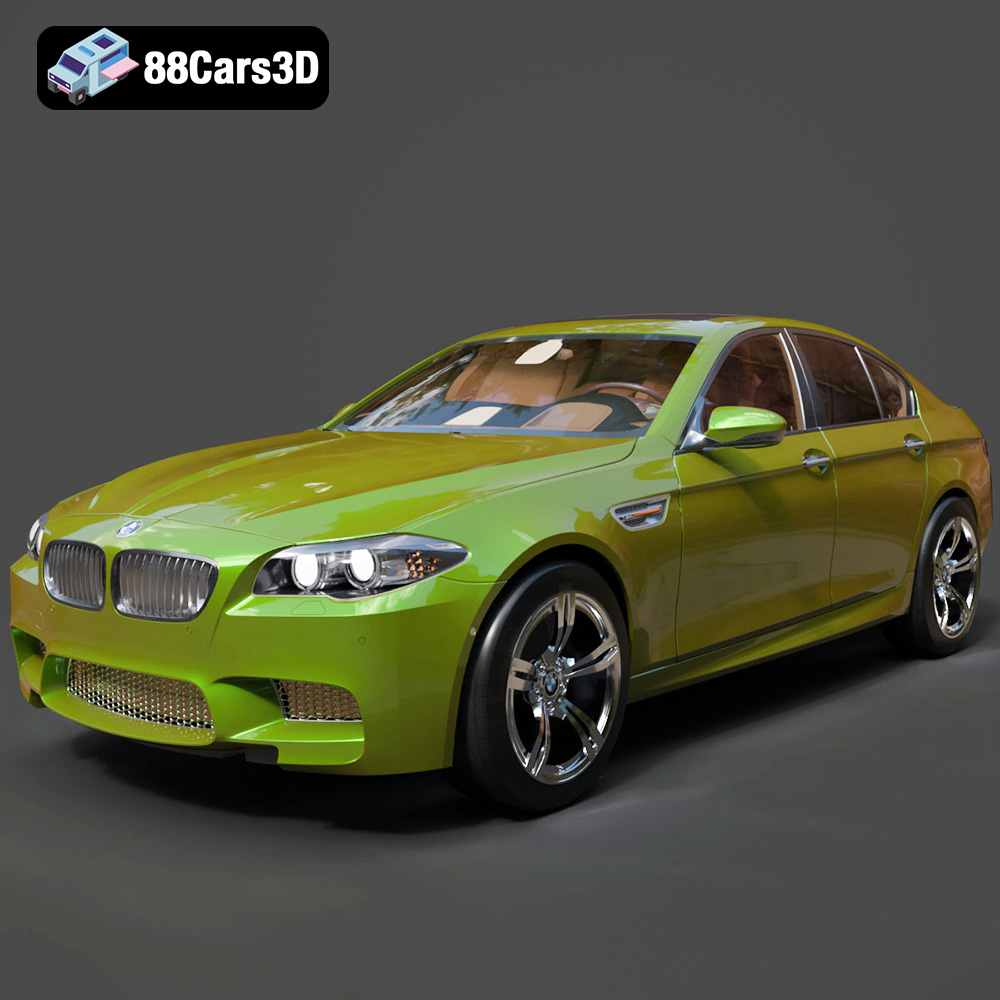
Download the BMW M5 F10 3D Model featuring high-performance luxury sedan design, detailed interior, and realistic PBR textures. Includes .blend, .fbx, .obj, .glb, .stl, .ply, .unreal, and .max formats for rendering, simulation, and game development.
Price: $10.79
Texture: Yes
Material: Yes
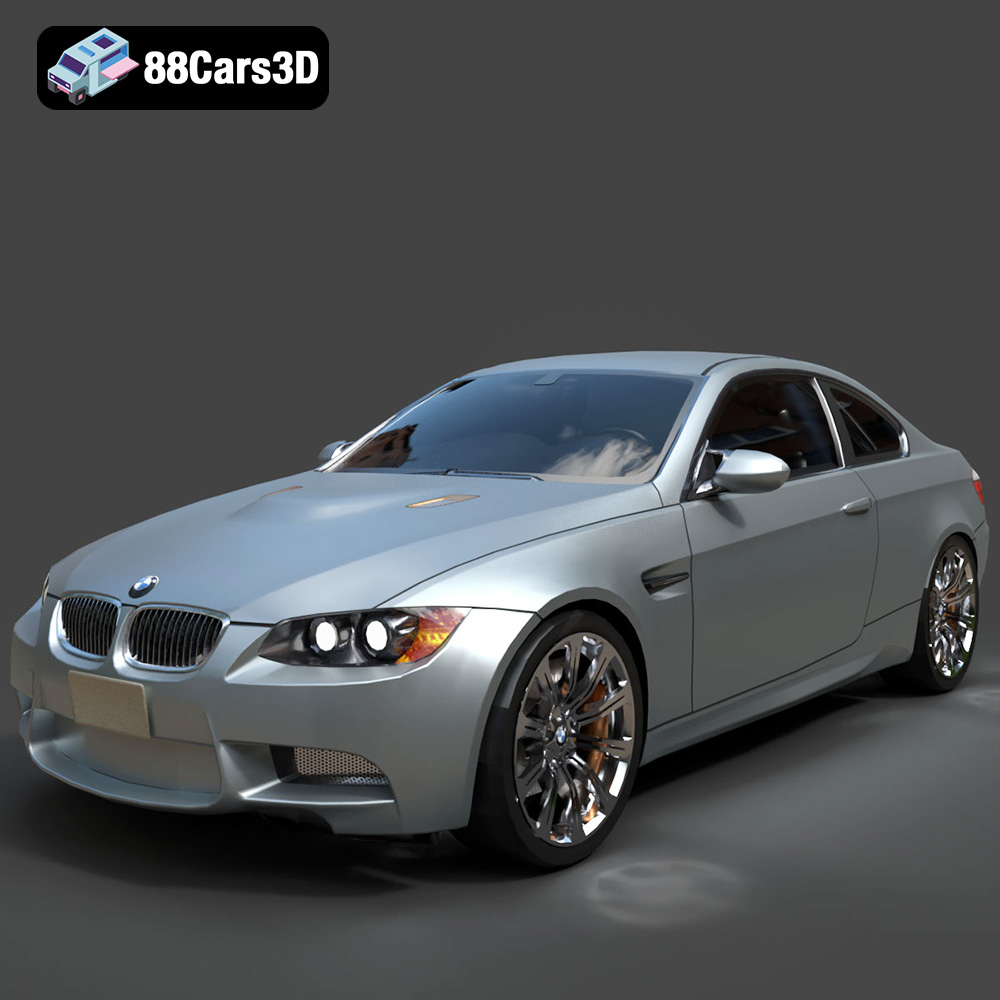
Download the BMW M3 Coupe E92-002 3D Model featuring authentic styling, detailed exterior, and a faithful interior. Includes .blend, .fbx, .obj, .glb, .stl, .ply, .unreal, and .max formats for rendering, simulation, and game development.
Price: $10.79
Texture: Yes
Material: Yes
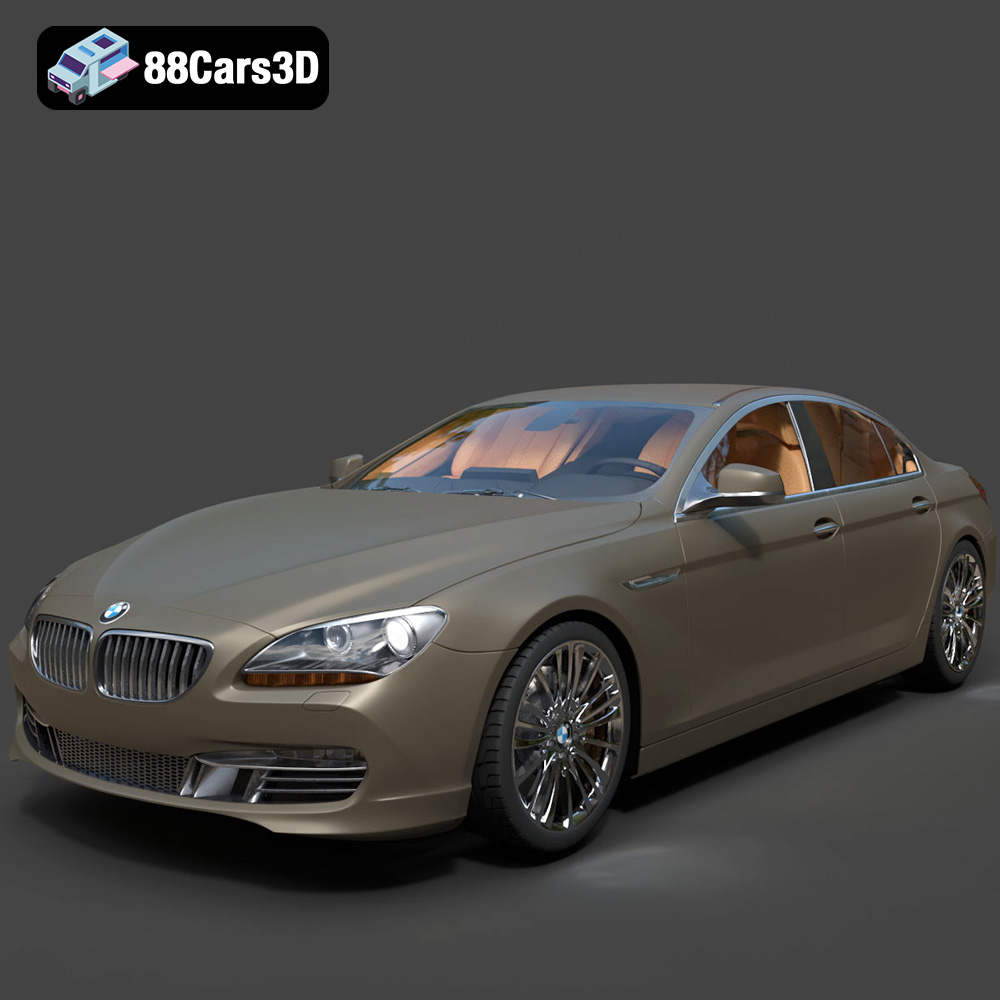
Download the BMW 6 Series Gran Coupe 2013 3D Model featuring a sophisticated design, detailed exterior, and well-appointed interior. Includes .blend, .fbx, .obj, .glb, .stl, .ply, .unreal, and .max formats for rendering, simulation, and game development.
Price: $20.79
Texture: Yes
Material: Yes
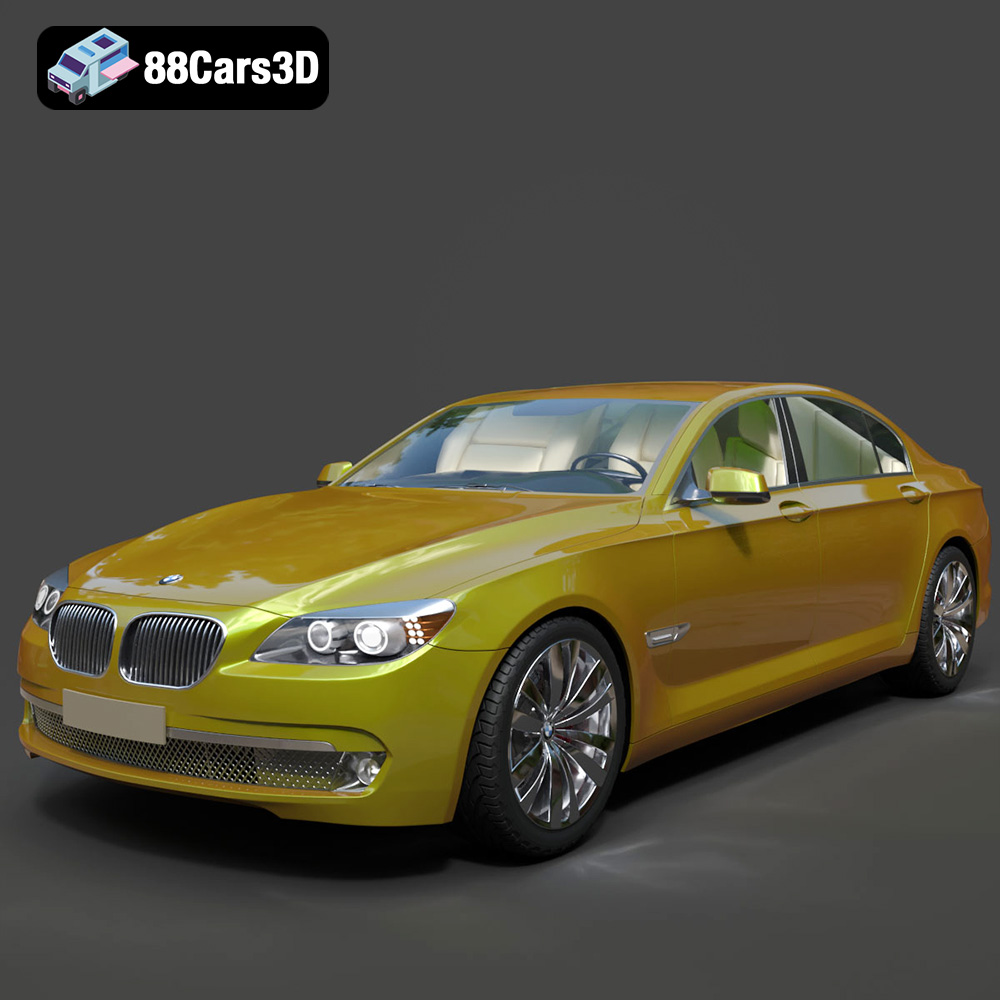
Download the BMW 7 Series 750 F01 3D Model featuring a detailed exterior and a luxurious interior. Includes .blend, .fbx, .obj, .glb, .stl, .ply, .unreal, and .max formats for rendering, simulation, and game development.
Price: $10.79
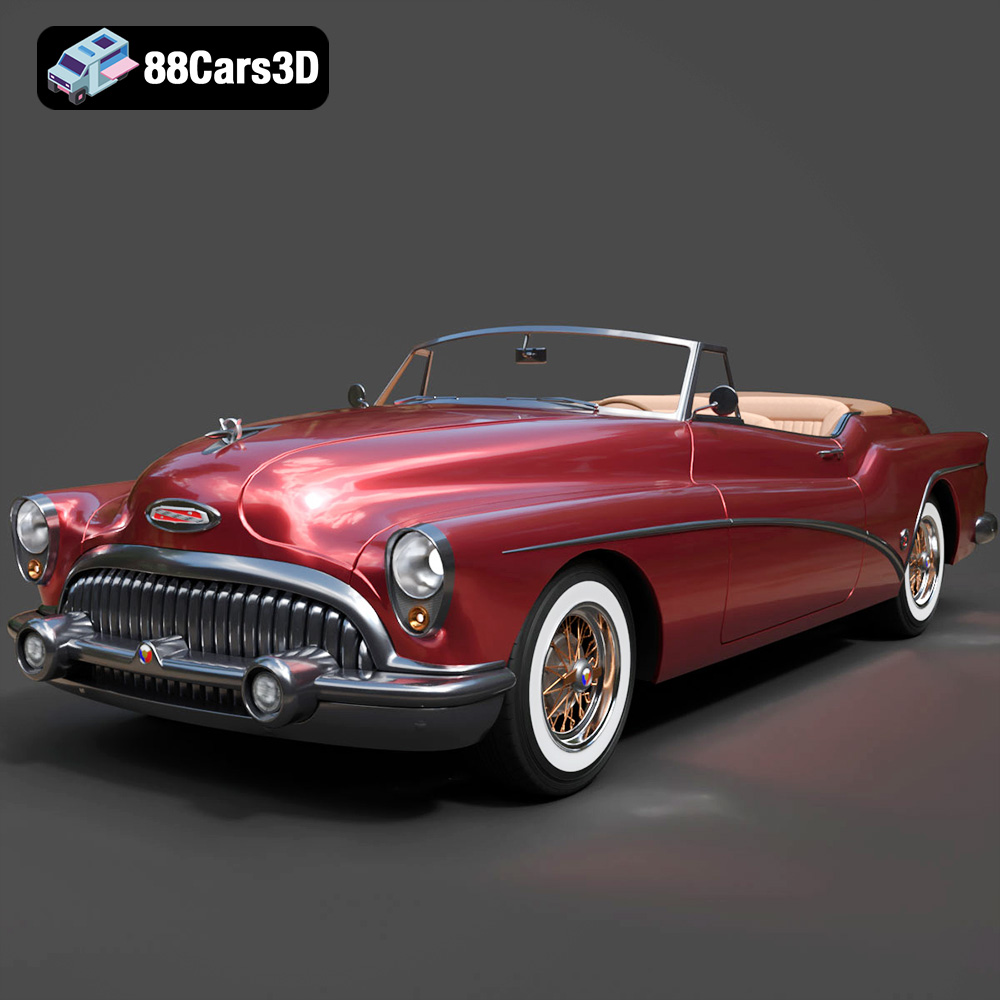
Texture: Yes
Material: Yes
Download the Buick Skylark Convertible 1953 3D Model featuring iconic 1950s styling, a detailed exterior with chrome accents, and an accurately modeled interior. Includes .blend, .fbx, .obj, .glb, .stl, .ply, .unreal, and .max formats for rendering, simulation, and game development.
Price: $10.79

Texture: Yes
Material: Yes
Download the Buick Roadmaster Hardtop Coupe 1957 3D Model featuring a classic American design with detailed exterior and interior. Includes .blend, .fbx, .obj, .glb, .stl, .ply, .unreal, and .max formats for rendering, simulation, and game development.
Price: $10.79
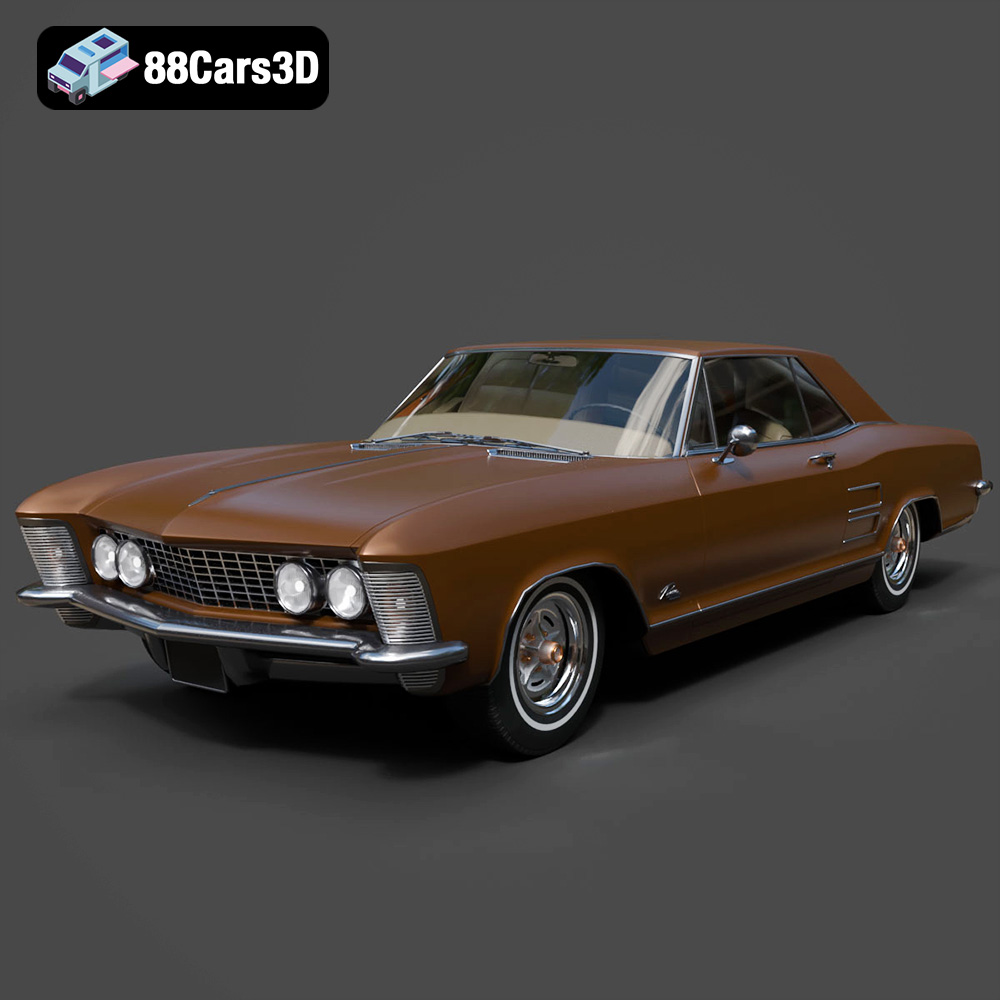
Texture: Yes
Material: Yes
Download the Buick Riviera 1963 3D Model featuring classic American muscle car design and iconic styling. Includes .blend, .fbx, .obj, .glb, .stl, .ply, .unreal, and .max formats for rendering, simulation, and game development.
Price: $10.79

Texture: Yes
Material: Yes
Download the Buick Regal 3D Model featuring a classic American sedan design, detailed exterior, and optimized interior. Includes .blend, .fbx, .obj, .glb, .stl, .ply, .unreal, and .max formats for rendering, simulation, and game development.
Price: $10.79
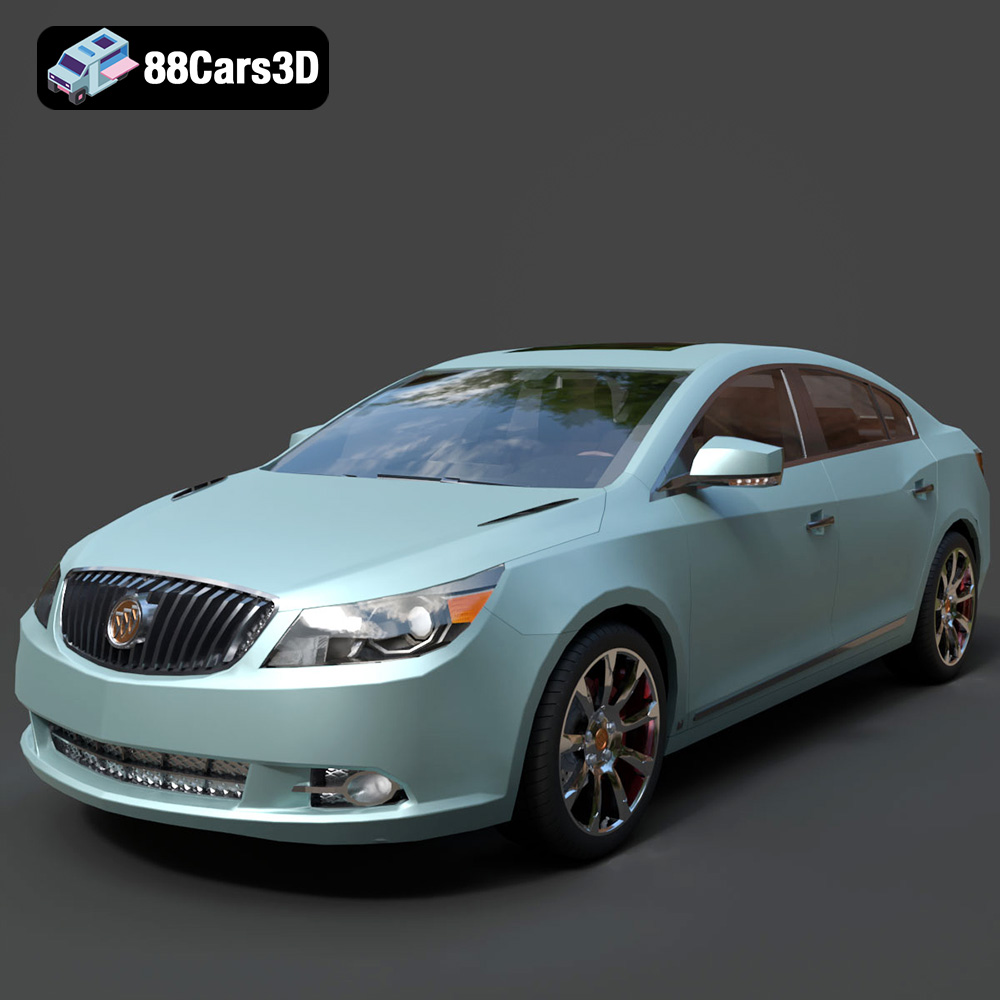
Texture: Yes
Material: Yes
Download the Buick LaCrosse 3D Model featuring professional modeling and texture work. Includes .blend, .fbx, .obj, .glb, .stl, .ply, .unreal, and .max formats for rendering, simulation, and game development.
Price: $10.79

