⚡ FLASH SALE: Get 60% OFF All Premium 3D & STL Models! ⚡

“`html
Welcome, fellow enthusiasts and creators, to the exciting world of 3D printing, where digital designs transform into tangible objects right before your eyes. For those captivated by the allure of automotive artistry, platforms like 88cars3d.com offer a treasure trove of highly detailed, 3D printable car models in STL file format. These meticulously crafted files are designed to bring your favorite vehicles to life as stunning replicas. However, the journey from a digital STL file to a flawless print isn’t always straightforward, especially for newcomers. Many aspiring makers encounter common pitfalls that can lead to frustrating print failures, wasted filament, and disheartening results. This comprehensive guide will illuminate the top 10 mistakes beginners often make when printing STL files, focusing on actionable solutions and best practices to ensure your automotive 3D printing endeavors are successful and rewarding. We’ll delve into the intricacies of slicing, printer settings, file preparation, and post-processing, empowering you to overcome these hurdles and achieve professional-quality prints.
One of the most significant oversights for beginners is diving straight into slicing and printing without thoroughly examining the STL file itself. An STL file, at its core, is a triangular representation of a 3D model’s surface. If this surface isn’t “watertight” or “manifold,” meaning it has holes, flipped triangles, or internal faces, your slicer will struggle to interpret it correctly, often leading to incomplete or distorted prints. Furthermore, not all STL files are created equal; some may have excessively thin walls that are impossible to print on standard FDM printers, or they might lack crucial details that are essential for a recognizable car model.
Before you even open your slicer, it’s crucial to inspect your STL file for mesh errors. Software like Meshmixer (free) or Netfabb (paid) are invaluable tools for this. A quick “Inspector” function can identify non-manifold edges, holes, and flipped normals. Simple repairs can often be made within these programs, such as “Make Solid” or “Auto Repair” functions. For models downloaded from marketplaces like 88cars3d.com, you can often expect cleaner files, but a quick check never hurts. Understanding what a manifold mesh means – a closed, watertight surface without errors – is fundamental to successful printing.
Consider the limitations of your 3D printer. For FDM printers, extremely thin features, like delicate spoiler edges or side mirrors, might not resolve correctly if their printed thickness falls below the nozzle diameter (typically 0.4mm). Resin printers, with their higher resolution, can capture finer details. Before printing, mentally assess if the model’s details are feasible for your chosen printing technology. Models from reputable sources like 88cars3d.com are usually designed with printability in mind, but understanding these limitations is key.
The slicer is your bridge between the digital STL file and the physical print. Beginners often default to generic or automatic settings, which rarely yield optimal results for complex models like cars. The sheer variety of parameters – layer height, print speed, temperature, retraction, cooling, and more – can be overwhelming, and incorrect combinations will inevitably lead to print failures.
A common mistake is using too high a layer height (e.g., 0.3mm or 0.4mm) for intricate car models. While this speeds up printing, it sacrifices fine detail, resulting in visible layer lines and a loss of sharp edges on body panels, grilles, and wheels. For most car models intended for display, a layer height between 0.1mm and 0.15mm offers a good balance between detail and print time. For resin printers, layer heights of 0.025mm to 0.05mm are common and provide exceptional detail.
Printing too fast is another frequent error. High print speeds reduce the time the extruded plastic has to properly adhere to the previous layer or the build plate. This can cause layer delamination, ghosting (wavy artifacts), and poor overhang quality. For detailed automotive models, reducing print speeds, especially for outer walls and small features, is crucial. A good starting point for outer walls on FDM might be 30-40 mm/s, while infill can be faster. Resin prints are generally slower per layer, but the overall speed is determined by layer exposure times and lift speeds.
Material temperature (nozzle and bed) is critical for layer adhesion and bed adhesion. Using temperatures too low can lead to weak layer bonds and prints detaching from the build plate. Conversely, temperatures too high can cause heat creep, oozing, and stringing. Always consult the filament manufacturer’s recommended temperature range and perform temperature tower calibration prints to find the sweet spot for your specific filament and printer. Bed adhesion is paramount; a clean build plate and the right surface treatment (e.g., glue stick, hairspray, PEI sheet) are vital.
Automotive models often feature complex geometries with overhangs, bridges, and suspended elements (e.g., spoilers, wheel arches, undercarriage details). Without proper support structures, these features will droop, collapse, or print inaccurately. Beginners often struggle with generating the right kind of supports, placing them incorrectly, or making them too difficult to remove.
Many slicers offer automatic support generation, but beginners often overlook the advanced options. Simply enabling “Supports Everywhere” might not be ideal. Sometimes, supports touching the model surface can damage delicate details. Enabling “Supports Only Touching Buildplate” is safer but may leave critical overhangs unsupported. Learning to manually paint or block supports in specific areas is a valuable skill. Support density (using lighter supports for less critical areas) can also save material and make removal easier.
Different support types exist – standard, tree (or organic), and brim/raft. Tree supports are often excellent for complex models as they branch out from a single point, minimizing contact with the model surface. Interface layers, a specific setting within slicer supports, create a denser, more uniform surface where the support meets the model. Tuning interface density and Z-distance (the gap between the support and the model) is critical. A smaller gap creates a smoother surface finish but makes removal harder; a larger gap makes removal easier but can result in a rougher surface.
Aggressive or impatient support removal is a common cause of print damage. Always allow the print to cool completely, as this can sometimes make supports brittle and easier to snap off. Use flush cutters, hobby knives, or specialized tools to carefully break away supports. For resin prints, supports are often thinner and require gentle prying or cutting, being mindful of the cured resin’s brittleness. Patience is key; rushing this step can ruin an otherwise perfect print.
How you position your STL file on the virtual build plate (orientation) and how you ensure it sticks down (bed adhesion) are fundamental to print success. Incorrect orientation can exacerbate overhang issues and require more supports, while poor bed adhesion is one of the most common reasons for print failure, especially on larger FDM prints.
The way a model is oriented dictates which parts are printed flat against the build plate, which become overhangs, and which require supports. For car models, consider printing them upright, perhaps at a slight angle (e.g., 15 degrees) to reduce the load on the first few layers and minimize the need for supports on the entire underside. Sometimes, splitting a model (if possible using software like Meshmixer or Blender) and printing parts separately in optimal orientations can yield better results and easier post-processing.
For FDM printing, a clean build plate is non-negotiable. Fingerprints and dust can severely impair adhesion. Methods like using a glue stick, hairspray, or specialized build surfaces (like PEI sheets) can make a significant difference. A raft (a wide base printed below the model) or a brim (a single-layer flat area around the base of the model) can greatly improve adhesion for parts with small footprints or during warping-prone prints, although they consume extra material and require trimming.
The first layer is the foundation of your entire print. If it’s not right, nothing else will be. Beginners often fail to properly calibrate their Z-offset – the precise distance between the nozzle and the build plate. Too high, and the filament won’t stick; too low, and the nozzle scrapes the plate, potentially clogging it. Performing a “first layer test” print (a simple square or grid pattern) and adjusting the Z-offset live during the print is a crucial skill. Ensuring your bed is level across all points is equally important.
3D printing involves a delicate interplay between the material being used and the printer’s mechanical and thermal capabilities. Beginners often overlook the importance of understanding material characteristics and ensuring their printer is accurately calibrated.
Different filaments (PLA, PETG, ABS, etc.) and resins have distinct properties. PLA is easy to print and good for detailed display models but can be brittle. PETG offers more durability and temperature resistance but can be stringier. ABS is strong and temperature-resistant but requires an enclosure and ventilation due to fumes. For resin printing, standard resins are good for detail, while tougher or ABS-like resins offer increased durability. Understanding these differences helps choose the right material for your specific project needs.
An uncalibrated printer is a recipe for disaster. Key calibration steps include:
A well-calibrated printer provides consistent, predictable results, which is essential for achieving the fine details expected in car models.
Many filaments, especially PETG, Nylon, and TPU, are hygroscopic – they absorb moisture from the air. Wet filament leads to stringing, poor layer adhesion, weak prints, and a generally degraded surface finish. Always store filaments in airtight containers with desiccant packs, and consider using a filament dryer before printing, especially if the filament has been exposed to humid conditions. This is particularly important for achieving smooth, glossy finishes often desired for car models.
Part cooling fans play a critical role in FDM printing, primarily by solidifying extruded plastic quickly. This is essential for managing overhangs, bridges, and fine details. Beginners often underestimate the impact of these settings, leading to droopy overhangs and blurry details.
Too little cooling can cause overhangs to sag and bridges to droop. Too much cooling, however, can lead to poor layer adhesion, especially with materials like ABS, and can cause parts to warp or detach from the bed. Most slicers allow you to control fan speed based on layer height or print speed. For detailed car models, ensuring adequate cooling for overhangs (like wheel arches or spoilers) is vital, often requiring the fan to be at 100% for outer walls after the first few layers.
Different materials react differently to cooling. PLA generally benefits from high cooling (often 100%). PETG requires moderate cooling to prevent stringing and improve overhangs, but excessive cooling can weaken layer bonds. ABS typically requires very little to no part cooling to prevent warping and cracking. Understanding these nuances for your chosen material is key to successful printing.
Many slicers allow for variable fan speeds based on layer height. Shorter layers (e.g., 0.1mm) benefit more from efficient cooling as the plastic has less time to cool naturally. For taller layers (e.g., 0.25mm), less fan speed might be needed, or it can be ramped up gradually. Experimenting with fan speed settings, especially for critical overhangs on car models, can significantly improve print quality.
A common mistake for beginners is expecting a perfect, factory-finished product straight off the printer. 3D prints, especially from FDM technology, almost always require some level of post-processing to achieve a truly polished look. Furthermore, not understanding the limitations of the technology leads to disappointment.
Even with the best settings, FDM prints will exhibit visible layer lines. Resin prints are far smoother but may still have support marks. Beginners often expect flawless surfaces like injection-molded parts. Realistic expectations mean understanding that sanding, filling, and priming are often necessary steps to achieve a smooth, paintable surface, especially for detailed automotive models where a glossy finish is desired.
Post-processing can elevate a print from good to exceptional:
For resin prints, post-processing involves washing the print in isopropyl alcohol (IPA) or a resin cleaner to remove uncured resin, followed by curing under UV light to fully harden the part. Inadequate cleaning can leave a sticky residue, while insufficient curing results in a weak, potentially uncured print. Always follow the resin manufacturer’s guidelines for washing and curing times.
A well-maintained printer is a reliable printer. Neglecting basic maintenance tasks can lead to gradual degradation in print quality, inconsistent results, and outright print failures. Similarly, outdated firmware can mean missing out on performance improvements and bug fixes.
Regular maintenance is key:
Printer manufacturers occasionally release firmware updates that can improve stepper motor control, thermal management, user interface, and introduce new features. While not always necessary, keeping your printer’s firmware updated (following manufacturer instructions carefully) can sometimes resolve persistent issues or enhance performance. However, always back up your custom settings before updating.
Learning to diagnose common mechanical issues like loose hotend assemblies, wobbly print heads, or binding in the axes is part of becoming a proficient 3D printer operator. These issues directly impact print quality, leading to artifacts like layer shifts, inconsistent extrusion, and poor surface finish, all of which are detrimental to printing detailed car models.
While STL is the de facto standard for 3D printing, beginners might encounter other 3D file formats or misunderstand how STL files are generated. Using the wrong format or a poorly converted file can cause significant problems.
STL files represent surface geometry only and do not contain information about color, texture, or material properties. This is sufficient for printing, but it means that any complex design features requiring specific orientations or tolerances might need careful consideration during slicing. Other formats like OBJ or FBX can contain more data but may not be directly supported by all slicers, requiring conversion.
Converting between file formats (e.g., from STEP or IGES to STL) can sometimes introduce errors if not done correctly. Software like SolidWorks, Fusion 360, or Blender can export STL files. Beginners might choose overly low resolution settings during export, resulting in a faceted, blocky appearance instead of smooth curves, which is particularly noticeable on the sleek bodywork of car models. Always export STL files at a high resolution or with a small deviation/angle tolerance to ensure smooth curves.
For 3D printing, STL is almost always the go-to. OBJ can also be used by some slicers and may preserve some color information (though most slicers ignore it for printing). FBX is less common for direct printing but is used in animation and game development. If you’re working with CAD software and need to import a model for modification before slicing, formats like STEP or IGES are often preferred for their parametric data, but they must be converted to mesh formats like STL for slicing.
Even with a well-maintained and calibrated printer, failing to adjust settings for specific materials or environmental conditions can lead to suboptimal results. Every spool of filament can be slightly different, and ambient temperature or humidity can play a role.
As mentioned earlier, each filament brand and type has an optimal temperature and speed range. Beginners often use generic settings across different brands. Investing time in printing calibration cubes, temperature towers, and retraction tests for each new spool of filament you use will pay dividends in print quality. This fine-tuning is crucial for achieving clean details and strong layer adhesion on automotive models.
The printing environment matters. Significant drafts near the printer can cause uneven cooling and warping, especially with materials like ABS. High ambient humidity can affect filament moisture content, as discussed. Printing in a stable environment, potentially using an enclosure, can significantly improve consistency and reduce failures, particularly for larger or more challenging prints like detailed car models.
Beyond basic temperature and speed, advanced settings like Flow Rate (or Extrusion Multiplier), Retraction Distance and Speed, and Coasting can be fine-tuned. Flow rate ensures walls are the correct thickness. Retraction minimizes stringing during travel moves. Coasting stops extrusion slightly before the end of a line to reduce blobs. Mastering these settings, often through iterative calibration prints, is key to achieving flawless finishes on intricate models from sources like 88cars3d.com.
Embarking on the journey of 3D printing detailed automotive models can be incredibly rewarding, offering a unique way to connect with your passion for cars. While the path to perfect prints may seem daunting at first, understanding and avoiding these common beginner mistakes is the first significant step towards mastery. By meticulously preparing your STL files, mastering your slicer settings, understanding the nuances of support structures, optimizing print orientation, performing regular maintenance, and embracing post-processing, you’ll be well on your way to producing stunning replicas. Remember that patience, practice, and a willingness to learn from every print are your greatest allies. So, download those incredible models from platforms like 88cars3d.com, fire up your printer, and enjoy the process of bringing automotive legends to life, one layer at a time!
“`

Texture: Yes
Material: Yes
Download the BMW 7 Series E38 3D Model featuring its iconic luxury sedan design and classic aesthetics. Includes .blend, .fbx, .obj, .glb, .stl, .ply, .unreal, and .max formats for rendering, simulation, and game development.
Price: $10.79

Texture: Yes
Material: Yes
Download the BMW 6 Series 640i F12 3D Model featuring a sleek design and detailed interior. Includes .blend, .fbx, .obj, .glb, .stl, .ply, .unreal, and .max formats for rendering, simulation, and game development.
Price: $10.79

Texture: Yes
Material: Yes
Download the BMW 3 F30 3D Model featuring a detailed exterior, realistic interior, and optimized mesh. Includes .blend, .fbx, .obj, .glb, .stl, .ply, .unreal, and .max formats for rendering, simulation, and game development.
Price: $10.79
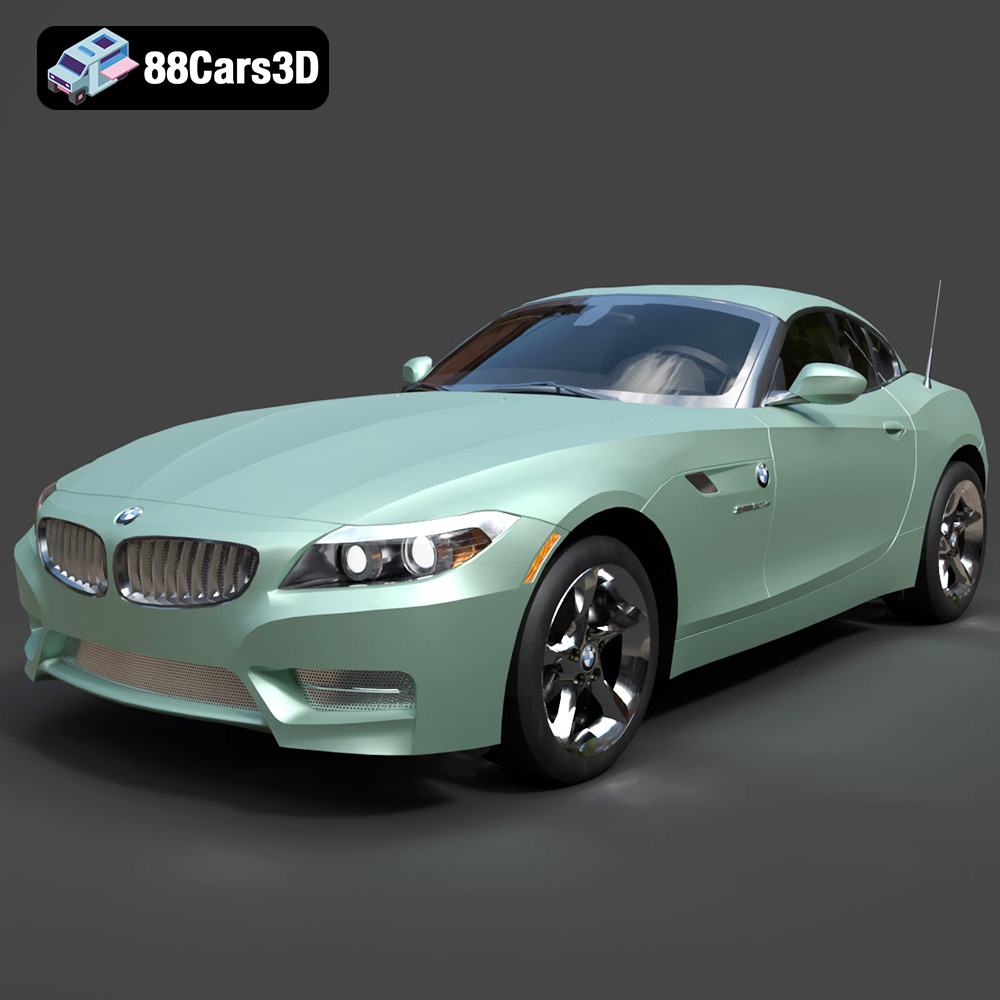
Texture: Yes
Material: Yes
Download the BMW Z4 Roadster E89 3D Model featuring clean geometry, realistic detailing, and a fully modeled interior. Includes .blend, .fbx, .obj, .glb, .stl, .ply, .unreal, and .max formats for rendering, simulation, and game development.
Price: $13.99

Texture: Yes
Material: Yes
Download the BMW Z4 E85 3D Model featuring clean geometry, realistic detailing, and a fully modeled interior. Includes .blend, .fbx, .obj, .glb, .stl, .ply, .unreal, and .max formats for rendering, simulation, and game development.
Price: $13.99

Texture: Yes
Material: Yes
Download the BMW M3 2024 3D Model featuring clean geometry, realistic detailing, and a fully modeled interior. Includes .blend, .fbx, .obj, .glb, .stl, .ply, .unreal, and .max formats for rendering, simulation, and game development.
Price: $13.99
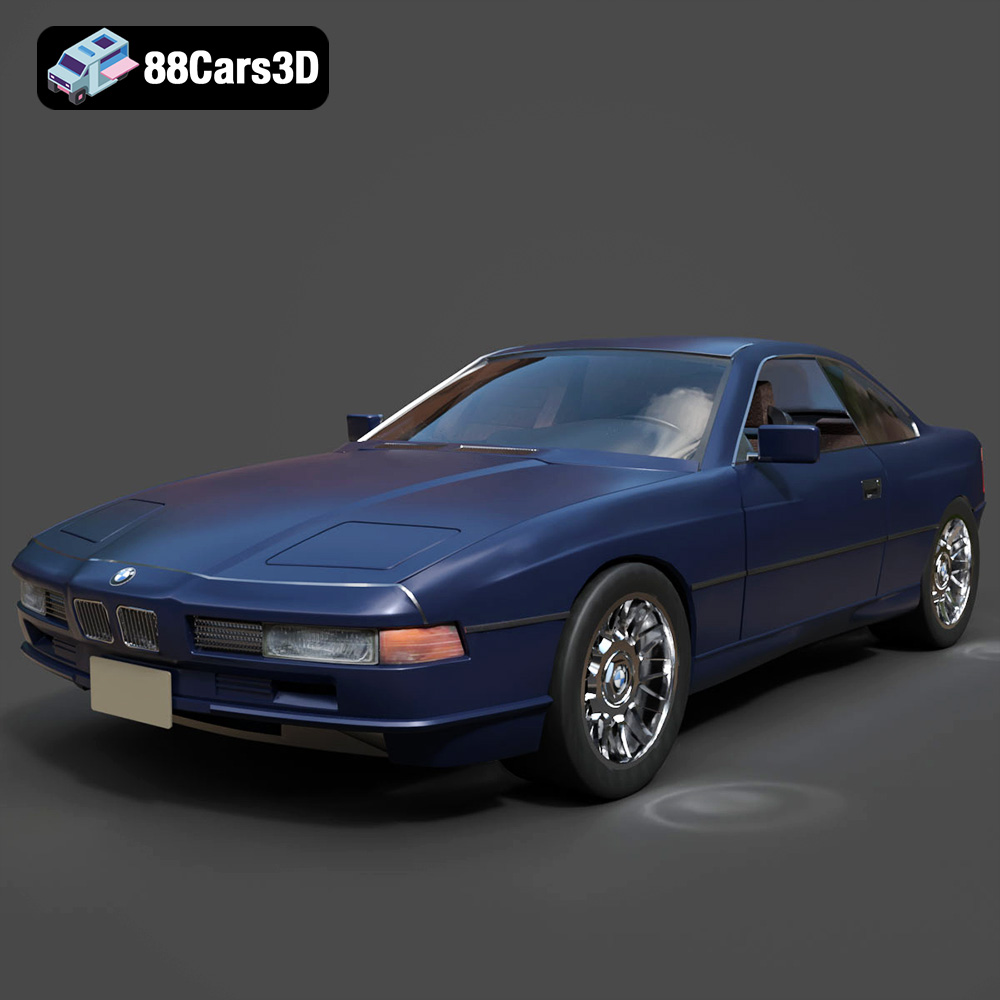
Texture: Yes
Material: Yes
Download the BMW 850i Coupe 1990 3D Model featuring clean geometry, realistic detailing, and a fully modeled interior. Includes .blend, .fbx, .obj, .glb, .stl, .ply, .unreal, and .max formats for rendering, simulation, and game development.
Price: $13.99
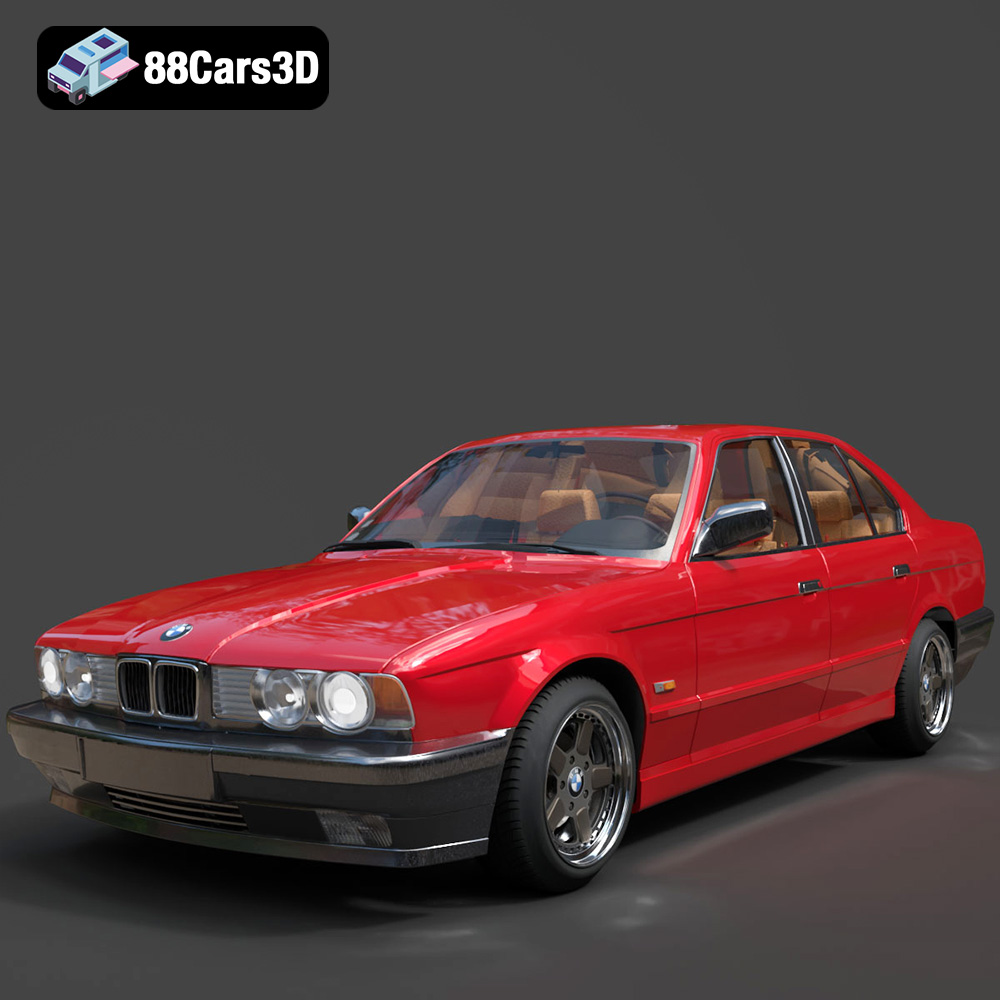
Texture: Yes
Material: Yes
Download the BMW 525i E34 1993 3D Model featuring clean geometry, realistic detailing, and a fully modeled interior. Includes .blend, .fbx, .obj, .glb, .stl, .ply, .unreal, and .max formats for rendering, simulation, and game development.
Price: $12.99

Texture: Yes
Material: Yes
Download the BMW 7 Series 2016 3D Model featuring luxurious design, detailed interior, and accurate exterior. Includes .blend, .fbx, .obj, .glb, .stl, .ply, .unreal, and .max formats for rendering, simulation, and game development.
Price: $10.79
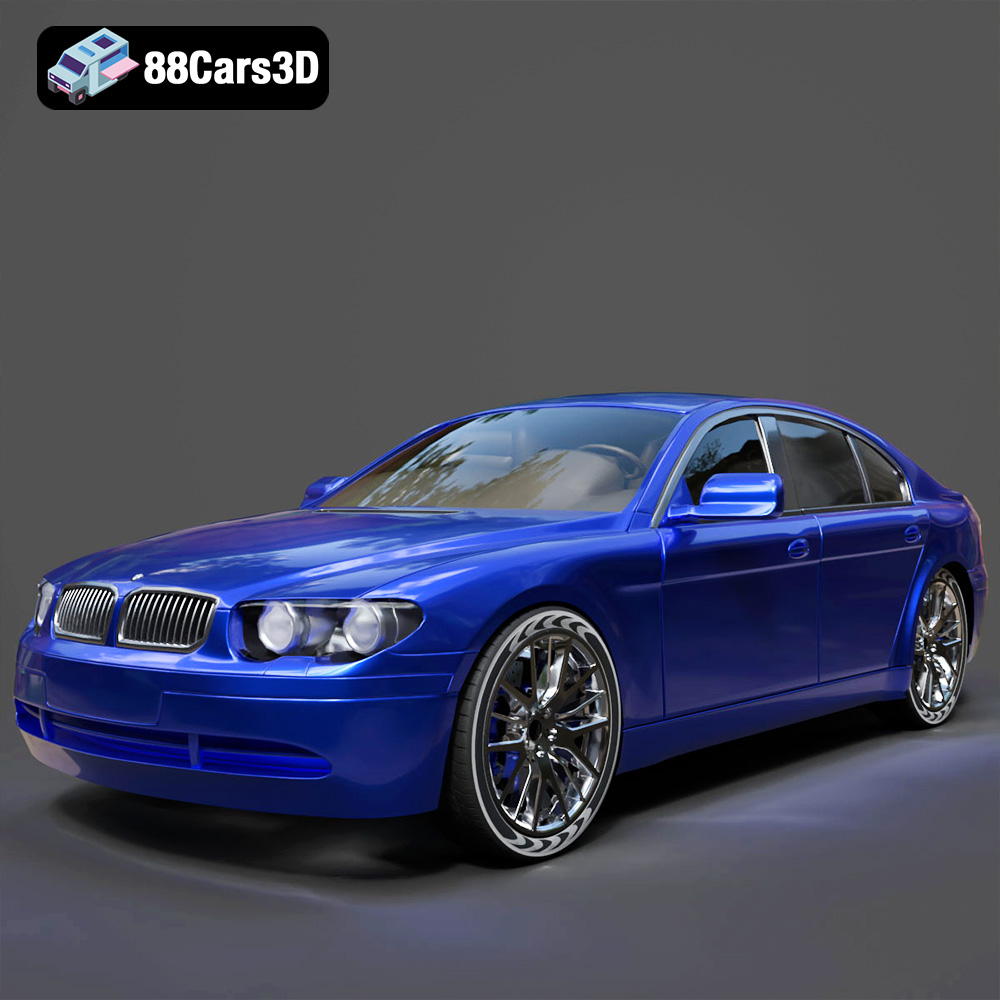
Texture: Yes
Material: Yes
Download the BMW 7 Series 30th Anniversary 3D Model featuring a meticulously crafted exterior, detailed interior, and realistic wheels. Includes .blend, .fbx, .obj, .glb, .stl, .ply, .unreal, and .max formats for rendering, simulation, and game development.
Price: $35.79

