⚡ FLASH SALE: Get 60% OFF All Premium 3D & STL Models! ⚡

In the dynamic world of real-time rendering, game development, and high-fidelity automotive visualization, Unreal Engine stands as a powerful, industry-leading platform. Its capabilities allow artists and developers to create breathtakingly realistic scenes, interactive experiences, and cinematic masterpieces. However, the true potential of Unreal Engine, especially when working with complex assets like high-quality 3D car models, is unlocked not just by its features, but by meticulous asset management and robust project organization. Without a disciplined approach, even the most impressive assets can lead to cluttered projects, performance bottlenecks, and a challenging development pipeline.
Imagine a sprawling automotive showroom project, filled with exquisitely detailed vehicles. Each car model might comprise hundreds of thousands, if not millions, of polygons, dozens of PBR textures, complex material setups, and intricate animations. Managing these assets effectively is paramount to maintaining performance, facilitating collaboration, and ensuring the long-term health of your project. This comprehensive guide will delve into the essential strategies and best practices for Unreal Engine asset management and project organization, specifically tailored for those working with high-fidelity 3D car models. We’ll explore everything from establishing a solid folder structure and naming conventions to leveraging advanced Unreal Engine features like Nanite and Lumen, optimizing for real-time performance, and streamlining collaborative workflows. By the end, you’ll have a clear roadmap to create efficient, scalable, and visually stunning automotive projects.
The foundation of any successful Unreal Engine project, particularly one involving detailed 3D car models for automotive visualization, lies in its initial organization. A well-defined project structure from day one can save countless hours of frustration, improve collaboration, and ensure long-term scalability. Without a logical hierarchy and consistent naming, navigating a project can quickly become a daunting task, akin to searching for a needle in a digital haystack. Proactive organization is not merely a suggestion; it’s a critical investment in your project’s future, preventing asset duplication, reducing load times, and making iteration cycles smoother.
Every asset, from a high-resolution car paint texture to a complex vehicle Blueprint, needs a designated home. This hierarchical approach simplifies content browsing, allows for quick identification of asset types, and facilitates the integration of new content without disrupting existing workflows. Furthermore, it becomes indispensable in team environments, where multiple artists and developers are contributing simultaneously. A shared understanding of where everything belongs fosters efficiency and reduces the likelihood of overwriting or misplacing critical assets. Consider the scalability of your project; a structure that works for a single car might buckle under the weight of an entire fleet, or a virtual showroom with interactive elements.
A common and highly effective approach is to categorize assets by type, then by specific content or feature. This creates a clean, navigable structure. Here’s a recommended hierarchy that serves well for automotive projects:
Content/
_ExternalContent/ (For assets imported from external sources like marketplaces, e.g., 88cars3d.com. Keep original imports separate.)Blueprints/
Vehicles/ (Specific car Blueprints)UI/ (User Interface Blueprints)Gameplay/ (General gameplay logic)Maps/
Persistent/ (Main map)Levels/ (Sub-levels for modular scenes)Showroom/ (Specific showroom environments)Materials/
MasterMaterials/ (Base PBR materials)Instances/ (Material instances for variations)VehiclePaint/ (Car-specific paint materials)Glass/, Rubber/, Metals/Meshes/
Vehicles/
CarModel_A/ (Folders for individual car models)CarModel_B/Environment/ (Props, architectural elements)SM_Props/ (Static Meshes for general props)Textures/
Vehicles/ (Car-specific textures)Environment/UI/_Shared/ (Common textures like normal maps, grunge)VFX/ (Niagara systems, particle effects)Audio/ (Sound effects, music)UI/ (Widgets, fonts, icons)PostProcess/ (Post-processing profiles)This structure ensures that all related assets for a specific car model are nested together, while common assets like master materials or shared textures reside in easily accessible, generic folders. It’s a balanced approach between specificity and generalization, crucial for real-time rendering projects.
Alongside a logical folder structure, a strict naming convention is vital. It allows for quick searching, filtering, and understanding of an asset’s purpose at a glance, without needing to open it. Consistency is key for large teams and complex projects. Here’s a widely adopted convention:
BP_ for Blueprints (e.g., BP_CarConfigurator)M_ for Master Materials (e.g., M_CarPaint_Base)MI_ for Material Instances (e.g., MI_CarPaint_RedMetallic)SM_ for Static Meshes (e.g., SM_CarBody_Mesh)SK_ for Skeletal Meshes (e.g., SK_CarSuspension)T_ for Textures (e.g., T_CarPaint_MetallicRoughness_A)VC_ for Vehicle Configurations (e.g., VC_SportPackage)P_ for Particle Systems (Cascade)Niagara_ for Niagara Systems (e.g., Niagara_ExhaustSmoke)WBP_ for Widget Blueprints (e.g., WBP_MainMenu)DT_ for Data Tables (e.g., DT_CarSpecs)SM_Porsche911_BodyPanel_LeftFront, T_McLaren720S_Engine_Normal._BaseColor, _Normal, _Metallic, _Roughness, _AmbientOcclusion, _Opacity, _Emissive. For packed textures, use _ORM (Occlusion, Roughness, Metallic).By adhering to these guidelines, your Unreal Engine projects will not only look stunning but will also be remarkably easy to manage, debug, and expand. This disciplined approach is a cornerstone for any professional automotive visualization or game development studio.
Once your project structure is in place, the next critical step is to efficiently import and integrate your 3D car models into Unreal Engine. High-quality assets, especially those sourced from platforms like 88cars3d.com, are often highly detailed and require careful handling to maintain their visual fidelity while ensuring optimal real-time performance. The process isn’t merely about dragging and dropping files; it involves pre-import preparation, understanding various file formats, and configuring Unreal Engine’s import settings correctly to set up your assets for success. Incorrect import can lead to visual artifacts, performance dips, or a broken material pipeline, costing valuable development time.
The complexity of modern 3D car models demands an intelligent approach to importing. These models typically feature intricate geometry, multiple material IDs, and potentially skeletal rigs for animations (e.g., suspension, doors). Each component needs to be considered, from the main body down to the smallest bolt. A well-executed import process ensures that your assets are immediately usable, with correct scale, pivot points, and a clean UV layout. This stage is also where initial optimization decisions can be made, impacting everything from shader complexity to the efficiency of light baking, if applicable. Without proper integration, even the best 3D car models can become a source of technical debt.
Before bringing any 3D car model into Unreal Engine, thorough preparation in your Digital Content Creation (DCC) tool (e.g., Maya, Blender, 3ds Max) is essential. This includes:
When it comes to file formats, FBX has long been the industry standard for static and skeletal meshes due to its robustness and widespread support. However, for complex automotive data and collaborative workflows, USD (Universal Scene Description) is rapidly gaining traction. USD, and its zipped variant USDZ, offers a powerful way to compose scenes, manage asset variations, and handle complex hierarchies across different software. Platforms like 88cars3d.com often provide models in FBX, but increasingly, artists and studios are embracing USD for its non-destructive layering and ability to describe an entire scene, not just individual assets. When importing USD, Unreal Engine’s Datasmith plugin provides robust import options for preserving scene hierarchy, materials, and metadata.
The import dialogue in Unreal Engine offers critical settings that dictate how your 3D car model is processed:
After import, always validate your assets:
By meticulously following these steps, you ensure that your high-fidelity 3D car models are flawlessly integrated into your Unreal Engine project, ready for further material and lighting refinement and optimization.
High-fidelity 3D car models, while visually stunning, often come with an inherent challenge: their polygon count can be astronomically high. In real-time rendering environments like Unreal Engine, managing these complex geometries is crucial for achieving smooth frame rates and a responsive user experience, especially in demanding scenarios like automotive configurators, VR applications, or large open-world games. Simply importing a multi-million polygon CAD model without optimization will quickly grind your project to a halt. The key lies in intelligently leveraging Unreal Engine’s cutting-edge technologies and proven optimization techniques to maintain visual quality without sacrificing performance. This is where features like Nanite and strategic Level of Detail (LOD) management become indispensable tools in an artist’s arsenal.
The goal of optimization isn’t to dumb down the visuals, but to render them efficiently. This means only rendering the necessary detail where and when it’s needed. For instance, a car model viewed from a distance doesn’t require the same polygon density as one up close. Similarly, internal components not visible to the camera don’t need to be rendered at all. Unreal Engine provides robust systems to automate much of this, but understanding their principles and applying them correctly is vital. Whether you’re aiming for a photorealistic showcase or a performant driving simulator, smart optimization is the bridge between incredible visuals and fluid real-time interaction.
Nanite, introduced in Unreal Engine 5, is a revolutionary virtualized geometry system that empowers developers to import and render film-quality assets with virtually unlimited polygon counts. For high-fidelity 3D car models, Nanite is a game-changer, largely eliminating the traditional constraints of polygon budgets and manual LOD creation. It automatically handles the complexity by streaming and processing only the necessary detail in real-time, based on the camera’s distance and screen resolution.
Benefits of Nanite for Car Models:
Enabling and Configuring Nanite:
While Nanite is incredibly powerful, it’s important to note its current limitations. It works exclusively with Static Meshes, meaning Skeletal Meshes (for animated suspensions, etc.) still require traditional LODs. Additionally, certain features like CPU-driven deformation (e.g., cloth simulation) and some transparency types might not fully support Nanite, requiring careful consideration of your asset pipeline. For the main body and most static components of a car, however, Nanite is the definitive solution for high-quality real-time rendering.
Even with Nanite, understanding traditional Level of Detail (LOD) management remains crucial for components that don’t support Nanite (e.g., animated parts, small props) or for projects targeting lower-end hardware where Nanite might be too demanding. LODs are simplified versions of a mesh that are swapped in when the object is further away from the camera, significantly reducing the polygon count rendered.
When to use Manual LODs:
Generating and Managing LODs in Unreal Engine:
Properly implemented LODs, whether automatic via Nanite or manually configured, are vital for maintaining high frame rates. Visually inspect your LOD transitions using the “LOD Coloration” view mode to ensure seamless swapping without distracting popping artifacts. Combining Nanite for the core car body and strategic manual LODs for interactive or animated components creates a highly optimized pipeline for any demanding automotive visualization project.
The visual impact of a high-fidelity 3D car model within Unreal Engine is ultimately determined by the quality of its materials and lighting. Photorealistic PBR (Physically Based Rendering) materials, combined with advanced real-time global illumination systems like Lumen, can transform a static mesh into a living, breathing object that reacts authentically to its environment. For automotive visualization, achieving believable car paint, reflective chrome, intricate glass, and realistic rubber textures is paramount. These elements are not just aesthetic; they communicate the luxury, performance, or character of a vehicle. Without a meticulous approach to PBR and lighting, even the most detailed 3D car models will fall flat, appearing synthetic and unconvincing.
Unreal Engine provides an incredibly robust Material Editor and powerful lighting tools that allow artists to simulate complex surface properties and environmental illumination. Understanding how to leverage these tools to their fullest potential is critical for producing stunning results. This involves not only creating visually accurate materials but also optimizing them for real-time performance, and then illuminating them with a lighting setup that accentuates their forms and textures. The synergy between materials and lighting is what elevates a project from merely looking good to truly looking real, crucial for impressing clients and engaging audiences in any automotive context.
PBR materials are designed to react to light in a physically plausible way, making them a cornerstone of modern real-time rendering. For 3D car models, this means accurately simulating how light bounces off metallic paint, refracts through glass, or absorbs into rubber. Unreal Engine’s Material Editor provides the tools to achieve this with precision:
M_CarPaint_Base) that contains all the complex logic, parameters, and texture inputs needed for a type of material (e.g., metallic car paint). Then, create “Material Instances” (e.g., MI_CarPaint_RedMetallic, MI_CarPaint_BlueMatte) from this master. Instances are extremely efficient as they only override specific parameters (color, roughness values, texture maps) without recompiling the shader, leading to faster iteration and better performance. This is especially vital when showcasing a variety of car colors and finishes.Lumen, Unreal Engine’s fully dynamic global illumination and reflections system, revolutionizes real-time lighting for automotive visualization. It calculates diffuse interreflection and specular reflections at cinematic quality, allowing light to bounce naturally off surfaces, illuminating darker areas and creating realistic color bleed. For highly reflective surfaces like car paint and chrome, Lumen’s accurate global illumination and reflections are transformative.
Enabling and Leveraging Lumen:
While Lumen offers unparalleled realism, it is dynamically calculated and can be performance-intensive. For projects targeting specific hardware or requiring absolute performance, a hybrid approach might be necessary. This could involve using Lumen for primary dynamic GI, but also incorporating static baked lighting (Lightmass) for background elements or less dynamic parts of the scene to offload some computation. However, for a cutting-edge automotive visualization experience, Lumen is the go-to solution for achieving breathtakingly realistic lighting and reflections on your 3D car models.
Beyond static renders, Unreal Engine empowers developers to bring 3D car models to life through dynamic interactivity and stunning cinematics. This is where the magic of real-time truly shines, allowing users to explore vehicles in immersive configurators, drive them in realistic simulations, or witness them in high-quality animated sequences. Whether you’re building a showroom experience, a virtual production stage, or a marketing asset, Unreal Engine provides the tools to engage your audience on multiple levels. Integrating Blueprint visual scripting for user interaction and Sequencer for cinematic storytelling elevates your automotive visualization projects from static displays to compelling experiences.
The ability to interact with a car model—changing its paint color, opening its doors, or viewing different wheel options—transforms it from a passive object into an active participant. Similarly, crafting cinematic sequences that highlight a car’s design, features, and performance captivates viewers in ways static images cannot. These features are not just for games; they are vital for automotive marketing, design review, and virtual training applications. Understanding how to harness Blueprint and Sequencer allows you to move beyond basic rendering and create truly memorable and functional automotive content within Unreal Engine.
Blueprint Visual Scripting is Unreal Engine’s powerful node-based scripting system that allows artists and designers to create complex gameplay and interactive elements without writing a single line of code. For automotive configurators, Blueprint is indispensable:
BP_Car Actor Blueprint. Add your car’s Static Mesh components.M_CarPaint_Base) and multiple Material Instances (MI_CarPaint_Red, MI_CarPaint_Blue, etc.) for different colors.BP_Car Event Graph, add a Custom Event, e.g., “ChangePaintColor,” with a Material Instance input.WBP_PaintOptions), create buttons for each color. On button click, call the “ChangePaintColor” event on your BP_Car, passing the corresponding Material Instance.Blueprint enables rapid prototyping and iteration, allowing designers to quickly implement and test interactive features, making it a cornerstone for modern automotive visualization and configurator development.
Sequencer is Unreal Engine’s powerful non-linear cinematic editor, ideal for creating high-quality rendered videos, animated shorts, and managing complex virtual production workflows. For automotive content, Sequencer allows you to craft compelling narratives around your 3D car models:
By mastering Blueprint for interactivity and Sequencer for cinematics, developers can create truly immersive and visually spectacular experiences with their 3D car models, pushing the boundaries of real-time automotive visualization.
Even with the most meticulously organized project and beautifully rendered assets, an Unreal Engine project can stumble without continuous optimization and robust collaborative workflows. For high-fidelity 3D car models, managing performance beyond initial setup is an ongoing process. Identifying and addressing bottlenecks, whether they stem from overly complex materials, excessive texture memory, or inefficient Blueprint logic, is crucial for maintaining real-time frame rates and a smooth user experience. Simultaneously, in a professional studio environment, multiple artists and developers must work concurrently on the same project without constant conflicts or data loss. This necessitates strong version control and clear communication protocols.
The synergy between advanced optimization techniques and efficient teamwork defines a project’s success. A highly optimized project that’s impossible to work on collaboratively is as detrimental as a perfectly collaborative project that runs at 10 frames per second. For automotive visualization, where details are paramount and deadlines are often tight, striking this balance is critical. By embracing tools for data validation and auditing, and implementing industry-standard source control practices, teams can ensure their Unreal Engine projects are not only performant but also scalable, maintainable, and built for collective success.
As an Unreal Engine project grows, it’s easy for inefficiencies to creep in. Regular auditing of your assets and scene is essential for identifying and rectifying performance issues. Unreal Engine provides several built-in tools for this purpose:
By regularly using these tools, you can proactively catch performance issues related to your 3D car models and associated assets, ensuring your automotive visualization project remains lean and efficient.
For any professional Unreal Engine project, especially those involving large teams and complex assets like high-fidelity car models, source control is non-negotiable. It manages changes to your project files, allows multiple users to work simultaneously, prevents accidental overwrites, and provides a history of all modifications. Without it, team collaboration quickly descends into chaos. Perforce (Helix Core) is widely considered the industry standard for Unreal Engine development, although Git with Git LFS (Large File Storage) is also a viable option for smaller to medium-sized teams.
.uasset files), robust client-server architecture, fine-grained permissions, and integrated directly into the Unreal Engine editor via the Source Control Plugin..uasset files and other large binaries with LFS.Implementing a strong source control system and fostering collaborative best practices ensures that your automotive visualization project can scale effectively, iterate rapidly, and maintain its integrity throughout the development lifecycle, allowing teams to focus on creating stunning experiences with high-quality 3D car models.
Mastering asset management and project organization in Unreal Engine is not merely about tidiness; it’s about establishing a robust framework that underpins the efficiency, performance, and scalability of your high-fidelity automotive visualization projects. From the initial folder structures and naming conventions to leveraging advanced features like Nanite for unparalleled geometric detail and Lumen for stunning real-time lighting, every practice discussed in this guide contributes to a more streamlined and productive workflow. The integration of Blueprint for interactive configurators and Sequencer for cinematic storytelling further elevates your ability to create compelling and immersive experiences with 3D car models.
By consistently applying these best practices—meticulous pre-import preparation, strategic optimization with Nanite and LODs, intelligent PBR material and lighting setups, and robust source control—you empower yourself and your team to focus on creative innovation rather than grappling with technical debt. The journey of creating breathtaking automotive content in Unreal Engine is an iterative one, and a well-organized project is your most reliable companion. Remember that high-quality assets are only as good as the pipeline they exist within. Embrace these methodologies, continuously audit your projects for performance, and foster collaborative environments to ensure your Unreal Engine endeavors not only meet but exceed expectations, setting a new standard for real-time automotive visualization.
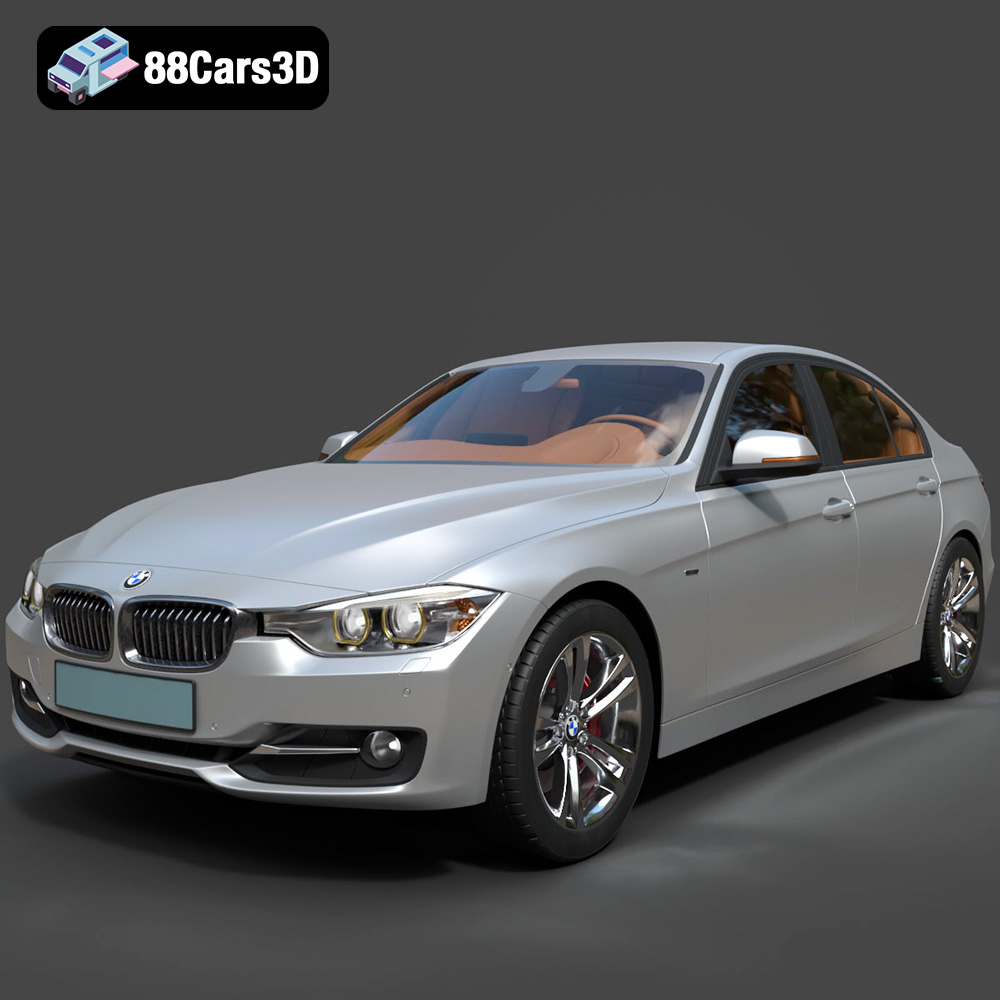
Texture: Yes
Material: Yes
Download the BMW 3 F30 3D Model featuring a detailed exterior, realistic interior, and optimized mesh. Includes .blend, .fbx, .obj, .glb, .stl, .ply, .unreal, and .max formats for rendering, simulation, and game development.
Price: $10.79
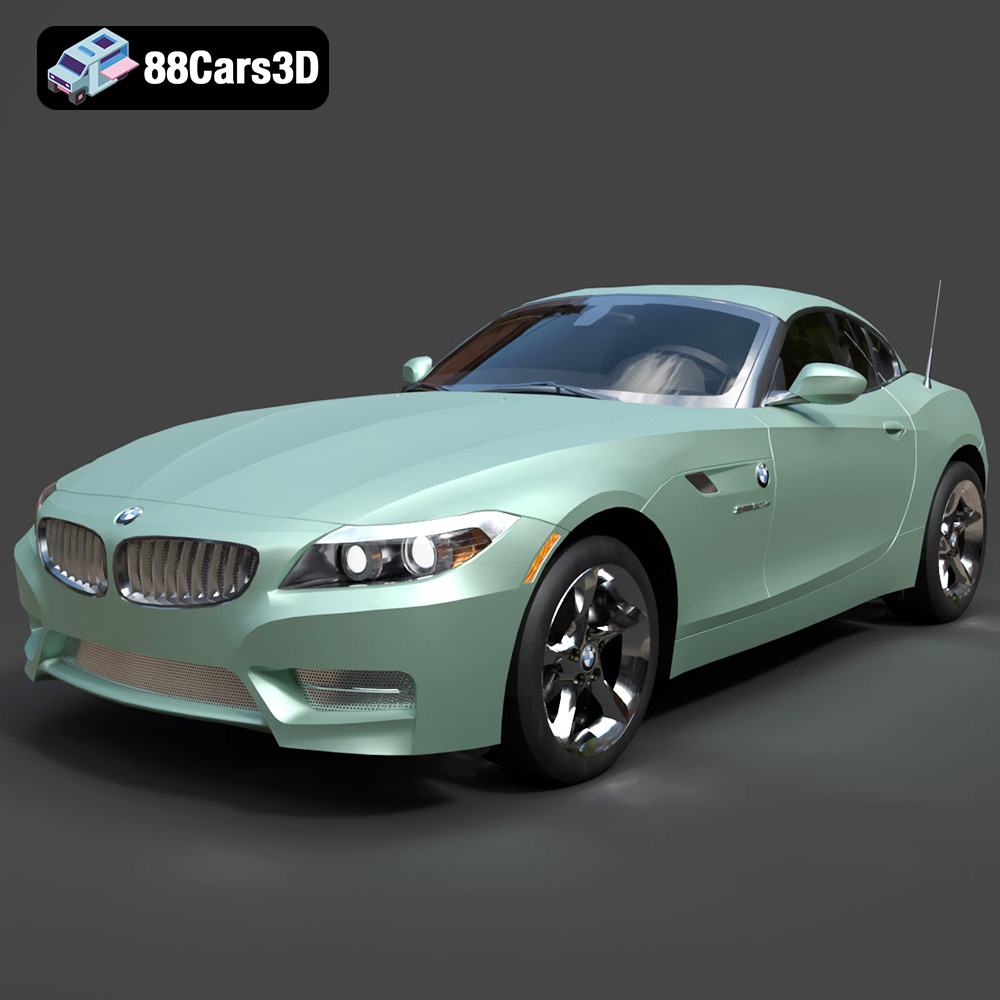
Texture: Yes
Material: Yes
Download the BMW Z4 Roadster E89 3D Model featuring clean geometry, realistic detailing, and a fully modeled interior. Includes .blend, .fbx, .obj, .glb, .stl, .ply, .unreal, and .max formats for rendering, simulation, and game development.
Price: $13.99

Texture: Yes
Material: Yes
Download the BMW Z4 E85 3D Model featuring clean geometry, realistic detailing, and a fully modeled interior. Includes .blend, .fbx, .obj, .glb, .stl, .ply, .unreal, and .max formats for rendering, simulation, and game development.
Price: $13.99

Texture: Yes
Material: Yes
Download the BMW M3 2024 3D Model featuring clean geometry, realistic detailing, and a fully modeled interior. Includes .blend, .fbx, .obj, .glb, .stl, .ply, .unreal, and .max formats for rendering, simulation, and game development.
Price: $13.99
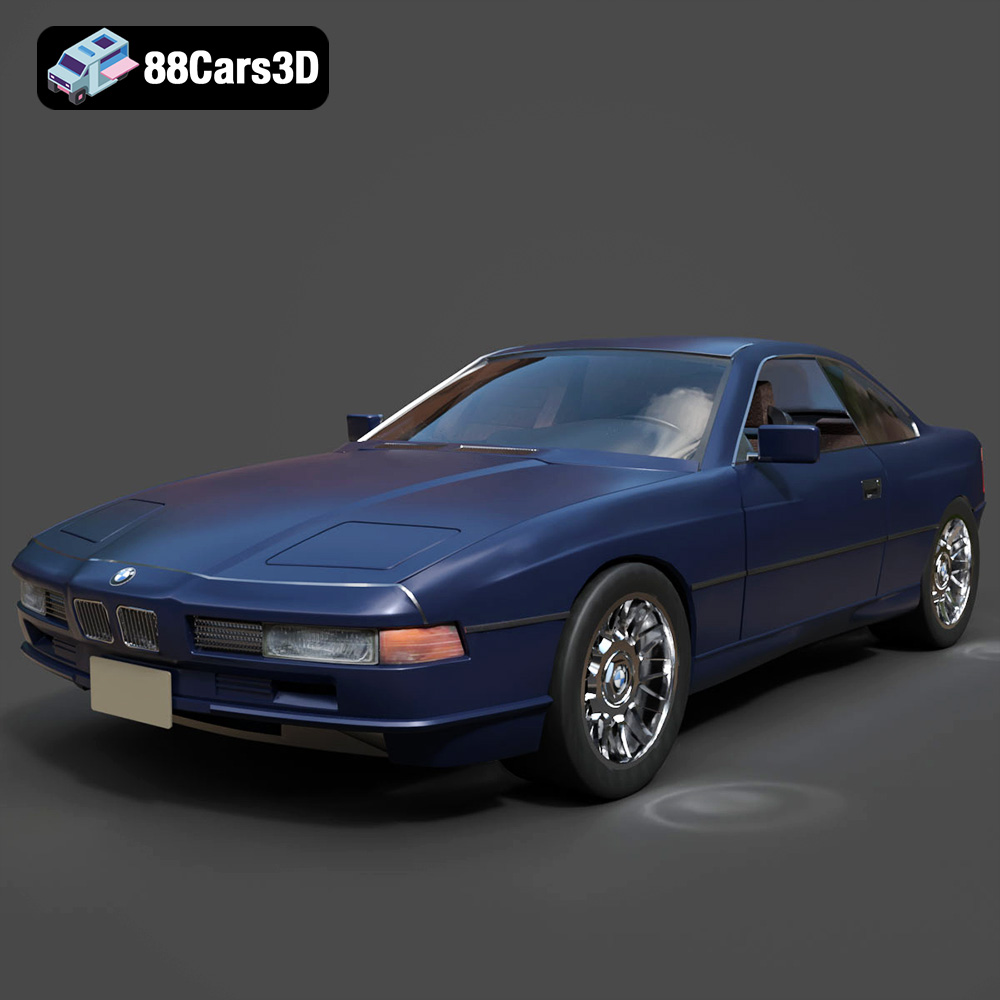
Texture: Yes
Material: Yes
Download the BMW 850i Coupe 1990 3D Model featuring clean geometry, realistic detailing, and a fully modeled interior. Includes .blend, .fbx, .obj, .glb, .stl, .ply, .unreal, and .max formats for rendering, simulation, and game development.
Price: $13.99
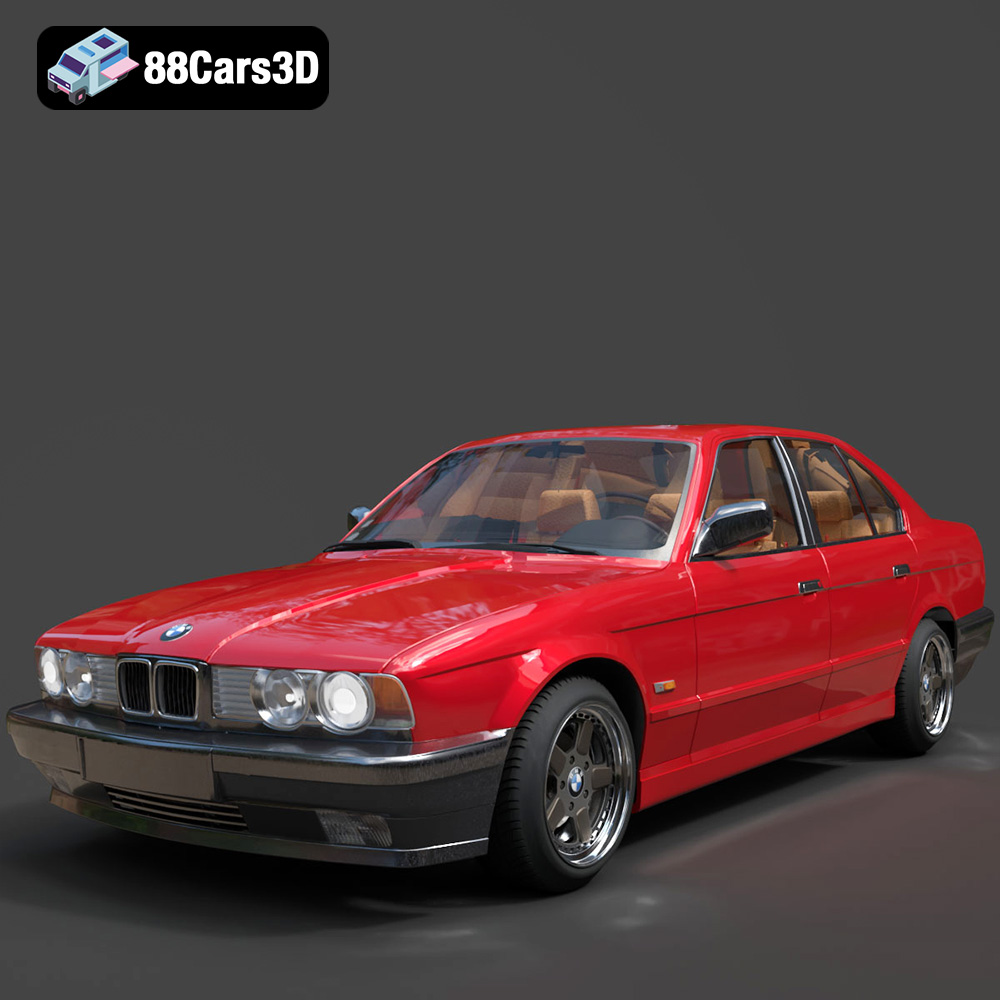
Texture: Yes
Material: Yes
Download the BMW 525i E34 1993 3D Model featuring clean geometry, realistic detailing, and a fully modeled interior. Includes .blend, .fbx, .obj, .glb, .stl, .ply, .unreal, and .max formats for rendering, simulation, and game development.
Price: $12.99

Texture: Yes
Material: Yes
Download the BMW 7 Series 2016 3D Model featuring luxurious design, detailed interior, and accurate exterior. Includes .blend, .fbx, .obj, .glb, .stl, .ply, .unreal, and .max formats for rendering, simulation, and game development.
Price: $10.79
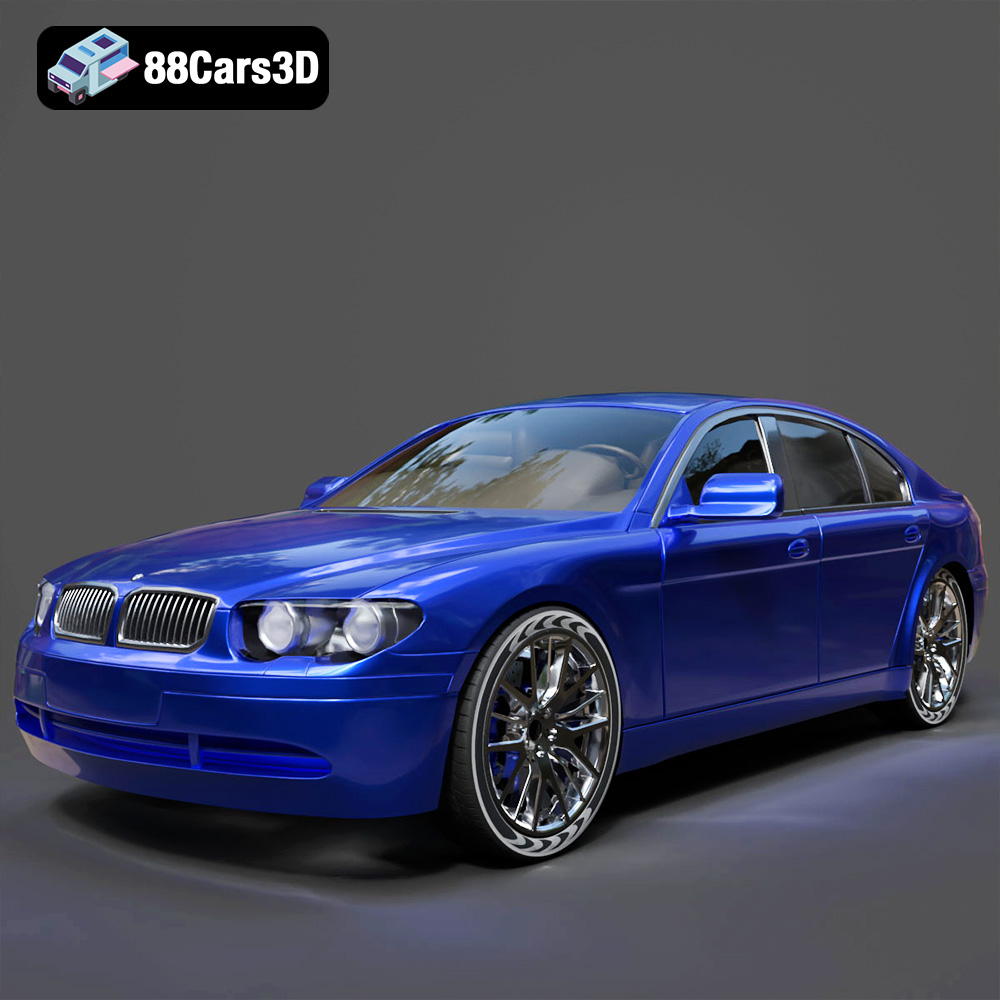
Texture: Yes
Material: Yes
Download the BMW 7 Series 30th Anniversary 3D Model featuring a meticulously crafted exterior, detailed interior, and realistic wheels. Includes .blend, .fbx, .obj, .glb, .stl, .ply, .unreal, and .max formats for rendering, simulation, and game development.
Price: $35.79

Texture: Yes
Material: Yes
Download the BMW 7-Series F02 3D Model featuring a detailed exterior and interior, optimized for rendering and animation. Includes .blend, .fbx, .obj, .glb, .stl, .ply, .unreal, and .max formats for rendering, simulation, and game development.
Price: $10.79
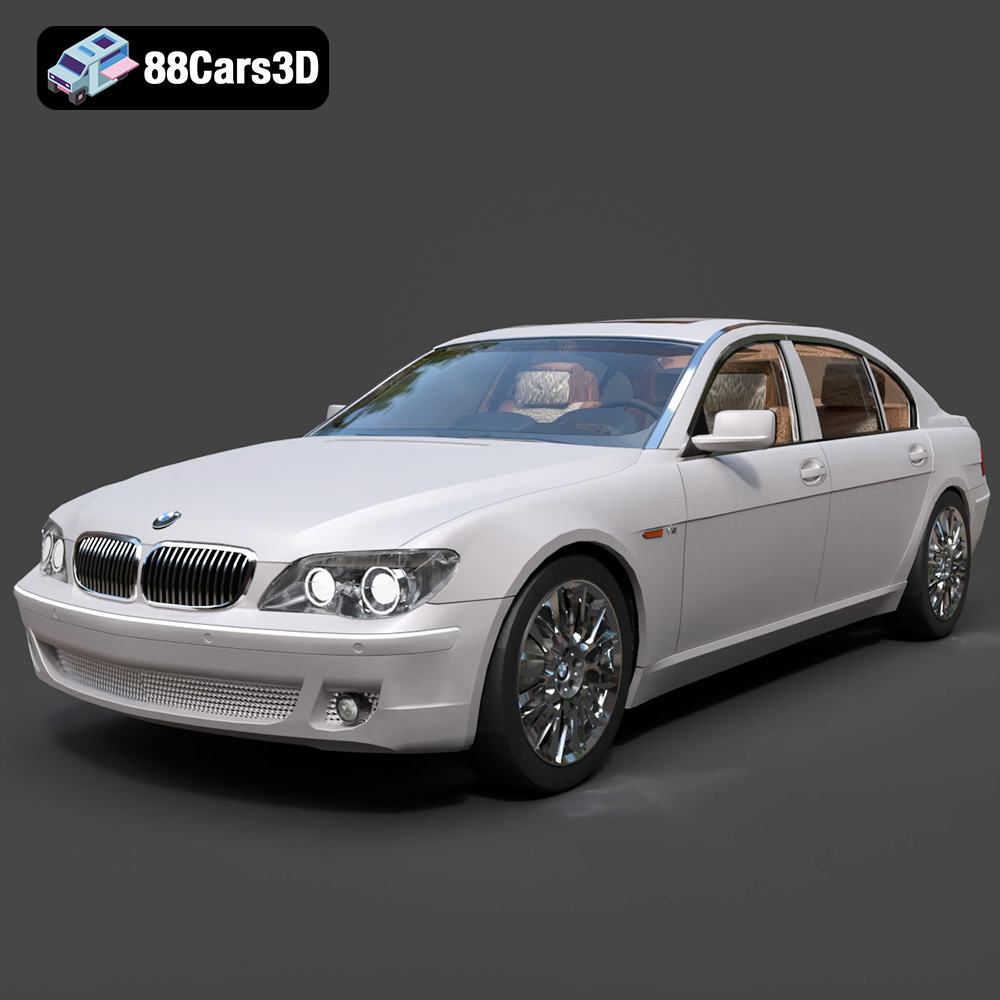
Texture: Yes
Material: Yes
Download the BMW 760Li E66 2005 3D Model featuring a detailed exterior, refined interior, and robust chassis. Includes .blend, .fbx, .obj, .glb, .stl, .ply, .unreal, and .max formats for rendering, simulation, and game development.
Price: $10.79

