⚡ FLASH SALE: Get 60% OFF All Premium 3D & STL Models! ⚡

Level design in Unreal Engine is an intricate blend of art and technical prowess, forming the very foundation upon which engaging experiences, breathtaking visualizations, and compelling narratives are built. For industries like automotive visualization and game development, where photorealism and interactive fidelity are paramount, mastering level design best practices is not just an advantage—it’s a necessity. From crafting sprawling open-world environments for racing games to designing sterile, studio-like showrooms for a car configurator, every decision impacts performance, visual quality, and user immersion. This comprehensive guide will delve deep into the technical intricacies of designing and optimizing levels within Unreal Engine, focusing particularly on workflows beneficial for showcasing high-quality 3D car models. We’ll explore everything from initial project setup and asset integration to advanced lighting, interactivity, and performance strategies, ensuring your automotive visualizations and interactive experiences are truly exceptional. By adhering to these best practices, you can unlock the full potential of Unreal Engine, transforming your creative visions into high-performing, visually stunning realities.
The journey to an optimized and visually stunning level in Unreal Engine begins long before a single mesh is placed. A well-considered project setup forms the bedrock for efficient workflows, consistent quality, and scalable performance, especially crucial when dealing with demanding assets like high-fidelity 3D car models. Neglecting these initial steps can lead to technical debt, performance bottlenecks, and a convoluted production pipeline down the line. Proper configuration ensures that your development environment is primed to handle the complexities of real-time rendering and interactive experiences, allowing artists and developers to focus on creativity rather than grappling with technical roadblocks.
Unreal Engine offers a vast array of project settings that can dramatically influence your level’s behavior and visual output. For automotive visualization and demanding game environments, several settings warrant close attention. Navigate to Edit > Project Settings to configure core elements. Under the “Engine” section, consider Rendering settings like enabling Ray Tracing if your project targets high-end hardware for photorealistic reflections and global illumination. Ensure Lumen Global Illumination and Lumen Reflections are enabled for dynamic, bounced light that beautifully interacts with metallic car surfaces. For performance-critical projects, particularly those targeting AR/VR, carefully manage Scalability Settings and consider setting default values that balance visual quality with frame rate targets. Furthermore, the selection of appropriate plugins is vital. For advanced visualization, plugins like Datasmith are indispensable for importing CAD data or complex scenes from DCC applications with proper hierarchy and materials. If you’re planning interactive elements or complex material setups, ensuring plugins like Niagara (for particle effects) or Chaos (for physics destruction) are enabled can expand your design possibilities. For virtual production, plugins like nDisplay or Switchboard are non-negotiable.
Effective asset management is the backbone of any organized Unreal Engine project. A clear folder structure, consistent naming conventions, and proper asset tagging are essential for maintaining order, especially when collaborating on large teams or working with thousands of assets. A recommended structure typically includes top-level folders such as “Maps,” “Blueprints,” “Materials,” “Meshes,” “Textures,” and “Audio.” Within “Meshes,” further sub-categorize by type, e.g., “Vehicles,” “Environment,” “Props.” When integrating high-quality 3D car models from platforms like 88cars3d.com, ensure they are placed within a dedicated and well-named folder (e.g., /Game/Meshes/Vehicles/CarName/) to maintain clarity. Utilize Unreal Engine’s Content Browser filters and collections to quickly locate assets. Establishing naming conventions (e.g., SM_ for Static Mesh, T_ for Texture, M_ for Material, BP_ for Blueprint, LVL_ for Level) dramatically improves searchability and consistency. Furthermore, consider using source control solutions like Perforce or Git LFS from day one. These tools are crucial for versioning assets, managing concurrent changes, and preventing data loss, creating a robust and collaborative development environment for your level designers.
High-quality 3D car models are the stars of automotive visualization, but their integration into Unreal Engine levels requires meticulous attention to detail and optimization. These models, often comprising millions of polygons and numerous texture sets, can quickly become performance bottlenecks if not managed correctly. The goal is to achieve stunning visual fidelity without compromising real-time performance, a delicate balance that modern Unreal Engine features are designed to help you strike. When sourcing automotive assets from marketplaces such as 88cars3d.com, you’re already starting with models designed for clean topology and realistic PBR materials, which significantly streamlines the integration process. However, further steps are often necessary to tailor them perfectly to your specific project’s needs and performance targets.
Importing your 3D car models into Unreal Engine correctly is the first critical step. The FBX format is a widely adopted standard, but USD (Universal Scene Description) is gaining significant traction, particularly for complex scenes and virtual production workflows due to its collaborative nature and rich feature set. When importing FBX, always check the settings in the Unreal Engine import dialog. Crucial options include: Combine Meshes (generally unchecked for cars to maintain individual parts), Auto Generate Collision (usually disabled for complex models like cars, favoring custom collision meshes), Generate Missing UVs (important if your model lacks lightmap UVs), and Import Materials/Textures (often useful as a starting point, but PBR materials will require further refinement). For models from 88cars3d.com, which often come pre-split and with proper UVs, you might import individual components and then assemble them into a Blueprint or a single Static Mesh Actor for easier manipulation within your level. For USD, Unreal Engine’s native USD importer supports comprehensive scene hierarchy, materials, and even animations, making it an increasingly powerful choice for automotive pipelines. Always ensure your scene’s units in your DCC software match Unreal Engine’s (centimeters by default) to avoid scale issues.
Unreal Engine’s Nanite virtualized geometry system is a game-changer for handling extremely high-polygon models, making it invaluable for integrating highly detailed 3D car models without crippling performance. Instead of traditional LODs (Levels of Detail), Nanite intelligently streams and renders only the necessary detail, allowing millions of polygons to be rendered in real-time. To enable Nanite on a static mesh, simply open the mesh editor and check the Enable Nanite box. For meshes that are part of an automotive configurator or close-up shots, Nanite ensures every rivet and surface detail is crisp. However, not all meshes are suitable for Nanite; skeletal meshes (for animated characters) and meshes with transparent materials are currently incompatible. For these, traditional LODs are still essential. Manually create or allow Unreal Engine to automatically generate LODs (LOD0 being the highest detail, LOD1, LOD2, etc., progressively lower) for meshes that won’t use Nanite. A common strategy involves setting up an LOD Group in the Static Mesh Editor, defining screen size thresholds where the engine switches between different LODs. This hybrid approach—Nanite for main vehicle components and traditional LODs for minor transparent parts or distant background elements—provides optimal performance and visual fidelity across your entire level, ensuring that your high-quality car models always look their best.
In automotive visualization, lighting and materials are not just technical details; they are the primary drivers of mood, realism, and aesthetic appeal. A beautifully designed 3D car model from 88cars3d.com can only truly shine when bathed in realistic light and rendered with authentic surface properties. Unreal Engine offers a powerful suite of tools to achieve photorealistic lighting and PBR (Physically Based Rendering) materials, allowing level designers to create environments that perfectly complement and enhance the automotive assets within them. Understanding the interplay between light sources, global illumination, and material response is fundamental to crafting immersive and believable scenes that captivate your audience.
Lumen, Unreal Engine’s real-time global illumination and reflection system, is revolutionary for achieving dynamic, cinematic lighting in levels. Unlike baked lighting, Lumen responds instantly to changes in light sources, material properties, and geometry, making it ideal for interactive experiences and virtual production. To utilize Lumen, ensure it’s enabled in your Project Settings under Rendering > Global Illumination and Reflections. In your level, strategically place light sources such as Directional Lights (for sunlight/moonlight), Sky Lights (for ambient outdoor light), Point Lights, and Spot Lights (for interior or localized illumination). For automotive showrooms, consider a combination of directional and multiple spot lights to highlight specific features of the vehicle. Adjust their intensity, color temperature, and physically accurate properties. For complex lighting setups, especially in closed environments, consider using Lightmass Portals for improved indirect lighting quality, though Lumen often reduces the need for this. Remember to fine-tune your Post Process Volume settings, specifically Exposure, Global Illumination (Lumen settings), and Reflections, to achieve the desired visual look. Lumen’s real-time nature allows for rapid iteration and creative freedom, ensuring your car models are always presented in their best light.
Physically Based Rendering (PBR) materials are essential for achieving photorealistic surfaces in Unreal Engine, faithfully simulating how light interacts with different materials in the real world. A PBR material uses several texture maps to define its properties: Albedo/Base Color (diffuse color without lighting information), Normal Map (for surface details), Metallic (how metallic the surface is), Roughness (how smooth or rough, influencing reflections), and Ambient Occlusion (AO) (for localized shadowing). When you import 3D car models from 88cars3d.com, they typically come with a full set of PBR textures, providing an excellent foundation. In the Unreal Engine Material Editor, you’ll connect these textures to the appropriate input pins of your master material. For car paint, for example, you’d want a carefully crafted material instance with exposed parameters for color, clear coat roughness/normal, and metallic properties to allow for easy customization. Utilize Material Functions to encapsulate reusable logic (e.g., car paint fresnel effects, tire tread anisotropic reflections) and create efficient, modular materials. Employ techniques like Subsurface Scattering for realistic glass and clear coat shading models for authentic paint finishes. Optimizing PBR materials involves using texture compression (e.g., DXT1/DXT5), packing multiple grayscale textures into a single RGBA map (e.g., Metallic, Roughness, AO in R, G, B channels respectively) to reduce texture sampling and memory footprint. This meticulous approach to material creation ensures your vehicles and environments possess unparalleled visual fidelity.
Beyond static beauty, a truly compelling Unreal Engine level offers interactivity and dynamic responses. For automotive visualization and game development, this translates to engaging user experiences, such as interactive car configurators, playable vehicles, or cinematic sequences with dynamic elements. Unreal Engine’s Blueprint visual scripting system empowers designers to create complex gameplay mechanics and interactive features without writing a single line of C++ code, while its robust physics engine brings realistic movement and collision to vehicles and objects within the scene. Integrating these elements elevates a mere scene into an immersive, living environment, making your 3D car models not just objects of display but integral parts of an interactive world.
Blueprint is the cornerstone of interactivity in Unreal Engine, enabling level designers to create custom logic, manipulate objects, and respond to player input. For automotive applications, Blueprint can power sophisticated car configurators, allowing users to change paint colors, wheel types, interior trims, or even open doors and trunks with the click of a button. Start by creating a Blueprint Actor (e.g., BP_CarConfigurator) that encapsulates your 3D car model. Within this Blueprint, you can use nodes like Set Static Mesh to swap out different wheel meshes or Set Material to apply different paint materials. For a configurator, create UI Widgets using the UMG (Unreal Motion Graphics) Editor, which interact with your car Blueprint. For instance, a button click in the UI could trigger a custom event in your car Blueprint that cycles through available paint colors. Beyond configurators, Blueprint can also drive interactive showroom elements like automatic sliding doors, revolving platforms, or dynamic camera movements. For example, a simple Event BeginPlay node could trigger a Timeline to smoothly rotate a car on a display stand. You can also implement player-triggered events using Collision Overlaps to trigger animations or visual effects when the player approaches a specific area. The possibilities are vast, limited only by your imagination and understanding of the Blueprint system.
For playable vehicles or realistic simulations, integrating Unreal Engine’s physics system is paramount. The Chaos Physics Engine, the default physics solution in modern Unreal Engine versions, provides robust and scalable real-time physics. For vehicle dynamics, Unreal Engine offers the Chaos Vehicle Plugin. To implement a drivable vehicle, you typically start with a Vehicle Blueprint, based on WheeledVehiclePawn. This Blueprint integrates a Skeletal Mesh (your car model, often a simplified version for physics) and a Chaos Vehicle Movement Component. This component handles the complex calculations for wheels, suspension, engine, and transmission. You’ll need to configure parameters such as wheel radius, suspension stiffness, damping, and camber. The engine’s torque curve, gearing ratios, and differential type also need careful calibration to simulate realistic acceleration and speed. For collision, instead of complex mesh collision, simplified Box or Sphere collision primitives are typically used for vehicle bodies and wheels to improve performance while maintaining accuracy. For environmental objects, ensure they have appropriate collision setups (e.g., complex collision for detailed props, simple collision for background elements) so the vehicle interacts realistically. Blueprint can then be used to connect player input (throttle, steering, brake) to the Chaos Vehicle Movement Component, bringing your 3D car model to life as a fully drivable asset within your level. This integration of Blueprint and physics allows for a truly dynamic and engaging automotive experience.
Optimizing an Unreal Engine level for performance and scalability is a continuous process, not a one-time task. This is particularly crucial for complex environments featuring high-fidelity 3D car models and real-time lighting, as these can quickly strain system resources. Whether your target platform is high-end PCs, AR/VR headsets, or even mobile devices, a well-optimized level ensures smooth frame rates, responsive interactions, and an enjoyable user experience. Achieving this balance requires a deep understanding of Unreal Engine’s optimization tools and a proactive approach to identifying and addressing bottlenecks throughout the development cycle. Ignoring optimization can lead to frustrated users and limitations on your project’s reach.
Efficiently managing what the engine renders at any given time is fundamental to performance. Unreal Engine offers several powerful culling and streaming techniques. Frustum Culling automatically prevents objects outside the camera’s view frustum from rendering, but you can enhance this with Occlusion Culling. For static meshes, ensure Affect Distance Field Lighting and Can Character Step On are appropriately set, as they influence culling. Leverage Unreal Engine’s HLOD (Hierarchical Level of Detail) system for large open-world levels. HLODs merge and simplify distant clusters of meshes into single, low-polygon proxies, drastically reducing draw calls and rendering complexity. Configure HLOD volumes and generate clusters from the World Partition window (or World Settings for older workflows) to create an optimized distant view. Level Streaming is another indispensable tool for large levels, allowing you to load and unload portions of your environment dynamically. Instead of loading an entire massive level at once, you can stream in specific sub-levels (e.g., “CityCenter_Stream,” “Outskirts_Stream”) as the player approaches them. This conserves memory and processing power. Implement Streaming Volumes to trigger automatic loading/unloading based on player proximity, or use Blueprint to manage streaming manually for specific events. For automotive configurators, you might stream in different interior or exterior environments based on user selection, ensuring only relevant assets are loaded. Regular use of the Stat GPU, Stat RHI, and Stat Unit console commands will help profile your level and identify areas where culling and streaming can provide the most benefit.
Designing levels for AR/VR and virtual production introduces unique optimization and workflow challenges. For AR/VR, maintaining a rock-solid 90+ frames per second (or even higher for some headsets) is critical to prevent motion sickness. This demands aggressive optimization. Reduce polygon counts (even with Nanite, try to keep base meshes clean), minimize overdraw by limiting complex transparent materials, and be judicious with real-time lighting features like Lumen. While Lumen is powerful, its performance impact can be significant in VR; consider using a hybrid approach with some baked lighting for static elements and real-time for dynamic objects. Implement strict LODs for all assets, especially UI elements, as they are often closer to the viewer. Batching similar meshes and reducing draw calls are key. For virtual production, where levels are often rendered onto large LED walls, resolution requirements are astronomical (e.g., 4K per tile across dozens of tiles). This necessitates highly optimized assets, efficient lighting, and specific workflows like using nDisplay. Virtual production levels benefit from careful content budgeting, leveraging instance meshes, and optimizing every material. Consider the concept of “in-camera” versus “out-of-camera” content; only content visible to the real-world camera needs to be rendered at full fidelity, while off-screen portions can be aggressively culled or simplified. Both AR/VR and virtual production push the limits of real-time rendering, requiring level designers to be acutely aware of performance metrics and to continually optimize their scenes to deliver the highest quality within the target hardware’s constraints.
Unreal Engine isn’t just for games; it’s a powerful tool for cinematic storytelling and advanced real-time visualization, particularly impactful for showcasing 3D car models in compelling ways. From high-end marketing renders to virtual film production, the engine provides a comprehensive suite of tools to craft stunning visual narratives and interactive experiences. Level design in this context extends beyond mere spatial arrangement to encompass camera choreography, dynamic scene changes, and the integration of sophisticated visual effects. Mastering these techniques transforms your level into a dynamic canvas for storytelling, allowing your automotive assets to truly captivate an audience.
Sequencer is Unreal Engine’s non-linear cinematic editor, allowing you to create complex cinematic sequences, animations, and even interactive cutscenes directly within your level. For automotive visualization, Sequencer is invaluable for producing high-quality commercials, product reveals, or animated walk-throughs of a vehicle’s features. Start by adding a Level Sequence to your level (from the Cinematics menu). Within Sequencer, you can track virtually any property of an Actor in your level: camera positions and rotations (using a Cine Camera Actor), static mesh transforms (for animated doors or suspension), material parameters (for dynamic paint color changes), and even light intensities. Keyframe these properties over time to create smooth animations. For vehicle animations, you can import complex skeletal mesh animations or animate individual components. Integrate particle effects (Niagara systems for smoke, dust, or rain) and sound cues to enhance the realism. One powerful technique is to use Take Recorder to capture live gameplay or Blueprint interactions into a Level Sequence, providing a quick way to generate complex animations. For a virtual showroom, you might use Sequencer to create a dynamic camera path that slowly orbits your 3D car model, highlighting its design lines and reflections, then cuts to an interior shot, animating the dashboard screens and seats. The ability to precisely control every aspect of a scene over time makes Sequencer an indispensable tool for elevating your automotive showcases beyond static images.
Virtual Production (VP), particularly with LED walls, represents the cutting edge of real-time cinematic and broadcast content creation. Level design for this workflow is highly specialized, demanding meticulous planning and technical execution. The core concept is to render a realistic 3D environment in Unreal Engine and display it on large LED screens that encircle a physical stage. This creates a seamless virtual background that reacts dynamically to camera movement, eliminating the need for green screens and complex compositing. When designing a level for LED walls, consider the perspective; the environment must extend far beyond the physical stage to account for the camera’s field of view and parallax. Assets, including your 3D car models from 88cars3d.com, must be incredibly detailed and optimized, as they will be rendered at immense resolutions across multiple LED panels. The use of nDisplay is fundamental, as it manages the rendering across multiple viewports and syncs them precisely. Lighting is also critical; ensure that the virtual lights within your Unreal Engine level closely match the physical lights on set to achieve seamless integration. Real-time ray tracing (if hardware permits) can significantly enhance realism for reflections on car surfaces. Furthermore, the ability to make live changes to the virtual environment—swapping out backgrounds, adjusting time of day, or modifying props—during a shoot is a key advantage of VP. Level designers can expose critical parameters via Blueprint or Blueprint Remote Control, allowing directors and cinematographers to interactively adjust the environment on the fly. This dynamic capability transforms the level from a static backdrop into a living, responsive stage, providing unparalleled creative flexibility for showcasing automotive excellence.
Mastering level design in Unreal Engine is an ongoing journey that merges artistic vision with technical proficiency, particularly when working with high-quality automotive assets. From the foundational steps of project setup and efficient asset management to the sophisticated interplay of Lumen lighting, PBR materials, and Blueprint interactivity, every decision contributes to the final immersive experience. We’ve explored how features like Nanite and LODs can optimize visual fidelity, while advanced techniques in Sequencer and virtual production workflows unlock new frontiers for cinematic storytelling and real-time visualization. The strategic integration of high-fidelity 3D car models, such as those available on 88cars3d.com, alongside these best practices, ensures that your projects not only look stunning but also perform flawlessly across diverse platforms and applications. By embracing a systematic approach to optimization, leveraging Unreal Engine’s powerful tools, and continuously refining your design sensibilities, you can create levels that truly captivate and engage. Dive in, experiment with these techniques, and unleash the full potential of Unreal Engine to bring your automotive visions to life.
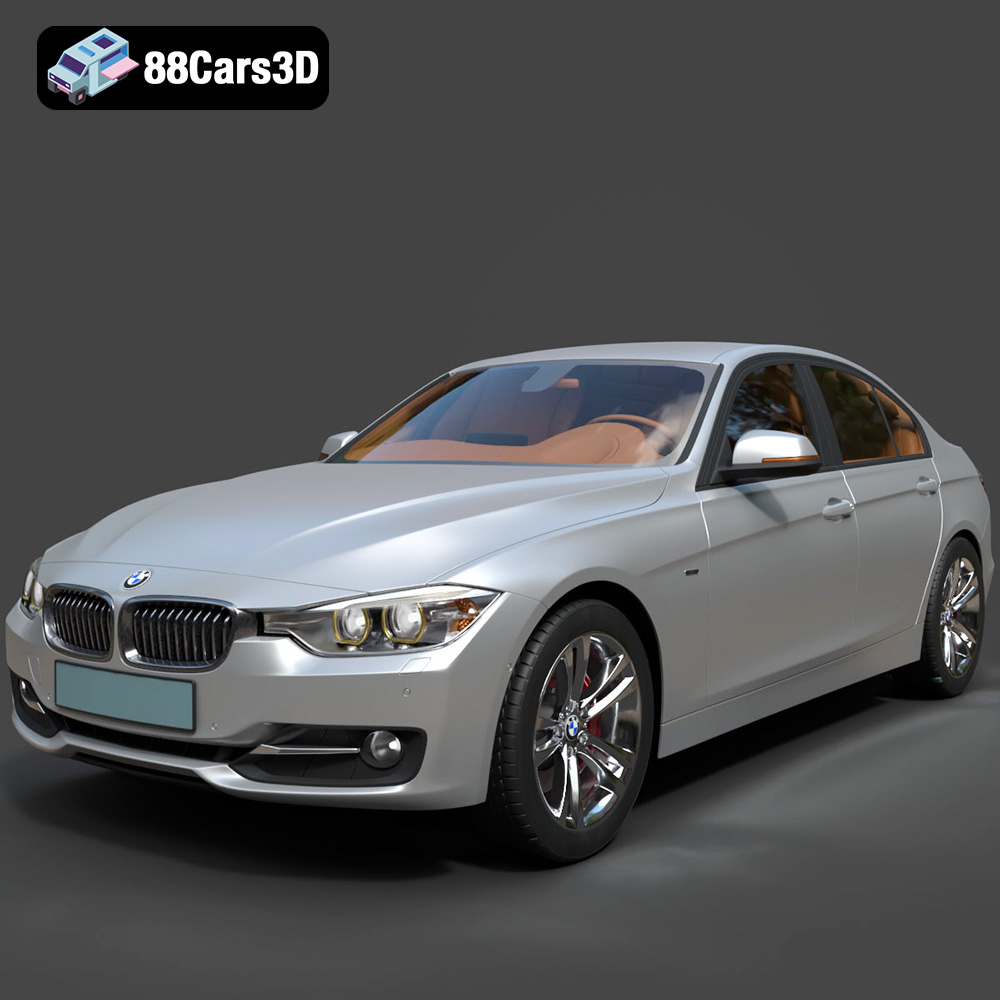
Texture: Yes
Material: Yes
Download the BMW 3 F30 3D Model featuring a detailed exterior, realistic interior, and optimized mesh. Includes .blend, .fbx, .obj, .glb, .stl, .ply, .unreal, and .max formats for rendering, simulation, and game development.
Price: $10.79
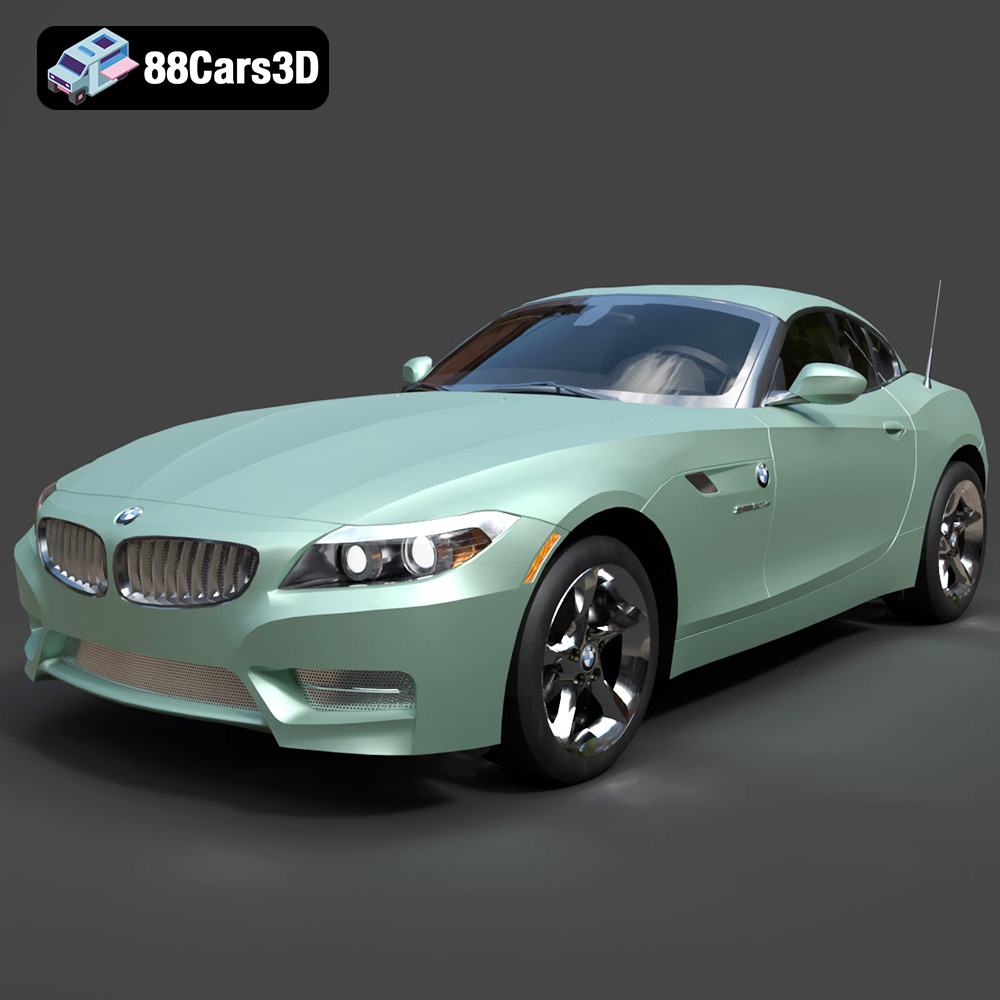
Texture: Yes
Material: Yes
Download the BMW Z4 Roadster E89 3D Model featuring clean geometry, realistic detailing, and a fully modeled interior. Includes .blend, .fbx, .obj, .glb, .stl, .ply, .unreal, and .max formats for rendering, simulation, and game development.
Price: $13.99

Texture: Yes
Material: Yes
Download the BMW Z4 E85 3D Model featuring clean geometry, realistic detailing, and a fully modeled interior. Includes .blend, .fbx, .obj, .glb, .stl, .ply, .unreal, and .max formats for rendering, simulation, and game development.
Price: $13.99

Texture: Yes
Material: Yes
Download the BMW M3 2024 3D Model featuring clean geometry, realistic detailing, and a fully modeled interior. Includes .blend, .fbx, .obj, .glb, .stl, .ply, .unreal, and .max formats for rendering, simulation, and game development.
Price: $13.99
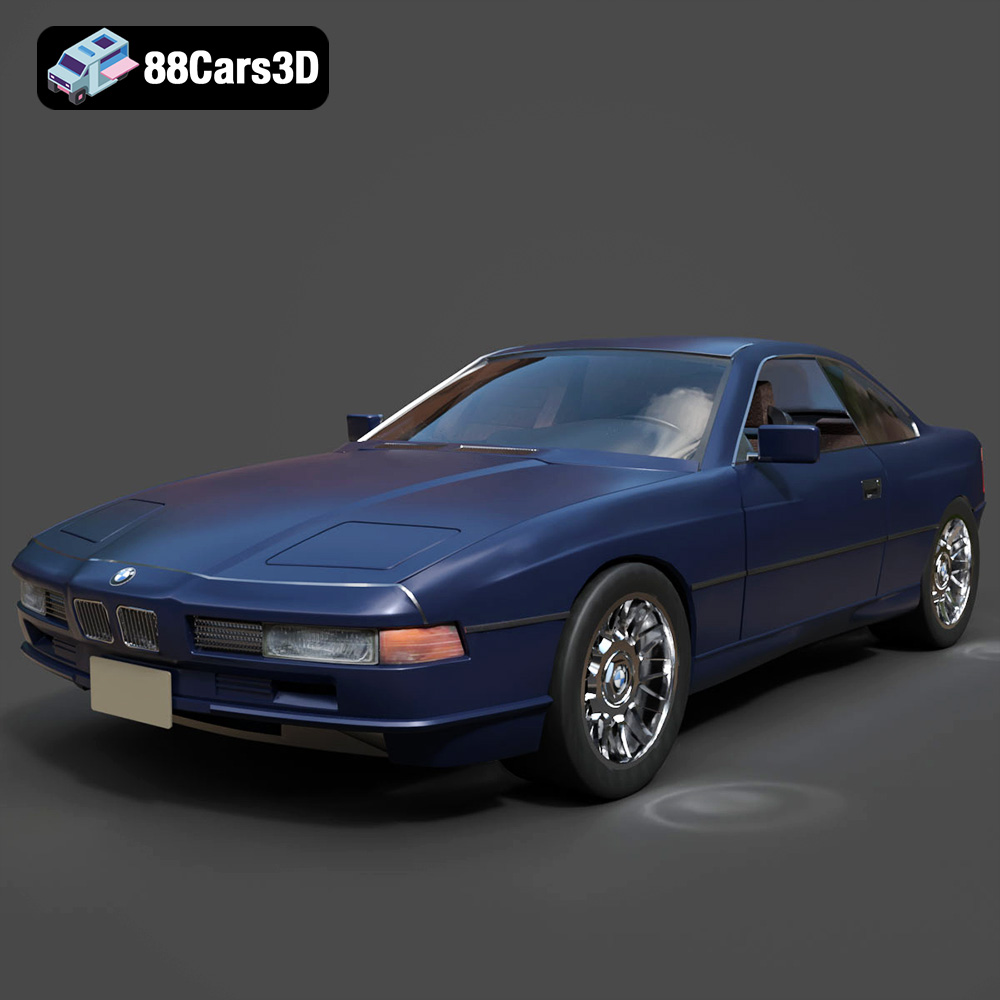
Texture: Yes
Material: Yes
Download the BMW 850i Coupe 1990 3D Model featuring clean geometry, realistic detailing, and a fully modeled interior. Includes .blend, .fbx, .obj, .glb, .stl, .ply, .unreal, and .max formats for rendering, simulation, and game development.
Price: $13.99
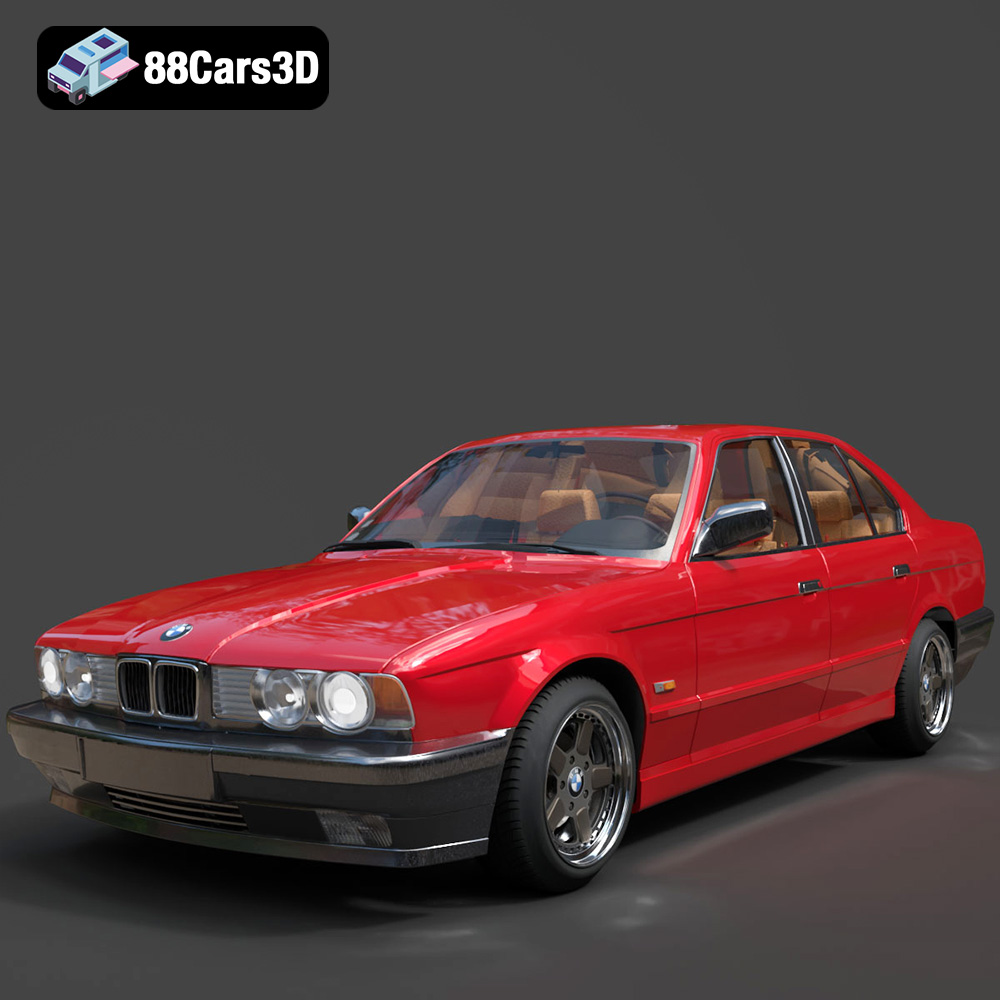
Texture: Yes
Material: Yes
Download the BMW 525i E34 1993 3D Model featuring clean geometry, realistic detailing, and a fully modeled interior. Includes .blend, .fbx, .obj, .glb, .stl, .ply, .unreal, and .max formats for rendering, simulation, and game development.
Price: $12.99

Texture: Yes
Material: Yes
Download the BMW 7 Series 2016 3D Model featuring luxurious design, detailed interior, and accurate exterior. Includes .blend, .fbx, .obj, .glb, .stl, .ply, .unreal, and .max formats for rendering, simulation, and game development.
Price: $10.79
Texture: Yes
Material: Yes
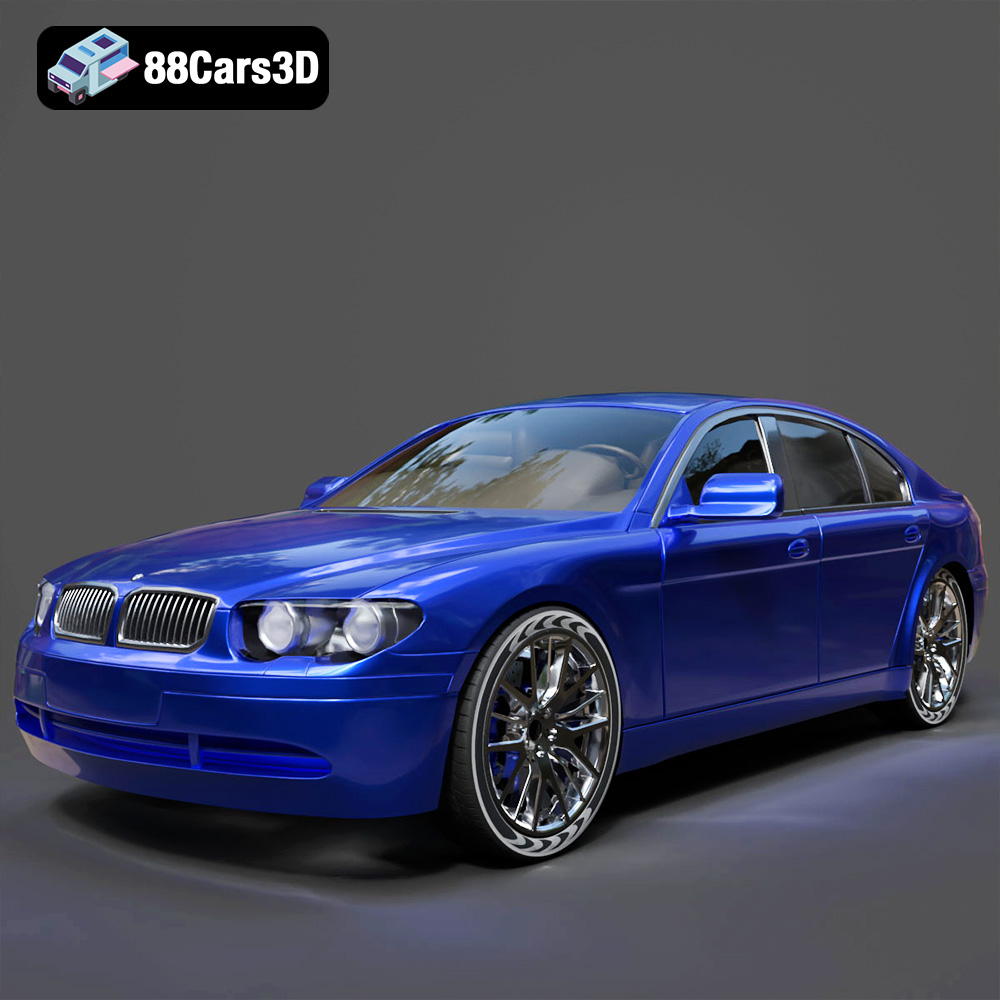
Download the BMW 7 Series 30th Anniversary 3D Model featuring a meticulously crafted exterior, detailed interior, and realistic wheels. Includes .blend, .fbx, .obj, .glb, .stl, .ply, .unreal, and .max formats for rendering, simulation, and game development.
Price: $35.79

Texture: Yes
Material: Yes
Download the BMW 7-Series F02 3D Model featuring a detailed exterior and interior, optimized for rendering and animation. Includes .blend, .fbx, .obj, .glb, .stl, .ply, .unreal, and .max formats for rendering, simulation, and game development.
Price: $10.79
Texture: Yes
Material: Yes
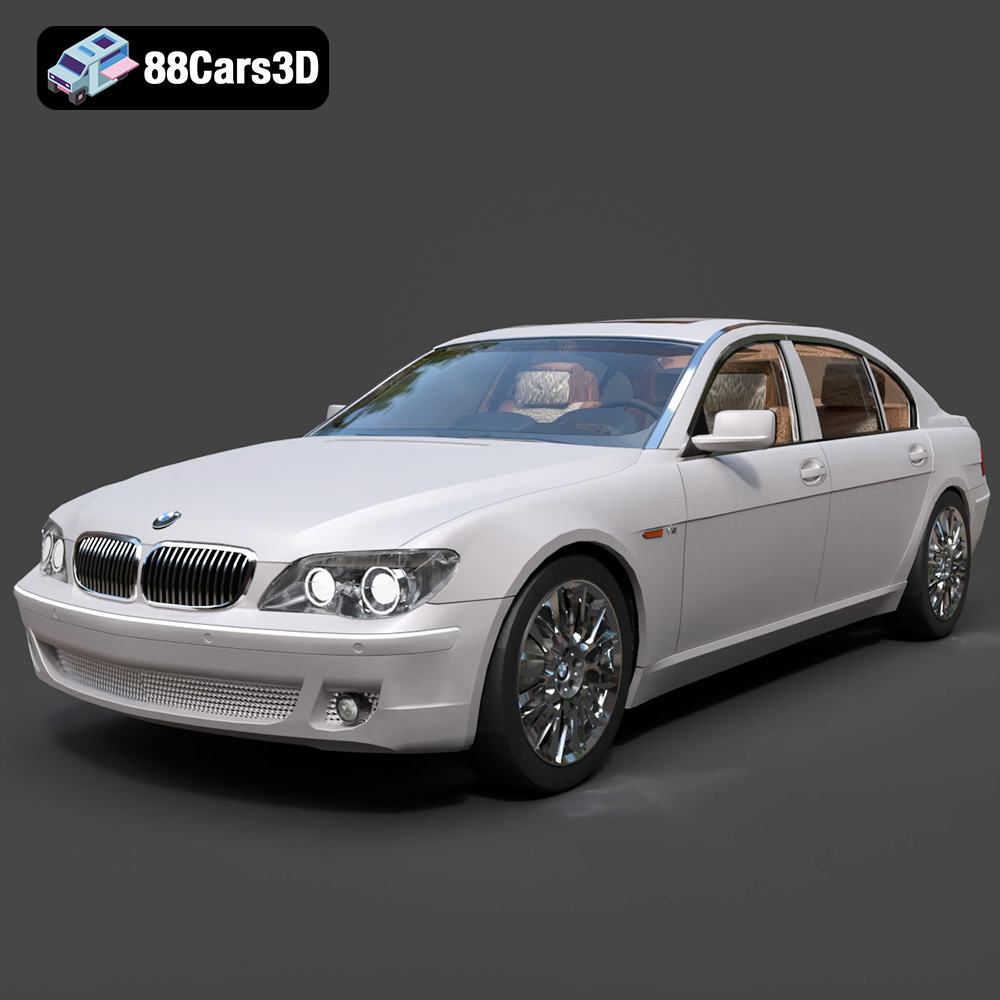
Download the BMW 760Li E66 2005 3D Model featuring a detailed exterior, refined interior, and robust chassis. Includes .blend, .fbx, .obj, .glb, .stl, .ply, .unreal, and .max formats for rendering, simulation, and game development.
Price: $10.79

