Mastering Realistic Glass and Chrome: An In-Depth Guide for Automotive 3D Artists
In the demanding world of automotive 3D visualization, the difference between a good render and an exceptional one often hinges on the fidelity of its materials. While intricate bodywork and precise modeling lay the foundation, it’s the realistic portrayal of surfaces like glass and chrome that truly brings a vehicle to life, imbuing it with a sense of tangibility and allure. These materials, with their complex interactions with light—reflecting, refracting, and even dispersing it—present unique challenges for 3D artists. Achieving photorealistic results requires not just an artistic eye, but a deep understanding of physics-based rendering (PBR) principles and meticulous attention to detail in material setup, lighting, and rendering.
This comprehensive guide will take you on a deep dive into the technical intricacies of crafting immaculate glass and chrome for your 3D car models. We’ll explore the underlying PBR theories, walk through step-by-step material creation workflows in popular DCC (Digital Content Creation) software, delve into advanced rendering techniques, and discuss crucial optimization strategies for both offline renders and real-time applications. Whether you’re a seasoned professional looking to refine your craft or an aspiring artist aiming to elevate your portfolio, mastering these challenging surfaces is paramount. Prepare to unlock the secrets behind breathtaking automotive renders and elevate the realism of your projects, ensuring your models stand out, much like the high-quality assets found on platforms like 88cars3d.com.
The Science of Realism: Understanding PBR for Reflective and Refractive Surfaces
At the heart of modern 3D rendering lies Physical Based Rendering (PBR), a methodology that simulates how light interacts with surfaces based on real-world physics. This approach ensures materials behave predictably and consistently under various lighting conditions, leading to more believable and aesthetically pleasing results. For highly reflective and refractive surfaces like chrome and glass, a solid grasp of PBR is non-negotiable. It dictates how light is absorbed, reflected, and transmitted, and how artists control these properties through various texture maps.
Core PBR Principles: Albedo, Metallic, Roughness, Normal, and IOR
PBR workflows typically revolve around a set of key texture maps and parameters. The Albedo (or Base Color) map defines the diffuse color of a non-metallic surface or the specular color of a metallic surface. For chrome, which is purely metallic, the Base Color will typically be a bright grey or white, representing the color of its reflections. The Metallic map is a grayscale map where white (1) indicates a metallic surface and black (0) indicates a dielectric (non-metallic) surface. For chrome, this value is always 1. The Roughness map (sometimes called Glossiness, where it’s inverted) controls the microscopic surface imperfections that scatter light. A value of 0 (black) indicates a perfectly smooth, mirror-like surface, while 1 (white) indicates a completely diffuse, rough surface. Chrome, being highly reflective, will have a very low roughness value (typically 0.0-0.05). The Normal map adds fine surface details by manipulating how light is reflected, creating the illusion of bumps and grooves without adding actual geometry. For glass, the Index of Refraction (IOR) is a critical parameter, defining how much light bends when passing through the material.
The Physics of Light: Reflection, Refraction, and Fresnel
Understanding how light behaves is crucial for creating realistic materials. Reflection is the bouncing of light off a surface. For chrome, reflections are paramount, requiring a completely smooth surface for sharp, mirror-like results. Refraction is the bending of light as it passes through a transparent material, such as glass. The degree of bending is determined by the material’s IOR. Car glass typically has an IOR of around 1.55. Another critical physical phenomenon is the Fresnel effect, which describes how the reflectivity of a surface changes with the viewing angle. Surfaces become more reflective when viewed at glancing angles (like looking across a window pane) and less reflective when viewed head-on. PBR shaders inherently calculate this effect, but understanding its visual impact is key for fine-tuning your materials. For both glass and chrome, the Fresnel effect is prominently visible, making edges and glancing angles appear brighter and more reflective.
Crafting Immaculate Chrome: A Step-by-Step Material Workflow
Chrome is the epitome of reflective elegance in automotive design, and achieving its distinctive gleam requires precision in material setup. Its mirror-like quality makes it highly susceptible to imperfections and sensitive to its surrounding environment. A strong understanding of PBR metallic workflows is essential to get the desired photorealistic results across various rendering engines and real-time platforms.
Base Chrome Setup in DCC Software (3ds Max, Blender, Maya)
The foundation of a good chrome material is remarkably simple in a PBR metallic workflow. In most DCC software like 3ds Max (using Physical Material or Corona/V-Ray materials), Blender (with its Principled BSDF shader, see Blender 4.4 documentation on Principled BSDF), or Maya (Arnold Standard Surface), you’ll primarily adjust three parameters:
- Metallic: Set this to 1.0 (pure white). This tells the renderer that the surface is a conductor, not a dielectric.
- Roughness: Set this to a very low value, typically between 0.0 (perfectly smooth mirror) and 0.05 (slightly imperfect, brand-new chrome). The exact value depends on the desired level of pristine polish.
- Base Color (Albedo): For pure chrome, this should be a bright grey, often a value close to RGB 230, 230, 230, or simply white. This color doesn’t represent a diffuse reflection but rather the tint of the metal’s specular reflection.
If you’re working with a specular/glossiness workflow (less common in modern PBR but still present in some legacy setups), the diffuse color would be black, the specular color white, and glossiness very high. However, the metallic workflow is generally more intuitive and physically accurate for metals. For perfectly smooth, new chrome, these settings alone will create a powerful mirror effect. Experiment with slight roughness variations to simulate different levels of polish, from showroom shine to mildly worn surfaces.
Adding Imperfections: Scratches, Fingerprints, and Anisotropy
While a perfectly smooth chrome material is a good starting point, true realism comes from subtle imperfections that tell a story about the surface. Even the most polished chrome isn’t absolutely flawless.
- Roughness Maps: To introduce minor scratches, smudges, or dust, connect a grayscale texture map to the Roughness input. Darker areas will remain smooth and reflective, while lighter areas will scatter light, appearing duller. These maps can be subtle noise patterns, grunge textures, or hand-painted details.
- Normal Maps: For very fine, almost invisible surface details like microscopic scratches or a subtle manufacturing grain, a Normal map can be used. This will slightly alter the direction of reflected light without adding geometry, adding depth and realism.
- Anisotropy: Brushed metal effects, common on certain car trim pieces, require an anisotropic shader. This effect occurs when microscopic grooves on a surface cause reflections to stretch in a particular direction. Most PBR shaders include an “Anisotropy” parameter and an “Anisotropy Rotation” map. You’ll typically set the anisotropy value and then use a texture map (or procedural gradient) to control the direction of the brushing, ensuring it follows the flow of the geometry. This technique is especially powerful for replicating things like aluminum trim or specific chrome finishes.
Creating these detailed maps often involves tools like Substance Painter, which allows for procedural generation and precise layering of surface effects, or by layering textures and masks in image editing software. The key is subtlety; even barely visible imperfections significantly enhance realism.
Forging Flawless Glass: Transparency, Refraction, and Dispersion
Glass is arguably one of the most challenging materials to render convincingly due to its complex interplay with light. It not only reflects its environment but also allows light to pass through, bending it (refraction) and sometimes even splitting it into its constituent colors (dispersion). Automotive glass, with its subtle tints and varying thicknesses, adds another layer of complexity.
Essential Glass Shader Parameters (3ds Max, Blender, Maya)
To create a believable glass material, particularly for car windows, you’ll primarily manipulate a few core PBR parameters in your chosen DCC software:
In Blender, the Glass BSDF shader (see Blender 4.4 documentation on Glass BSDF) is specifically designed for this, offering IOR and color controls. For more advanced setups, combining a Principled BSDF with increased Transmission might offer greater flexibility in some engines.
Advanced Glass Effects: Caustics, Dispersion, and Layered Materials
For high-end, detailed renders, pushing beyond basic transparency and refraction can add another layer of realism:
- Caustics: These are light patterns created by the focusing of light after reflection or refraction through a curved surface (e.g., light patterns under water, or dazzling light refracted through a lens). While visually stunning, caustics are computationally expensive and often disabled by default in renderers. Enabling them can significantly increase render times but adds an incredible layer of physical accuracy, especially for scenes involving direct sunlight or strong point lights interacting with glass.
- Chromatic Dispersion: This effect, often simply called “dispersion,” causes light to split into its spectral colors as it passes through a refractive object, much like a prism. It’s subtle in most glass but visible in extreme cases or at specific angles, adding a touch of optical realism. Some advanced glass shaders offer a “Dispersion” or “Abbe Number” parameter. Lower Abbe numbers result in more noticeable dispersion.
- Layered Materials: Realistic automotive glass isn’t always pristine. You might want to simulate dirt, water droplets, or fog on the surface. This is achieved by layering materials using blend masks. For instance, a base clear glass material can be combined with a slightly rougher, tinted material for dirt using a procedural noise map or a painted texture as a mask. Similarly, a separate material for rain droplets, complete with their own IOR and small imperfections, can be blended on top. This modular approach allows for complex, dynamic surfaces without overcomplicating the base shader.
Remember that caustics and dispersion are often features reserved for offline renderers due to their computational cost; real-time engines typically use approximations or screen-space effects.
Lighting & Environment: The Canvas for Reflective and Refractive Materials
Even the most perfectly crafted glass and chrome materials will fall flat without an appropriate lighting setup. For highly reflective and refractive surfaces, the environment and light sources are not just illuminators; they are integral parts of the material’s appearance. What glass and chrome reflect and refract is what defines their visual realism.
HDRI for Realistic Reflections
High Dynamic Range Images (HDRIs) are the cornerstone of modern lighting for PBR materials, especially for reflective and refractive surfaces. An HDRI is a 360-degree panoramic image that captures the full range of light intensities from a real-world environment.
- Importance: HDRIs provide natural, complex lighting and, crucially, realistic reflections for your chrome and glass. They automatically project a detailed environment onto your surfaces, eliminating the need for complex manual reflection setups.
- Selection: Choose an HDRI that complements your scene’s narrative. An indoor studio HDRI with softboxes will yield different results than an outdoor sunny desert HDRI. For automotive renders, studio HDRIs with strategically placed light sources are popular for showcasing contours, while outdoor HDRIs provide environmental context.
- Control: Most DCC software allows you to control the intensity, rotation, and sometimes even the blur of the HDRI. Rotating the HDRI can dramatically change how reflections fall across your car’s surfaces, allowing you to fine-tune specular highlights on chrome and the clarity of objects seen through glass.
Always use high-resolution HDRIs (8K, 16K, or even 32K) for automotive renders to ensure sharp, detailed reflections. Low-resolution HDRIs will result in pixelated or blurry reflections, compromising realism.
Complementary Lighting Setups (Area Lights, Spotlights)
While HDRIs provide global illumination and environment reflections, additional lights are often necessary to emphasize specific details, create dramatic highlights, or sculpt the form of the vehicle.
- Area Lights: Large, soft area lights can simulate studio softboxes, creating elegant, elongated reflections on chrome surfaces that highlight the car’s curves. They are excellent for subtle fill lighting and general illumination. Positioning them strategically to catch edges and contours is key.
- Spotlights: Focused spotlights can create sharp, intense specular highlights on chrome, drawing the eye to specific design elements. They can also be used to simulate sunlight or specific light sources within a scene. Be mindful of their intensity to avoid blowing out reflections.
- Three-Point Lighting Principles: Even with HDRIs, the classic three-point lighting setup (key, fill, back/rim light) remains relevant. A strong key light can define the main form, a softer fill light reduces harsh shadows, and a rim light from behind can create a beautiful separation between the car and its background, especially effective on chrome edges.
- Light Blockers & Reflectors: In a virtual studio environment, consider using virtual light blockers (simple planes blocking light) or reflectors (planes with a white emissive material) to shape reflections or bounce light subtly onto challenging areas like under the car’s chassis.
The synergy between a high-quality HDRI and carefully placed artificial lights is what ultimately elevates automotive renders, making both glass and chrome materials truly shine and interact believably with their surroundings.
Rendering and Post-Processing for Polish
The rendering phase is where all your hard work on modeling, texturing, and lighting comes to fruition. For glass and chrome, specific renderer settings and subsequent post-processing steps are crucial to achieve that final, highly polished look that automotive visualizations demand.
Rendering Engine Specifics (Corona, V-Ray, Cycles, Arnold)
Each renderer has its nuances, but the core principles for glass and chrome remain consistent. The primary goal is to resolve noise (graininess) in reflections and refractions while keeping render times manageable.
- Samples/Subdivisions: Increase global samples or specific material/light samples. Glass and chrome, especially with caustics or dispersion, require more samples to render cleanly. For example, in V-Ray, you might need to increase reflection/refraction subdivisions on your materials or adjust the noise threshold. In Cycles (Blender), increasing “Render Samples” significantly, especially for “Max Bounces” and “Transmission Bounces,” is necessary. The Blender 4.4 documentation on rendering settings provides detailed guidance on optimizing samples and bounces for various scenarios.
- Bounces: Ensure your render settings allow for a sufficient number of reflection and refraction bounces. Too few bounces will make reflections appear flat or black in complex setups. Aim for at least 6-8 reflection and 8-12 refraction bounces for realistic results.
- Denoising: Modern renderers like Corona, V-Ray, Cycles, and Arnold offer powerful denoisers (e.g., NVIDIA OptiX, Intel Open Image Denoise). These tools can dramatically reduce render times by cleaning up noise in images with fewer samples. While effective, excessive denoising can sometimes soften fine details, so use it judiciously, especially on sharp chrome reflections.
- Render Passes (AOV’s): For compositing, render passes are invaluable. Output separate passes for reflections, refractions, diffuse, specular, and potentially a Z-depth pass. This gives you granular control in post-production to tweak individual elements without re-rendering the entire image. For instance, adjusting the intensity of reflections or adding a subtle blur to refractions can be done much more efficiently with passes.
Always perform test renders with lower settings to identify issues before committing to a final, high-resolution render. Optimize your scene by hiding unnecessary geometry or reducing texture resolutions for these test passes.
Post-Processing in Photoshop/Affinity Photo
Post-processing is the final polish that elevates a good render to an outstanding one. It’s where you can inject artistic flair and correct minor imperfections that might have slipped through the rendering process.
- Color Grading and Contrast: Adjust overall color balance, saturation, and contrast to make your car pop. Use curves and levels to fine-tune the dynamic range, making whites brighter and blacks deeper, which is especially impactful on chrome.
- Glare and Lens Flares: Subtly adding glare effects to bright reflections on chrome and glass can simulate camera optics and enhance realism. Many image editing software have dedicated filters or plugins for this. Overuse, however, can quickly make the image look artificial.
- Depth of Field (DOF): If not rendered directly, a shallow depth of field can be added in post using a Z-depth pass. This helps focus the viewer’s eye on the car and adds a photographic quality.
- Sharpening and Noise Reduction: Apply a subtle sharpening filter to enhance the crispness of details, particularly on chrome edges and within reflections. If any noise remains after denoising, a global noise reduction pass can be applied carefully.
- Vignetting and Chromatic Aberration: These subtle photographic effects can add a touch of realism. A slight vignette (darkening of image corners) can draw attention to the center, while minimal chromatic aberration (color fringing at high-contrast edges) can mimic lens imperfections. Use sparingly to avoid an over-processed look.
The goal of post-processing is to enhance, not to fix fundamental rendering issues. A strong raw render provides the best starting point for a stunning final image.
Optimization for Game Engines & Real-time Applications
Creating photorealistic chrome and glass for offline rendering is one challenge; adapting them for real-time environments like Unity or Unreal Engine, where performance is paramount, is another. While the PBR principles remain, the implementation requires significant compromises and clever optimizations to maintain interactive frame rates.
Real-time Chrome and Glass in Unity/Unreal Engine
Directly translating complex offline shaders to real-time can be prohibitively expensive. Real-time engines rely on approximations and clever tricks:
- Chrome:
- Reflection Probes: Instead of full ray-traced reflections, real-time engines use Reflection Probes. These capture the environment from a specific point and project it onto nearby objects. Strategically place multiple probes around your car for varied, localized reflections.
- Screen Space Reflections (SSR): SSR provides dynamic reflections based on what’s currently visible on screen. It’s a good performance-friendly option but has limitations (e.g., objects off-screen won’t reflect). Combine SSR with reflection probes for comprehensive reflections.
- Simplified Materials: Keep your chrome PBR material as simple as possible: Metallic=1, very low Roughness, and a bright Base Color. Avoid complex normal maps for subtle imperfections if they don’t significantly impact visual quality for the target platform.
- Glass:
- Translucent vs. Masked Blend Modes: Full transparency (translucency) is very expensive in real-time and causes sorting issues. For car windows, a Masked blend mode with a finely dithered alpha (for fake transparency) or a partially transparent texture is often preferred for performance. True Translucent materials should be used sparingly and optimized with features like refraction approximations, tinted fog, or simplified lighting calculations.
- Faked Refraction: Real-time refraction is costly. Engines often fake it by distorting the screen behind the glass, using a simple normal map to drive the distortion. This gives the illusion of bending light without complex ray tracing.
- Thin Glass vs. Thick Glass: For real-time, sometimes single-plane glass with a back-face culling enabled material is used for performance, despite being less physically accurate. If using thick glass, ensure the inner faces are handled correctly by the shader to avoid rendering artifacts.
Always profile your materials in the target engine to identify bottlenecks and optimize accordingly.
LODs and Performance for Automotive Assets
Performance optimization for automotive assets goes beyond just materials; it involves the entire model pipeline.
- Levels of Detail (LODs): Create multiple versions of your car model, each with decreasing polygon counts and simplified materials. For example, distant LODs might have no interior, single-plane glass, and simplified chrome without detailed roughness maps. This significantly reduces polygon count and draw calls when the car is far from the camera.
- Texture Atlasing: Combine multiple smaller textures (e.g., various chrome trim textures) into a single, larger atlas. This reduces the number of texture calls, improving rendering performance. Ensure all textures for a single material are packed into one atlas where possible.
- Draw Call Reduction: Group objects that share the same material to reduce draw calls. For example, all chrome trim pieces on a car should ideally use the same chrome material instance. When sourcing models from marketplaces such as 88cars3d.com, pay attention to how assets are structured; well-optimized models will already have these considerations baked in.
- Material Instancing: Utilize material instances in game engines. Instead of creating a new material for every slight variation (e.g., slightly darker chrome), create a base material and then derive instances, allowing you to tweak parameters like color or roughness without creating entirely new shaders.
- Optimized Mesh Topology: Ensure your base mesh has clean topology and is optimized for real-time. Remove hidden faces, collapse unnecessary edges, and ensure efficient UV layouts. High-quality 3D car models often boast clean topology, which is a great starting point for game optimization.
Thorough testing on your target hardware and platform is crucial to ensure your optimized assets meet performance requirements while maintaining visual fidelity.
Common Challenges & Troubleshooting
Working with highly reflective and refractive materials often introduces a unique set of challenges. Knowing how to diagnose and solve these common issues can save significant time and frustration during the production pipeline.
Fixing Grainy Reflections/Refractions
One of the most frequent complaints with glass and chrome is the appearance of noise or graininess in reflections and refractions, especially in complex lighting setups.
- Insufficient Samples: This is the primary culprit. Renderers use sampling to calculate how light interacts with surfaces. For highly complex calculations like those involving reflections and refractions, more samples are needed. Increase the overall render samples or specifically target the reflection/refraction samples in your material or light settings. Be patient; this directly increases render time.
- Low Light Bounces: Check your global render settings for “Max Bounces,” “Reflection Bounces,” and “Refraction Bounces.” If these values are too low, light paths might be prematurely terminated, leading to dark or noisy areas. Increase them to at least 6-8 for reflections and 8-12 for refractions.
- Poor Denoising: While denoisers are powerful, an overly aggressive denoiser can sometimes introduce blotchiness or blur detail. Conversely, an insufficient denoiser will leave noise. Experiment with different denoiser settings and passes, and ensure your raw render has enough samples for the denoiser to work effectively.
- Complex IES Lights: Highly detailed IES (Illuminating Engineering Society) light profiles can sometimes introduce noise. If you’re using many complex IES lights, try simplifying your lighting setup for testing purposes to see if the noise persists.
The best approach is often a combination of increased samples and smart denoising, finding the sweet spot between render quality and time.
Preventing Black Artifacts on Glass or Chrome
Mysterious black patches or entirely black reflections on otherwise correctly set up materials can be incredibly frustrating.
- Flipped Normals: Incorrectly facing normals are a common cause of rendering artifacts. Ensure all faces of your chrome and especially your thick glass geometry have their normals pointing outwards. Use your DCC software’s normal visualization tools to check and correct them. For glass, both outer and inner faces should have correct normals.
- Overlapping Geometry: Perfectly co-planar or slightly overlapping geometry can cause Z-fighting (where the renderer struggles to determine which face is in front) or incorrect light calculations, resulting in black artifacts. Carefully inspect your model for any such overlaps, particularly where trim meets bodywork or where glass panes meet their frames.
- Light Linker/Exclusion: In some renderers, you can exclude specific objects from being affected by certain lights. Accidentally excluding your chrome or glass from key light sources can result in blackness. Double-check any light linking or exclusion sets.
- Insufficient Bounces (again): As mentioned, if reflection/refraction bounces are too low, light may not reach certain areas, resulting in blackness, especially in enclosed spaces or intricate reflective pathways.
- Small Gaps/Non-Manifold Geometry: Tiny holes or non-manifold geometry (edges connected to more than two faces) can confuse ray tracers, leading to unexpected dark spots. Ensure your model is watertight and clean.
A systematic approach, checking normals first, then geometry, and finally render settings, will usually lead you to the source of these frustrating issues.
Ensuring Consistency Across Platforms/Renderers
One of the biggest challenges for studios is maintaining visual consistency when assets are moved between different DCC applications, renderers, or game engines.
- PBR Texture Standardization: Adhere strictly to a consistent PBR workflow (metallic/roughness is generally preferred). Ensure your Base Color, Metallic, and Roughness maps are correctly calibrated and follow a standard color space (sRGB for Base Color, Linear for Metallic/Roughness/Normal).
- Material Conversion Tools: Some software offers tools to convert materials between renderers (e.g., V-Ray to Corona). While useful, always inspect the converted materials carefully, as perfect one-to-one translation is rarely guaranteed, especially for complex shaders.
- Calibration Scenes: Develop a neutral test scene with standard lighting (e.g., an HDRI studio setup) to evaluate how your materials look across different platforms. This helps you identify discrepancies and adjust parameters accordingly.
- Consistent IOR Values: Always use physically accurate IOR values for glass. While some renderers might interpret these values slightly differently, sticking to real-world numbers provides the best chance of consistency.
Establishing clear pipelines and quality control checks for material setup and conversion is vital for large-scale projects and ensures that your high-quality 3D car models maintain their integrity across all uses.
Conclusion
Mastering the art of creating realistic glass and chrome materials is a pinnacle skill for any automotive 3D artist. It demands a blend of technical understanding, artistic sensibility, and meticulous attention to detail. From the foundational principles of Physical Based Rendering and the nuanced physics of light to the intricate workflows within your chosen software and the critical steps of optimization and post-processing, every stage plays a vital role in achieving that coveted photorealistic gleam.
We’ve explored how to sculpt immaculate chrome with precise metallic and roughness values, infuse life into glass with accurate IOR and subtle dispersion, and harness the power of HDRIs and targeted lighting to bring these materials to life. Furthermore, we delved into the essential optimizations for real-time engines and provided practical troubleshooting tips for common rendering hurdles. The journey to photorealism is iterative, requiring continuous learning and experimentation.
By applying the comprehensive techniques and insights shared in this guide, you are now equipped to elevate the visual fidelity of your 3D car models to new heights. Remember that practice makes perfect, and the subtle imperfections you introduce can often be the key to truly convincing renders. To further hone your skills and apply these advanced material techniques, consider exploring the extensive collection of high-quality 3D car models available at 88cars3d.com, providing you with the perfect canvas for your next masterpiece.
Featured 3D Car Models
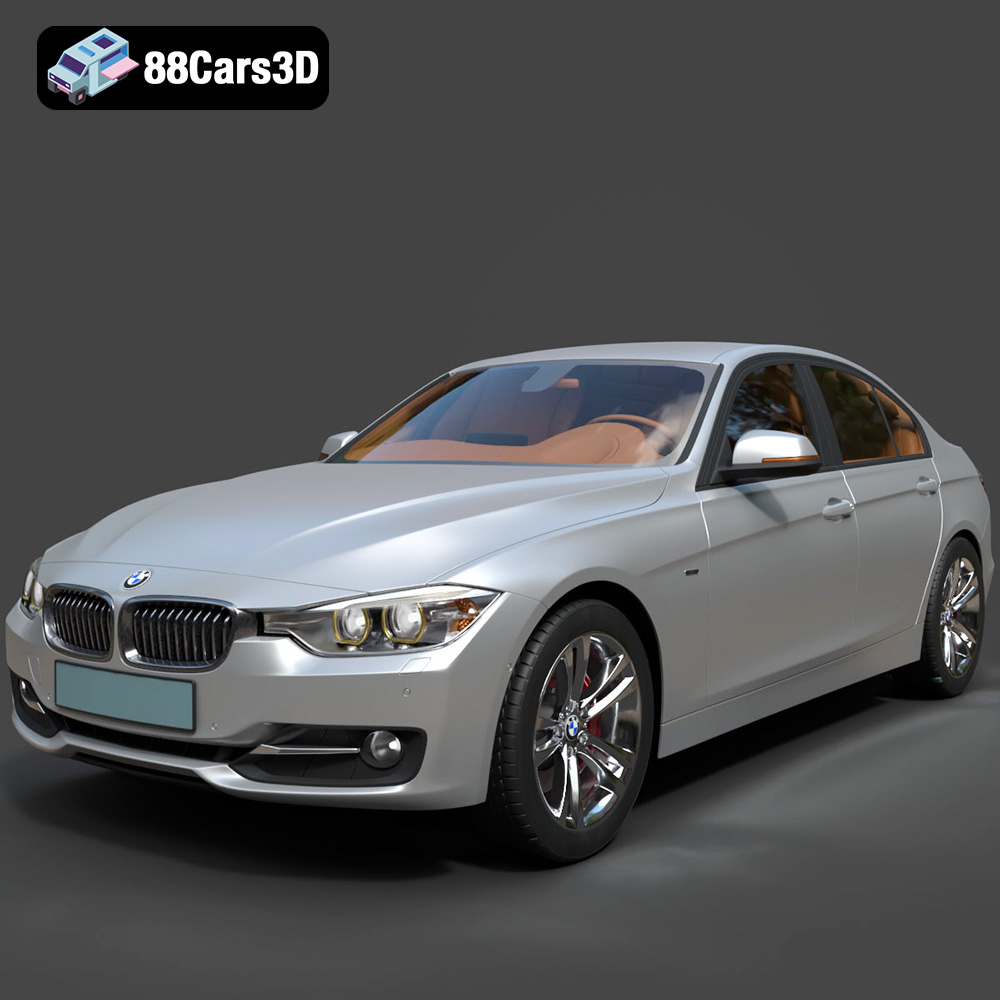
Texture: Yes
Material: Yes
Download the BMW 3 F30 3D Model featuring a detailed exterior, realistic interior, and optimized mesh. Includes .blend, .fbx, .obj, .glb, .stl, .ply, .unreal, and .max formats for rendering, simulation, and game development.
Price: $10.79
View Product
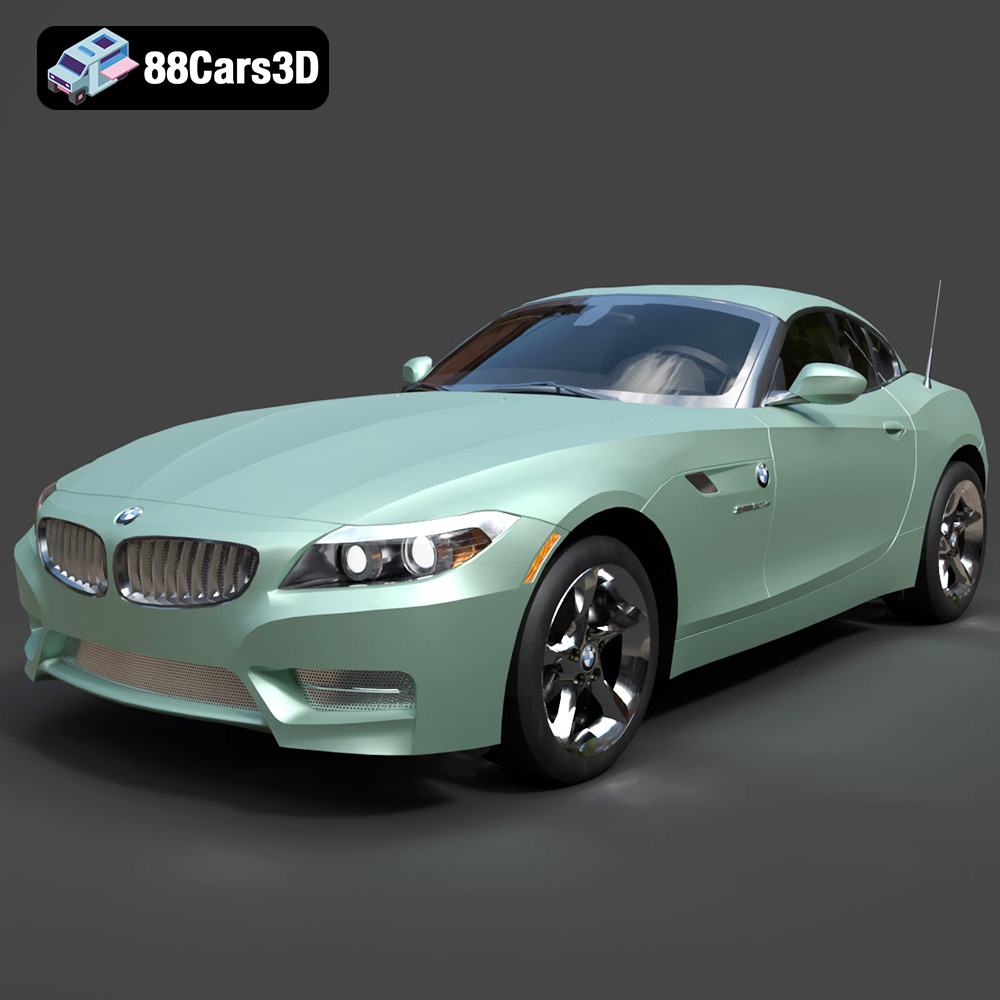
Texture: Yes
Material: Yes
Download the BMW Z4 Roadster E89 3D Model featuring clean geometry, realistic detailing, and a fully modeled interior. Includes .blend, .fbx, .obj, .glb, .stl, .ply, .unreal, and .max formats for rendering, simulation, and game development.
Price: $13.99
View Product

Texture: Yes
Material: Yes
Download the BMW Z4 E85 3D Model featuring clean geometry, realistic detailing, and a fully modeled interior. Includes .blend, .fbx, .obj, .glb, .stl, .ply, .unreal, and .max formats for rendering, simulation, and game development.
Price: $13.99
View Product

Texture: Yes
Material: Yes
Download the BMW M3 2024 3D Model featuring clean geometry, realistic detailing, and a fully modeled interior. Includes .blend, .fbx, .obj, .glb, .stl, .ply, .unreal, and .max formats for rendering, simulation, and game development.
Price: $13.99
View Product
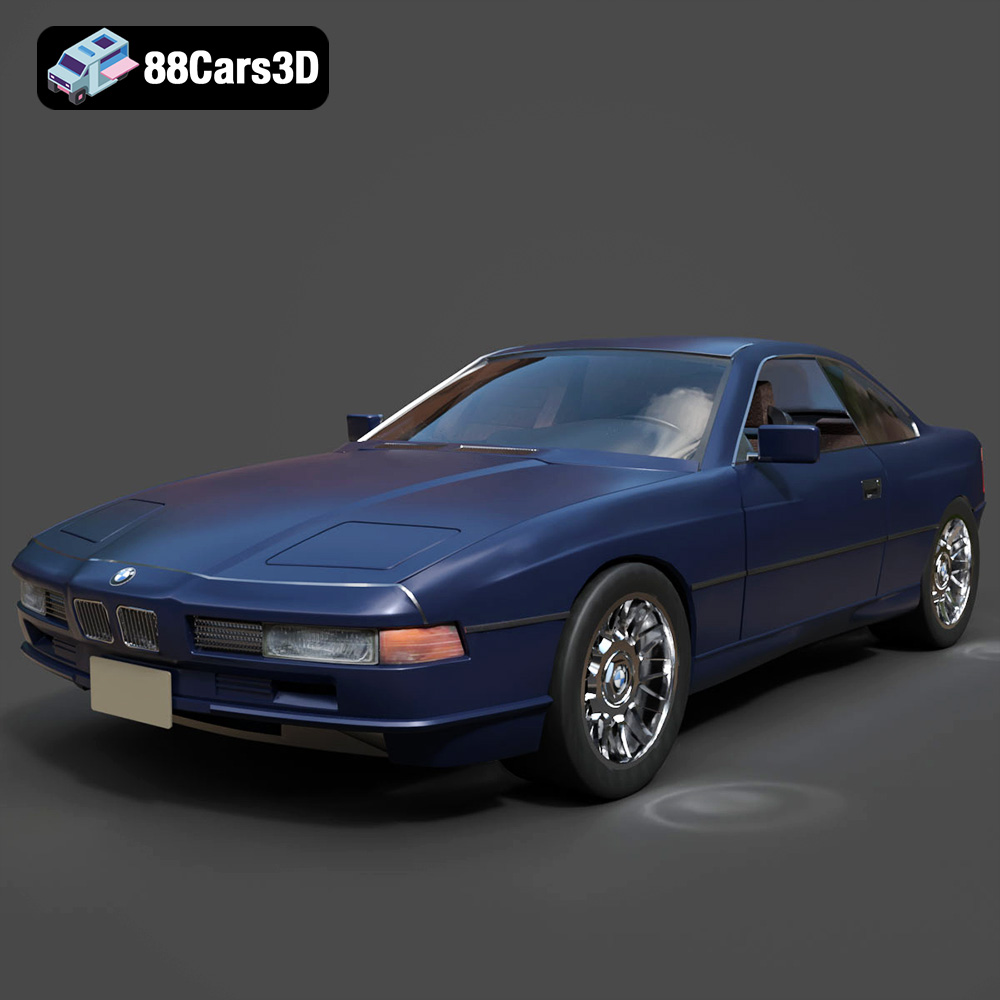
Texture: Yes
Material: Yes
Download the BMW 850i Coupe 1990 3D Model featuring clean geometry, realistic detailing, and a fully modeled interior. Includes .blend, .fbx, .obj, .glb, .stl, .ply, .unreal, and .max formats for rendering, simulation, and game development.
Price: $13.99
View Product
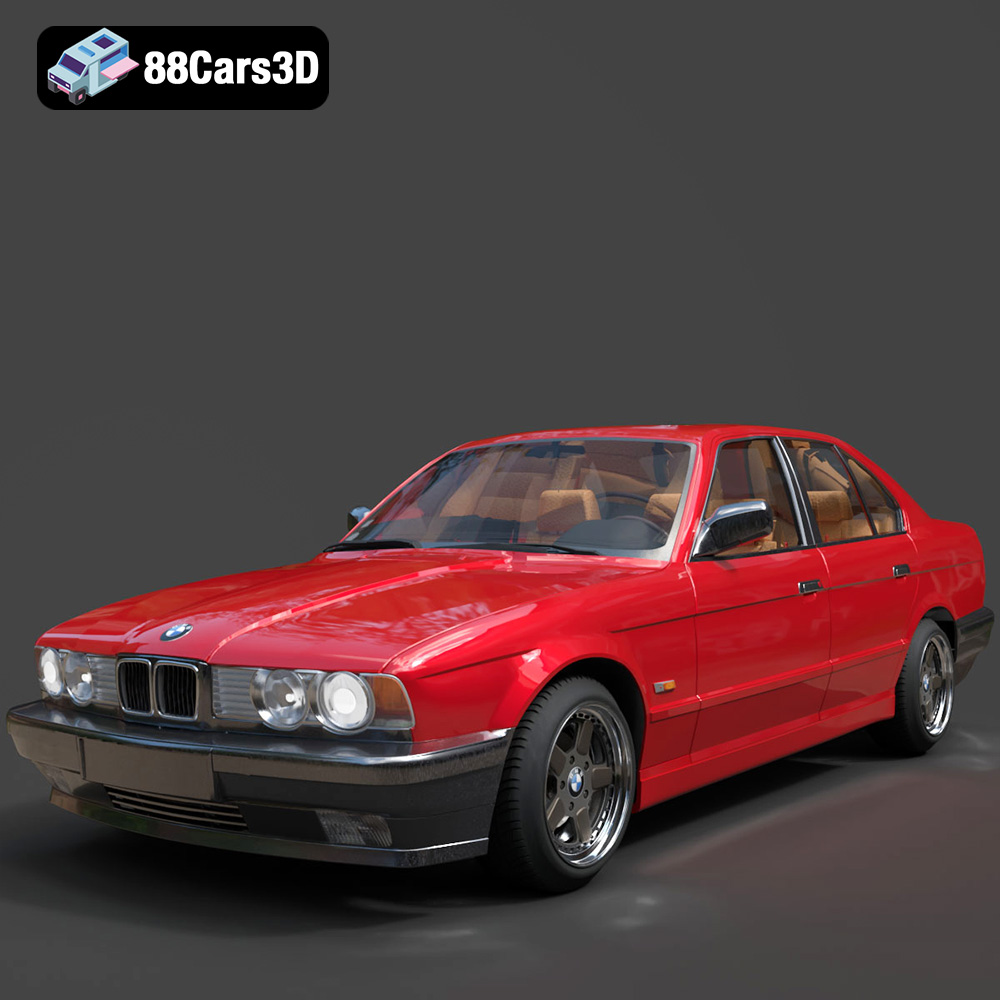
Texture: Yes
Material: Yes
Download the BMW 525i E34 1993 3D Model featuring clean geometry, realistic detailing, and a fully modeled interior. Includes .blend, .fbx, .obj, .glb, .stl, .ply, .unreal, and .max formats for rendering, simulation, and game development.
Price: $12.99
View Product

Texture: Yes
Material: Yes
Download the BMW 7 Series 2016 3D Model featuring luxurious design, detailed interior, and accurate exterior. Includes .blend, .fbx, .obj, .glb, .stl, .ply, .unreal, and .max formats for rendering, simulation, and game development.
Price: $10.79
View Product
Texture: Yes
Material: Yes
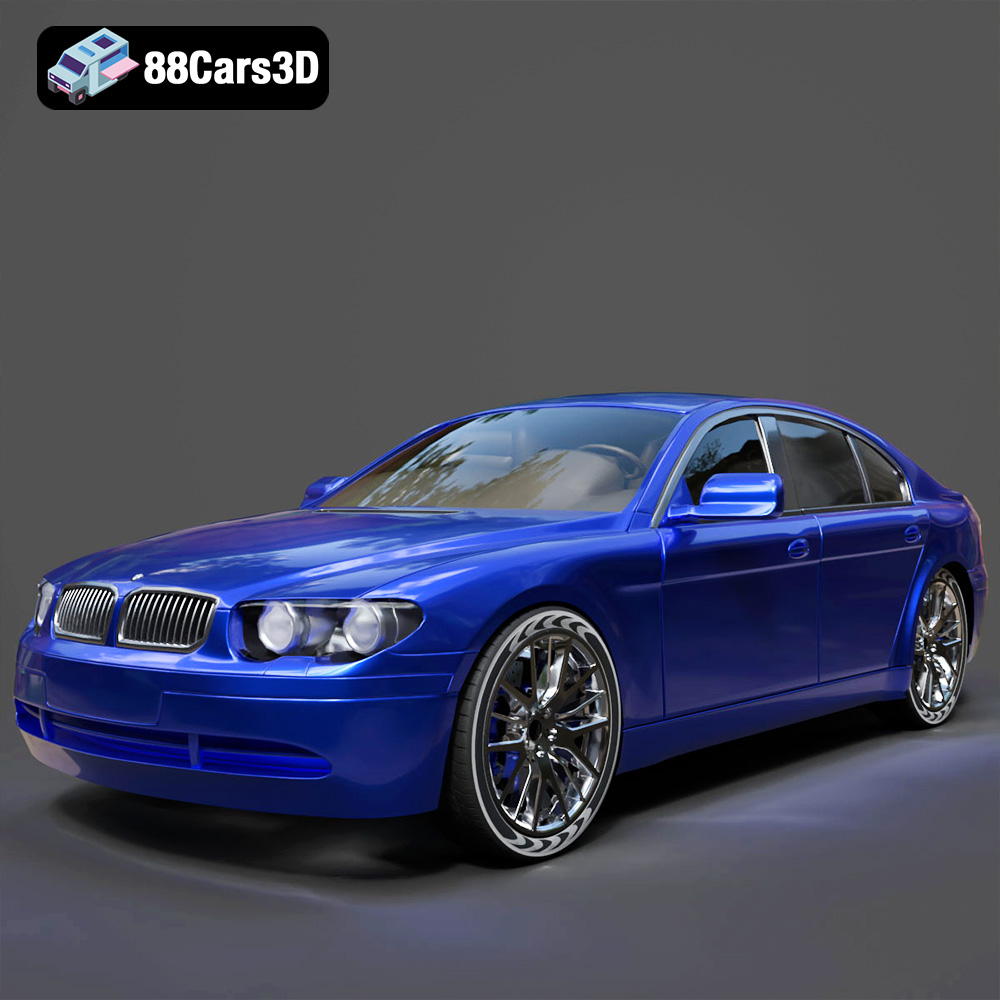
Download the BMW 7 Series 30th Anniversary 3D Model featuring a meticulously crafted exterior, detailed interior, and realistic wheels. Includes .blend, .fbx, .obj, .glb, .stl, .ply, .unreal, and .max formats for rendering, simulation, and game development.
Price: $35.79
View Product

Texture: Yes
Material: Yes
Download the BMW 7-Series F02 3D Model featuring a detailed exterior and interior, optimized for rendering and animation. Includes .blend, .fbx, .obj, .glb, .stl, .ply, .unreal, and .max formats for rendering, simulation, and game development.
Price: $10.79
View Product
Texture: Yes
Material: Yes
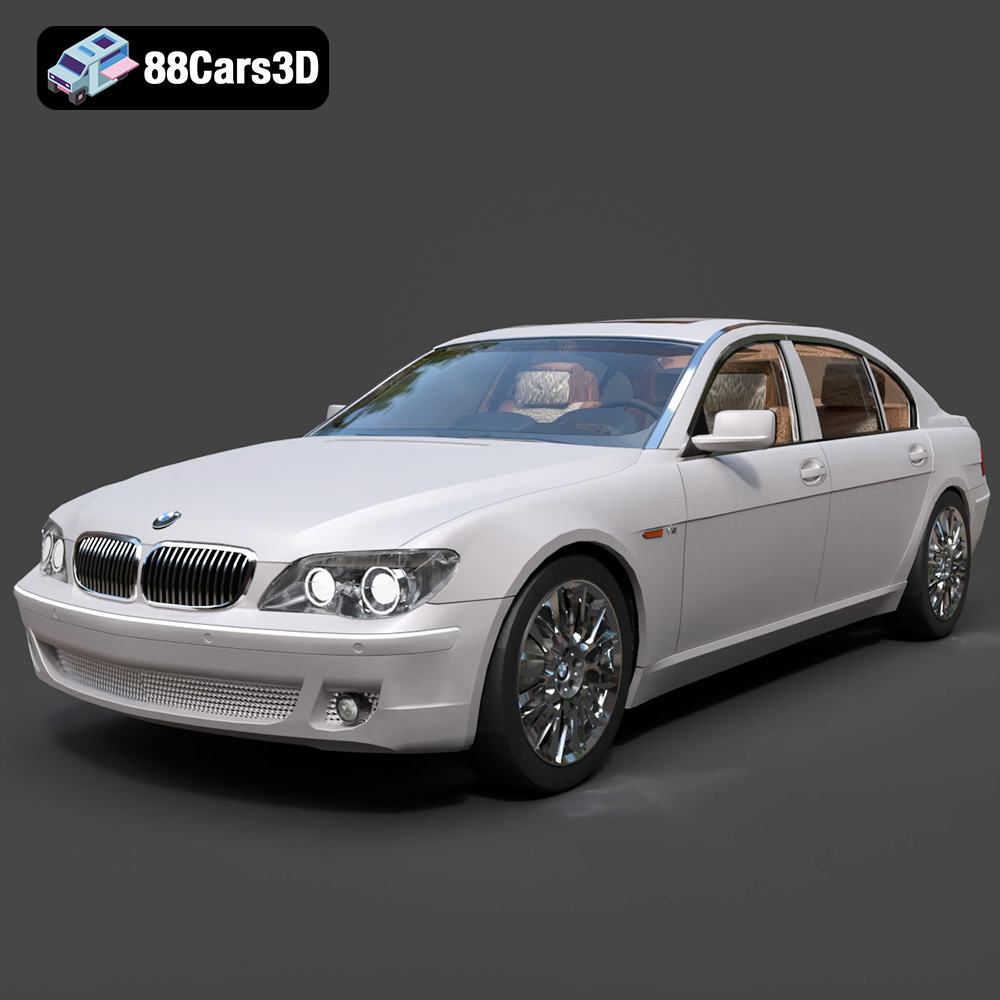
Download the BMW 760Li E66 2005 3D Model featuring a detailed exterior, refined interior, and robust chassis. Includes .blend, .fbx, .obj, .glb, .stl, .ply, .unreal, and .max formats for rendering, simulation, and game development.
Price: $10.79
View Product


