⚡ FLASH SALE: Get 60% OFF All Premium 3D & STL Models! ⚡

“`html
The thrill of holding a perfectly rendered miniature of your favorite car, brought to life by your own 3D printer, is unparalleled. Whether you’re a seasoned maker or just embarking on your additive manufacturing journey, the path from a digital STL file to a tangible, high-quality print requires careful preparation. At 88cars3d.com, we provide meticulously crafted printable car models designed for ease of printing, but understanding the underlying principles of file preparation and printer settings is key to achieving professional results. This guide will walk you through the essential steps, from inspecting and repairing your STL files to optimizing your 3D printer settings and mastering support structures, ensuring your next automotive model print is a resounding success.
The STL file format is the industry standard for 3D printing, representing a 3D object’s surface geometry as a collection of triangular facets. While simple and widely supported, STL files can sometimes contain errors or complexities that can lead to printing failures. A thorough understanding of mesh topology and common issues is crucial before you even load your file into a slicer. High-quality models, like those available on platforms like 88cars3d.com, are typically designed with clean geometry, but it’s always wise to be prepared.
A “manifold” or “watertight” mesh is essential for 3D printing. This means the surface of your model is a closed volume with no holes, gaps, or self-intersecting faces. Imagine it like a balloon; it needs to hold air. Non-manifold geometry can confuse the slicing software, leading to missing sections, incorrect infill, or outright print failures. Common issues include:
Professional 3D modeling software like Blender or dedicated mesh editing tools like Meshmixer and Autodesk Netfabb are invaluable for identifying and repairing these issues. Even models from reputable sources like 88cars3d.com can sometimes benefit from a quick check, especially if you plan significant modifications.
When you download a printable car model, the first step is to inspect it for potential problems. Most slicers have basic repair functions, but for complex issues, external software is recommended.
The goal is to ensure your model is a single, solid, watertight object that your slicer can accurately interpret for toolpath generation.
The slicer is the bridge between your digital 3D model and your 3D printer. It translates the STL geometry into layer-by-layer instructions (G-code) that the printer follows. Choosing the right 3D printer settings within your slicer is paramount for achieving the fine details and smooth surfaces expected of high-quality automotive models. This involves a delicate balance between print quality, speed, and reliability.
Layer height dictates the vertical resolution of your print. A smaller layer height means finer detail but significantly longer print times. For detailed car models with intricate bodywork, sharp edges, and small components, a lower layer height is often preferred.
When downloading models from 88cars3d.com, consider the intended scale and the capabilities of your printer. For larger FDM prints, 0.15mm might be a good compromise. For smaller, highly detailed prints or resin printing, aim for 0.05mm or lower.
Infill determines the internal structure of your print. For display models like car replicas, high structural integrity is often not the primary concern. Therefore, infill density can be kept relatively low to save time and material.
Experiment with different infill densities and patterns to find the best balance for your specific model and desired outcome. Remember, the infill only affects the internal structure, not the surface quality.
Many printable car models feature overhangs and bridges that require support structures to print successfully. These temporary structures are generated by the slicer to hold up parts of the model that would otherwise sag or fail during the printing process. Effective support generation and removal are critical for achieving clean, professional finishes, especially on curved car bodies and delicate components.
Most slicers offer automatic support generation, which is often a good starting point. However, for complex models, manual intervention can yield superior results.
Platforms like 88cars3d.com often design models with printability in mind, sometimes incorporating minimal overhangs or designing parts to be self-supporting. However, always review the recommended slicer settings provided with the model.
The type of support structure used can significantly impact ease of removal and the quality of the surface finish.
For resin prints, supports are even more critical due to the material’s brittleness. Ensure supports are adequately sized and placed to handle the peeling forces during the print and lift stages. Careful removal is paramount to avoid breaking delicate parts.
How you orient your printable car model on the print bed and ensuring it adheres properly are fundamental to a successful print. Incorrect orientation can exacerbate overhang issues, necessitate excessive supports, and compromise surface quality. Good bed adhesion prevents the print from shifting or detaching mid-print, which is a common cause of failure.
The goal of orientation is to minimize overhangs, reduce the need for supports, maximize surface quality on visible areas, and ensure good adhesion.
Always preview your sliced model layer by layer to identify potential issues with overhangs and support placement based on your chosen orientation.
A print that detaches from the bed is a ruined print. Several factors contribute to good adhesion, especially for FDM printing:
Resin printing relies on the initial layers sticking firmly to the build plate through curing. Ensure your FEP film or replacement film is clean and taut, and that the Z-lift height and speed are appropriately set to prevent layer separation during printing.
The choice of material and the steps taken after printing can dramatically impact the final appearance and durability of your 3D printed car model. Different materials offer unique properties, and post-processing techniques can transform a raw print into a professional-quality display piece.
The material you select will influence the printability, detail, strength, and finish of your model.
For most FDM printable car models from 88cars3d.com intended for display, PLA is an excellent starting point. If you need higher detail or smoother surfaces and have a resin printer, then choosing an appropriate resin type is key.
Raw 3D prints often require finishing work to achieve a high-quality look.
Post-processing can be time-consuming but is essential for making your 3D printed car models truly stand out. Patience and attention to detail will yield the best results.
Successfully printing high-quality 3D car models from STL files is an achievable goal for any enthusiast. By understanding the fundamentals of mesh integrity, mastering your slicer’s capabilities, strategically employing supports, ensuring proper orientation and adhesion, and dedicating time to post-processing, you can elevate your prints from simple prototypes to stunning replicas. Whether you’re exploring the extensive catalog at 88cars3d.com or working with your own designs, these principles provide a robust framework for success. Embrace the process, experiment with settings, and enjoy the rewarding experience of bringing iconic vehicles to life on your 3D printer.
“`
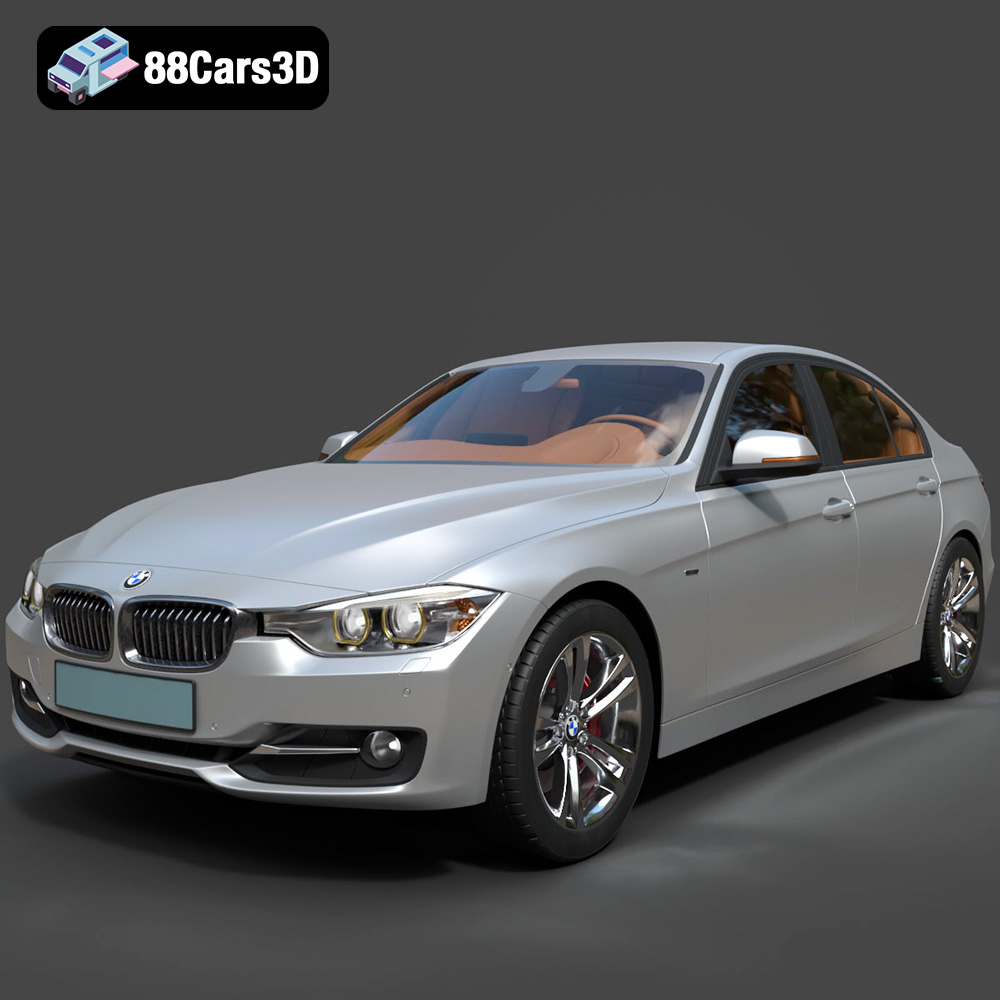
Texture: Yes
Material: Yes
Download the BMW 3 F30 3D Model featuring a detailed exterior, realistic interior, and optimized mesh. Includes .blend, .fbx, .obj, .glb, .stl, .ply, .unreal, and .max formats for rendering, simulation, and game development.
Price: $10.79
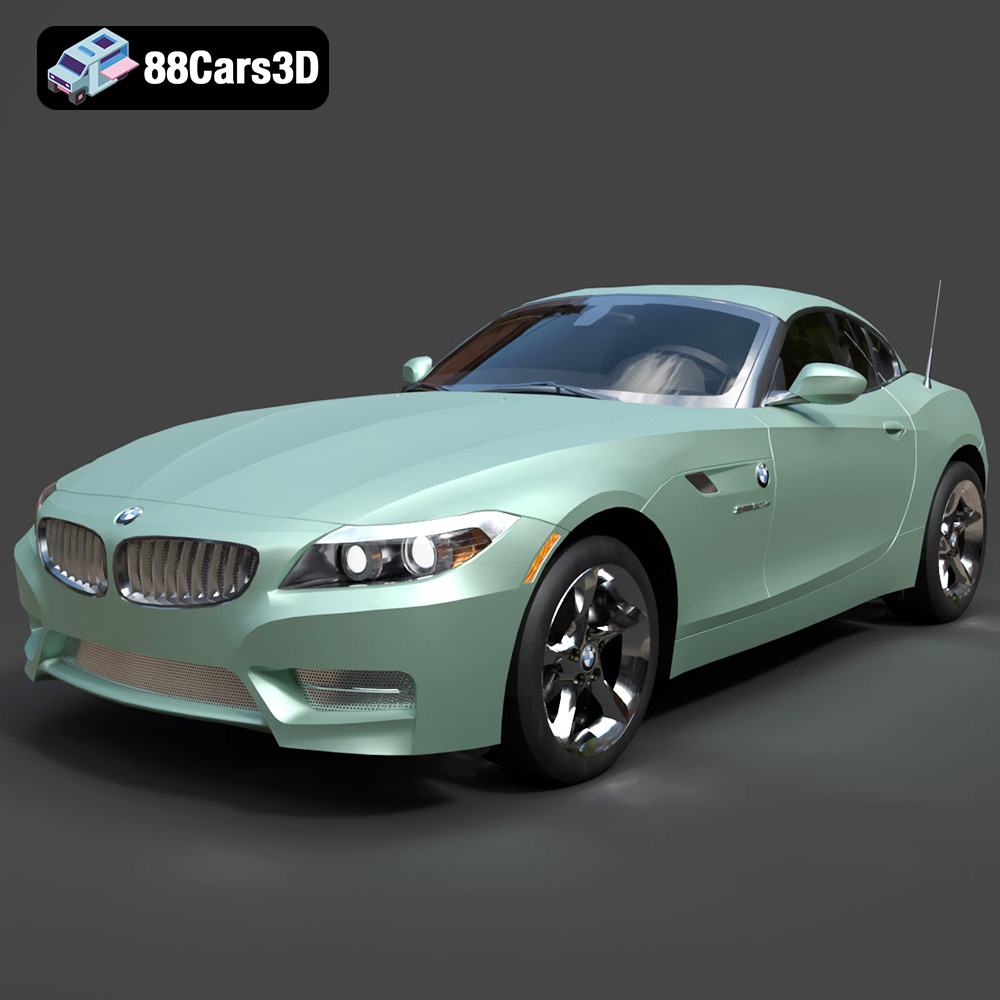
Texture: Yes
Material: Yes
Download the BMW Z4 Roadster E89 3D Model featuring clean geometry, realistic detailing, and a fully modeled interior. Includes .blend, .fbx, .obj, .glb, .stl, .ply, .unreal, and .max formats for rendering, simulation, and game development.
Price: $13.99

Texture: Yes
Material: Yes
Download the BMW Z4 E85 3D Model featuring clean geometry, realistic detailing, and a fully modeled interior. Includes .blend, .fbx, .obj, .glb, .stl, .ply, .unreal, and .max formats for rendering, simulation, and game development.
Price: $13.99

Texture: Yes
Material: Yes
Download the BMW M3 2024 3D Model featuring clean geometry, realistic detailing, and a fully modeled interior. Includes .blend, .fbx, .obj, .glb, .stl, .ply, .unreal, and .max formats for rendering, simulation, and game development.
Price: $13.99
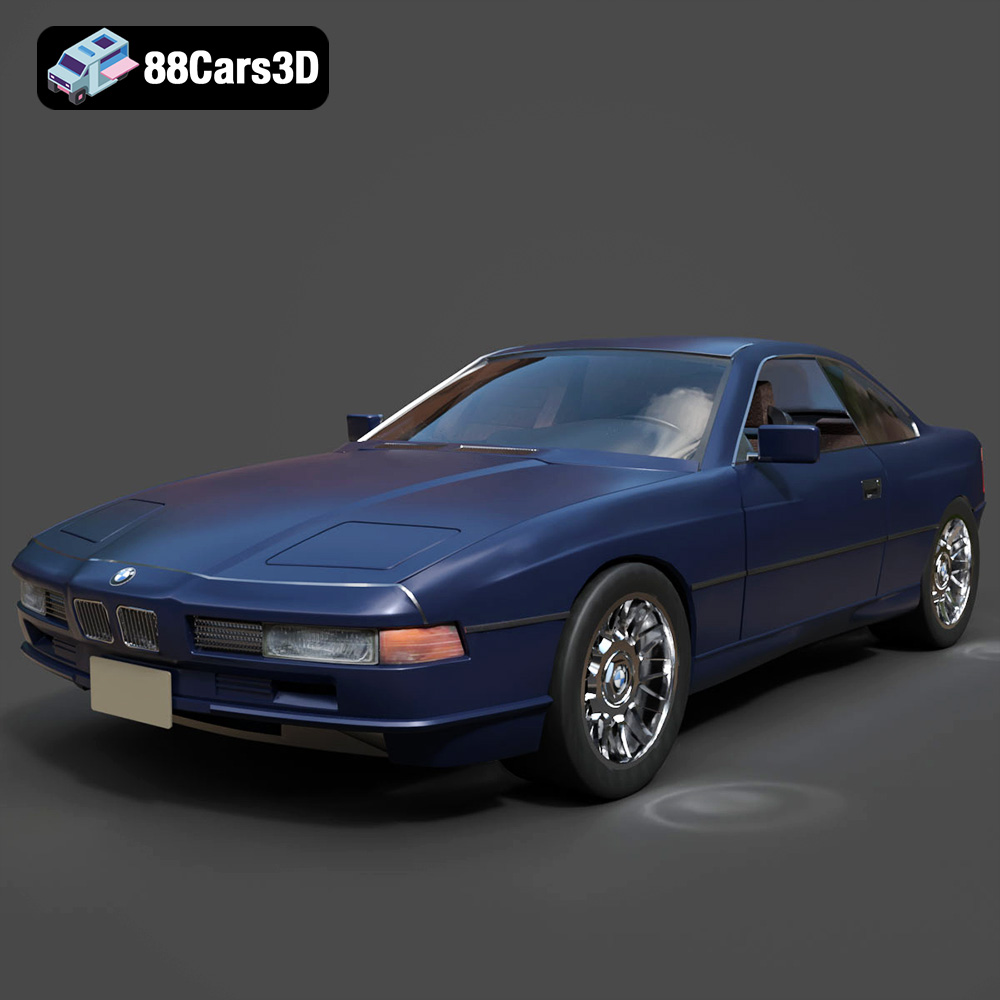
Texture: Yes
Material: Yes
Download the BMW 850i Coupe 1990 3D Model featuring clean geometry, realistic detailing, and a fully modeled interior. Includes .blend, .fbx, .obj, .glb, .stl, .ply, .unreal, and .max formats for rendering, simulation, and game development.
Price: $13.99
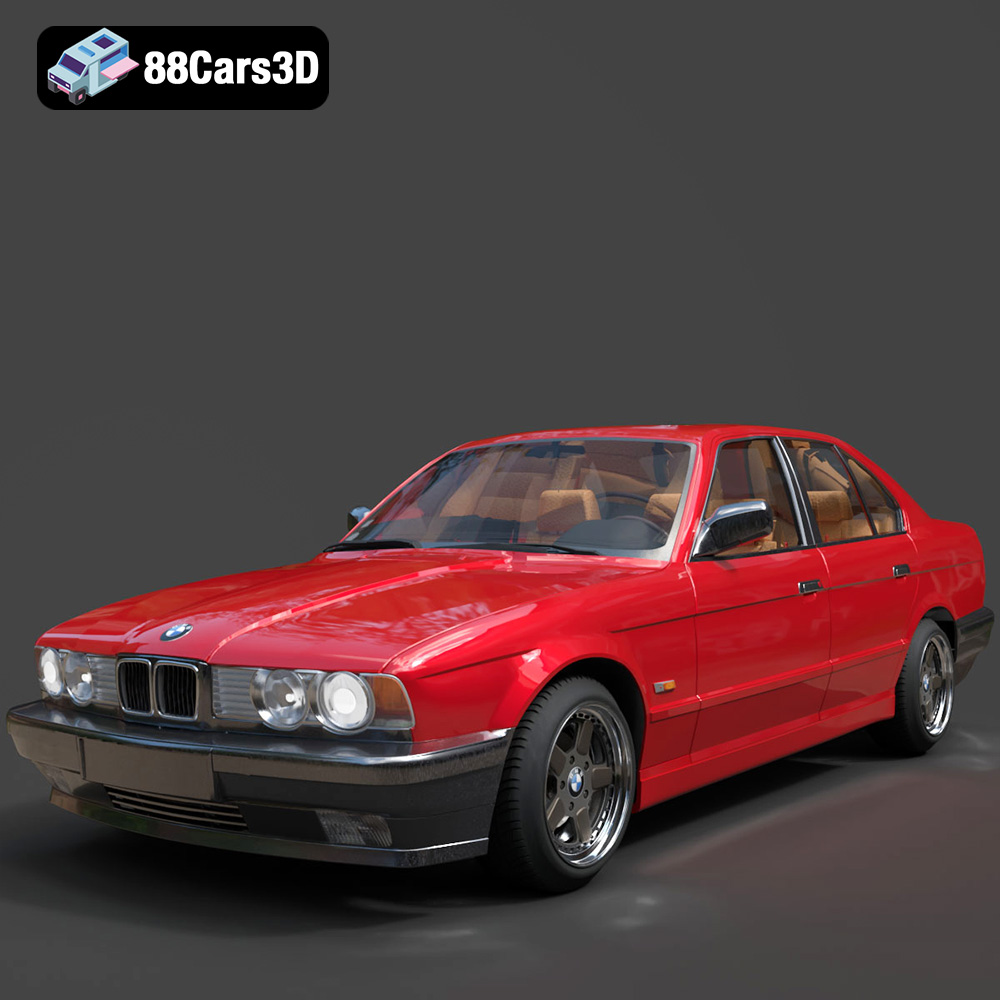
Texture: Yes
Material: Yes
Download the BMW 525i E34 1993 3D Model featuring clean geometry, realistic detailing, and a fully modeled interior. Includes .blend, .fbx, .obj, .glb, .stl, .ply, .unreal, and .max formats for rendering, simulation, and game development.
Price: $12.99

Texture: Yes
Material: Yes
Download the BMW 7 Series 2016 3D Model featuring luxurious design, detailed interior, and accurate exterior. Includes .blend, .fbx, .obj, .glb, .stl, .ply, .unreal, and .max formats for rendering, simulation, and game development.
Price: $10.79
Texture: Yes
Material: Yes
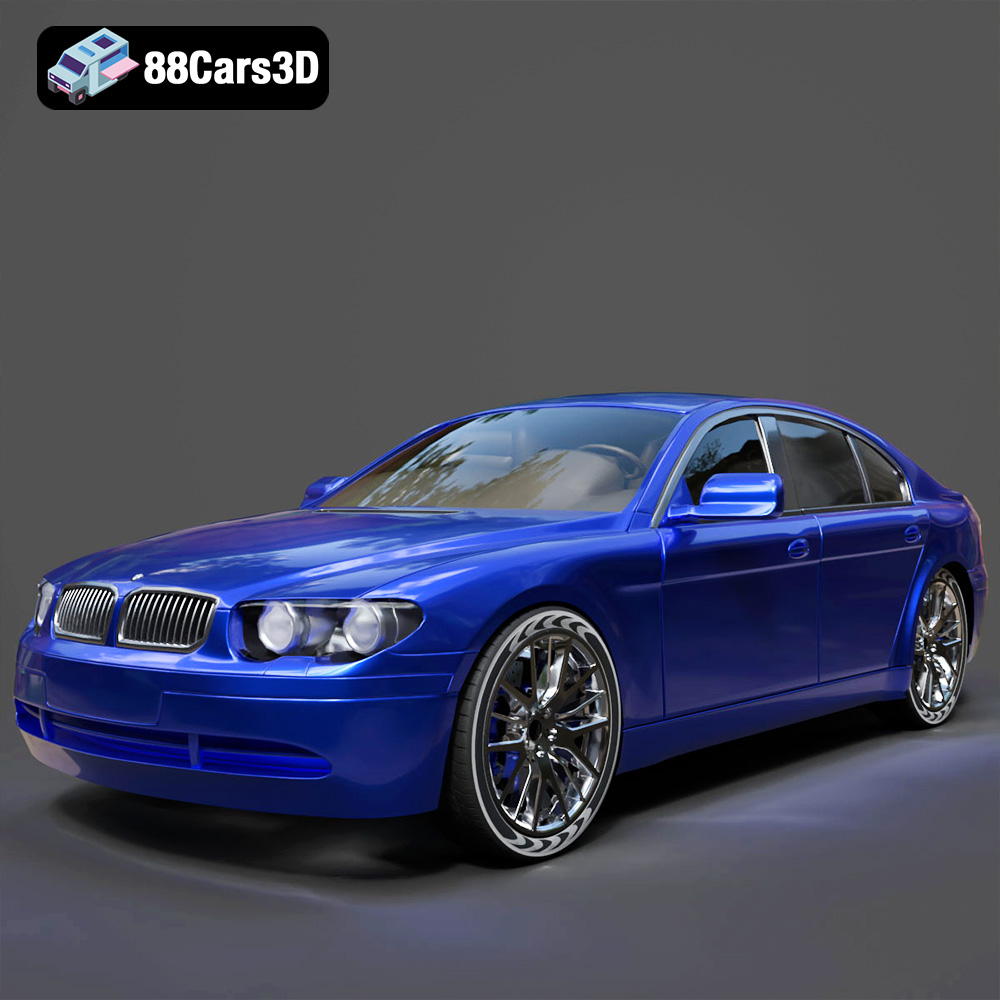
Download the BMW 7 Series 30th Anniversary 3D Model featuring a meticulously crafted exterior, detailed interior, and realistic wheels. Includes .blend, .fbx, .obj, .glb, .stl, .ply, .unreal, and .max formats for rendering, simulation, and game development.
Price: $35.79

Texture: Yes
Material: Yes
Download the BMW 7-Series F02 3D Model featuring a detailed exterior and interior, optimized for rendering and animation. Includes .blend, .fbx, .obj, .glb, .stl, .ply, .unreal, and .max formats for rendering, simulation, and game development.
Price: $10.79
Texture: Yes
Material: Yes
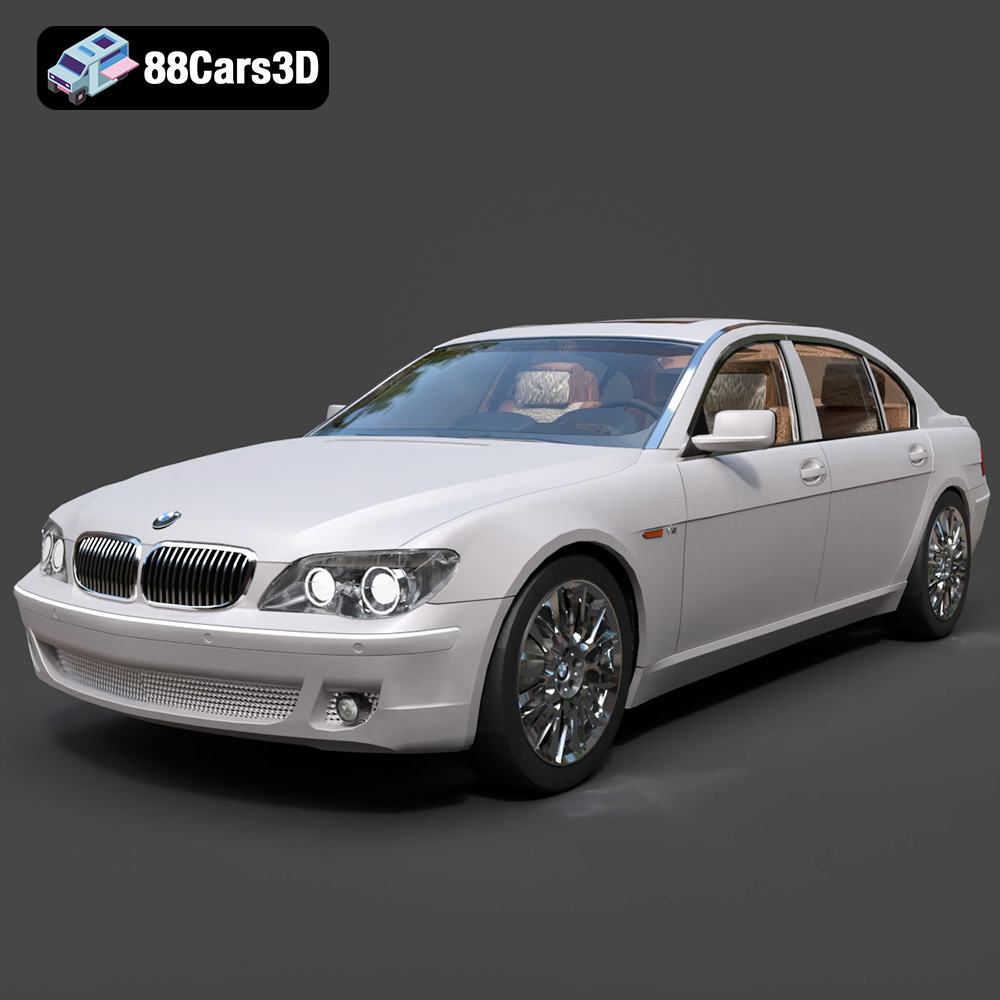
Download the BMW 760Li E66 2005 3D Model featuring a detailed exterior, refined interior, and robust chassis. Includes .blend, .fbx, .obj, .glb, .stl, .ply, .unreal, and .max formats for rendering, simulation, and game development.
Price: $10.79

