⚡ FLASH SALE: Get 60% OFF All Premium 3D & STL Models! ⚡

“`html
The dream of holding a perfectly replicated 3D printable car model in your hands, whether it’s for a display shelf, a scale model project, or even educational purposes, hinges on one crucial step: slicing. Transforming a raw STL file into a series of machine instructions is an art and a science. At 88cars3d.com, we pride ourselves on delivering high-quality, print-ready STL files for automotive enthusiasts. However, even the most meticulously crafted 3D model requires careful preparation in your slicing software to achieve breathtaking results. This comprehensive guide will demystify the slicing process, taking you from basic settings to advanced optimization techniques. We’ll cover everything from understanding STL file nuances to selecting the right printer settings, generating effective supports, and troubleshooting common issues. Prepare to elevate your 3D printing game and bring your favorite car models to life with unparalleled precision and detail.
Before diving into slicing software, it’s vital to understand what an STL file truly is and what makes a “good” one. STL (STereoLithography) is a mesh file format that describes the surface geometry of a 3D object using a collection of triangular facets. Essentially, it’s a digital sculpture made of thousands of tiny triangles stitched together. The quality of these triangles—their orientation, size, and how they form a watertight surface—directly impacts how well the file can be sliced and printed.
A fundamental concept for printable models is **manifold integrity**. A manifold mesh is a continuous, watertight surface without holes, internal faces, or overlapping triangles. Think of it like a balloon; you can’t have any leaks. Slicing software interprets the mesh as a solid object. If your STL file isn’t manifold, the slicer might get confused, leading to gaps in your print, incorrect solid volumes, or even complete slicing failures. Common issues include:
For models from platforms like 88cars3d.com, we ensure our STL files are meticulously checked for manifold integrity. However, if you’re working with other sources or modifying models, using mesh repair tools is essential. Software like Meshmixer, Blender, or Netfabb can automatically detect and often fix these issues. A simple workflow involves importing the STL, running an automated repair function, and then exporting the corrected file.
The number of triangles in an STL file (its resolution) affects the level of detail the model can represent. A higher triangle count means a smoother, more curved surface, but also a larger file size. Conversely, a low triangle count can result in visible facets and “blocky” curves, especially on rounded car body panels. For detailed automotive models, a good balance is key. Too few triangles will obscure fine details like panel gaps or badges, while too many can slow down your slicer and increase the risk of minor geometric errors becoming problematic. We optimize our models to offer a high level of detail without creating excessively large files, ensuring a smooth slicing experience.
Slicing software is the bridge between your 3D model (STL) and your 3D printer. It translates the 3D geometry into layer-by-layer instructions (G-code) that the printer can execute. Popular choices include Ultimaker Cura, PrusaSlicer, and Simplify3D, each with its strengths. Regardless of your software, understanding the core settings is paramount for quality prints, especially for intricate car models.
Layer height determines the thickness of each individual layer deposited by the printer. This is one of the most significant settings impacting print quality and time.
For premium car models from 88cars3d.com, we recommend starting with a layer height of 0.1mm to 0.15mm for optimal detail capture. Always ensure your printer is calibrated to reliably achieve your chosen layer height.
Infill refers to the internal structure printed within the outer walls of your model. It affects the model’s strength, weight, and the time it takes to print.
A 10% gyroid infill is a good starting point for most display car models.
Wall thickness, often controlled by the number of “walls” or “perimeters” in your slicer, defines the thickness of the outer shell of your model. This is crucial for ensuring that thin details are printable and that the model is structurally sound.
For detailed car models, aim for a minimum wall thickness of 0.8mm (2 perimeters) for FDM printing. Some very delicate features might require careful consideration of wall thickness versus nozzle size.
Beyond the basic settings, several advanced techniques can significantly improve the quality and appearance of your 3D printed car models. These often involve thoughtful manipulation of the slicing parameters and a good understanding of how your printer behaves.
Support structures are temporary scaffolding printed to hold up overhanging parts of your model that would otherwise print in mid-air and collapse. Generating effective supports is critical for complex geometries like car bodies, spoilers, and undercarriage details.
Models from 88cars3d.com are designed with support placement in mind, often minimizing the need for excessive or difficult-to-remove structures. However, your slicer settings will still play a role.
The way you orient your model on the print bed can dramatically affect the outcome. This choice impacts layer line visibility, the need for supports, and potential print failures.
Experimentation is key. Try previewing your sliced model with different orientations to see where supports will be generated and how layer lines will appear.
Print speed and temperature are highly dependent on your chosen filament or resin and your specific printer. However, some general principles apply to achieving high-quality car models.
Accurate calibration of these settings is fundamental. If your prints consistently show issues like stringing, warping, or poor detail, revisiting your speed and temperature settings is a priority.
The slicing and printing are only part of the journey. Post-processing is where a raw 3D print truly transforms into a showpiece, especially for detailed automotive models.
Carefully removing support structures is the first step. For FDM prints, tools like pliers, flush cutters, scalpels, and dental picks are invaluable. For resin prints, often a gentle twist or the use of cutters is sufficient after washing and curing.
Even with careful slicing and printing, minor imperfections may remain. Filling these gaps or smoothing rough surfaces can elevate the final look.
Painting is where the model truly gains its character. Whether you’re aiming for a factory finish, a custom paint job, or a weathered look, careful painting techniques are vital.
Mastering the art of slicing STL files for 3D printable car models is a journey of understanding, experimentation, and attention to detail. By grasping the fundamentals of STL file structure, carefully configuring your slicer settings—from layer height and infill to support generation and print orientation—and employing effective post-processing techniques, you can transform digital designs into stunning physical replicas. Remember that every printer and material combination is unique, so don’t be afraid to run calibration prints and adjust settings based on your specific hardware. Platforms like 88cars3d.com provide expertly prepared STL files, setting a strong foundation for your printing success. With patience and practice, you’ll be well on your way to creating flawless, high-quality 3D printed car models that are sure to impress.
“`
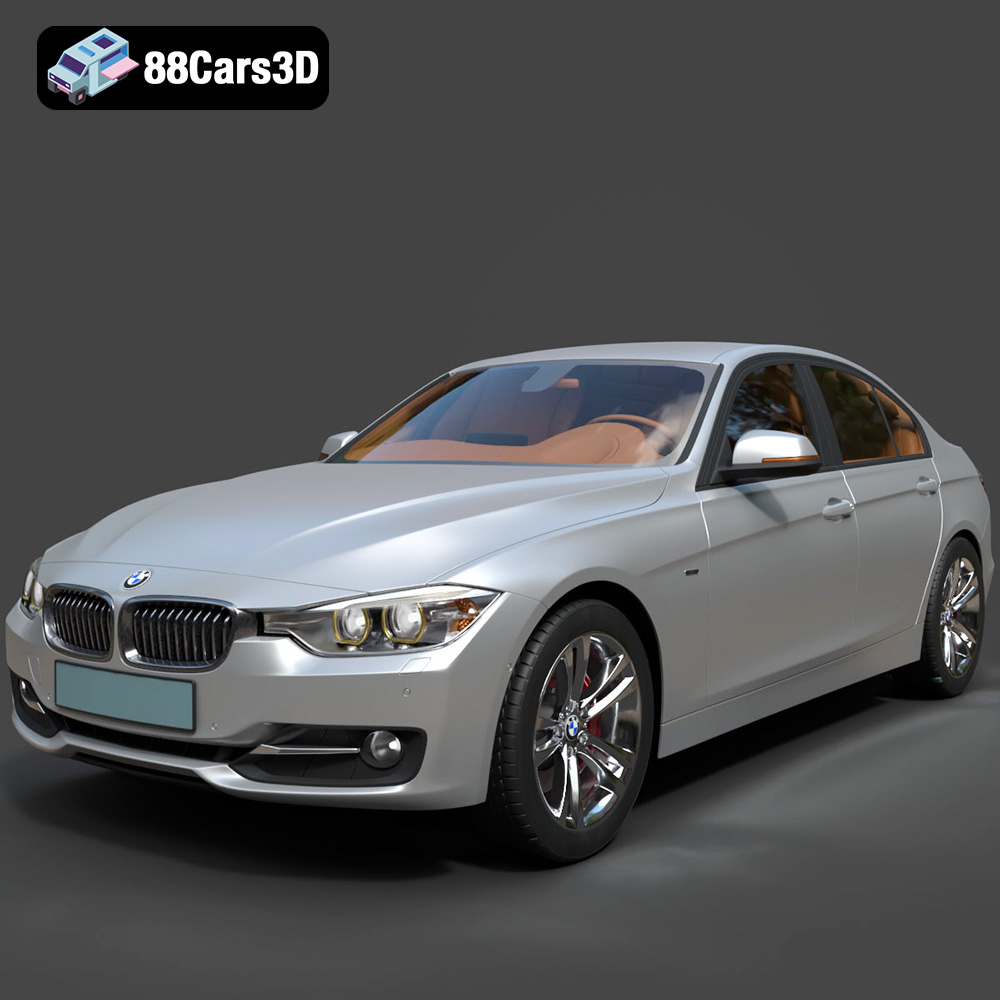
Texture: Yes
Material: Yes
Download the BMW 3 F30 3D Model featuring a detailed exterior, realistic interior, and optimized mesh. Includes .blend, .fbx, .obj, .glb, .stl, .ply, .unreal, and .max formats for rendering, simulation, and game development.
Price: $10.79
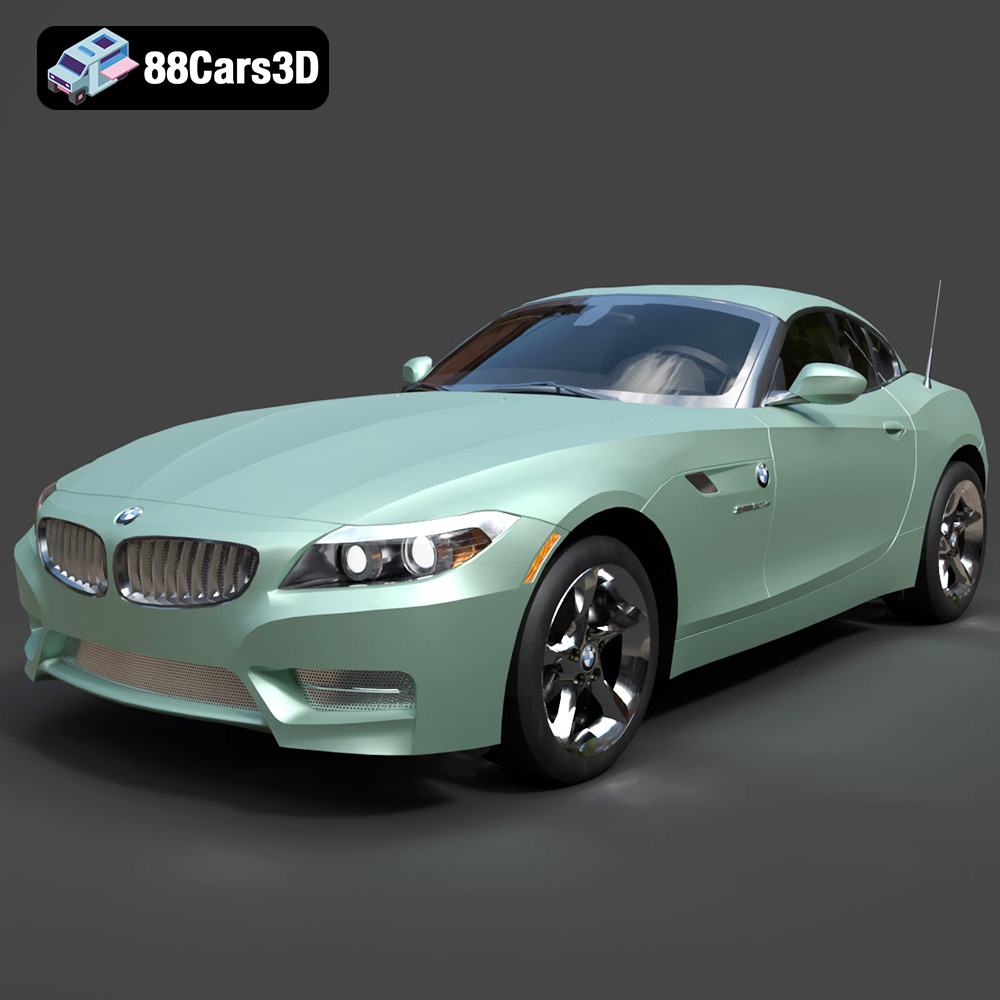
Texture: Yes
Material: Yes
Download the BMW Z4 Roadster E89 3D Model featuring clean geometry, realistic detailing, and a fully modeled interior. Includes .blend, .fbx, .obj, .glb, .stl, .ply, .unreal, and .max formats for rendering, simulation, and game development.
Price: $13.99

Texture: Yes
Material: Yes
Download the BMW Z4 E85 3D Model featuring clean geometry, realistic detailing, and a fully modeled interior. Includes .blend, .fbx, .obj, .glb, .stl, .ply, .unreal, and .max formats for rendering, simulation, and game development.
Price: $13.99

Texture: Yes
Material: Yes
Download the BMW M3 2024 3D Model featuring clean geometry, realistic detailing, and a fully modeled interior. Includes .blend, .fbx, .obj, .glb, .stl, .ply, .unreal, and .max formats for rendering, simulation, and game development.
Price: $13.99
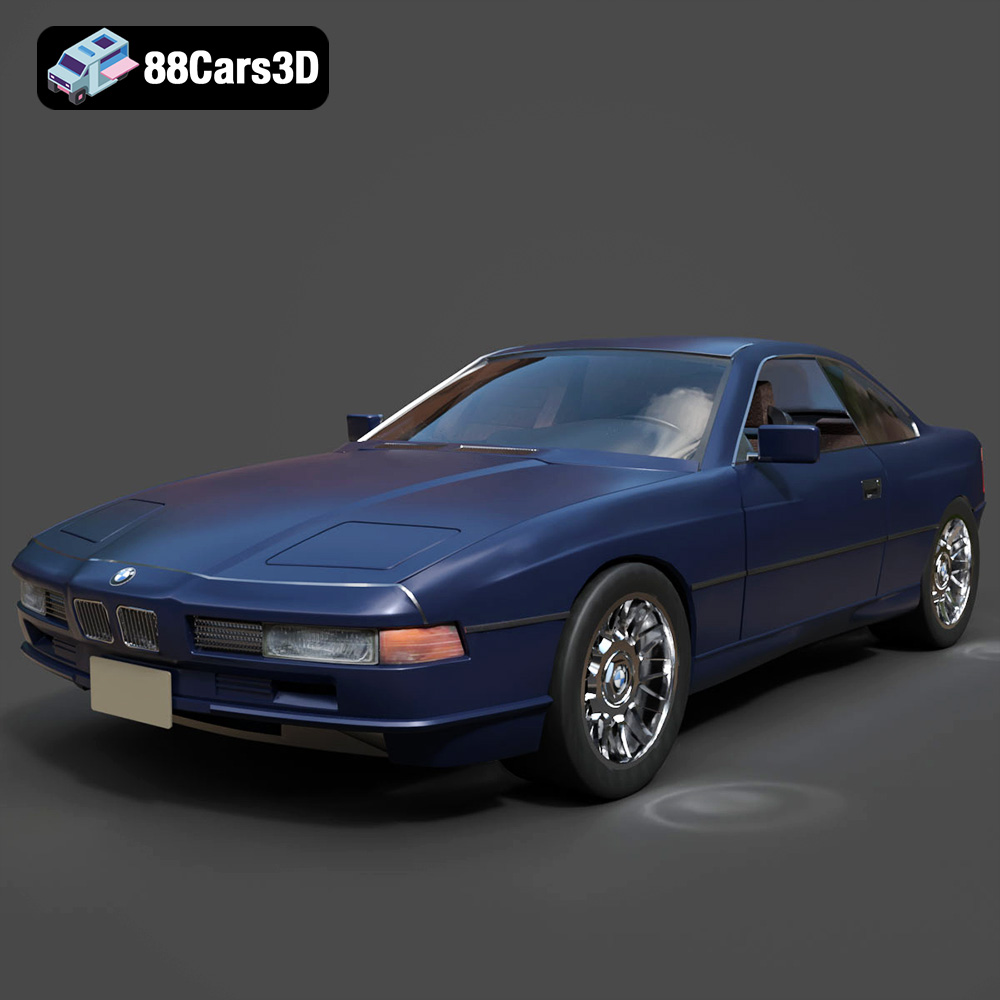
Texture: Yes
Material: Yes
Download the BMW 850i Coupe 1990 3D Model featuring clean geometry, realistic detailing, and a fully modeled interior. Includes .blend, .fbx, .obj, .glb, .stl, .ply, .unreal, and .max formats for rendering, simulation, and game development.
Price: $13.99
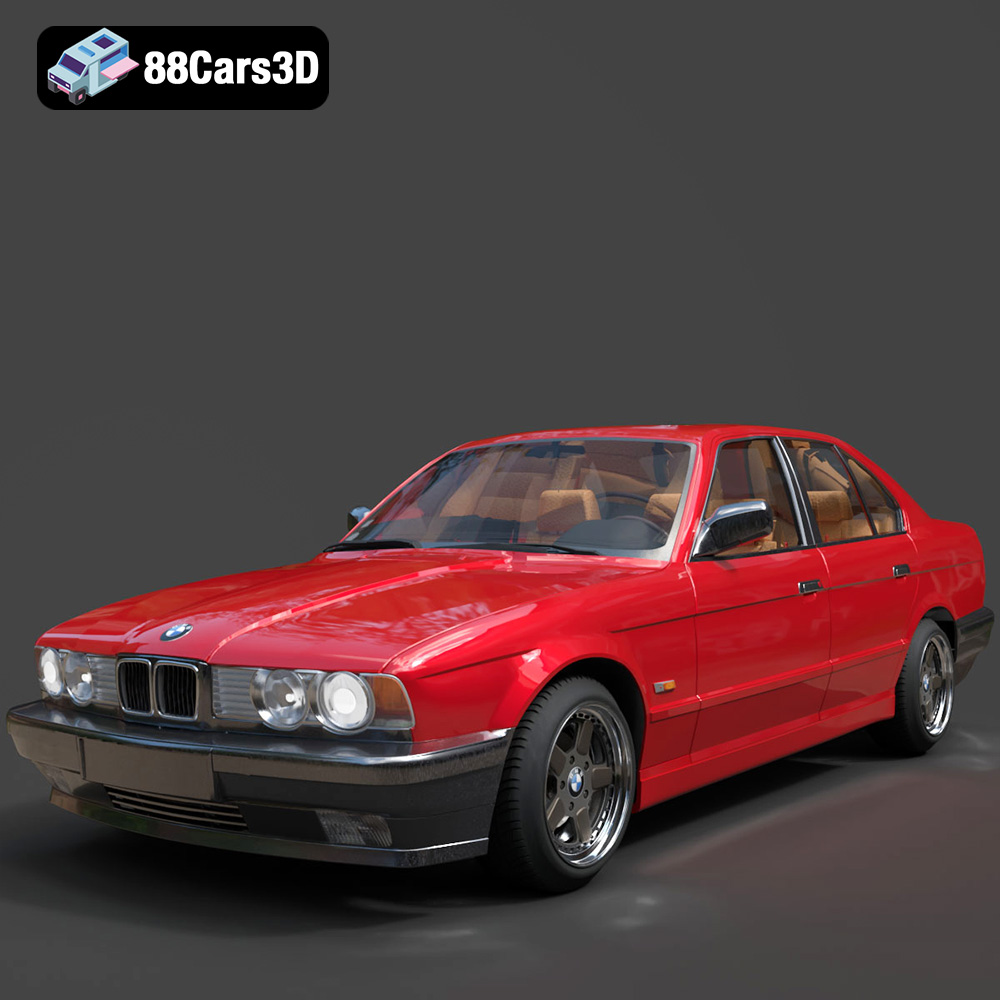
Texture: Yes
Material: Yes
Download the BMW 525i E34 1993 3D Model featuring clean geometry, realistic detailing, and a fully modeled interior. Includes .blend, .fbx, .obj, .glb, .stl, .ply, .unreal, and .max formats for rendering, simulation, and game development.
Price: $12.99

Texture: Yes
Material: Yes
Download the BMW 7 Series 2016 3D Model featuring luxurious design, detailed interior, and accurate exterior. Includes .blend, .fbx, .obj, .glb, .stl, .ply, .unreal, and .max formats for rendering, simulation, and game development.
Price: $10.79
Texture: Yes
Material: Yes
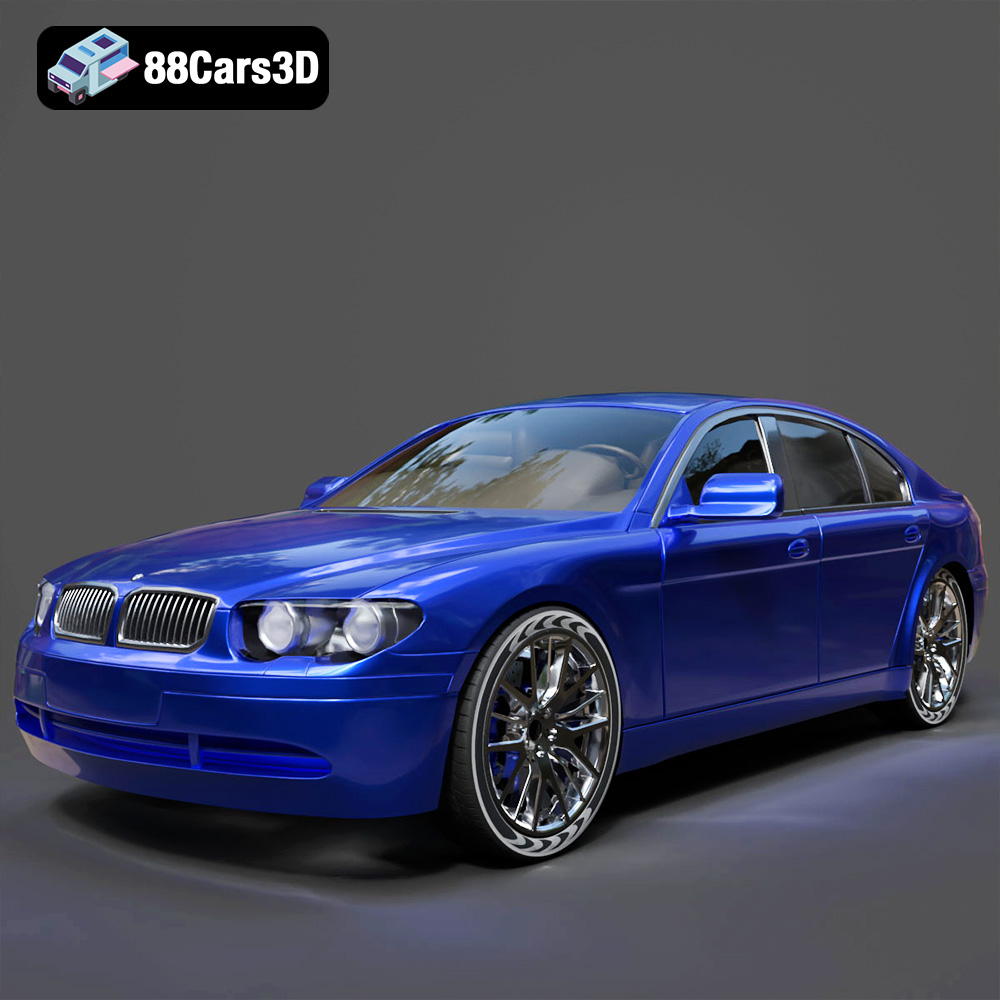
Download the BMW 7 Series 30th Anniversary 3D Model featuring a meticulously crafted exterior, detailed interior, and realistic wheels. Includes .blend, .fbx, .obj, .glb, .stl, .ply, .unreal, and .max formats for rendering, simulation, and game development.
Price: $35.79

Texture: Yes
Material: Yes
Download the BMW 7-Series F02 3D Model featuring a detailed exterior and interior, optimized for rendering and animation. Includes .blend, .fbx, .obj, .glb, .stl, .ply, .unreal, and .max formats for rendering, simulation, and game development.
Price: $10.79
Texture: Yes
Material: Yes
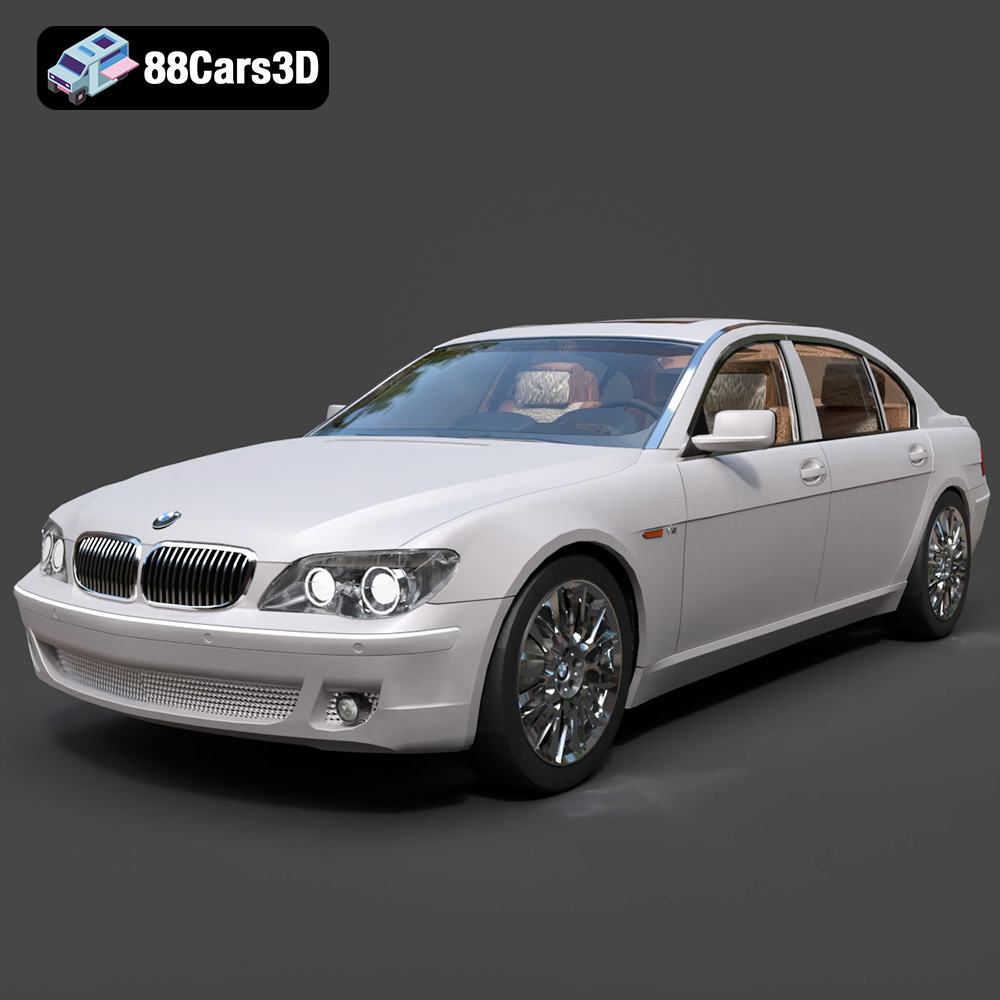
Download the BMW 760Li E66 2005 3D Model featuring a detailed exterior, refined interior, and robust chassis. Includes .blend, .fbx, .obj, .glb, .stl, .ply, .unreal, and .max formats for rendering, simulation, and game development.
Price: $10.79

