⚡ FLASH SALE: Get 60% OFF All Premium 3D & STL Models! ⚡

The automotive industry is in a perpetual state of innovation, not just in vehicle design and engineering, but also in how cars are presented, visualized, and experienced. Gone are the days when static renders and lengthy physical prototypes were the sole methods of showcasing new models. Today, the demand for dynamic, interactive, and hyper-realistic automotive visualization is paramount, driven by everything from design reviews and marketing campaigns to interactive configurators and virtual production.
At the forefront of this revolution is Unreal Engine, a real-time 3D creation tool known for its unparalleled photorealism and robust feature set. For 3D artists, game developers, automotive designers, and visualization professionals, Unreal Engine offers an incredible platform to bring automotive concepts to life with stunning fidelity and interactivity. This comprehensive guide will walk you through a complete workflow, from project setup to advanced rendering and optimization, empowering you to create breathtaking automotive experiences.
Whether you’re developing a cutting-edge car configurator, a virtual showroom, an immersive AR/VR experience, or cinematic marketing content, mastering Unreal Engine is essential. We’ll delve into the technical nuances, explore best practices, and provide actionable tips to ensure your automotive projects not only look incredible but also perform flawlessly in real-time.
Beginning any Unreal Engine project with a solid foundation is crucial, especially when dealing with the high-fidelity demands of automotive visualization. The initial setup dictates the entire development pipeline, influencing everything from performance to visual quality. A thoughtful approach here can save countless hours down the line, ensuring that your environment is optimized for the intricate details of vehicle models and complex rendering scenarios.
When you first launch Unreal Engine, you’re presented with a range of project templates. For automotive visualization, the “Automotive, Product Design & Manufacturing” category is your ideal starting point. This template comes pre-configured with essential plugins and settings tailored for demanding visualization tasks, including Datasmith, which is indispensable for importing CAD and other design data. Selecting the correct template streamlines the process by activating relevant rendering features and project settings that align with industry standards for photorealistic output. For instance, it typically enables ray tracing and Lumen by default, which are critical for achieving realistic lighting and reflections on complex car surfaces.
Beyond the template, delve into the project settings to fine-tune your environment. Navigate to Edit > Project Settings. Here, under the “Rendering” section, ensure that “Lumen Global Illumination” and “Lumen Reflections” are enabled for dynamic real-time GI and reflections. For the highest fidelity, enable “Hardware Ray Tracing” if your hardware supports it, as this significantly enhances reflections, shadows, and ambient occlusion, pushing visual realism to its limits. Adjusting the “Engine > Scalability Settings” is also vital, allowing you to set a baseline quality level that balances performance and visual fidelity, which can be further optimized during development. Pay attention to post-processing settings like anti-aliasing (TAA or TSR for cinematic quality) and motion blur to ensure smooth, high-quality visuals, particularly when showcasing vehicle motion.
The “Automotive, Product Design & Manufacturing” template isn’t just a starting point; it’s a curated environment designed for efficiency. It automatically activates plugins like Datasmith, which is fundamental for converting and importing complex CAD data (like SolidWorks, Catia, or even generic FBX files) directly into Unreal Engine while preserving metadata, hierarchies, and material assignments. This minimizes manual re-work and ensures data integrity from design software. Other useful plugins to consider enabling include the Alembic Importer for animated geometry, and potentially USD Stage for a more open and interoperable workflow, especially when collaborating across different DCC applications.
Deep diving into Project Settings > Engine > Rendering, you’ll find critical parameters. For maximum quality, set the “Default Post Process Settings” to include high-resolution shadow maps and higher quality global illumination samples. Enable “Exposure Compensation” and experiment with different “Tonemappers” to get the desired look. For performance, especially with large automotive scenes, consider “Texture Streaming” and “Virtual Textures” to manage GPU memory efficiently. Additionally, under “Platforms > Windows > Target Hardware,” ensure “Desktop / Console” is selected with a “Shader Model 5” for modern rendering features. These configurations lay the groundwork for your project’s visual integrity and real-time performance, allowing you to focus on the artistic aspects of your automotive visualization.
The quality of your 3D car model is the bedrock of any successful automotive visualization project. Achieving photorealism in Unreal Engine starts with high-fidelity source assets that feature clean topology, accurate scale, and proper material grouping. Importing these complex models efficiently and optimizing them for real-time performance is a critical skill. Platforms like 88cars3d.com offer pre-optimized 3D car models specifically designed for Unreal Engine, featuring clean UVs, PBR textures, and multiple LODs, which can significantly accelerate your workflow and ensure immediate compatibility.
When sourcing models, whether from an internal design team or marketplaces, always prioritize assets with a focus on geometric integrity. While high polygon counts are often desirable for intricate details, they must be managed effectively. Modern Unreal Engine features like Nanite have revolutionized how we handle high-poly meshes, but traditional optimization techniques for assets that won’t benefit from Nanite (such as animated parts or transparent elements) remain essential. Proper scaling is also key; ensure your imported models are at the correct real-world scale (e.g., 1 unit = 1cm in Unreal Engine) to prevent lighting and physics issues later. Grouping mesh components logically (e.g., ‘Body’, ‘Wheel_FL’, ‘Interior’) within your DCC application before export will also translate into a more organized and manageable scene graph in Unreal Engine.
Datasmith is Unreal Engine’s powerful toolkit for importing complex scenes and assets from various design and CAD software. Instead of a simple FBX import, Datasmith handles entire scenes, preserving hierarchies, metadata, and even basic material assignments. This is particularly valuable for automotive models that often come from CAD software (like CATIA, SolidWorks, or VRED) or professional modeling packages (like 3ds Max, Maya, Blender). To use Datasmith, you typically export your scene as a Datasmith file (.udatasmith) from your DCC application using a specific plugin, or import a direct CAD file. Once in Unreal, go to the “Datasmith” dropdown in the Content Browser and select “Import Datasmith.” Choose your .udatasmith file, specify import options, and let Datasmith handle the conversion. It will create a folder containing static meshes, materials, and a Blueprint Actor representing your imported scene, maintaining the original structure. For more advanced workflows, you can refer to the official Unreal Engine documentation on Datasmith Importers.
Introduced in Unreal Engine 5, Nanite is a virtualized geometry system that allows artists to import and render film-quality assets with billions of polygons directly into Unreal Engine without performance degradation. For automotive visualization, this is a game-changer. Instead of painstakingly optimizing meshes for real-time, you can often import high-fidelity models (e.g., millions of polygons per car component) and let Nanite handle the intelligent culling and streaming. To enable Nanite, simply right-click on a Static Mesh in the Content Browser, go to “Nanite,” and select “Enable.” Nanite automatically generates a highly optimized mesh representation, ensuring exceptional detail even at close camera angles while maintaining smooth framerates. This feature is particularly powerful for car body panels, complex interiors, and intricate engine components, allowing artists to focus on visual quality rather than polygon budgets. While Nanite is revolutionary, remember it’s primarily for opaque static meshes. Transparent parts (glass, headlights) and animated elements (wheels if individually animated) will still require traditional optimization.
Even with Nanite, effective Level of Detail (LOD) management is crucial for non-Nanite meshes and for optimizing overall scene performance. Unreal Engine’s built-in LOD system allows you to create multiple versions of a mesh at varying polygon counts. For example, a wheel might have an LOD0 (high poly) for close-ups, an LOD1 (medium poly) for mid-distance, and an LOD2 (low poly) for far distances. You can generate these automatically within the Static Mesh Editor or import pre-made LODs. To do this, open your Static Mesh asset, navigate to the “LOD Settings” panel, and click “Generate LODs.” Adjust the “Number of LODs” and “Reduction Settings” to find the right balance. Manual LOD creation in your DCC software often yields better results for critical assets. Additionally, ensure your meshes have proper lightmap UVs (usually UV Channel 1) for baking static lighting and efficient shadow casting. For car models, especially from marketplaces like 88cars3d.com, these optimizations are often already implemented, providing a ready-to-use asset.
The visual fidelity of an automotive visualization hinges on two critical elements: physically based rendering (PBR) materials and dynamic, realistic lighting. Unreal Engine excels in both, offering a robust Material Editor and powerful real-time lighting solutions like Lumen, which collectively enable artists to achieve stunning, true-to-life results. Understanding how to properly set up PBR materials and strategically illuminate your scene is fundamental to making your 3D car models look indistinguishable from their real-world counterparts.
PBR is the standard for modern rendering, accurately simulating how light interacts with surfaces based on real-world physics. This means textures aren’t just colors, but data maps that define properties like roughness, metallicness, and normal detail. Combined with Unreal Engine’s advanced lighting, PBR materials react realistically to environmental light, producing convincing reflections, refractions, and shadows. For car models, where surfaces are often highly reflective, metallic, and intricately detailed, mastering PBR is non-negotiable. The goal is to capture the subtle nuances of paint finishes, the clarity of glass, and the texture of tires and interior fabrics.
Unreal Engine’s Material Editor is a node-based system that allows for immense flexibility in creating complex PBR materials. At its core, a standard PBR material requires several key texture maps:
To create a PBR material, import your texture maps into Unreal Engine. In the Material Editor, drag and drop these textures onto the graph. Connect the Red (R) channel of the Roughness, Metallic, and Ambient Occlusion maps to their respective input pins on the main material node. Connect the Base Color (RGB), Normal (RGB), and Emissive (RGB) maps to their pins. For car paint, you might also use a “Clear Coat” layer, a special feature in Unreal Engine for complex layered materials, to simulate the protective clear coat on automotive finishes. This allows for separate control over the base paint’s metallic/roughness properties and the clear coat’s reflectivity and roughness. Utilize “Material Instances” for efficient variations of your base material, allowing you to quickly change parameters like color or roughness without recompiling the shader, which is perfect for car configurators.
Lumen is Unreal Engine’s default global illumination and reflection system for Unreal Engine 5. It provides dynamic, real-time indirect lighting and reflections, reacting instantly to changes in light sources or geometry. This is revolutionary for automotive visualization, allowing for truly interactive lighting scenarios without relying on pre-baked lightmaps. To enable Lumen, ensure “Lumen Global Illumination” and “Lumen Reflections” are checked in your Project Settings under Rendering. Then, in a Post Process Volume placed in your scene, override “Global Illumination Method” and “Reflection Method” to “Lumen.”
Lumen works by propagating light through the scene, bouncing off surfaces, and simulating indirect light contributions. For reflections, it captures the environment in real-time. This means your car will accurately reflect its surroundings, whether it’s an indoor studio or an outdoor environment. For optimal quality, ensure your scene geometry has sufficient detail and that materials have accurate roughness values. Complex reflections on car bodies will look incredibly realistic with Lumen. For even higher fidelity, particularly with transparent objects like glass, consider enabling “Hardware Ray Tracing” in conjunction with Lumen, as it provides more accurate refractions and reflections, though at a higher performance cost. Understanding Lumen’s various settings in the Post Process Volume, such as “Lumen Scene Lighting Quality” and “Lumen Max Traces,” will allow you to fine-tune visual quality versus performance.
Effective lighting goes beyond just enabling Lumen; it involves thoughtful design. For realistic outdoor scenes, High Dynamic Range Images (HDRIs) are indispensable. An HDRI acts as both a light source and a reflection source, providing accurate environmental lighting. Import an HDRI into Unreal Engine, create a “Sky Light” actor, and assign your HDRI texture to its “Source Cubemap” slot. This will illuminate your car and provide realistic reflections immediately. Adjust the “Intensity Scale” and “Indirect Lighting Intensity” of the Sky Light to control the overall brightness. For controlled studio environments, combine the Sky Light with directional lights, spot lights, and rectangular lights. Use a “Directional Light” to simulate a primary light source (like the sun), positioning it to create dramatic shadows. Rectangular lights are excellent for soft, even studio lighting, often used in conjunction with “Light Functions” to project custom patterns or gradients. Experiment with light temperatures, intensities, and attenuation settings to sculpt the desired mood and highlight your car’s design features. Remember to utilize reflection captures (Sphere/Box Reflection Captures) for areas not covered by Lumen, especially for static reflections, to ensure consistent and high-quality reflections across your scene. You can find more details on lighting best practices on the Unreal Engine documentation website.
Beyond static renders, the true power of Unreal Engine for automotive visualization lies in its ability to create fully interactive experiences. This is where Blueprint Visual Scripting becomes indispensable, allowing artists and designers to implement complex logic without writing a single line of code. From dynamic car configurators that let users customize a vehicle in real-time to realistic vehicle physics that bring driving simulations to life, Blueprint opens up a world of possibilities for engagement and exploration. These interactive elements not only enhance the user experience but also provide powerful tools for design review, marketing, and sales.
The core philosophy behind Blueprint is accessibility. It empowers anyone, regardless of their programming background, to build sophisticated functionalities. For automotive applications, this translates into being able to swap paint colors, change wheel designs, open doors, or even control a virtual camera with ease. Combined with Unreal Engine’s Chaos Physics system, you can simulate realistic vehicle dynamics, allowing users to virtually drive and experience a car’s handling characteristics in a truly immersive way. This level of interactivity transforms a passive viewing experience into an active, engaging exploration, making it a cornerstone for modern automotive marketing and design.
Automotive configurators are a prime example of Blueprint’s utility. Imagine a user interface (UI) where a client can click buttons to change the car’s exterior paint, interior trim, or wheel designs in real-time. This is achieved through a combination of UI widgets (using Unreal Engine’s UMG – Unreal Motion Graphics) and Blueprint logic.
This node-based approach allows for rapid prototyping and iteration, letting designers quickly implement and test customization features. For more complex behaviors, you can integrate Blueprint with data tables to manage a large catalog of options efficiently.
Unreal Engine 5 features the Chaos Physics system, a robust and highly scalable physics engine that provides detailed simulation for vehicles. To implement realistic vehicle dynamics, you’ll typically use a “Wheeled Vehicle Blueprint” class.
Beyond basic driving, Blueprint can also manage interactive elements like opening doors, hood, or trunk. Use “Set Relative Rotation” or “Set Relative Location” nodes on specific mesh components, often driven by user input or proximity. You could also integrate Niagara for exhaust smoke effects or apply force to objects in the scene that the car interacts with. For advanced vehicle mechanics and optimization, exploring the official Unreal Engine documentation on Chaos Vehicles is highly recommended.
Unreal Engine’s capabilities extend far beyond real-time interaction, venturing into the realms of cinematic content creation, groundbreaking virtual production, and immersive augmented/virtual reality experiences. For automotive visualization, these advanced applications offer unparalleled opportunities to showcase vehicles in compelling new ways. Whether you’re creating a broadcast-quality commercial, shooting a film with real-time backgrounds, or developing a fully immersive vehicle walkthrough, Unreal Engine provides the tools to achieve stunning visual fidelity and captivating storytelling.
The ability to render cinematic sequences directly from your real-time scene streamlines production pipelines, eliminating the need for lengthy offline rendering. Virtual production, particularly with LED walls, revolutionizes how automotive commercials and product launches are filmed, allowing for dynamic background changes and realistic in-camera visual effects. Furthermore, with the growing demand for interactive experiences, optimizing automotive models for AR/VR platforms opens new avenues for customer engagement and design validation. Each of these applications pushes the boundaries of how vehicles are perceived and experienced, cementing Unreal Engine’s position as a versatile and powerful tool for the automotive industry.
Unreal Engine’s Sequencer is a powerful, non-linear cinematic editor that allows you to create professional-grade cinematic sequences directly within your project. It’s akin to a video editing suite but operates on your 3D assets in real-time.
Sequencer is perfect for creating marketing sizzle reels, design presentations, or fully animated short films showcasing vehicle features.
Virtual Production (VP) with LED walls has transformed filmmaking and advertising, enabling creators to shoot live actors or physical objects (like a real car) against dynamic, real-time Unreal Engine environments. The car is physically present on a soundstage, and the environment behind it is rendered on massive LED screens, blending seamlessly with the foreground.
For automotive campaigns, this means showcasing a vehicle in exotic locations or abstract environments without leaving the studio, reacting dynamically to light changes, and integrating virtual elements with unparalleled realism. Learn more about In-Camera VFX in Unreal Engine.
Creating immersive AR/VR automotive experiences requires a keen focus on performance optimization due to the demanding nature of these platforms. High framerates (90fps+ for VR) and low latency are critical for user comfort and immersion.
When sourcing automotive assets from marketplaces such as 88cars3d.com, look for models that are already optimized for various levels of detail, providing a strong foundation for AR/VR applications.
Achieving stunning visual fidelity in automotive visualization with Unreal Engine is only half the battle; maintaining smooth, consistent real-time performance is equally critical. A beautifully rendered car configurator that stutters or an immersive VR experience that causes motion sickness due to low frame rates will ultimately fail to deliver. Optimization is an ongoing process, not a one-time task, and it requires a deep understanding of Unreal Engine’s rendering pipeline and tools. For high-stakes applications like live virtual production or interactive client presentations, every millisecond counts, making robust performance a non-negotiable requirement.
The complexity of automotive models – with their intricate geometries, highly reflective surfaces, and demanding lighting scenarios – places significant strain on hardware. Effective optimization involves a multi-faceted approach, targeting potential bottlenecks in CPU, GPU, and memory usage. It means making intelligent trade-offs between visual quality and performance, leveraging Unreal Engine’s built-in scalability features, and meticulously profiling your scene to identify and resolve performance hogs. A well-optimized project not only runs smoothly on target hardware but also allows for greater scalability and adaptability across different platforms and specifications, enhancing its utility and longevity.
Unreal Engine provides a powerful scalability system that allows you to adjust rendering quality on the fly, making your automotive project adaptable to various hardware configurations. These settings control parameters like view distance, shadow quality, post-processing effects, and texture resolution.
stat fps: Displays current frames per second and frame time.stat unit: Shows timings for Game, Draw, GPU, and RHI threads, helping to pinpoint bottlenecks (e.g., if GPU time is high, it’s a rendering issue).r.Lumen.DiffuseIndirect.MaxSamples [value]: Adjusts Lumen quality for performance vs. fidelity.r.ScreenPercentage [value]: Dynamically scales the rendering resolution, significantly impacting GPU load. A value of 50 would render at half resolution and upscale.ShowFlag.PostProcessing 0: Disables all post-processing for quick performance checks.Using these commands helps you diagnose whether your project is CPU-bound (Game/Draw thread high) or GPU-bound (GPU thread high).
When console commands indicate a performance issue, more advanced profiling tools are needed to pinpoint the exact cause.
stat gpu in the console. This tool breaks down GPU time by rendering passes (e.g., Base Pass, Shadow Depths, Post Processing), identifying which specific effects or parts of your scene are consuming the most GPU resources. It can reveal if complex materials, excessive lights, or high-resolution shadows are the culprits.stat rhi and stat SceneRendering to monitor draw calls and triangle counts. High draw calls often indicate too many separate meshes or materials, while high triangle counts directly impact GPU performance, especially for non-Nanite geometry. Merge meshes where appropriate, optimize LODs, and use Material Instances to reduce draw calls.Regular profiling during development is key. Don’t wait until the end to optimize; incorporate performance checks into your workflow, especially after importing new assets or implementing complex features. For a deep dive into these tools, refer to the Unreal Engine documentation on profiling and optimization.
Efficient asset management and adherence to best practices can significantly impact project performance and maintainability.
SM_Car_Body, T_CarPaint_BaseColor, M_CarPaint_Master). This improves organization and makes it easier to manage hundreds of automotive assets.By combining systematic profiling with disciplined asset management and best practices, you can ensure your Unreal Engine automotive visualization projects run smoothly and deliver a high-quality, immersive experience.
Unreal Engine stands as an unrivaled platform for automotive visualization, offering an extraordinary blend of photorealism, interactivity, and performance. Throughout this comprehensive guide, we’ve navigated the intricate pathways of a complete workflow, from the initial project setup to advanced rendering techniques and crucial optimization strategies. We’ve seen how features like Datasmith streamline the import of complex 3D car models, while Nanite liberates artists from traditional polygon budgets, allowing for unprecedented detail. Lumen’s dynamic global illumination and reflections bring car surfaces to life, making them react authentically to their environment. Blueprint scripting empowers the creation of highly interactive experiences, such as real-time car configurators and realistic vehicle dynamics, engaging users in entirely new ways.
Beyond interactive applications, Unreal Engine’s prowess extends into cinematic content creation with Sequencer, enabling the production of stunning marketing materials. Its role in virtual production workflows, particularly with LED walls, is revolutionizing how automotive campaigns are filmed, offering unparalleled creative flexibility and efficiency. Even for the demanding world of AR/VR, careful optimization allows for immersive automotive experiences that were once impossible. Platforms like 88cars3d.com serve as valuable resources, providing high-quality, pre-optimized 3D car models that act as a solid foundation for any of these advanced workflows.
Mastering these tools and techniques is an ongoing journey that promises immense rewards. The ability to visualize automotive designs with such fidelity and interactivity not only enhances the design process but also transforms marketing, sales, and training. As the industry continues to push the boundaries of real-time rendering, Unreal Engine will remain at the forefront, empowering artists and developers to create increasingly immersive and compelling automotive experiences. Start experimenting, dive into the Unreal Engine documentation, and unleash the full potential of your automotive visions today.
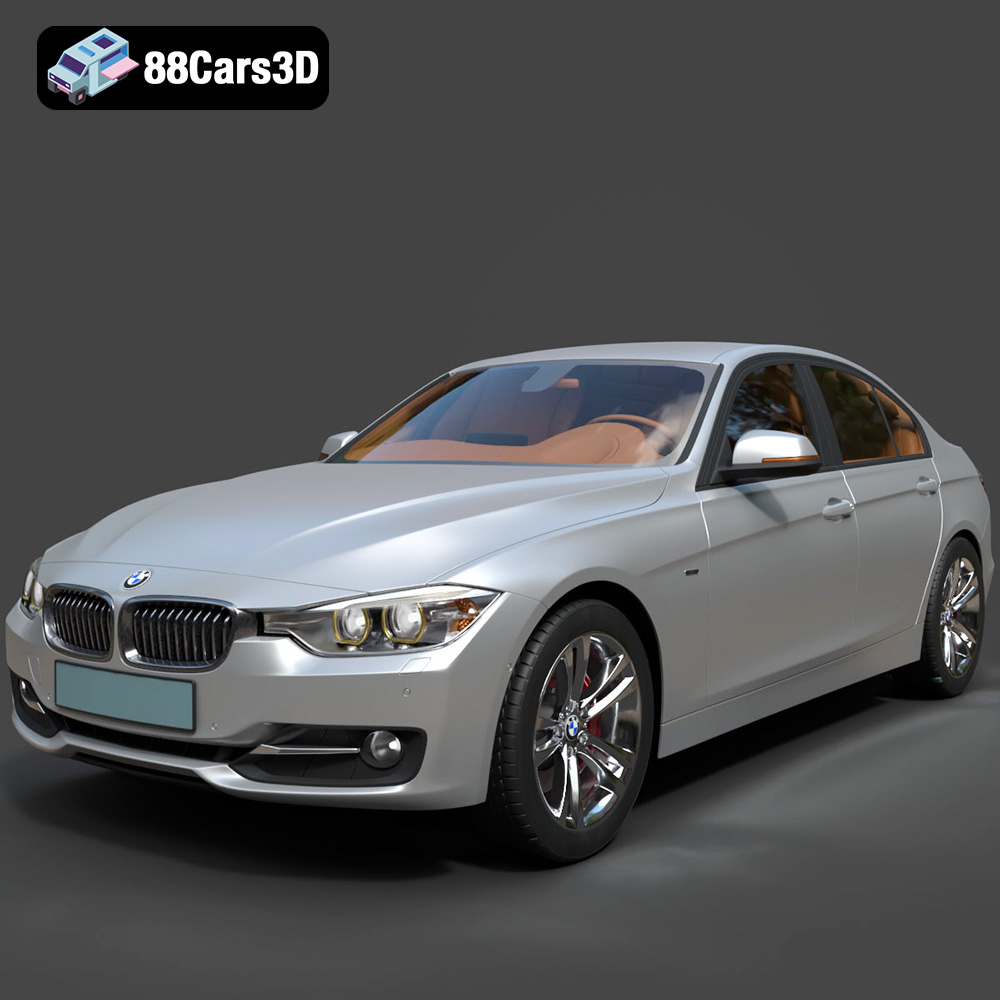
Texture: Yes
Material: Yes
Download the BMW 3 F30 3D Model featuring a detailed exterior, realistic interior, and optimized mesh. Includes .blend, .fbx, .obj, .glb, .stl, .ply, .unreal, and .max formats for rendering, simulation, and game development.
Price: $10.79
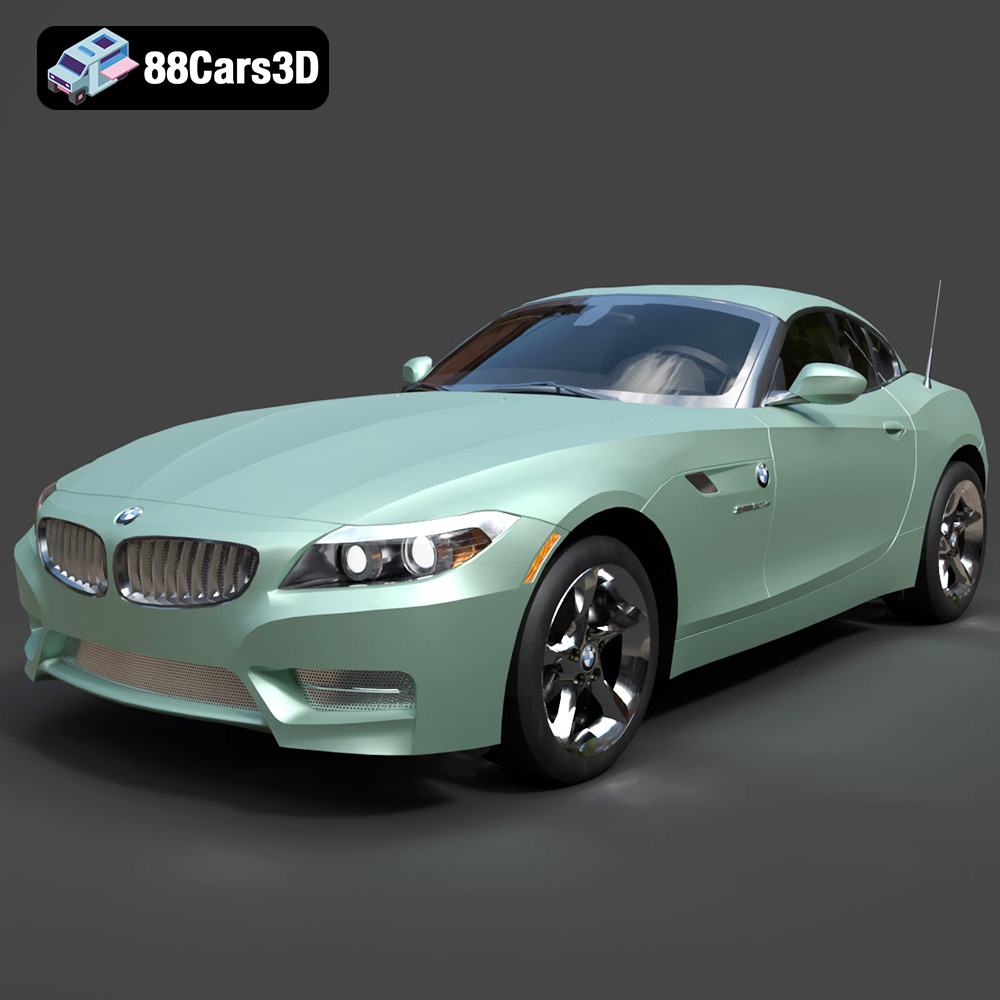
Texture: Yes
Material: Yes
Download the BMW Z4 Roadster E89 3D Model featuring clean geometry, realistic detailing, and a fully modeled interior. Includes .blend, .fbx, .obj, .glb, .stl, .ply, .unreal, and .max formats for rendering, simulation, and game development.
Price: $13.99

Texture: Yes
Material: Yes
Download the BMW Z4 E85 3D Model featuring clean geometry, realistic detailing, and a fully modeled interior. Includes .blend, .fbx, .obj, .glb, .stl, .ply, .unreal, and .max formats for rendering, simulation, and game development.
Price: $13.99

Texture: Yes
Material: Yes
Download the BMW M3 2024 3D Model featuring clean geometry, realistic detailing, and a fully modeled interior. Includes .blend, .fbx, .obj, .glb, .stl, .ply, .unreal, and .max formats for rendering, simulation, and game development.
Price: $13.99
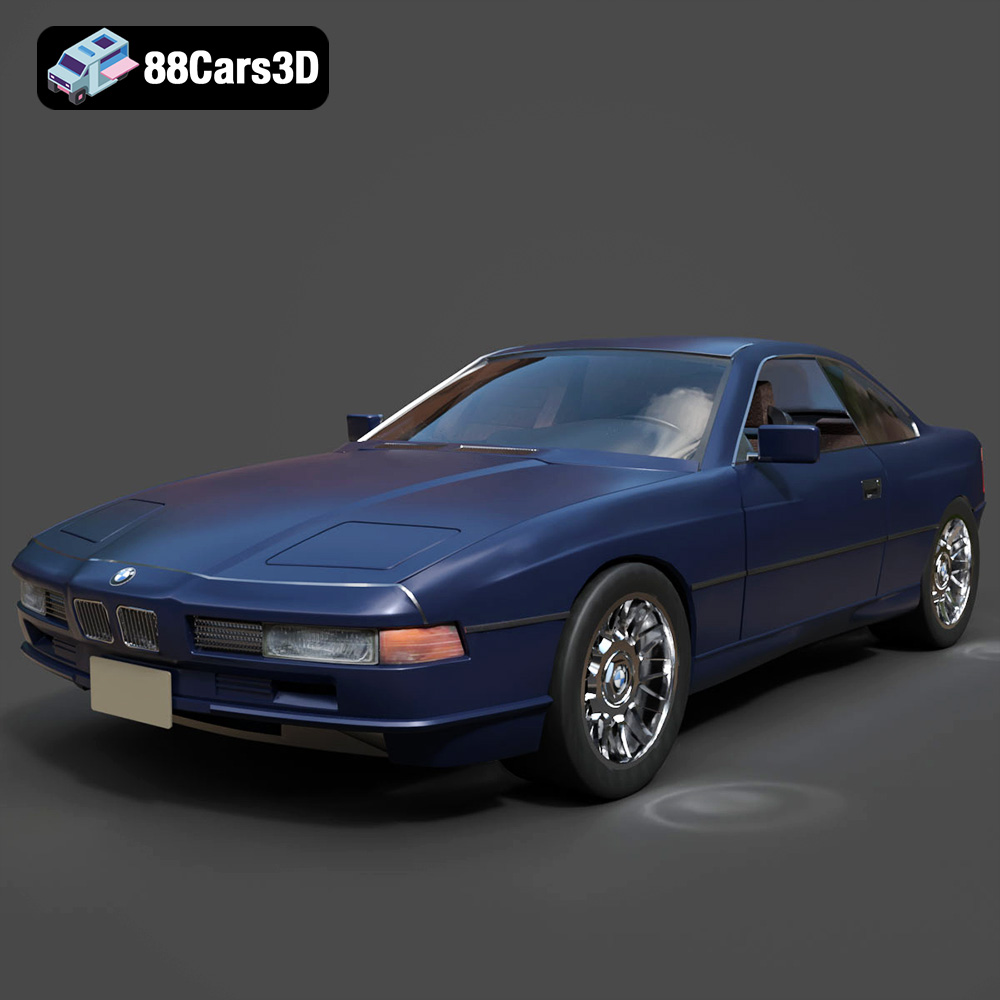
Texture: Yes
Material: Yes
Download the BMW 850i Coupe 1990 3D Model featuring clean geometry, realistic detailing, and a fully modeled interior. Includes .blend, .fbx, .obj, .glb, .stl, .ply, .unreal, and .max formats for rendering, simulation, and game development.
Price: $13.99
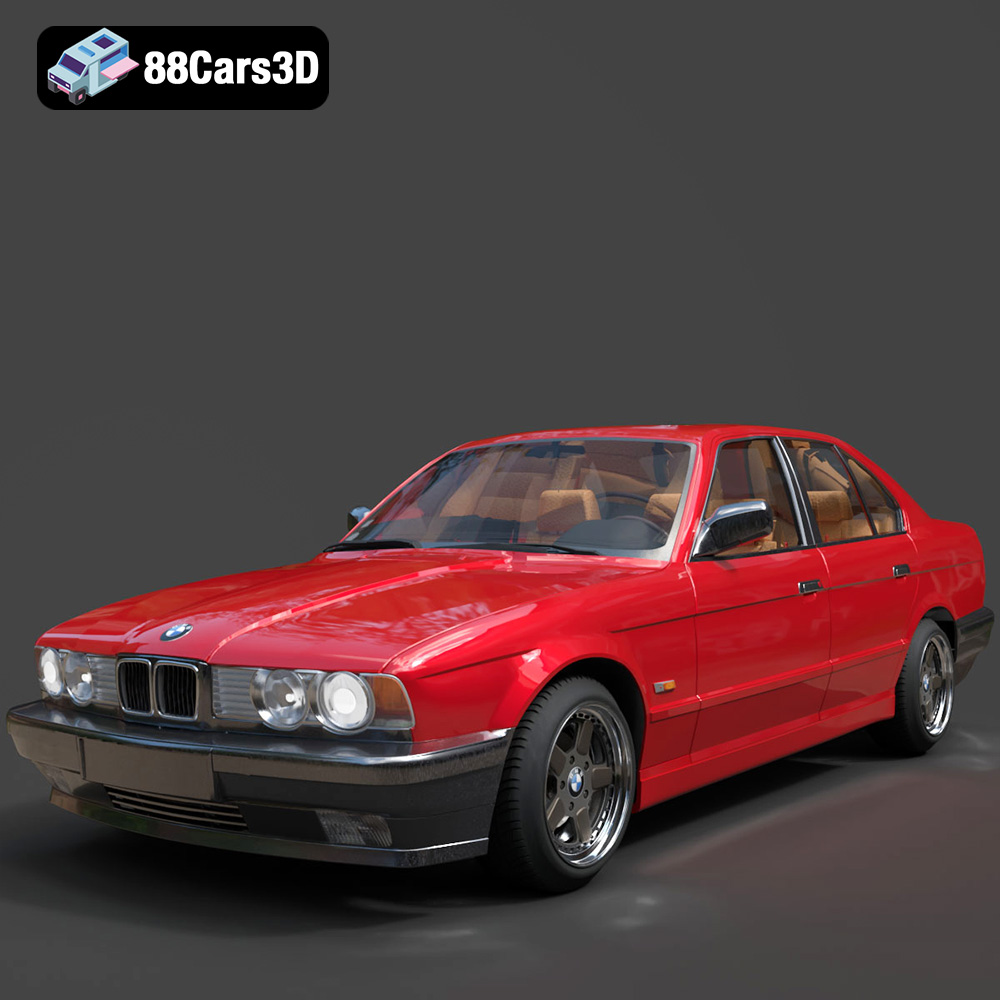
Texture: Yes
Material: Yes
Download the BMW 525i E34 1993 3D Model featuring clean geometry, realistic detailing, and a fully modeled interior. Includes .blend, .fbx, .obj, .glb, .stl, .ply, .unreal, and .max formats for rendering, simulation, and game development.
Price: $12.99

Texture: Yes
Material: Yes
Download the BMW 7 Series 2016 3D Model featuring luxurious design, detailed interior, and accurate exterior. Includes .blend, .fbx, .obj, .glb, .stl, .ply, .unreal, and .max formats for rendering, simulation, and game development.
Price: $10.79
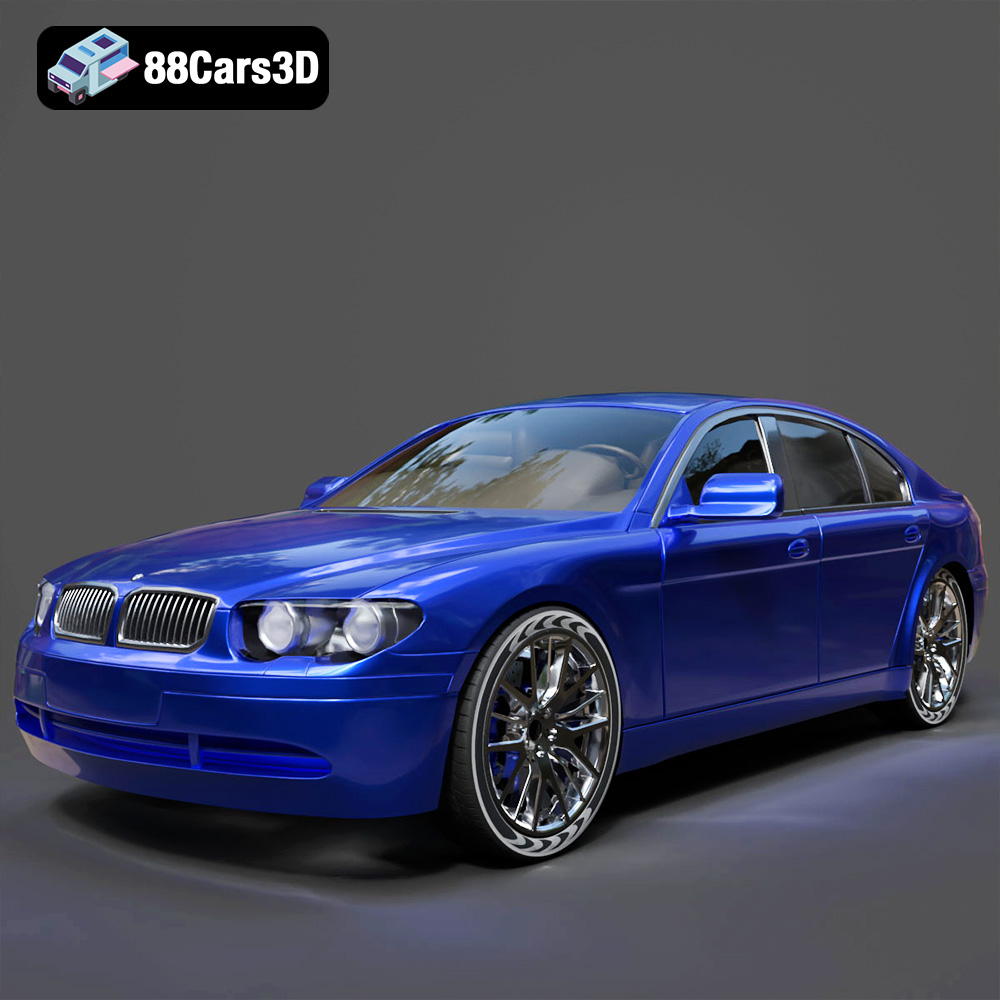
Texture: Yes
Material: Yes
Download the BMW 7 Series 30th Anniversary 3D Model featuring a meticulously crafted exterior, detailed interior, and realistic wheels. Includes .blend, .fbx, .obj, .glb, .stl, .ply, .unreal, and .max formats for rendering, simulation, and game development.
Price: $35.79

Texture: Yes
Material: Yes
Download the BMW 7-Series F02 3D Model featuring a detailed exterior and interior, optimized for rendering and animation. Includes .blend, .fbx, .obj, .glb, .stl, .ply, .unreal, and .max formats for rendering, simulation, and game development.
Price: $10.79
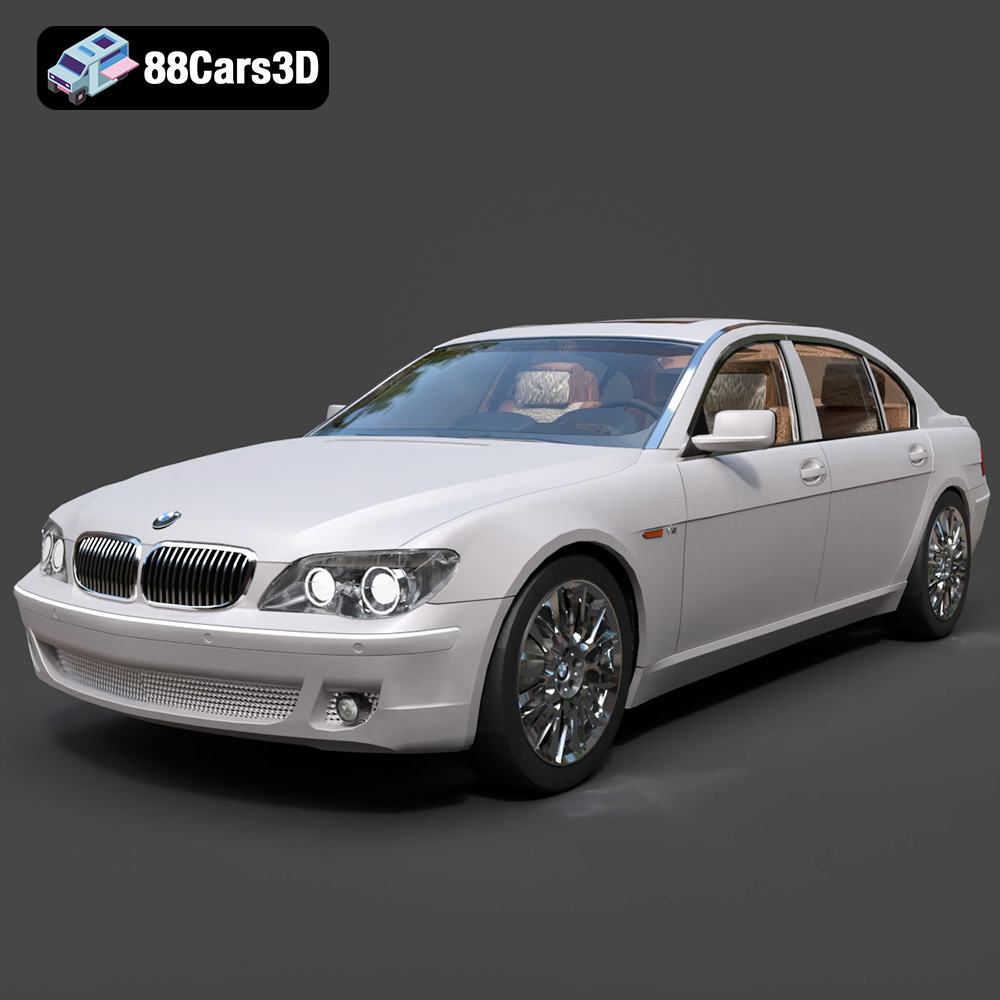
Texture: Yes
Material: Yes
Download the BMW 760Li E66 2005 3D Model featuring a detailed exterior, refined interior, and robust chassis. Includes .blend, .fbx, .obj, .glb, .stl, .ply, .unreal, and .max formats for rendering, simulation, and game development.
Price: $10.79

