⚡ FLASH SALE: Get 60% OFF All Premium 3D & STL Models! ⚡

The sleek lines of a modern supercar, the rugged utility of an off-road beast, or the nostalgic charm of a classic convertible—vehicles captivate us. In the digital realm, capturing this allure has undergone a dramatic transformation, from crude polygonal approximations to indistinguishable photorealistic masterpieces. The journey of automotive 3D modeling is a fascinating chronicle of technological progress, artistic skill, and the relentless pursuit of visual perfection. This article delves deep into this evolution, tracing the path from the fundamental low-poly car models of early gaming to the ultra-realistic vehicle assets that power today’s cinematic spectacles, advanced simulations, and burgeoning digital twins.
Understanding this evolution is crucial for anyone involved in game development, 3D printing, visualization, or automotive design. It highlights the technical challenges overcome, the innovative solutions devised, and the changing demands across various industries. Join us as we explore the tools, techniques, and philosophies that have shaped the digital representation of the automobile.
In the nascent days of 3D graphics, the concept of representing a complex object like a car in real-time was nothing short of revolutionary. However, the hardware limitations of the era dictated an approach focused on absolute simplicity.
Early graphics processors were rudimentary, capable of rendering only a handful of polygons per frame. Memory was scarce, and CPU power was limited. These constraints imposed a stringent polygon budget, often just hundreds or a few thousand triangles, to depict an entire vehicle. The goal wasn’t realism, but rather recognizable form and functional movement. Developers had to make difficult choices, prioritizing the overall silhouette and key identifying features over intricate details.
The primary domain for these low-poly car models was arcade racing games and early home console simulations. Titles like Sega’s Virtua Racing (1992) pioneered polygonal racing, offering a thrilling sense of speed despite blocky vehicles. Later, games like the original Gran Turismo (1997) and early Need for Speed entries pushed the boundaries, adding basic textures to distinguish models further. These games demonstrated that even with limited polygons, engaging experiences could be crafted.
The workflow for creating low-poly car models was fundamentally about efficient geometry. Box modeling was a common technique, starting with primitive shapes and extruding/scaling to form the basic silhouette. UV mapping was rudimentary, often involving simple planar projections for decals or basic color zones. The emphasis was on achieving a convincing silhouette with the fewest possible vertices and faces.
As the new millennium approached, technological advancements ushered in an era where more detail became feasible without entirely sacrificing real-time performance. This period saw the rise of mid-poly models, striking a balance between visual fidelity and computational efficiency.
The late 1990s and early 2000s saw a significant leap in GPU advancements. Graphics cards gained dedicated hardware for texture mapping and more robust polygon processing. Increased VRAM allowed for higher resolution textures, bringing a new dimension of visual information to models. This meant surfaces could appear more detailed without adding more geometry.
Game engines became more sophisticated, capable of handling complex lighting and environmental effects. Titles like Gran Turismo 3/4 (2001/2004), Need for Speed Underground (2003), and Forza Motorsport (2005) showcased cars with much more distinct body panels, recognizable interiors, and intricately modeled wheel designs. Beyond gaming, automotive visualization for early marketing materials and design reviews also adopted these improved 3D car designs.
Two techniques were pivotal in this era: subdivision surface modeling (Sub-D) and normal mapping. Subdivision surfaces allowed artists to create smooth, organic forms from a relatively low-polygon base cage, automatically adding detail at render time. Normal mapping, on the other hand, revolutionized how surface detail was perceived. By baking high-resolution detail from a separate, high-poly model onto a texture map, artists could simulate intricate bumps, grooves, and panel lines on a much lower-polygon model, making it appear far more complex than it geometrically was.
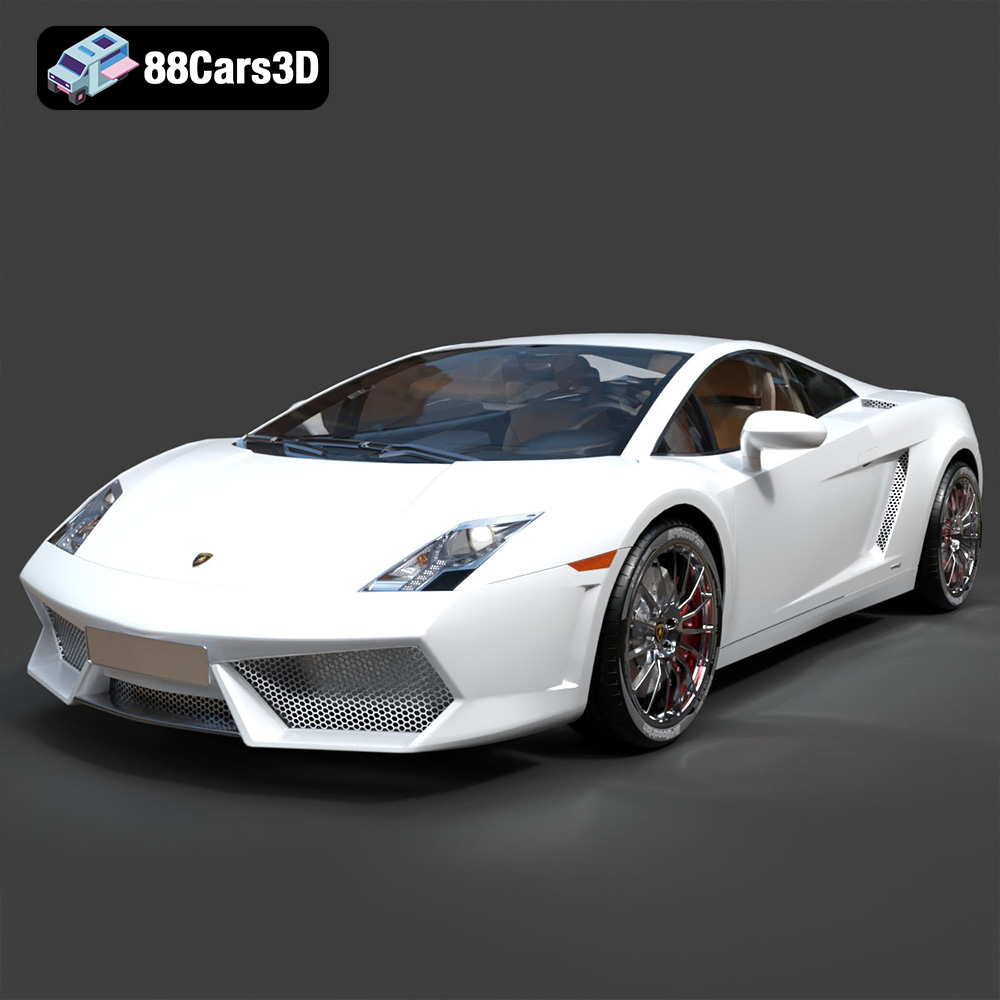
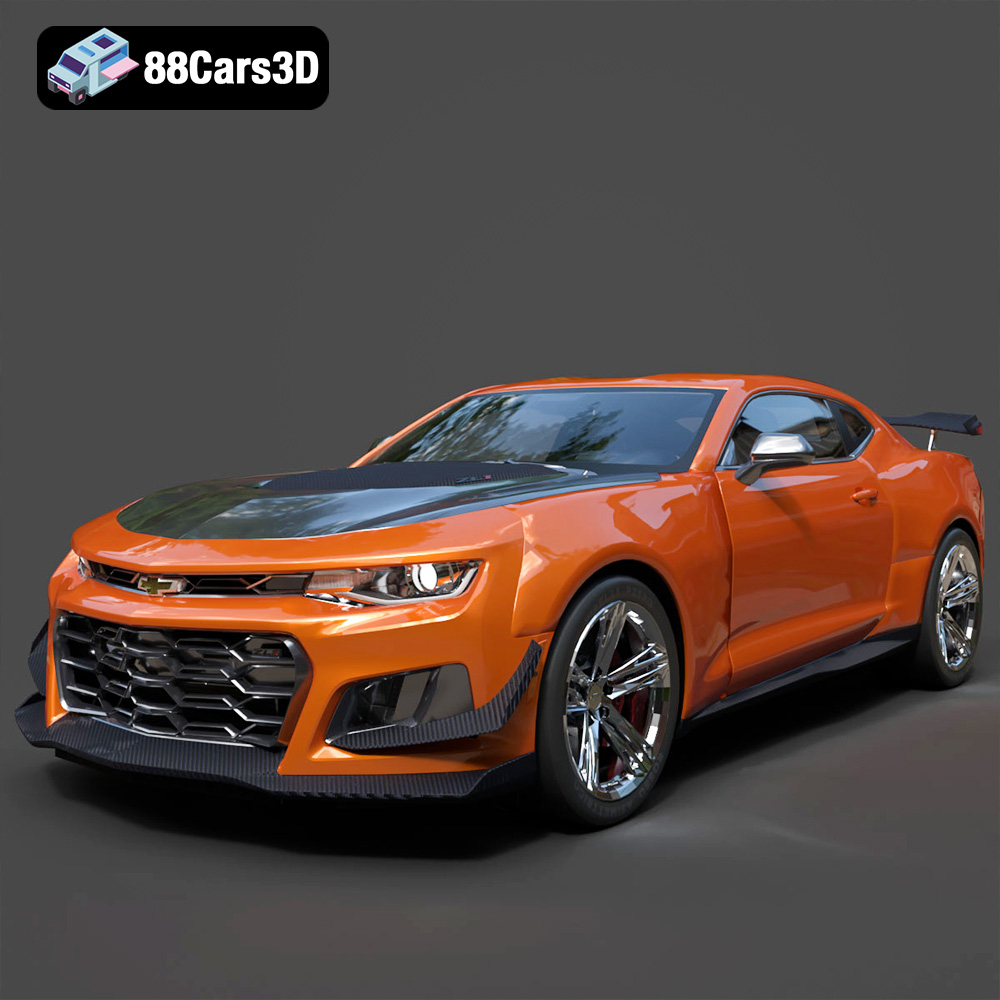
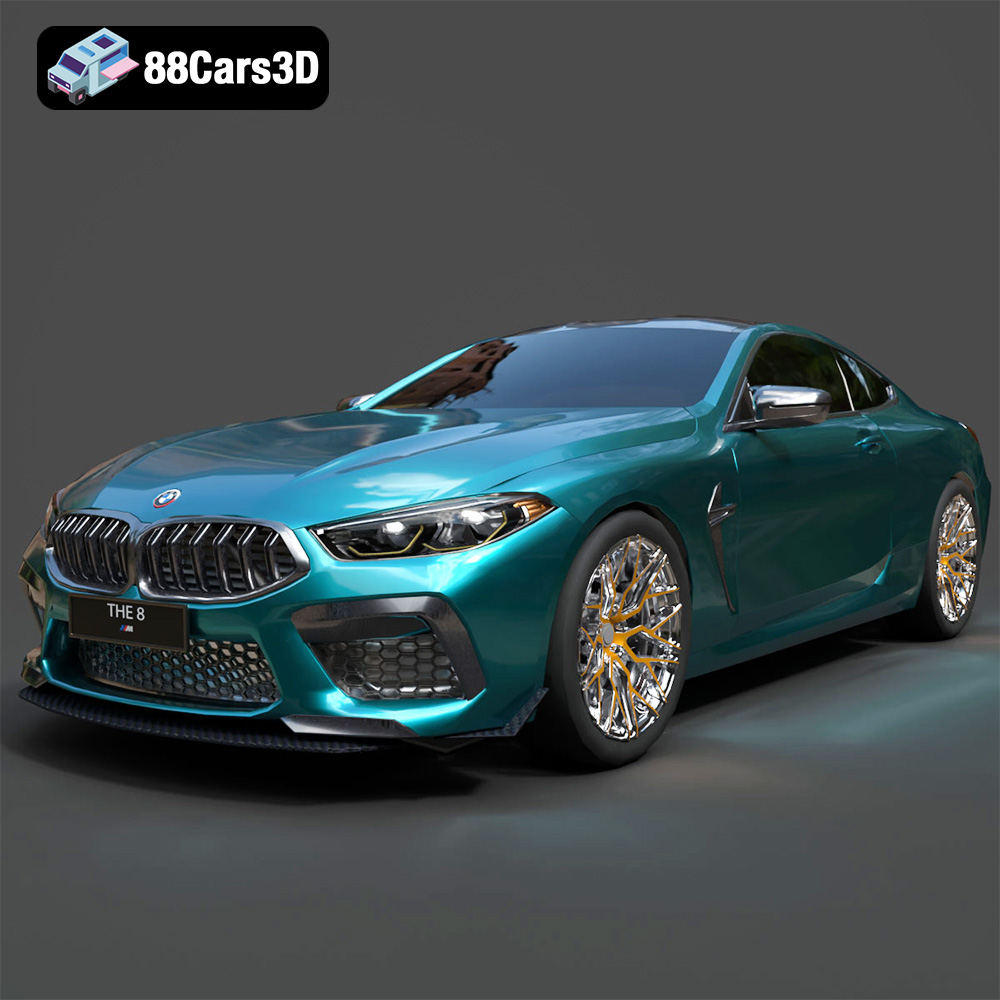
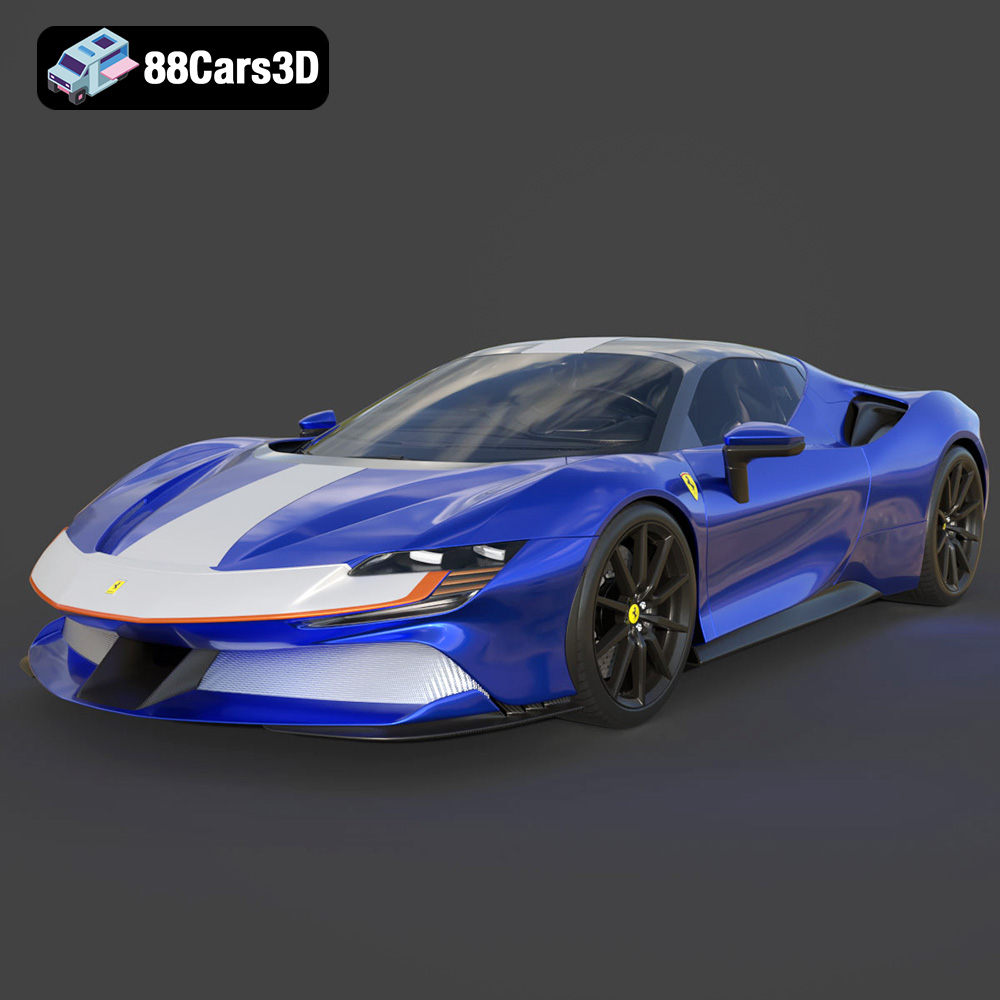
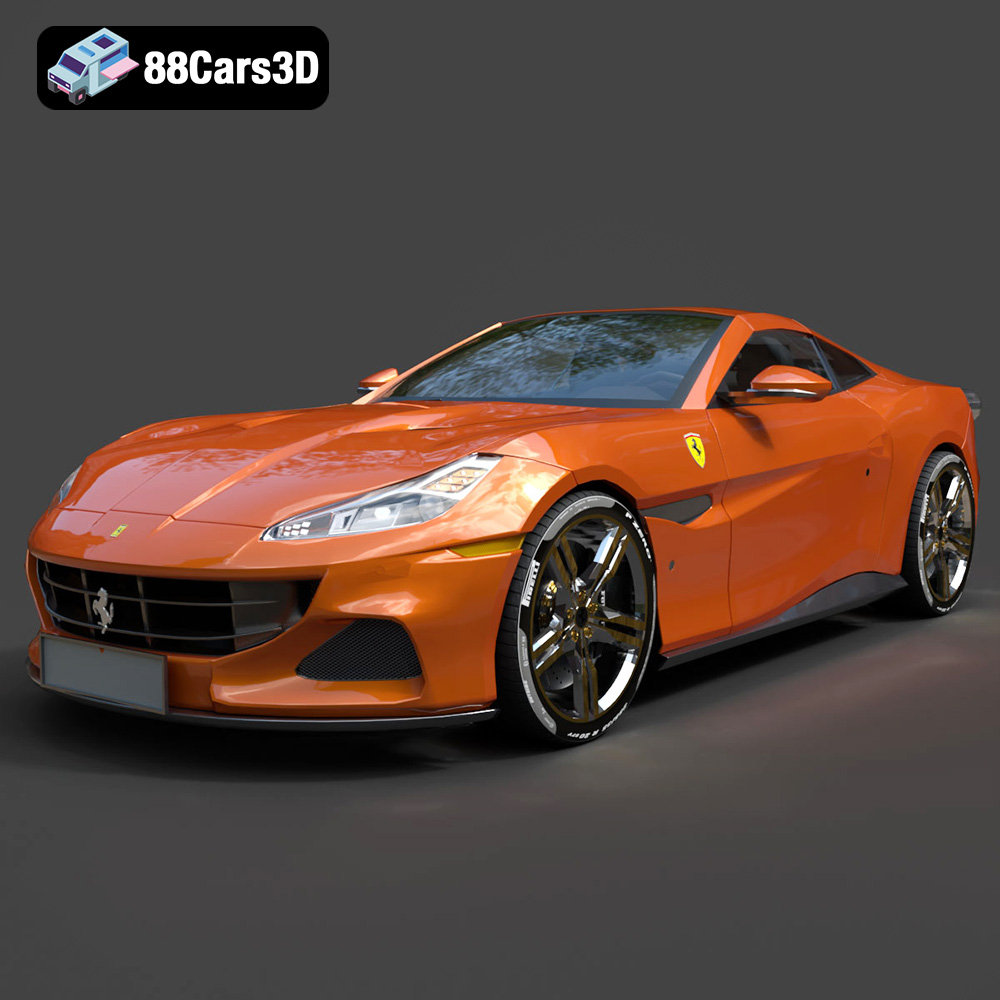
Today, the pursuit of ultra-realistic car models has reached astonishing levels, blurring the lines between digital and photographic reality. This era is characterized by virtually unlimited polygon budgets for offline rendering, combined with sophisticated data acquisition and rendering techniques.
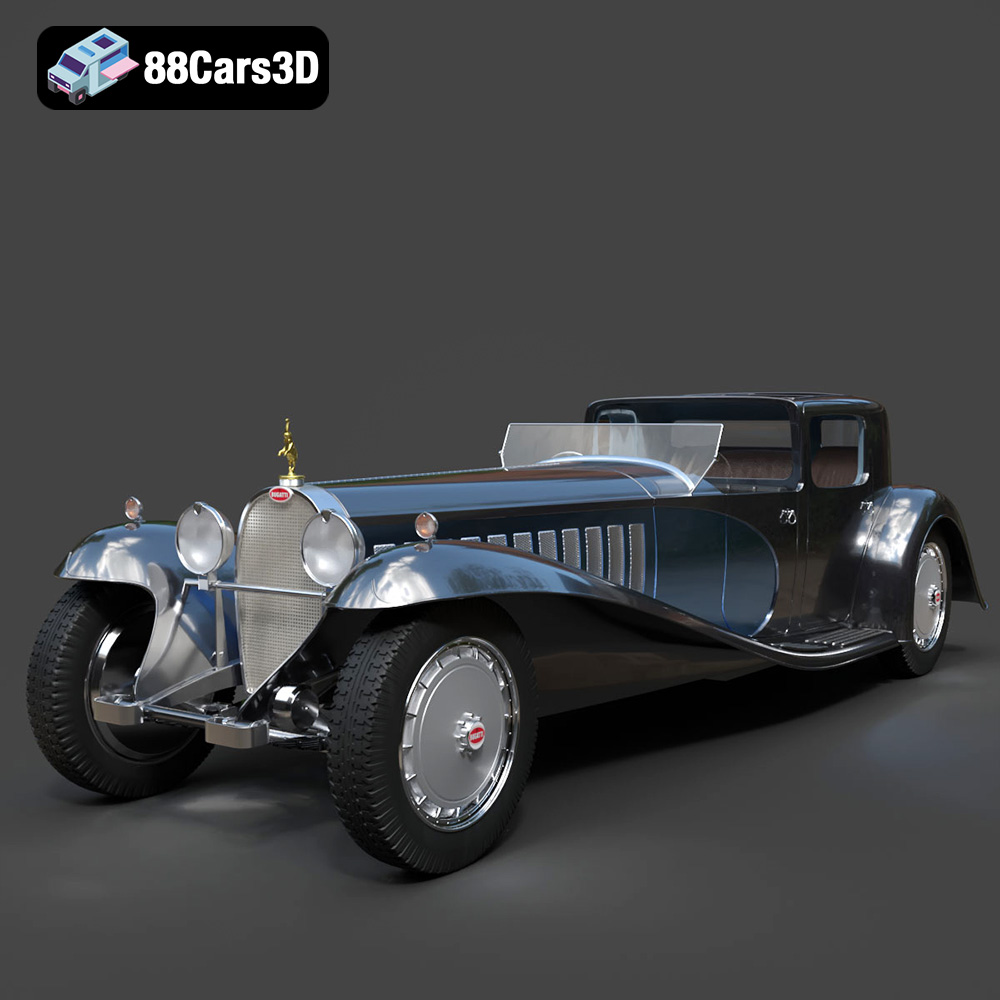
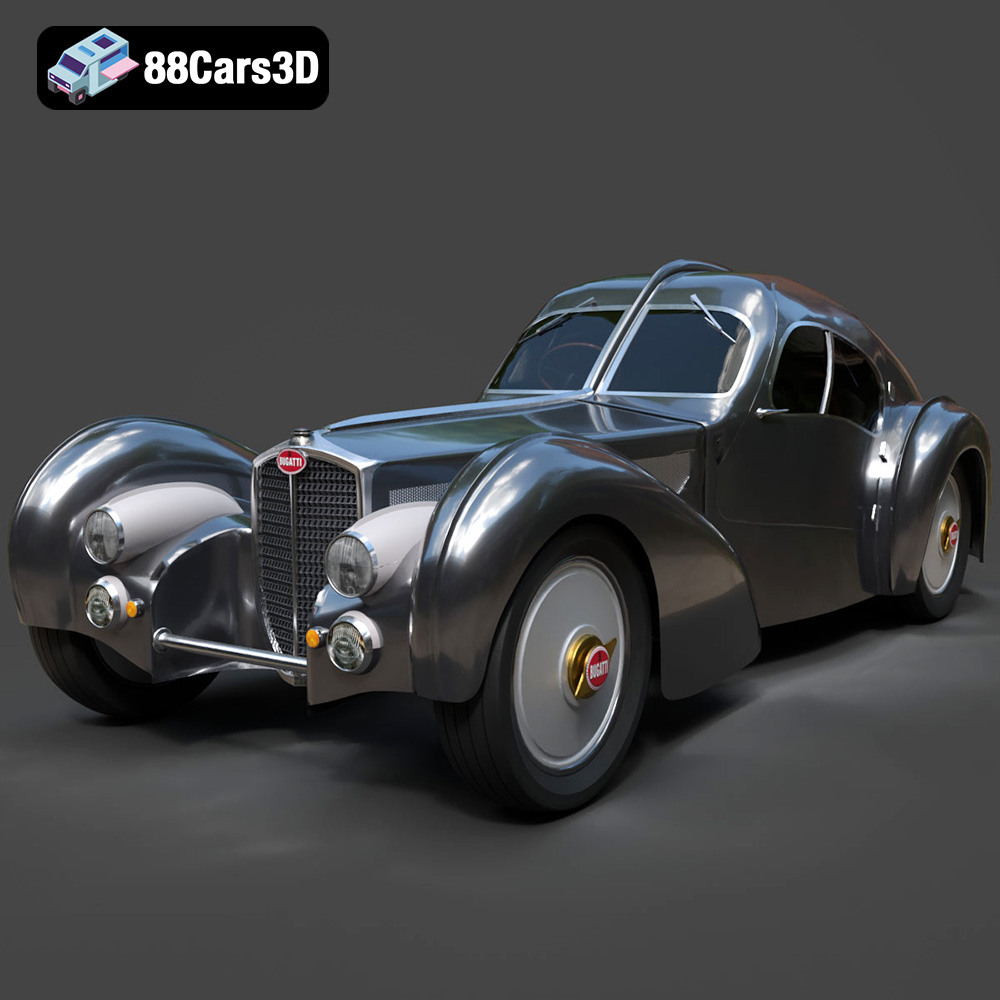
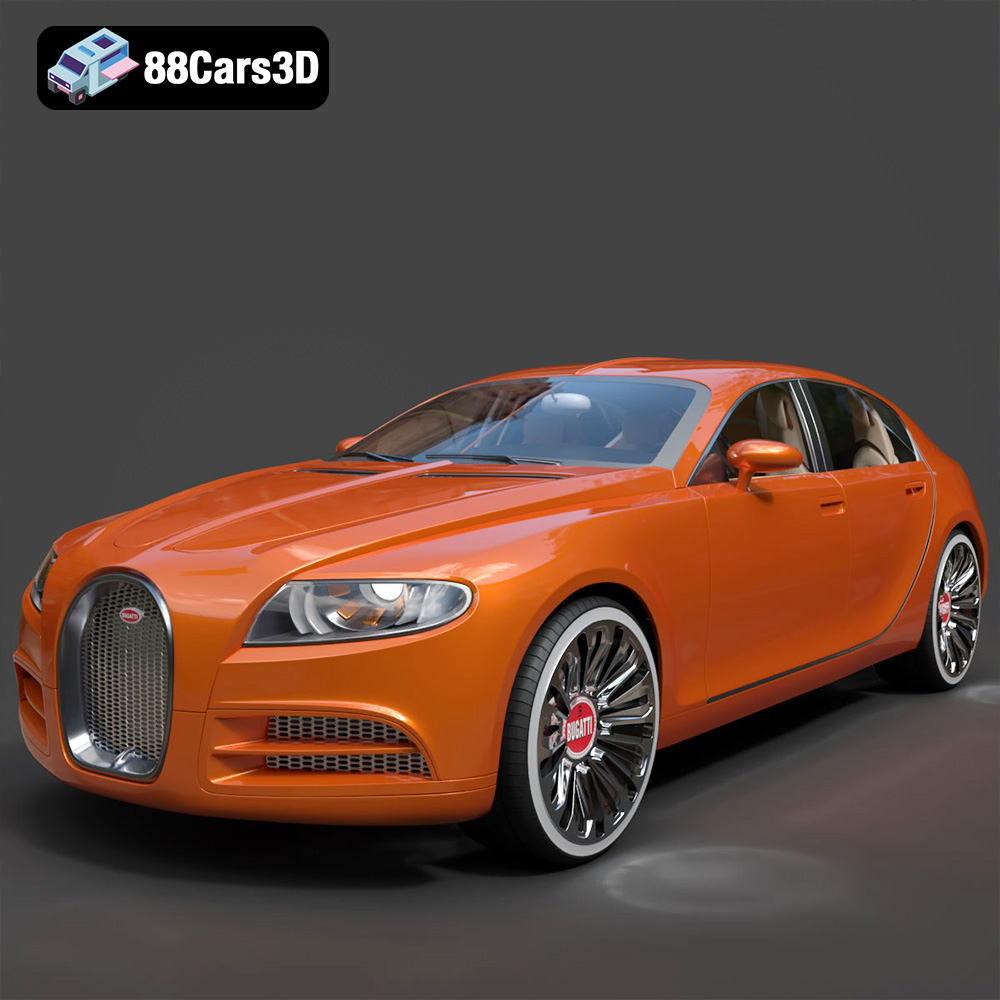
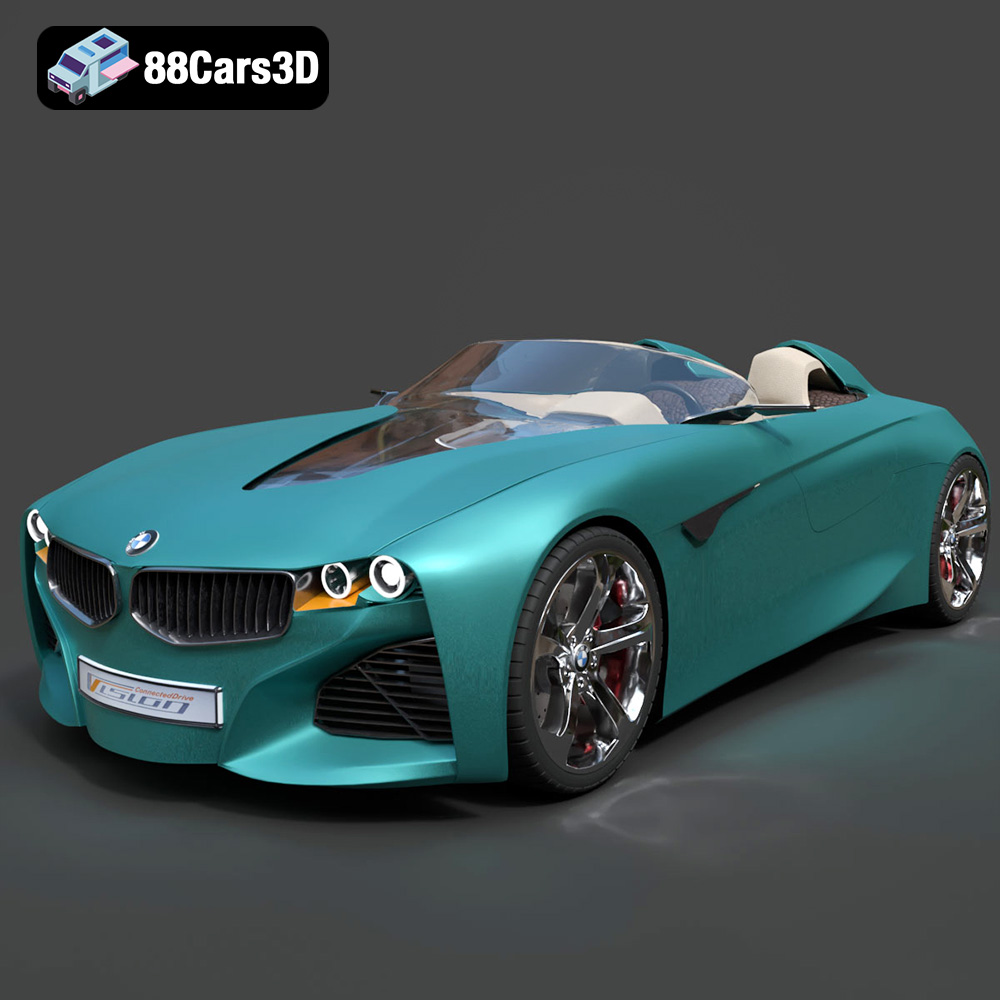
For applications where real-time performance is not the primary concern—such as feature films, high-end marketing campaigns, and detailed product design reviews—the sky is the limit for polygon counts. High-poly modeling allows for microscopic precision, from the texture of tire sidewalls to the intricate stitching on interior upholstery. The focus shifts entirely to achieving perfect reflections, accurate material responses, and flawless lighting to create CGI automotive visuals that are indistinguishable from real photography.
Modern automotive 3D modeling heavily leverages engineering data. Direct import of CAD data (Computer-Aided Design), often in NURBS (Non-Uniform Rational B-Spline) format, ensures millimeter-perfect accuracy. These precise engineering models serve as the foundation, which can then be tessellated into high-resolution polygonal meshes. Another powerful technique is photogrammetry scanning, where multiple photographs of a physical car or prototype are used to reconstruct a highly detailed 3D model, capturing every dent, scratch, and surface imperfection.
The visual quality of ultra-realistic car models is heavily reliant on advanced rendering techniques. Physically Based Rendering (PBR) workflows are standard, ensuring materials react to light in a scientifically accurate manner. This means car paint shimmers realistically, chrome reflects sharply, and glass refracts light as it would in the real world. Modern ray tracing rendering and path tracing algorithms simulate light interaction with unparalleled precision, calculating global illumination, reflections, and refractions with stunning accuracy. Software like V-Ray, Octane Render, and Redshift are industry staples for achieving this level of realism.
The choice between low-poly and ultra-realistic vehicle assets is not about one being inherently “better,” but rather about suitability for specific applications. Each approach has its distinct advantages and disadvantages, primarily driven by the balance between visual fidelity, performance, and development time.
To help you navigate this choice, the following table outlines key characteristics and ideal use cases for each level of detail in automotive 3D modeling:
| Feature | Low-Poly Automotive Models | Mid-Poly Automotive Models | Ultra-Realistic Automotive Models |
|---|---|---|---|
| Polygon Count | < 5,000 triangles | 5,000 – 50,000 triangles | > 500,000 to Millions+ triangles |
| Texture Resolution | Low (256×256 to 512×512) | Medium (1K to 2K) with Normal Maps | High (4K to 8K+) with PBR maps |
| Target Application | Mobile Games, Early VR, Stylized Art, Large-scale Simulations | Console/PC Games, Real-time Visualization, VR/AR Experiences | Film, TV, High-End Marketing, Product Design, Digital Twins |
| Workflow Focus | Optimization, silhouette accuracy, efficient UV mapping | Balancing detail with performance, normal map baking, LODs | Accuracy (CAD/Photogrammetry), PBR material creation, rendering setup |
| Render Time (Single Frame) | Instant (Real-time engines) | Instant (Real-time engines) | Minutes to Hours (Offline renderers) |
| Level of Detail | Basic shape, recognizable form, stylized | Detailed exterior, basic interior, good surface detail via normal maps | Photorealistic, microscopic detail, fully functional interior, accurate physics representation |
| Key Techniques | Box Modeling, manual poly reduction, simple diffuse textures | Subdivision modeling, normal mapping, PBR (basic), LOD systems | CAD conversion, Photogrammetry, advanced PBR, Ray Tracing/Path Tracing, advanced surfacing |
This decision framework underscores that the “best” model is always the one that perfectly fits its intended purpose, considering factors like polygon budget optimization, rendering environment (real-time vs. offline), and the required visual fidelity.
The journey from simple polygons to photorealism is far from over. The future of automotive 3D modeling promises even more immersive experiences, driven by emerging technologies and evolving industry demands.
These developments signify a future where 3D car design is not just about visual representation, but also about intelligent, data-rich, and interactive digital entities.
The evolution of automotive 3D modeling is a testament to human ingenuity and technological progress. From the pixelated, polygon-starved cars of early arcade games to the breathtakingly realistic vehicles gracing today’s films and simulations, the industry has continuously pushed the boundaries of what’s possible. Understanding this journey—the constraints that shaped early designs, the innovations that unlocked new levels of detail, and the specialized techniques that define modern workflows—is invaluable for anyone navigating the complex world of vehicle 3D design.
Whether you’re creating a fast-paced indie game, developing a sophisticated marketing campaign, or contributing to the next generation of digital twin automotive technology, the key lies in choosing the right level of detail and the appropriate tools for the job. The future promises even more exciting advancements, but the foundational principles of efficient modeling and artistic vision will always remain paramount.
Are you looking to create stunning ultra-realistic car models for your next marketing campaign, game, or simulation? Or perhaps you need optimized low-poly vehicle assets for a mobile application or VR experience?
Let’s drive your digital projects forward with world-class 3D automotive assets!
“`