⚡ FLASH SALE: Get 60% OFF All Premium 3D & STL Models! ⚡

The pursuit of photorealism in real-time rendering has always been a driving force for innovation in game development, automotive visualization, and virtual production. For years, the Physically Based Rendering (PBR) metallic/roughness workflow has been the industry standard, providing a robust foundation for believable materials. However, as our visual expectations grow and the complexity of real-world materials becomes more apparent, the limitations of traditional PBR have started to emerge, especially when dealing with intricate surfaces like multi-layered car paints, advanced plastics, or specialized fabrics.
Enter Unreal Engine’s Substrate Material System – a monumental paradigm shift designed to redefine how we define and render materials. Substrate moves beyond the constraints of a single-surface PBR model, offering an incredibly flexible and physically accurate framework for creating virtually any material imaginable. For automotive visualization, where every reflection, every clear coat, and every intricate detail contributes to the perception of luxury and authenticity, Substrate is nothing short of revolutionary. This comprehensive guide will delve deep into the Substrate Material System, exploring its core concepts, practical implementation for high-fidelity 3D car models, and its profound impact on achieving unparalleled realism in your Unreal Engine projects. Get ready to unlock a new dimension of visual fidelity for your automotive assets.
For over a decade, Physically Based Rendering (PBR) has been the cornerstone of realistic material creation across various real-time engines, including Unreal Engine. Its intuitive approach, based on real-world physics and material properties, has allowed artists to achieve consistently believable results. However, as rendering technology progressed and the demand for even greater realism intensified, particularly for highly complex and specialized materials, the limitations of the traditional PBR pipeline became increasingly apparent.
Traditional PBR, typically implemented as a metallic/roughness workflow, defines a material’s appearance based on a few key parameters: Base Color (albedo), Metallic, Roughness, and Normal. These parameters dictate how light interacts with a surface, accurately simulating diffuse and specular reflections. PBR’s strength lies in its ability to produce consistent lighting responses regardless of the scene’s lighting conditions, making it an excellent choice for a wide range of everyday surfaces like wood, stone, metals, and plastics. Its standardization has streamlined asset creation workflows and significantly reduced the need for artists to “eyeball” material values, leading to a more physically accurate and predictable rendering pipeline. For many game assets and general visualization tasks, PBR remains a highly efficient and effective solution.
While powerful, traditional PBR struggles with materials that exhibit complex layering, volumetric properties, or unique light interactions. Consider a high-gloss automotive clear coat: in reality, it’s a transparent layer *over* a metallic base paint. With traditional PBR, achieving this effect often involved a “fake” clear coat by tweaking roughness and metallic values, or resorting to complex shader hacks that broke physical accuracy and were difficult to optimize. This made it challenging to achieve nuanced effects like orange peel, deep metallic flakes, or the distinct refraction of a thick glass windshield without significant compromises.
Other materials that posed a significant challenge included:
These limitations meant that artists often had to compromise on visual fidelity or spend significant time developing bespoke shaders for each unique material, leading to inconsistency and increased development costs. This gap in capability is precisely what Substrate was designed to address, offering a unified, physically accurate solution for a vastly expanded range of material expressions.
The Substrate Material System in Unreal Engine represents a fundamental re-architecture of how materials are defined and rendered. It moves away from the traditional, monolithic surface shader to a flexible, layered approach that mirrors how real-world materials are constructed. At its heart, Substrate is about describing materials not as a single set of properties, but as a stack of physically accurate layers, each contributing to the final appearance. This layered model allows for unprecedented fidelity and artistic control, especially beneficial when working with high-quality 3D car models sourced from platforms like 88cars3d.com.
The central concept of Substrate is its layered material model. Instead of directly outputting to a single material “surface,” Substrate materials are built by stacking various “Material Expressions” that represent different physical layers. Think of it like a graphics editing program where you combine multiple layers with different blending modes to achieve a final image. In Substrate, these layers are physically based and represent things like clear coats, volumetric materials, cloth, or even the underlying “standard” PBR surface.
Key components of this system include:
Substrate Clear Coat, Substrate Standard, Substrate Cloth, Substrate Volumetric, and Substrate Unlit. Each expression exposes parameters relevant to that specific physical layer (e.g., thickness and roughness for a clear coat, or scattering and absorption for a volumetric material).Substrate Material Output node combines these layers, handling the complex light interaction calculations.Substrate Add, Substrate Blend, or Substrate Replace, allow you to combine or blend properties from different layers, enabling complex effects like dirt accumulation on a clear coat or paint damage revealing a metallic substrate.This modularity allows artists to precisely define the physical properties of each layer, ensuring that light interacts correctly throughout the entire material stack, resulting in far more realistic reflections, refractions, and overall appearance. For instance, simulating complex automotive paint with multiple effect layers becomes a straightforward process of stacking relevant Substrate expressions, rather than relying on custom code or approximations. You can find comprehensive details on each Substrate expression and their usage in the official Unreal Engine documentation at dev.epicgames.com/community/unreal-engine/learning, which provides invaluable technical insights.
Substrate doesn’t just stack visual layers; it also manages complex data layers that define how light interacts with each component. Each Substrate Material Expression contributes specific data to the overall material description. This includes:
The genius of Substrate lies in its ability to combine these properties across multiple layers in a physically coherent way. For example, a clear coat layer will correctly refract and reflect light before it even reaches the base metallic paint layer, and then the base layer’s properties will determine how much light is absorbed or reflected back through the clear coat. This intricate interplay of data ensures that the resulting material behaves exactly as it would in the real world, providing an unprecedented level of visual authenticity for everything from a car’s pristine finish to its textured interior components. This deep integration of physically accurate parameters is what truly sets Substrate apart and enables artists to craft truly next-generation materials.
The real power of Substrate comes to life when applied to high-fidelity assets, especially intricate 3D car models. Achieving showroom-quality realism for vehicles demands meticulous attention to every surface, from the multi-layered paintwork to the nuanced textures of tires and the transparency of glass. Substrate provides the tools to address these complex material requirements with physical accuracy, making it an indispensable asset for automotive visualization professionals.
One of the most significant advancements Substrate offers is its ability to create truly realistic car paint. Traditional methods often relied on clever hacks to simulate the clear coat effect, but Substrate provides a direct, physically correct solution. Here’s a typical workflow for setting up a complex automotive paint:
The beauty of this system is that each layer interacts physically. The clear coat correctly reflects and refracts light, and the base metallic paint beneath responds accordingly, creating an incredibly realistic and deep finish that was previously very difficult to achieve in real-time. When acquiring high-quality car models from marketplaces like 88cars3d.com, you often receive clean UV mapping and texture sets that are perfectly suited for this layered Substrate approach, allowing you to focus on material definition rather than asset preparation.
Substrate’s versatility extends far beyond just car paint. It’s equally transformative for other critical automotive materials:
By leveraging these specific Substrate expressions, artists can build automotive materials that respond to light with a level of fidelity that truly blurs the line between real and rendered, pushing the boundaries of what’s achievable in real-time visualization.
Substrate’s power is amplified when combined with other cutting-edge features within Unreal Engine. Its physically accurate material descriptions provide the perfect foundation for systems like Nanite for geometry, Lumen for global illumination, and Blueprint for interactivity. Understanding how these technologies synergize is key to unlocking the full potential of next-generation automotive visualization.
The quest for photorealism in real-time has always been a balancing act between geometric detail, material complexity, and lighting accuracy. With Unreal Engine 5, Substrate, Nanite, and Lumen form a powerful triumvirate that tackles all three simultaneously:
Substrate Volumetric or SSS) will contribute correctly to the ambient light within the car cabin.This combination ensures that light not only interacts correctly with the surface of the car but also propagates realistically throughout the entire scene, resulting in truly immersive and believable visuals.
The ability to dynamically change material properties at runtime is a cornerstone of interactive experiences, especially for automotive configurators or virtual showrooms. Substrate materials are fully compatible with Unreal Engine’s Blueprint visual scripting system, allowing you to expose and manipulate their parameters with ease:
This powerful combination enables:
Beyond configurators, Substrate materials also shine in cinematic contexts. Using Unreal Engine’s Sequencer, you can animate Substrate material parameters over time, creating stunning visual effects like paint changing color as a car moves under different lights, or dynamic weathering effects for a dramatic narrative. This level of dynamic control and visual fidelity opens up entirely new possibilities for automotive marketing, design review, and interactive experiences.
While Substrate offers unparalleled visual fidelity, its complex layered calculations can naturally come with a higher performance cost than traditional PBR. Achieving photorealism in real-time requires a careful balance between visual quality and performance. Understanding how to optimize Substrate materials and adhering to best practices is crucial for maintaining smooth frame rates, especially in demanding applications like automotive visualization and AR/VR experiences.
The first step in optimizing any material is to understand its performance footprint. Unreal Engine provides robust tools to help you identify and address performance bottlenecks:
'stat gpu' or the built-in GPU profiler (accessible via 'Ctrl+Shift+,' in editor) to get a more granular breakdown of GPU time. This helps identify if material rendering is indeed the bottleneck. Look for entries related to “BasePass” or “Material Shaders.”By regularly profiling your Substrate materials, you can pinpoint specific layers or calculations that are disproportionately impacting performance and make informed decisions on where to optimize.
Effective optimization for Substrate materials often comes down to intelligent design and leveraging Unreal Engine’s instancing capabilities:
By thoughtfully designing your Substrate materials and employing these optimization strategies, you can achieve stunning visual fidelity without sacrificing real-time performance, ensuring your automotive visualizations run smoothly on target hardware.
The introduction of the Substrate Material System is not just an incremental update; it’s a foundational shift that fundamentally redefines the capabilities of real-time automotive visualization within Unreal Engine. Its ability to accurately represent complex, multi-layered materials elevates digital vehicles to an unprecedented level of realism, paving the way for revolutionary applications across various industries. This marks a new era where the virtual car is virtually indistinguishable from its physical counterpart.
One of the most immediate and impactful beneficiaries of Substrate’s advancements is the realm of interactive automotive experiences, particularly in Augmented Reality (AR), Virtual Reality (VR), and real-time configurators:
Substrate’s physically accurate material definitions also have transformative implications for high-end production workflows, particularly in virtual production and the creation of digital twins:
In essence, Substrate empowers artists and engineers to move beyond approximations, allowing them to craft digital automobiles with a level of fidelity that was once the exclusive domain of offline renderers. This opens up a wealth of new opportunities for design, marketing, and interactive experiences, solidifying Unreal Engine’s position at the forefront of automotive visualization technology.
The journey towards photorealism in real-time graphics has taken another monumental leap forward with the introduction of Unreal Engine’s Substrate Material System. By moving beyond the inherent limitations of traditional PBR, Substrate empowers artists and developers to define materials with an unprecedented level of physical accuracy and creative freedom. For the demanding world of automotive visualization, this is nothing short of revolutionary, enabling the creation of 3D car models that truly blur the line between virtual and reality.
We’ve explored how Substrate addresses the complexities of multi-layered car paints, realistic glass, and intricate interior surfaces. We’ve seen how its layered architecture, combined with advanced material expressions and a physically based data model, allows for the precise simulation of light interaction. Furthermore, the synergy between Substrate, Nanite’s geometric detail, and Lumen’s global illumination creates an ecosystem where every reflection, refraction, and surface nuance contributes to a breathtakingly immersive experience. The ability to control these complex materials dynamically via Blueprint also opens up exciting possibilities for next-generation interactive configurators and cinematic sequences.
While Substrate offers immense power, mastering it involves understanding its core concepts, adopting smart layering techniques, and diligently profiling for performance. By leveraging material instances, optimizing textures, and using layers judiciously, you can achieve stunning visuals without compromising real-time performance. The future of automotive visualization, from immersive AR/VR experiences to seamless virtual production and precise digital twins, is undeniably shaped by the capabilities of Substrate. For artists and developers seeking to push the boundaries of realism in their projects, embracing Substrate is not just an option, but a necessity.
The path to creating truly next-gen 3D car models in Unreal Engine begins here. Start experimenting with Substrate today, layer by physically accurate layer, and witness your automotive visions come to life with unmatched fidelity. Remember to consult the official Unreal Engine documentation at dev.epicgames.com/community/unreal-engine/learning for the deepest technical dive, and consider sourcing high-quality, optimized 3D car models from marketplaces like 88cars3d.com to provide a strong foundation for your Substrate-powered masterpieces.

Texture: Yes
Material: Yes
Download the BMW 7 Series E38 3D Model featuring its iconic luxury sedan design and classic aesthetics. Includes .blend, .fbx, .obj, .glb, .stl, .ply, .unreal, and .max formats for rendering, simulation, and game development.
Price: $10.79

Texture: Yes
Material: Yes
Download the BMW 6 Series 640i F12 3D Model featuring a sleek design and detailed interior. Includes .blend, .fbx, .obj, .glb, .stl, .ply, .unreal, and .max formats for rendering, simulation, and game development.
Price: $10.79

Texture: Yes
Material: Yes
Download the BMW 3 F30 3D Model featuring a detailed exterior, realistic interior, and optimized mesh. Includes .blend, .fbx, .obj, .glb, .stl, .ply, .unreal, and .max formats for rendering, simulation, and game development.
Price: $10.79
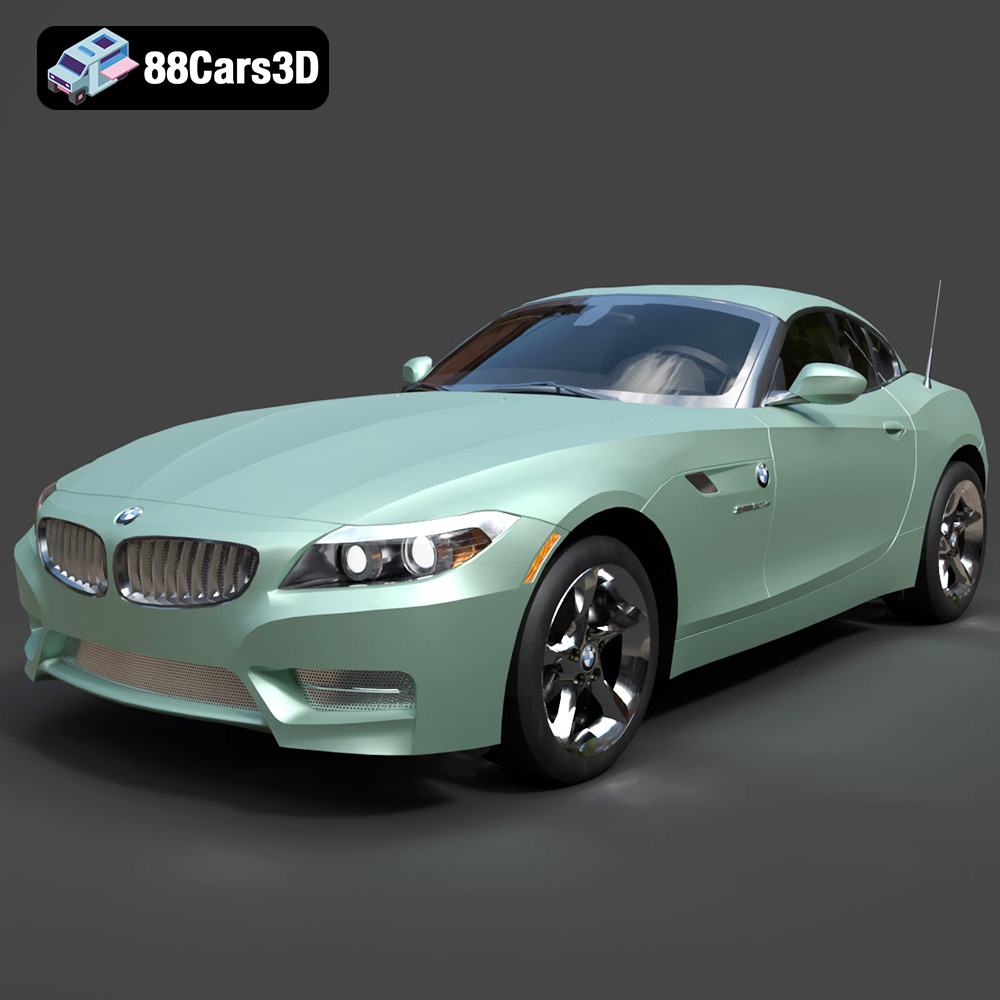
Texture: Yes
Material: Yes
Download the BMW Z4 Roadster E89 3D Model featuring clean geometry, realistic detailing, and a fully modeled interior. Includes .blend, .fbx, .obj, .glb, .stl, .ply, .unreal, and .max formats for rendering, simulation, and game development.
Price: $13.99

Texture: Yes
Material: Yes
Download the BMW Z4 E85 3D Model featuring clean geometry, realistic detailing, and a fully modeled interior. Includes .blend, .fbx, .obj, .glb, .stl, .ply, .unreal, and .max formats for rendering, simulation, and game development.
Price: $13.99

Texture: Yes
Material: Yes
Download the BMW M3 2024 3D Model featuring clean geometry, realistic detailing, and a fully modeled interior. Includes .blend, .fbx, .obj, .glb, .stl, .ply, .unreal, and .max formats for rendering, simulation, and game development.
Price: $13.99
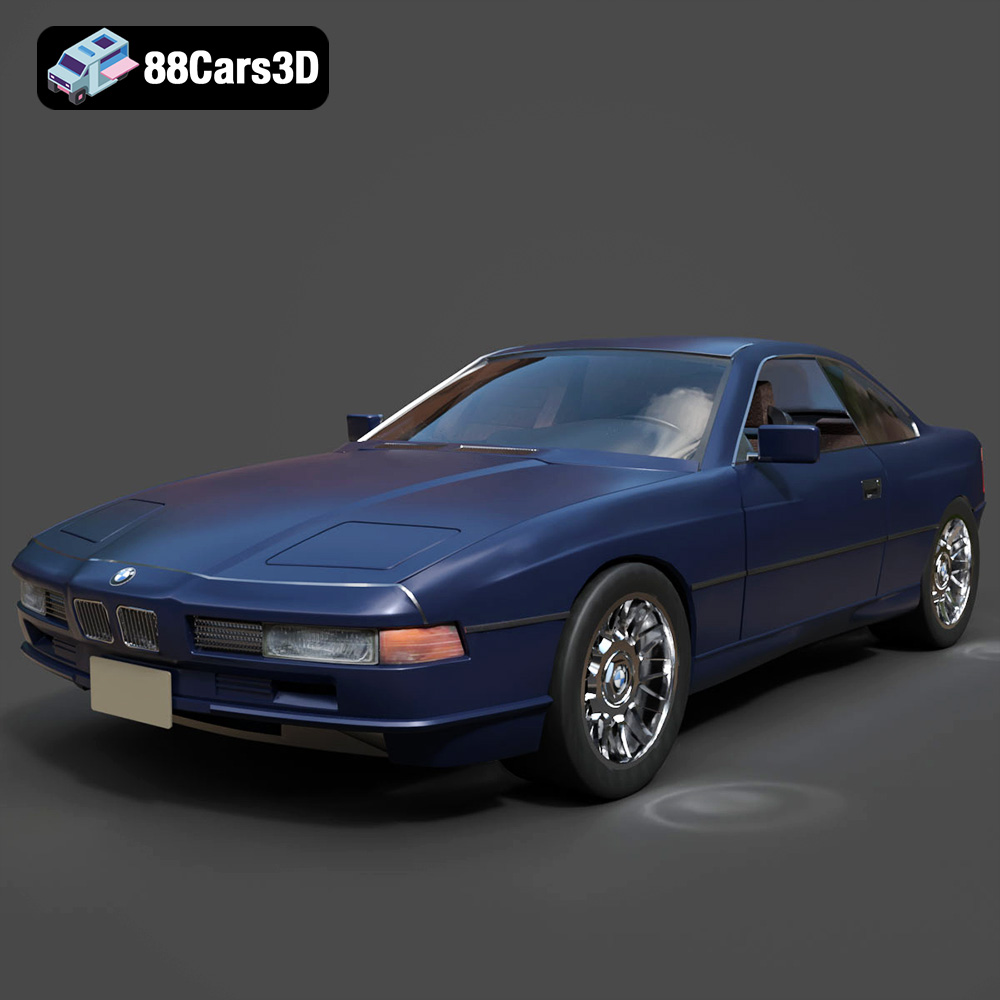
Texture: Yes
Material: Yes
Download the BMW 850i Coupe 1990 3D Model featuring clean geometry, realistic detailing, and a fully modeled interior. Includes .blend, .fbx, .obj, .glb, .stl, .ply, .unreal, and .max formats for rendering, simulation, and game development.
Price: $13.99
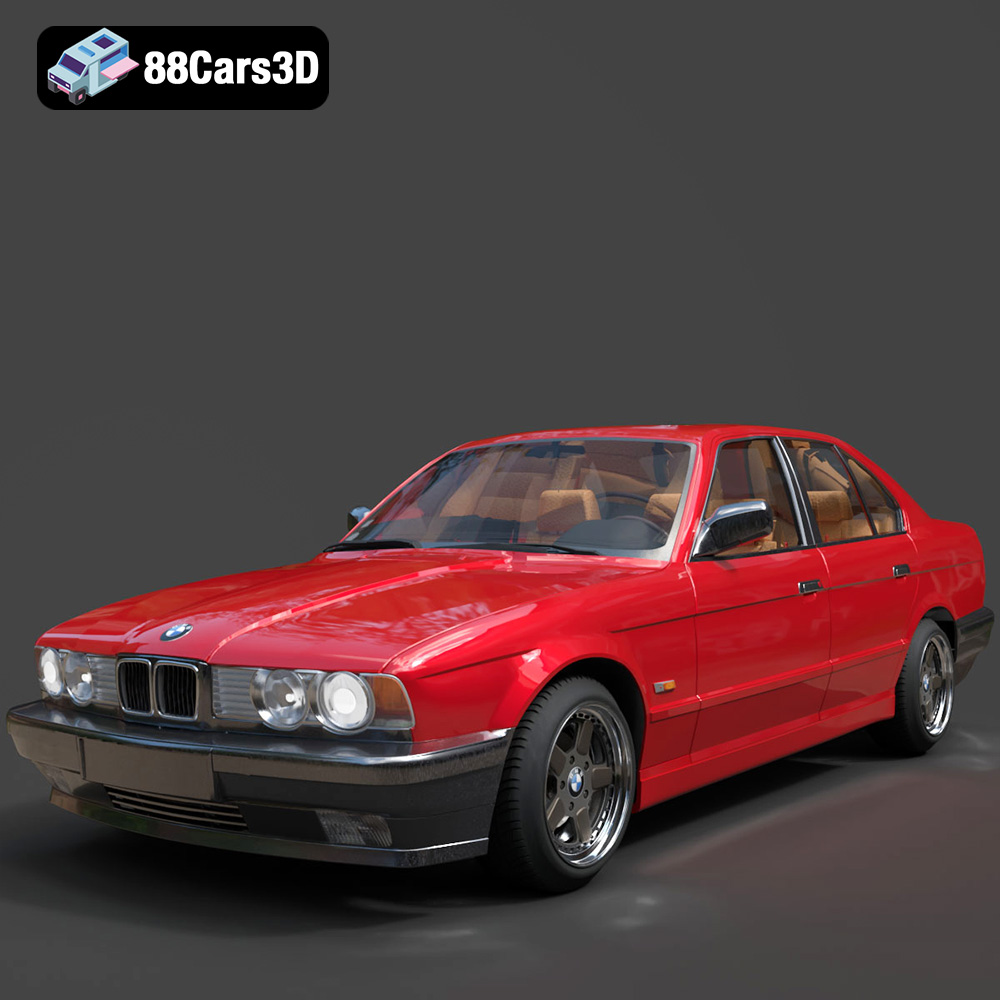
Texture: Yes
Material: Yes
Download the BMW 525i E34 1993 3D Model featuring clean geometry, realistic detailing, and a fully modeled interior. Includes .blend, .fbx, .obj, .glb, .stl, .ply, .unreal, and .max formats for rendering, simulation, and game development.
Price: $12.99

Texture: Yes
Material: Yes
Download the BMW 7 Series 2016 3D Model featuring luxurious design, detailed interior, and accurate exterior. Includes .blend, .fbx, .obj, .glb, .stl, .ply, .unreal, and .max formats for rendering, simulation, and game development.
Price: $10.79
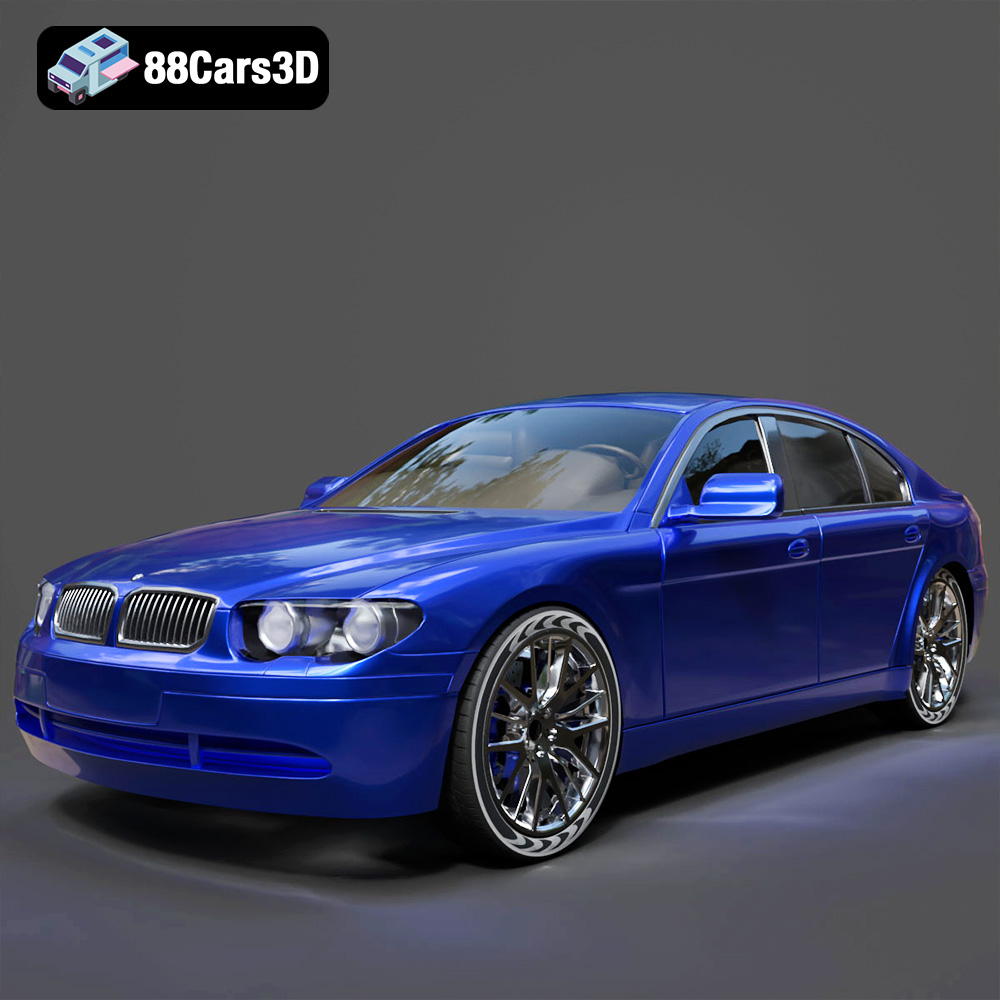
Texture: Yes
Material: Yes
Download the BMW 7 Series 30th Anniversary 3D Model featuring a meticulously crafted exterior, detailed interior, and realistic wheels. Includes .blend, .fbx, .obj, .glb, .stl, .ply, .unreal, and .max formats for rendering, simulation, and game development.
Price: $35.79

