⚡ FLASH SALE: Get 60% OFF All Premium 3D & STL Models! ⚡

In the rapidly evolving world of real-time rendering and visualization, the demand for breathtakingly realistic and expansive environments is constant, especially within the automotive industry. Whether you’re crafting a captivating cinematic advertisement, an interactive car configurator, a cutting-edge virtual showroom, or an immersive AR/VR experience, the backdrop against which your meticulously rendered 3D car models are presented is paramount. Traditionally, populating these vast digital landscapes has been a labor-intensive, often repetitive task, consuming valuable artist time and project resources.
Enter Unreal Engine’s Procedural Content Generation (PCG) framework. PCG is a game-changer, empowering artists and developers to design and populate worlds with unprecedented speed, iteration, and artistic control. It transforms the arduous process of manual asset placement into an intelligent, rule-based system that can generate complex scenes dynamically. This long-form technical guide will dive deep into the fundamentals of Unreal Engine’s PCG, exploring its immense potential for automotive visualization. We’ll cover everything from initial setup and integrating high-quality 3D car models—like those found on platforms such as 88cars3d.com—to advanced techniques for performance optimization, Blueprint integration, and real-world applications that will elevate your automotive projects to cinematic heights.
The Procedural Content Generation (PCG) framework in Unreal Engine 5 represents a monumental leap in how environments are created. At its core, PCG is a graph-based system that allows you to define rules and conditions for generating and placing assets automatically within your scene. This isn’t just about scattering objects; it’s about intelligent, context-aware population, enabling you to build entire cities, forests, or complex test tracks with a level of detail and artistic direction that was previously unachievable without significant manual effort.
For automotive visualization, PCG unlocks incredible efficiencies. Imagine needing to showcase a new vehicle in a bustling urban environment, then a serene countryside, and finally on a challenging off-road track. Manually placing every building, tree, and rock for each scenario would be prohibitively time-consuming. With PCG, you define the rules once, and the environment can be regenerated and iterated upon in moments, responding dynamically to your design choices. This drastically reduces development cycles, frees up artists to focus on creative refinement rather than repetitive tasks, and ensures consistency across large-scale projects. It also provides a robust framework for managing vast quantities of assets, intelligently leveraging Unreal Engine’s other cutting-edge features like Nanite and Lumen for unparalleled fidelity.
The heart of the PCG framework is the PCG Graph asset. This visual scripting interface, similar to Blueprints or the Material Editor, allows you to chain together various nodes to define the procedural generation process. Data flows through the graph, starting from an input (like a landscape, a static mesh, or a PCG Volume) and undergoing a series of transformations, filters, and operations before finally spawning assets. Each node performs a specific function, such as generating points, sampling surfaces, filtering based on density or height, transforming locations, or spawning static meshes.
A typical workflow might involve: first, defining an area of interest using a PCG Volume or a landscape; then, using a Surface Sampler node to generate points on that surface; next, applying Density Filters or Attribute Filters to control where assets can or cannot spawn (e.g., avoiding roads or specific regions); followed by Transform Points nodes to randomize scale, rotation, and offset; and finally, a Static Mesh Spawner node to place your chosen 3D assets at the transformed point locations. This modular approach allows for complex, non-linear workflows and easy experimentation. For detailed documentation on specific nodes and their functionalities, consult the official Unreal Engine learning platform at dev.epicgames.com/community/unreal-engine/learning.
At the lowest level, PCG operates on “points.” These are not just simple vectors; they are rich data structures that carry various attributes. Think of a point as a potential spawn location for an asset. Each point can store information such as its position (X, Y, Z), normal vector, rotation, scale, color, density, and even custom attributes like ‘type_of_foliage’ or ‘road_proximity’. These attributes are fundamental to creating sophisticated procedural logic.
For instance, a Density Filter node might evaluate the ‘density’ attribute of incoming points and discard those below a certain threshold, effectively controlling the sparsity or clustering of spawned assets. A Transform Points node might read the ‘normal’ attribute to align spawned objects perpendicular to a surface. You can also generate custom attributes using various expression nodes, allowing for highly specific control over asset properties. Managing these attributes effectively is crucial for building robust and controllable PCG graphs. By leveraging attributes, you can create intricate variations in scale, orientation, and even material assignments for your procedurally generated elements, ensuring a visually diverse and realistic environment around your pristine 3D car models.
Before diving into the intricacies of PCG graph creation, a well-prepared Unreal Engine project and an understanding of essential setup procedures are vital. The PCG framework is seamlessly integrated into Unreal Engine 5.2 and later versions, but it requires activation. Ensuring your project is configured correctly for high-fidelity rendering, combined with the strategic import and optimization of your primary automotive assets, lays the groundwork for leveraging PCG to its fullest potential in visualization scenarios.
When developing for automotive visualization, especially with photorealistic car models, performance and visual quality go hand-in-hand. This means enabling features like Lumen for global illumination and reflections, and Nanite for handling high-polygon geometry efficiently. These settings ensure that the star of your scene—your 3D car model—looks its best, while PCG handles the environmental details. It’s a symbiotic relationship where the cutting-edge rendering capabilities enhance the procedurally generated world, making the entire composition more believable and immersive.
The first step is to enable the PCG plugin. Navigate to Edit > Plugins, search for “PCG,” and ensure the “Procedural Content Generation” plugin is checked. You’ll need to restart the Unreal Editor for changes to take effect. Once enabled, you can create a new PCG Graph asset by right-clicking in the Content Browser and selecting Create Advanced Asset > PCG > PCG Graph.
To integrate your PCG Graph into a scene, you typically use a PCG Volume or by directly applying the graph to a landscape or static mesh actor. A PCG Volume defines a spatial region within which your graph will operate. For an automotive scene, you might start with a blank level, add a basic ground plane or a landscape, and then drag your PCG Graph into the viewport. This will automatically create a PCG Volume actor in your scene. Configure the volume’s bounds to encompass the area where you want procedural content to generate, such as a city block around a dealership or a section of a test track. Experiment with basic noise generation and static mesh spawning to get a feel for the workflow. You can find detailed guides on initial PCG setup on the Unreal Engine learning portal.
The quality of your source assets significantly impacts the final realism of your automotive visualization. When working with 3D car models, especially for high-end rendering, it’s crucial to use assets that feature clean topology, accurate UV mapping, and properly configured PBR (Physically Based Rendering) materials. Platforms like 88cars3d.com specialize in providing such high-quality 3D car models, optimized for Unreal Engine, which often come in formats like FBX or USD.
Importing these models is straightforward. Drag and drop your FBX or USD file into the Content Browser, ensuring you select appropriate import settings (e.g., generating missing UVs, importing materials). Once imported, set up your PBR materials in the Unreal Material Editor, connecting textures for Base Color, Normal, Roughness, Metallic, and Ambient Occlusion. For optimal performance with high-detail models, make sure your car models are Nanite-enabled. This allows Unreal Engine to render millions of polygons efficiently, providing stunning detail without a significant performance penalty. While PCG excels at generating environmental props, it’s equally important that your hero asset—the car—stands out with impeccable visual fidelity and performance, complementing the procedurally generated surroundings.
With your project set up and high-quality 3D car models integrated, the real power of PCG comes into play: building believable and dynamic environments. For automotive visualization, this means more than just scattering foliage; it involves creating structured elements like road networks, urban clutter, natural landscapes, and even specific event props that frame your vehicle perfectly. PCG allows you to design these elements with an unprecedented level of detail and control, ensuring that every leaf, pebble, or building contributes to the overall aesthetic without overshadowing the star of the show.
The key to crafting realistic environments lies in a thoughtful combination of various PCG nodes. You’ll learn to use noise to introduce natural randomness, samplers to interact with existing geometry, and filters to guide asset placement intelligently. This modular approach means you can quickly iterate on environmental designs, adjusting parameters to achieve different moods, seasons, or levels of urban density, all while maintaining optimal performance for real-time rendering. The flexibility of the PCG graph makes it an invaluable tool for any automotive artist aiming for unparalleled realism.
Building realistic road networks and their adjacent infrastructure is a prime application for PCG in automotive visualization. While the core road geometry itself might often be a hand-modeled spline or mesh for precision, PCG can be used to populate everything *around* and *along* it. You can feed spline actors (representing roads) into your PCG graph using a “Get Spline Information” node. This generates points along the spline, which can then be used to spawn elements like lampposts, traffic signs, crash barriers, and even road markings.
Beyond the immediate road edge, PCG can dynamically generate varied terrain and props. Use a “Surface Sampler” on your landscape, then employ “Density Filters” to create zones of grass, dirt, or gravel bordering the road. “Attribute Filters” can ensure that different types of foliage or props are spawned only in specific biome zones. For instance, an urban road might be flanked by sidewalks and buildings generated with PCG, while a rural track features dense forest edges. This approach ensures consistency and allows for rapid changes; modifying the spline’s shape can instantly update all the associated procedurally generated elements, saving countless hours of manual adjustment.
One of the most critical aspects of using PCG for automotive visualization is ensuring that your procedurally generated content interacts intelligently with your primary vehicle and other key scene elements. You don’t want trees spawning through your car model or streetlights appearing in the middle of a road. PCG provides powerful tools for exclusion and controlled placement.
The “Difference” and “Intersection” nodes are your best friends here. You can use a “Surface Sampler” to generate points on your road mesh, then use a “Difference” node with the “Get Bounds” output of your car model to remove any points that fall within the vehicle’s bounding box. This ensures no props spawn directly on or inside your 3D car model. Similarly, you can use a “Self Pruning” node or “Density Filter” based on proximity to existing scene elements. For example, to create a parking lot, you might generate points over the entire lot, then use a “Difference” operation with predefined car parking spots (represented by small meshes or splines) to *exclude* those areas from general prop spawning, allowing you to hand-place cars there, or use another PCG graph to spawn car variations (e.g., other vehicle models from 88cars3d.com) specifically in those spots. This level of control ensures your hero car remains the focal point while surrounded by a contextually appropriate and believable environment.
While the basic principles of PCG can quickly create compelling environments, mastering advanced techniques is essential for achieving true automotive fidelity and maintaining optimal real-time performance. Integrating PCG with Unreal Engine’s Blueprint scripting allows for dynamic, interactive scenes, while understanding optimization strategies ensures that your visually rich procedural worlds run smoothly. These advanced methods are crucial for professional automotive visualization, where the blend of interactivity, detail, and performance is paramount.
The true power of PCG emerges when it’s treated not just as a static generator, but as a living system that can respond to inputs and adapt to changing conditions. By exposing PCG parameters to Blueprint, artists and developers can craft experiences where environments dynamically react to user choices, time of day, or even physics simulations. Furthermore, leveraging Unreal Engine’s cutting-edge rendering features like Nanite and intelligent LOD management ensures that the vast amounts of geometry generated by PCG don’t overwhelm your system, keeping frame rates high and visual quality pristine.
One of the most powerful aspects of PCG is its seamless integration with Unreal Engine’s Blueprint visual scripting system. This allows you to expose PCG Graph parameters to Blueprint, enabling dynamic modification of your procedural environments at runtime or through editor tools. Imagine building an automotive configurator where selecting a different car model or color automatically changes the surrounding environment—from a bustling city street to a tranquil forest, or even switching between day and night lighting presets that influence asset placement (e.g., streetlights appearing at night).
To achieve this, simply right-click on a parameter within your PCG Graph node and select “Expose as Pin.” This pin will then appear on the PCG Graph node within your level or a Blueprint. You can then create a Blueprint actor that holds your PCG Volume and exposes those exposed parameters as variables. For instance, a ‘WeatherType’ enum variable in Blueprint could drive branches in your PCG graph to spawn rain effects or snow, adjust foliage density, or even change the material of ground surfaces. Another example could be a ‘Density’ float variable that allows an artist to quickly adjust the visual clutter of an urban scene. This level of dynamic control vastly enhances interactivity and iterative design, making PCG an indispensable tool for interactive automotive experiences.
Generating vast, detailed environments with PCG can quickly become a performance bottleneck if not managed carefully. Optimization is paramount, especially for real-time applications like AR/VR, interactive configurators, or high-frame-rate cinematic renders. Unreal Engine offers several robust tools that work hand-in-hand with PCG to maintain visual fidelity without sacrificing performance.
By thoughtfully applying these optimization strategies, you can ensure your procedurally generated environments for automotive visualization remain both visually stunning and performant, providing a smooth, high-fidelity experience.
The capabilities of Procedural Content Generation extend far beyond simple environment populating; they are fundamentally reshaping how digital content is created and experienced across various industries. For automotive visualization, PCG is proving to be a versatile and indispensable tool, driving innovation in everything from product configurators to large-scale virtual productions. Its ability to quickly generate, iterate, and adapt complex scenes makes it ideal for addressing the dynamic needs of modern automotive marketing, design, and simulation.
The future of automotive visualization heavily relies on efficiency, fidelity, and interactivity. PCG, coupled with other Unreal Engine technologies like Lumen, Nanite, and Sequencer, provides a robust pipeline for achieving these goals. From empowering designers to visualize vehicles in myriad contexts to creating compelling narratives for marketing, PCG is central to creating believable and immersive automotive experiences that captivate audiences and accelerate workflows.
Interactive automotive configurators are a cornerstone of modern vehicle sales and design, allowing customers and designers to customize vehicles in real-time. PCG dramatically enhances these experiences by enabling dynamic environment changes. Instead of static backdrops, a user selecting a “city package” for their car could instantly see the vehicle rendered in a procedurally generated urban street, complete with dynamic traffic elements and architectural variety. Choosing an “off-road package” could shift the scene to a rugged, procedurally sculpted terrain with appropriate foliage and natural elements.
In virtual showrooms, PCG can generate multiple “vignettes” or distinct display areas within the same digital space. As a user navigates, different zones could activate unique PCG graphs, showcasing different vehicles from 88cars3d.com in contextually rich settings—a sports car on a race track, an SUV against a mountain range, or an electric vehicle in a futuristic charging station. This not only makes the experience more engaging but also offers unparalleled flexibility for presenting products in their ideal environment without pre-baking every single scene variation. The real-time flexibility empowers endless creative possibilities for showcasing automotive design and performance.
Virtual Production (VP), particularly with LED volumes, is revolutionizing how automotive commercials and cinematic content are made. PCG is an incredibly powerful tool in this pipeline. It allows filmmakers to rapidly prototype and generate expansive, detailed 3D environments that serve as immersive backdrops on LED walls. Instead of building every detail by hand for a car chase scene or a beauty shot, PCG can generate vast cityscapes, winding roads, or exotic natural landscapes in minutes, offering directors immense creative freedom and iteration speed.
When combined with Unreal Engine’s Sequencer, PCG-generated environments become vital for cinematic storytelling. You can animate PCG parameters over time, creating dynamic effects like growing foliage, changing weather conditions, or evolving landscapes. Imagine a car driving through a procedurally generated forest that transitions from lush summer to vibrant autumn in a single shot. This integration of PCG within virtual production workflows allows for highly realistic, flexible, and efficient content creation, enabling automotive brands to tell their stories in truly groundbreaking ways, setting new benchmarks for visual quality and immersive experiences.
Unreal Engine’s Procedural Content Generation (PCG) framework stands as a transformative technology for automotive visualization. It redefines the landscape of environment creation, shifting from laborious manual placement to intelligent, rule-based generation. We’ve explored how PCG can be leveraged from initial project setup and the critical integration of high-quality 3D car models—such as those available on 88cars3d.com—to the intricate details of crafting realistic surroundings and optimizing performance for real-time applications.
The ability to dynamically generate complex road networks, dense urban settings, or sprawling natural landscapes with unprecedented speed and artistic control empowers artists and developers to achieve new heights of visual fidelity and efficiency. From interactive configurators and virtual showrooms that respond dynamically to user input, to providing expansive, adaptable backdrops for cutting-edge virtual production, PCG is an indispensable tool in the modern automotive pipeline.
Embrace the power of PCG to unlock limitless creative potential and streamline your workflows. Start experimenting with its graph-based system, integrate it with Blueprints for dynamic interactivity, and always prioritize performance optimization to ensure your projects shine. By combining the precision of tools like PCG with the quality of assets from marketplaces such as 88cars3d.com, you are well-equipped to create the next generation of breathtaking automotive experiences in Unreal Engine.
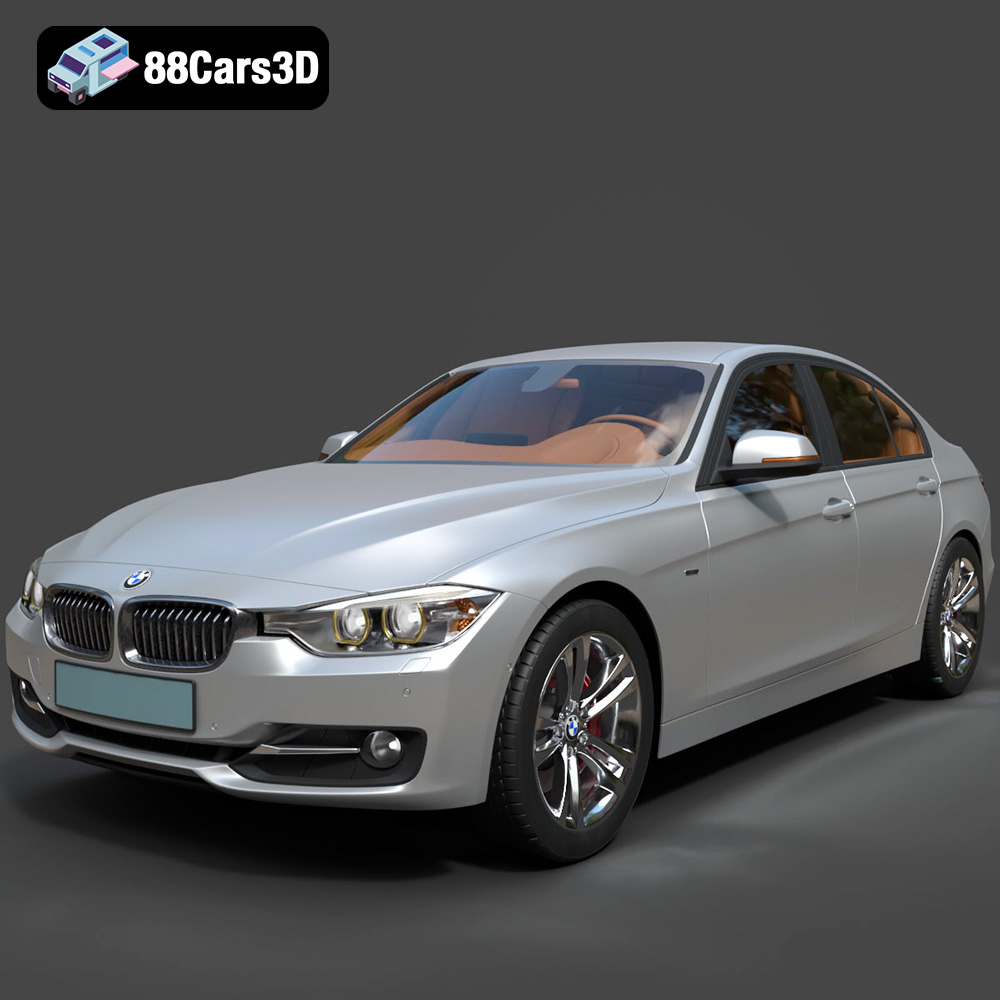
Texture: Yes
Material: Yes
Download the BMW 3 F30 3D Model featuring a detailed exterior, realistic interior, and optimized mesh. Includes .blend, .fbx, .obj, .glb, .stl, .ply, .unreal, and .max formats for rendering, simulation, and game development.
Price: $10.79
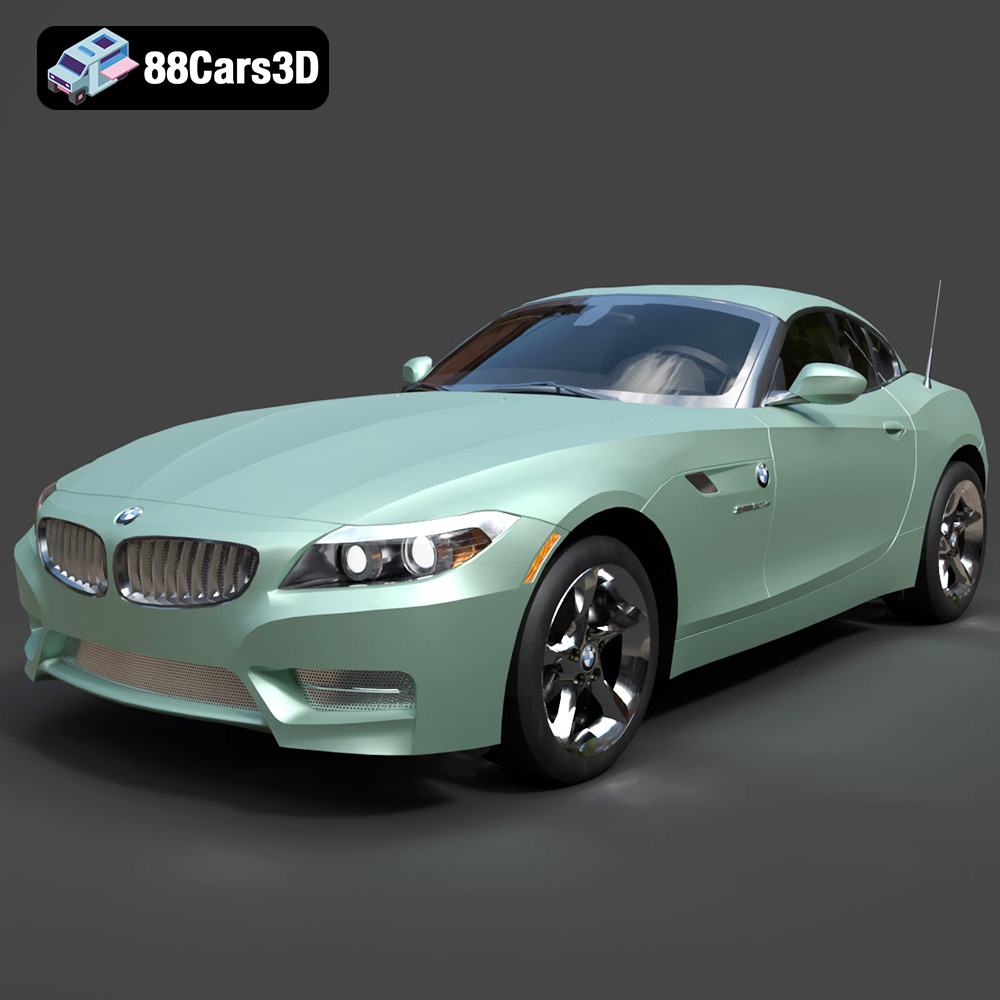
Texture: Yes
Material: Yes
Download the BMW Z4 Roadster E89 3D Model featuring clean geometry, realistic detailing, and a fully modeled interior. Includes .blend, .fbx, .obj, .glb, .stl, .ply, .unreal, and .max formats for rendering, simulation, and game development.
Price: $13.99

Texture: Yes
Material: Yes
Download the BMW Z4 E85 3D Model featuring clean geometry, realistic detailing, and a fully modeled interior. Includes .blend, .fbx, .obj, .glb, .stl, .ply, .unreal, and .max formats for rendering, simulation, and game development.
Price: $13.99

Texture: Yes
Material: Yes
Download the BMW M3 2024 3D Model featuring clean geometry, realistic detailing, and a fully modeled interior. Includes .blend, .fbx, .obj, .glb, .stl, .ply, .unreal, and .max formats for rendering, simulation, and game development.
Price: $13.99
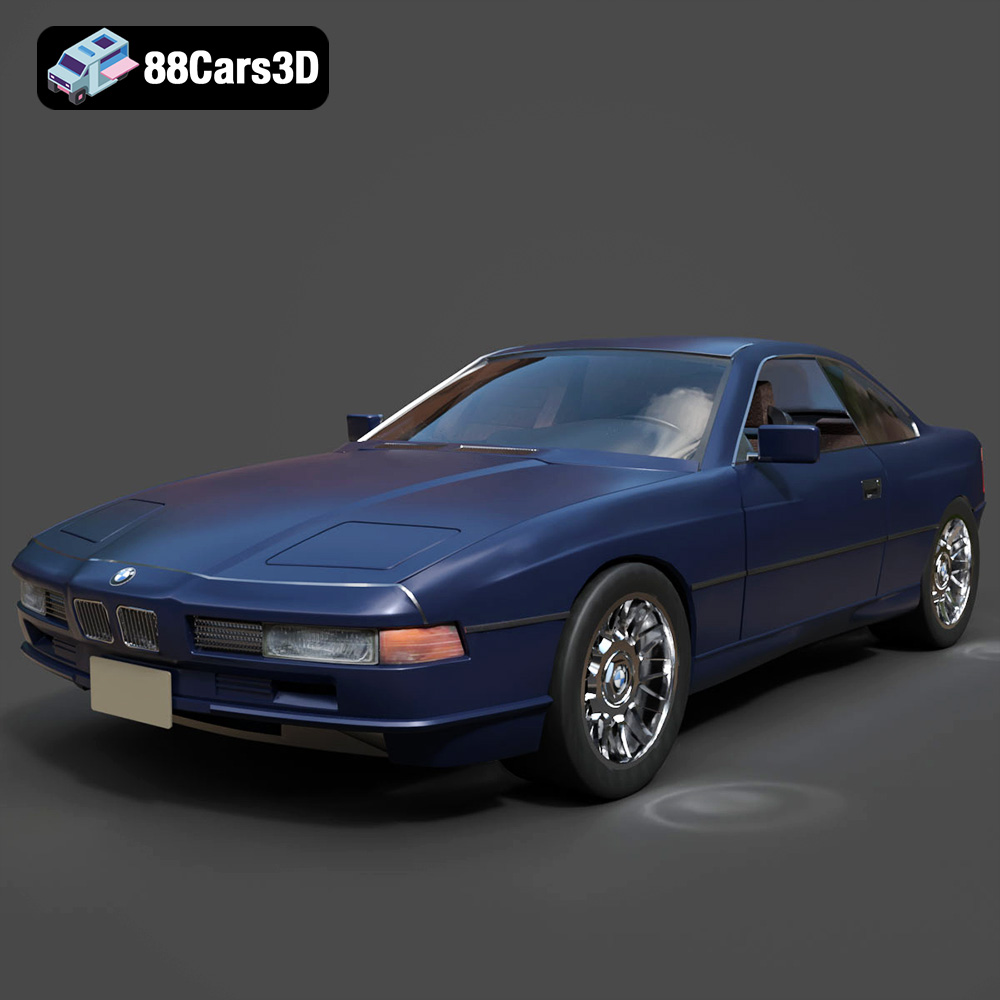
Texture: Yes
Material: Yes
Download the BMW 850i Coupe 1990 3D Model featuring clean geometry, realistic detailing, and a fully modeled interior. Includes .blend, .fbx, .obj, .glb, .stl, .ply, .unreal, and .max formats for rendering, simulation, and game development.
Price: $13.99
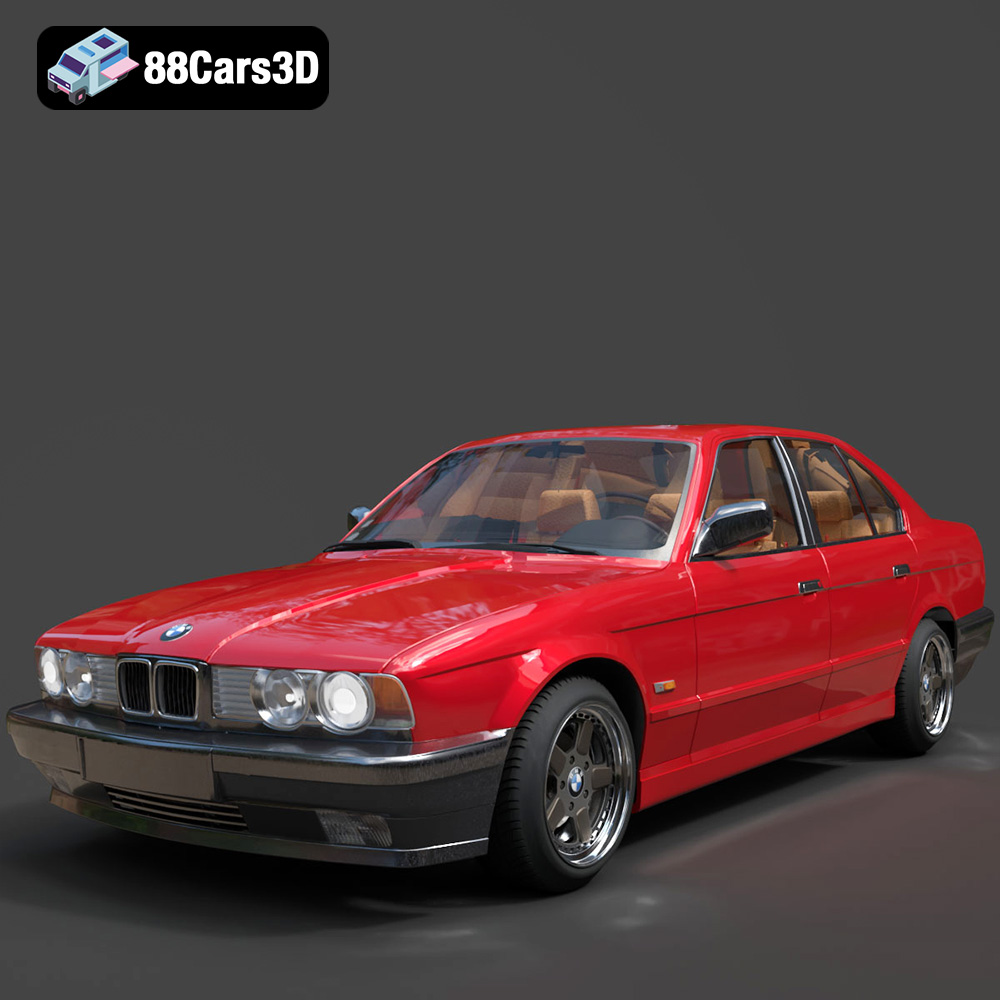
Texture: Yes
Material: Yes
Download the BMW 525i E34 1993 3D Model featuring clean geometry, realistic detailing, and a fully modeled interior. Includes .blend, .fbx, .obj, .glb, .stl, .ply, .unreal, and .max formats for rendering, simulation, and game development.
Price: $12.99

Texture: Yes
Material: Yes
Download the BMW 7 Series 2016 3D Model featuring luxurious design, detailed interior, and accurate exterior. Includes .blend, .fbx, .obj, .glb, .stl, .ply, .unreal, and .max formats for rendering, simulation, and game development.
Price: $10.79
Texture: Yes
Material: Yes
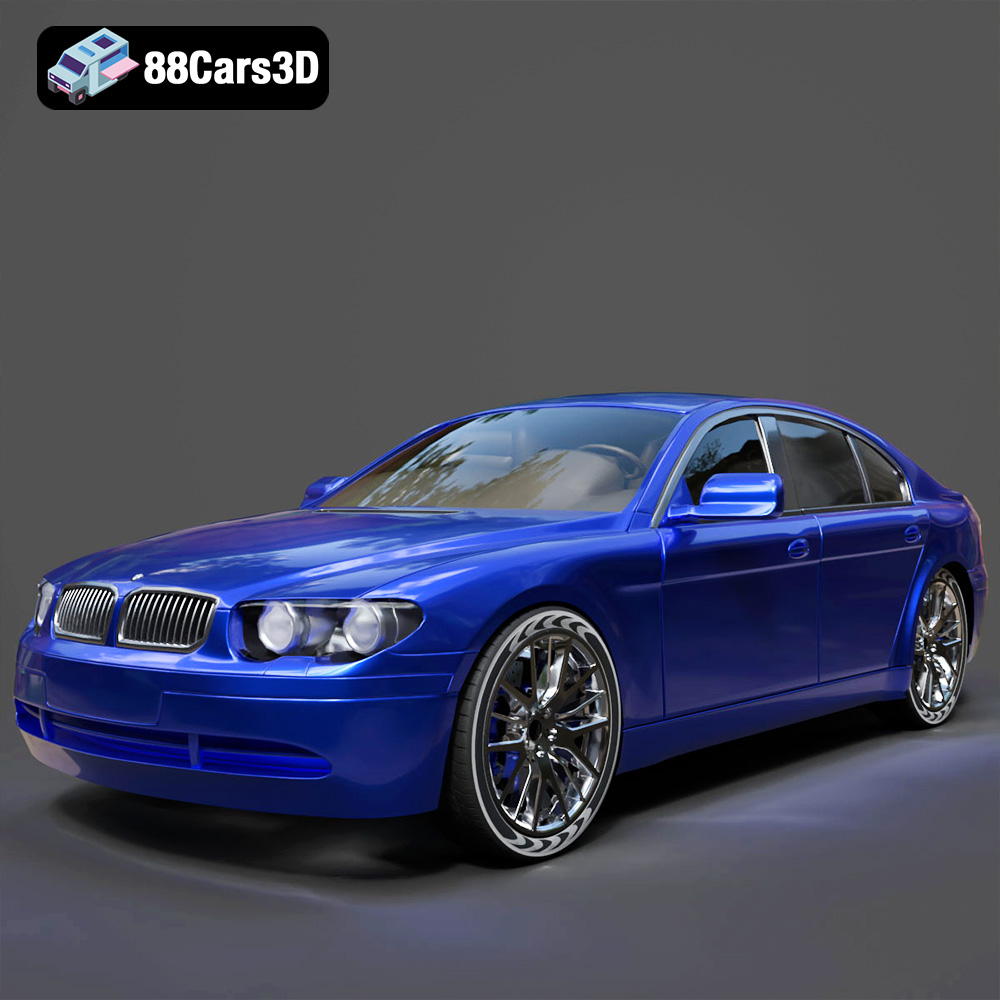
Download the BMW 7 Series 30th Anniversary 3D Model featuring a meticulously crafted exterior, detailed interior, and realistic wheels. Includes .blend, .fbx, .obj, .glb, .stl, .ply, .unreal, and .max formats for rendering, simulation, and game development.
Price: $35.79

Texture: Yes
Material: Yes
Download the BMW 7-Series F02 3D Model featuring a detailed exterior and interior, optimized for rendering and animation. Includes .blend, .fbx, .obj, .glb, .stl, .ply, .unreal, and .max formats for rendering, simulation, and game development.
Price: $10.79
Texture: Yes
Material: Yes
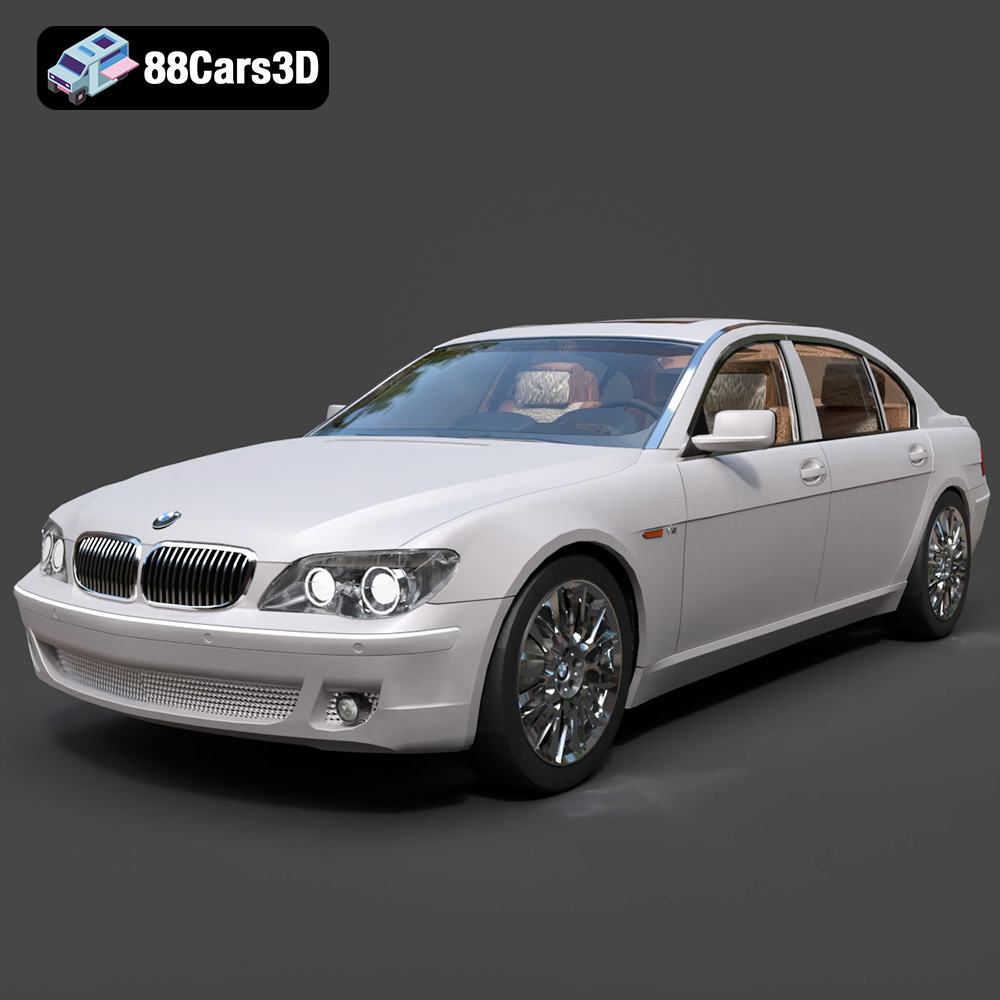
Download the BMW 760Li E66 2005 3D Model featuring a detailed exterior, refined interior, and robust chassis. Includes .blend, .fbx, .obj, .glb, .stl, .ply, .unreal, and .max formats for rendering, simulation, and game development.
Price: $10.79

