⚡ FLASH SALE: Get 60% OFF All Premium 3D & STL Models! ⚡

In the dynamic worlds of automotive design, film production, game development, and architectural visualization, the demand for photorealistic and versatile 3D car models has never been higher. A meticulously crafted digital vehicle isn’t just an asset; it’s a cornerstone for creating compelling narratives, immersive experiences, and accurate simulations. From a sleek studio render showcasing a new concept to an interactive game environment or an augmented reality application, the quality of the 3D model dictates the perceived realism and overall impact.
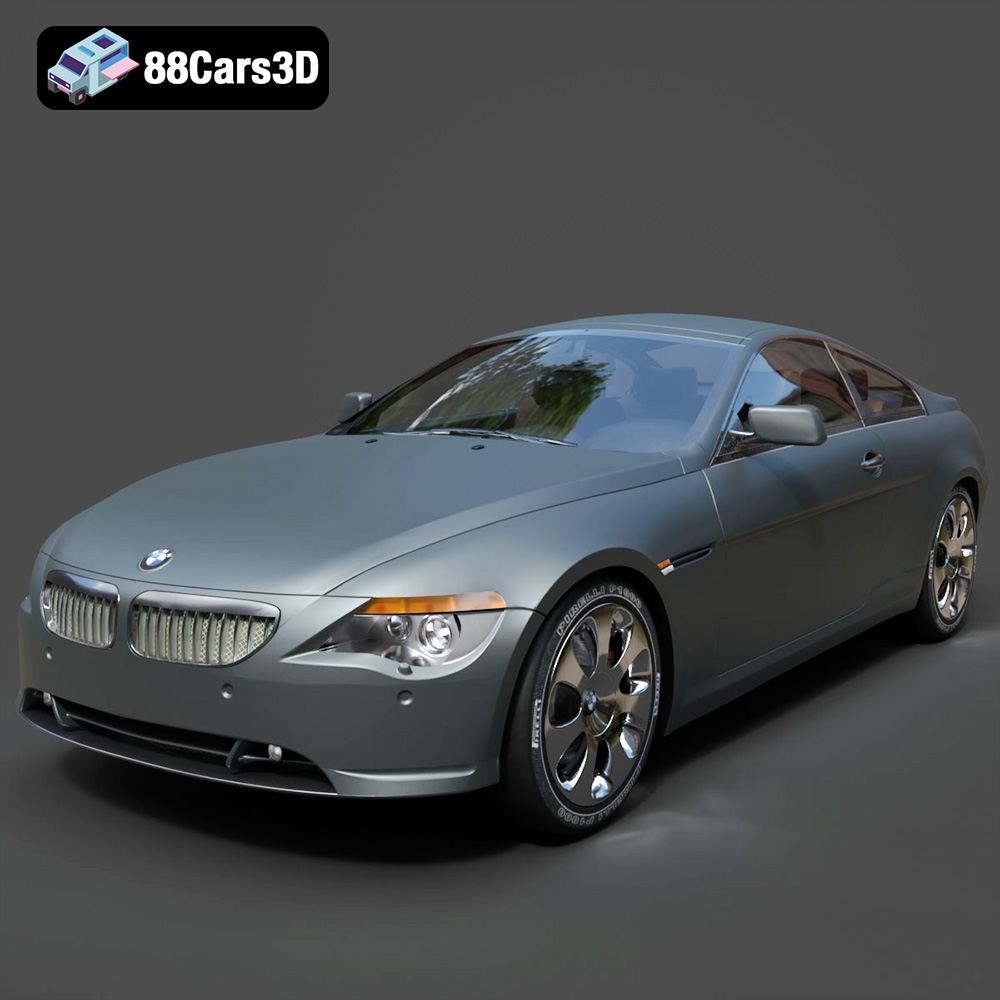
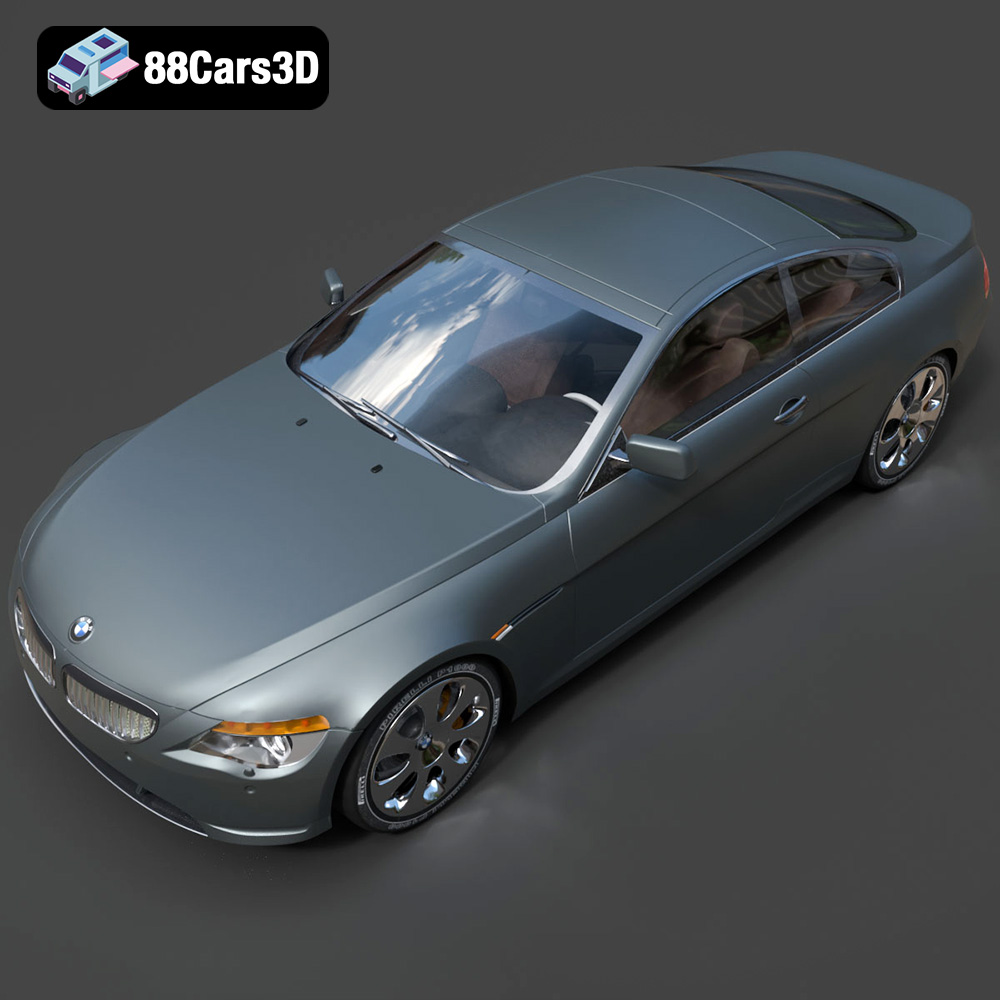
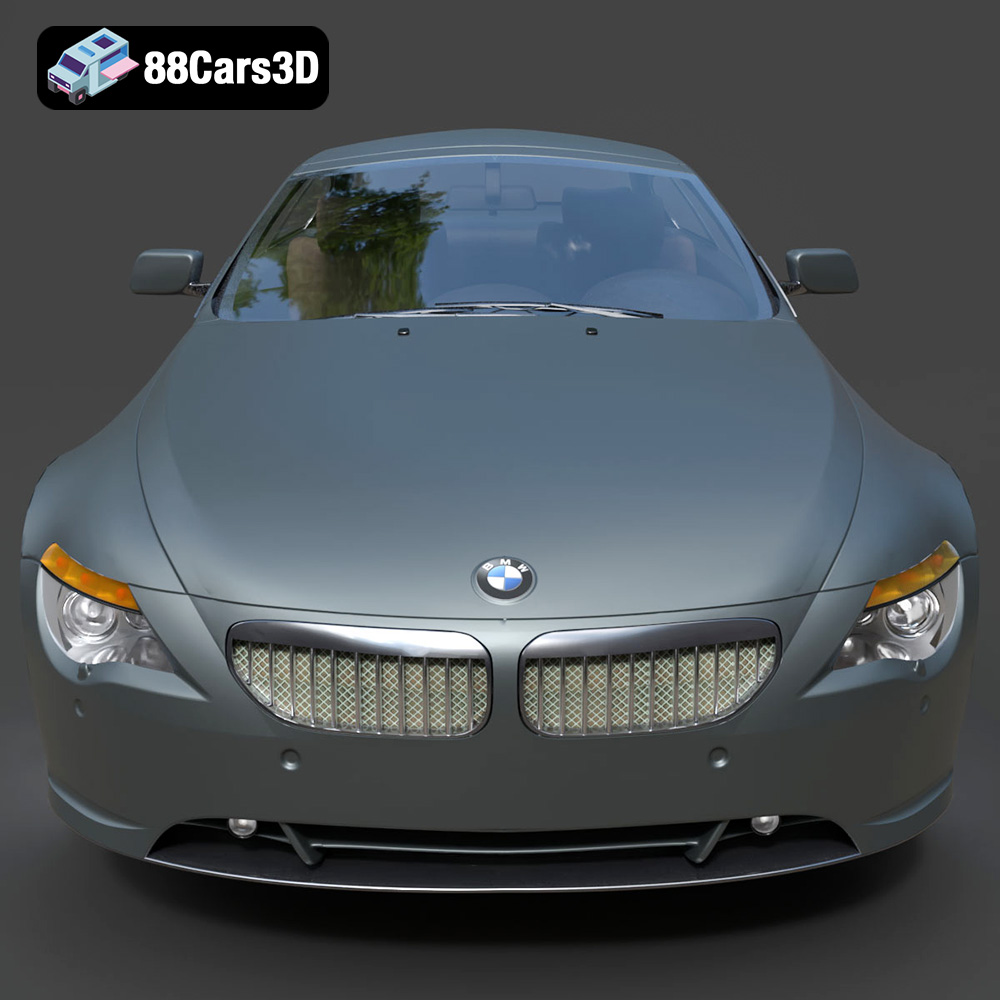
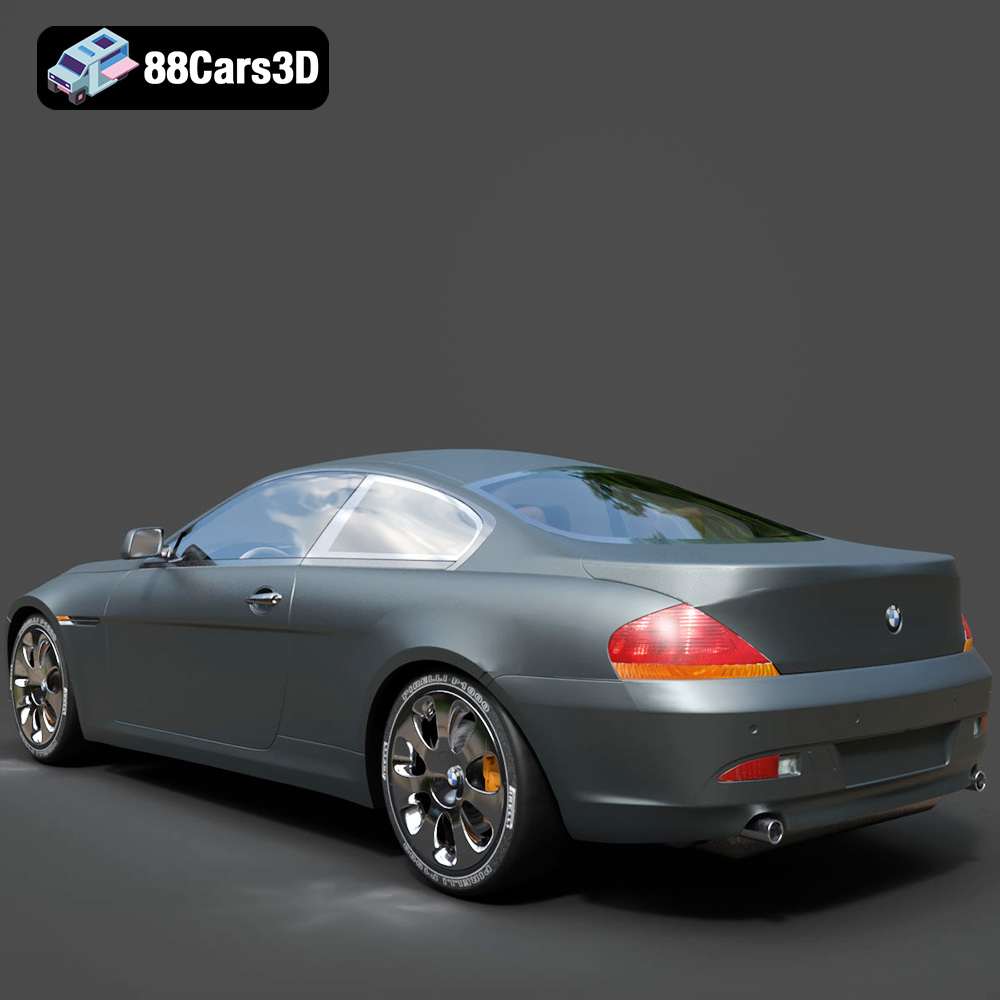
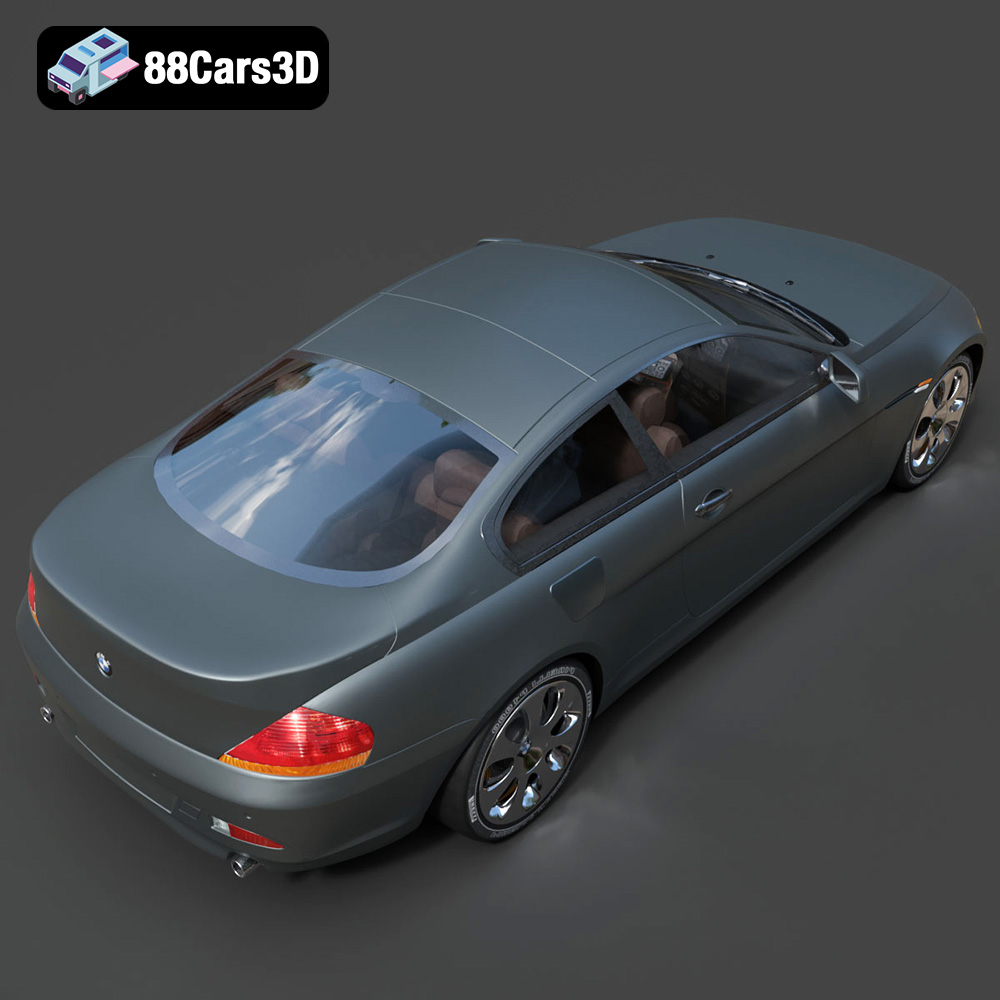
Consider the iconic BMW 6 Series, a vehicle synonymous with sophisticated engineering and aesthetic grace. Recreating such a masterpiece in the digital realm requires an unwavering commitment to detail and technical precision. The BMW 6 Series 3D Model available at 88cars3d.com exemplifies this dedication, offering artists and developers a premium asset that captures the essence of this luxurious grand tourer. It’s designed not just to look good, but to perform flawlessly across a multitude of professional applications, from high-fidelity automotive rendering to demanding real-time game environments. This article delves into the critical aspects of professional 3D car models, showcasing how an asset like the BMW 6 Series model can revolutionize your digital projects.
At the heart of any successful visualization project lies the quality of its core assets. For vehicles, this means more than just a recognizable shape; it demands accuracy, efficiency, and adaptability. A premium 3D car model is an investment that pays dividends in saved time, enhanced realism, and expanded creative possibilities.
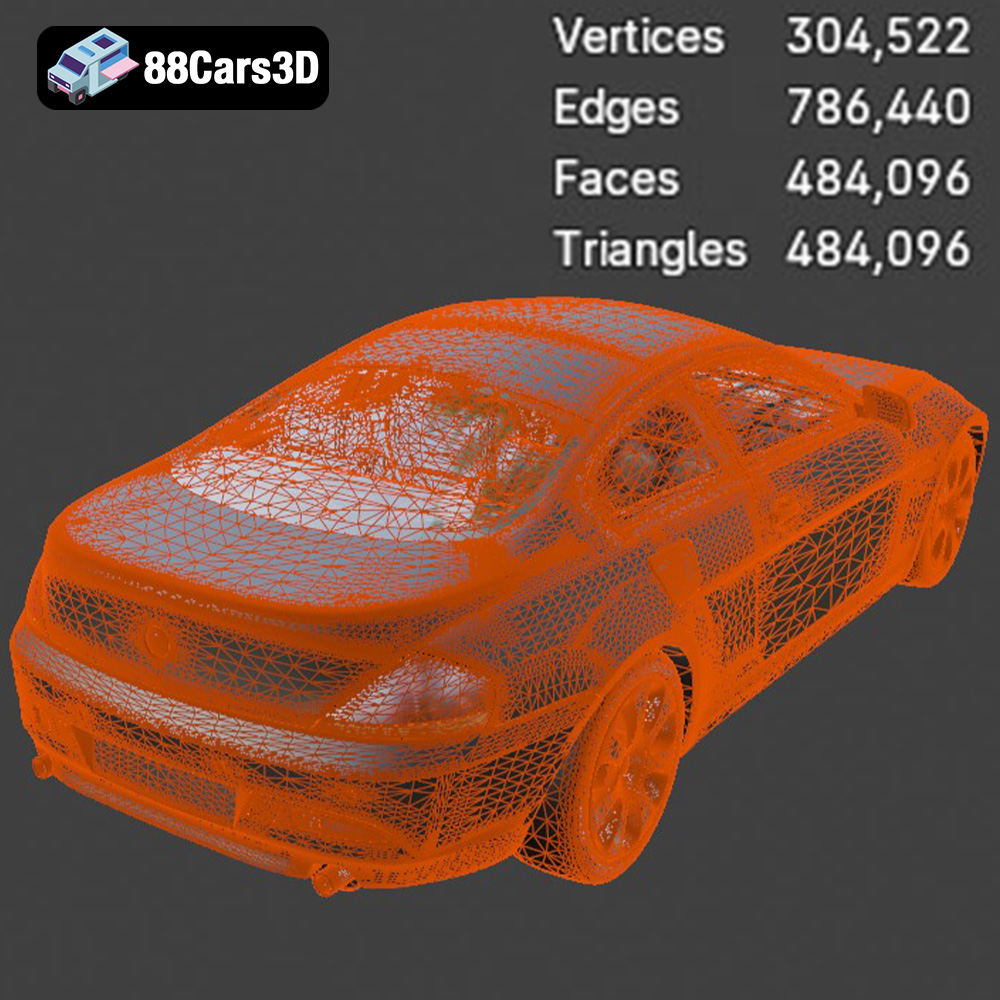
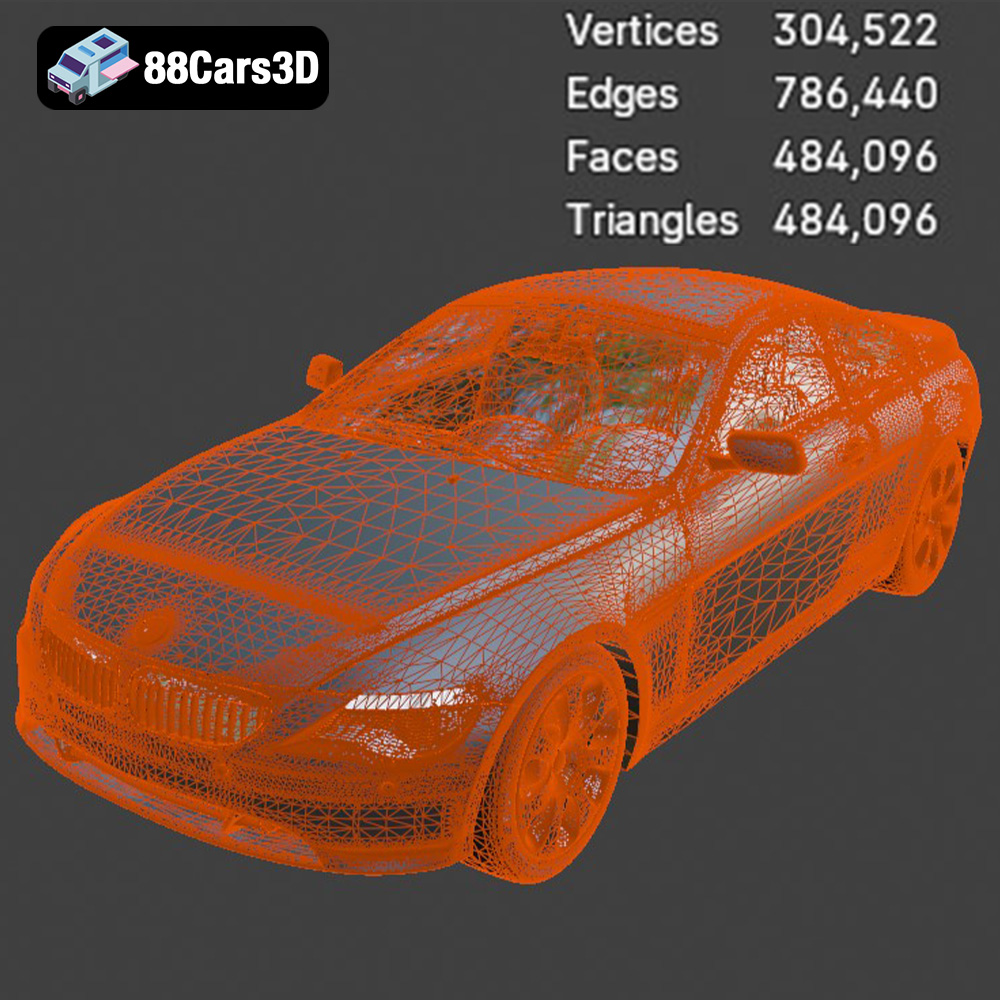
Authenticity begins with accuracy. A professional 3D car model, such as the BMW 6 Series, is built to real-world scale, ensuring that it integrates seamlessly into any scene without requiring manual adjustments or scaling guesswork. This precision is vital for architectural visualizations where a car needs to fit naturally into a parking space, or for automotive configurators where exact dimensions are paramount. Furthermore, the underlying geometry is clean and optimized, often utilizing a quad-dominant topology. This ensures smooth subdivision when higher levels of detail are needed for close-up shots and facilitates natural deformation during animation, preventing unsightly pinches or artifacts.
Time is a valuable commodity in any production pipeline. Sourcing a pre-built, high-quality 3D car model significantly reduces development time compared to modeling from scratch. Professional models come with logically organized hierarchies, proper pivot points for animation (e.g., doors, wheels, steering), and often pre-configured materials. This “plug-and-play” capability means artists can spend less time on setup and more time on creative aspects like scene composition, lighting, and rendering. Whether you’re a solo freelancer or part of a large studio, leveraging expertly crafted 3D car models allows for quicker iterations and more efficient project delivery.
Navigating the diverse landscape of 3D software and applications requires a deep understanding of file formats. Each format serves specific purposes, offering unique advantages for different stages of the production pipeline, from initial modeling to final rendering or real-time deployment. The BMW 6 Series 3D Model from 88cars3d.com comes equipped with a comprehensive set of file formats, ensuring maximum compatibility and utility across virtually any professional workflow.
The .blend format is Blender’s native file type, encapsulating an entire Blender project. This includes not just the mesh data, but also materials, textures, lighting, cameras, animations, and even physics simulations. For artists deeply integrated into the Blender ecosystem, the .blend file provides the highest level of editability and flexibility. You can tweak modifiers, adjust node-based materials, animate specific components, or even repurpose parts of the model within Blender’s powerful environment. It’s the go-to choice for those who want full control and plan to use Blender for rendering, animation, or further customization.
FBX (Filmbox) is a proprietary file format owned by Autodesk, widely regarded as the industry standard for interoperability between 3D software and game engines. It’s incredibly versatile, capable of storing not only geometry (meshes, UVs) but also materials, textures, animations (skeletal and blend shapes), cameras, and lights. Its robust support for animation makes it invaluable for game development (Unity, Unreal Engine) and film production. When you need to transfer complex animated scenes or assets with intricate rigging between different software packages or into a real-time environment, .fbx is often the most reliable choice, maintaining data integrity across platforms.
OBJ (Object) is one of the oldest and most universally supported 3D file formats. It’s a simple, text-based format primarily used for exchanging raw geometric data – vertices, faces, UV coordinates, and normals. While it doesn’t typically store advanced features like animation, rigging, or complex material definitions (these are often stored in an accompanying .mtl file for basic material properties), its strength lies in its widespread compatibility. Nearly every 3D software package can import and export .obj files, making it an excellent fallback or starting point for cross-software workflows where only the core mesh data is needed.
GLB is the binary version of glTF (GL Transmission Format), an open-standard, royalty-free specification for 3D scenes and models. Often referred to as the “JPEG for 3D,” .glb is specifically designed for efficient transmission and loading of 3D content, particularly in web-based applications, augmented reality (AR), and virtual reality (VR) environments. It packages all necessary data (geometry, materials, textures, animations) into a single, compact file, making it ideal for fast loading and rendering on various devices and platforms. For interactive web experiences or quick AR showcases of the BMW 6 Series, the .glb format is highly advantageous.
STL (STereoLithography) is the native file format for stereolithography CAD software, commonly used for 3D printing and rapid prototyping. It represents 3D surfaces as a series of connected triangles, describing only the surface geometry of a 3D object without any color, texture, or material information. While not suitable for rendering or animation due to its lack of such data and its triangulated nature, .stl is the undisputed king for manufacturing physical objects from digital designs. If your project involves printing a miniature BMW 6 Series, converting the model to .stl is the necessary step.
PLY (Polygon File Format, or Stanford Triangle Format) is another format used for storing 3D data, particularly from 3D scanners. Like .obj, it can store geometric data, but it also has the capability to store a wider range of properties for each vertex and face, such as color, transparency, normals, texture coordinates, and even reliability information for scanned data. While less common for general 3D asset exchange than .fbx or .obj, it’s favored in academic, research, CAD, and scientific communities for its precision and ability to include attribute data alongside the mesh, making it useful for analysis or specialized CAD workflows.
The .unreal format, or more accurately, assets imported and configured within an Unreal Engine project, signifies a significant advantage. This means the BMW 6 Series 3D Model has been specifically prepared and potentially imported into an Unreal project file structure. It could include pre-setup materials using Unreal’s PBR (Physically Based Rendering) system, optimized meshes, collision settings, LODs (Levels of Detail), and perhaps even basic Blueprints for interactive elements. This format is a huge time-saver for game developers, as it bypasses much of the manual setup process, allowing for immediate integration into an Unreal Engine project with minimal effort.
The .max format is Autodesk 3ds Max’s native file type. Similar to .blend, it contains an entire 3ds Max scene, including geometry, materials, textures, lights, cameras, animations, modifiers, and plugin-specific data. For artists working within the 3ds Max ecosystem, having the native .max file provides unparalleled flexibility. You can leverage 3ds Max’s powerful modeling tools, sophisticated rendering engines (like V-Ray or Corona Renderer), and advanced animation capabilities directly with the BMW 6 Series 3D Model. It’s the preferred format for high-end architectural visualization and cinematic automotive rendering.
The BMW 6 Series 3D Model is more than just a collection of polygons; it’s a testament to meticulous digital craftsmanship. Every aspect has been carefully considered to ensure both visual fidelity and technical robustness, making it an ideal choice for discerning professionals.
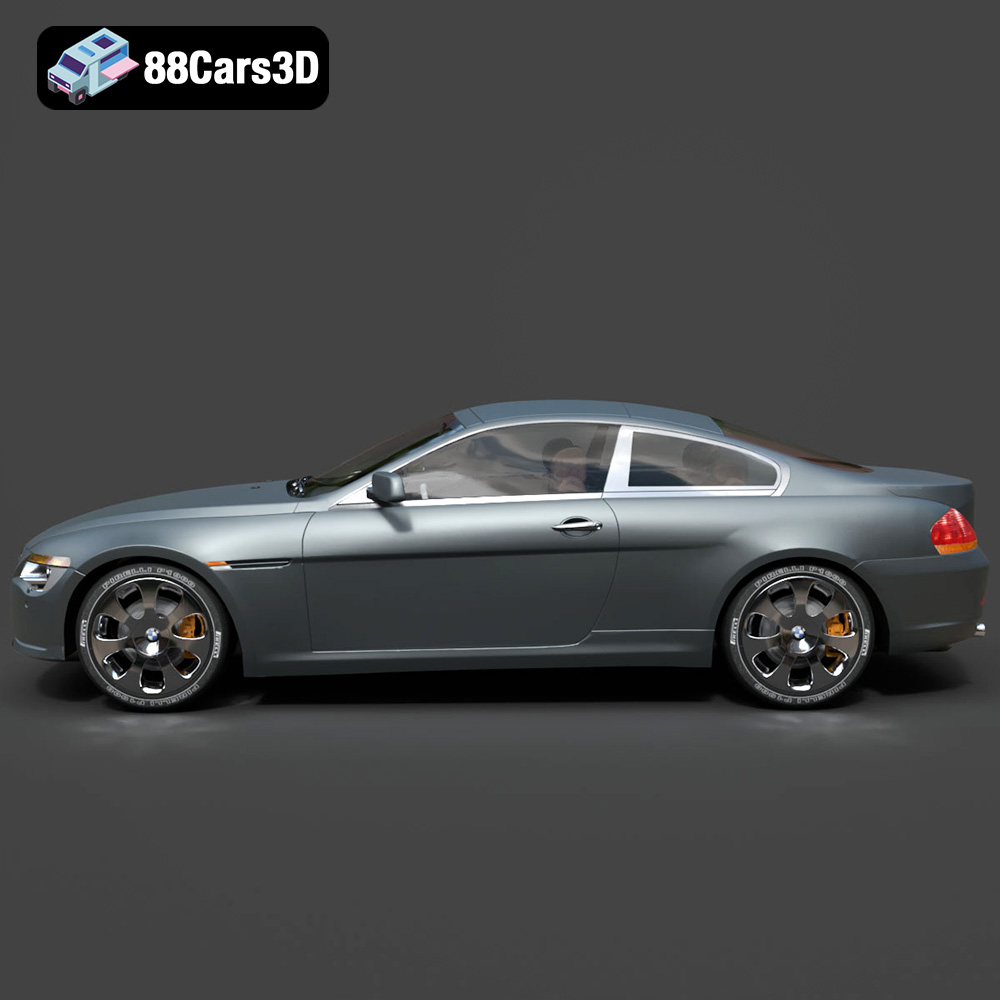
The immediate impression of any vehicle model comes from its exterior. The BMW 6 Series model boasts precisely modeled body panels that flawlessly reflect BMW’s distinctive design language – from the iconic kidney grille to the aggressive headlights and elegant sweep of its coupe silhouette. Details such as transparent materials for realistic lighting effects on headlights and taillights, authentic BMW alloy wheels with detailed tire treads, and intricate chrome accents elevate the realism. Furthermore, separated doors, hood, and trunk provide crucial flexibility for animation and customization, allowing for dynamic showcases or interactive product experiences.
While the exterior often grabs the initial attention, a detailed interior is essential for true immersion, especially in close-up renders, AR/VR experiences, or game cockpits. This model features a detailed interior, complete with dashboard, steering wheel, seats, and center console, all designed with authentic button and control layouts for a realistic cockpit feel. The mesh is optimized to deliver this level of detail efficiently, ensuring smooth performance without sacrificing critical interior elements. Even undercarriage components receive a basic representation, providing realism for dynamic shots or simulations where glimpses beneath the vehicle might occur.
Beyond aesthetics, the technical underpinnings of the BMW 6 Series 3D Model are what truly make it a professional asset. Its clean, quad-dominant topology is a hallmark of quality, ensuring smooth subdivision and deformation—critical for animations and close-up renders. Modeled to real-world scale, it drops perfectly into any scene without manual adjustments. The logically organized hierarchy, coupled with proper pivot points for elements like doors, wheels, and the steering wheel, drastically simplifies the animation process, saving countless hours for animators. This attention to technical detail ensures that the model is not only beautiful but also production-ready.
The versatility of a well-crafted 3D car model like the BMW 6 Series is immense, allowing it to serve a multitude of purposes across various creative and technical domains. It transcends the boundaries of a single application, becoming a cornerstone asset for diverse projects.
For professionals in advertising, marketing, and architectural visualization, the BMW 6 Series 3D Model is a game-changer. It’s perfect for high-definition studio renders, cinematic sequences, and product configurators that demand unparalleled realism. Imagine showcasing the vehicle in a pristine studio environment, bathed in dramatic lighting, or integrated into a photorealistic architectural scene to convey lifestyle and scale. The model’s intricate details and optimized geometry ensure that every reflection, highlight, and shadow contributes to a breathtaking final image or animation, making it an invaluable tool for automotive rendering specialists.
In the realm of game development, high-quality 3D car models are essential for creating believable and engaging experiences. The BMW 6 Series 3D Model is optimized for use as a game asset in racing simulations, open-world environments, and interactive experiences. Its balanced level of detail allows for efficient rendering in real-time engines like Unreal and Unity, while still maintaining visual fidelity. Game developers can implement various Levels of Detail (LODs) to ensure performance across different viewing distances, create realistic physics interactions, and leverage the separated parts for damage systems or customization options, enriching the gameplay experience significantly.
Augmented Reality (AR) and Virtual Reality (VR) are transforming how we interact with digital content, and 3D car models are at the forefront of this revolution. The BMW 6 Series 3D Model seamlessly integrates into AR/VR applications for immersive product showcases or interactive experiences. Imagine a virtual showroom where customers can explore the car’s interior, change its paint color in real-time, or even place it in their driveway using AR. The .glb format, included with the model, is specifically optimized for these lightweight, real-time interactive applications, facilitating smooth performance on mobile devices and VR headsets.
Beyond entertainment and marketing, accurate 3D car models play a crucial role in simulation and training. The BMW 6 Series 3D Model is suitable for driving simulators, educational modules, and technical training scenarios where realistic vehicle representations are required. Furthermore, its clean geometry makes it easily convertible to .stl format, allowing for 3D printing of physical models and prototypes. This opens doors for rapid prototyping in design studios, educational tools, or even creating collectible scale models, extending the utility of the digital asset into the physical world.
Integrating a new 3D asset into an existing workflow can sometimes be a challenge, but with a professionally prepared model like the BMW 6 Series, the process is streamlined. Its multi-format availability ensures that artists can pick the most suitable path for their specific software and project requirements.
For Blender users, the native .blend file provides a complete and editable scene. This allows for deep customization, from adjusting the vehicle’s materials using Blender’s powerful node editor to applying custom graphics or unique liveries. Artists can easily integrate the BMW 6 Series into complex environments, using Blender’s robust scene assembly tools and its Cycles or Eevee render engines to produce stunning visuals. The logical hierarchy and proper pivot points also make it straightforward to animate doors opening, wheels turning, or the steering wheel rotating, perfect for detailed product animations or cinematic sequences.
Professionals relying on 3ds Max for high-end rendering will find the .max file indispensable. This native format allows direct access to all model data within 3ds Max, enabling artists to leverage powerful rendering engines like V-Ray or Corona Renderer. The clean topology of the BMW 6 Series 3D Model ensures smooth results with advanced subdivision surfaces, while the organized scene structure facilitates easy material adjustments for metal, glass, rubber, and plastic components. This makes it ideal for architectural visualizations that demand photorealistic vehicle integration or for intricate studio renders with advanced lighting setups and detailed reflections.
The included .unreal file or optimized .fbx format makes integration into Unreal Engine particularly efficient. Game developers and real-time visualization artists can quickly import the BMW 6 Series 3D Model, benefiting from pre-configured materials that adhere to Physically Based Rendering (PBR) standards. This allows for realistic material response under various lighting conditions, crucial for immersive real-time environments. Artists can then fine-tune lighting, set up dynamic weather effects, and even implement interactive elements using Unreal’s Blueprint system, ensuring optimal performance and visual quality for games, AR/VR, or real-time configurators.
A high-quality 3D model isn’t just about what it is, but what it can become. The BMW 6 Series 3D Model offers extensive customization options, ensuring it remains a valuable asset for future projects and evolving creative needs.
The model’s clean UV mapping and professional material setup provide a canvas for limitless creative expression. Artists can easily modify paint finishes, experimenting with gloss, metallic, or matte looks to match specific brand guidelines or artistic visions. Applying custom graphics, decals, or creating unique liveries is straightforward, allowing for personalized designs. Adjusting material properties for metal, glass, rubber, and plastic components means the car can adapt to any rendering style, from hyper-realism to stylized interpretations. This flexibility ensures that the BMW 6 Series can always fit the aesthetic requirements of diverse projects.
Lighting is paramount in 3D visualization, and a well-built model responds beautifully to varied illumination. The BMW 6 Series 3D Model, with its accurate geometry and realistic material definitions, allows artists to implement diverse lighting setups to achieve varied atmospheric effects and scene moods. Whether it’s a dramatic sunset, a crisp daylight studio shot, or the subtle glow of city lights, the model will react realistically, enhancing the storytelling potential of any scene. This capability is critical for achieving compelling visual narratives in automotive rendering and animation.
Investing in a premium 3D car model is also about future-proofing your digital asset library. The BMW 6 Series 3D Model’s robust construction, optimized geometry, and multi-format compatibility ensure its scalability across various resolutions and applications. It can be utilized for high-resolution print advertising today and adapted for a mobile AR experience tomorrow. This reusability makes it an incredibly cost-effective asset, capable of serving multiple projects and evolving technological demands, cementing its place as an invaluable component of any professional’s digital garage.
The digital automotive landscape is continually pushing the boundaries of realism and interactivity. At the core of this evolution are meticulously crafted 3D car models that serve as the building blocks for breathtaking visualizations, immersive game worlds, and innovative AR/VR experiences. The BMW 6 Series 3D Model stands as a prime example of such a professional asset, offering unparalleled detail, technical versatility, and broad compatibility across all major 3D software and real-time engines.
Whether your focus is high-definition automotive rendering, developing cutting-edge game assets, or pioneering interactive product showcases, this model provides the quality and flexibility demanded by industry professionals. By leveraging such a high-caliber asset, artists and developers can significantly enhance their workflows, reduce production times, and ultimately deliver more compelling and visually stunning results. Explore the possibilities and elevate your next project by discovering premium 3D car models, including the BMW 6 Series, at 88cars3d.com. It’s not just a model; it’s a powerful tool designed to drive your creative vision forward.
This professional 3D model accurately represents the iconic BMW 6 Series, a luxurious grand tourer known for its sleek lines, sporty elegance, and powerful performance. Crafted with clean geometry and a balanced level of detail, this model is optimized for high-quality rendering, realistic animations, detailed simulations, and robust integration into game development projects.
$10.79
.6series
.arvr
.blend
.bmw
.coupe
.fbx
.gameasset
.glb
.grandtourer
.luxurycar
.max
.obj
.ply
.rendering
.simulation
.stl
.unreal