⚡ FLASH SALE: Get 60% OFF All Premium 3D & STL Models! ⚡

In the dynamic world of 3D visualization, automotive design, and interactive media, the quality of your assets dictates the success of your project. From the intricate reflections on polished chrome to the subtle contours of a classic body panel, every detail contributes to a compelling narrative. Professionals across industries continually seek assets that not only look impressive but also integrate seamlessly into diverse pipelines. This demand for excellence is precisely why a meticulously crafted 3D car model can become an invaluable cornerstone of your creative arsenal.
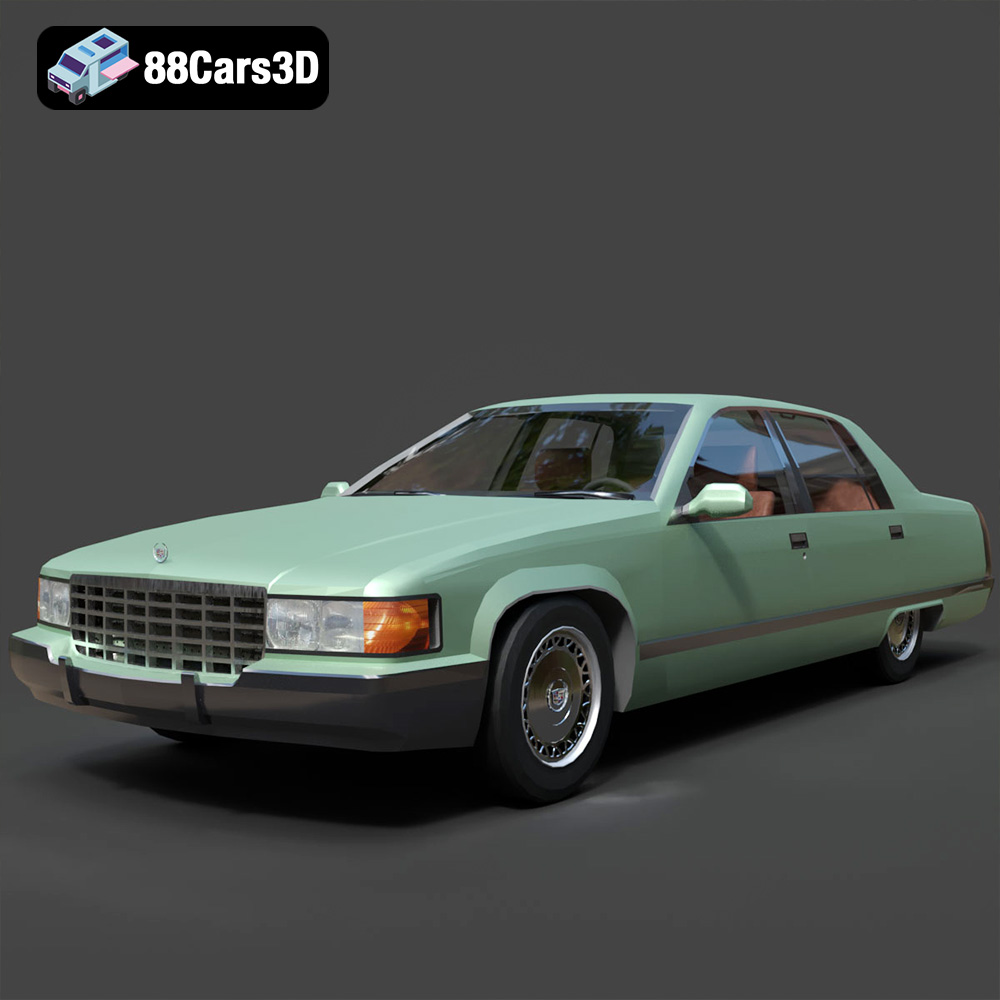
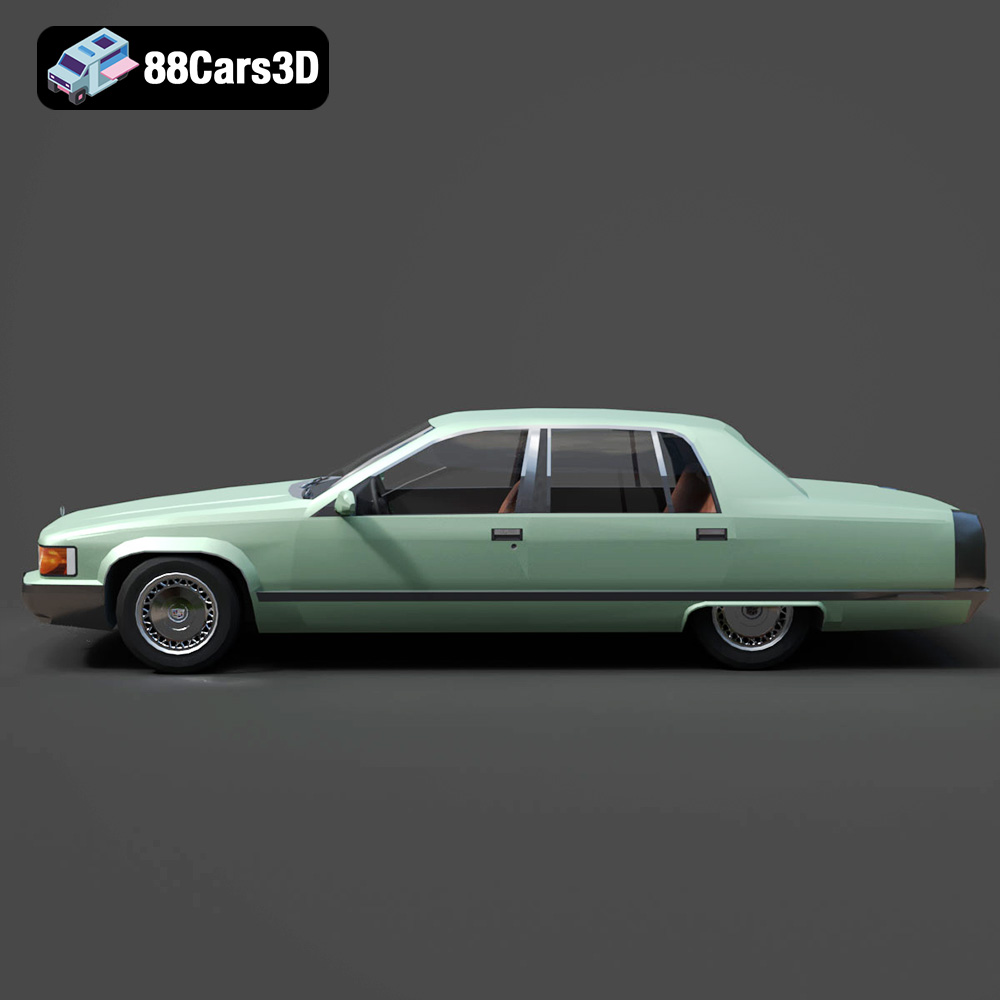
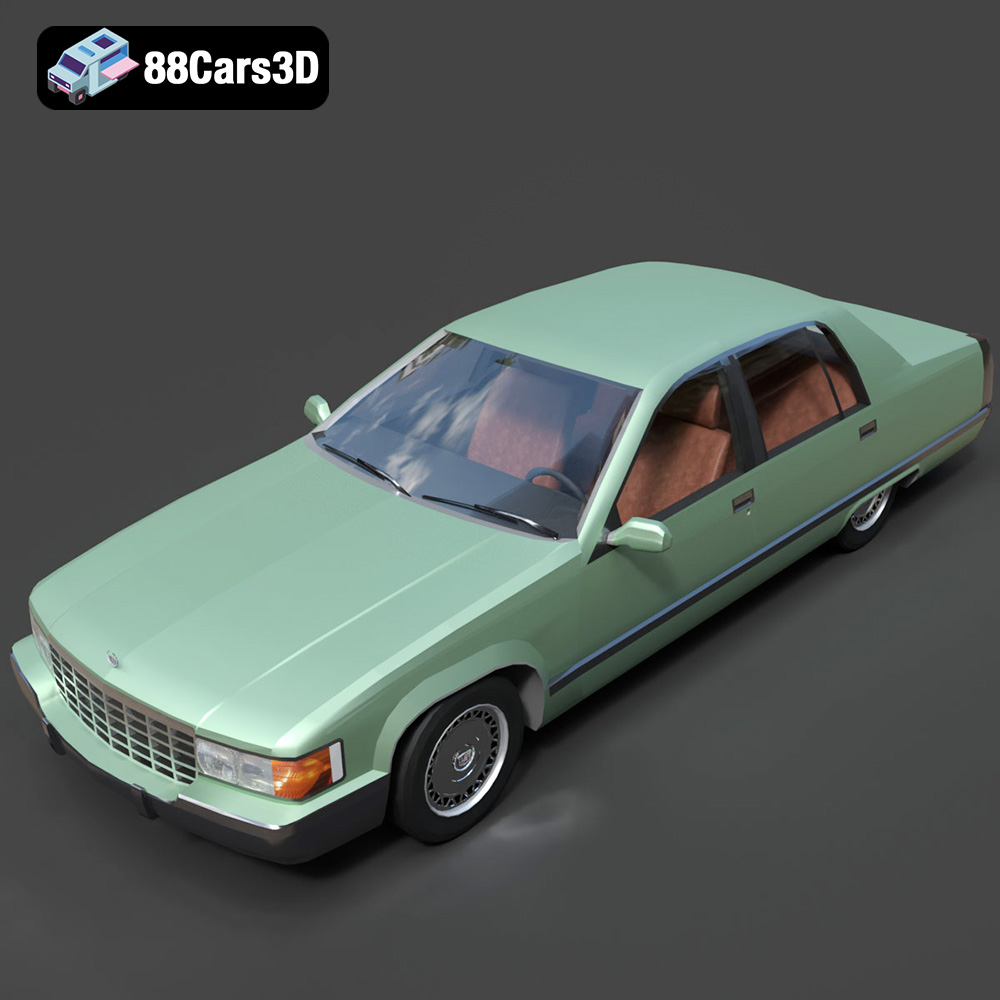
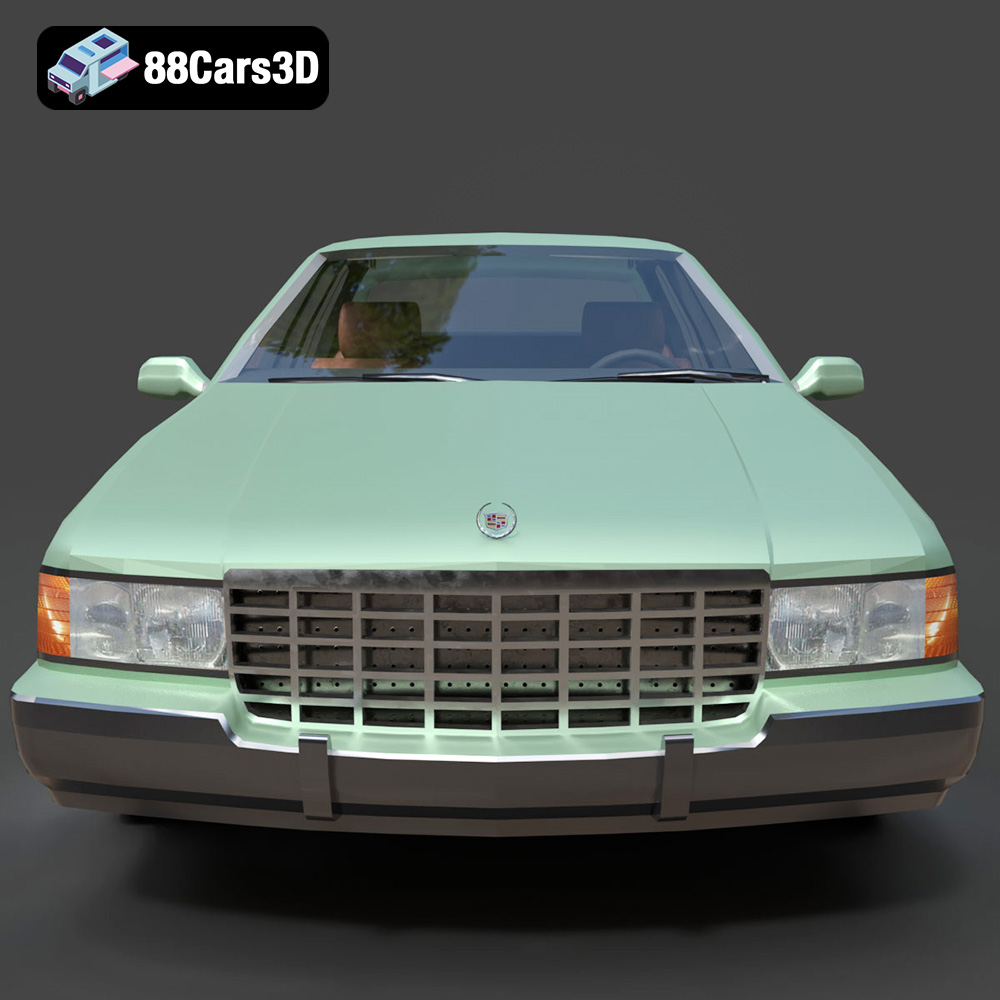
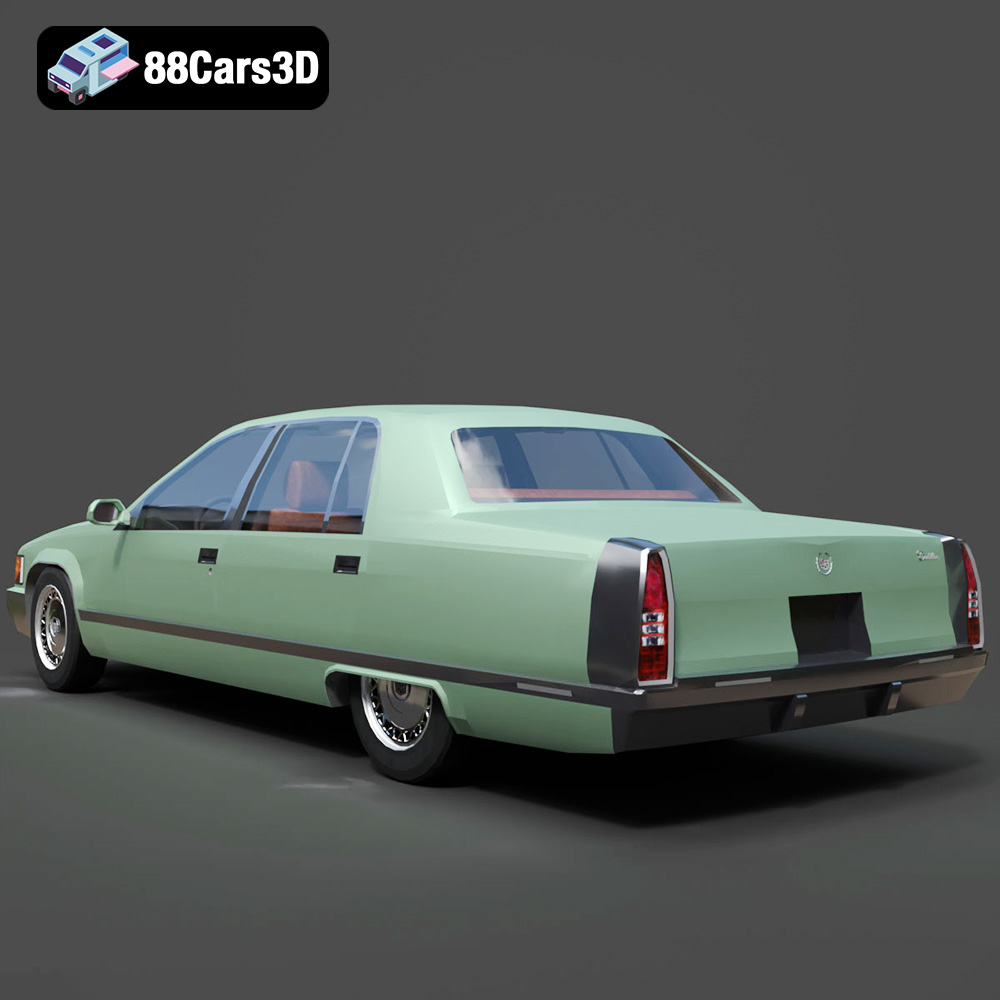
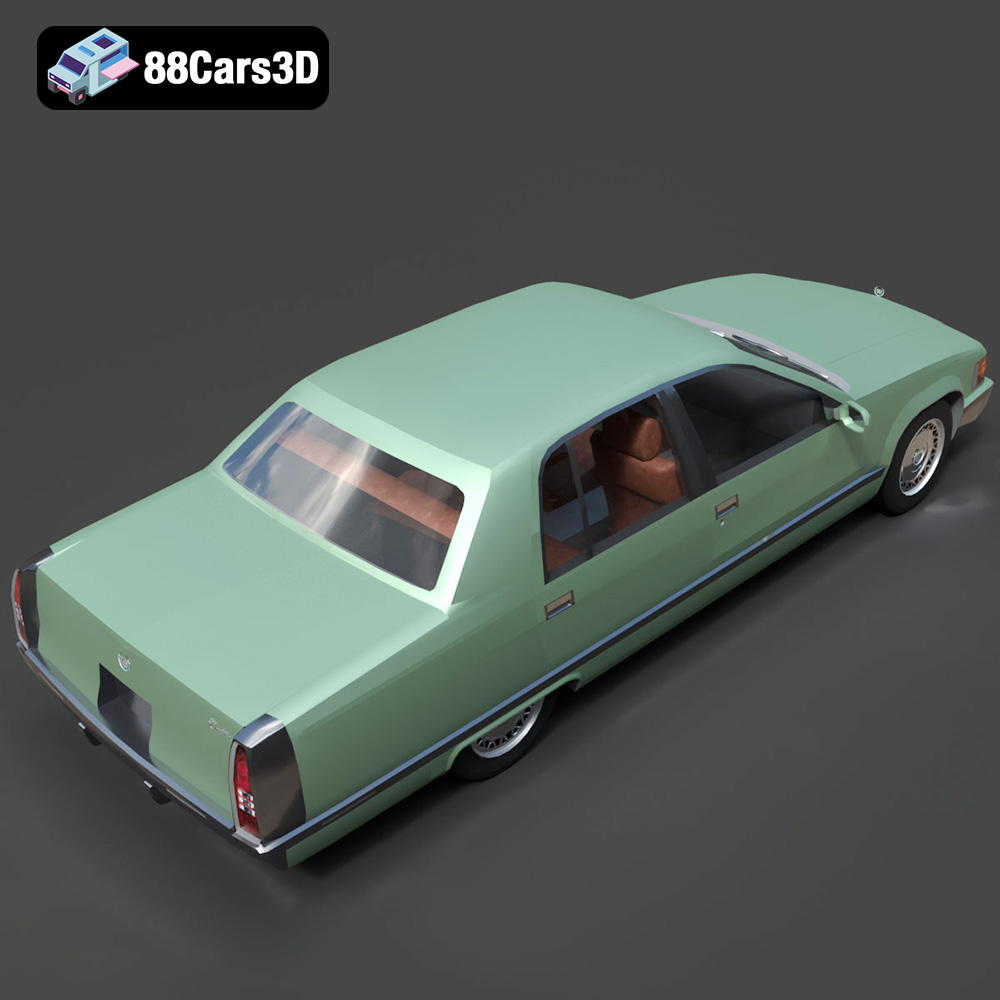
Today, we’re diving deep into the technical prowess and versatility offered by a truly iconic representation of American luxury: the Cadillac Fleetwood Brougham 3D Model. This particular asset exemplifies the blend of artistic accuracy and technical precision required for high-end applications, making it a standout choice for anyone from automotive rendering specialists to game developers seeking authentic historical vehicles.
Whether you’re a seasoned 3D artist, an aspiring game developer, or an architect looking to populate your scenes with period-accurate vehicles, understanding the intricacies of a well-made 3D car model is paramount. Let’s explore how assets like the Cadillac Fleetwood Brougham 3D Model elevate projects and streamline complex workflows, ensuring your visions are brought to life with unparalleled realism and efficiency.
Automotive rendering is a specialized field that demands an exceptional level of detail and material accuracy. When dealing with a vehicle like the Cadillac Fleetwood Brougham, renowned for its stately presence and luxurious finishes, the challenge lies in capturing its timeless elegance through digital light and shadow. A high-quality 3D model forms the foundation upon which stunning visual narratives are built.
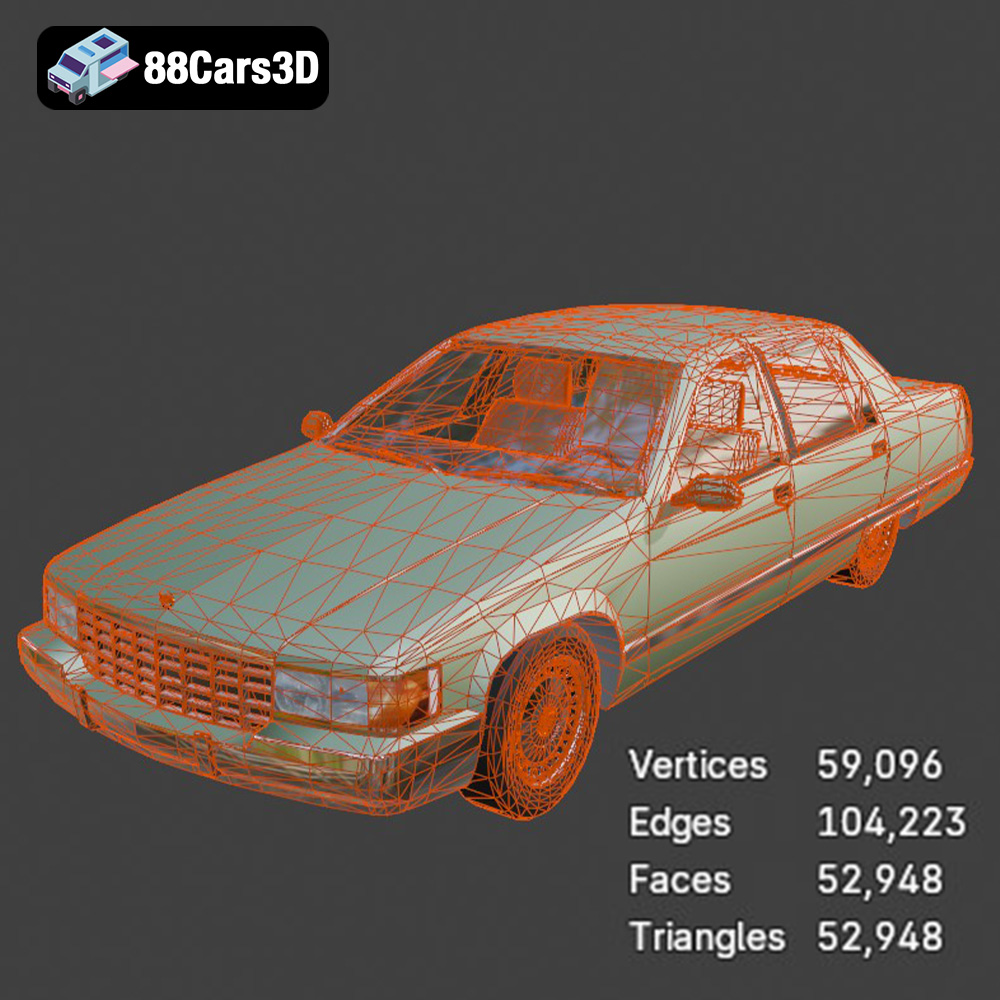
Achieving photorealism begins with the model itself. The Cadillac Fleetwood Brougham 3D Model boasts accurately modeled body panels, detailed grille work, and precisely replicated chrome accents, all critical elements for realistic reflections. In a rendering engine like V-Ray or Corona Renderer (often integrated with 3ds Max), or Cycles/Eevee in Blender, the clean, quad-dominant topology of this model allows for smooth subdivision, ensuring no jagged edges detract from the pristine surface. Material separation is key here; transparent materials for windows and light covers are prepped for advanced physically based rendering (PBR) setups, allowing for accurate light refraction and reflections. Artists can effortlessly adjust parameters for paint finishes, metal luster, and interior fabrics, experimenting with a vast array of looks, from showroom polish to vintage patina. High-dynamic-range imaging (HDRI) environments further enhance realism by providing natural and complex lighting conditions, mimicking everything from a sunny afternoon to an overcast sky, casting accurate reflections onto the vehicle’s surfaces.
Beyond static images, the Cadillac Fleetwood Brougham 3D Model is engineered for dynamic cinematic sequences. Its logically organized hierarchy, with properly set pivot points for all movable parts (doors, hood, trunk, wheels), dramatically simplifies animation workflows. Imagine a luxurious slow-motion reveal, with the vehicle smoothly cruising through an urban landscape or parked majestically in front of an architectural marvel. Using tools like 3ds Max’s animation curves or Blender’s NLA editor, animators can choreograph intricate camera paths and subtle vehicle movements. The separation of doors, hood, and trunk even allows for interactive scenarios, such as showcasing engine components or the plush interior. Post-processing, involving color grading, depth of field, and motion blur, further refines these renders, transforming them into professional-grade cinematics suitable for advertisements, film projects, or engaging presentations.
The versatility of a 3D car model is significantly enhanced by its availability in multiple, industry-standard file formats. Each format serves a specific purpose, catering to different software ecosystems, project requirements, and performance considerations. The Cadillac Fleetwood Brougham 3D Model, for instance, comes equipped with a comprehensive suite of formats, ensuring maximum compatibility and efficiency for any professional workflow. Understanding these formats is crucial for leveraging your 3D assets to their fullest potential.
The .blend format is the native file type for Blender, an increasingly popular open-source 3D creation suite. When you acquire a .blend file for the Cadillac Fleetwood Brougham, you’re getting a fully editable scene, complete with materials, textures, lighting, and potentially even animation setups. This format is ideal for artists who primarily work within Blender, offering unparalleled flexibility for modifications, custom rigging, material adjustments, or scene integration. The .blend file preserves all the internal data structures, modifiers, and node-based materials, making it a perfect starting point for in-depth customization without any loss of information that might occur during conversion.
FBX (Filmbox) is a proprietary file format owned by Autodesk and is widely recognized as the industry-standard interchange format for 3D data. It supports geometry, materials, textures, animations, and skeletal data, making it highly versatile. For the Cadillac Fleetwood Brougham 3D Model, the .fbx version is crucial for game development, as it facilitates seamless import into real-time engines like Unreal Engine and Unity. Its robust support for animation and hierarchal data ensures that separated parts like doors, hood, and wheels retain their pivot points and relationships, crucial for interactive elements. While .fbx can carry material definitions, these often need to be re-setup or optimized within the target game engine’s PBR system for best results.
OBJ (or .obj) is one of the oldest and most universally supported 3D file formats. It’s a simple, text-based format that primarily stores geometric data (vertices, normals, texture coordinates, and faces). While it lacks support for animation or advanced material properties (it typically links to an accompanying .mtl file for basic material definitions), its widespread compatibility makes it an excellent choice for cross-software transfers. If you need to import the Cadillac Fleetwood Brougham 3D Model into less common 3D software or if you simply need the raw mesh data, the .obj format provides a reliable bridge across almost any 3D application, ensuring the core geometry is preserved.
GLB (GL Transmission Format Binary) is an increasingly important format, particularly for modern interactive applications. It’s a self-contained, binary version of the glTF format, which means it bundles all assets (geometry, textures, materials, animations) into a single file. This optimization makes .glb files incredibly efficient for web-based 3D viewers, augmented reality (AR) experiences, and virtual reality (VR) applications. The Cadillac Fleetwood Brougham 3D Model in .glb format would be highly performant for quick previews on a website or for immediate integration into an AR app, offering a streamlined experience without managing multiple external texture files.
STL (STereoLithography) is the de facto standard file format for 3D printing. Unlike other formats that focus on visual rendering, .stl files describe only the surface geometry of a 3D object using a collection of interconnected triangles. It lacks color, texture, or material information. The .stl version of the Cadillac Fleetwood Brougham is specifically prepared for manufacturing, ensuring a “manifold” mesh (watertight with no holes or overlapping faces) that can be reliably sliced by 3D printer software. This allows enthusiasts and professionals alike to produce high-fidelity physical models of this classic vehicle.
PLY (Polygon File Format or Stanford Triangle Format) is another format that describes 3D objects as a collection of polygons. It’s more versatile than .stl, as it can store a wider range of properties for vertices, faces, and edges, including color, transparency, surface normals, and even data quality indicators. The .ply format for the Cadillac Fleetwood Brougham 3D Model is particularly useful for precision applications such as CAD (Computer-Aided Design) integrations, scientific visualizations, or mesh analysis, where detailed attribute data beyond just geometry is required.
The .unreal format implies an Unreal Engine specific asset or project setup. This means the Cadillac Fleetwood Brougham 3D Model has been specifically prepared and potentially imported into an Unreal Engine project, with optimized materials, collision meshes, LODs (Levels of Detail), and blueprint functionalities already in place. This greatly accelerates workflow for Unreal Engine developers, as it bypasses much of the initial setup and optimization required for importing generic .fbx files, making it an “engine-ready” asset for immediate use in real-time environments.
Similar to .blend for Blender, the .max format is the native file type for Autodesk 3ds Max, a powerful 3D modeling, animation, and rendering software widely used in architectural visualization, film, and game development. The .max file for the Cadillac Fleetwood Brougham offers a complete 3ds Max scene, including geometry, materials, textures, lighting, and any animation or rigging that may be present. This provides the most flexibility for 3ds Max users, allowing for deep customization, integration into complex scenes, and leveraging advanced rendering features specific to the software.
The availability of the Cadillac Fleetwood Brougham 3D Model in these diverse formats underscores its adaptability, making it a truly versatile asset for any professional workflow seeking top-tier 3D car models.
The allure of driving a classic Cadillac Fleetwood Brougham isn’t limited to renders; it extends into interactive experiences. High-quality 3D car models are essential for populating virtual worlds with authentic vehicles, enhancing immersion in game development, AR/VR, and real-time simulations. The Cadillac Fleetwood Brougham 3D Model is particularly well-suited for these demanding applications, balancing visual fidelity with performance considerations.
For game development, performance is paramount. While the Cadillac Fleetwood Brougham 3D Model offers detailed geometry for high-end rendering, its clean topology is also amenable to optimization. This includes generating Levels of Detail (LODs), which are simplified versions of the model that swap in at increasing distances from the camera, significantly reducing polygon count and improving frame rates without noticeable visual degradation. Efficient UV unwrapping, crucial for texture mapping, ensures that texture atlases can be created, minimizing draw calls. Furthermore, accurate collision meshes (often simplified proxy geometry) are essential for realistic physics interactions within the game engine, preventing the vehicle from clipping through environmental objects. The optimized mesh quality and accurate real-world scale of this model make it a strong candidate for these optimizations.
Integrating the Cadillac Fleetwood Brougham into popular game engines like Unreal Engine or Unity is a streamlined process thanks to the included .fbx and dedicated .unreal formats. For Unreal Engine, the .fbx import handles the geometry, basic materials, and skeletal structure. Artists can then set up advanced physically based materials using Unreal’s robust material editor, linking textures for albedo, normal, roughness, and metallic maps to achieve stunning realism. The model’s logically organized hierarchy and properly set pivot points are invaluable for setting up blueprints for interactive elements, such as opening doors, turning wheels, or implementing driving mechanics. Similarly in Unity, the .fbx import brings in the core model, where PBR materials are applied, and C# scripts are used to define vehicle behavior and interactivity. Whether it’s for a racing game, an open-world simulation, or a historical title, the Cadillac Fleetwood Brougham 3D Model provides a solid, engine-ready foundation.
The utility of a premium 3D car model stretches far beyond conventional rendering and game development. Its precise geometry and versatile file formats open doors to advanced applications in augmented reality, virtual reality, technical simulation, and even physical manufacturing through 3D printing.
Augmented Reality (AR) and Virtual Reality (VR) demand efficient, high-fidelity models that can perform smoothly on various devices. The Cadillac Fleetwood Brougham 3D Model, particularly in its .glb format, is ideally suited for these immersive environments. The .glb format bundles all necessary data into a single, optimized file, ensuring quick loading times and seamless integration into AR/VR platforms. Imagine placing this classic sedan in your driveway using an AR app on your phone, or exploring its detailed interior in a VR showroom. The model’s balanced level of detail allows for a rich visual experience without overwhelming device resources, making it perfect for interactive product showcases, virtual museums, or even historical educational content.
In fields requiring high accuracy, such as automotive design studies, driver training simulations, or forensic reconstructions, the real-world scale and precise geometry of the Cadillac Fleetwood Brougham 3D Model are critical. Engineers and simulation experts can leverage the model for aerodynamic analysis, crash simulations, or vehicle dynamics studies. The inclusion of the .ply format allows for the transfer of precise mesh data, including vertex color or normal information, which can be invaluable for detailed analysis in specialized simulation software. Visible internal components, like the engine block and suspension elements where applicable, further enhance realism for training scenarios, giving trainees a deeper understanding of vehicle mechanics.
For enthusiasts and collectors, or for design prototyping, the ability to convert a digital asset into a physical object is a powerful capability. The Cadillac Fleetwood Brougham 3D Model is provided with an .stl file, which is the standard format for 3D printing. This format simplifies the mesh into a series of triangles, creating a watertight, manifold geometry that is essential for successful 3D printing. From small-scale desk models to larger, detailed prototypes, users can transform this digital classic into a tangible piece of automotive art. The clean geometry of the source model ensures that the resulting .stl file is robust and ready for slicing by any 3D printer software, offering a new dimension of interaction with the asset.
While aesthetics are important, the true mark of a premium 3D car model lies in its underlying technical quality. This is where the Cadillac Fleetwood Brougham 3D Model from 88cars3d.com truly shines, offering features that not only ensure stunning visuals but also streamline production pipelines and facilitate complex creative endeavors.
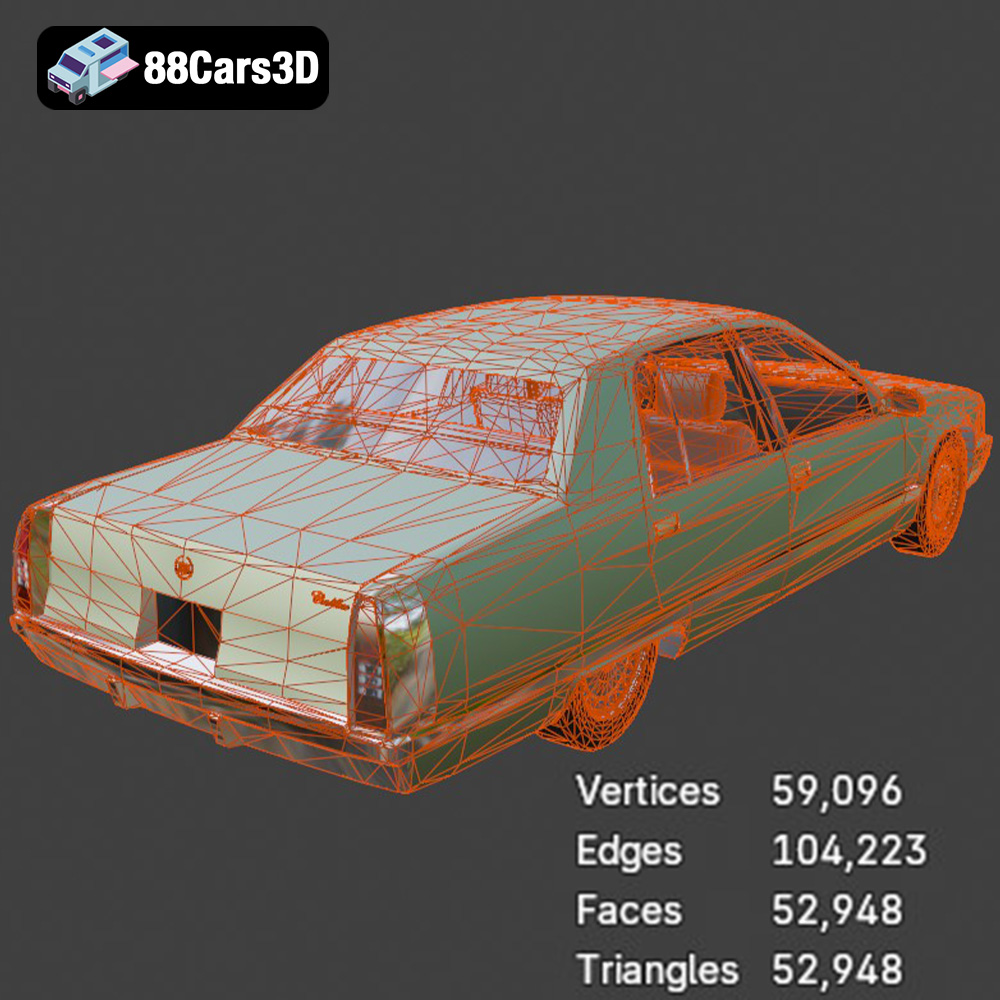
A fundamental aspect of a high-quality 3D model is its topology. The Cadillac Fleetwood Brougham 3D Model features clean, quad-dominant topology. This means that the vast majority of its faces are quadrilaterals (four-sided polygons), which are superior to triangles for several reasons. Quads allow for easy subdivision, enabling smooth and predictable deformation when applying modifiers or sculpting. They also result in cleaner, more natural-looking edge loops, which are critical for detailed modeling of complex surfaces like car body panels. This technical precision ensures that the model can be seamlessly integrated into various workflows without introducing artifacts or requiring extensive cleanup, saving countless hours for artists.
Efficiency in animation and interactive scenarios hinges on a well-organized scene hierarchy. The Cadillac Fleetwood Brougham 3D Model is built with a logically structured hierarchy, meaning components are grouped intuitively (e.g., doors nested under the body, wheels under axles). Crucially, all movable parts have properly set pivot points. For instance, the pivot point for a door is exactly at its hinge, allowing it to rotate naturally when animated. Similarly, wheels pivot at their center, enabling realistic rotation. This meticulous setup drastically reduces the time animators spend on preparing the model, letting them focus directly on bringing the vehicle to life.
The ability to customize a 3D model is vital for tailoring it to specific project requirements. This model boasts detailed material separation for various components: body paint, chrome accents, glass, rubber, and interior fabrics. This distinction allows artists to easily modify paint finishes, apply custom graphics or liveries, and adjust material properties to achieve diverse looks. Want a showroom-fresh Cadillac with gleaming chrome, or a weathered classic with a matte finish? The underlying material structure supports these creative choices, enabling artists to match specific project requirements with ease. This level of technical consideration empowers artists to achieve precise visual outcomes efficiently.
To truly appreciate the value of a high-quality 3D car model like the Cadillac Fleetwood Brougham, it’s helpful to look at how it integrates into real-world professional projects, streamlining tasks and enhancing the final product.
An architectural visualization studio was tasked with rendering a series of promotional images and a walkthrough animation for a luxury estate nestled in a historical neighborhood. The client emphasized the need for period-appropriate vehicles to enhance the scene’s authenticity and add a touch of classic elegance. Using the Cadillac Fleetwood Brougham 3D Model from 88cars3d.com, the studio was able to quickly integrate a highly detailed and visually stunning car into their 3ds Max scene. The model’s accurate real-world scale and clean topology meant it dropped seamlessly into place. Artists leveraged its material separation to apply a custom metallic paint finish that complemented the estate’s brickwork, and used the pre-set pivot points to animate a subtle door opening, hinting at a luxurious arrival. The asset’s quality significantly elevated the overall realism and narrative of the architectural renders, impressing the client and contributing to faster project completion.
A game development studio was creating an open-world historical simulation set in the mid-20th century. A critical component was populating the virtual world with period-accurate vehicles that players could interact with. The need for a highly detailed yet optimized classic American sedan led them to the Cadillac Fleetwood Brougham 3D Model. Using the provided .fbx and .unreal files, the development team was able to import the model directly into Unreal Engine. They quickly set up LODs for performance and created custom PBR materials tailored to the game’s art style. The model’s separated parts and logical hierarchy allowed their gameplay programmers to easily implement realistic driving physics, functional doors, and even destructible elements. This saved considerable development time compared to modeling a vehicle from scratch, allowing the team to focus on core gameplay while ensuring an authentic and visually rich experience for players.
The journey through the world of 3D car models, with a particular focus on the Cadillac Fleetwood Brougham 3D Model, reveals a clear truth: quality assets are the bedrock of exceptional digital creation. From the meticulous detail required for automotive rendering and cinematic visualizations to the performance optimizations essential for game development and immersive AR/VR experiences, every aspect of a well-crafted 3D model contributes to a superior end product. The versatility offered by a comprehensive range of file formats, including .blend, .fbx, .obj, .glb, .stl, .ply, .unreal, and .max, ensures that professionals across diverse industries can integrate these assets seamlessly into their preferred workflows.
Whether you are aiming for stunning photorealism, dynamic interactive scenarios, or even tangible 3D prints, the technical precision and artistic fidelity found in assets like the Cadillac Fleetwood Brougham 3D Model empower creators to achieve their most ambitious visions. By choosing models with clean geometry, logical hierarchies, and robust customization options, you not only save valuable production time but also invest in the foundation for truly impactful work.
Elevate your next project with premium 3D car models that combine timeless design with technical excellence. For a curated selection of high-quality 3D car models, including this exquisite Cadillac Fleetwood Brougham, visit 88cars3d.com and discover the perfect assets to drive your creative endeavors forward.
Experience the timeless elegance of American luxury with this meticulously crafted 3D model of the Cadillac Fleetwood Brougham. This classic full-size sedan, renowned for its stately presence and comfortable ride, is brought to life with clean geometry and a balanced level of detail. Perfect for high-quality renders, realistic animations, historical simulations, or as a distinctive asset in game development.
$10.79
.americancar
.arvr
.blend
.cadillac
.classiccar
.fbx
.fleetwoodbrougham
.gameasset
.glb
.luxurycar
.max
.obj
.ply
.rendering
.sedan
.simulation
.stl
.unreal