⚡ FLASH SALE: Get 60% OFF All Premium 3D & STL Models! ⚡

In the rapidly evolving landscape of real-time rendering and interactive experiences, efficiency and scalability are paramount. For professionals working with Unreal Engine, particularly in fields like automotive visualization, game development, and virtual production, the ability to generate vast, detailed environments quickly is a game-changer. This is precisely where Unreal Engine’s Procedural Content Generation (PCG) framework steps in, offering an incredibly powerful and flexible toolset to revolutionize how we build worlds.
Gone are the days when populating an expansive scene with countless rocks, trees, foliage, and intricate details meant laborious manual placement. PCG empowers artists and developers to design rules and algorithms that automatically distribute assets, sculpt landscapes, and create dynamic variations, all while maintaining artistic control. Imagine crafting a stunning desert backdrop for a high-fidelity 3D car model sourced from 88cars3d.com, complete with unique rock formations, desert flora, and subtle ground textures, all generated with a few clicks rather than days of manual effort. This blog post will dive deep into the world of PCG in Unreal Engine, exploring its core principles, advanced techniques, optimization strategies, and its profound impact on creating immersive, performance-driven automotive visualization projects and beyond.
Unreal Engine 5 introduced the Procedural Content Generation (PCG) framework, a robust, graph-based system designed to streamline the creation of complex environments. At its core, PCG is about defining a set of rules and operations that transform input data (like a landscape, a spline, or a volume) into a desired output, typically the spawning of static meshes, Niagara effects, or even other PCG graphs. This approach allows for non-destructive, iterative design, where changes to a single rule can instantly propagate across an entire generated scene, saving countless hours of manual adjustments.
The power of PCG lies in its modularity. You build “graphs” by connecting various “nodes,” each performing a specific function such as sampling points, transforming their attributes, filtering them based on criteria, or spawning assets. These nodes range from basic point generation (e.g., ‘Surface Sampler’ for landscapes) to advanced data manipulation (e.g., ‘Attribute Noise,’ ‘Bounds Modifier’) and final output (e.g., ‘Static Mesh Spawner,’ ‘Spline Spawner’). Understanding how to chain these operations effectively is the key to unlocking PCG’s full potential.
The PCG Graph Editor is where all the magic happens. It’s a visual scripting interface, much like the Blueprint Editor, but tailored specifically for procedural generation. Here, you drag and drop nodes, connect them with wires representing data flow, and configure their parameters. Key components include:
Each node typically has input and output pins that carry ‘points’ – fundamental data structures in PCG that represent a potential location, rotation, scale, and various user-defined attributes. Manipulating these points and their attributes is central to creating varied and realistic procedural content. For more detailed information on specific nodes and their functionalities, consult the official Unreal Engine documentation on PCG.
Points are the lifeblood of PCG. Each point is an abstract representation of a single instance of an asset or a data sample. A point carries essential information:
By using nodes like ‘Attribute Noise’ or ‘Get Landscape Layer Weights,’ you can populate points with meaningful attributes that then drive decisions in subsequent nodes, enabling highly nuanced and context-aware generation. This attribute-driven workflow allows for an unprecedented level of control and realism in your generated environments.
Integrating high-quality 3D car models into compelling environments is a cornerstone of automotive visualization. While sourcing visually stunning vehicles from platforms like 88cars3d.com provides the main subject, PCG excels at crafting the photorealistic backdrops that elevate these assets. A typical setup begins with a blank Unreal Engine project, perhaps utilizing a blank or Open World template, followed by importing your desired vehicle models. The next step is establishing the environment, which is where PCG becomes indispensable.
Start by creating a Landscape or a simple Static Mesh as your ground plane. This will serve as the canvas for your procedural generation. For a dynamic automotive showcase, you might want a varied terrain – perhaps a sweeping desert landscape, a rugged mountain pass, or an urban setting with distinct zones. PCG allows you to populate these areas with appropriate elements like rocks, foliage, debris, and even entire clusters of buildings, all respecting the underlying geometry and artistic vision. This initial setup provides a solid foundation for building complex scenes around your star asset, the 3D car model.
Once your landscape is ready, create a new PCG Graph asset (Right-click in Content Browser -> PCG -> PCG Graph). Drag this PCG Graph into your level. By default, it acts as a volume, but you can configure it to sample specific inputs. For landscape generation:
Immediately, you’ll see your meshes distributed across the landscape. This basic graph provides a starting point. To refine it, you can add nodes like ‘Density Filter’ to control where meshes spawn (e.g., only on flatter areas), ‘Transform Points’ to add random rotation and scale variations, or ‘Attribute Noise’ to subtly vary density across the surface, breaking up repetitive patterns.
Realistic environments are rarely uniform. PCG provides powerful filtering and attribute manipulation capabilities to achieve natural distribution:
By combining these techniques, you move beyond simple scattering to intelligent, context-aware placement, building detailed and believable environments that perfectly complement the high-fidelity vehicles from 88cars3d.com.
Once you’ve mastered the basics of PCG, the real power emerges when you start combining graphs, layering different types of content, and utilizing attributes to drive complex interactions. Creating truly believable environments often involves multiple layers of procedural generation, where each layer builds upon or influences the others. Imagine a forest where trees vary in size and density, undergrowth appears only where trees provide shade, and fallen leaves accumulate realistically – all achievable with advanced PCG workflows.
For automotive visualization, this means more than just scattering rocks. It could involve procedurally generating varied asphalt textures and road markings, populating parking lots with distinct vehicles (perhaps simpler game assets if not the hero car), or even creating intricate urban details around an architectural visualization. The key is to think in terms of how different elements interact and how PCG can simulate those interactions through data flow.
Complex scenes are rarely built with a single PCG graph. Instead, you’ll often layer multiple graphs, each responsible for a specific aspect of the environment. For example:
To manage dependencies, you can use the ‘PCG Graph’ node within another PCG graph, allowing you to nest or reference other graphs. This promotes modularity and reusability. Additionally, ‘Difference’ or ‘Union’ nodes are vital for managing point interactions. A ‘Difference’ node, for instance, can remove points from one input that overlap with points from another, ensuring that your large trees don’t spawn directly on top of your car showcase area or in the middle of a road.
PCG doesn’t exist in a vacuum; it deeply integrates with other Unreal Engine systems:
By leveraging these interactions, PCG becomes a dynamic and responsive system, able to create environments that are both visually rich and functionally appropriate for diverse visualization and game development needs.
While PCG excels at generating vast amounts of detail, unchecked procedural generation can quickly bring even the most powerful hardware to its knees. Performance optimization is not an afterthought but an integral part of designing effective PCG graphs, especially in real-time automotive visualization where smooth frame rates are critical for immersive experiences. The goal is to generate rich detail without sacrificing performance, balancing visual fidelity with efficient rendering.
The primary performance bottlenecks in PCG-heavy scenes often stem from excessive polygon counts, high draw calls, and complex material instructions. Fortunately, Unreal Engine provides a suite of tools and best practices to mitigate these issues, many of which integrate seamlessly with PCG. Implementing these strategies from the outset ensures that your procedurally generated environments remain responsive and interactive.
Unreal Engine 5’s Nanite and Lumen are game-changers for performance and visual quality, and they are particularly potent when combined with PCG:
By embracing Nanite for geometry and Lumen for lighting, PCG-generated environments can achieve an unprecedented level of detail and realism while remaining performant in real-time, even for highly complex scenes that would have been impossible just a few years ago.
Even with Nanite, smart resource management is key. Here are critical optimization techniques:
By diligently applying these optimization strategies, you can ensure that your detailed PCG environments not only look stunning but also run smoothly, providing an exceptional experience for your audience.
The applications of PCG extend far beyond traditional open-world games. For automotive visualization, its capabilities are transformative, enabling artists and designers to rapidly prototype, iterate, and finalize diverse settings for presenting high-fidelity 3D car models. Whether you’re crafting an elegant virtual showroom, a dynamic driving experience, or a sprawling virtual production set, PCG dramatically accelerates scene creation and enhances realism.
Imagine showcasing a sleek sports car from 88cars3d.com in a photorealistic, minimalist gallery, where PCG helps distribute ambient props, or placing it within a rugged, off-road environment complete with procedurally generated terrain, vegetation, and natural rock formations. PCG provides the flexibility to create both highly controlled, artistic environments and expansive, organic landscapes with equal ease, ensuring your vehicles are always presented in their best light.
Interactive car configurators are a staple in automotive marketing and sales. PCG can elevate these experiences by creating dynamic and varied backgrounds:
By leveraging PCG, configurators become more engaging and immersive, allowing potential customers to visualize vehicles in a multitude of realistic scenarios, all rendered in real-time. This level of interactivity not only enhances user experience but also provides valuable marketing content.
Virtual Production, particularly with LED walls, is revolutionizing filmmaking and commercial production. PCG plays a crucial role in creating the expansive and detailed digital environments that are projected onto these walls:
This integration allows for unprecedented creative control, enabling the production of cinematic automotive content with greater efficiency and visual impact. The ability to manipulate entire environments procedurally simplifies the complex workflow of virtual production, making it more accessible and versatile for high-end vehicle advertising and short films.
Beyond cinematic rendering, PCG is invaluable for creating interactive automotive applications:
The versatility of PCG empowers developers to create dynamic, engaging, and performant automotive experiences across a wide spectrum of interactive applications, continually pushing the boundaries of real-time visualization.
Unreal Engine’s Procedural Content Generation framework is not just another feature; it’s a paradigm shift in how we approach environment design. For the demanding world of automotive visualization, where pristine 3D car models from platforms like 88cars3d.com are the stars, PCG provides the indispensable tools to craft equally stunning and performant backdrops. From meticulously detailed urban scenes and serene natural landscapes to dynamic virtual showrooms and immersive AR/VR experiences, PCG empowers artists and developers to build complex worlds with unprecedented speed, flexibility, and artistic control.
By mastering PCG, you unlock the ability to iterate rapidly, achieve unparalleled environmental detail with Nanite, benefit from realistic lighting with Lumen, and optimize your scenes for real-time performance across various platforms. The integration with Blueprint scripting further extends its capabilities, allowing for truly interactive and dynamic environments that respond to user input and narrative needs. As the industry continues to push the boundaries of real-time rendering, procedural generation will only become more central to creating the visually rich and immersive experiences that define modern automotive visualization.
Embrace PCG in your next Unreal Engine project. Experiment with its nodes, explore its layering capabilities, and discover how it can transform your workflow. The future of creating breathtaking environments around your high-quality 3D car models is procedural, and the journey begins now.

Texture: Yes
Material: Yes
Download the BMW 7 Series E38 3D Model featuring its iconic luxury sedan design and classic aesthetics. Includes .blend, .fbx, .obj, .glb, .stl, .ply, .unreal, and .max formats for rendering, simulation, and game development.
Price: $10.79

Texture: Yes
Material: Yes
Download the BMW 6 Series 640i F12 3D Model featuring a sleek design and detailed interior. Includes .blend, .fbx, .obj, .glb, .stl, .ply, .unreal, and .max formats for rendering, simulation, and game development.
Price: $10.79

Texture: Yes
Material: Yes
Download the BMW 3 F30 3D Model featuring a detailed exterior, realistic interior, and optimized mesh. Includes .blend, .fbx, .obj, .glb, .stl, .ply, .unreal, and .max formats for rendering, simulation, and game development.
Price: $10.79
Texture: Yes
Material: Yes
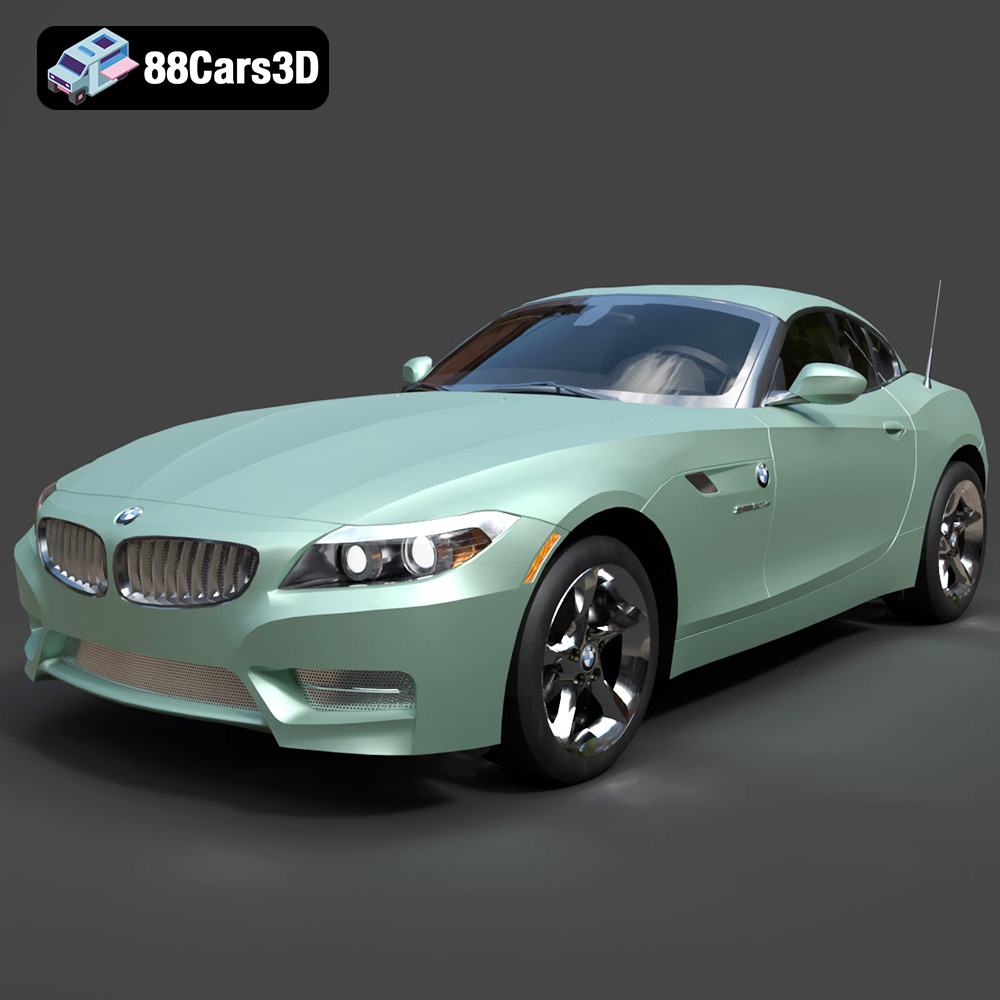
Download the BMW Z4 Roadster E89 3D Model featuring clean geometry, realistic detailing, and a fully modeled interior. Includes .blend, .fbx, .obj, .glb, .stl, .ply, .unreal, and .max formats for rendering, simulation, and game development.
Price: $13.99

Texture: Yes
Material: Yes
Download the BMW Z4 E85 3D Model featuring clean geometry, realistic detailing, and a fully modeled interior. Includes .blend, .fbx, .obj, .glb, .stl, .ply, .unreal, and .max formats for rendering, simulation, and game development.
Price: $13.99

Texture: Yes
Material: Yes
Download the BMW M3 2024 3D Model featuring clean geometry, realistic detailing, and a fully modeled interior. Includes .blend, .fbx, .obj, .glb, .stl, .ply, .unreal, and .max formats for rendering, simulation, and game development.
Price: $13.99
Texture: Yes
Material: Yes
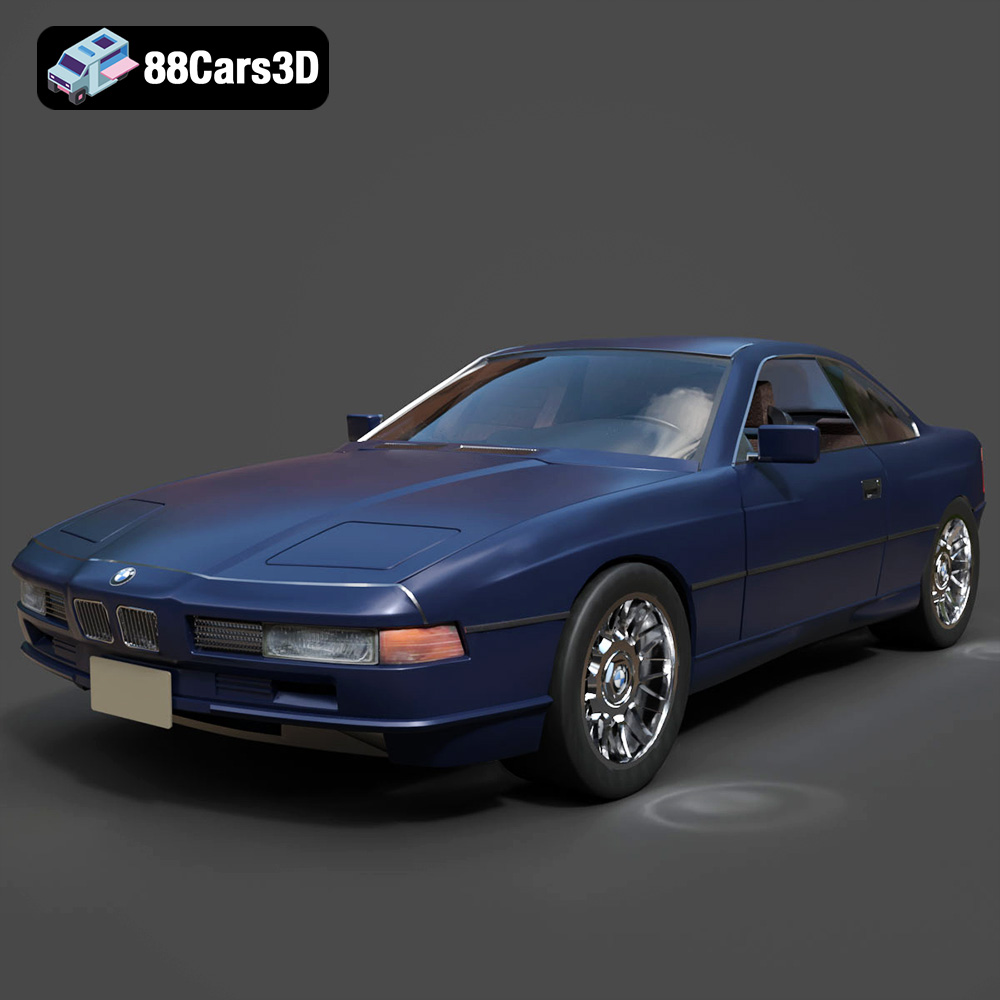
Download the BMW 850i Coupe 1990 3D Model featuring clean geometry, realistic detailing, and a fully modeled interior. Includes .blend, .fbx, .obj, .glb, .stl, .ply, .unreal, and .max formats for rendering, simulation, and game development.
Price: $13.99
Texture: Yes
Material: Yes
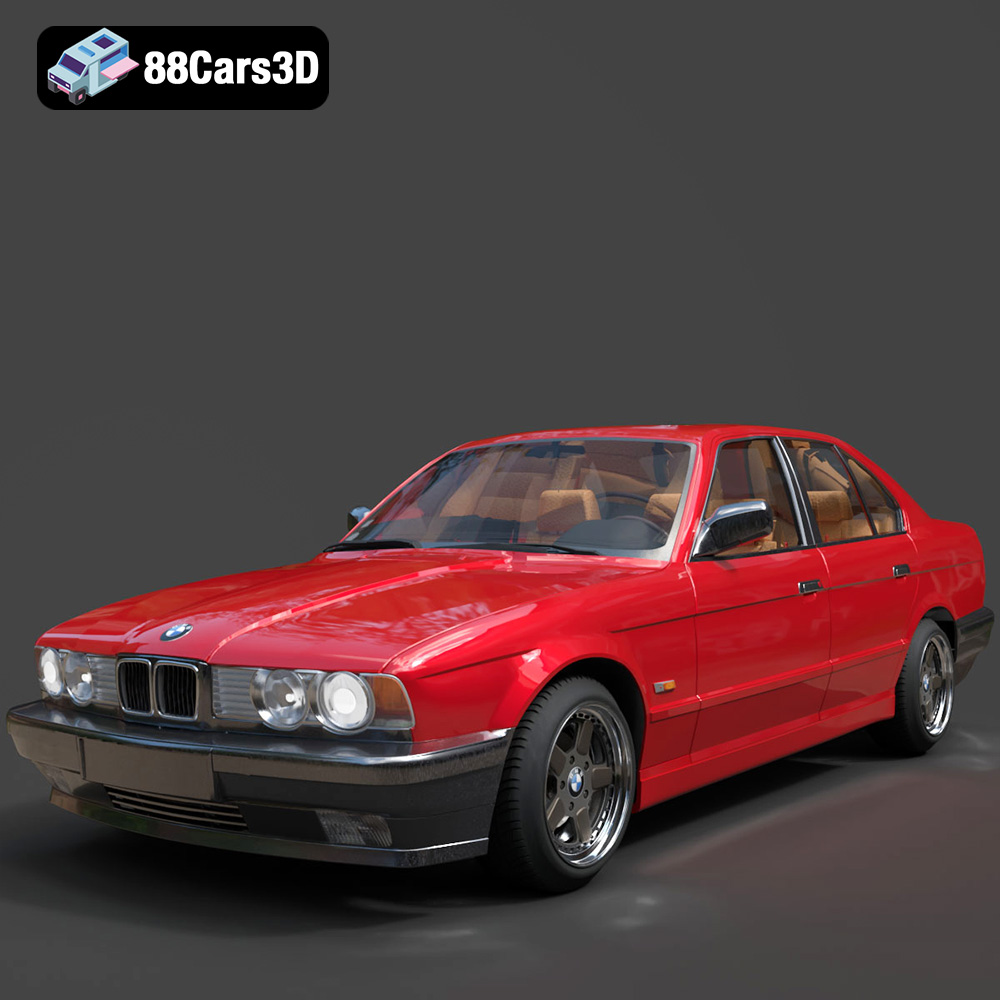
Download the BMW 525i E34 1993 3D Model featuring clean geometry, realistic detailing, and a fully modeled interior. Includes .blend, .fbx, .obj, .glb, .stl, .ply, .unreal, and .max formats for rendering, simulation, and game development.
Price: $12.99

Texture: Yes
Material: Yes
Download the BMW 7 Series 2016 3D Model featuring luxurious design, detailed interior, and accurate exterior. Includes .blend, .fbx, .obj, .glb, .stl, .ply, .unreal, and .max formats for rendering, simulation, and game development.
Price: $10.79
Texture: Yes
Material: Yes
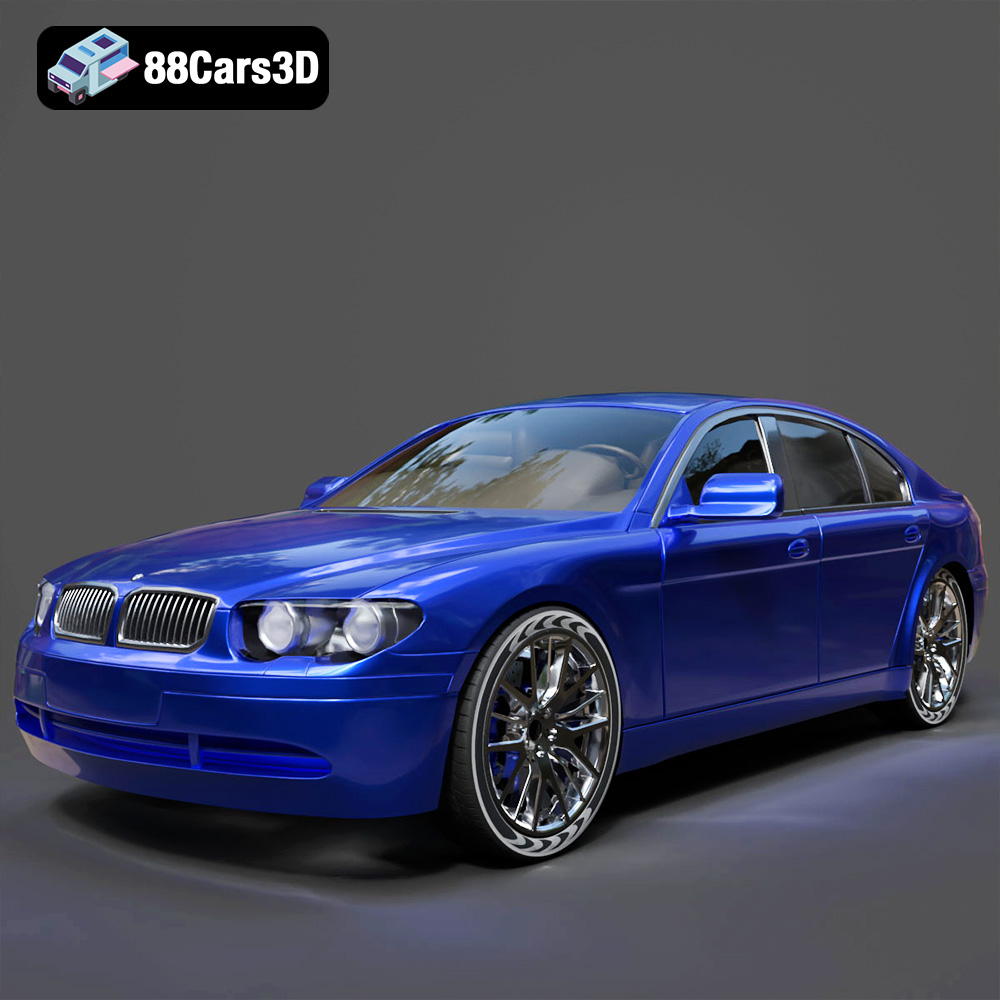
Download the BMW 7 Series 30th Anniversary 3D Model featuring a meticulously crafted exterior, detailed interior, and realistic wheels. Includes .blend, .fbx, .obj, .glb, .stl, .ply, .unreal, and .max formats for rendering, simulation, and game development.
Price: $35.79

