⚡ FLASH SALE: Get 60% OFF All Premium 3D & STL Models! ⚡

“`html
The world of 3D printing automotive models opens up a universe of possibilities for enthusiasts, hobbyists, and collectors. While high-quality, printable car models are readily available – often with incredible detail – there’s always room for personalization. Adding authentic car logos, emblems, and bespoke custom details can elevate a 3D print from a great replica to a truly unique masterpiece. This can be a daunting task, requiring a blend of digital modeling skills, an understanding of 3D printing workflows, and a keen eye for detail.
In this comprehensive guide, we’ll delve into the technical intricacies of incorporating these fine details into your 3D printable car models. We’ll explore the file formats, software tools, and specific techniques needed to ensure your custom additions integrate seamlessly with your chosen car STL files. From preparing your base model to designing and integrating logos, ensuring printability, and even tackling the challenges of multi-material printing, this article will equip you with the knowledge to transform your prints into show-stopping collectibles. Get ready to dive deep into the technical art of personalization!
Before we even think about adding logos, it’s crucial to understand the nature of the STL file format and how mesh topology impacts the level of detail we can achieve. STL (STereoLithography) is the de facto standard for 3D printing, representing a 3D object’s surface geometry as a collection of triangular facets. The density and arrangement of these triangles (the mesh) directly influence how intricate details can be rendered. When working with downloadable car models, such as those found on 88cars3d.com, the quality of the base mesh is paramount. High-resolution models will have a denser mesh, allowing for finer details like small emblems to be captured more accurately. Conversely, low-resolution models might require substantial mesh editing to even make subtle details printable.
The scalability of these details is another critical consideration. A logo that looks perfect on a full-size car might become a microscopic, unprintable blob when scaled down to a 1:18 or 1:24 scale model. Therefore, when designing custom logos or selecting existing ones, you must consider the target print size of your car model. This involves understanding the limitations of your 3D printer, particularly its nozzle diameter (for FDM) or pixel size (for resin printers), and the minimum feature size it can reliably reproduce. A common rule of thumb is to ensure that any detail, including the thickness of logo lettering, is at least 2-3 times the printer’s minimum feature size to guarantee successful printing.
The geometric integrity of your STL files is non-negotiable. This refers to whether the mesh forms a “watertight” or manifold object, meaning it has no holes, inverted normals, or non-manifold edges. These issues can cause significant problems during slicing and printing, leading to errors, missing sections, or distorted geometry. Software like Meshmixer, Blender, or Netfabb excels at identifying and repairing these issues. When adding custom details, you must ensure that your additions also form a manifold mesh and that they are correctly merged or combined with the base car model without introducing new errors.
When starting your project, selecting a high-quality base car model from a reputable source like 88cars3d.com is the best first step. Look for models described as having “clean geometry” or “high polygon count.” These models are typically designed with 3D printing in mind and will provide a much better canvas for adding custom details. Avoid models that appear overly faceted or have visible artifacts, as these often indicate underlying mesh problems that will only be exacerbated by adding more geometry.
The process of creating custom logos, emblems, or other unique details begins with digital design. Whether you’re recreating an existing car manufacturer’s badge or designing your own custom livery element, you’ll need to use 3D modeling software. The choice of software depends on your expertise and the complexity of the detail. For simpler, flat logos, vector graphics software like Adobe Illustrator or Inkscape can be used to create scalable outlines, which can then be imported into 3D modeling programs. For more complex, three-dimensional emblems with depth and curvature, dedicated 3D modeling suites like Blender, Fusion 360, or even ZBrush are more appropriate.
When designing, always aim for simplicity that translates well to 3D printing. For instance, a logo with very thin, intricate serifs might not be printable at smaller scales. Consider simplifying the design or thickening these elements. Similarly, for embossed or debossed details on the car body, ensure sufficient depth or height. A depth of 0.2mm to 0.5mm is often a good starting point for many desktop 3D printers, but this will vary based on your printer’s capabilities and layer height.
A crucial step in preparing these custom elements is ensuring they are designed with the correct scale and orientation relative to the car model they will be attached to. It’s often easiest to model these details directly onto a copy of the car model or within the same design environment, ensuring they align perfectly with the car’s body lines and existing features. Once designed, export your custom detail as a separate STL file. This allows for easier inspection, repair, and integration into the main car model.
If you start with a 2D vector logo (e.g., an SVG file), you’ll import it into your 3D modeling software. In Blender, for example, you can import an SVG and then use the “Extrude” function on the curve object to give it depth. You can then convert this curve object into a mesh. For embossed details (raised from the surface), you’ll want to ensure the extruded shape has a positive height. For debossed details (etched into the surface), you’ll either create a negative extrusion or use boolean operations to subtract the shape from the car body. When performing boolean operations, ensure both the car body and the detail are manifold meshes to avoid errors.
Consider the minimum printable thickness for your chosen 3D printing technology and material. For FDM printing with a 0.4mm nozzle, a minimum wall thickness of around 0.8mm (two extrusion widths) is generally recommended for structural integrity and detail definition. For resin printers, the limits are much finer, potentially allowing for details as small as 0.1mm or less, depending on the printer and resin. When designing, always check the actual dimensions of your features. If a logo’s fine lines are less than 0.2mm thick, they are unlikely to print successfully on most desktop FDM printers.
Once you have your base car model and your custom detail models (each as separate STL files), the next step is to combine them. This is where software like Meshmixer, Blender, or Netfabb becomes indispensable. The primary methods for integration are merging meshes and using boolean operations.
Merging is suitable when your custom detail is intended to sit on top of the car’s surface, like an emblem attached to the hood or trunk. You import both STL files into your chosen software, position the custom detail precisely, and then use a “Combine” or “Union” operation to merge them into a single mesh. It’s crucial to ensure that the detail slightly intersects with the car’s surface. This overlap ensures a clean connection and prevents small gaps from forming during slicing. If the detail is too thin or only just touches the surface, it might detach during printing.
Boolean operations (specifically “Union” or “Join”) are essential for seamlessly integrating details. If you want to create a debossed grille pattern, for instance, you would model the grille as a separate object and then use a boolean union operation to merge it with the car body. Conversely, if you wanted to add a subtle raised body line, you would model that line and perform a boolean union. Always ensure both meshes are manifold before attempting boolean operations, as non-manifold geometry is a common cause of failure.
After performing the merge or boolean operation, it’s vital to re-inspect the combined mesh for any new errors. Run a mesh analysis tool within your software to check for holes, non-manifold edges, or self-intersections. If errors are found, use the software’s repair tools to fix them. Finally, export the combined object as a single, manifold STL file, ready for slicing.
Meshmixer is a powerful and free tool for mesh manipulation. To add a logo:
In Blender:
Once you have your integrated STL file, the next critical phase is slicing. The slicer software (e.g., Cura, PrusaSlicer, Simplify3D) translates the 3D model into layer-by-layer instructions (G-code) for your 3D printer. When dealing with intricate details like logos and emblems, specific slicing parameters are crucial for achieving high fidelity and preventing print failures. The key parameters to focus on are layer height, print speed, support structures, and infill.
Layer height is perhaps the most significant factor. A lower layer height (e.g., 0.1mm or even 0.08mm for FDM, or 0.02mm-0.05mm for resin) will result in smoother curves and sharper details on your logos and emblems. However, this comes at the cost of significantly longer print times. For FDM printing, a layer height that is 50% of your nozzle diameter (e.g., 0.2mm for a 0.4mm nozzle) is often a good balance between quality and speed. For resin printers, the fine layer heights are standard and crucial for capturing the minute details often present in logos.
Print speed for detailed areas should be reduced. Printing intricate logos too quickly can lead to poor layer adhesion, ringing artifacts, or failed features. Consider using a slower speed specifically for outer walls or detailing features if your slicer allows for this. For FDM, reducing the outer wall speed to 20-30 mm/s can make a noticeable difference.
Support structures are often necessary to print logos and emblems that overhang or are printed at an angle. Proper support generation and placement are vital. You want supports that are strong enough to hold the detail but easy to remove without damaging the surrounding print. For FDM, tree supports or custom support placement can be more effective than standard supports for delicate areas. For resin printing, careful placement of fine, angled supports is critical.
As mentioned, lower layer heights produce better detail but increase print time. For a typical 1:18 scale car model, using 0.1mm layer height instead of 0.2mm could potentially double the print time for that specific part or the entire model if printed as a single piece. Evaluate the importance of detail on the logo versus the overall print duration. Sometimes, a slightly higher layer height might be acceptable if the logo is simple or less prominent. Slicers often provide estimates for print time, allowing you to make informed decisions.
For FDM printing, experiment with support settings like:
For resin, ensuring supports are finely tipped and angled away from critical details is paramount to minimize scarring upon removal.
The orientation of your car model on the print bed can significantly impact the success of printing intricate details like logos and emblems, as well as overall print quality and structural integrity. Additionally, ensuring robust bed adhesion is fundamental, especially for larger models or those with small contact points.
When deciding on orientation, consider how overhangs will be handled. Printing a car body upright typically presents the most overhangs, necessitating extensive support structures. However, it might be the only way to achieve a clean exterior finish. Printing a car upside down can reduce supports on the visible surfaces but might require supports for the undercarriage details. For logos and emblems specifically, orienting them so they have minimal overhangs or are printed vertically can significantly improve their definition and reduce the need for complex supports. For example, if a logo is on the side of the car, printing with that side facing upwards might be beneficial if it doesn’t introduce too many other problematic overhangs.
Bed adhesion is critical for preventing prints from detaching mid-print, which is especially disastrous for complex models. For FDM printers, options include using a raft, brim, or skirt. A brim is often the best choice for detailed models as it increases the surface area contact with the print bed without the waste and potential difficulty of removing a raft. Ensure your print bed is clean and level. Using adhesion aids like glue stick, hairspray, or specialized build surfaces (like PEI or textured sheets) can also be beneficial, especially when printing with materials like ABS or PETG.
For resin printers, proper bed adhesion is also crucial, but the primary concerns are ensuring the build plate is clean and the first few layers are perfectly dialed in. Resin printers rely on the initial layers adhering strongly to the build plate to prevent the entire print from detaching.
Think about which surfaces will be most visible and thus require the best finish. If your logo is on the hood, and you orient the car hood-up, you might need supports directly underneath the logo’s edges. If you orient the car upside down, you might not need supports for the hood logo, but you’ll need them for the undercarriage. Carefully assess the trade-offs. Sometimes, printing the car in multiple parts and assembling them can be the best approach to manage orientation and detail printing, especially for very complex models with integrated logos.
The choice of printing material significantly impacts the final look and feel of your car model and its details. For FDM printing, common materials like PLA, PETG, and ABS each have their pros and cons. PLA is easy to print, has a good surface finish, and is ideal for detailed models where high temperature resistance isn’t critical. PETG offers better durability and temperature resistance than PLA but can be stringier. ABS is strong and temperature resistant but is prone to warping and requires an enclosed printer and good ventilation.
For resin printing (SLA/DLP/MSLA), there’s a wide array of resins available, from standard resins offering excellent detail to tougher, flexible, or high-temperature resins. Standard or “ABS-like” resins are often excellent choices for detailed car models, providing crisp edges and good durability.
A more advanced technique for achieving truly authentic logos is multi-material printing. If your FDM printer supports multiple extruders (or a single extruder with filament switching capabilities like Prusa MMU or Bambu Lab AMS), you can print the car body in one color and the logos in another, often with a metallic finish, without any painting. This requires careful slicing to define which parts of the model are printed with which filament. You’ll need to ensure that the different materials have compatible printing temperatures and that the filament switching process is reliable.
Alternatively, you can print logos as separate pieces in their desired colors and then glue them onto the car model after printing. This method offers maximum flexibility in color and material choice for the logos but requires precise alignment and adhesion during assembly.
If using multi-material printing:
Even with meticulous printing, post-processing is often necessary to achieve a truly professional finish, especially when dealing with intricate details like logos. The techniques you employ will depend on your printing technology (FDM vs. resin) and your desired outcome.
For FDM prints, the first step after removing supports is often sanding. Start with a coarser grit sandpaper (e.g., 150-220 grit) to remove support marks and major imperfections, then progressively move to finer grits (e.g., 400, 800, 1000, and even higher) to achieve a smooth surface. For very fine details on logos, careful sanding with fine-grit sandpaper, cotton swabs, or even small files might be necessary. Be cautious not to sand away the detail itself.
Filling small imperfections or gaps can be done with modeling putty or specialized 3D print fillers. After filling, re-sanding is required. Priming the model with a spray primer is essential before painting. Primer helps to reveal any remaining imperfections and provides a uniform base for your paint layers.
Painting is where logos and emblems can truly come to life. You can hand-paint details with acrylic model paints, use an airbrush for smoother finishes, or even employ water-slide decals printed with metallic inks for a realistic chrome effect. For multi-material prints where logos are already in a different color, you might still want to hand-paint highlights or weathering effects.
For resin prints, post-processing typically involves washing away uncured resin (using isopropyl alcohol or specialized cleaners), followed by curing under UV light to achieve full hardness. Sanding resin prints can be messy and requires safety precautions (gloves, mask, ventilation) as resin dust is toxic. Wet sanding is often recommended.
To achieve realistic metallic finishes on logos:
Adding custom car logos, emblems, and unique details to your 3D printable car models is a rewarding process that transforms a standard print into a personalized work of art. We’ve navigated the technical landscape, from understanding the foundational STL file structure and mesh topology to the intricate design and integration of custom elements using powerful software like Blender and Meshmixer. We’ve explored the critical slicing strategies, including layer height, speed, and support generation, that are essential for capturing fine details on both FDM and resin printers. Furthermore, we’ve discussed the impact of print orientation and bed adhesion, alongside the considerations for material selection and the advanced possibilities of multi-material printing.
Finally, we’ve touched upon the essential post-processing steps, including support removal, sanding, priming, and painting, which are crucial for achieving that professional, show-quality finish. By mastering these techniques, you can imbue your 3D printed car models with a level of authenticity and personalization that truly stands out. Whether you’re recreating a classic car with its original badging or designing a futuristic concept with bespoke emblems, the principles outlined here will guide you towards successful and impressive results. So, dive in, experiment, and let your creativity drive your next 3D printing project to new heights!
“`

Texture: Yes
Material: Yes
Download the BMW 7 Series E38 3D Model featuring its iconic luxury sedan design and classic aesthetics. Includes .blend, .fbx, .obj, .glb, .stl, .ply, .unreal, and .max formats for rendering, simulation, and game development.
Price: $10.79

Texture: Yes
Material: Yes
Download the BMW 6 Series 640i F12 3D Model featuring a sleek design and detailed interior. Includes .blend, .fbx, .obj, .glb, .stl, .ply, .unreal, and .max formats for rendering, simulation, and game development.
Price: $10.79
Texture: Yes
Material: Yes
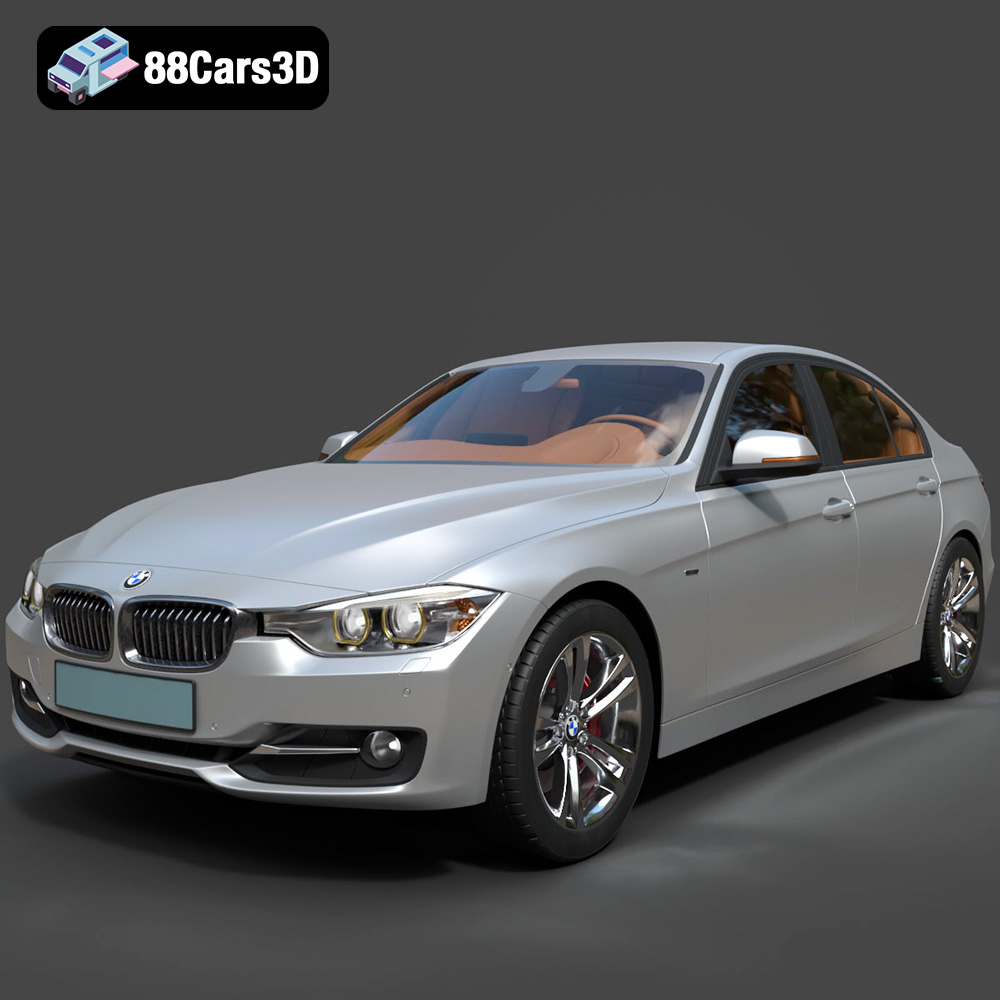
Download the BMW 3 F30 3D Model featuring a detailed exterior, realistic interior, and optimized mesh. Includes .blend, .fbx, .obj, .glb, .stl, .ply, .unreal, and .max formats for rendering, simulation, and game development.
Price: $10.79
Texture: Yes
Material: Yes
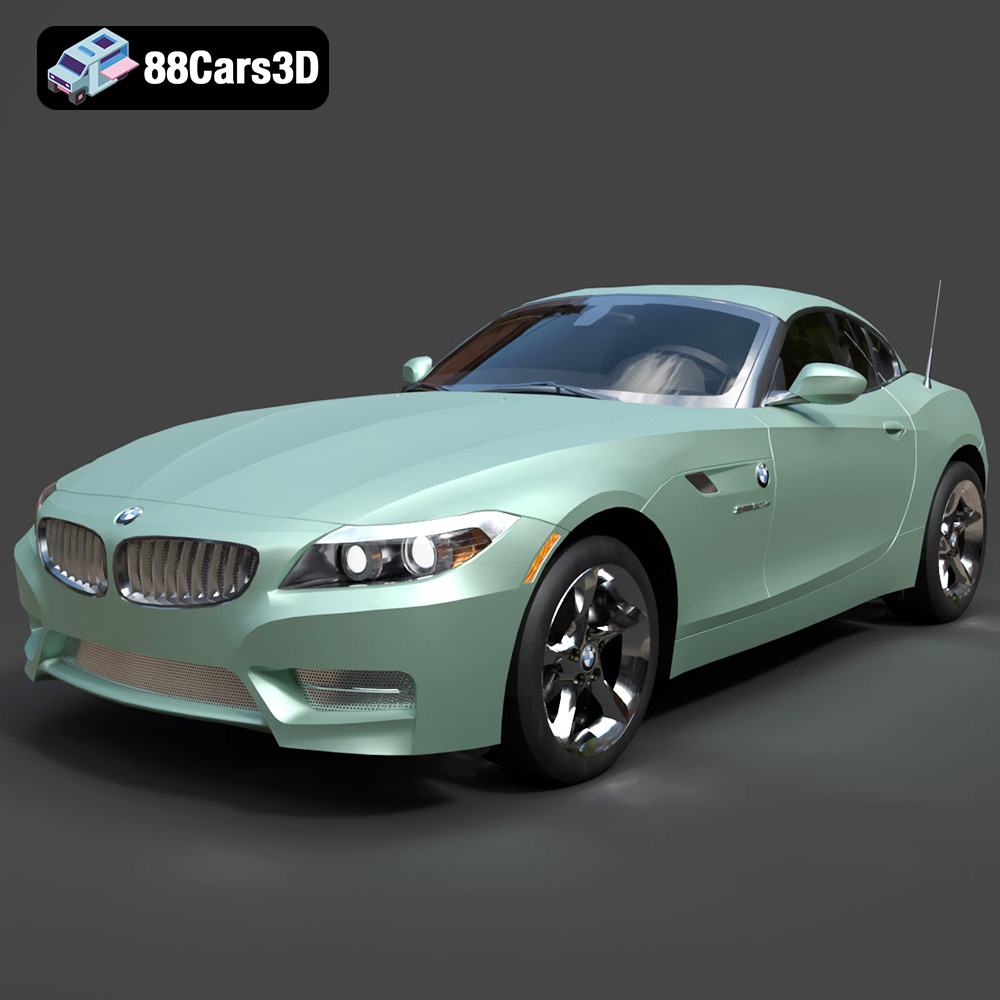
Download the BMW Z4 Roadster E89 3D Model featuring clean geometry, realistic detailing, and a fully modeled interior. Includes .blend, .fbx, .obj, .glb, .stl, .ply, .unreal, and .max formats for rendering, simulation, and game development.
Price: $13.99

Texture: Yes
Material: Yes
Download the BMW Z4 E85 3D Model featuring clean geometry, realistic detailing, and a fully modeled interior. Includes .blend, .fbx, .obj, .glb, .stl, .ply, .unreal, and .max formats for rendering, simulation, and game development.
Price: $13.99

Texture: Yes
Material: Yes
Download the BMW M3 2024 3D Model featuring clean geometry, realistic detailing, and a fully modeled interior. Includes .blend, .fbx, .obj, .glb, .stl, .ply, .unreal, and .max formats for rendering, simulation, and game development.
Price: $13.99
Texture: Yes
Material: Yes
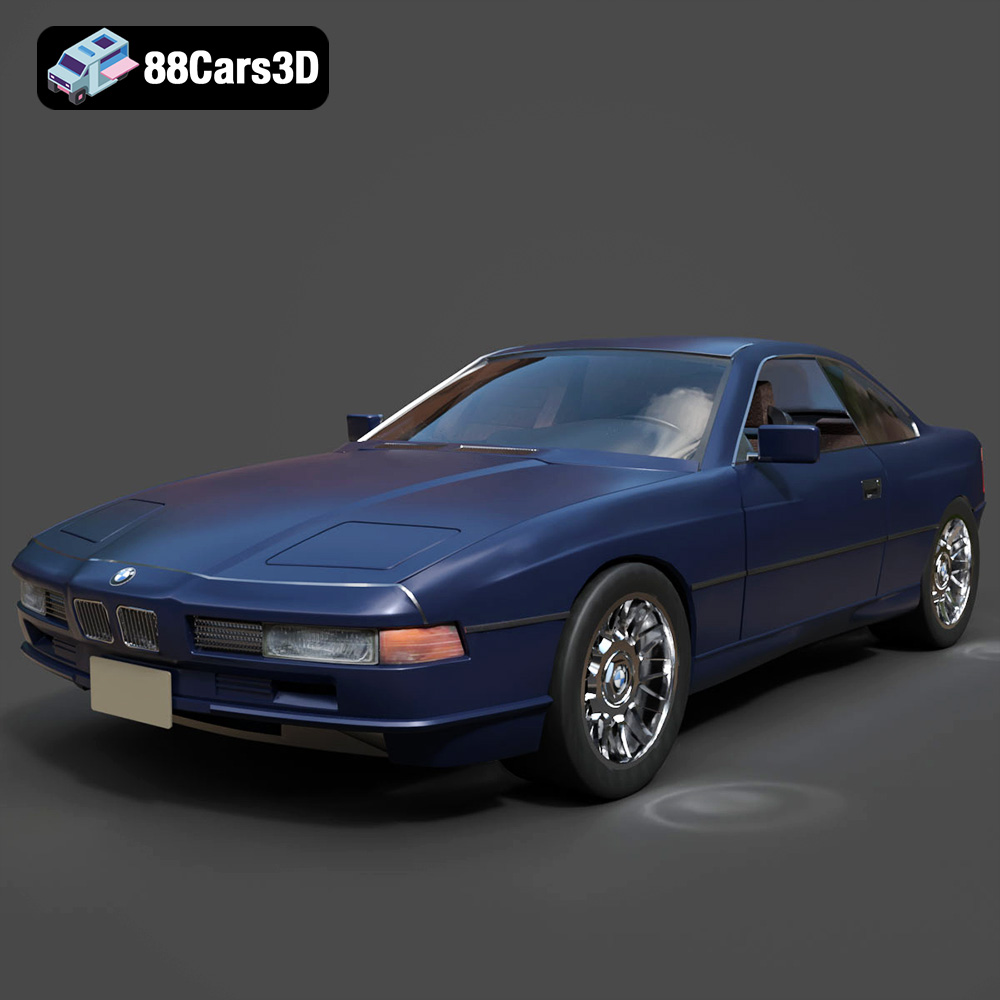
Download the BMW 850i Coupe 1990 3D Model featuring clean geometry, realistic detailing, and a fully modeled interior. Includes .blend, .fbx, .obj, .glb, .stl, .ply, .unreal, and .max formats for rendering, simulation, and game development.
Price: $13.99
Texture: Yes
Material: Yes
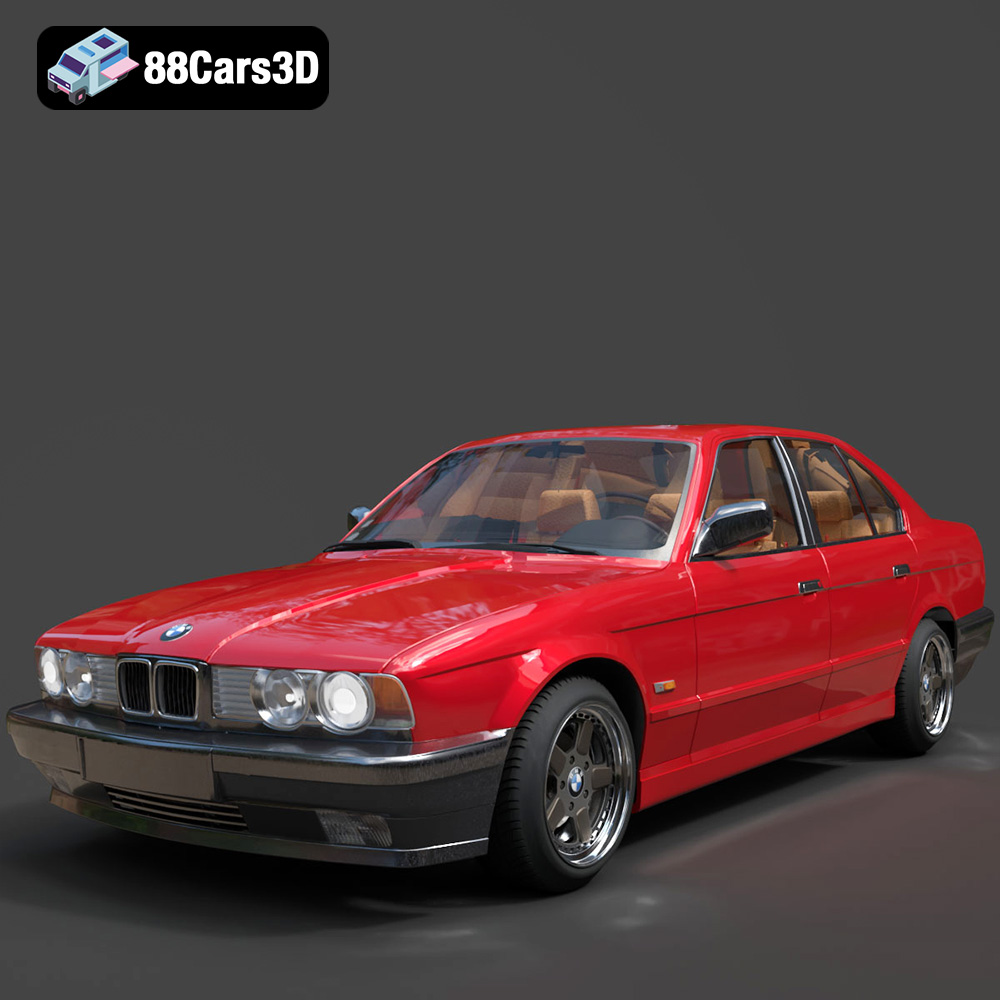
Download the BMW 525i E34 1993 3D Model featuring clean geometry, realistic detailing, and a fully modeled interior. Includes .blend, .fbx, .obj, .glb, .stl, .ply, .unreal, and .max formats for rendering, simulation, and game development.
Price: $12.99

Texture: Yes
Material: Yes
Download the BMW 7 Series 2016 3D Model featuring luxurious design, detailed interior, and accurate exterior. Includes .blend, .fbx, .obj, .glb, .stl, .ply, .unreal, and .max formats for rendering, simulation, and game development.
Price: $10.79
Texture: Yes
Material: Yes
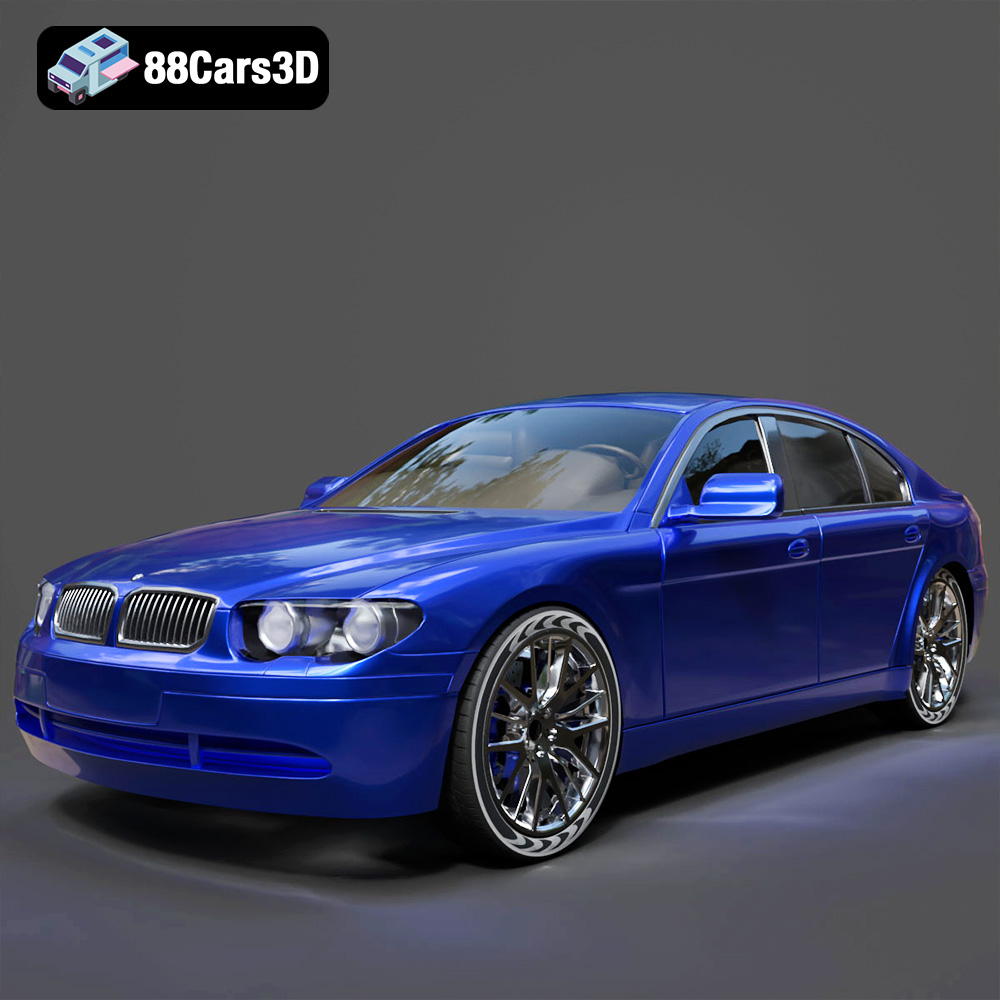
Download the BMW 7 Series 30th Anniversary 3D Model featuring a meticulously crafted exterior, detailed interior, and realistic wheels. Includes .blend, .fbx, .obj, .glb, .stl, .ply, .unreal, and .max formats for rendering, simulation, and game development.
Price: $35.79

