⚡ FLASH SALE: Get 60% OFF All Premium 3D & STL Models! ⚡

“`html
The world of 3D printed car models is exploding, offering enthusiasts unprecedented opportunities to recreate their favorite vehicles with incredible detail. Whether you’re a seasoned collector, a budding automotive designer, or a hobbyist looking for a new creative outlet, the quality of your 3D printed models hinges on two critical factors: the STL files you use and the capabilities of your 3D printer. At 88cars3d.com, we meticulously craft our printable car models to be print-ready, focusing on clean geometry and optimal design. But even the best STL file can be let down by an ill-equipped printer. This guide delves deep into the crucial features that make a 3D printer shine for model makers, exploring everything from resolution and build volume to material compatibility and user-friendliness. We’ll equip you with the knowledge to select a printer that transforms digital designs into stunning physical replicas, ensuring your automotive creations stand out from the crowd.
For model makers, particularly those working with intricate automotive designs, the ability of a 3D printer to reproduce fine details is paramount. This precision is largely dictated by its resolution capabilities, which encompass both layer height and XY resolution. Understanding these parameters is the first step in ensuring your printed car models capture the subtle curves of a fender, the sharpness of a spoiler edge, or the delicate spokes of a wheel. When selecting a printer, pay close attention to its specifications regarding minimum achievable layer height and its accuracy in the X and Y axes. These aren’t just numbers; they directly translate to the smoothness of surfaces, the visibility of small features, and the overall realism of your prints.
Layer height refers to the thickness of each individual layer of material deposited by the printer. For FDM (Fused Deposition Modeling) printers, this typically ranges from 0.05 mm (50 microns) to 0.3 mm (300 microns). For highly detailed models, such as those found on 88cars3d.com, a lower layer height is generally preferred. Printing at 0.1 mm or even 0.08 mm will result in significantly smoother surfaces and more visible fine details compared to printing at 0.2 mm or 0.3 mm. While lower layer heights mean longer print times, the trade-off in detail and finish is often well worth it for display-quality models. Resin printers, on the other hand, offer inherently lower layer heights, often achieving resolutions of 0.025 mm to 0.05 mm, which is why they are a popular choice for extremely fine-detail miniatures.
In FDM printing, XY resolution is determined by the diameter of the nozzle and the printer’s stepper motor precision. A smaller nozzle diameter, such as 0.2 mm or 0.4 mm (the most common), allows for finer lines and more intricate details to be printed. Larger nozzles (e.g., 0.6 mm, 0.8 mm) are faster for larger prints but will struggle to reproduce the delicate features of a car model. The printer’s firmware and mechanics also play a role in how accurately it can move the print head in the X and Y planes. Look for printers with precise stepper motors and robust construction that minimizes vibration, which can degrade XY resolution. For truly exceptional detail on FDM, consider printers capable of using 0.2 mm nozzles, although these can be more prone to clogging if not maintained carefully.
For resin printers, XY resolution is defined by the pixel size of the LCD screen (for MSLA printers) or the laser spot size (for DLP printers). MSLA printers have become increasingly popular due to their affordability and high resolution, with pixel sizes often ranging from 30 to 100 microns. Smaller pixel sizes mean sharper details. DLP printers can sometimes offer even finer resolution. This difference in how layers are cured (the entire layer at once with an LCD or projector, versus a moving laser point) impacts the speed and nature of the detail reproduction. The crucial takeaway is that resin printers generally offer superior XY resolution compared to FDM, making them ideal for highly detailed collectibles.
The build volume of a 3D printer dictates the maximum size of an object it can print in a single piece. For model makers, this can influence whether a complex car model needs to be printed in multiple sections and then assembled, or if it can be printed as a complete, solid piece. While larger build volumes offer more flexibility, they are not always necessary for every project. Consider the typical size of the car models you intend to print, as well as your ambition for larger-scale projects or multi-part assemblies. A balance between build volume, print quality, and cost is often the most practical consideration for hobbyists and model makers.
If you primarily intend to print 1:32 or 1:43 scale car models, a smaller build volume (e.g., 150 x 150 x 150 mm) might suffice. However, if you plan to print larger scales like 1:18, or even attempt to print larger vehicle components for custom builds or architectural visualizations, a larger build volume (e.g., 250 x 250 x 250 mm or more) becomes essential. Some projects, like printing a detailed engine bay or a full-size steering wheel for a simulator, would require a very large format printer. For most hobbyist model makers focused on collectible car models, a moderate build volume offers the best compromise. For instance, a printer with a 220x220x250mm build volume is a very popular choice, offering enough space for most 1:18 scale cars or multiple smaller models.
Even with a generous build volume, some highly complex car models might be designed to be printed in multiple parts by the creator. This is a common strategy to simplify printing by reducing the need for extensive supports, improve print orientation for critical details, and allow for easier post-processing of individual components like the chassis, body, wheels, and interior. When selecting a printer, consider how well it handles multi-part prints. This involves ensuring consistent print quality across multiple prints to achieve seamless assembly and minimizing issues like warping or dimensional inaccuracies that could make joining parts difficult. For instance, platforms like 88cars3d.com often provide models designed with multi-part printing in mind, offering clearer assembly instructions.
A stable and well-adhering first layer is the foundation of any successful 3D print. This is especially true for larger models or those with small contact points on the print bed. Features that contribute to excellent bed adhesion include a heated print bed, a build surface like glass, PEI (Polyetherimide), or specialized textured sheets, and auto-leveling or manual bed leveling systems. For FDM printers, a heated bed is crucial for preventing warping, especially when printing with materials like ABS. For resin printers, a clean and level build plate is essential for ensuring each layer adheres correctly and preventing print failures. A printer that offers reliable and consistent first-layer adhesion will save you immense frustration and wasted material.
While PLA (Polylactic Acid) is a popular and beginner-friendly filament for FDM printing, model makers often benefit from the versatility offered by printers capable of handling a wider range of materials. Different materials offer distinct properties that can enhance the quality, durability, and aesthetics of your car models. From the flexibility of PETG to the strength and heat resistance of ABS, and the diverse properties of resin, understanding material compatibility ensures you can choose the right medium for your project’s specific needs. A versatile printer opens up a world of possibilities for achieving specific finishes and functional aspects in your models.
PLA: Easy to print, low warping, great for detailed models with minimal post-processing. It’s the go-to for many, especially when you want quick, good-looking results. However, it can be brittle and has a low heat resistance. Optimal print temperatures typically range from 190-220°C, with a bed temperature of 50-60°C.
PETG: Offers a good balance of strength, flexibility, and temperature resistance compared to PLA. It’s slightly more challenging to print, with a tendency for stringing, but produces durable models. Print temperatures are usually 230-250°C, with a bed temperature of 70-80°C.
ABS: Known for its high strength, impact resistance, and heat tolerance. However, it requires a heated enclosure to prevent warping and emits fumes, necessitating good ventilation. Print temperatures are around 240-260°C, with a bed temperature of 90-110°C. This is often overkill for display models but excellent for functional parts.
TPU (Flexible): For printing tires or flexible components, TPU is the material of choice. It requires slower print speeds and specific extruder settings.
Resin printers use UV-curable liquid resins. The variety of resins available is staggering:
The choice of resin significantly impacts the final look and feel of the print. For example, printing tires for a model car using a flexible resin from brands like Siraya Tech or Anycubic can add a significant touch of realism.
When selecting an FDM printer, look for features that support a wide range of materials. This includes a fully enclosed build chamber (essential for ABS and ASA), a high-temperature nozzle and hotend (capable of reaching up to 260°C or higher for engineering filaments), and a reliable filament run-out sensor. For resin printers, versatility comes more from the range of compatible resin brands and types rather than specific hardware modifications, though curing and washing stations are essential accessories for handling different resins effectively.
The software you use to prepare your STL files for printing – the slicer – is just as critical as the printer itself. A powerful and intuitive slicer allows you to fine-tune print settings, generate optimal support structures, and ensure your models print flawlessly. The best 3D printers often come with or are compatible with leading slicer programs, which are the bridge between a 3D model and the printer’s instructions.
Effective slicing involves a deep understanding of various parameters. For detailed car models, consider these:
Slicer software like Cura, PrusaSlicer, or Simplify3D offer extensive control. For instance, using Cura’s “Tree Supports” can be incredibly effective for complex automotive shapes, minimizing contact points and making removal easier.
This is arguably one of the most critical aspects of printing detailed models. Support structures are temporary scaffolding printed to hold up overhangs and bridges that the printer cannot create in mid-air. Poorly generated supports can mar the surface finish or be incredibly difficult to remove without damaging the model. Look for printers and slicers that offer advanced support options:
After printing, careful removal is key. Tools like a hobby knife, flush cutters, and pliers are essential. For resin prints, supports are often finer and require careful snapping or cutting, followed by a light sanding.
Sometimes, STL files, even from reputable sources like 88cars3d.com, might contain minor errors or need slight modifications. A printer ecosystem that integrates well with mesh repair software is invaluable. Tools like Meshmixer, Blender, or Netfabb can fix non-manifold geometry, close holes, or even split models for easier printing. Many slicers also have basic repair functions. Ensuring your mesh is “watertight” and manifold is a fundamental step before slicing. For example, if a small vent on a car model appears as a hole in the slicer, using Meshmixer to repair it before printing will prevent a print failure.
Beyond raw technical specifications, the day-to-day reliability and ease of use of a 3D printer are crucial for sustained enjoyment and productivity. A printer that is constantly failing or requires extensive troubleshooting can quickly turn a fun hobby into a frustrating chore. Furthermore, the availability of spare parts, community support, and manufacturer updates contribute significantly to the overall value and longevity of your investment.
Consistent print quality relies on a well-calibrated printer. Features like automatic bed leveling (ABL) or guided manual leveling systems simplify the critical first layer setup. Look for printers that are known for their stability and ease of calibration. Regular maintenance, such as cleaning the print bed, lubricating motion system components (e.g., Z-axis lead screws), and checking belt tension (for FDM printers), will ensure your printer performs optimally over time. Resin printer maintenance typically involves cleaning the FEP film and ensuring the build plate is always clean and properly coated.
A user-friendly interface, whether on a touchscreen display or through a connected computer, enhances the printing experience. Features like Wi-Fi connectivity for remote monitoring and file transfer, or the ability to print directly from a USB drive, add convenience. For resin printers, the user interface controls print start, pause, and status checks, making it straightforward to manage print jobs. A printer that is intuitive to operate will allow you to focus more on the creative aspects of model making and less on wrestling with the technology.
The 3D printing community is a vast resource for troubleshooting, sharing tips, and finding custom modifications. Printers with large, active user communities (e.g., Prusa, Creality, Elegoo, Anycubic) often have extensive online forums, tutorials, and troubleshooting guides. Strong manufacturer support, including readily available spare parts and responsive customer service, is also vital. When purchasing a printer, consider the ecosystem it belongs to. For example, the software updates and firmware improvements released by manufacturers like Prusa Research demonstrate a commitment to enhancing their products over time.
In conclusion, selecting the right 3D printer for model making involves a careful evaluation of its precision capabilities, build volume, material versatility, software integration, and overall reliability. By focusing on these key features, you can ensure that your printer is a capable tool that empowers you to bring your automotive visions to life. Whether you’re printing detailed replicas from marketplaces like 88cars3d.com or developing your own designs, the right printer will be the cornerstone of your success. Invest wisely, and prepare to be amazed by the quality and detail you can achieve.
“`

Texture: Yes
Material: Yes
Download the BMW 7 Series E38 3D Model featuring its iconic luxury sedan design and classic aesthetics. Includes .blend, .fbx, .obj, .glb, .stl, .ply, .unreal, and .max formats for rendering, simulation, and game development.
Price: $10.79

Texture: Yes
Material: Yes
Download the BMW 6 Series 640i F12 3D Model featuring a sleek design and detailed interior. Includes .blend, .fbx, .obj, .glb, .stl, .ply, .unreal, and .max formats for rendering, simulation, and game development.
Price: $10.79
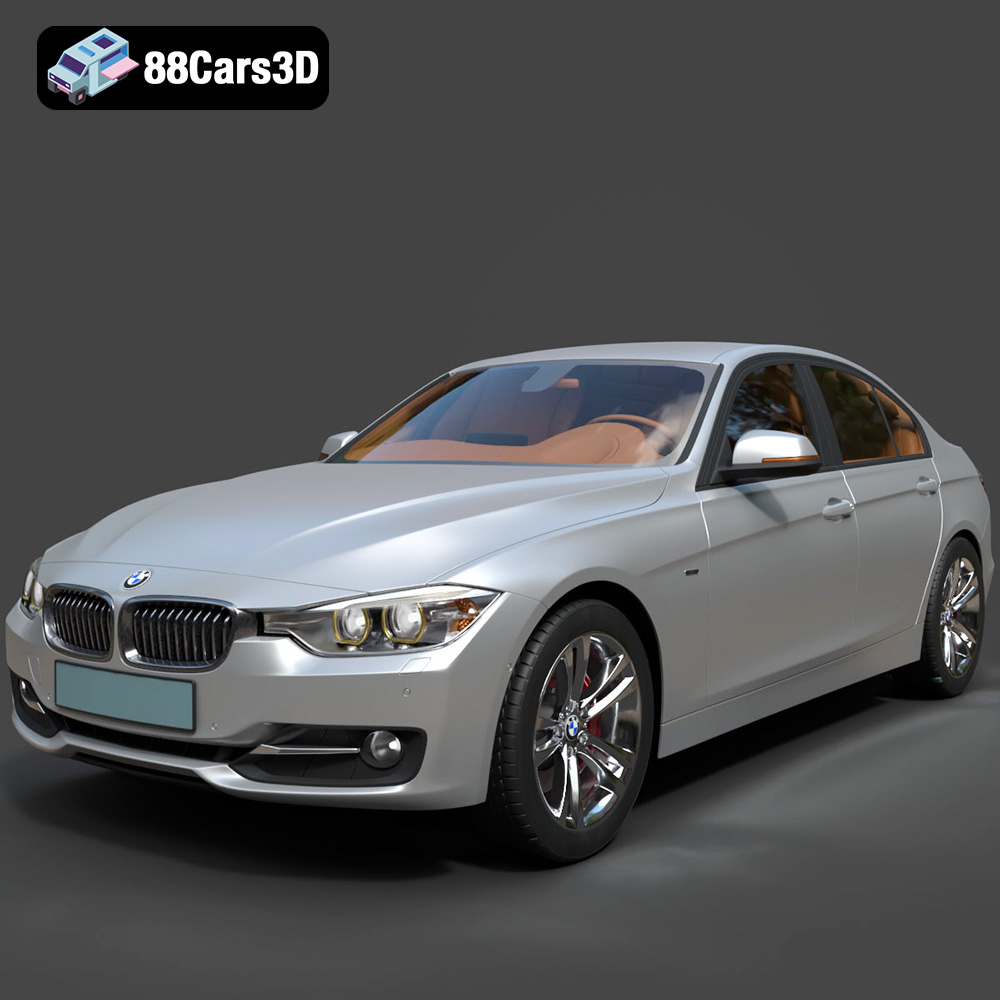
Texture: Yes
Material: Yes
Download the BMW 3 F30 3D Model featuring a detailed exterior, realistic interior, and optimized mesh. Includes .blend, .fbx, .obj, .glb, .stl, .ply, .unreal, and .max formats for rendering, simulation, and game development.
Price: $10.79
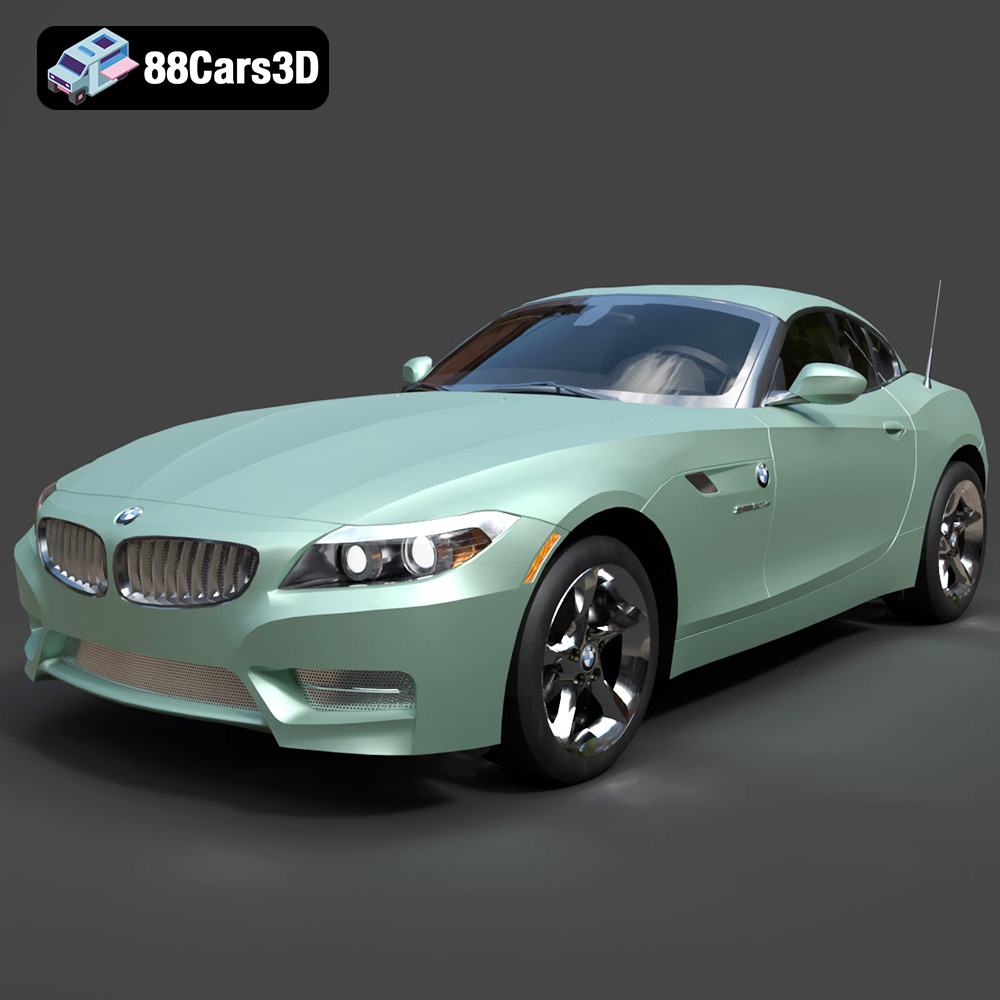
Texture: Yes
Material: Yes
Download the BMW Z4 Roadster E89 3D Model featuring clean geometry, realistic detailing, and a fully modeled interior. Includes .blend, .fbx, .obj, .glb, .stl, .ply, .unreal, and .max formats for rendering, simulation, and game development.
Price: $13.99

Texture: Yes
Material: Yes
Download the BMW Z4 E85 3D Model featuring clean geometry, realistic detailing, and a fully modeled interior. Includes .blend, .fbx, .obj, .glb, .stl, .ply, .unreal, and .max formats for rendering, simulation, and game development.
Price: $13.99

Texture: Yes
Material: Yes
Download the BMW M3 2024 3D Model featuring clean geometry, realistic detailing, and a fully modeled interior. Includes .blend, .fbx, .obj, .glb, .stl, .ply, .unreal, and .max formats for rendering, simulation, and game development.
Price: $13.99
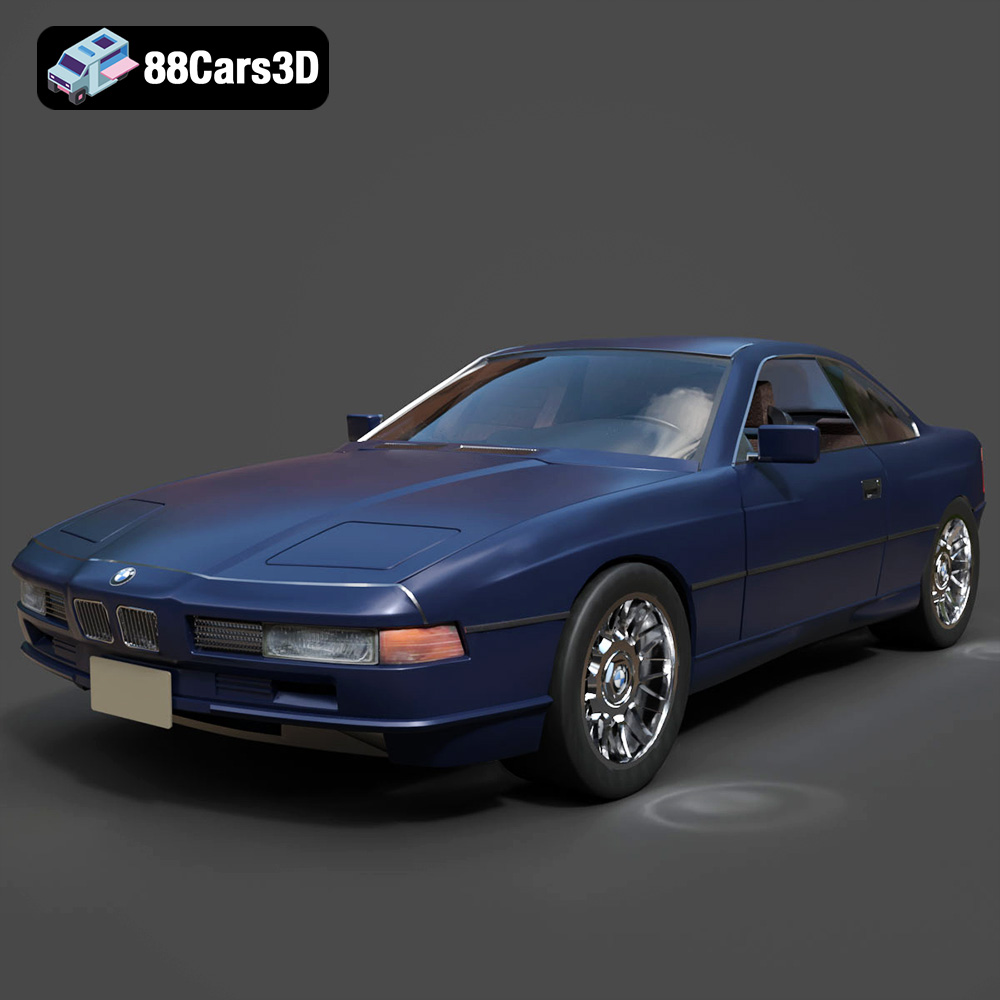
Texture: Yes
Material: Yes
Download the BMW 850i Coupe 1990 3D Model featuring clean geometry, realistic detailing, and a fully modeled interior. Includes .blend, .fbx, .obj, .glb, .stl, .ply, .unreal, and .max formats for rendering, simulation, and game development.
Price: $13.99
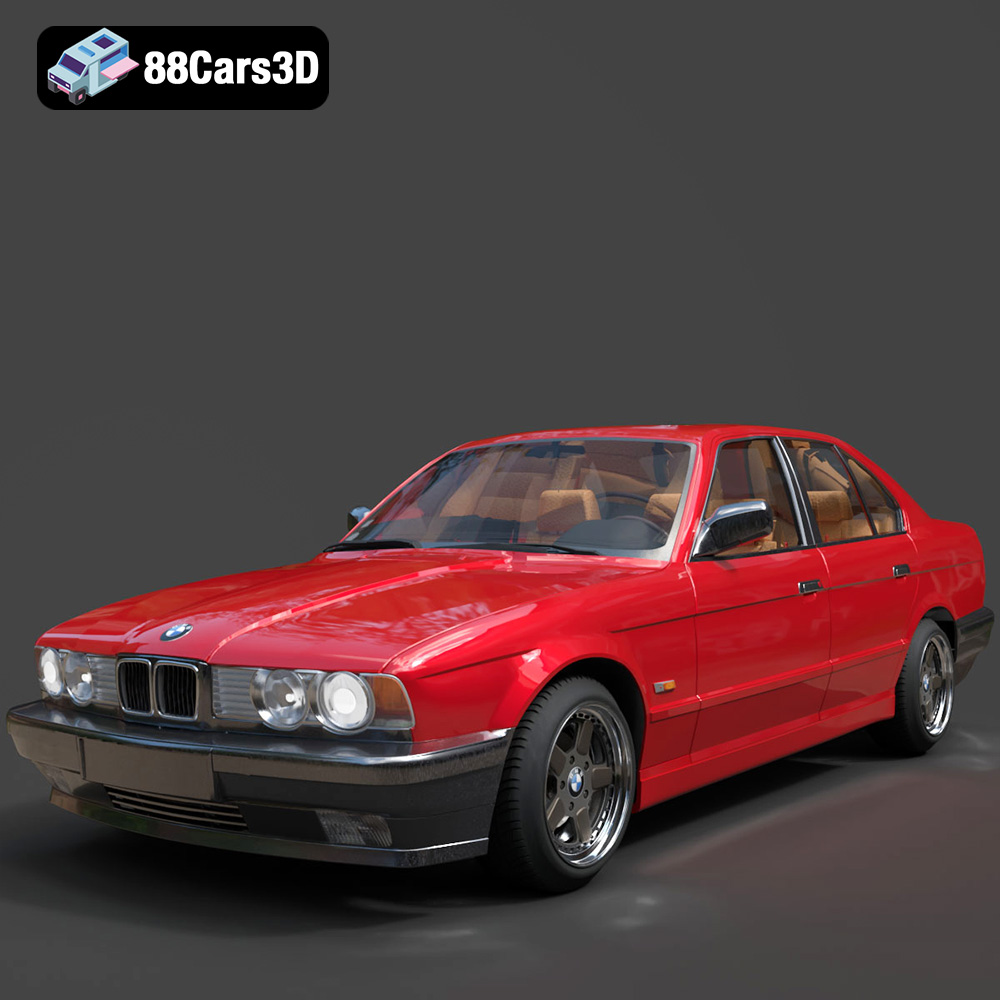
Texture: Yes
Material: Yes
Download the BMW 525i E34 1993 3D Model featuring clean geometry, realistic detailing, and a fully modeled interior. Includes .blend, .fbx, .obj, .glb, .stl, .ply, .unreal, and .max formats for rendering, simulation, and game development.
Price: $12.99

Texture: Yes
Material: Yes
Download the BMW 7 Series 2016 3D Model featuring luxurious design, detailed interior, and accurate exterior. Includes .blend, .fbx, .obj, .glb, .stl, .ply, .unreal, and .max formats for rendering, simulation, and game development.
Price: $10.79
Texture: Yes
Material: Yes
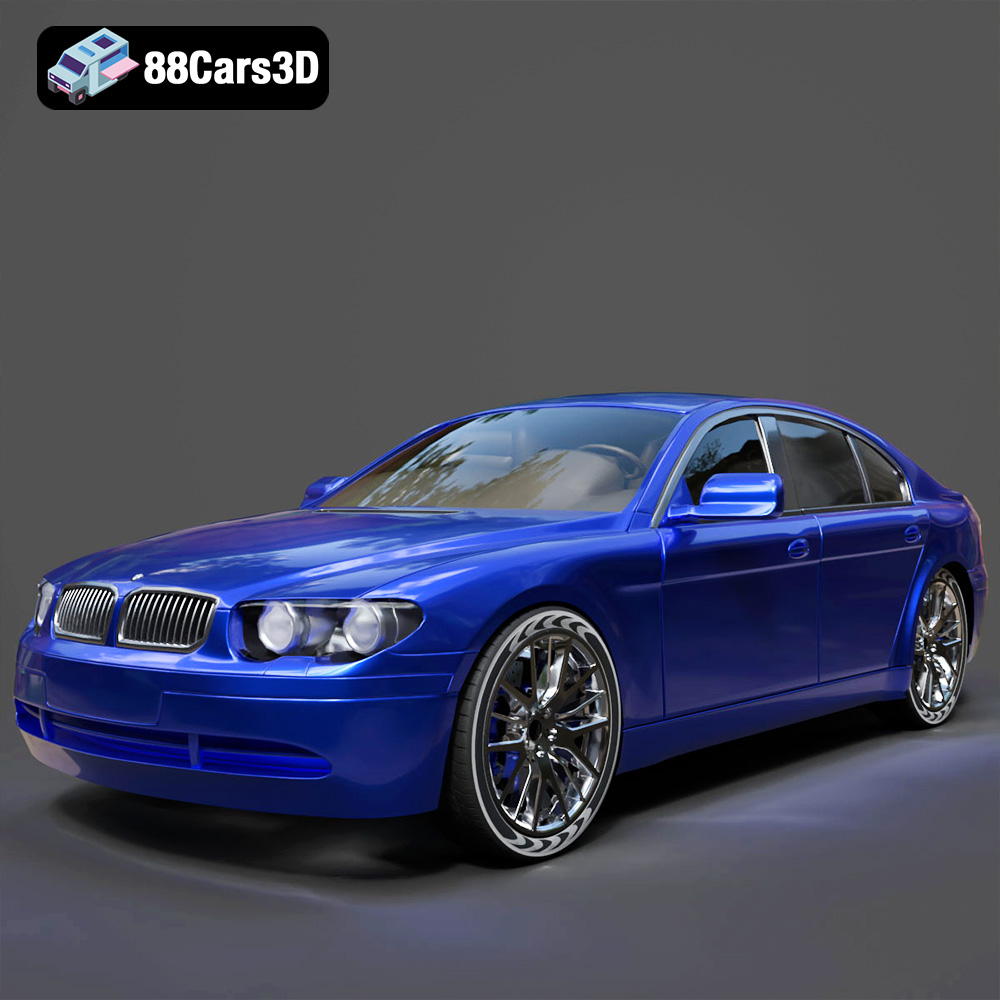
Download the BMW 7 Series 30th Anniversary 3D Model featuring a meticulously crafted exterior, detailed interior, and realistic wheels. Includes .blend, .fbx, .obj, .glb, .stl, .ply, .unreal, and .max formats for rendering, simulation, and game development.
Price: $35.79

