⚡ FLASH SALE: Get 60% OFF All Premium 3D & STL Models! ⚡

The landscape of film and television production is undergoing a profound transformation, with Unreal Engine leading the charge. What was once the exclusive domain of game development has evolved into a powerhouse for cinematic content, virtual production, and high-fidelity automotive visualization. For content creators working on commercials, feature films, or episodic series featuring vehicles, Unreal Engine offers unparalleled real-time rendering capabilities, accelerating iteration, reducing costs, and unlocking creative possibilities previously unimaginable.
This comprehensive guide delves into the technical workflows and best practices for leveraging Unreal Engine in film and TV production, with a particular focus on integrating and showcasing high-quality 3D car models. We’ll explore everything from project setup and material creation to advanced virtual production techniques and crucial optimization strategies. Whether you’re a seasoned filmmaker, a technical artist, or an automotive designer, understanding these workflows will equip you to produce stunning, photorealistic automotive content that meets the rigorous demands of modern media production.
Establishing a robust foundation is paramount for any successful Unreal Engine project, especially when dealing with the high fidelity required for film and television. The initial setup dictates how efficiently you can work with 3D car models and how smoothly your real-time rendering pipeline will operate. Selecting the correct project template, configuring engine settings, and efficiently importing assets are crucial first steps.
When starting a new project, consider using the “Film, Television & Live Events” template in Unreal Engine. This template often pre-configures settings beneficial for cinematic workflows, such as enabling the Movie Render Queue plugin by default and optimizing certain post-processing volumes. Beyond the template, ensure your project settings are tailored for quality over absolute game performance initially, knowing that optimization will come later. For instance, enabling Ray Tracing, if your hardware supports it, can significantly enhance visual fidelity for reflections, shadows, and global illumination. High-quality 3D car models demand these advanced rendering features to truly shine.
Another critical aspect is folder structure. A well-organized content browser is essential for efficient asset management, particularly when dealing with numerous car models, environments, textures, and blueprints. Adopt a logical hierarchy, such as /Cars/[Manufacturer]/[Model]/, /Environments/[SceneName]/, /Materials/, and /Blueprints/. This not only keeps your project tidy but also facilitates collaborative workflows in larger production teams. Consistency in naming conventions for assets is equally important, adhering to industry standards like `T_TextureName_D` for diffuse textures or `SM_StaticMeshName` for static meshes.
The journey to photorealistic automotive content begins with the 3D car models themselves. Sourcing high-quality, production-ready assets is crucial. Marketplaces like 88cars3d.com specialize in providing meticulously crafted car models optimized for Unreal Engine, featuring clean topology, proper UV mapping, and PBR-ready materials, which significantly streamline the import process. When bringing these assets into Unreal Engine, several considerations ensure optimal performance and visual fidelity.
First, always import models in an appropriate format. FBX is the most common and robust interchange format, supporting meshes, animations, and basic material assignments. For increasingly complex scene graphs and collaborative workflows, USD (Universal Scene Description) and USDZ are gaining traction, offering powerful capabilities for non-destructive pipeline integration. When importing, pay close attention to scale – ensuring your car models are imported at real-world scale (centimeters in Unreal Engine) is vital for accurate physics and lighting. During the import dialog, enable “Combine Meshes” if the model is composed of many small, distinct parts that don’t require individual manipulation. However, for a fully modular car (e.g., separate doors, hood, wheels for animation), ensure “Combine Meshes” is off.
For high-polygon 3D car models often used in film and TV, Unreal Engine’s Nanite virtualized geometry system is a game-changer. Ensure “Build Nanite” is enabled during import for any static mesh that exceeds typical polygon budgets (tens of thousands or more). Nanite allows you to render models with virtually unlimited polygon counts without a significant performance hit, making it ideal for the highly detailed surfaces of a vehicle. For models not suitable for Nanite (e.g., skinned meshes, very simple meshes), carefully manage polygon counts and generate appropriate Level of Detail (LOD) meshes directly within Unreal Engine’s Static Mesh Editor, simplifying the geometry at greater distances to maintain performance. This balance of high fidelity and optimization is key to successful real-time rendering for broadcast.
Beyond project templates, several core engine settings should be tweaked for film and TV production. Accessing `Edit > Project Settings` and `Edit > Editor Preferences` allows for fine-tuning. For rendering quality, navigate to `Project Settings > Engine > Rendering`. Here, enable features like “Ray Tracing” (if applicable), “Hardware Ray Tracing,” and set “Global Illumination” and “Reflections” methods to “Lumen” for the most advanced dynamic lighting. Adjust “Shadow Map Method” to “Virtual Shadow Maps” for highly detailed and accurate shadows, essential for photorealistic automotive scenes. For color management, ensure “Color Gamut” and “Output Device” are set correctly under `Project Settings > Engine > General Settings > Color Management` to match your production’s target color space (e.g., ACEScg, sRGB). This ensures consistent color representation from viewport to final render. Always consult the official Unreal Engine documentation at dev.epicgames.com for the most up-to-date best practices on engine configurations.
Photorealism is the holy grail of film and television production, and in Unreal Engine, it’s largely achieved through sophisticated material authoring, high-resolution textures, and a robust lighting pipeline. For 3D car models, this means meticulously recreating every surface, from the metallic flake paint to the intricate leather interior and the subtle reflections on glass. Understanding Physically Based Rendering (PBR) principles is foundational to this process, ensuring that your materials react realistically to light in any environment.
Unreal Engine’s Material Editor is a powerful node-based system that allows artists to construct complex PBR materials. A typical automotive material might involve multiple layers: a base metal or plastic, a clear coat for paint, a unique shader for glass, and various fabric/leather materials for the interior. Each layer will utilize several texture maps – Albedo (Base Color), Normal, Roughness, Metallic, Specular, and Ambient Occlusion. For car paint, advanced techniques like layered materials with dedicated clear-coat shaders (using a Fresnel effect for reflections) are essential to capture that showroom finish. Leveraging Material Functions can help encapsulate complex material logic, making it reusable across multiple car models and ensuring consistency.
Lighting is the other half of the photorealism equation. Unreal Engine offers a suite of lighting tools, with Lumen and Virtual Shadow Maps at the forefront for dynamic scenes. Lumen, Unreal’s fully dynamic global illumination and reflections system, provides incredibly realistic light bounces and reflections without the need for pre-baked lighting, allowing for rapid iteration of lighting setups. Combine Lumen with a well-placed Directional Light (for sun/moon), Sky Light (for ambient sky contribution), and carefully positioned Rect Lights or Spot Lights to simulate studio lighting or practical on-set lights. For exterior shots, using a High Dynamic Range Image (HDRI) as the Sky Light source, combined with an HDRI backdrop, can instantly provide realistic environmental lighting and reflections on your 3D car models.
Developing compelling PBR materials for automotive surfaces requires a keen eye for detail and a solid understanding of physical properties. Car paint, for example, is notoriously complex. It often consists of a base coat (metallic flake or solid color) and a clear coat layer. In Unreal Engine, this can be achieved using a Clear Coat shading model in the material, feeding specific values into its Normal, Roughness, and Specular inputs. The `ClearCoat` input controls the amount of clear coat blend, while `ClearCoatRoughness` determines its glossiness. For metallic flake effects, subtle normal maps or custom texture masks can simulate the randomized reflections within the paint. When sourcing assets from platforms like 88cars3d.com, you’ll often find models with pre-configured PBR textures and even advanced material instances, which serve as excellent starting points or direct replacements.
Interior materials demand equally high fidelity. Leather requires specific Normal maps to show grain, coupled with subtle Roughness variations. Fabric seats benefit from detailed texture maps (Albedo, Normal, Roughness) and potentially a two-sided material setup if transparency or specific fabric weaves are critical. Glass materials are critical for windows and headlights. A simple approach involves a blend of a translucent material and a reflective one, using a Fresnel effect to control transparency and reflection based on viewing angle. For extreme realism, consider using ray-traced translucency and reflections if your project hardware supports it, offering physically accurate refractions and reflections through multiple layers of glass.
Lumen has revolutionized dynamic lighting in Unreal Engine, making it an indispensable tool for film and TV production. Unlike traditional baked lighting, Lumen provides real-time global illumination (GI) and reflections for diffuse interreflection and specular reflections, crucial for how light bounces around a car’s interior or reflects off its polished exterior in complex environments. To enable Lumen, navigate to `Project Settings > Engine > Rendering` and set “Global Illumination Method” and “Reflection Method” to “Lumen.” For optimal performance, ensure “Hardware Ray Tracing” is also enabled if using compatible GPUs.
When setting up your scene, a Sky Light with an HDRI is fundamental for environmental lighting. The HDRI not only provides broad ambient illumination but also contributes detailed reflections on glossy car surfaces. Supplement this with a Directional Light to simulate direct sunlight or a strong key light. For interiors or specific accents, Spot Lights and Rect Lights can be used as practical light sources or to emulate studio lighting setups. For example, a series of Rect Lights can mimic softbox lighting for car commercials. Always consider the interaction between your light sources and the PBR materials of your 3D car models. Experiment with light intensities, temperatures (using Kelvin values), and subtle color tints to achieve the desired mood and realism. Virtual Shadow Maps, also enabled in project settings, provide high-resolution, pixel-perfect shadows that are vital for grounding your car models realistically within any environment.
Virtual Production (VP) with LED volumes represents a paradigm shift in filmmaking, allowing filmmakers to capture final-pixel footage in-camera, blurring the lines between physical and digital. Unreal Engine is at the core of this revolution, driving the photorealistic environments displayed on LED walls. For automotive content, VP offers an incredible opportunity to place 3D car models in any virtual environment, from bustling cityscapes to serene natural landscapes, all within a studio setting, eliminating the need for expensive location shoots and complex green screen keying.
The essence of LED wall VP is combining physical foreground elements (like a real car, actors, and props) with a real-time rendered background projected onto an LED screen. As the camera moves, Unreal Engine renders the virtual environment from the camera’s perspective, creating a seamless parallax effect that convinces the viewer the foreground and background exist in the same space. This requires precise camera tracking systems (e.g., Mo-Sys, Stype, Ncam) that feed real-time positional and rotational data into Unreal Engine, ensuring the virtual camera matches the physical camera’s movement exactly. Setting up a dedicated Cine Camera Actor in Unreal Engine and configuring its focal length, aperture, and sensor size to match the physical camera is crucial for accurate perspective and depth of field.
For automotive visualization, imagine shooting a car commercial where the vehicle is stationary on a sound stage, but through the windows, viewers see a hyper-realistic, dynamically changing environment rendered in Unreal Engine. The reflections on the car’s body, driven by the virtual environment, further enhance the illusion. This workflow dramatically reduces post-production time and allows for creative iteration on set, as backgrounds can be changed or modified instantly. It requires careful calibration of the LED wall color and brightness to match the physical lighting conditions and the digital environment, often involving color management tools and Look-Up Tables (LUTs).
Integrating 3D car models into LED wall virtual production requires meticulous planning and execution. The virtual environment, whether a pre-built asset or a custom creation, must be optimized for real-time rendering on the LED wall. This often means using techniques like world-partitioning for large open worlds and ensuring that textures and meshes are streamed efficiently. The car model itself, often a physical prop on set, should also have its virtual counterpart in the Unreal Engine scene. This virtual car acts as a stand-in for reflections and shadows cast onto the LED wall, even if a physical car is present.
Crucially, the virtual car in Unreal Engine should accurately mimic the physical car’s position and orientation on set. This is often achieved by using the same tracking data used for the camera, or by manually matching positions. For interactive elements or reflections, a virtual copy of the car can be placed in the scene to influence the environment rendering. The lighting of the virtual environment must also harmoniously blend with the physical studio lighting. This involves setting up virtual lights in Unreal Engine that mirror the physical lights on set in terms of direction, intensity, and color temperature. This blending of real and virtual lighting is key to seamless integration and achieving final-pixel results in-camera. Using the Unreal Engine documentation on nDisplay and virtual production is highly recommended for detailed setup.
Effective LED wall virtual production hinges on precise calibration and optimized workflows. Color calibration is paramount to ensure the digital image projected onto the LED wall matches the color space and white point of the physical camera and studio lighting. This involves using color calibration tools and often applying 3D LUTs (Look-Up Tables) in Unreal Engine to adjust the output to the LED processor. The goal is to achieve a consistent color pipeline from the virtual world to the physical camera sensor.
Performance optimization within Unreal Engine for LED walls is also critical. Since the engine is rendering the environment from multiple frustums (one for the main camera, and one for each segment of the LED wall), the computational load can be immense. Strategies include aggressive LODs for distant geometry, texture streaming optimization, culling unnecessary geometry, and leveraging Nanite for complex background meshes. For 3D car models that are part of the virtual background, these optimization techniques ensure smooth frame rates. Utilizing nDisplay, Unreal Engine’s multi-display rendering solution, is essential for driving LED walls. nDisplay manages the frustum rendering, warping, and blending across multiple display nodes, ensuring a synchronized and distortion-free image on the curved LED volume. Close collaboration between the Unreal Engine team, the camera department, and the lighting crew is vital for a successful LED wall shoot, guaranteeing that the virtual environments and the physical assets, including high-fidelity automotive models, come together seamlessly for stunning cinematic results.
Unreal Engine offers robust tools for cinematic storytelling and creating interactive experiences, making it an ideal platform for film, TV, and promotional content. From crafting intricate camera movements to scripting dynamic visual effects and interactive elements, these features empower filmmakers and artists to bring their vision to life with unprecedented flexibility and speed. For showcasing 3D car models, this means creating breathtaking beauty shots, engaging narratives, or even interactive configurators.
Sequencer is Unreal Engine’s non-linear, multi-track editor for creating cinematic sequences. It functions much like traditional video editing software, allowing you to animate cameras, lights, characters, and any other actor in your scene over time. For automotive content, Sequencer is indispensable for choreographing dynamic camera moves around a vehicle, animating opening doors or rotating wheels, and keyframing light changes to highlight specific design elements. You can import camera data from external DCC applications (like Maya or 3ds Max) or create entirely new camera performances directly within Sequencer, including motion paths, focus control, and depth of field adjustments. Combining Sequencer with Niagara for particle effects (e.g., smoke, dust, rain) or controlling light intensity with Blueprints offers limitless creative possibilities.
Beyond linear cinematics, Unreal Engine excels at creating interactive experiences. Blueprint Visual Scripting allows artists and designers to add complex logic and interactivity without writing a single line of code. For an automotive scenario, this could mean creating an interactive car configurator where users can change paint colors, wheel types, or interior materials in real-time. It could also power interactive demos for virtual showrooms, allowing users to “walk around” and “get inside” a virtual car, triggering animations or information panels with a click. Blueprints can also be used in cinematic contexts, for example, to procedurally trigger environmental events (like weather changes) or to manage complex vehicle physics and behaviors.
Sequencer is the heart of cinematic creation in Unreal Engine. To start, add a “Level Sequence” asset to your project and drag in the relevant actors, such as your 3D car model, camera actors (Cine Camera Actor is preferred), and lights. You can then create tracks for each actor, allowing you to animate properties like transform (location, rotation, scale), material parameters (e.g., changing car paint color), and even enable/disable components. Keyframe interpolation can be adjusted for smooth, organic camera movements. For professional-grade output, the Movie Render Queue (MRQ) is essential. MRQ offers advanced rendering features far beyond the standard Matinee capture, including:
MRQ allows for rendering multiple output passes (e.g., separate beauty, depth, motion vectors, alpha, world normal) for compositing in external software like Nuke or After Effects, providing maximum flexibility in post-production. This capability is invaluable for filmmakers and ensures that the final output from your real-time rendering project meets broadcast quality standards.
Blueprint Visual Scripting empowers artists to create interactive automotive experiences without delving into C++ code. Imagine a virtual showroom where a user can toggle various car features. A simple Blueprint might respond to a user input (e.g., a mouse click on a door handle) to play a door-opening animation on your 3D car model. For more complex configurators, you could have a UI widget (UMG) with buttons for different paint colors. Each button would execute a Blueprint logic that sets a Material Instance Parameter for the car’s paint material, instantly changing its color. Similarly, swapping wheel models can be handled by Blueprint, dynamically attaching different static mesh components to the car chassis.
Blueprints are also invaluable for creating dynamic environments around your automotive assets. You could script a Blueprint that changes the time of day, cycling through different lighting scenarios and sky states, or one that triggers environmental effects like rain or fog. For vehicle physics and dynamics, while Unreal Engine has built-in physics, Blueprints can be used to fine-tune specific behaviors, add custom suspension logic, or implement advanced driving controls. This level of interactivity makes Unreal Engine an incredibly versatile tool for not only linear film and TV content but also for experiential marketing, training simulations, and virtual product launches for automotive brands, where high-quality assets from sources like 88cars3d.com become critical components.
Achieving stunning visual fidelity in film and TV production with Unreal Engine often comes with the challenge of maintaining optimal real-time rendering performance. While tools like Nanite alleviate much of the polygon burden, a holistic approach to optimization is crucial to ensure smooth playback in the editor, fast iterations, and efficient final renders. This is especially true for projects with numerous high-fidelity 3D car models, complex environments, and demanding lighting setups.
Optimization in Unreal Engine is a multi-faceted endeavor that touches upon asset creation, material complexity, lighting setup, and engine configuration. For 3D car models, this means a careful balance between visual quality and performance. While Nanite handles the geometry, other aspects like texture resolution, material instructions, and skeletal mesh complexity still need attention. A key performance target for film and TV previz or real-time review is often 30-60 frames per second (FPS), allowing for smooth interaction and immediate feedback. For final renders via Movie Render Queue, the focus shifts to render time, but efficient scene setup still leads to faster render times.
Unreal Engine provides a suite of profiling tools to identify performance bottlenecks. The ‘Stat Unit’, ‘Stat GPU’, and ‘Stat RHI’ commands in the console are invaluable for getting real-time performance metrics. The ‘Shader Complexity’ viewport mode helps identify overly complex materials that might be expensive to render. The ‘Draw Call’ and ‘LOD Coloration’ view modes are also excellent for understanding scene complexity and LOD transitions. Regularly profiling your scene as you build it allows you to catch and address issues before they become deeply embedded in your project, ensuring your automotive visualizations remain performant without sacrificing visual quality.
Nanite virtualized geometry is a cornerstone for handling high-polygon 3D car models in Unreal Engine 5. It intelligently streams and renders only the necessary detail, regardless of the original mesh complexity. For a detailed automotive model, which can easily exceed tens of millions of triangles (e.g., a fully modeled car with interior), Nanite makes it possible to render multiple such vehicles simultaneously at high frame rates. Ensure “Build Nanite” is enabled for all static meshes during import where extreme detail is required. However, Nanite is not suitable for all meshes; typically, it’s best for static, opaque geometry. Skinned meshes (for animation), translucent materials (like glass), and very simple meshes usually perform better as traditional static meshes.
For non-Nanite meshes, or for parts of your scene where Nanite isn’t applicable, Level of Detail (LOD) management remains crucial. LODs are simplified versions of your mesh that automatically swap in at greater distances from the camera. For a skeletal mesh or translucent elements of a car (like the driver), manual LODs generated within the Static Mesh Editor are necessary. Unreal Engine can automatically generate LODs, but for critical assets like car models, manual adjustment or importing pre-made LODs from your 3D modeling software offers more control. A common strategy for car models might involve 3-5 LODs, decreasing polygon count by 50-75% at each step. This ensures that a car far in the distance isn’t consuming the same rendering resources as one in a close-up shot, significantly improving overall scene performance for real-time rendering.
Beyond Nanite and LODs, several advanced optimization techniques are vital for maintaining performance in demanding automotive production workflows.
These strategies, combined with the inherently optimized 3D car models available on platforms like 88cars3d.com, provide a robust framework for creating and delivering high-quality automotive content for film and television with optimal real-time rendering performance.
Unreal Engine has firmly established itself as an indispensable tool in the film and television industry, especially for visualizing complex subjects like high-fidelity automotive assets. Its unparalleled real-time rendering capabilities, coupled with advanced features like Lumen, Nanite, and Sequencer, empower filmmakers and technical artists to achieve cinematic quality with unprecedented speed and creative freedom. From meticulously crafting PBR materials for a showroom-perfect finish to integrating 3D car models into dynamic virtual production environments, Unreal Engine streamlines every stage of the content creation pipeline.
By adopting best practices in project setup, material authoring, lighting design, and crucial optimization techniques, productions can harness the full potential of this powerful engine. The ability to iterate on lighting, camera angles, and environmental assets in real-time dramatically reduces production costs and allows for more ambitious visual storytelling. Whether you’re creating a blockbuster car chase sequence or an immersive automotive commercial, mastering these Unreal Engine workflows will position you at the forefront of modern film and TV production.
Ready to elevate your automotive visualization projects? Begin by sourcing high-quality, Unreal Engine-optimized 3D car models from marketplaces like 88cars3d.com. Then, dive into Unreal Engine, experiment with Lumen for dynamic lighting, leverage Nanite for unparalleled geometric detail, and craft your narrative with Sequencer. The future of automotive storytelling in film and TV is real-time, interactive, and exquisitely rendered within Unreal Engine.

Texture: Yes
Material: Yes
Download the BMW 7 Series E38 3D Model featuring its iconic luxury sedan design and classic aesthetics. Includes .blend, .fbx, .obj, .glb, .stl, .ply, .unreal, and .max formats for rendering, simulation, and game development.
Price: $10.79

Texture: Yes
Material: Yes
Download the BMW 6 Series 640i F12 3D Model featuring a sleek design and detailed interior. Includes .blend, .fbx, .obj, .glb, .stl, .ply, .unreal, and .max formats for rendering, simulation, and game development.
Price: $10.79

Texture: Yes
Material: Yes
Download the BMW 6 Coupe E63 3D Model featuring a sleek design, detailed interior, and realistic exterior. Includes .blend, .fbx, .obj, .glb, .stl, .ply, .unreal, and .max formats for rendering, simulation, and game development.
Price: $10.79
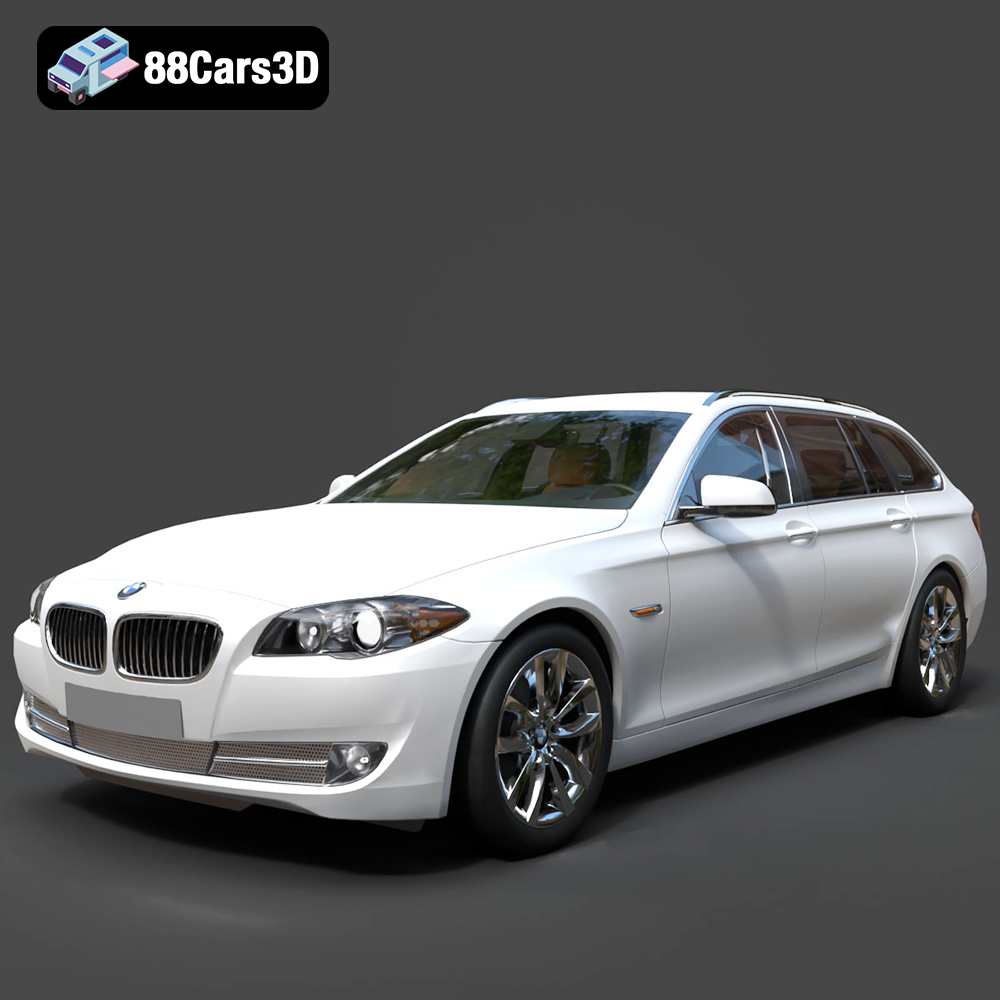
Texture: Yes
Material: Yes
Download the BMW 5 Series Touring F11-007 3D Model featuring a detailed exterior and interior. Includes .blend, .fbx, .obj, .glb, .stl, .ply, .unreal, and .max formats for rendering, simulation, and game development.
Price: $10.79
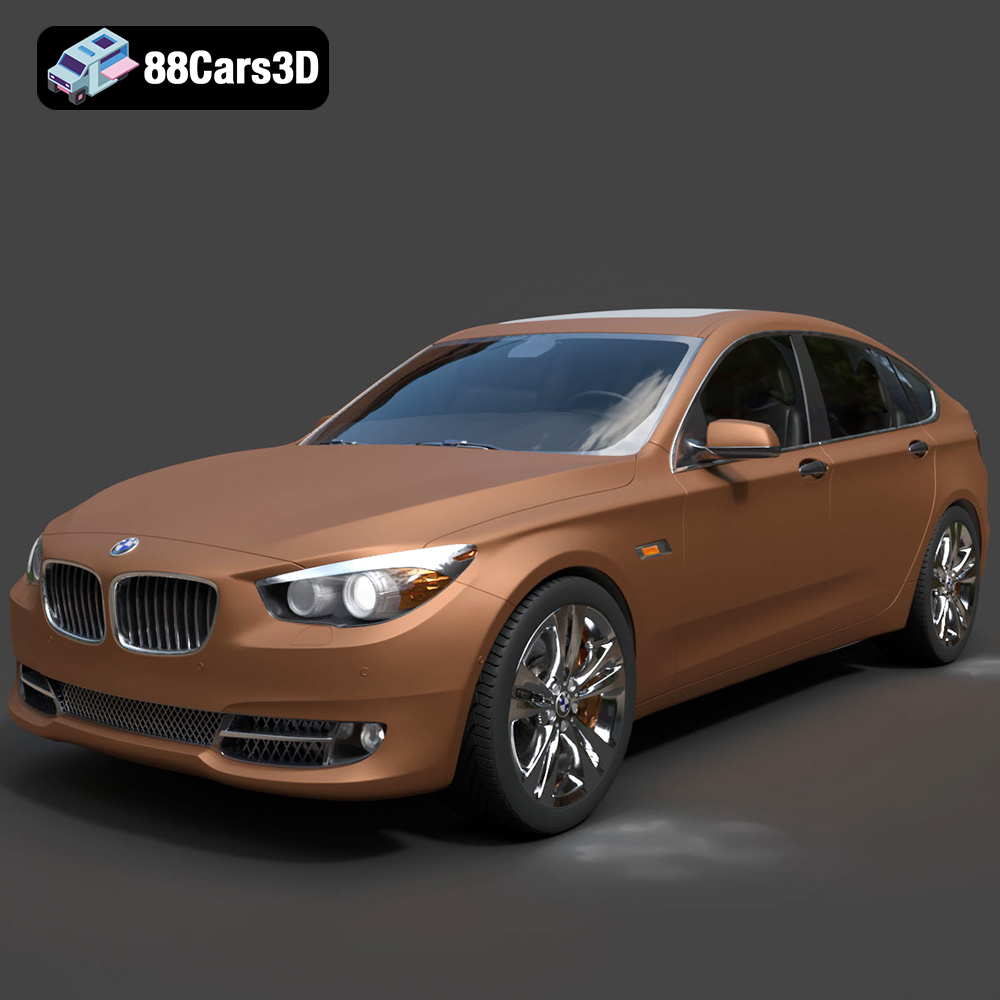
Texture: Yes
Material: Yes
Download the BMW 5 Series Gran Turismo F07-003 3D Model featuring a detailed exterior and interior. Includes .blend, .fbx, .obj, .glb, .stl, .ply, .unreal, and .max formats for rendering, simulation, and game development.
Price: $10.79
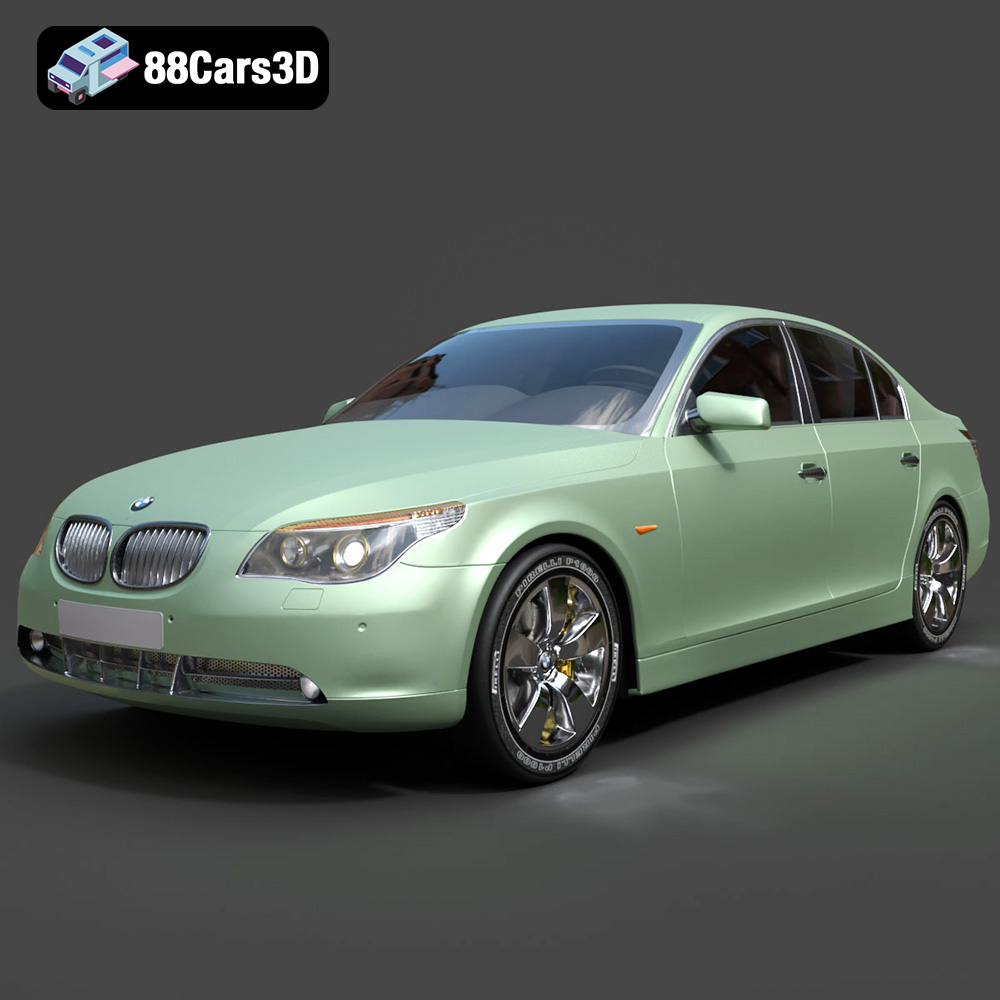
Texture: Yes
Material: Yes
Download the BMW 5 Series E60 3D Model featuring its iconic sedan design, detailed exterior, and interior. Includes .blend, .fbx, .obj, .glb, .stl, .ply, .unreal, and .max formats for rendering, simulation, and game development.
Price: $10.79

Texture: Yes
Material: Yes
Download the BMW 5 E34-535i 3D Model featuring an iconic design, detailed exterior and interior, and accurate representation. Includes .blend, .fbx, .obj, .glb, .stl, .ply, .unreal, and .max formats for rendering, simulation, and game development.
Price: $10.79
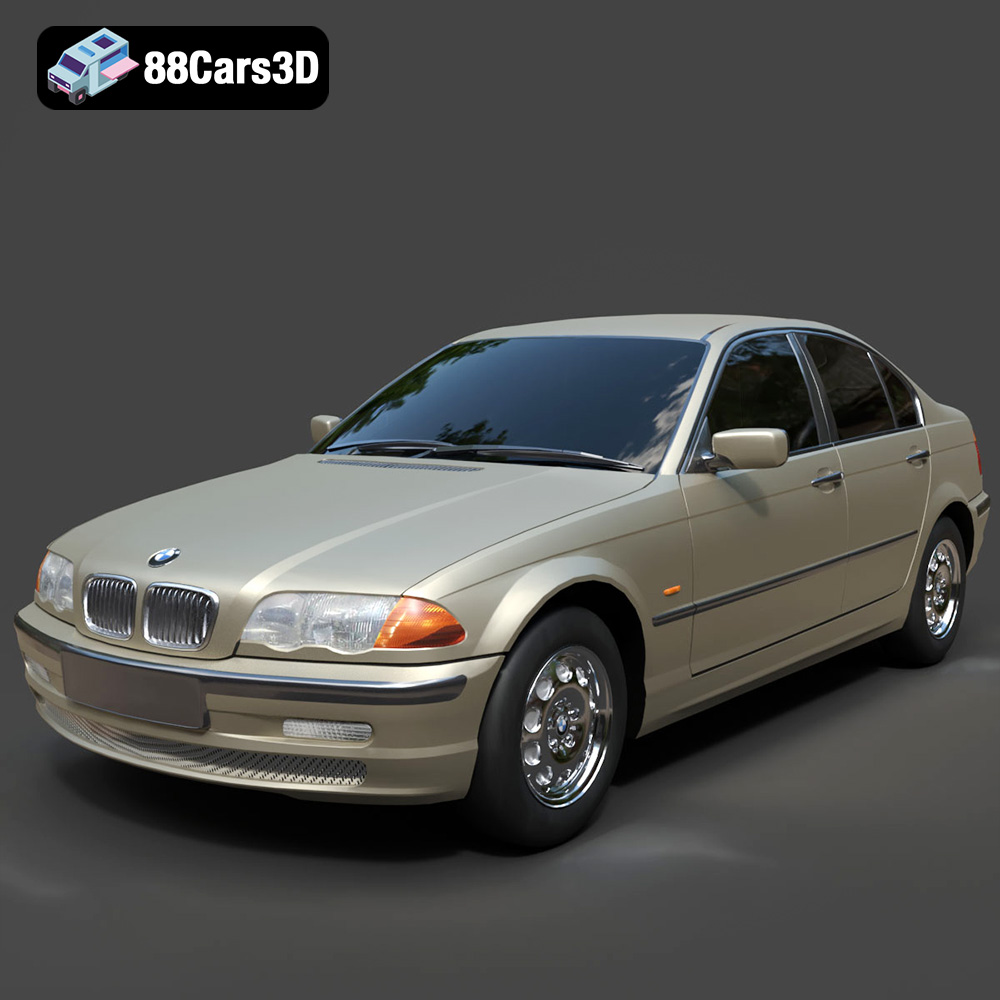
Texture: Yes
Material: Yes
Download the BMW 3 Series E46 3D Model featuring authentic exterior lines, a detailed interior, and separated components for animation. Includes .blend, .fbx, .obj, .glb, .stl, .ply, .unreal, and .max formats for rendering, simulation, and game development.
Price: $10.79
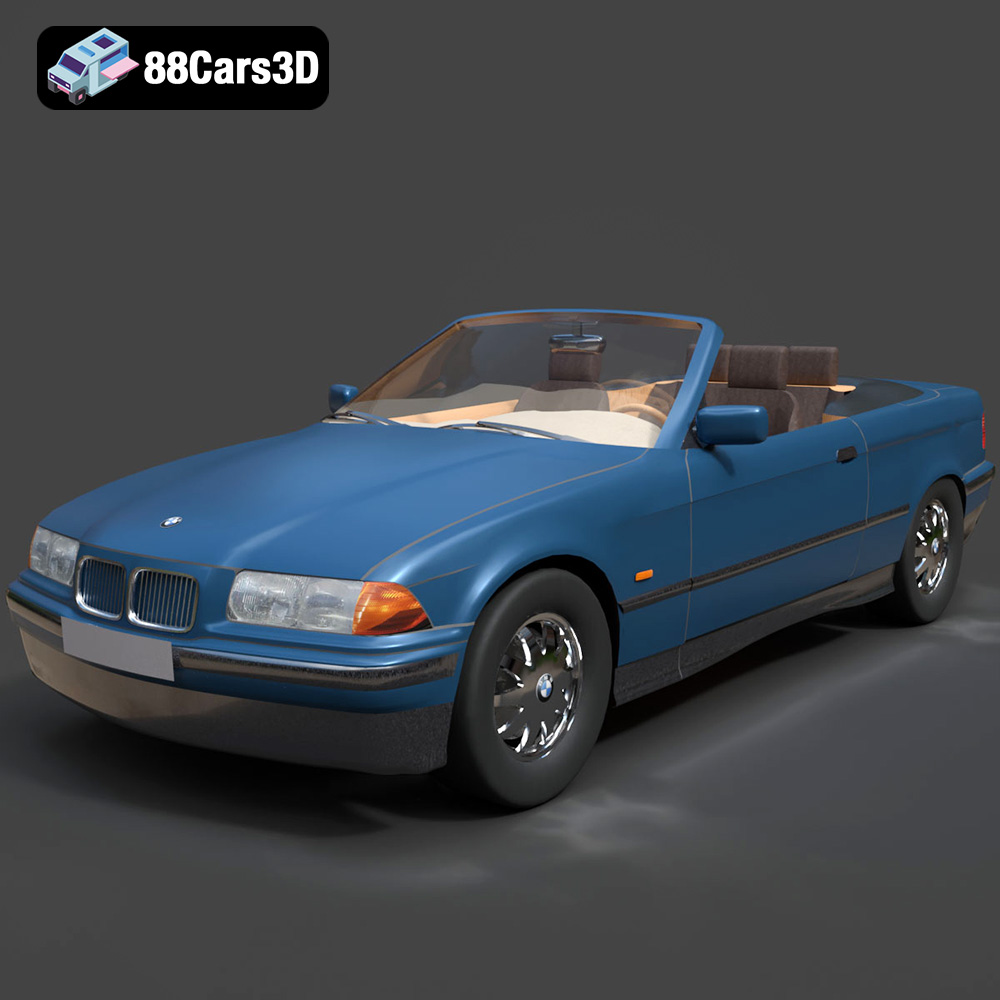
Texture: Yes
Material: Yes
Download the BMW 3 Series E36 Cabrio 325i 1998 3D Model featuring a classic convertible design and detailed interior. Includes .blend, .fbx, .obj, .glb, .stl, .ply, .unreal, and .max formats for rendering, simulation, and game development.
Price: $10.79
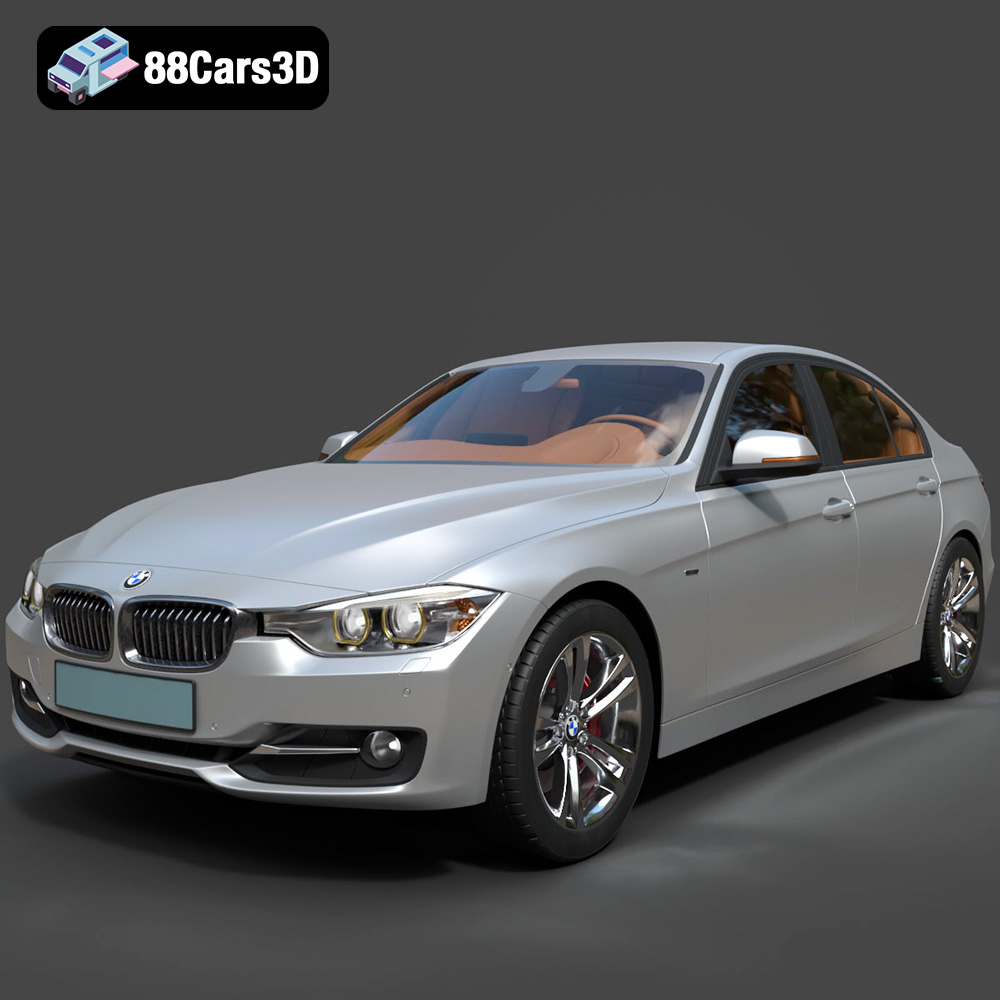
Texture: Yes
Material: Yes
Download the BMW 3 F30 3D Model featuring a detailed exterior, realistic interior, and optimized mesh. Includes .blend, .fbx, .obj, .glb, .stl, .ply, .unreal, and .max formats for rendering, simulation, and game development.
Price: $10.79

