⚡ FLASH SALE: Get 60% OFF All Premium 3D & STL Models! ⚡

In the intricate world of 3D automotive visualization, every detail contributes to the overarching sense of realism. While the sweeping curves of a car’s bodywork or the intricate design of its wheels often capture initial attention, it’s the subtle, yet crucial, elements like headlights and taillights that truly elevate a model from good to exceptional. These components are not merely light sources; they are complex assemblies of glass, chrome, plastic, and optics, designed with both aesthetics and functionality in mind. Mastering their creation in 3D is a testament to an artist’s skill and dedication to photorealism.
This comprehensive guide delves deep into the technical workflows and artistic considerations required to model, texture, and render incredibly realistic headlight and taillight assets. Whether you’re crafting high-fidelity models for cinematic rendering, optimizing game assets for real-time engines, or preparing visualizations for automotive design reviews, the principles discussed here will provide the foundation for stunning results. We’ll explore everything from topological precision and advanced PBR material creation to game engine optimization and specific software techniques, ensuring your 3D car models stand out with breathtaking authenticity. Get ready to illuminate your automotive designs with unparalleled detail and realism, the kind that platforms like 88cars3d.com value.
Before we can digitally recreate headlights and taillights, a thorough understanding of their physical components and how they interact is essential. Modern automotive lighting systems are engineering marvels, far more complex than a simple bulb and cover. Each part plays a critical role in directing light, creating signature aesthetics, and ensuring compliance with safety regulations. Ignoring these details results in models that feel hollow or unconvincing.
A typical headlight unit comprises several distinct elements, each requiring careful attention during the modeling process. The outer lens is often made of polycarbonate, featuring complex curves and sometimes internal textures or patterns for light diffusion. Beneath this, the reflector housing, usually chrome-plated plastic, is meticulously shaped to bounce and focus light. Projector headlights introduce an additional projector lens and housing, creating a sharp, focused beam. Modern designs increasingly feature LED arrays or light guides, which demand precise modeling of individual diodes, light pipes, and their internal mounting structures. The entire assembly sits within a housing, typically matte black plastic, which anchors all components and integrates with the car’s bodywork. Understanding how light passes through and interacts with these surfaces—refracting through lenses, reflecting off chrome, and emitting from LEDs—is paramount for accurate material setup.
Taillights, while often appearing simpler, possess their own set of complexities. The outer lens is usually red, amber, or clear, often with intricate internal patterns or prisms designed for light scattering and diffusion. Like headlights, they contain reflectors, though these are typically smaller and integrated into the lens or internal structure to enhance visibility when light hits them. Many contemporary taillights use sophisticated LED arrays arranged in distinctive patterns, sometimes employing light guides or fiber optics to create a continuous, glowing strip effect. Replicating these “light signatures” requires accurate modeling of the light guide paths and the individual light sources. Diffusers are often employed internally to soften the light and prevent individual LED hotspots from being visible. The internal structure and mounting points, though often obscured, must be modeled to provide a solid foundation for the visible elements, contributing to a believable overall form.
The foundation of a realistic headlight or taillight model lies in its geometry and topology. Achieving smooth, authentic curvatures and cleanly integrating complex internal elements demands meticulous attention to detail. Poor topology can lead to pinching, artifacts, and difficulties during UV mapping and texturing, ultimately compromising the final render quality. Professional 3D artists understand that form follows function, and accurate geometry is non-negotiable.
For automotive surfaces, especially the complex curves of lenses and housings, clean quad topology is paramount. Every face should ideally be a quad, and edge loops should flow smoothly along the contours of the surface, defining its shape and supporting its curvature. This allows for predictable subdivision, crucial for creating high-resolution, smooth meshes without artifacts. When modeling, prioritize:
These practices are fundamental for creating a robust mesh that can be sculpted, textured, and deformed without issues.
The magic of realistic headlights and taillights often lies in their unseen, or barely seen, internal components. Replicating intricate internal structures like reflectors, light guides, and LED mounting brackets requires high precision. Reflectors need to be modeled with exact parabolic or multi-faceted shapes to accurately simulate light interaction. Light guides, which transport light through complex paths, must be meticulously traced and modeled to ensure the light flows as intended. Individual LED modules, though small, require sufficient detail to convey their presence, often involving tiny housing elements and contact points. This level of detail, even if only subtly visible through a translucent lens, adds immense credibility to the final model. Consider breaking down complex internal parts into separate, manageable meshes to maintain clean topology for each component.
Blender offers a robust set of tools for tackling the complexities of automotive lighting. When modeling intricate forms like those found in headlights and taillights, several features become indispensable:
For an in-depth understanding of these and other modeling tools, always refer to the official Blender 4.4 documentation, available at https://docs.blender.org/manual/en/4.4/. It provides comprehensive guides and examples for every modeling technique, ensuring you leverage Blender’s full potential.
With precise geometry established, the next critical step is to imbue your headlight and taillight models with lifelike materials. This is where the magic of physically based rendering (PBR) comes into play, allowing us to accurately simulate how light interacts with various surfaces. The interplay of clear plastics, reflective chrome, matte blacks, and emissive elements is what truly sells the illusion of realism.
PBR workflows demand precise values for properties like albedo (base color), roughness, metallic, and normal maps. For headlight and taillight lenses, which are typically made of clear polycarbonate, you’ll focus on:
For reflector surfaces, usually chrome-plated plastic:
The combination of these PBR maps ensures that light scatters, reflects, and refracts realistically, capturing the complexity of these components.
The emissive elements of headlights and taillights—the LEDs, light guides, or incandescent bulbs—are crucial. Rather than simply applying an ’emission’ shader, consider these techniques:
The goal is not just to make them glow, but to make them glow *believably* within the scene’s lighting context.
Perfection is the enemy of realism in 3D. Real-world car lights are rarely pristine. Introducing subtle imperfections can dramatically enhance realism:
These details should be subtle, not distracting. The goal is to hint at wear and use, not simulate extreme damage, unless that’s the desired aesthetic.
Proper UV mapping is the silent hero of high-quality 3D assets. Without a clean, optimized UV layout, even the most detailed textures will appear stretched, distorted, or simply fail to apply correctly. For the complex forms of automotive lighting, a strategic approach to UVs is paramount, especially when dealing with intricate patterns, material transitions, and performance considerations.
Headlights and taillights present unique UV challenges due to their combination of organic curves, hard edges, and internal intricacies. An optimal UV layout should:
Unwrapping tools like Blender’s Smart UV Project, Cube Projection, or manually placed seams combined with Follow Active Quads can be powerful for achieving clean unwraps. For the outer lens, cylindrical or spherical projection might provide a good starting point, followed by manual adjustments.
The resolution and quality of your textures directly impact the visual fidelity of your lighting models.
Aim for texture resolutions of 2048×2048 or 4096×4046 for hero assets, scaled down for less prominent parts or game-optimized versions.
In game development and real-time visualization, draw calls are a significant performance consideration. Each material typically represents at least one draw call. To optimize, especially for game assets, texture atlasing is a key strategy. This involves consolidating multiple textures from different parts of your model (e.g., lens, reflector, housing) into a single, larger texture map. All the UV islands are then packed into this single atlas.
While requiring careful UV packing and potentially higher initial texture resolutions for the atlas, the performance benefits are substantial, making it a standard practice for creating game-ready assets available on marketplaces like 88cars3d.com.
Even the most meticulously modeled and textured headlights and taillights will fall flat without thoughtful lighting and a robust rendering workflow. The way light interacts with these complex surfaces, both reflecting and emitting, is what brings them to life and sells the photorealistic illusion. Post-processing then adds the final, cinematic polish.
For high-quality product renders, particularly for showcases on platforms like 88cars3d.com, a studio lighting setup is ideal.
The goal is to reveal the intricate details of the lighting units and make them visually appealing without over-lighting.
Making a headlight or taillight glow is only half the battle; making it actually *illuminate* the scene is the next challenge.
This combination provides both the visual glow of the light source and its physical effect on the environment.
The render output is rarely the final image. Post-processing and compositing in software like Photoshop, GIMP, or directly within Blender’s compositor can dramatically enhance the final look:
These steps transform a raw render into a polished, professional image, ready for any automotive showcase.
Creating highly detailed, photorealistic headlights and taillights for offline rendering is one challenge; preparing them for real-time environments like game engines (Unity, Unreal Engine) or AR/VR applications is another entirely. Performance is paramount, and every polygon, every draw call, and every texture map must be carefully considered and optimized without sacrificing visual integrity.
LODs are a cornerstone of real-time optimization. They involve creating multiple versions of an asset, each with progressively fewer polygons and simplified materials, that switch out based on the camera’s distance from the object.
Proper LOD setup ensures that complex geometry is only rendered when necessary, drastically reducing polygon count and improving frame rates, which is crucial for responsive AR/VR experiences and smooth gameplay.
Real-time engines thrive on efficient material usage.
For AR/VR, particularly, every millisecond counts, and an efficient material pipeline is non-negotiable for maintaining high frame rates and preventing motion sickness.
Deciding how to handle lighting is a critical optimization choice in real-time.
A hybrid approach is often best: bake static ambient and indirect lighting for efficiency, and use real-time dynamic lights only for the actual headlight beams and dynamic light effects, carefully balancing visual quality with performance targets. This approach is key when preparing models for game developers who source assets from platforms like 88cars3d.com.
Delivering high-quality 3D car models, especially complex components like headlights and taillights, requires more than just artistic skill; it demands technical proficiency in file formats, export settings, and rigorous quality assurance. Ensuring compatibility across various software and engines is crucial for a product’s usability and professional appeal, particularly for assets intended for an online marketplace.
The choice of file format dictates how easily your model can be integrated into different pipelines.
When exporting, always verify that your textures are correctly embedded or linked, that UVs are preserved, and that scaling is consistent (e.g., 1 unit = 1 meter) across all formats to prevent import issues.
For platforms like 88cars3d.com, adherence to specific quality standards and best practices is paramount.
Providing a well-organized, clean asset package with clear documentation enhances its value and appeal to potential buyers.
Even experienced artists encounter issues during asset delivery. Being aware of common pitfalls can save significant time.
Thorough self-testing and adhering to best practices throughout the modeling and export process will ensure your realistic headlight and taillight models are robust, versatile, and ready for any project.
Creating realistic headlight and taillight models is an art form that blends technical precision with artistic nuance. From understanding the intricate anatomy of these components to meticulously modeling their forms, crafting physically accurate PBR materials, and optimizing them for diverse applications, every step demands attention to detail. We’ve explored the importance of clean topology, advanced UV mapping, sophisticated rendering techniques, and crucial optimization strategies for real-time environments and AR/VR.
By mastering these techniques, you’re not just creating 3D objects; you’re crafting believable elements that breathe life into your automotive designs, making them truly compelling. The impact of perfectly rendered, authentic lighting components on the overall realism of a 3D car model cannot be overstated. They are the subtle details that elevate a good model to an exceptional one, ready for high-end visualizations, game engines, or immersive AR/VR experiences.
Embrace the challenge of these intricate details, continually refining your workflows, and remember that resources like 88cars3d.com are built on the foundation of such high-quality, meticulously crafted assets. Keep experimenting, keep learning, and illuminate your 3D automotive creations with unparalleled realism.

Texture: Yes
Material: Yes
Download the BMW 7 Series E38 3D Model featuring its iconic luxury sedan design and classic aesthetics. Includes .blend, .fbx, .obj, .glb, .stl, .ply, .unreal, and .max formats for rendering, simulation, and game development.
Price: $10.79

Texture: Yes
Material: Yes
Download the BMW 6 Series 640i F12 3D Model featuring a sleek design and detailed interior. Includes .blend, .fbx, .obj, .glb, .stl, .ply, .unreal, and .max formats for rendering, simulation, and game development.
Price: $10.79
Texture: Yes
Material: Yes
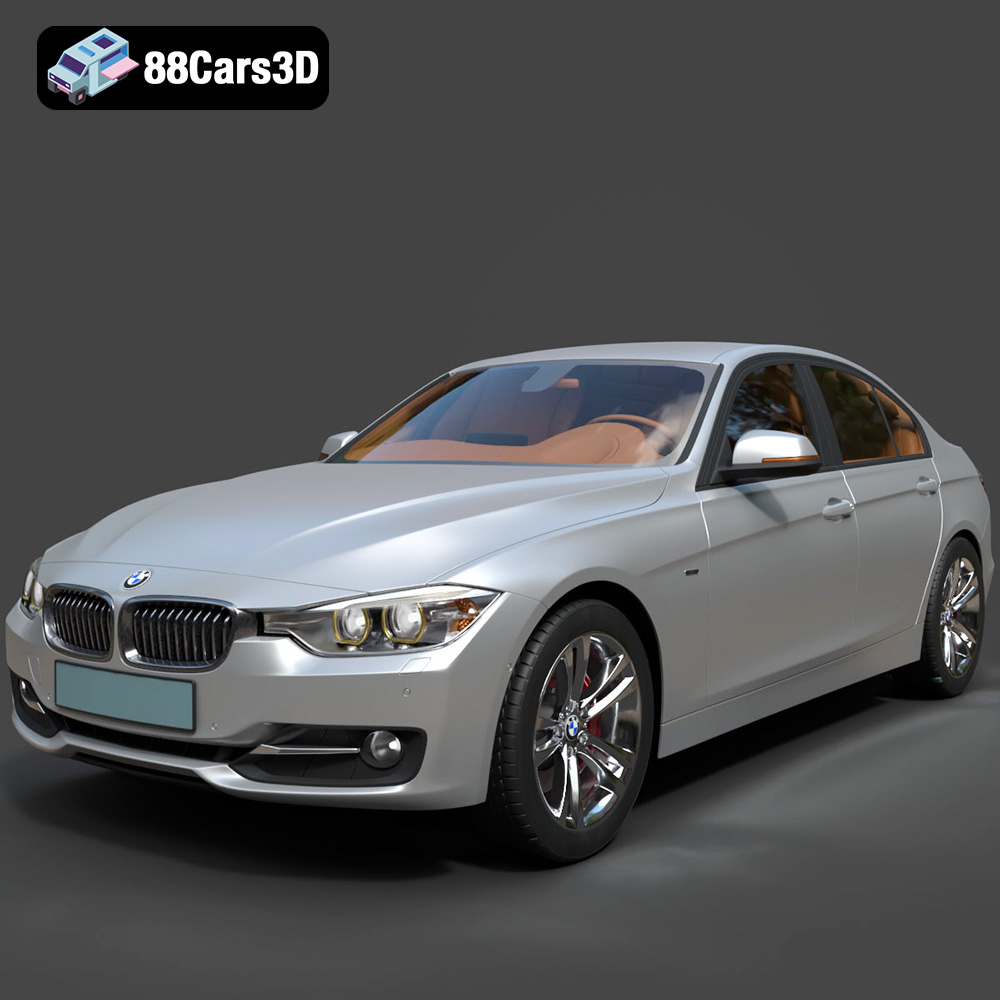
Download the BMW 3 F30 3D Model featuring a detailed exterior, realistic interior, and optimized mesh. Includes .blend, .fbx, .obj, .glb, .stl, .ply, .unreal, and .max formats for rendering, simulation, and game development.
Price: $10.79
Texture: Yes
Material: Yes
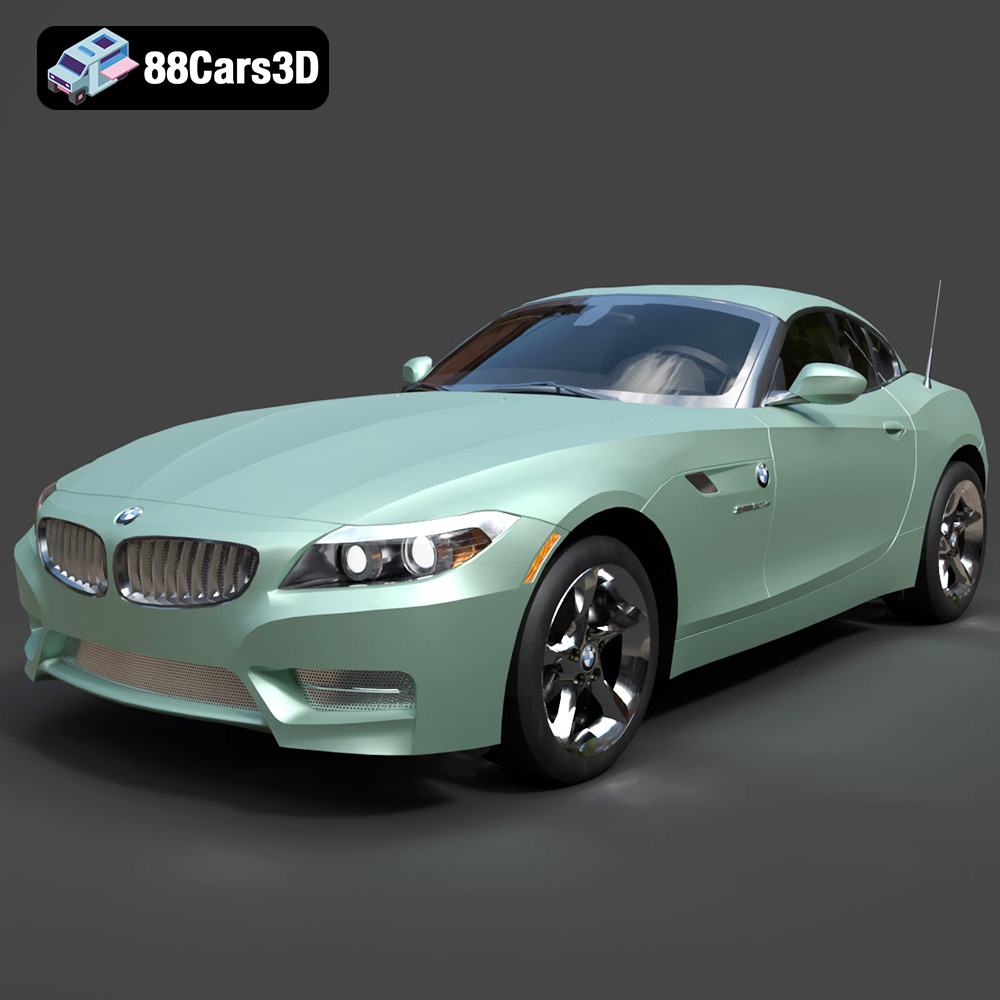
Download the BMW Z4 Roadster E89 3D Model featuring clean geometry, realistic detailing, and a fully modeled interior. Includes .blend, .fbx, .obj, .glb, .stl, .ply, .unreal, and .max formats for rendering, simulation, and game development.
Price: $13.99

Texture: Yes
Material: Yes
Download the BMW Z4 E85 3D Model featuring clean geometry, realistic detailing, and a fully modeled interior. Includes .blend, .fbx, .obj, .glb, .stl, .ply, .unreal, and .max formats for rendering, simulation, and game development.
Price: $13.99

Texture: Yes
Material: Yes
Download the BMW M3 2024 3D Model featuring clean geometry, realistic detailing, and a fully modeled interior. Includes .blend, .fbx, .obj, .glb, .stl, .ply, .unreal, and .max formats for rendering, simulation, and game development.
Price: $13.99
Texture: Yes
Material: Yes
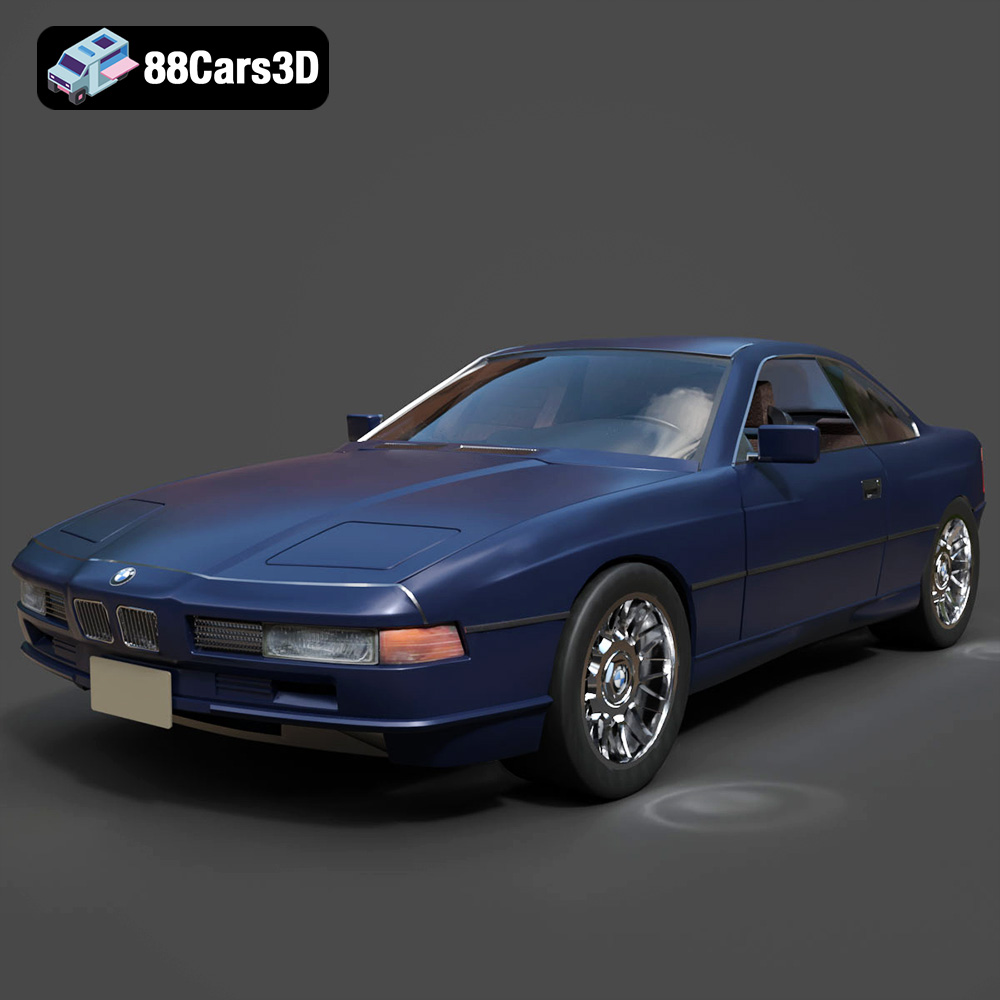
Download the BMW 850i Coupe 1990 3D Model featuring clean geometry, realistic detailing, and a fully modeled interior. Includes .blend, .fbx, .obj, .glb, .stl, .ply, .unreal, and .max formats for rendering, simulation, and game development.
Price: $13.99
Texture: Yes
Material: Yes
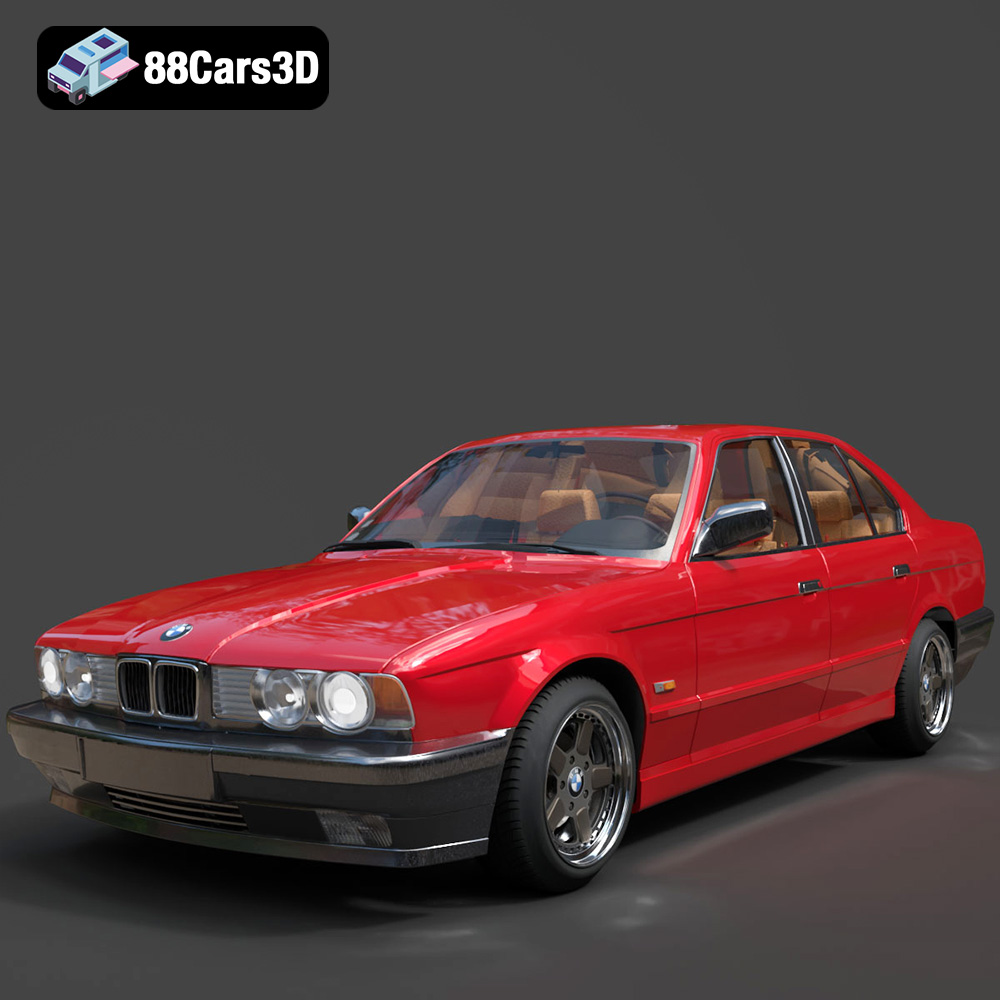
Download the BMW 525i E34 1993 3D Model featuring clean geometry, realistic detailing, and a fully modeled interior. Includes .blend, .fbx, .obj, .glb, .stl, .ply, .unreal, and .max formats for rendering, simulation, and game development.
Price: $12.99

Texture: Yes
Material: Yes
Download the BMW 7 Series 2016 3D Model featuring luxurious design, detailed interior, and accurate exterior. Includes .blend, .fbx, .obj, .glb, .stl, .ply, .unreal, and .max formats for rendering, simulation, and game development.
Price: $10.79
Texture: Yes
Material: Yes
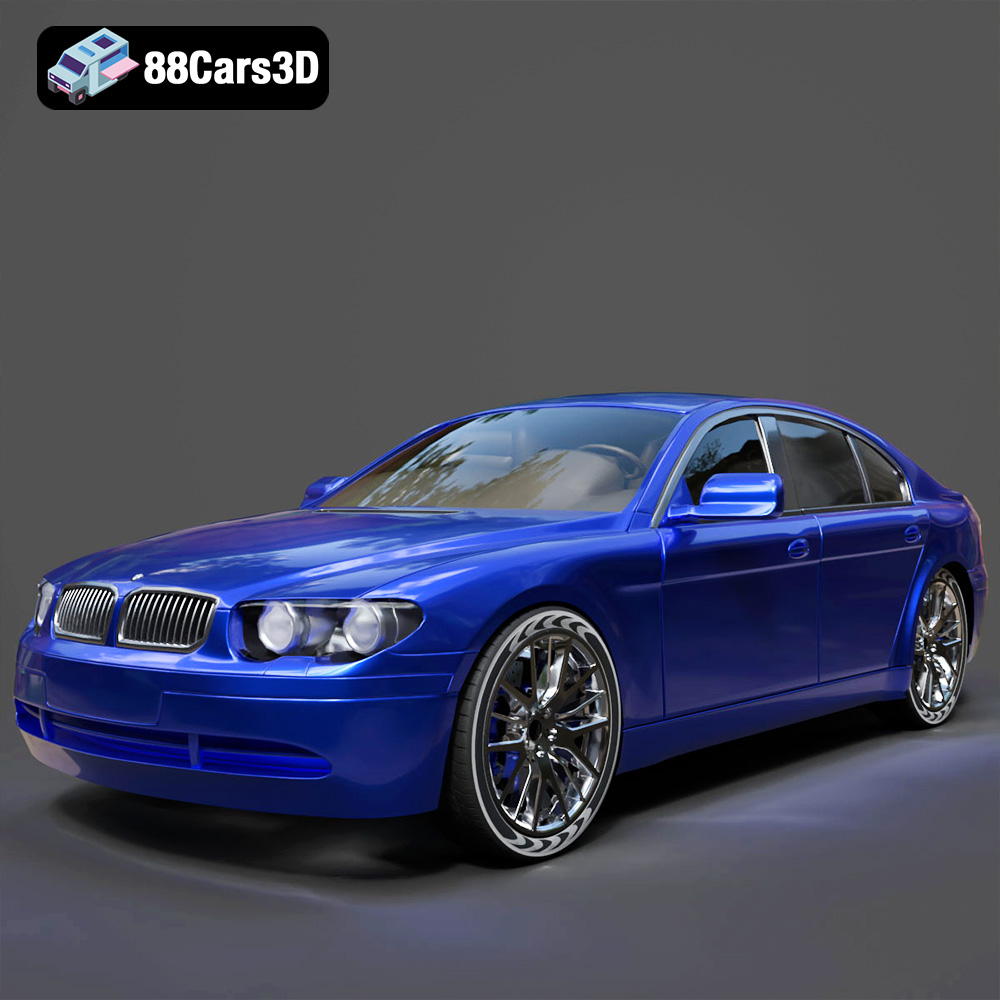
Download the BMW 7 Series 30th Anniversary 3D Model featuring a meticulously crafted exterior, detailed interior, and realistic wheels. Includes .blend, .fbx, .obj, .glb, .stl, .ply, .unreal, and .max formats for rendering, simulation, and game development.
Price: $35.79

