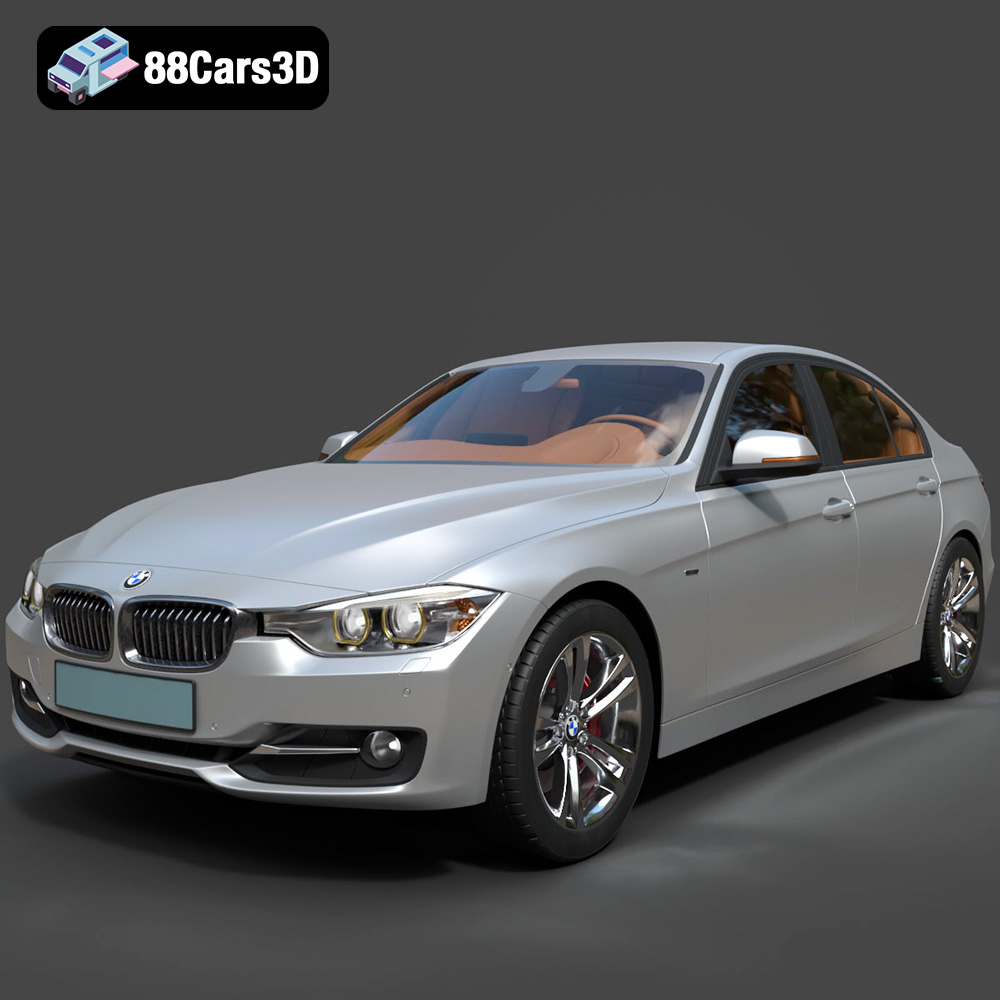
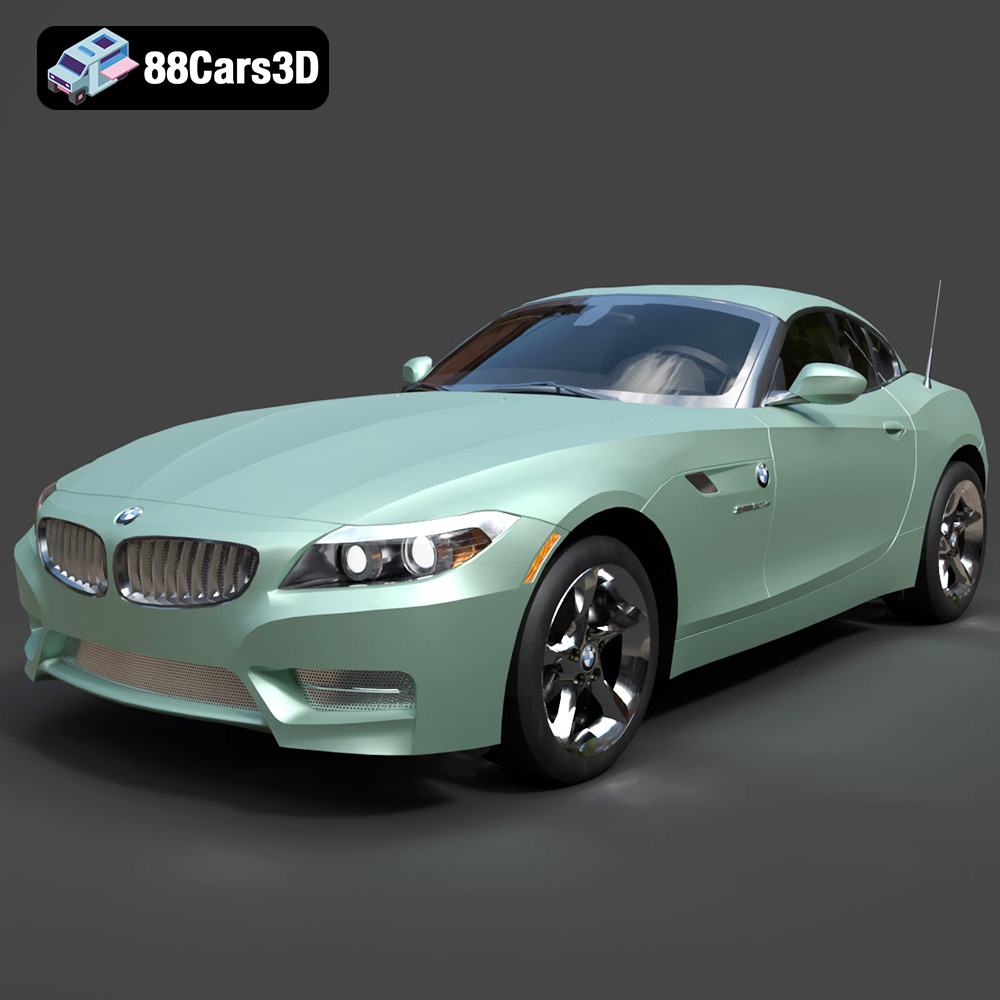
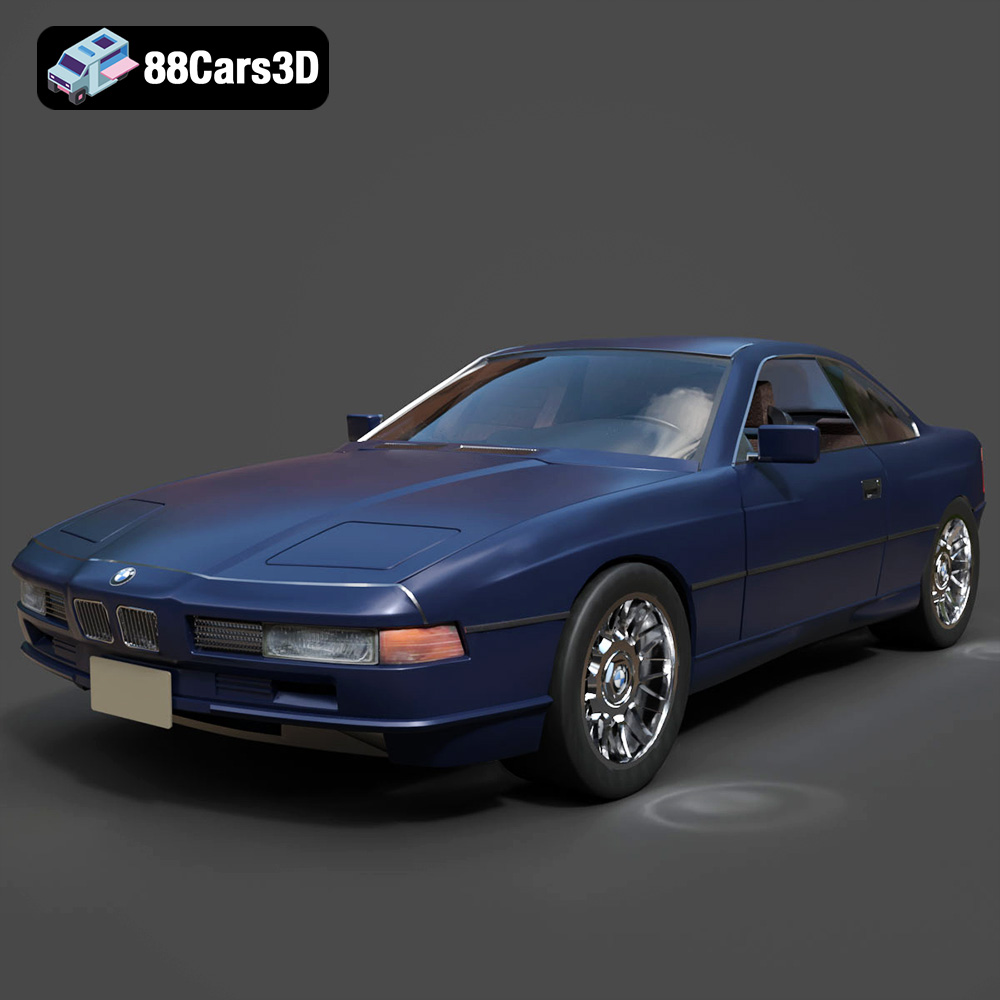
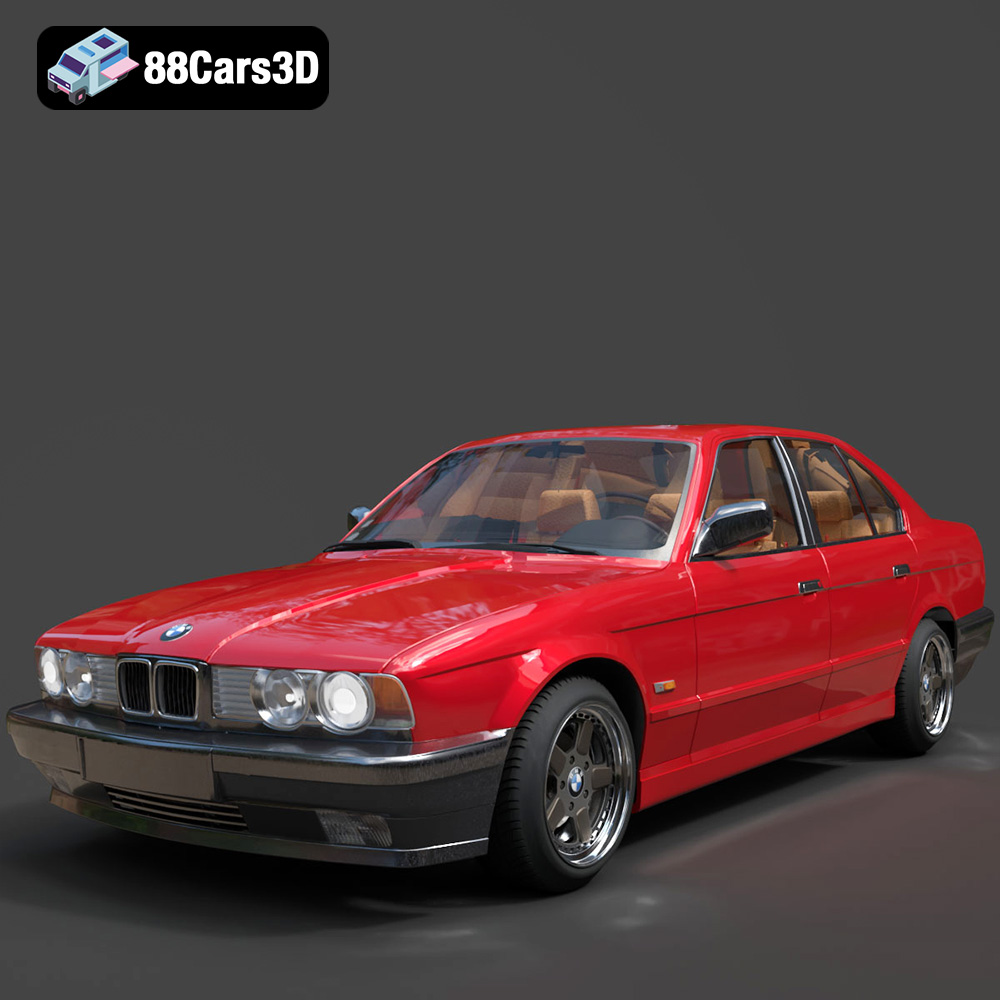
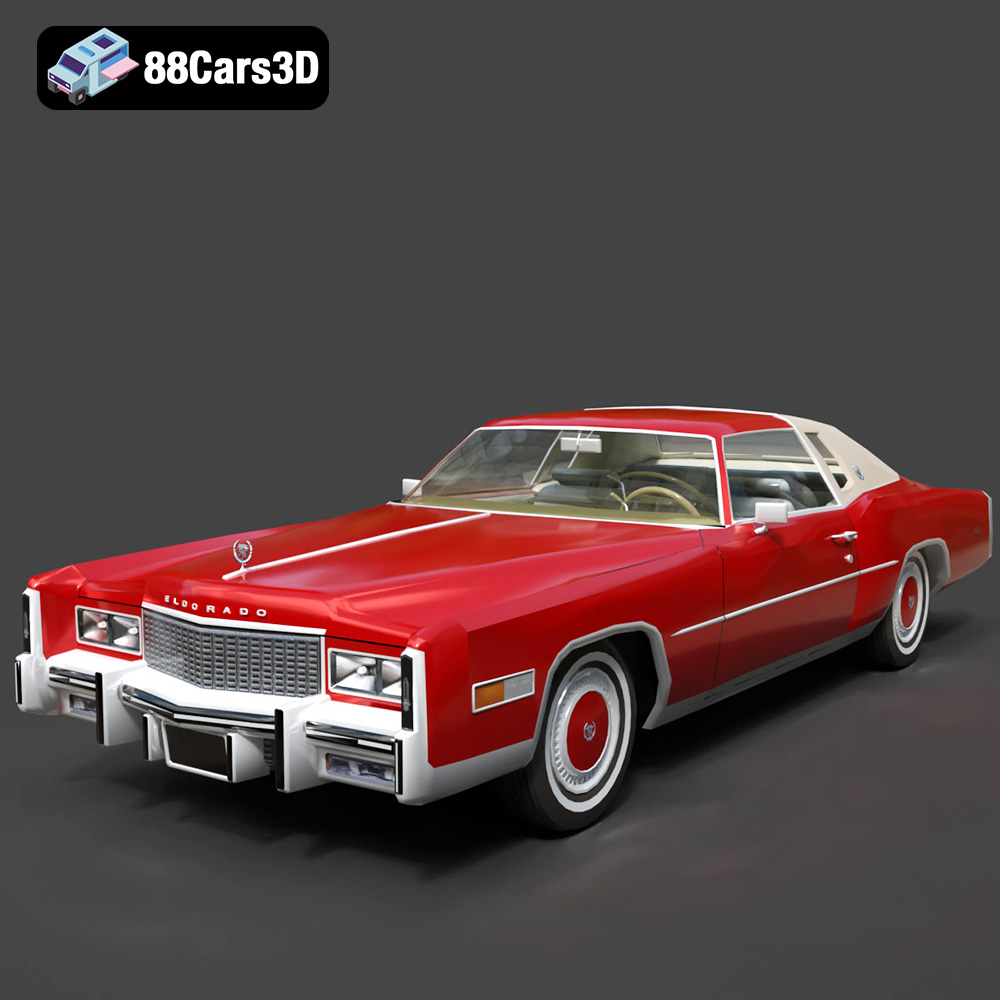
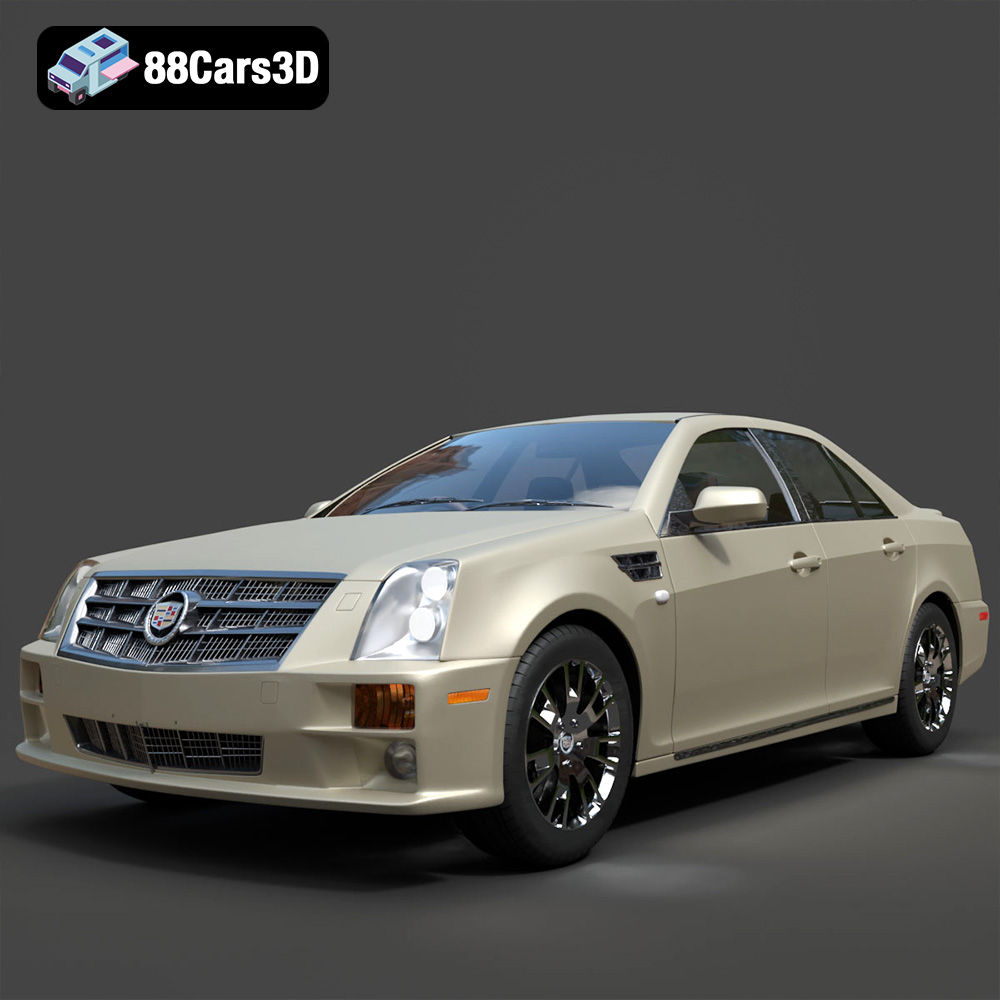
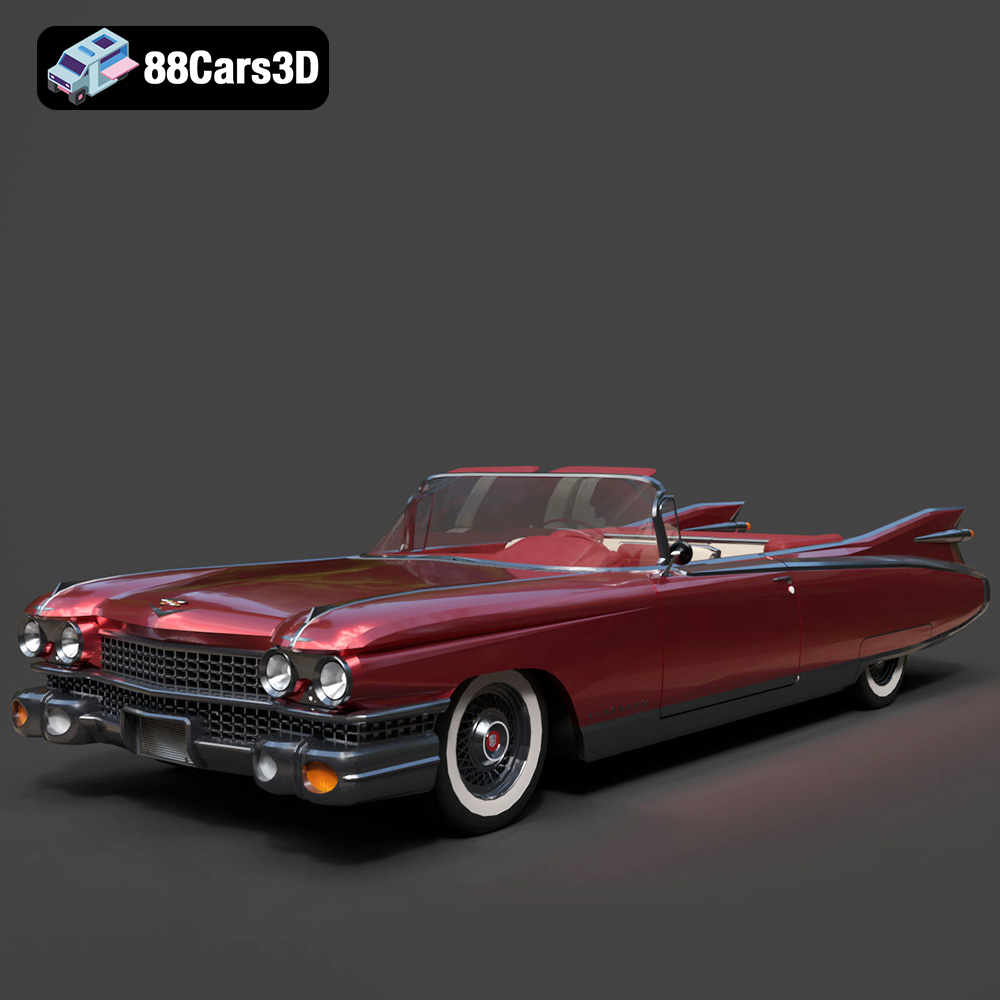
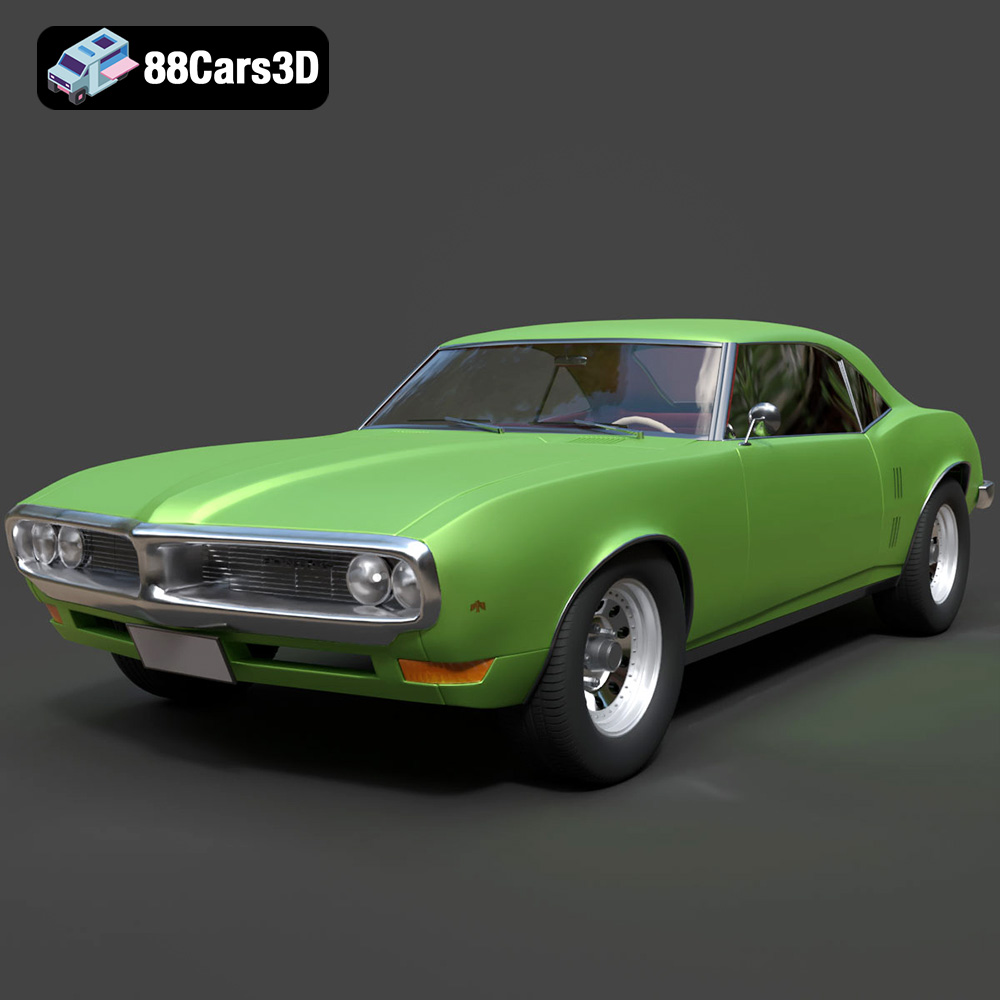
The Driving Force Behind Digital Automotive Excellence: Mastering 3D Car Models for Rendering and Games
In the rapidly evolving digital landscape, the demand for high-fidelity 3D car models has never been greater. From cinematic automotive advertisements and photorealistic architectural visualizations to immersive virtual reality experiences and fast-paced video games, accurate and detailed vehicle assets are fundamental. These intricate digital creations are the backbone of countless projects, bridging the gap between imagination and a tangible digital reality. The journey from a basic wireframe to a fully textured, animated, and engine-ready vehicle is a testament to the skill of 3D artists and the power of advanced software.
The Evolution of Automotive Visualization
Once a niche field, automotive visualization has exploded, driven by advancements in rendering technology, real-time engines, and consumer expectations. What began with simple polygon counts and basic textures has transformed into an art form demanding sub-millimeter precision, physically accurate materials, and complex lighting simulations. Today’s digital vehicles are often indistinguishable from their real-world counterparts, allowing manufacturers to showcase concept cars, designers to iterate rapidly, and storytellers to weave compelling narratives without ever needing a physical prototype.
Why High-Quality 3D Car Models Matter
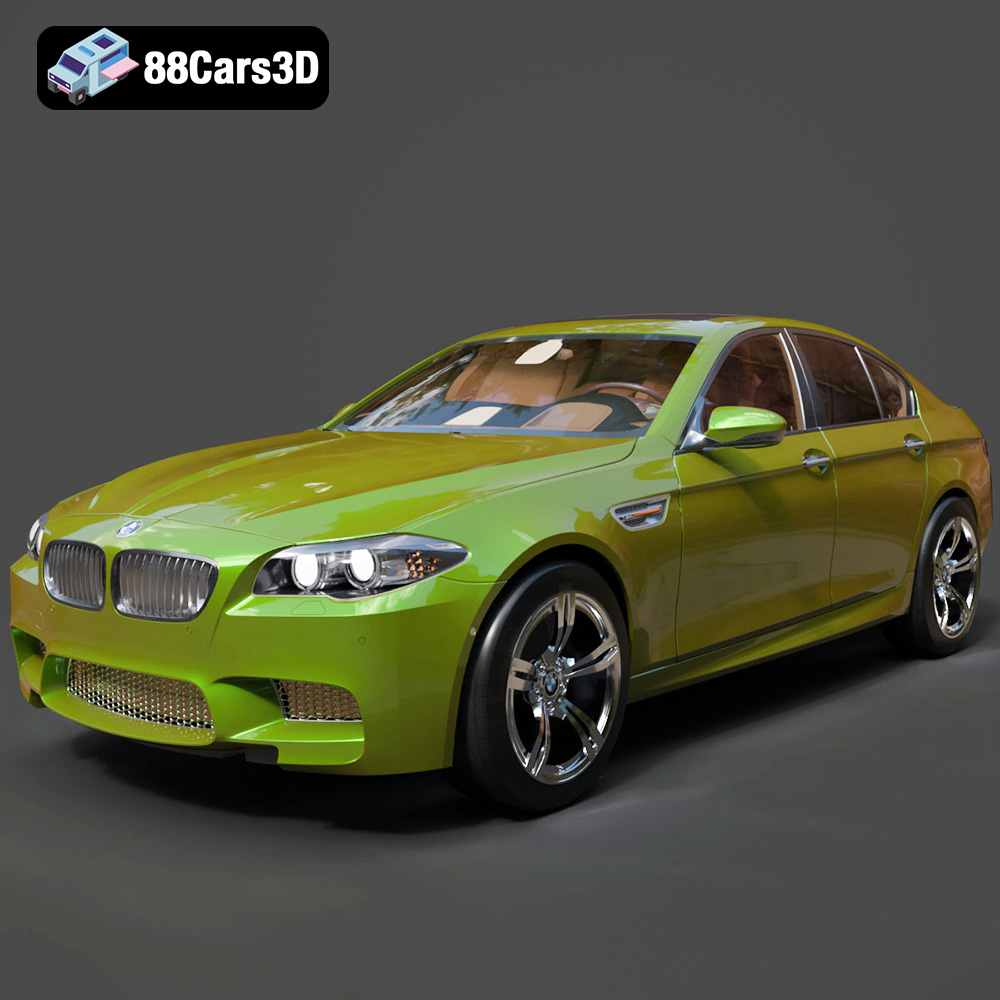
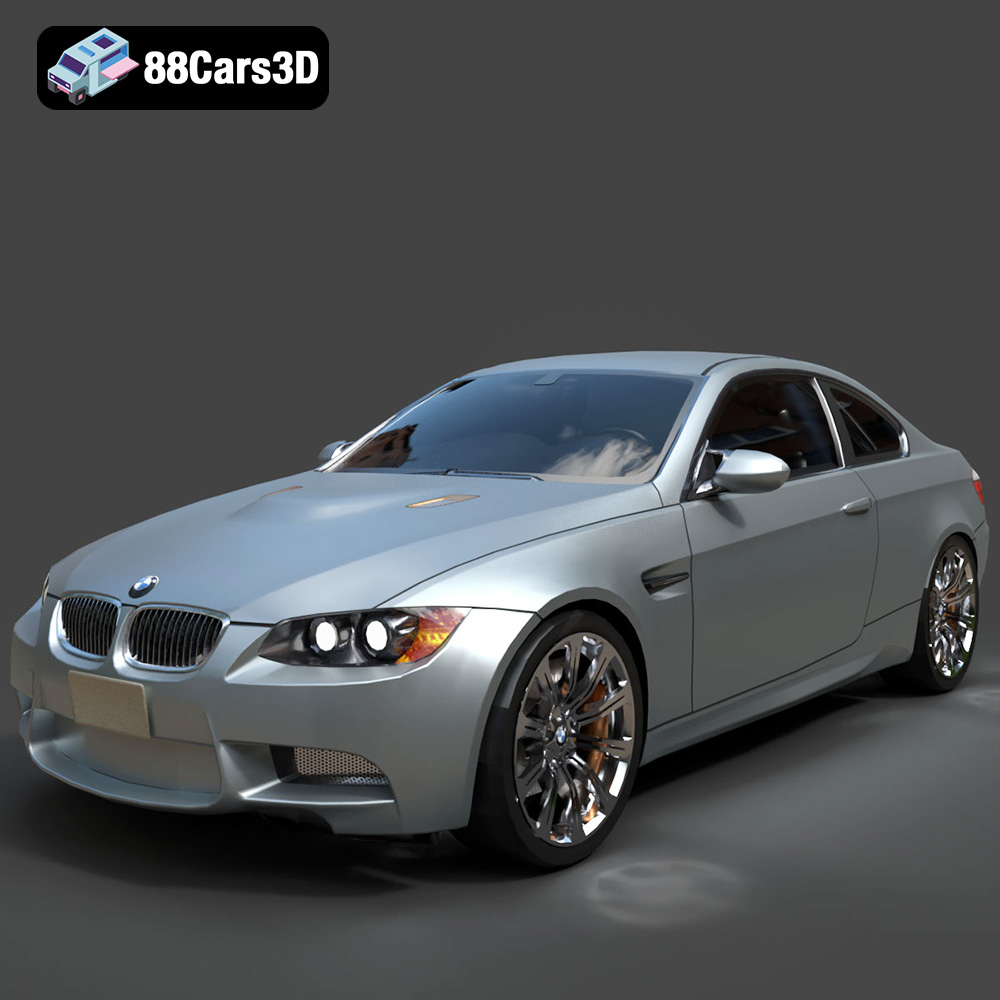
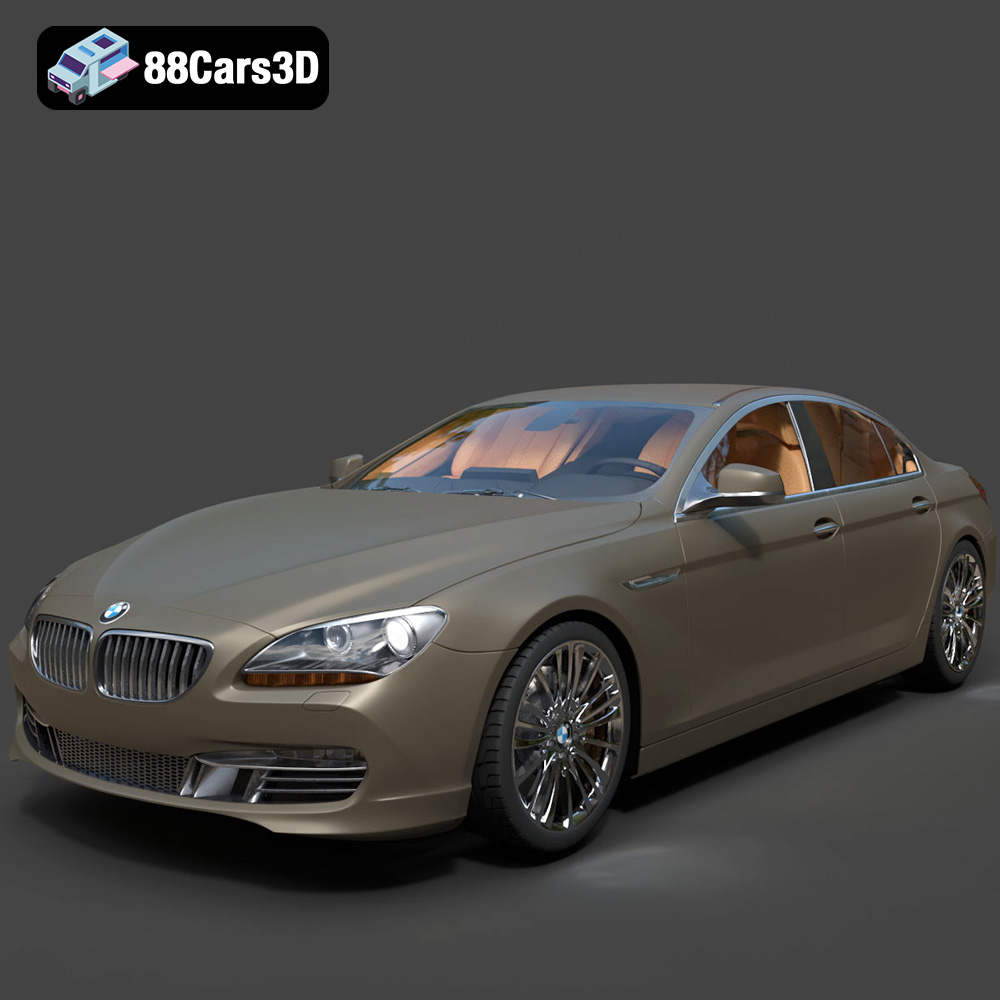
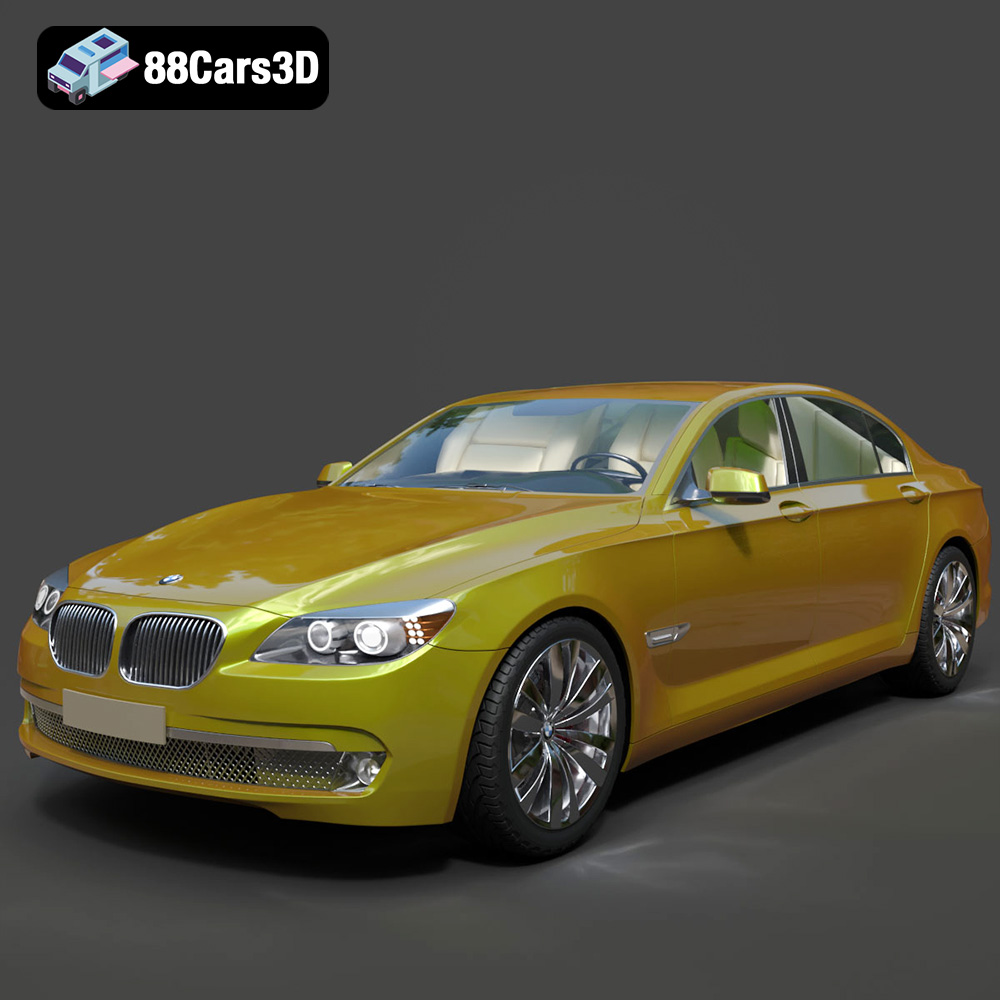
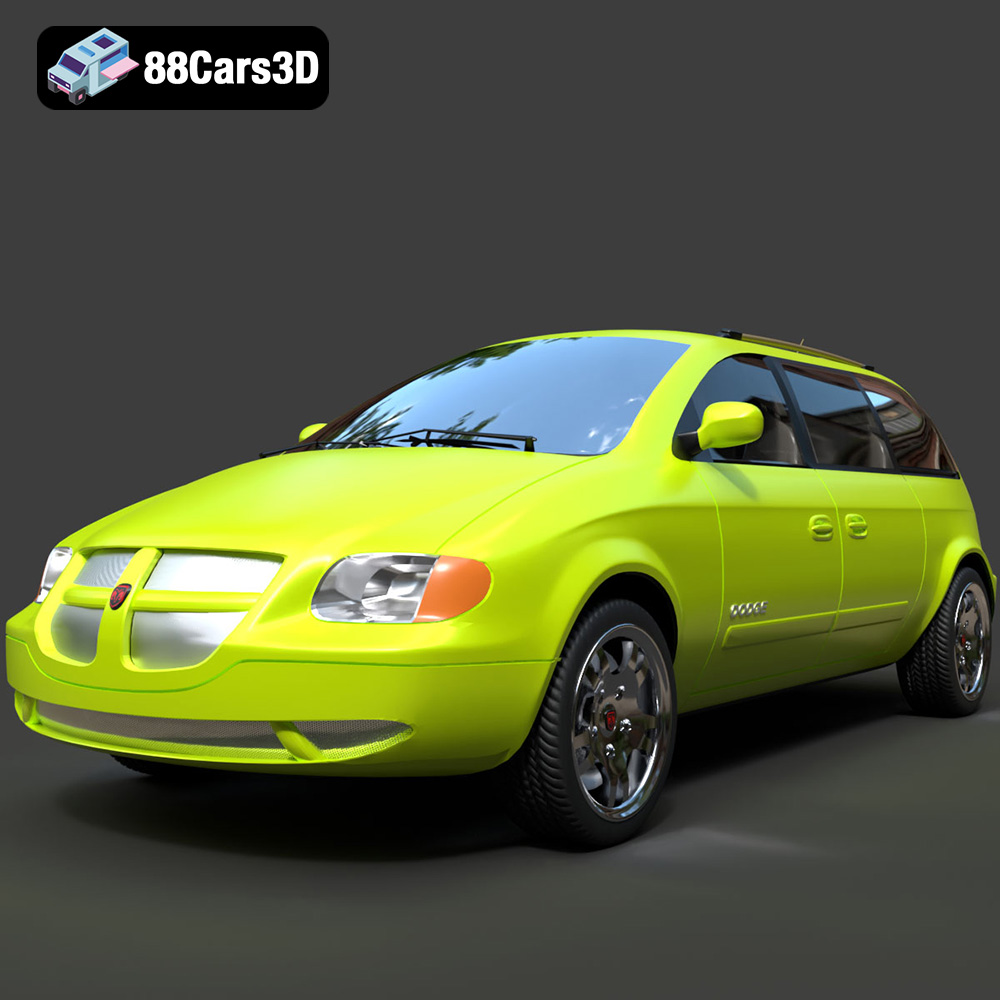
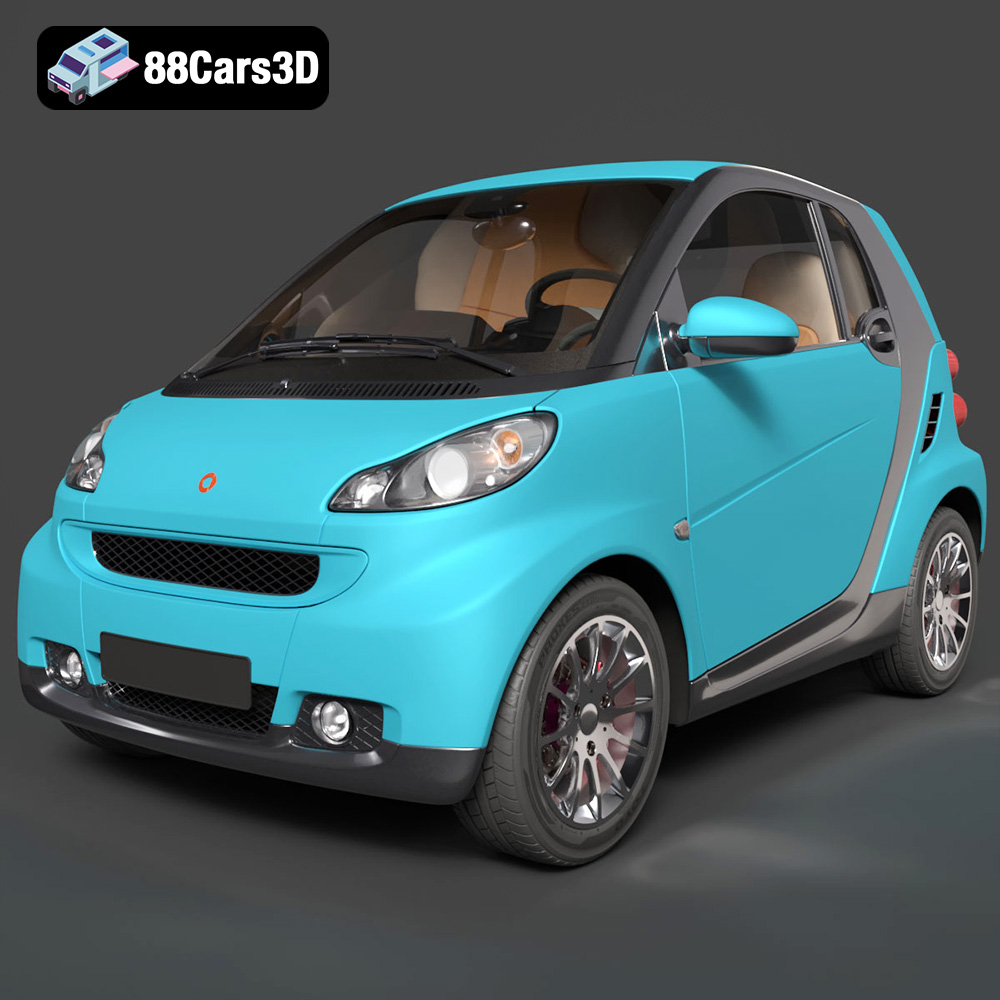
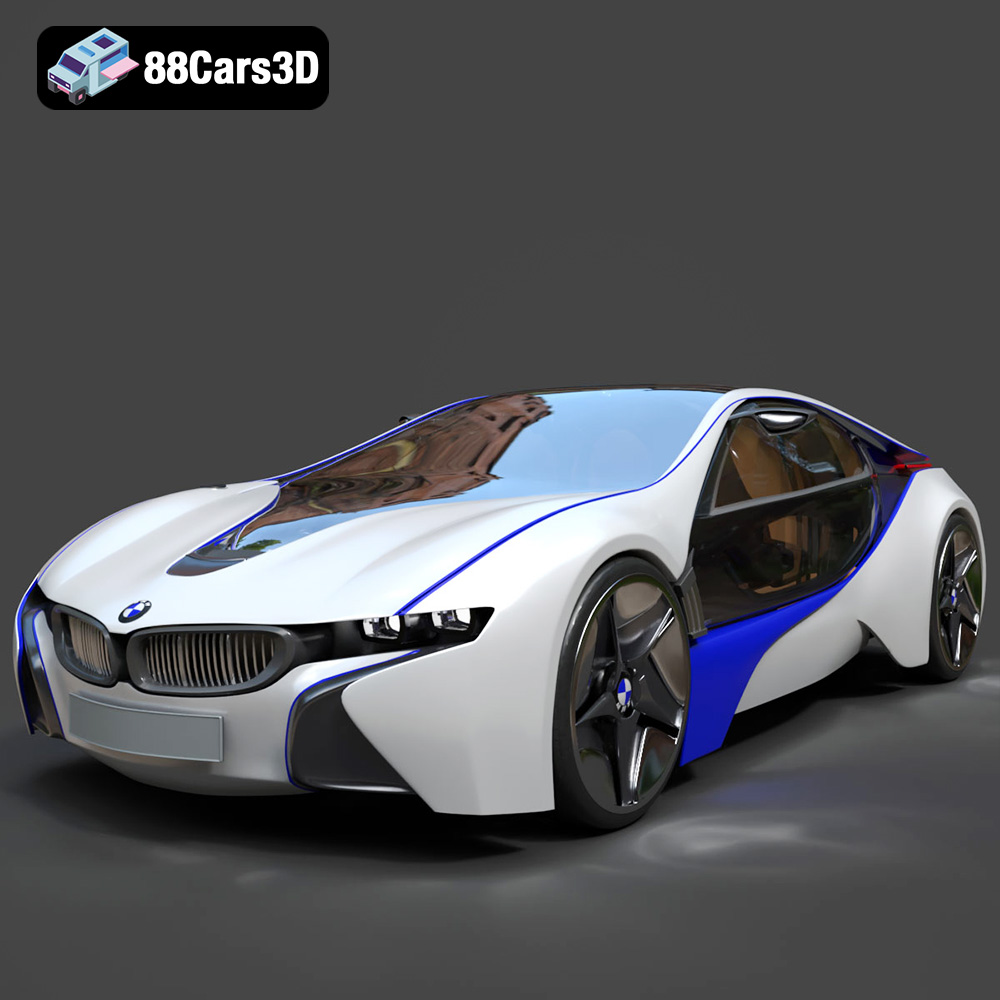
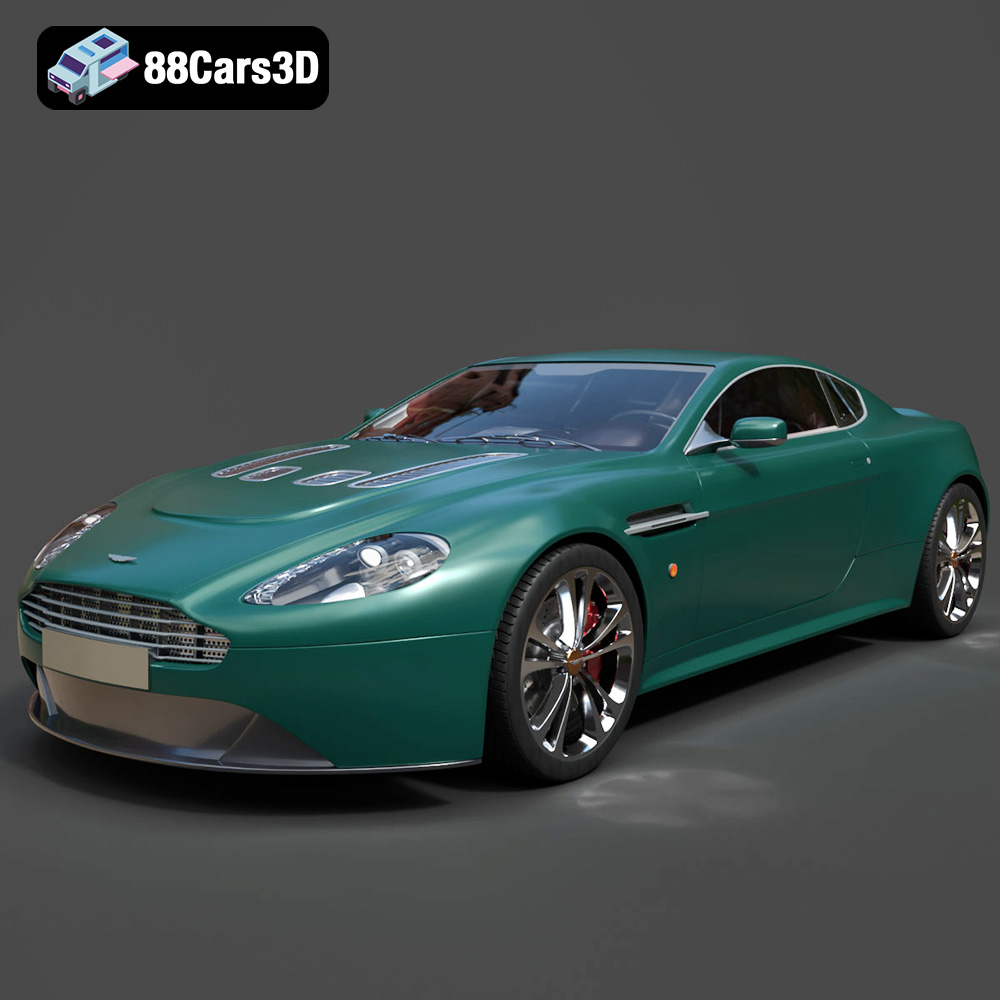
The quality of your 3D car models directly impacts the realism, performance, and overall impact of your project. Low-quality assets can break immersion, introduce visual artifacts, and lead to significant performance bottlenecks, especially in interactive environments. Conversely, meticulously crafted models featuring clean topology, optimized UVs, and rich PBR (Physically Based Rendering) textures provide a robust foundation for stunning visuals and smooth real-time performance. Whether for breathtaking automotive rendering or performance-critical game assets, investing in quality models from reliable sources like 88cars3d.com ensures your project stands on a solid, visually superior footing.
Understanding 3D Model File Formats
The world of 3D modeling is rich with various file formats, each designed with specific purposes, compatibilities, and technical characteristics in mind. Choosing the correct format is paramount for ensuring smooth workflows, data integrity, and optimal performance in your target application. Understanding these differences is a crucial step for anyone working with 3D car models, especially when integrating them into complex projects or sharing them across different software packages.
Choosing the Right Format for Your Project
The decision of which file format to use often depends on the originating software, the destination software, the type of data being transferred (mesh, materials, animations, rigging), and the ultimate goal of the asset (rendering, real-time game, 3D print). A thorough understanding prevents common issues like lost texture paths, incorrect scaling, or missing animation data.
- .blend – Fully Editable Blender Scene with Materials: The native file format for Blender, a powerful open-source 3D creation suite. A .blend file encapsulates everything within a Blender project, including mesh data, materials (Blender’s Cycles or Eevee shaders), textures, lighting, cameras, animations, rigging, and even scene settings. It’s ideal for projects that stay entirely within the Blender ecosystem or when you need to provide a fully editable source file for another Blender artist. It offers the most comprehensive data preservation within its native environment, making it perfect for custom modifications or detailed inspections of the model’s construction.
- .fbx – Ideal for Unreal, Unity, and Real-Time Pipelines: Developed by Autodesk, FBX (Filmbox) has become an industry-standard interchange format, particularly prevalent in game development and animation pipelines. It excels at transferring comprehensive scene data, including geometry (meshes), materials (often basic properties, PBR maps are linked), textures, animations, skeletons, skinning, and even cameras and lights. Its robust support across major 3D software (3ds Max, Maya, Blender, Cinema 4D) and game engines (Unreal Engine, Unity) makes it the go-to choice for exporting animated game assets and complex scenes. While it can sometimes be verbose, its versatility is unmatched for asset transfer between different applications.
- .obj – Universal Format for Cross-Software Compatibility: OBJ (Object) is one of the oldest and most widely supported 3D formats, making it a truly universal choice for static mesh geometry. It stores vertex positions, UV coordinates, normals, and polygon faces. Material information is typically stored in an accompanying .mtl (Material Template Library) file, which defines basic material properties like diffuse color, specular color, and texture map paths. OBJ is excellent for simple mesh transfer when animation or complex material setups aren’t required, ensuring maximum compatibility across virtually every 3D application. It’s often the safest bet for basic geometry exchange.
- .glb – Optimized for AR, VR, and Browser-Based Display: GLB is the binary version of glTF (GL Transmission Format), designed as an efficient, runtime-loadable format for 3D scenes and models. It’s increasingly popular for web-based 3D applications, augmented reality (AR), and virtual reality (VR) due to its compact size and efficiency. GLB files embed all assets (geometry, textures, animations, PBR materials) into a single file, simplifying distribution. It supports modern rendering features like PBR materials, animations, and skeletal rigging, making it perfect for interactive web experiences and lightweight AR/VR applications where quick loading and optimized performance are critical.
- .stl – Suitable for 3D Printing Output: STL (STereoLithography) is the de facto standard format for 3D printing and rapid prototyping. It describes only the surface geometry of a 3D object using a tessellated representation of triangular facets. It does not contain any color, texture, or material information. For a 3D car model intended for physical manufacturing, the model must be “manifold” (watertight with no holes or overlapping faces) to ensure a successful print. While simple, its ubiquity in the 3D printing world makes it indispensable for physical output.
- .ply – Precision Mesh Format for CAD or Analysis: PLY (Polygon File Format) is a versatile format capable of storing a wide range of properties, including color, transparency, normals, texture coordinates, and data confidence values, in addition to standard mesh information. It can handle both triangular and polygonal faces. PLY is often used in scientific visualization, 3D scanning, and CAD/CAM applications where precise geometric data and additional attribute storage are important. It’s more extensible than OBJ and can be particularly useful for models derived from scan data or requiring additional per-vertex data.
- .unreal – Engine-Ready Asset for Real-Time Environments: While not a standalone “file format” in the traditional sense like FBX or OBJ, an “.unreal” asset often refers to a properly imported and configured asset within an Unreal Engine project. When you import an FBX (or other supported format) into Unreal Engine, the engine processes and stores it in its proprietary internal format optimized for its rendering pipeline. This “unreal asset” encapsulates the static mesh, skeletal mesh, materials (Unreal’s node-based material system), animations, and collision data, all ready for use within the engine. It signifies an asset that has undergone the specific optimization and setup required for high-performance real-time rendering within the Unreal ecosystem.
- .max – Editable 3ds Max Project for Animation and Rendering: The native project file for Autodesk 3ds Max, a leading software for 3D modeling, animation, and rendering. Similar to .blend files, .max files contain all scene data, including geometry, materials (Standard, V-Ray, Corona, Arnold shaders), textures, lights, cameras, animations, particle systems, and modifiers. It offers the most comprehensive data preservation for 3ds Max users and is essential for complex scenes or projects requiring iterative design and animation work exclusively within 3ds Max.
Understanding these formats ensures you can confidently acquire and deploy high-quality 3D car models from resources like 88cars3d.com, tailoring your choice to the specific demands of your project.
Crafting Realistic Automotive Renders: Beyond the Model
A high-quality 3D car model is merely the canvas; achieving breathtaking, photorealistic renders requires an intricate understanding of materials, lighting, and post-production techniques. This is where a truly skilled artist transforms raw data into a visual masterpiece that can be used for marketing, design reviews, or high-end presentations.
Advanced Material and Texture Creation
The realism of a digital vehicle largely hinges on its materials. Modern rendering relies heavily on PBR (Physically Based Rendering) workflows, which simulate how light interacts with surfaces in the real world. For automotive paints, this means meticulous attention to:
- Base Color/Albedo: The inherent color of the surface.
- Metallic Map: Defines which parts of the material are metallic, crucial for car bodies.
- Roughness Map: Controls the microscopic surface irregularities, dictating how blurry or sharp reflections appear (e.g., matte vs. glossy paint).
- Normal Map: Adds fine surface detail (like orange peel effect on paint or fine leather grain) without increasing polygon count.
- Clear Coat: Many car paints have a transparent protective layer. Replicating this requires a separate clear coat layer with its own roughness and IOR (Index of Refraction) settings, which significantly enhances realism.
- Subsurface Scattering (SSS): Important for materials like rubber tires or certain plastics, allowing light to penetrate the surface slightly before scattering out, giving a softer, more realistic look.
Interior materials like leather, fabric, and plastic also demand specific PBR texture sets, often incorporating intricate displacement maps for stitching details or subtle wear and tear. Glass materials require accurate IOR values and careful consideration of tint and transmission.
Lighting and Environment Setup for Photorealism
Lighting is the single most critical factor in achieving photorealism. A perfectly modeled and textured car can look flat and unrealistic under poor lighting.
- HDRI (High Dynamic Range Image) Lighting: The cornerstone of realistic automotive lighting. HDRIs capture real-world lighting environments (skies, studios, street scenes) with extreme dynamic range, providing accurate ambient light, reflections, and even subtle color shifts. Using a high-quality HDRI can instantly elevate a render.
- Area Lights and IES Profiles: For controlled studio setups or product shots, precise area lights are used to sculpt reflections and highlight forms. IES (Illuminating Engineering Society) light profiles simulate the exact photometric data of real-world light fixtures, providing incredibly accurate falloff and distribution for headlights, taillights, or interior cabin lights.
- Global Illumination (GI): Essential for simulating indirect light bounces, ensuring shadows are soft and colors from surfaces bleed realistically onto surrounding objects, creating a natural interaction within the scene.
- Physical Sun and Sky: For outdoor scenes, a physically accurate sun and sky system provides dynamic lighting conditions that mimic real daylight cycles, complete with atmospheric scattering and realistic shadow behavior.
Post-Production Techniques for Stunning Visuals
Even after a technically perfect render, post-production in software like Adobe Photoshop or Affinity Photo is crucial for adding that final polish.
- Color Correction and Grading: Adjusting hues, saturation, and contrast to achieve a desired mood or match a specific aesthetic.
- Adding Depth of Field (DOF): Simulating camera lens blur to draw attention to the car and create a sense of scale and realism.
- Vignetting and Chromatic Aberration: Subtle photographic imperfections that can enhance realism.
- Lens Flares and Glare: Artistically applied to simulate light interacting with a camera lens.
- Compositing Elements: Blending the rendered car with a backplate image, often using render passes (reflection pass, shadow pass, ambient occlusion pass) for precise control over each element.
By combining exceptional 3D car models with advanced rendering techniques and skilled post-production, artists can create visuals that are virtually indistinguishable from professional photography.
Optimizing 3D Car Models for Game Development
While photorealistic rendering prioritizes visual fidelity with less concern for real-time performance, game assets demand a different approach. Here, optimization is key, balancing visual quality with the stringent performance requirements of real-time engines like Unreal Engine and Unity. The goal is to make the car look as good as possible while maintaining high frame rates across various hardware specifications.
Polygon Budgeting and LOD Strategies
- Polygon Budgeting: Every triangle in a 3D model contributes to the GPU load. For games, strict polygon budgets are imposed per asset type. A high-detail car for a cinematic might have millions of polygons, but a car for an open-world game needs to be optimized down to tens or hundreds of thousands, or even less for distant objects. This requires careful retopology – rebuilding the mesh with fewer polygons while retaining crucial shape and detail.
- Level of Detail (LOD): LODs are multiple versions of the same model, each with a progressively lower polygon count. The game engine dynamically swaps these models based on the car’s distance from the camera. A high-poly LOD0 is used when the car is close, while a significantly lower-poly LOD3 or LOD4 is used when it’s far away. This technique is crucial for optimizing scene performance without sacrificing detail up close. A properly set up LOD system, often with 3-5 levels, can drastically reduce GPU overhead.
- Draw Calls: Beyond polygon count, the number of “draw calls” (instructions sent to the GPU to render an object) also impacts performance. Reducing the number of unique materials or combining meshes where possible can help minimize draw calls.
Efficient UV Mapping and Texture Atlasing
- UV Mapping: Crucial for applying textures efficiently. For game assets, UV maps must be clean, non-overlapping, and utilize the texture space effectively. Often, multiple objects on a car (body, interior, wheels) will share a single UV map layout to maximize texture resolution and minimize draw calls.
- Texture Atlasing: This technique combines multiple smaller textures (e.g., textures for different parts of the car’s interior) into a single, larger texture map, known as a texture atlas. This reduces the number of texture lookups and draw calls, significantly improving performance in real-time environments. It also helps in optimizing memory usage.
- PBR Texture Workflows: Just like for rendering, PBR textures (Albedo, Normal, Roughness, Metallic, Ambient Occlusion) are standard for game assets. These need to be carefully authored and optimized (e.g., using specific compression formats like BC7) for real-time engines.
Integration into Real-Time Engines (Unreal Engine, Unity)
- Import Process: 3D car models, typically exported as .fbx, are imported into game engines. During import, settings for scaling, coordinate systems, and LOD generation are critical.
- Material Setup: Engine-specific material graphs are created using the PBR texture maps. Unreal Engine’s Material Editor and Unity’s Shader Graph allow for complex, optimized materials that react realistically to light while being performant. This includes setting up clear coat layers, emissive headlights, and dynamic material instances for color variations.
- Collision Meshes: Games require simplified collision meshes (often convex hulls or simplified proxies) separate from the visual mesh. These low-poly meshes handle physics interactions without burdening the engine with complex geometry calculations.
- Rigging and Animation: For animated cars, skeletal rigs are created for wheels, suspension, doors, and steering. These rigs, along with associated animations, are imported via FBX and hooked up to the engine’s animation and physics systems.
- Blueprints/Prefabs: In Unreal Engine, Blueprints (visual scripting) are used to assemble the car, its wheels, physics components, and various interactive elements. In Unity, Prefabs serve a similar purpose, acting as reusable game objects. This allows designers to easily place and modify vehicle instances in the game world.
The expertise in optimizing 3D car models for these rigorous real-time environments is what truly differentiates high-quality game assets, ensuring they look stunning and perform flawlessly.
The Workflow: From Concept to Consumer with 3D Car Models
High-quality 3D car models are versatile assets, finding applications far beyond traditional rendering or game development. Their adaptability allows for seamless integration into various digital and even physical workflows, serving different industries and purposes. Companies providing these models, like 88cars3d.com, cater to this wide spectrum of needs.
Architectural Visualization (ArchViz) Integration
In architectural visualization, 3D car models are indispensable for bringing scenes to life and providing a sense of scale, context, and atmosphere. A beautifully rendered building can feel sterile without the inclusion of realistic vehicles and people.
- Scene Composition: Cars are strategically placed to enhance realism, illustrate traffic flow, or simply add visual interest to street scenes, parking lots, or driveways.
- Contextual Realism: The type of car can convey information about the socioeconomic level of the area or the target demographic for a development. For example, luxury cars outside a high-rise apartment versus family sedans in a suburban development.
- Reflections and Lighting: Vehicle surfaces act as excellent reflective elements, bouncing light and color throughout the scene, adding complexity and realism to global illumination calculations.
- Animation for Presentations: Simple car animations (e.g., driving past a building) can be used in architectural walkthroughs to create more dynamic and engaging presentations.
The availability of diverse models at varying levels of detail allows ArchViz artists to choose assets that fit their rendering budget and artistic vision.
AR/VR Experiences and Interactive Showcases
Augmented Reality (AR) and Virtual Reality (VR) are transforming how we interact with products, and 3D car models are at the forefront of this revolution.
- Interactive Product Configurators: In VR showrooms, users can explore a car’s exterior and interior, change paint colors, wheel designs, and upholstery in real-time. This provides an immersive purchasing experience far beyond a traditional brochure.
- AR Car Viewers: With AR apps, consumers can “place” a virtual car in their driveway or living room, viewing it from all angles and even walking around it, scaled accurately to the real world. This is powerful for pre-purchase evaluation.
- Training and Simulation: High-fidelity car models are used in VR for driver training simulations, maintenance training for mechanics, or even emergency response drills, providing safe and realistic learning environments.
- Optimized for Performance: For AR/VR, models must be highly optimized, often using .glb format, with strict polygon and texture budgets to maintain high frame rates crucial for preventing motion sickness and ensuring a smooth user experience.
3D Printing and Physical Prototyping
Beyond digital displays, 3D car models can also bridge the gap to the physical world through 3D printing.
- Rapid Prototyping: Automotive designers use 3D printing to create physical scale models of concept cars or individual components quickly and cost-effectively, allowing for tactile evaluation of shapes and forms.
- Collectibles and Scale Models: Enthusiasts and hobbyists use 3D printing to produce highly detailed scale models of their favorite vehicles, often requiring models that are “watertight” and optimized for specific printing technologies (FDM, SLA, SLS).
- Customization: The digital nature of 3D models allows for easy customization before printing, such as adding unique accessories, modifying body kits, or even designing bespoke parts.
For 3D printing, the .stl and .obj formats are commonly used, emphasizing mesh integrity and geometric accuracy over visual texturing.
Key Considerations When Sourcing 3D Car Models
Acquiring pre-made 3D car models is a common and efficient practice for many studios and artists. However, not all models are created equal. Knowing what to look for can save significant time and resources in your production pipeline. Websites like 88cars3d.com are dedicated to providing high-quality assets, but understanding the underlying technical specifications remains vital.
Importance of Topology and Mesh Cleanliness
- Clean Topology: A well-modeled car should have clean, quad-based topology (quadrilateral polygons) with minimal triangles, especially on curved surfaces. This ensures smooth deformations during animation and allows for easy subdivision (e.g., applying a subdivision surface modifier) without pinching or artifacts. Poor topology can lead to shading errors, difficulty in UV mapping, and problems with rigging.
- No N-gons or Non-manifold Geometry: Avoid models with N-gons (polygons with more than four sides) as they can cause rendering issues and are generally problematic for most 3D software and game engines. Non-manifold geometry (edges connected to more than two faces, or open edges where a solid surface should be) is also a major red flag, indicating a poorly constructed model that will fail in 3D printing and cause problems in rendering.
- Optimized Edge Flow: The edges should flow naturally along the contours and creases of the vehicle, defining its shape efficiently. This makes future modifications easier and ensures proper deformation.
- Consistent Scale: Models should be built to real-world scale (e.g., meters or centimeters) to ensure accurate lighting, physics, and integration into scenes without manual resizing.
PBR Textures and Material Pipelines
- Full PBR Texture Sets: Insist on models that come with comprehensive PBR texture maps (Albedo/Base Color, Metallic, Roughness, Normal, Ambient Occlusion). These are essential for achieving modern, physically accurate rendering across various engines and renderers.
- High-Resolution and Optimized Textures: Textures should be high-resolution enough for close-up shots (e.g., 4K or 8K for primary surfaces) but also optimized for specific applications (e.g., using texture atlases for game assets).
- Layered Materials: For complex surfaces like car paint with clear coats, ensure the material setup supports these advanced features. For game engines, this means a well-structured material graph.
- Included Material Presets: Models that come with pre-configured materials for common renderers (V-Ray, Corona, Arnold) or game engines (Unreal, Unity) save immense setup time and ensure consistent visual quality.
Licensing and Usage Rights
- Clear Licensing Terms: Before purchasing any 3D car models, carefully review the licensing agreement. Understand if the license permits commercial use, modifications, redistribution, or use in games, films, or 3D printing. Reputable marketplaces like 88cars3d.com clearly outline these terms.
- Single vs. Multi-Use: Be aware of whether the license is for a single project or allows for unlimited use across multiple projects.
- Attribution Requirements: Some licenses may require attribution to the original artist or marketplace. Always check and comply with these terms.
By meticulously evaluating these technical aspects, you can ensure that the 3D car models you acquire are not only visually appealing but also technically robust, streamlining your workflow and elevating the quality of your final output.
The Road Ahead for Digital Automotive Art
The landscape of 3D modeling and visualization is constantly evolving, driven by innovations in software, hardware, and creative techniques. High-quality 3D car models will continue to be a cornerstone of this evolution, empowering artists, designers, and developers to push the boundaries of realism and interactivity.
From the intricate details required for stunning automotive rendering to the highly optimized meshes crucial for seamless game assets, the technical demands placed on these digital vehicles are significant. Understanding file formats, mastering PBR materials, optimizing for real-time performance, and recognizing the importance of clean topology are not just best practices—they are necessities for success in today’s competitive digital world.
As virtual experiences become more pervasive, the need for expertly crafted digital content will only grow. Platforms like 88cars3d.com play a critical role in this ecosystem, providing artists and studios with access to the highest caliber of 3D car models, ready to be integrated into any project, be it for film, games, AR/VR, or product visualization. The commitment to quality, technical precision, and diverse format support ensures that these assets serve as reliable foundations for tomorrow’s digital masterpieces. The future of automotive design and visualization is exciting, and high-quality 3D car models will undoubtedly continue to drive innovation forward.
Featured 3D Car Models