⚡ FLASH SALE: Get 60% OFF All Premium 3D & STL Models! ⚡

Welcome, fellow 3D artists, game developers, and automotive designers! In the intricate world of 3D modeling, capturing the sleek curves and detailed surfaces of a car demands precision at every stage. While mesmerizing renders often grab the spotlight, the unsung hero behind those stunning visuals and performant game assets is often impeccable UV mapping. For complex subjects like automotive models, where realism and efficiency are paramount, mastering UV mapping is not just a skill—it’s an absolute necessity.
Poor UVs can lead to stretched textures, visible seams, inconsistent detail, and hinder the performance of your 3D car models in real-time applications. Conversely, meticulously crafted UV layouts enable breathtaking PBR materials, smooth texture blending, and optimized workflows for everything from high-resolution cinematic renders to lightweight AR/VR experiences. This comprehensive guide will delve deep into the technical intricacies of UV mapping for complex car surfaces, providing you with actionable strategies, software-specific techniques, and industry best practices. By the end, you’ll be equipped to tackle any automotive UV challenge, ensuring your creations look their best and perform flawlessly across all platforms.
Before diving into advanced techniques, it’s crucial to firmly grasp the foundational principles of UV mapping. Imagine trying to wrap a gift with oddly shaped paper – that’s essentially what UV mapping helps solve, by providing a flattened 2D representation of your 3D model onto which textures can be accurately painted. For the unique challenges presented by 3D car models, a solid understanding of these fundamentals is non-negotiable for achieving high-quality automotive rendering and robust game assets.
At its core, UV mapping is the process of creating a 2D coordinate system (U and V axes, hence “UV”) for a 3D model’s surface. These coordinates tell your rendering engine or game engine exactly where to place each pixel of a 2D texture map onto the corresponding vertices of your 3D mesh. Without UVs, textures would simply project onto the object based on its position in 3D space, leading to inevitable stretching, compression, and undesirable seams where projections meet. For a car, with its intricate topology, smooth curves, and sharp edges, this “texture projection” would be a chaotic mess, making realistic material application impossible. The goal of good UVs is to minimize this distortion, ensuring that a checker pattern applied to your model appears uniform in size and aspect ratio across all surfaces. Any visible stretching or pinching indicates areas where the UVs don’t accurately represent the underlying geometry’s proportions, which will severely impact the visual fidelity of your PBR materials.
When unwrapping a complex 3D car model, you must strategically introduce “seams.” These are designated edges on your 3D model where the UV map will be cut, allowing the 3D surface to be flattened into a 2D shape, much like cutting open a cardboard box to lay it flat. The resulting disconnected pieces of the 2D mesh are called “UV shells” or “UV islands.” The art of UV mapping lies in placing these seams intelligently to hide them from view and minimize their visual impact, while simultaneously creating shells that are easy to pack and have minimal distortion. Each shell should ideally represent a contiguous, relatively flat portion of the car’s surface. Crucially, “texel density” refers to the number of texture pixels per unit of 3D space on your model. Maintaining consistent texel density across all UV shells is paramount. If one part of your car has a high texel density (many pixels per centimeter) and another has a low texel density (few pixels per centimeter), textures will appear crisp and detailed on the former, and blurry or pixelated on the latter. For high-fidelity automotive rendering, a consistent texel density ensures that every part of the vehicle, from the sleek body panels to the intricate wheel hubs, exhibits uniform texture resolution, enhancing overall realism and visual coherence.
The success of your UV map for a 3D car model largely hinges on the strategic placement of seams. Unlike organic models, cars have numerous hard edges, panel gaps, and distinct components that can be leveraged to effectively hide cuts and create manageable UV shells. This section explores how to approach seam placement for automotive subjects and the fundamental unwrapping workflows in industry-standard software.
For car models, the primary goal is to place seams where they will be least noticeable or naturally blend with the model’s geometry. Think of how a real car is constructed: it has natural breaks where panels meet, along the edges of windows, or beneath the vehicle. These are ideal locations for UV seams. For instance, the edges of door frames, the underside of the car where it meets the ground, the inside edges of wheel wells, or along sharp creases in body panels are excellent candidates. Avoid placing seams across large, smooth, and highly visible surfaces like the center of the hood, roof, or side panels, as these will lead to noticeable texture discontinuities, especially with reflective PBR materials. For complex curved surfaces such as fenders or spoilers, consider running seams along existing hard edges or dividing the surface into logical, flatter sections. For instance, a fender might have a seam along its inner edge where it connects to the body, and another along the top where it transitions to the hood or quarter panel. The goal is to create UV shells that can be flattened with minimal distortion while keeping the cuts discreet. This meticulous approach ensures that your 3D car models maintain their visual integrity when textured, making them perfect for high-end automotive rendering or as high-quality game assets.
Each major 3D software package offers robust tools for UV unwrapping, though their workflows differ. Understanding these variations is key to efficient UV mapping.
Ctrl + E > Mark Seam. Once seams are defined, select faces and press U to access the UV mapping menu. “Unwrap” is the most common command, using your marked seams to flatten the selected faces. “Smart UV Project” is a quick, automated option for complex meshes, but often results in many small, disorganized shells. “Cube Projection,” “Cylinder Projection,” and “Sphere Projection” are useful for specific geometric shapes. “Follow Active Quads” is fantastic for unwrapping rectangular strips of faces into perfectly straight UVs, ideal for panel lines or repetitive elements. Blender 4.4 also offers advanced features for precise control. For more detailed information on Blender’s UV tools, refer to the official Blender 4.4 documentation. This allows for fine-tuning your UV layouts to ensure optimal quality for your 3D car models.Regardless of the software, the unwrapping process is typically iterative. You’ll mark seams, unwrap, check for distortion using a checker map, adjust seams, unwrap again, and refine until the UVs are clean and distortion-free.
After unwrapping, the next critical step is to optimize your UV layout. This involves not only ensuring consistent texel density but also efficiently packing your UV shells into the UV space. This optimization is crucial for both high-end automotive rendering, where visual fidelity is paramount, and for game assets, where performance is key to a smooth user experience.
Consistent texel density is the hallmark of a professional UV map. It ensures that textures appear equally detailed across every surface of your 3D car model, preventing noticeable blurring on some parts and over-crispness on others. To achieve this, you can utilize checker pattern textures (often built into 3D software) during the unwrapping process. These patterns immediately highlight areas of stretching or compression. Many software packages also offer tools to display or calculate texel density. For instance, in Blender, you can use the “Average Island Scale” and “Pack Islands” functions to help normalize texel density. In 3ds Max, you can use the “Rescale UVs” option in the Unwrap UVW modifier to match the texel density of a reference shell. Maya has similar tools to display and unify texel density. A common workflow is to unwrap a key, representative part of the car (e.g., a door panel), set its texel density to a desired value (e.g., 10.24 pixels/cm), and then match all other UV shells to this reference. This ensures that whether a texture is applied to the hood, the wheels, or the intricate interior, the perceived detail level remains consistent, vital for convincing automotive rendering and high-quality visualization.
Once your UV shells are unwrapped and have consistent texel density, they need to be arranged within the 0-1 UV space (the square area where your 2D texture will reside). This process is called “packing.” Efficient packing maximizes the use of your texture space, minimizing wasted pixels. This is incredibly important for game assets and real-time visualization, as it allows you to fit more texture data onto fewer texture maps, which directly reduces the number of draw calls an engine needs to make. Fewer draw calls mean better performance. Automated packing algorithms found in 3D software (e.g., Blender’s “Pack Islands,” 3ds Max’s “Pack Custom,” Maya’s “Layout”) can do a decent job, but for truly optimal packing, manual adjustment is often required. Rotate shells, interleave smaller pieces into the gaps of larger ones, and try to keep related parts together to minimize texture bleeding and simplify texturing workflows. The concept of “UV atlases” takes this a step further: grouping related components (e.g., all exterior body parts, all interior elements, all wheel components) into separate texture maps, each with its own packed UV layout. For example, a complete 3D car model from platforms like 88cars3d.com might come with a dedicated atlas for the body, another for the interior, and a third for the wheels and undercarriage. This organization not only aids in optimizing game assets but also streamlines the texturing process, allowing artists to focus on specific material sets without interference. A well-packed UV atlas is a cornerstone of professional 3D asset creation.
Modern 3D pipelines heavily rely on Physically Based Rendering (PBR), which demands exceptional UV mapping to achieve truly realistic materials. This section delves into how UVs impact PBR textures and introduces advanced workflows like UDIMs for extreme detail.
PBR materials operate on the principle of accurately simulating how light interacts with surfaces in the real world. This involves multiple texture maps: Albedo (base color), Normal (surface detail), Roughness (micro-surface imperfections), Metalness (which parts are metallic), and Ambient Occlusion (contact shadows). For these maps to function correctly, they must be perfectly aligned and projected onto the 3D model via clean UVs. Any distortion in your UV map will directly translate to distortion in these texture maps. For instance, a stretched UV area will cause the Normal map to appear stretched, resulting in inaccurate surface detail and lighting interactions. Roughness and Metalness maps, which control critical material properties, will also suffer, leading to unrealistic reflections and highlights. Clean, distortion-free UVs with consistent texel density are non-negotiable for PBR. They ensure that every subtle detail of your painted or procedurally generated textures, from the fine scratches on a car’s paint to the subtle grain of its leather interior, appears exactly as intended, elevating the realism of your automotive rendering to professional standards. Furthermore, managing layers of materials, like a clear coat over paint, relies on the underlying UVs to accurately layer the different texture sets and their respective PBR properties.
For highly complex 3D car models, especially those destined for cinematic rendering or high-end visualization, a single UV channel might not suffice. This is where multiple UV channels and UDIMs come into play.
Using multiple UV sets provides immense flexibility in texturing and shading, allowing for more intricate and performant material setups for your 3D car models.
The requirements for UV mapping shift significantly when preparing 3D car models for real-time environments, augmented/virtual reality, or physical 3D printing. Understanding these nuances is crucial for delivering optimized assets that perform well and meet specific platform demands.
For game assets in engines like Unity and Unreal Engine, UV mapping plays a critical role in performance. Efficient UV layouts directly impact draw calls, which are instructions from the CPU to the GPU to render an object. If your car model has many separate materials, each requiring a separate texture, the engine will issue more draw calls, leading to performance bottlenecks. This is where UV atlasing shines: packing multiple UV shells (e.g., all exterior parts) into a single 0-1 UV space allows them to share one material and one texture set, drastically reducing draw calls. For example, a complex vehicle might be broken down into an “Exterior Atlas,” an “Interior Atlas,” and a “Wheel Atlas,” each with its own material. Furthermore, Level of Detail (LOD) models require careful UV planning. As objects move further from the camera, lower-polygon versions (LODs) are swapped in. While the geometry changes, the UVs on these LODs must remain consistent enough with the base mesh to allow texture maps to project correctly, avoiding noticeable popping. Texture streaming, where high-resolution textures are loaded only when needed, also relies on well-organized UVs and often a strategic approach to how textures are grouped. Well-UV-mapped 3D car models are the bedrock of performant game assets.
Augmented Reality (AR) and Virtual Reality (VR) experiences often run on mobile devices or standalone headsets with limited processing power. This necessitates extremely optimized, low-polygon models with highly efficient UVs. The goal is to maximize visual quality with minimal resources. UVs for AR/VR applications should be as clean and non-overlapping as possible, with meticulous packing to minimize texture memory footprint. Sometimes, creative UV reuse or mirrored UVs can be employed for symmetrical parts, though this must be balanced against the risk of visible texture repetition. The emphasis is on delivering lightweight, performant 3D car models that look great without sacrificing frame rates.
For 3D printing, the role of UVs shifts. For single-color prints, UVs are largely irrelevant as only the 3D geometry is printed. However, for full-color 3D printing (using technologies like MultiJet Fusion or Binder Jetting), UVs become critical again. These processes require texture maps (often in formats like OBJ or VRML) to define the color and pattern on the physical print. Thus, the UVs need to be clean and non-overlapping to ensure accurate color application. More importantly for 3D printing is the mesh integrity. Non-manifold geometry, inverted normals, or self-intersecting faces can cause print failures. While not strictly a UV issue, a clean mesh is a prerequisite for good UV mapping, and both are essential for successful 3D printing. When sourcing 3D car models from marketplaces such as 88cars3d.com, it’s always wise to check their suitability for your specific target application, be it AR/VR, high-res rendering, or 3D printing.
Even experienced artists encounter UV mapping challenges. Knowing how to identify and resolve common issues is as important as knowing the unwrapping techniques themselves. Proactive problem-solving ensures your 3D car models are always production-ready.
UV distortion is the most prevalent issue, making textures appear stretched, squashed, or blurry. The easiest way to spot distortion is by applying a high-contrast checker pattern texture to your model during the UV editing phase. Areas where the squares of the checker pattern appear rectangular instead of square indicate distortion. Use the relax tools in your 3D software (e.g., Blender’s “Relax UVs,” 3ds Max’s “Relax,” Maya’s “Unfold”) to iteratively smooth out the UVs and minimize stretching. Manual adjustment of UV vertices and edges in the UV editor is also often necessary for fine-tuning. Overlapping UV shells, where two or more shells occupy the same 2D texture space, are another critical problem. These cause texture flickering, incorrect lighting (especially with lightmaps), and make texture painting impossible. Most 3D software has visual indicators or selection tools to highlight overlapping UVs. The solution usually involves manually separating the offending shells and repacking them. Sometimes, overlaps occur due to incorrect unwrapping or mirroring geometry without adjusting the UVs properly. For high-quality automotive rendering, eliminating all distortion and overlaps is paramount.
Non-manifold geometry refers to problematic mesh conditions where geometry cannot exist in the real world (e.g., edges connected to more than two faces, faces with zero area, or internal faces). While not directly a UV mapping issue, non-manifold geometry can severely complicate UV unwrapping. Unwrapping algorithms struggle to process these topological errors, often leading to broken UV shells, unexpected distortion, or outright failures. Before even starting the UV process, it’s crucial to ensure your 3D car model’s topology is clean. Most 3D software includes mesh cleanup tools to identify and fix these issues:
A “solid” and “watertight” mesh, free of these topological errors, provides a stable foundation for UV unwrapping, leading to cleaner, more predictable results. Regularly checking your model for these issues, especially after extensive modeling or boolean operations, will save significant time and frustration during the UV mapping stage, ultimately contributing to higher quality 3D car models suitable for any application.
Mastering UV mapping for complex car surfaces is an indispensable skill for any serious 3D artist, game developer, or visualization professional. It’s the silent force that elevates your 3D car models from mere geometry to breathtakingly realistic assets. We’ve explored the fundamental concepts, delved into strategic seam placement, optimized layouts for performance and visual fidelity, and navigated advanced PBR and UDIM workflows. From preparing assets for real-time game engines and immersive AR/VR experiences to ensuring compatibility for cutting-edge 3D printing, the principles of clean, distortion-free, and efficiently packed UVs remain constant.
Remember that practice and patience are key. Experiment with different unwrapping methods, scrutinize your checker maps for distortion, and constantly strive for optimal texel density and efficient packing. By internalizing these technical insights and workflows, you’ll not only produce stunning automotive renders but also create highly performant game assets and robust models for any visualization purpose. When you’re ready to integrate top-tier 3D car models into your projects, models that exemplify these best practices in UV mapping and topology, explore the curated selection available at 88cars3d.com. Your journey to creating truly professional 3D vehicles starts with a solid understanding of the UV space.

Texture: Yes
Material: Yes
Download the BMW 7 Series E38 3D Model featuring its iconic luxury sedan design and classic aesthetics. Includes .blend, .fbx, .obj, .glb, .stl, .ply, .unreal, and .max formats for rendering, simulation, and game development.
Price: $10.79

Texture: Yes
Material: Yes
Download the BMW 6 Series 640i F12 3D Model featuring a sleek design and detailed interior. Includes .blend, .fbx, .obj, .glb, .stl, .ply, .unreal, and .max formats for rendering, simulation, and game development.
Price: $10.79

Texture: Yes
Material: Yes
Download the BMW 6 Coupe E63 3D Model featuring a sleek design, detailed interior, and realistic exterior. Includes .blend, .fbx, .obj, .glb, .stl, .ply, .unreal, and .max formats for rendering, simulation, and game development.
Price: $10.79
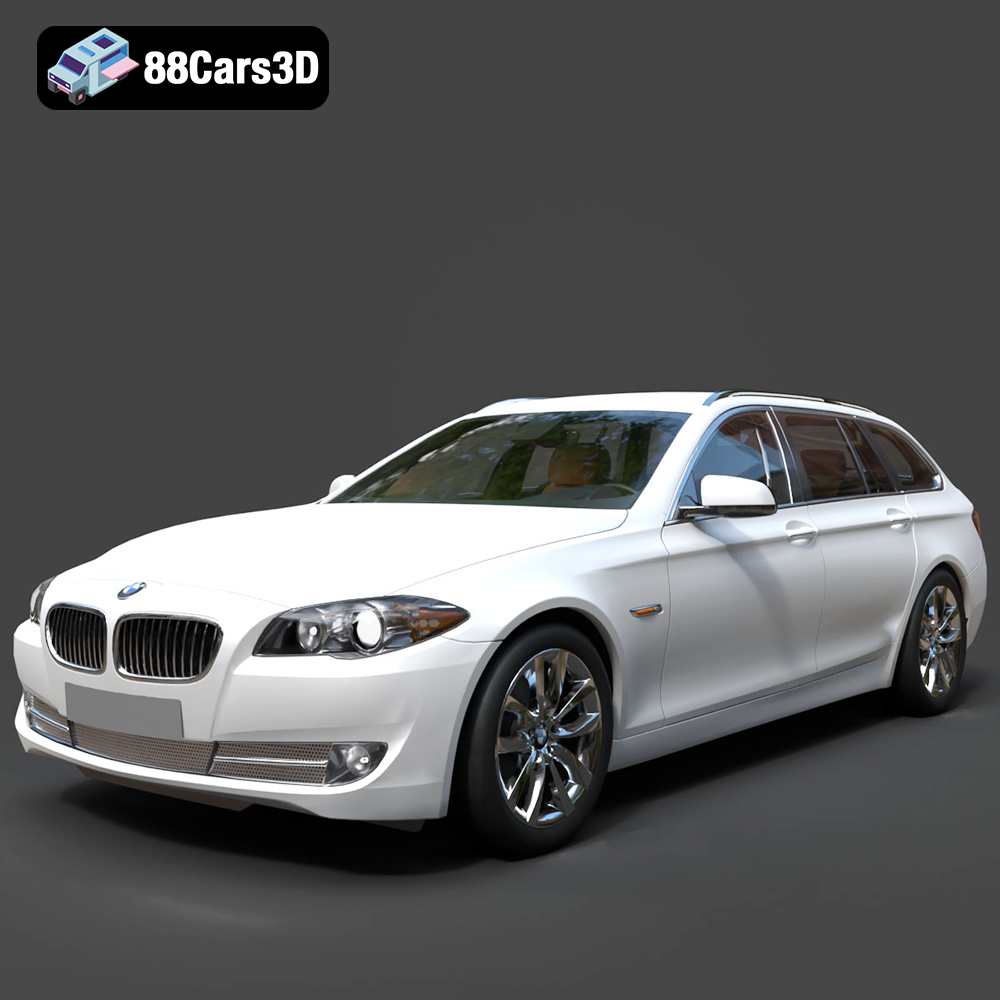
Texture: Yes
Material: Yes
Download the BMW 5 Series Touring F11-007 3D Model featuring a detailed exterior and interior. Includes .blend, .fbx, .obj, .glb, .stl, .ply, .unreal, and .max formats for rendering, simulation, and game development.
Price: $10.79
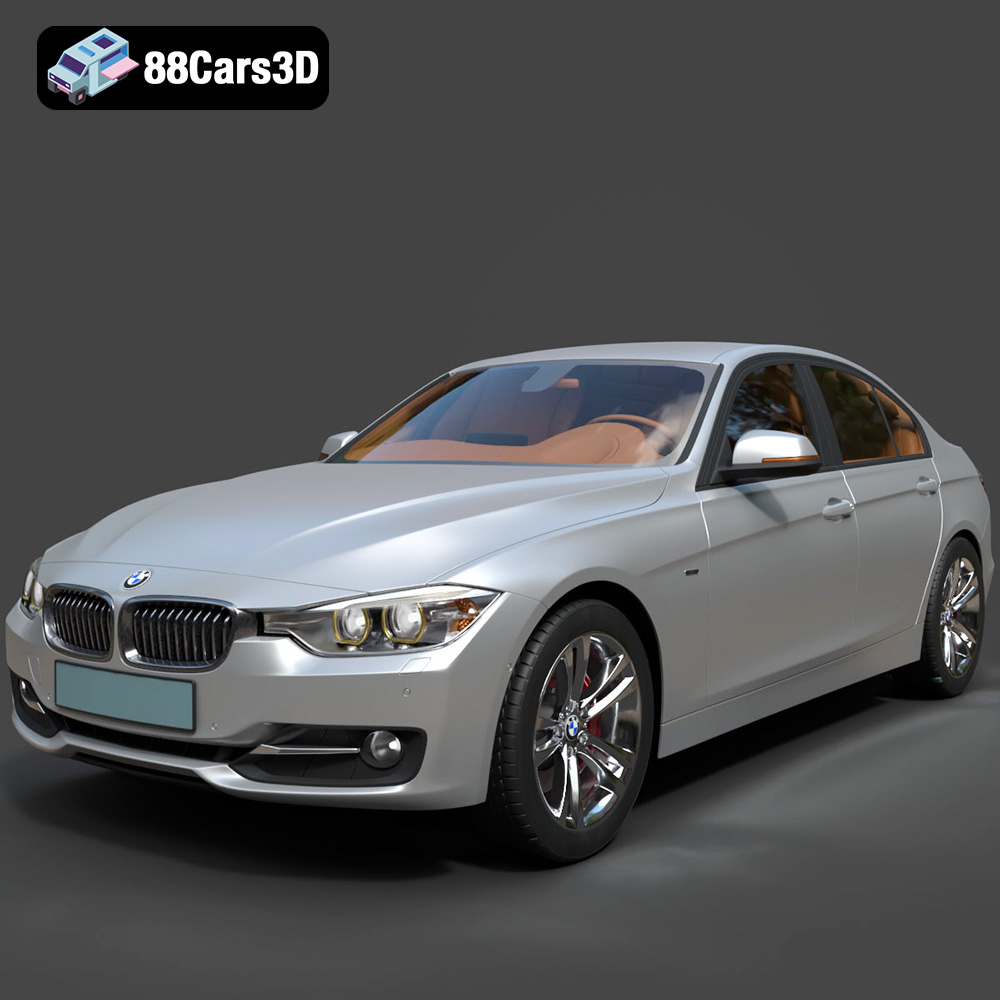
Texture: Yes
Material: Yes
Download the BMW 3 F30 3D Model featuring a detailed exterior, realistic interior, and optimized mesh. Includes .blend, .fbx, .obj, .glb, .stl, .ply, .unreal, and .max formats for rendering, simulation, and game development.
Price: $10.79
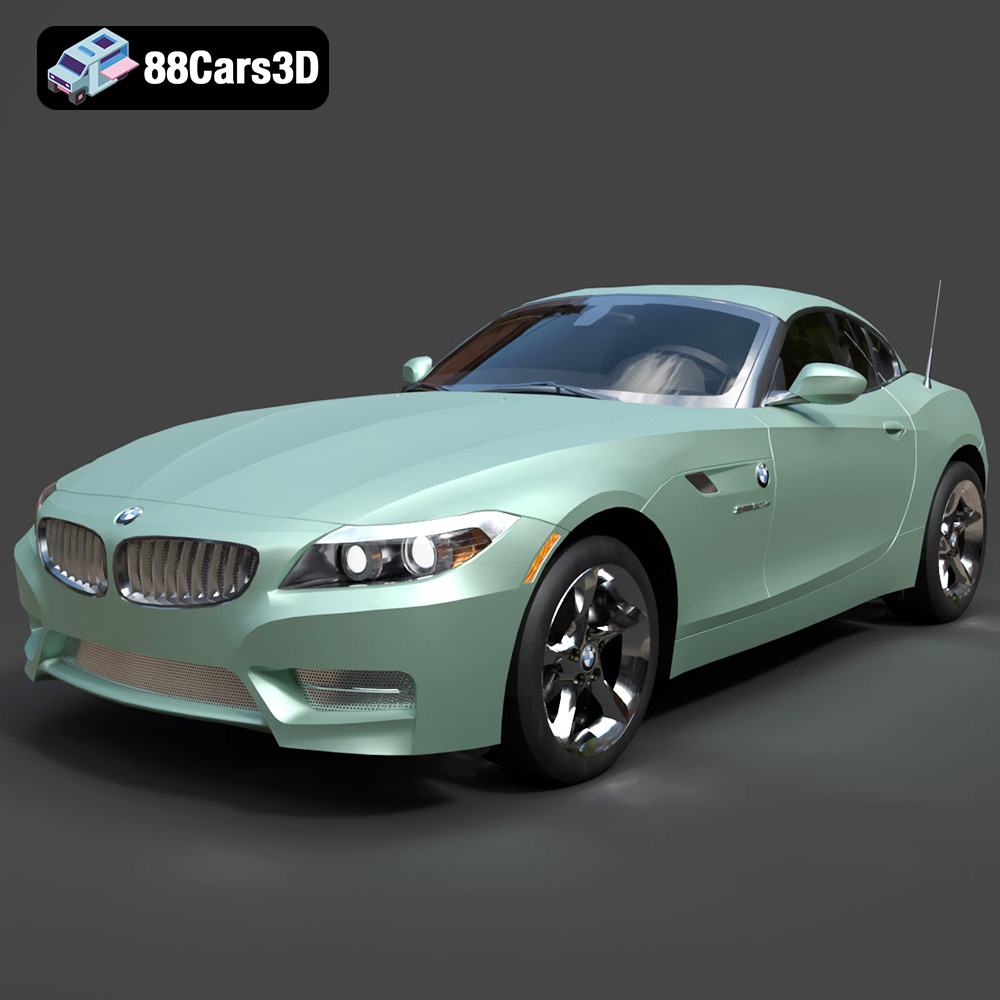
Texture: Yes
Material: Yes
Download the BMW Z4 Roadster E89 3D Model featuring clean geometry, realistic detailing, and a fully modeled interior. Includes .blend, .fbx, .obj, .glb, .stl, .ply, .unreal, and .max formats for rendering, simulation, and game development.
Price: $13.99

Texture: Yes
Material: Yes
Download the BMW Z4 E85 3D Model featuring clean geometry, realistic detailing, and a fully modeled interior. Includes .blend, .fbx, .obj, .glb, .stl, .ply, .unreal, and .max formats for rendering, simulation, and game development.
Price: $13.99

Texture: Yes
Material: Yes
Download the BMW M3 2024 3D Model featuring clean geometry, realistic detailing, and a fully modeled interior. Includes .blend, .fbx, .obj, .glb, .stl, .ply, .unreal, and .max formats for rendering, simulation, and game development.
Price: $13.99
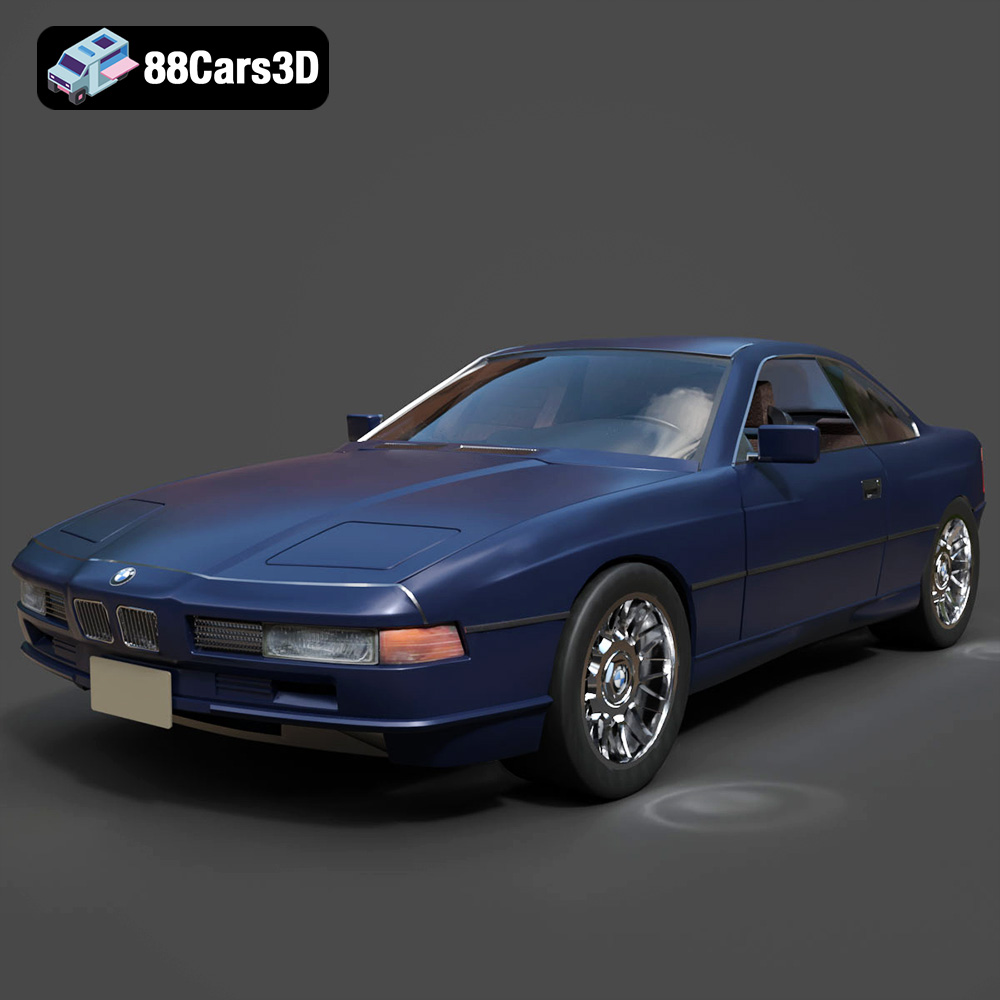
Texture: Yes
Material: Yes
Download the BMW 850i Coupe 1990 3D Model featuring clean geometry, realistic detailing, and a fully modeled interior. Includes .blend, .fbx, .obj, .glb, .stl, .ply, .unreal, and .max formats for rendering, simulation, and game development.
Price: $13.99
Texture: Yes
Material: Yes
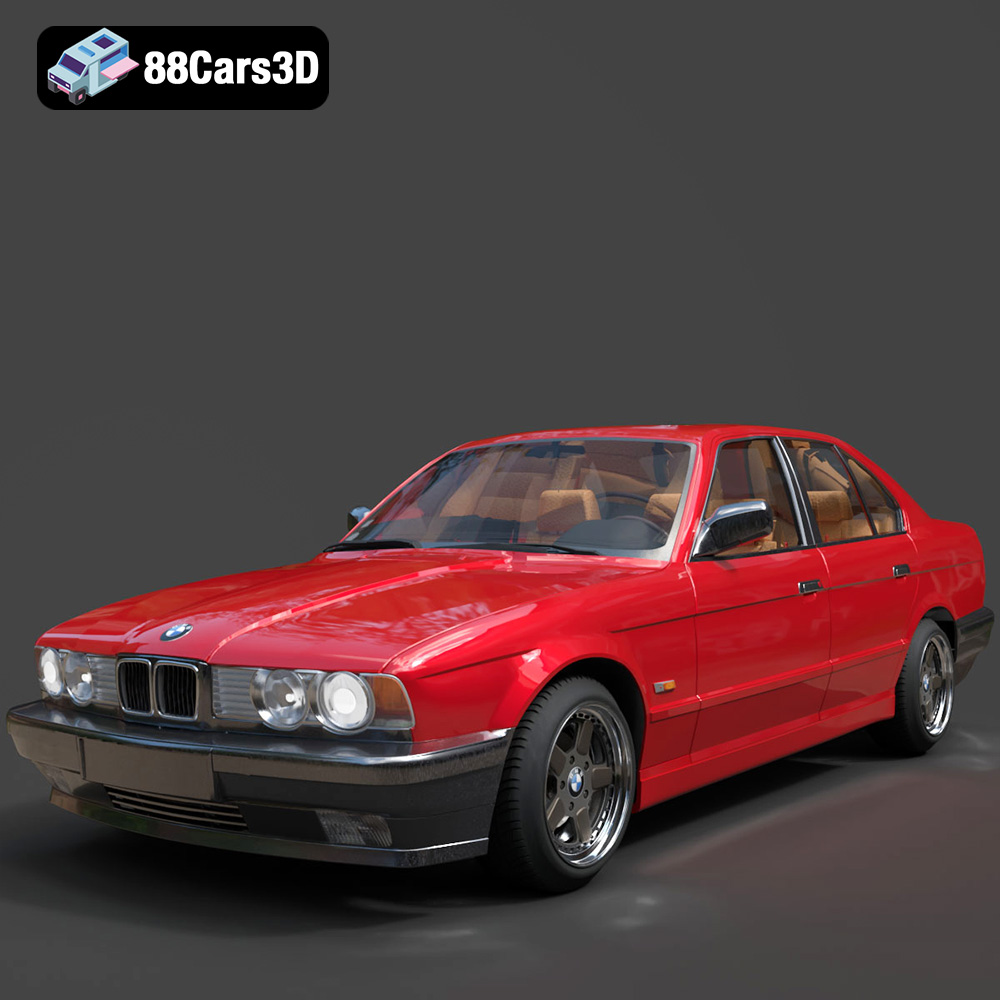
Download the BMW 525i E34 1993 3D Model featuring clean geometry, realistic detailing, and a fully modeled interior. Includes .blend, .fbx, .obj, .glb, .stl, .ply, .unreal, and .max formats for rendering, simulation, and game development.
Price: $12.99

