⚡ FLASH SALE: Get 60% OFF All Premium 3D & STL Models! ⚡

The world of 3D printing has revolutionized how we approach hobbies, prototyping, and even collecting. For automotive enthusiasts and model makers, this technology offers an unprecedented ability to bring cherished vehicles to life in miniature. The quest for detailed, high-fidelity 3D printable car models, often found in STL format on platforms like 88cars3d.com, demands not just the right digital file but also the right 3D printer. Selecting the optimal printer involves a deep dive into the technical specifications that dictate print quality, resolution, and material compatibility. This comprehensive guide will equip you with the knowledge to navigate the landscape of 3D printing technologies and printer features, ensuring your next printable car model project is a resounding success. We’ll explore the crucial parameters that differentiate printers, from resolution and build volume to material capabilities and slicing software integration, helping you make an informed decision that aligns with your desired level of detail and your budget.
The primary decision when choosing a 3D printer for detailed vehicle models often boils down to selecting between Fused Deposition Modeling (FDM) and Stereolithography (SLA) or Digital Light Processing (DLP) – collectively known as resin printing. Each technology has distinct strengths and weaknesses that directly impact the final print quality, especially when replicating the intricate curves and sharp details of automotive designs.
FDM printers build objects layer by layer by extruding melted thermoplastic filament through a heated nozzle. They are renowned for their affordability, wide range of material options (including durable engineering-grade plastics), and larger build volumes, making them excellent for larger-scale models or functional prototypes. However, the inherent nature of FDM printing, where filament is deposited, can lead to visible layer lines, especially on curved surfaces. Achieving the smooth finish and fine details required for high-fidelity car models often necessitates careful calibration, optimal slicing settings, and significant post-processing.
* **Layer Height:** This is arguably the most critical FDM setting for detail. Typical layer heights range from 0.1mm to 0.3mm. For detailed car models, printing at a lower layer height, such as **0.08mm to 0.12mm**, is crucial. This reduces the prominence of layer lines, allowing for smoother curves and finer features like panel gaps, emblems, and trim. However, be aware that lowering layer height significantly increases print time.
* **Nozzle Size:** Standard FDM nozzles are 0.4mm. For increased detail, consider using a smaller nozzle, such as **0.2mm or 0.25mm**. This allows for finer extrusion paths, capturing more intricate details. However, smaller nozzles are more prone to clogging and require slower print speeds.
* **Print Speed:** To achieve better detail and surface finish, FDM prints should be performed at slower speeds. For external perimeters, speeds of **30-50 mm/s** are recommended. Infill speed can be slightly higher, but for high-quality models, keeping overall print speed conservative is key.
* **Material Selection:** While PLA is popular for its ease of printing, materials like PETG offer better layer adhesion and durability. ABS can be smoothed with acetone, but it’s more challenging to print due to warping. For parts requiring extreme detail, consider filaments specifically designed for high-resolution FDM printing.
Resin 3D printers, on the other hand, use a light source (UV laser for SLA, projector for DLP) to cure liquid photopolymer resin layer by layer. This process allows for incredibly high resolution and exceptionally smooth surfaces, making resin printers the preferred choice for miniatures, jewelry, and highly detailed models like those found on 88cars3d.com. The layer lines are virtually invisible, and fine details are reproduced with remarkable fidelity.
* **Resolution:** Resin printers are specified by their XY resolution (the detail captured on the build plate) and Z resolution (layer height). XY resolutions can range from 35 to 100 microns, while layer heights are typically between **0.025mm and 0.1mm**. Lower values translate to finer details and smoother finishes. For intricate car models, a printer with an XY resolution of 40 microns or less and layer heights of 0.05mm or below is ideal.
* **Light Source:** SLA printers use a laser, which offers precise curing but can be slower. DLP printers use a projector, which cures entire layers at once, leading to faster print times for multiple models. Both can achieve excellent detail.
* **Resin Types:** A vast array of resins are available, from standard resins that offer good detail and are cost-effective, to tough resins for durability, flexible resins, and even high-detail resins engineered for capturing microscopic features. For car models, a standard or high-detail resin will typically suffice.
* **Post-Processing:** Resin prints require post-processing, including washing in isopropyl alcohol (IPA) to remove uncured resin and curing under UV light to fully harden the print. This is a critical step for achieving the final surface quality and durability.
The slicer software is the bridge between your STL file and the 3D printer. It translates the 3D model into a series of instructions (G-code) that the printer follows. For detailed vehicle models, mastering slicing parameters is as important as choosing the right printer. Even the best printer will produce suboptimal results with poorly configured slicer settings.
The choice between print quality and print time is a constant balancing act in 3D printing, and it’s particularly relevant for intricate car models. While faster prints are tempting, sacrificing detail for speed is usually not a good strategy when aiming for high-fidelity replicas.
* **Layer Height:** As discussed, lower layer heights (e.g., 0.1mm for FDM, 0.05mm for resin) are paramount for capturing fine details like panel lines, grilles, and emblems. However, each additional layer adds to the total print time. A model with a height of 100mm printed at 0.1mm layer height will have 1000 layers. If you reduce it to 0.05mm, you double the layer count to 2000, significantly extending the print duration.
* **Print Speed:** Similarly, aggressive print speeds can introduce artifacts like ringing (ghosting) or poor layer adhesion, especially on complex geometries. Reducing print speed, particularly for outer walls and detailed features, allows the printer to execute movements more precisely and ensure proper material bonding or curing. A good starting point for detailed FDM prints is to set outer wall speeds to around **30-40 mm/s**. For resin, faster layer cure times can be achieved by slightly increasing the “normal” layer exposure time, but excessively fast times can lead to failed prints or loss of detail.
* **Experimentation:** The optimal balance often requires experimentation. For a particular car model, try printing a small, detailed section at different layer heights and speeds to determine the point where quality degrades noticeably. Then, apply these settings to the full model, understanding the time commitment.
Vehicle models are replete with overhangs, bridges, and delicate features that require support structures to prevent them from collapsing during printing. Generating and removing these supports effectively is an art form in itself.
* **Types of Supports:**
* **FDM:** Common types include standard “tree” supports, “normal” supports, and “touching buildplate” only. For car models, **tree supports** often offer a good balance of support effectiveness and ease of removal, minimizing contact points on the model’s surface. “Touching buildplate” supports are useful for models with a flat underside, but many car models have undercuts that necessitate supports not touching the buildplate.
* **Resin:** Supports are typically much finer and denser, often printed directly from the build plate to the model. The key here is to ensure sufficient “contact points” (the small points where the support touches the model) are strategically placed to bear the weight of overhangs without causing excessive damage during removal.
* **Support Settings in Slicers:**
* **Overhang Angle:** This setting determines which parts of the model will receive support. For car models, you’ll likely want to support anything over a **45-degree overhang**.
* **Support Density:** For FDM, higher density means stronger supports but more difficult removal. For resin, denser supports are usually needed for stability.
* **Support Interface:** This feature in some slicers creates a denser, smoother layer between the support and the model, making removal cleaner. It’s highly recommended for detailed models.
* **Support Placement:** Critical for minimizing surface scarring. Try to direct supports to less visible areas or panel lines where minor marks can be more easily hidden or repaired.
* **Removal Techniques:**
* **FDM:** Once printed, carefully use pliers, hobby knives, or specialized support removal tools. For stubborn supports, a quick blast from a heat gun can sometimes soften the filament.
* **Resin:** After washing and before final curing, the supports are often softer and easier to cut with flush cutters or a hobby knife. Patience is key to avoid damaging the model.
While outer shells and surface quality are paramount for display models, infill plays a role in structural integrity, especially for larger or more complex prints, and can influence print time and material consumption.
* **Infill Density:** For purely display models, a low infill density, often **5-15%**, is usually sufficient. This saves print time and material. However, if the model needs to withstand assembly stress or minor handling, increasing density to **20-25%** might be wise.
* **Infill Patterns:** Different patterns offer varying strengths and print times.
* **Grid/Lines:** Simple and fast but not the strongest.
* **Cubic/Gyroid:** Offer better strength in multiple directions and are often good all-around choices. Gyroid is particularly good for distributing stress.
* **Honeycomb:** Can be good for strength-to-weight ratio.
* For detailed car models, the infill pattern is often less critical than the outer shell quality. However, choosing a pattern that prints relatively quickly and provides adequate support to the inner surfaces of the model is beneficial.
* **Hollow Models (Resin):** Many resin slicers allow you to hollow out models and add drain holes. This drastically reduces print time and material usage for large models while maintaining structural rigidity. Ensure drain holes are strategically placed to allow uncured resin to escape and IPA to enter during washing.
Even with the perfect printer and slicer settings, a miscalibrated machine or a flawed STL file can derail your project. Meticulous preparation and calibration are non-negotiable for achieving professional-quality 3D printable car models.
The first layer is the bedrock of your print. If it’s not right, the rest of the print is compromised. For both FDM and resin printers, proper bed adhesion and a perfect first layer are crucial.
* **FDM Bed Leveling:** This is the process of ensuring the nozzle is equidistant from the print bed across its entire surface.
* **Manual Leveling:** Involves adjusting knobs while moving the nozzle to different points on the bed, typically using a piece of paper as a feeler gauge. Aim for a slight drag on the paper.
* **Automatic Bed Leveling (ABL):** Many printers have ABL probes that measure the bed’s topography and compensate for minor imperfections in the G-code. While convenient, ABL doesn’t replace the need for a generally level bed; it’s a compensation system.
* **First Layer Settings:** In your slicer, you can adjust the “initial layer height” (often slightly thicker, e.g., 0.2mm-0.3mm for an FDM print) and “initial layer speed” (significantly slower, e.g., 15-20 mm/s) to improve adhesion. Ensure your Z-offset is dialed in correctly.
* **Resin Bed Adhesion:** Resin printers rely on the build plate sticking to the vat’s FEP film.
* **Leveling:** Similar to FDM, the build plate needs to be level relative to the vat and screen. Most resin printers have a specific leveling procedure.
* **Rafts and Adhesion Promoters:** Slicers often generate rafts (a flat base) for prints to adhere to. Sometimes, adding extra, small “adhesion cones” or “elephants’ foot” compensation can help prevent prints from detaching mid-print.
* **Exposure Times:** Incorrect “bottom exposure” times are a primary cause of adhesion failures. Too low, and the print won’t stick; too high, and it can be difficult to remove from the build plate and may cause dimensional inaccuracies.
STL files, while ubiquitous, can sometimes contain errors that prevent them from slicing correctly or printing properly. Ensuring your mesh is “watertight” or “manifold” is vital.
* **What is a Manifold Mesh?** A manifold mesh is a continuous, watertight surface without holes, non-manifold edges (edges shared by more than two faces), or inverted normals (faces pointing inward). Think of it like a sealed balloon – no leaks!
* **Common STL Errors:**
* **Holes:** Gaps in the mesh where faces are missing.
* **Non-Manifold Edges:** Edges where three or more faces meet.
* **Floating Vertices/Edges:** Geometry that isn’t connected to the main mesh.
* **Inverted Normals:** Faces that are pointing the wrong way, confusing the slicer about the inside and outside of the model.
* **Repair Tools:**
* **Meshmixer (Free):** A powerful tool for inspecting and repairing STL files. Its “Make Manifold” feature is excellent, and its “Inspector” tool highlights errors.
* **Blender (Free):** Offers advanced mesh editing capabilities. The “3D-Print Toolbox” add-on is invaluable for checking manifold errors and repairing them.
* **Netfabb (Commercial):** Industry-standard software specifically designed for 3D print preparation and repair, offering highly automated and robust repair algorithms.
* **Slicer Repair Functions:** Many modern slicers (like Cura, PrusaSlicer) have built-in basic STL repair functions, but they are often less effective than dedicated software.
* **Working with Models from 88cars3d.com:** Platforms like 88cars3d.com typically provide high-quality, print-ready STL files that have already undergone repair and optimization. However, it’s always good practice to do a quick check in your preferred repair software, especially if you encounter unexpected slicing issues.
Beyond bed leveling, regular calibration ensures your printer performs optimally and produces accurate dimensions and smooth surfaces.
* **E-Step Calibration (FDM):** This calibrates the extruder motor to ensure it’s pushing the correct amount of filament. Incorrect E-steps lead to under-extrusion (weak prints, gaps) or over-extrusion (blobs, poor detail).
* **Flow Rate/Extrusion Multiplier Calibration (FDM):** Fine-tunes the amount of filament extruded per unit length, compensating for filament diameter variations and ensuring precise wall thicknesses.
* **Temperature Towers and Retraction Tests:** These prints help dial in the optimal printing temperature for a specific filament and the correct retraction settings to minimize stringing.
* **Resin Printer Calibration:** Many resin printers have calibration prints (e.g., “Cones of Calibration,” “Rook”) designed to test exposure times and ensure the printer can accurately reproduce fine details without issues like “weld lines” or failed supports.
The final look and feel of your printed car model are heavily influenced by the materials you choose and the care you take in post-processing.
Each material has unique properties that make it suitable for different applications and aesthetic goals.
* **FDM Materials:**
* **PLA (Polylactic Acid):** Easy to print, biodegradable, and comes in many colors. Excellent for beginners and general-purpose models where extreme durability isn’t required. Can be sanded and painted.
* **PETG (Polyethylene Terephthalate Glycol):** More durable and temperature-resistant than PLA, with good layer adhesion. Can be slightly stringier but offers better mechanical properties.
* **ABS (Acrylonitrile Butadiene Styrene):** Strong, durable, and can be chemically smoothed with acetone for a very smooth finish. However, it requires higher temperatures and an enclosed printer to prevent warping.
* **Specialty Filaments:** Wood-filled, metal-filled, or high-detail filaments can offer unique aesthetic qualities but often require specific printer setups and settings.
* **Resin Materials:**
* **Standard Resins:** Offer a good balance of detail, strength, and affordability. Available in various colors, including grays and whites that are excellent for priming and painting.
* **Tough/ABS-Like Resins:** Mimic the properties of ABS, offering higher impact resistance and durability.
* **High-Detail Resins:** Engineered for capturing extremely fine features, ideal for intricate models.
* **Flexible/Rubber-Like Resins:** Can be used for tires or other components requiring flexibility.
This is where raw prints are transformed into polished models.
* **Support Removal:** As detailed earlier, careful and patient removal is paramount.
* **Sanding (FDM & Resin):**
* **FDM:** Start with a coarse grit sandpaper (e.g., 120-220 grit) to remove layer lines and support marks, then progress to finer grits (400, 800, 1000, and even higher) for a smooth finish. Wet sanding can be effective.
* **Resin:** Generally requires less sanding due to inherent smoothness. Focus on removing support nubs and any minor imperfections with fine-grit sandpaper (800+ grit).
* **Filling and Priming:**
* **Fillers:** Use modeling putty, filler primer spray, or even super glue for small gaps or imperfections. Sand smooth after drying.
* **Priming:** A coat of primer (e.g., spray primer) is essential before painting. It reveals imperfections, provides a uniform surface, and helps paint adhere better. Lightly sand after priming for an even smoother base.
* **Painting:**
* **Airbrushing:** Provides the smoothest, most professional finish, especially for car bodies.
* **Brush Painting:** Suitable for smaller details or when an airbrush isn’t available. Use high-quality model paints (acrylics or enamels).
* **Weathering:** Techniques like washes, dry brushing, and applying decals can add realism and character.
* **Assembly:** For multi-part models, use model cement (for FDM prints) or super glue (cyanoacrylate) for both FDM and resin. Ensure good fitment by test-fitting parts before final gluing.
The pursuit of perfectly printed 3D car models is a rewarding journey that blends technical understanding with creative execution. By carefully considering the strengths of FDM and resin printing technologies, mastering the nuances of slicing software, diligently calibrating your printer, preparing your files meticulously, and dedicating time to post-processing, you can achieve truly stunning results. Whether you’re recreating a classic sports car or designing a futuristic concept, the right 3D printer and a well-informed approach will bring your automotive visions to life with incredible detail. Remember that platforms like 88cars3d.com offer a fantastic starting point with their library of high-quality, print-ready STL files, allowing you to focus on the printing and finishing process. Investing time in understanding these technical aspects will not only elevate your current projects but also build a solid foundation for all your future 3D printing endeavors. Happy printing!

Texture: Yes
Material: Yes
Download the BMW 7 Series E38 3D Model featuring its iconic luxury sedan design and classic aesthetics. Includes .blend, .fbx, .obj, .glb, .stl, .ply, .unreal, and .max formats for rendering, simulation, and game development.
Price: $10.79

Texture: Yes
Material: Yes
Download the BMW 6 Series 640i F12 3D Model featuring a sleek design and detailed interior. Includes .blend, .fbx, .obj, .glb, .stl, .ply, .unreal, and .max formats for rendering, simulation, and game development.
Price: $10.79

Texture: Yes
Material: Yes
Download the BMW 6 Coupe E63 3D Model featuring a sleek design, detailed interior, and realistic exterior. Includes .blend, .fbx, .obj, .glb, .stl, .ply, .unreal, and .max formats for rendering, simulation, and game development.
Price: $10.79
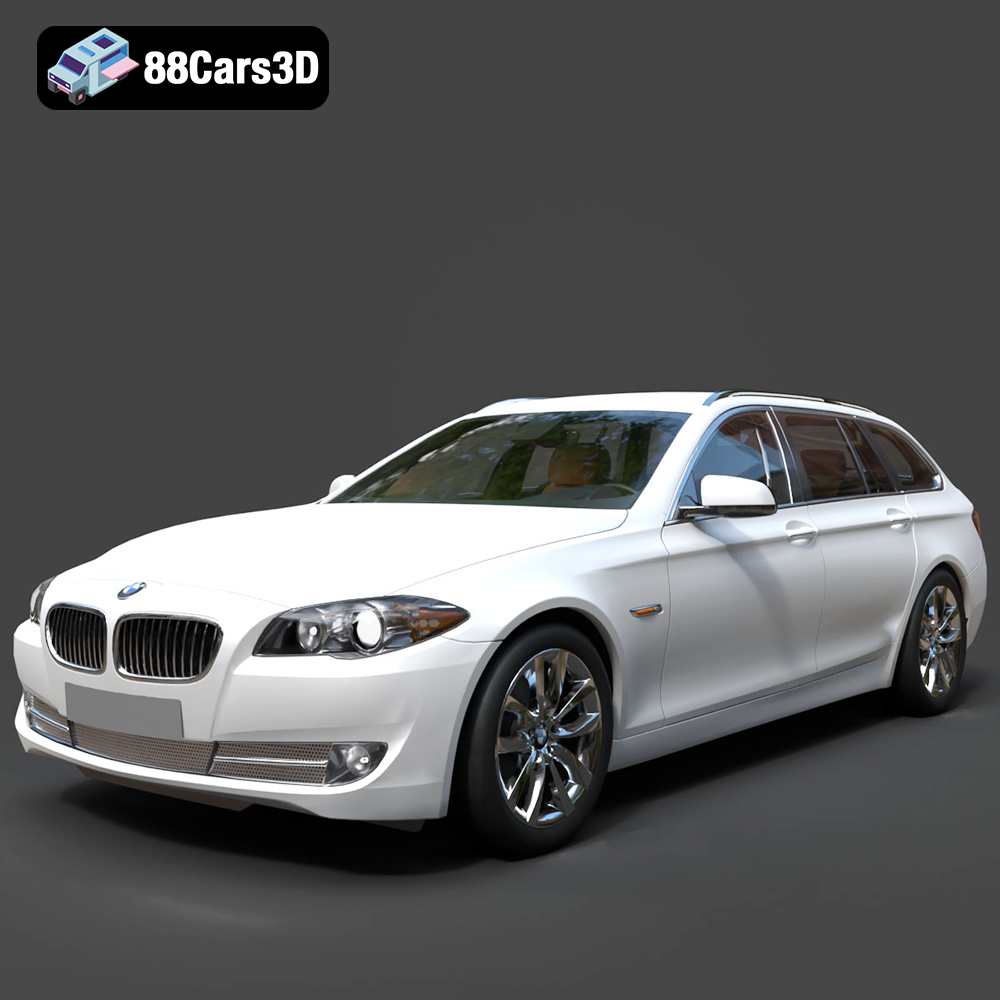
Texture: Yes
Material: Yes
Download the BMW 5 Series Touring F11-007 3D Model featuring a detailed exterior and interior. Includes .blend, .fbx, .obj, .glb, .stl, .ply, .unreal, and .max formats for rendering, simulation, and game development.
Price: $10.79
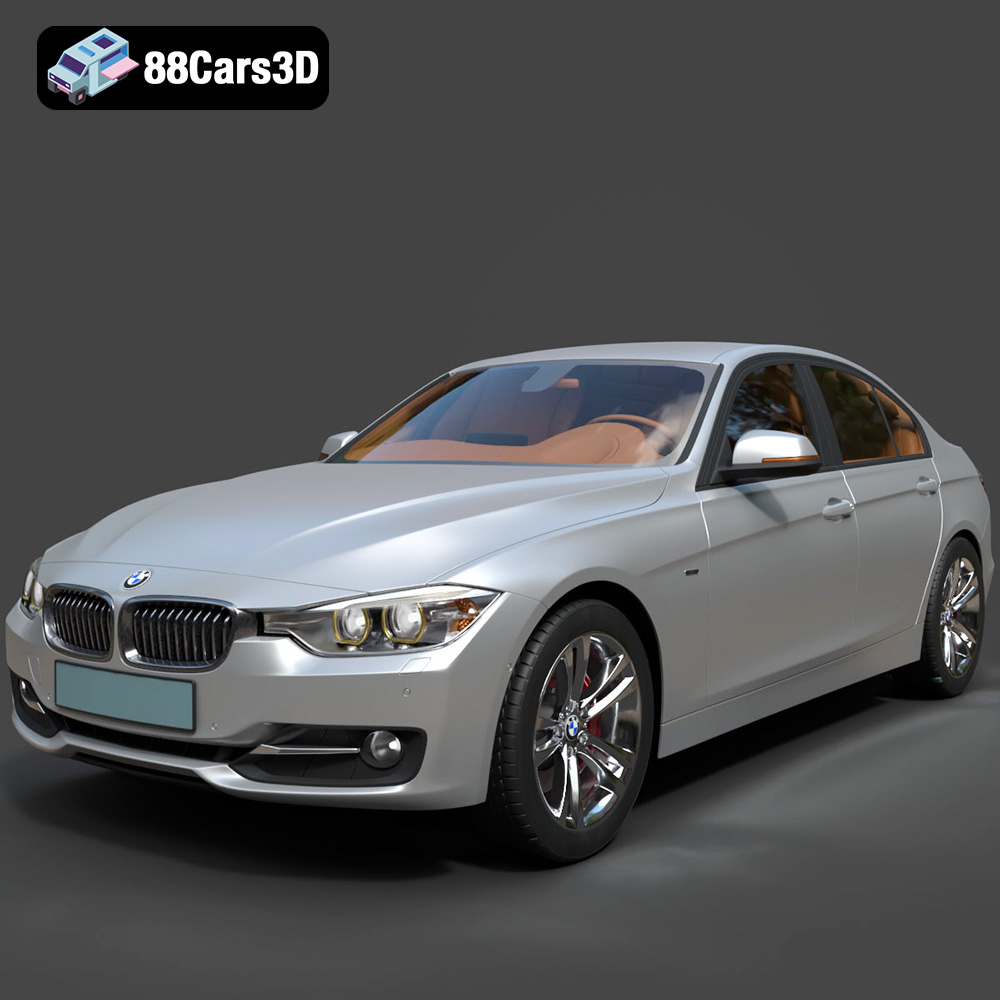
Texture: Yes
Material: Yes
Download the BMW 3 F30 3D Model featuring a detailed exterior, realistic interior, and optimized mesh. Includes .blend, .fbx, .obj, .glb, .stl, .ply, .unreal, and .max formats for rendering, simulation, and game development.
Price: $10.79
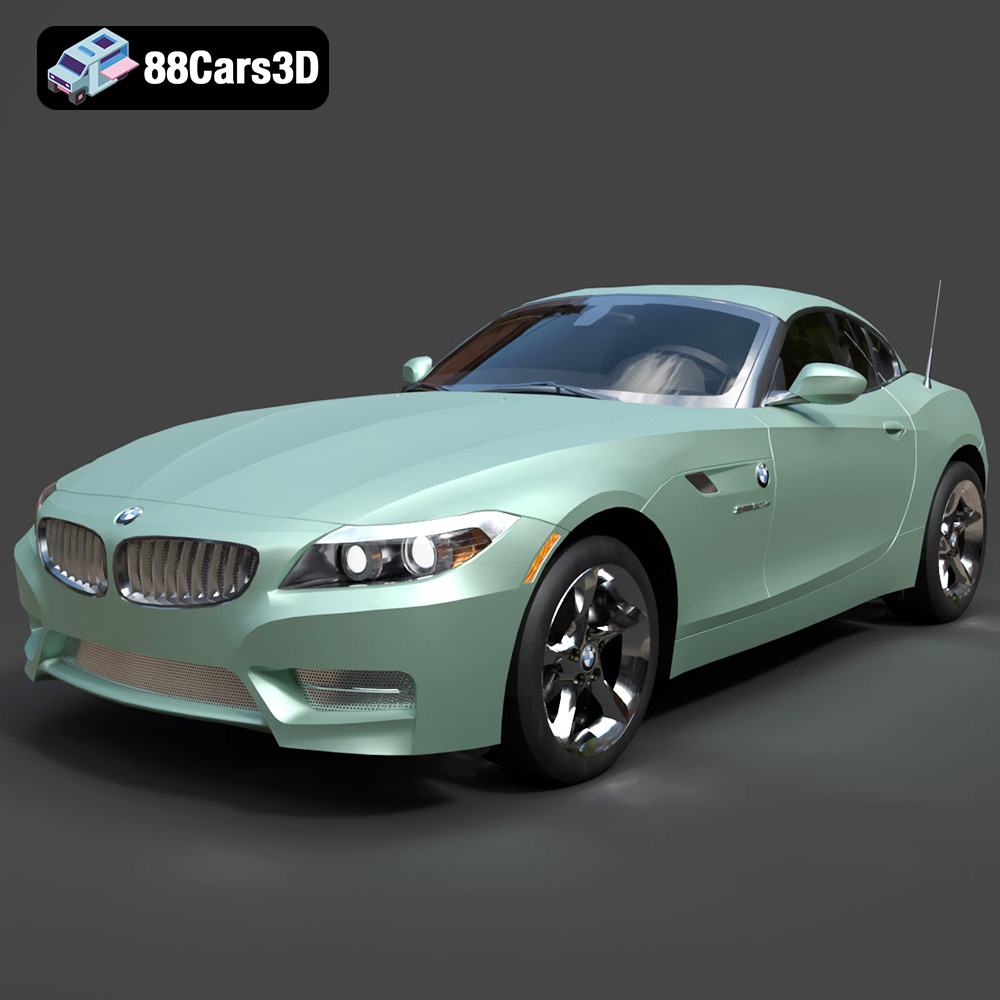
Texture: Yes
Material: Yes
Download the BMW Z4 Roadster E89 3D Model featuring clean geometry, realistic detailing, and a fully modeled interior. Includes .blend, .fbx, .obj, .glb, .stl, .ply, .unreal, and .max formats for rendering, simulation, and game development.
Price: $13.99

Texture: Yes
Material: Yes
Download the BMW Z4 E85 3D Model featuring clean geometry, realistic detailing, and a fully modeled interior. Includes .blend, .fbx, .obj, .glb, .stl, .ply, .unreal, and .max formats for rendering, simulation, and game development.
Price: $13.99

Texture: Yes
Material: Yes
Download the BMW M3 2024 3D Model featuring clean geometry, realistic detailing, and a fully modeled interior. Includes .blend, .fbx, .obj, .glb, .stl, .ply, .unreal, and .max formats for rendering, simulation, and game development.
Price: $13.99
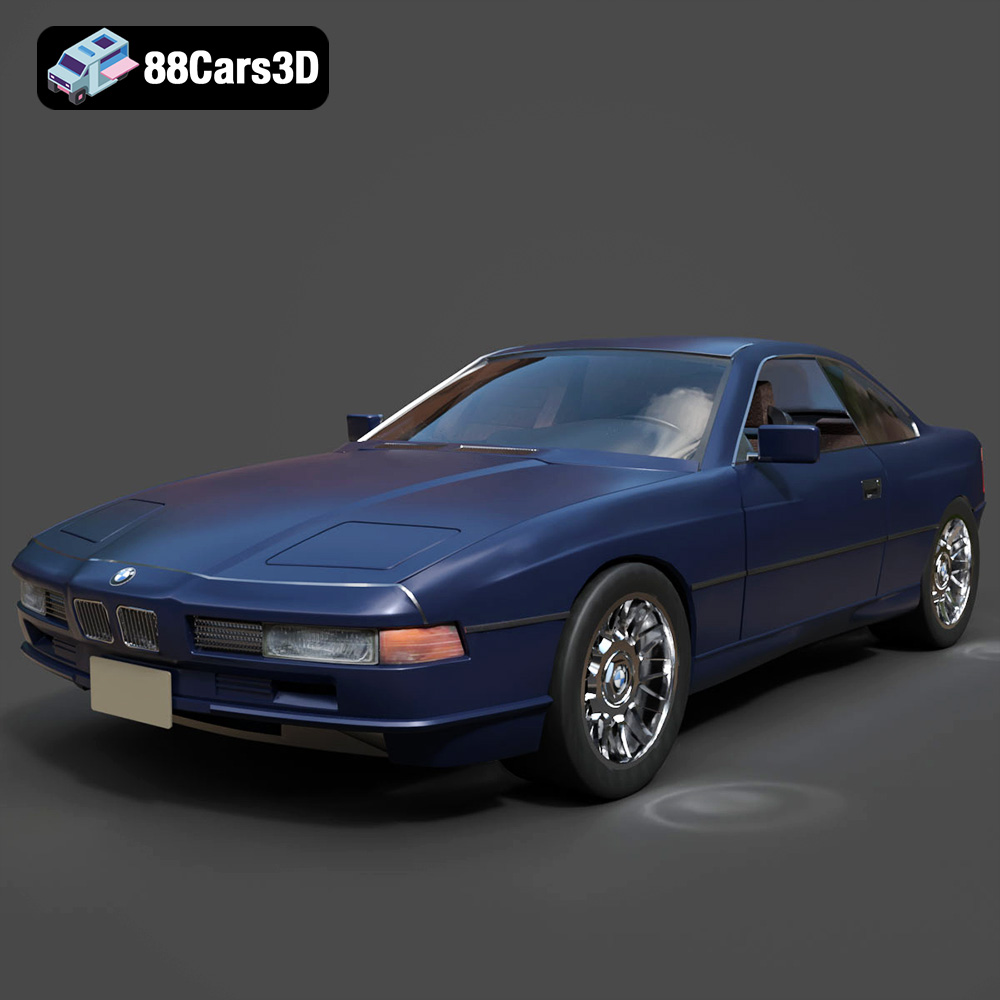
Texture: Yes
Material: Yes
Download the BMW 850i Coupe 1990 3D Model featuring clean geometry, realistic detailing, and a fully modeled interior. Includes .blend, .fbx, .obj, .glb, .stl, .ply, .unreal, and .max formats for rendering, simulation, and game development.
Price: $13.99
Texture: Yes
Material: Yes
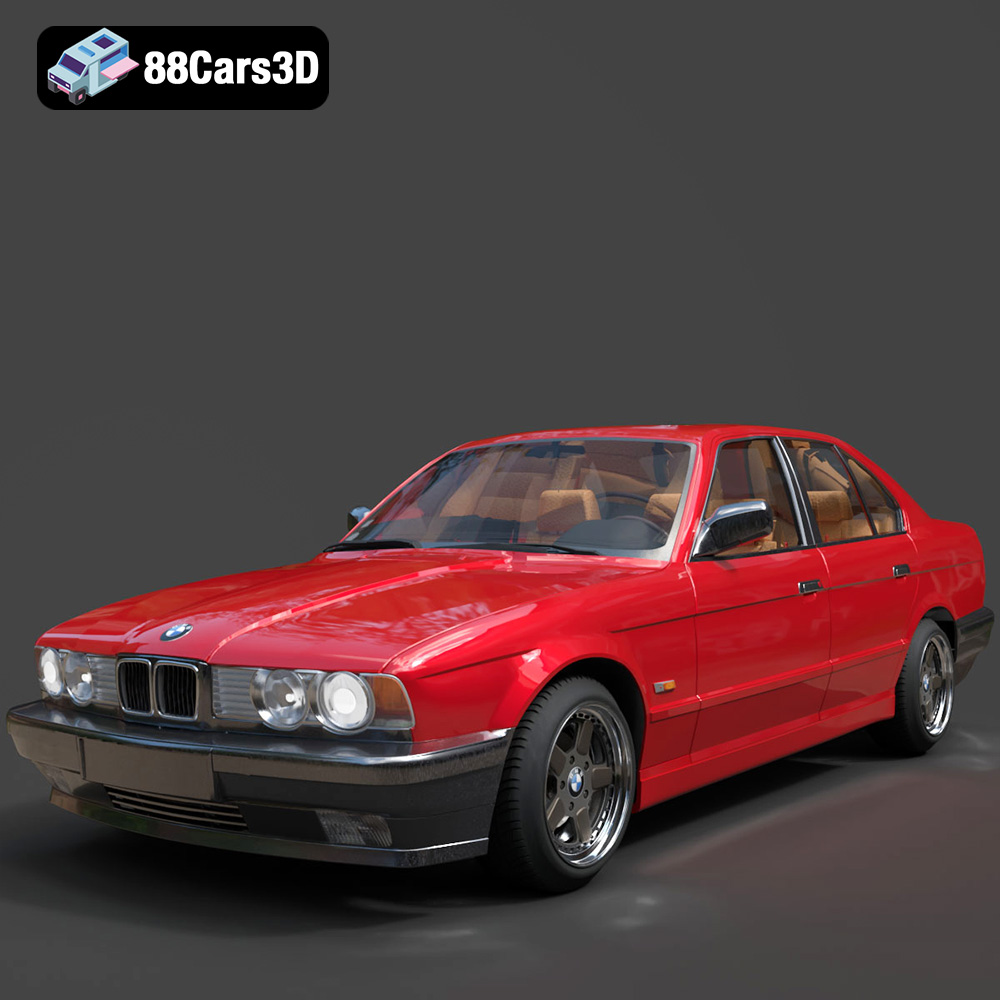
Download the BMW 525i E34 1993 3D Model featuring clean geometry, realistic detailing, and a fully modeled interior. Includes .blend, .fbx, .obj, .glb, .stl, .ply, .unreal, and .max formats for rendering, simulation, and game development.
Price: $12.99

