⚡ FLASH SALE: Get 60% OFF All Premium 3D & STL Models! ⚡

The landscape of real-time rendering and 3D content creation has been irrevocably transformed by Unreal Engine 5, and at the heart of this revolution lies Nanite. For professionals in automotive visualization, game development, and architectural rendering, Nanite represents a monumental leap forward, eliminating long-standing polygon budget constraints and ushering in an era of truly cinematic fidelity in real-time. Gone are the days of painstakingly optimizing meshes, meticulously crafting LODs, and compromising on visual detail. With Nanite, artists and developers can now work with source art assets composed of millions, or even billions, of polygons, rendering them seamlessly and efficiently in Unreal Engine 5.
This deep dive will explore how Nanite virtualized geometry is revolutionizing workflows for high-fidelity 3D car models, from initial import and material setup to advanced lighting and interactive experiences. We’ll cover the technical underpinnings, practical implementation strategies, and professional tips to leverage Nanite’s power to create stunning, photorealistic automotive projects. Whether you’re building a cutting-edge car configurator, developing an immersive racing game, or crafting a virtual production scene, understanding and mastering Nanite is crucial. We’ll also highlight how marketplaces like 88cars3d.com are providing the high-quality, Nanite-ready 3D car models necessary to truly push the boundaries of real-time automotive visualization.
For decades, 3D artists and game developers have grappled with the relentless challenge of polygon budgets. Every model, every environment prop, had to be carefully optimized to meet performance targets, often leading to compromises in visual fidelity. This was particularly true for complex assets like 3D car models, where intricate details such as interior components, engine bays, and complex aerodynamic curves demanded high polygon counts that were traditionally difficult to manage in real-time. Nanite shatters these constraints by fundamentally changing how geometry is processed and rendered. It’s not just an optimization; it’s a completely new rendering architecture that handles vast amounts of geometric detail with exceptional efficiency.
Nanite achieves this by intelligently processing and streaming only the geometric detail that is necessary for each frame and pixel. Instead of drawing every single polygon of a high-resolution mesh, Nanite converts meshes into a proprietary internal format, composed of a hierarchical mesh of tiny, compressed triangles. During rendering, it then dynamically streams and renders only the necessary clusters of triangles at an optimal level of detail, based on camera distance, screen size, and other factors. This virtualized geometry system means that artists can import film-quality assets directly into Unreal Engine 5 without worrying about polygon count, draw calls, or manual LOD generation. This freedom allows for an unprecedented level of detail, making every rivet, every seam, and every surface imperfection on a 3D car model visible and impactful without crippling performance.
Historically, handling high-polygon assets involved a tedious and time-consuming process of decimation, baking normal maps, and manually creating multiple Levels of Detail (LODs). Each LOD group would then incur additional draw calls, and switching between them at runtime could sometimes introduce visual pops. Memory consumption for textures and meshes was a constant battle, especially for intricate models like realistic vehicles. A complex car model might require dozens of textures and millions of polygons, each contributing to a performance bottleneck.
Nanite effectively bypasses these issues. By rendering geometry at a pixel-level fidelity, it eliminates the need for manual LODs for Nanite-enabled meshes. The system automatically handles the LOD for you, streaming only what’s visible and necessary. This significantly reduces draw calls as well, since Nanite groups geometry into highly optimized clusters that are rendered with a single draw call. Memory footprint for geometry is also dramatically improved because only the visible parts of the mesh are loaded into memory, rather than the entire highest-resolution model. This frees artists to focus on artistic quality rather than technical constraints, directly translating into more realistic and immersive automotive visualizations.
For 3D artists, Nanite ushers in a creative liberation. Instead of spending hours retopologizing high-resolution sculpts or CAD data for real-time engines, artists can now import their raw, unoptimized models directly. This means that a car model with millions of polygons, perhaps derived from CAD data or high-end sculpting software, can be brought into Unreal Engine 5 with minimal fuss. The focus shifts from polygon optimization to delivering the highest possible visual quality.
This new workflow empowers artists to preserve intricate details that were previously lost or faked with normal maps. Think of the subtle curvature of a car’s body panel, the detailed stitching on interior upholstery, or the complex geometry of an engine block – all can now be rendered with their full geometric fidelity. This also makes the pipeline from design to visualization much smoother. Automotive designers can bring their highly detailed prototypes directly into Unreal Engine 5 for real-time review, significantly accelerating the design iteration process. This direct path from high-fidelity source assets to real-time rendering is a game-changer for the entire 3D content creation industry.
Bringing your exquisitely detailed 3D car models into Unreal Engine 5 and making them Nanite-enabled is a straightforward process, but understanding the nuances ensures optimal performance and visual quality. The fundamental principle is to treat your source models as “film-quality” assets, retaining all their geometric detail. This is where high-quality asset providers, such as 88cars3d.com, truly shine, offering meticulously crafted car models that are perfect candidates for Nanite integration due to their inherent high polygon counts and clean topology, often coming with separate parts for ease of modification.
When acquiring assets, ensure they are in a compatible format like FBX or USD. FBX is widely supported and robust for transferring meshes, materials, and rigging data. USD (Universal Scene Description) is gaining traction as an industry standard for its ability to compose complex scenes and transfer rich data between applications, making it increasingly relevant for high-fidelity automotive pipelines. Regardless of the format, the goal is to import your meshes with as much detail as possible, letting Nanite handle the heavy lifting.
Before importing your assets, it’s crucial to ensure your Unreal Engine 5 project is configured correctly for Nanite.
1. Enable Nanite: Nanite is enabled by default in new Unreal Engine 5 projects. However, if you’re working with an older project or have modified settings, ensure it’s active. You can check this in Project Settings > Rendering > Nanite. The “Enable Nanite” checkbox should be ticked.
2. Supported Platforms: Nanite currently runs on DirectX 12 for Windows (with Shader Model 6), PlayStation 5, Xbox Series S|X, and high-end Vulkan-enabled PCs. Ensure your target platform supports Nanite for optimal results.
3. Scalability Settings: For development, set your Engine Scalability Settings (found in the main editor toolbar) to “Epic” or “Cinematic” to ensure you’re seeing Nanite’s full potential.
Once your project is ready, you’re set to bring in your automotive masterpieces. It’s a simple checkbox during import or in the Static Mesh Editor that transforms your high-poly asset into a Nanite-ready object, optimizing it for real-time rendering without sacrificing any geometric detail. For more detailed information on Nanite setup and best practices, refer to the official Unreal Engine documentation at https://dev.epicgames.com/community/unreal-engine/learning.
The process of importing a 3D car model into Unreal Engine 5 is similar to traditional workflows, but with a critical difference for Nanite:
1. Import Your Model: Drag and drop your FBX or USD file directly into the Content Browser, or use the “Import” button.
2. Import Options:
* Meshes: Crucially, in the Import Options dialog, make sure “Build Nanite” is enabled for your static meshes. This checkbox tells Unreal Engine to process the mesh for Nanite. If you forget this during import, you can always enable Nanite on a Static Mesh later by opening the Static Mesh Editor and checking “Enable Nanite” in the “Nanite Settings” section.
* Materials and Textures: If your FBX contains embedded materials, Unreal Engine can attempt to import them. However, for best results, you will typically want to apply PBR materials created directly within Unreal Engine, which we’ll cover in the next section.
* Scale: Always double-check your import scale. Car models need to be accurately scaled for realistic physics and interaction within your scene. A common pitfall is incorrect scale causing issues with lighting and physics.
3. Verify Nanite: Once imported, open the Static Mesh Editor for your car model. In the “Nanite Settings” panel, you should see “Enabled” set to true and statistics about the Nanite representation (like memory footprint). You can also visualize Nanite meshes in the viewport using the “View Modes” dropdown (Alt+8) and selecting “Nanite Visualization.” This allows you to inspect the clusters and proxy geometry Nanite generates.
For a complex asset like a car, it’s often beneficial to import it as separate components (body, wheels, interior, chassis) if the source asset is structured that way. This allows for more modularity, easier material assignment, and potentially better culling performance, as parts not visible to the camera (e.g., inside the engine bay if the hood is closed) can be more efficiently culled by Nanite.
While Nanite handles geometry with incredible efficiency, the visual quality of your 3D car models ultimately relies heavily on high-quality Physical Based Rendering (PBR) materials and textures. Nanite doesn’t directly influence how materials are rendered, but it *enables* you to pair high-fidelity geometry with equally high-fidelity materials, creating an unparalleled level of realism. The goal is to craft materials that accurately simulate how light interacts with various surfaces on a car, from the glossy reflective paintwork to the matte plastic interior, the rubber tires, and the metallic engine components.
The Unreal Engine Material Editor is a powerful node-based system that allows you to construct complex PBR materials using various inputs like Albedo (Base Color), Normal Maps, Metallic, Roughness, and Ambient Occlusion. For automotive visualization, precision in these parameters is paramount. You’ll often be working with multiple Material IDs or material slots on your imported car model, each requiring a tailored PBR setup to accurately represent different parts of the vehicle. Sourcing high-resolution, tileable PBR texture sets or custom-painted textures is key here. Platforms like 88cars3d.com often provide models with pre-assigned material slots, simplifying the process of applying your custom PBR shaders.
Understanding the core PBR channels is crucial for achieving photorealistic automotive materials:
* Base Color (Albedo): This is the fundamental color of the surface, stripped of any lighting information. For car paint, this would be the pure hue of the paint. For rubber, it would be a dark gray.
* Metallic: A binary or grayscale value indicating whether a material is metallic (1) or dielectric (0). Car paints are dielectric with a clear coat, while chrome trim or engine parts are metallic.
* Roughness: Controls the microscopic surface irregularities that scatter light. A value of 0 is perfectly smooth (like polished chrome or glass), while 1 is completely rough (like matte plastic or dirty rubber). This is critical for differentiating between glossy car paint, brushed metal, and textured plastics.
* Normal Map: Provides fine surface detail without adding actual geometry. While Nanite gives you ample geometric detail, normal maps are still essential for micro-surface imperfections, brushed metal scratches, or subtle textile weaves on interior fabrics.
* Ambient Occlusion (AO): Simulates contact shadows where surfaces are close together, adding depth and realism.
* Emissive: For headlights, tail lights, or dashboard displays that emit their own light.
* Opacity: For transparent elements like glass or headlights, typically used with a Blend Mode like “Masked” or “Translucent.”
Crafting car paint in Unreal Engine is an art in itself, often involving complex material graphs to simulate clear coat layers, flake effects, and subtle imperfections. This typically involves layering different material functions or using advanced shaders that mimic multi-layered paint finishes.
Even with Nanite handling geometry, materials can still be a performance bottleneck if not managed correctly. Here are some strategies:
* Material Instances: Always use Material Instances. Create a master material with exposed parameters (e.g., color, roughness, flake intensity) and then create instances for each variation of car paint, interior trim, or tire material. This saves compilation time and memory.
* Texture Resolutions: While Nanite allows high-poly geometry, texture memory is still finite. Use appropriate texture resolutions (e.g., 4096×4096 for main body panels, 2048×2048 for wheels/interior, 1024×1024 for less visible parts). Utilize Unreal Engine’s texture streaming system, which automatically loads textures at optimal resolutions based on screen size and distance.
* Texture Compression: Use appropriate compression settings for your textures (e.g., BC7 for high-quality diffuse, BC5 for normal maps).
* Texture Atlases: For smaller, repeated details (like bolts or decals), consider creating texture atlases to reduce draw calls and memory.
* Material Layering: For complex surfaces like car paint with dirt or scratches, explore Unreal Engine’s Material Layering system. This allows you to stack materials non-destructively, creating highly detailed surfaces with efficient shader compilation. This can be found in the Unreal Engine documentation as “Material Layers.”
By meticulously crafting your PBR materials and optimizing their implementation, you ensure that the visual fidelity offered by Nanite is fully realized, making your 3D car models truly indistinguishable from reality in a real-time environment.
The true power of Nanite for automotive visualization is fully unleashed when paired with Unreal Engine 5’s revolutionary real-time global illumination system, Lumen. Together, these technologies create an environment where photorealistic lighting, reflections, and shadows dynamically react to every geometric detail of your Nanite-enabled 3D car models. Lumen provides convincing indirect lighting and intricate reflections, essential for rendering the complex interplay of light on a car’s metallic, reflective, and often curved surfaces.
Traditional real-time lighting often relied on baked lightmaps, pre-computed lighting, or simplified screen-space techniques, all of which had limitations in terms of dynamism and fidelity. Lumen, however, computes global illumination and reflections dynamically, bouncing light around the scene in real-time. This means that if you open a car door, the interior lighting subtly changes; if a car drives into a shadow, the environment responds accurately. This level of dynamic realism is critical for interactive automotive configurators, virtual showrooms, and virtual production scenarios where real-time adaptability is paramount. The synergy between Nanite’s geometric detail and Lumen’s lighting fidelity creates an immersive experience that was previously unattainable outside of offline renderers.
Lumen works by using a software ray tracing technique to gather global illumination and reflections. For Nanite meshes, Lumen’s system efficiently samples the incredibly detailed geometry, ensuring that every nuance of the car’s shape contributes to the light bouncing and reflection calculations. This results in:
* Accurate Indirect Lighting: Light bounces from the road onto the car’s underside, or from the car’s body onto the interior. This subtle indirect light dramatically enhances realism, especially in enclosed spaces or areas with complex occlusions.
* Realistic Reflections: Car paint and chrome surfaces are highly reflective. Lumen provides high-quality diffuse and specular reflections for both distant objects (like the sky or environment) and nearby geometry (like other cars or the ground plane). The accuracy of these reflections on Nanite’s high-detail surfaces is crucial for conveying material properties and scale.
* Dynamic Scenarios: Change the time of day, swap out an environment, or drive the car through different lighting conditions – Lumen instantly updates the global illumination and reflections, making for truly interactive and realistic scenarios. This is invaluable for showcasing a car in various contexts.
To ensure Lumen is fully utilized with your Nanite assets, simply enable it in your project settings (Project Settings > Rendering > Global Illumination > Lumen and Reflections > Lumen). Ensure your scene uses a Sky Light and that your meshes are correctly lit by static or dynamic lights.
Beyond Lumen, several other lighting techniques can enhance the realism of your 3D car models:
* HDRI Backdrops: High Dynamic Range Image (HDRI) environments are indispensable for automotive visualization. They provide both realistic background imagery and accurate, rich lighting information from real-world locations. Using a Sky Light with an HDRI cube map is the quickest way to get beautiful, physically accurate lighting and reflections on your car.
* Area Lights: For specific lighting effects, like studio setups or artificial reflections, use rectangular or sphere lights. These simulate real-world light sources and provide softer, more natural shadows than point or spot lights.
* Ray Tracing (Optional): While Lumen is the primary GI solution, for extremely high-end cinematics or specific scenarios, hardware-accelerated ray tracing can be enabled for even more precise reflections, shadows, and ambient occlusion, especially beneficial for transparent car parts like glass and headlights. Be aware that hardware ray tracing is more performance intensive than Lumen’s software solutions.
* Light Functions: Use light functions on spot or directional lights to project patterns, like realistic headlight beams or shadows from grilles, adding another layer of detail.
* Volumetric Fog: Subtle use of volumetric fog can add atmosphere and depth to your scenes, especially important for exterior shots where light interacts with air particles.
By combining the geometric power of Nanite with the dynamic lighting capabilities of Lumen and a thoughtful application of supplementary lighting techniques, you can achieve automotive visualizations in Unreal Engine 5 that are virtually indistinguishable from reality.
While Nanite effectively resolves geometric performance bottlenecks, it’s crucial to understand that it doesn’t solve *all* performance challenges. A well-optimized Unreal Engine 5 project for automotive visualization still requires careful consideration of material complexity, texture usage, overdraw, and CPU overhead for gameplay logic. For interactive experiences like car configurators or immersive AR/VR applications, ensuring smooth framerates means addressing these additional factors alongside Nanite’s benefits. The goal is to maximize visual fidelity while maintaining a responsive and fluid user experience.
Nanite’s efficiency means you can afford higher-quality assets elsewhere in your scene, but judicious resource management remains a best practice. When working with complex 3D car models from sources like 88cars3d.com, which are designed for high fidelity, it’s particularly important to ensure that the surrounding environment and interactive elements are also optimized. This holistic approach guarantees that your automotive projects perform exceptionally, whether they’re running on a powerful PC for virtual production or a mobile device for AR.
Although Nanite largely eliminates the need for manual LODs for Nanite-enabled static meshes, there are scenarios where traditional LODs or non-Nanite meshes are still relevant:
* Skeletal Meshes: Nanite currently does not support skeletal meshes (animated characters, dynamically deformable parts). For these, traditional LODs are still required for performance. If your car has animated wipers, deformable suspension, or dynamic soft-body parts, these will need manual LODs.
* Small, Non-Critical Objects: For very small or distant static meshes that won’t benefit significantly from Nanite’s detail (e.g., tiny screws on the underside of a car, small environmental debris), it might be more efficient to leave Nanite disabled and use traditional static mesh LODs. This can slightly reduce Nanite’s processing overhead for trivial geometry.
* Non-Supported Features: Meshes requiring specific rendering features not yet supported by Nanite (e.g., tessellation, decals projected onto Nanite meshes with specific settings, vertex painting for blending materials in certain ways) might need to be non-Nanite.
* AR/VR for Mobile/Standalone: While Nanite helps tremendously, performance on resource-constrained mobile AR/VR devices can still be challenging. In some cases, a slightly simplified non-Nanite mesh with traditional LODs for distant objects or environments might be necessary to hit target framerates on lower-end hardware, though this is becoming less common as mobile hardware improves and Nanite support expands.
Always profile your scene using Unreal Engine’s built-in profilers (e.g., Stat Unit, Stat GPU, Stat Nanite) to identify bottlenecks. This will help you decide where to focus your optimization efforts.
Nanite’s ability to handle high-detail geometry makes it ideal for interactive car configurators. Users can zoom in close to examine every detail of a car model, swap out different wheel types, change paint colors, or customize interior trims, all in real-time and with incredible visual fidelity. Blueprint Visual Scripting is Unreal Engine’s powerful and intuitive way to create these interactive experiences without writing a single line of code.
Here’s how Blueprint can leverage Nanite-enabled car models:
* Part Swapping: Create Blueprint logic to swap out static mesh components (e.g., different wheel designs, spoilers, bumper variations). Since these are Nanite meshes, the high detail is maintained regardless of which part is selected.
* Material Customization: Use Blueprint to dynamically change material instance parameters, allowing users to select paint colors, adjust roughness for different finishes, or switch out interior fabric patterns.
* Dynamic Animation: Animate doors opening/closing, hood lifts, or seat adjustments using Sequencer or simple Blueprint timelines, enhancing the configurator’s realism.
* UI Integration: Connect UI widgets (buttons, sliders, dropdowns) to your Blueprint logic, allowing users to easily control customizations.
* Camera Control: Implement smooth camera transitions and orbiting logic to let users explore the car from every angle.
The combination of Nanite’s visual fidelity and Blueprint’s interactive capabilities makes it possible to create highly engaging and realistic automotive configurators that run efficiently in real-time.
Automotive AR/VR experiences demand exceptionally high performance to prevent motion sickness and ensure immersion. Nanite is a significant step forward, allowing high-fidelity car models to be rendered without traditional geometry limitations. However, AR/VR still introduces unique challenges:
* High Framerates: VR typically requires 90 FPS or higher per eye, and AR demands stable framerates to maintain tracking. Even with Nanite, other rendering costs (Lumen, post-processing, complex shaders) can quickly consume performance.
* Stereoscopic Rendering: Rendering two views (one for each eye) doubles the GPU workload for many passes.
* Overdraw: Complex transparency, excessive particle effects, or layers of overlapping geometry can lead to high pixel shader costs. Optimize translucent materials and reduce complex alpha-tested geometry where possible.
* Lumen Performance in VR: Lumen can be demanding in VR. Consider its impact carefully and optimize its settings, or explore baking indirect lighting for static environments if dynamic GI isn’t strictly necessary for parts of your scene.
* Texture Optimization: Even with Nanite, texture memory can be a bottleneck. Ensure textures are optimally compressed and sized.
* Mobile AR/VR: For standalone headsets (Quest 2/3) or mobile AR (iOS/Android), performance is even more constrained. Here, while Nanite is beneficial for geometry, aggressive optimization of materials, lighting, and post-processing is paramount. You might need to disable Lumen and rely on simpler lighting models or baked solutions for mobile platforms.
By strategically leveraging Nanite for geometric detail while meticulously optimizing other aspects of your scene, you can deliver breathtakingly realistic and performant automotive AR/VR experiences, pushing the boundaries of interactive vehicle exploration.
Beyond interactive experiences, Nanite’s ability to render complex geometric detail in real-time has profound implications for virtual production and cinematic storytelling in the automotive sector. Imagine crafting photorealistic car commercials, short films, or dynamic product showcases entirely within Unreal Engine 5, with unprecedented visual quality and iterative speed. Nanite, combined with features like Sequencer, virtual cameras, and LED volume integration, empowers creators to achieve film-quality results in a real-time workflow, blurring the lines between pre-rendered and real-time content.
This convergence of high fidelity and real-time performance revolutionizes the traditional automotive content pipeline. No longer do studios need to wait hours or days for renders of complex car models; they can now visualize and iterate on their scenes in real-time, making creative decisions on the fly. This agility is a game-changer for production timelines and creative freedom, allowing directors and cinematographers to experiment with camera angles, lighting, and vehicle animations directly within the engine, all while seeing the final-pixel fidelity of Nanite-enabled car models.
Virtual production, particularly with LED volumes, is rapidly transforming filmmaking. High-fidelity 3D car models are central to many virtual production sets, whether as hero vehicles in a scene or as background elements. Nanite is a critical enabler here:
* In-Camera VFX: With Nanite, high-polygon car models can be rendered in real-time on LED screens, serving as dynamic backgrounds or interactive elements that seamlessly blend with physical sets and actors. The virtual car looks just as detailed on screen as it would in an offline render, providing convincing reflections and perspective shifts as the physical camera moves.
* Real-Time Compositing: Nanite makes it easier to achieve realistic in-camera compositing, as the virtual car’s detailed geometry interacts authentically with the scene’s lighting and physical elements.
* Pre-visualization (Pre-vis): Directors and cinematographers can use Nanite-enabled car models for highly accurate pre-visualization of shots, allowing them to block out scenes, experiment with camera moves, and iterate on lighting much faster than traditional methods.
* Photorealistic Digital Doubles: For shots where a physical car isn’t available or practical, a Nanite-enabled digital double can stand in, offering the same level of visual detail as the real thing, without the performance overhead of traditional high-poly assets.
For these workflows, ensuring consistent color management, proper scale, and realistic material response on LED walls is crucial. Unreal Engine’s nDisplay system facilitates rendering to multiple screens and handles distortion correction for LED volumes.
Unreal Engine’s Sequencer is a powerful non-linear cinematic editor that allows you to create high-quality cinematics, animations, and product showcases. When combined with Nanite-enabled 3D car models, Sequencer unlocks a new level of visual richness for automotive content.
* High-Fidelity Animations: Animate your Nanite car models with precise keyframe controls for vehicle movement, door openings, camera movements, and lighting changes. Every detail, from the intricate wheel spokes to the subtle contours of the body, will be rendered with full geometric accuracy in your cinematic.
* Camera Control and Effects: Utilize Sequencer’s comprehensive camera system, including cinematic cameras, camera rigs, and realistic depth of field, motion blur, and lens flares to achieve professional-grade cinematography. Nanite ensures that even with extreme close-ups and shallow depth of field, the underlying geometry of your car remains pristine.
* Lighting Keyframing: Animate Lumen’s lighting parameters, move light sources, or change HDRI environments over time to create dramatic lighting shifts and mood changes within your cinematic.
* Render to Video or Image Sequences: Sequencer allows you to render your cinematic directly to high-quality video files or image sequences (e.g., EXR, PNG), ready for post-production or final delivery. The fidelity provided by Nanite means that these real-time renders can often match or exceed the quality of traditional offline renders, but in a fraction of the time.
* Niagara for Effects: Integrate Niagara particle systems for effects like smoke from tires, exhaust fumes, or dust kicked up by wheels, adding dynamic realism to your car cinematics.
By embracing Nanite within your virtual production and cinematic workflows, you gain the creative freedom to produce stunning automotive content with unparalleled efficiency and visual fidelity, making every frame count.
Unreal Engine 5’s Nanite virtualized geometry is not merely an incremental improvement; it’s a fundamental shift in how 3D artists and developers approach high-fidelity content creation. For the automotive industry, this means an end to the painstaking compromises between visual detail and real-time performance. High-polygon 3D car models, once the exclusive domain of offline renderers, can now be brought directly into real-time environments, retaining every intricate detail and rendering with incredible efficiency.
From seamless integration of complex CAD data to crafting interactive configurators with Blueprint, illuminating scenes with Lumen’s dynamic global illumination, and producing cinematic content with Sequencer, Nanite empowers creators to push the boundaries of realism. It frees artists from technical constraints, allowing them to focus purely on artistic vision and delivering breathtaking visual experiences. The future of automotive visualization is one of uncompromised fidelity, dynamic interactivity, and accelerated production workflows.
To truly capitalize on this revolution, having access to high-quality, Nanite-ready 3D car models is essential. Platforms like 88cars3d.com offer meticulously crafted automotive assets designed for Unreal Engine, providing the perfect foundation for your next-generation projects. Dive into Unreal Engine 5, embrace Nanite, and unlock a new era of photorealistic automotive experiences. The power to create without limits is now in your hands.

Texture: Yes
Material: Yes
Download the BMW 7 Series E38 3D Model featuring its iconic luxury sedan design and classic aesthetics. Includes .blend, .fbx, .obj, .glb, .stl, .ply, .unreal, and .max formats for rendering, simulation, and game development.
Price: $10.79

Texture: Yes
Material: Yes
Download the BMW 6 Series 640i F12 3D Model featuring a sleek design and detailed interior. Includes .blend, .fbx, .obj, .glb, .stl, .ply, .unreal, and .max formats for rendering, simulation, and game development.
Price: $10.79
Texture: Yes
Material: Yes
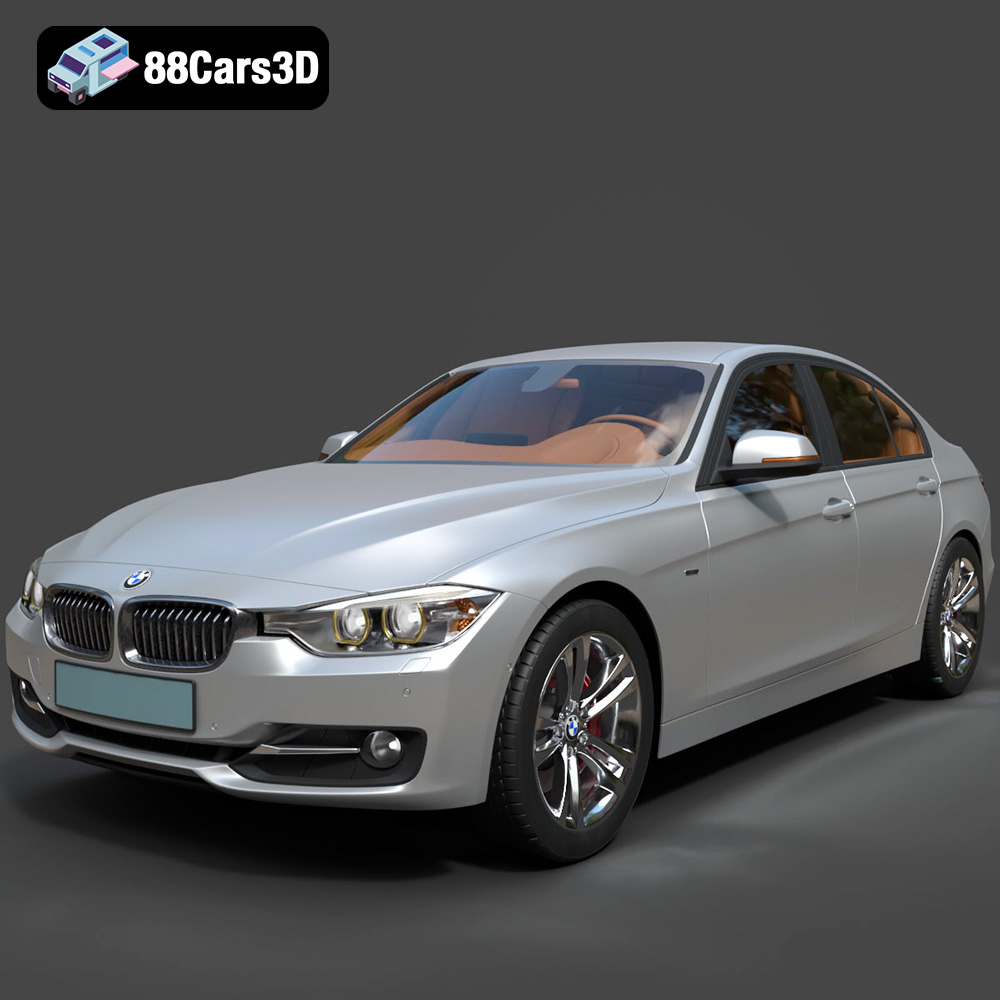
Download the BMW 3 F30 3D Model featuring a detailed exterior, realistic interior, and optimized mesh. Includes .blend, .fbx, .obj, .glb, .stl, .ply, .unreal, and .max formats for rendering, simulation, and game development.
Price: $10.79
Texture: Yes
Material: Yes
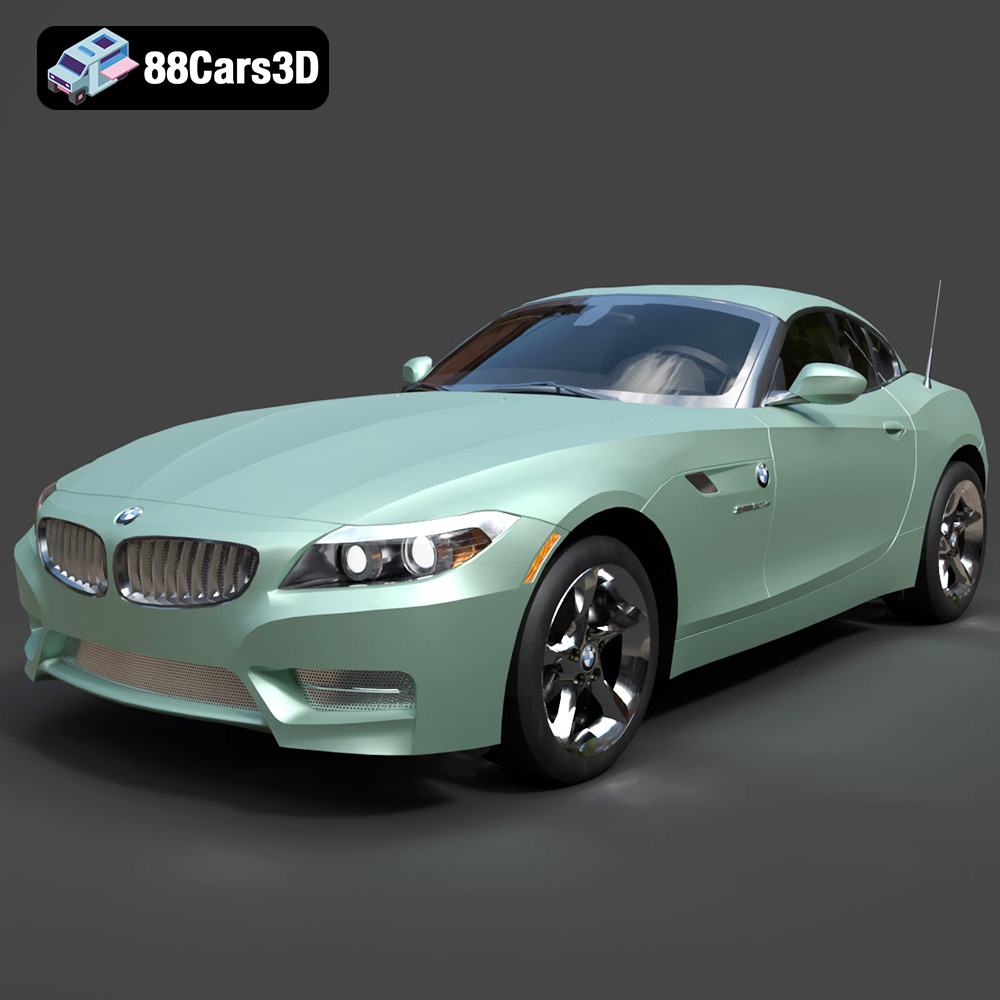
Download the BMW Z4 Roadster E89 3D Model featuring clean geometry, realistic detailing, and a fully modeled interior. Includes .blend, .fbx, .obj, .glb, .stl, .ply, .unreal, and .max formats for rendering, simulation, and game development.
Price: $13.99

Texture: Yes
Material: Yes
Download the BMW Z4 E85 3D Model featuring clean geometry, realistic detailing, and a fully modeled interior. Includes .blend, .fbx, .obj, .glb, .stl, .ply, .unreal, and .max formats for rendering, simulation, and game development.
Price: $13.99

Texture: Yes
Material: Yes
Download the BMW M3 2024 3D Model featuring clean geometry, realistic detailing, and a fully modeled interior. Includes .blend, .fbx, .obj, .glb, .stl, .ply, .unreal, and .max formats for rendering, simulation, and game development.
Price: $13.99
Texture: Yes
Material: Yes
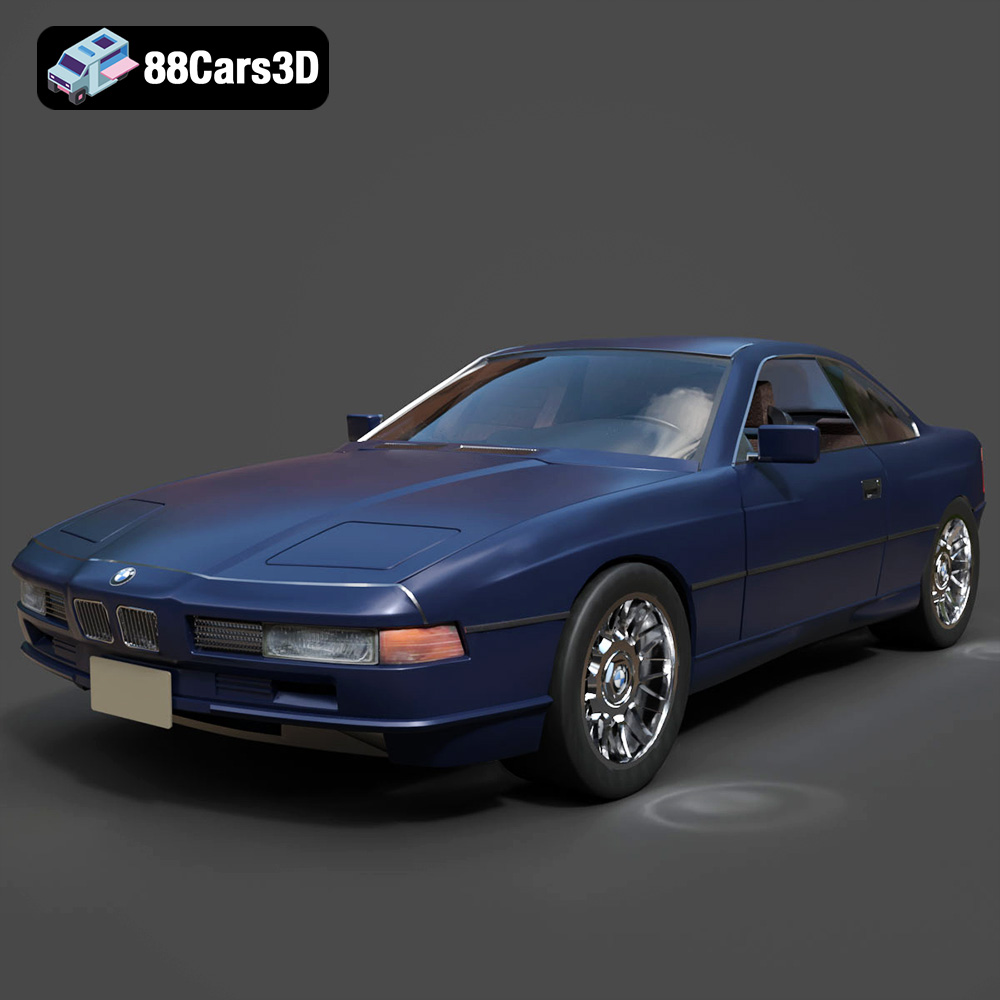
Download the BMW 850i Coupe 1990 3D Model featuring clean geometry, realistic detailing, and a fully modeled interior. Includes .blend, .fbx, .obj, .glb, .stl, .ply, .unreal, and .max formats for rendering, simulation, and game development.
Price: $13.99
Texture: Yes
Material: Yes
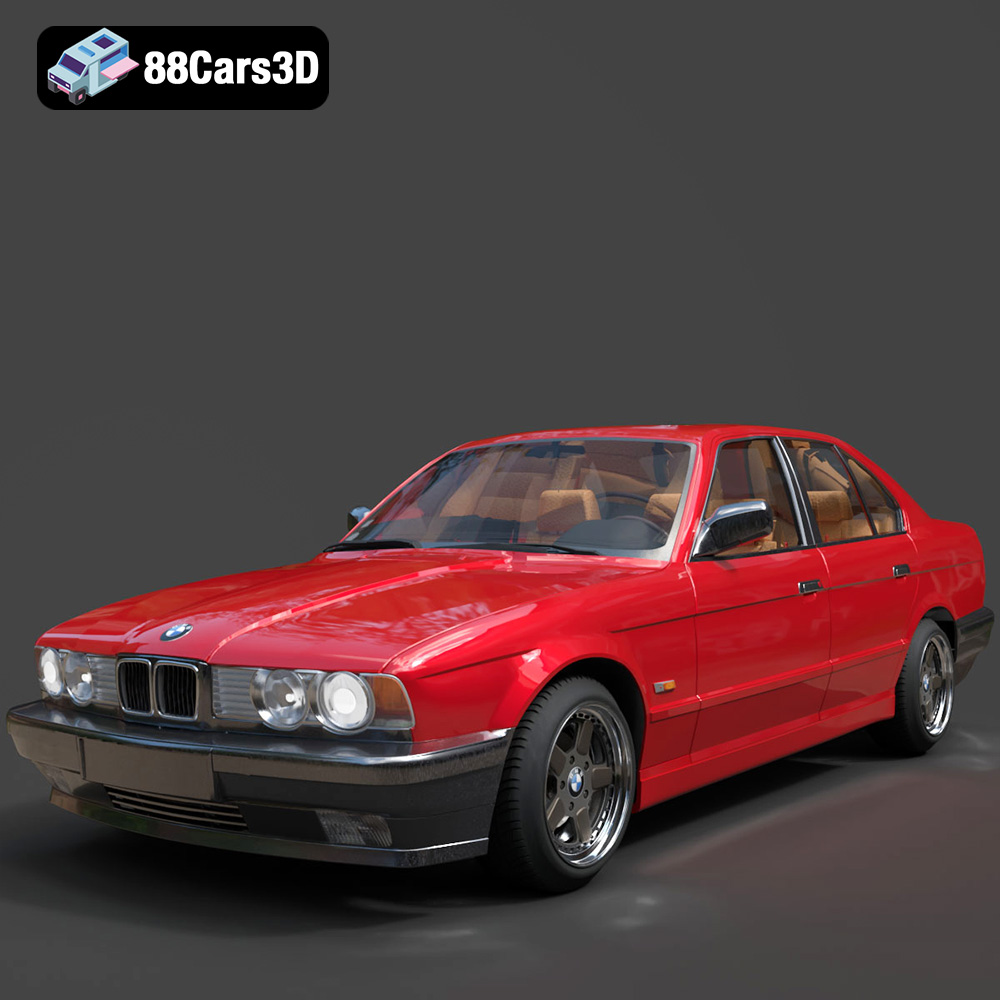
Download the BMW 525i E34 1993 3D Model featuring clean geometry, realistic detailing, and a fully modeled interior. Includes .blend, .fbx, .obj, .glb, .stl, .ply, .unreal, and .max formats for rendering, simulation, and game development.
Price: $12.99

Texture: Yes
Material: Yes
Download the BMW 7 Series 2016 3D Model featuring luxurious design, detailed interior, and accurate exterior. Includes .blend, .fbx, .obj, .glb, .stl, .ply, .unreal, and .max formats for rendering, simulation, and game development.
Price: $10.79
Texture: Yes
Material: Yes
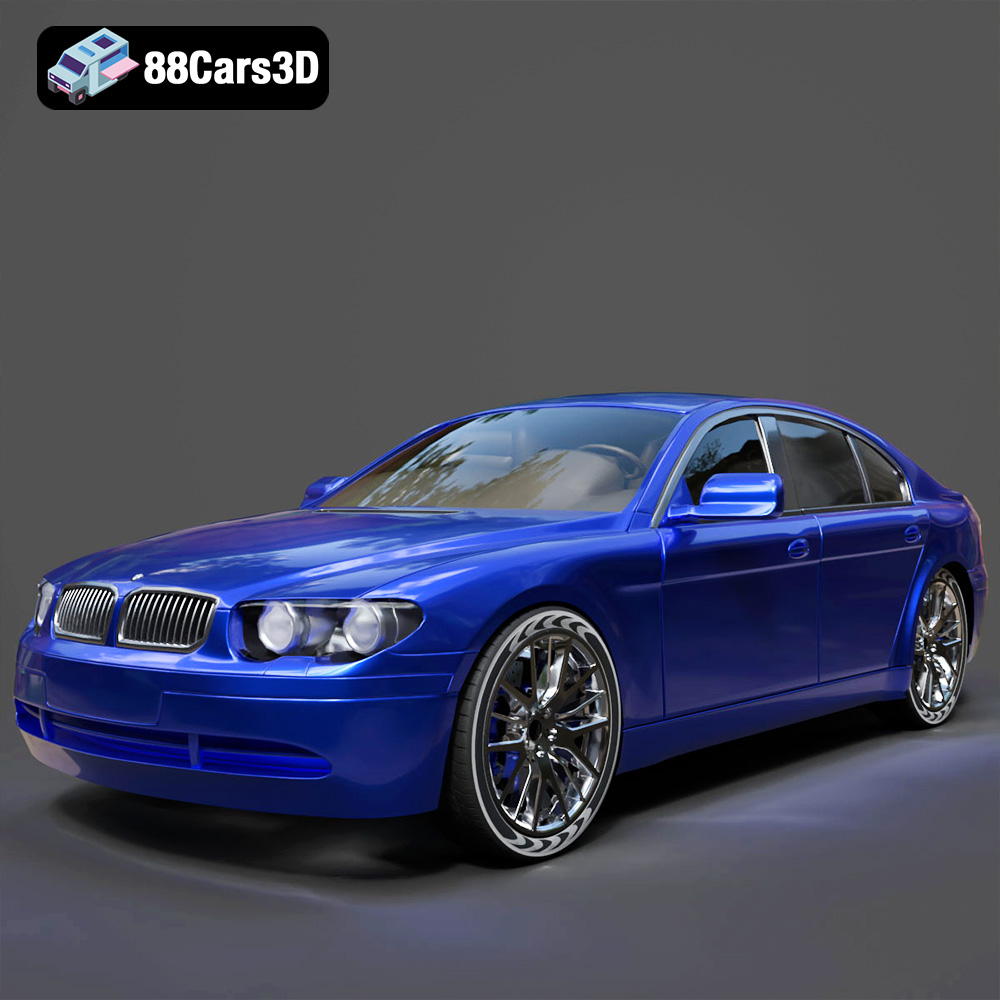
Download the BMW 7 Series 30th Anniversary 3D Model featuring a meticulously crafted exterior, detailed interior, and realistic wheels. Includes .blend, .fbx, .obj, .glb, .stl, .ply, .unreal, and .max formats for rendering, simulation, and game development.
Price: $35.79

