⚡ FLASH SALE: Get 60% OFF All Premium 3D & STL Models! ⚡

“`html
The world of 3D printing has revolutionized hobbies and professional prototyping, and few areas showcase this more vividly than the creation of intricate automotive models. Imagine holding a perfectly scaled replica of a classic muscle car or a cutting-edge hypercar, meticulously detailed right down to the smallest panel gaps and interior features. This level of realism is now within reach for enthusiasts and makers thanks to the proliferation of high-quality printable car models in STL files. However, transforming a digital design into a tangible, impressive model requires more than just hitting ‘print’. This guide will walk you through the comprehensive process, from understanding the foundational STL file structure to advanced slicing and printing techniques for both FDM and resin 3D printers. We’ll cover everything from preparing your files and selecting the right materials to mastering support structures and achieving a flawless finish. Whether you’re a seasoned maker or just starting your 3D printing journey, by the end of this article, you’ll have the knowledge to produce stunningly realistic 3D printed car models.
At the heart of every 3D printable model lies the STL (STereoLithography) file format. Developed by 3D Systems, STL is the de facto standard for sending 3D design data to 3D printers. It represents a 3D object’s surface geometry as a collection of triangular facets. Unlike formats like OBJ or FBX which can store color, texture, and material information, STL is purely geometric, describing only the shape. This simplicity makes it universally compatible but also means that the quality of the underlying mesh is paramount for successful printing.
An STL file defines a 3D surface by a list of triangular facets. Each facet is described by three vertices (points in 3D space) and a normal vector. The normal vector is crucial; it points outwards from the surface and dictates which side of the triangle is the ‘outside’ of the object. A correctly oriented normal ensures that the slicer software can properly interpret the model’s volume. For automotive models, which often feature complex curves and sharp edges, the density and arrangement of these triangles significantly impact the final print quality. A mesh with too few triangles might result in blocky, faceted surfaces, especially on curved body panels. Conversely, an overly dense mesh can lead to excessively large file sizes, making them difficult to handle and potentially introducing processing issues in slicers.
One of the most common issues encountered when 3D printing is a non-manifold or “leaky” mesh. A manifold mesh is essentially a watertight surface that can contain a volume – think of it like a solid object that wouldn’t leak if filled with water. Non-manifold geometry includes issues like holes, coincident faces (two faces occupying the same space), internal faces, or edges shared by more than two faces. Slicer software needs a watertight model to accurately calculate how to fill the object with material (infill) and generate toolpaths. Platforms like 88cars3d.com meticulously ensure that their downloadable STL files for car models are watertight and manifold, saving users countless hours of repair work. However, if you’re working with custom models or files from less curated sources, using mesh repair software is often a necessary step. Tools like Meshmixer, Blender, or Autodesk Netfabb offer robust features to automatically or semi-automatically detect and fix these errors, ensuring your model is print-ready.
The slicer is the critical bridge between your 3D model (the STL file) and your 3D printer. It takes the geometric data and slices it into hundreds or thousands of horizontal layers, generating the G-code instructions that control the printer’s movements, extrusion, and temperature. The settings you choose in your slicer have a profound impact on print quality, strength, print time, and the amount of support material required. For intricate printable car models, careful slicing is essential to capture fine details like grilles, badges, and interior components.
Layer height is arguably the most impactful setting for visual quality. It refers to the thickness of each individual layer deposited by the printer. For FDM printers, common layer heights range from 0.1mm to 0.3mm. A smaller layer height (e.g., 0.1mm or 0.12mm) will produce smoother surfaces with less visible “stair-stepping” on curved or angled features, resulting in a more realistic finish. However, printing at lower layer heights significantly increases print time as the printer must lay down many more layers to complete the object. For highly detailed automotive models, a layer height of 0.1mm is often recommended for the main body, while less critical parts might be printed at 0.15mm or 0.2mm to save time. Resin printers typically offer much finer layer heights, often down to 0.025mm or 0.05mm, providing an inherent advantage in capturing microscopic details.
Infill refers to the internal structure printed inside the outer walls of a model. For decorative car models, high infill percentages are usually unnecessary. An infill density of 10-20% is often sufficient to provide structural support for the outer shells and prevent infill lines from showing through thin walls. The choice of infill pattern also matters. Grid, cubic, or gyroid patterns are common and offer good general-purpose strength. For car models, the goal is typically to optimize for surface quality and reduce print time and material waste. Sometimes, for very thin-walled or delicate parts, printing with 100% infill (a solid model) can be beneficial to ensure structural integrity and prevent delamination, though this drastically increases print time and material usage.
Print speed dictates how quickly the print head (or UV light for resin) moves. While faster speeds reduce print time, they can compromise print quality, leading to issues like ringing (ghosting), poor layer adhesion, or under-extrusion. For detailed car models, it’s wise to reduce print speed, especially for outer walls, to allow the printer to accurately lay down material and achieve sharp details. A common starting point for outer walls might be 30-50 mm/s, while infill can be printed faster. Similarly, nozzle temperature (for FDM) needs to be calibrated for the specific filament being used. Printing too hot can cause oozing and stringing, while printing too cold can lead to poor layer adhesion and weak parts. Always consult the filament manufacturer’s recommendations and perform temperature tower tests to find the optimal temperature for your setup.
Automotive models are rarely simple blocks; they feature overhangs, bridges, and intricate details that cannot be printed in mid-air. Support structures are temporary geometries printed alongside the model to prop up these unsupported sections during the printing process. Proper generation and removal of supports are crucial for achieving a clean, detailed final print without damaging the delicate parts of the car model.
Most slicers offer automatic support generation, which can be a good starting point. However, for complex models, automatic supports can sometimes be overzealous, generating supports in hard-to-reach areas, obscuring details, or being difficult to remove cleanly. This is where manual intervention becomes invaluable. In slicer software like Cura or PrusaSlicer, you can often paint “support blockers” onto areas where you don’t want supports, or paint “touching buildplate” or “everywhere” support enforcers to guide the algorithm. For highly detailed car models, selectively enabling supports only where absolutely necessary (e.g., under wheel arches, spoilers, or interior components) can drastically improve post-processing.
The interface between the support and the model is critical for clean removal. Key settings include:
Removing supports requires patience and the right tools. Start by gently breaking away larger sections with gloved hands or pliers. For intricate areas, use hobby knives, flush cutters, or small needle-nose pliers. For FDM prints, sometimes a quick burst of heat from a heat gun can soften stubborn supports, but be cautious not to warp the model. If supports are deeply embedded or integrated into fine details, consider using a small Dremel tool with a fine grinding bit for careful removal. For resin prints, supports are typically removed after washing and before final curing, using flush cutters and often leaving small nubs that can be sanded down.
How you orient your car model on the print bed and ensuring excellent first-layer adhesion are foundational steps for a successful print. Incorrect orientation can lead to excessive supports, weak layer adhesion, or loss of detail, while a poor first layer can result in the entire print failing.
The orientation of your 3D model on the build plate affects how forces are distributed during printing, how supports are generated, and the visual quality of specific surfaces. For car models, consider the following:
A strong first layer is the bedrock of any successful 3D print. It ensures the model adheres firmly to the build plate, preventing detachment mid-print, which is a common cause of failure.
The material you choose for your 3D printed car model plays a significant role in its final appearance, durability, and the printing process itself. From common FDM filaments to specialized resins, understanding their properties will help you achieve the best results.
Fused Deposition Modeling (FDM) printers use thermoplastic filaments. For automotive models, the most common choices are:
Stereolithography (SLA) and Digital Light Processing (DLP) printers use photopolymer resins that are cured layer by layer using UV light. Resin printing excels in achieving incredibly fine details and smooth surfaces, making it perfect for miniature and highly detailed automotive models.
Resin prints typically require more post-processing, including washing in isopropyl alcohol (IPA) or a specialized resin cleaner, and then a final UV cure. However, the level of detail achievable often justifies the extra steps, especially when downloading intricate car models from sources like 88cars3d.com.
For display models meant for painting and admiration, high-detail PLA or standard resin are excellent choices. If the model needs to be more robust, PETG or ABS for FDM, or ABS-like/Tough resins for SLA/DLP, would be more appropriate. Always consider the specific requirements of your project when selecting a material.
Once your 3D print is complete and supports are removed, the journey to a realistic car model is far from over. Post-processing is where you refine the surface, add details, and assemble multiple printed parts into a cohesive whole, transforming a raw print into a showpiece.
Raw 3D prints, especially from FDM, will have visible layer lines and imperfections. Achieving a smooth, professional finish often involves several steps:
This is where the realism truly comes alive. For automotive models, meticulous painting is key.
Many detailed car models are designed to be printed in multiple parts (body, chassis, wheels, interior components) for easier printing and higher detail. Assembly requires precision:
Even with meticulous preparation, 3D printing can sometimes present challenges. Understanding common failures and their solutions is key to overcoming them and achieving consistent, high-quality prints of your car models.
Cause: This occurs when one of the printer’s axes (X or Y) misses steps during printing, causing subsequent layers to be misaligned. It can be caused by mechanical issues (loose belts, obstructions), excessive print speed, or motor overheating.
Solution: Check belt tension on the X and Y axes; they should be taut but not overly tight. Ensure there are no physical obstructions preventing smooth movement. Reduce print speed, especially for complex sections. Verify that printer stepper motors are not overheating. Clean and lubricate linear rods or rails.
Cause: Primarily occurs with materials prone to shrinkage, like ABS. As a layer cools, it contracts, pulling away from the build plate or previous layers. Large, flat areas are most susceptible.
Solution: Ensure excellent bed adhesion (see Section 4). Use a brim or raft in your slicer. For FDM, an enclosed printer helps maintain a stable ambient temperature. Increase bed temperature slightly (within material limits). Consider drafts near the printer; avoid placing it in a location with significant temperature fluctuations. Use materials like PLA or PETG which are less prone to warping.
Cause: Filament oozes from the nozzle during non-print travel moves. Common with materials like PETG and ABS, or if retraction settings are not optimized.
Solution: Optimize retraction distance and speed in your slicer. Retraction distance pulls filament back into the nozzle during travel moves, while speed dictates how quickly this happens. Perform retraction tuning tests. Lower printing temperature slightly. Ensure filament is dry; moisture can degrade print quality and increase oozing.
Cause: Layers fail to bond properly to each other, resulting in weak prints that can easily separate. Often caused by printing too cold, printing too fast, or drafts cooling the layers too quickly.
Solution: Increase nozzle temperature (within material range). Slow down print speed. Ensure good ventilation around the printer is maintained to prevent drafts from cooling the print too rapidly. For FDM, consider using an enclosure.
Cause: Supports don’t print correctly, detach from the model or build plate, or fail to adequately support overhangs, leading to sagging or complete print failure.
Solution: Ensure adequate bed adhesion for the supports themselves. Adjust Z and XY distance settings for supports (see Section 3) to balance ease of removal with adequate support. Consider using denser support patterns or support interfaces. Manually add supports in critical areas.
“`
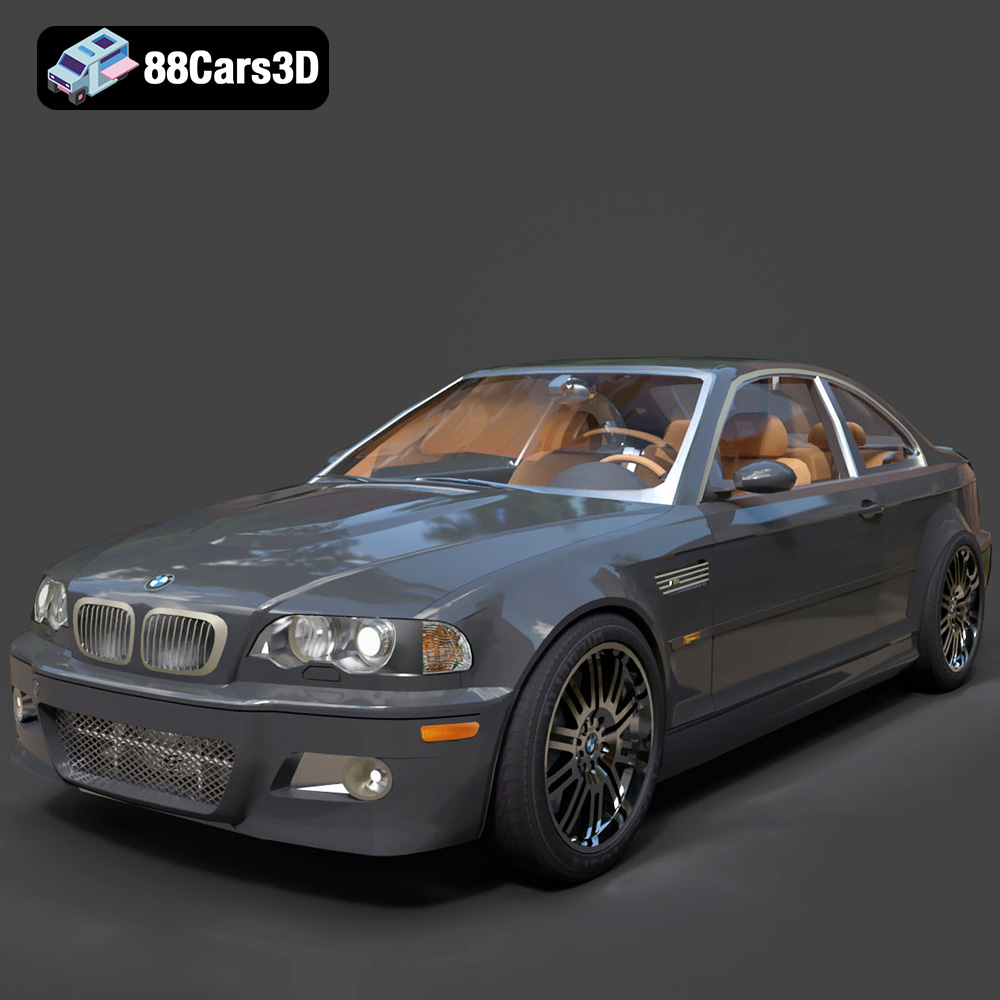
Texture: Yes
Material: Yes
Download the BMW M3 E46 3D Model featuring iconic sports car design and detailed interior. Includes .blend, .fbx, .obj, .glb, .stl, .ply, .unreal, and .max formats for rendering, simulation, and game development.
Price: $16.99

Texture: Yes
Material: Yes
Download the BMW i3 Coupe 3D Model featuring its iconic electric design and compact urban styling. Includes .blend, .fbx, .obj, .glb, .stl, .ply, .unreal, and .max formats for rendering, simulation, and game development.
Price: $17.99
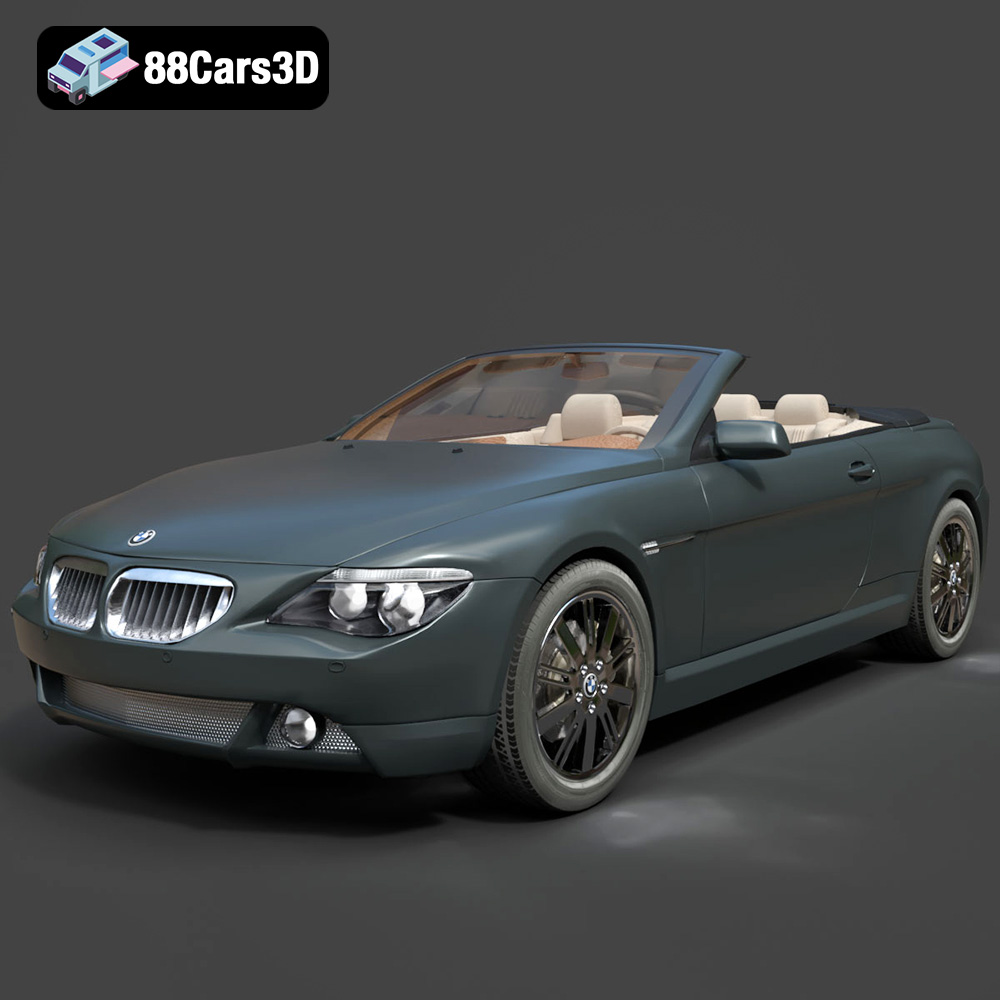
Texture: Yes
Material: Yes
Download the BMW 645ci 3D Model featuring a sleek, detailed exterior and optimized interior. Includes .blend, .fbx, .obj, .glb, .stl, .ply, .unreal, and .max formats for rendering, simulation, and game development.
Price: $10.79
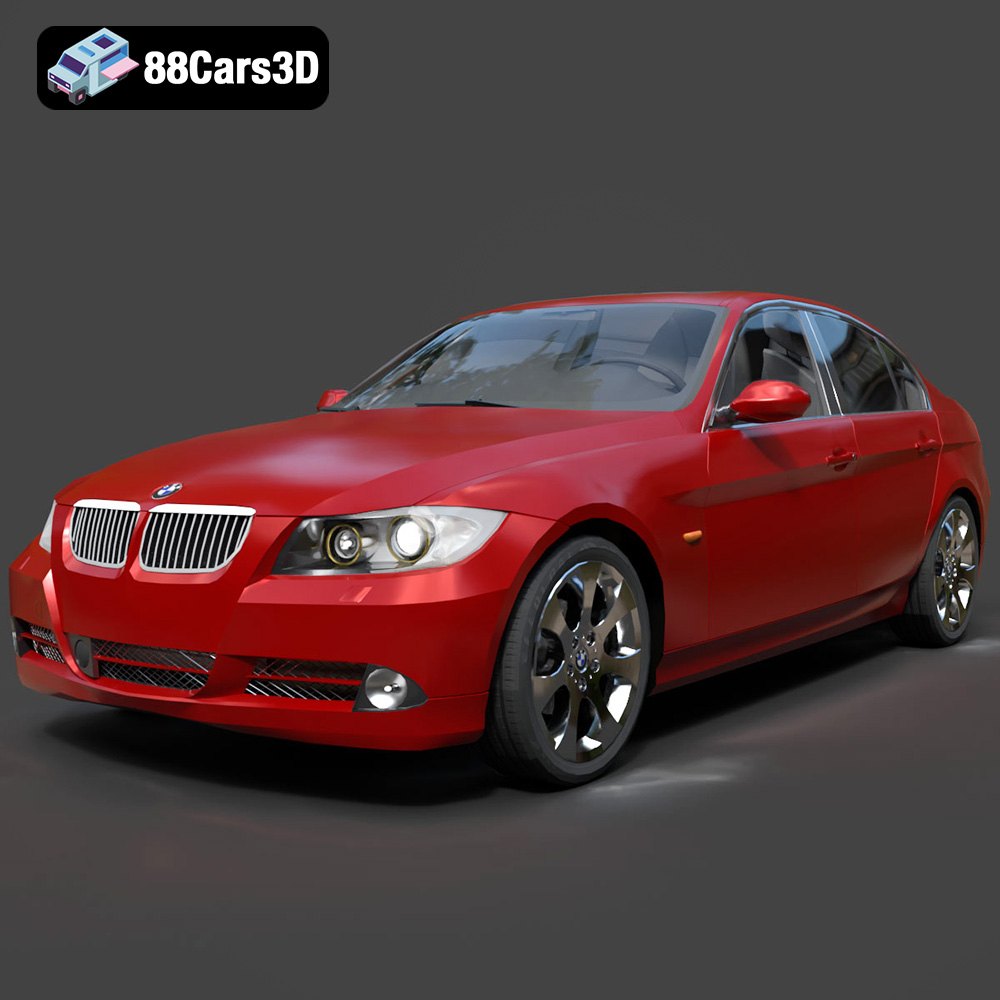
Texture: Yes
Material: Yes
Download the BMW 330i E90 3D Model featuring a detailed exterior, an optimized interior, and accurate mechanical components. Includes .blend, .fbx, .obj, .glb, .stl, .ply, .unreal, and .max formats for rendering, simulation, and game development.
Price: $14.79
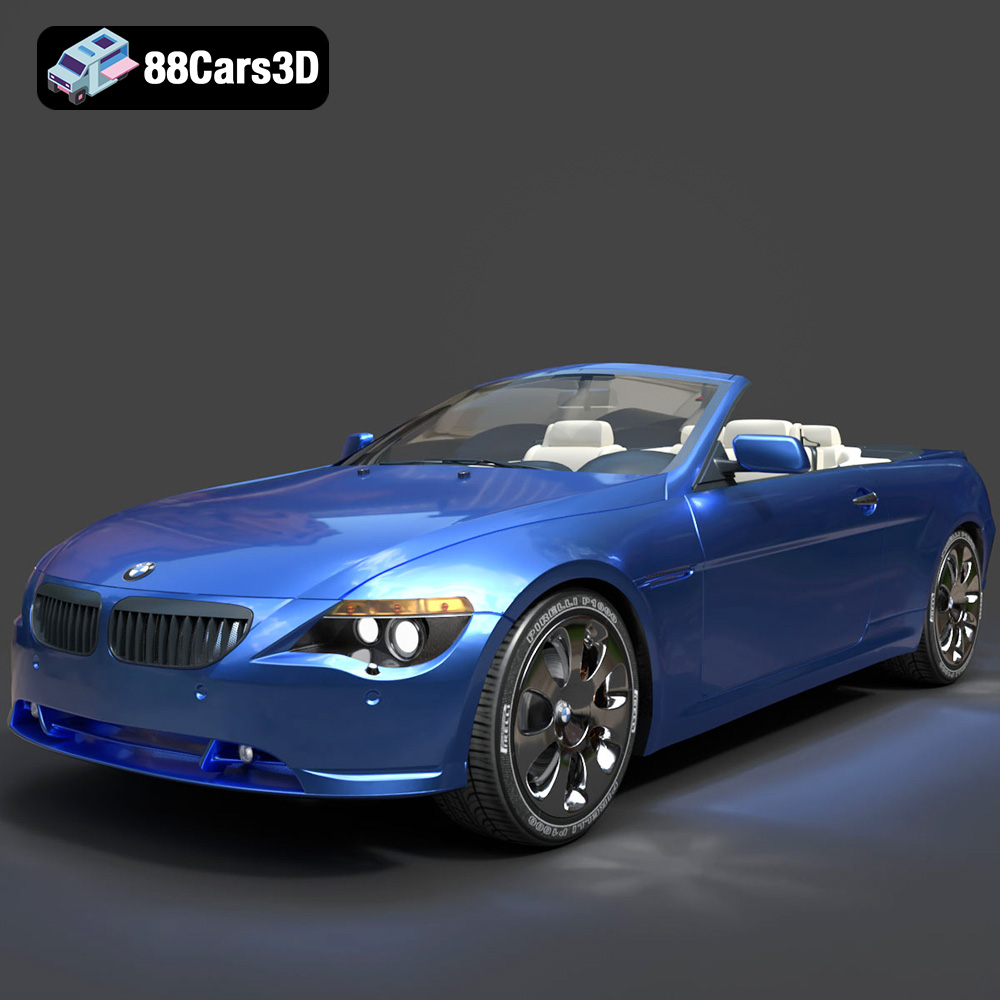
Texture: Yes
Material: Yes
Download the BMW 6 Series Convertible 3D Model featuring clean geometry, realistic detailing, and a fully modeled interior. Includes .blend, .fbx, .obj, .glb, .stl, .ply, .unreal, and .max formats for rendering, simulation, and game development.
Price: $14.99
Texture: Yes
Material: Yes
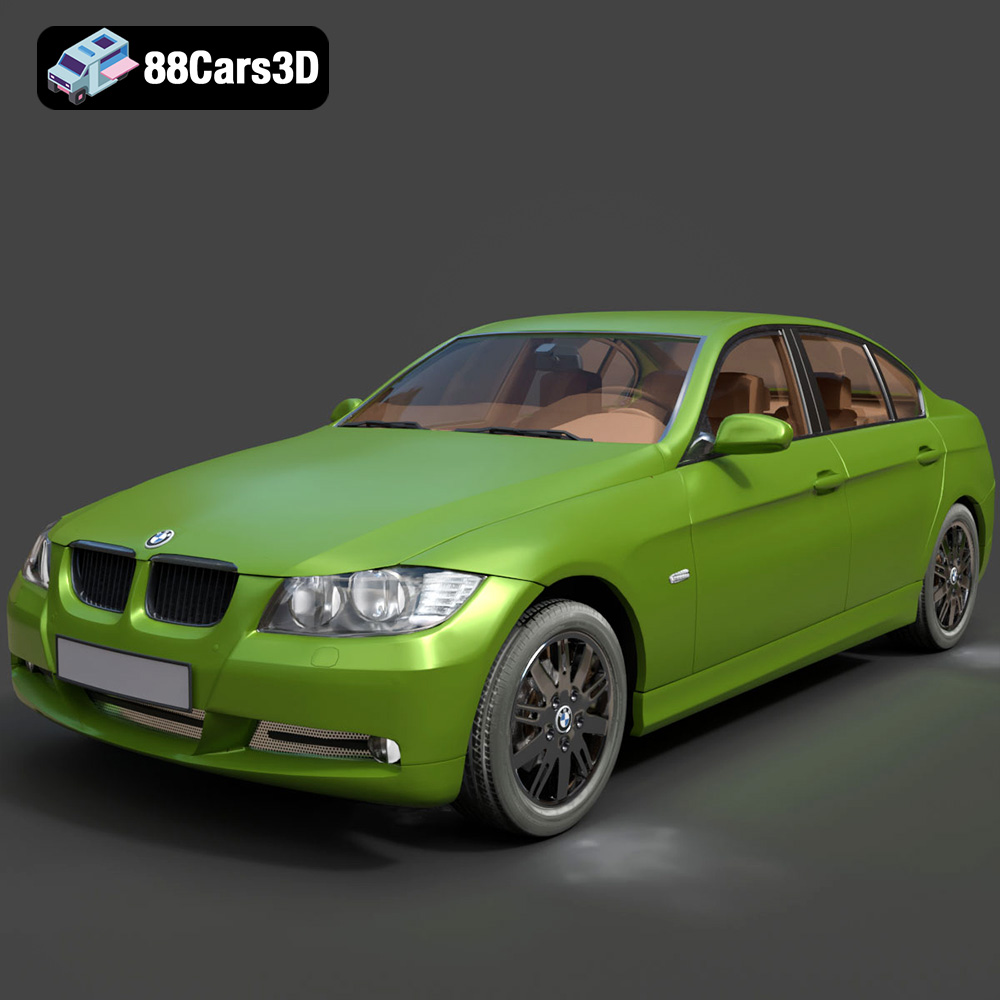
Download the BMW 3-005 3D Model featuring a sleek design, detailed exterior and interior. Includes .blend, .fbx, .obj, .glb, .stl, .ply, .unreal, and .max formats for rendering, simulation, and game development.
Price: $14.99
Texture: Yes
Material: Yes
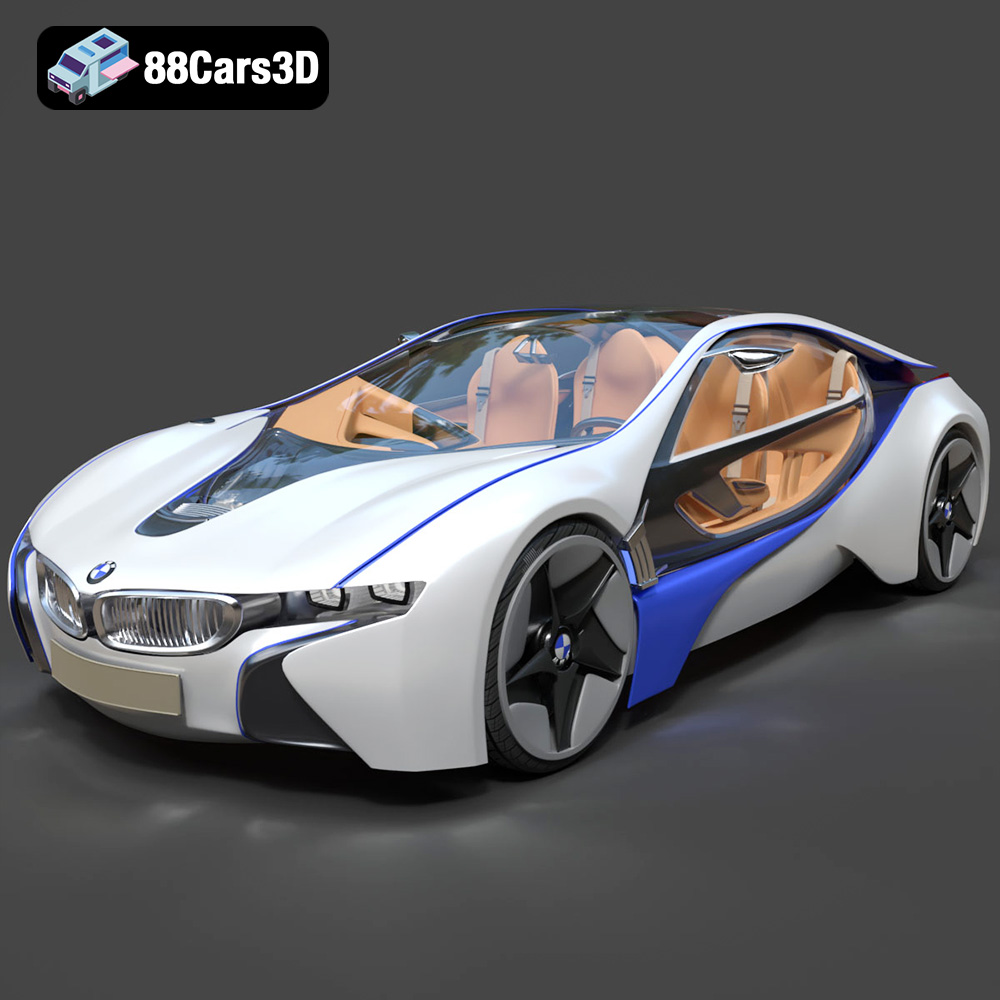
Download the BMW Vision Effecient Dynamics-007 3D Model featuring a sleek, futuristic design and hybrid concept aesthetics. Includes .blend, .fbx, .obj, .glb, .stl, .ply, .unreal, and .max formats for rendering, simulation, and game development.
Price: $14.99
Texture: Yes
Material: Yes
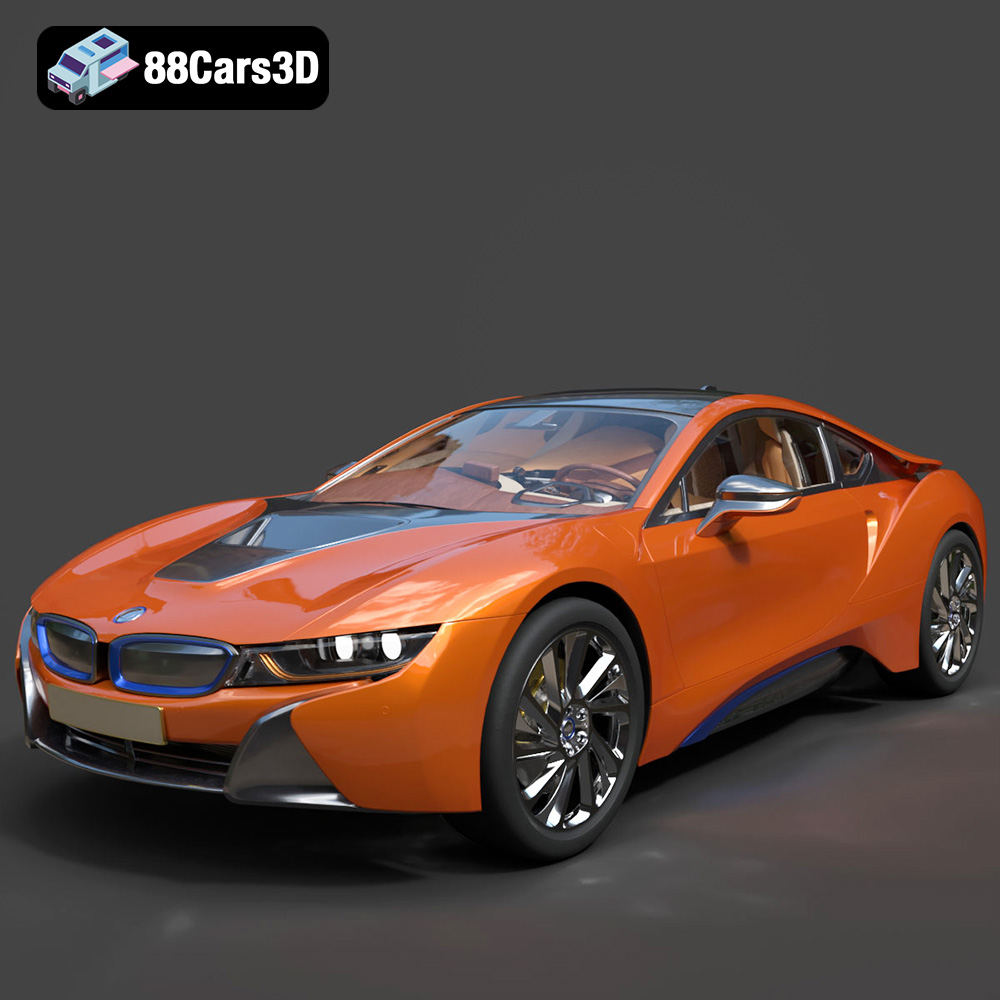
Download the BMW i8 2015 3D Model featuring clean geometry, realistic detailing, and a fully modeled interior. Includes .blend, .fbx, .obj, .glb, .stl, .ply, .unreal, and .max formats for rendering, simulation, and game development.
Price: $12.99

Texture: Yes
Material: Yes
Download the BMW 4 Series F32 3D Model featuring clean geometry, realistic detailing, and a fully modeled interior. Includes .blend, .fbx, .obj, .glb, .stl, .ply, .unreal, and .max formats for rendering, simulation, and game development.
Price: $12.99
Texture: Yes
Material: Yes
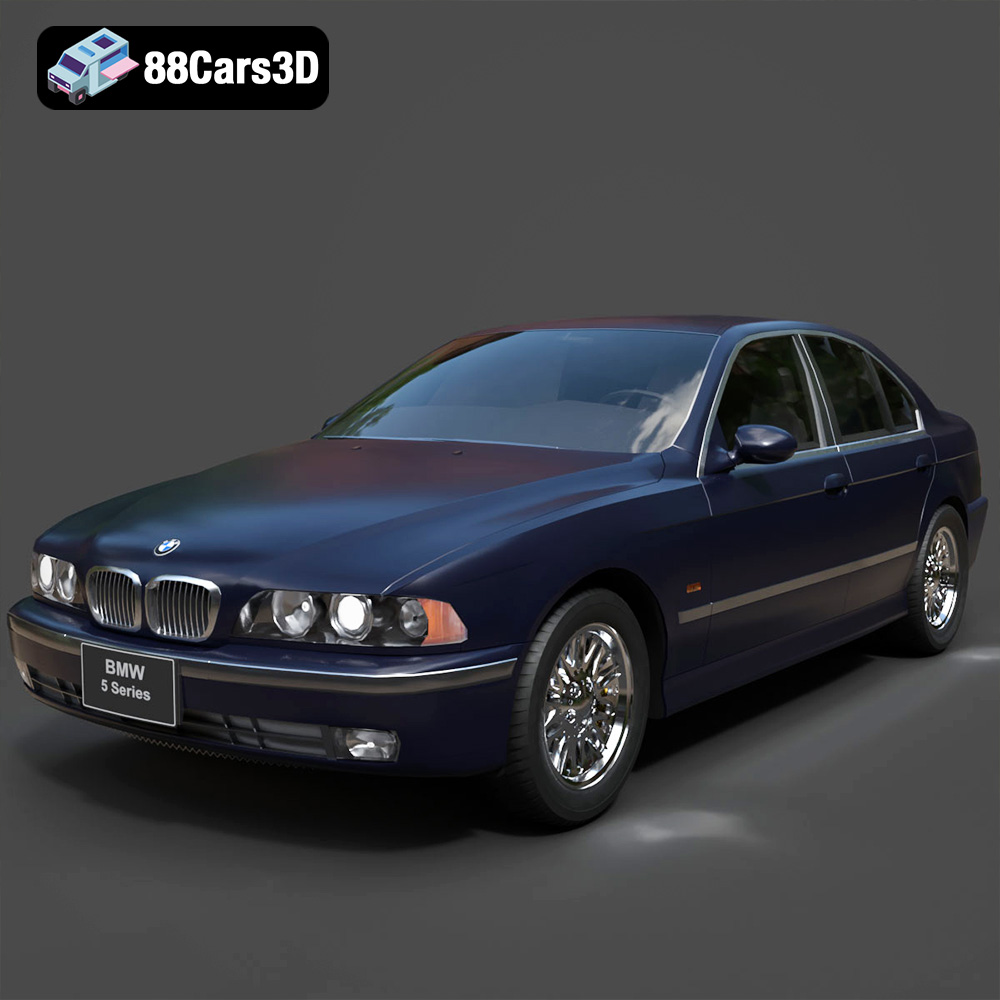
Download the BMW E39 M5-540i 3D Model featuring its iconic sedan design, detailed exterior, and realistic interior. Includes .blend, .fbx, .obj, .glb, .stl, .ply, .unreal, and .max formats for rendering, simulation, and game development.
Price: $10.79

