The automotive industry is in a constant state of evolution, not just in vehicle design and engineering, but also in how cars are envisioned, presented, and experienced. Gone are the days when static renders and physical prototypes were the only means of showcasing a vehicle’s intricate details. Today, real-time rendering, powered by robust engines like Unreal Engine, has revolutionized automotive visualization, offering unparalleled interactivity, photorealism, and flexibility.
For designers, marketers, and game developers, Unreal Engine provides a powerful toolkit to transform high-fidelity 3D car models into breathtaking, immersive experiences. Whether you’re crafting an interactive configurator, a cinematic marketing campaign, a realistic racing game, or a cutting-edge virtual production set, mastering Unreal Engine’s capabilities is paramount. This comprehensive guide will take you on a journey through the essential workflows, advanced features, and best practices for leveraging Unreal Engine in automotive visualization, ensuring your projects stand out with professional polish. We’ll explore everything from efficient asset integration and PBR material creation to advanced lighting with Lumen, performance optimization with Nanite, and dynamic interactivity through Blueprint scripting, often utilizing the highly optimized assets available from platforms like 88cars3d.com.
By the end of this post, you’ll have a deeper understanding of how to harness Unreal Engine’s full potential to create stunning, performant, and engaging automotive content that pushes the boundaries of real-time rendering.
Laying the Foundation: Project Setup and Asset Integration
Embarking on any Unreal Engine project requires careful planning, especially when dealing with the intricate details of automotive models. A well-configured project and an optimized asset pipeline are crucial for both visual fidelity and performance, setting the stage for a successful visualization experience.
Initial Unreal Engine Project Configuration
When starting a new project in Unreal Engine, selecting the right template and enabling necessary plugins is your first critical step. For automotive visualization, a “Blank” or “Automotive” template is often a good starting point. The “Automotive” template comes pre-configured with industry-specific settings and plugins like Datasmith, which is invaluable for importing CAD data.
- Template Selection: While “Blank” offers maximum flexibility, the “Automotive” template provides a strong foundation with relevant default settings and content.
- Recommended Plugins:
- Datasmith: Essential for importing CAD data (SolidWorks, CATIA, Rhino, etc.) and converting it into Unreal Engine-friendly assets. It helps maintain scene hierarchy, material assignments, and UVs.
- Quixel Bridge: For quickly accessing and integrating high-quality megascans assets (environments, textures) to enrich your scenes.
- DLSS (NVIDIA Deep Learning Super Sampling) / FSR (AMD FidelityFX Super Resolution): For enhancing performance and image quality, especially in AR/VR or high-resolution cinematic renders.
- Multi-User Editing: For collaborative workflows, allowing multiple artists to work on the same scene simultaneously.
- Version Control: For professional projects, integrating a version control system like Perforce or Git Large File Storage (LFS) is non-negotiable. This protects against data loss, facilitates teamwork, and allows for easy iteration management.
Properly setting up your project not only streamlines your workflow but also ensures that the powerful features of Unreal Engine can be utilized effectively from the outset. For more detailed guidance on project setup and plugins, refer to the official Unreal Engine documentation at https://dev.epicgames.com/community/unreal-engine/learning.
Importing and Optimizing 3D Car Models
The quality of your source 3D car model directly impacts the final visualization. When sourcing automotive assets from marketplaces such as 88cars3d.com, you often receive models already optimized with clean topology, proper UVs, and PBR-ready materials. However, understanding the import process and initial optimization steps is still vital.
- File Formats: Common formats include FBX (widely supported), USD (Universal Scene Description, becoming an industry standard for interoperability), and USDZ (Apple’s AR-optimized USD variant). Datasmith is the preferred method for CAD data.
- Scale and Units: Ensure your 3D application’s unit scale matches Unreal Engine’s (1 unit = 1 cm). This prevents scaling issues upon import. Most high-quality models, like those from 88cars3d.com, are typically provided in real-world scale.
- Initial Mesh Review: After import, always perform a quick review of your static meshes. Check for:
- Normal Smoothing: Ensure smooth shading on curved surfaces. Incorrect normals can lead to faceted appearances.
- UV Mapping: Verify that UV channels are correctly laid out for textures (UV0 for diffuse, UV1 for lightmaps if not using Lumen). Overlapping UVs on lightmap channels will cause artifacts.
- Topology: While 88cars3d.com models feature clean topology, if you’re working with custom assets, ensure quad-based geometry and avoid excessive triangles or n-gons where possible.
- Initial Polycount Considerations: For cinematics and high-resolution stills using Nanite (discussed later), extremely high polycounts are less of a concern. However, for interactive experiences (games, AR/VR), aiming for a reasonable base polycount before LODs (e.g., 100,000-300,000 triangles for a hero car body) is a good practice.
Efficiently importing and preparing your 3D car models lays the groundwork for all subsequent stages of your Unreal Engine automotive visualization project.
Achieving Photorealism: PBR Materials and Texturing
The difference between a realistic and an artificial-looking car model often boils down to the quality and accuracy of its materials. Physically Based Rendering (PBR) is the cornerstone of modern photorealism, and mastering its implementation in Unreal Engine’s Material Editor is essential for creating stunning automotive visuals.
Understanding PBR Principles in Unreal Engine
PBR materials mimic how light interacts with real-world surfaces, resulting in highly convincing visual properties. Unreal Engine utilizes a Metalness/Roughness workflow, requiring several key texture maps:
- Base Color (Albedo): This map defines the color of the surface without any lighting information. It should generally be desaturated for metallic surfaces and represent the diffuse color for non-metallic surfaces.
- Metallic: A grayscale map (0 to 1) indicating whether a material is metallic (white/1) or non-metallic (black/0). Values between 0 and 1 are typically used for blended materials or specific types of car paint flakes.
- Roughness: A grayscale map (0 to 1) controlling the microscopic imperfections on a surface. Black (0) represents perfectly smooth, mirror-like surfaces, while white (1) represents rough, diffuse surfaces. This is critical for distinguishing between polished chrome, brushed metal, and matte paint.
- Normal Map: This map provides per-pixel surface normal information, allowing you to simulate fine surface details (like brushed metal lines or fabric weaves) without adding geometric complexity.
- Ambient Occlusion (AO): A grayscale map that simulates subtle self-shadowing in crevices and corners, adding depth and realism to objects. While Lumen handles real-time AO, a pre-baked AO map can enhance detail in specific areas and improve overall shading.
By accurately defining these properties in your material graphs, you ensure your car models react correctly to light, achieving a level of realism that was once only possible with offline renderers. Material instances are crucial here, allowing artists to create a base material (e.g., “M_CarPaint_Master”) and then create instances from it (e.g., “MI_CarPaint_Red”, “MI_CarPaint_Blue”) where parameters like color, roughness, or flake intensity can be easily adjusted without recompiling the shader, saving significant time and resources.
Crafting Realistic Car Paint and Interior Materials
Automotive materials are notoriously complex, especially car paint. Unreal Engine’s Material Editor provides the flexibility to build highly sophisticated shaders that accurately represent these real-world properties. Platforms like 88cars3d.com often provide pre-made, high-quality PBR materials, but understanding their construction allows for deeper customization.
- Complex Car Paint Shaders:
- Clear Coat: Recreating realistic car paint requires a clear coat layer, which can be achieved using Unreal Engine’s dedicated Clear Coat input in the Material output. This adds a secondary specular lobe, simulating the glossy protective layer over the base paint.
- Metallic Flakes: Many car paints feature metallic flakes. This can be simulated using a custom normal map or a procedural texture that subtly shifts the surface normals, giving the paint a shimmering effect as light hits it from different angles. Blending metallic values can also contribute.
- Layered Materials: For advanced effects, you might use a blend of multiple material layers, for example, a metallic base layer, a color layer, and then the clear coat.
- Realistic Glass Materials: Car windows, headlights, and taillights require careful material setup.
- Translucency: Use the “Translucent” blend mode.
- Reflections & Refractions: Enable Screen Space Reflections and set appropriate Refraction Index values (e.g., 1.5-1.6 for glass). Using thin translucent shading model can enhance realism.
- Tint: Control the base color and opacity for tinted windows.
- Interior Materials: Leather, fabric, carbon fiber, and plastics each have unique PBR properties.
- Leather: Often characterized by subtle bumps (normal map), a slightly varied roughness, and a rich, desaturated base color.
- Fabric: Requires detailed normal maps for weaves, and often higher roughness values. Subsurface scattering can be used for very soft fabrics.
- Carbon Fiber: Achieved through intricate normal maps that simulate the weave, combined with metallic and roughness maps to create the distinctive reflective sheen.
- Texture Resolution: For hero assets like a car body, 4K or even 8K textures are common for critical details. Interior components can use 2K-4K, while smaller elements or less visible parts might use 1K. Always ensure texture resolutions are appropriate for the object’s screen size to balance fidelity and performance.
By meticulously crafting these materials, you bring your 3D car models to life, creating surfaces that react convincingly to the environment and lighting within Unreal Engine.
Illuminating Realism: Advanced Lighting Techniques
Lighting is the single most critical factor in achieving photorealism in any 3D scene. Unreal Engine offers a sophisticated suite of lighting tools, from physically accurate light sources to groundbreaking global illumination systems like Lumen, enabling artists to create stunning and dynamic automotive visualizations.
Harnessing Lumen for Global Illumination
Lumen is Unreal Engine’s real-time global illumination and reflections system, introduced with Unreal Engine 5. It dramatically simplifies the lighting workflow and enables incredibly realistic and dynamic lighting scenarios without the need for baked lightmaps. Lumen simulates how light bounces off surfaces, illuminating indirect areas and capturing complex reflections, which is crucial for the highly reflective surfaces of a car.
- Enabling Lumen: To activate Lumen, navigate to Project Settings > Rendering and change “Global Illumination” and “Reflections” methods to “Lumen.” For optimal visual quality, also ensure Hardware Ray Tracing is enabled if your hardware supports it.
- Lumen in Action:
- Real-time GI: As you move lights, change the environment, or open car doors, Lumen immediately updates the indirect lighting, creating dynamic and accurate shadows and bounced light.
- High-Quality Reflections: Lumen provides software ray-traced reflections that work on arbitrary mesh distance fields, offering highly accurate reflections on surfaces like car paint, glass, and chrome.
- Emissive Materials: Lumen accurately propagates light from emissive materials, allowing car headlights and interior lights to naturally illuminate the scene.
- Performance Implications and Optimization: While revolutionary, Lumen is computationally intensive.
- Settings: Adjust Lumen quality settings in your Post Process Volume (e.g., “Lumen Scene Lighting Quality,” “Lumen Reflection Quality”) to balance visual fidelity and performance.
- Hardware: A powerful GPU is recommended for optimal Lumen performance.
- Scene Complexity: Fewer complex meshes and careful use of Nanite can help maintain frame rates.
Lumen eliminates the tedious light baking process, allowing for rapid iteration and creative freedom, making it an indispensable tool for automotive artists. For an in-depth dive into Lumen’s capabilities, refer to the Unreal Engine learning resources.
Studio Lighting and HDRI Environments
While Lumen handles global illumination, direct lighting and environmental context are typically established using traditional light sources and High Dynamic Range Image (HDRI) environments. This combination allows for precise control over the mood and aesthetic of your automotive scene.
- Using Sky Spheres and HDRI Backdrops:
- HDRI Skybox: A common technique is to use an HDRI image wrapped around a Sky Sphere or directly applied to a Sky Light. The Sky Light captures the lighting information from the HDRI, providing realistic ambient light, color, and reflections.
- Physical Sky: Unreal Engine’s Sky Atmosphere component, combined with a Directional Light (sun) and Volumetric Cloud system, can create incredibly dynamic and realistic outdoor environments.
- Setting Up Studio Lighting: For product shots or stylized presentations, studio lighting is key.
- Rectangular Lights: Emulate softbox and strip lights, commonly used to create pleasing reflections and even illumination on car surfaces. Position them strategically to highlight body lines and contours.
- Spot Lights: Use for accentuating specific details, creating sharp highlights, or simulating headlights/taillights.
- Point Lights: For general fill light or small area illumination, like interior dome lights.
- Light Functions: Advanced users can create custom light functions to project patterns or textures through lights, adding more complexity.
- Volumetric Fog for Atmosphere: Adding Volumetric Fog to your scene can enhance realism by simulating atmospheric haze, light shafts, and depth. It helps ground the car in its environment and adds a cinematic quality, especially when combined with powerful direct lights.
- Best Practices for Cinematic Lighting:
- Three-Point Lighting: A classic approach using a Key Light (main source), Fill Light (softens shadows), and Back Light (separates subject from background).
- Reference Images: Always use real-world photography as reference to understand how light interacts with car surfaces in different environments.
- Iteration: Lighting is an iterative process. Experiment with light positions, intensities, and colors to achieve the desired mood and visual impact.
Combining the power of Lumen with carefully placed direct lights and environmental HDRIs allows for unparalleled control over the visual narrative of your automotive visualization.
Optimizing Performance: Nanite, LODs, and Culling
While visual fidelity is paramount, maintaining optimal performance is equally critical, especially for real-time applications like interactive configurators, games, or AR/VR experiences. Unreal Engine offers cutting-edge technologies like Nanite and traditional optimization techniques to achieve stunning visuals without compromising frame rates.
Nanite Virtualized Geometry for High-Fidelity Cars
Nanite, introduced with Unreal Engine 5, is a revolutionary virtualized geometry system that allows artists to import and render incredibly high-polygon models—billions of triangles—without manual LODs or significant performance penalties. For automotive visualization, this means car models from platforms like 88cars3d.com can be used at their highest fidelity, capturing every subtle curve and detail, even for hero shots.
- How Nanite Works: Nanite intelligently streams and renders only the necessary detail in real-time, based on the camera’s view and distance. It effectively eliminates the need for artists to manually create multiple Levels of Detail (LODs) for static meshes, drastically simplifying the asset pipeline for high-poly models.
- Enabling Nanite for Static Meshes:
- Simply select your static mesh (e.g., the car body, wheels, interior components) in the Content Browser.
- Right-click and choose “Nanite” > “Enable Nanite.”
- Alternatively, in the Static Mesh Editor, check the “Enable Nanite” box in the Details panel.
- Benefits for Cinematic Rendering: For high-resolution cinematic renders and still images, Nanite allows for unprecedented detail fidelity, making it ideal for showcasing the intricate design of a vehicle. The car body, complex wheel meshes, and highly detailed interior elements are perfect candidates for Nanite.
- When NOT to Use Nanite: While powerful, Nanite has specific limitations:
- Skeletal Meshes: Nanite does not support skeletal meshes, so articulated parts (e.g., a car’s suspension if it’s animated as a skeletal mesh) cannot use it.
- Translucent Materials: Nanite currently doesn’t directly support meshes with translucent materials. These will be rendered using traditional methods.
- Small Meshes/Billboards: For very small or distant objects, the overhead of Nanite might outweigh the benefits.
- Complex Material Blending: Meshes using complex material blending or vertex colors for blending might have issues.
- Nanite Workflow for 88cars3d.com Models: When importing high-poly car models from 88cars3d.com, enable Nanite on the main static mesh components (body, chassis, engine block, complex wheel designs) to preserve maximum detail, especially if your primary output is high-resolution rendering or non-interactive experiences.
Nanite fundamentally changes how artists approach high-detail asset pipelines, empowering them to focus on artistic quality rather than manual optimization for static geometry. Always consult the latest Unreal Engine documentation for specific Nanite limitations and best practices.
Manual LODs and Performance Optimization for Real-Time
Despite Nanite’s power, traditional Levels of Detail (LODs) and other optimization techniques remain absolutely vital for interactive experiences like games, AR/VR, and real-time configurators where every millisecond of frame time counts. Even with Nanite for static meshes, dynamic elements, transparent objects, and skeletal meshes still require careful management.
- Why Traditional LODs are Still Vital: For applications that run on a wider range of hardware or require very high frame rates (e.g., 90 FPS for VR), traditional LODs are indispensable. They dynamically swap out higher-polygon meshes for simpler versions as the object moves further from the camera, significantly reducing polygon count and draw calls.
- Creating and Managing LODs in Unreal Engine:
- Automatic LOD Generation: Unreal Engine’s Static Mesh Editor can automatically generate LODs. Set the desired number of LODs, the reduction percentage for each, and the screen size at which each LOD will activate.
- Manual LOD Creation: For critical assets like a hero car, manual LOD creation in a 3D modeling package (e.g., Blender, Maya, 3ds Max) often yields better results. Export each LOD as a separate FBX and import them into the Unreal Static Mesh Editor, replacing the auto-generated ones.
- LOD 0: Full detail.
- LOD 1, 2, 3…: Progressively lower polycount, simpler materials, and sometimes even fewer draw calls by merging meshes.
- Draw Calls, Overdraw, and Profiling Tools:
- Draw Calls: Each unique object or material rendering requires a draw call, which taxes the CPU. Reduce draw calls by merging static meshes where appropriate (e.g., multiple small interior buttons into one mesh with a single material).
- Overdraw: Occurs when pixels are rendered multiple times, especially with complex transparent materials (e.g., multiple layers of glass). Use the “Shader Complexity” view mode to identify and optimize areas of high overdraw.
- Profiling Tools: Utilize Unreal Engine’s built-in profilers (e.g., Stat Unit, Stat GPU, Stat RHI, ProfileGPU) to identify performance bottlenecks in real-time.
- Culling Techniques:
- Frustum Culling: Unreal Engine automatically culls objects outside the camera’s view frustum.
- Occlusion Culling: Objects hidden by other objects are not rendered. You can enhance this with “Precomputed Visibility Volumes” for static environments.
- Distance Culling: Manually set maximum draw distances for less important meshes to ensure they disappear when too far away.
- Texture Optimization: Ensure textures are appropriately sized and compressed. Use texture streaming where possible to reduce memory footprint. Avoid using uncompressed textures unnecessarily.
A balanced approach, leveraging Nanite for static, high-fidelity components and traditional LODs/optimization for interactive elements, is the key to creating visually stunning yet highly performant automotive experiences in Unreal Engine.
Bringing Cars to Life: Interactivity and Cinematics
Beyond static renders, Unreal Engine excels at creating dynamic, interactive experiences and cinematic narratives. Whether you’re building a virtual car configurator or producing a high-end automotive commercial, Blueprint visual scripting and Sequencer are your go-to tools for bringing your 3D car models to life.
Blueprint for Interactive Automotive Configurator
Blueprint visual scripting allows artists and designers to create complex gameplay and interactive functionality without writing a single line of code. For automotive configurators, Blueprint is invaluable for enabling real-time customization and user interaction.
- Overview of Blueprint Visual Scripting: Blueprint uses a node-based interface, where nodes represent actions, events, or variables, and wires connect them to define program flow. It’s incredibly intuitive for setting up logic for interactive elements.
- Changing Car Paint Colors, Rims, and Interior Trims:
- Material Instances: The core of a configurator often relies on Material Instances. Create master materials (e.g., M_CarPaint_Master), and then create multiple Material Instances (MI_CarPaint_Red, MI_CarPaint_Blue, MI_CarPaint_Green).
- Blueprint Logic: Use Blueprint to listen for UI clicks or input events. When an event occurs, cast to the relevant static mesh component (e.g., car body, wheel rim) and use the “Set Material” node to swap out the current material with the desired Material Instance.
- Color Picker: For dynamic color selection, expose a “Vector Parameter” in your master car paint material. Blueprint can then dynamically set this parameter’s value based on an RGB color picker in the UI.
- Opening Doors, Turning on Lights with Simple Interactions:
- Door Animation: Create simple “Open” and “Close” animations for car doors (e.g., by rotating mesh components) in Sequencer or using a Timeline in Blueprint. Toggle these animations with user input.
- Light Control: For headlights/taillights, create Material Instances with different emissive values (on/off). Use Blueprint to swap these materials and toggle the visibility of actual light components (e.g., Spot Lights or Point Lights) in the scene.
- UI Integration (UMG): Unreal Motion Graphics (UMG) is the integrated UI system. Design buttons, sliders, and text elements in UMG widgets. Link these UI elements to your Blueprint logic using “On Clicked” events to drive the configurator’s functionality.
- Example: A Basic Car Configurator:
- Create a UMG widget with buttons for different car paint colors.
- In the widget’s graph, for each button, use an “On Clicked” event.
- From the event, “Get All Actors Of Class” (e.g., your Car Blueprint or Static Mesh Actor).
- “Set Material” on the car body mesh component to the corresponding Material Instance.
- Repeat for wheel options, interior trims, and other customizable features.
Blueprint empowers you to create sophisticated, interactive automotive experiences without deep coding knowledge, making customization accessible to a wider range of artists.
Cinematic Storytelling with Sequencer
Sequencer is Unreal Engine’s powerful multi-track editor for creating cinematic sequences, animations, and gameplay events. It’s the equivalent of a non-linear video editor within Unreal, perfect for producing high-quality automotive commercials, trailers, and product showcases.
- Introduction to Sequencer: Sequencer allows you to orchestrate various elements over a timeline: camera movements, character animations (if applicable), object transformations, material changes, audio, and visual effects.
- Animating Camera Movements: Create a Cine Camera Actor in your scene. In Sequencer, add a track for the Cine Camera. Keyframe its position, rotation, focal length, and aperture to create smooth, professional camera moves that highlight your car’s design.
- Animating Car Components: Add your car’s mesh components (e.g., doors, hood, trunk, steering wheel) to Sequencer. Keyframe their transformations (translation, rotation) to create opening/closing animations or subtle movements.
- Keyframing Materials for Paint Changes or Light Effects: You can directly keyframe material parameters in Sequencer. For example, keyframe the “Vector Parameter” for car paint color over time to create a color-changing effect, or keyframe the emissive strength of a light material to simulate lights turning on/off.
- Integrating Visual Effects (Niagara): If you want to add effects like exhaust smoke, water splashes, or dust, you can integrate Niagara particle systems into Sequencer and control their playback and parameters.
- Exporting High-Quality Renders: Once your sequence is complete, use the “Movie Render Queue” (MRQ) to export high-quality image sequences (EXR, PNG) or video files (MP4, AVI). MRQ offers advanced features like temporal anti-aliasing, warm-up frames, and custom render passes, crucial for professional output.
Sequencer provides the precision and control needed to craft compelling visual stories around your automotive models, transforming them into captivating cinematic experiences.
Vehicle Dynamics and Physics Simulation
For truly interactive experiences, especially in game development or realistic driving simulators, accurate vehicle physics are paramount. Unreal Engine’s Chaos Vehicle system provides a robust framework for simulating realistic car behavior.
- Setting Up Vehicle Physics (Chaos Vehicle System):
- Chaos Physics: Ensure Chaos Physics is enabled in your project settings.
- Vehicle Blueprint: Create a new Blueprint class derived from “Wheeled Vehicle Pawn.”
- Mesh Assignment: Assign your car’s skeletal mesh (if using one for complex suspension) or static mesh for the body.
- Wheel Setup: Add “Chaos Vehicle Wheel” components for each wheel. Configure parameters like wheel radius, width, suspension arm length, and steer angle.
- Customizing Engine, Transmission, and Wheel Settings:
- Engine Configuration: Adjust parameters like torque curve, max RPM, idle RPM, and brake strength.
- Transmission: Configure gear ratios, differential type (e.g., limited slip), and automatic/manual shifting.
- Suspension: Tune spring stiffness, damping, and camber for realistic handling.
- Tire Configuration: Define tire friction, grip, and slip characteristics using “Chaos Vehicle Tire Config” assets.
- Basic Drivable Car Setup for Interactive Demos:
- Input Mapping: Configure input actions (throttle, brake, steer, handbrake) in Project Settings.
- Blueprint Input Logic: In your Vehicle Blueprint, use input events to drive the vehicle’s throttle, steer, and brake inputs.
- Camera Setup: Attach a Spring Arm and Camera component to your vehicle, adjusting the camera’s position and lag for a smooth follow-cam experience.
The Chaos Vehicle system, though complex, offers deep customization to achieve a wide range of realistic vehicle behaviors, from arcade-style racing to high-fidelity simulation, enhancing the immersion of any automotive project.
Advanced Applications: AR/VR and Virtual Production
Unreal Engine’s capabilities extend far beyond traditional rendering, enabling groundbreaking applications in Augmented Reality (AR), Virtual Reality (VR), and Virtual Production. These frontiers offer new ways to interact with and showcase automotive designs.
Optimizing for AR/VR Experiences
Bringing high-fidelity 3D car models into AR and VR environments presents unique performance challenges due to the stringent frame rate requirements (e.g., 90 FPS per eye for VR) and the overhead of stereoscopic rendering. Optimization is paramount.
- Performance Considerations for Immersive Platforms:
- Frame Rate: Maintaining a consistent high frame rate is crucial to prevent motion sickness in VR and ensure smooth tracking in AR.
- Stereoscopic Rendering: Rendering two views (one for each eye) effectively doubles the rendering workload.
- Resolution: High-resolution headsets demand more rendering power.
- Using Forward Shading Renderer: For VR, switching to Unreal Engine’s Forward Shading renderer (Project Settings > Rendering) often provides significant performance gains over the default Deferred Shading, especially when dealing with many dynamic lights or transparent objects.
- Reducing Draw Calls, Texture Sizes, and Polycounts:
- Draw Calls: Merge meshes and optimize materials to minimize draw calls, a major bottleneck in VR.
- Texture Sizes: Reduce texture resolutions (e.g., 2K or 1K for many components) to save VRAM and improve performance. Use texture atlases where possible.
- Polycounts: Aggressively utilize traditional LODs for all meshes. For critical hero car models, aim for a maximum of 200,000-500,000 triangles for the highest LOD, and much lower for subsequent LODs. Nanite is generally not recommended for real-time VR due to its performance characteristics on current headsets.
- Material Complexity: Simplify complex materials. Avoid excessive shader instructions, elaborate clear coats, or multiple translucent layers.
- Interaction Design for VR Car Showcases:
- Teleportation/Smooth Locomotion: Provide comfortable navigation options for users to explore the car.
- Direct Interaction: Implement direct interaction (e.g., grabbing a door handle to open a door) using VR motion controllers and physics constraints.
- UI/UX: Design VR-friendly UI elements that are legible and comfortable to interact with in 3D space.
Developing for AR/VR with high-fidelity automotive models is a delicate balance between visual quality and extreme performance optimization. The assets from 88cars3d.com, with their clean topology and efficient UVs, provide an excellent starting point for this demanding environment.
Virtual Production and LED Wall Workflows
Virtual Production, particularly with LED volumes (often called “in-camera VFX” or ICVFX), is revolutionizing filmmaking and commercial production. Unreal Engine is at the forefront of this technology, allowing real-time 3D environments to be displayed on massive LED screens, blending seamlessly with physical sets and actors. Automotive applications are a natural fit for this workflow.
- Overview of In-Camera VFX (ICVFX) with LED Volumes: Instead of green screens, actors and physical props (like a real car) are placed in front of an LED wall displaying a real-time Unreal Engine environment. A tracked camera then captures the scene, with the virtual background rendered from the camera’s perspective, creating realistic parallax and reflections on the car’s surface.
- Using Cars from 88cars3d.com in Virtual Sets:
- High-Fidelity Assets: The high-quality 3D car models from 88cars3d.com are perfectly suited for virtual production. Their detail and PBR materials ensure they look convincing when reflecting the virtual environment.
- Scene Integration: Place your 88cars3d.com car model in your Unreal Engine virtual environment. Ensure the lighting (especially Lumen and Sky Light from the HDRI) matches the real-world lighting on the physical car on the stage.
- Reflection Capture: Strategically place Reflection Capture Actors or use Lumen’s reflections to ensure the virtual environment reflects accurately on the physical car’s body.
- NDisplay for Multi-Screen Rendering: NDisplay is Unreal Engine’s framework for multi-display rendering, crucial for LED volumes. It distributes the rendering workload across multiple GPUs, each rendering a specific section of the LED wall and projector frustums. This ensures the entire virtual environment is displayed seamlessly across the large physical screen.
- Synchronization with Tracking Systems:
- Camera Tracking: The physical camera on set is outfitted with a tracking system (e.g., Mo-Sys, Stype, Ncam). This tracking data is fed into Unreal Engine, allowing the virtual environment to be rendered precisely from the real camera’s perspective, maintaining perfect parallax.
- Lens Calibration: Accurate lens distortion calibration is critical to ensure the virtual background seamlessly matches the real foreground elements and the physical lens characteristics.
- Benefits for Automotive Shoots:
- Dynamic Environments: Instantly change locations, time of day, or weather conditions with a few clicks.
- Realistic Reflections: The LED wall provides real-time reflections on the car’s glossy surfaces, which are far more convincing than post-production effects.
- Creative Freedom: Directors and DPs can see the final shot in real-time on set, allowing for greater creative iteration and decision-making.
Virtual Production with Unreal Engine and high-fidelity automotive models is redefining how car commercials, product launches, and even film sequences are created, offering unprecedented control, realism, and efficiency. Explore the Unreal Engine learning resources for more on virtual production workflows.
Conclusion
Unreal Engine has firmly established itself as an indispensable tool for automotive visualization, enabling artists, designers, and developers to create experiences that were once only dreams. From designing an immersive virtual showroom to producing a cinematic car commercial or building a high-performance racing game, the engine offers an unmatched suite of tools to bring your 3D car models to vibrant life.
We’ve explored the critical steps, from setting up your project and integrating high-quality assets (like those available from 88cars3d.com) to crafting photorealistic PBR materials and illuminating your scenes with Lumen. We’ve delved into performance optimization with Nanite and traditional LODs, and unlocked interactivity with Blueprint and cinematic storytelling with Sequencer. Finally, we touched upon the cutting-edge applications in AR/VR and Virtual Production, showcasing Unreal Engine’s versatility in pushing the boundaries of real-time rendering for the automotive sector.
The journey to mastering Unreal Engine for automotive visualization is a continuous one, blending artistic vision with technical prowess. The key lies in understanding these powerful tools and applying best practices to achieve both stunning visuals and optimal performance. Start experimenting, leverage the wealth of resources available, and elevate your automotive projects to new heights of realism and immersion. Your next groundbreaking automotive experience awaits!
Featured 3D Car Models
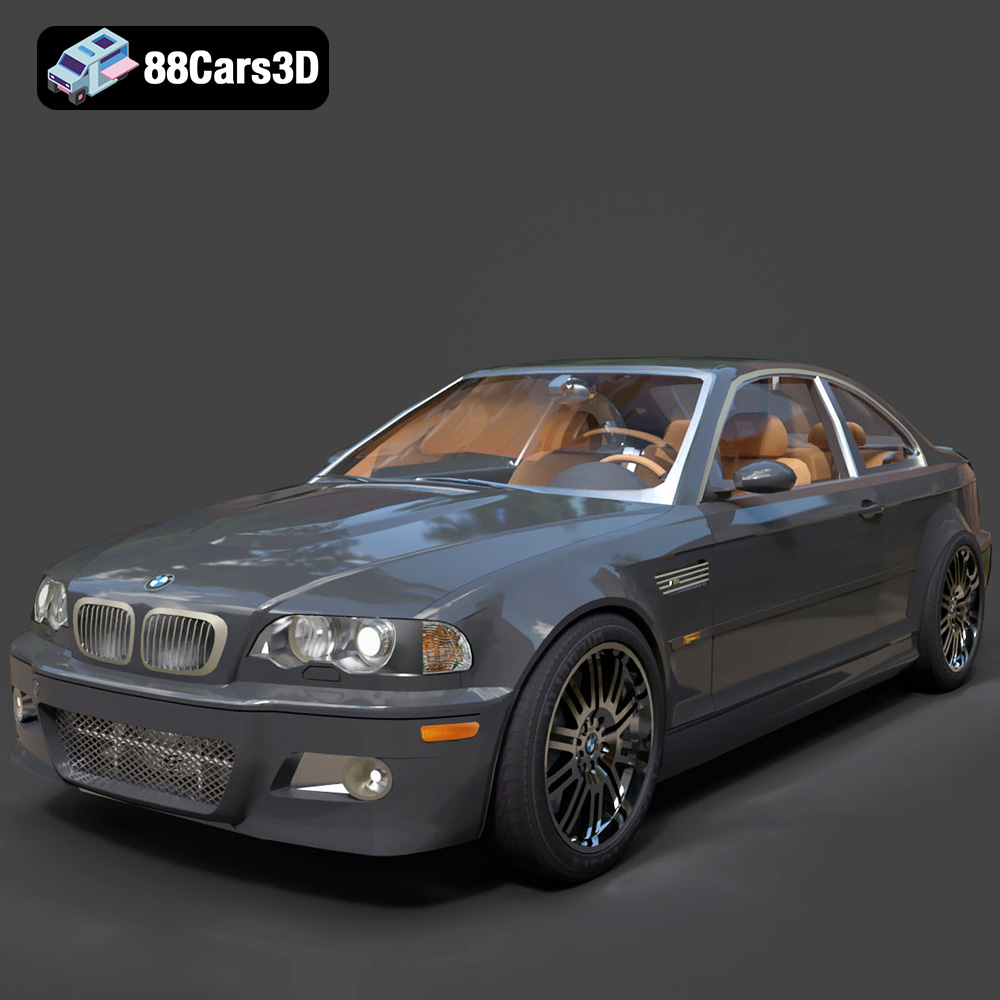
Texture: Yes
Material: Yes
Download the BMW M3 E46 3D Model featuring iconic sports car design and detailed interior. Includes .blend, .fbx, .obj, .glb, .stl, .ply, .unreal, and .max formats for rendering, simulation, and game development.
Price: $16.99
View Product
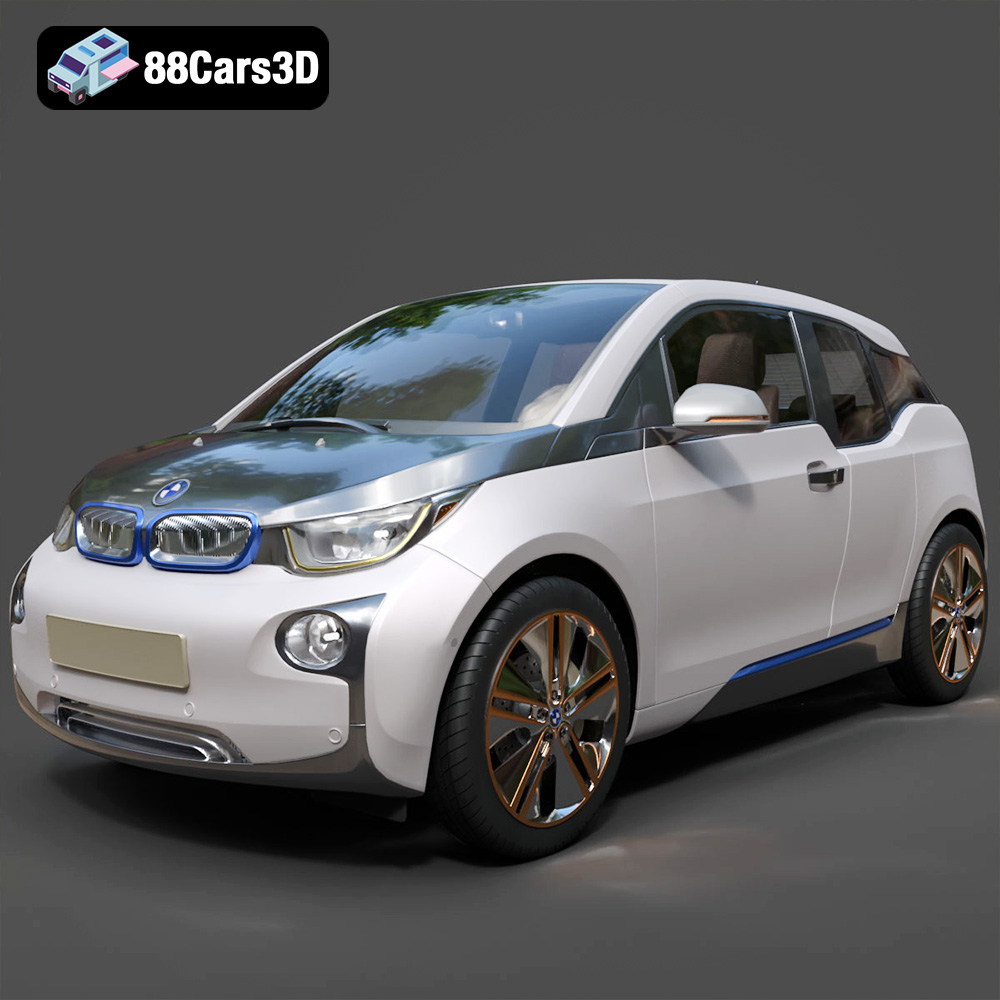
Texture: Yes
Material: Yes
Download the BMW i3 Coupe 3D Model featuring its iconic electric design and compact urban styling. Includes .blend, .fbx, .obj, .glb, .stl, .ply, .unreal, and .max formats for rendering, simulation, and game development.
Price: $17.99
View Product
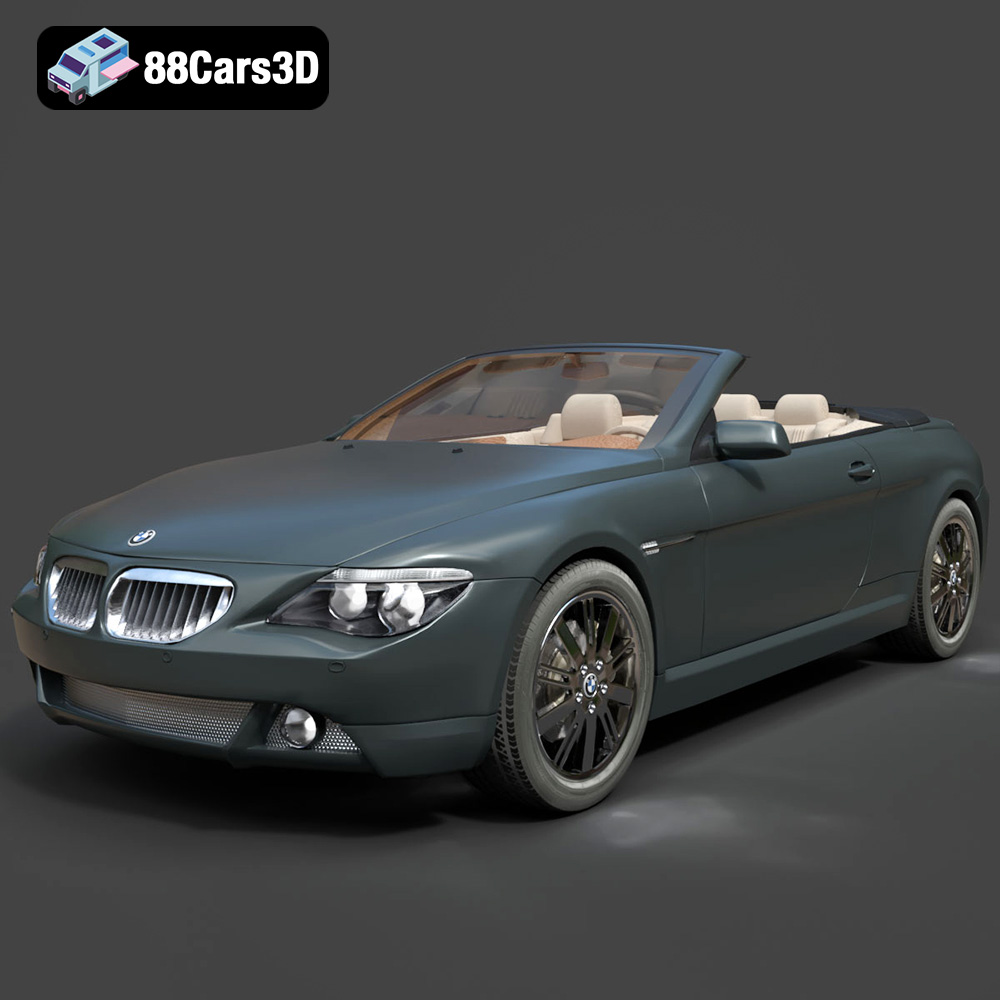
Texture: Yes
Material: Yes
Download the BMW 645ci 3D Model featuring a sleek, detailed exterior and optimized interior. Includes .blend, .fbx, .obj, .glb, .stl, .ply, .unreal, and .max formats for rendering, simulation, and game development.
Price: $10.79
View Product
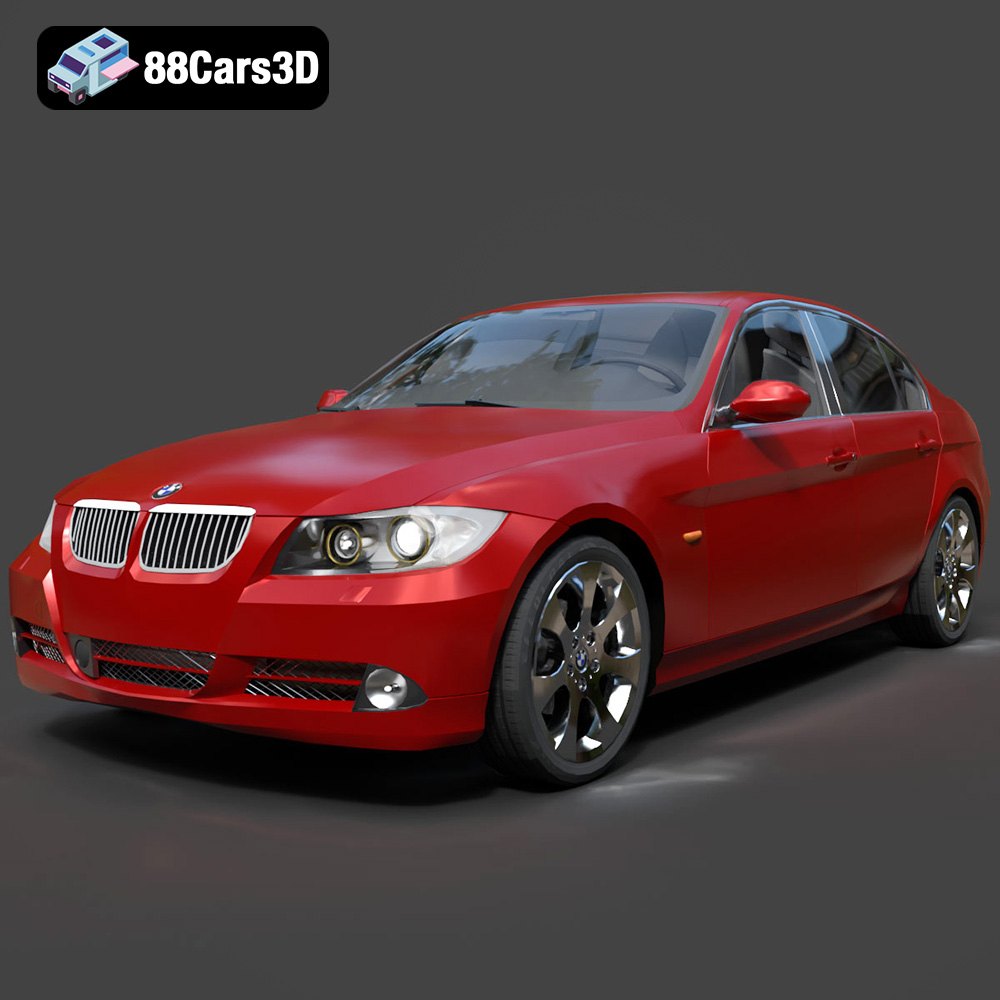
Texture: Yes
Material: Yes
Download the BMW 330i E90 3D Model featuring a detailed exterior, an optimized interior, and accurate mechanical components. Includes .blend, .fbx, .obj, .glb, .stl, .ply, .unreal, and .max formats for rendering, simulation, and game development.
Price: $14.79
View Product
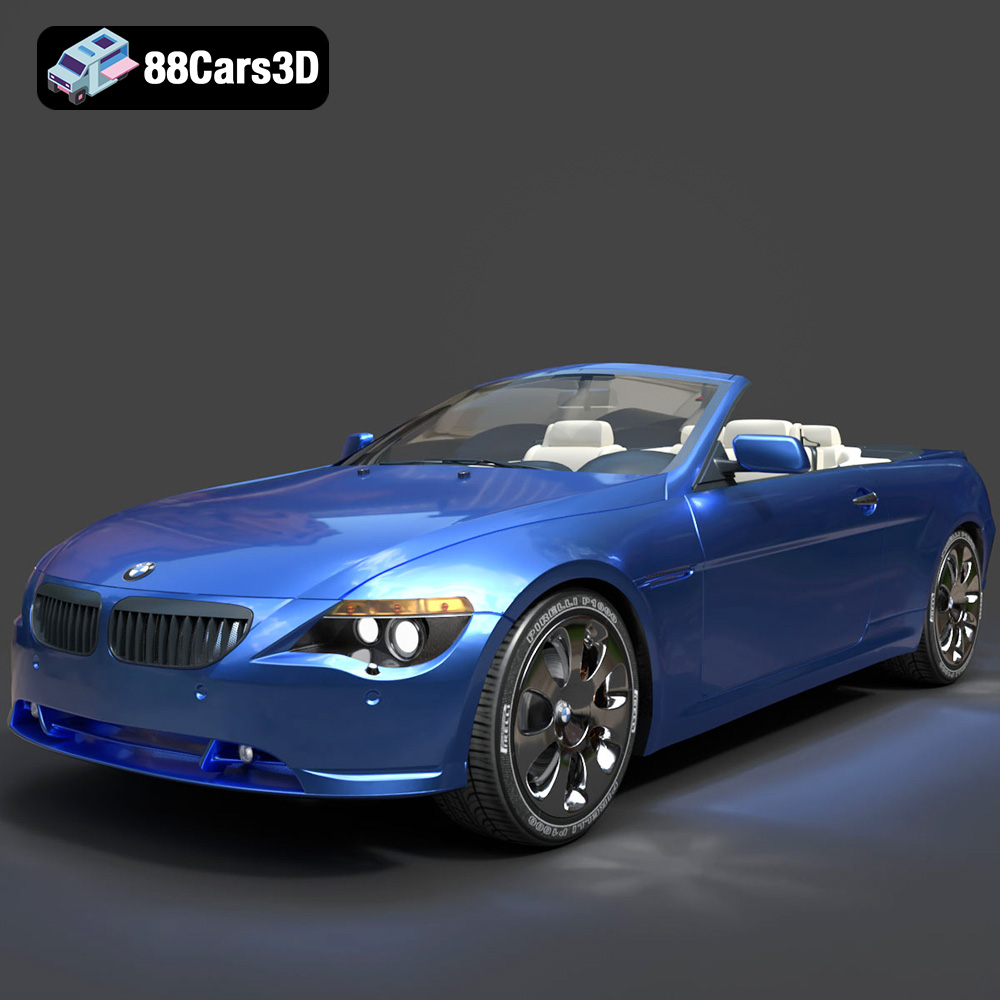
Texture: Yes
Material: Yes
Download the BMW 6 Series Convertible 3D Model featuring clean geometry, realistic detailing, and a fully modeled interior. Includes .blend, .fbx, .obj, .glb, .stl, .ply, .unreal, and .max formats for rendering, simulation, and game development.
Price: $14.99
View Product
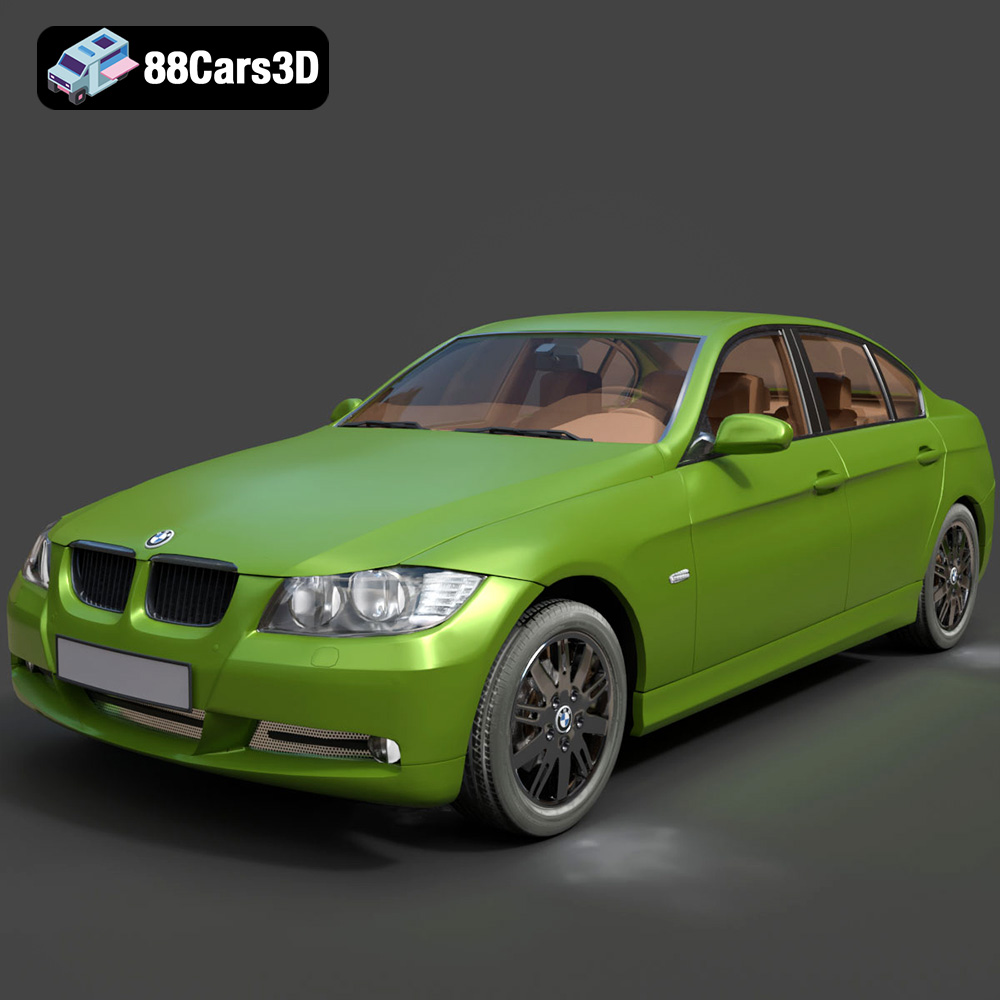
Texture: Yes
Material: Yes
Download the BMW 3-005 3D Model featuring a sleek design, detailed exterior and interior. Includes .blend, .fbx, .obj, .glb, .stl, .ply, .unreal, and .max formats for rendering, simulation, and game development.
Price: $14.99
View Product
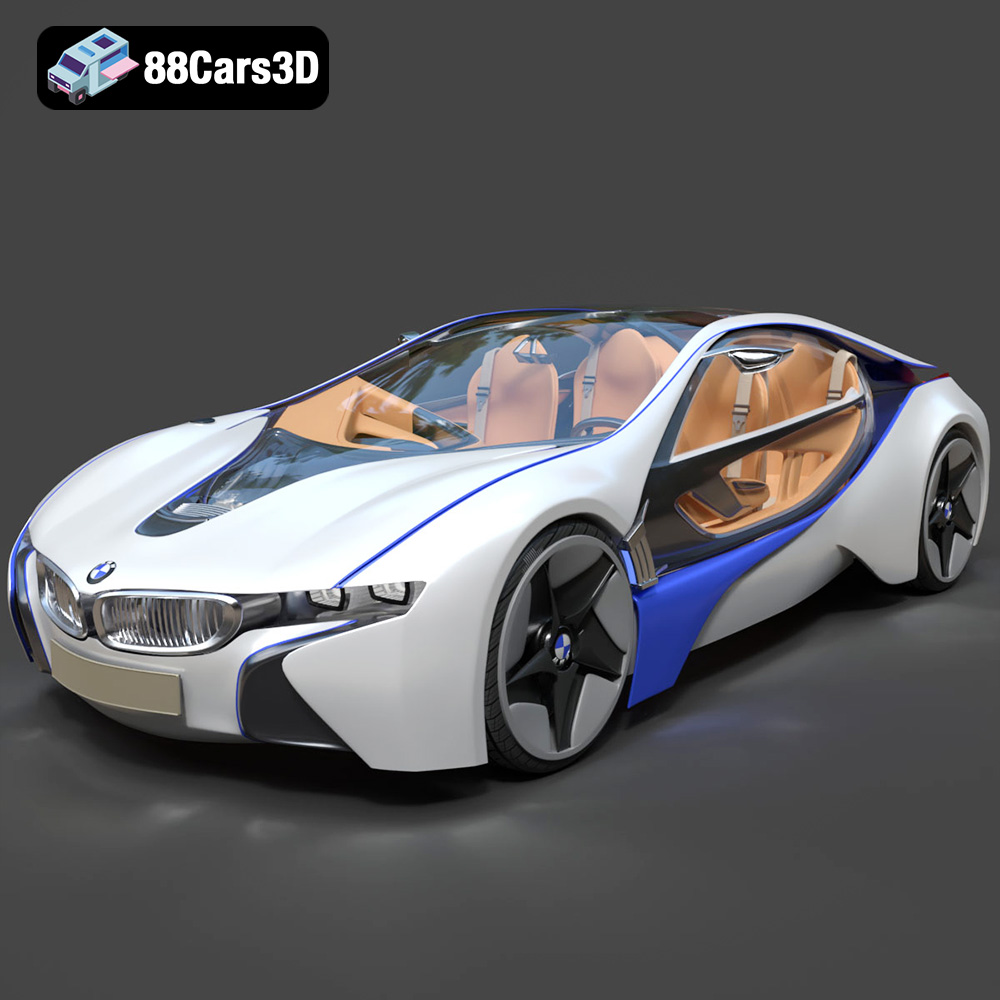
Texture: Yes
Material: Yes
Download the BMW Vision Effecient Dynamics-007 3D Model featuring a sleek, futuristic design and hybrid concept aesthetics. Includes .blend, .fbx, .obj, .glb, .stl, .ply, .unreal, and .max formats for rendering, simulation, and game development.
Price: $14.99
View Product
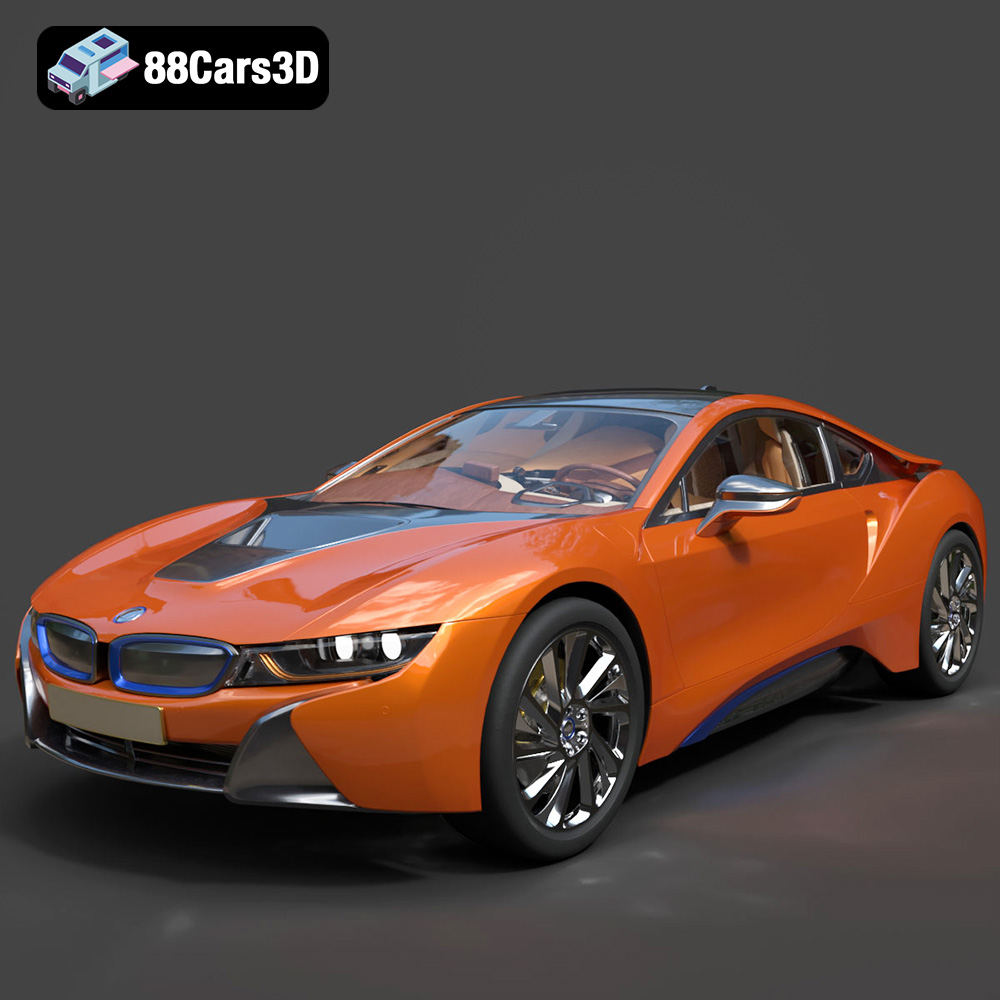
Texture: Yes
Material: Yes
Download the BMW i8 2015 3D Model featuring clean geometry, realistic detailing, and a fully modeled interior. Includes .blend, .fbx, .obj, .glb, .stl, .ply, .unreal, and .max formats for rendering, simulation, and game development.
Price: $12.99
View Product

Texture: Yes
Material: Yes
Download the BMW 4 Series F32 3D Model featuring clean geometry, realistic detailing, and a fully modeled interior. Includes .blend, .fbx, .obj, .glb, .stl, .ply, .unreal, and .max formats for rendering, simulation, and game development.
Price: $12.99
View Product
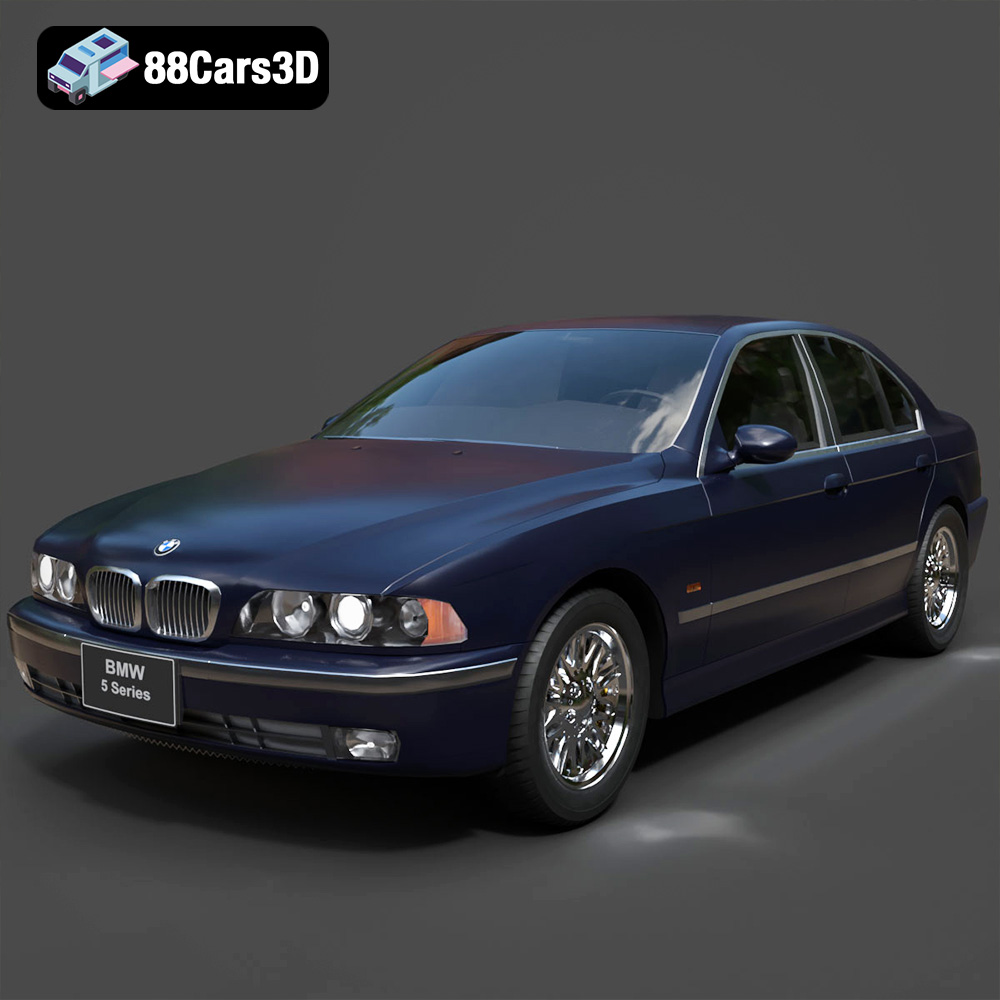
Texture: Yes
Material: Yes
Download the BMW E39 M5-540i 3D Model featuring its iconic sedan design, detailed exterior, and realistic interior. Includes .blend, .fbx, .obj, .glb, .stl, .ply, .unreal, and .max formats for rendering, simulation, and game development.
Price: $10.79
View Product


