⚡ FLASH SALE: Get 60% OFF All Premium 3D & STL Models! ⚡

“`html
Welcome, fellow makers and automotive enthusiasts! You’ve found that perfect printable car model STL, brimming with intricate details and ready to bring your favorite vehicles to life on your 3D printer. But before you hit ‘print,’ there’s a crucial step that separates a good print from a truly spectacular one: slicing. Slicing is the process of translating your 3D model into layer-by-layer instructions that your 3D printer can understand and execute. Getting this wrong can lead to print failures, loss of detail, and endless frustration. This comprehensive guide will dive deep into the art and science of slicing STL files, specifically focusing on achieving breathtaking quality with your automotive models. We’ll explore everything from understanding STL file nuances to fine-tuning slicer settings for both FDM and resin printing, ensuring your next 3D printed supercar is a masterpiece.
Before even opening your slicer software, it’s essential to understand the nature of the STL file format and the mesh geometry it represents. STL (STereoLithography) is the de facto standard for 3D printable models, but it’s not without its quirks. It describes the surface geometry of a 3D object using a collection of connected triangles (facets). The quality and integrity of this mesh are paramount to successful slicing and printing. Models purchased from reputable sources, such as 88cars3d.com, are typically designed with printability in mind, meaning they have clean topology, manifold geometry, and appropriate wall thicknesses. However, understanding potential issues can save you a lot of headaches.
A ‘manifold’ mesh is a watertight, solid model without holes, internal faces, or self-intersections. Think of it like a sealed container – there are no gaps for the slicer to get confused about what is inside and outside. Non-manifold errors can cause the slicer to misinterpret the model, leading to gaps in the print, incorrect support generation, or even complete slicing failures. Common issues include:
Many slicers have basic mesh repair functions, but for complex issues, dedicated tools like Meshmixer, Blender, or Netfabb are invaluable. These programs allow you to visualize, diagnose, and repair mesh errors before slicing.
Automotive models often feature delicate details like spoilers, mirrors, and grilles. The STL file must represent these features with sufficient wall thickness to be printable. A wall that is too thin (less than 0.8mm to 1.2mm, depending on your nozzle size and material) might not resolve correctly during printing, leading to stringing, breakage, or simply not appearing. Similarly, very fine details might require specific printer capabilities (like high-resolution resin printers) and careful slicing to be reproduced accurately. When downloading models, check descriptions for recommended print settings and minimum feature sizes.
Slicer software is the bridge between your digital STL model and your physical 3D printer. It takes the 3D model and divides it into hundreds or thousands of horizontal layers, generating the G-code that controls the printer’s movements, temperature, and extrusion. Popular slicers include Ultimaker Cura, PrusaSlicer, Simplify3D, and Chitubox (for resin printers). While each has its unique interface and advanced features, the core principles of slicing remain the same.
At its heart, a slicer needs to know:
The primary output is G-code, a text-based file containing machine instructions. Understanding the relationship between these components is crucial for effective slicing. Don’t just rely on default profiles; tailor them to your specific needs, especially when printing detailed automotive models where fine control over settings can make a significant difference.
Most slicers allow you to create and save custom profiles. This is incredibly useful for different types of prints. For example, you might have a “Draft Quality” profile for quick prototypes and a “High Detail” profile specifically tuned for intricate models from 88cars3d.com. When creating a high-detail profile, you’ll typically aim for smaller layer heights, slower print speeds, and potentially different infill patterns and densities. Properly managed profiles save time and ensure consistency across your prints.
These are arguably the most impactful settings for print quality and print time. Mastering them is key to achieving the smooth surfaces and crisp details required for realistic car models.
Layer height dictates the thickness of each individual layer deposited by the printer. It’s a direct trade-off between print quality and print time. For FDM printing:
For resin printing (SLA/DLP/MSLA), layer heights are typically much smaller, ranging from 0.025mm to 0.1mm, offering significantly higher vertical resolution out of the box. However, even with resin, choosing an appropriate layer height (e.g., 0.05mm for detail vs. 0.1mm for faster prints) is important.
Infill provides internal support structure for the outer walls and top layers, and contributes to the overall strength of the print. For display models like car replicas, strength is often less critical than minimizing material usage and print time.
Experimenting with infill patterns can lead to surprising reductions in print time without compromising visual quality for display pieces.
How you position your model on the build plate and how you support overhangs are critical for preventing print failures and ensuring the best surface finish.
The orientation of your model significantly impacts:
For car models, often printing the main body upright is best for detail, but smaller components like spoilers or mirrors might benefit from being printed flat or at an angle.
Supports are temporary structures printed to hold up overhangs and bridges that would otherwise fail. Effective support generation is an art.
Careful manual placement and adjustment of supports in the slicer, often in conjunction with tree supports, yields the best results for complex automotive shapes.
Beyond the basics, several advanced techniques can elevate your printed car models from good to exceptional.
Modern slicers like Cura and PrusaSlicer offer features that automatically adjust layer height based on the model’s geometry. Variable Layer Height allows you to manually assign different layer heights to specific sections of your model. Adaptive Layer Height automatically reduces layer height on steep curves and increases it on flatter sections. This is a game-changer for car models, as it allows for ultra-fine detail on curves and faster printing on vertical walls.
This technique significantly reduces overall print time while maximizing detail where it matters most.
The ‘seam’ is where each layer starts and ends. In FDM printing, this often creates a visible line or “blob” on the print surface. Controlling seam placement is crucial for smooth finishes.
For car models, aligning the seam to the back or underside of the vehicle, or using the ‘Sharpest Corner’ option, often results in the cleanest finish on visible surfaces.
The slicing approach differs significantly between FDM and resin technologies:
When downloading from platforms like 88cars3d.com, check if the model is optimized for FDM or resin, as this can influence how best to slice it.
Slicing is only part of the equation. Proper printer preparation and diligent post-processing are essential for that professional, showroom-quality finish.
A well-calibrated printer is non-negotiable. Ensure your E-steps are calibrated, your axes are level, and your extrusion multiplier is accurate. For bed adhesion:
A perfect first layer is the foundation of a successful print.
Removing supports cleanly can be challenging but is vital for automotive models.
Patience in post-processing is rewarded with a finish that rivals professionally manufactured models.
Slicing STL files is a technical skill that, when honed, unlocks the true potential of your 3D printer for creating stunningly detailed automotive models. Understanding your STL’s mesh integrity, mastering the core slicing parameters like layer height and infill, strategically orienting your model, and intelligently generating supports are the pillars of high-quality prints. By leveraging advanced features like variable layer height and paying close attention to print preparation and post-processing, you can transform digital files from marketplaces like 88cars3d.com into tangible replicas that would make any car enthusiast proud.
Don’t be afraid to experiment! Each printer, material, and model is unique. Keep a log of your settings, learn from every print (successful or failed), and gradually refine your slicer profiles. The journey of mastering slicing is ongoing, but the reward – flawlessly printed, detailed car models – is well worth the effort. Happy printing!
“`

Texture: Yes
Material: Yes
Download the BMW 7 Series E38 3D Model featuring its iconic luxury sedan design and classic aesthetics. Includes .blend, .fbx, .obj, .glb, .stl, .ply, .unreal, and .max formats for rendering, simulation, and game development.
Price: $10.79

Texture: Yes
Material: Yes
Download the BMW 6 Series 640i F12 3D Model featuring a sleek design and detailed interior. Includes .blend, .fbx, .obj, .glb, .stl, .ply, .unreal, and .max formats for rendering, simulation, and game development.
Price: $10.79

Texture: Yes
Material: Yes
Download the BMW 6 Coupe E63 3D Model featuring a sleek design, detailed interior, and realistic exterior. Includes .blend, .fbx, .obj, .glb, .stl, .ply, .unreal, and .max formats for rendering, simulation, and game development.
Price: $10.79
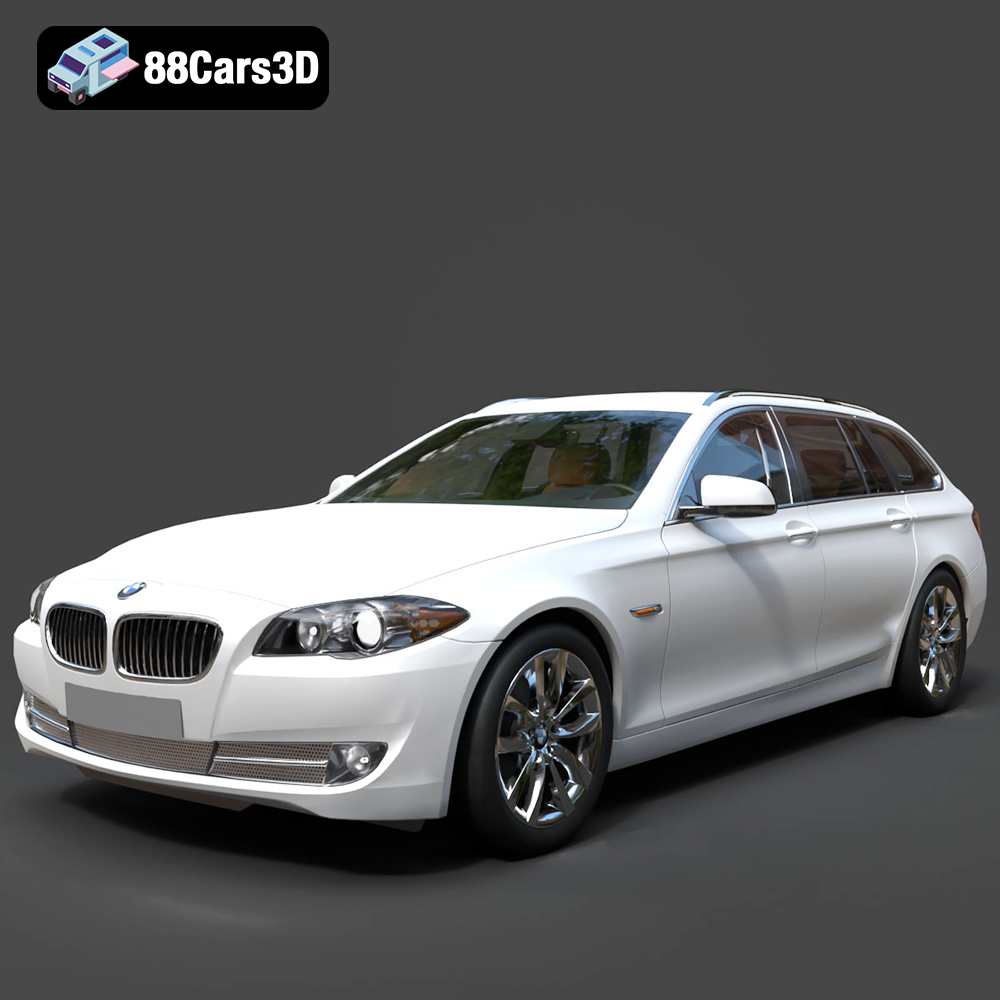
Texture: Yes
Material: Yes
Download the BMW 5 Series Touring F11-007 3D Model featuring a detailed exterior and interior. Includes .blend, .fbx, .obj, .glb, .stl, .ply, .unreal, and .max formats for rendering, simulation, and game development.
Price: $10.79
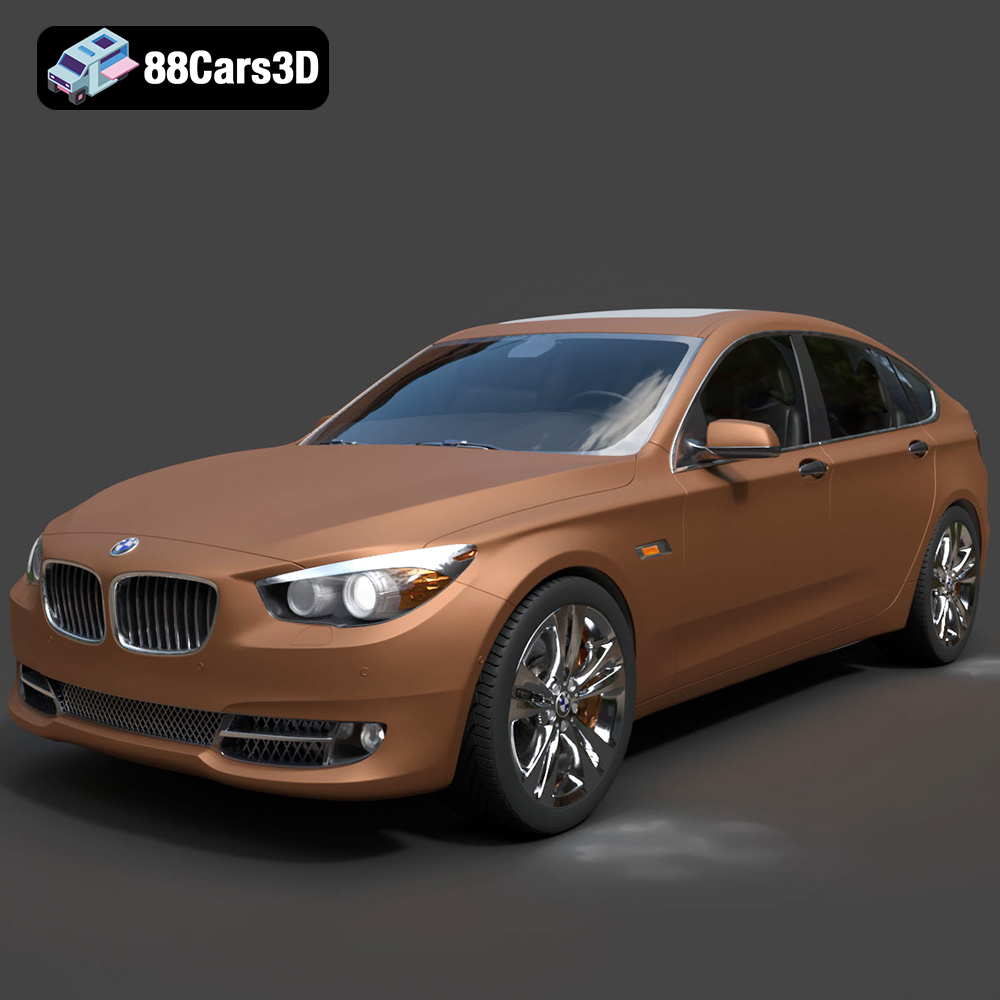
Texture: Yes
Material: Yes
Download the BMW 5 Series Gran Turismo F07-003 3D Model featuring a detailed exterior and interior. Includes .blend, .fbx, .obj, .glb, .stl, .ply, .unreal, and .max formats for rendering, simulation, and game development.
Price: $10.79
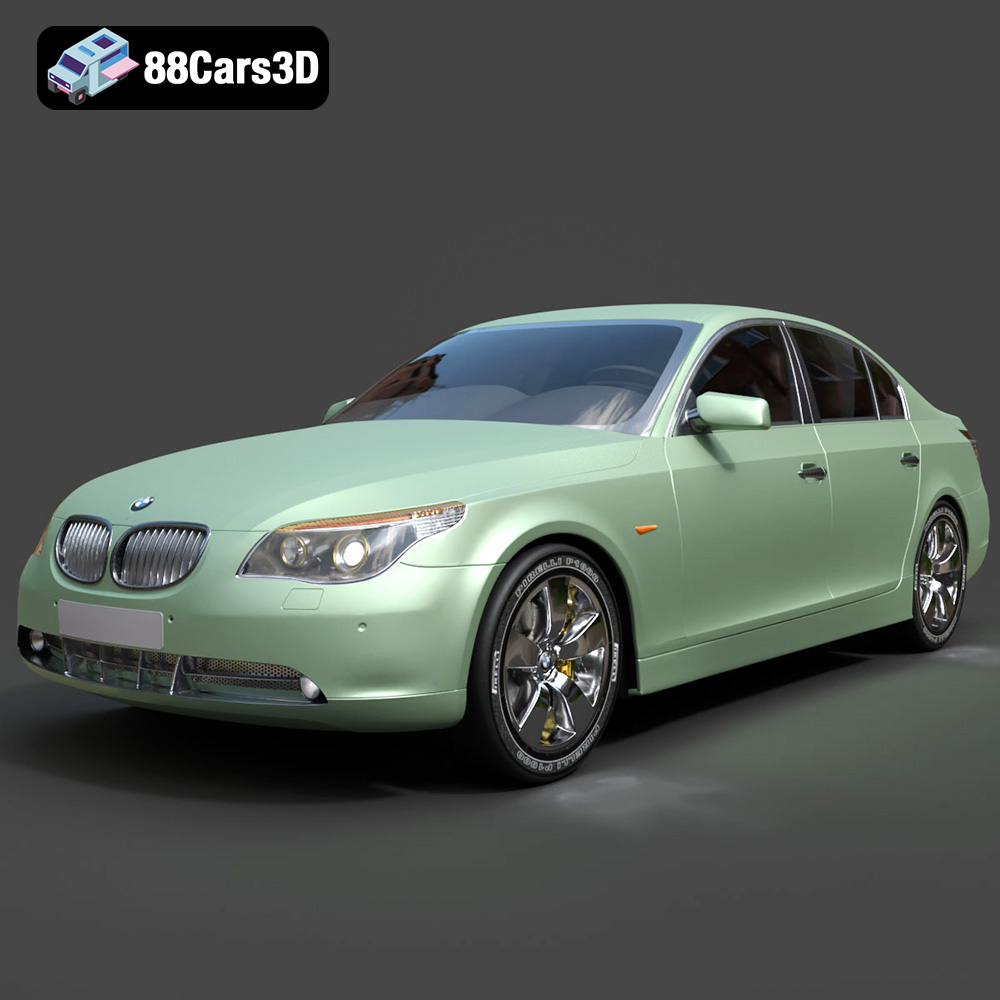
Texture: Yes
Material: Yes
Download the BMW 5 Series E60 3D Model featuring its iconic sedan design, detailed exterior, and interior. Includes .blend, .fbx, .obj, .glb, .stl, .ply, .unreal, and .max formats for rendering, simulation, and game development.
Price: $10.79

Texture: Yes
Material: Yes
Download the BMW 5 E34-535i 3D Model featuring an iconic design, detailed exterior and interior, and accurate representation. Includes .blend, .fbx, .obj, .glb, .stl, .ply, .unreal, and .max formats for rendering, simulation, and game development.
Price: $10.79
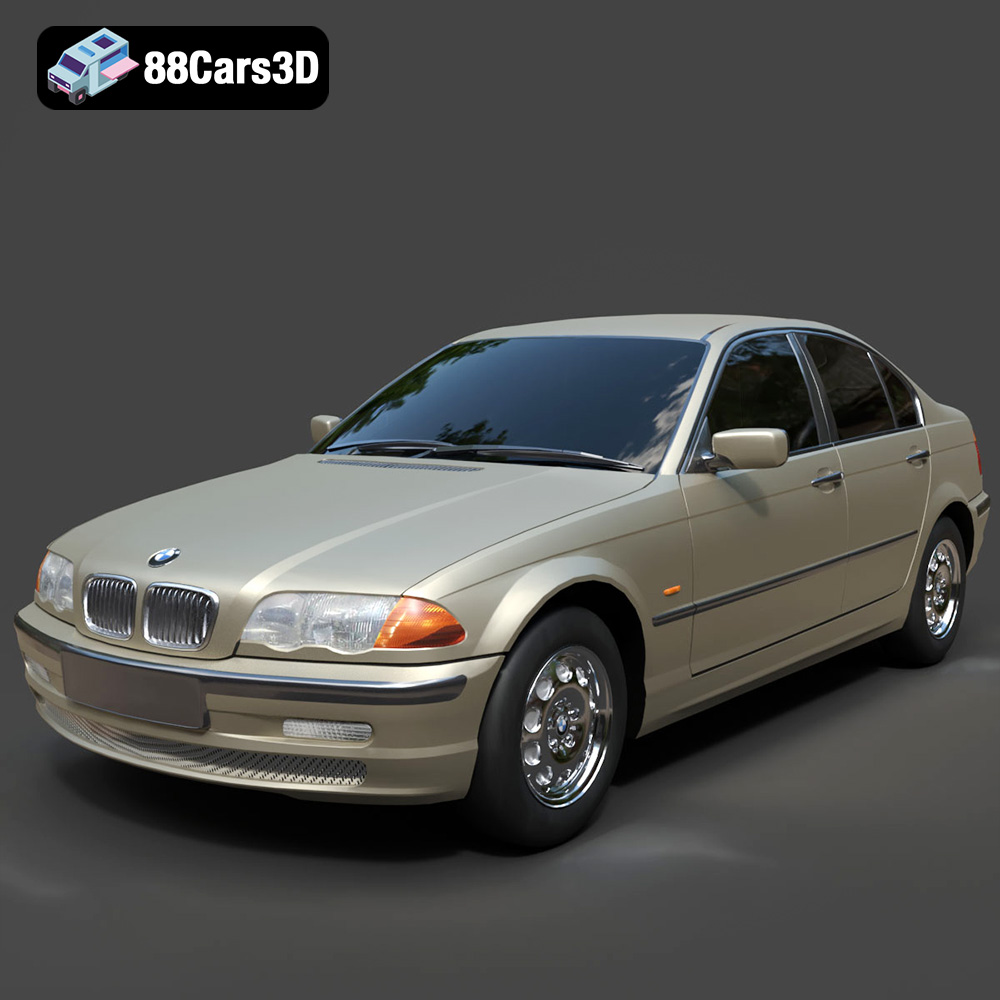
Texture: Yes
Material: Yes
Download the BMW 3 Series E46 3D Model featuring authentic exterior lines, a detailed interior, and separated components for animation. Includes .blend, .fbx, .obj, .glb, .stl, .ply, .unreal, and .max formats for rendering, simulation, and game development.
Price: $10.79
Texture: Yes
Material: Yes
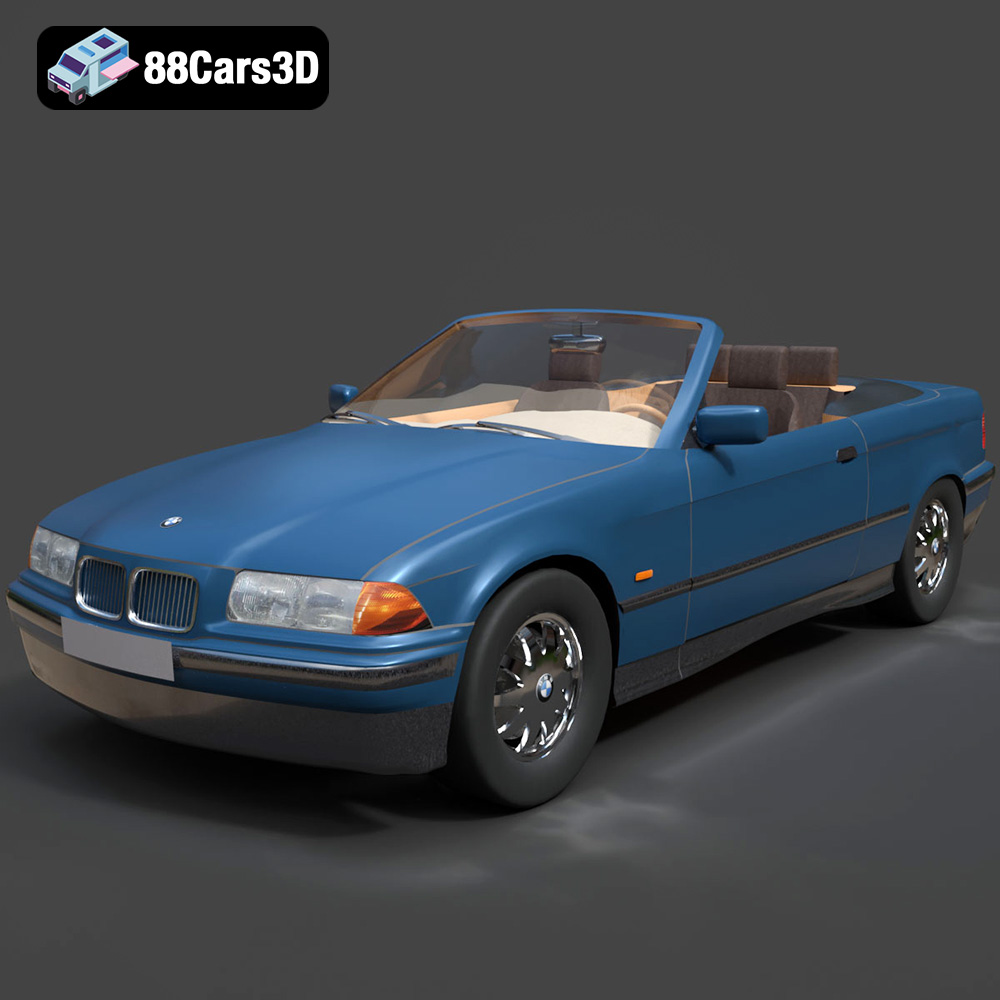
Download the BMW 3 Series E36 Cabrio 325i 1998 3D Model featuring a classic convertible design and detailed interior. Includes .blend, .fbx, .obj, .glb, .stl, .ply, .unreal, and .max formats for rendering, simulation, and game development.
Price: $10.79
Texture: Yes
Material: Yes
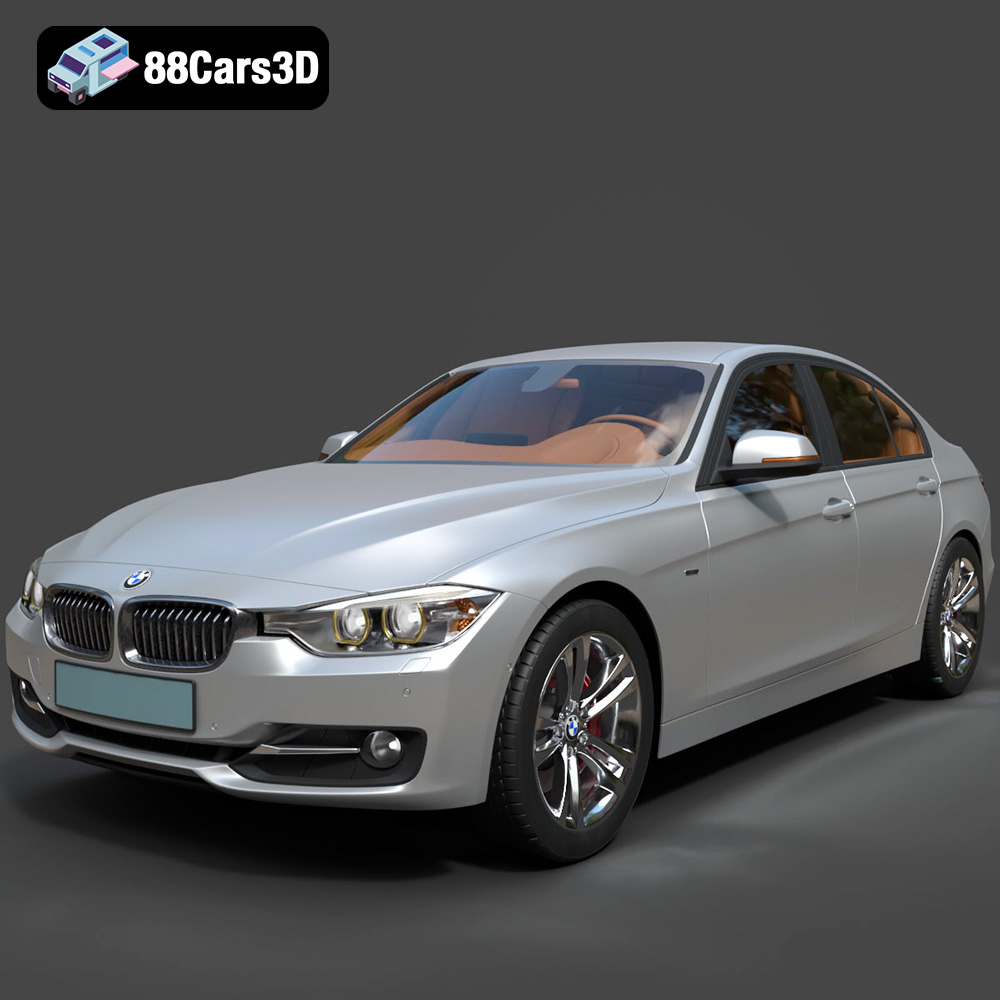
Download the BMW 3 F30 3D Model featuring a detailed exterior, realistic interior, and optimized mesh. Includes .blend, .fbx, .obj, .glb, .stl, .ply, .unreal, and .max formats for rendering, simulation, and game development.
Price: $10.79

