⚡ FLASH SALE: Get 60% OFF All Premium 3D & STL Models! ⚡

The automotive industry is in a constant state of evolution, driven by innovation in vehicle technology, manufacturing processes, and customer experiences. Keeping pace with these rapid changes requires equally advanced training methods. Traditional approaches, while valuable, often fall short in providing the immersive, hands-on, and repeatable experiences necessary for complex automotive systems. This is where Unreal Engine steps in, transforming the landscape of automotive training simulations by offering unparalleled realism, interactivity, and flexibility.
Imagine a mechanic being able to disassemble and reassemble a virtual engine, exploring its inner workings without risk or cost. Envision a sales professional walking a prospective buyer through a fully interactive car configurator, highlighting features in a stunningly realistic environment. Or picture a manufacturing engineer practicing a complex assembly line procedure in a safe, virtual twin of the factory floor. These scenarios are not futuristic fantasies but present-day realities made possible by the powerful real-time rendering capabilities of Unreal Engine.
This comprehensive guide will delve deep into the technical workflows and best practices for creating cutting-edge interactive automotive training simulations using Unreal Engine. We’ll cover everything from setting up your project and integrating high-fidelity 3D car models (like those found on 88cars3d.com) to crafting photorealistic materials, implementing dynamic lighting, scripting intricate interactions with Blueprint, optimizing for peak performance, and deploying for various platforms including AR/VR. Whether you’re an Unreal Engine developer, a 3D artist, or an automotive professional looking to innovate your training programs, prepare to unlock the full potential of real-time simulation.
The foundation of any successful Unreal Engine project lies in its initial setup and the quality of its assets. For automotive training simulations, this means meticulously configuring your project to handle high-fidelity visuals and ensuring your 3D car models are optimized for real-time performance. Starting with the right template and enabling necessary plugins sets the stage for a smooth development process and a stunning final product.
When you first create a new project in Unreal Engine, selecting the appropriate template is crucial. While the “Games” template offers a good starting point, a “Blank” project often provides more control, allowing you to enable only the plugins essential for your automotive visualization needs. Key plugins to consider enabling include Datasmith Importer (for CAD data), USD Importer (for universal scene description files), Chaos Vehicles (for realistic physics), and potentially Level Streaming for managing large environments. Disabling unnecessary plugins can help reduce editor load times and project size, contributing to better performance. Furthermore, establishing scalable quality settings early on—such as configuring post-process volumes and project-wide rendering settings—ensures consistency across your simulation.
Achieving automotive-grade fidelity in Unreal Engine requires attention to detail in project settings. Navigate to Edit > Project Settings and explore categories like Rendering and Engine > Physics. Under Rendering, ensure features like Lumen Global Illumination and Reflections are enabled for dynamic, photorealistic lighting, which we’ll discuss further in a later section. For anti-aliasing, Temporal Super Resolution (TSR) often provides excellent results with minimal performance overhead. In the Physics settings, adjusting substeps and solver iterations can refine the accuracy of vehicle dynamics. It’s also wise to set up appropriate input bindings for your training application, whether it’s for keyboard/mouse interaction, game controllers, or specific AR/VR input devices.
When setting up for visualization, consider enabling the “High Quality Reflection Captures” setting under Rendering for sharper reflections, and experiment with different Post Process Volume settings like Screen Space Ambient Occlusion (SSAO) and Screen Space Global Illumination (SSGI) before committing to Lumen or baking lightmaps. For more in-depth guidance on specific settings, the official Unreal Engine documentation at https://dev.epicgames.com/community/unreal-engine/learning is an invaluable resource.
The visual quality of your training simulation heavily relies on the 3D car models you use. High-quality models feature clean topology, accurate UV mapping, and properly configured PBR (Physically Based Rendering) textures. When sourcing automotive assets, platforms like 88cars3d.com offer a wide selection of professional-grade 3D car models specifically optimized for Unreal Engine, ensuring they meet industry standards for visual fidelity and performance. These models often come with pre-configured materials, multiple LODs (Levels of Detail), and a clean hierarchy, significantly streamlining the import process.
Upon acquiring your models, typically in FBX or USD format, the import process into Unreal Engine is straightforward. Drag and drop the file directly into your Content Browser, or use the “Import” button. In the import dialogue, pay close attention to settings such as “Combine Meshes” (often useful for entire vehicles), “Normal Import Method,” and “Material Import Method.” Ensure “Import Textures” and “Create New Materials” are selected to bring in associated PBR maps. It’s crucial to verify the model’s scale upon import; Unreal Engine uses centimeters as its base unit, so models should ideally be exported at 1 unit = 1cm for accurate sizing within the engine. After import, check the pivot point of your vehicle and individual components (like doors or wheels) to ensure they rotate and move correctly, adjusting them in the Static Mesh Editor if necessary.
Realism in automotive training simulations is paramount, and it hinges on two critical elements: photorealistic materials and dynamic, lifelike lighting. Unreal Engine’s advanced Material Editor combined with powerful global illumination solutions like Lumen allows developers to achieve stunning visual fidelity that truly immerses trainees in the virtual environment.
Physically Based Rendering (PBR) is the cornerstone of modern real-time rendering, simulating how light interacts with surfaces based on real-world physics. Mastering PBR materials in Unreal Engine means understanding the various texture maps—Base Color (Albedo), Metallic, Roughness, Normal, and optionally Ambient Occlusion and Height—and how they influence a surface’s appearance. For automotive applications, this also extends to specialized materials like advanced car paint, realistic glass, and various interior finishes. Similarly, a robust lighting setup, whether dynamic with Lumen or pre-baked for specific scenarios, profoundly impacts the perceived realism, setting the mood and highlighting crucial details of the vehicle.
The Unreal Engine Material Editor is a node-based interface that allows for immense creative control over surface properties. For car paint, creating a “master material” is an industry best practice. This master material can incorporate complex layers, such as a base metallic or non-metallic layer, topped with a transparent clear coat. You’ll typically use parameters to control color, metallic intensity, roughness, and normal map strength. The Clear Coat input and Clear Coat Roughness in the main material node are essential for simulating the layered look of automotive finishes. Anisotropic reflections, which appear stretched in a particular direction, are also key for realistic car paint and can be achieved using specific normal maps or custom shader logic. For glass, blending translucency, refraction, and subtle reflections using Fresnel nodes is vital to mimic real-world window properties. For tires, a detailed normal map to convey tread patterns combined with appropriate roughness and metallic values (often very low or zero metallic) helps achieve a realistic rubber appearance. Integrating textures generated from software like Substance Painter or Designer involves importing the texture maps and connecting them to the correct inputs in your material instance, allowing for rapid iteration on visual properties.
Lumen is Unreal Engine’s fully dynamic global illumination and reflections system, capable of delivering incredibly realistic lighting with minimal setup. For automotive training, Lumen eliminates the need for complex lightmap baking, allowing for dynamic time-of-day changes, interactive garage doors, and realistic light bounce off car surfaces. To enable Lumen, navigate to Project Settings > Rendering and set “Global Illumination” and “Reflections” to Lumen. Ensure your Post Process Volume also has Lumen enabled and configured. While Lumen provides stunning real-time results, understanding its performance implications is crucial, especially for high-end cinematic quality or AR/VR deployment. For scenarios where performance is critical and lighting is static, traditional baked lighting (using Lightmass) can offer a performance-friendly alternative, though it lacks dynamic updates. Combining an HDRI Skybox with Lumen provides excellent environmental lighting, while Sky Atmosphere and Volumetric Clouds add depth and realism to outdoor scenes. Directional Lights simulate the sun, Spot Lights mimic studio lights, and Rect Lights are perfect for soft, even illumination often seen in showrooms. Balancing these light sources, paying attention to shadows, and using light functions can create truly compelling and functional training environments.
The true power of an interactive training simulation comes from its ability to respond to user input and guide the trainee through a series of steps or scenarios. Unreal Engine’s Blueprint Visual Scripting system makes this level of interactivity accessible, allowing developers to create complex logic without writing a single line of code. Blueprint is a node-based interface that empowers artists and designers to build sophisticated gameplay mechanics, user interfaces, and training protocols.
For automotive training, Blueprint can be used to simulate everything from opening car doors and interacting with dashboard controls to guiding a user through a diagnostic procedure or demonstrating the function of specific components. This visual scripting approach not only accelerates development but also facilitates collaboration between programmers and non-programmers, ensuring that the training content is both technically robust and pedagogically effective. From basic object interactions to complex vehicle physics, Blueprint provides the flexibility to create engaging and informative simulations.
Interactive training scenarios are built on a foundation of event-driven logic. For example, to create a scenario where a trainee must open a car door: first, create an Actor Blueprint for the door. Within this Blueprint, define an “Interact” event (e.g., triggered by a button press when the player is near). This event can then trigger a timeline that animates the door opening or closing using interpolation. Similarly, for dashboard interactions, you could create a Blueprint widget for a touch screen display, where button presses trigger events that update vehicle status, turn on accessories, or change radio stations. For sequential training, an overarching “Training Manager” Blueprint can track progress, display prompts (via UMG widgets), and enable/disable specific interactions based on the current step. For instance, after a trainee “checks the oil,” the system might prompt them to “close the hood,” only enabling the hood-closing interaction once the oil check is complete. This system can also track user performance, logging incorrect actions or the time taken to complete tasks, which is invaluable for post-training analysis.
Simulating realistic vehicle dynamics is crucial for many automotive training applications, especially for driver training or understanding mechanical behavior. Unreal Engine’s Chaos Vehicle Plugin provides a robust framework for this. To set up a vehicle, you typically need a skeletal mesh of the car (with separate bones for wheels and chassis), a Physics Asset, and a Vehicle Movement Component. The Vehicle Movement Component in a Blueprint class allows you to define engine parameters (torque curves, gear ratios), transmission settings, and wheel properties (suspension, tire friction, steering curves). You can then use Blueprint to connect these parameters to player input (keyboard, gamepad, steering wheel controllers) to create a drivable vehicle. For more advanced scenarios, such as demonstrating suspension articulation or brake system function, you can expose parameters within the Vehicle Movement Component to Blueprint, allowing for interactive adjustments and real-time visualization of their effects. While creating a complete vehicle physics system from scratch can be complex, Unreal Engine offers excellent starting points, and the official documentation (available at https://dev.epicgames.com/community/unreal-engine/learning) provides detailed guides on configuring the Chaos Vehicle system. Furthermore, you can simulate basic damage models using Blueprint by swapping out mesh components or applying material instances that show wear and tear based on physics interactions or scripted events, adding another layer of realism to maintenance training.
High visual fidelity and interactive complexity often come at a cost to performance. For real-time training simulations, maintaining a smooth, consistent frame rate is critical for immersion and usability, especially when targeting various platforms, including AR/VR devices. Unreal Engine provides a suite of powerful optimization tools, notably Nanite and robust LOD (Levels of Detail) systems, which are indispensable for managing the visual complexity of detailed automotive models and vast training environments.
Effective optimization isn’t just about achieving high frame rates; it’s about making intelligent trade-offs that preserve visual quality while ensuring the application runs smoothly on the target hardware. This involves understanding how assets are rendered, how geometry is processed, and how textures are streamed. Leveraging features like Nanite allows artists to work with extremely high-polygon models directly, circumventing traditional polygon budget constraints, while a comprehensive LOD strategy ensures that performance scales gracefully with distance and object visibility. Combining these techniques with intelligent material and texture optimization ensures that your automotive training simulations are both stunning and performant.
Nanite is Unreal Engine’s virtualized geometry system, introduced with Unreal Engine 5, designed to handle immense polygon counts (millions to billions) with unprecedented efficiency. For automotive models, which are often highly detailed CAD conversions or scan data, Nanite is a game-changer. Instead of painstakingly reducing polygon counts or baking normal maps, artists can import these high-fidelity models directly. Nanite automatically handles the streaming and culling of geometry at a sub-pixel level, ensuring that only the necessary detail is rendered for each frame, regardless of the camera’s distance or angle. To enable Nanite on a static mesh, simply open the mesh in the Static Mesh Editor and check the “Enable Nanite” checkbox under the “Nanite Settings” section. This process transforms the mesh into a Nanite-enabled asset, dramatically reducing draw calls and memory footprint while retaining incredible visual detail. While Nanite is revolutionary, it currently has some limitations, such as not supporting skeletal meshes, blend shapes, or certain types of mesh decals directly. However, for the static geometry of a vehicle’s body, chassis, and many interior components, Nanite is an ideal solution for achieving cinematic-quality detail in real-time. This allows trainees to zoom in on intricate components without any loss of fidelity, enhancing the learning experience.
Even with Nanite handling core geometry, a robust optimization strategy involves more than just enabling one feature. Levels of Detail (LODs) remain crucial for non-Nanite meshes (like animated components or smaller props) and for managing overall scene complexity. Unreal Engine can automatically generate LODs for static meshes, or you can manually create them for finer control. For instance, a detailed car interior might have 3-5 LODs: LOD0 (full detail, near camera), LOD1 (reduced polygons, slightly further), LOD2 (significantly reduced, distant), and so on, eventually culling the mesh entirely when it’s too far away to be seen. In the Static Mesh Editor, you can configure LOD settings, including triangle percentages and screen size thresholds for switching between LODs. Additionally, merging actors can reduce draw calls for clusters of small, static objects. For textures, ensure proper texture streaming is enabled and that textures have appropriate Mipmaps generated, reducing memory usage for distant objects. Material optimization is equally important; complex materials with many instructions can be significant performance bottlenecks. Simplifying material graphs, using fewer texture lookups, and leveraging material instances can improve performance. When sourcing automotive assets from marketplaces such as 88cars3d.com, these models are often pre-optimized with multiple LODs and efficient material setups, allowing developers to integrate them into their projects with minimal additional work, thereby saving valuable development time and ensuring a high level of performance out-of-the-box.
The immersive nature of automotive training can be significantly enhanced through deployment on Augmented Reality (AR) and Virtual Reality (VR) platforms, placing trainees directly into virtual or mixed-reality environments. Beyond interactive experiences, Unreal Engine’s Sequencer tool allows for the creation of guided, cinematic training narratives, offering a structured approach to learning complex procedures or showcasing vehicle features in a highly engaging manner.
AR/VR provides unparalleled realism and spatial understanding, enabling trainees to interact with virtual vehicles and components in a natural, intuitive way. However, these platforms come with their own unique set of optimization challenges, primarily related to maintaining high, consistent frame rates. Complementing these interactive experiences, cinematic sequences can be integrated into training modules to provide introductory explanations, summarize key takeaways, or demonstrate procedures with precise camera control and visual storytelling. Together, AR/VR and cinematic tools push the boundaries of what’s possible in automotive education.
Deploying automotive training simulations to AR/VR requires meticulous optimization to achieve the high, stable frame rates (typically 90fps or higher for VR) necessary for user comfort and immersion. A common strategy is to switch to the Forward Renderer (Project Settings > Rendering > Default Settings), which is often more performant for VR applications than the deferred renderer, although it has some limitations with certain post-processing effects. Mobile optimizations are crucial for standalone VR headsets like the Meta Quest or mobile AR applications. This includes reducing polygon counts further (even with Nanite, some meshes might need traditional LODs for mobile), using smaller texture resolutions, minimizing dynamic lights, and optimizing material complexity. Batching draw calls, merging static meshes, and employing instanced static meshes wherever possible are also vital. For AR, ensure your virtual content scales correctly and anchors stably to real-world surfaces. Input methods are another consideration: for VR, prioritize intuitive controller interactions, while for AR, object recognition and direct touch interactions might be more suitable. User comfort is paramount in VR; avoid rapid camera movements, maintain a steady frame rate, and provide options for teleportation or smooth locomotion based on user preference to prevent motion sickness. Regularly profiling your application using tools like the Unreal Engine Profiler or the GPU Visualizer is essential to identify and address performance bottlenecks specific to your target AR/VR hardware.
While interactive Blueprints empower hands-on learning, Sequencer in Unreal Engine is the go-to tool for creating pre-scripted, cinematic training sequences that guide the trainee through complex information or procedures. Sequencer operates like a non-linear editor, allowing you to animate camera movements, lights, materials, and character actions over a timeline. For automotive training, you can use Sequencer to:
This structured approach ensures that critical information is delivered consistently and effectively. By linking Sequencer events to Blueprint, you can create hybrid experiences where a cinematic explanation transitions seamlessly into an interactive practice session. For example, a Sequencer clip might show how to replace a brake pad, and at its conclusion, the trainee is given control to perform the same action interactively. Furthermore, for high-end visualization or product showcases that might eventually feed into training materials, understanding virtual production concepts and how Unreal Engine integrates with LED walls can create stunning, real-time “in-camera” visual effects. While not strictly a “training” tool, the underlying principles of real-time camera tracking and scene composition used in virtual production can inform how compelling and visually rich your training content becomes. The ability to create polished, high-quality cinematic content for training significantly elevates its perceived value and effectiveness.
The journey of creating interactive automotive training simulations in Unreal Engine is a testament to the power and versatility of real-time technology. From the initial project setup and the meticulous integration of high-fidelity 3D car models to the crafting of photorealistic materials, dynamic lighting, and intricate interactive logic with Blueprint, every step contributes to an immersive and effective learning experience. We’ve explored how cutting-edge features like Nanite revolutionize asset management, allowing for unparalleled visual detail, and discussed the critical importance of optimization strategies, including comprehensive LODs, for scalable performance across diverse platforms, including the demanding environments of AR/VR.
Unreal Engine empowers developers and educators to move beyond static manuals and passive videos, delivering training that is engaging, hands-on, and directly relevant to the complexities of modern automotive technology. By leveraging its robust toolset—from the visual scripting of Blueprint for interactive scenarios and vehicle dynamics, to the cinematic storytelling capabilities of Sequencer—we can create simulations that not only teach but truly immerse. The result is a more informed workforce, reduced training costs, and ultimately, a safer and more efficient automotive industry.
As you embark on your own automotive simulation projects, remember the value of high-quality assets. Sourcing expertly crafted 3D car models, such as those available on 88cars3d.com, provides a solid foundation for your creations, ensuring clean topology, optimized textures, and immediate compatibility with Unreal Engine’s advanced features. Embrace the iterative nature of real-time development, continually refine your optimizations, and always prioritize the trainee’s experience. The future of automotive training is here, and it’s being built, one interactive simulation at a time, within the vibrant real-time canvas of Unreal Engine.

Texture: Yes
Material: Yes
Download the BMW 7 Series E38 3D Model featuring its iconic luxury sedan design and classic aesthetics. Includes .blend, .fbx, .obj, .glb, .stl, .ply, .unreal, and .max formats for rendering, simulation, and game development.
Price: $10.79

Texture: Yes
Material: Yes
Download the BMW 6 Series 640i F12 3D Model featuring a sleek design and detailed interior. Includes .blend, .fbx, .obj, .glb, .stl, .ply, .unreal, and .max formats for rendering, simulation, and game development.
Price: $10.79

Texture: Yes
Material: Yes
Download the BMW 6 Coupe E63 3D Model featuring a sleek design, detailed interior, and realistic exterior. Includes .blend, .fbx, .obj, .glb, .stl, .ply, .unreal, and .max formats for rendering, simulation, and game development.
Price: $10.79
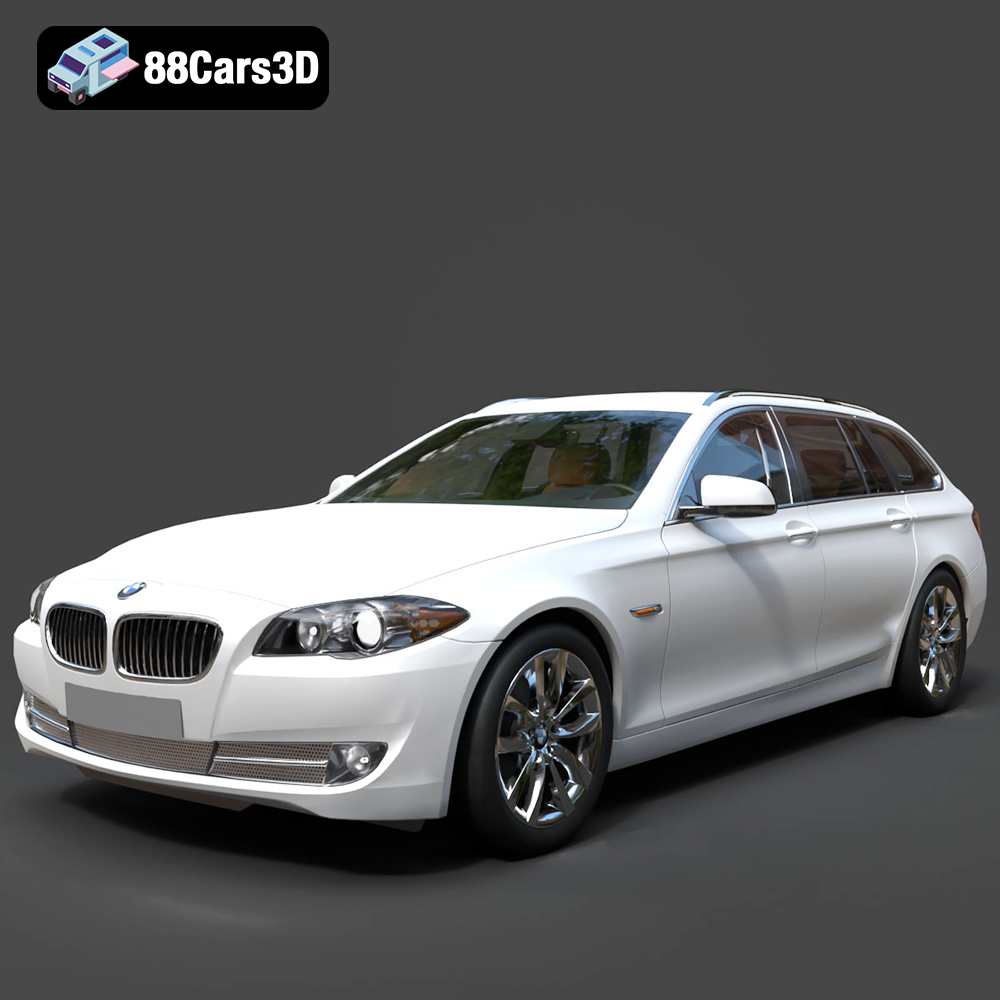
Texture: Yes
Material: Yes
Download the BMW 5 Series Touring F11-007 3D Model featuring a detailed exterior and interior. Includes .blend, .fbx, .obj, .glb, .stl, .ply, .unreal, and .max formats for rendering, simulation, and game development.
Price: $10.79
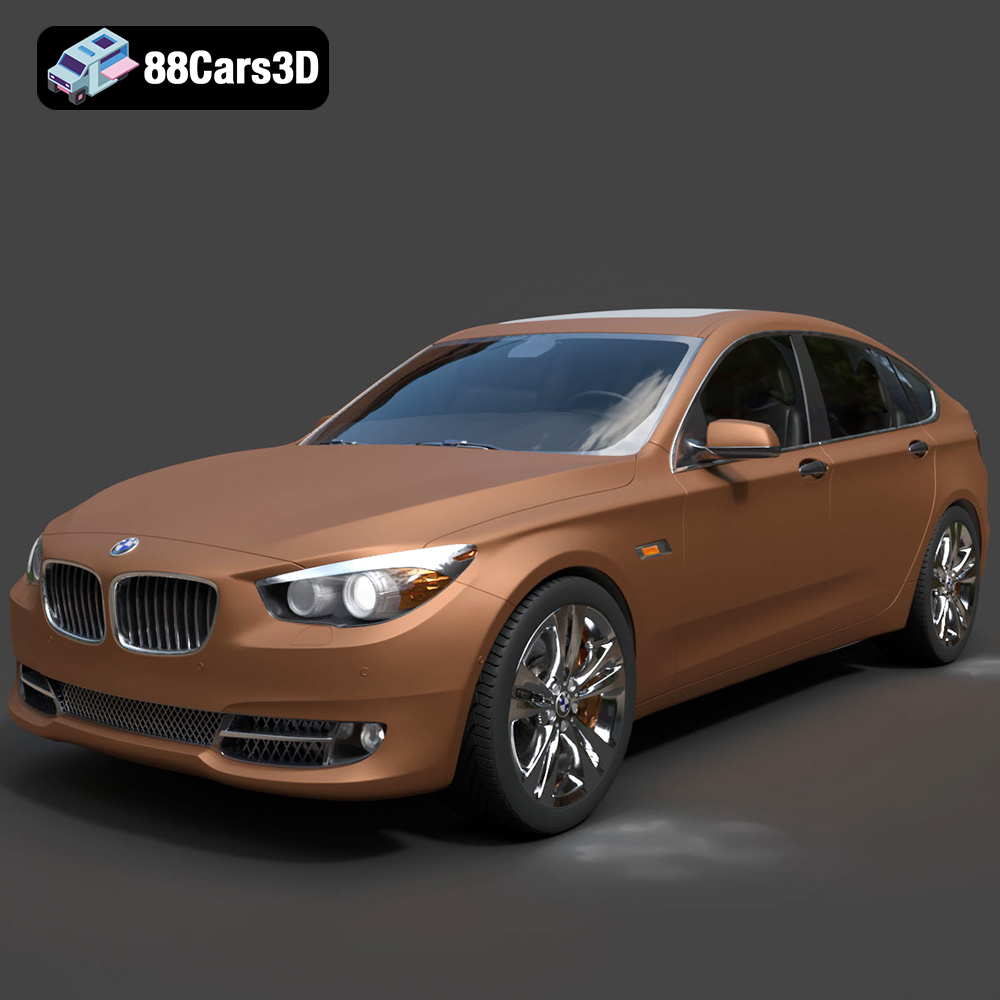
Texture: Yes
Material: Yes
Download the BMW 5 Series Gran Turismo F07-003 3D Model featuring a detailed exterior and interior. Includes .blend, .fbx, .obj, .glb, .stl, .ply, .unreal, and .max formats for rendering, simulation, and game development.
Price: $10.79
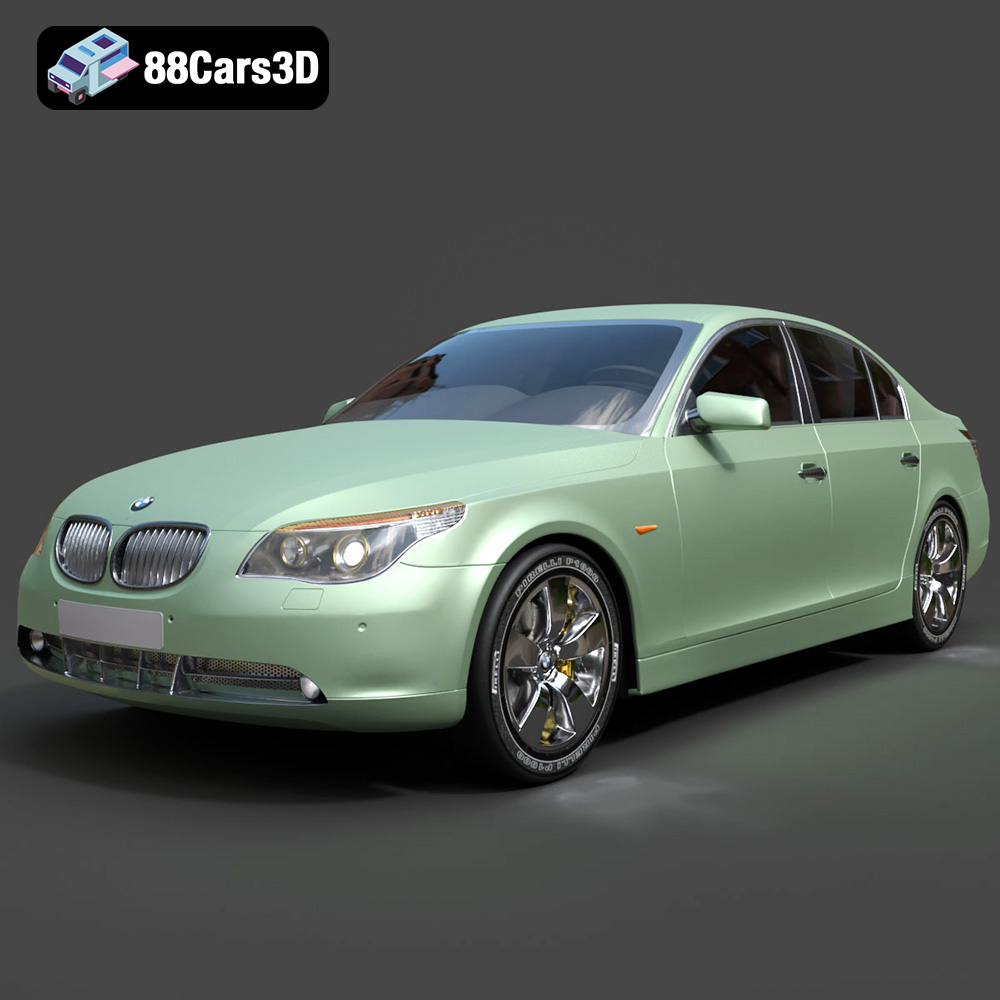
Texture: Yes
Material: Yes
Download the BMW 5 Series E60 3D Model featuring its iconic sedan design, detailed exterior, and interior. Includes .blend, .fbx, .obj, .glb, .stl, .ply, .unreal, and .max formats for rendering, simulation, and game development.
Price: $10.79

Texture: Yes
Material: Yes
Download the BMW 5 E34-535i 3D Model featuring an iconic design, detailed exterior and interior, and accurate representation. Includes .blend, .fbx, .obj, .glb, .stl, .ply, .unreal, and .max formats for rendering, simulation, and game development.
Price: $10.79
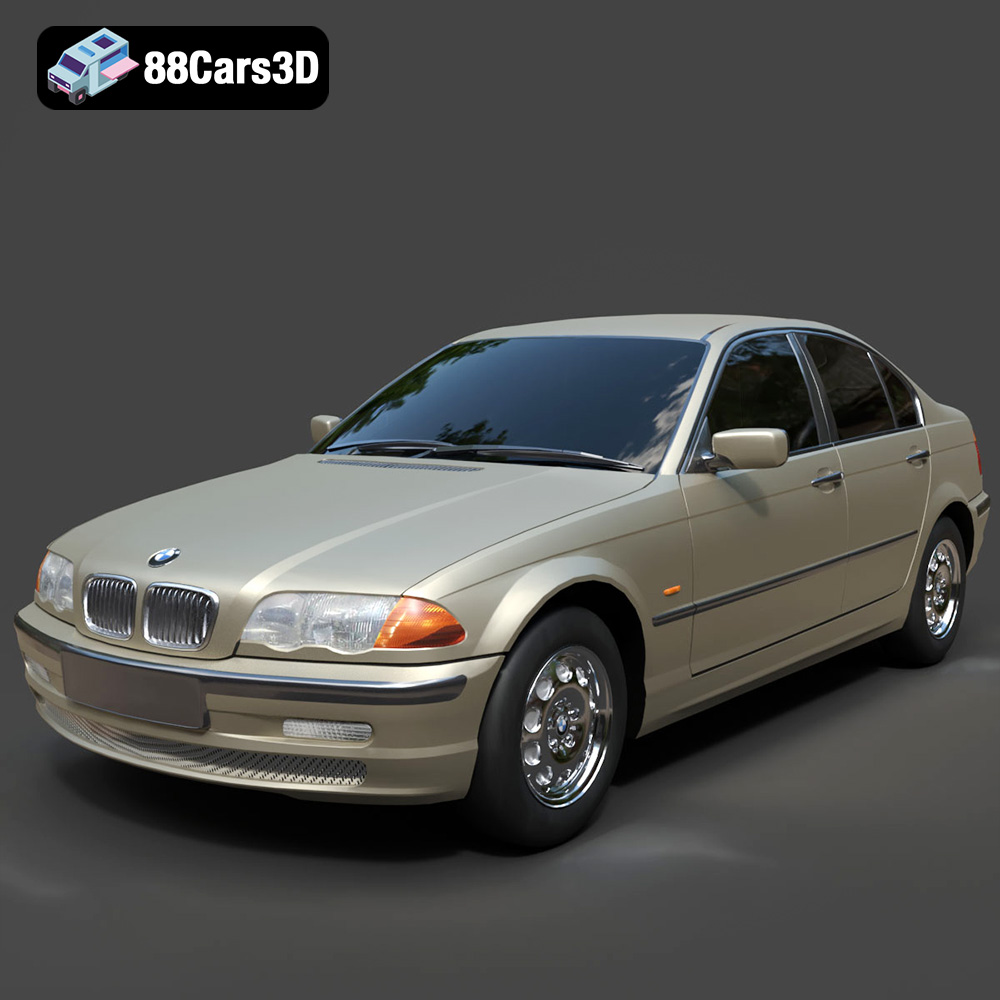
Texture: Yes
Material: Yes
Download the BMW 3 Series E46 3D Model featuring authentic exterior lines, a detailed interior, and separated components for animation. Includes .blend, .fbx, .obj, .glb, .stl, .ply, .unreal, and .max formats for rendering, simulation, and game development.
Price: $10.79
Texture: Yes
Material: Yes
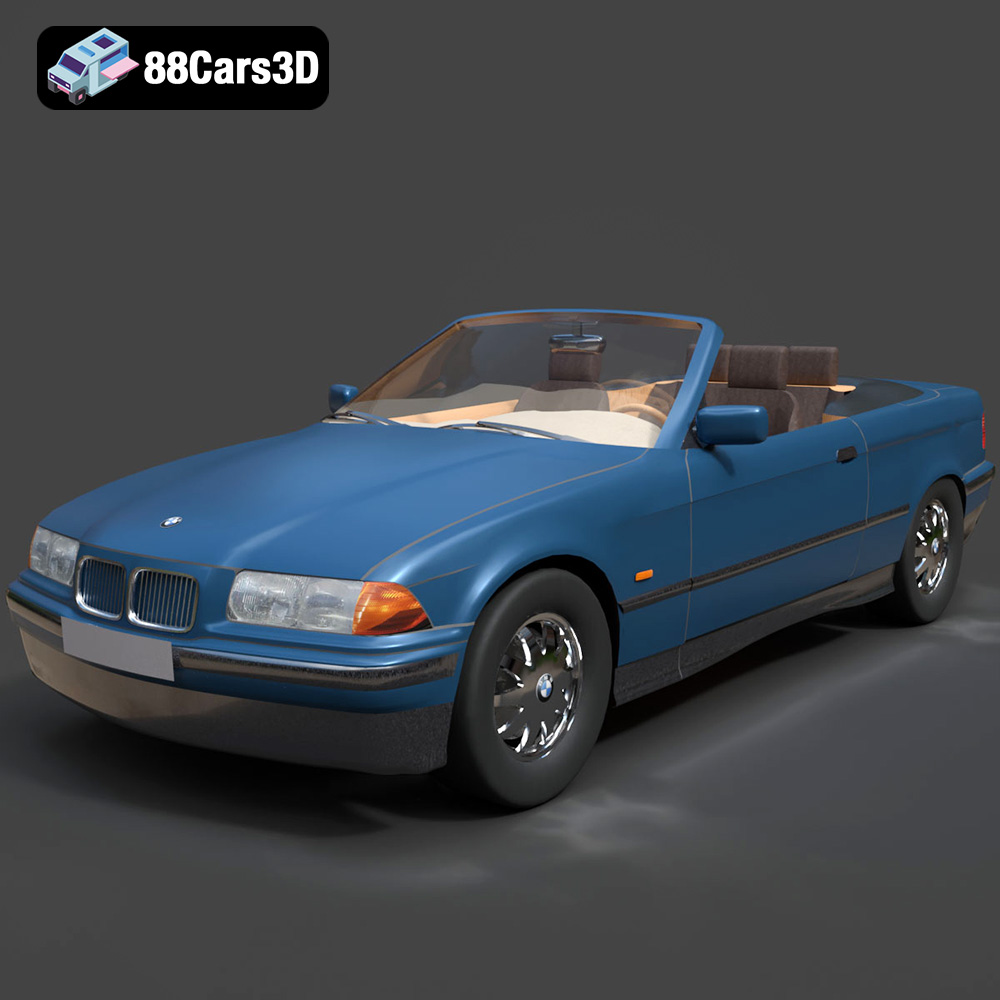
Download the BMW 3 Series E36 Cabrio 325i 1998 3D Model featuring a classic convertible design and detailed interior. Includes .blend, .fbx, .obj, .glb, .stl, .ply, .unreal, and .max formats for rendering, simulation, and game development.
Price: $10.79
Texture: Yes
Material: Yes
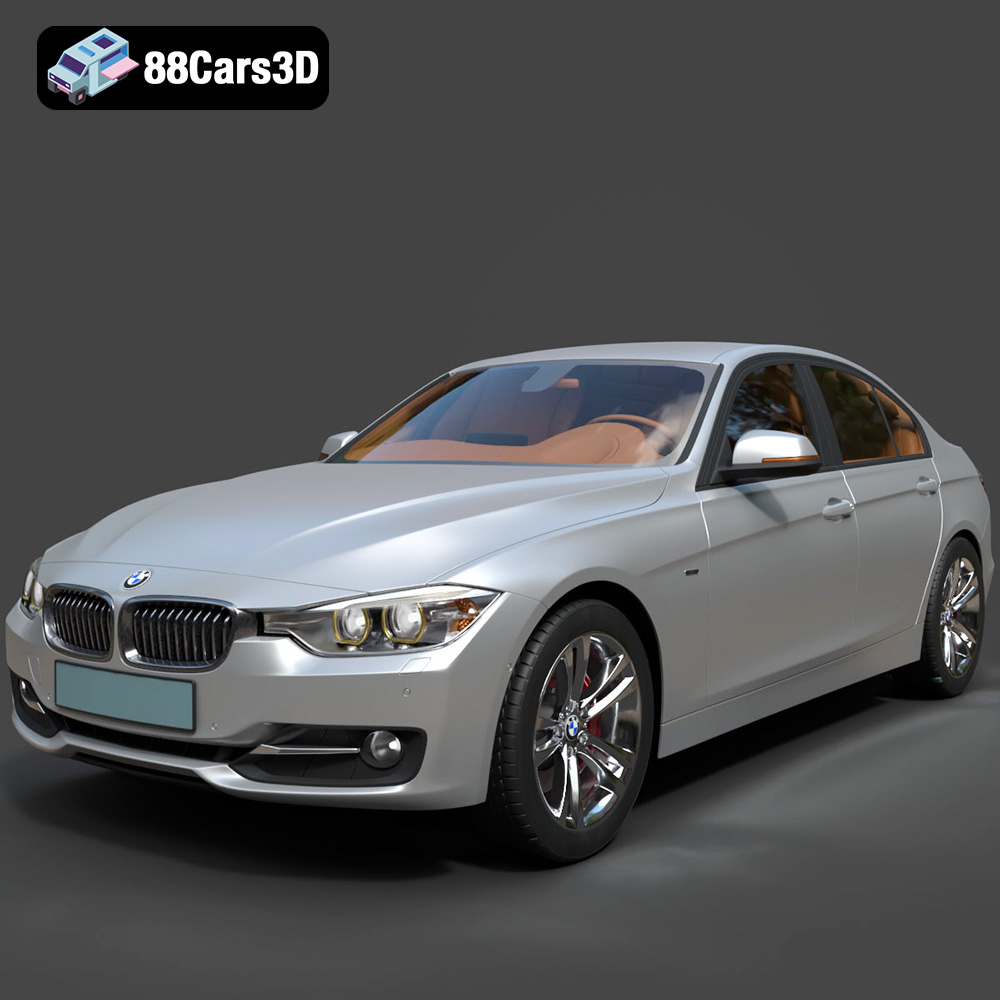
Download the BMW 3 F30 3D Model featuring a detailed exterior, realistic interior, and optimized mesh. Includes .blend, .fbx, .obj, .glb, .stl, .ply, .unreal, and .max formats for rendering, simulation, and game development.
Price: $10.79

