⚡ FLASH SALE: Get 60% OFF All Premium 3D & STL Models! ⚡

The automotive industry is in a perpetual state of innovation, and the way we design, present, and interact with vehicles is evolving at an unprecedented pace. Gone are the days when static renders and lengthy pre-rendered animations were the sole means of showcasing automotive brilliance. Today, thanks to the unparalleled power of Unreal Engine, we can create breathtakingly realistic and fully interactive automotive experiences in real time.
Unreal Engine 5 (UE5) has revolutionized real-time rendering, pushing the boundaries of visual fidelity and performance. For automotive designers, marketing professionals, game developers, and visualization artists, this means the ability to craft stunning virtual showrooms, immersive configurators, cinematic advertisements, and engaging games with unprecedented speed and realism. From the intricate reflections on a polished paint job to the subtle nuances of interior materials, UE5 empowers creators to bring their automotive visions to life with fidelity that often blurs the line between virtual and reality.
This comprehensive guide will delve deep into the technical workflows and best practices for leveraging Unreal Engine 5 to master automotive visualization and real-time rendering. We’ll explore everything from efficient project setup and optimizing high-fidelity 3D car models to crafting photorealistic materials, dynamic lighting, and interactive experiences. Whether you’re aiming to build an interactive car configurator, a virtual production scene, or a high-performance game, understanding these techniques will be crucial for achieving professional-grade results.
The foundation of any successful Unreal Engine project lies in its initial setup. For automotive visualization, specific templates and configurations can streamline your workflow and ensure optimal performance and visual quality from the outset. Properly configuring your project saves time, prevents headaches down the line, and ensures that the engine is primed for the demanding visual requirements of high-fidelity car models.
Starting with the right template provides a robust base, pre-configured with essential settings and assets. For automotive projects, the “Blank” or “Games” template often serves as a flexible starting point, allowing you to build up your scene incrementally. However, for those focused on visualization, the “Film, Television & Live Events” template, particularly the “Virtual Production” preset, can offer valuable pre-configured tools for cinematic workflows, although it might include more features than strictly necessary for basic visualization. Always consider the ultimate goal of your project when selecting a template to ensure it aligns with your workflow.
Upon creating a new project, select the “Games” or “Film, Television & Live Events” category, then choose a suitable template. For maximum control, a “Blank” project is often preferred by experienced users, allowing you to manually enable only the necessary plugins and features. Key initial configurations include setting your target hardware (e.g., “Desktop/Console” for high-end visualization) and choosing between Blueprint or C++ for your primary development language (Blueprint is typically sufficient for most interactive visualization projects).
Post-creation, navigate to **Edit > Project Settings** to fine-tune essential global parameters. Under **Engine > Rendering**, ensure that Lumen Global Illumination and Lumen Reflections are enabled for cutting-edge real-time lighting and reflections. For virtualized geometry, confirm that Nanite Support is enabled. Pay attention to post-processing settings under Engine > Rendering > Post Processing, such as enabling **Temporal Super Resolution (TSR)** for excellent anti-aliasing and performance scaling. Adjusting **Frame Rate** settings under Engine > General Settings can also be crucial for smooth playback in cinematics or interactive applications. For more in-depth information on Unreal Engine’s features, always refer to the official documentation at https://dev.epicgames.com/community/unreal-engine/learning.
Unreal Engine’s modular architecture allows you to extend its capabilities through plugins. For automotive visualization, several plugins are indispensable:
To enable these, go to **Edit > Plugins**, search for the desired plugin, check its box, and restart the editor. This modular approach ensures your project remains lean and optimized, only loading what’s truly necessary for your specific automotive visualization needs.
The quality of your 3D car model is paramount in automotive visualization. High-fidelity models, often with millions of polygons and intricate details, are standard. However, simply dropping these massive assets into Unreal Engine without proper optimization can cripple performance. A strategic approach to importing, along with leveraging UE5’s advanced features like Nanite, is essential to maintain visual integrity while achieving real-time frame rates.
When sourcing automotive assets, platforms like 88cars3d.com offer high-quality 3D car models specifically designed for Unreal Engine, featuring clean topology, realistic materials, and proper UV mapping. These assets are often provided in formats like FBX or USD, making the import process more straightforward. However, even with pre-optimized models, understanding the nuances of UE5’s import pipeline and optimization tools is key to unlocking their full potential within your project.
FBX (Filmbox) remains a widely used format for importing 3D assets into Unreal Engine due to its broad support across DCC applications. When importing an FBX car model:
USD (Universal Scene Description) offers a more robust and flexible pipeline, especially for complex scenes and collaborative workflows. With USD, you can import entire scenes, including multiple assets, hierarchies, and animation, as a single USD Stage Actor. This allows for non-destructive edits and real-time updates from source files. USD is particularly powerful for virtual production, where designers might iterate on CAD data in one application while artists simultaneously work in Unreal Engine, syncing changes via USD.
Nanite Virtualized Geometry is a game-changer for high-fidelity automotive models in Unreal Engine 5. It allows you to import models with polygon counts in the millions (e.g., 5-50 million triangles per car) without manual polygon reduction. Nanite automatically handles streaming and LOD generation, rendering only the necessary detail for each pixel on screen, dramatically reducing draw calls and memory footprint.
For elements that cannot use Nanite (e.g., meshes with complex deformations, translucency, or specific material requirements), Level of Detail (LOD) generation remains crucial. Unreal Engine can automatically generate LODs for Static Meshes, reducing polygon count at greater distances. To set this up:
Combining Nanite for high-detail core components and traditional LODs for other assets ensures an optimized scene that maintains stunning visual quality across various viewing distances and hardware configurations.
The visual impact of a 3D car model is largely defined by its materials. In Unreal Engine, achieving photorealistic automotive materials requires a deep understanding of Physically Based Rendering (PBR) principles and the powerful capabilities of the Material Editor. From the mirror-like reflections of car paint to the subtle imperfections of leather upholstery, realistic materials immerse your audience and elevate the overall visualization.
When you acquire 3D car models from marketplaces like 88cars3d.com, they often come with pre-assigned PBR textures and clean UV maps, which is an excellent starting point. However, the Unreal Engine Material Editor provides granular control to fine-tune these materials, adapt them to specific lighting scenarios, and introduce advanced effects that make them truly come alive. This process transforms raw texture data into dynamic, reactive surfaces that accurately simulate real-world physics of light interaction.
Physically Based Rendering (PBR) is the cornerstone of modern real-time graphics, aiming to simulate how light interacts with surfaces in a physically accurate manner. In Unreal Engine, PBR materials typically rely on a set of texture maps:
To create a PBR material in Unreal Engine, right-click in the Content Browser, select **Material**, and open it. Drag and drop your texture maps into the Material Editor, then connect them to the corresponding pins on the main Material Output node (Base Color, Metallic, Roughness, Normal, Ambient Occlusion). Ensure that your normal maps are set to “Normal” texture type in their texture settings, and other maps (Metallic, Roughness, AO) are often best set to “Masks” or “Linear Color” without sRGB enabled to preserve accurate linear data.
A common approach is to layer materials using a “Lerp” (Linear Interpolate) node or custom material functions to blend different effects or even implement a more sophisticated multi-layer shader.
Always iterate and test your materials under various lighting conditions. Use the Material Instance system to create variations of your master materials, allowing for quick adjustments to parameters like color, roughness, and normal intensity without recompiling shaders.
Lighting is the single most critical factor in achieving photorealistic automotive visualization. Unreal Engine 5’s Lumen Global Illumination and Reflections system has fundamentally changed how artists approach real-time lighting, offering dynamic, high-fidelity indirect lighting and reflections that were previously only possible with baked solutions or offline renderers. Mastering Lumen, combined with traditional lighting techniques, is essential for bringing your automotive scenes to life with stunning realism.
Lumen provides a fully dynamic global illumination and reflection solution, meaning light bounces realistically around your scene in real time, reacting instantly to changes in geometry, lighting, and materials. This is particularly impactful for automotive renders, where the interplay of light on reflective surfaces and the subtle bounce light within interiors can make or break a scene’s believability. No longer are artists constrained by pre-baked lighting maps that become obsolete with every object movement or light adjustment.
Lumen operates by tracing rays through a software representation of the scene, calculating indirect lighting and reflections. To ensure Lumen is active and performing optimally:
Key Lumen Settings in Post Process Volume:
For reflections, Lumen excels, providing accurate reflections on both rough and glossy surfaces, reacting dynamically to changes. Ensure your materials have accurate Roughness values, as Lumen relies on this information for correct reflection behavior. Objects with translucency, such as glass, can pose challenges for Lumen’s ray tracing. Consider using “Surface Translucency Volume” in the Post Process Volume or explore alternative reflection methods for specific glass elements if artifacts occur.
A balanced lighting setup combines Lumen’s dynamic capabilities with targeted traditional light sources:
By carefully balancing these light sources and leveraging Lumen’s dynamic capabilities, you can create automotive scenes that are not just visually appealing but also physically accurate, enhancing the emotional impact and realism of your visualization.
Automotive visualization in Unreal Engine extends far beyond static renders. The engine’s powerful tools enable creators to develop highly interactive experiences and breathtaking cinematic sequences, offering dynamic ways to showcase vehicles. From user-driven configurators that allow real-time customization to stunning marketing films, these capabilities transform passive viewing into engaging storytelling.
The ability to interact with a 3D car model – changing its paint color, opening doors, or exploring its interior – provides an immersive experience unmatched by traditional media. Similarly, a well-crafted cinematic sequence can highlight a vehicle’s design philosophy, performance, and features with emotional depth. Unreal Engine offers robust visual scripting (Blueprint), animation tools (Sequencer), and physics systems to achieve these dynamic outcomes, making it an all-in-one solution for compelling automotive content.
Blueprint Visual Scripting is Unreal Engine’s powerful node-based scripting system, allowing artists and designers to create complex gameplay and interactive logic without writing a single line of code. It’s perfectly suited for building interactive car configurators:
By combining UI widgets (UMG), input events, and precise Blueprint logic, you can build a robust and intuitive car configurator that offers a rich interactive experience.
Unreal Engine’s Sequencer is a powerful, non-linear cinematic editor that allows you to create high-quality in-engine cinematics, from short advertisements to full-length virtual productions. It’s essentially a multi-track editor for controlling actors, animations, cameras, and effects over time.
Sequencer offers precise control over every aspect of your cinematic, allowing for professional-grade real-time rendered films that can be exported in various formats, including image sequences (EXR, PNG) for post-production or directly as video files.
For game development or realistic interactive demonstrations, integrating vehicle physics is key. Unreal Engine provides two primary physics systems: PhysX (legacy) and Chaos (current, more robust).
While configuring Chaos Vehicles can be intricate, it provides a highly customizable and realistic driving experience suitable for racing games, simulators, or interactive vehicle demos where physics accuracy is paramount. For simpler interactive elements, basic physics (e.g., simulating a falling object with a Static Mesh Component and enabling “Simulate Physics”) can be applied directly.
Unreal Engine’s capabilities for automotive visualization extend into cutting-edge applications like virtual production and augmented/virtual reality. These advanced uses demand not only stunning visual fidelity but also stringent performance optimization. Understanding how to prepare your automotive assets and scenes for these demanding real-time environments is crucial for delivering fluid, immersive experiences.
The convergence of physical and virtual worlds in virtual production, or the need for seamless interaction in AR/VR, pushes Unreal Engine to its limits. This requires meticulous attention to detail in asset creation, scene setup, and strategic use of engine features to maintain high frame rates without compromising visual quality. Performance optimization isn’t just about making things run; it’s about enabling new forms of interactive storytelling and visualization that truly engage the audience.
Virtual Production (VP) with LED walls is transforming how automotive commercials, films, and marketing content are created. Instead of green screens, actors and physical cars are placed in front of large LED screens displaying Unreal Engine environments. This allows for real-time in-camera visual effects (ICVFX), capturing final pixel imagery directly on set.
Creating immersive Augmented Reality (AR) and Virtual Reality (VR) experiences with automotive models requires extreme optimization, as target hardware (mobile for AR, VR headsets for VR) has stricter performance budgets than high-end PCs.
The goal is to achieve stable frame rates (e.g., 72fps, 90fps, or higher, depending on the VR headset) to prevent motion sickness and ensure a smooth, comfortable user experience.
Even for high-end desktop visualization, optimization is key to achieving consistent 60+ FPS, especially when dealing with complex automotive scenes and multiple high-poly vehicles.
Consistent profiling and iterative optimization are not one-time tasks but ongoing processes throughout the development cycle to ensure your automotive visualization project runs smoothly and looks spectacular.
Unreal Engine 5 stands as an unparalleled tool for automotive visualization and real-time rendering, empowering artists and developers to create experiences that are not only visually stunning but also deeply interactive and immersive. From the foundational steps of project setup to the intricate details of material creation and the cutting-edge applications in virtual production, mastering UE5’s diverse feature set is key to unlocking new levels of creativity and efficiency in the automotive industry.
We’ve journeyed through the essentials: strategically configuring your Unreal Engine project, efficiently importing and optimizing high-fidelity 3D car models with Nanite and LODs, and crafting photorealistic materials using PBR principles. We explored how Lumen’s dynamic global illumination and reflections, combined with thoughtful lighting strategies, can transform a scene, and how Blueprint and Sequencer provide the means to create engaging interactive configurators and compelling cinematics. Finally, we touched upon advanced applications like virtual production and AR/VR, emphasizing the critical importance of meticulous optimization for all real-time endeavors.
The future of automotive design, marketing, and entertainment is undoubtedly real-time. By applying the technical insights and best practices outlined in this guide, you are well-equipped to tackle the challenges and seize the opportunities that Unreal Engine presents. Continue to explore, experiment, and push the boundaries of what’s possible, remembering that high-quality assets are a crucial starting point. For your next project, consider sourcing meticulously crafted 3D car models from marketplaces such as 88cars3d.com to give your Unreal Engine visualizations the premium foundation they deserve. The road ahead for real-time automotive content is exhilarating, and Unreal Engine is your ultimate vehicle.

Texture: Yes
Material: Yes
Download the BMW 7 Series E38 3D Model featuring its iconic luxury sedan design and classic aesthetics. Includes .blend, .fbx, .obj, .glb, .stl, .ply, .unreal, and .max formats for rendering, simulation, and game development.
Price: $10.79

Texture: Yes
Material: Yes
Download the BMW 6 Series 640i F12 3D Model featuring a sleek design and detailed interior. Includes .blend, .fbx, .obj, .glb, .stl, .ply, .unreal, and .max formats for rendering, simulation, and game development.
Price: $10.79

Texture: Yes
Material: Yes
Download the BMW 6 Coupe E63 3D Model featuring a sleek design, detailed interior, and realistic exterior. Includes .blend, .fbx, .obj, .glb, .stl, .ply, .unreal, and .max formats for rendering, simulation, and game development.
Price: $10.79
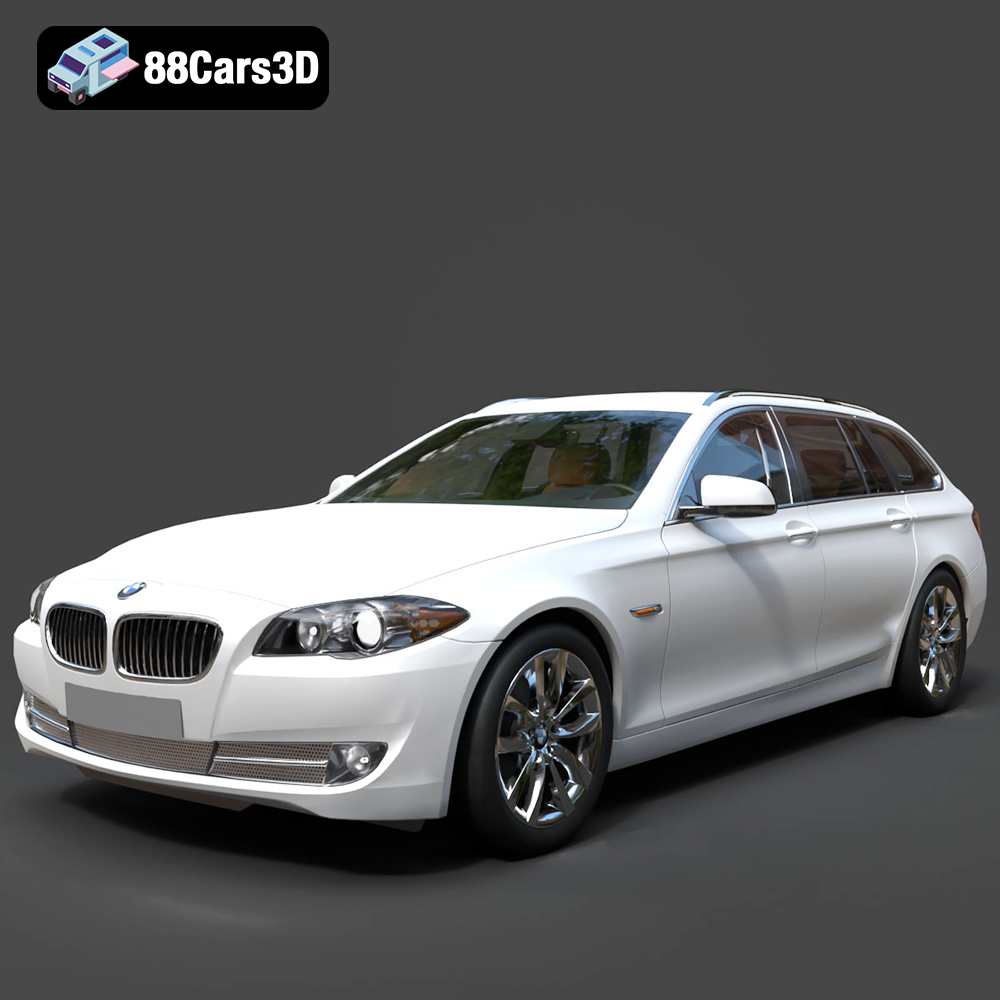
Texture: Yes
Material: Yes
Download the BMW 5 Series Touring F11-007 3D Model featuring a detailed exterior and interior. Includes .blend, .fbx, .obj, .glb, .stl, .ply, .unreal, and .max formats for rendering, simulation, and game development.
Price: $10.79
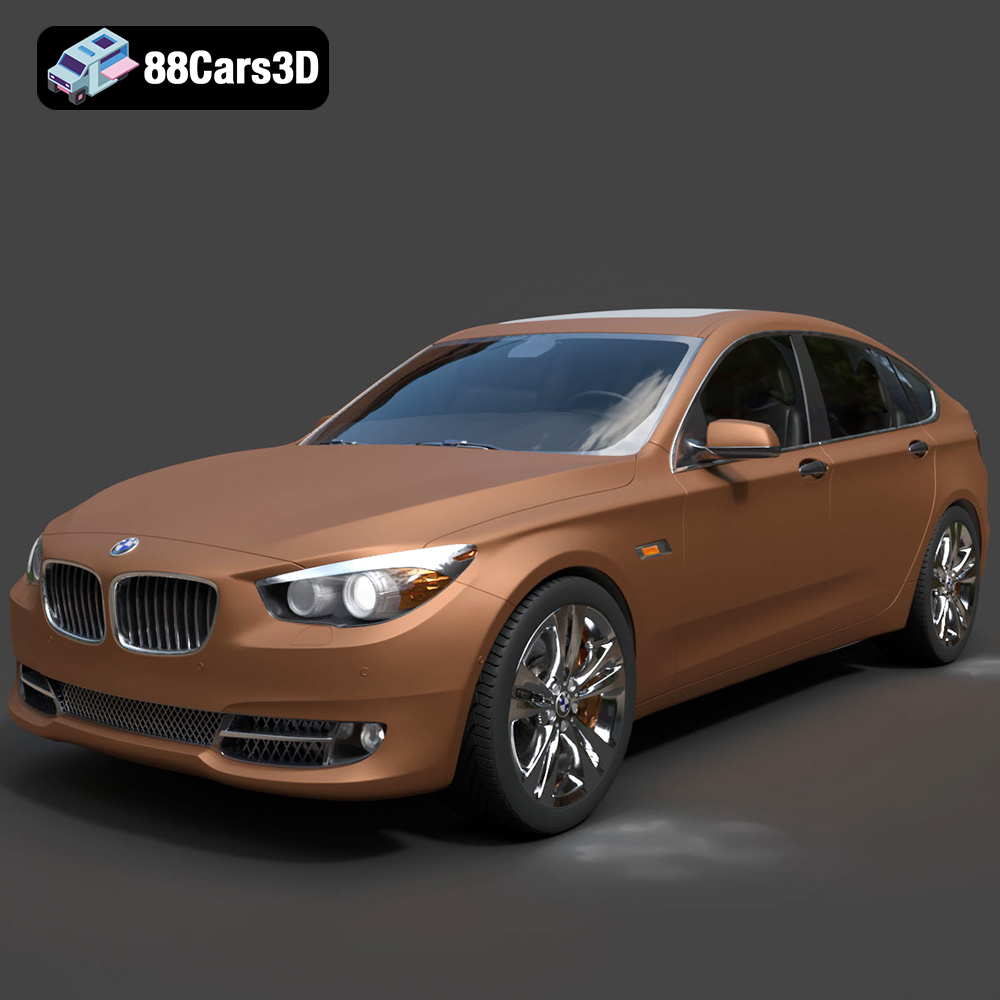
Texture: Yes
Material: Yes
Download the BMW 5 Series Gran Turismo F07-003 3D Model featuring a detailed exterior and interior. Includes .blend, .fbx, .obj, .glb, .stl, .ply, .unreal, and .max formats for rendering, simulation, and game development.
Price: $10.79
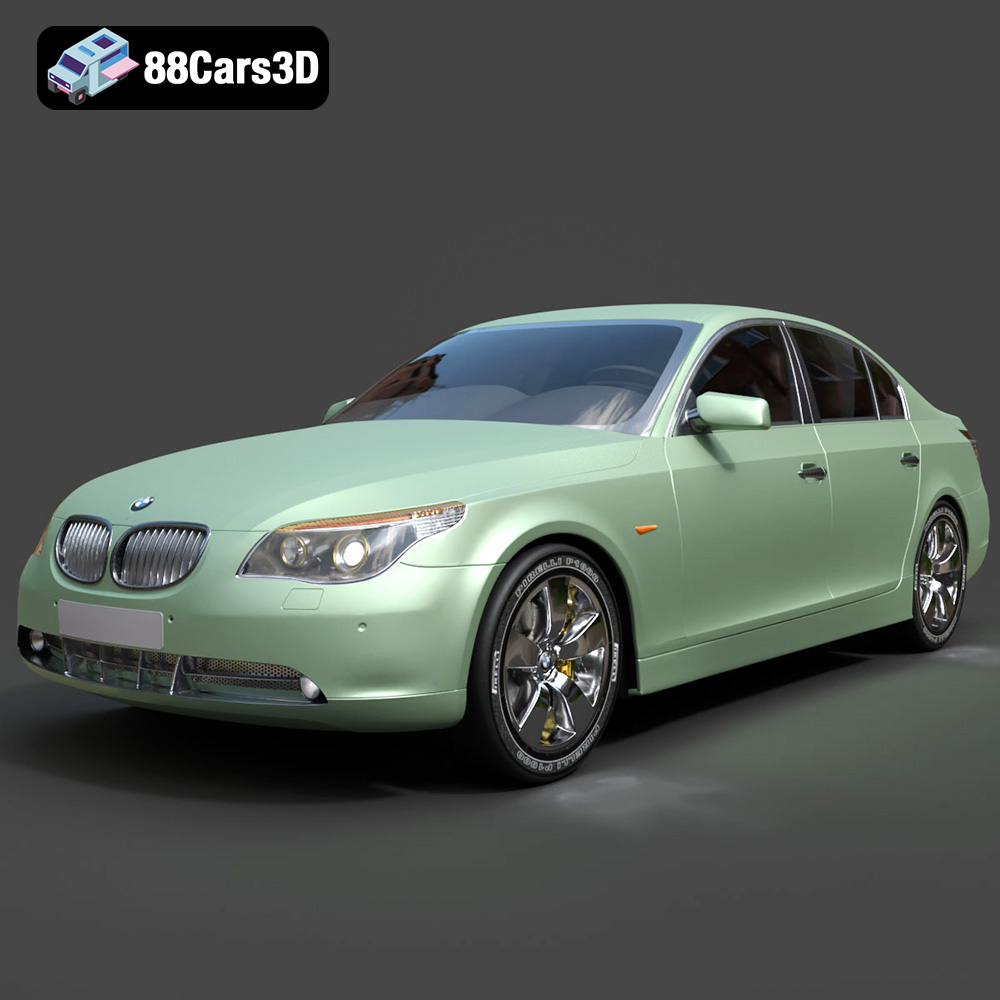
Texture: Yes
Material: Yes
Download the BMW 5 Series E60 3D Model featuring its iconic sedan design, detailed exterior, and interior. Includes .blend, .fbx, .obj, .glb, .stl, .ply, .unreal, and .max formats for rendering, simulation, and game development.
Price: $10.79

Texture: Yes
Material: Yes
Download the BMW 5 E34-535i 3D Model featuring an iconic design, detailed exterior and interior, and accurate representation. Includes .blend, .fbx, .obj, .glb, .stl, .ply, .unreal, and .max formats for rendering, simulation, and game development.
Price: $10.79
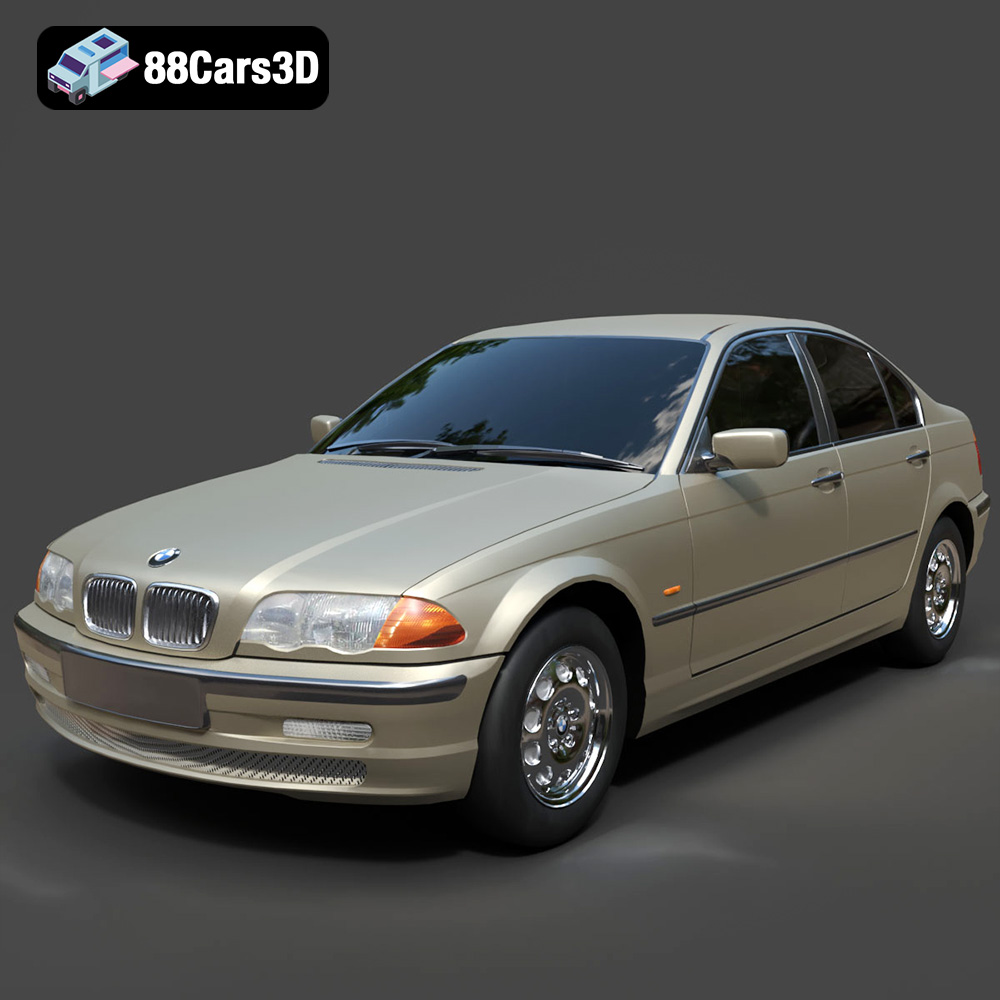
Texture: Yes
Material: Yes
Download the BMW 3 Series E46 3D Model featuring authentic exterior lines, a detailed interior, and separated components for animation. Includes .blend, .fbx, .obj, .glb, .stl, .ply, .unreal, and .max formats for rendering, simulation, and game development.
Price: $10.79
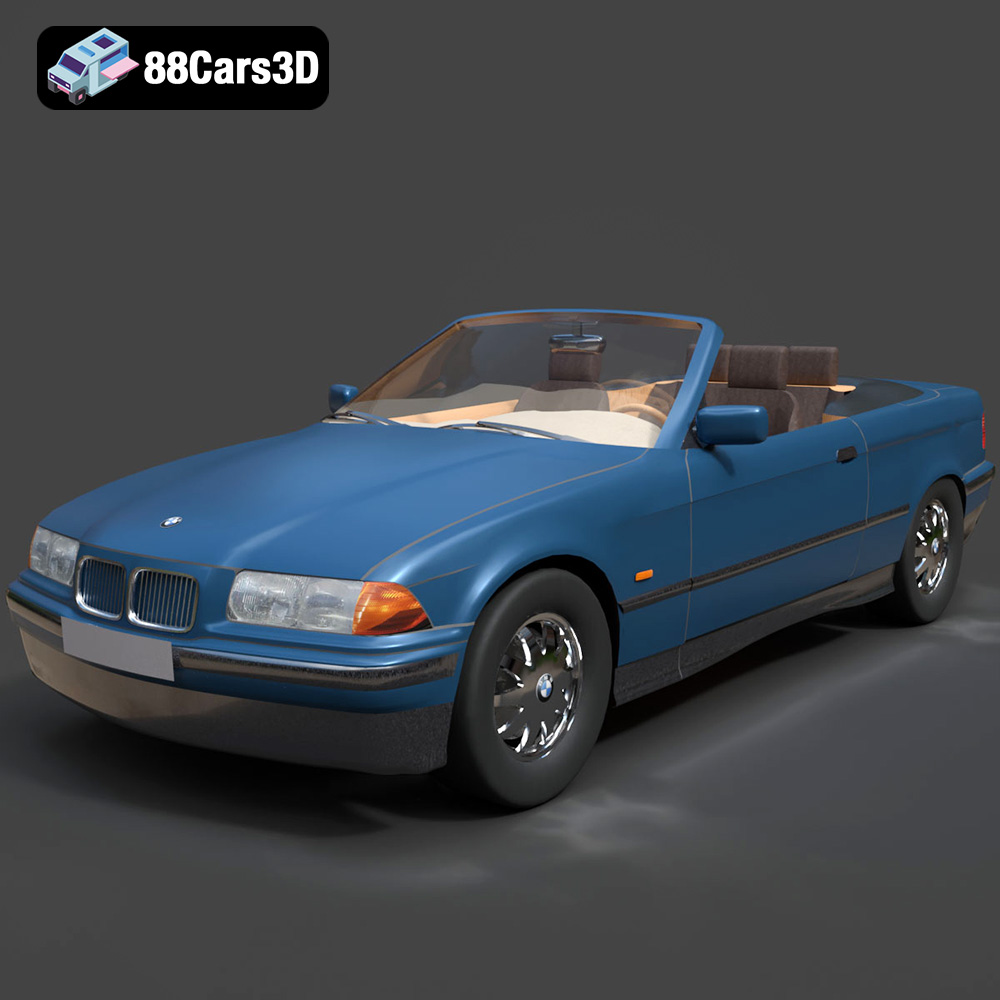
Texture: Yes
Material: Yes
Download the BMW 3 Series E36 Cabrio 325i 1998 3D Model featuring a classic convertible design and detailed interior. Includes .blend, .fbx, .obj, .glb, .stl, .ply, .unreal, and .max formats for rendering, simulation, and game development.
Price: $10.79
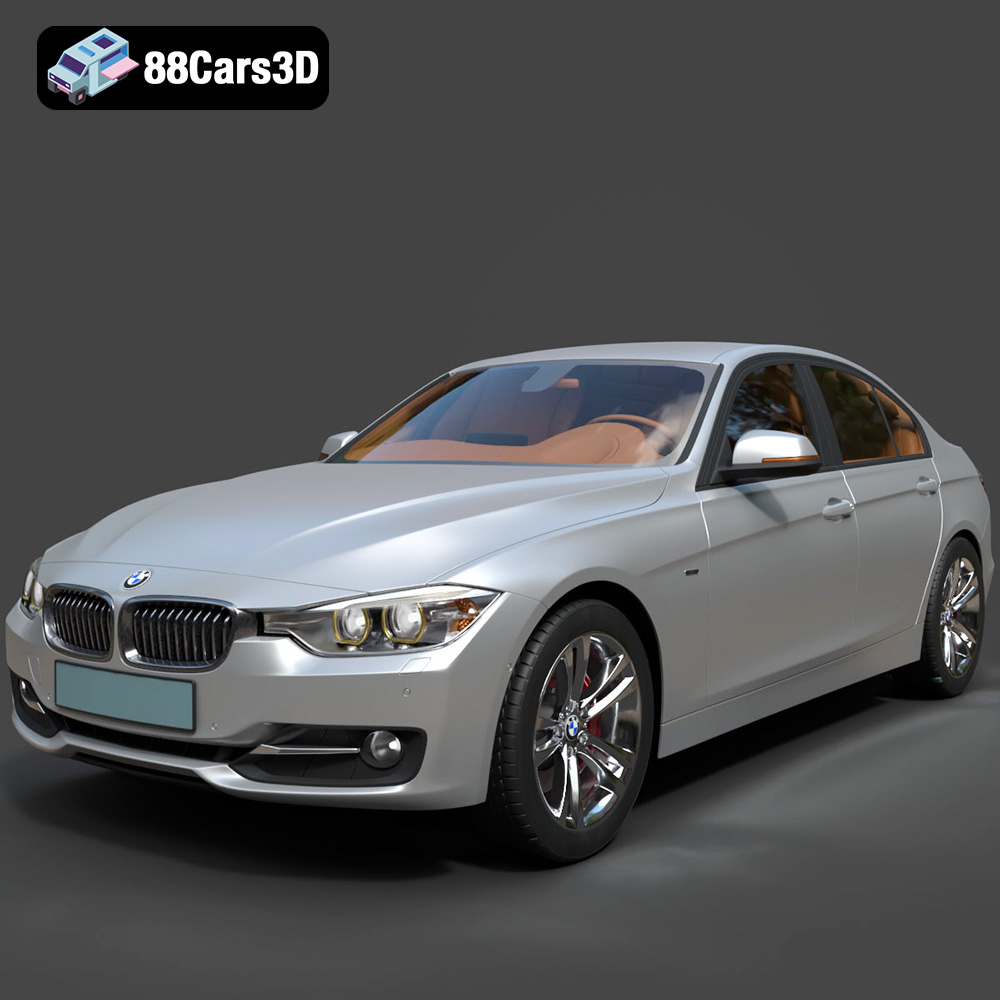
Texture: Yes
Material: Yes
Download the BMW 3 F30 3D Model featuring a detailed exterior, realistic interior, and optimized mesh. Includes .blend, .fbx, .obj, .glb, .stl, .ply, .unreal, and .max formats for rendering, simulation, and game development.
Price: $10.79

