The automotive industry is in a perpetual state of evolution, and nowhere is this more evident than in its embrace of real-time visualization. Gone are the days when static renders and physical prototypes were the sole means of showcasing vehicle designs. Today, Unreal Engine stands at the forefront, empowering designers, marketers, and game developers to create stunning, interactive, and hyper-realistic experiences for 3D car models. From concept validation to virtual showrooms and immersive game environments, Unreal Engine offers an unparalleled suite of tools for automotive visualization.
This comprehensive guide delves deep into the essential workflows and advanced techniques required to master automotive visualization within Unreal Engine. We’ll explore everything from efficient project setup and meticulous model import to crafting photorealistic materials, dynamic lighting, and engaging interactive experiences. Whether you’re an experienced 3D artist, an Unreal Engine developer, or a professional in automotive design seeking to push the boundaries of real-time rendering, this post will equip you with the knowledge to transform high-fidelity 3D car models into breathtaking virtual realities. Prepare to unlock the full potential of Unreal Engine for your next automotive project.
Setting the Stage: Unreal Engine Project Setup for Automotive Excellence
Beginning any Unreal Engine project with the right foundation is crucial, especially when dealing with the intricate demands of automotive visualization. The initial setup dictates performance, visual fidelity, and workflow efficiency. For automotive projects, it’s often beneficial to start with specific templates and ensure the correct plugins are enabled to leverage Unreal Engine’s full capabilities for realistic rendering and interactivity.
Initial Project Configuration and Templates
When creating a new project, consider starting with the “Film, Television & Live Events” template, specifically the “Blank” or “Virtual Production” presets. These templates often come with appropriate rendering settings and cinematic tools pre-configured, which are highly beneficial for high-quality automotive showcases. Alternatively, a “Games” template might be suitable if the primary output is a playable experience, but be mindful of game-specific optimizations that might sacrifice some visual fidelity if not carefully managed.
Key initial settings to verify or adjust include:
- Default RHI: Ensure DirectX 12 is selected for the latest rendering features, including Lumen and Nanite. Navigate to Edit > Project Settings > Platforms > Windows > Default RHI.
- Ray Tracing: For ultimate realism, enable Ray Tracing. This can be found under Edit > Project Settings > Engine > Rendering > Ray Tracing. Be aware of the performance impact, especially for real-time applications.
- Virtual Textures: Essential for managing large textures efficiently without exceeding VRAM limits, crucial for high-resolution 3D car models. Enable under Edit > Project Settings > Engine > Rendering > Virtual Textures.
- Global Illumination and Reflections: Configure these to use Lumen and Screen Space Global Illumination (SSGI) or Ray Tracing for realistic bounced light.
A typical automotive project may utilize a project directory structure that separates models, materials, textures, blueprints, and cinematic sequences for easy navigation and team collaboration.
Essential Plugins for Automotive Projects
Unreal Engine’s plugin architecture significantly extends its functionality. For automotive visualization, several plugins are indispensable:
- Datasmith: This is arguably the most critical plugin for importing complex CAD data and other 3D assets reliably. Datasmith ensures that scene hierarchy, metadata, UVs, and PBR materials are largely preserved during the import process, minimizing cleanup. It supports formats like FBX, STEP, IGES, SolidWorks, and V-Ray Scene files.
- Automotive Materials: While not a single plugin, Unreal Engine’s marketplace and example content often provide excellent starting points for realistic car paint, glass, and tire shaders. These can be integrated as custom material functions or master materials.
- Niagara: For realistic particle effects such as exhaust smoke, dust kicked up by tires, or even intricate water spray, Niagara provides a highly customizable and performant solution.
- Chaos Vehicles: If physics simulation and realistic vehicle dynamics are required, the Chaos Vehicles plugin offers a robust framework. It’s built on Unreal Engine’s Chaos physics system, allowing for detailed suspension, tire friction, and collision behaviors.
- Sequencer: While not a plugin, Sequencer is a core Unreal Engine tool for cinematic creation. For automotive showcases, it’s vital for animating cameras, lights, and vehicle elements to produce stunning marketing videos or interactive walkthroughs.
- Open XR/SteamVR: For AR/VR experiences, ensuring the correct XR plugins are enabled is paramount for deployment to respective headsets.
By thoughtfully setting up your project and enabling these key plugins, you create a robust environment optimized for the high demands of automotive visualization in Unreal Engine.
Importing and Optimizing High-Fidelity 3D Car Models
The journey to photorealistic automotive visualization begins with the 3D car model itself. High-quality assets are paramount, and marketplaces like 88cars3d.com offer models specifically designed with clean topology and optimized UVs, making them ideal starting points for Unreal Engine projects. However, even the best models require careful import and optimization within Unreal Engine to ensure both visual fidelity and real-time performance.
The Art of Import: FBX, USD, and Data Prep
Importing 3D car models into Unreal Engine can be a straightforward or complex process, depending on the source data. The industry standard format for static meshes is FBX, which generally preserves geometry, UVs, and basic material assignments. However, for more complex CAD data, Datasmith is the preferred workflow. Datasmith allows for direct import of CAD files (e.g., SolidWorks, Catia, Alias, Rhino) or intermediary formats like USD (Universal Scene Description), which is rapidly gaining traction as a robust format for scene description and interchange.
When importing:
- FBX Import Options: Pay close attention to settings like “Combine Meshes,” “Convert Scene Unit,” and “Import Materials.” For car models, it’s often best to import individual components (body, doors, wheels, interior) as separate meshes, which allows for easier material assignment and interactive elements later.
- Datasmith Workflow: Utilize Datasmith to import entire scene hierarchies. This is crucial for maintaining the assembly structure of a car, enabling easy toggling of components (e.g., opening doors, removing wheels). Datasmith also has built-in tessellation controls for CAD surfaces, allowing you to balance geometric detail and polygon count.
- Data Prep: This Datasmith feature is invaluable for automating cleanup tasks. You can define rules to remove hidden geometry, merge meshes by material, re-calculate normals, or even create simple LODs automatically. This proactive approach saves countless hours of manual cleanup, especially for models not explicitly optimized for real-time.
After import, always inspect the mesh in the Static Mesh Editor. Verify normals, tangent space, and UV mapping. Incorrect normals can lead to lighting artifacts, while poor UVs will compromise texture quality.
Nanite and LOD Strategies for Performance
Modern 3D car models can contain millions of polygons, especially those sourced from CAD or highly detailed artistic creations. Traditionally, such models would be performance bottlenecks in real-time engines. However, Unreal Engine 5’s Nanite Virtualized Geometry revolutionizes this, allowing for the direct import and rendering of film-quality assets without significant performance degradation.
- Nanite Implementation: For high-poly car bodies, intricate interiors, and detailed engine components, enable Nanite directly on the static mesh asset. Unreal Engine automatically culls and streams geometry at a pixel level of detail, meaning performance is largely independent of polygon count. This is a game-changer for automotive visualization, enabling unprecedented detail. For simpler assets or those interacting with physics, Nanite may not be ideal.
- LOD (Level of Detail) Management: While Nanite handles geometric complexity for static meshes, LODs remain crucial for non-Nanite meshes (like wheels with physics, destructible parts), skeletal meshes (if any animated components), and for optimizing for different platforms (e.g., AR/VR). Unreal Engine can automatically generate LODs (Generate LODs) in the Static Mesh Editor, or you can import custom LODs. A typical strategy involves:
- LOD0: Full detail, potentially Nanite enabled.
- LOD1-3: Progressively lower polygon counts, optimized for mid-range distances.
- LOD4+: Simple billboard or low-poly representation for very distant objects.
- Polygon Budgets: Even with Nanite, understanding polygon budgets is important for other scene elements. For a mid-range game, a main car model might target 50,000-300,000 triangles (without Nanite), but for high-end visualization with Nanite, models with several million triangles are perfectly viable.
The strategic use of Nanite for core car body components, combined with traditional LODs for interactive or performance-critical parts, creates a highly optimized and visually stunning automotive asset within Unreal Engine. When sourcing automotive assets from marketplaces such as 88cars3d.com, artists can often find models pre-optimized with clean topology and UVs, significantly streamlining this crucial import and optimization phase.
Crafting Realistic Surfaces: PBR Materials and Advanced Shading
The visual appeal of any 3D car model hinges critically on its materials. In Unreal Engine, this means embracing the Physically Based Rendering (PBR) workflow to accurately simulate how light interacts with different surfaces. Achieving photorealistic automotive finishes requires a deep understanding of PBR principles, texture creation, and Unreal Engine’s powerful Material Editor.
PBR Workflows for Automotive Finishes
PBR is fundamental because it provides a more physically accurate and consistent way to represent materials under various lighting conditions. For automotive visualization, the metallic-roughness workflow is predominantly used:
- Base Color (Albedo): This map defines the diffuse color for non-metallic surfaces (like plastic, rubber) and the reflected color for metallic surfaces (like chrome, car paint base). For vehicle paint, this often includes subtle variations or flakes.
- Metallic: A grayscale map where white (1.0) indicates a purely metallic surface and black (0.0) indicates a non-metallic (dielectric) surface. Car paint, for instance, is typically a dielectric with a clear coat, but the underlying metallic flake layer might be represented within the material.
- Roughness: This grayscale map dictates the microsurface detail of a material, affecting how light scatters. Lower roughness values result in sharper, mirror-like reflections (polished chrome, glossy paint), while higher values create more diffuse, matte reflections (unpolished plastic, rubber tires).
- Normal Map: Provides high-frequency surface detail without adding actual geometry, simulating bumps, scratches, and panel gaps. Essential for tire treads, intricate interior details, and subtle paint imperfections.
- Ambient Occlusion (AO): A grayscale map that simulates soft shadows where ambient light is occluded, such as crevices and corners, adding depth and realism.
Car paint is a particularly complex material, often requiring a layered approach. A common technique involves a base metallic layer for the flakes, topped with a clear coat layer for reflectivity and gloss. Unreal Engine’s Material Editor allows for intricate shader graphs to achieve these effects, blending different layers and using Fresnel nodes to simulate the way reflection strength changes with viewing angle. Consider using texture resolutions from 2K to 8K for critical car components to capture fine details.
Material Instancing and Custom Shader Creation
While base materials define the core properties, Material Instances are the workhorses of efficient material management. A Master Material contains the complex shader logic (PBR inputs, clear coat layers, blending functions), and Material Instances allow artists to modify parameters (like base color, roughness values, texture maps, flake density) without recompiling the shader or duplicating complex node networks. This is critical for automotive configurators where users can switch paint colors, wheel finishes, or interior trims in real-time.
For advanced visual effects, custom shader creation involves:
- Custom Nodes: Implementing specific mathematical functions or rendering techniques using HLSL directly within the Material Editor.
- Material Functions: Encapsulating reusable parts of a shader graph (e.g., a universal car paint flake generator, a specialized glass refraction setup) that can be easily plugged into multiple master materials.
- Vertex Painting: Utilizing vertex colors on your mesh to blend between different materials or apply masks for wear and tear, dirt, or custom decals directly on the model.
- Decal Materials: For adding logos, racing stripes, or warning labels, decal materials offer a flexible way to project textures onto surfaces without modifying the base mesh’s UVs.
When developing materials for 3D car models, always reference real-world materials and PBR guidelines. Consistency in lighting and material properties is key to achieving believable results. Platforms like 88cars3d.com ensure their models come with clean UVs, which is foundational for applying high-quality PBR textures and custom shaders effectively within Unreal Engine.
Illuminating the Scene: Dynamic Lighting with Lumen and Beyond
Lighting is the soul of any compelling visual, and in automotive visualization, it’s paramount for showcasing a vehicle’s form, finish, and details. Unreal Engine offers a powerful and flexible lighting system, with Lumen leading the charge for dynamic, real-time global illumination. Understanding how to harness these tools is key to creating breathtaking automotive renders.
Harnessing Lumen for Real-Time Global Illumination
Lumen, Unreal Engine 5’s default global illumination and reflections system, represents a significant leap forward for real-time rendering. It calculates diffuse inter-reflection with infinite bounces and specular reflections, making environments feel incredibly grounded and realistic. For automotive visualization, Lumen offers several crucial advantages:
- Dynamic Lighting: Lumen fully supports dynamic lights. This means you can move light sources (e.g., sun, studio lights) in real-time, and the global illumination will update instantly, allowing for rapid iteration on lighting setups. This is invaluable for showcasing a car under different lighting conditions or creating interactive experiences where lighting changes.
- Realistic Reflections: Lumen provides high-quality software ray-traced reflections for opaque surfaces, crucial for car paint, windows, and chrome. These reflections are integrated with global illumination, leading to more coherent and physically accurate results.
- Emissive Materials: Emissive materials (like car headlights, dashboard lights) will contribute light to the scene, accurately illuminating surrounding geometry, enhancing realism.
To enable Lumen, ensure it’s selected under Edit > Project Settings > Engine > Rendering > Global Illumination (Lumen) and Reflections (Lumen). Fine-tuning Lumen requires adjusting settings in the Post Process Volume, such as ‘Lumen Global Illumination’ and ‘Lumen Reflections’ sections, where you can control quality, bounces, and more. While powerful, Lumen is performance-intensive, so balancing fidelity with frame rate is crucial, especially for AR/VR or less powerful hardware.
Professional Lighting Setups and HDRI Environments
Beyond Lumen, a thoughtful combination of traditional lighting techniques and advanced environmental setups contributes to professional automotive renders:
- Directional Light (Sun): Represents the sun and is often the primary light source, defining the overall mood and shadows. Configure its intensity, color, and angle to simulate different times of day or specific studio setups.
- Sky Light: Captures the distant parts of the scene (sky, clouds) and applies that lighting uniformly. When used with Lumen, it greatly enhances ambient illumination and environmental reflections. Capturing a custom HDRI (High Dynamic Range Image) for your Sky Light is a gold standard for photorealistic results, providing accurate color and intensity data from real-world locations or studio environments.
- Fill Lights & Spot Lights: Strategically placed fill lights (e.g., Rect Lights, Spot Lights) help sculpt the car’s form, emphasize specific design lines, and reduce harsh shadows. They can simulate studio softboxes, area lights, or specific light sources in a scene.
- Post Process Volume: This essential tool allows for global artistic control over the final image. Key settings for automotive include:
- Exposure: Fine-tune overall brightness.
- Color Grading: Adjust saturation, contrast, temperature for a specific look.
- Vignette & Grain: Add subtle cinematic effects.
- Bloom: Control the glow around bright light sources, like headlights.
- Screen Space Ambient Occlusion (SSAO): Augments Lumen’s GI with fast, screen-space ambient shading.
- Reflection Captures: For areas where Lumen reflections might not fully cover or for specific baked reflection scenarios (e.g., if Lumen is disabled for performance), Sphere Reflection Captures and Box Reflection Captures provide localized reflections.
Experimentation is key. Start with a simple setup (Directional Light, Sky Light with HDRI, Post Process Volume) and progressively add more lights to refine the look. Understanding light direction, color temperature, and intensity will elevate your automotive visualizations from good to exceptional.
Bringing Cars to Life: Interactivity, Cinematics, and Physics
Static renders are useful, but the true power of Unreal Engine lies in its ability to create dynamic, interactive, and narrative-driven experiences around 3D car models. From user-driven configurators to Hollywood-grade cinematics and realistic driving simulations, Unreal Engine provides the tools to breathe life into digital vehicles.
Blueprint for Automotive Configurators and Interactions
Blueprint Visual Scripting is Unreal Engine’s powerful node-based scripting system, allowing developers and artists to create complex gameplay and interactive logic without writing a single line of code. For automotive visualization, Blueprint is indispensable for building interactive configurators and dynamic showrooms:
- Component Swapping: Create logic to swap out car components like wheels, spoilers, or even interior modules. This typically involves using ‘Set Static Mesh’ nodes on component actors or changing the visibility of different meshes.
- Material Switching: Implement material parameter changes to allow users to select different paint colors, interior leather finishes, or rim materials. This is efficiently done by using ‘Set Scalar Parameter Value’ or ‘Set Vector Parameter Value’ on Material Instances.
- Door & Hood Animation: Animate car doors, hood, or trunk lids using simple timeline animations or skeletal mesh control rigs. Blueprint can then trigger these animations based on user input (e.g., clicking on a door).
- Camera Control: Define specific camera angles and allow users to cycle through them or implement free-look navigation.
- User Interface (UI): Integrate UMG (Unreal Motion Graphics) to create intuitive menus, buttons, and sliders for controlling these interactive features. Blueprint handles the logic behind these UI elements.
A typical Blueprint workflow for a configurator might involve a main Car Blueprint Actor containing references to all car parts. Functions within this Blueprint would handle component swaps, material updates, and interactions, all driven by events from the UMG UI.
Sequencer for Stunning Cinematic Renderings
When it comes to creating polished, linear visual content – from marketing trailers to animated product showcases – Sequencer is Unreal Engine’s non-linear editing tool of choice. It offers powerful control over cameras, actors, properties, and events over time:
- Camera Animation: Create dynamic camera moves, tracking shots, and cinematic framing to highlight specific design features of the 3D car model. Keyframe camera location, rotation, and lens properties.
- Actor Animation: Animate any actor in your scene, including car components (e.g., opening doors, extending spoilers), environmental elements, or even character animations if present.
- Material Parameter Keyframing: Animate material properties over time, such as changing paint color dynamically, adjusting roughness for a ‘reveal’ effect, or illuminating lights.
- Lighting Changes: Keyframe light intensity, color, and position to create dramatic day-to-night transitions or specific mood lighting.
- Post-Process Effects: Animate Post Process Volume settings like depth of field, bloom, exposure, and color grading to achieve a refined cinematic look.
- Render Output: Sequencer integrates with the Movie Render Queue, allowing for high-quality, anti-aliased output to image sequences (EXR, PNG) or video formats, often with multiple passes for compositing.
Sequencer is a robust tool for automotive artists to tell stories and present their models in the most engaging and visually spectacular way possible.
Vehicle Dynamics and Physics Simulation
For game development or realistic driving simulators, accurate vehicle physics are paramount. Unreal Engine provides robust systems for simulating vehicle dynamics:
Achieving realistic vehicle dynamics requires careful calibration of these parameters, often involving extensive testing and fine-tuning to match real-world vehicle behavior. This combination of interactivity, cinematics, and physics makes Unreal Engine a powerhouse for comprehensive automotive experiences.
Advanced Applications: Virtual Production and AR/VR for Automotive
Unreal Engine’s versatility extends far beyond traditional game development and architectural visualization, making it a critical tool for cutting-edge applications like virtual production and immersive AR/VR experiences within the automotive sector. These fields leverage Unreal Engine’s real-time capabilities to revolutionize how cars are designed, marketed, and experienced.
Integrating with Virtual Production Workflows and LED Walls
Virtual Production (VP) has transformed filmmaking and advertising, offering a dynamic alternative to traditional green screens. For automotive, VP enables shooting physical vehicles (or even actors pretending to drive) against a real-time, high-fidelity digital environment displayed on massive LED walls:
- In-Camera VFX: By rendering the background environment in Unreal Engine and displaying it on an LED volume, the camera sees the digital environment interacting with the physical car in real-time. This provides realistic reflections on the vehicle’s surfaces and accurate lighting spill, eliminating complex compositing in post-production.
- nDisplay: Unreal Engine’s nDisplay framework is central to VP. It allows a single Unreal Engine scene to be rendered across multiple displays (like an LED wall) from a single viewpoint, ensuring correct perspective for the camera. This creates an immersive, seamless background.
- Tracking & Calibration: Camera tracking systems (e.g., Mo-Sys, Stype) feed real-time camera data (position, rotation, lens focus) into Unreal Engine, ensuring the digital environment aligns perfectly with the physical camera’s perspective. Rigorous calibration of the LED wall and camera is essential for convincing results.
- Remote Control: Artists can manipulate Unreal Engine scene elements (like changing the time of day, swapping virtual environments, or adjusting specific lights) remotely during a live shoot using web browsers or specialized control interfaces.
This workflow drastically reduces the need for expensive location shoots and offers unparalleled creative flexibility, allowing for rapid iteration and stunning visual consistency for automotive commercials and product launches.
Optimizing for Immersive AR/VR Experiences
Augmented Reality (AR) and Virtual Reality (VR) offer revolutionary ways to interact with 3D car models, from interactive design reviews to virtual test drives and mobile configurators. However, these platforms come with stringent performance requirements:
- Performance Budgets: VR typically targets 90-120 frames per second (FPS) for comfort, while AR experiences must run smoothly on mobile devices. This demands significant optimization.
- Baked Lighting: For VR (especially on standalone headsets like Meta Quest) and AR, real-time global illumination like Lumen is often too expensive. Rely heavily on baked lighting (Lightmass) to achieve realistic light and shadow with minimal runtime cost. Supplement with carefully placed static reflection captures.
- Optimized Meshes & LODs: While Nanite is a game-changer for high-end visualization, it might not be suitable for all AR/VR platforms due to runtime overhead or platform limitations. Rigorous LOD management becomes critical. Ensure meshes have efficient polygon counts, especially LOD0, and that lower LODs are aggressively optimized. Aim for triangle counts appropriate for the target hardware (e.g., 50k-150k triangles for an entire car model on mobile AR).
- Material Simplification: Reduce the complexity of materials by minimizing costly instructions, layered shaders, and unnecessary texture lookups. Bake complex procedural textures into simpler PBR texture maps.
- Draw Call Reduction: Merge meshes where possible (e.g., non-interactive interior components) to reduce draw calls. Use Instanced Static Meshes for repetitive elements like tire treads or bolts.
- AR-Specific Considerations: For mobile AR, manage device battery life, minimize app size, and integrate seamlessly with AR frameworks like ARCore or ARKit. Ensure your models from 88cars3d.com are appropriately scaled and calibrated for real-world placement.
Developing for AR/VR requires a meticulous approach to optimization, but the immersive experiences it enables for automotive design and marketing are transformative. By carefully balancing visual fidelity with performance, Unreal Engine empowers creators to deliver truly groundbreaking interactive automotive applications.
Performance Optimization: Ensuring Smooth Real-Time Automotive Experiences
Even with Unreal Engine’s powerful rendering features, achieving smooth real-time performance, especially for demanding automotive visualizations, requires a proactive and systematic approach to optimization. Performance bottlenecks can arise from various sources – geometry, materials, lighting, or over-scripted Blueprint logic. Understanding how to identify and resolve these issues is a crucial skill for any Unreal Engine developer.
Advanced Culling and Streaming Techniques
Culling and streaming are fundamental to ensuring that only relevant data is processed and rendered at any given time, significantly boosting performance:
- Frustum Culling: This is a fundamental optimization where objects outside the camera’s view frustum are not rendered. Unreal Engine handles this automatically for most actors.
- Occlusion Culling: Objects completely hidden behind other objects (occluders) are not rendered. Unreal Engine’s hardware occlusion queries provide this, but ensure your scene has good depth complexity.
- Distance Culling (LODs): As discussed, Level of Detail (LOD) systems are critical. Beyond mesh LODs, you can also set distance-based culling for materials (Material LODs) and even individual textures. This ensures that simpler, less resource-intensive versions are used for distant objects.
- HLODs (Hierarchical Level of Detail): For large, open-world automotive environments, HLODs consolidate many small meshes into a single, optimized mesh at a distance, drastically reducing draw calls and improving rendering efficiency. They are particularly useful for showcasing a car within a vast virtual city or landscape.
- World Partition & Level Streaming: For extremely large scenes, World Partition (Unreal Engine 5) or classic Level Streaming allows you to load and unload portions of your environment dynamically based on the player’s proximity. This keeps memory footprint low and loading times manageable, crucial for sprawling virtual showrooms or driving experiences.
- Texture Streaming: Unreal Engine’s built-in texture streaming system manages texture memory by only loading higher-resolution mipmaps when they are closer to the camera. Ensure textures have proper mipmaps generated and adjust their streaming settings as needed.
Proper implementation of these culling and streaming techniques ensures that the engine only works on what’s necessary, freeing up resources for higher fidelity rendering where it truly matters.
Profiling and Debugging for Peak Performance
To effectively optimize, you first need to understand where the performance bottlenecks lie. Unreal Engine provides a robust set of profiling tools:
- Stat Commands: In-editor console commands (e.g., `stat fps`, `stat unit`, `stat rhi`, `stat gpu`, `stat scenecapture`) provide real-time performance metrics for CPU, GPU, draw calls, memory, and more.
- `stat unit`: Shows overall CPU/GPU frame times.
- `stat gpu`: Detailed breakdown of GPU rendering passes.
- `stat rhi`: Reports on render hardware interface calls.
- `stat streaming`: Monitors texture streaming performance.
- Unreal Insights: A standalone profiling tool that captures detailed traces of CPU and GPU activity over time. It offers a timeline view to pinpoint exact performance spikes and provides in-depth data on rendering, gameplay, memory usage, and asset loading. This is invaluable for deep-dive analysis.
- GPU Profiler: Accessible via `Ctrl+Shift+,` in the editor, this tool captures a single frame’s GPU rendering activity and presents a hierarchical breakdown of rendering passes, highlighting the most expensive operations. This helps identify costly post-process effects, excessive shadow passes, or inefficient materials.
- Draw Calls: A major performance factor, especially for older rendering paths or non-Nanite geometry. Reduce draw calls by merging static meshes, using instanced static meshes, or optimizing material complexity. Each unique material and mesh contributes to draw calls.
- Shadow Maps: Dynamic shadows are expensive. Optimize shadow casting lights by reducing cascade count, shadow resolution, and using static baked shadows where possible. Nanite meshes can have less impact on shadow rendering, but traditional meshes still require careful management.
- Blueprint Optimization: While visual scripting is powerful, inefficient Blueprint logic can bottleneck the CPU. Profile your Blueprint scripts using Unreal Insights to identify slow loops, excessive event ticks, or redundant calculations. Consider converting performance-critical logic to C++ if necessary.
By regularly profiling your project and methodically addressing identified bottlenecks, you can ensure that your Unreal Engine automotive visualization projects run smoothly, delivering a compelling real-time experience without compromising visual quality.
Conclusion
Unreal Engine has firmly established itself as an indispensable tool for automotive visualization, offering unparalleled fidelity, interactivity, and real-time performance. From the intricate details of a car’s design to the dynamic environments it inhabits, Unreal Engine provides the comprehensive ecosystem needed to bring 3D car models to life in breathtaking ways. We’ve journeyed through essential workflows, from meticulously setting up your project and optimizing high-fidelity 3D car models with Nanite and LODs, to crafting photorealistic PBR materials and illuminating scenes with dynamic Lumen lighting. We also explored how Blueprint visual scripting can create engaging interactive configurators, while Sequencer empowers the creation of stunning cinematic showcases. Furthermore, we touched upon advanced applications in virtual production with LED walls and optimizing for immersive AR/VR experiences, all while emphasizing the critical importance of performance optimization techniques.
The capabilities of Unreal Engine, especially when combined with expertly crafted assets from platforms like 88cars3d.com, empower artists and developers to push creative boundaries and deliver experiences that were once only conceptual. Whether your goal is a marketing masterpiece, a design validation tool, or an immersive virtual showroom, mastering these workflows will elevate your automotive projects. The future of automotive design and marketing is undoubtedly real-time and interactive, and Unreal Engine stands ready to drive that revolution. Continue to explore, experiment, and integrate these advanced techniques to create the next generation of compelling automotive experiences.
Featured 3D Car Models

Texture: Yes
Material: Yes
Download the BMW 7 Series E38 3D Model featuring its iconic luxury sedan design and classic aesthetics. Includes .blend, .fbx, .obj, .glb, .stl, .ply, .unreal, and .max formats for rendering, simulation, and game development.
Price: $10.79
View Product

Texture: Yes
Material: Yes
Download the BMW 6 Series 640i F12 3D Model featuring a sleek design and detailed interior. Includes .blend, .fbx, .obj, .glb, .stl, .ply, .unreal, and .max formats for rendering, simulation, and game development.
Price: $10.79
View Product

Texture: Yes
Material: Yes
Download the BMW 6 Coupe E63 3D Model featuring a sleek design, detailed interior, and realistic exterior. Includes .blend, .fbx, .obj, .glb, .stl, .ply, .unreal, and .max formats for rendering, simulation, and game development.
Price: $10.79
View Product
Texture: Yes
Material: Yes
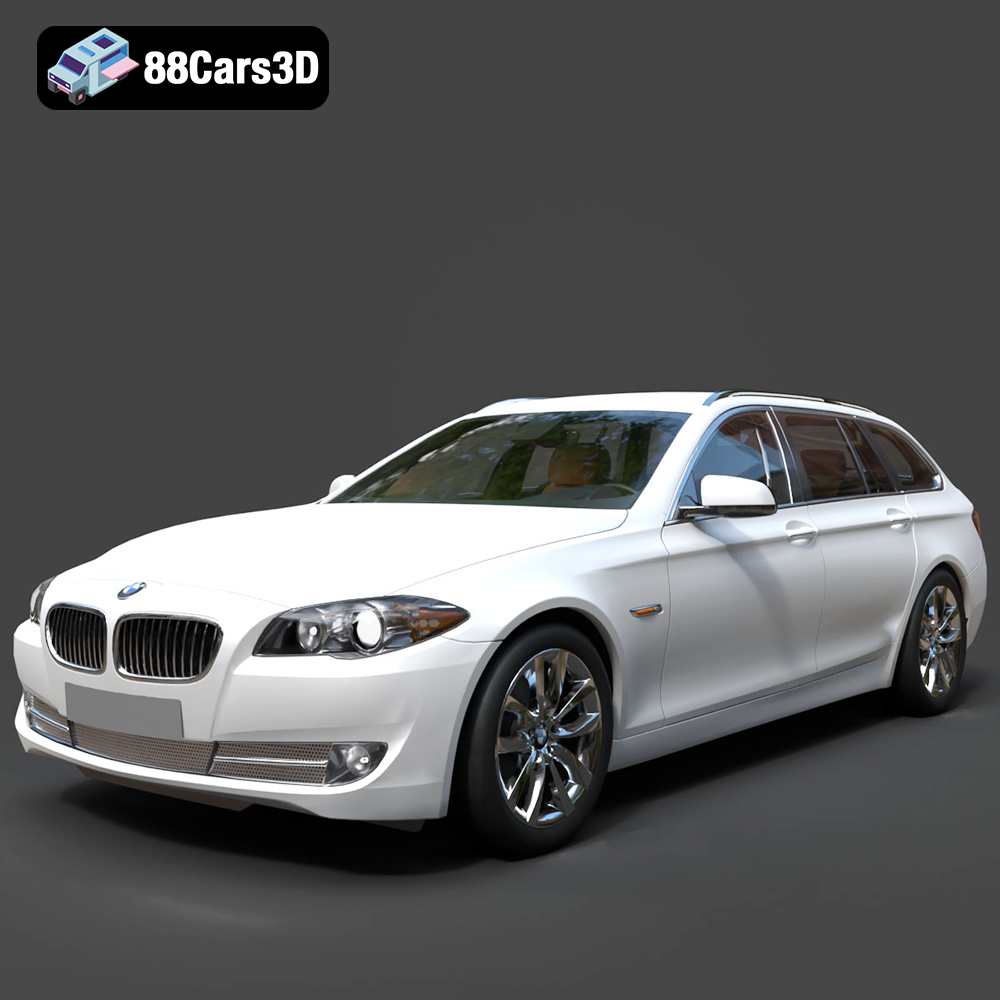
Download the BMW 5 Series Touring F11-007 3D Model featuring a detailed exterior and interior. Includes .blend, .fbx, .obj, .glb, .stl, .ply, .unreal, and .max formats for rendering, simulation, and game development.
Price: $10.79
View Product
Texture: Yes
Material: Yes
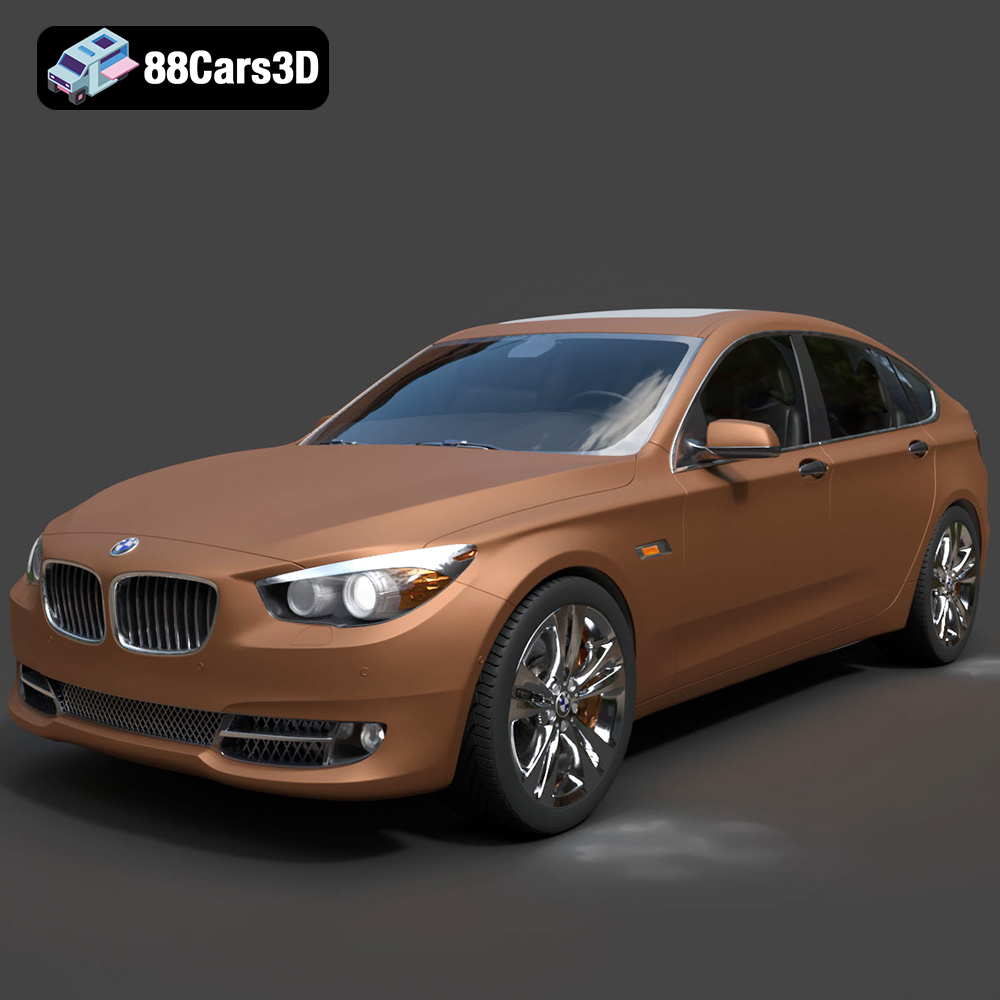
Download the BMW 5 Series Gran Turismo F07-003 3D Model featuring a detailed exterior and interior. Includes .blend, .fbx, .obj, .glb, .stl, .ply, .unreal, and .max formats for rendering, simulation, and game development.
Price: $10.79
View Product
Texture: Yes
Material: Yes
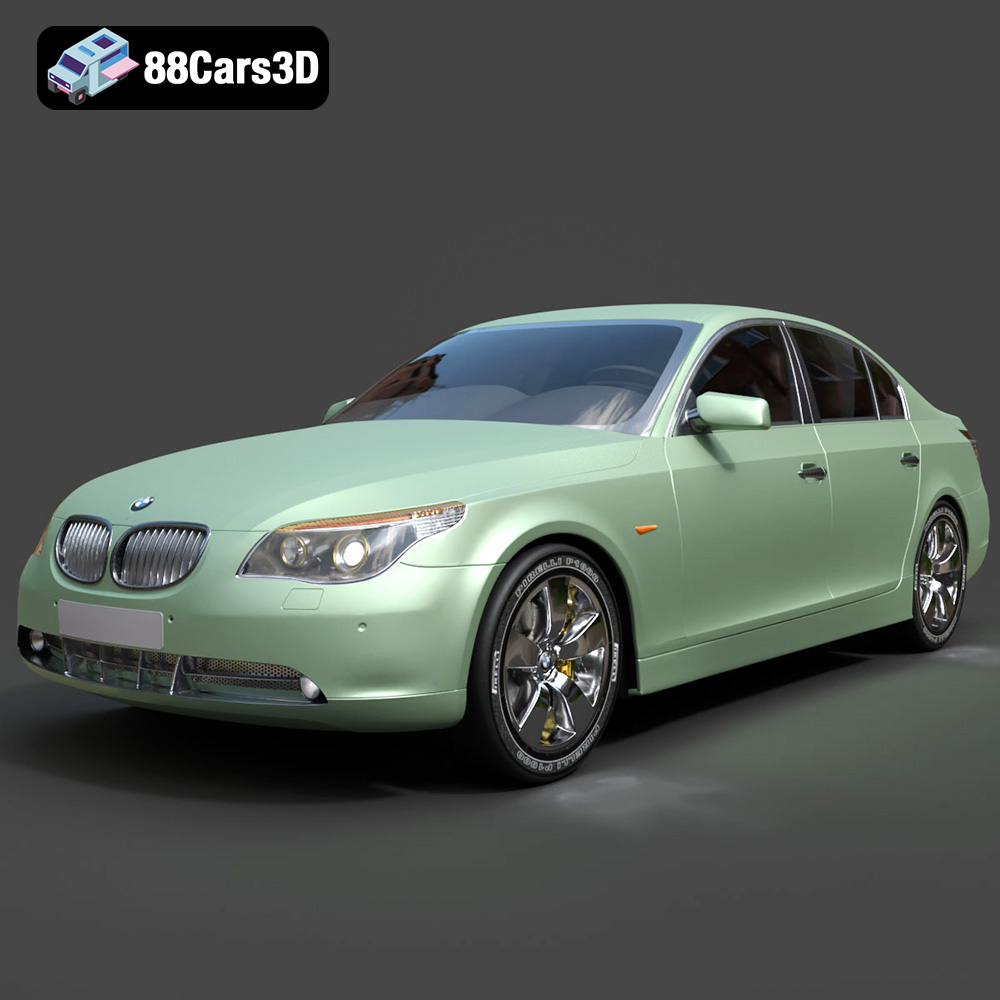
Download the BMW 5 Series E60 3D Model featuring its iconic sedan design, detailed exterior, and interior. Includes .blend, .fbx, .obj, .glb, .stl, .ply, .unreal, and .max formats for rendering, simulation, and game development.
Price: $10.79
View Product

Texture: Yes
Material: Yes
Download the BMW 5 E34-535i 3D Model featuring an iconic design, detailed exterior and interior, and accurate representation. Includes .blend, .fbx, .obj, .glb, .stl, .ply, .unreal, and .max formats for rendering, simulation, and game development.
Price: $10.79
View Product
Texture: Yes
Material: Yes
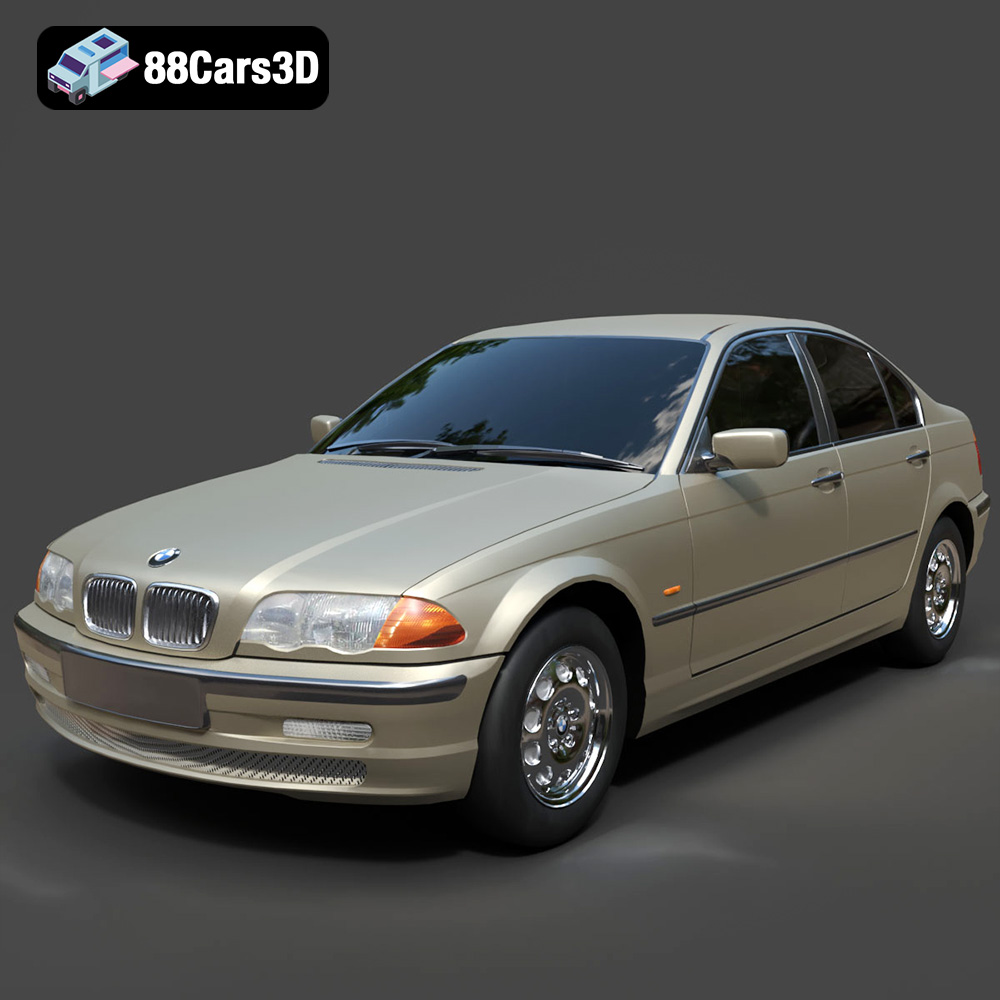
Download the BMW 3 Series E46 3D Model featuring authentic exterior lines, a detailed interior, and separated components for animation. Includes .blend, .fbx, .obj, .glb, .stl, .ply, .unreal, and .max formats for rendering, simulation, and game development.
Price: $10.79
View Product
Texture: Yes
Material: Yes
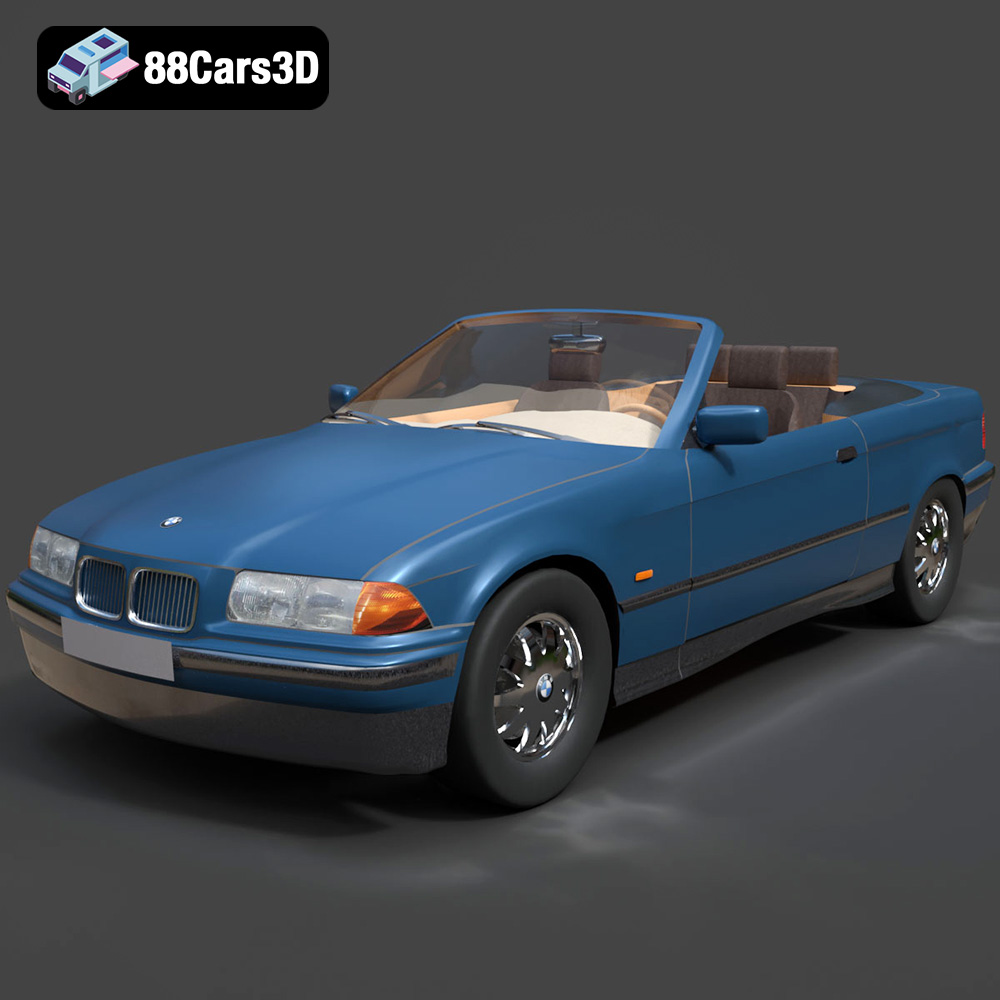
Download the BMW 3 Series E36 Cabrio 325i 1998 3D Model featuring a classic convertible design and detailed interior. Includes .blend, .fbx, .obj, .glb, .stl, .ply, .unreal, and .max formats for rendering, simulation, and game development.
Price: $10.79
View Product
Texture: Yes
Material: Yes
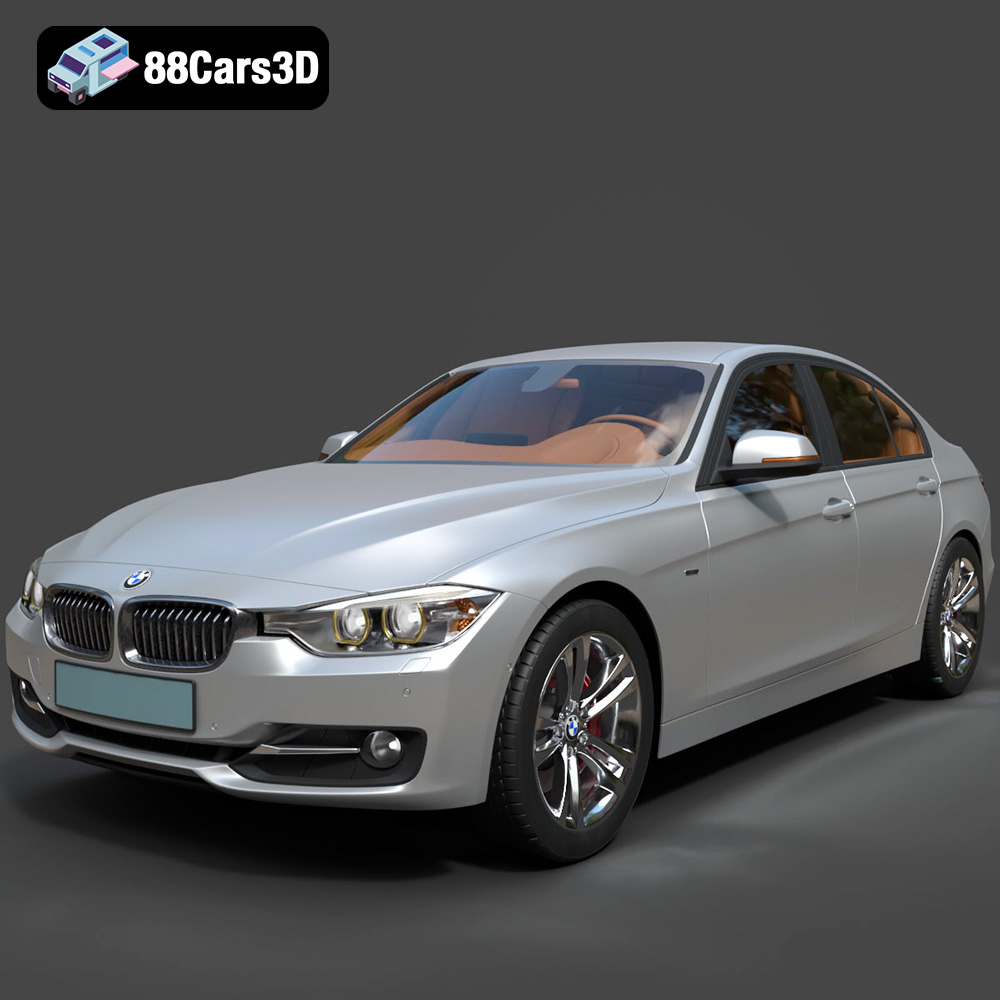
Download the BMW 3 F30 3D Model featuring a detailed exterior, realistic interior, and optimized mesh. Includes .blend, .fbx, .obj, .glb, .stl, .ply, .unreal, and .max formats for rendering, simulation, and game development.
Price: $10.79
View Product


